



Wall Mirrors

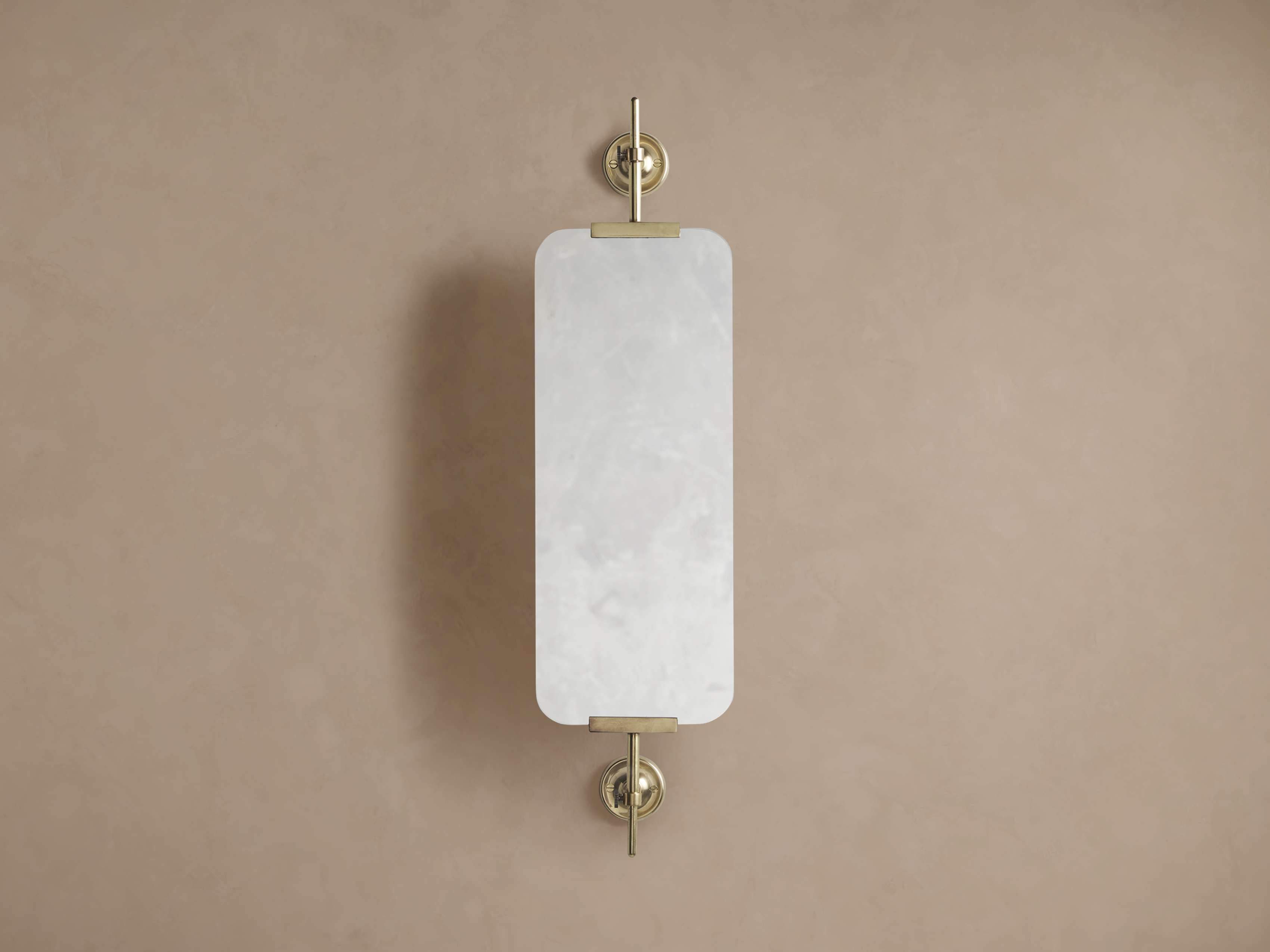
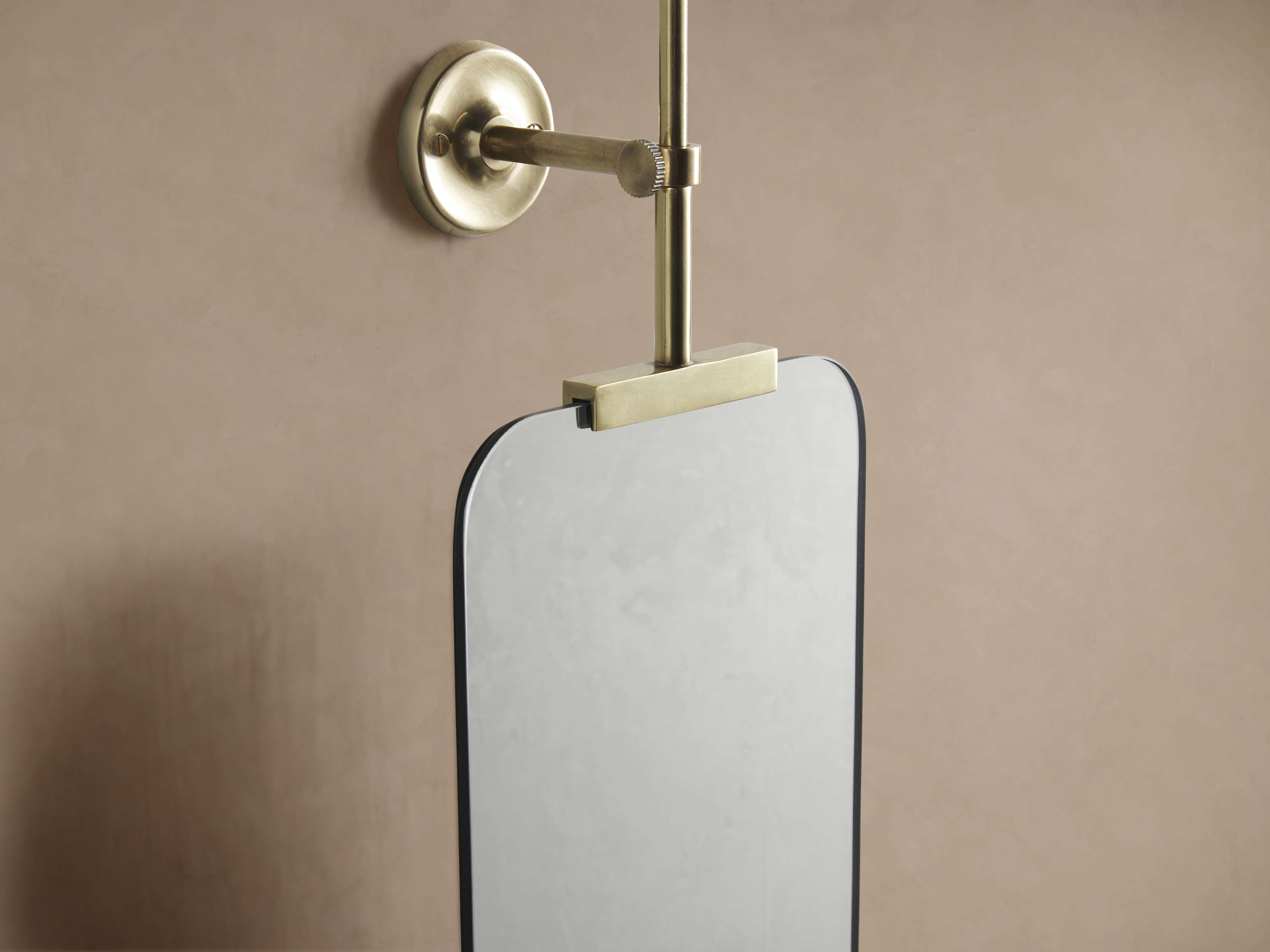
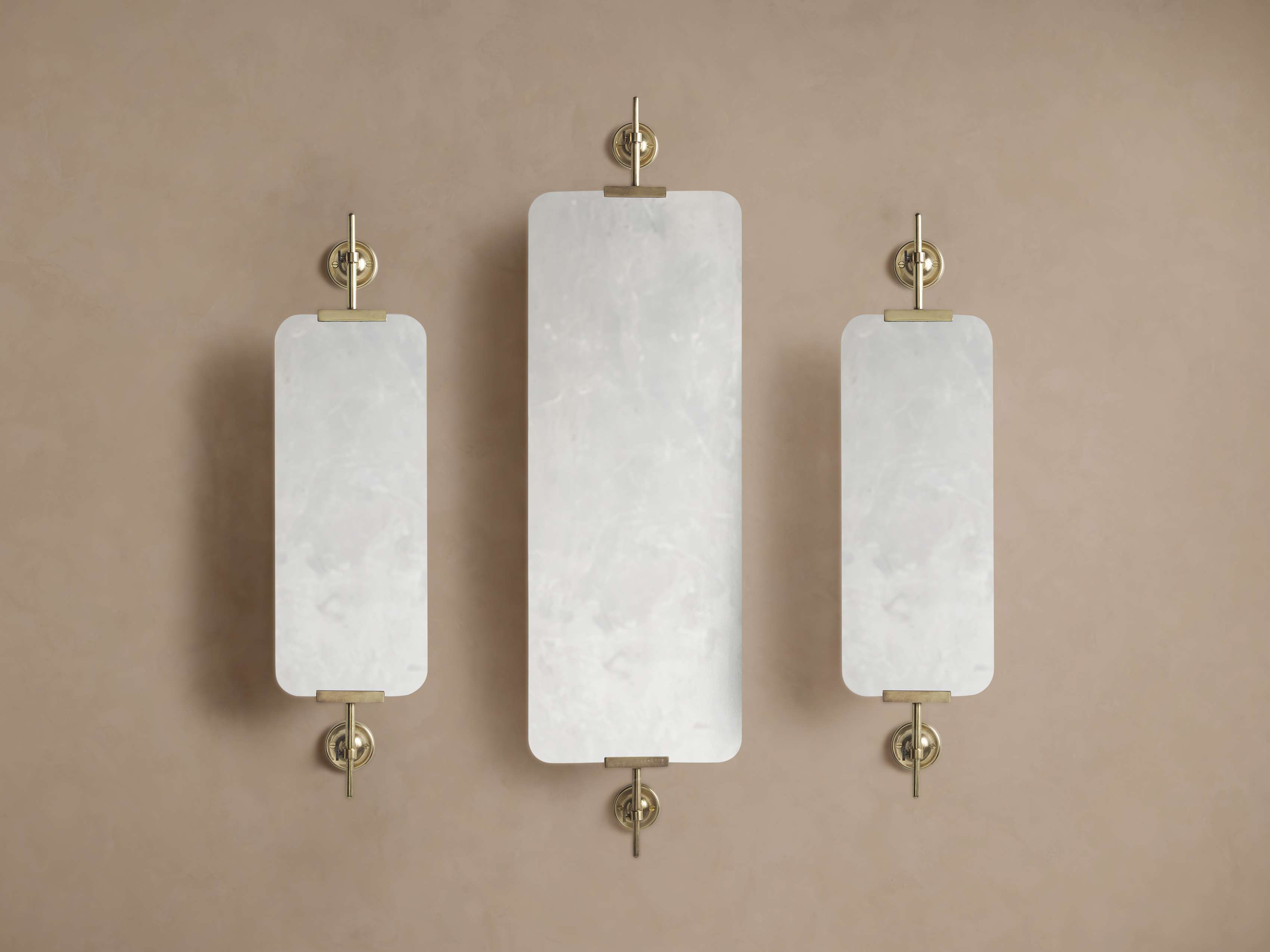
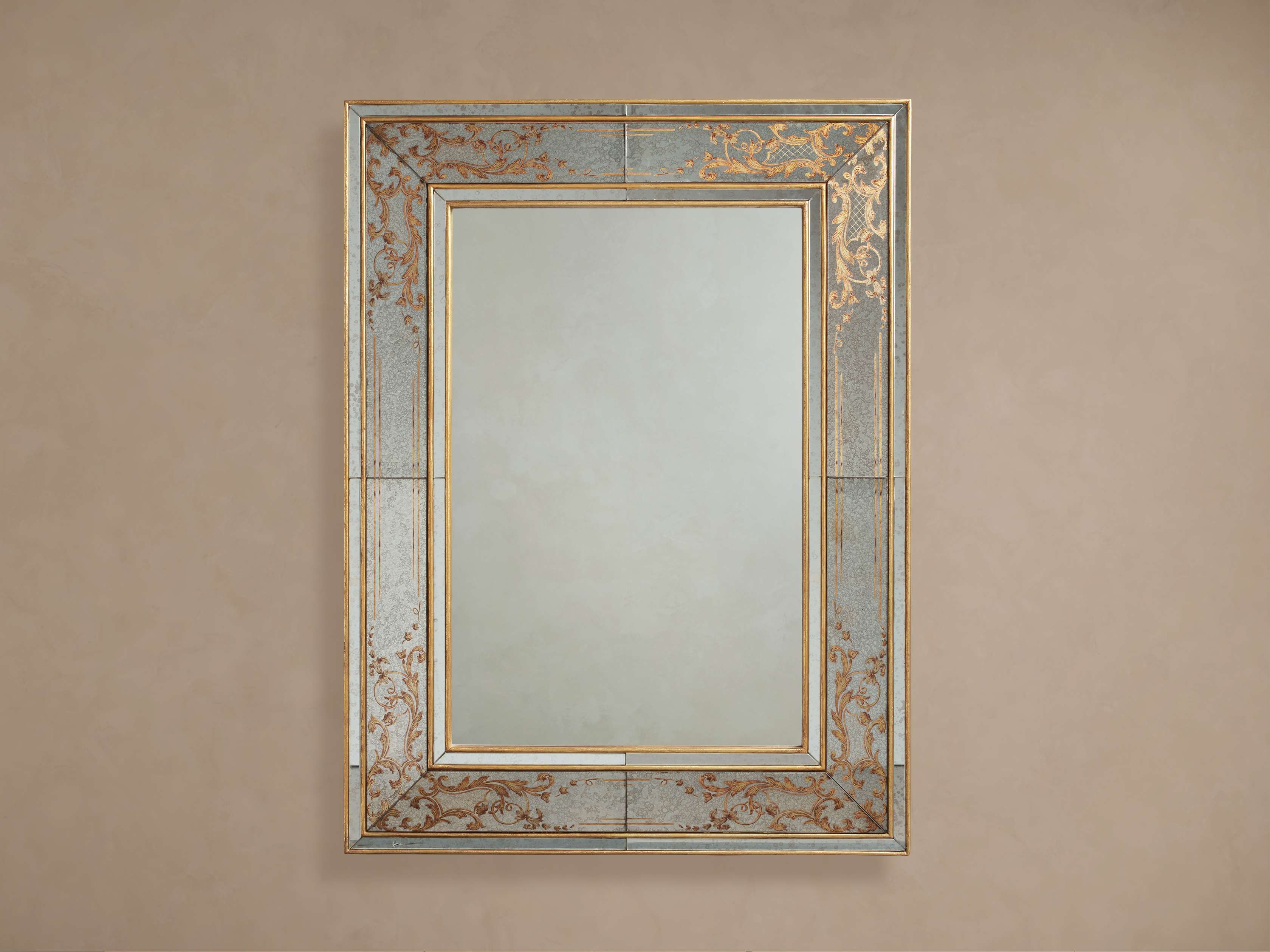
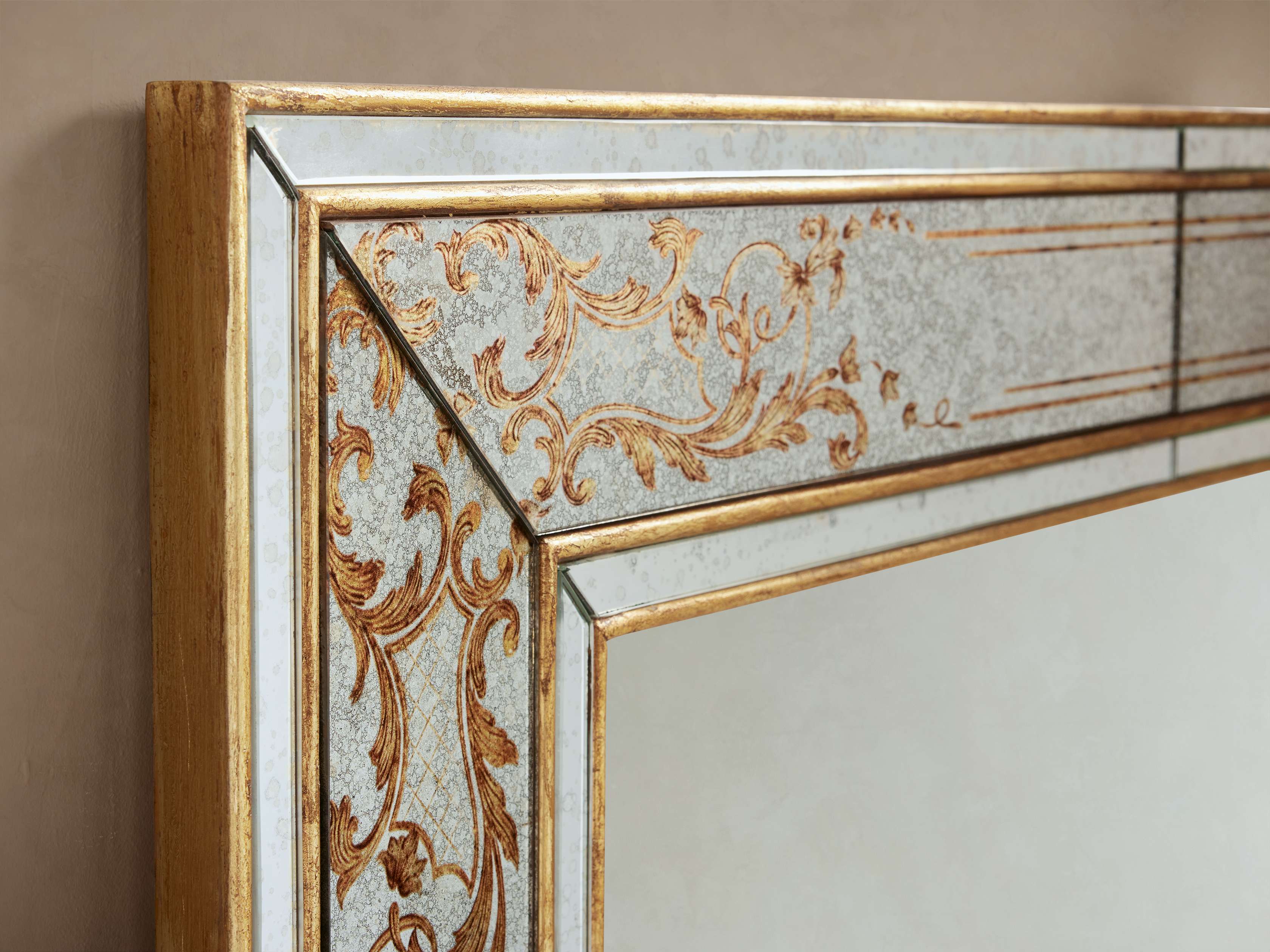
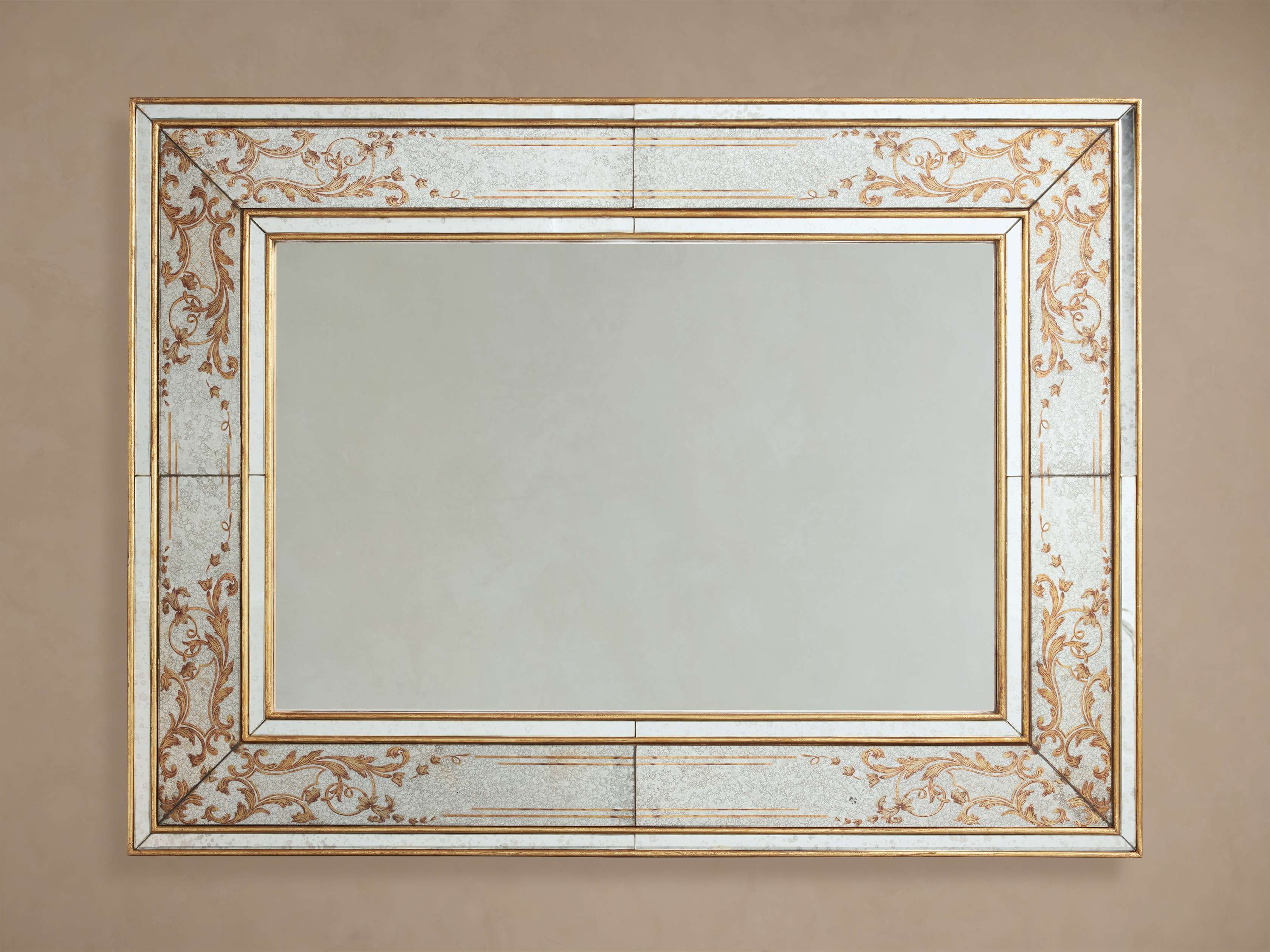
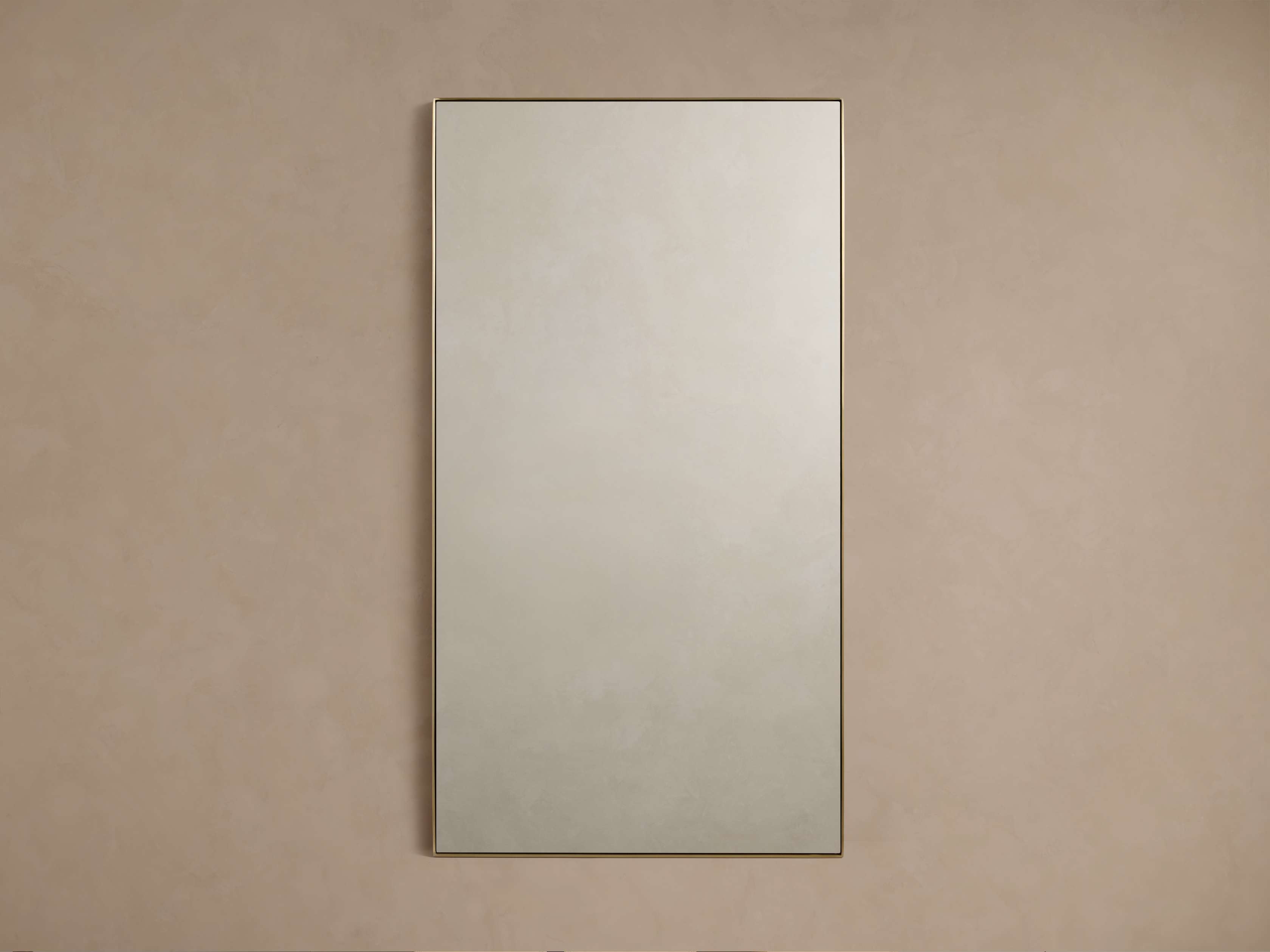
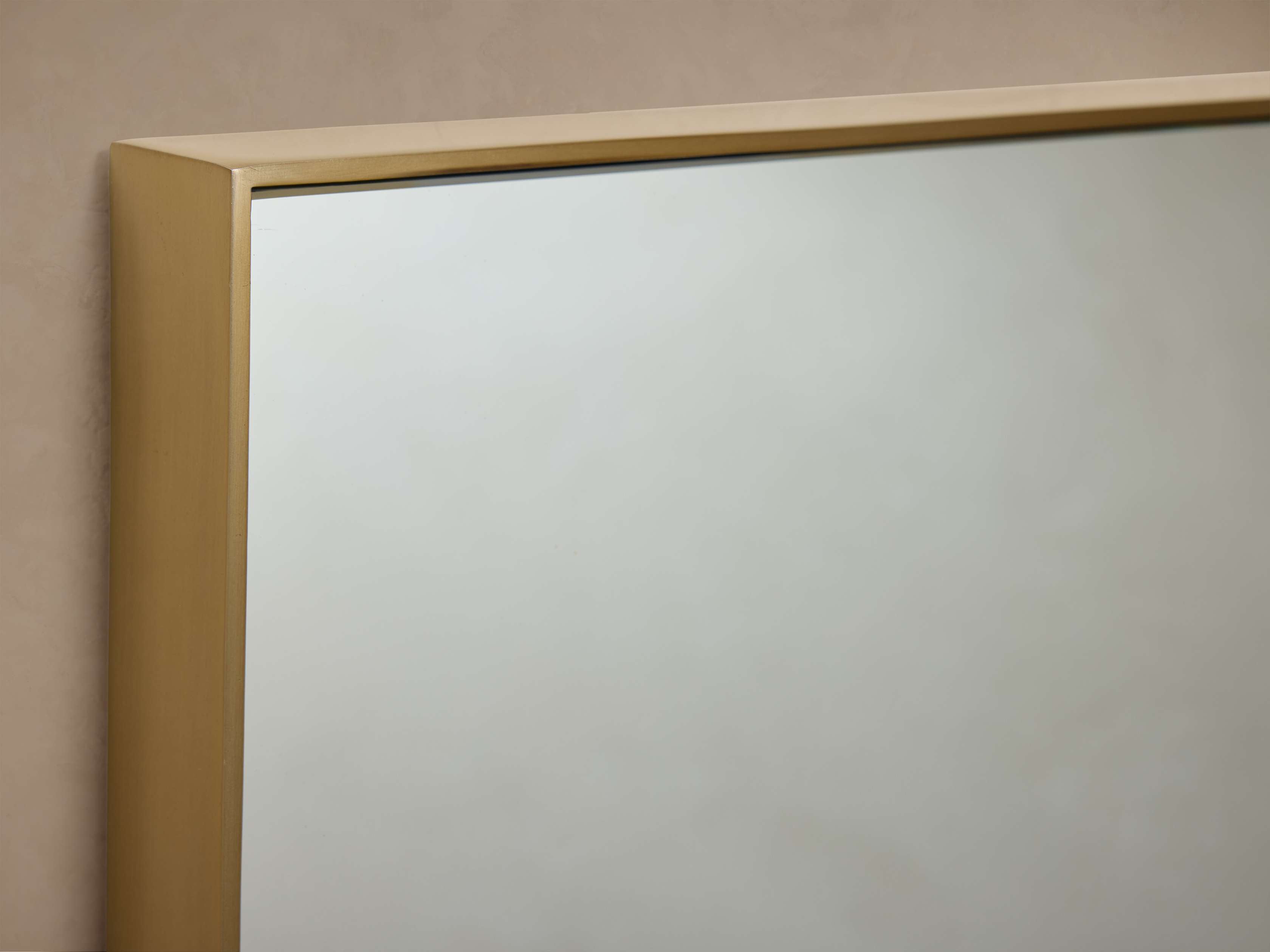
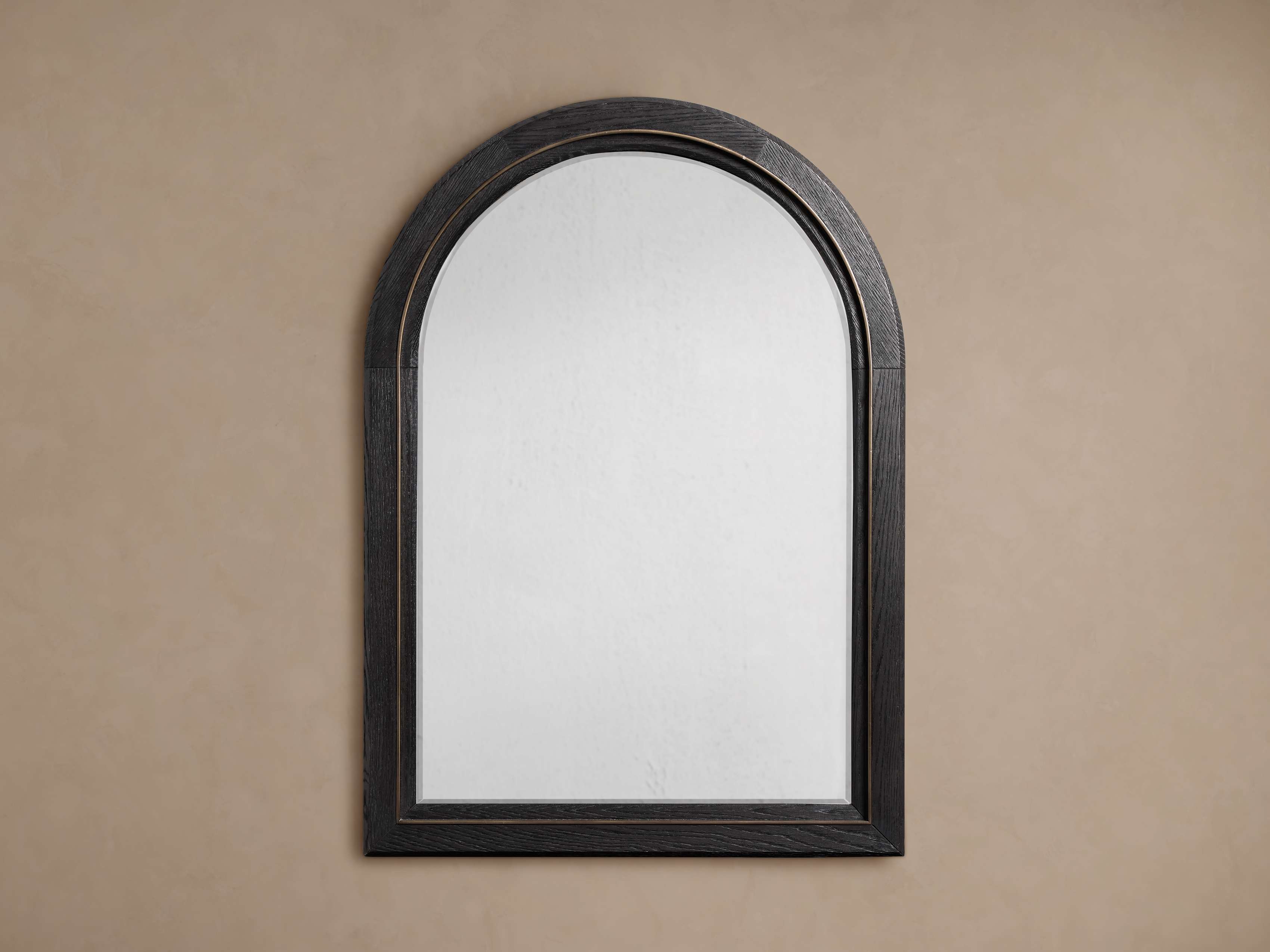
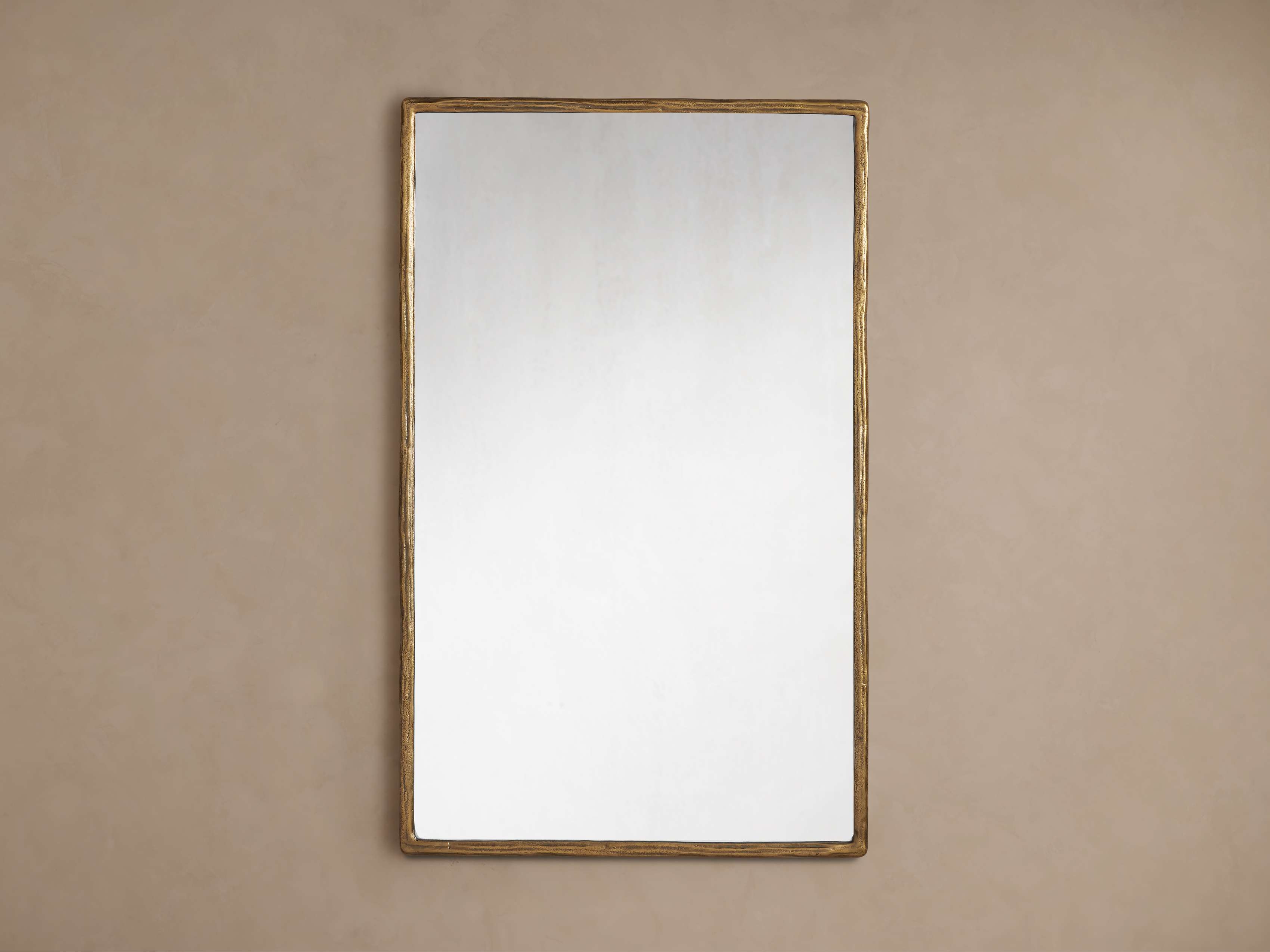

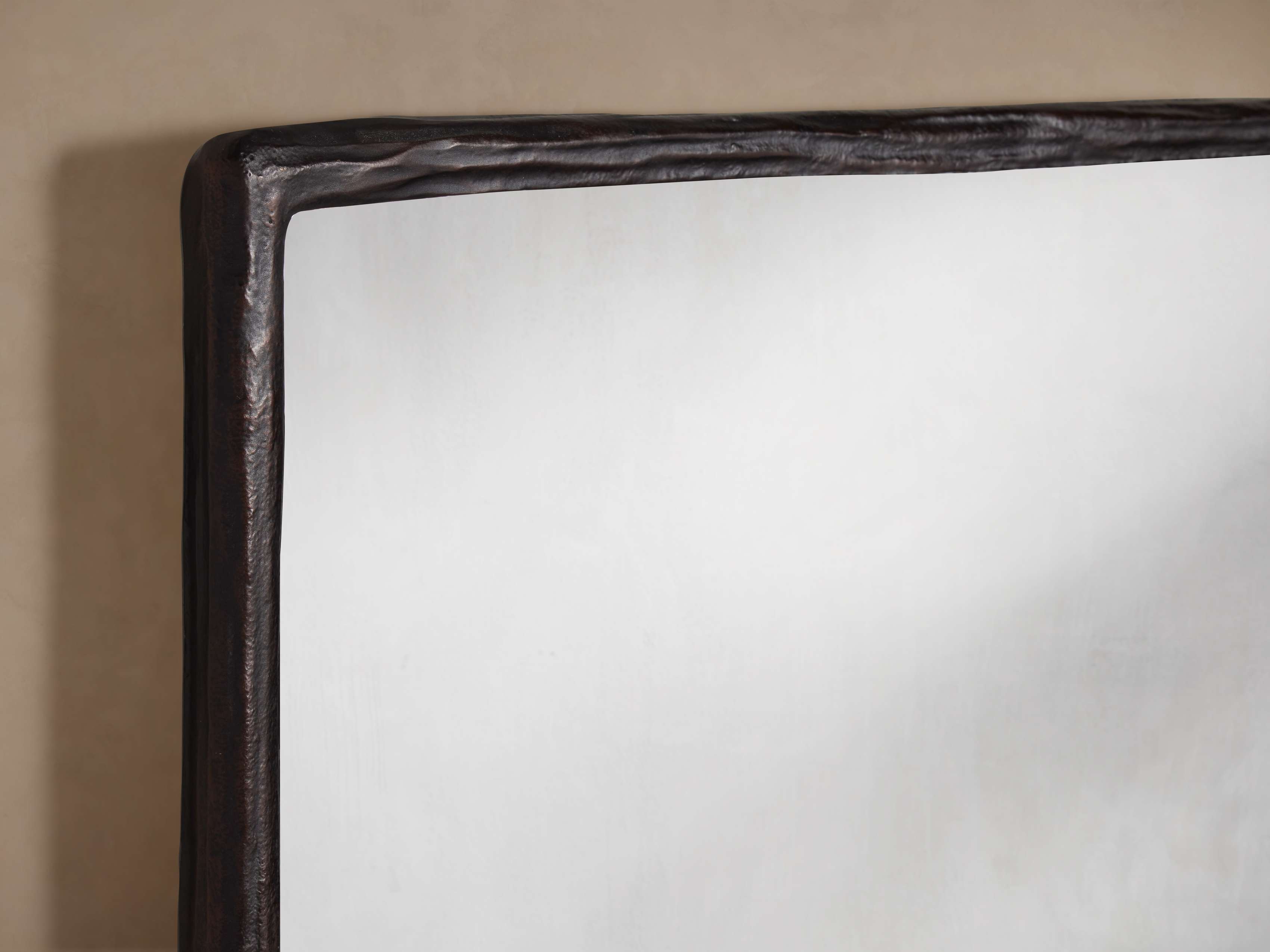


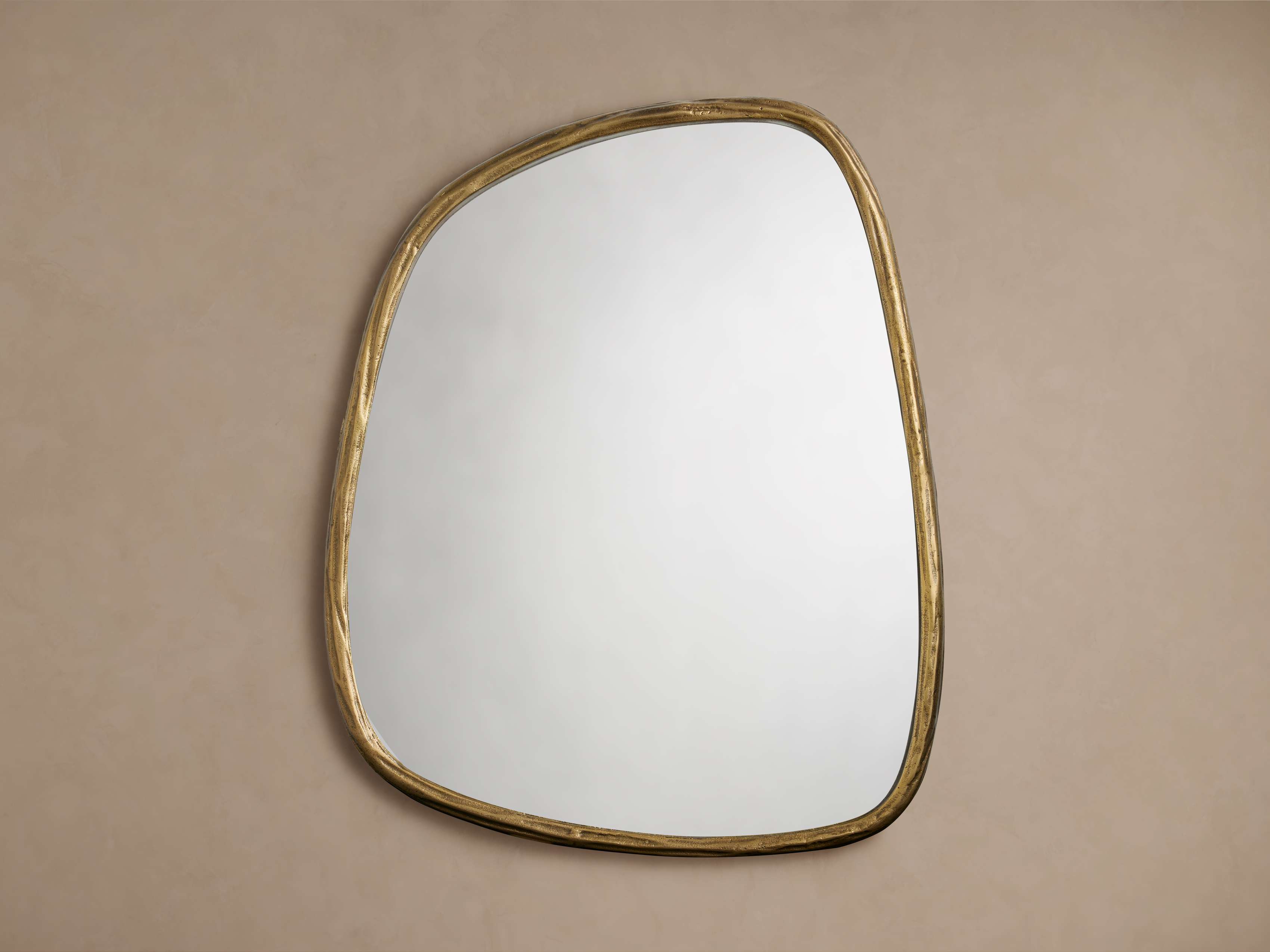

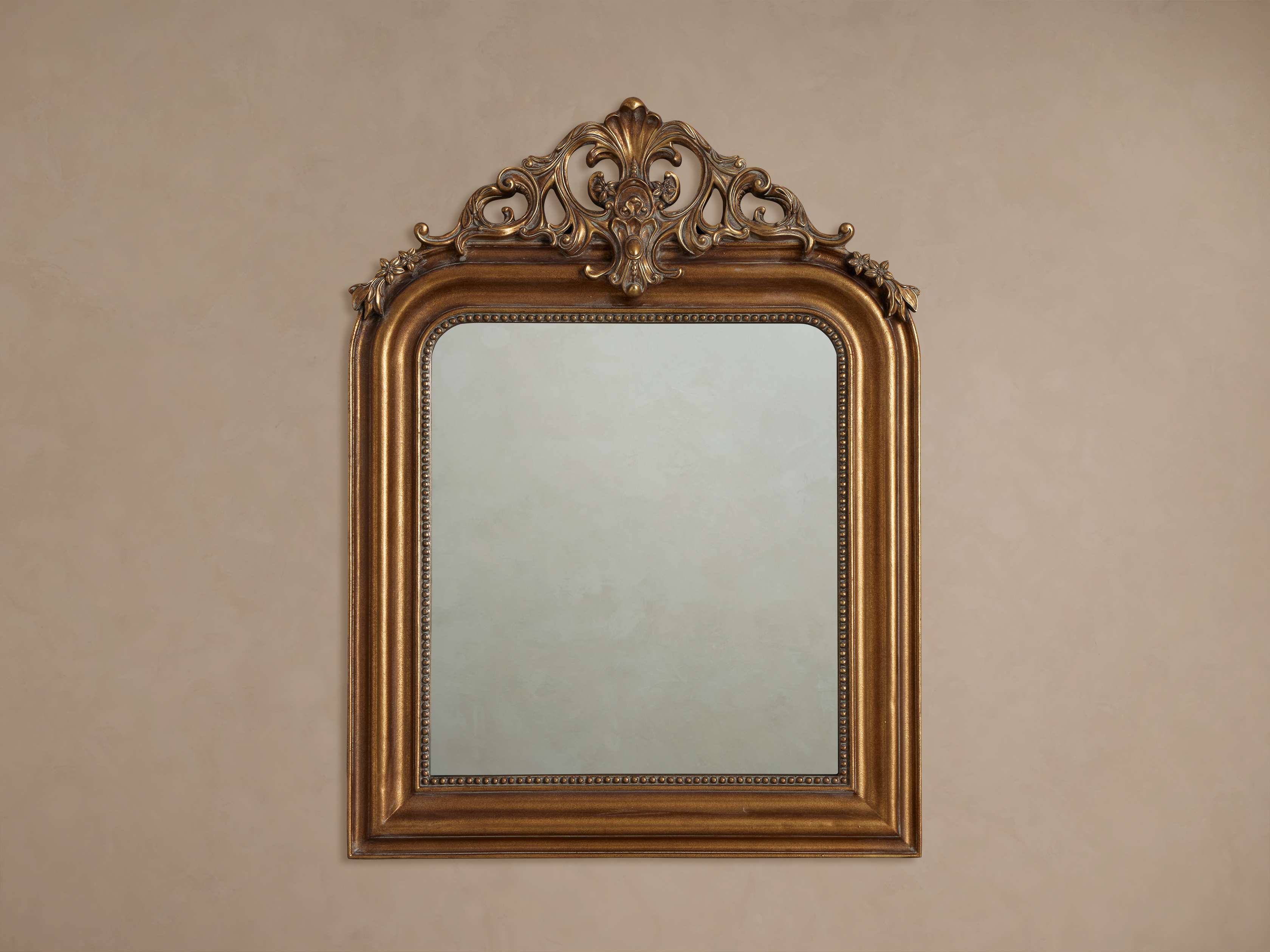
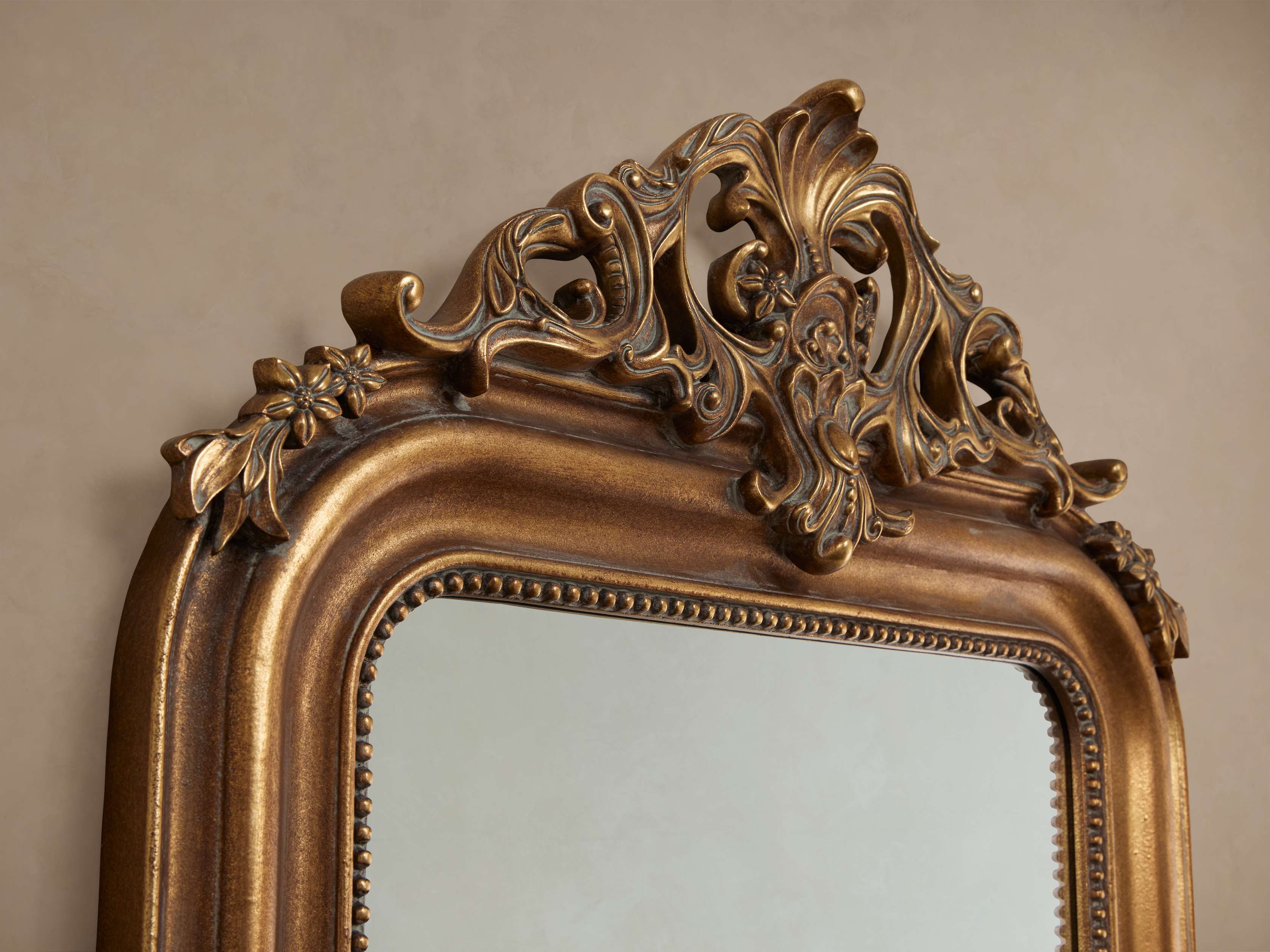
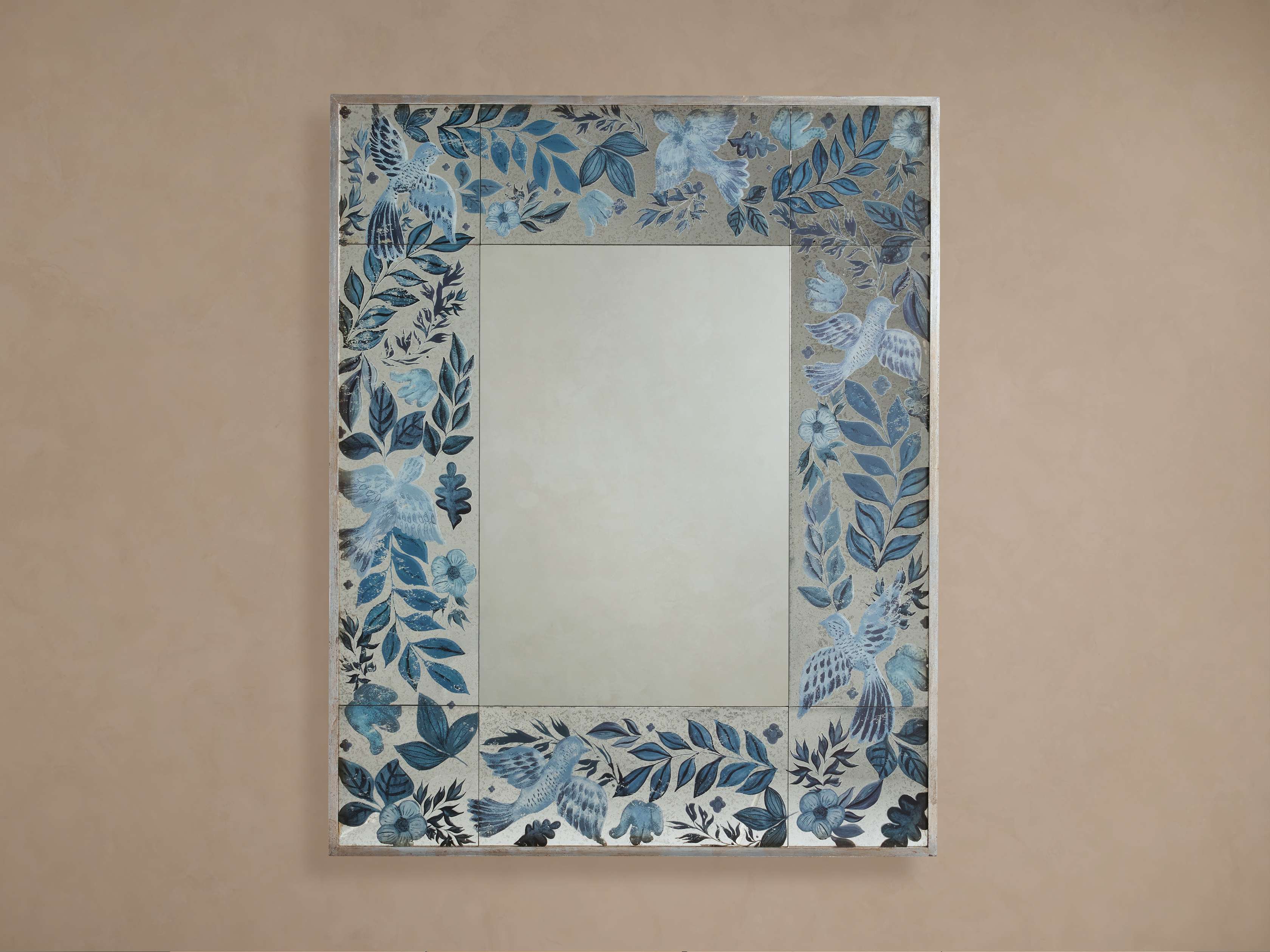
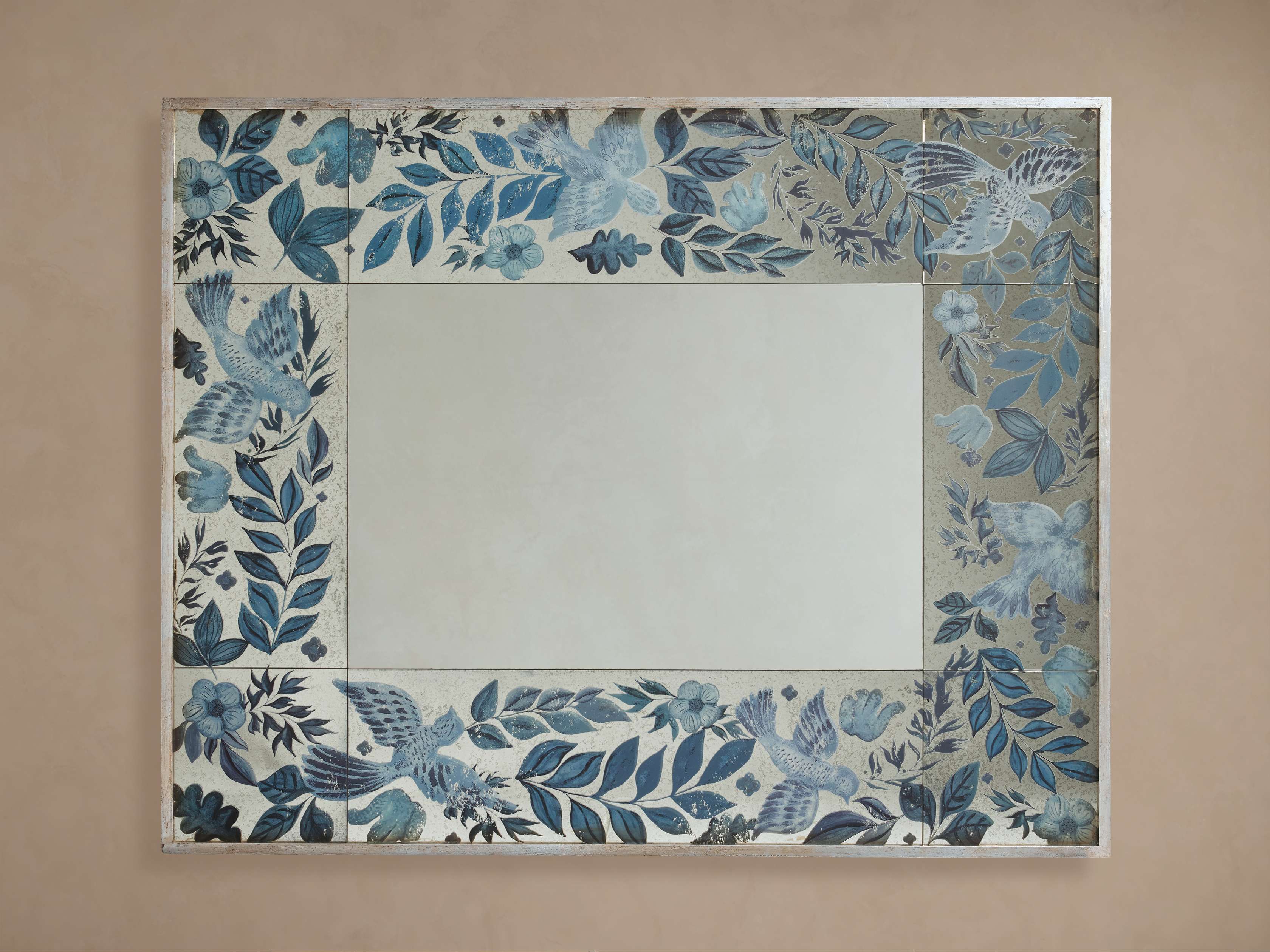
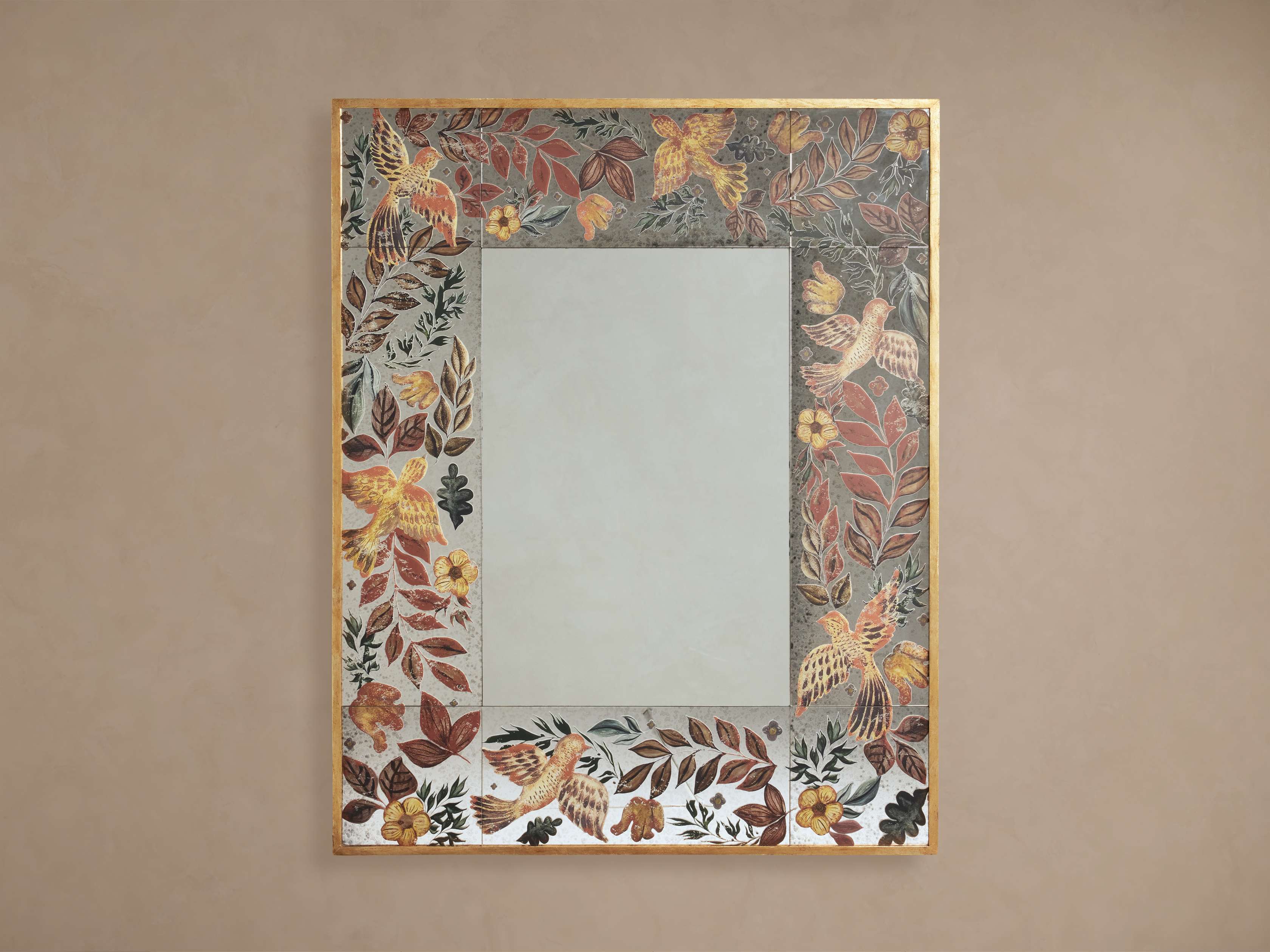
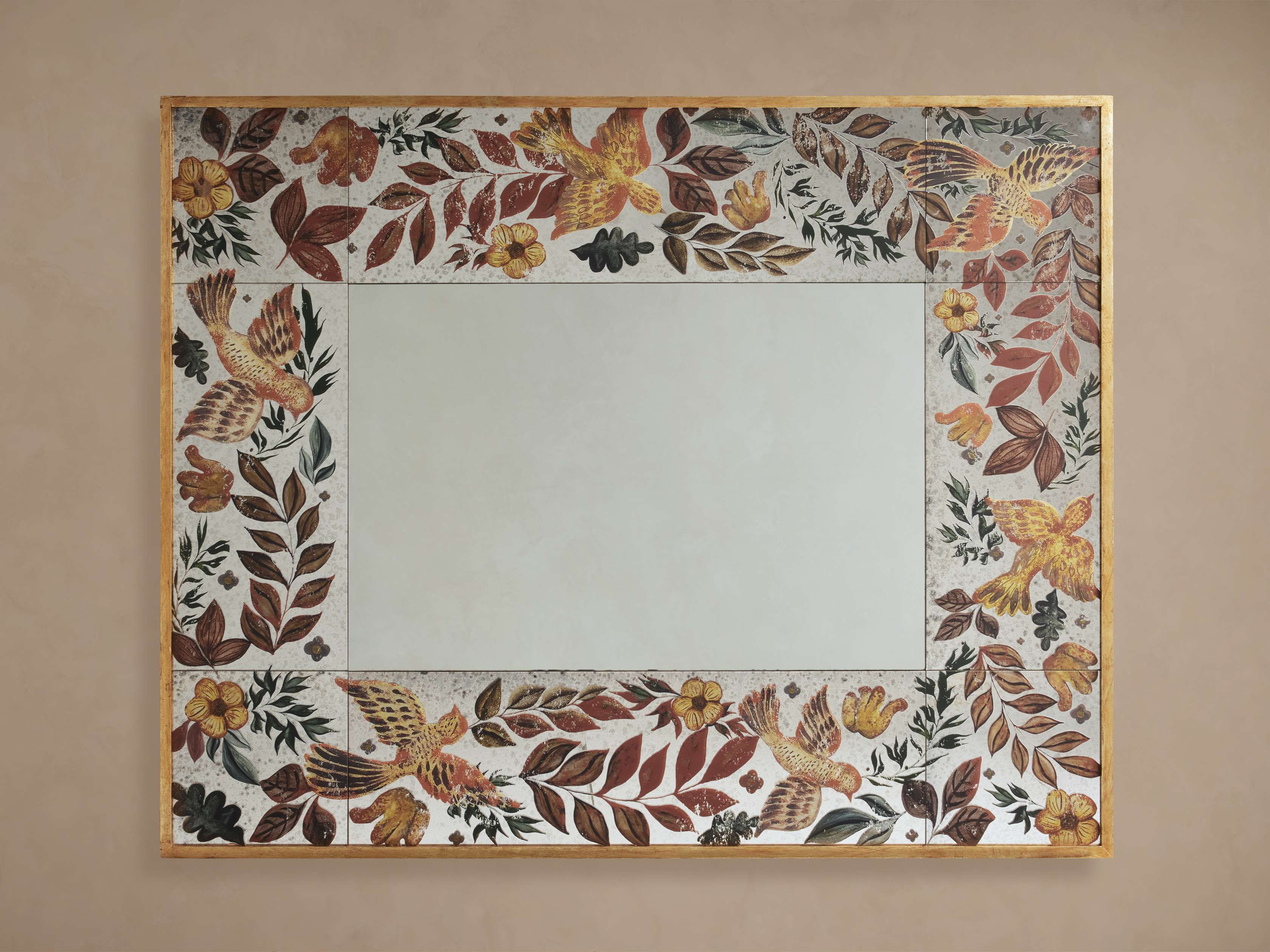


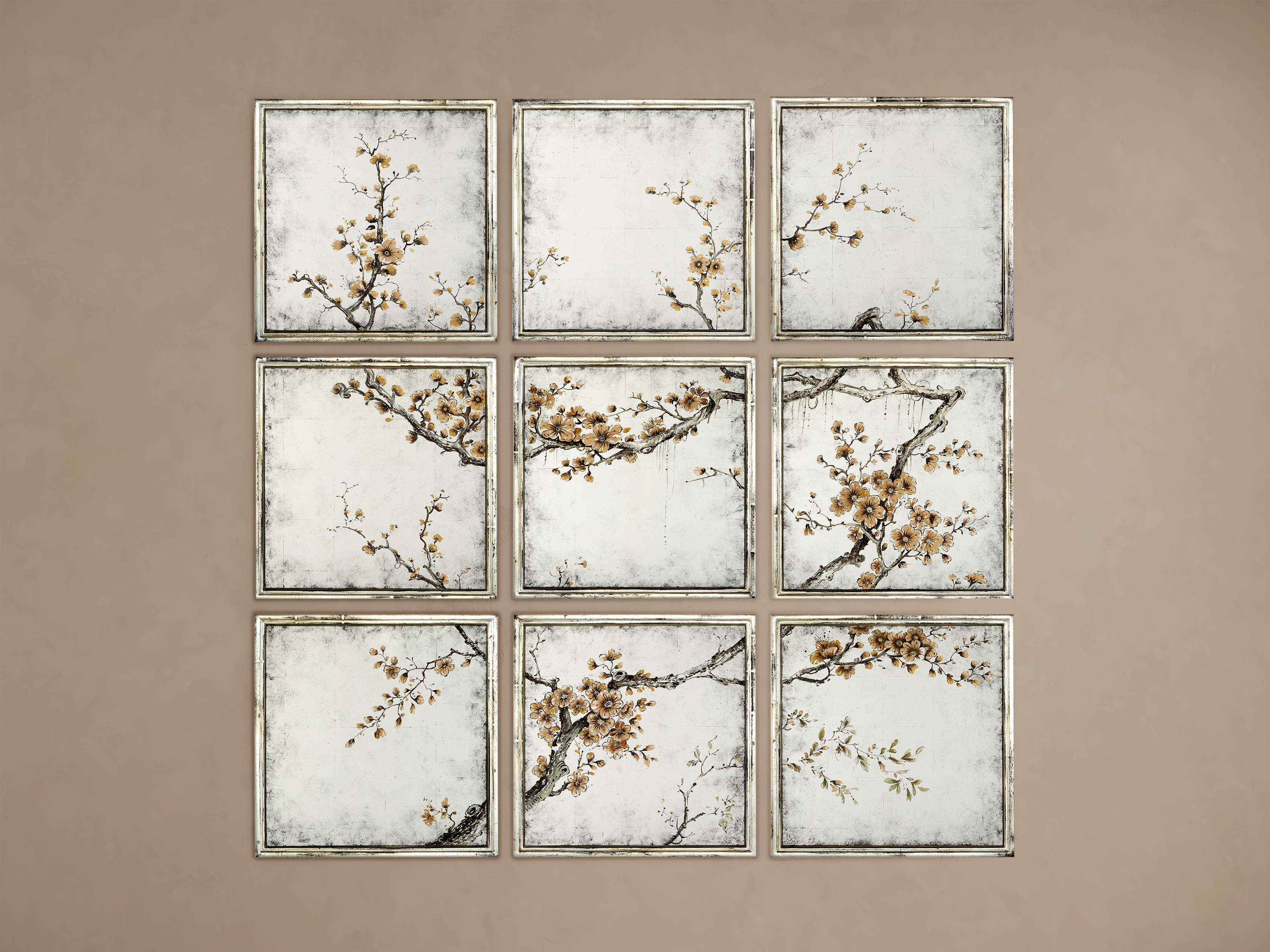
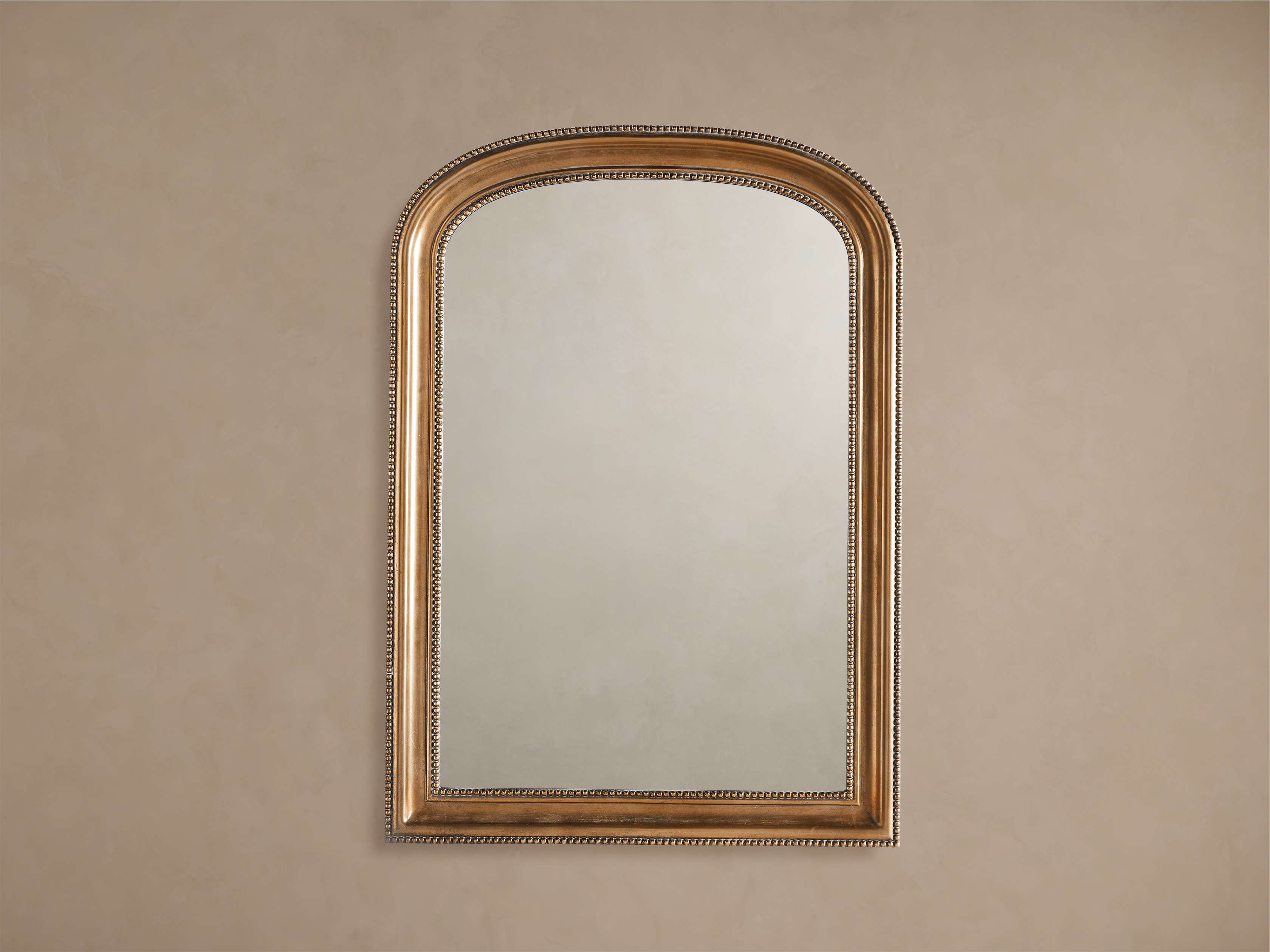
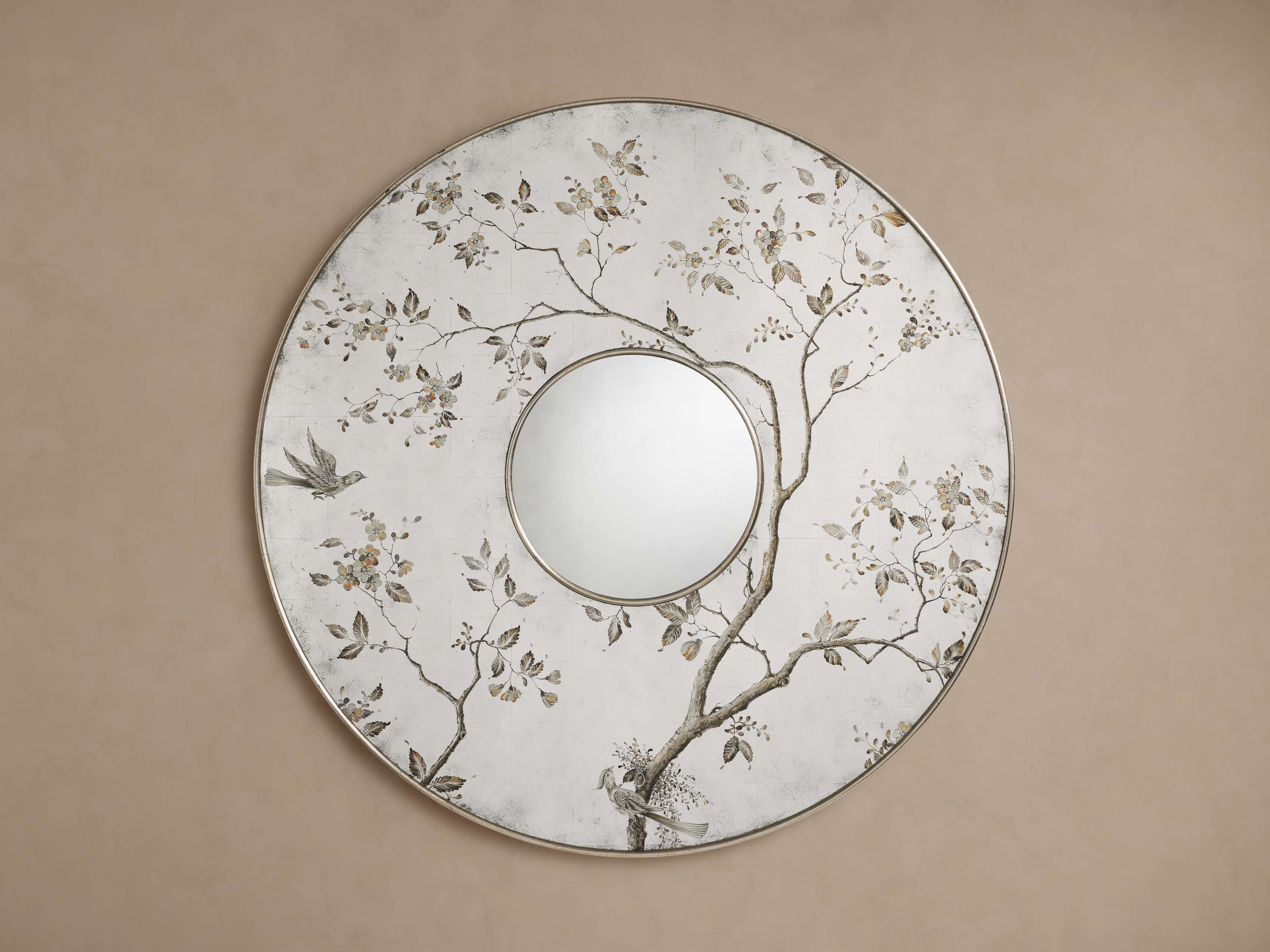

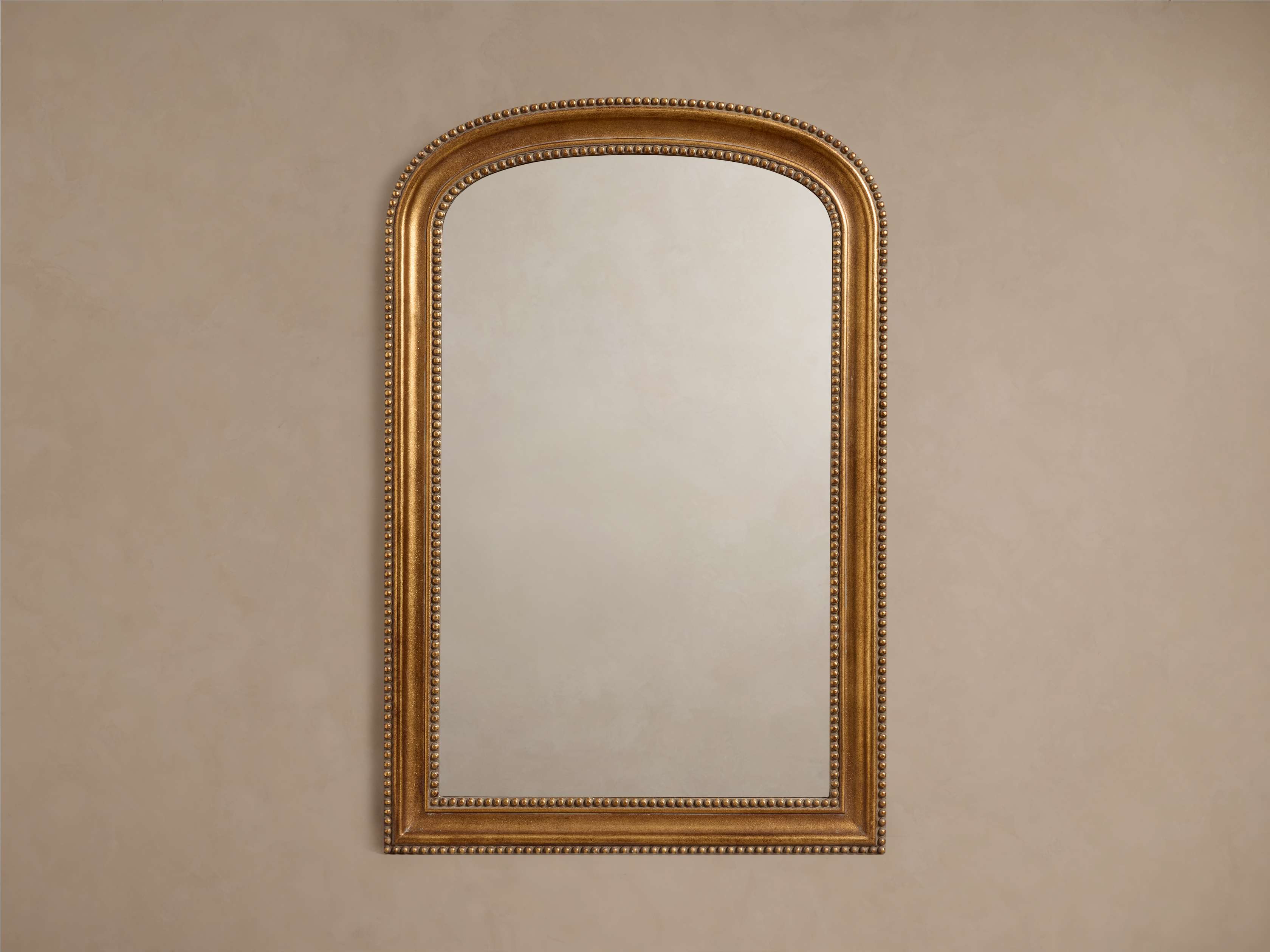
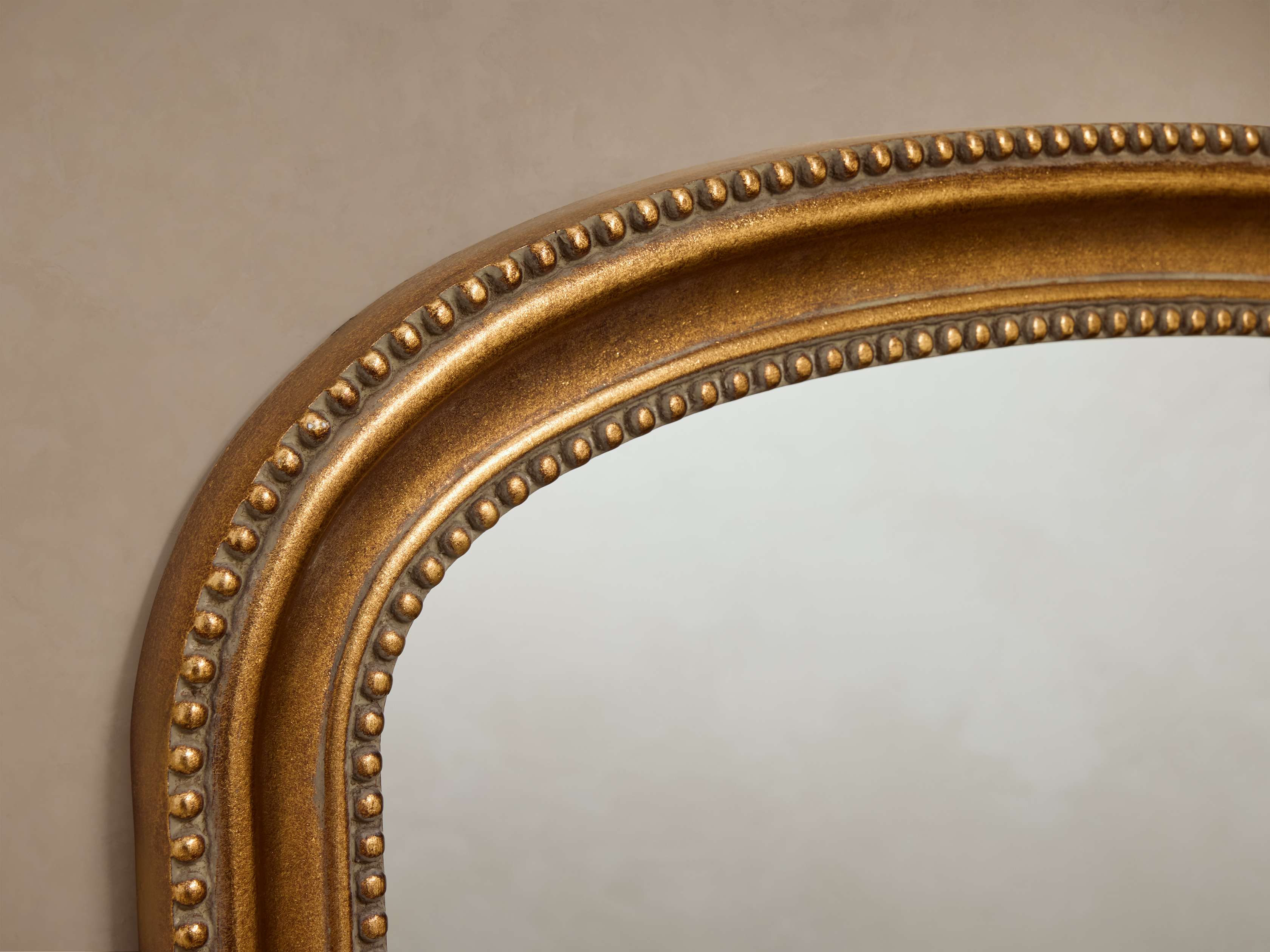


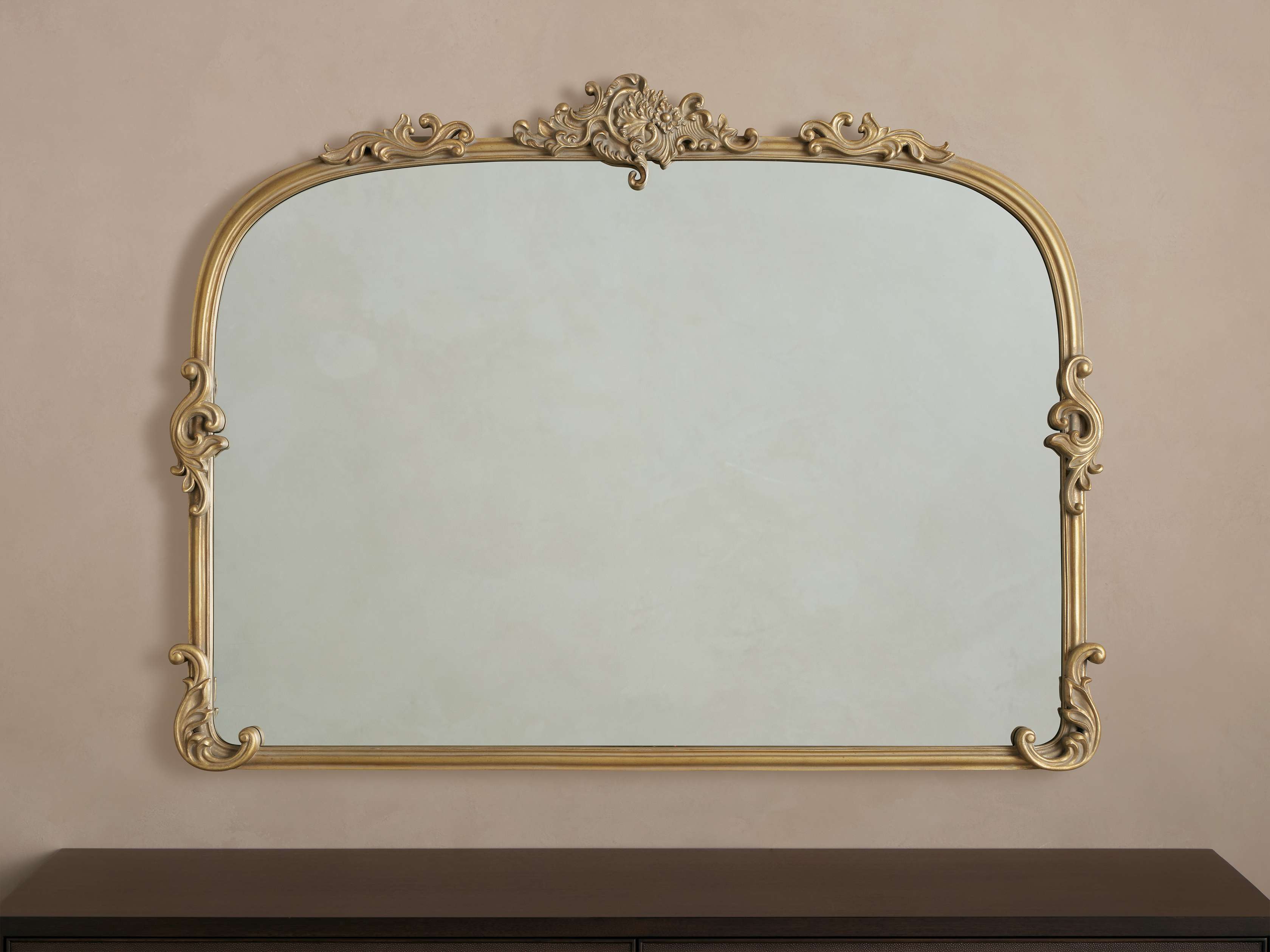

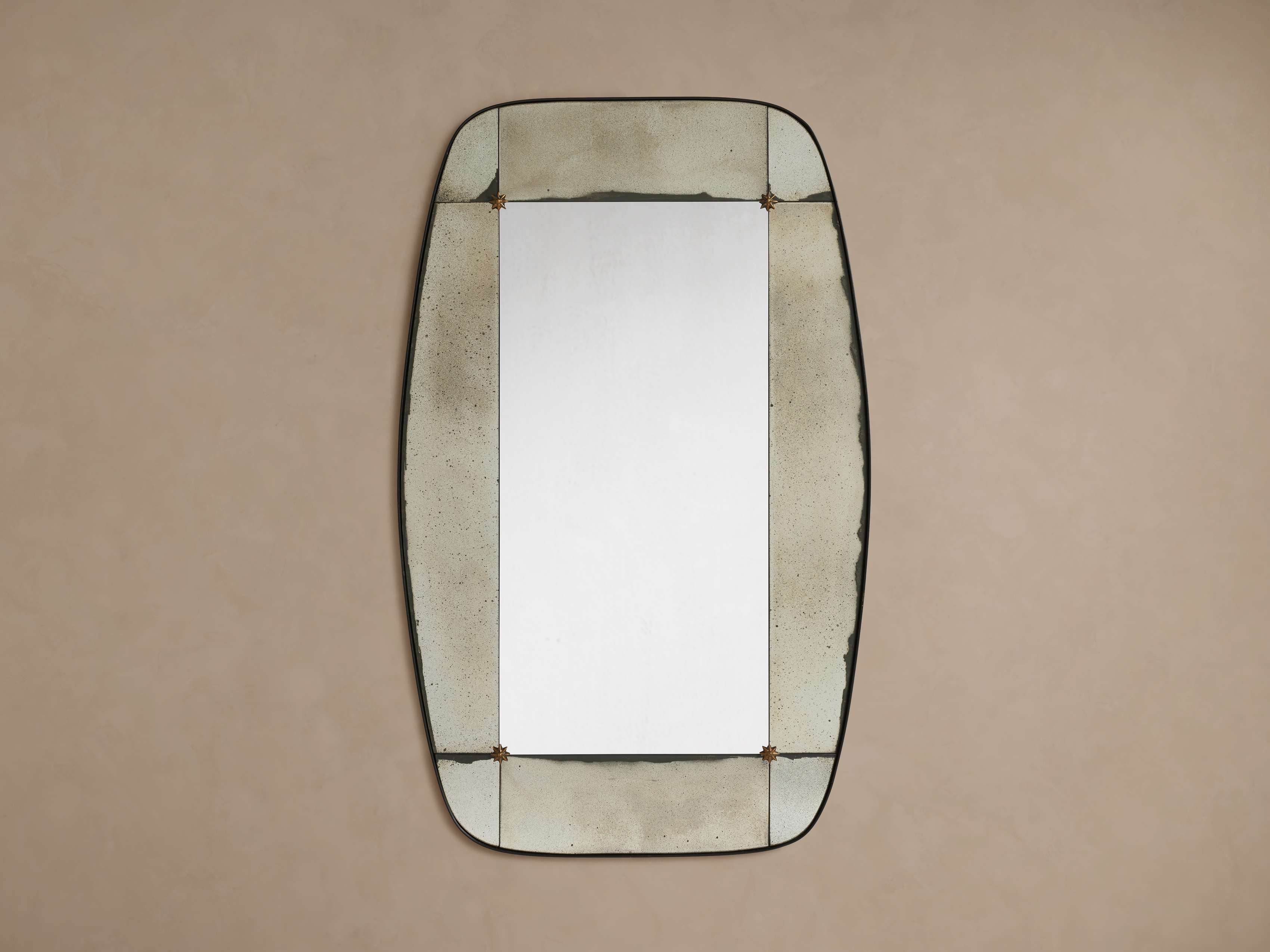
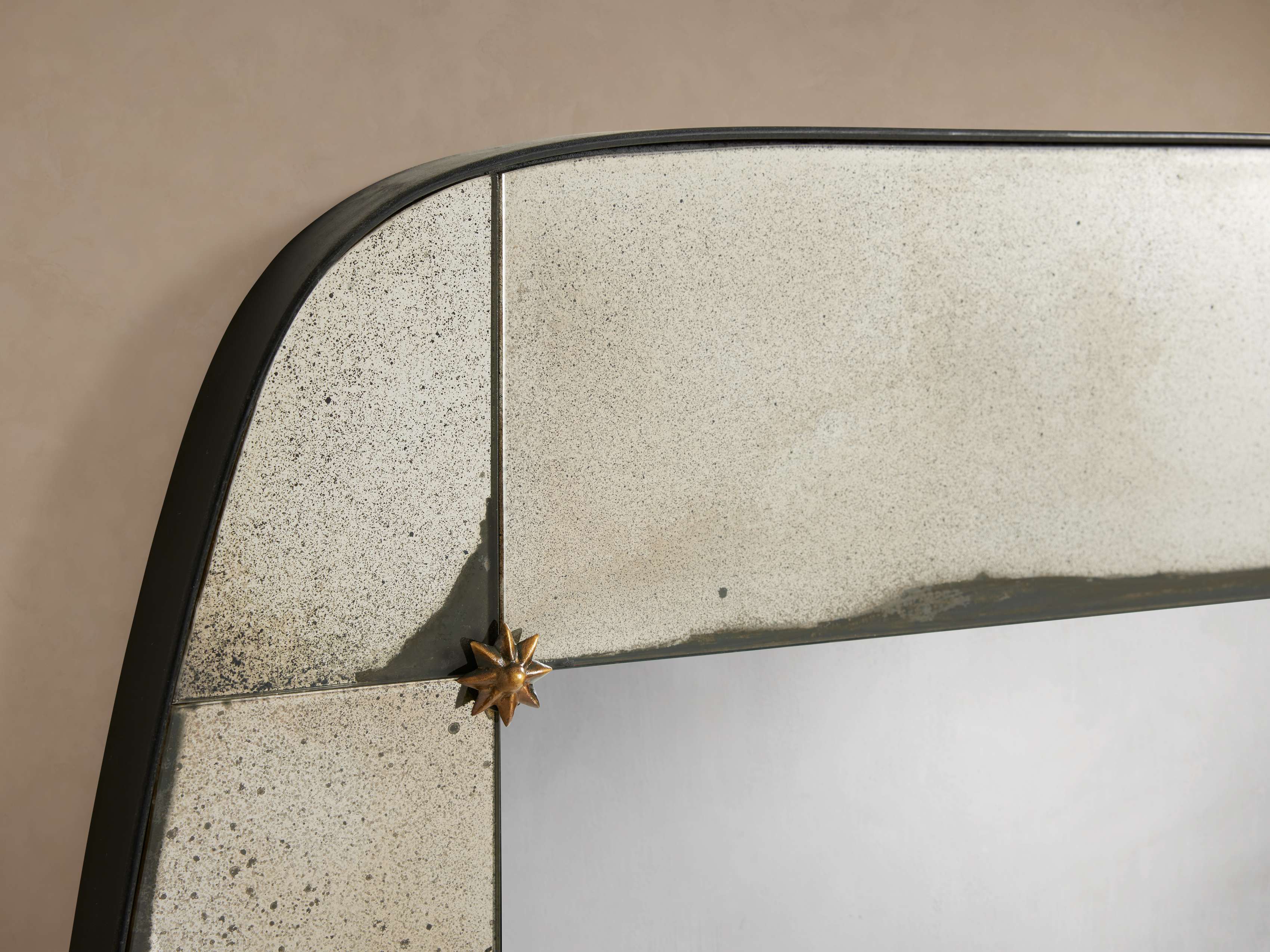
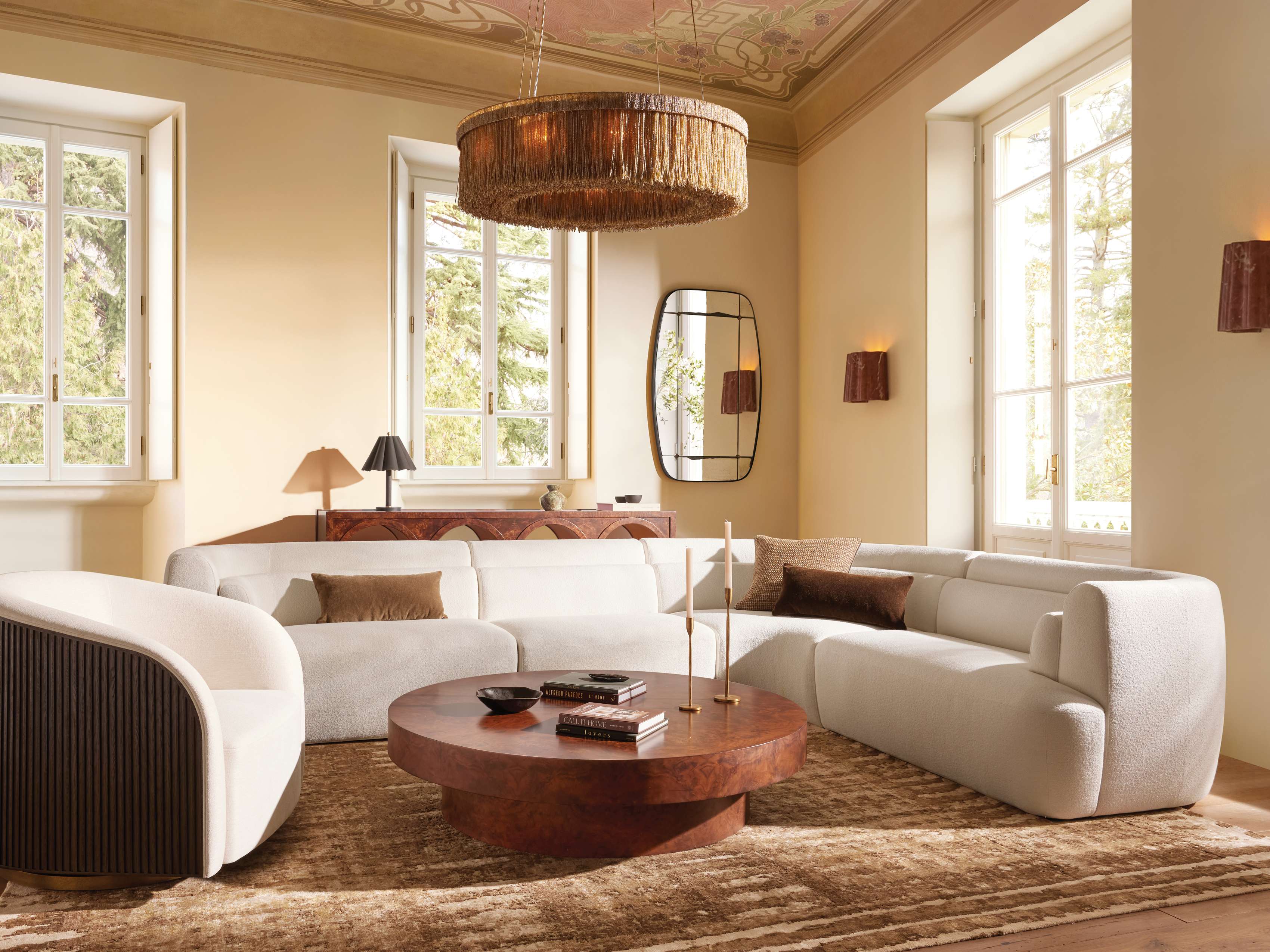
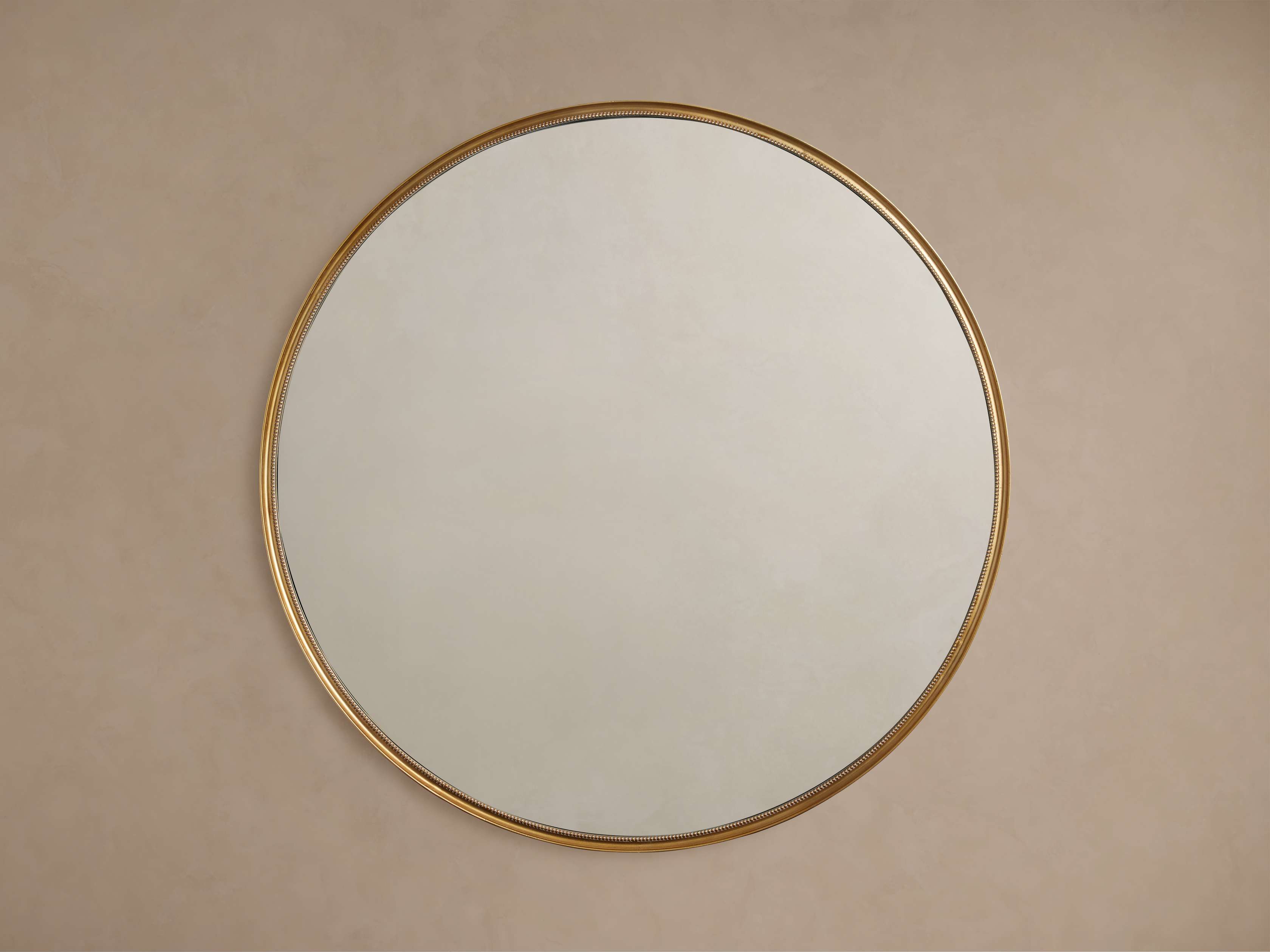
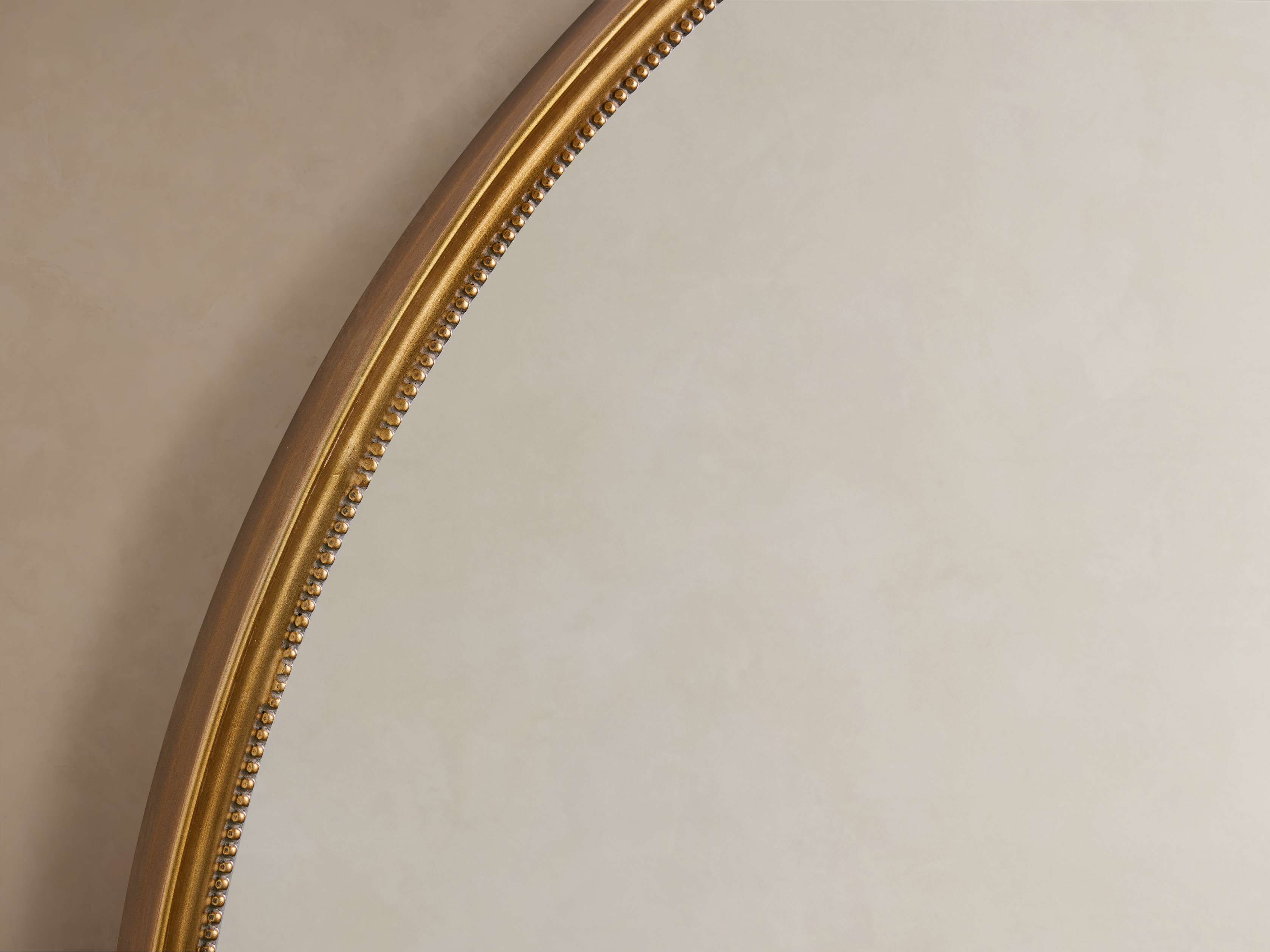
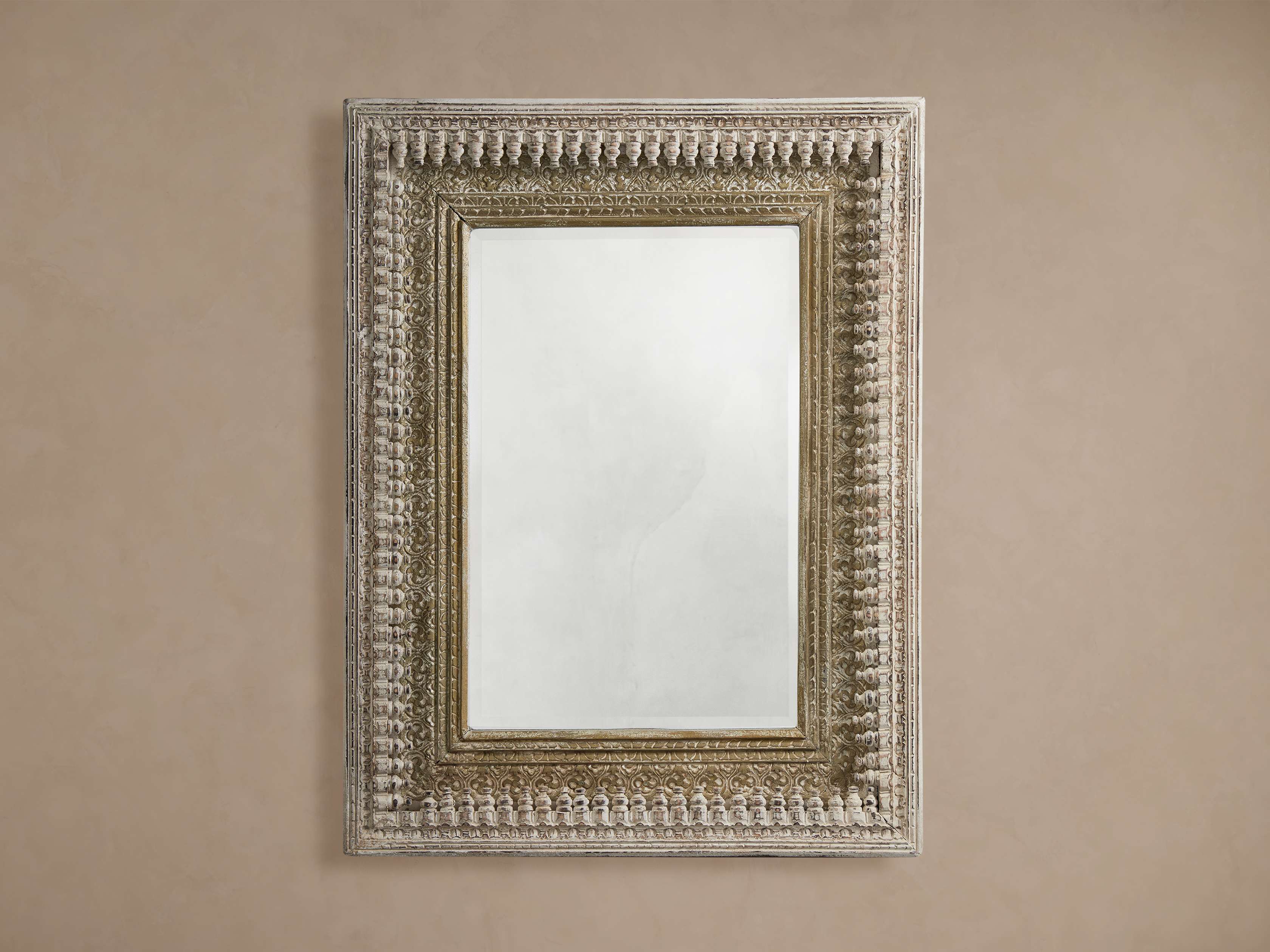
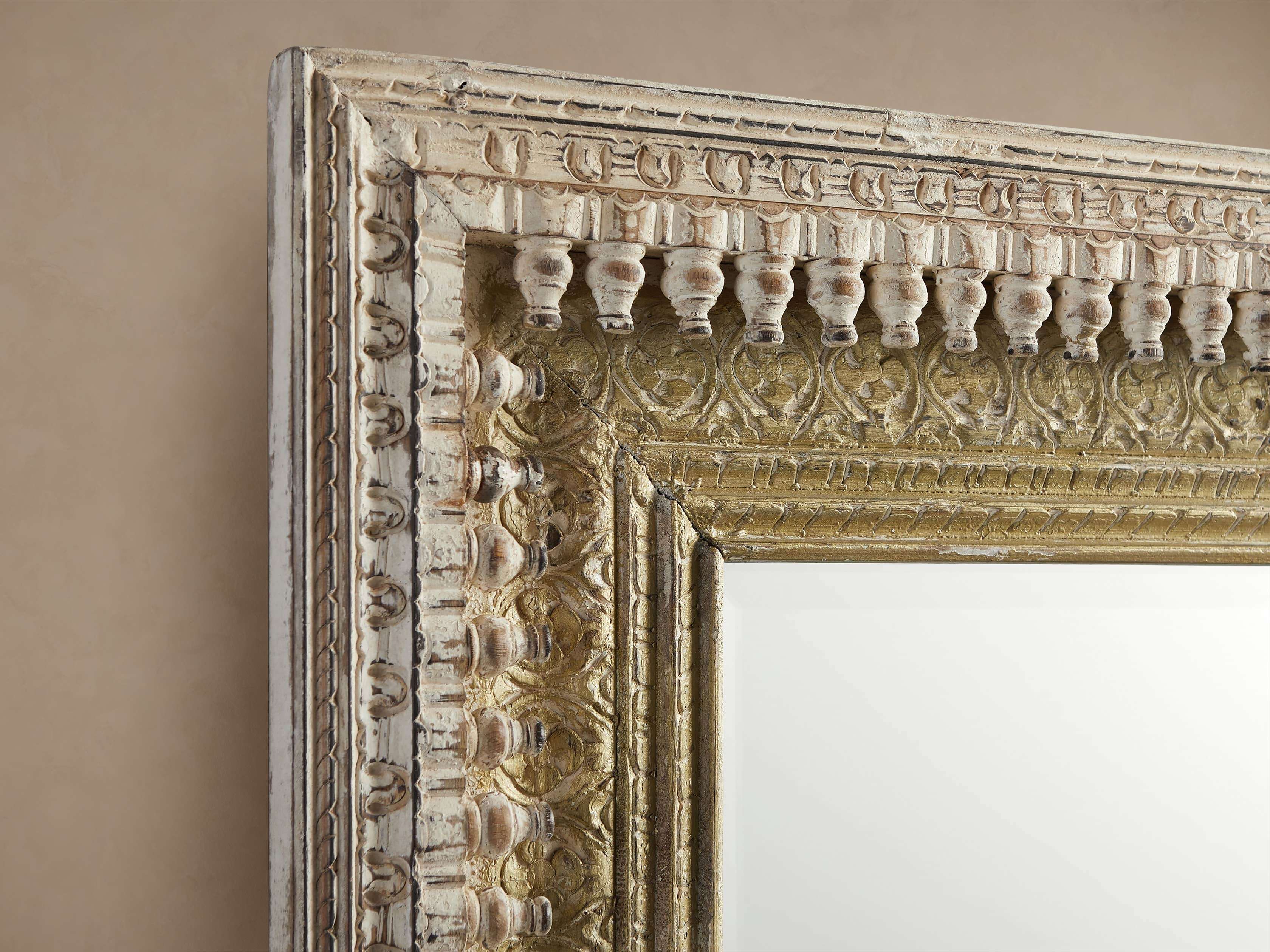
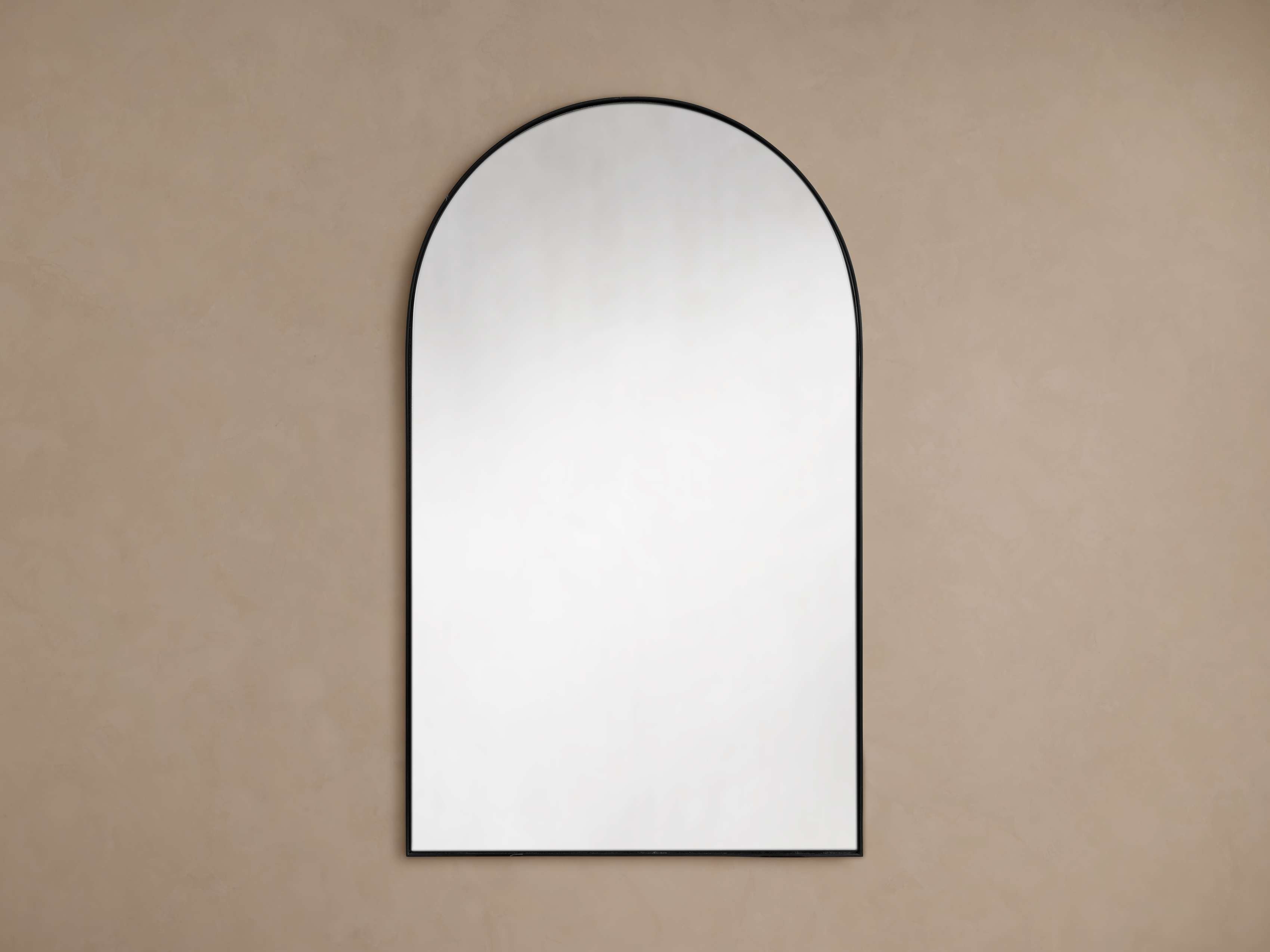
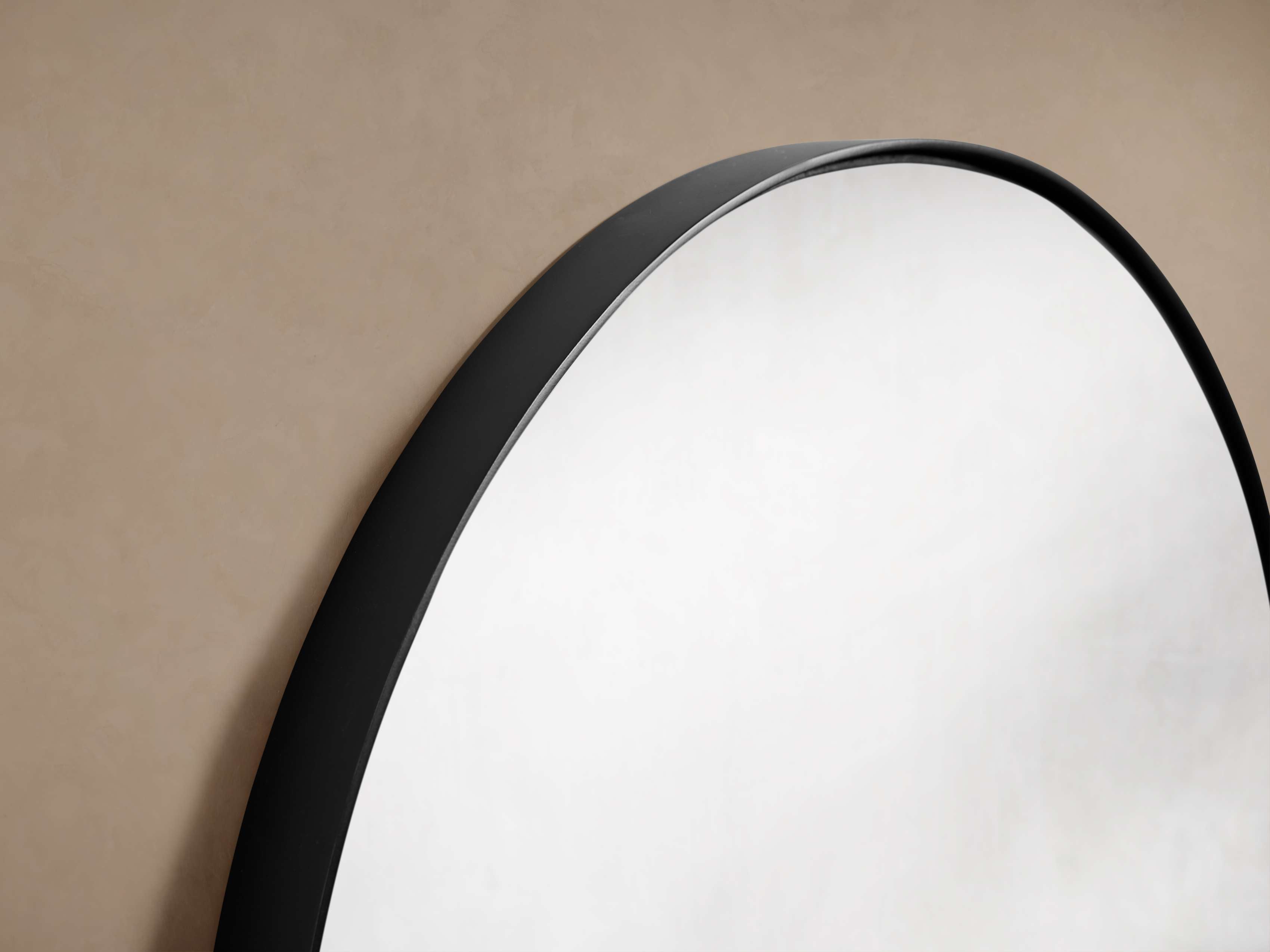
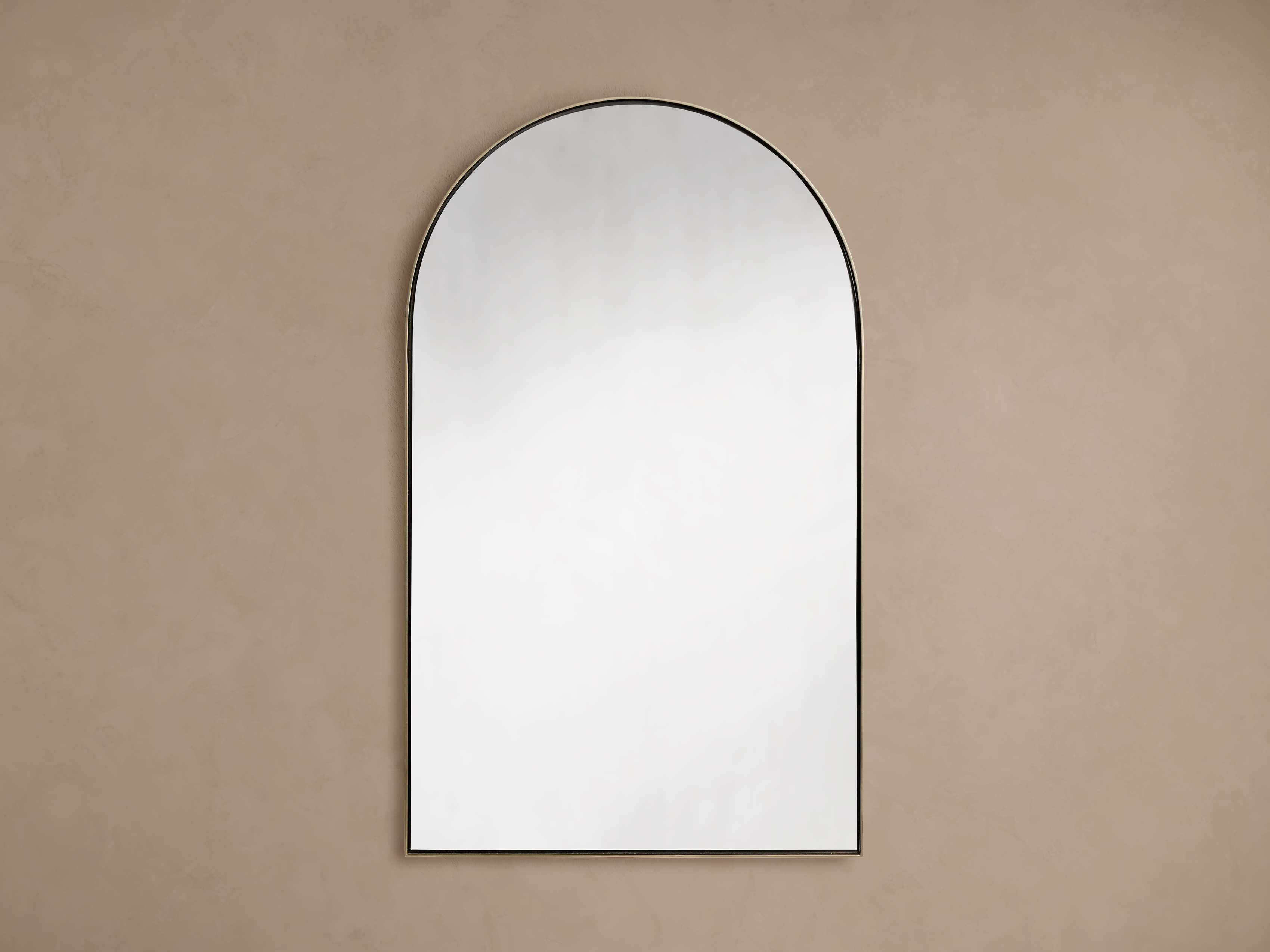
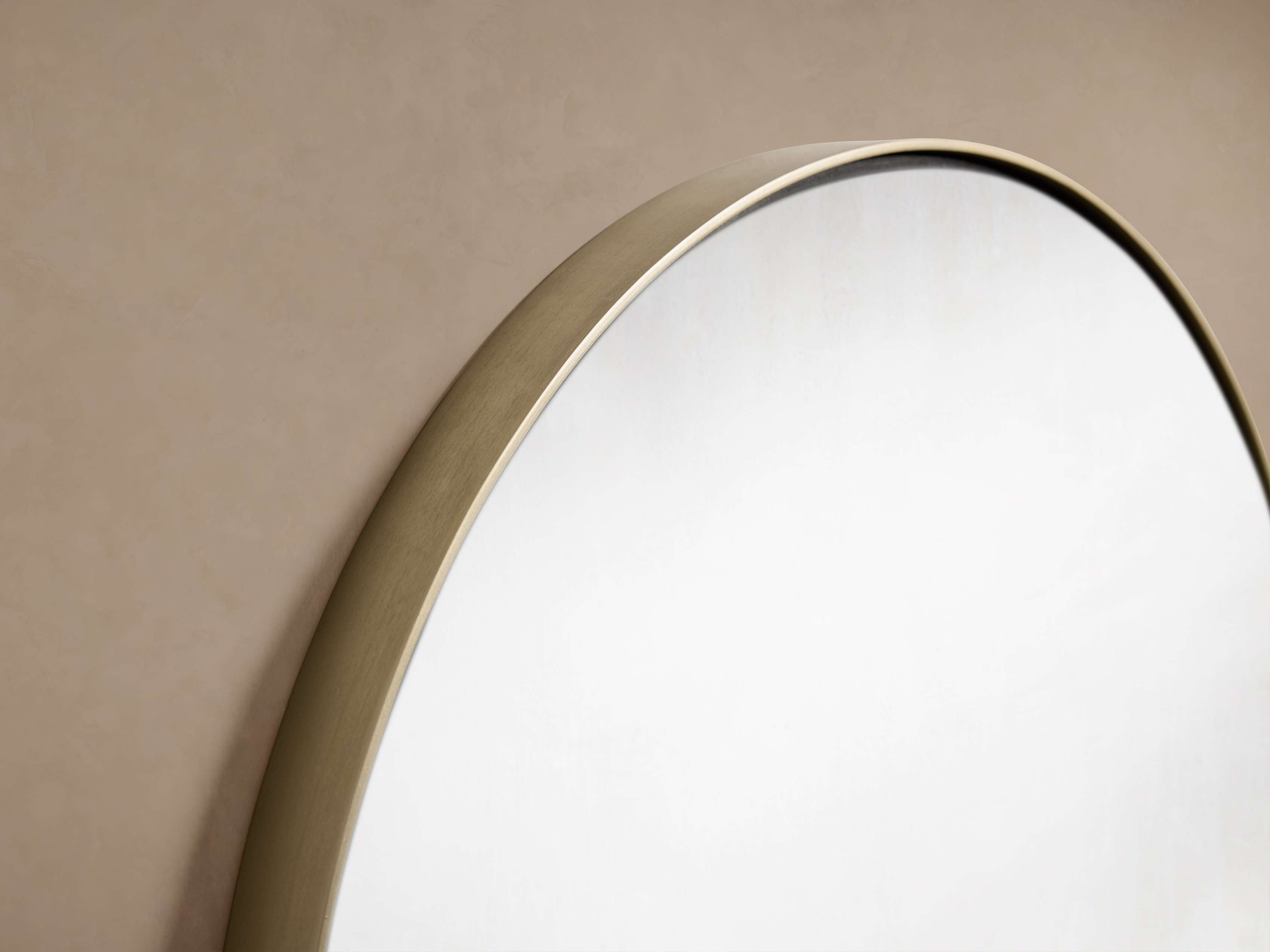
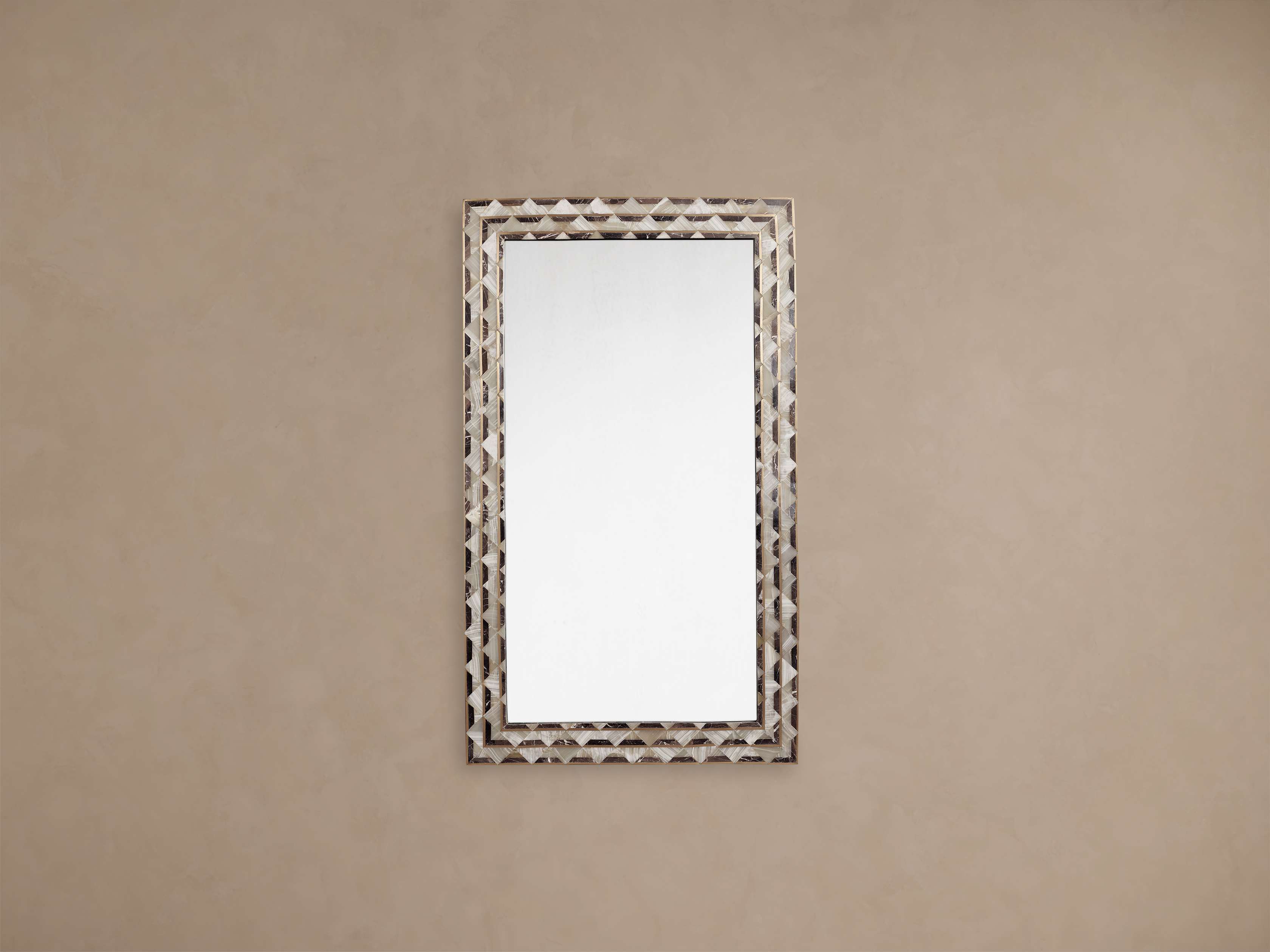
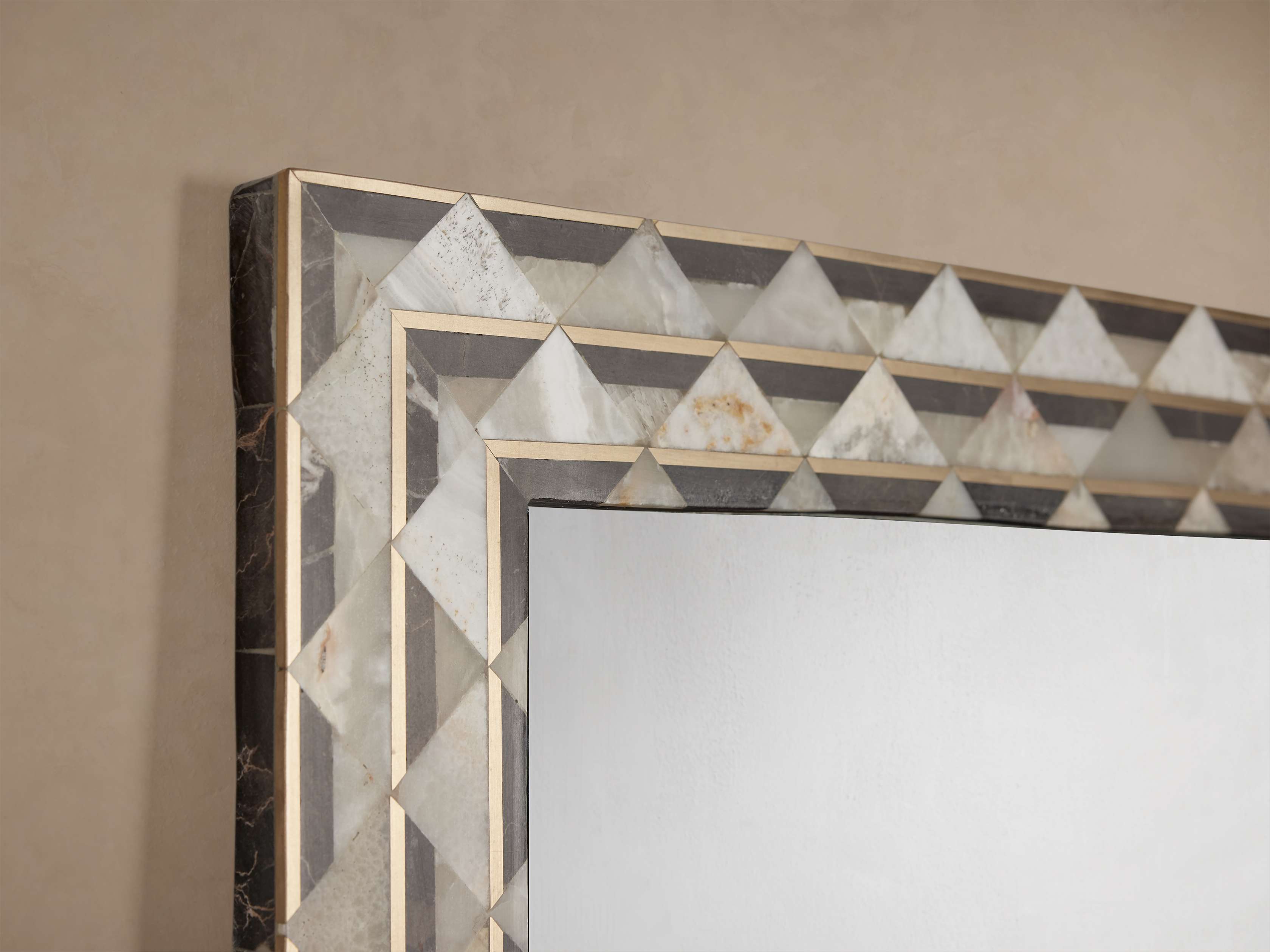
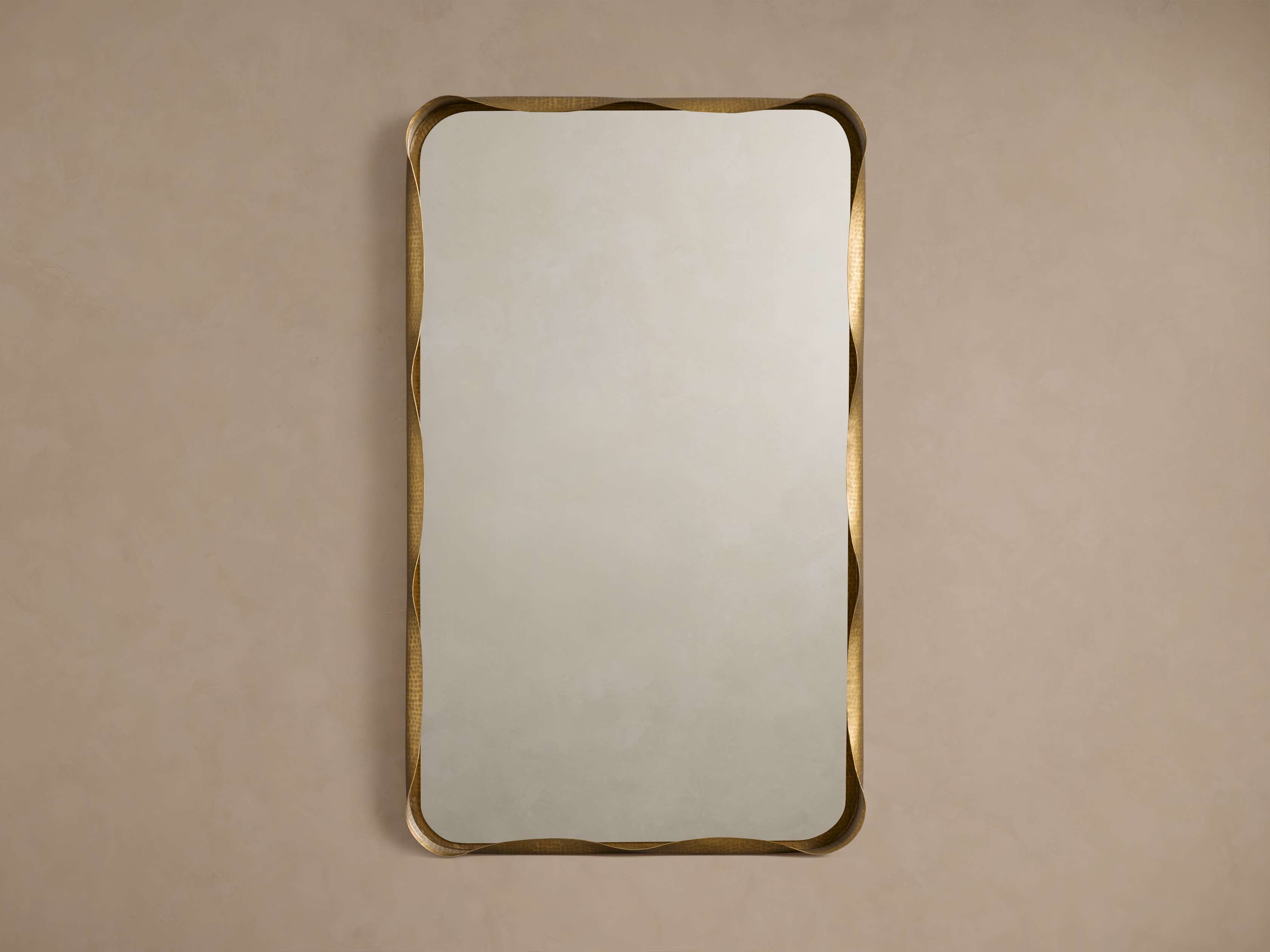
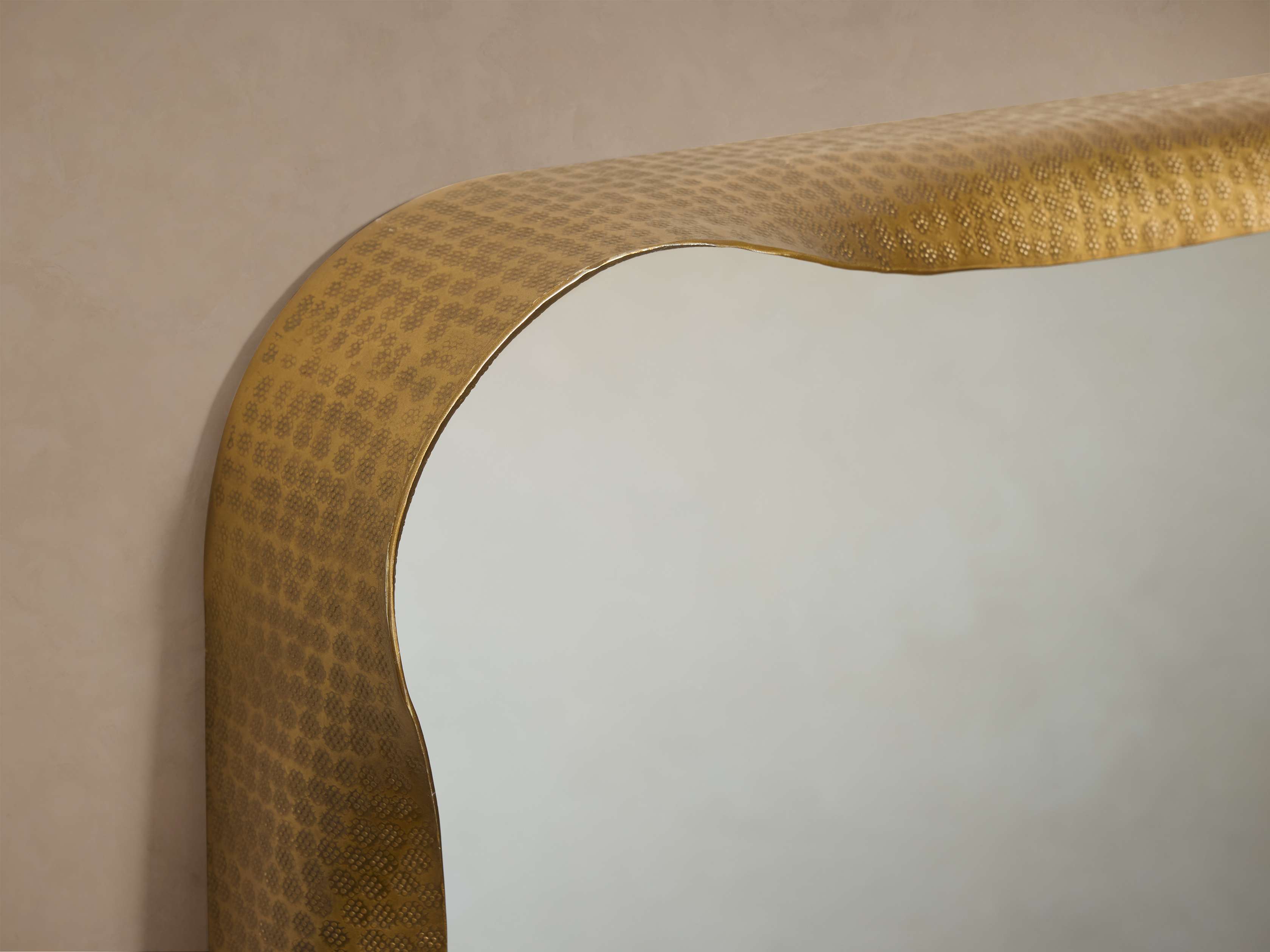
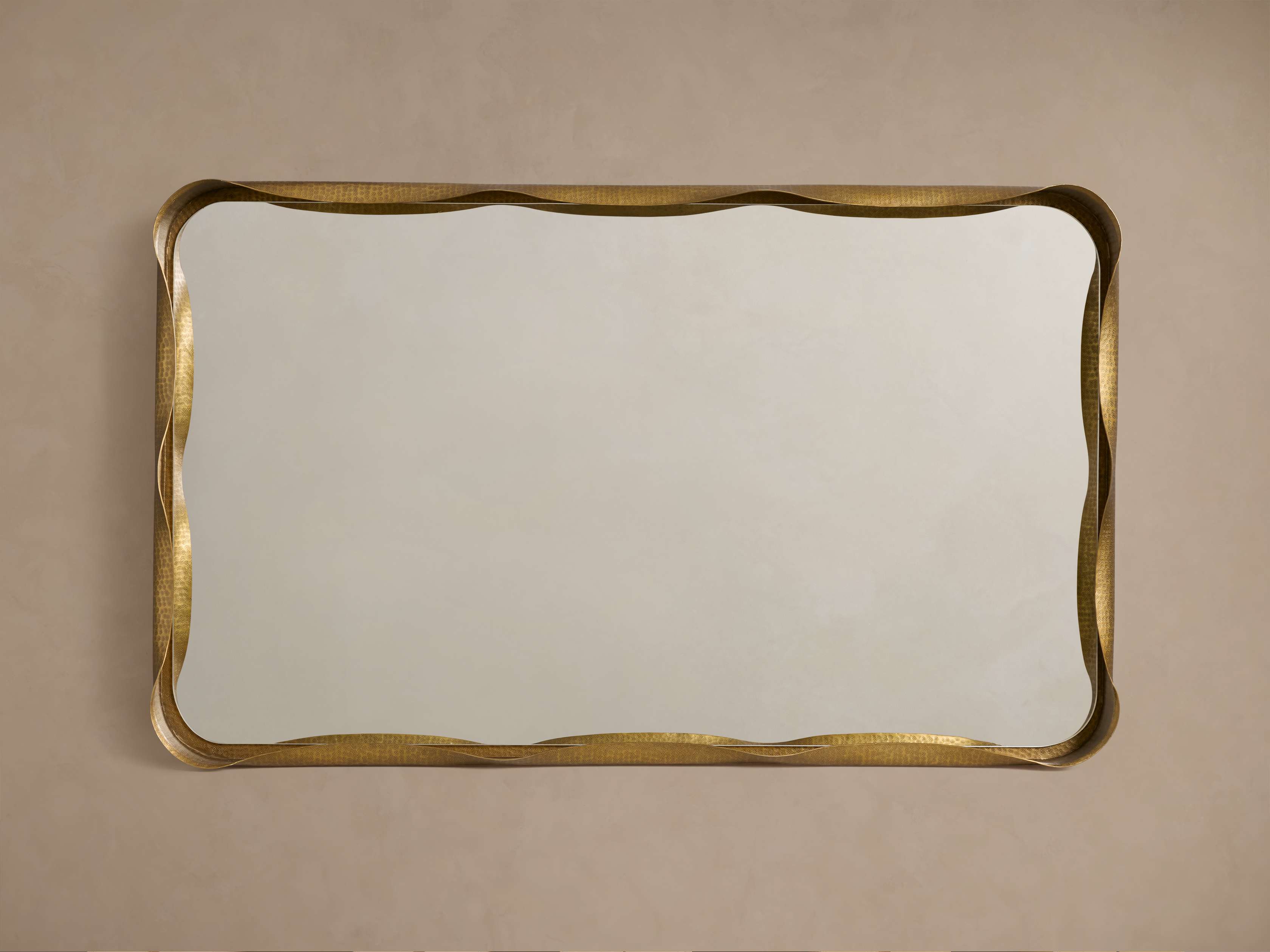
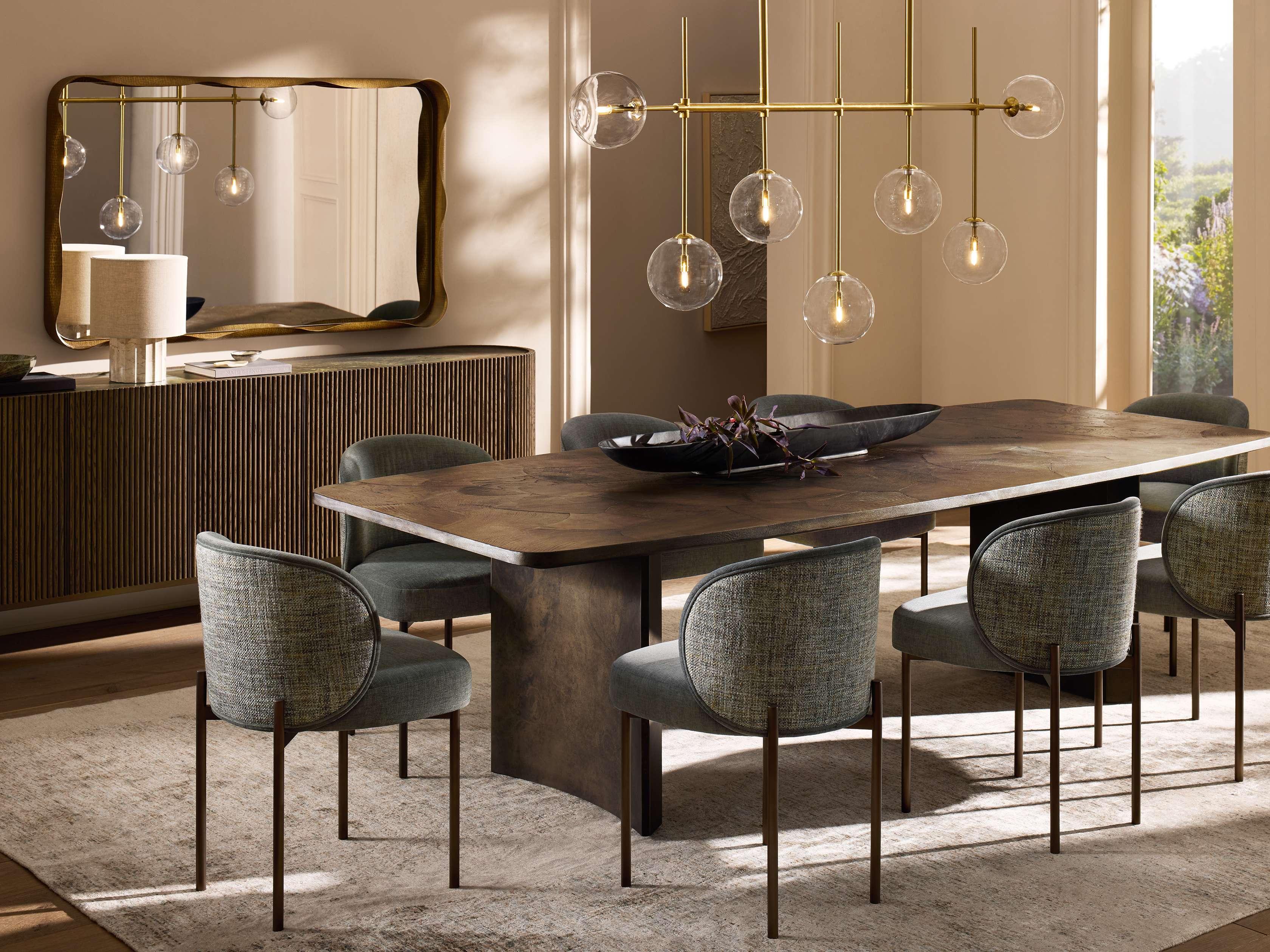
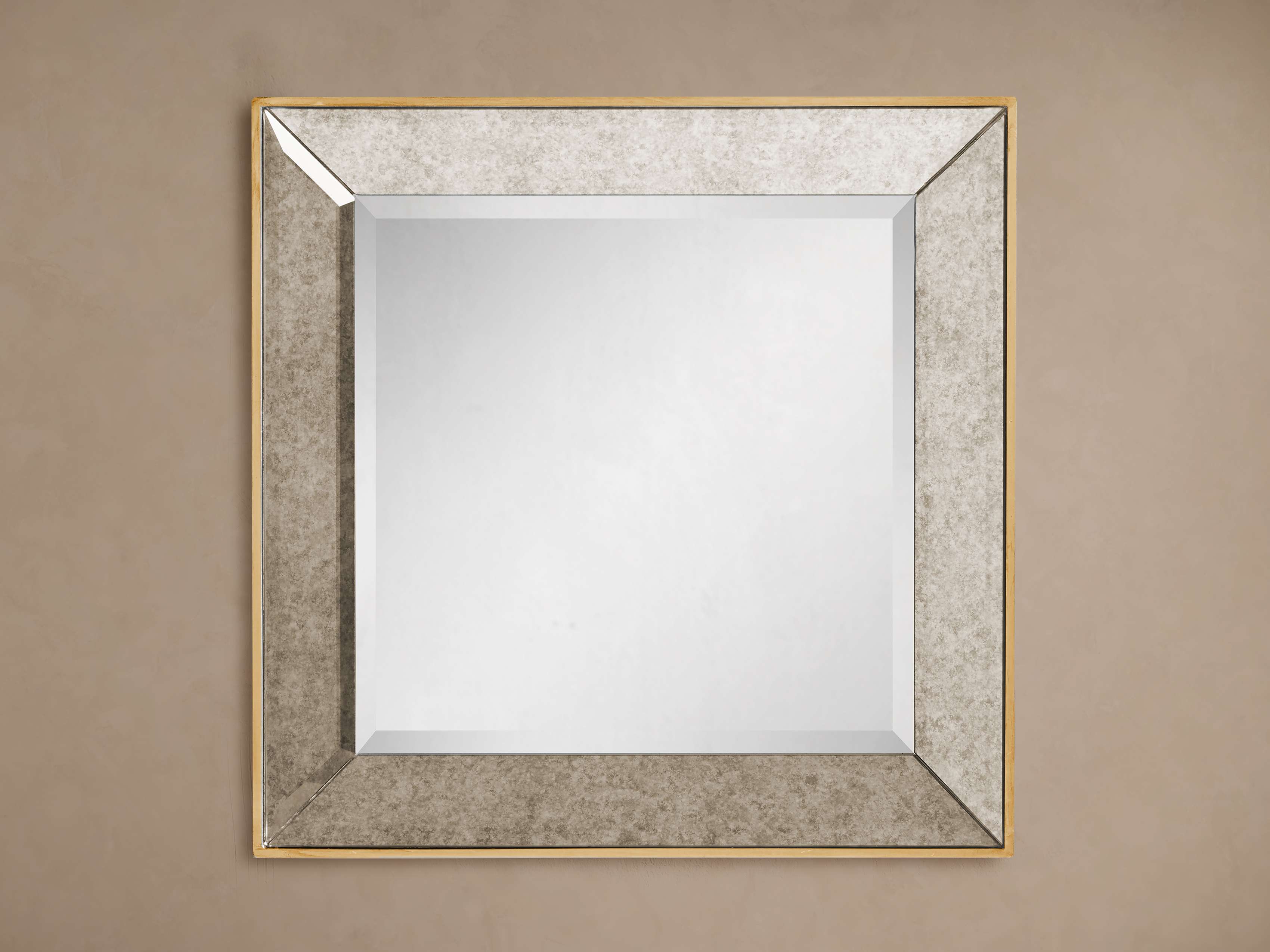
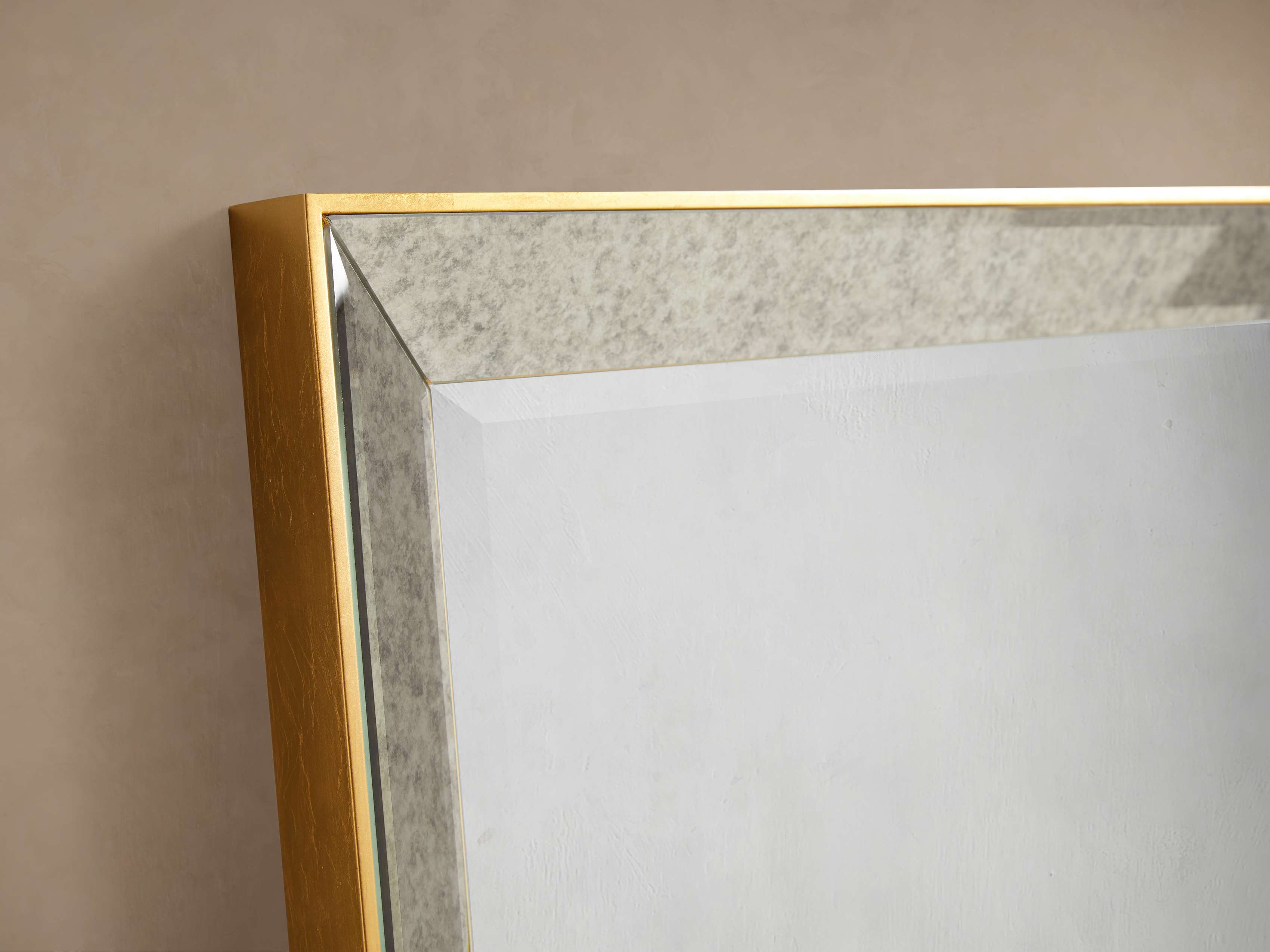
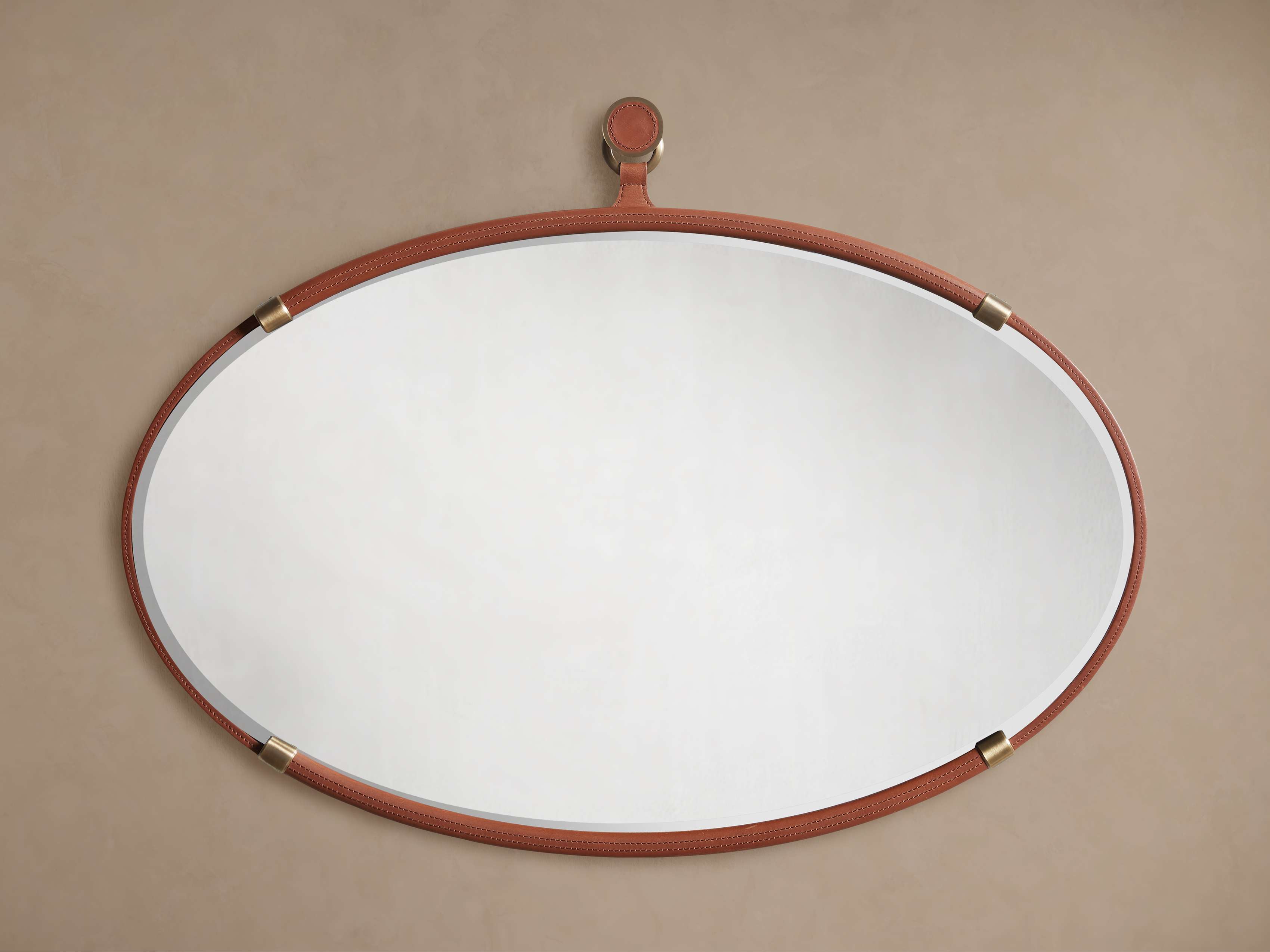
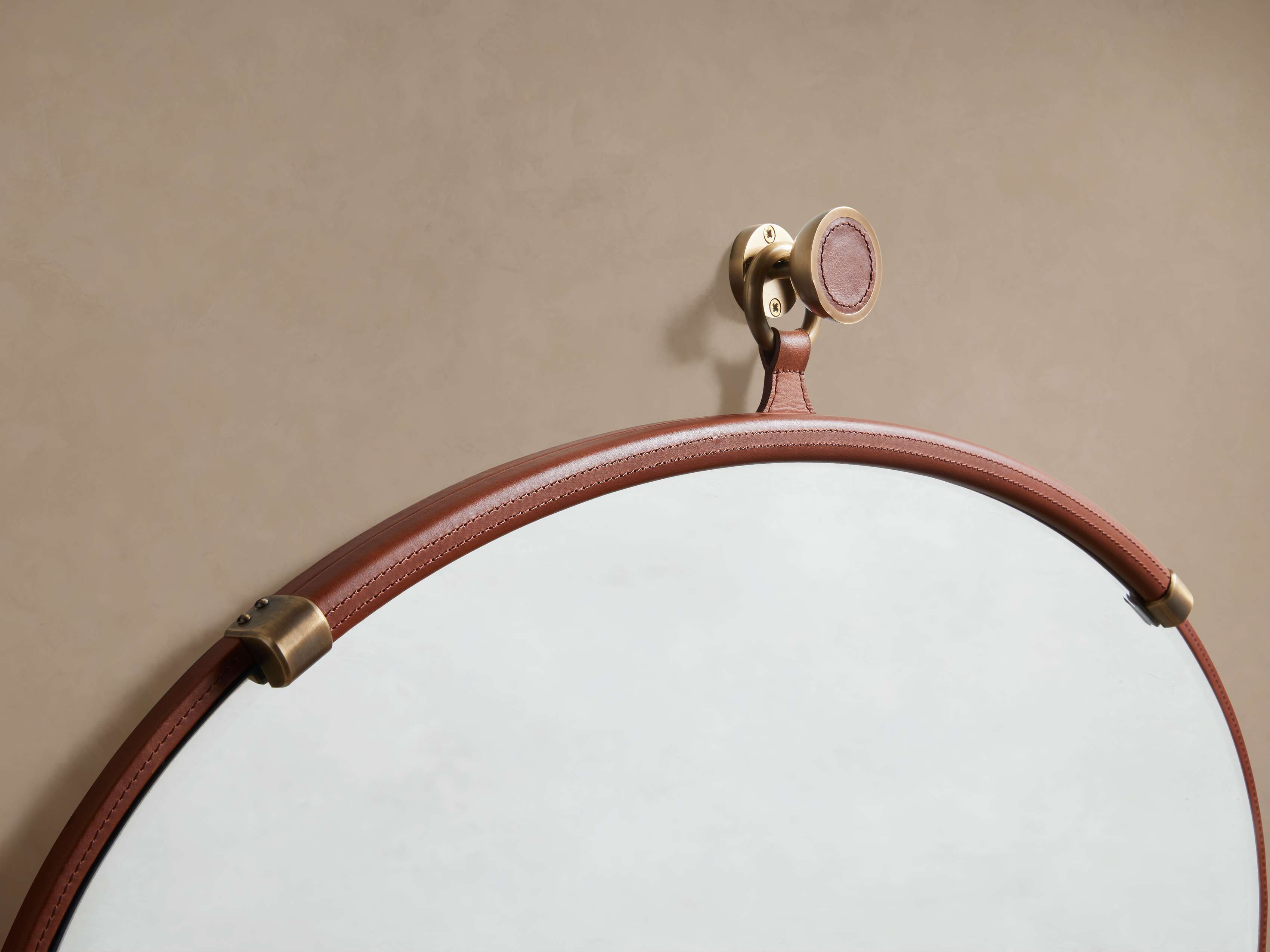
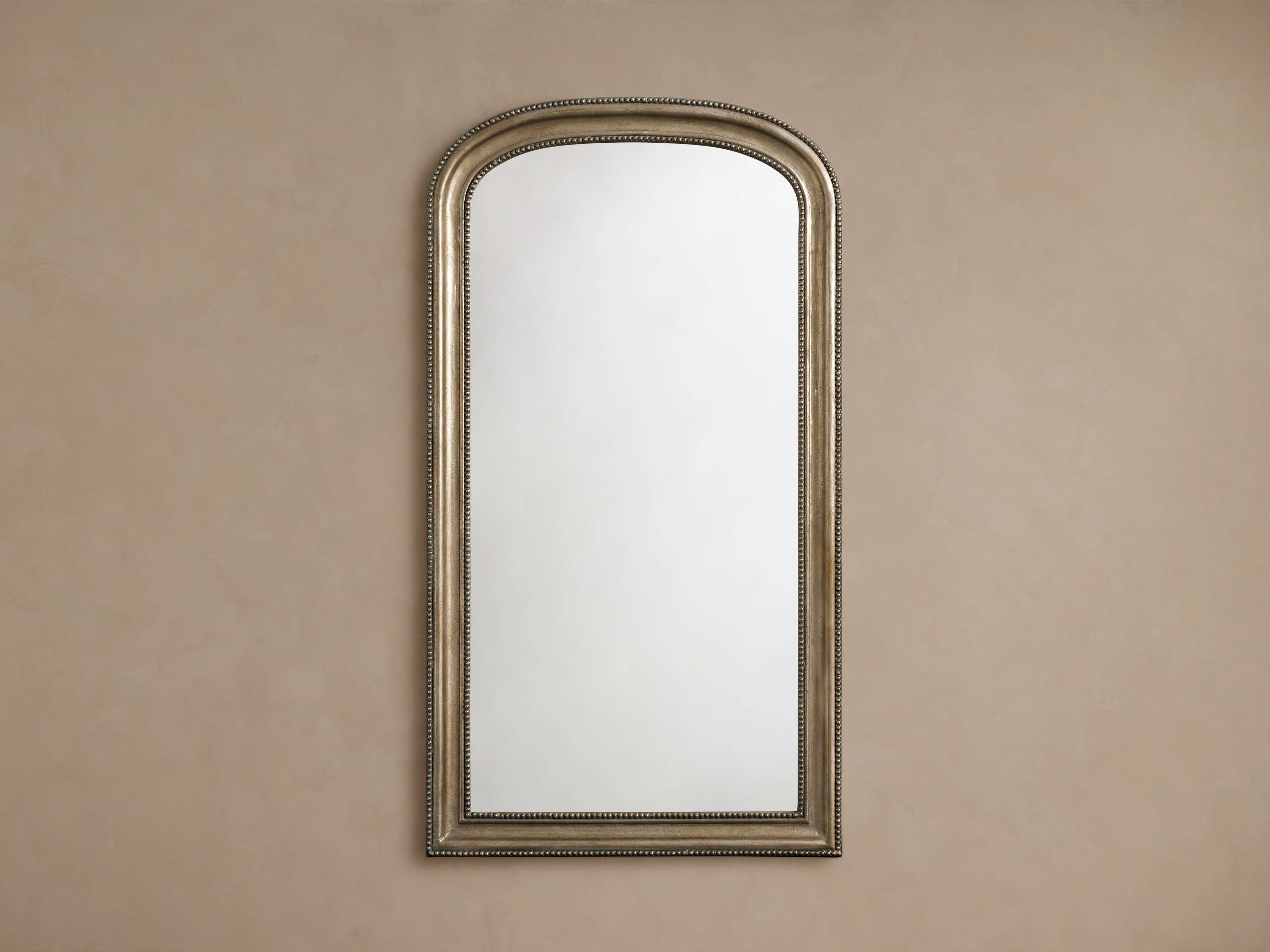
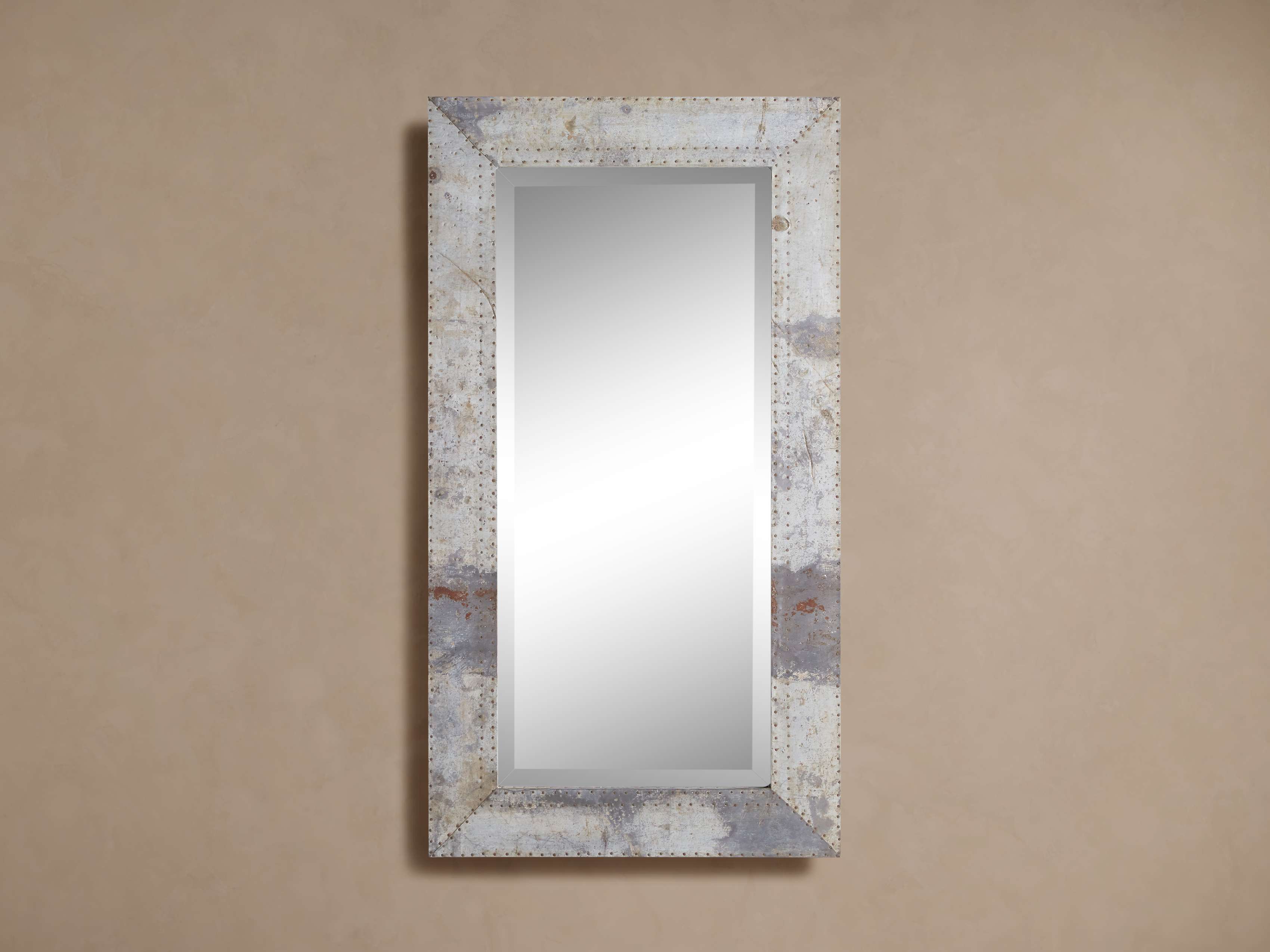
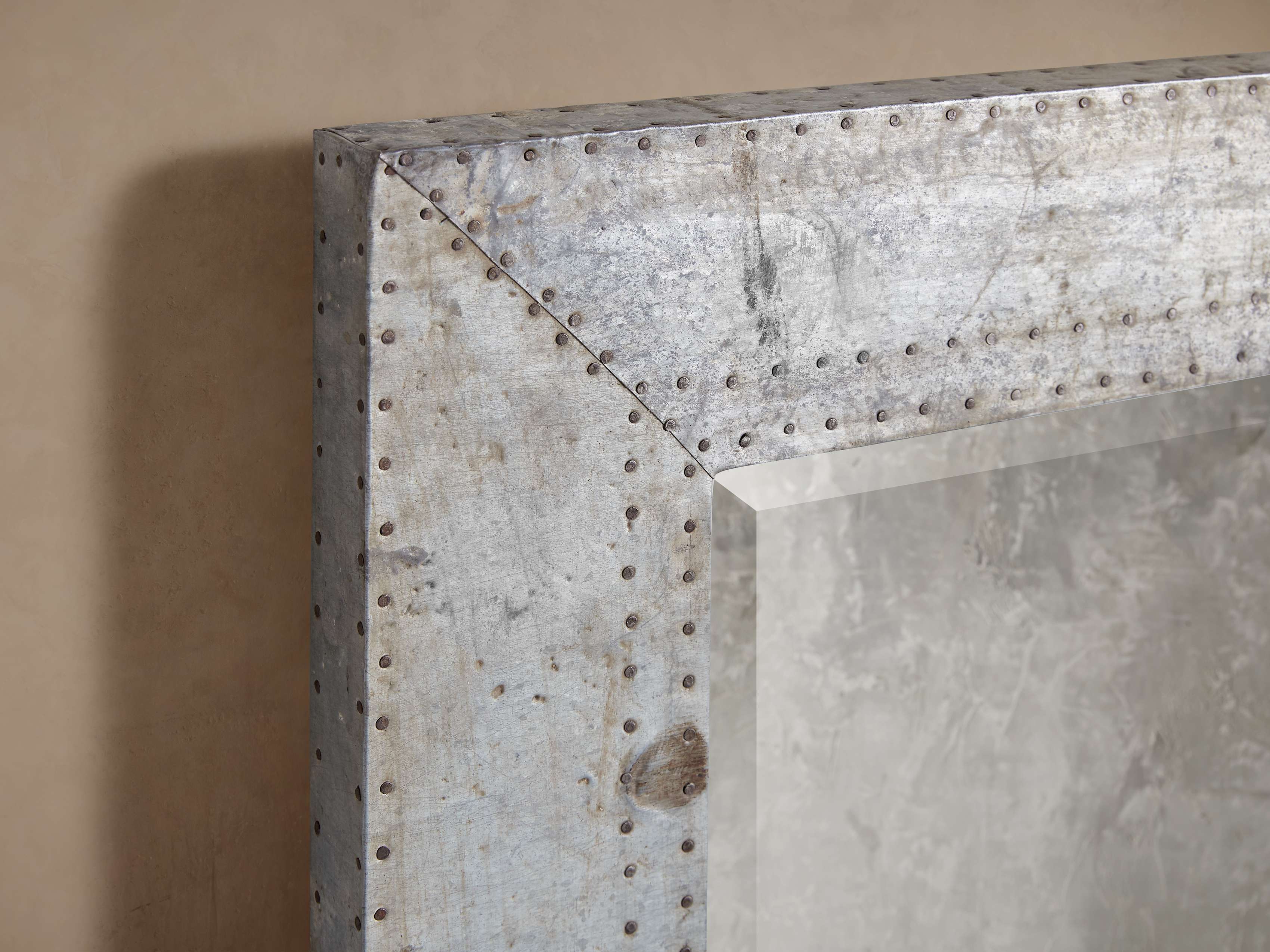
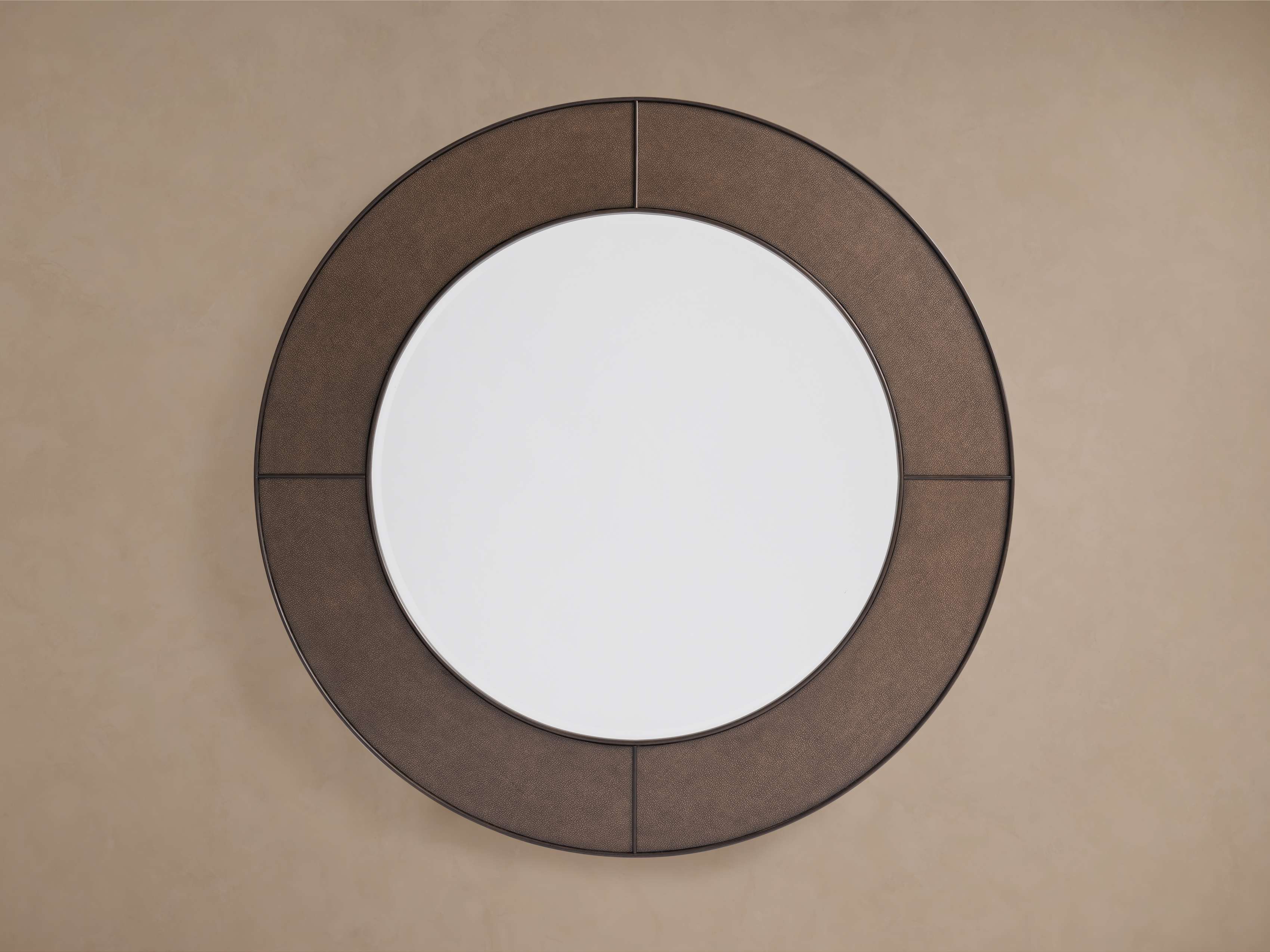
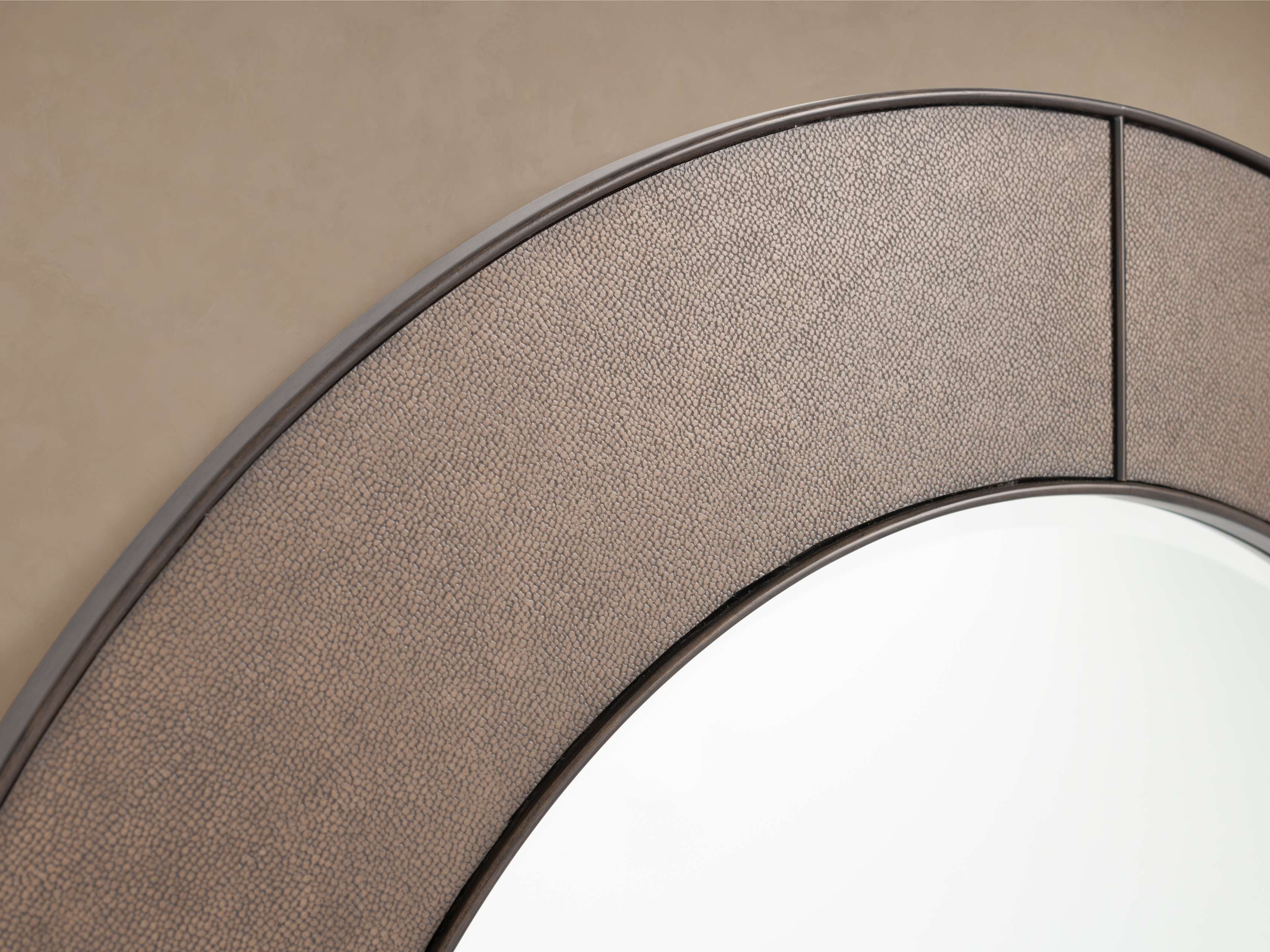
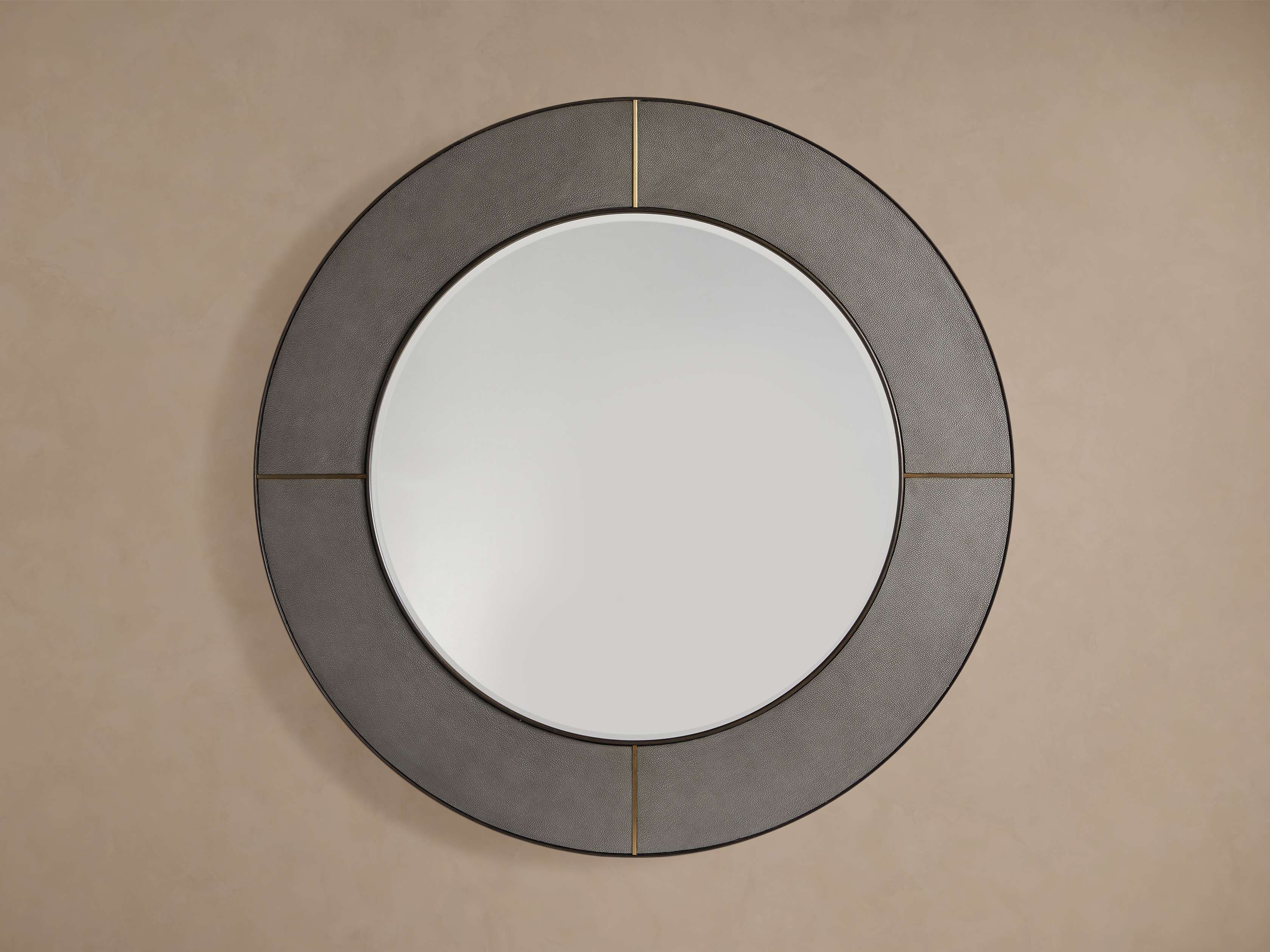
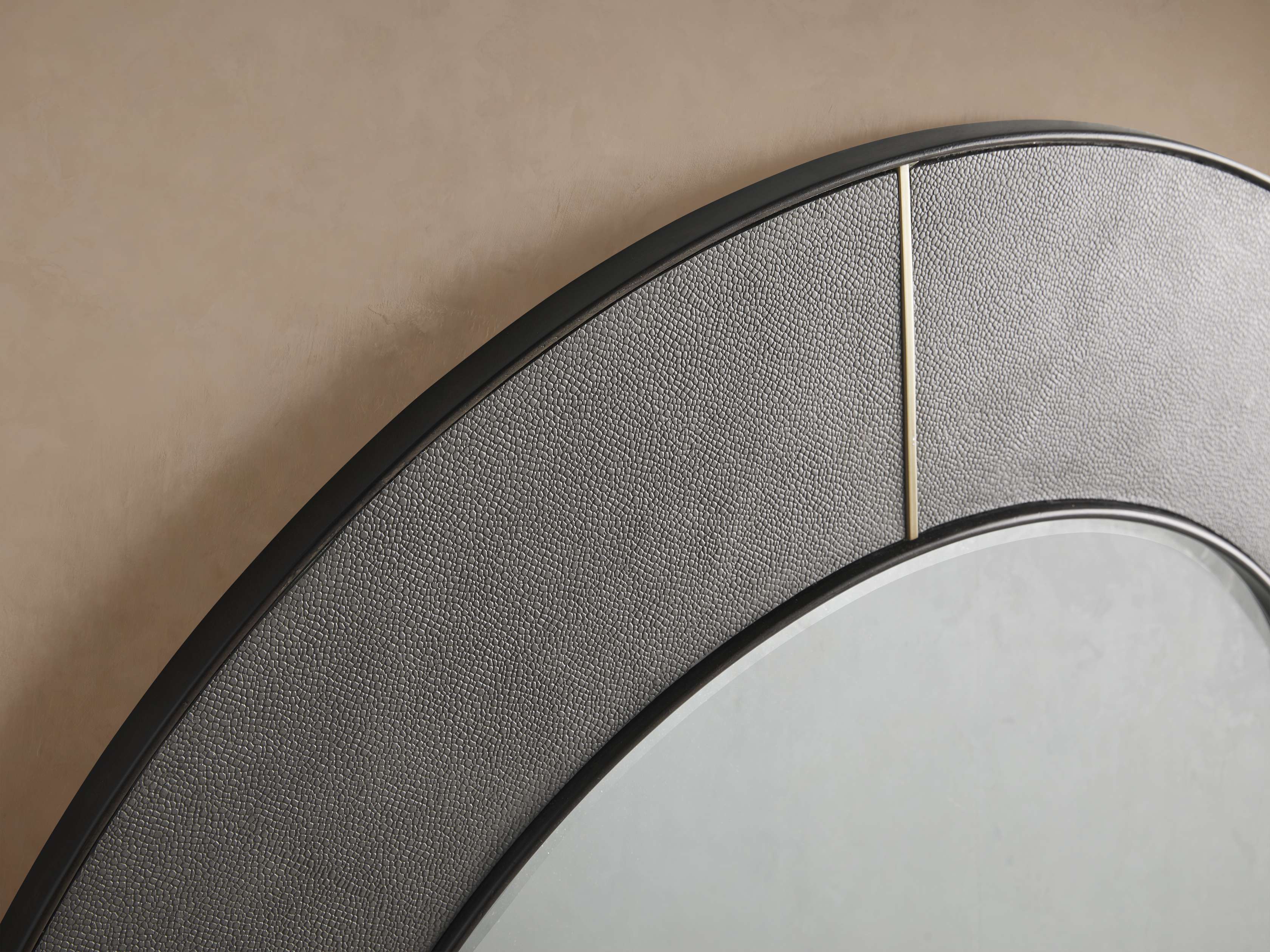
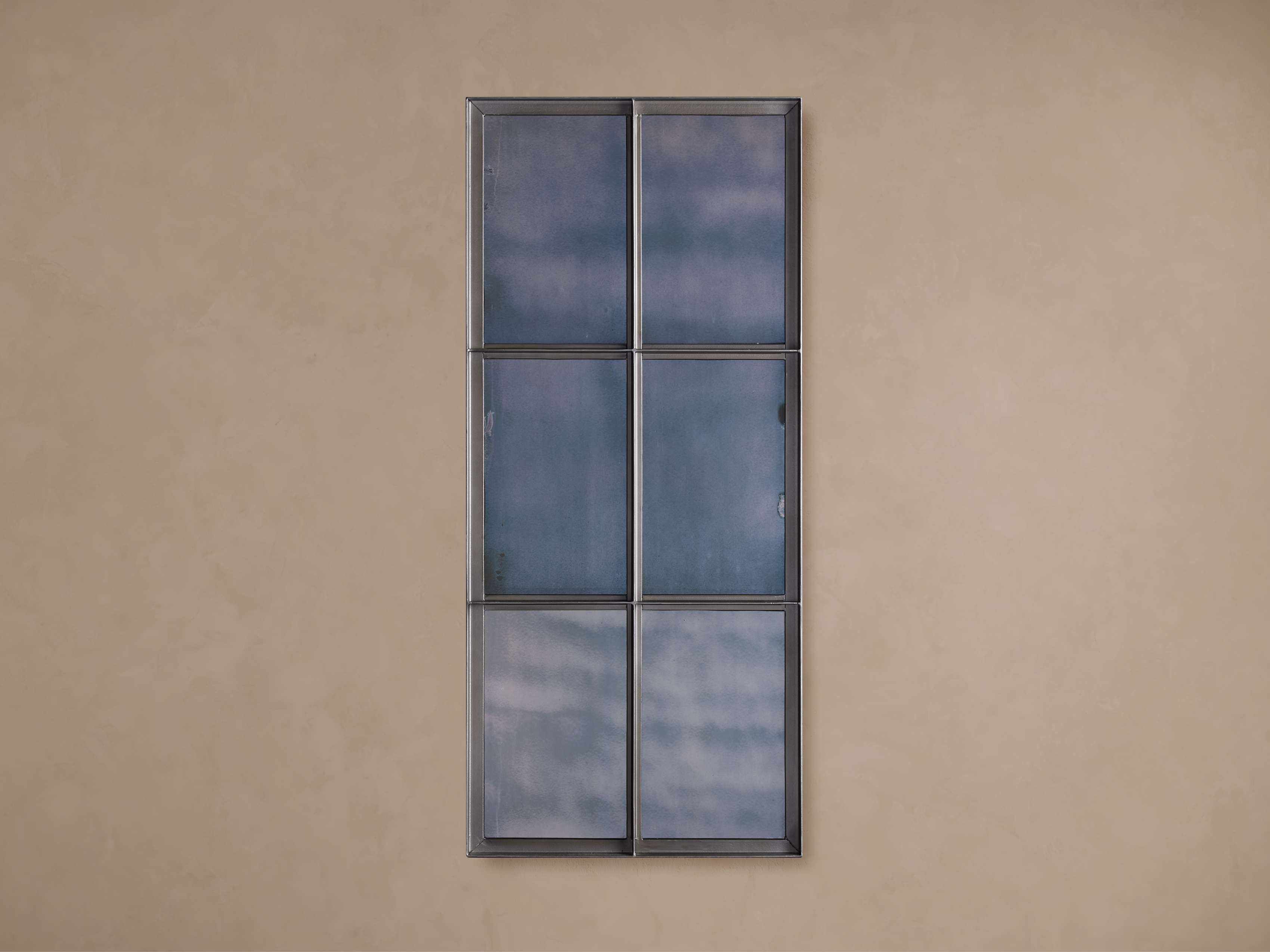
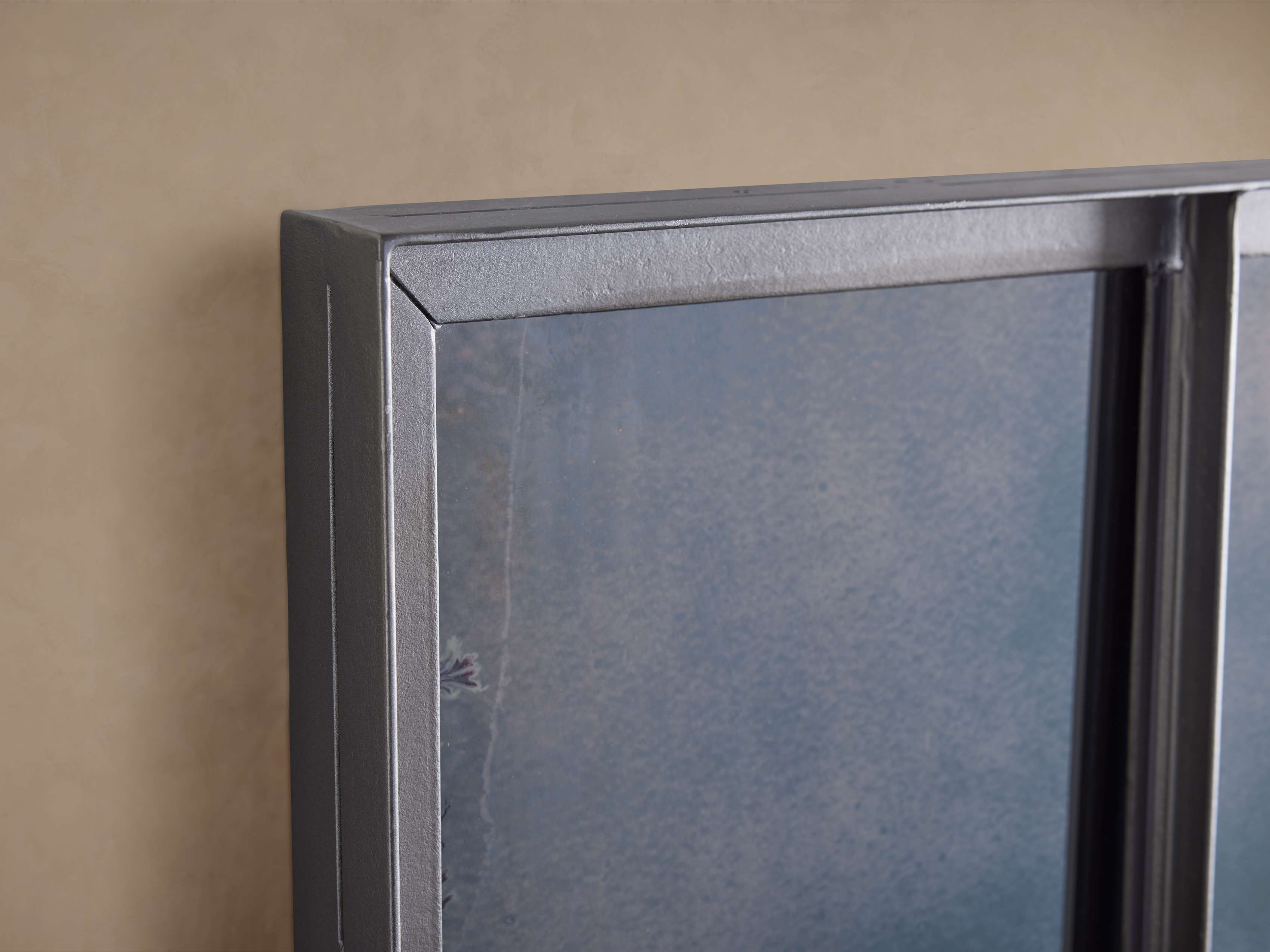
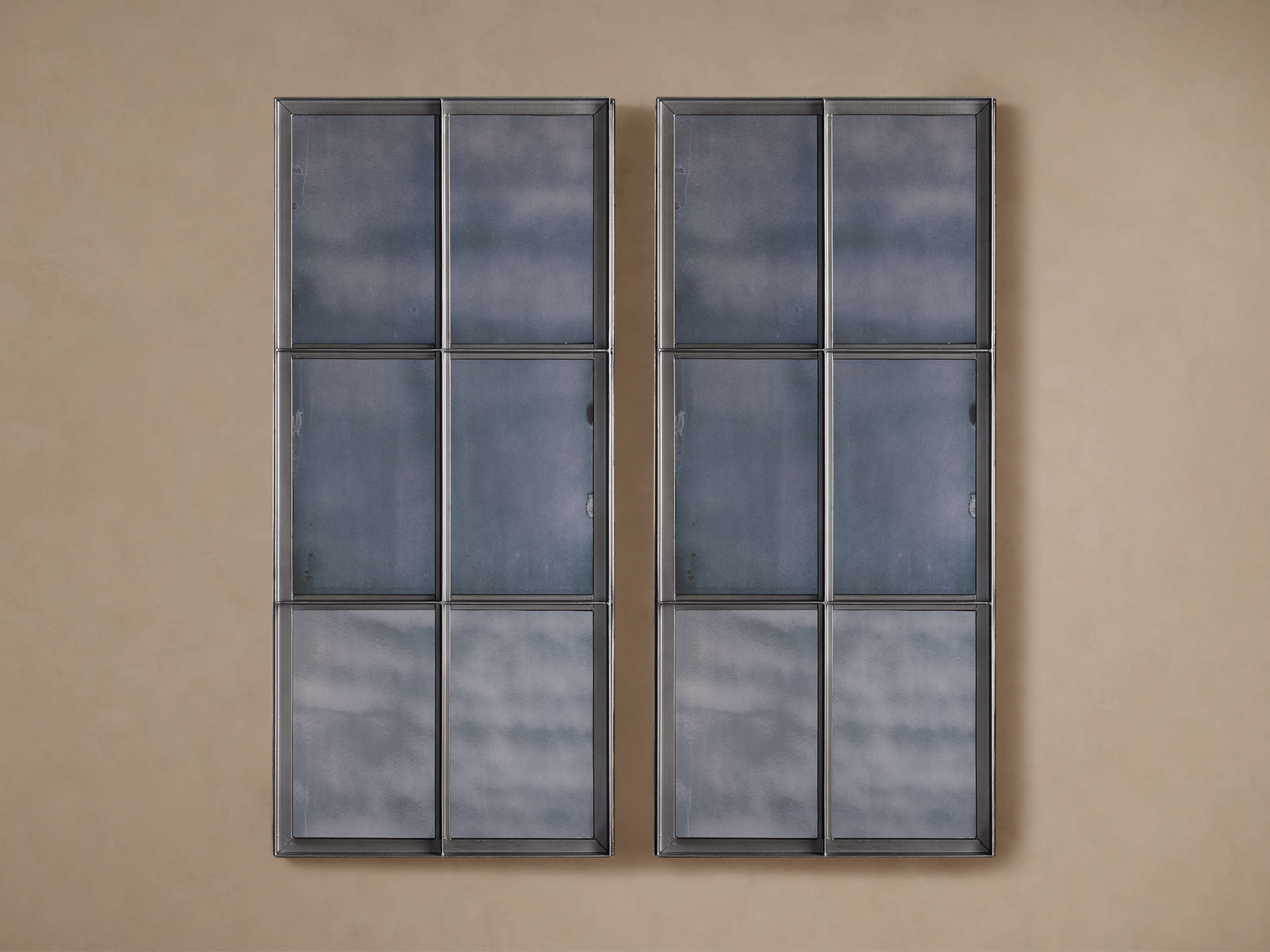
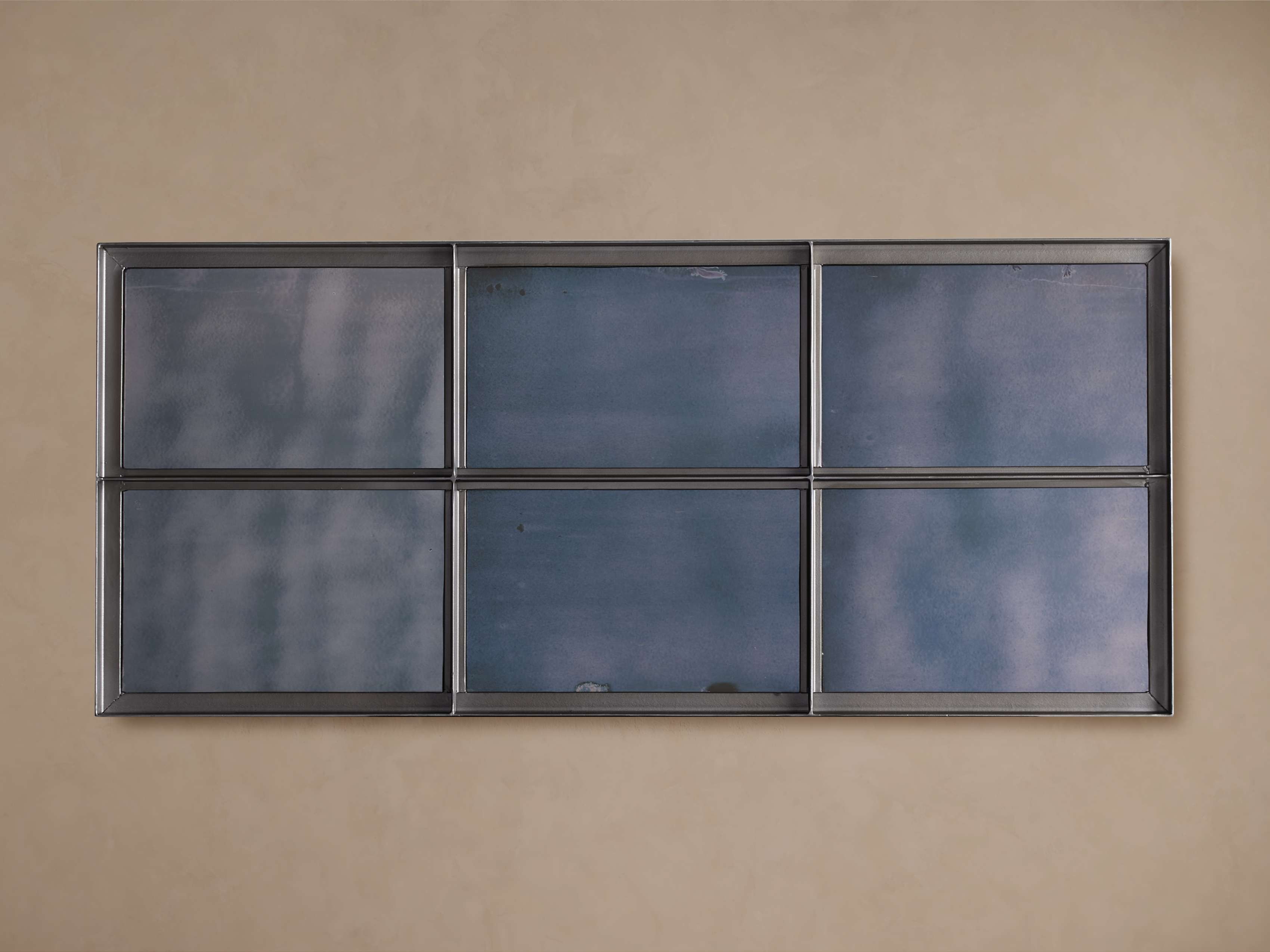
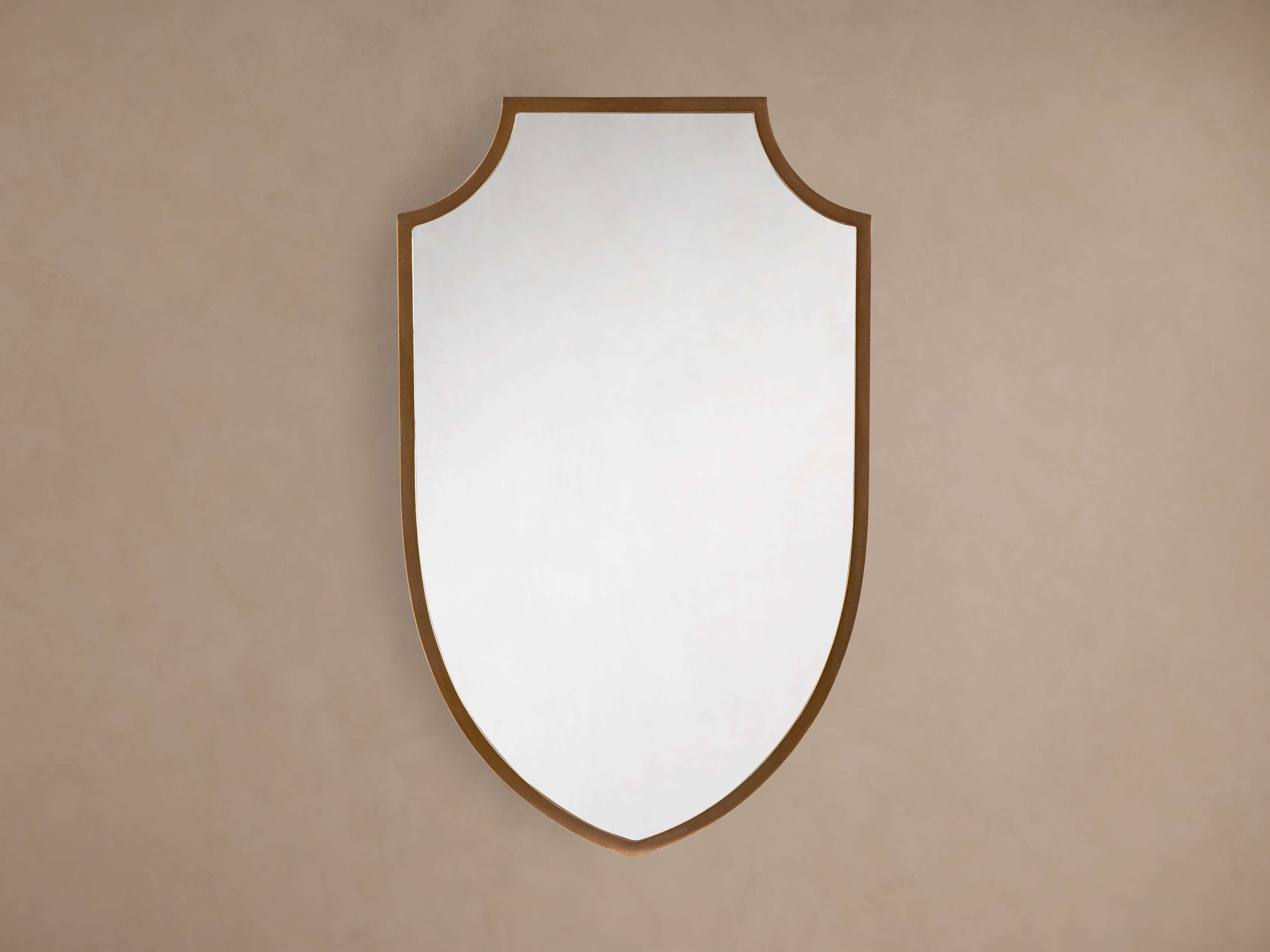
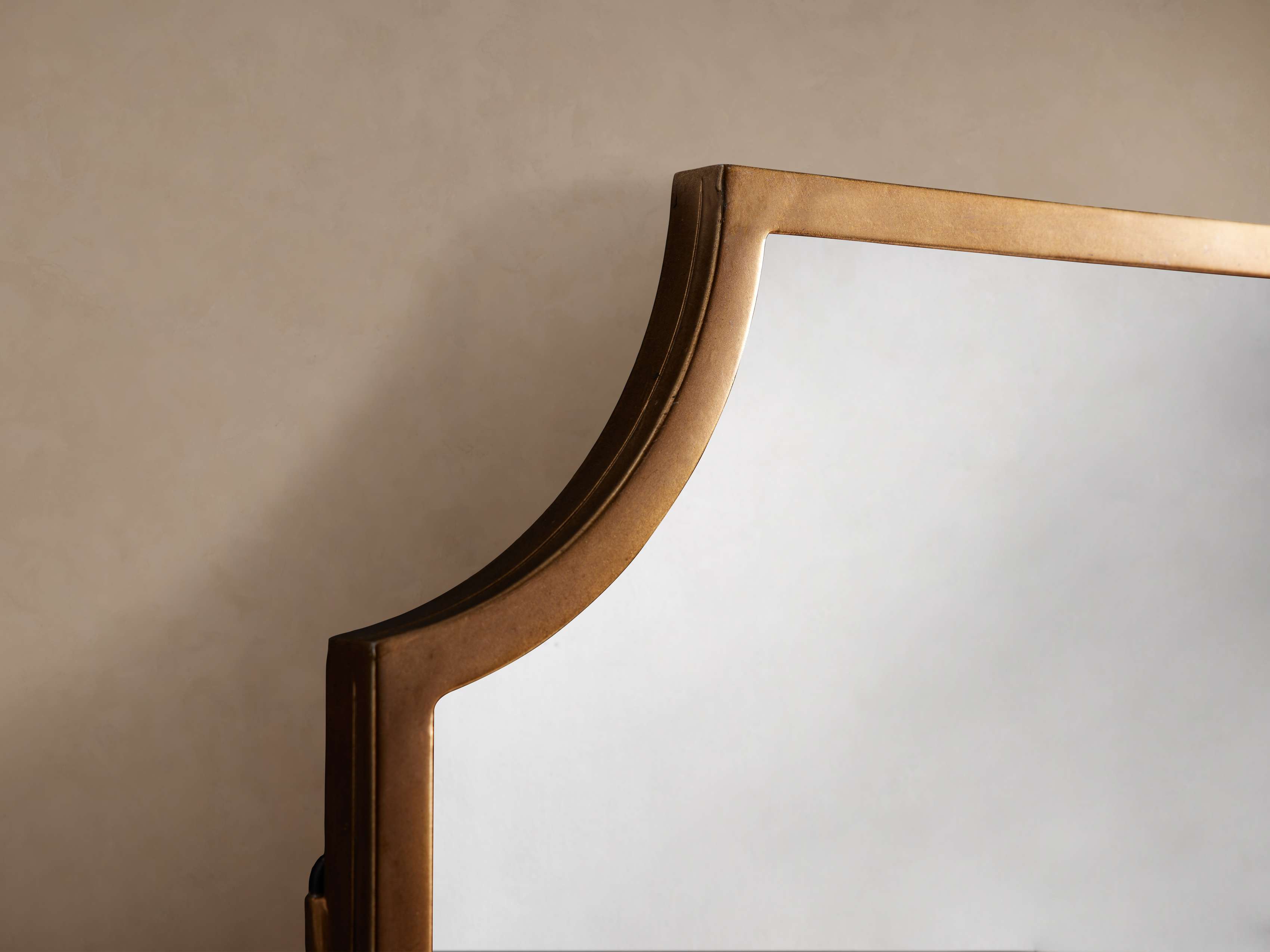
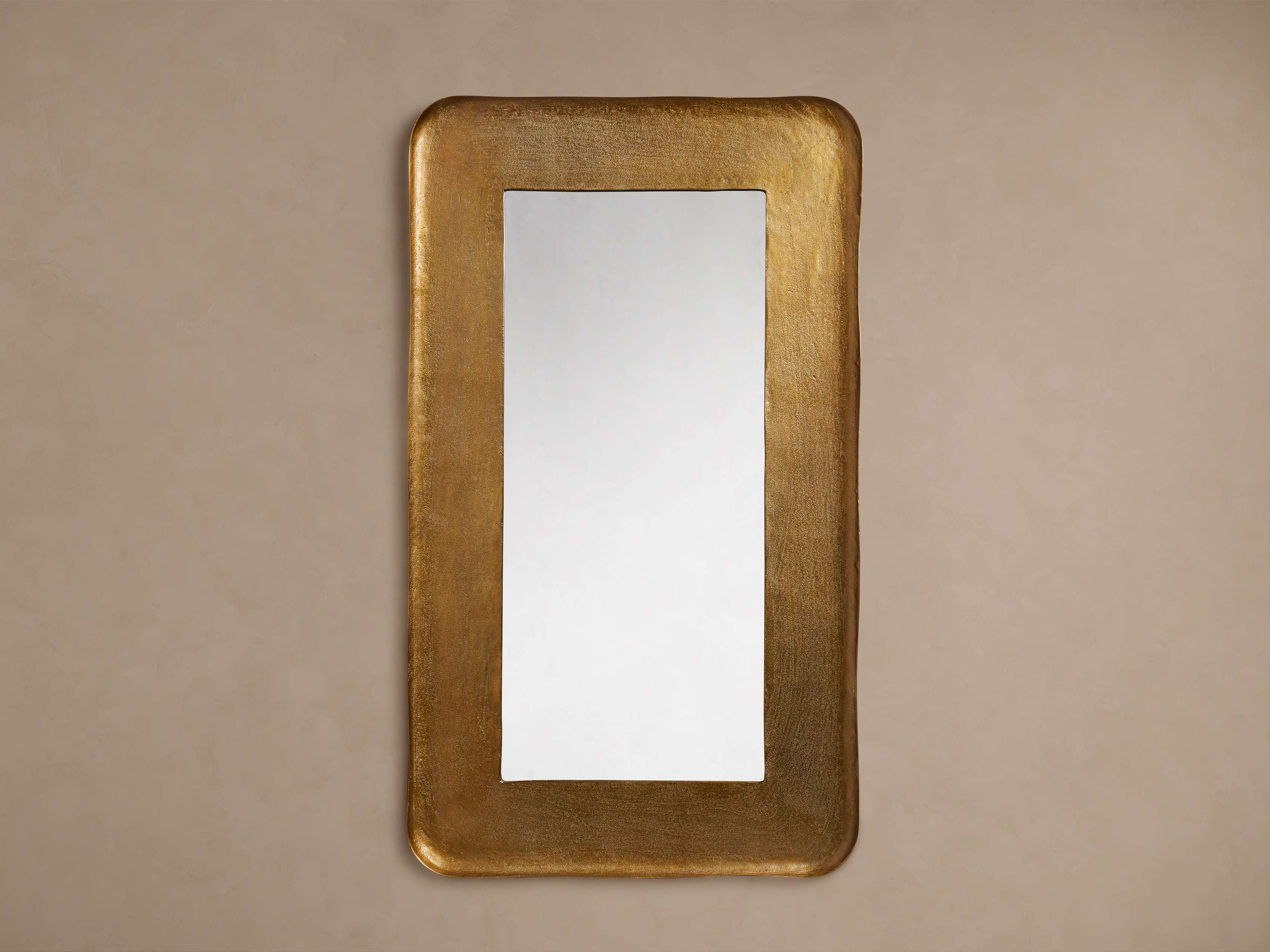
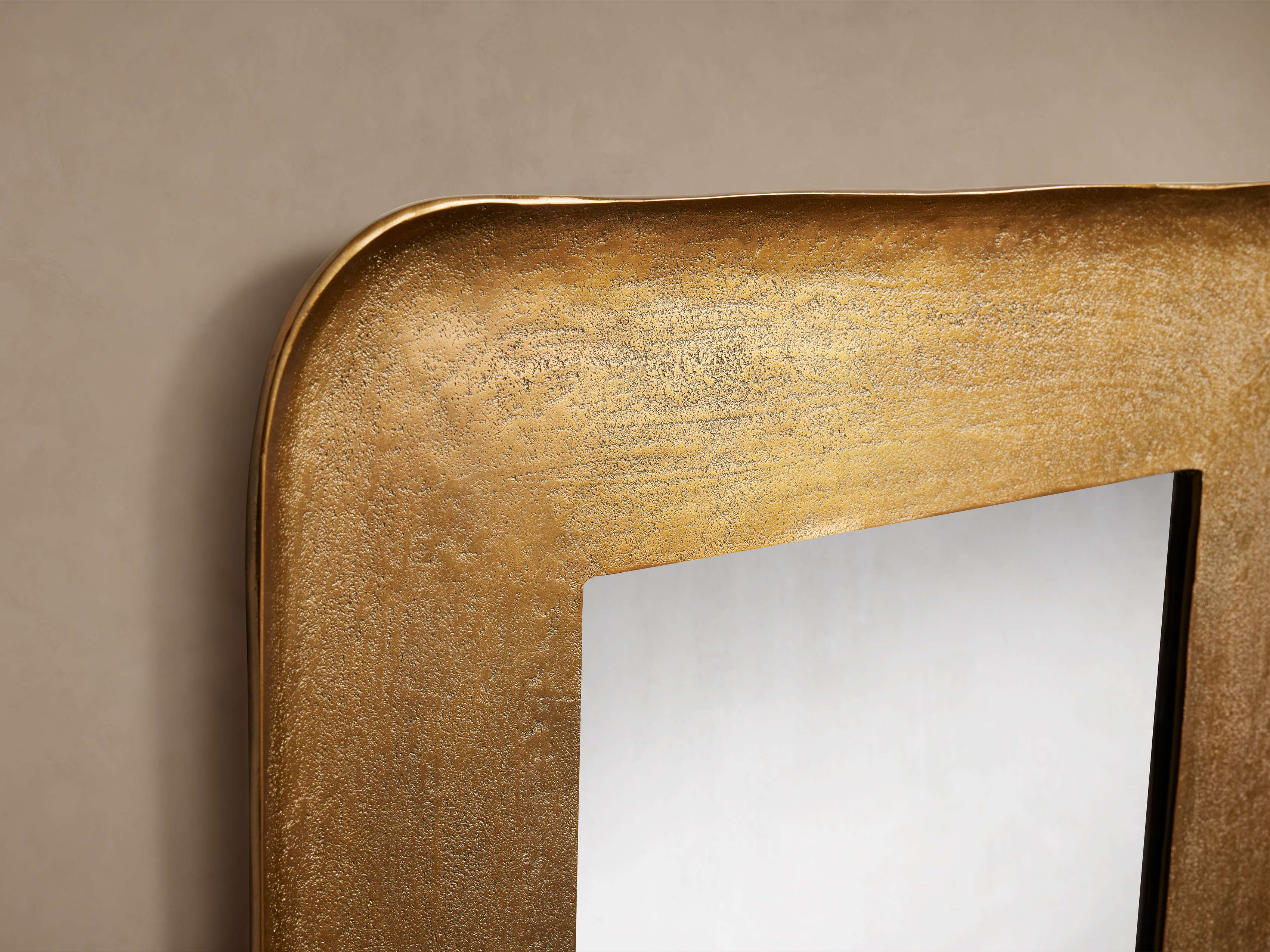
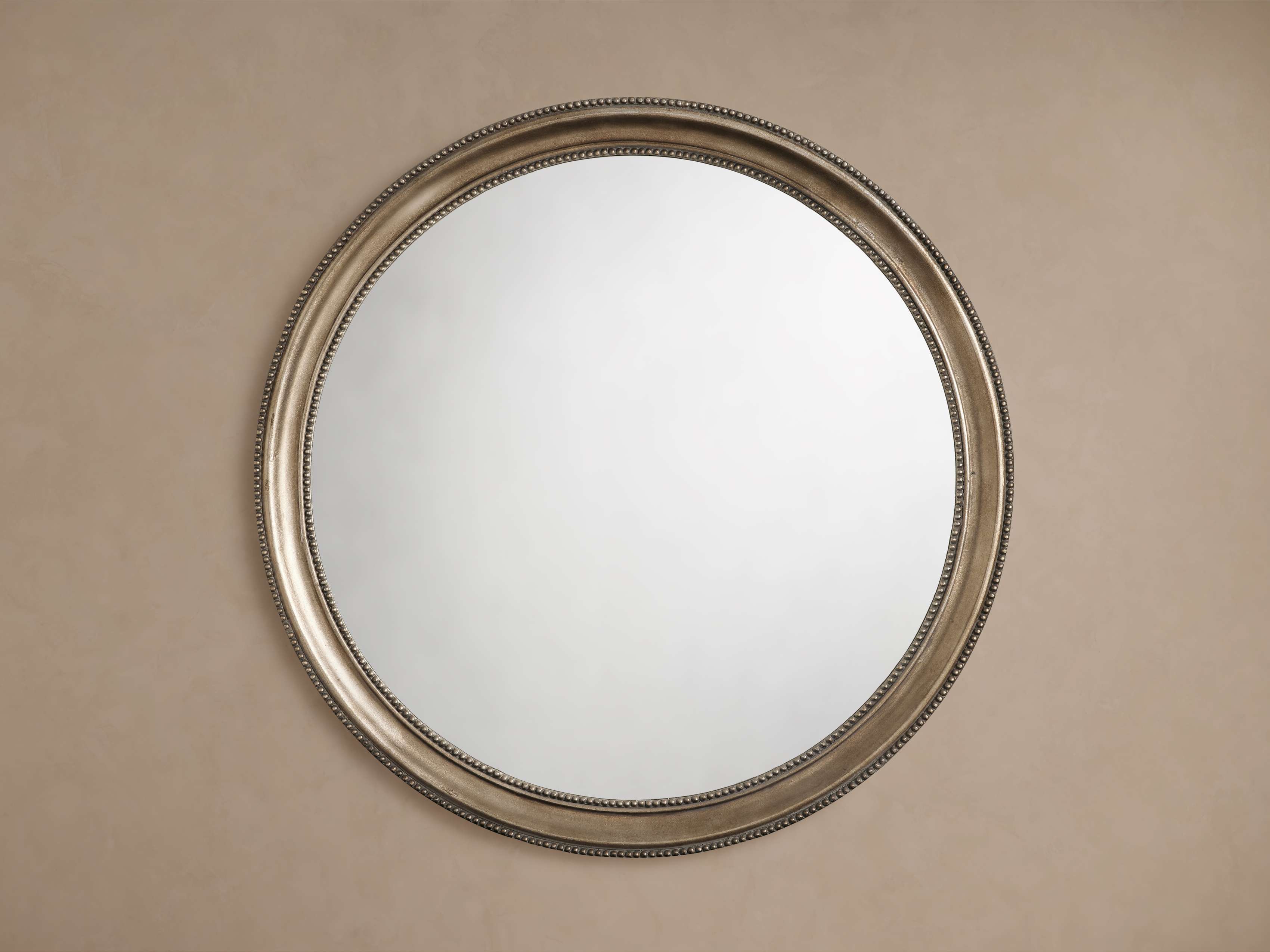
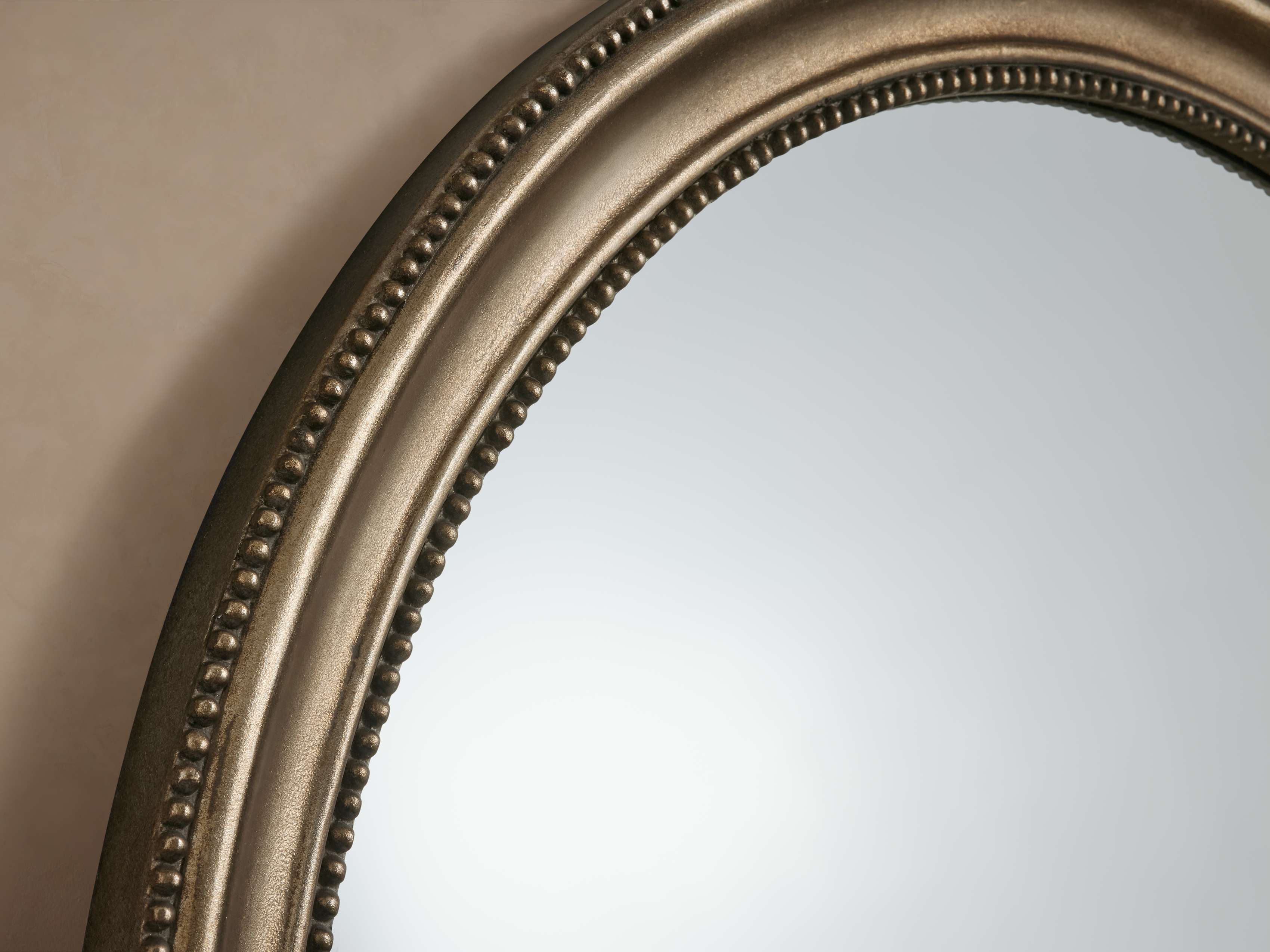
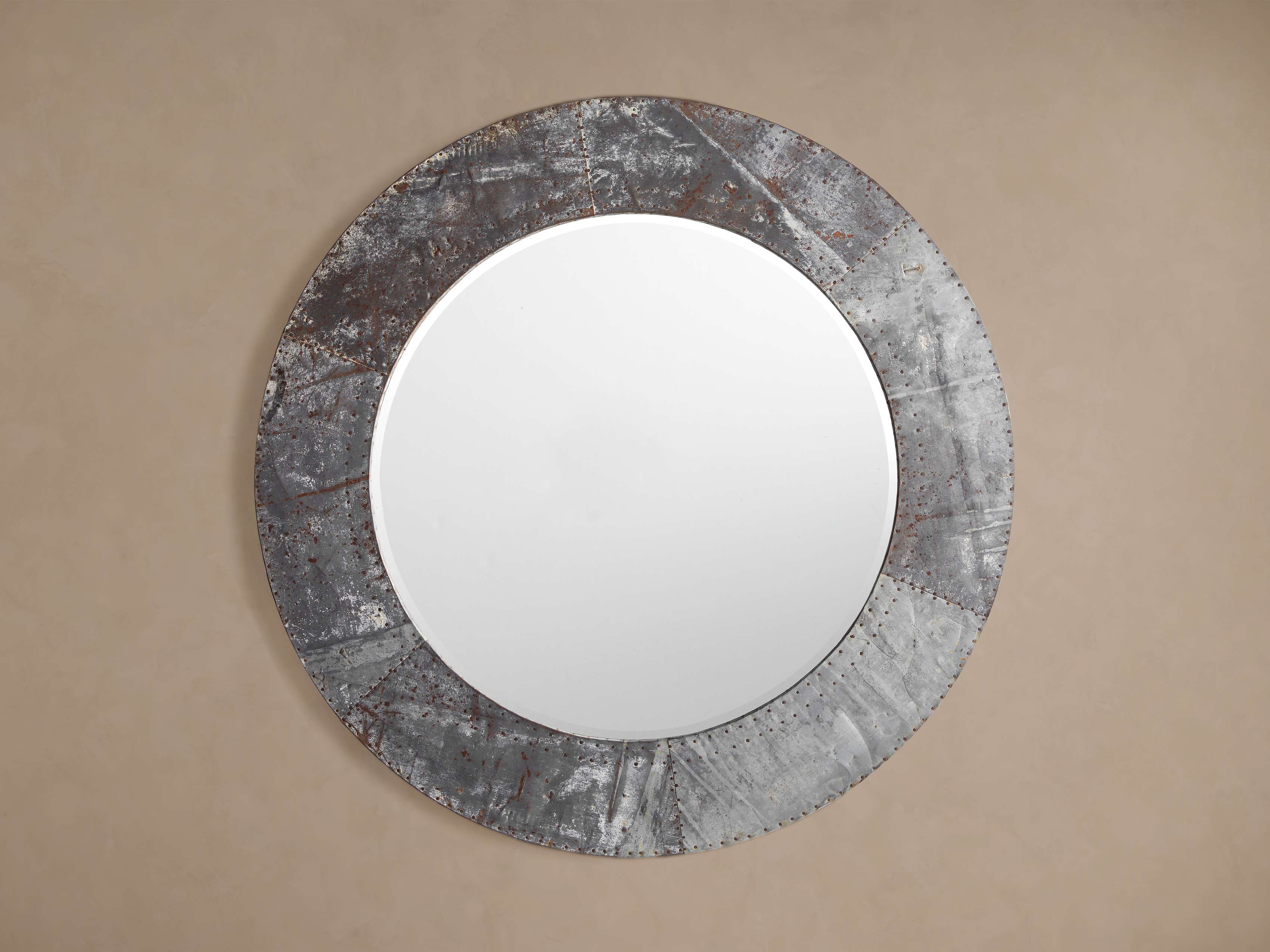
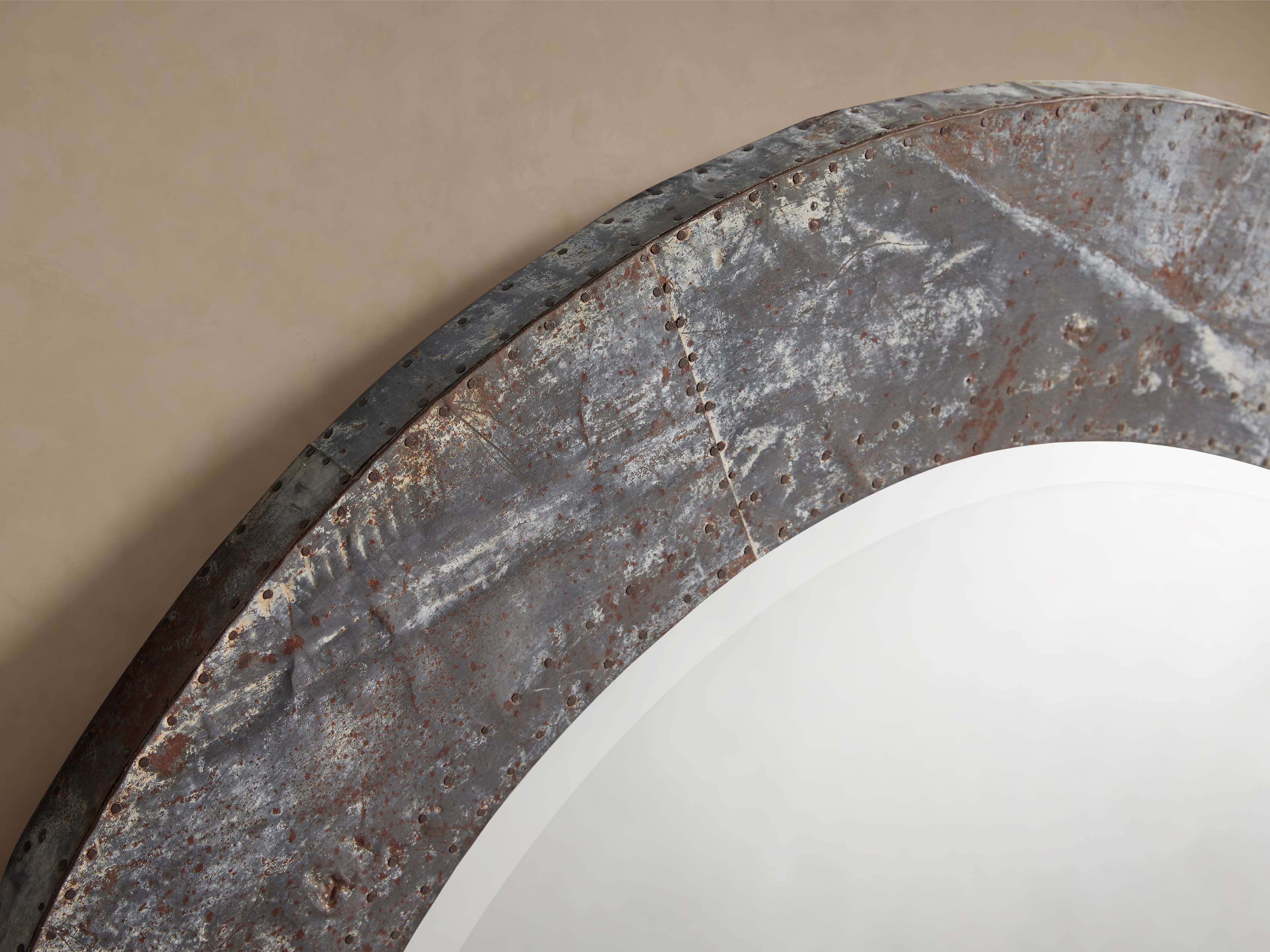
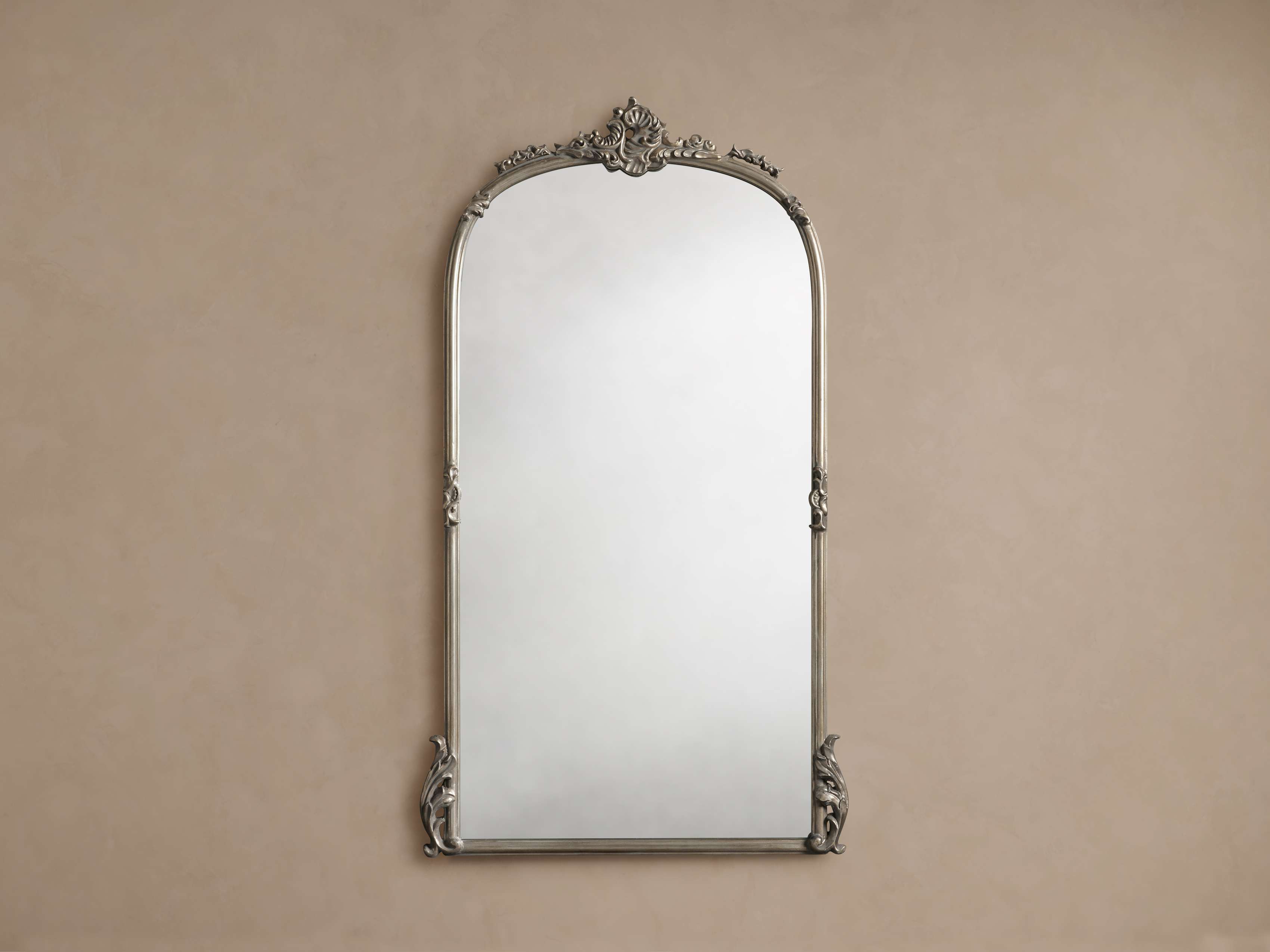
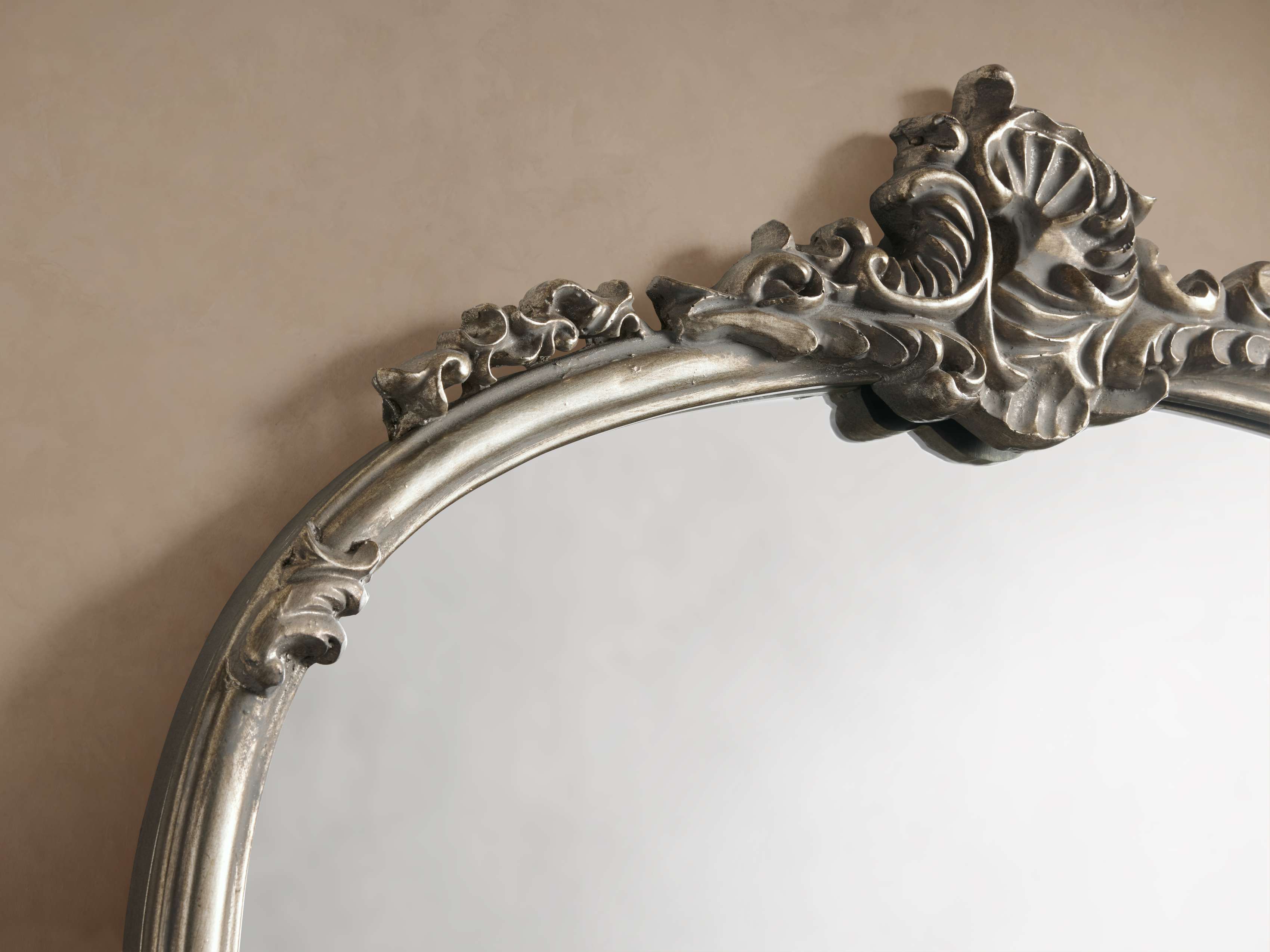
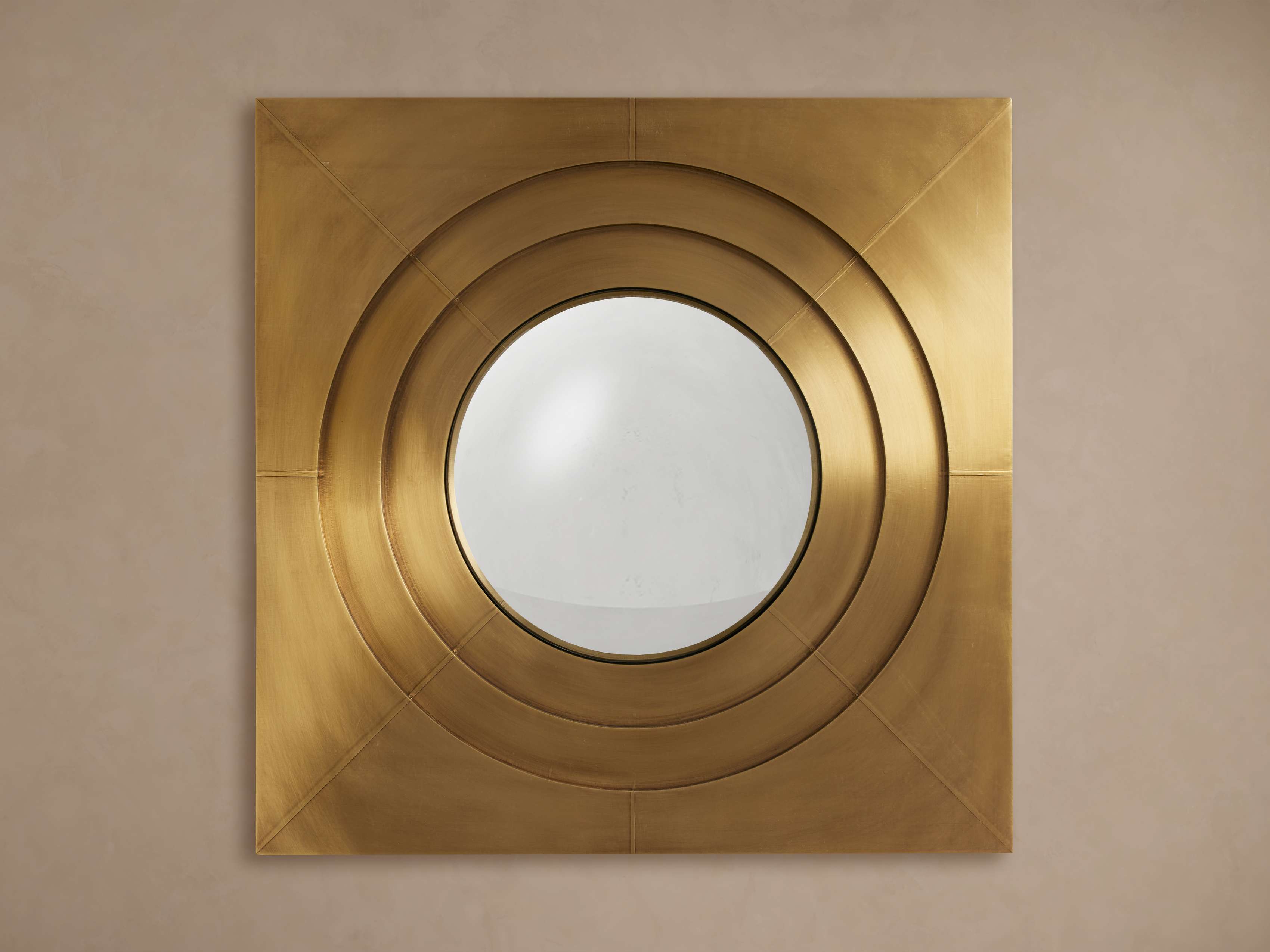
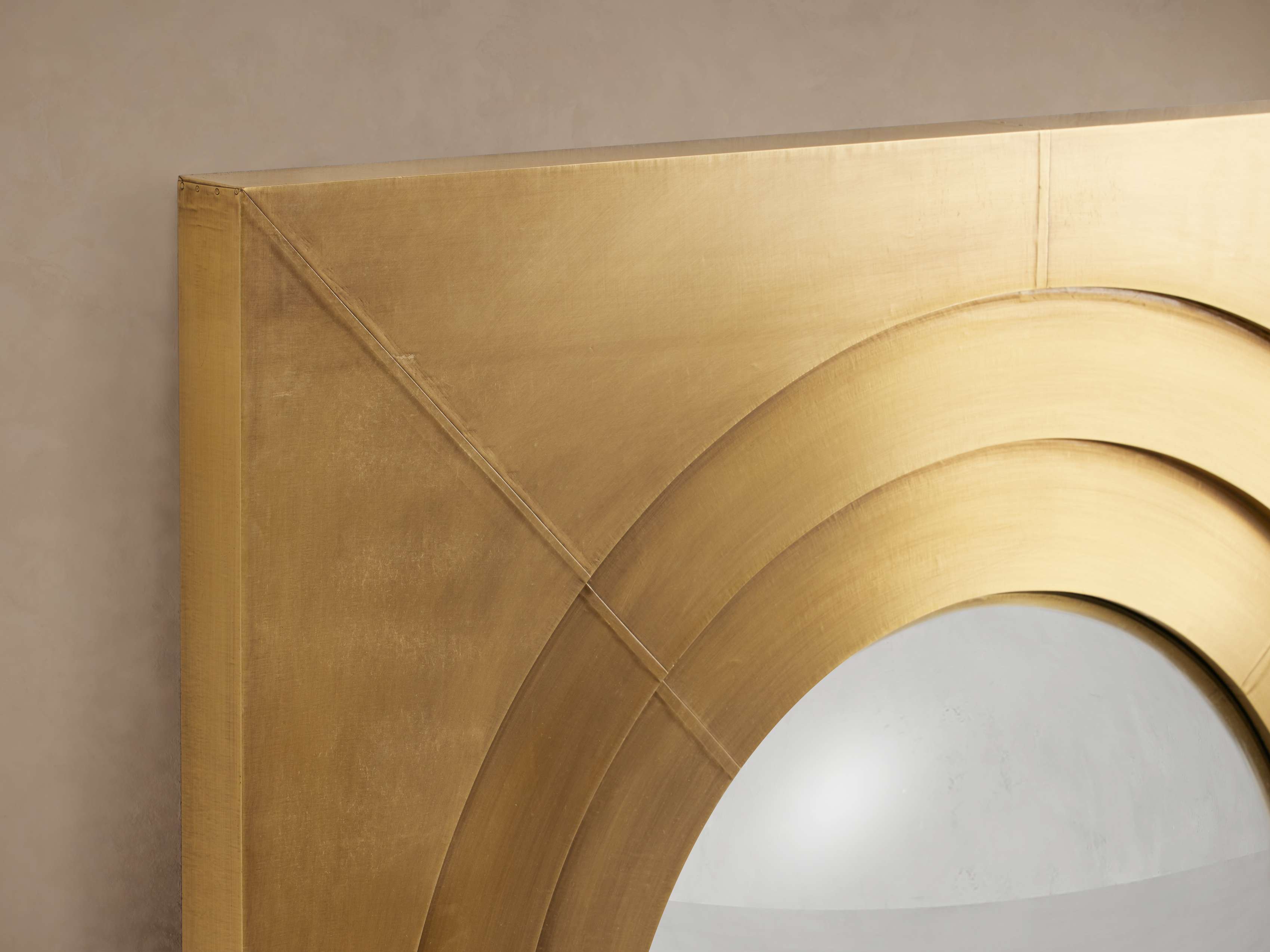
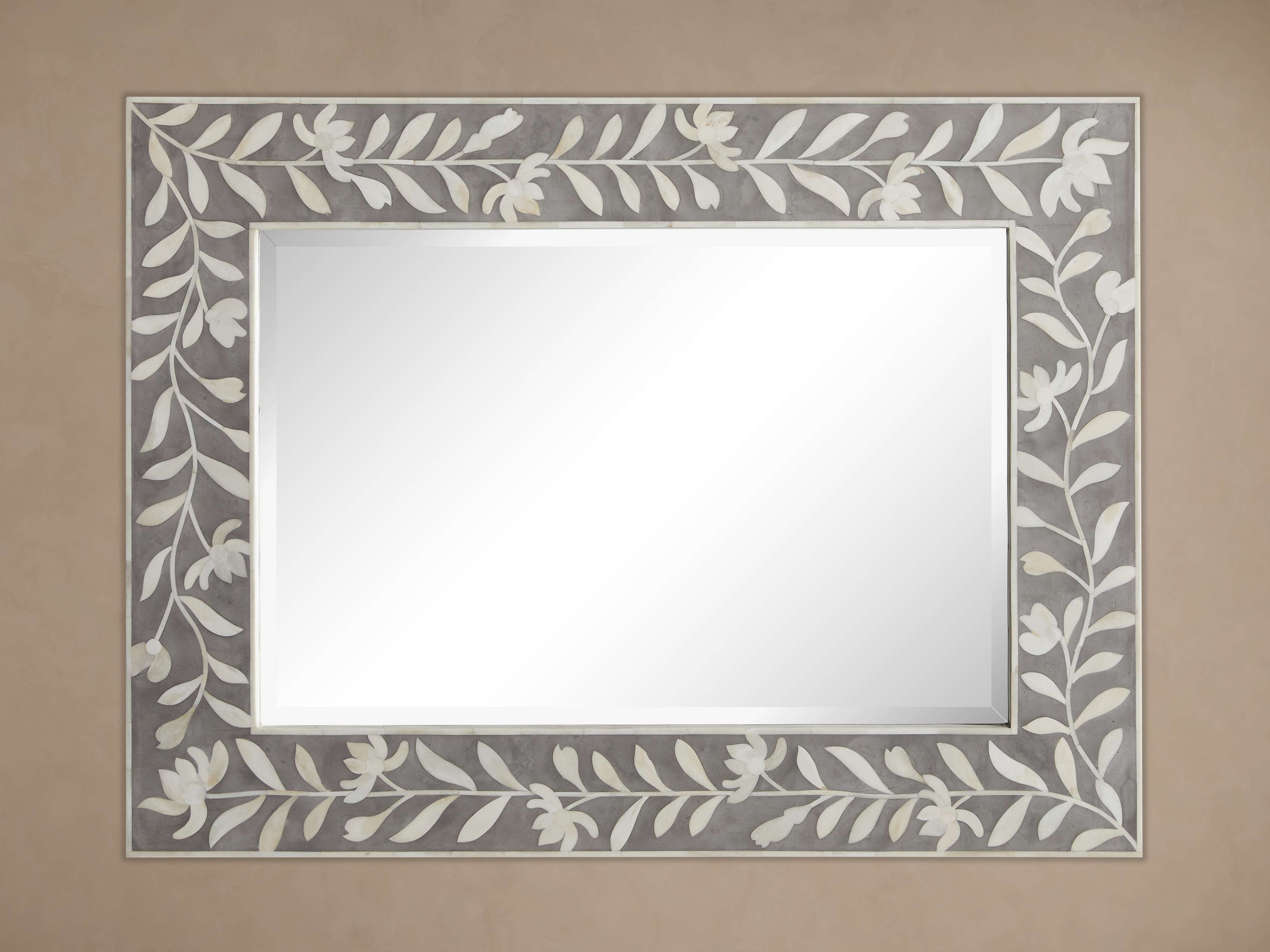
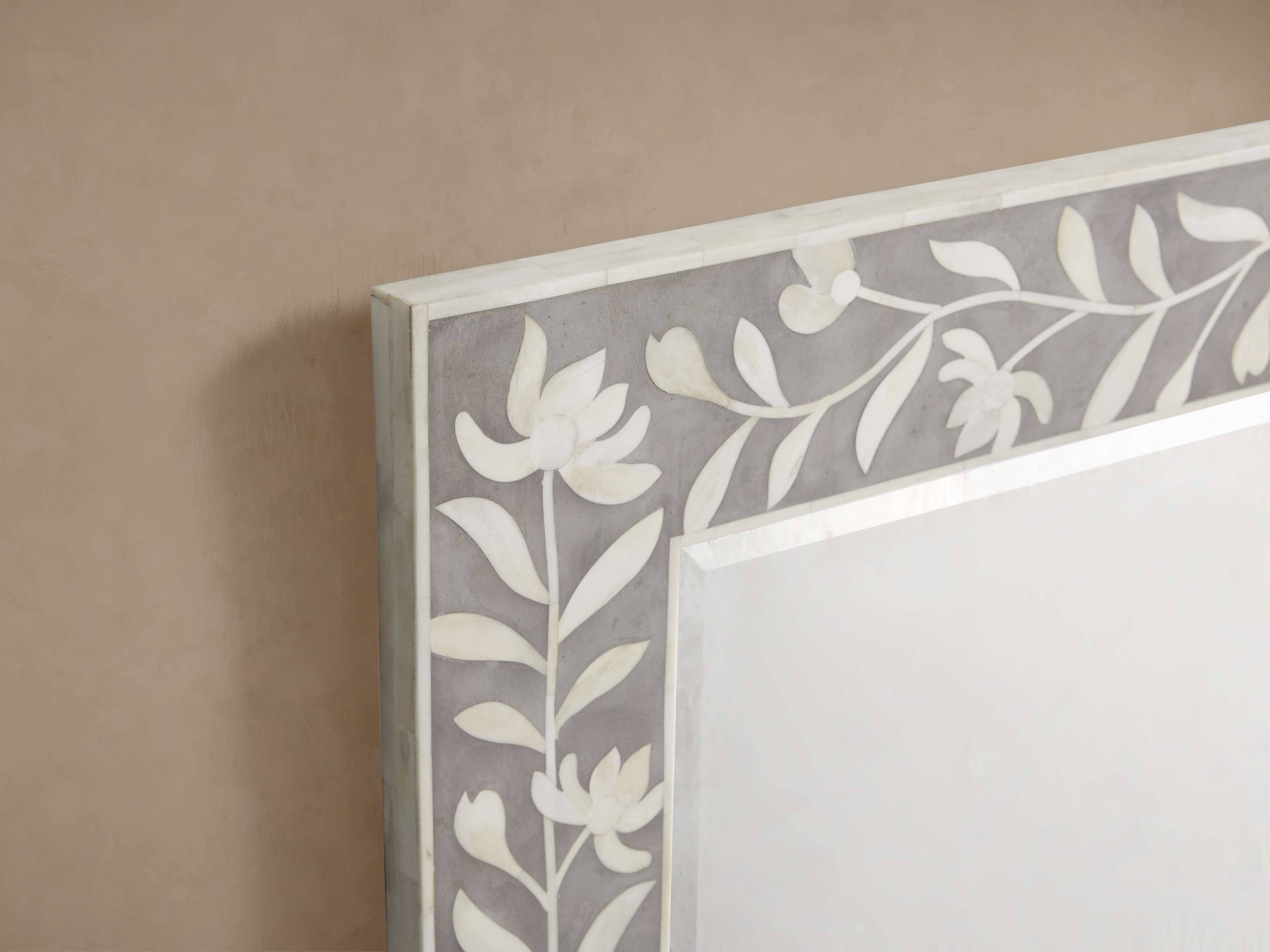
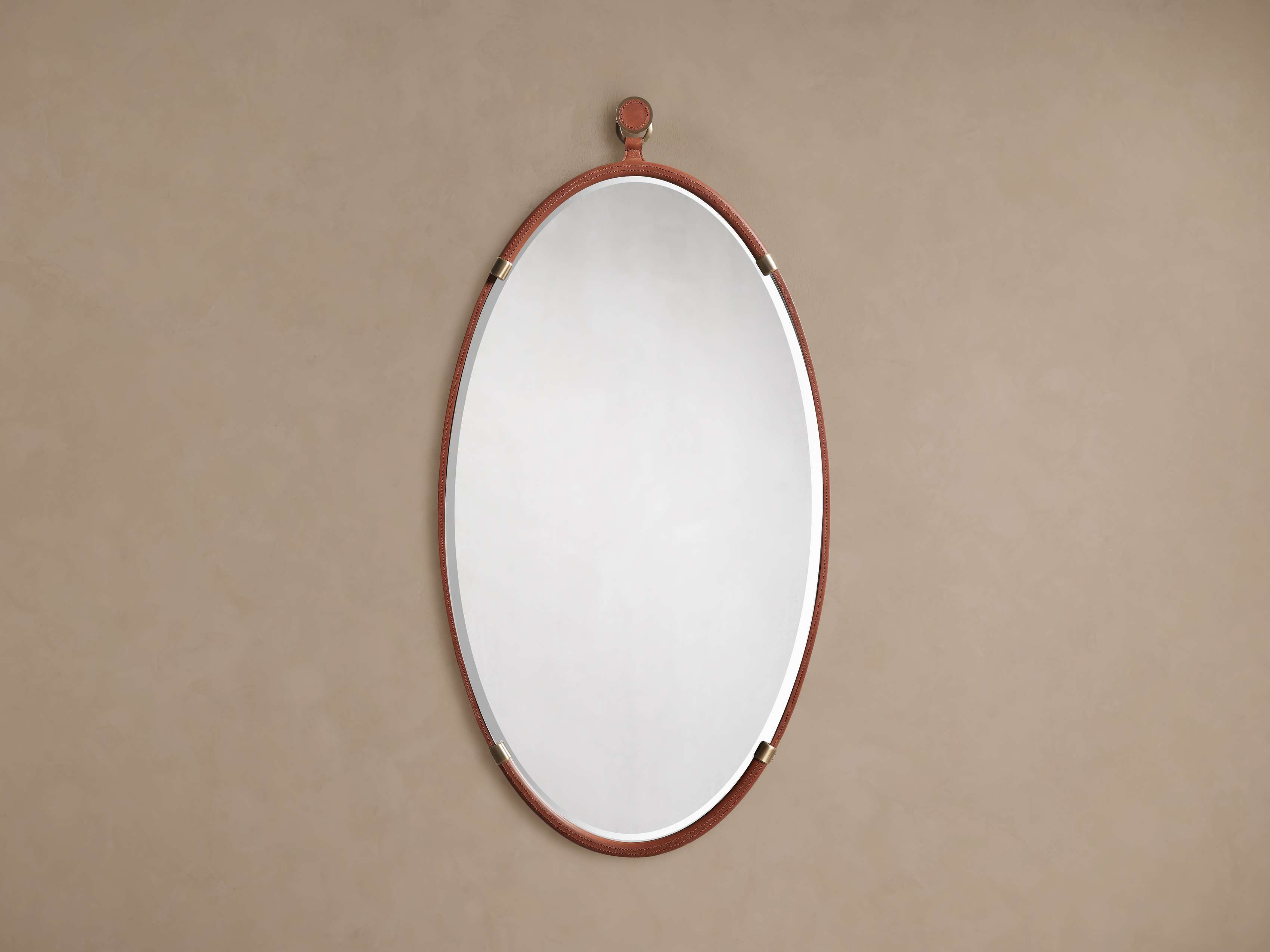
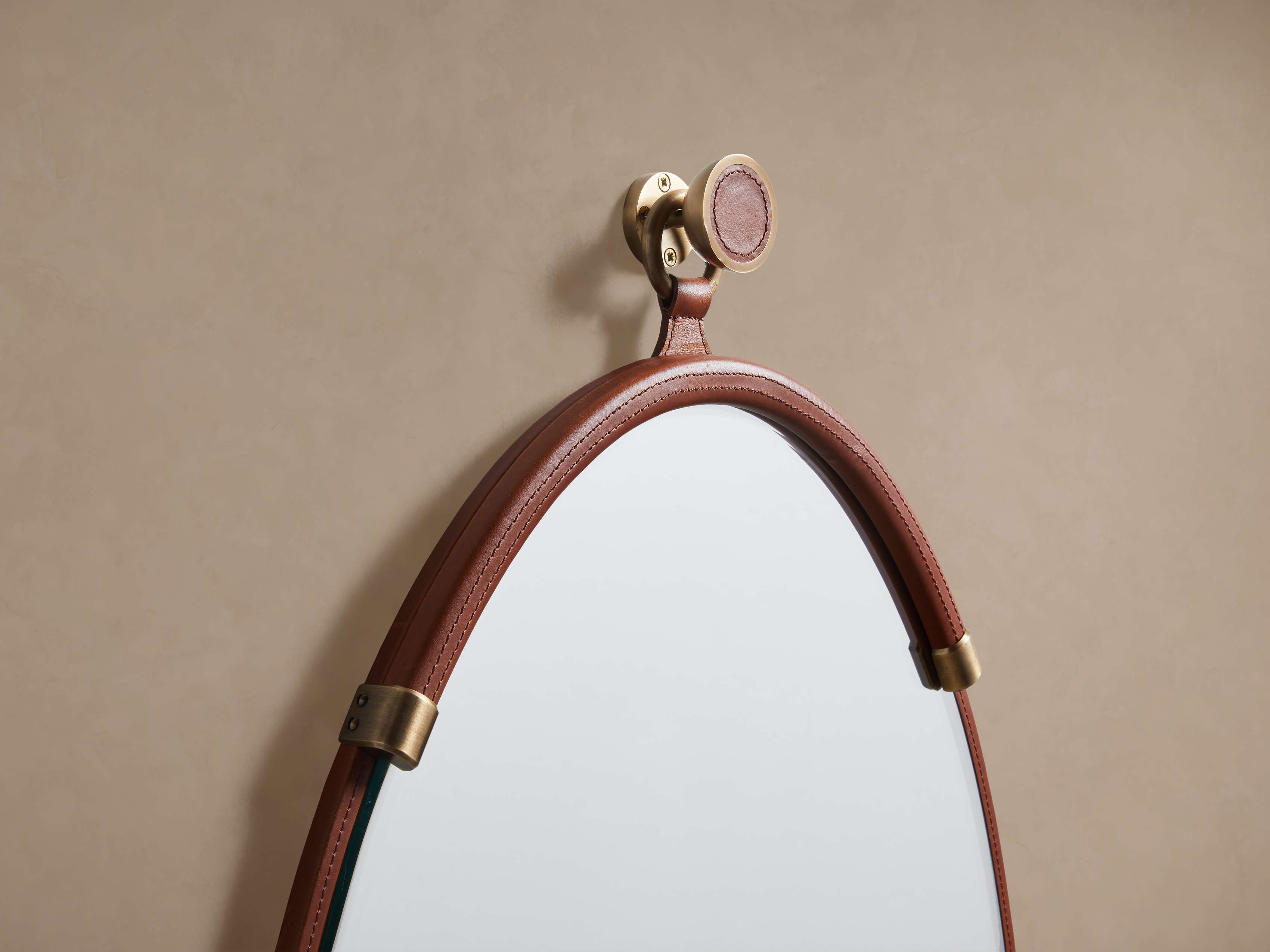
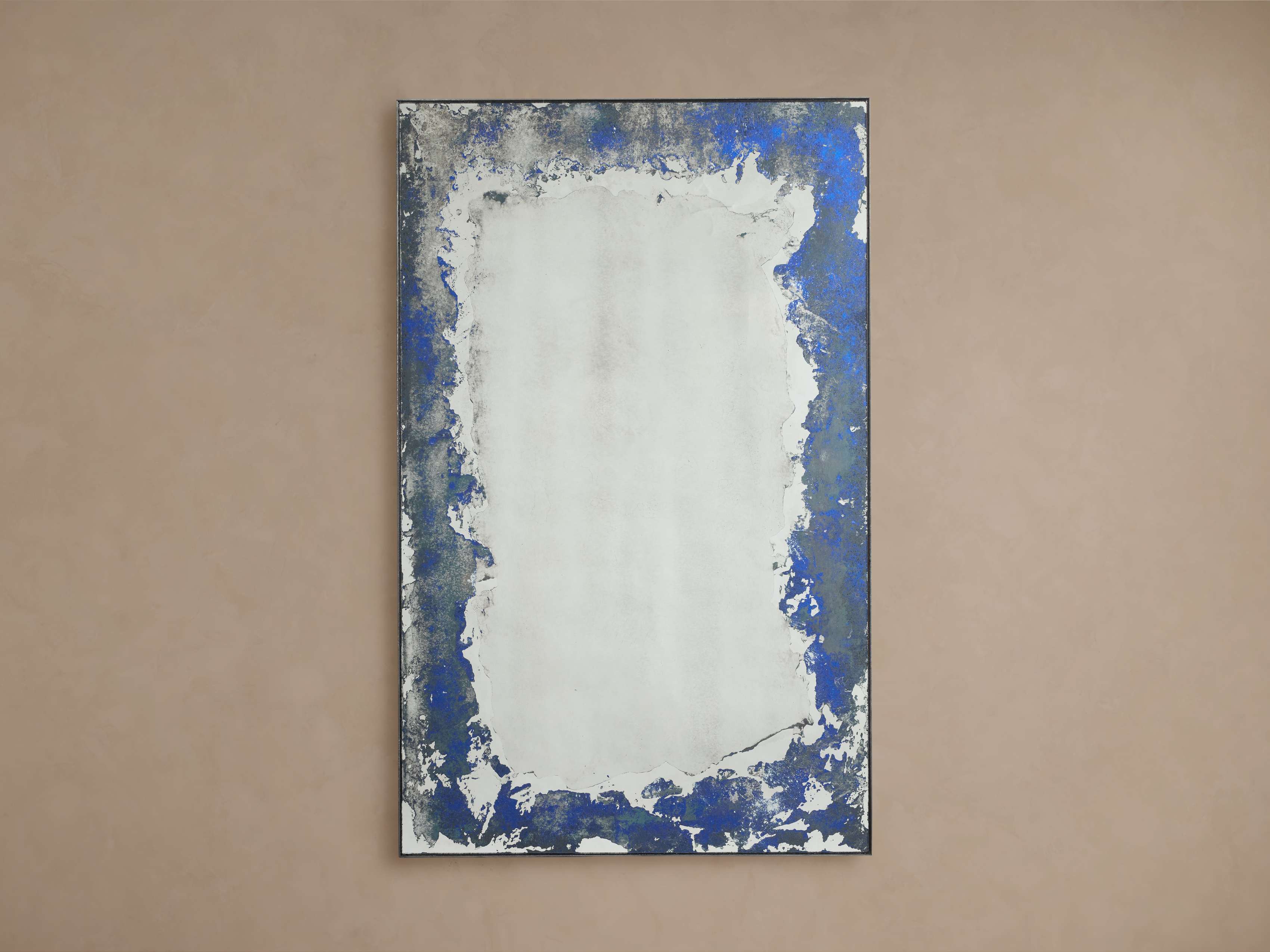
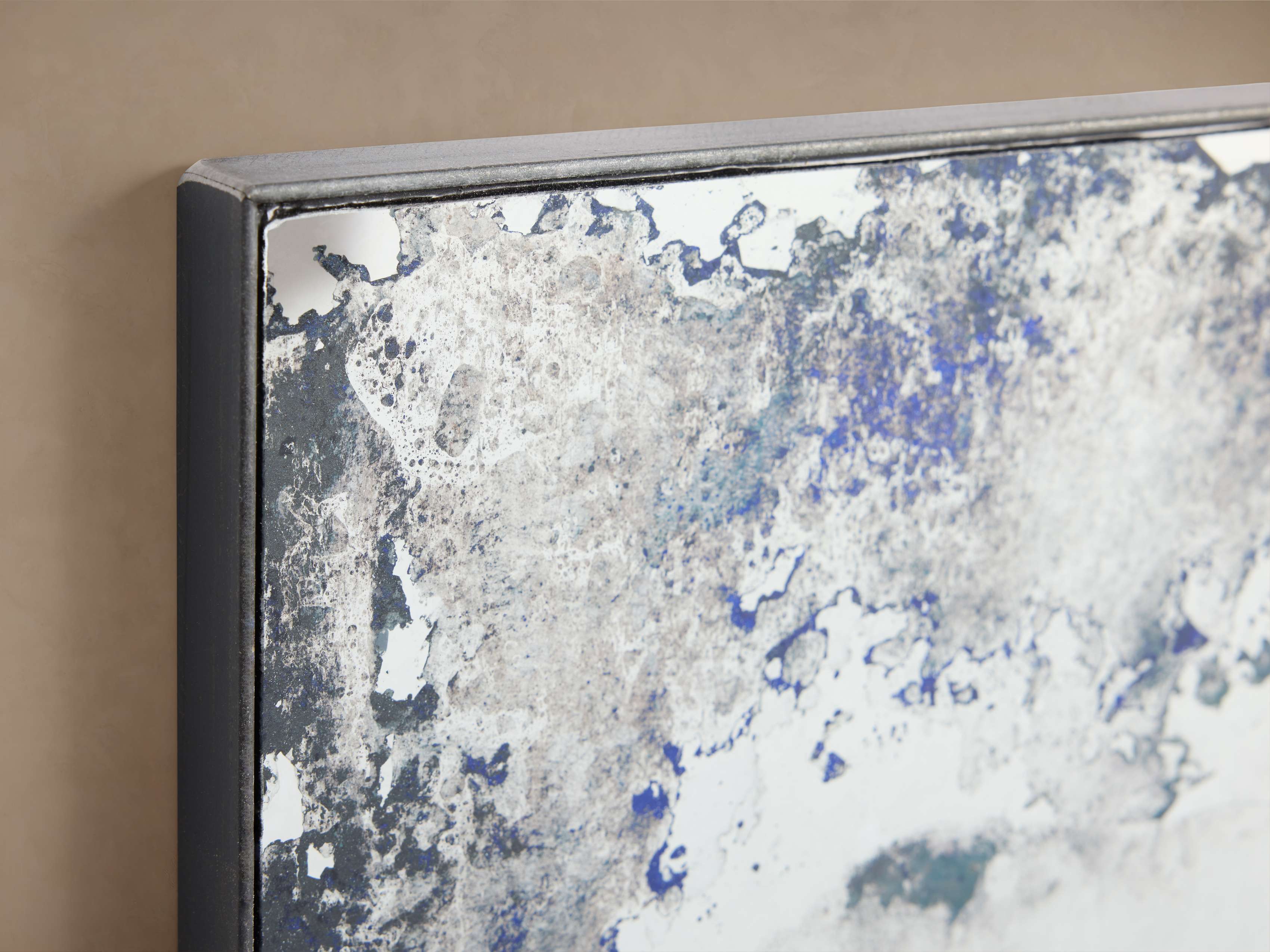
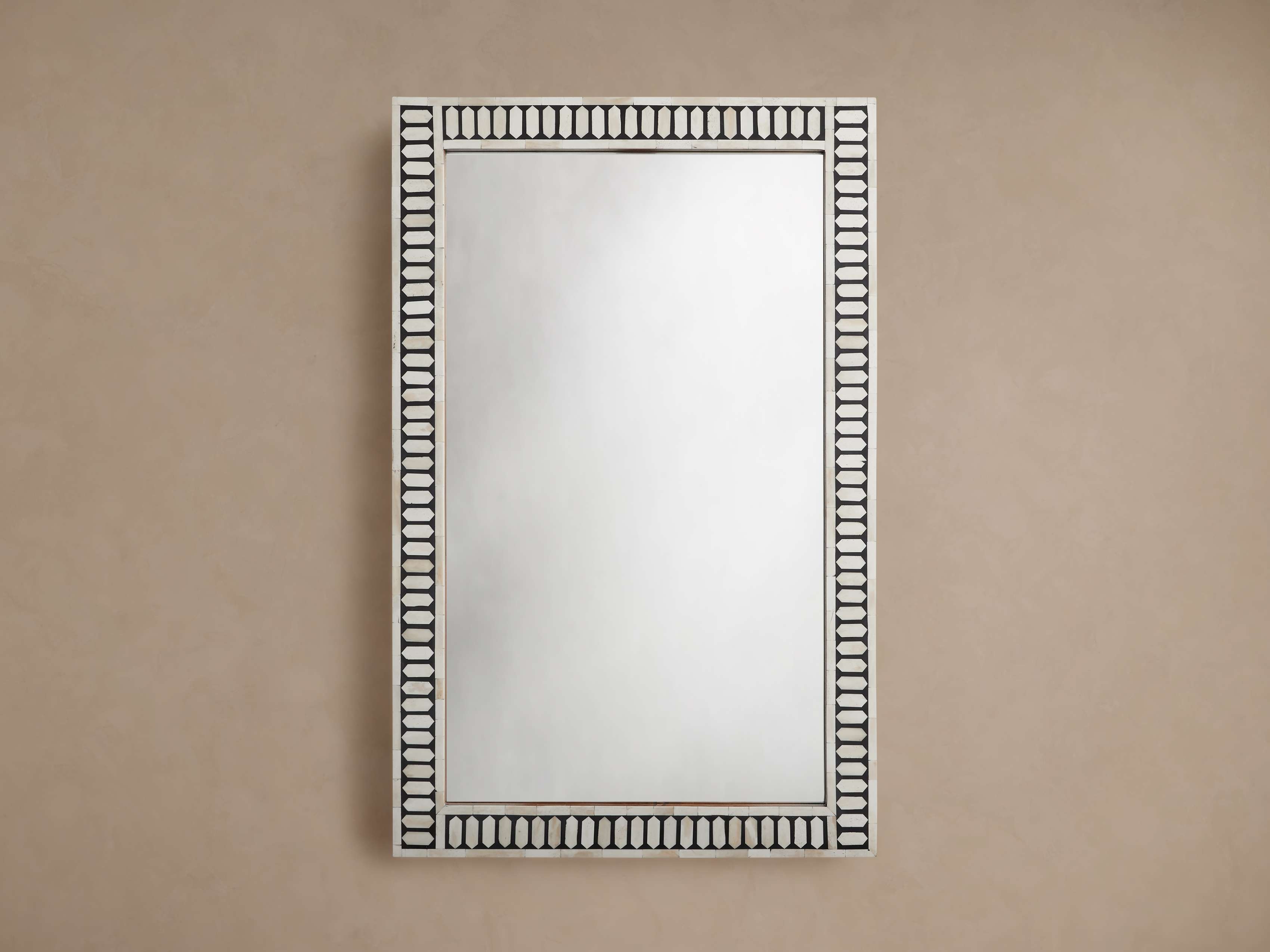
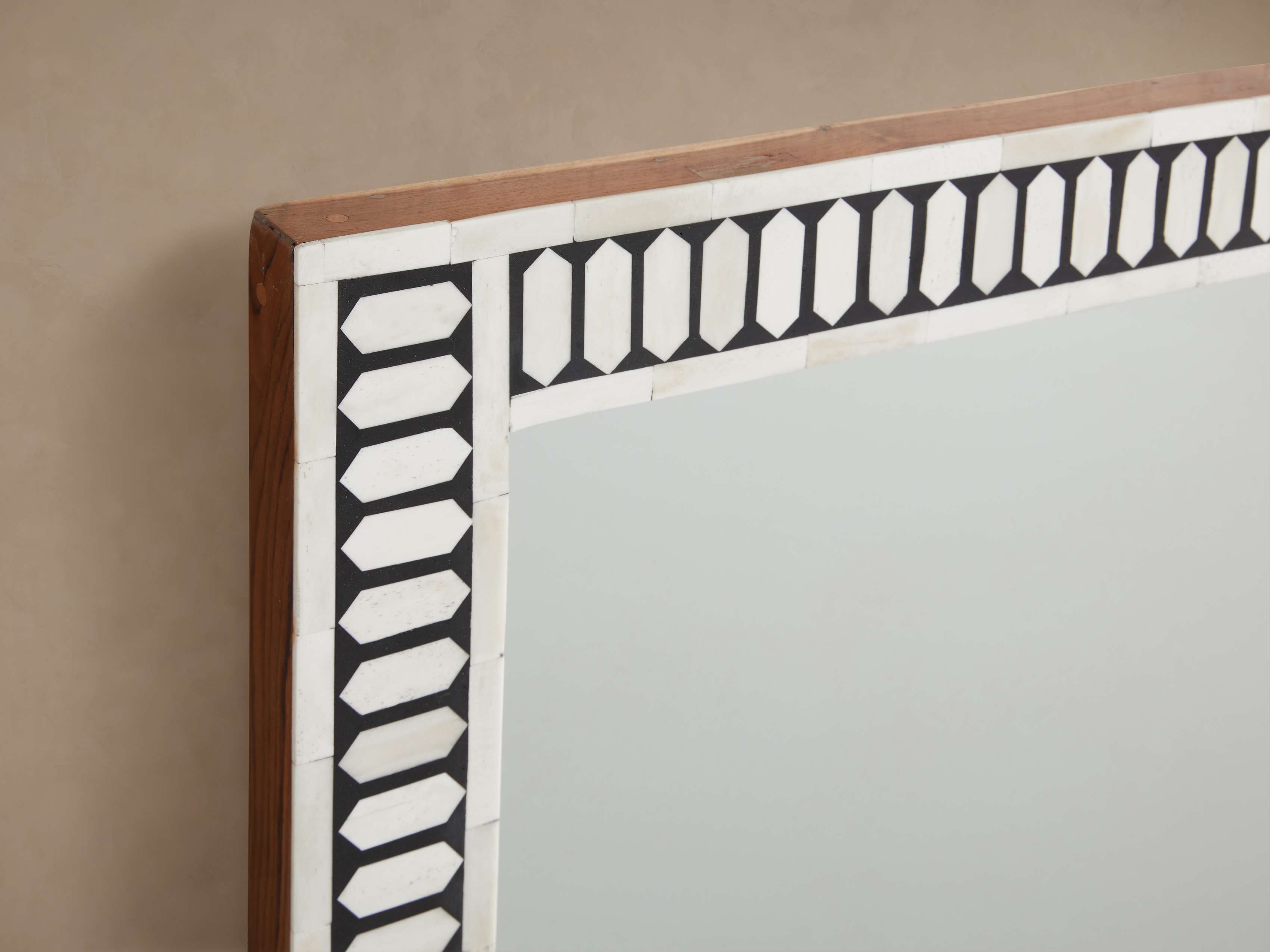
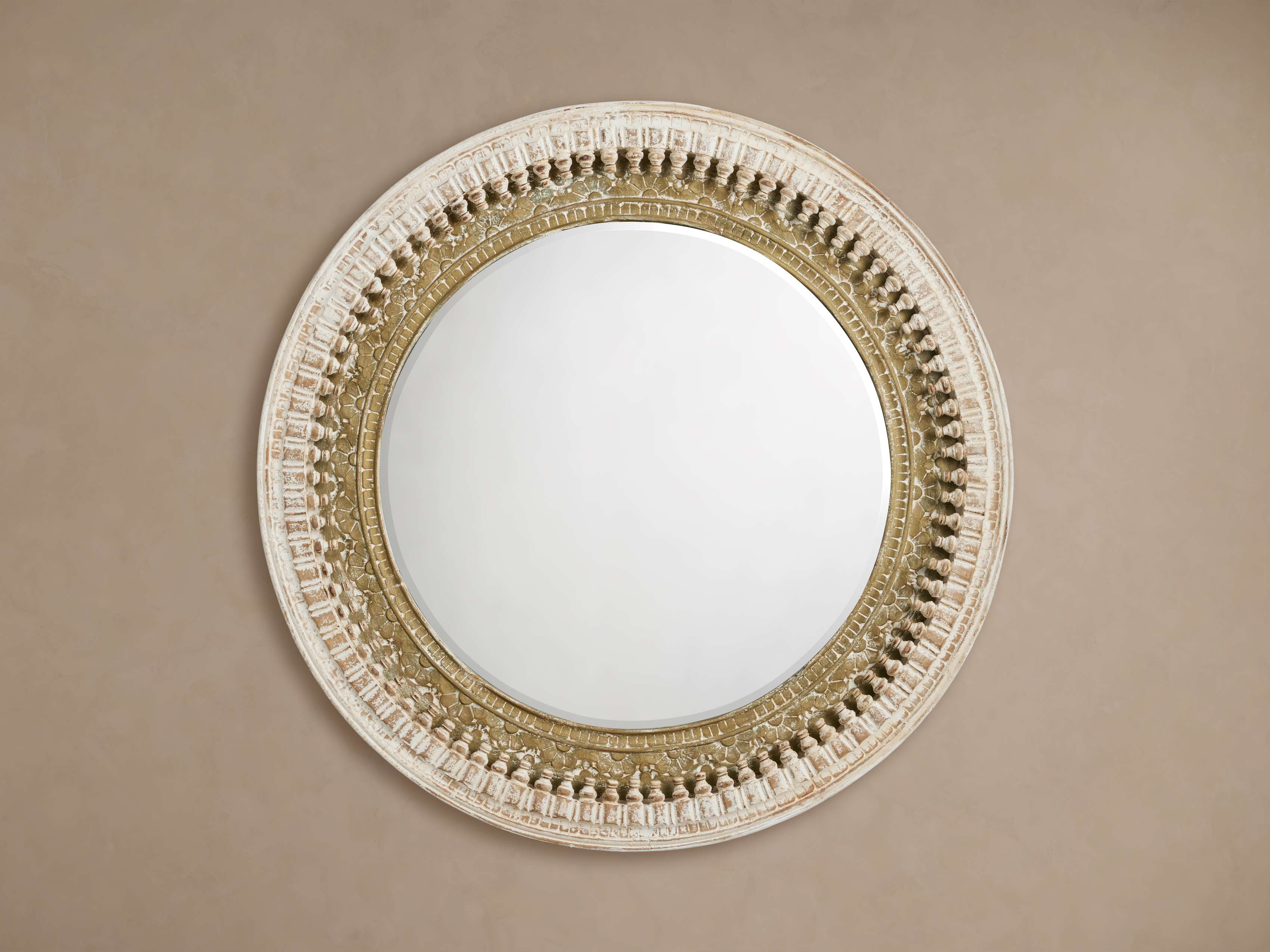
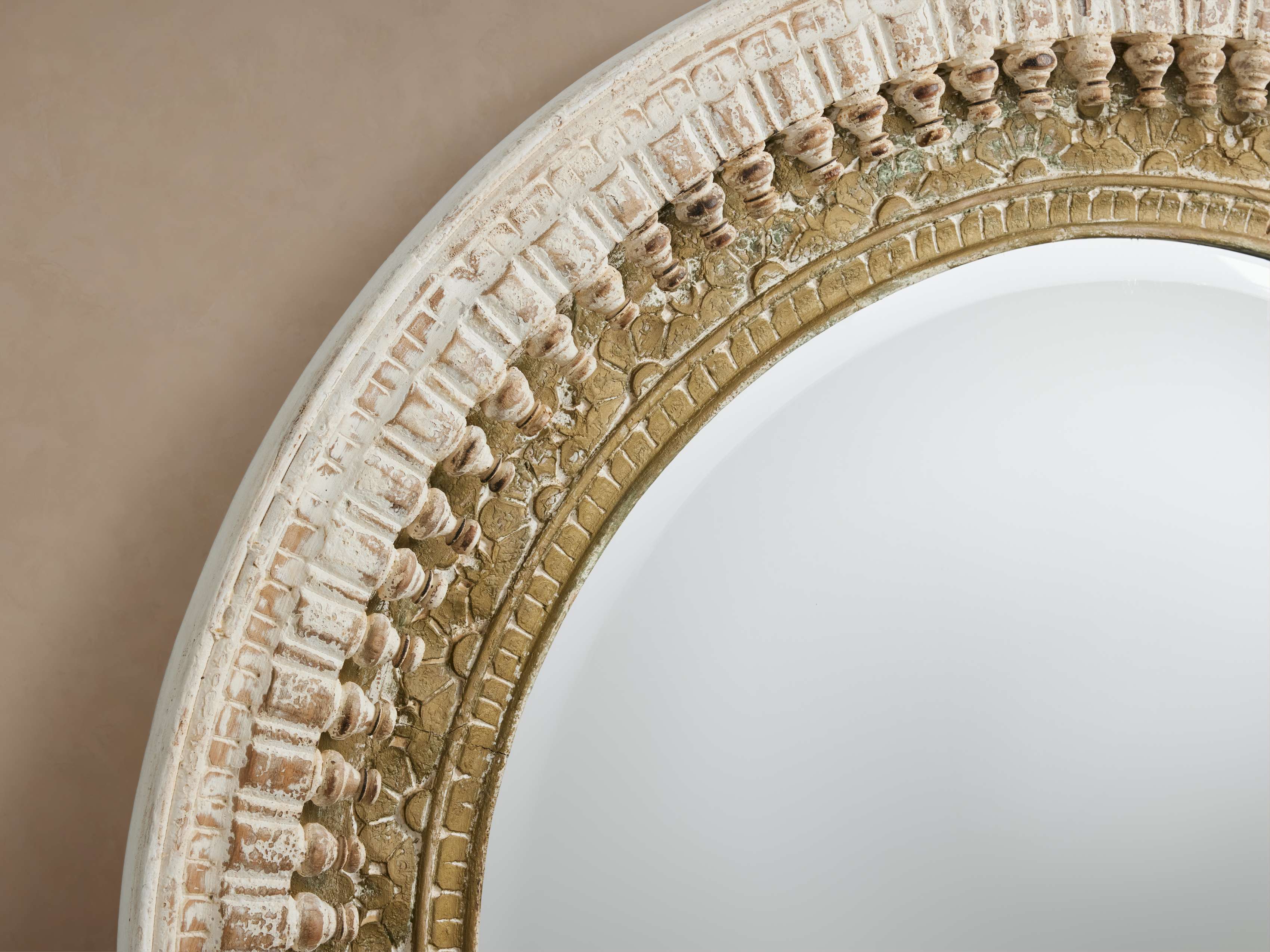
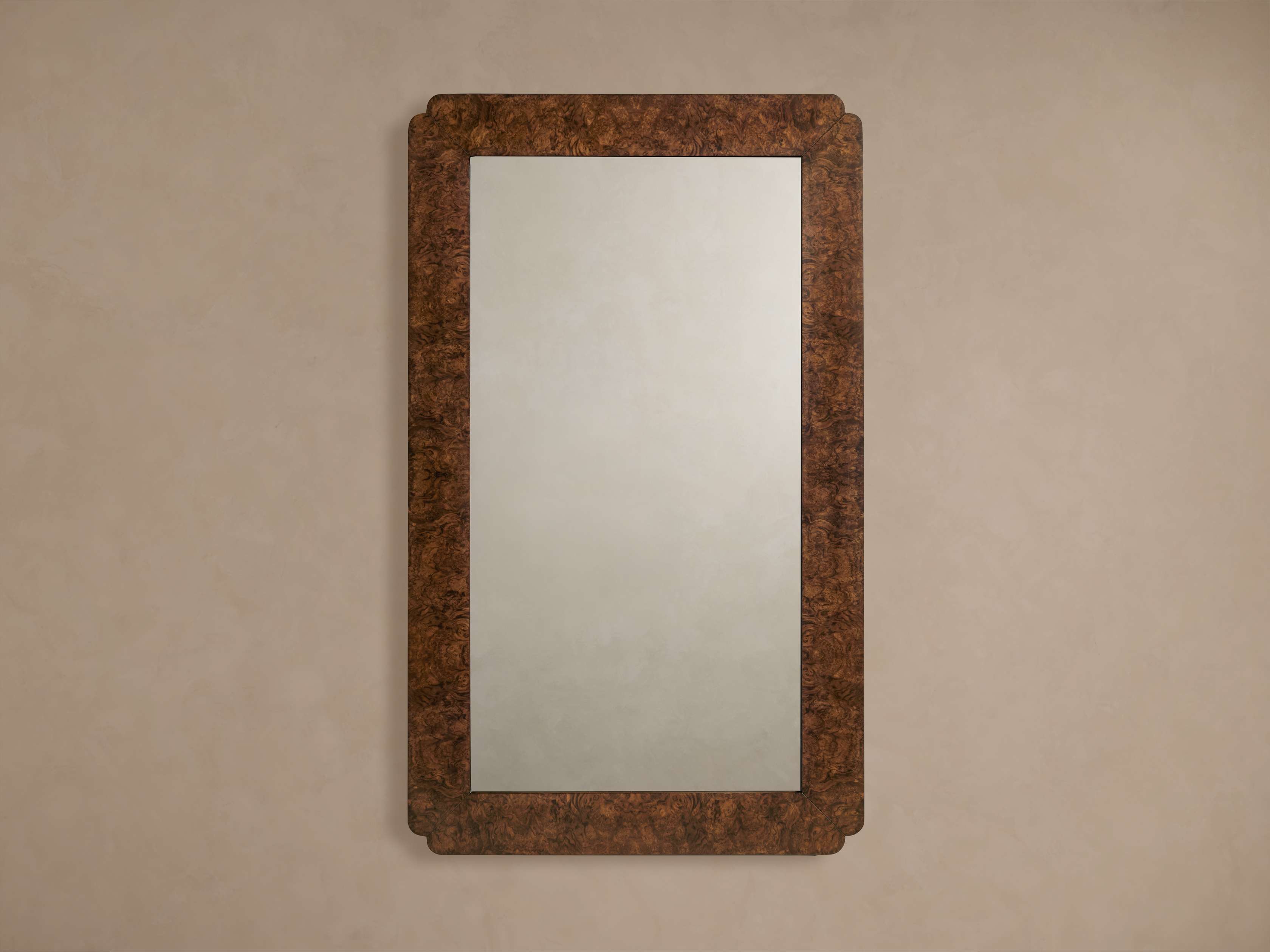
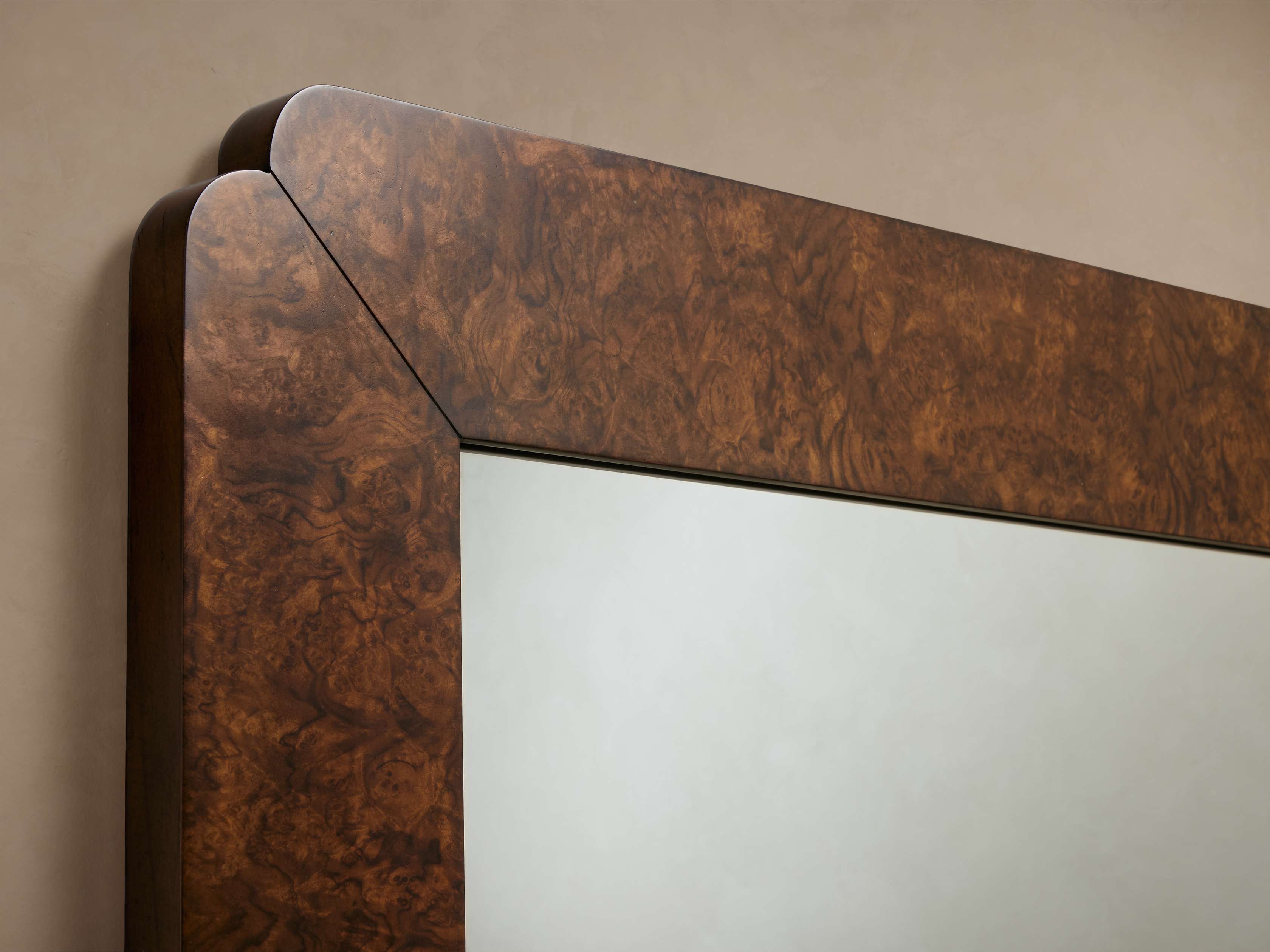
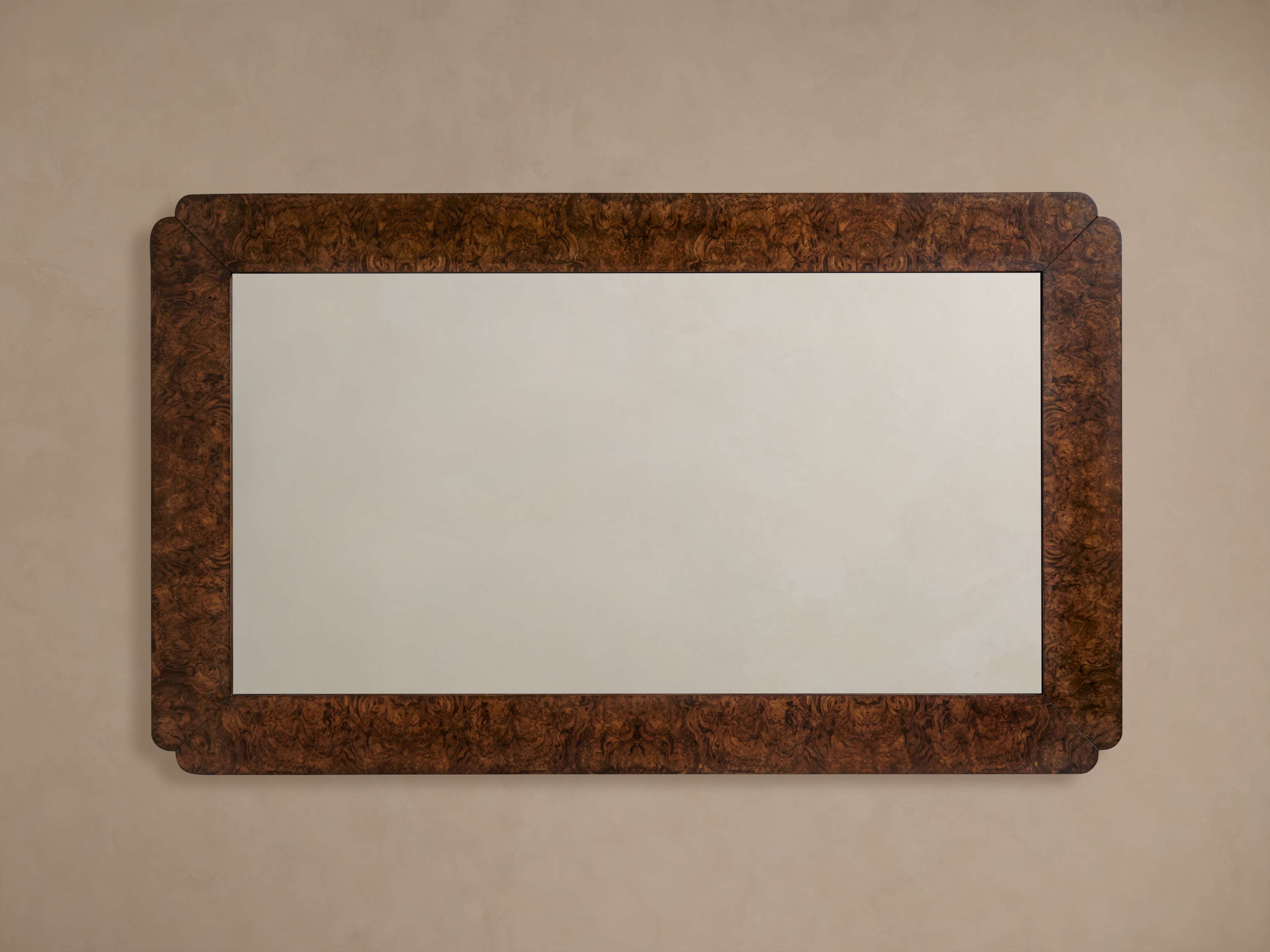
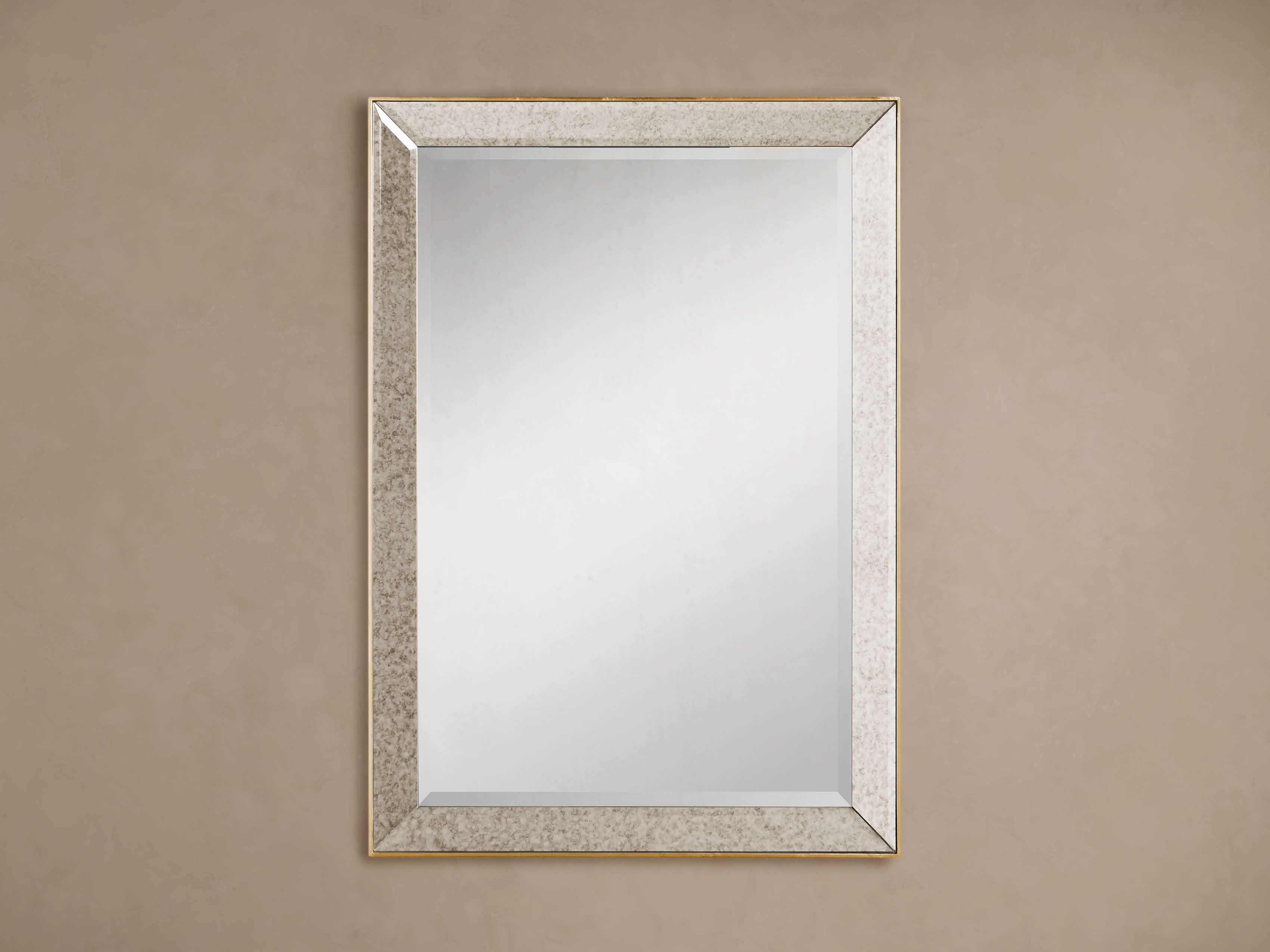
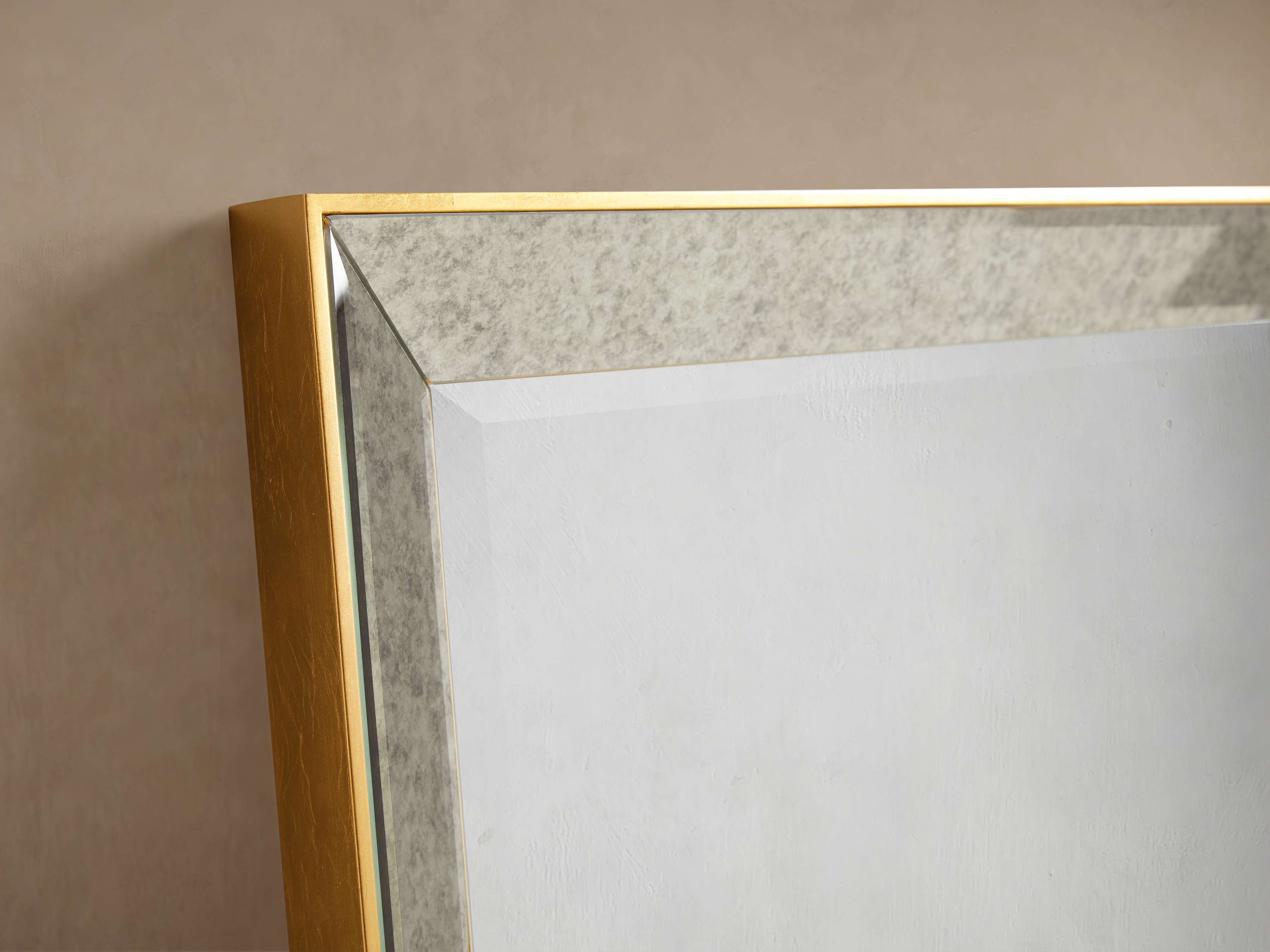
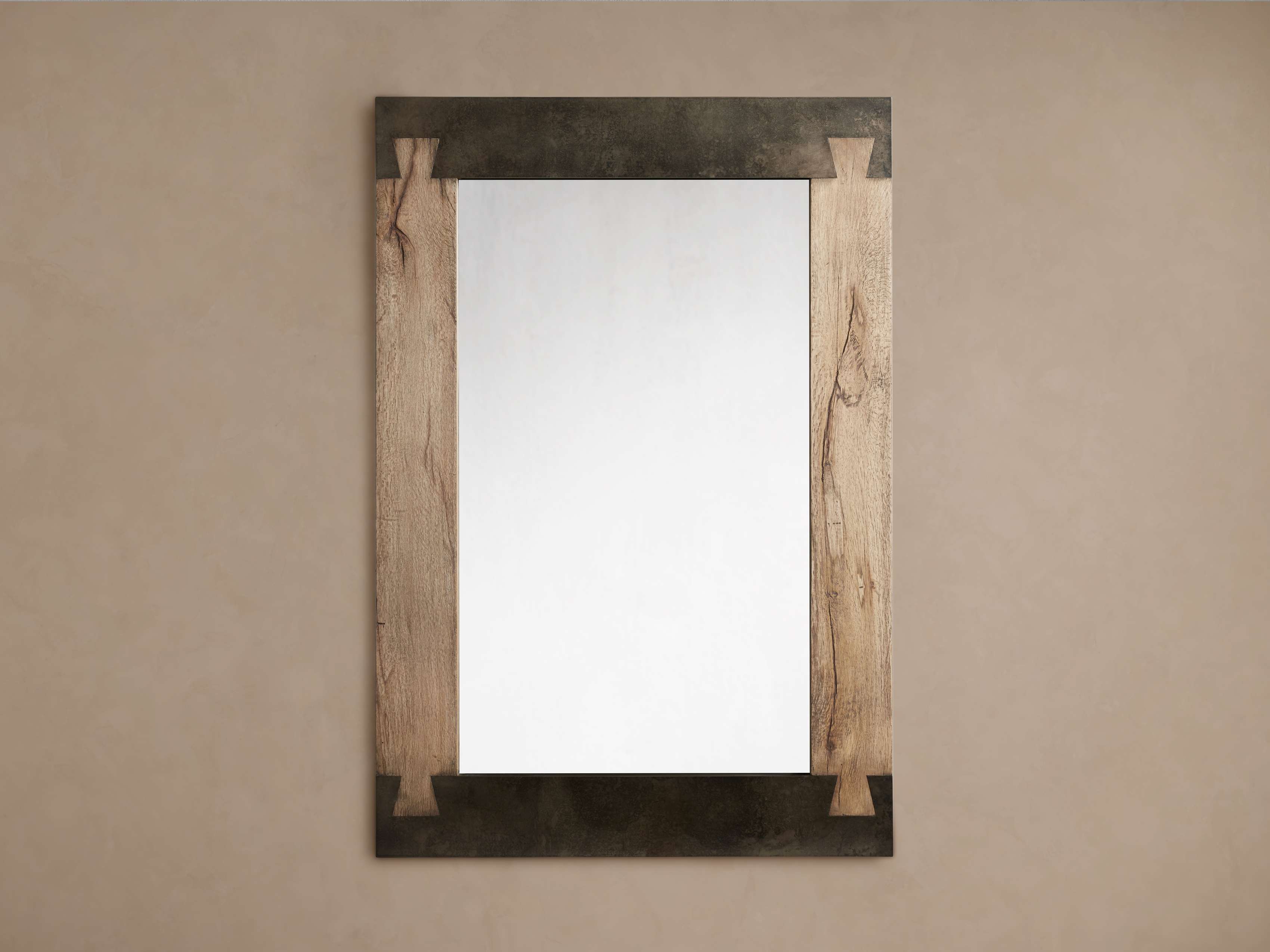
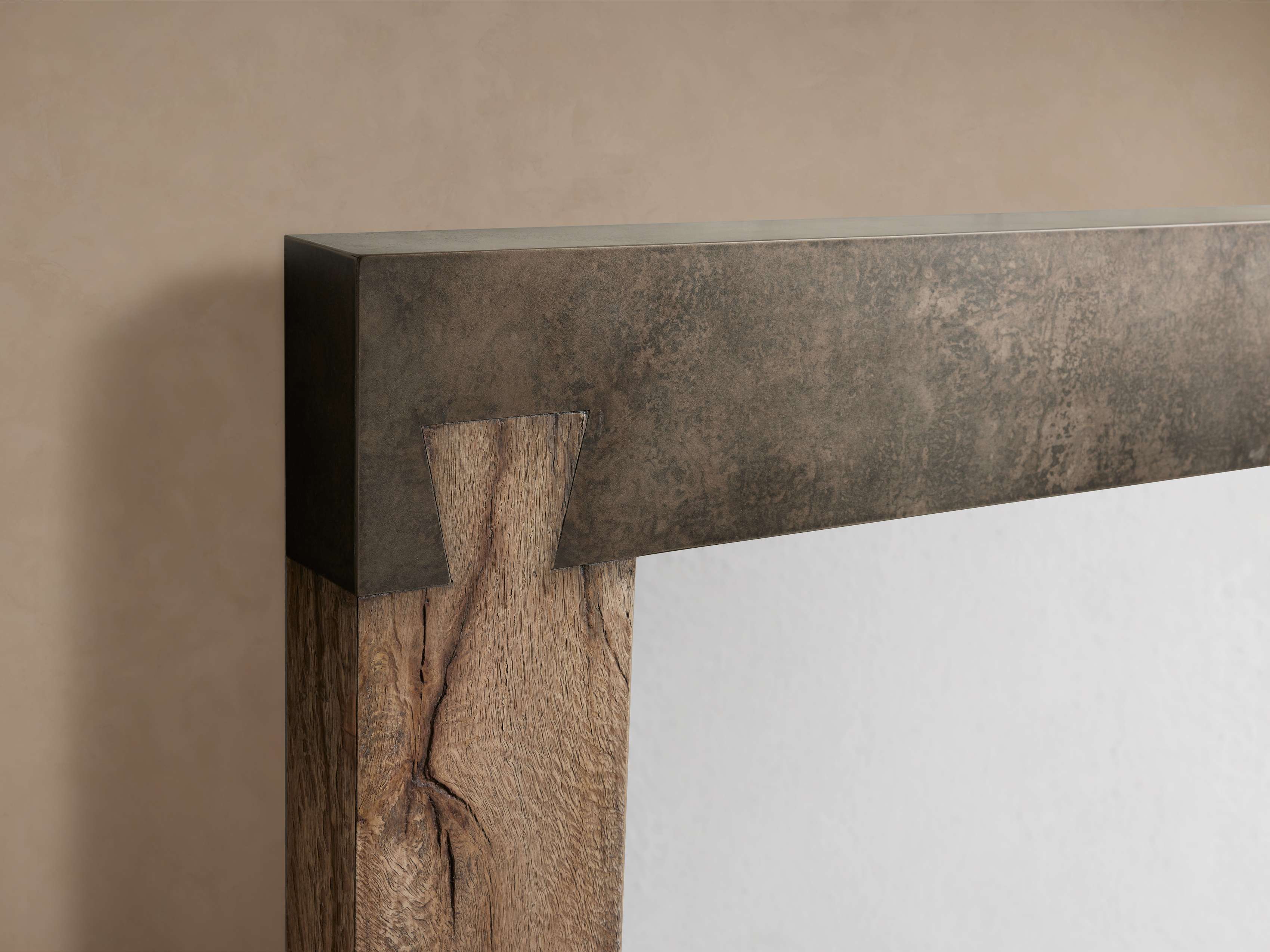
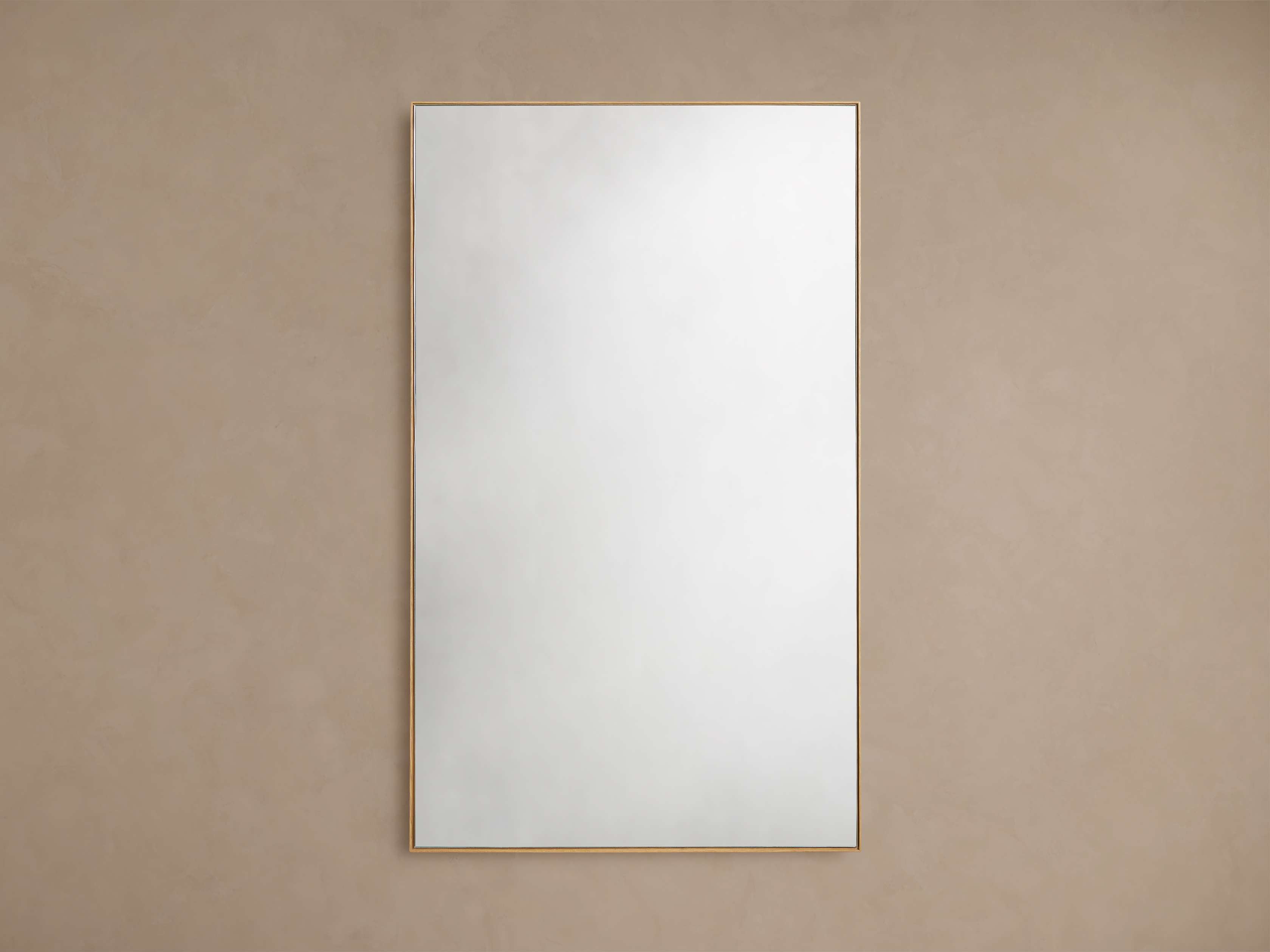
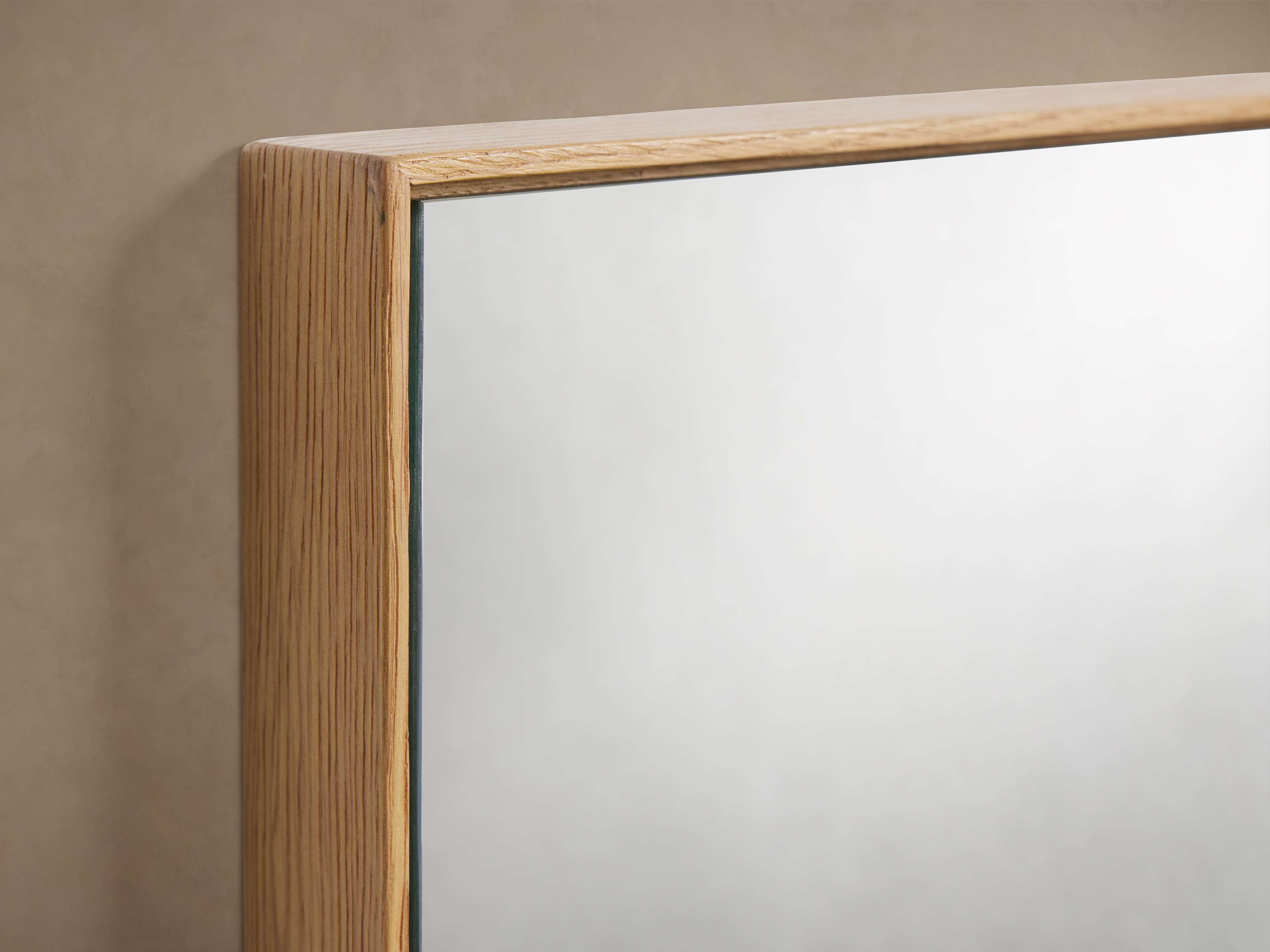
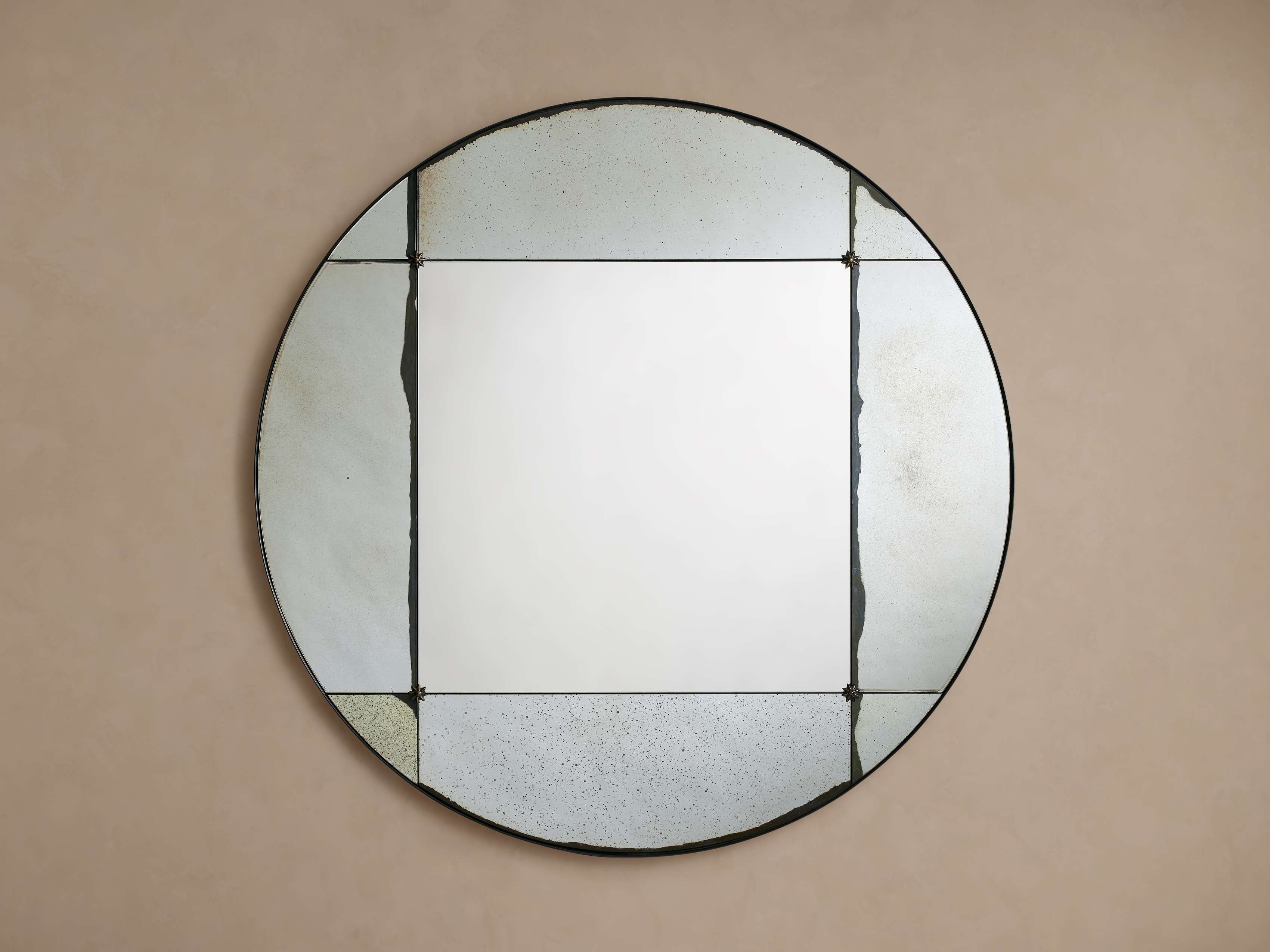
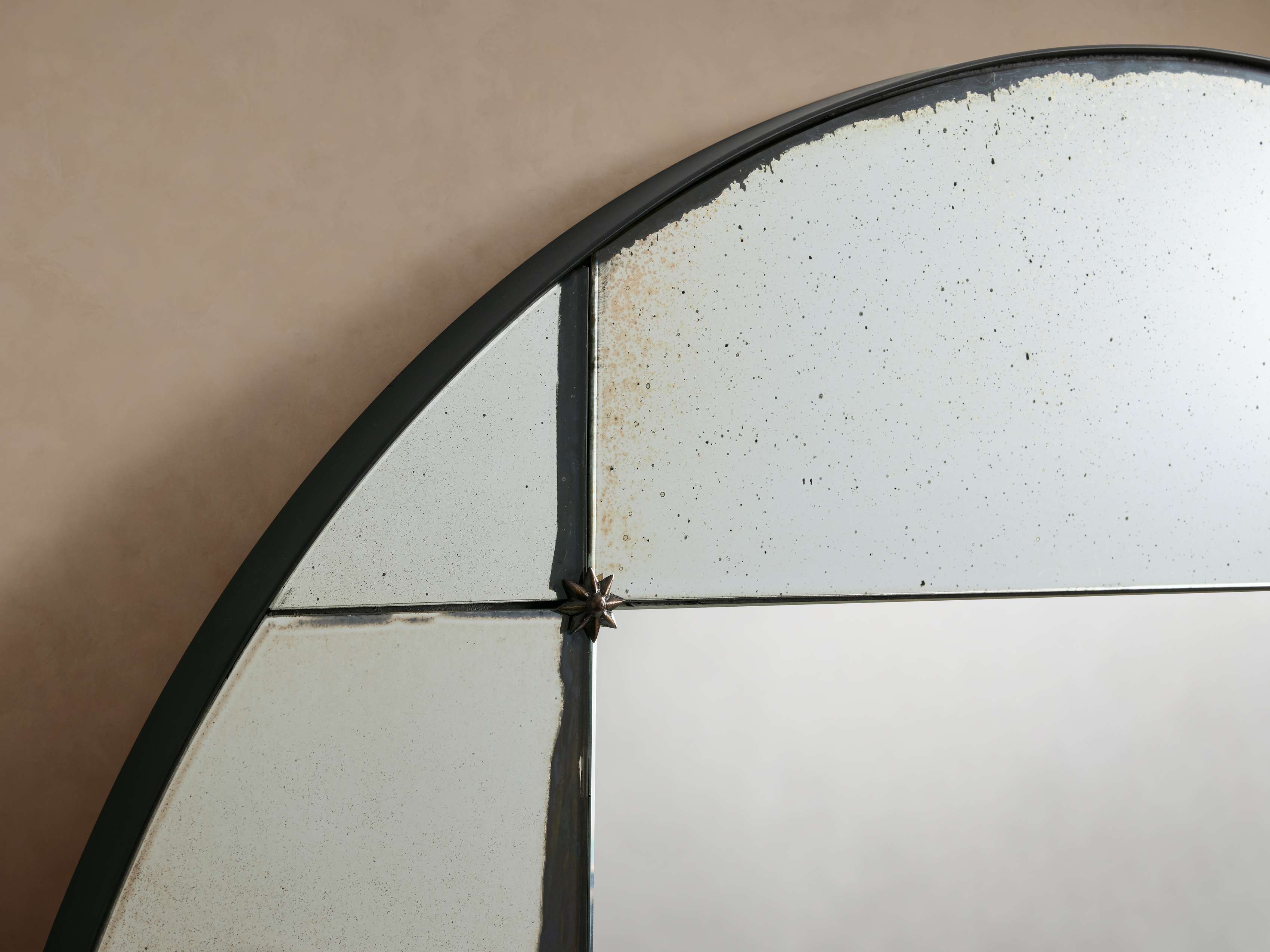
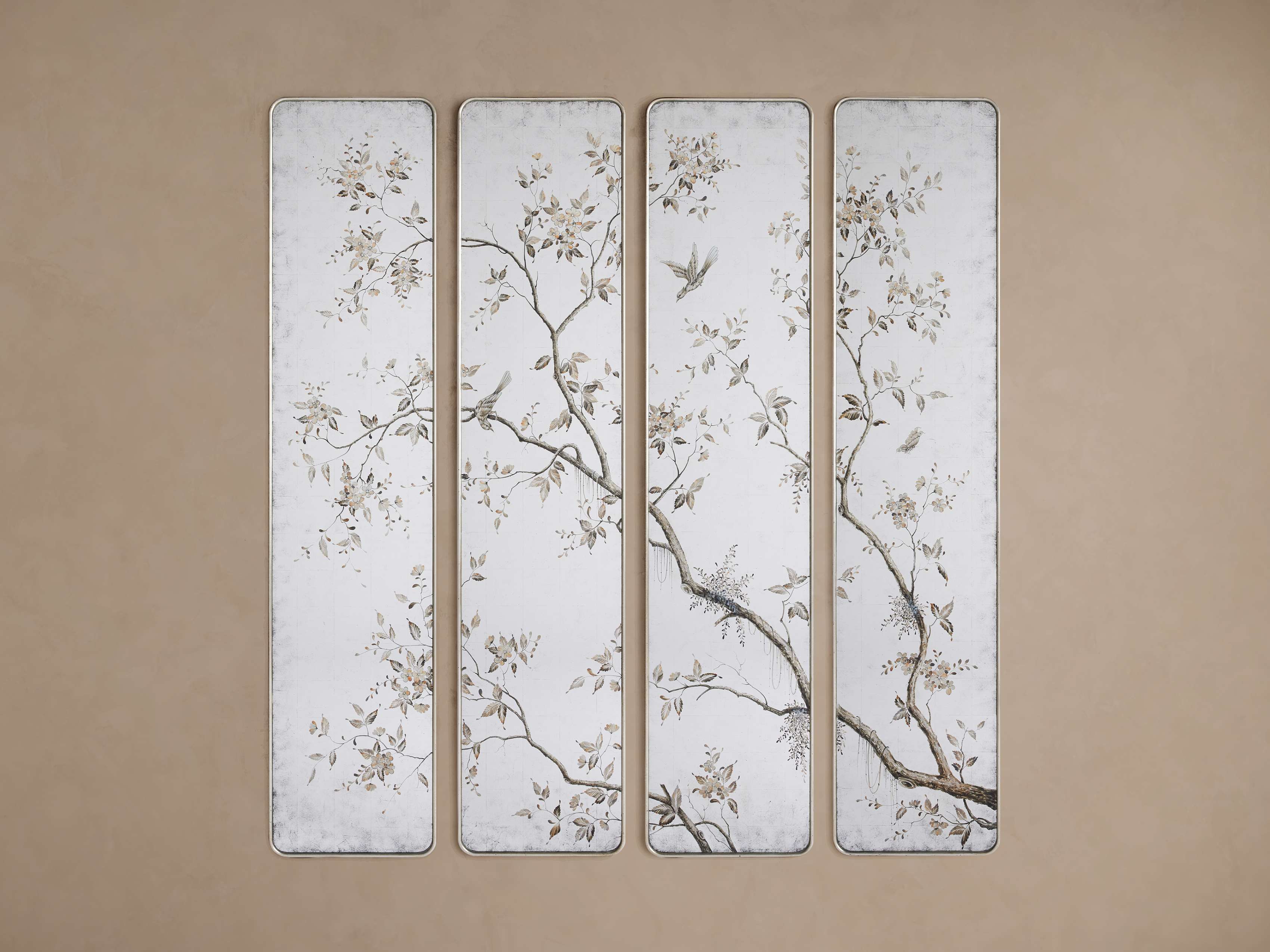
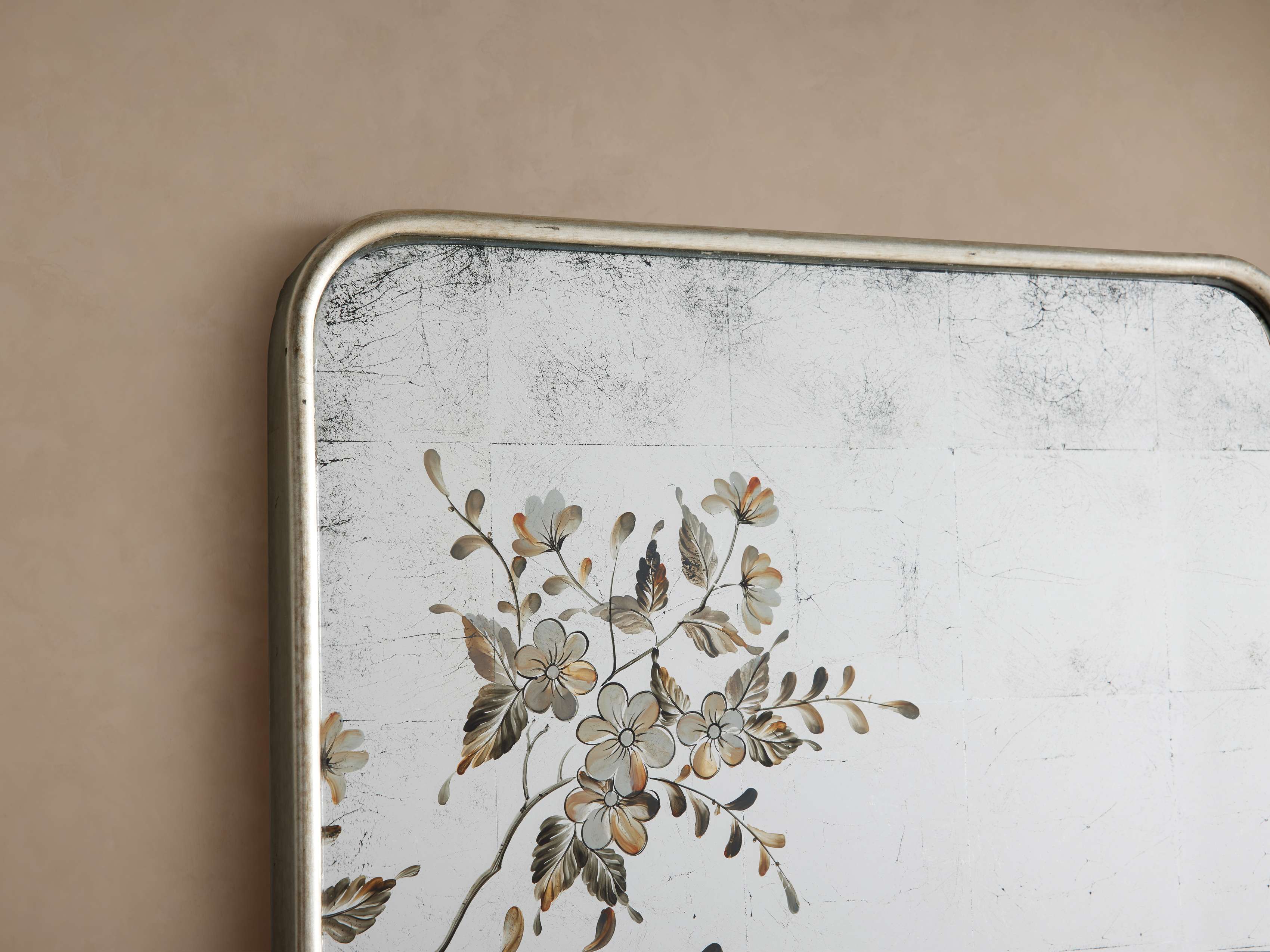
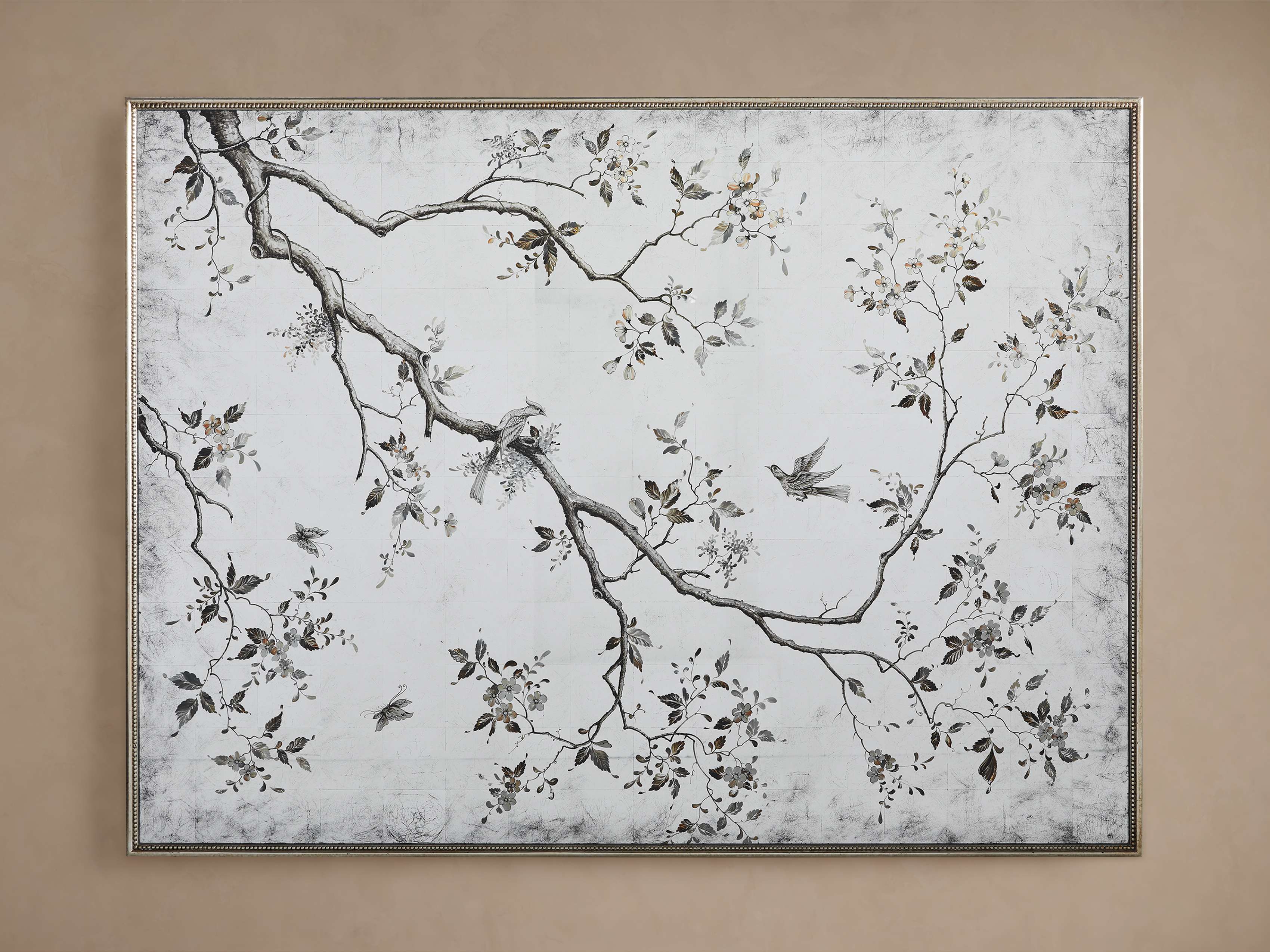
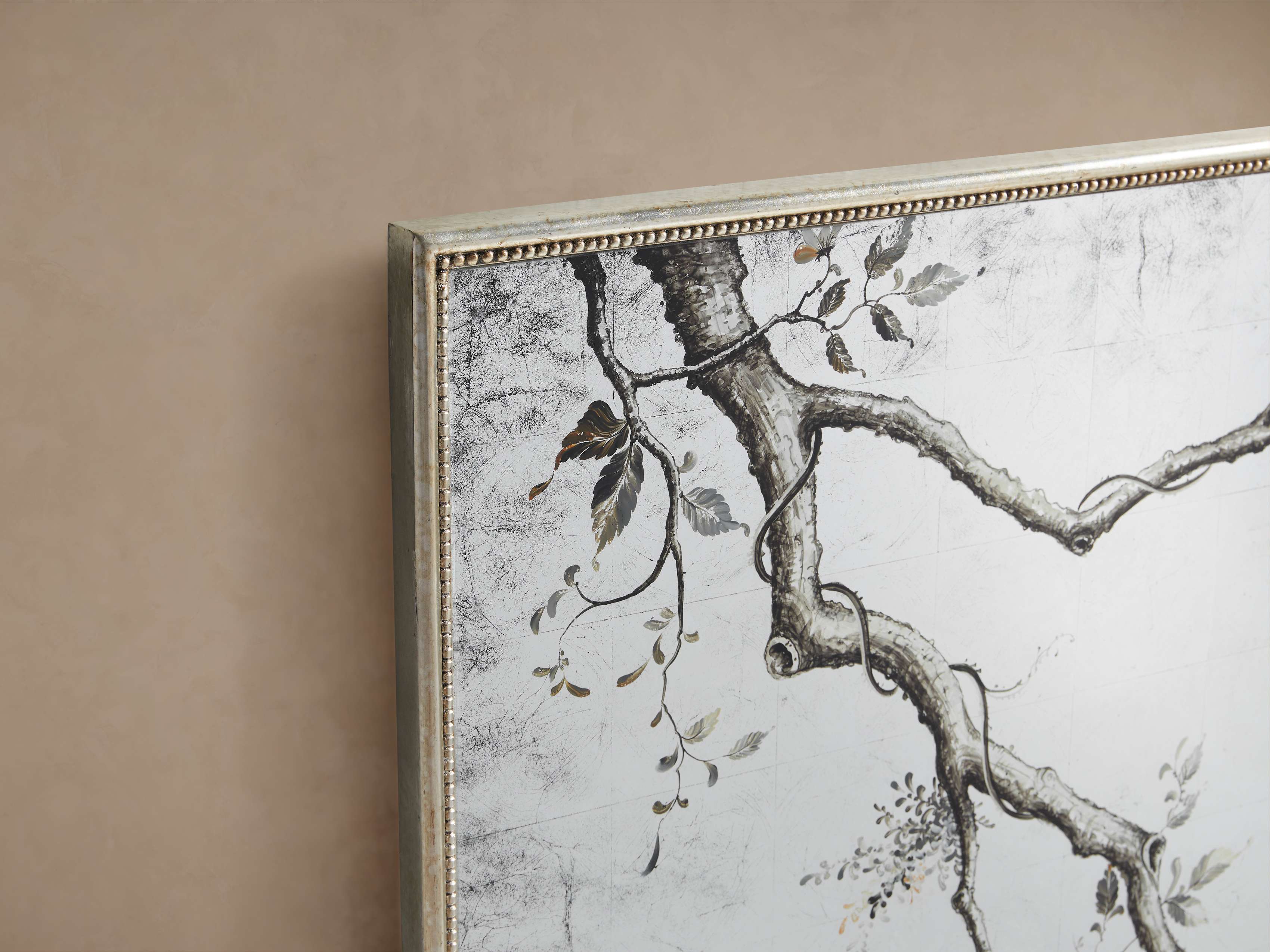
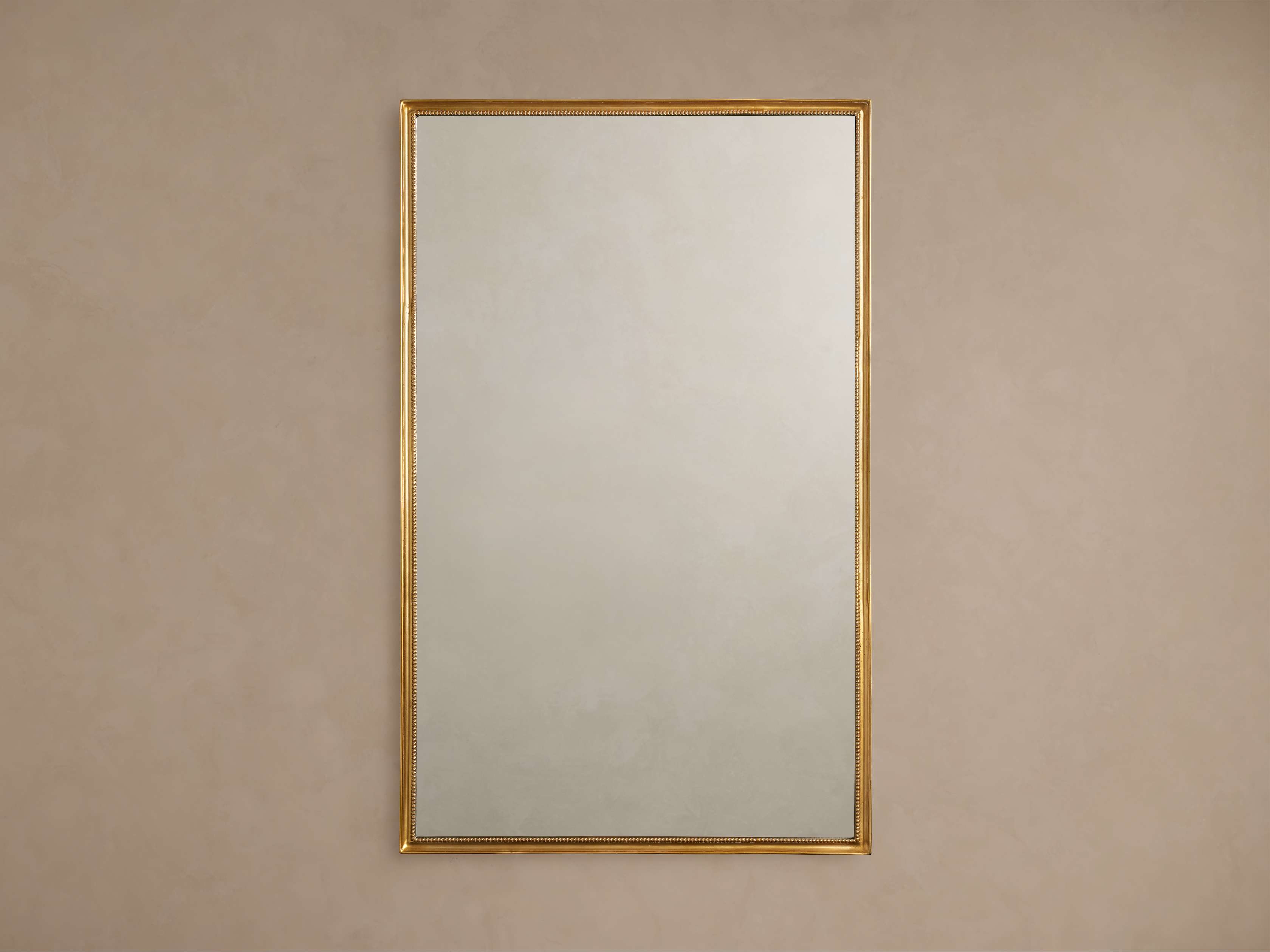
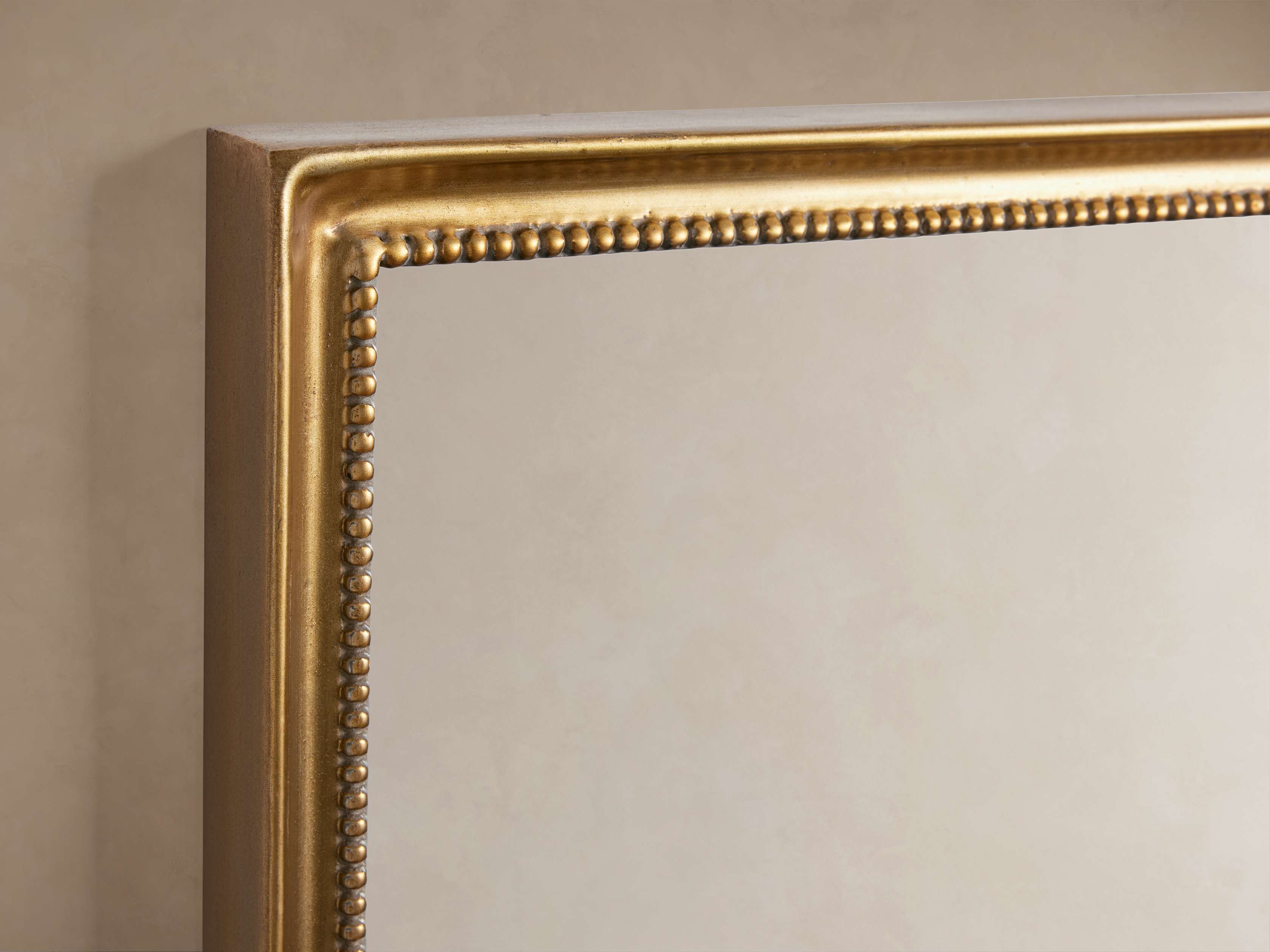
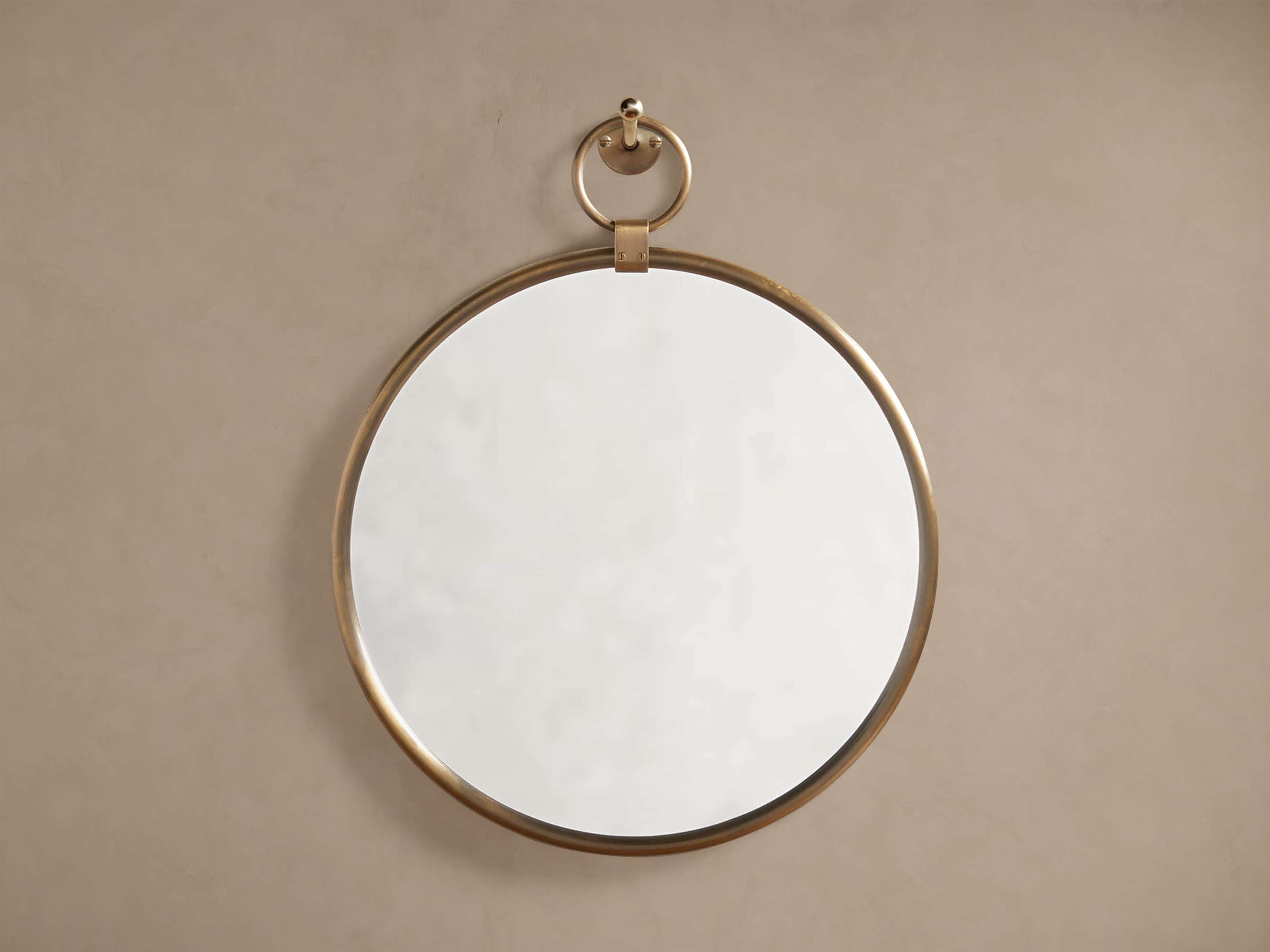
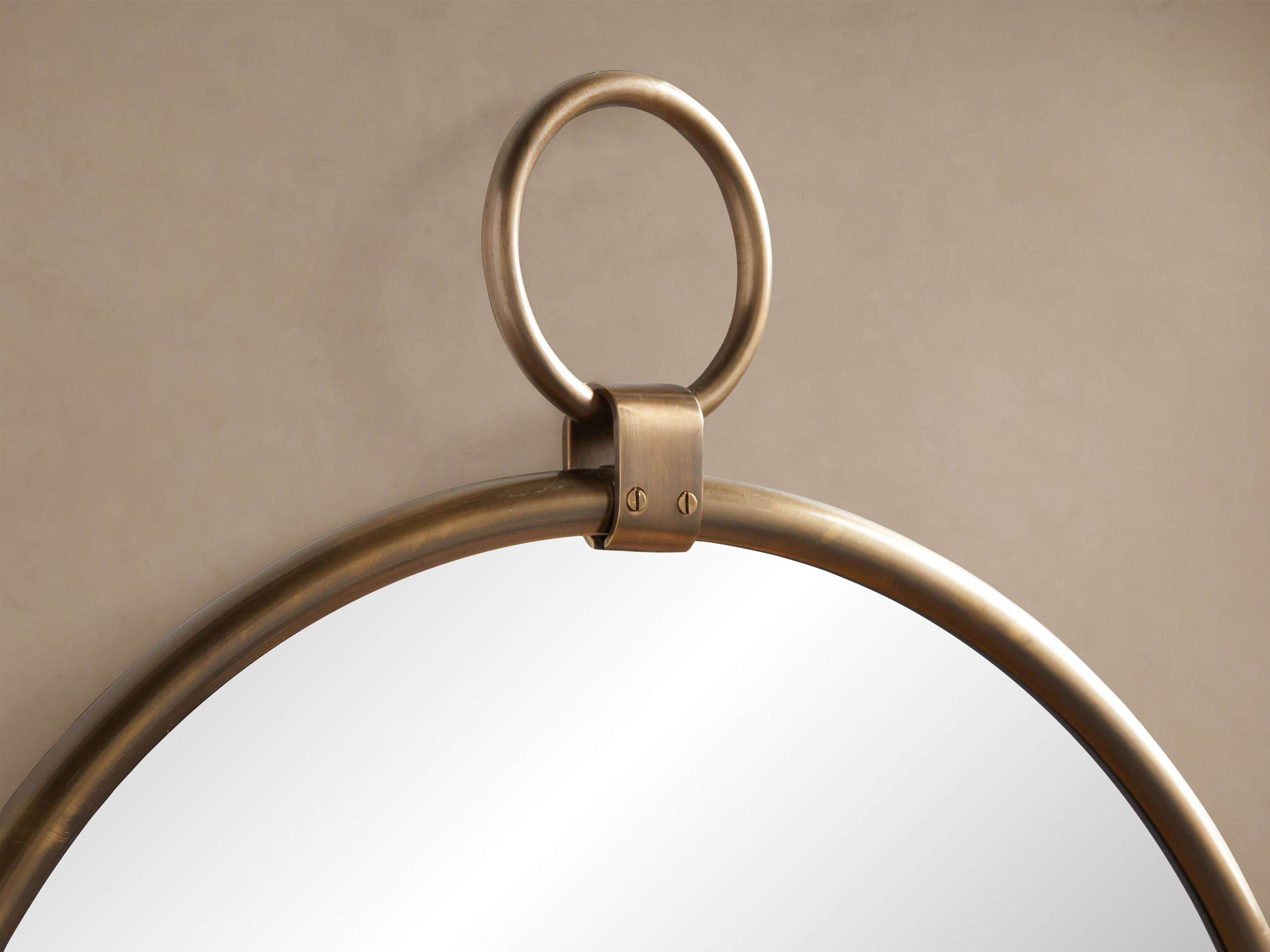
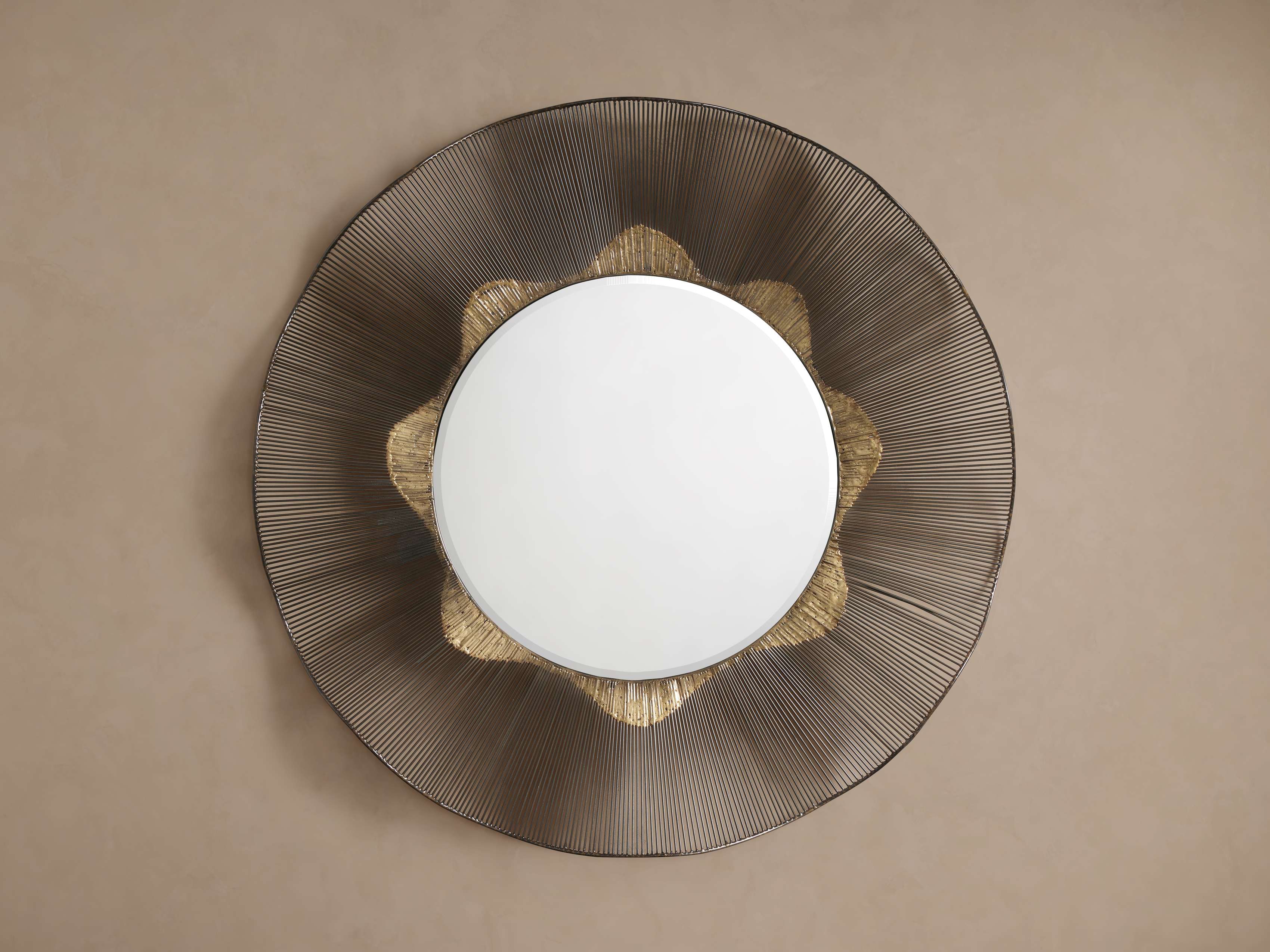
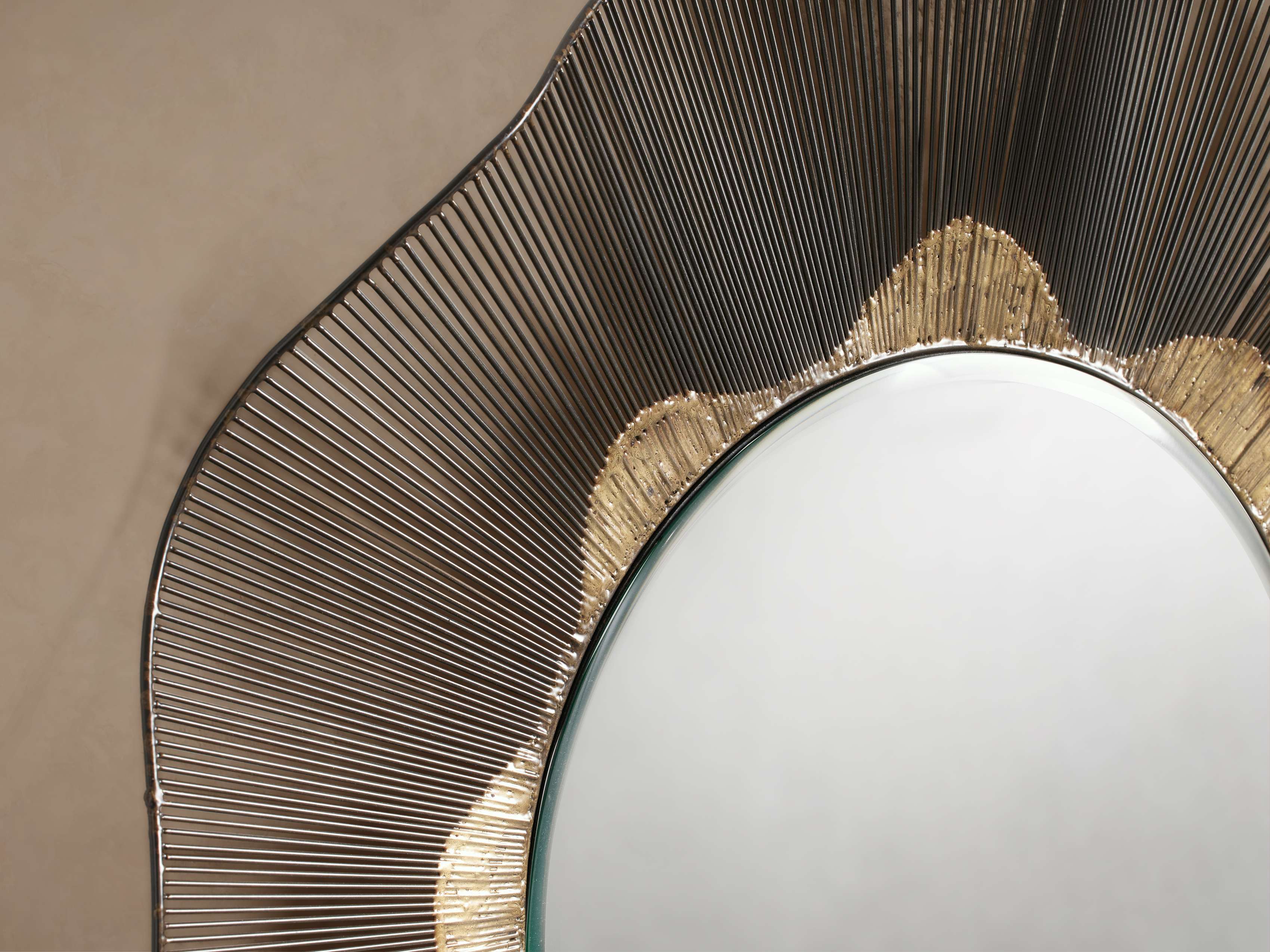
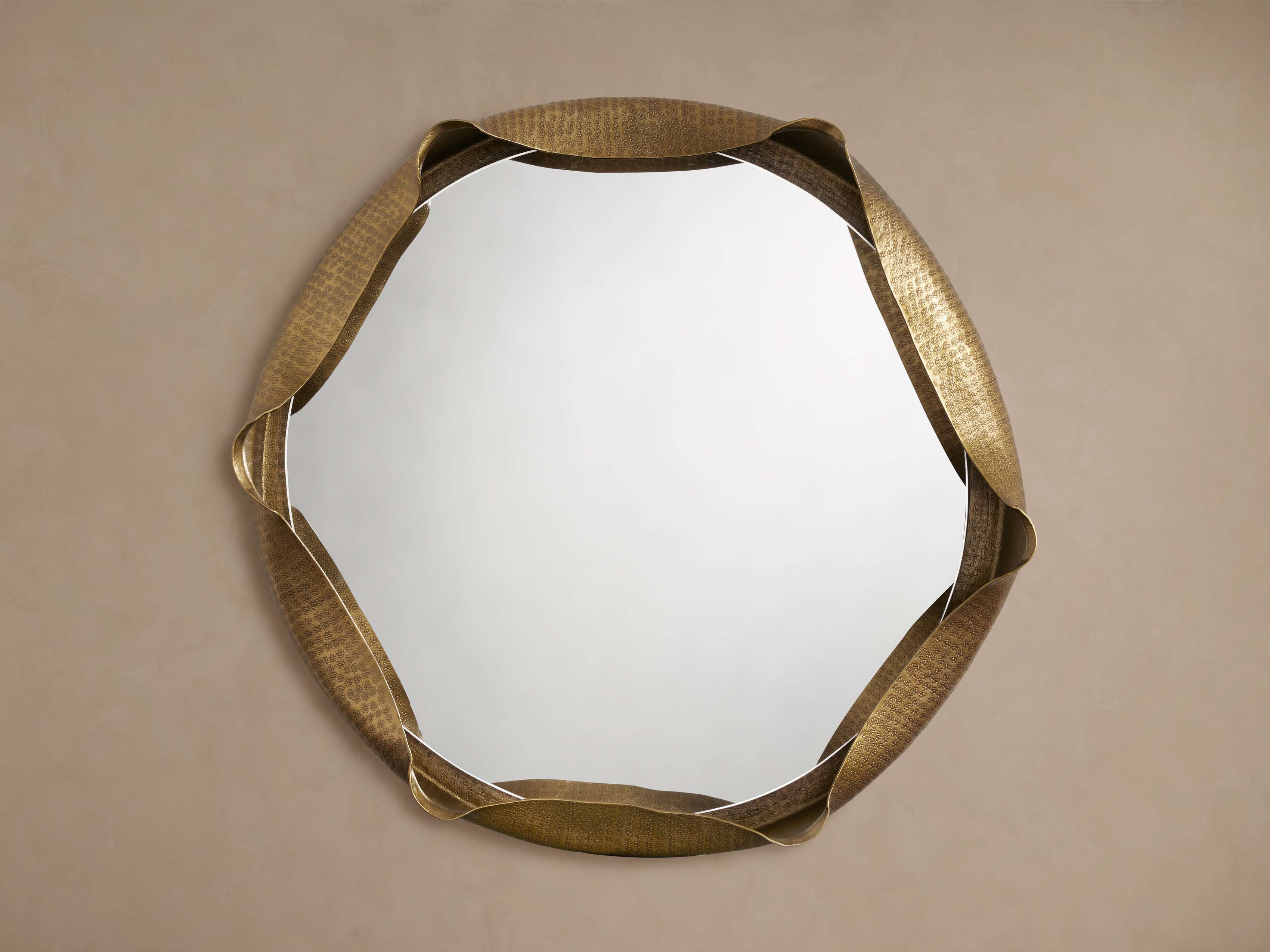
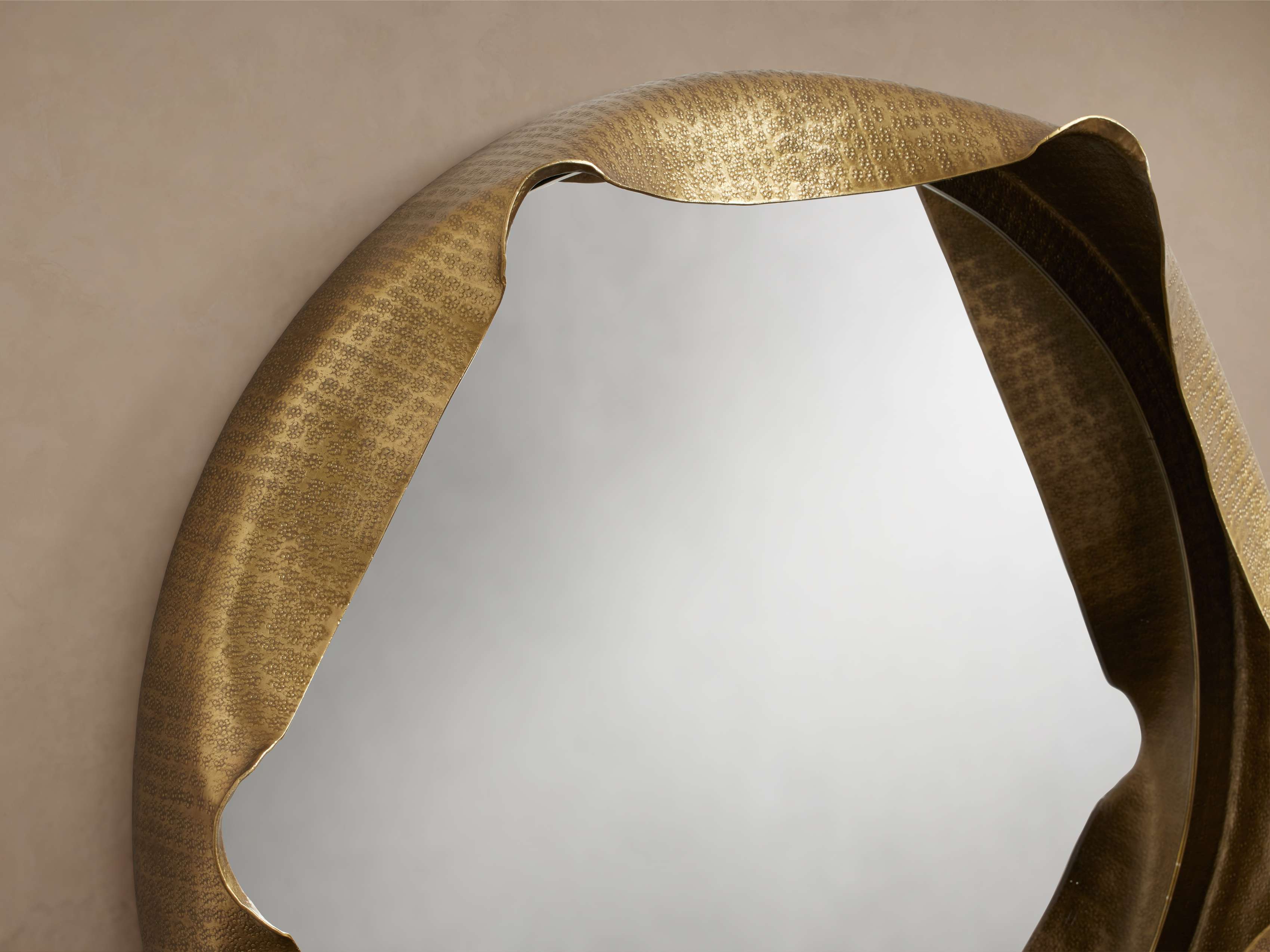
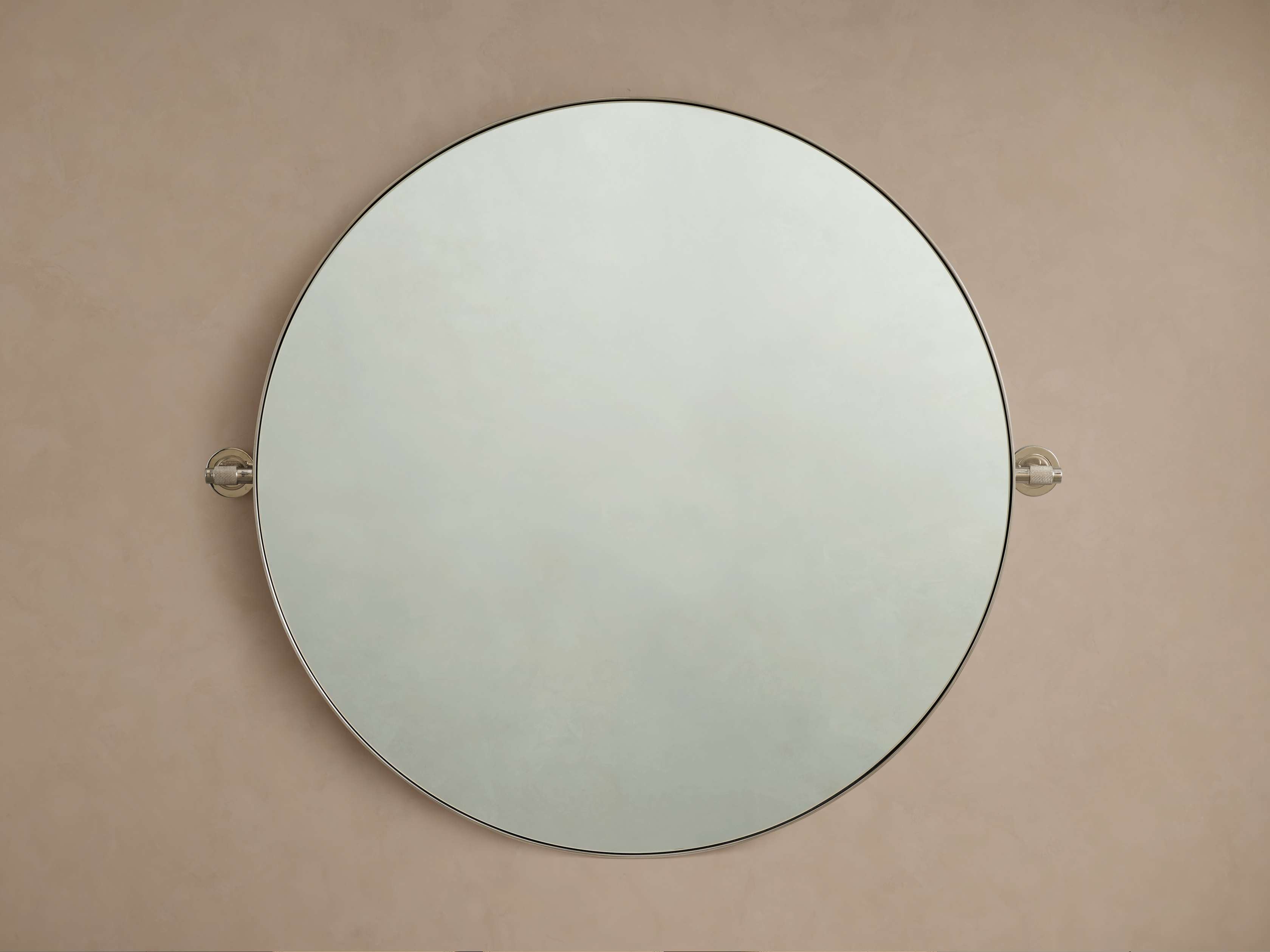
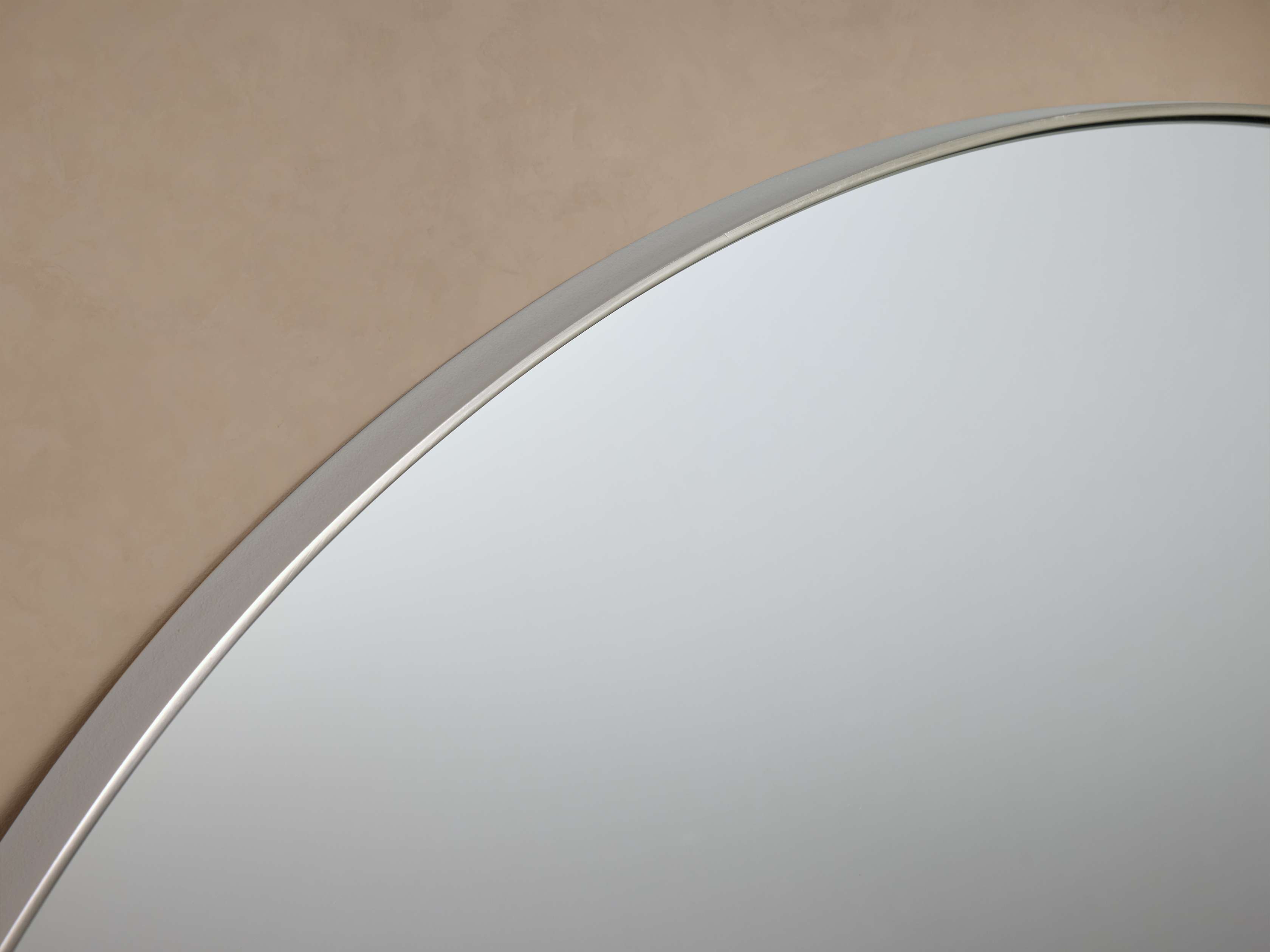
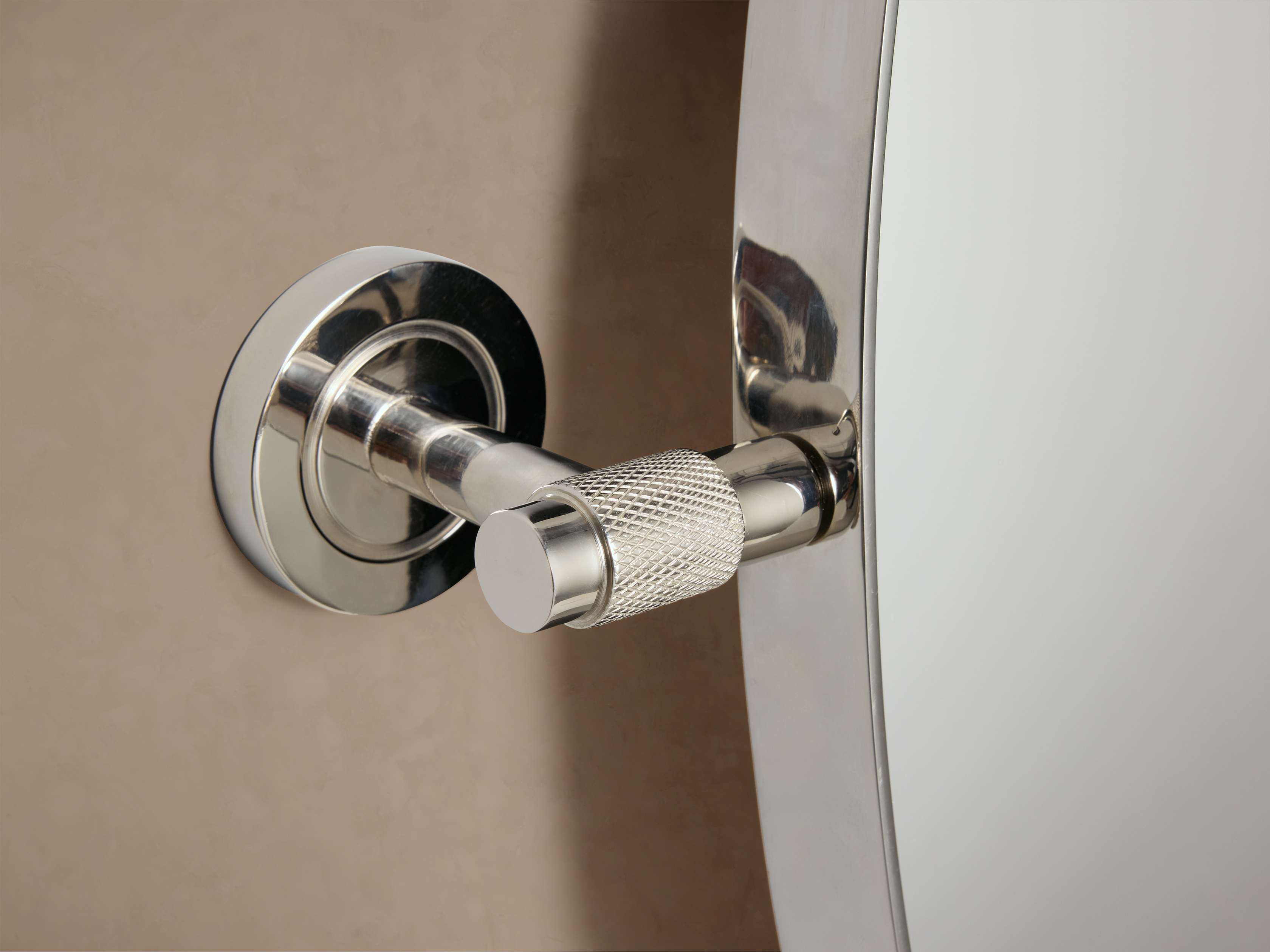
A wall mirror is an easy way to add reflection and visual depth to your home while giving an empty wall a more finished look. Use one near the front door for a quick last-minute check, above a console table for a decorative focal point, or in a bathroom and bedroom for everyday use.
This collection includes round wall mirrors, oval mirrors, arched mirrors, rectangular styles, and decorative sunburst mirrors. Choose from framed and frameless wall mirrors in a variety of sizes to find a design that fits your entryway, living room, bathroom, bedroom, or hallway.
Decorative Wall Mirrors as a Design Statement
A decorative wall mirror combines the appeal of wall art with the practical benefits of reflection and added light. It can bring depth to a blank wall and works well when you want to create a focal point without relying on a painting or print. Use an accent mirror for a subtle decorative touch or choose a bold statement mirror for a living room or dining room.
Shape is an important part of the design. A round wall mirror can soften the look of angular furniture, while an oval wall mirror offers curved edges with a taller profile. For a more distinctive focal point, a sunburst mirror or uniquely shaped wall mirror can add visual interest all on its own.
Framed vs. Frameless Wall Mirrors
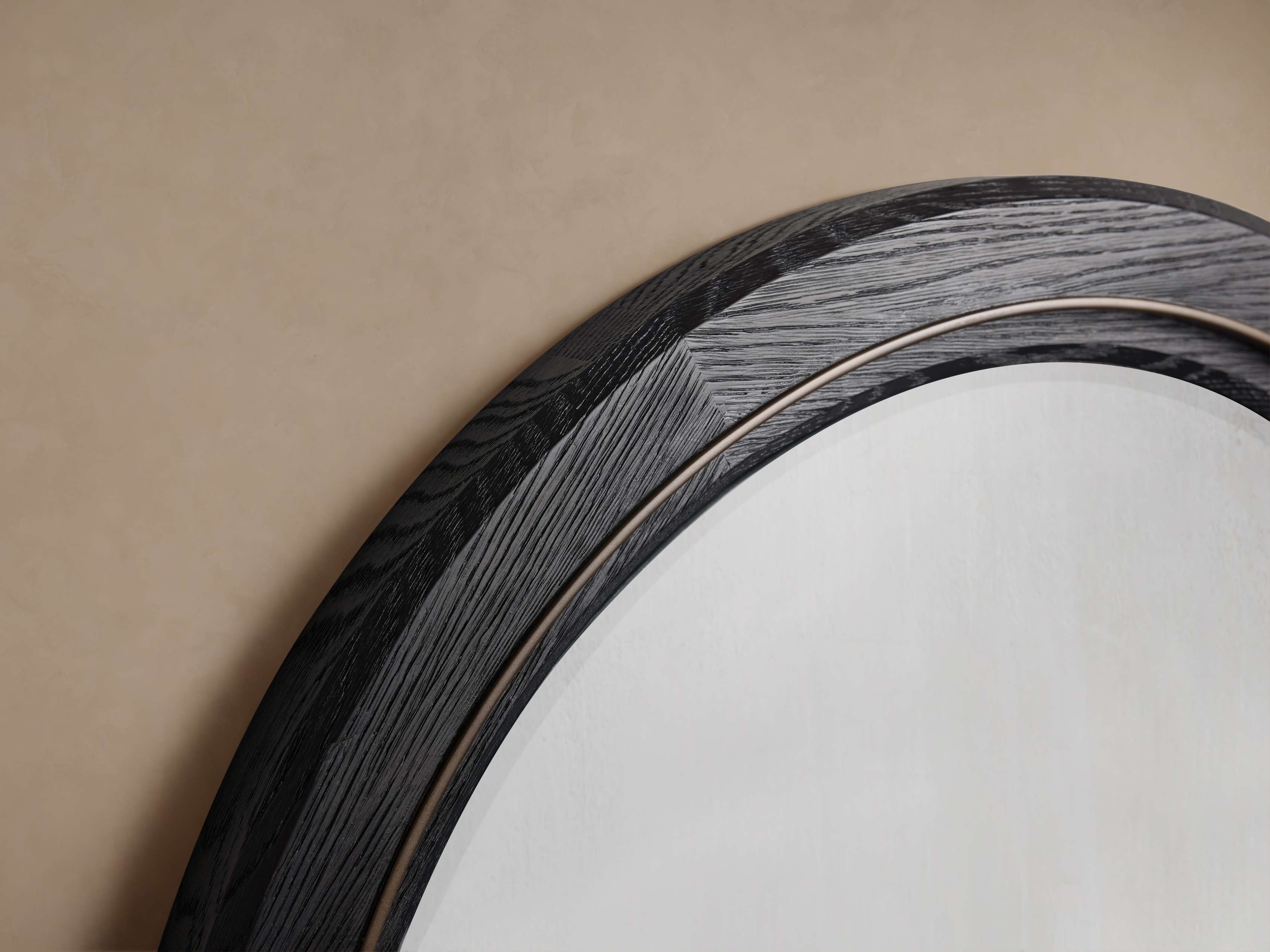
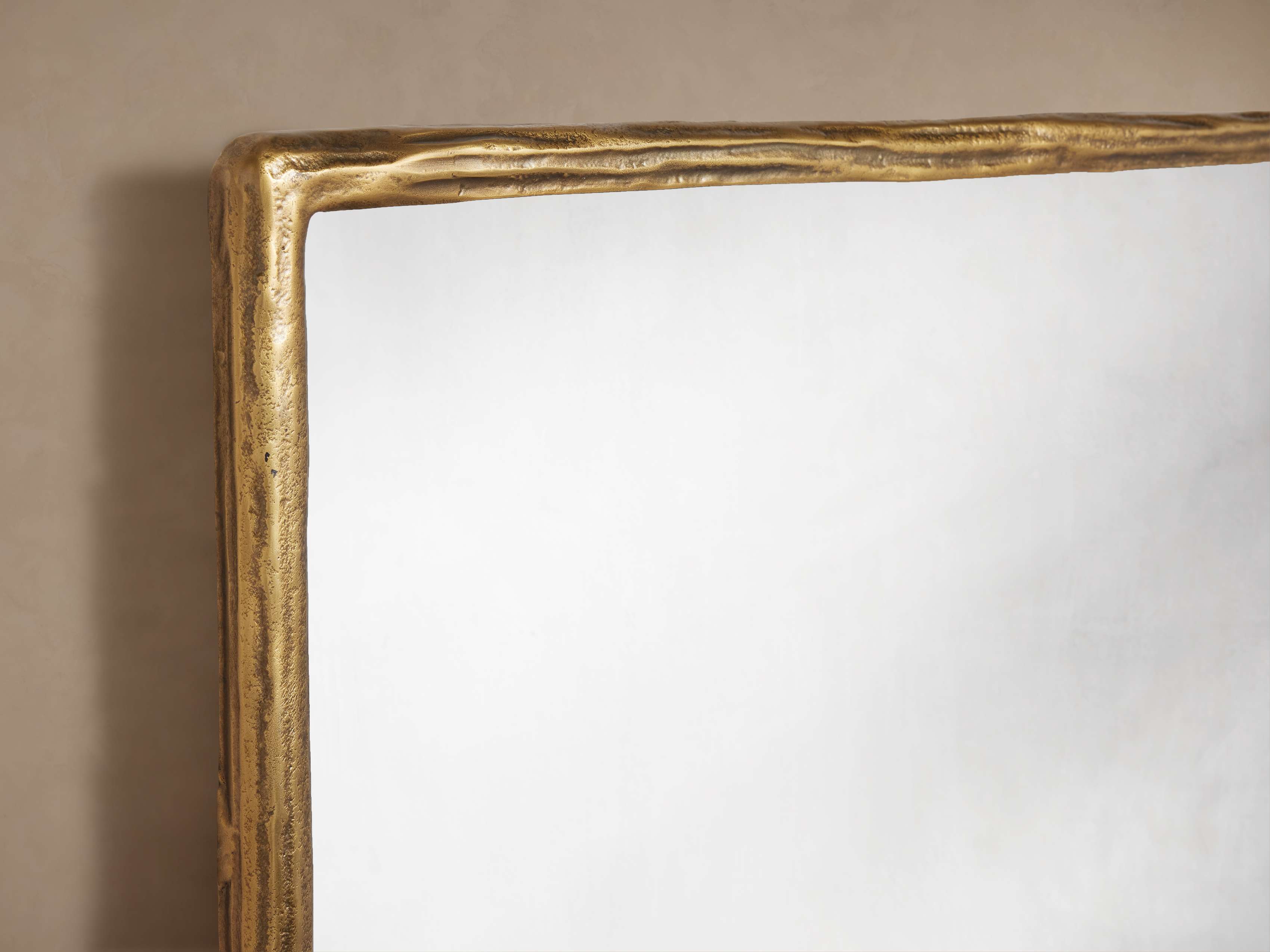
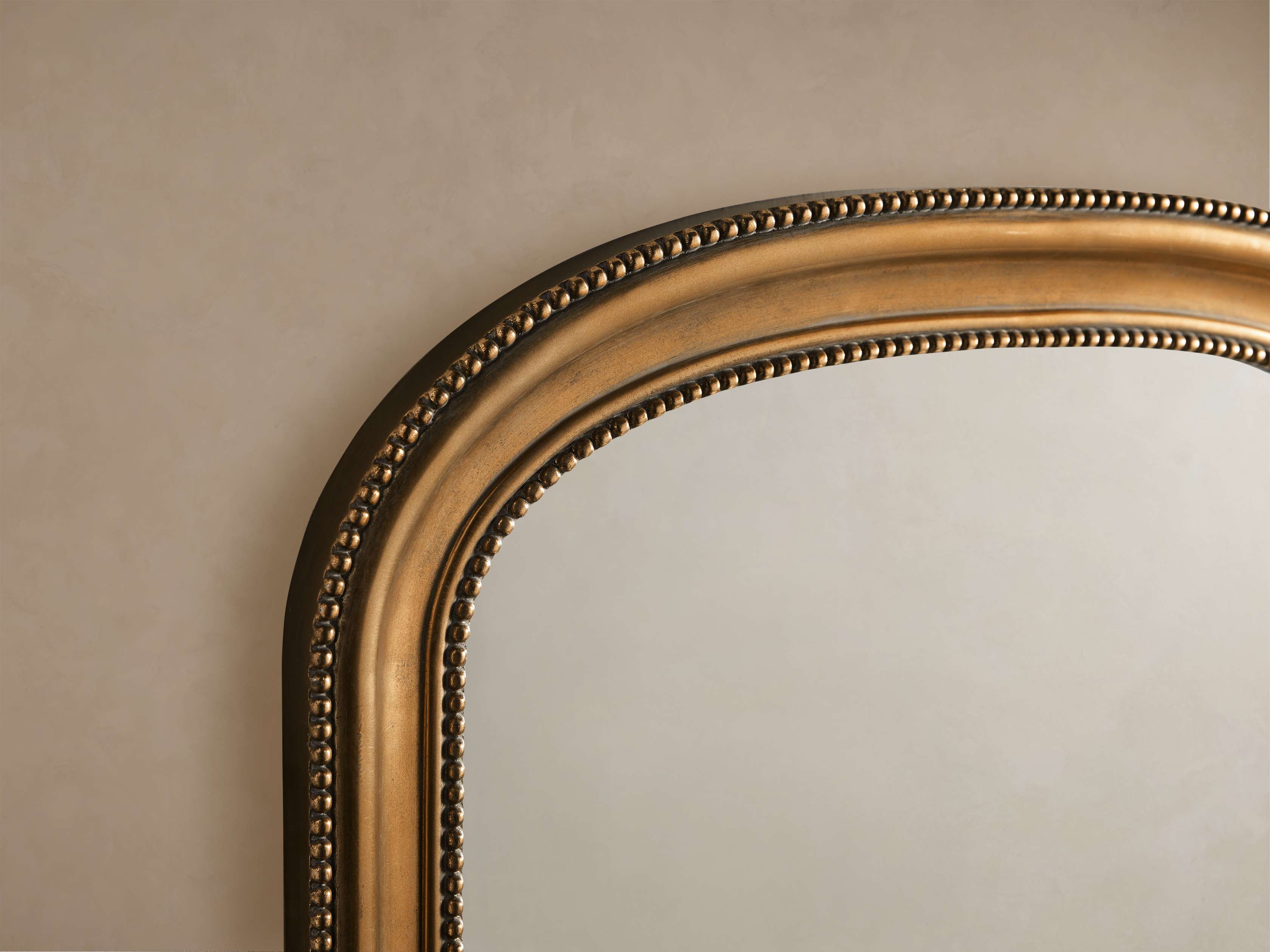
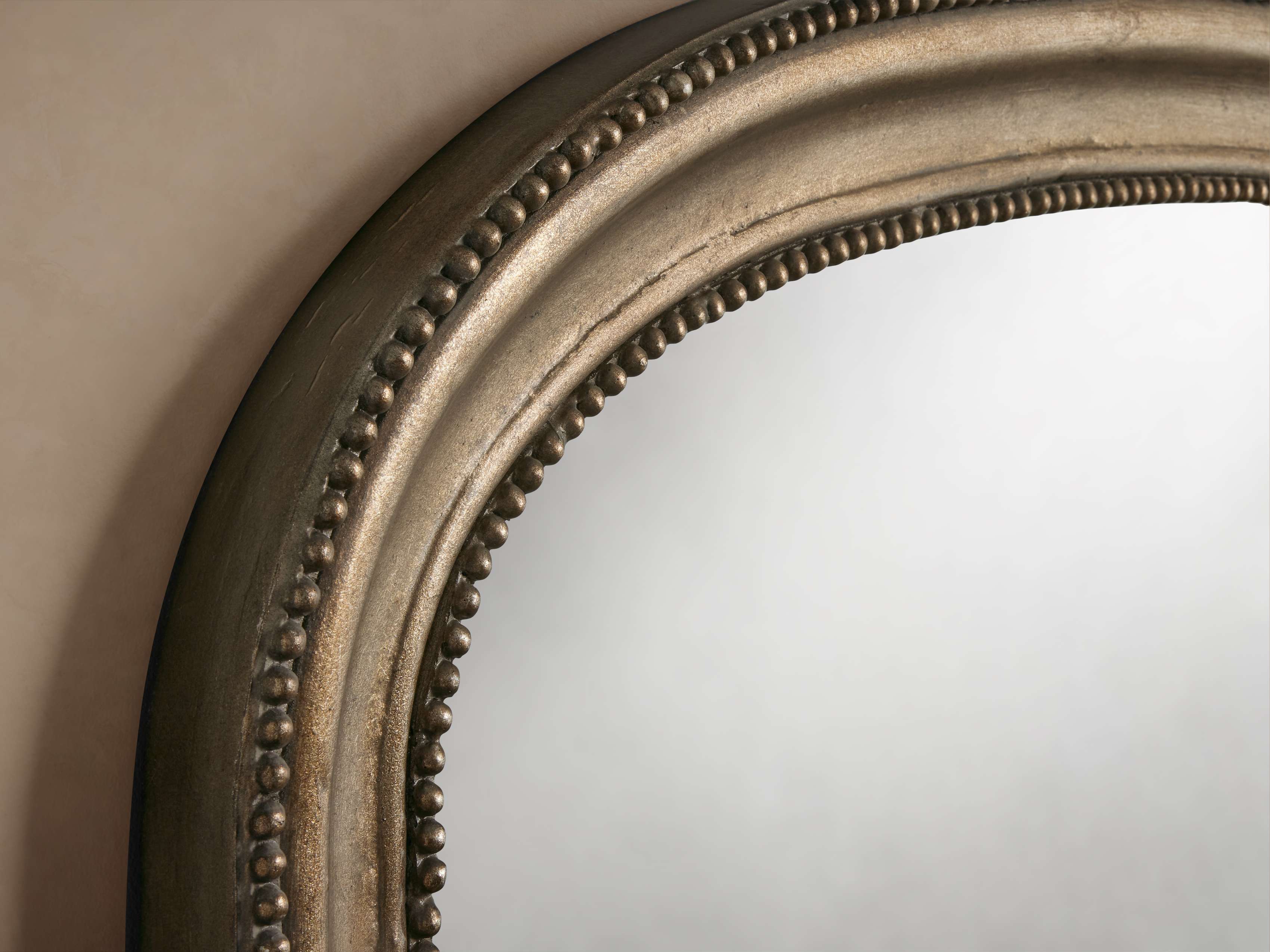
A framed wall mirror does more than reflect your space it can add color, texture, and character to the room. A warm wood frame mirror works well with traditional and transitional decor, while a sleek metal frame mirror suits modern interiors. For a subtle decorative accent, choose a gold mirror, or opt for a black frame mirror for a clean look that pairs easily with contemporary and industrial styles.
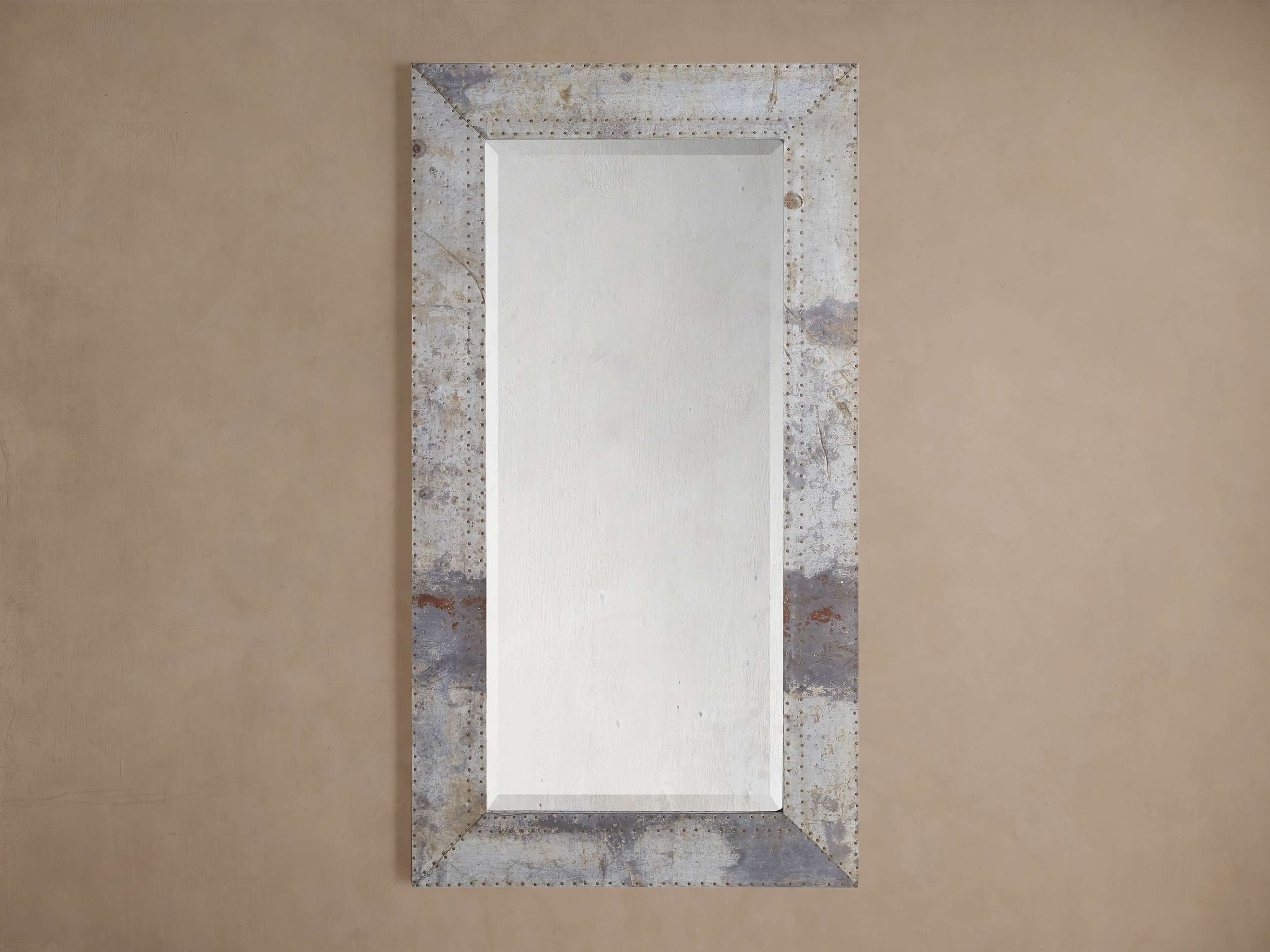
A frameless wall mirror offers a simpler alternative, with a beveled or polished edge that keeps the focus on the reflection. Its clean profile works especially well in minimalist and contemporary spaces and can easily complement different decor styles as your room changes over time.
Where a Wall Mirror Works Best
Different rooms call for different types of wall mirrors. An entryway mirror works well by the front door for quick outfit checks, while a mirror above a console table can give a living room more depth. A vanity mirror is ideal for personal grooming, and a bathroom mirror provides everyday function above the sink.
Think about the light and layout before deciding where to hang your mirror. Positioning one across from a window can help spread daylight throughout the room. For tight corridors, a hallway mirror can make the area appear wider, while a gallery wall mirror arrangement can turn several smaller mirrors into an eye-catching wall feature.
Choosing a Size and Shape
When choosing a wall mirror, consider the furniture beneath it before deciding on the size. A mirror measuring roughly two-thirds of the furniture's width generally creates a comfortable visual balance above a sofa, dresser, or console table. Leave enough space above the furniture while keeping the mirror at a practical height for everyday use.
The shape can help determine how the mirror fits the wall. Round wall mirrors and oval wall mirrors work particularly well in smaller areas or as part of a grouped display. For a larger blank wall, consider a large wall mirror in a rectangular or arched design to create a stronger visual anchor.
How to Choose the Right Wall Mirror
Start with the room's existing furniture and finishes. A framed mirror in wood or metal should generally echo tones already in the room, while a frameless mirror sidesteps that matching problem entirely.
Next, think about function versus decoration. An entryway or bathroom mirror meant for a quick check before leaving calls for a practical size and eye-level placement, while a decorative wall mirror in a living room can be sized and hung more for visual impact.
Finally, measure the wall and the furniture below it before buying. A mirror that's the right style but the wrong size will still look off once it's hung, no matter how well it matches the room otherwise.
Frequently Asked Questions
What size wall mirror should I buy for above a console table?
A wall mirror should generally measure about two-thirds the width of the console table or furniture below it. Going much wider or narrower than that throws off the proportions of the whole arrangement.
Is a round wall mirror better than a rectangular one?
Neither shape is objectively better, since the right choice depends on the wall and the furniture around it. A round wall mirror softens a room with a lot of straight furniture lines, while a rectangular or arched mirror often works better as a larger statement piece.
Where is the best place to hang a wall mirror for more light?
The best spot for maximum light is directly across from a window, since that position reflects the most natural light into the room. Hallways and entryways benefit the same way, as reflected light there can make a narrow space feel wider.
Should a wall mirror be framed or frameless?
Choose a framed mirror for added texture and color that matches the room's existing finishes, or a frameless wall mirror for a minimal look that fits into most rooms without needing to match anything. The decision mostly comes down to how much visual presence the mirror should have.
How high should a wall mirror be hung?
A wall mirror should be hung so its center sits at or near eye level, which keeps it functional as well as decorative. Above a console table or mantel, that typically means leaving several inches of space between the furniture and the bottom of the mirror.
