



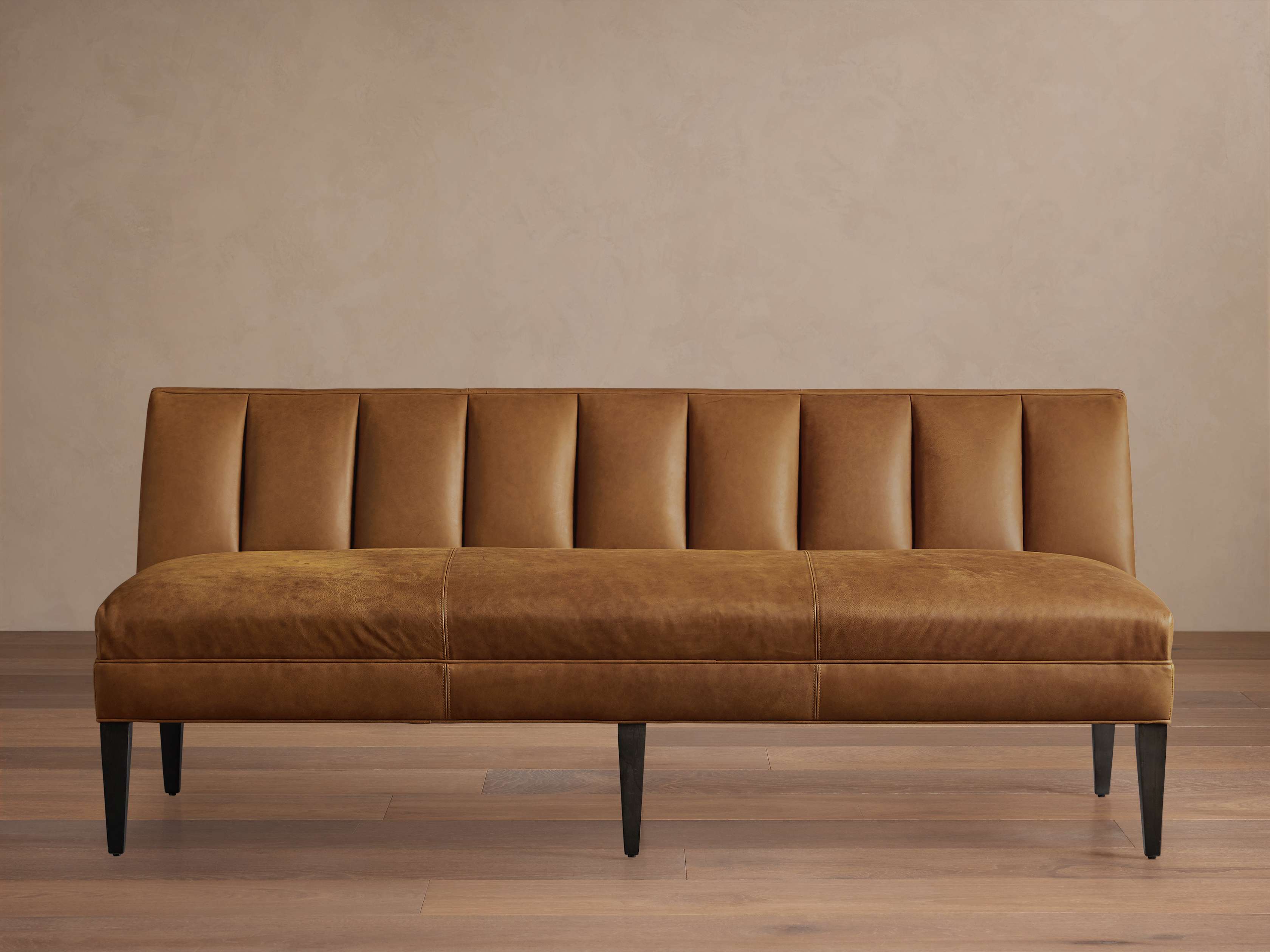
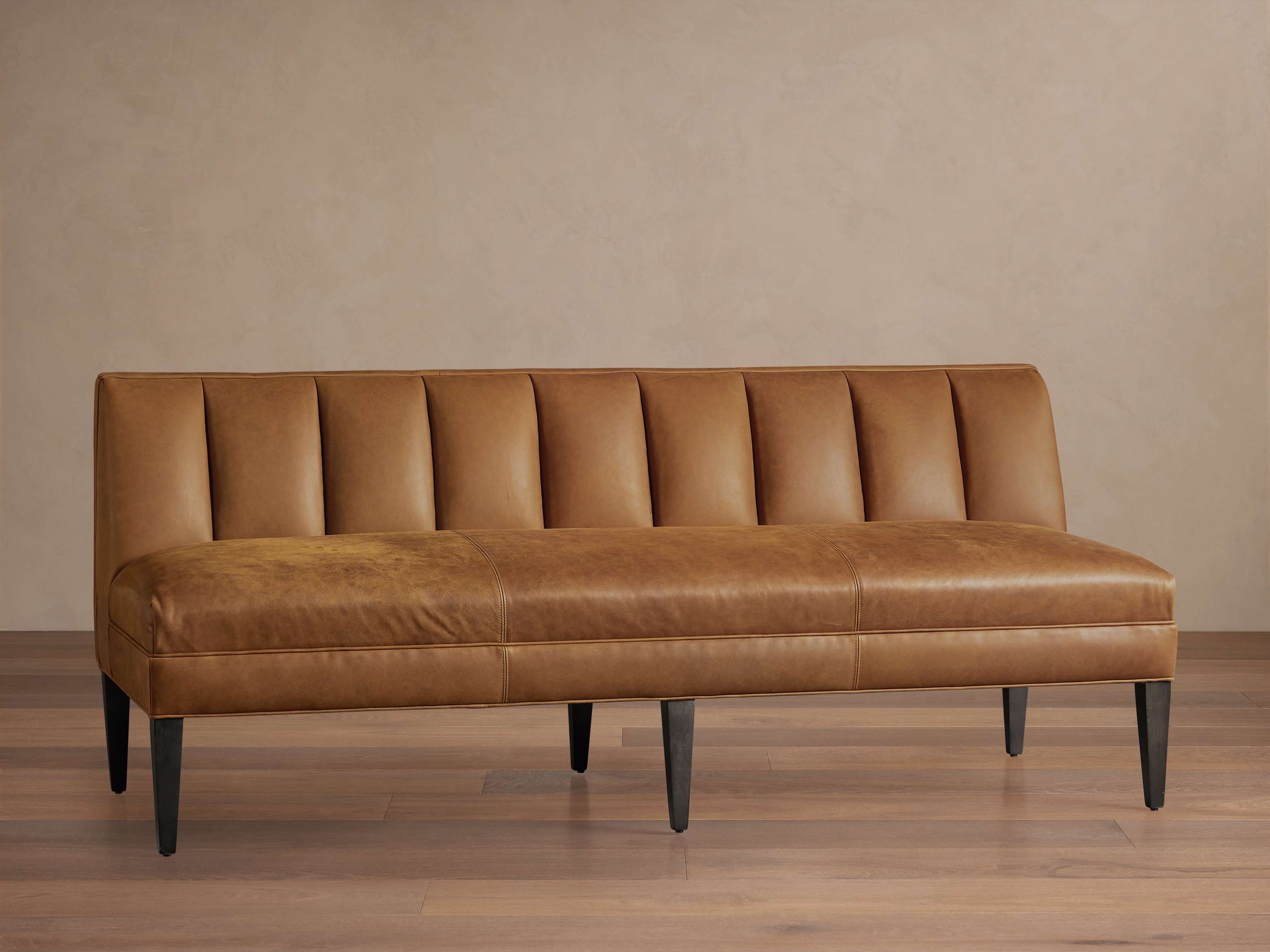
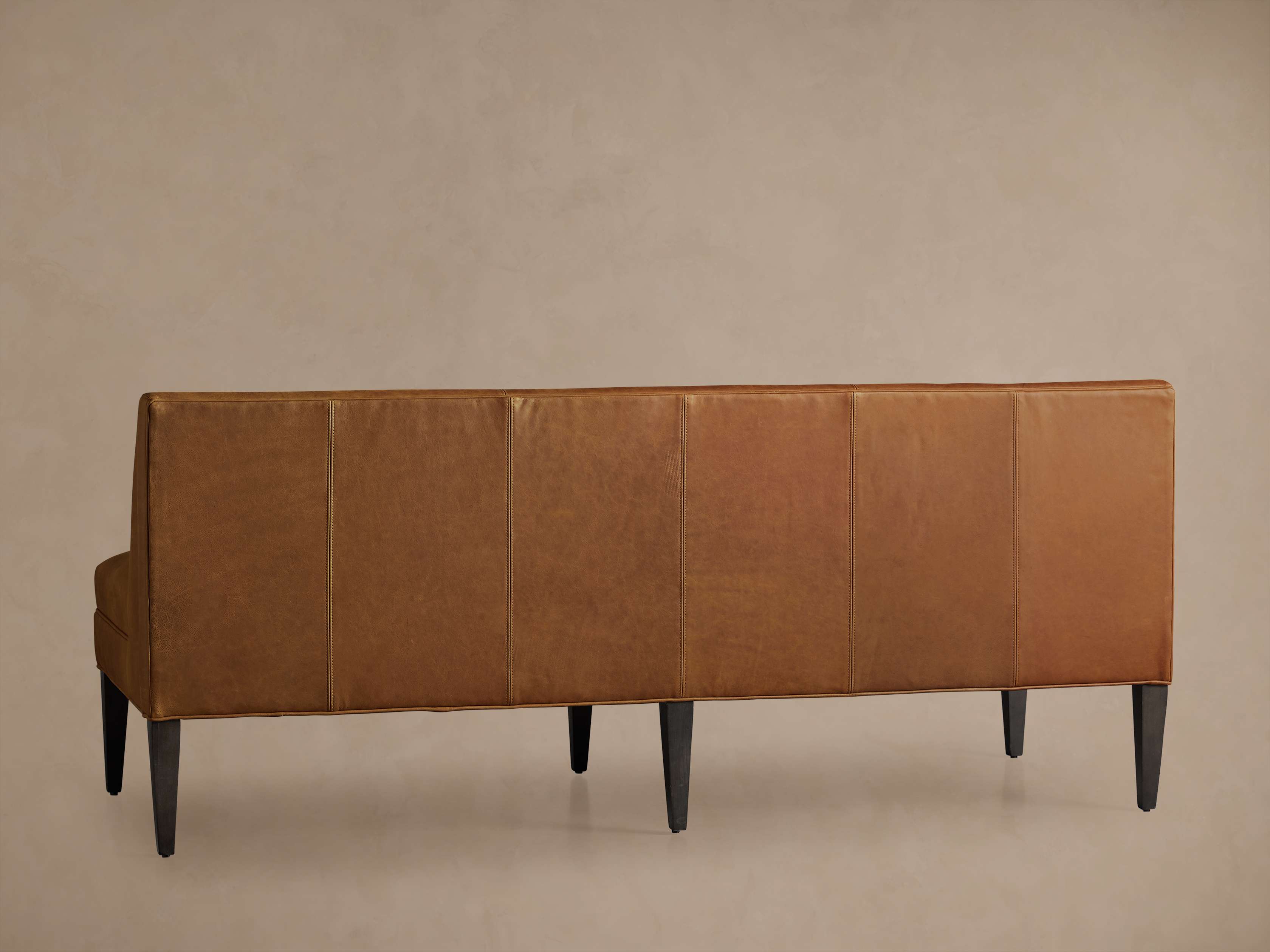


A dining bench solves a problem chairs can't always fix: fitting more people at the table without adding more furniture. One bench along a wall or the long side of a table can seat two or three people in the space a couple of chairs would take, which makes it a popular choice for smaller dining rooms and open-concept layouts across the US.
This collection focuses on upholstered leather seating, built with the same attention to comfort as a proper settee. If you're after a leather dining bench with real presence at the table, or simply a bench for dining table seating that's more forgiving on space than a full chair set, this is the starting point.
Upholstered Dining Bench Seating
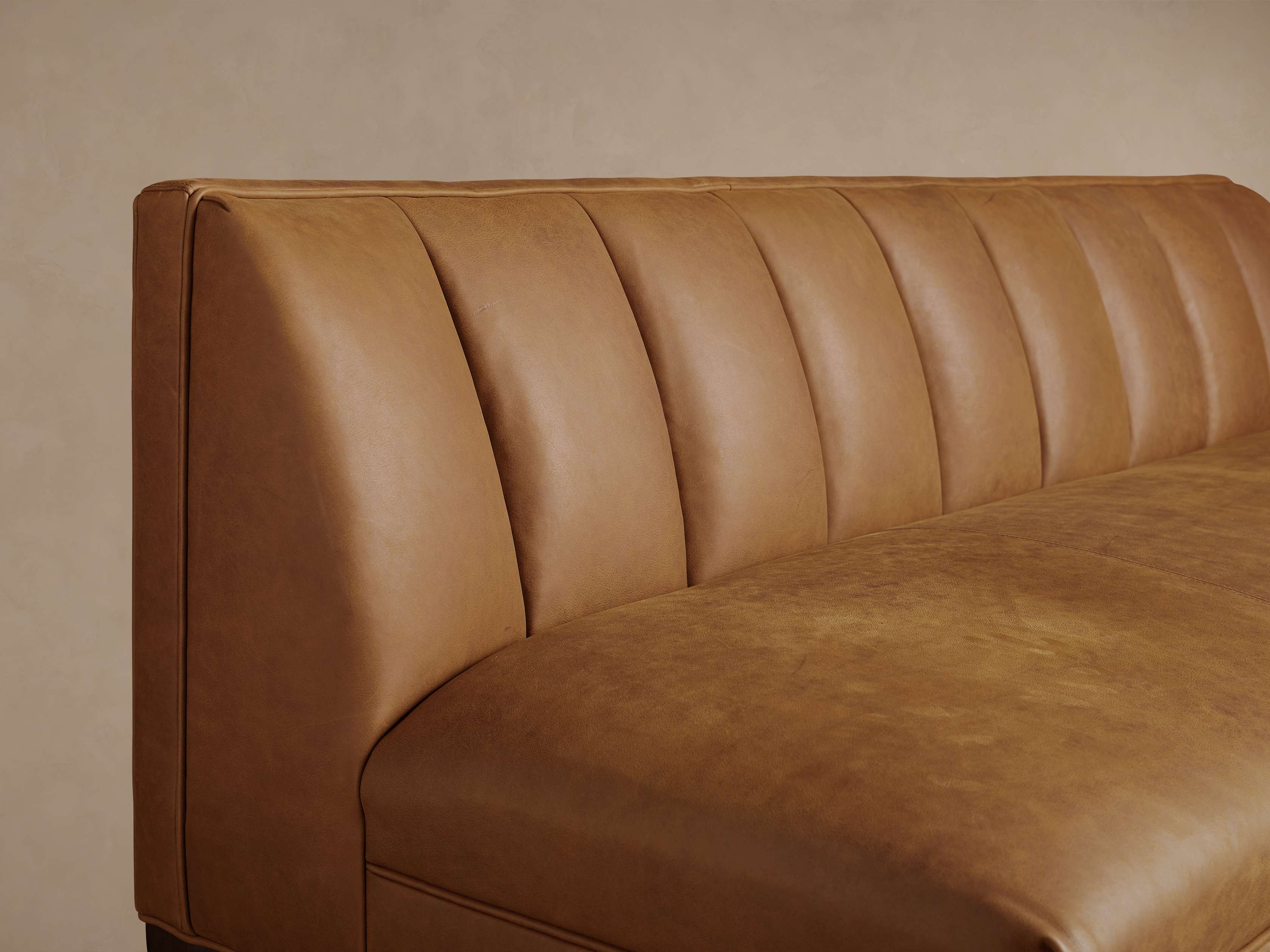
An upholstered dining bench adds a softer, more comfortable seat than a hardwood bench, which matters if people are sitting through a full meal rather than just perching for a quick coffee. Leather upholstery in particular holds up well to daily use and wipes clean easily compared to fabric.
What to look for:
- Leather upholstery for durability and easy cleaning
- Built with a seat depth that fits your table setup while leaving enough space for your knees.
- A finish that complements your existing dining chairs or table wood tone
- Enough length to seat two or three people comfortably along one side
Dining Room Bench Styles and Uses
A dining room bench isn't limited to just one side of the table. Many households use one along a wall-facing side for a built-in look, or pair a bench with chairs on the opposite side for a mixed, more casual seating arrangement.
Common ways to use one:
- Along the wall side of a table to save floor space
- Paired with mismatched dining chairs for a more relaxed look
- As flexible overflow seating for larger gatherings
- In breakfast nooks or smaller dining spaces where chairs would feel tight
How to Choose the Right Dining Bench
A little planning before you buy can make all the difference. Keep these factors in mind:
Length. Measure the side of your table where the bench will sit, and leave a few inches of clearance on either end so it doesn't crowd the table's legs or corners.
Height. Match the bench seat height to your table the same way you would a chair, generally leaving about 10 to 12 inches of clearance between the seat and the underside of the tabletop.
Material. Leather resists spills and wipes clean easily, making it a practical choice for a bench that sees daily use. Fabric upholstery can feel softer but needs more careful maintenance.
Seating mix. You can choose a bench that works alongside your chairs without matching every detail. A leather bench paired with wood or upholstered chairs often reads as an intentional design choice rather than a mismatch.
FAQ
How many people can a standard dining bench accommodate?
Most dining benches comfortably seat two to three people, depending on the bench's length and how much space each person needs at the table.
Is a leather dining bench hard to maintain?
No. Leather is one of the easier upholstery materials to maintain, since spills wipe off easily and it holds up well to daily use compared to more delicate fabrics.
Can I use a dining bench instead of chairs on both sides of the table?
Yes, some households use benches on both sides for a more casual, communal look, though most use one bench on one side and chairs on the other for a mix of styles and easier seating access.
What height should a dining bench be?
A dining bench should generally leave about 10 to 12 inches of clearance between the seat and the underside of the table, similar to standard dining chair height.
Can you use a dining bench in a small dining room?
Yes, benches are often a better fit for small dining rooms than individual chairs, since one bench can seat multiple people in less floor space than a matching set of chairs would need.
