



All Wall Art

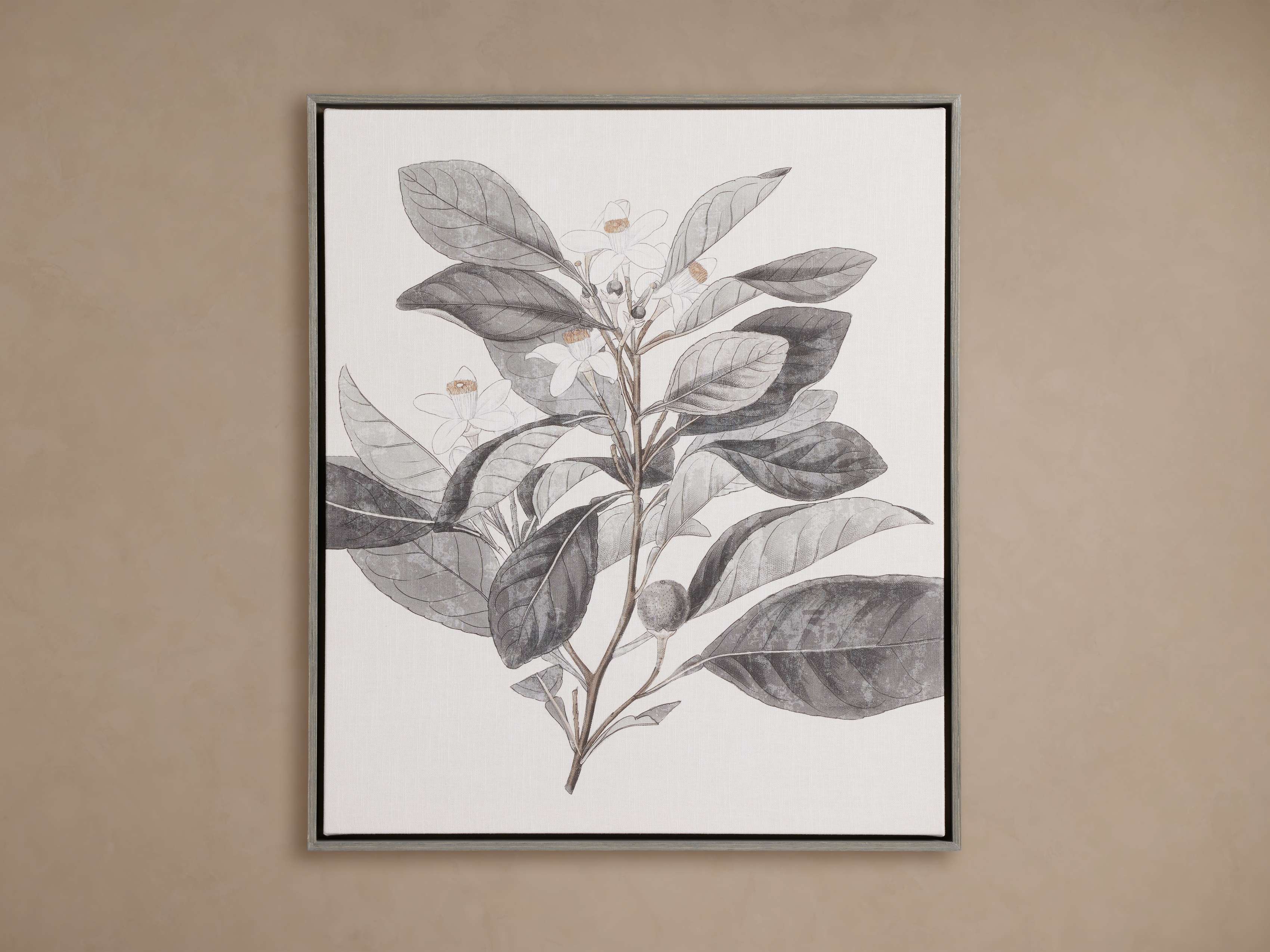
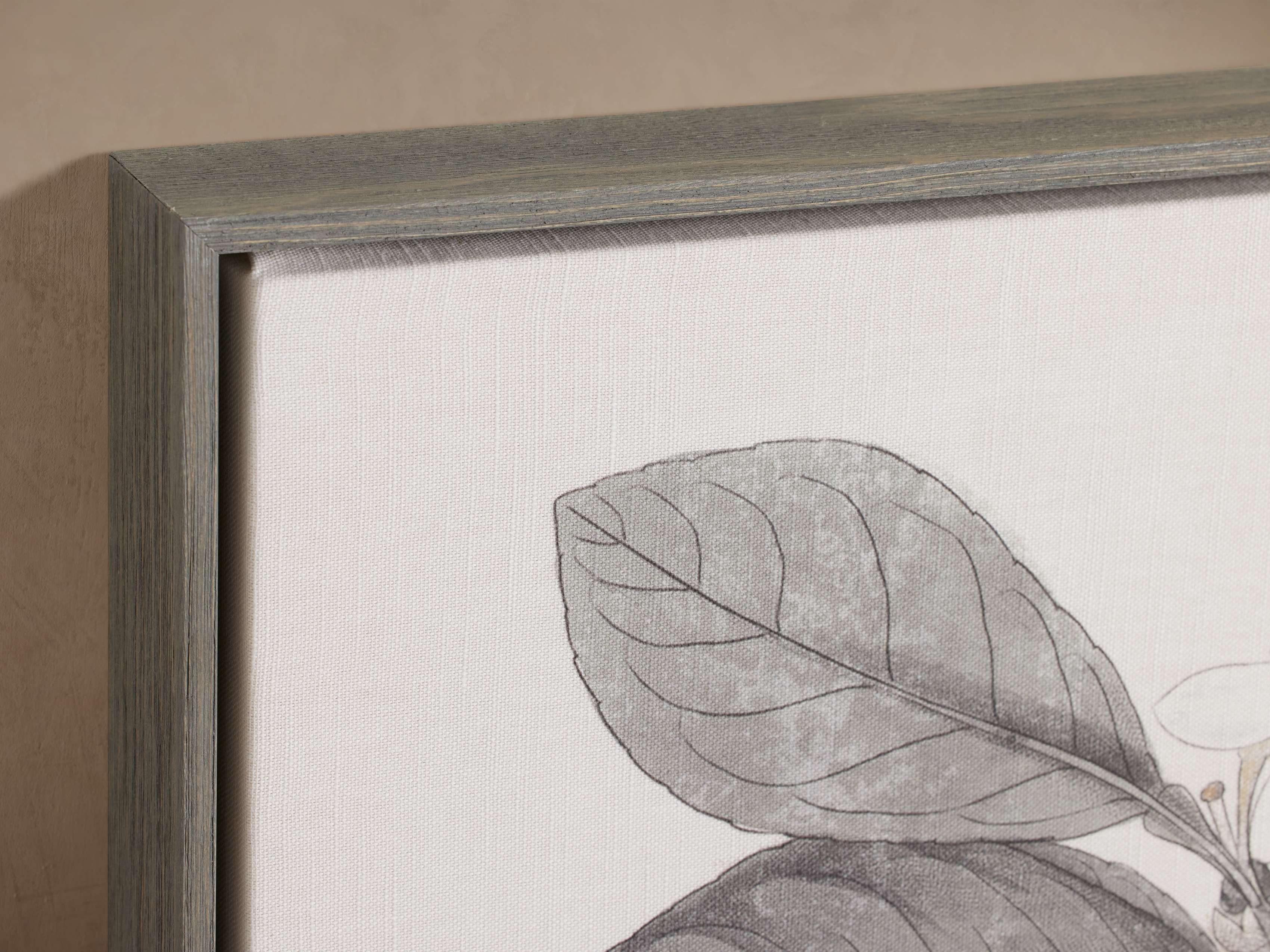

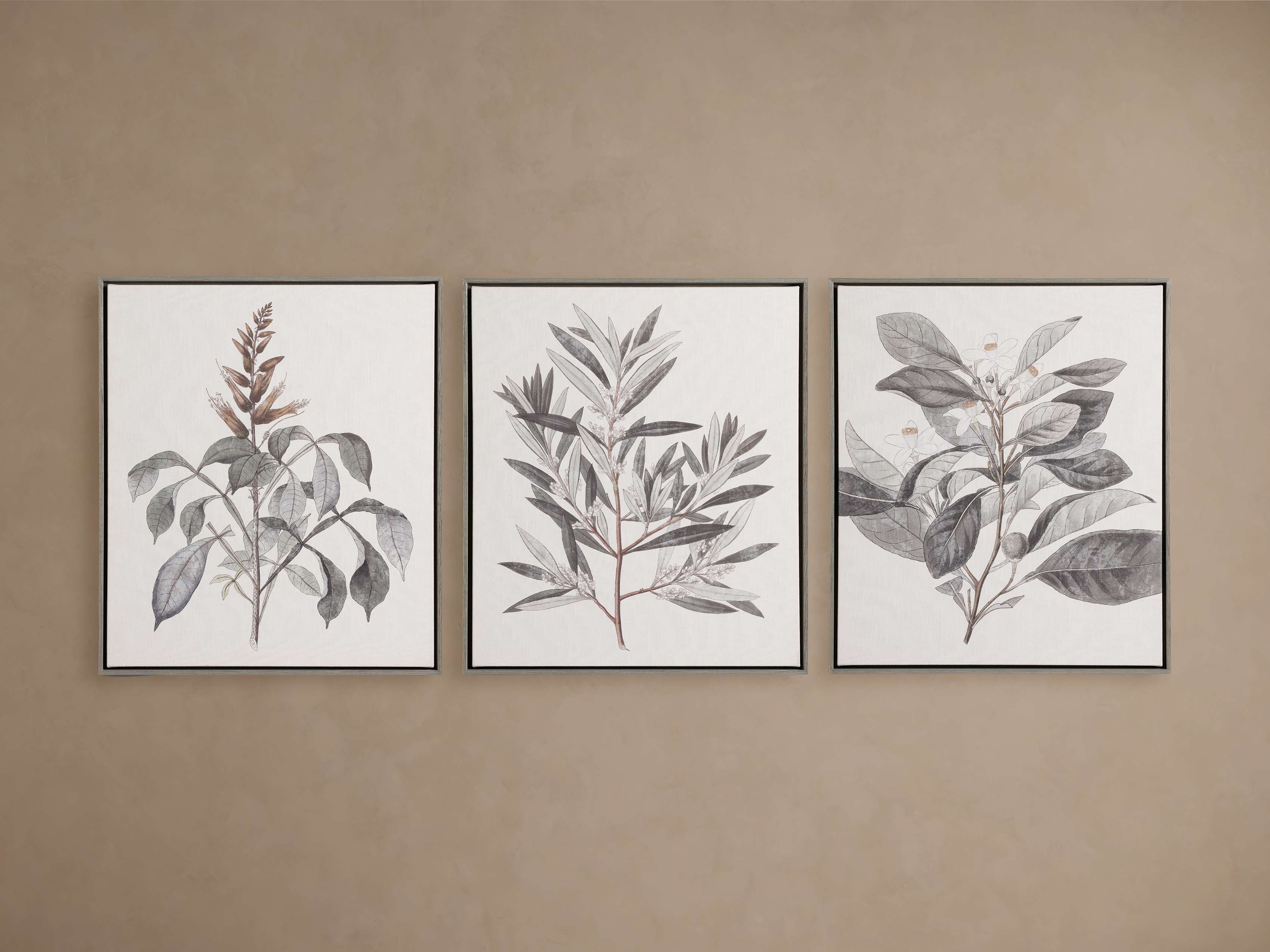
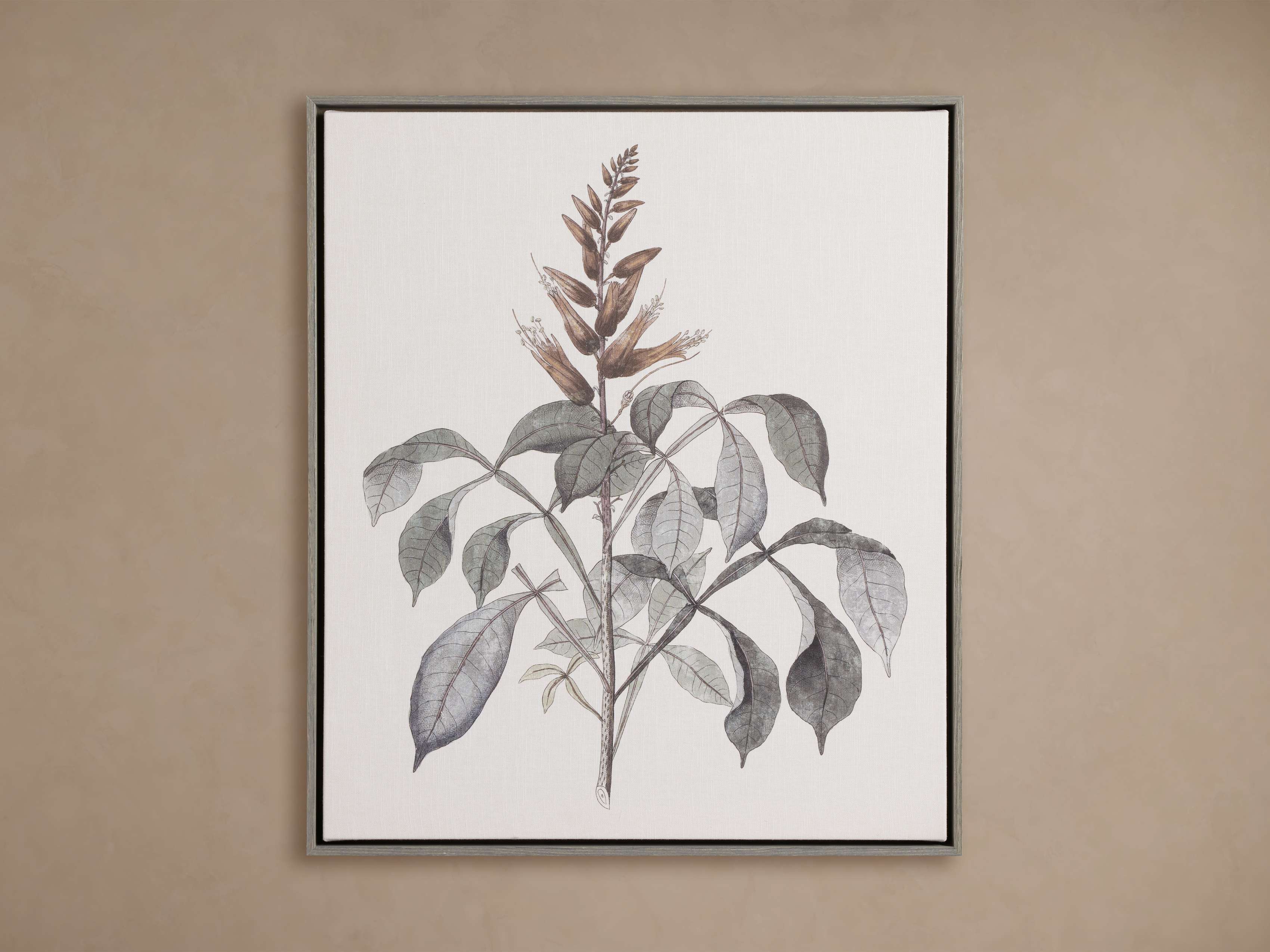
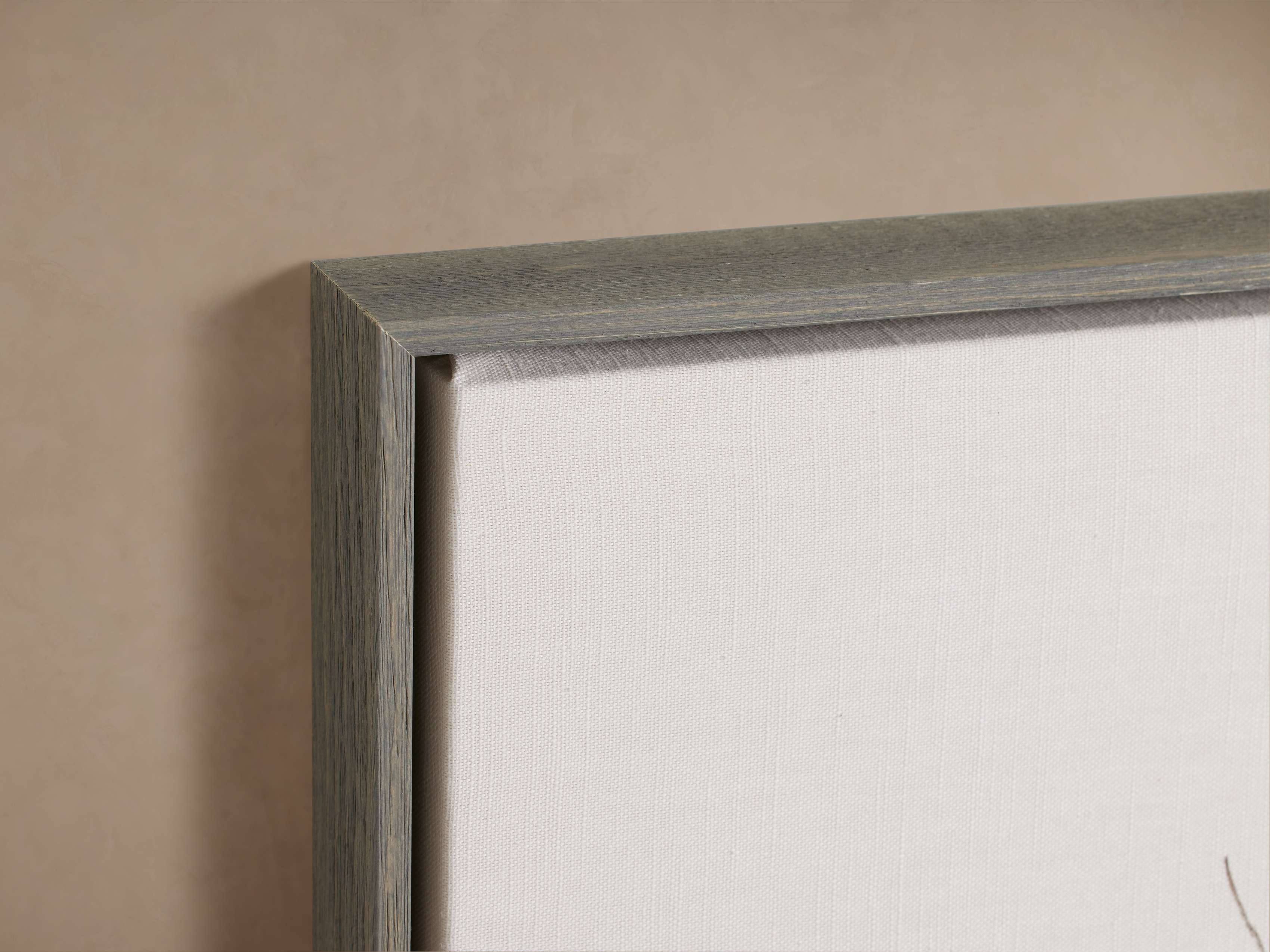

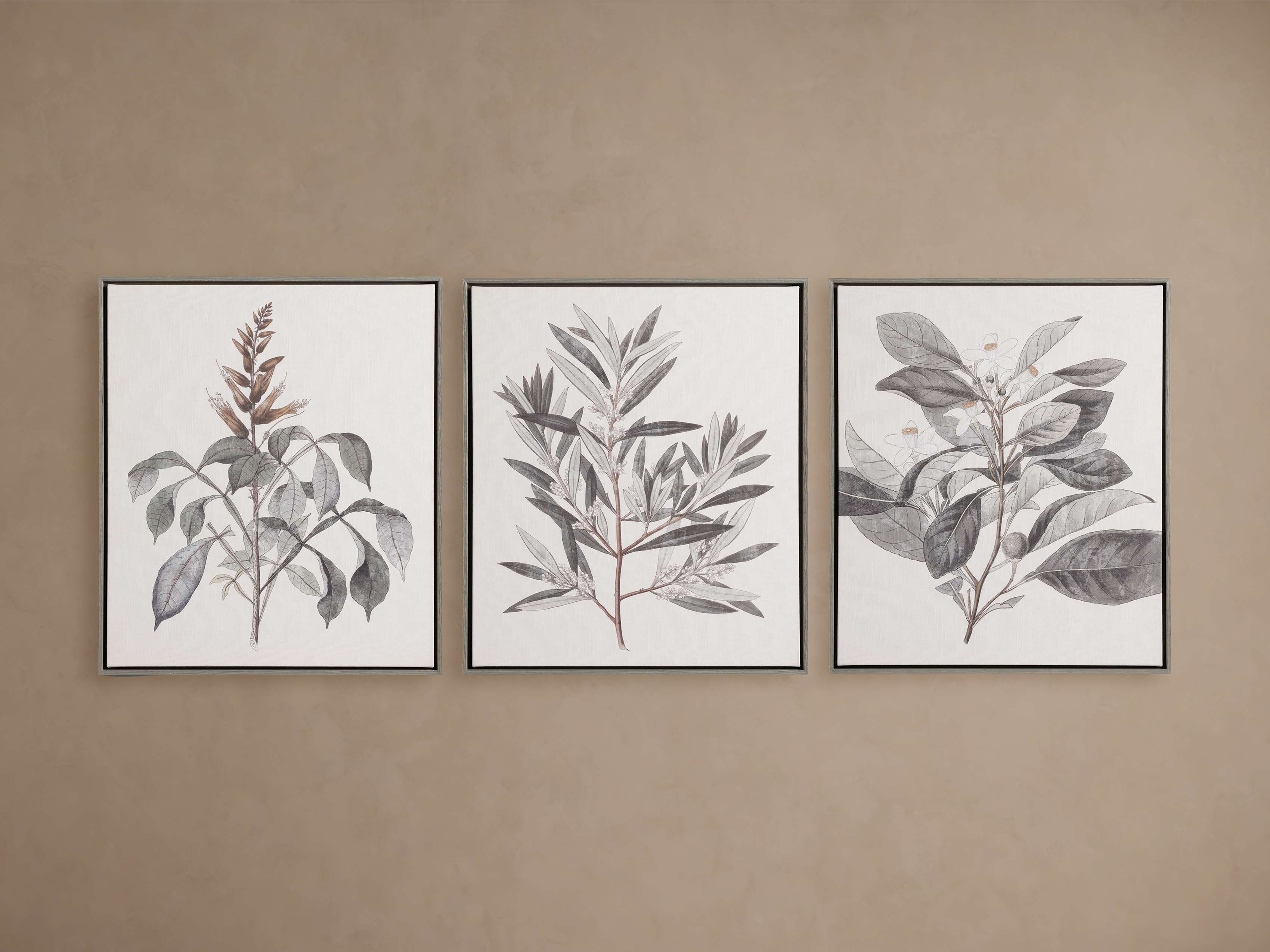
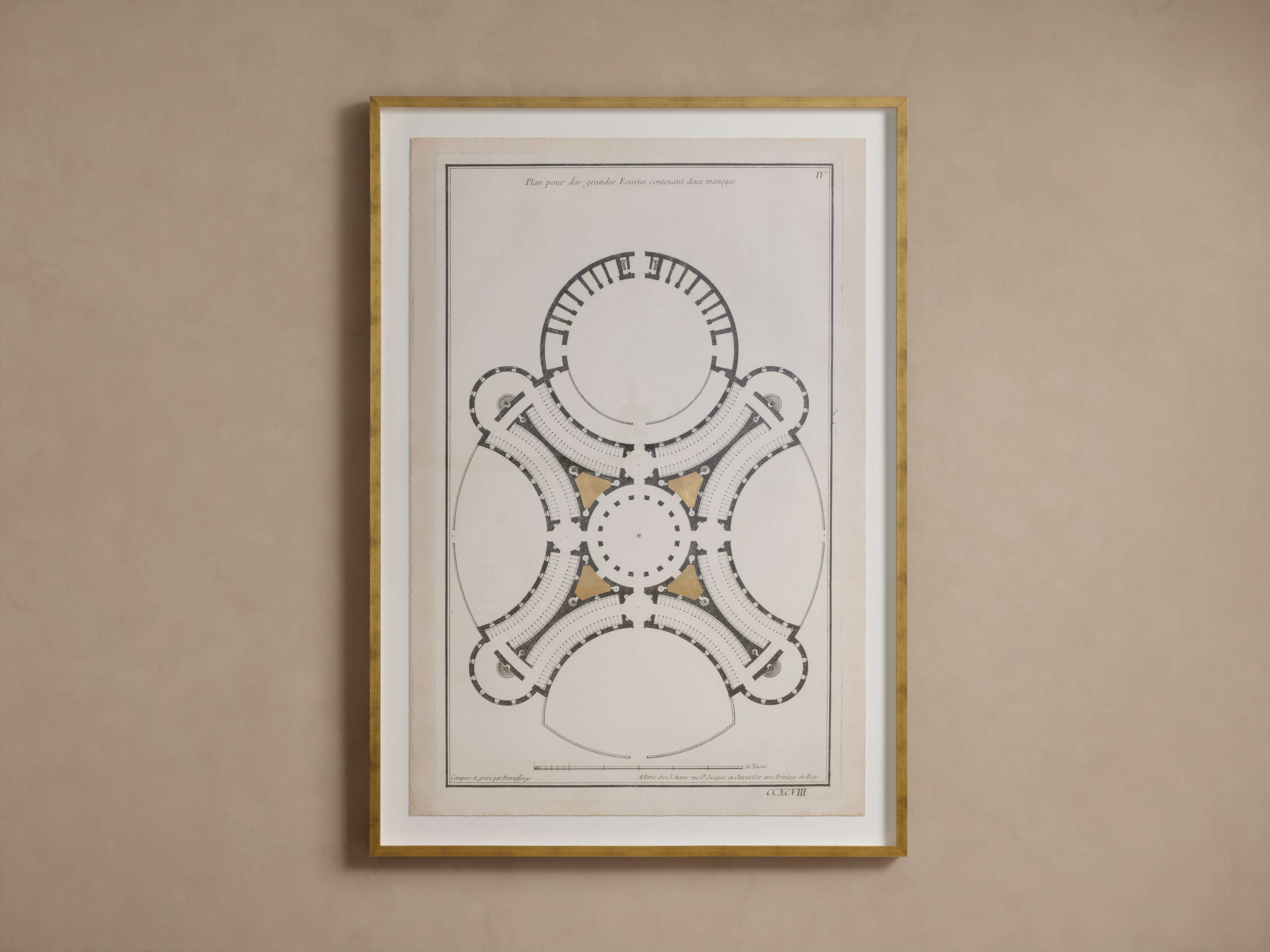
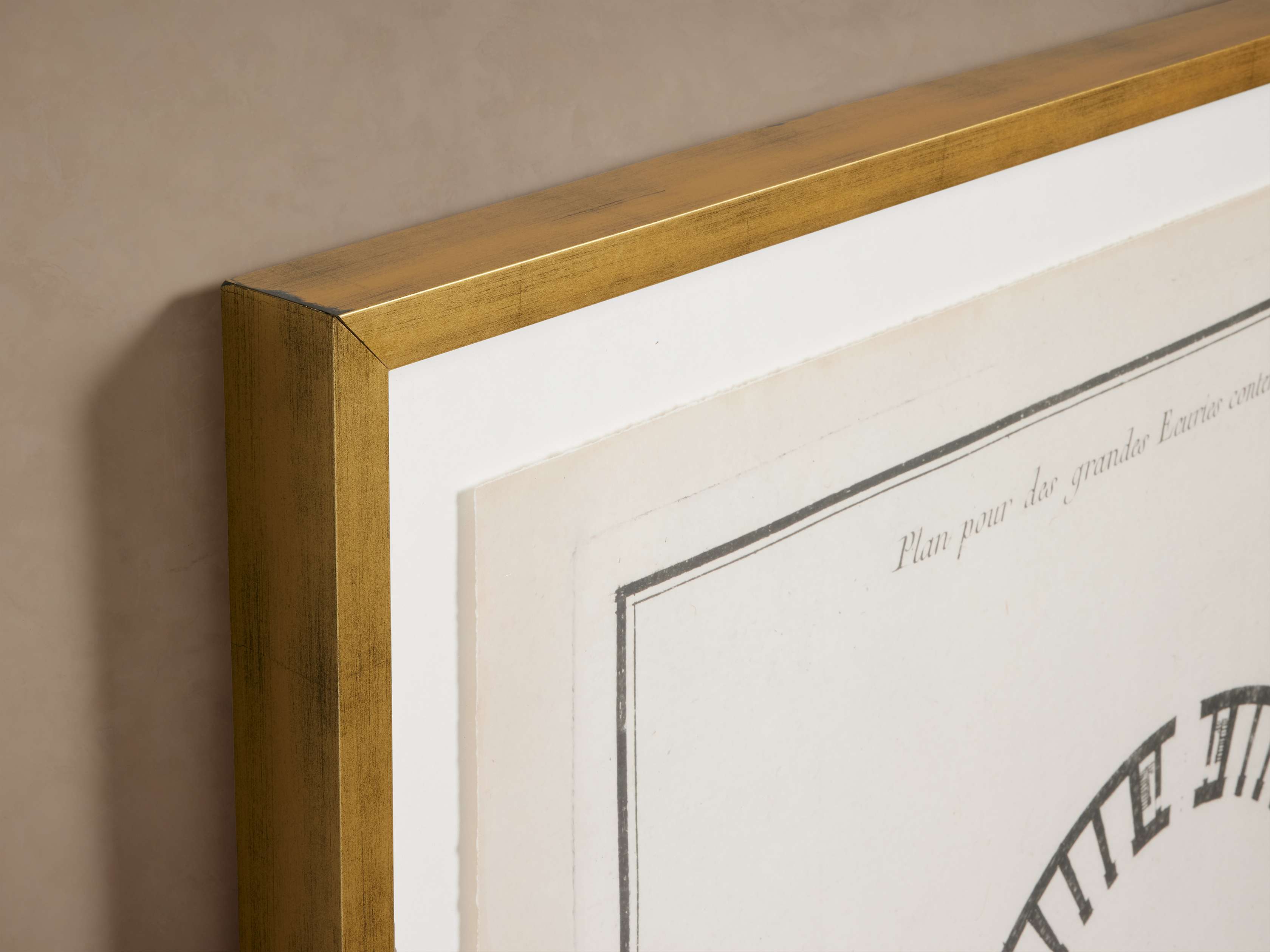
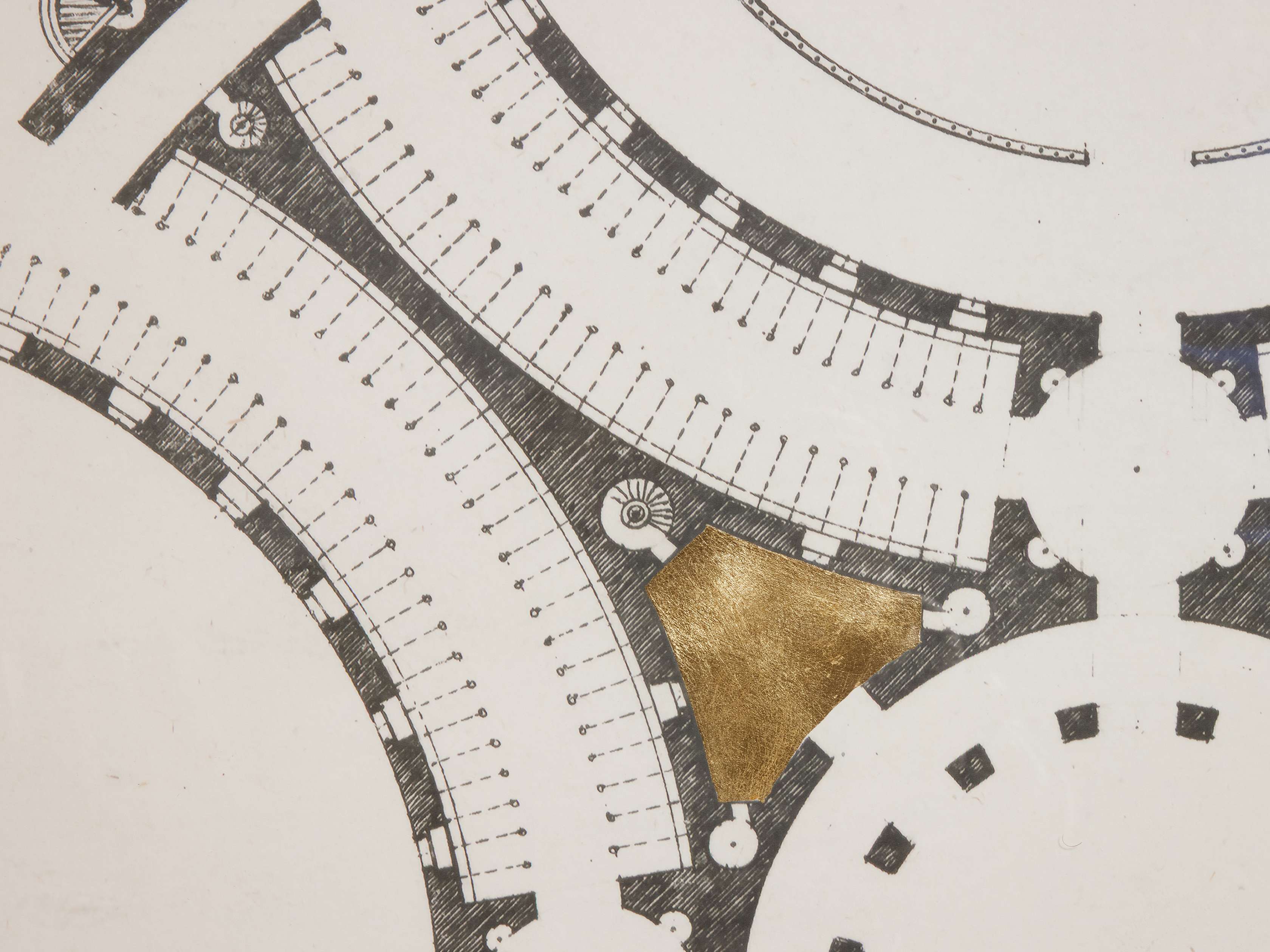
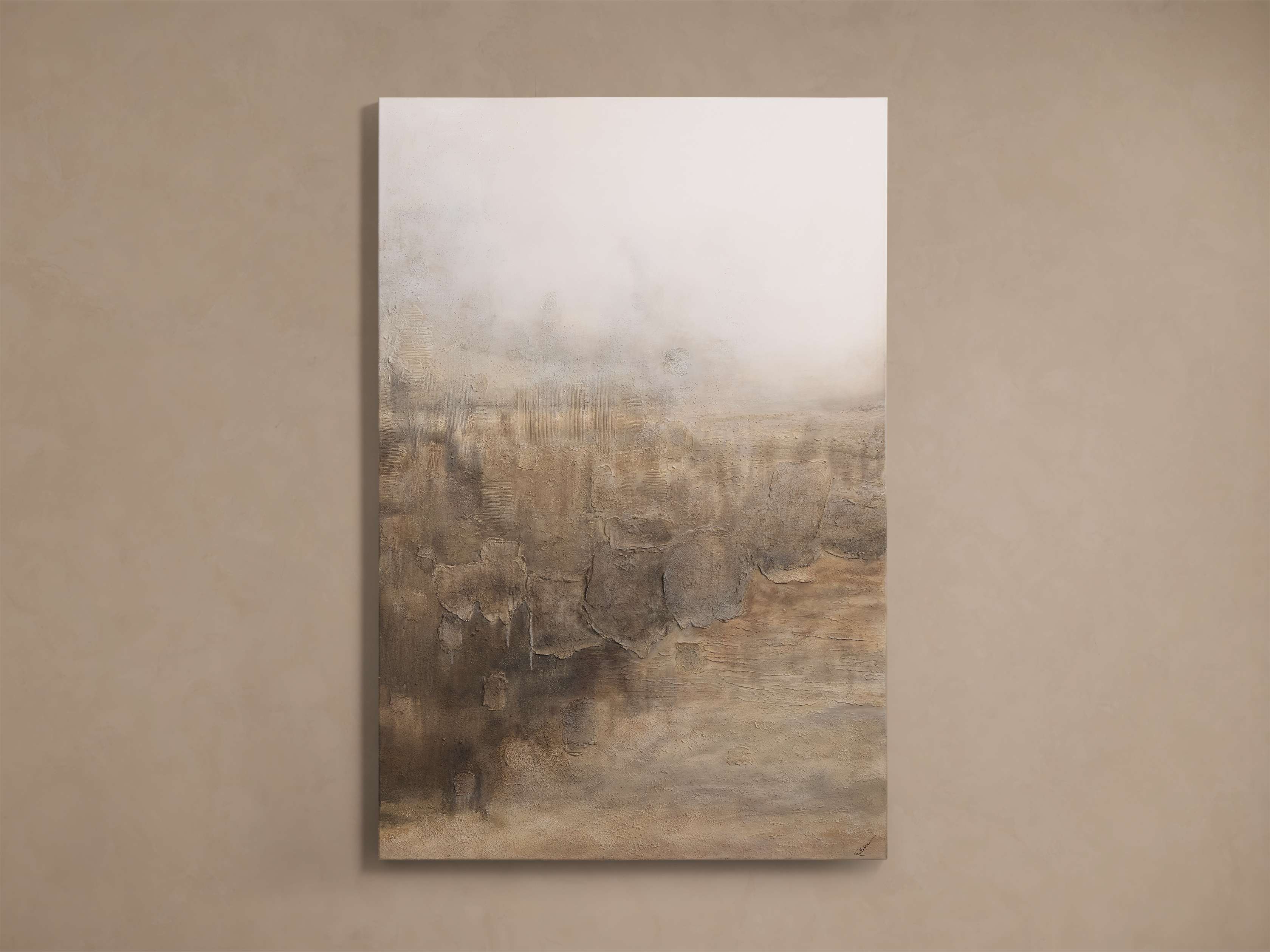
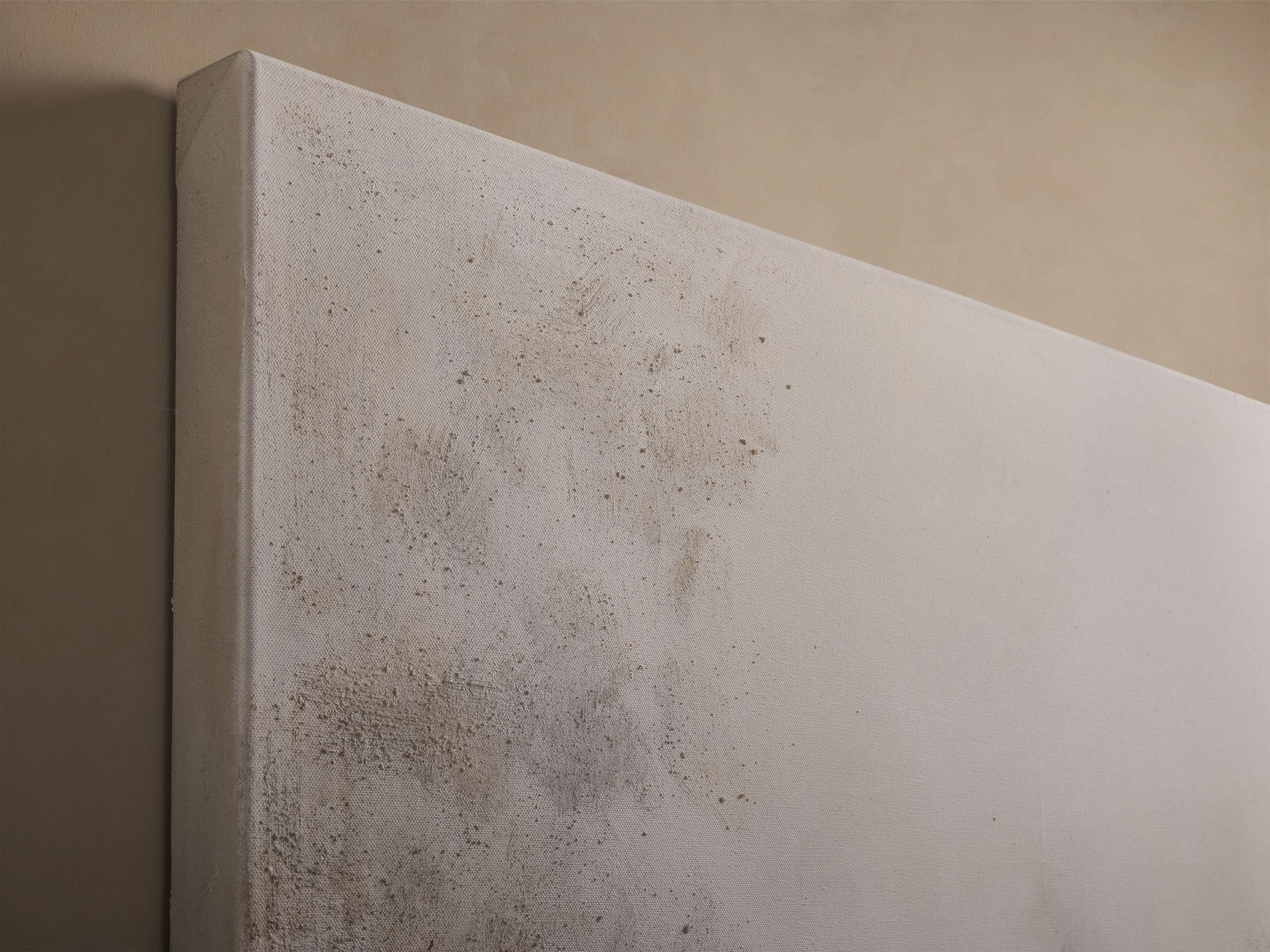
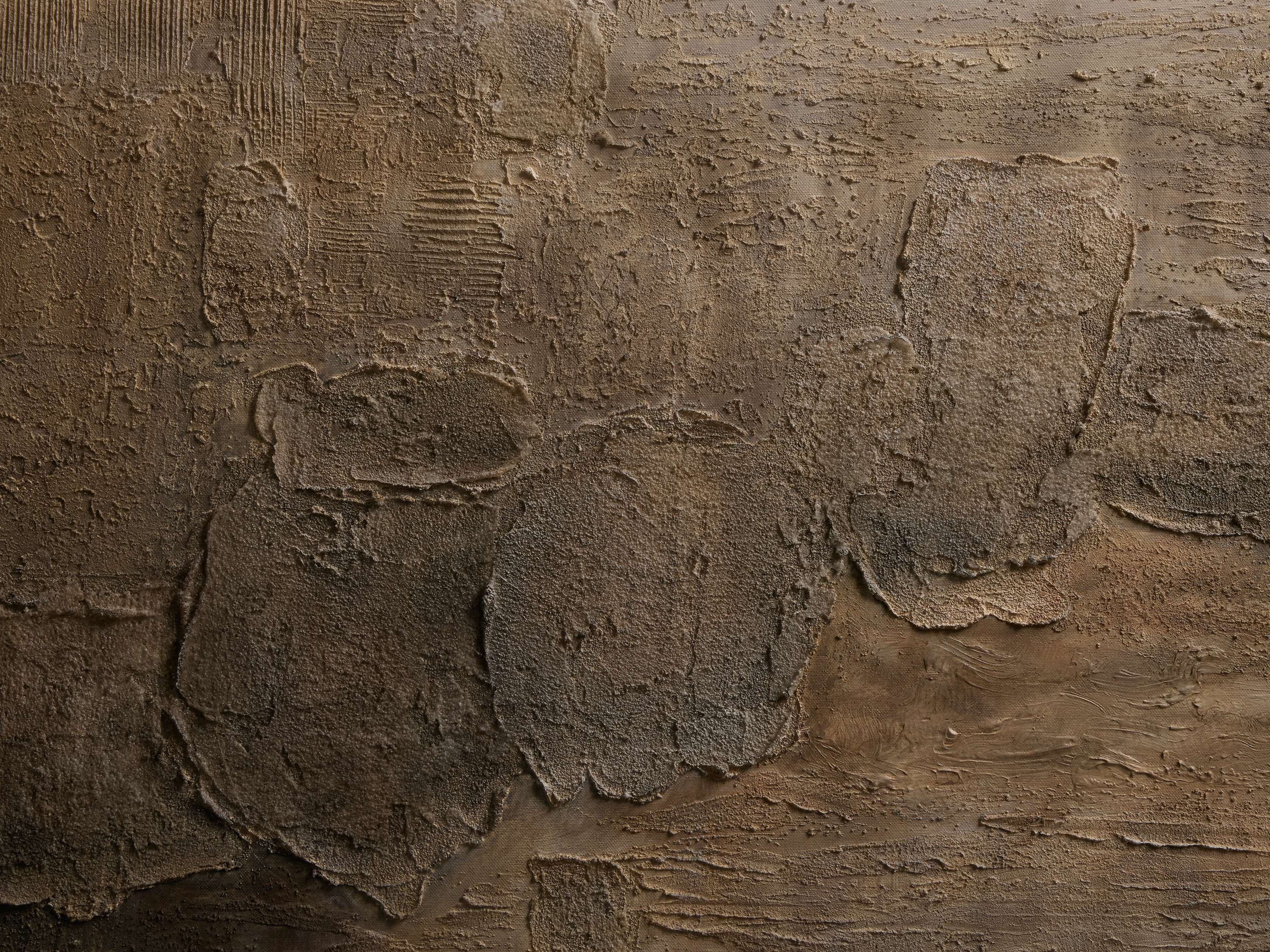
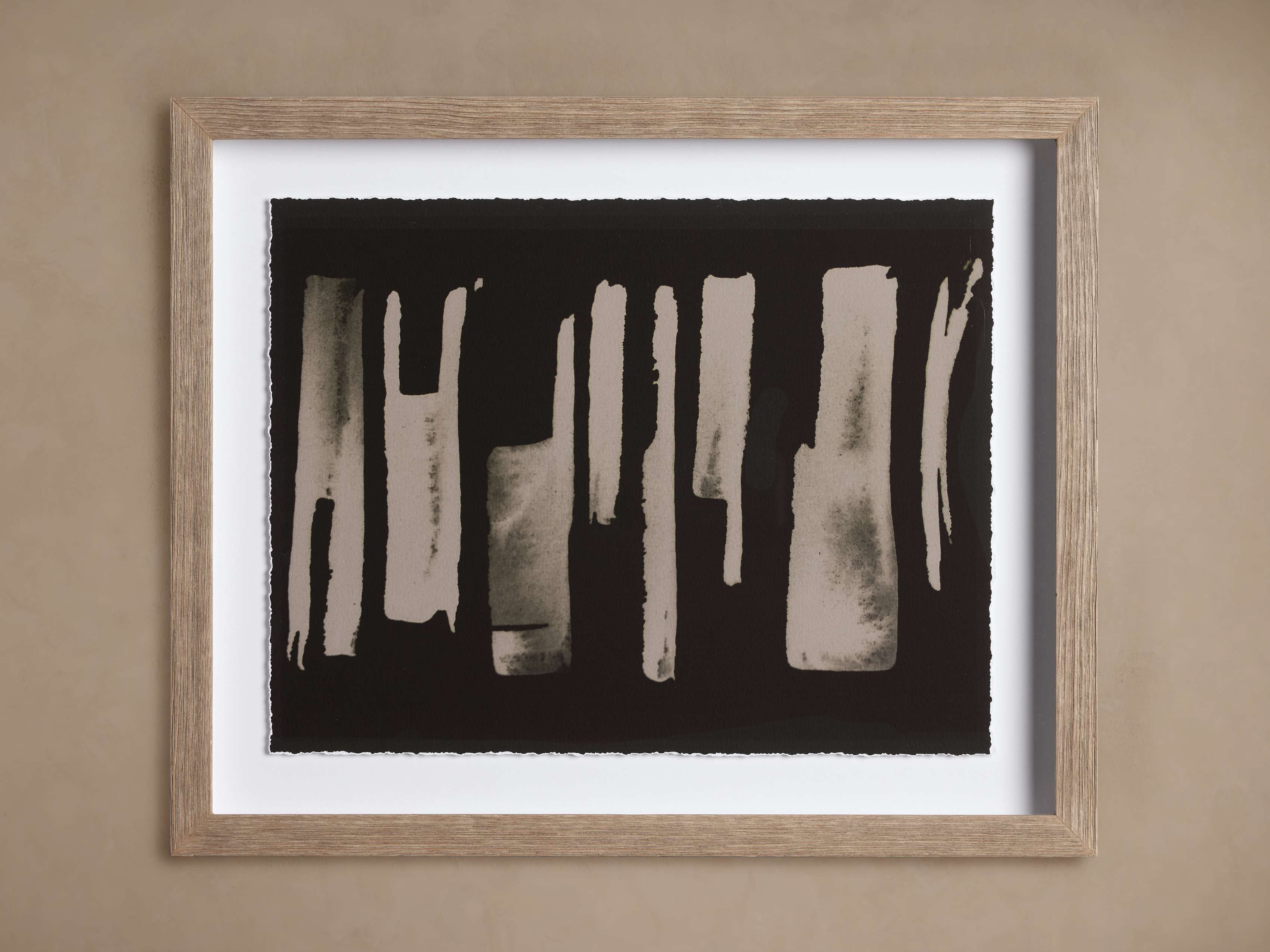
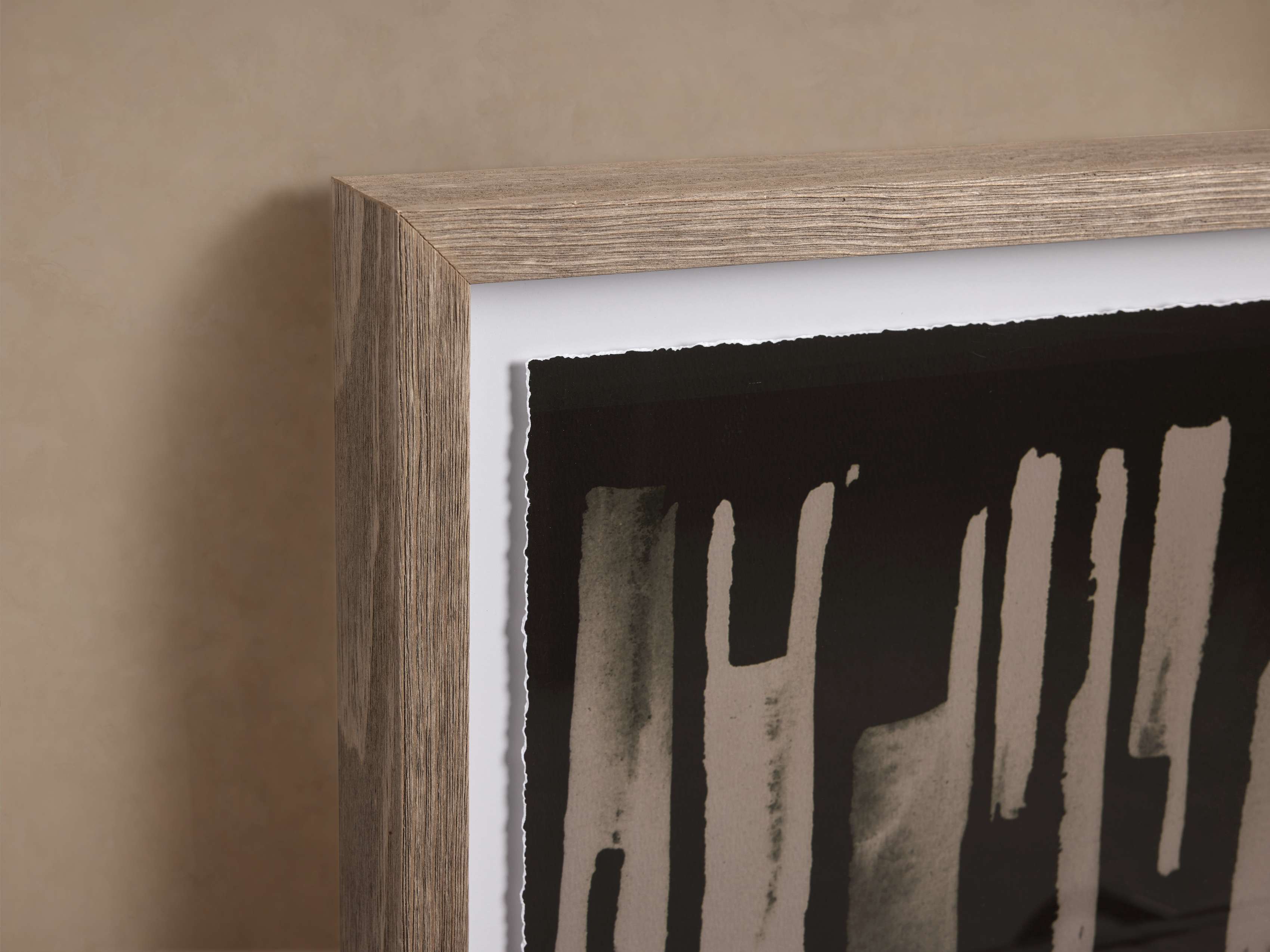
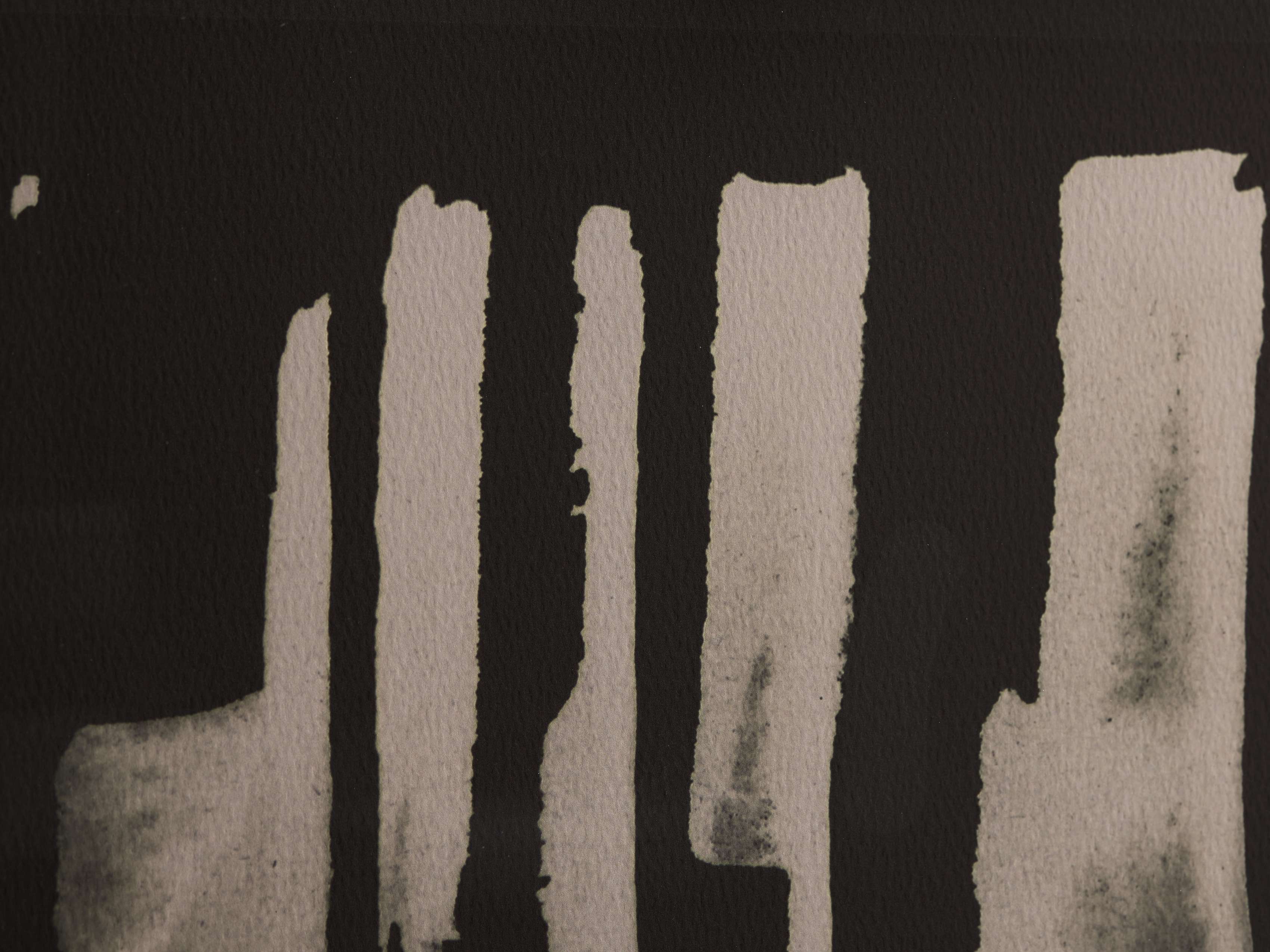
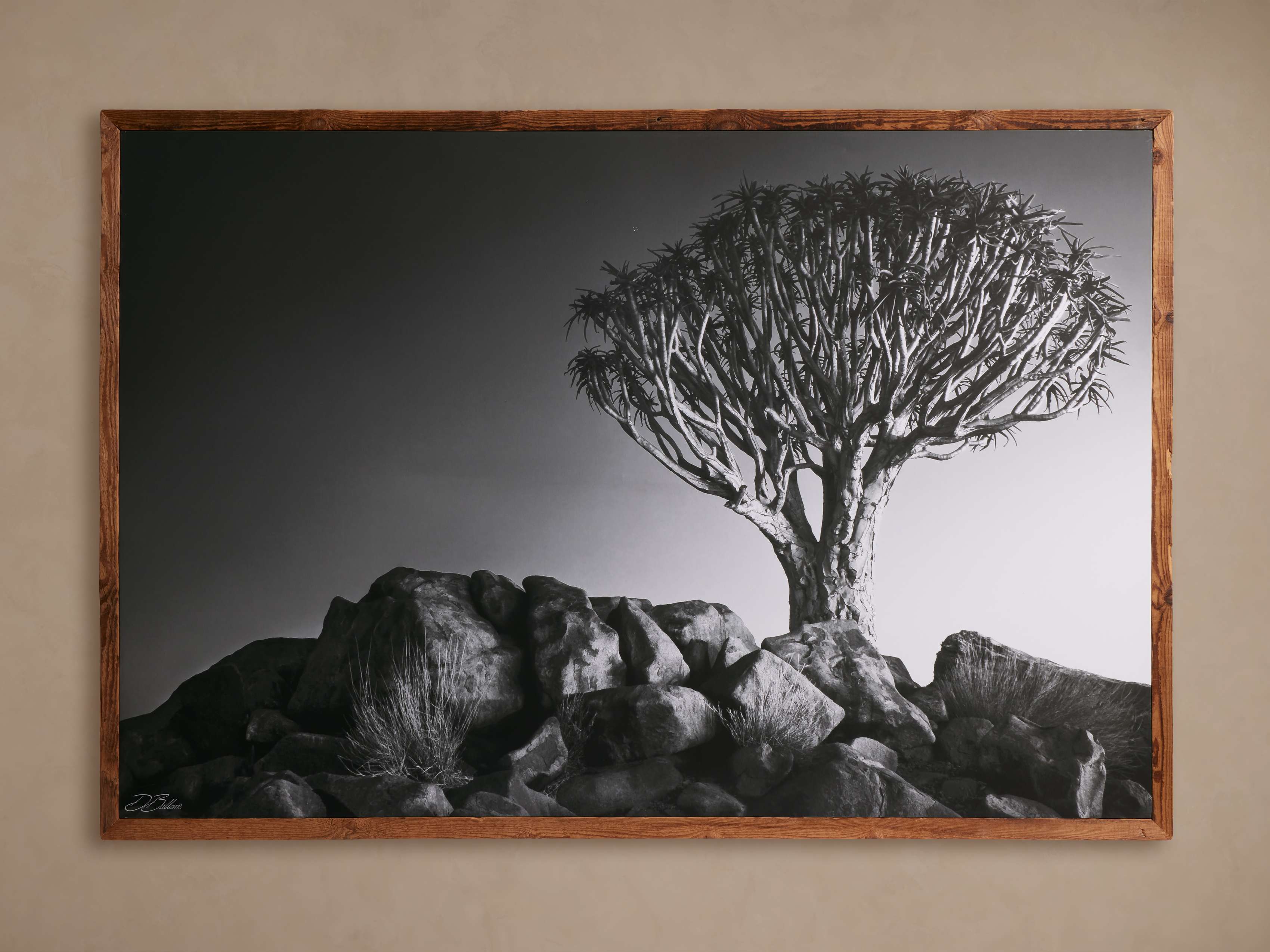
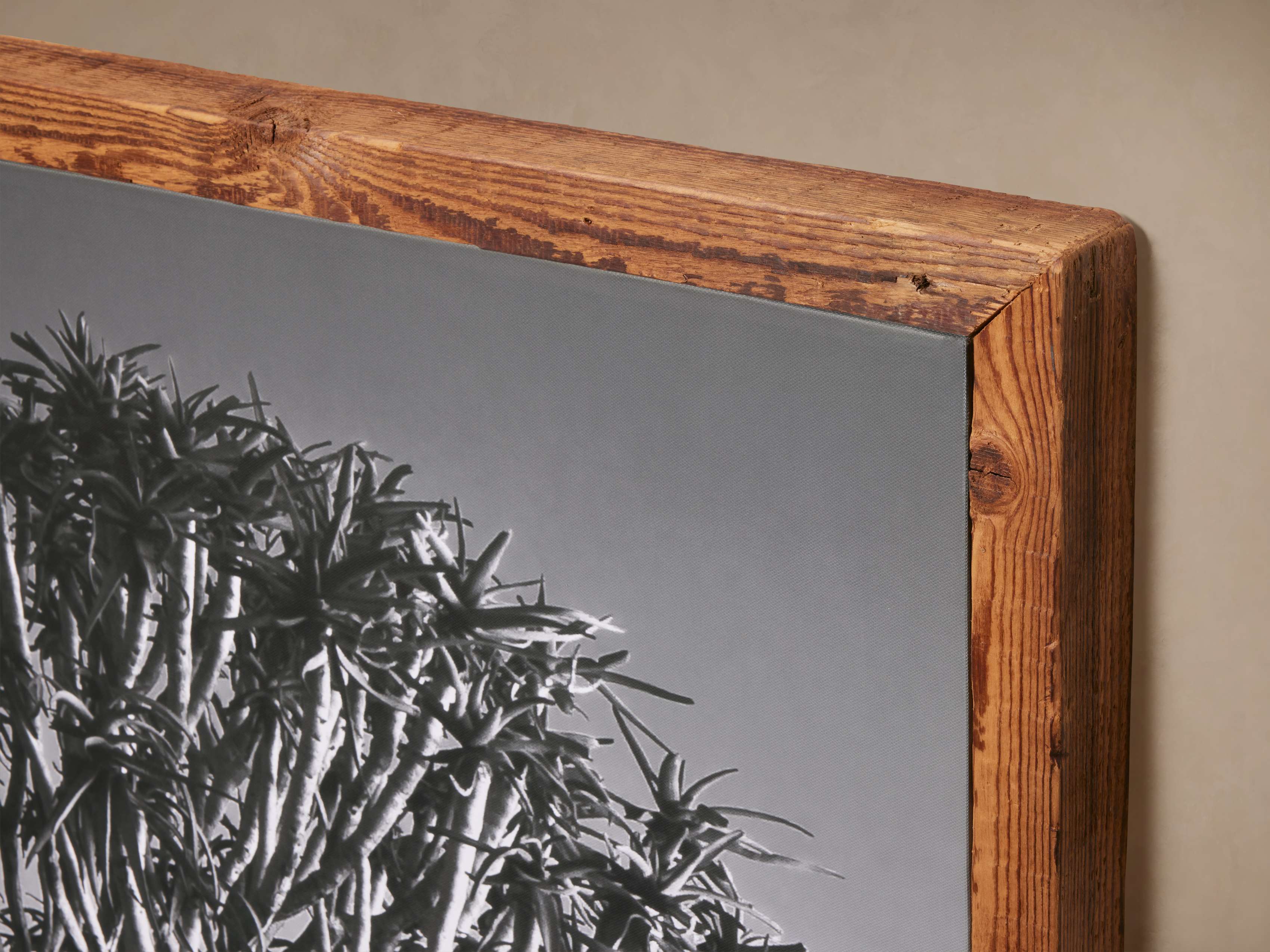

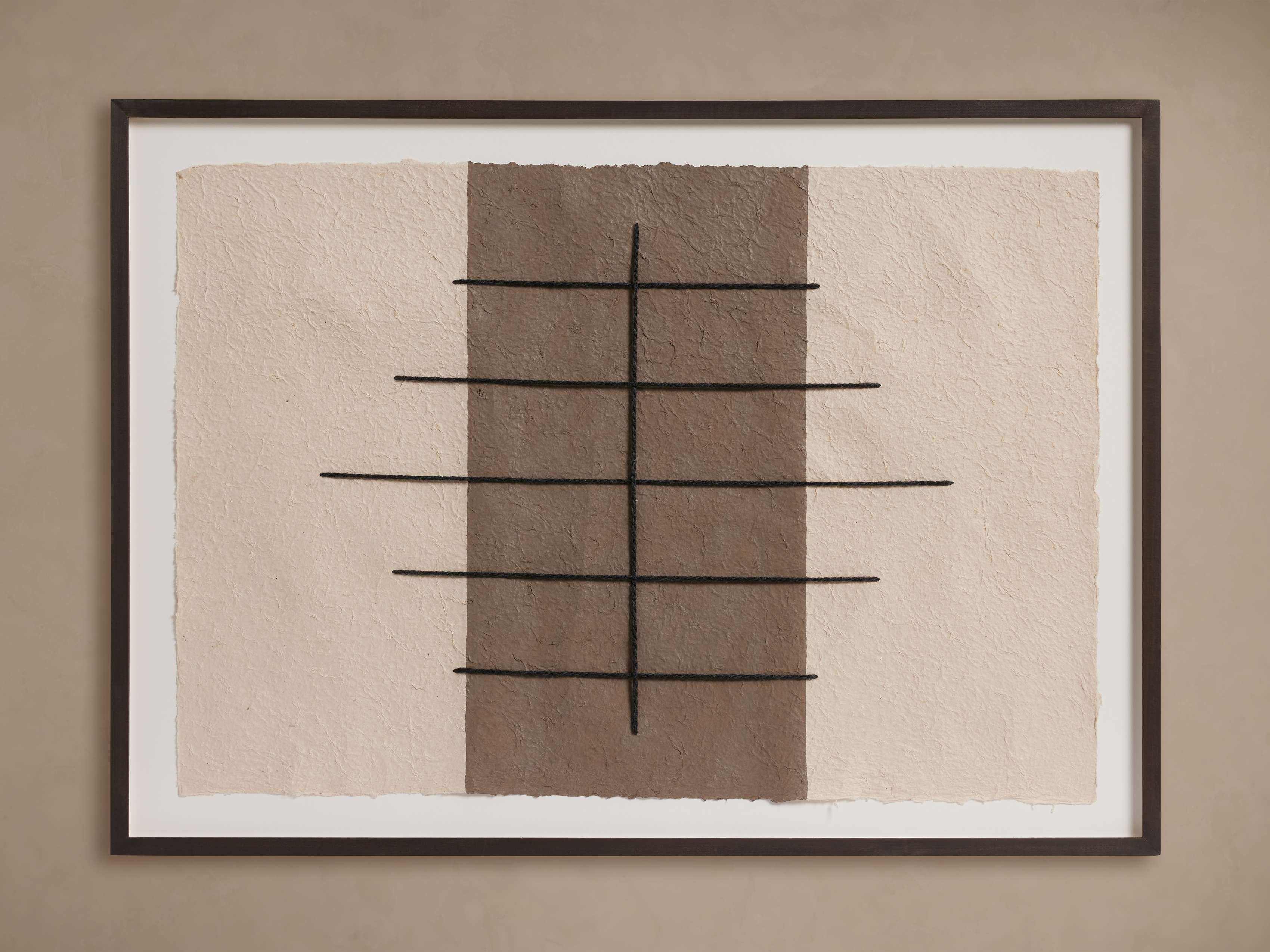
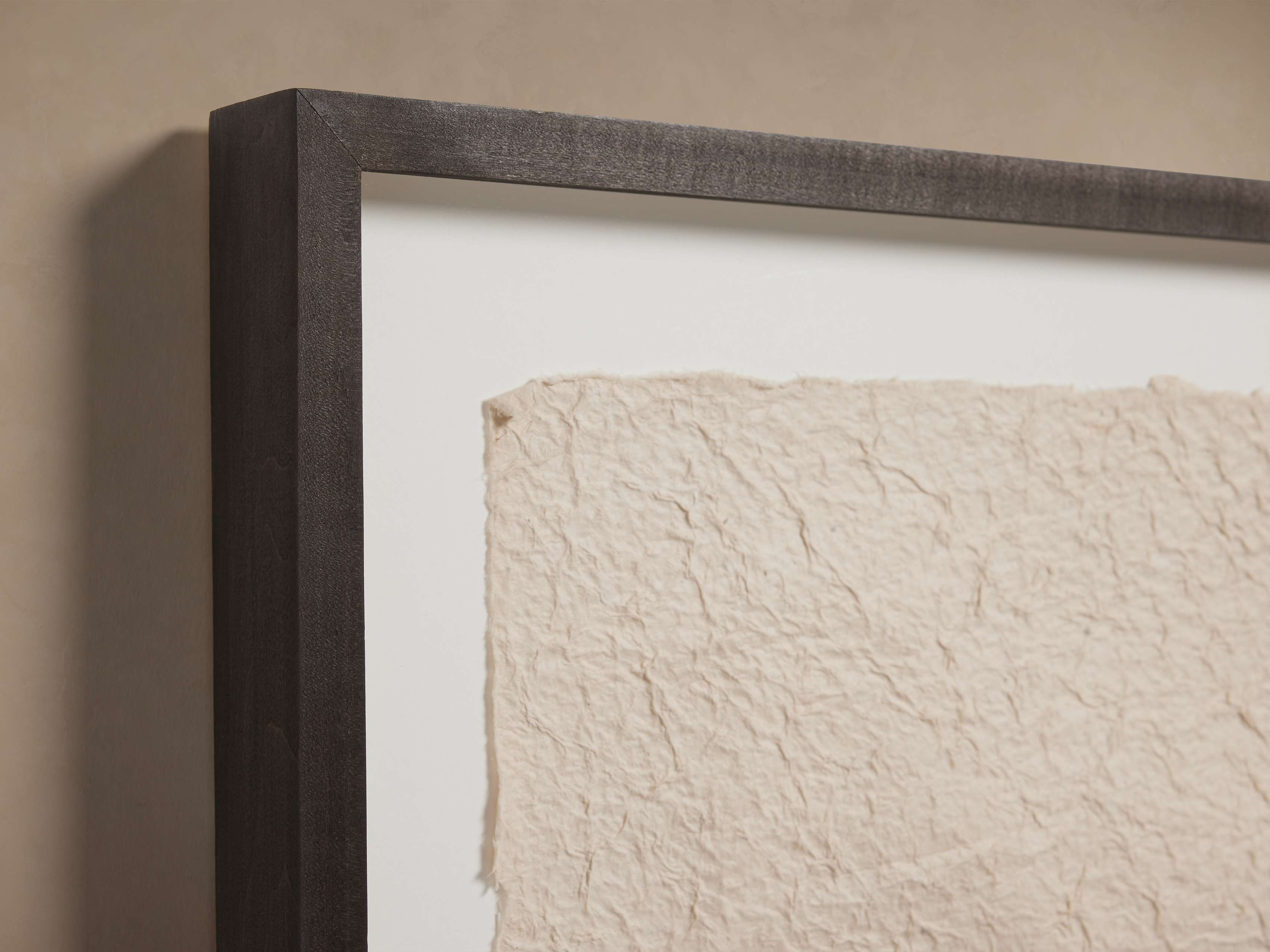
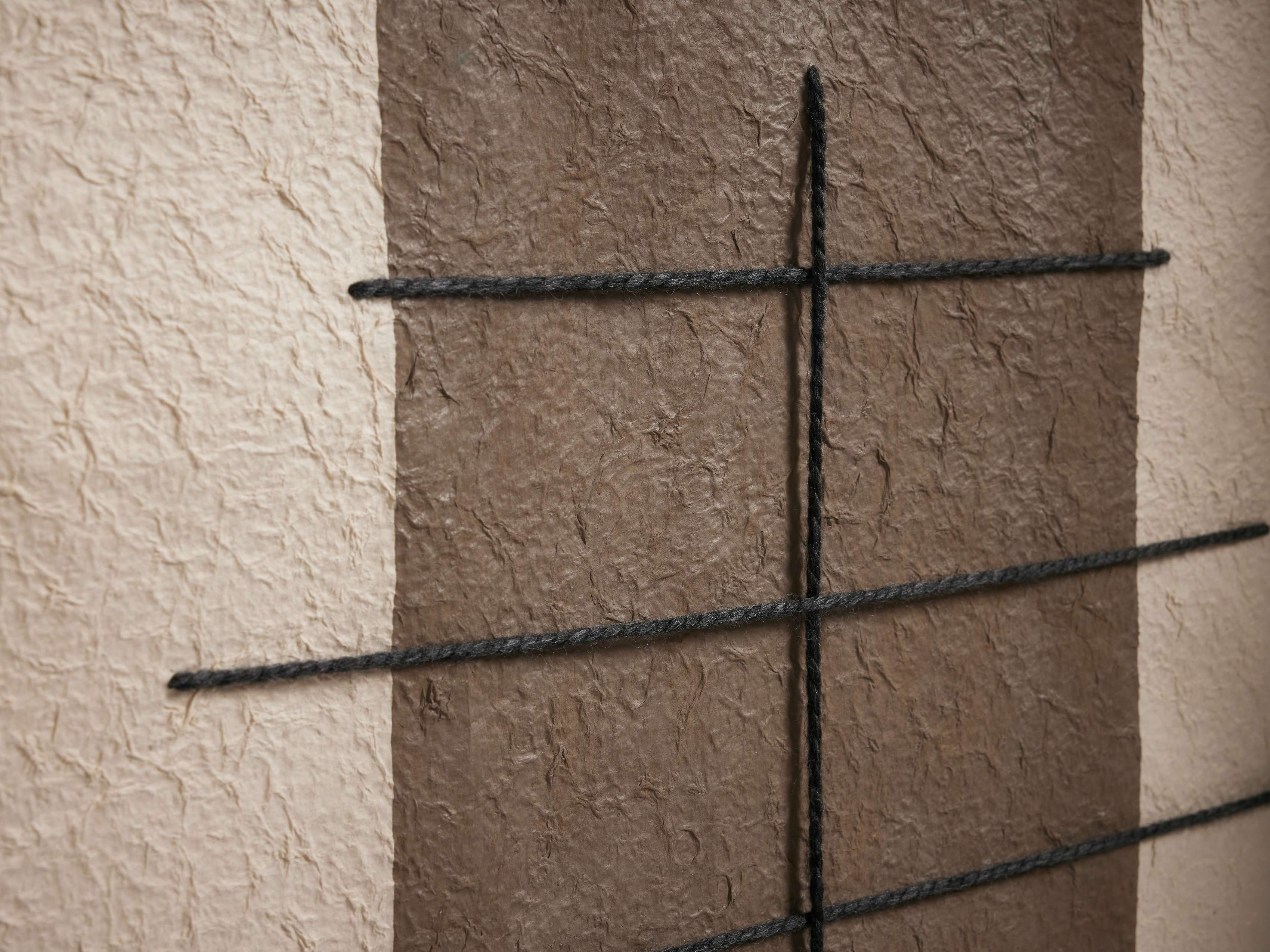
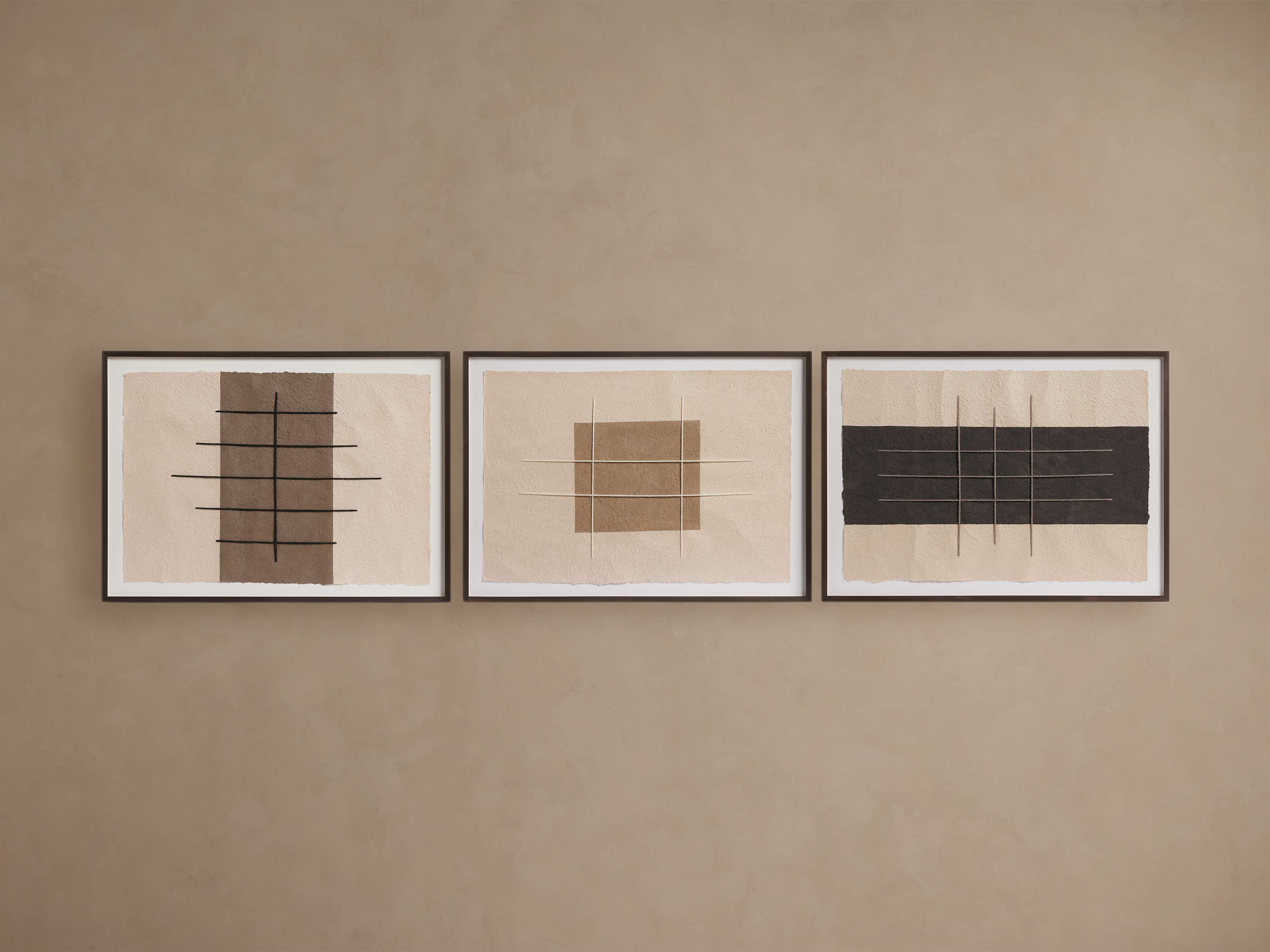
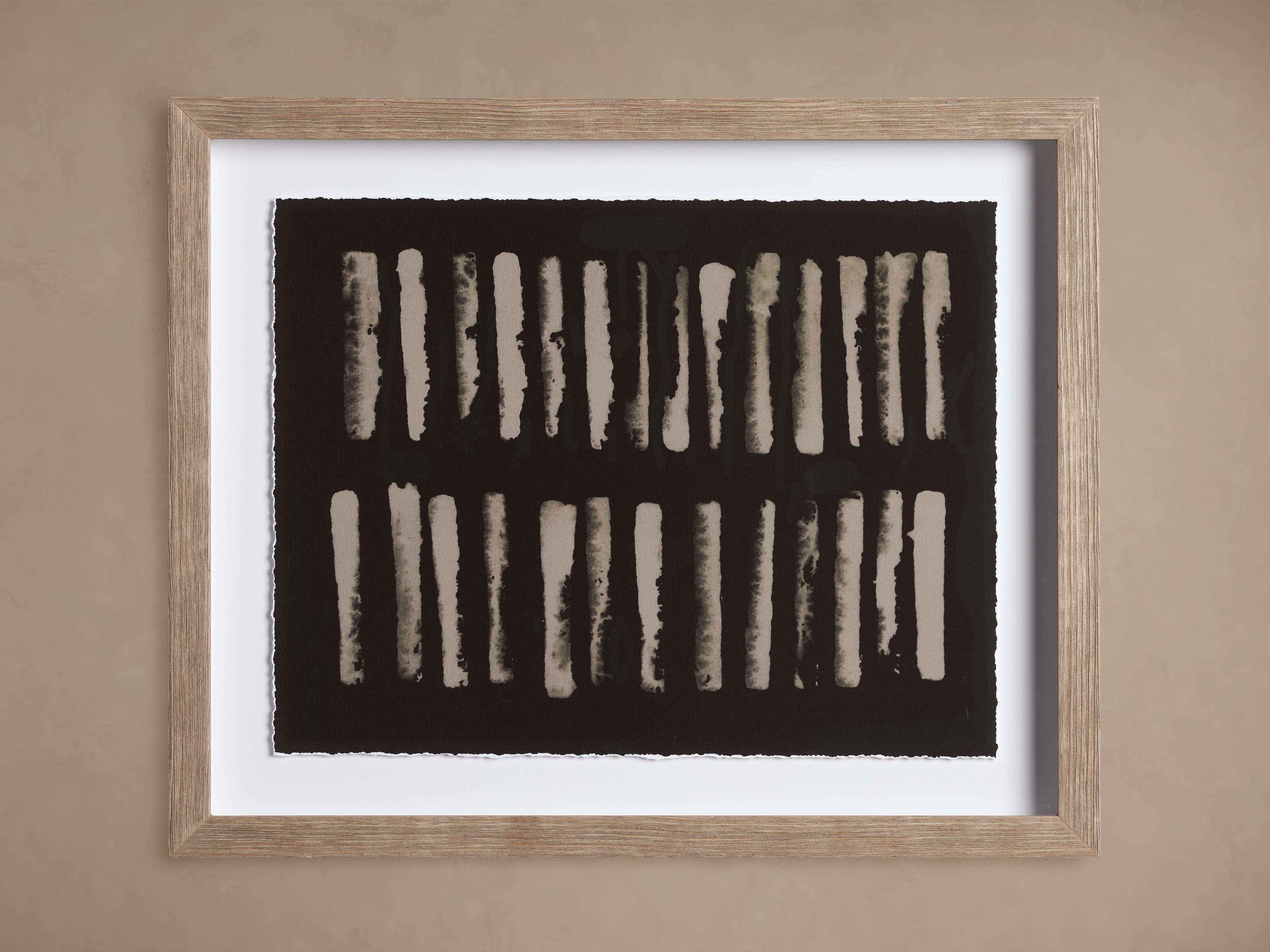
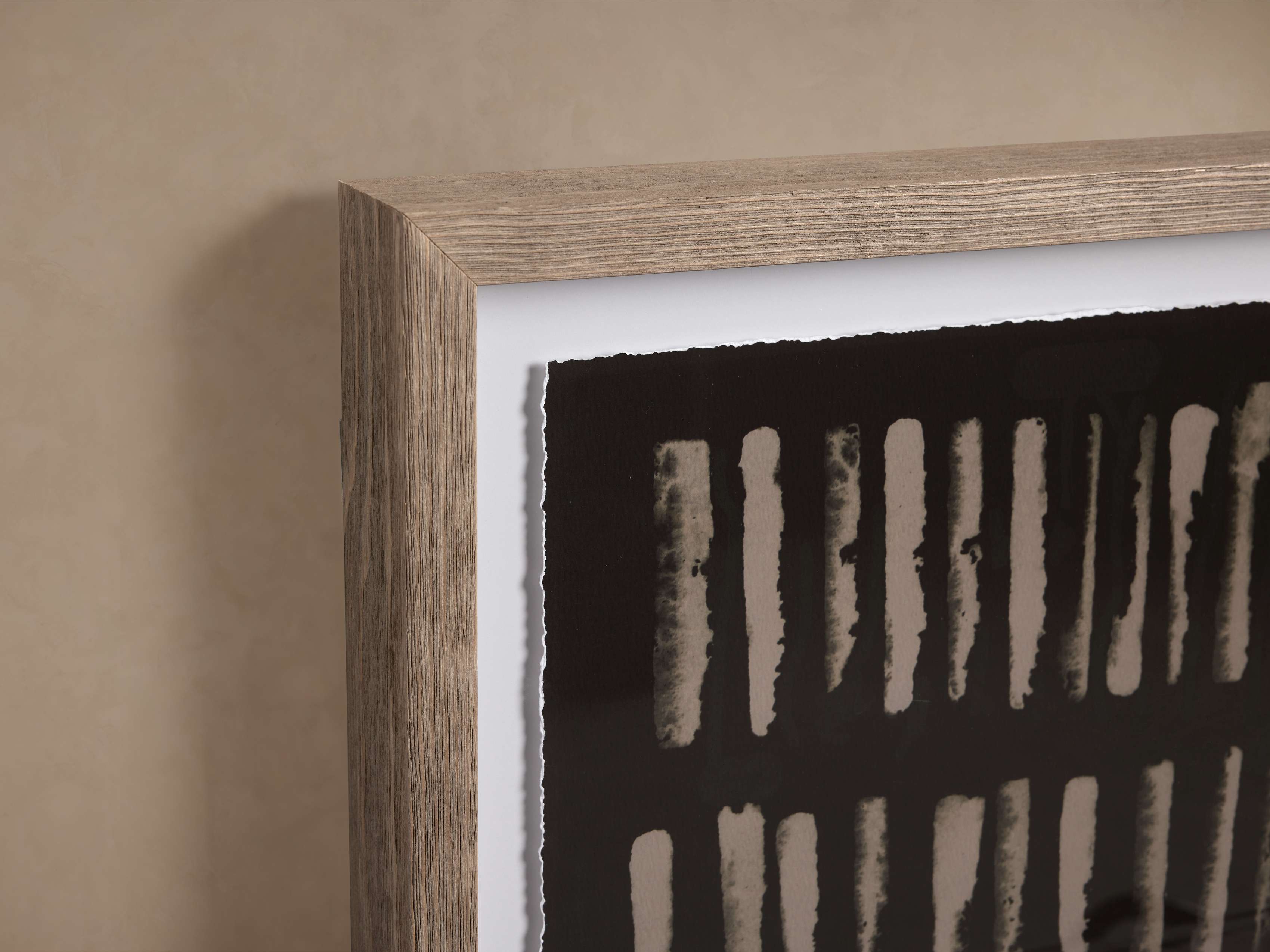
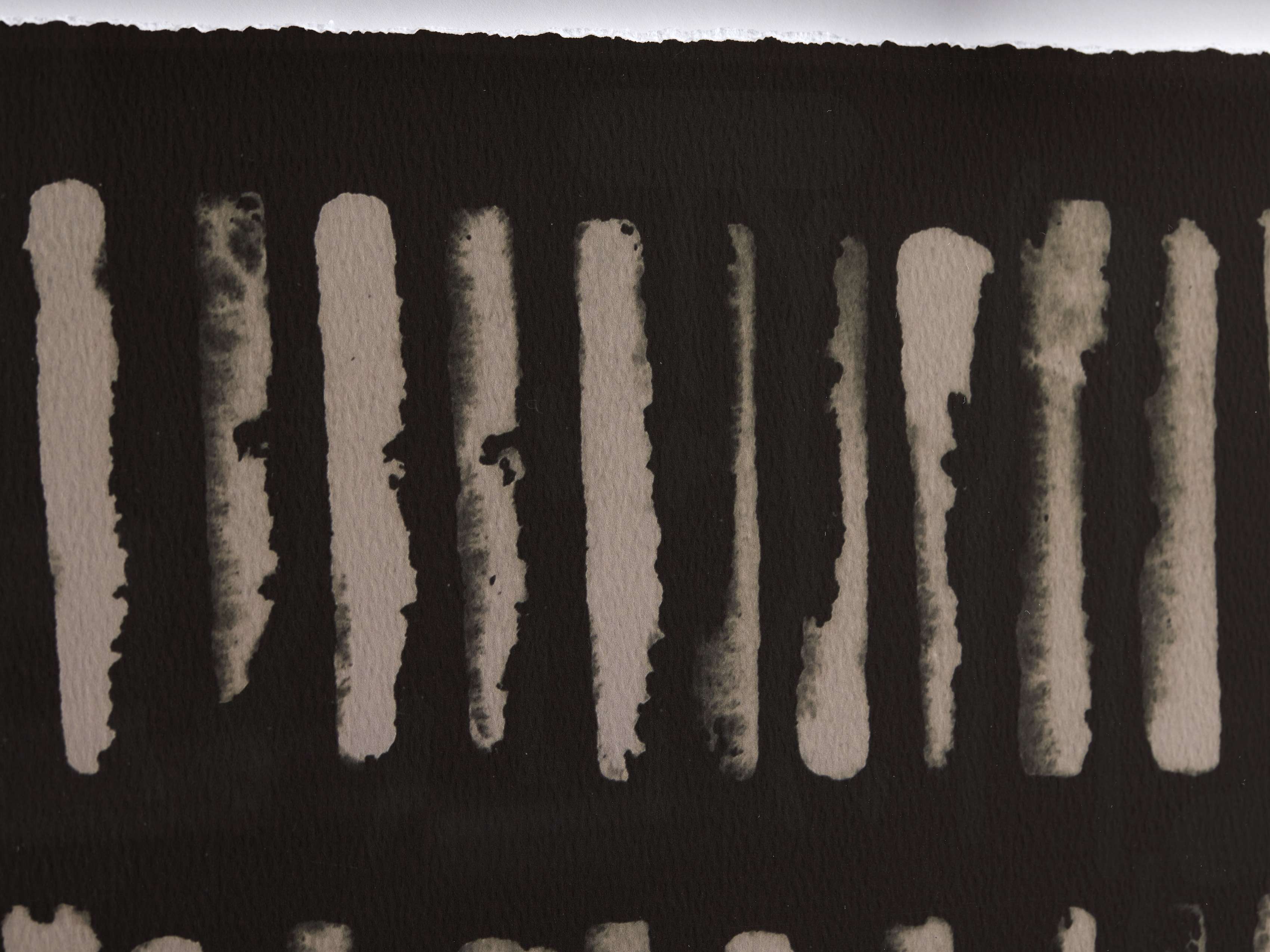
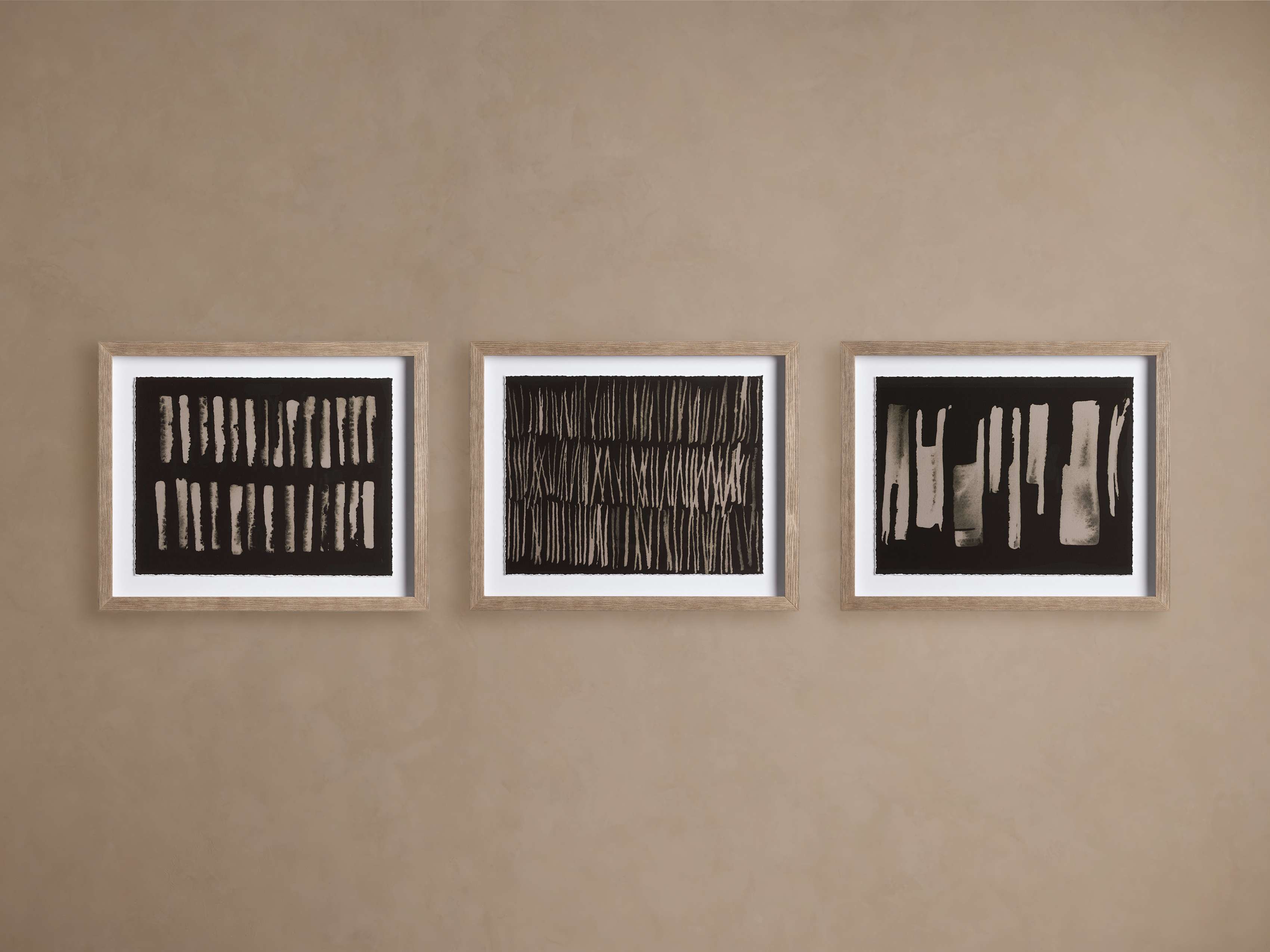
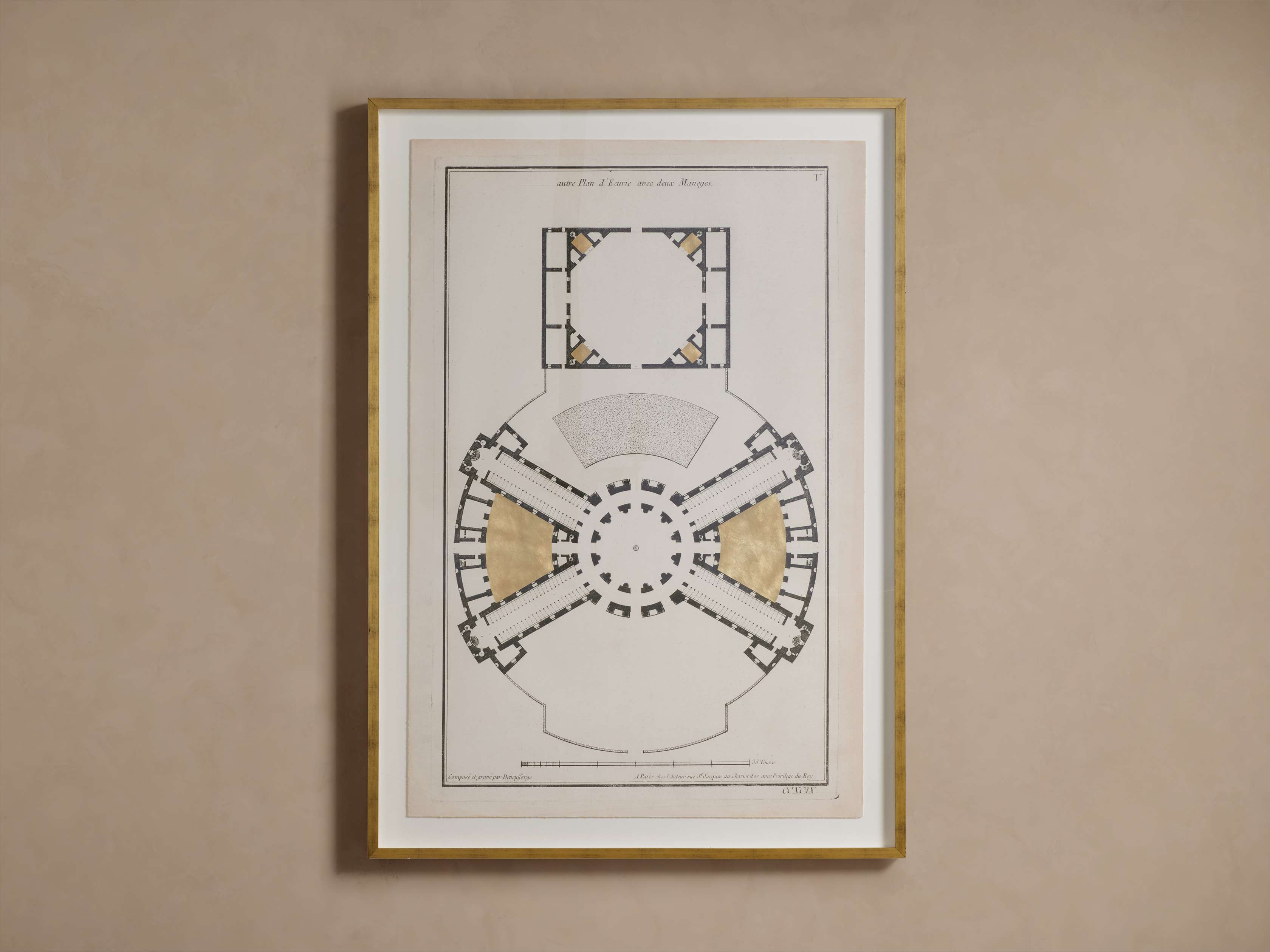
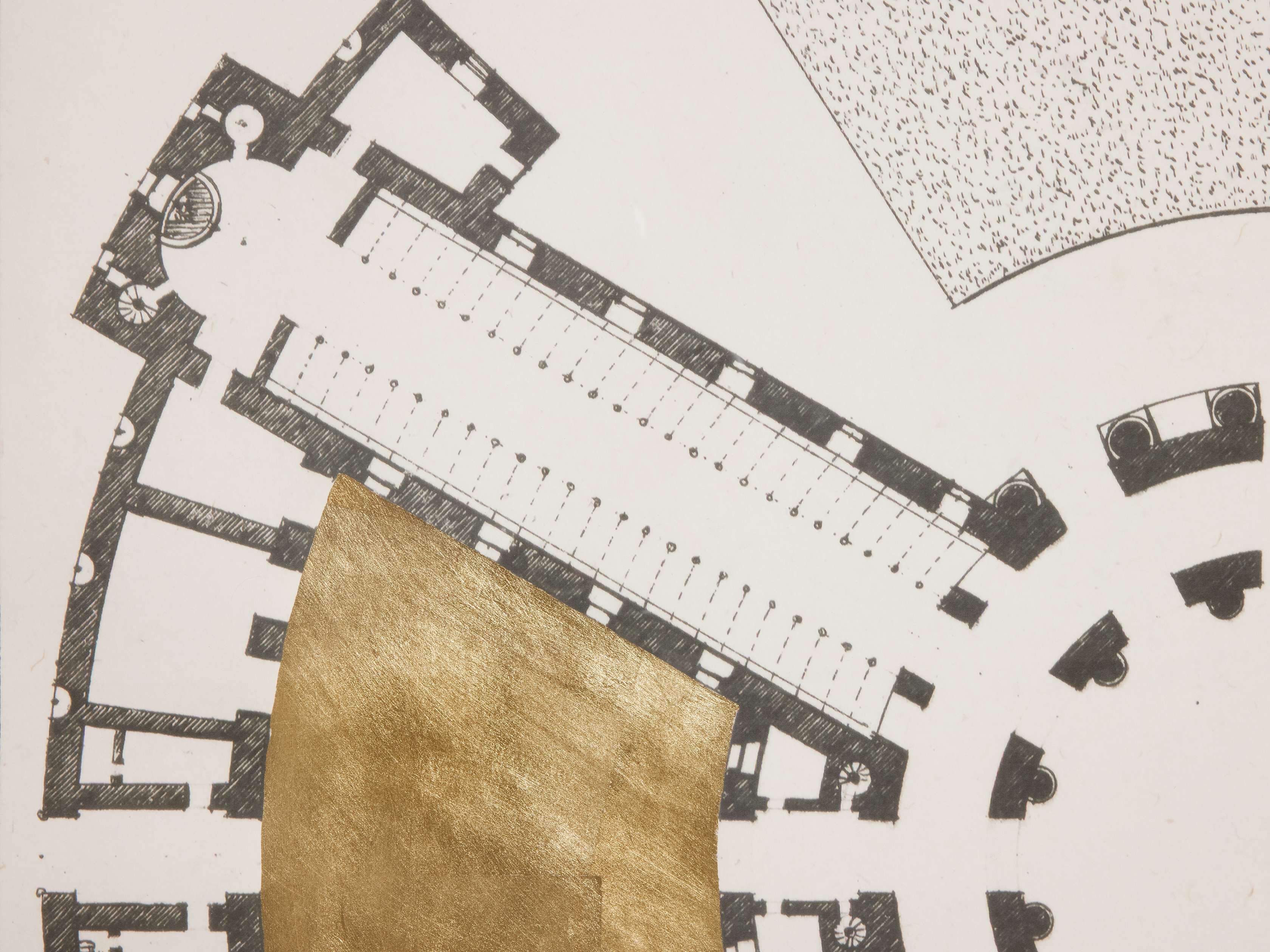
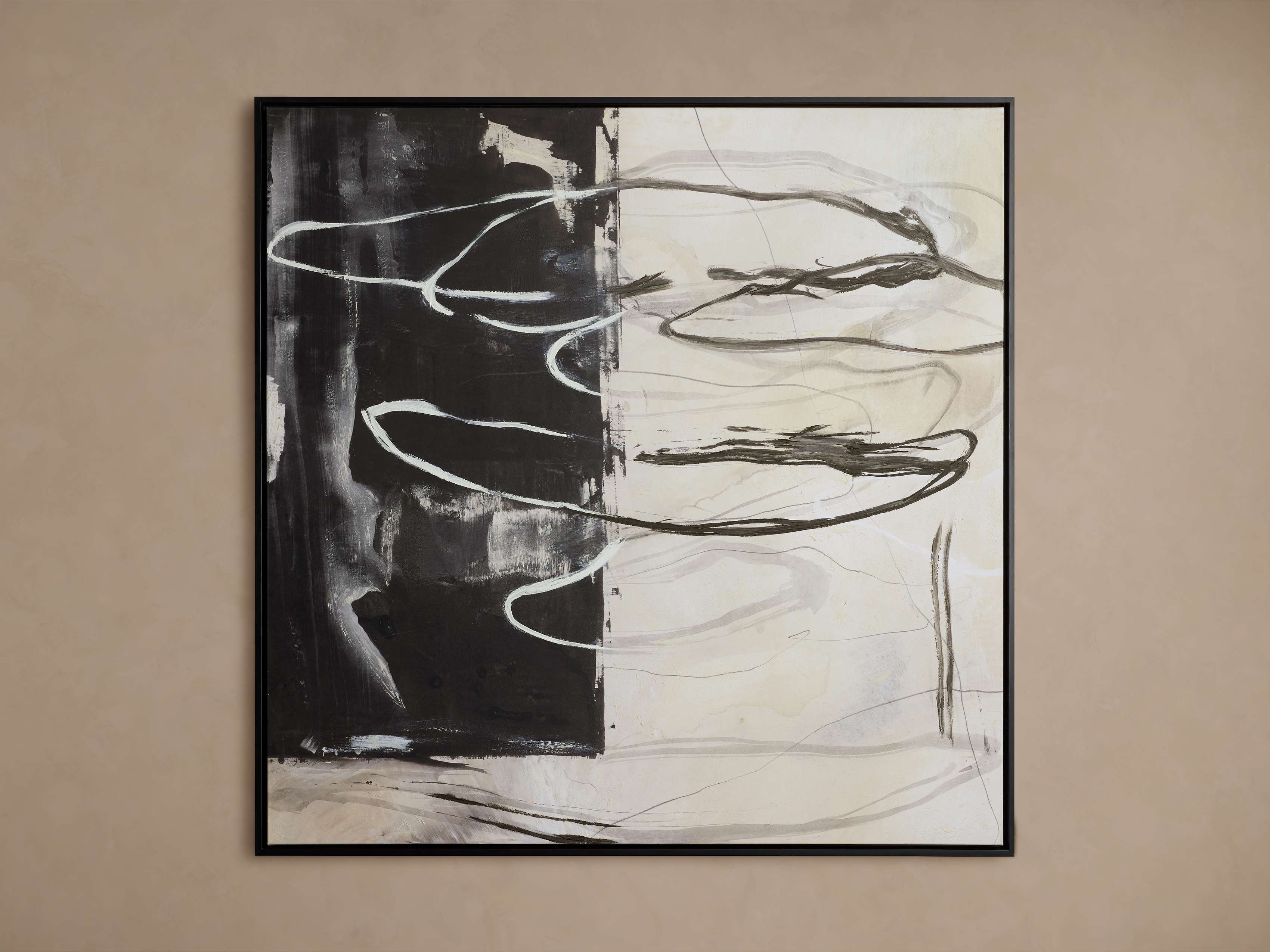
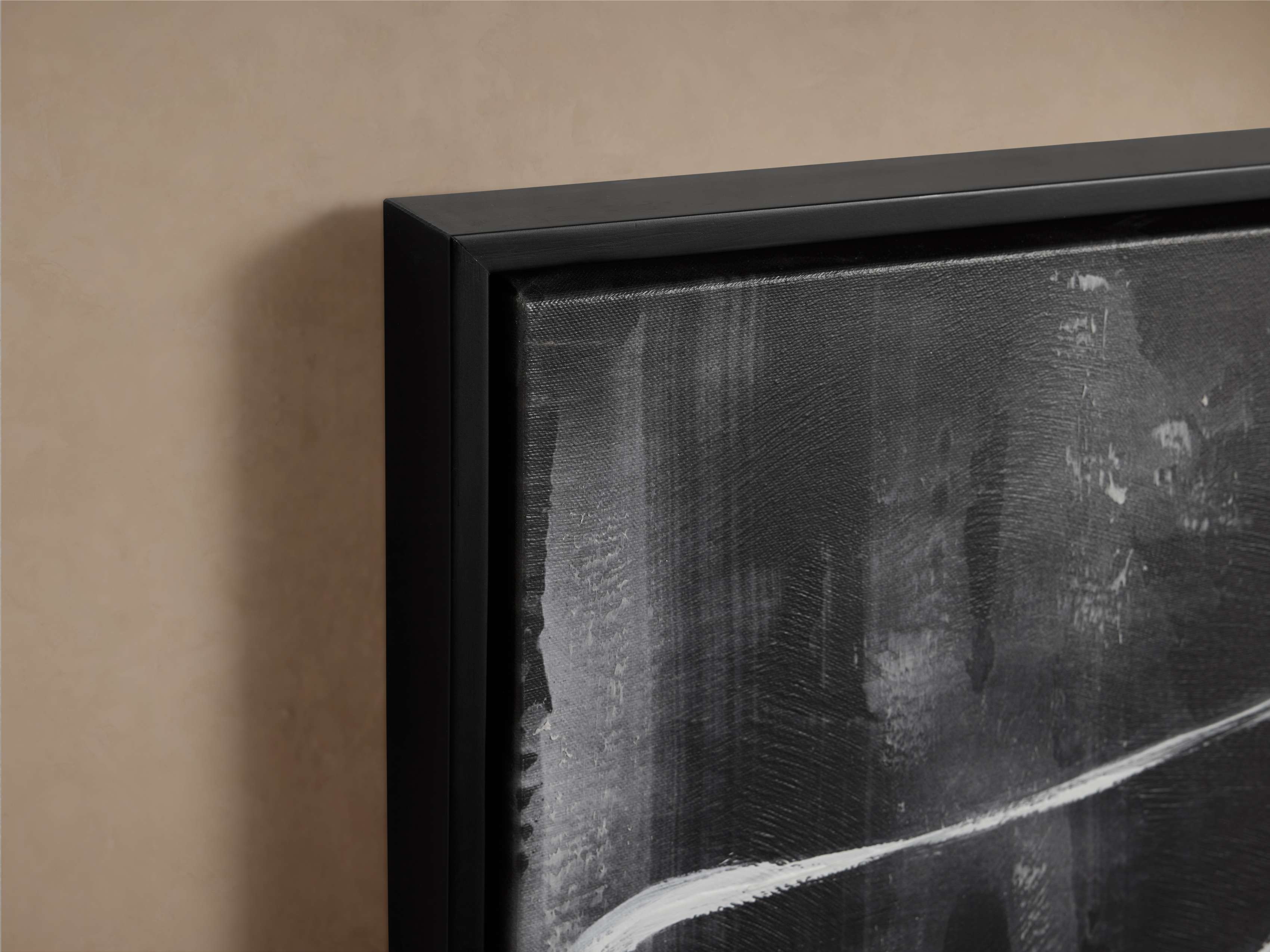
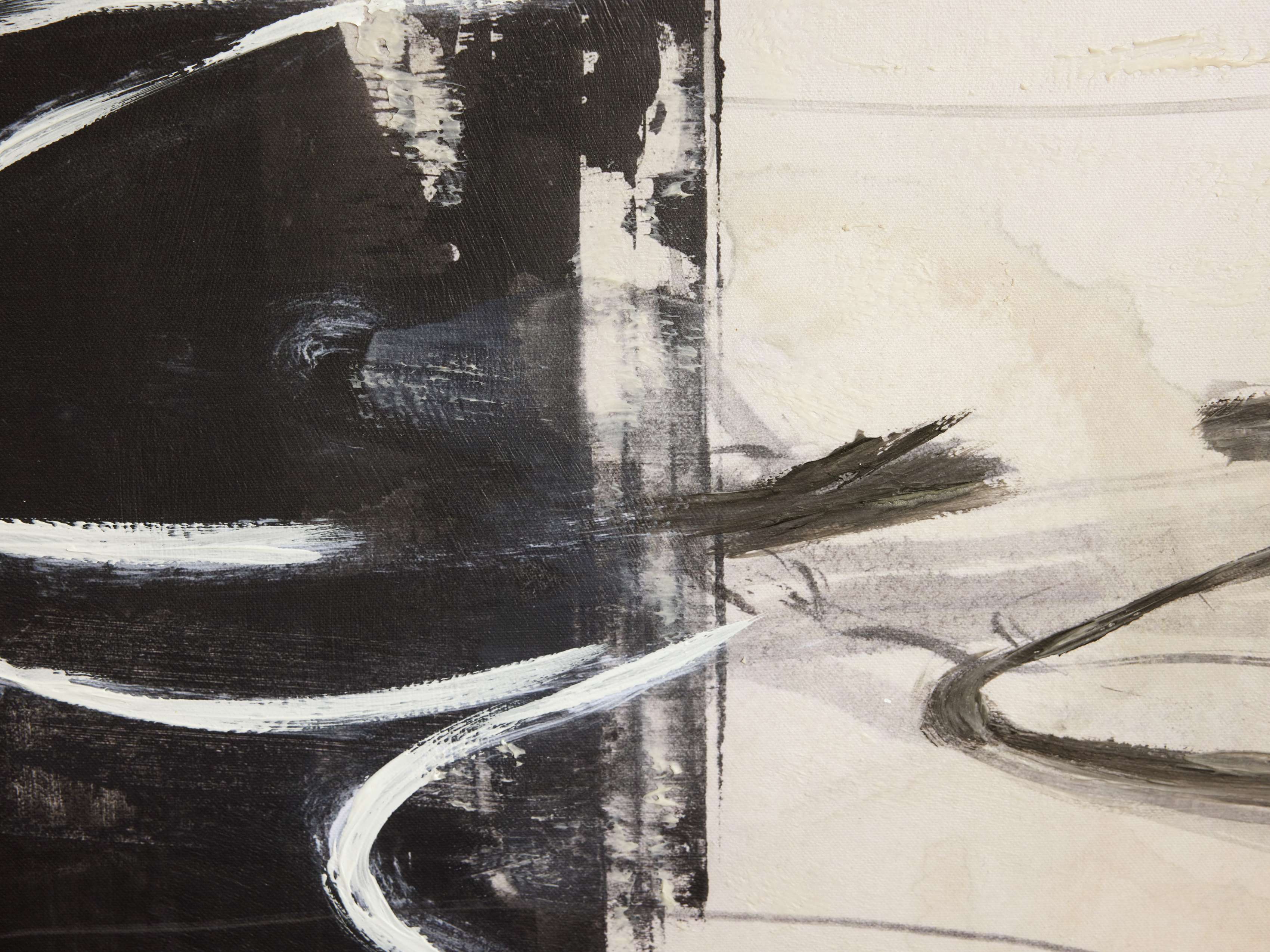
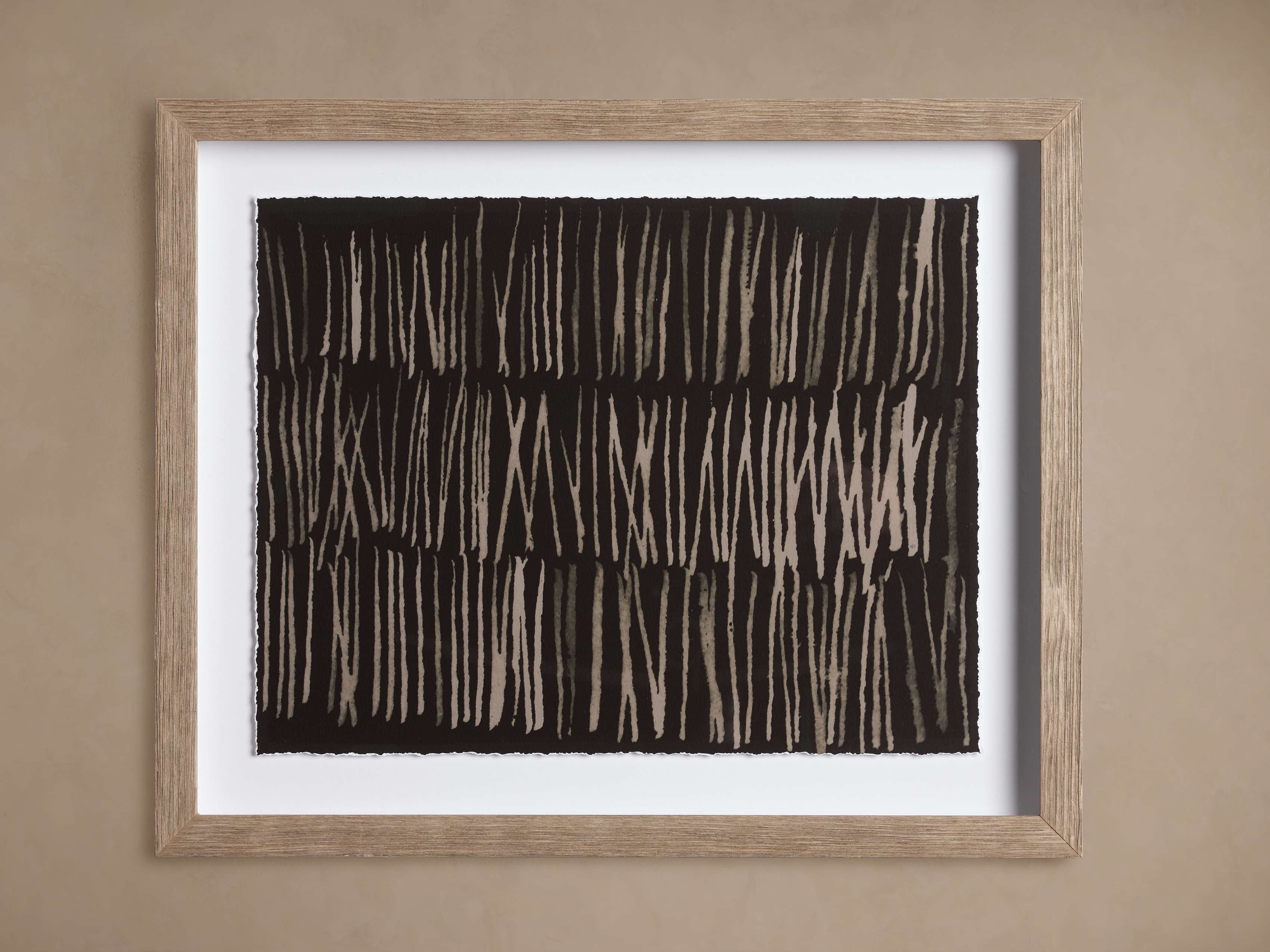
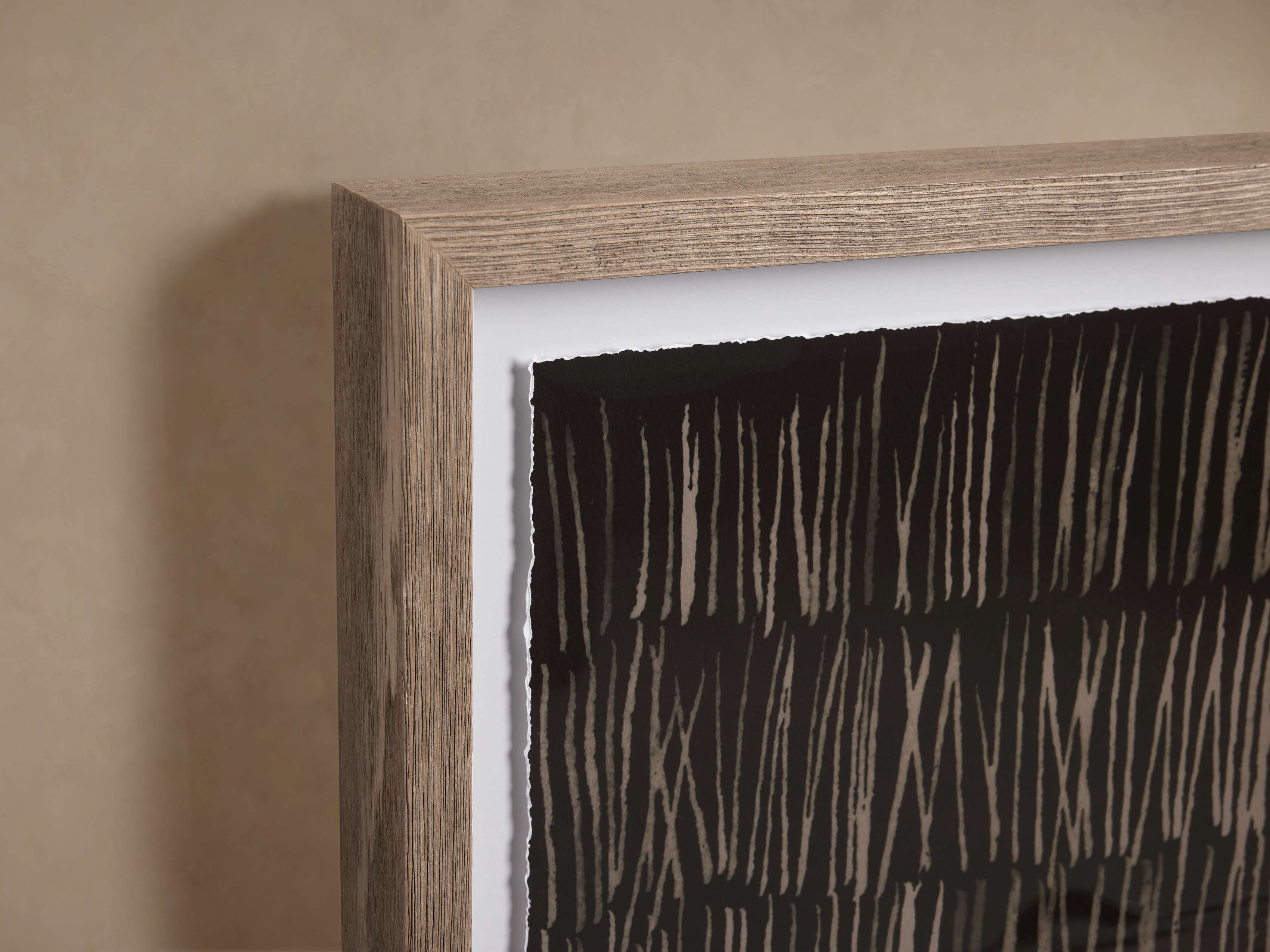
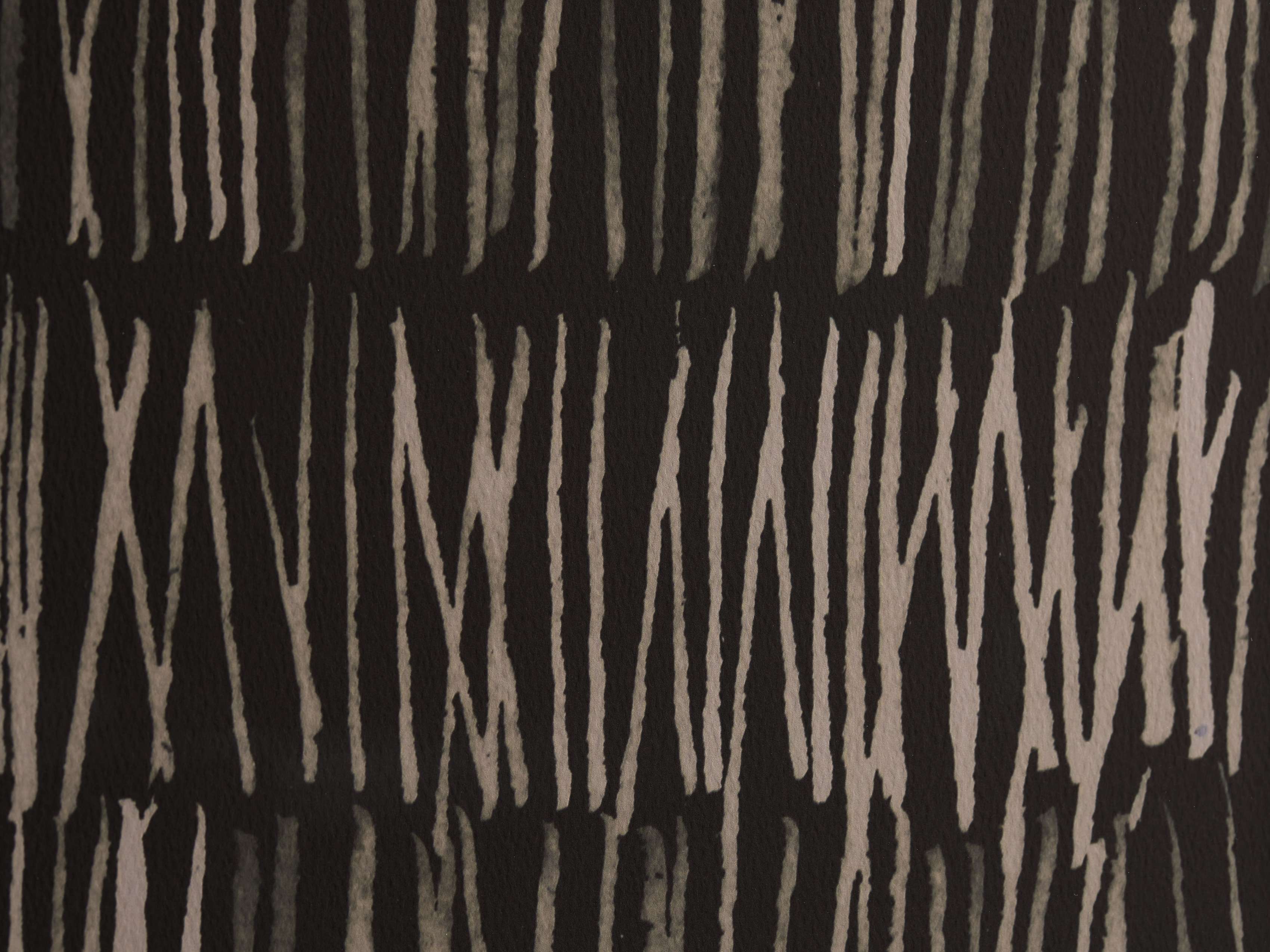
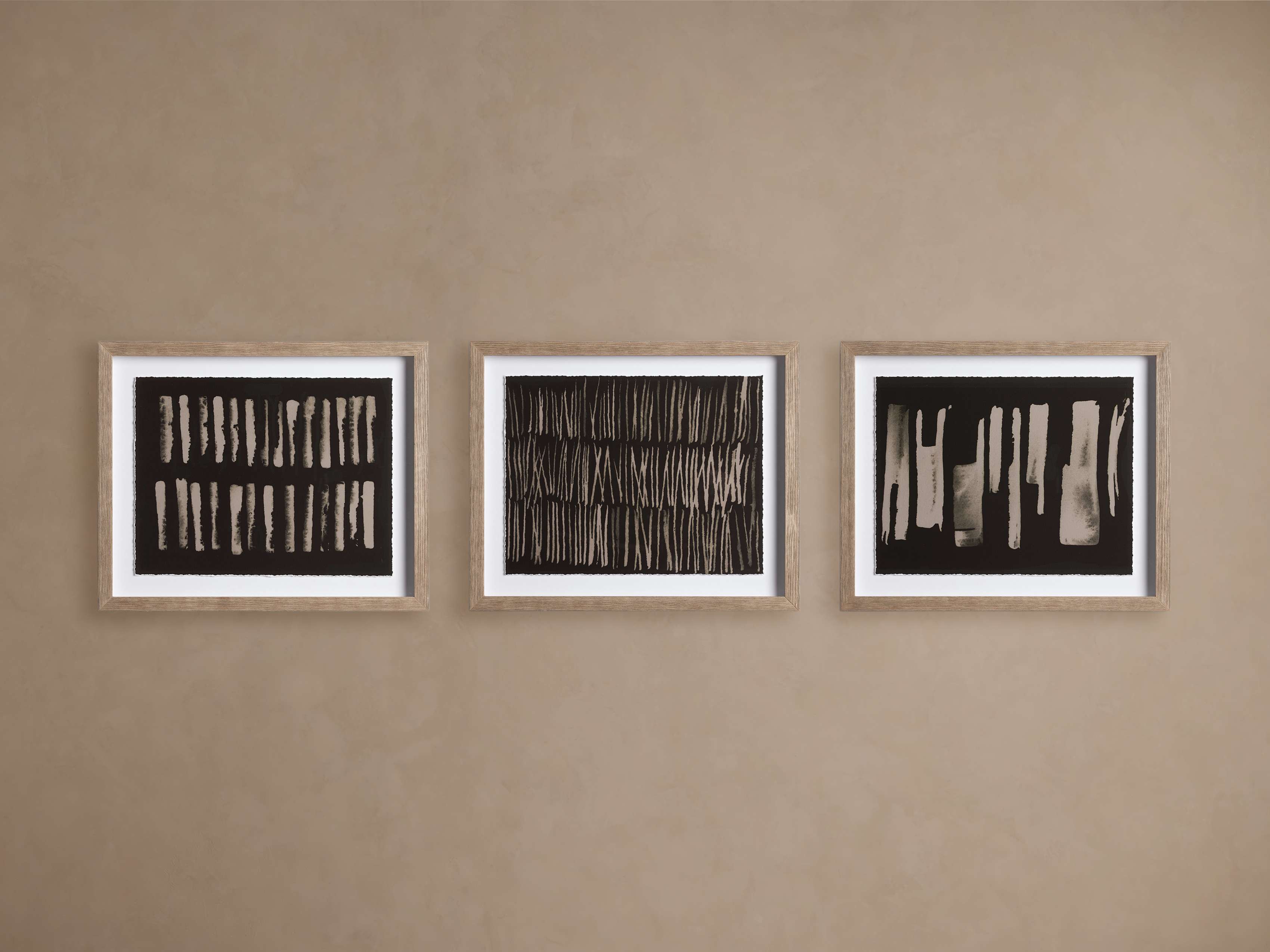
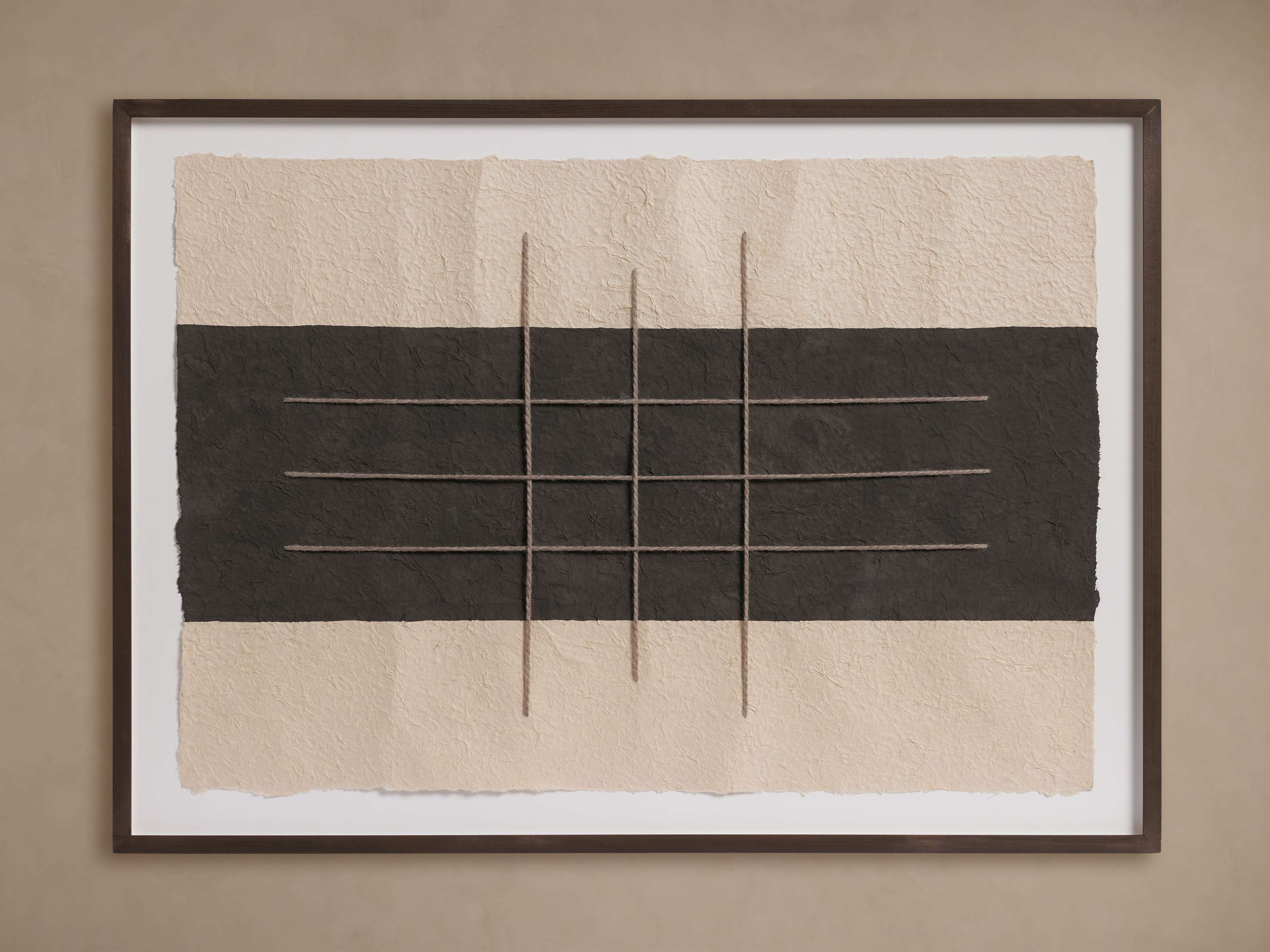
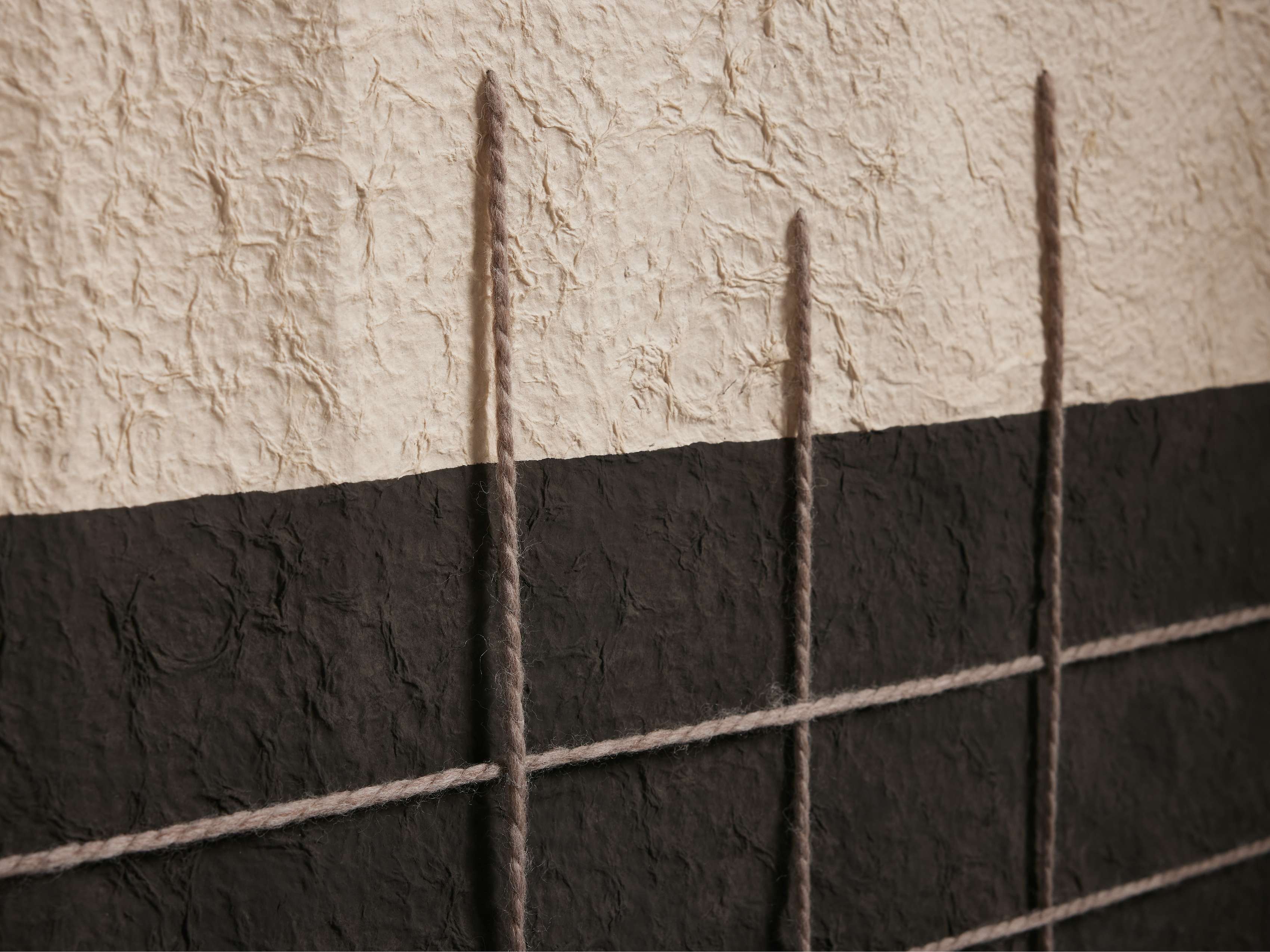
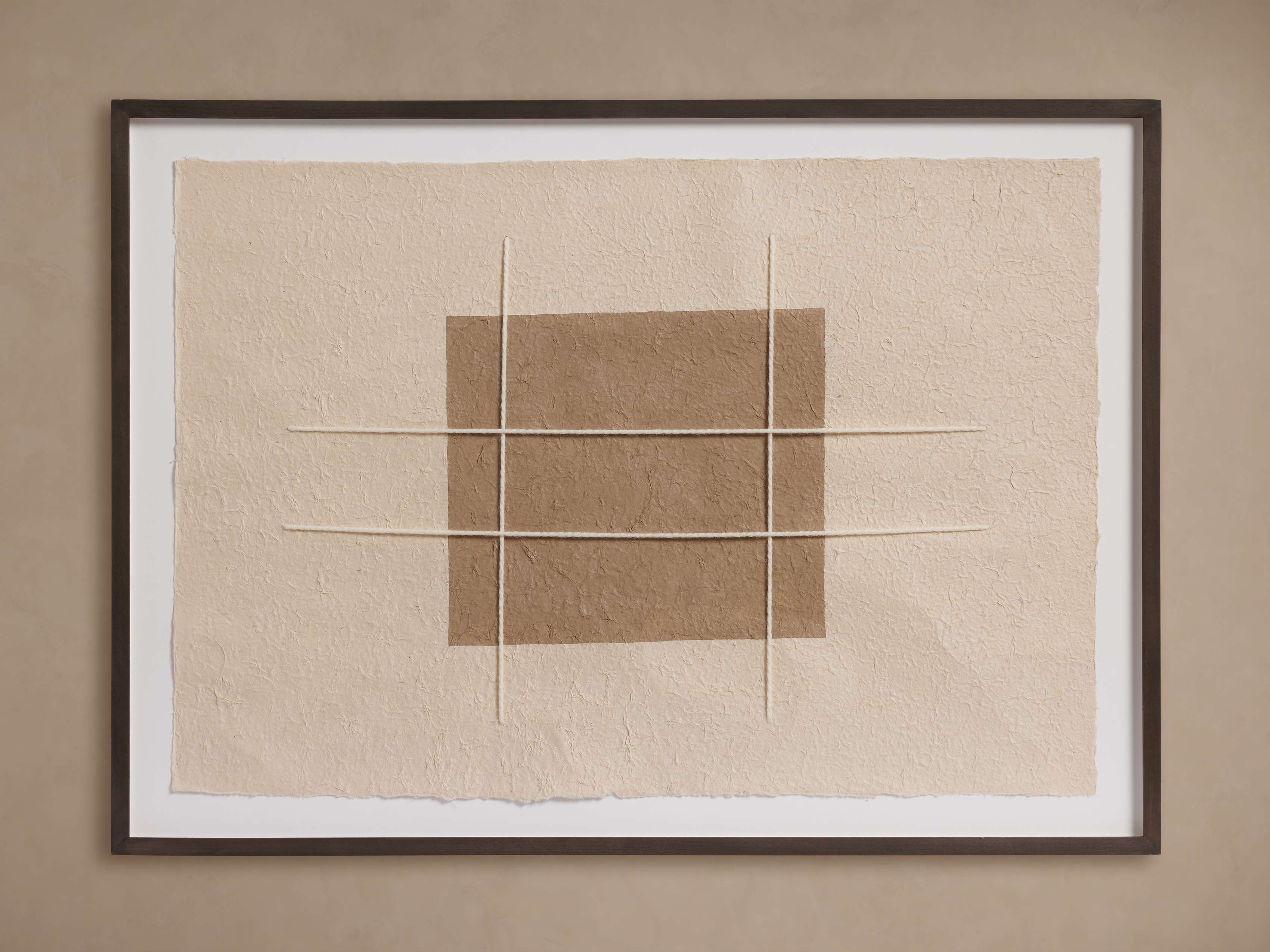
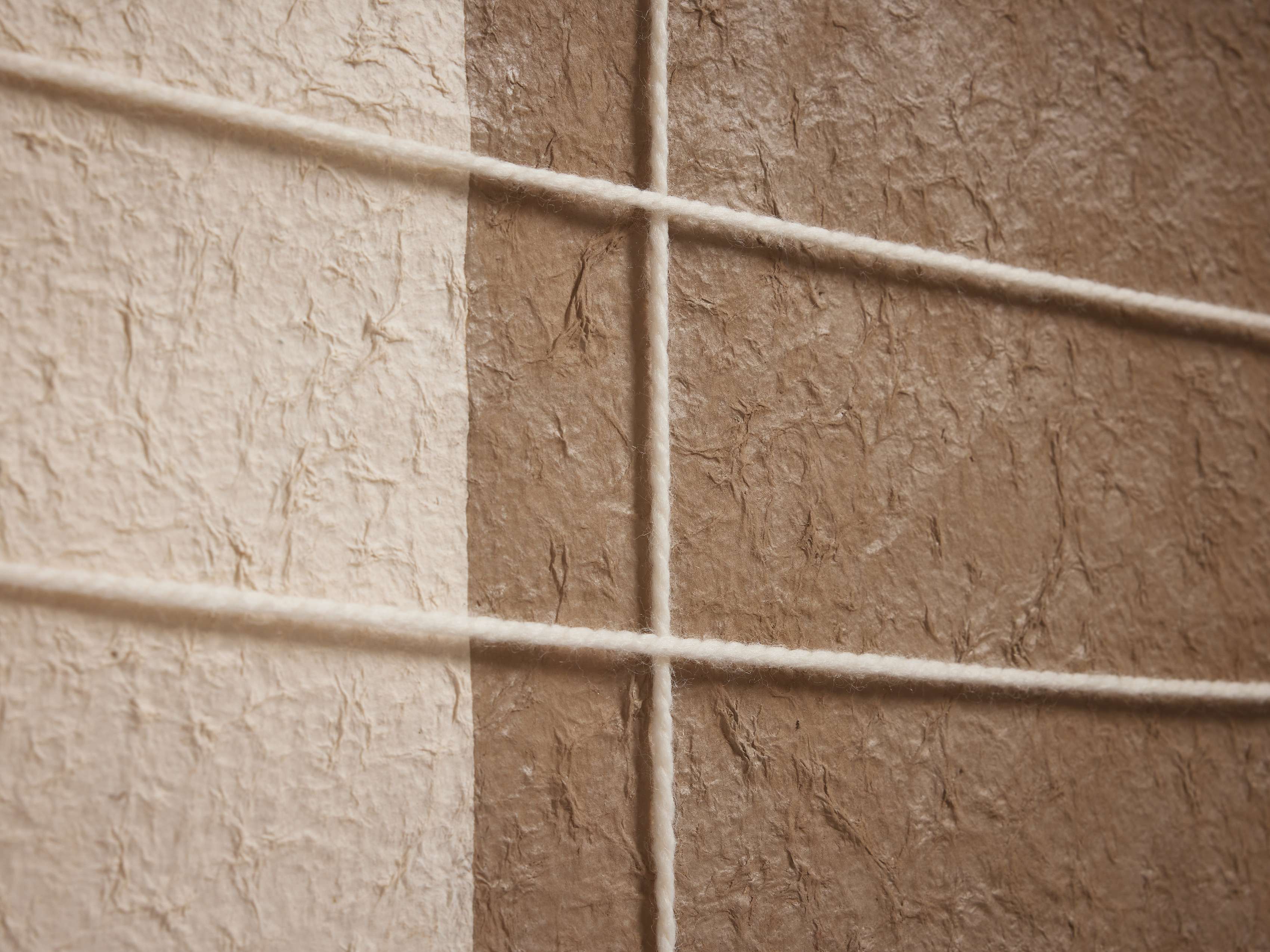
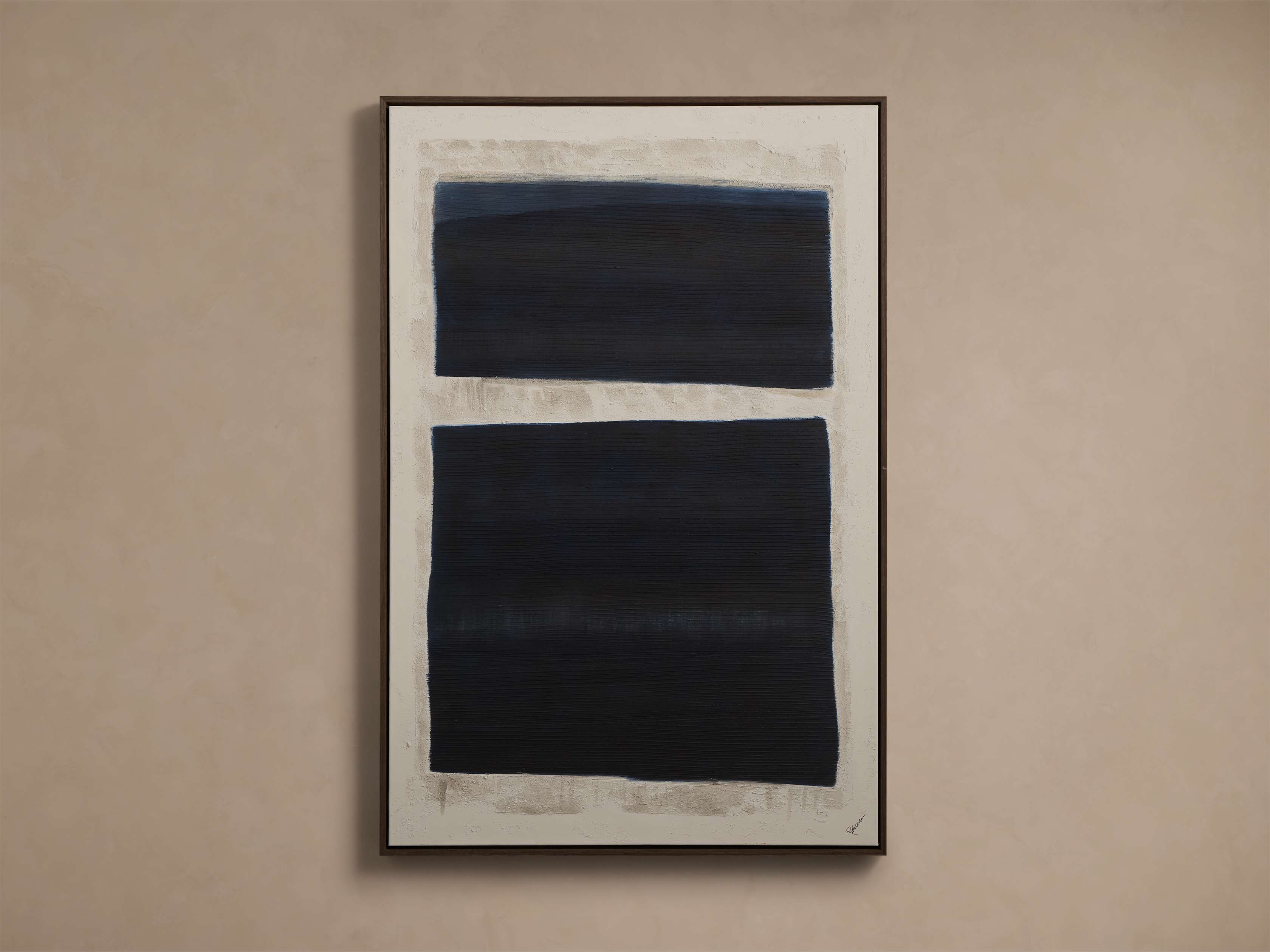
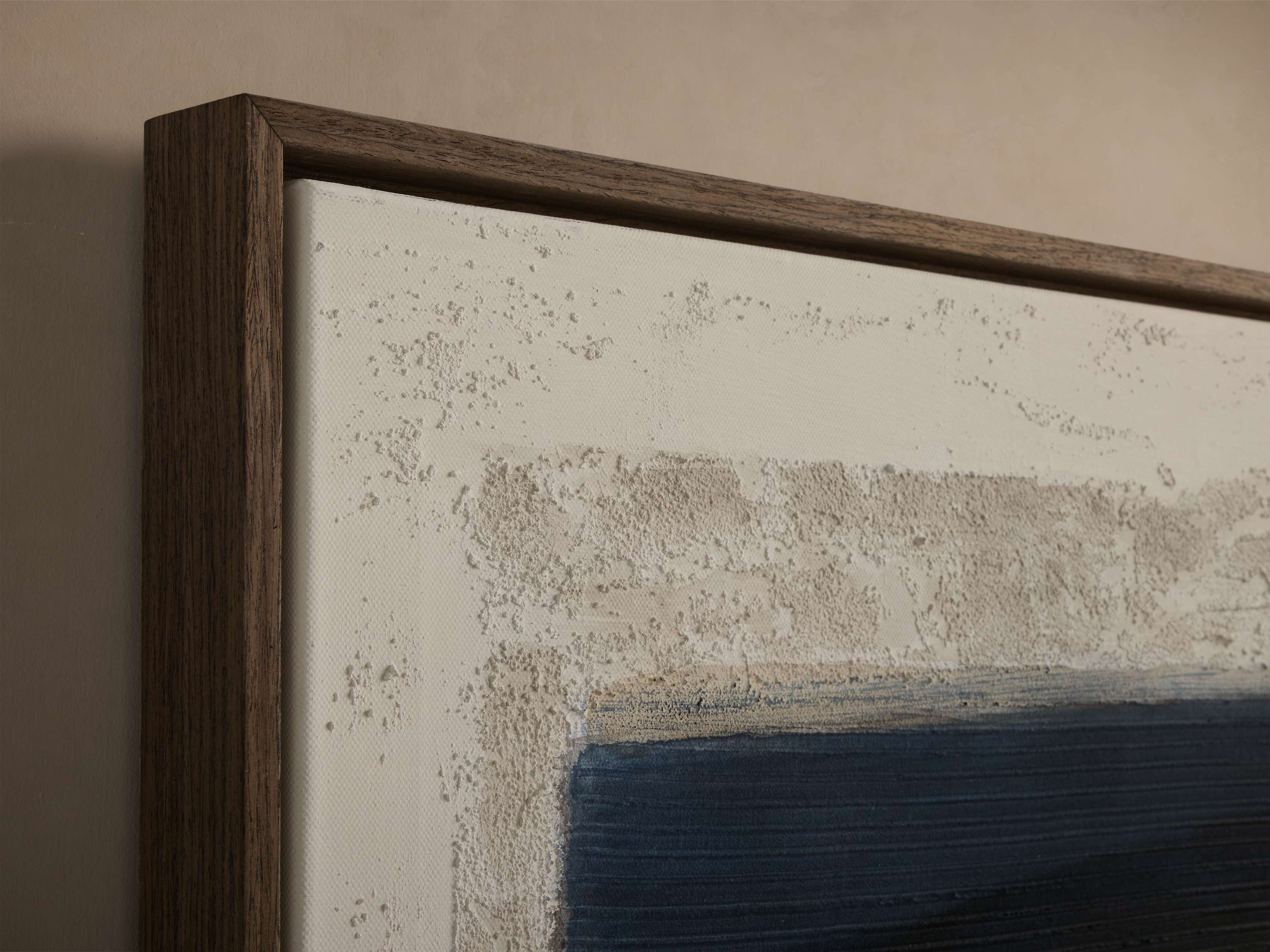
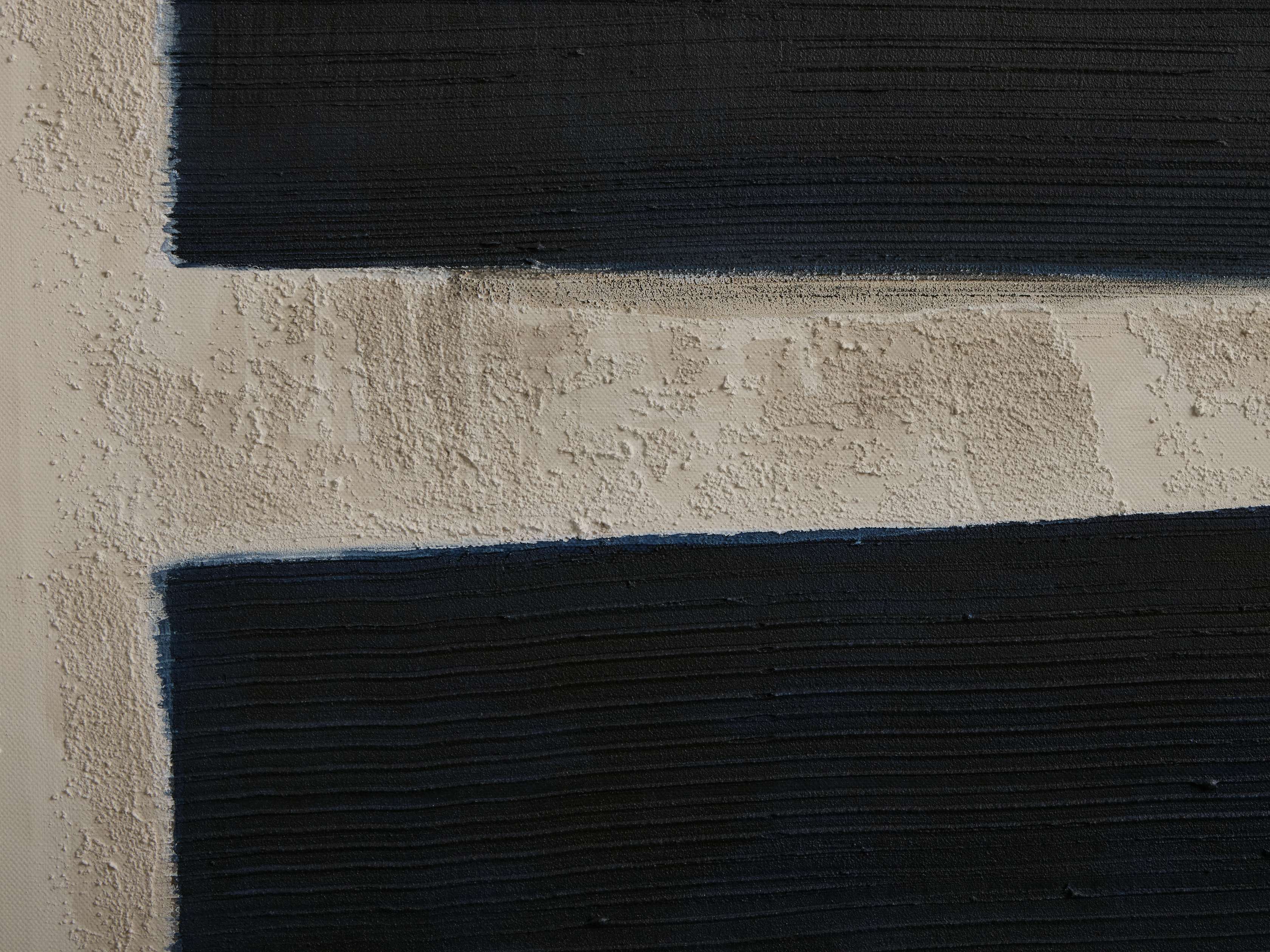
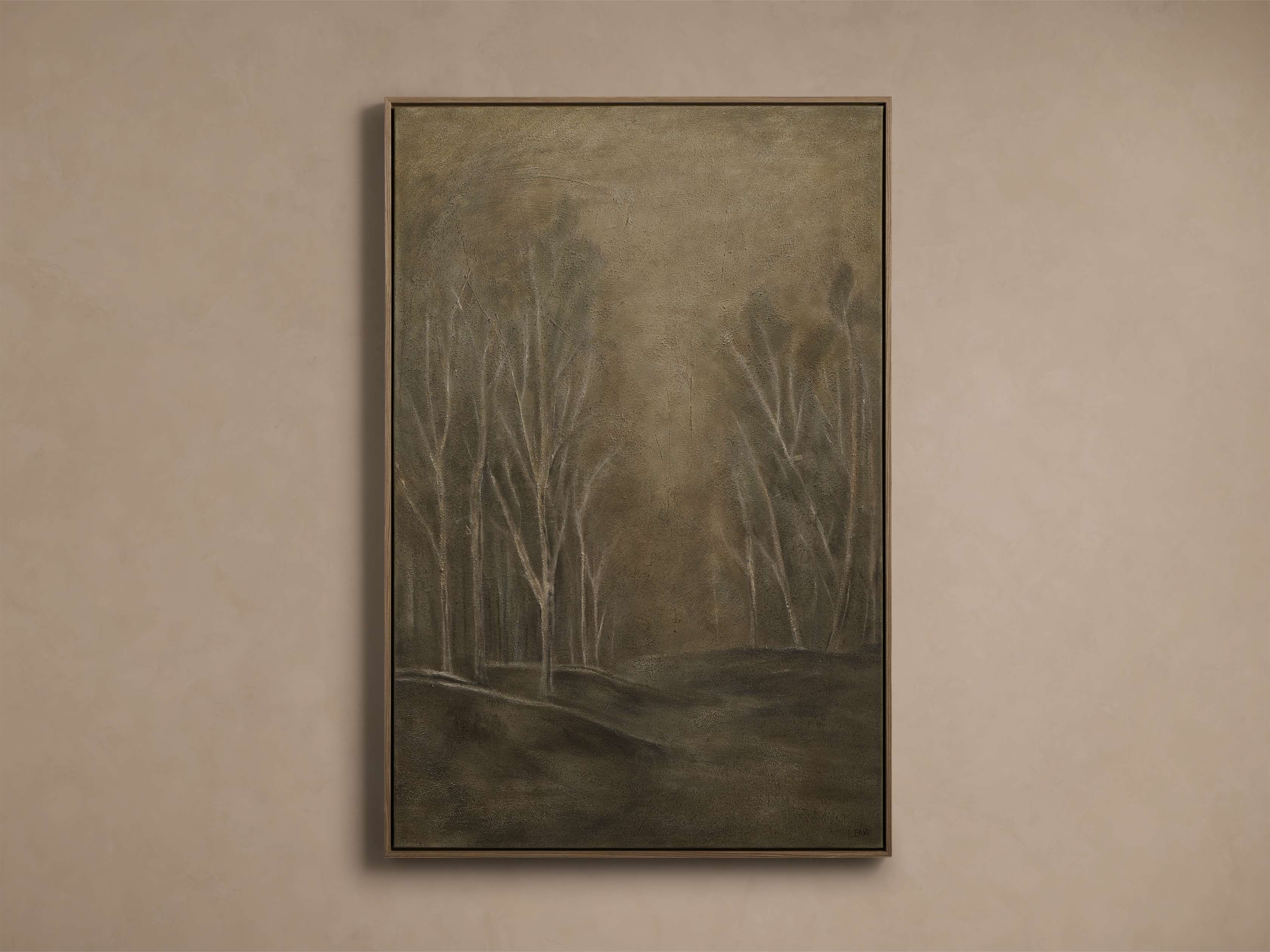
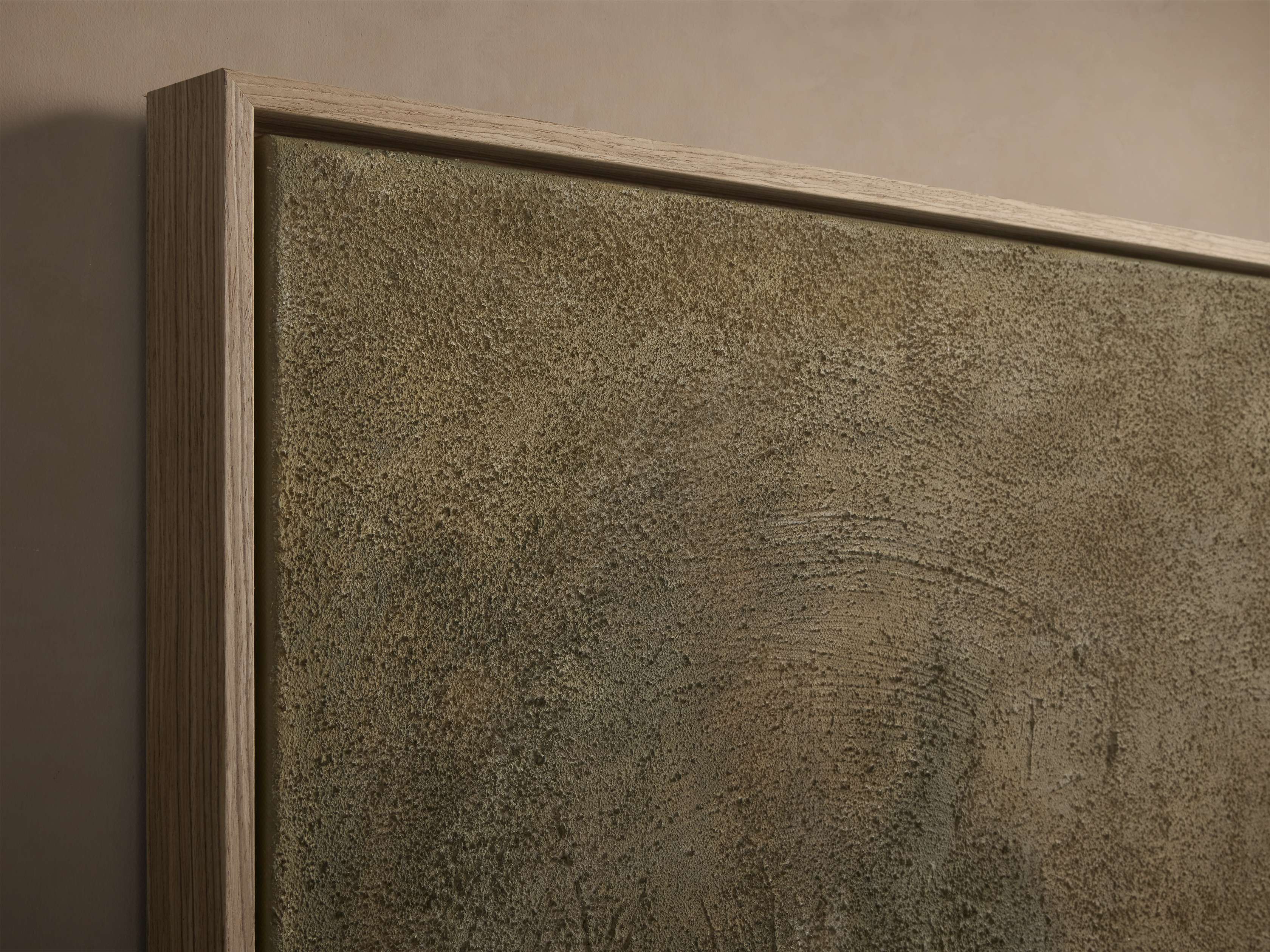
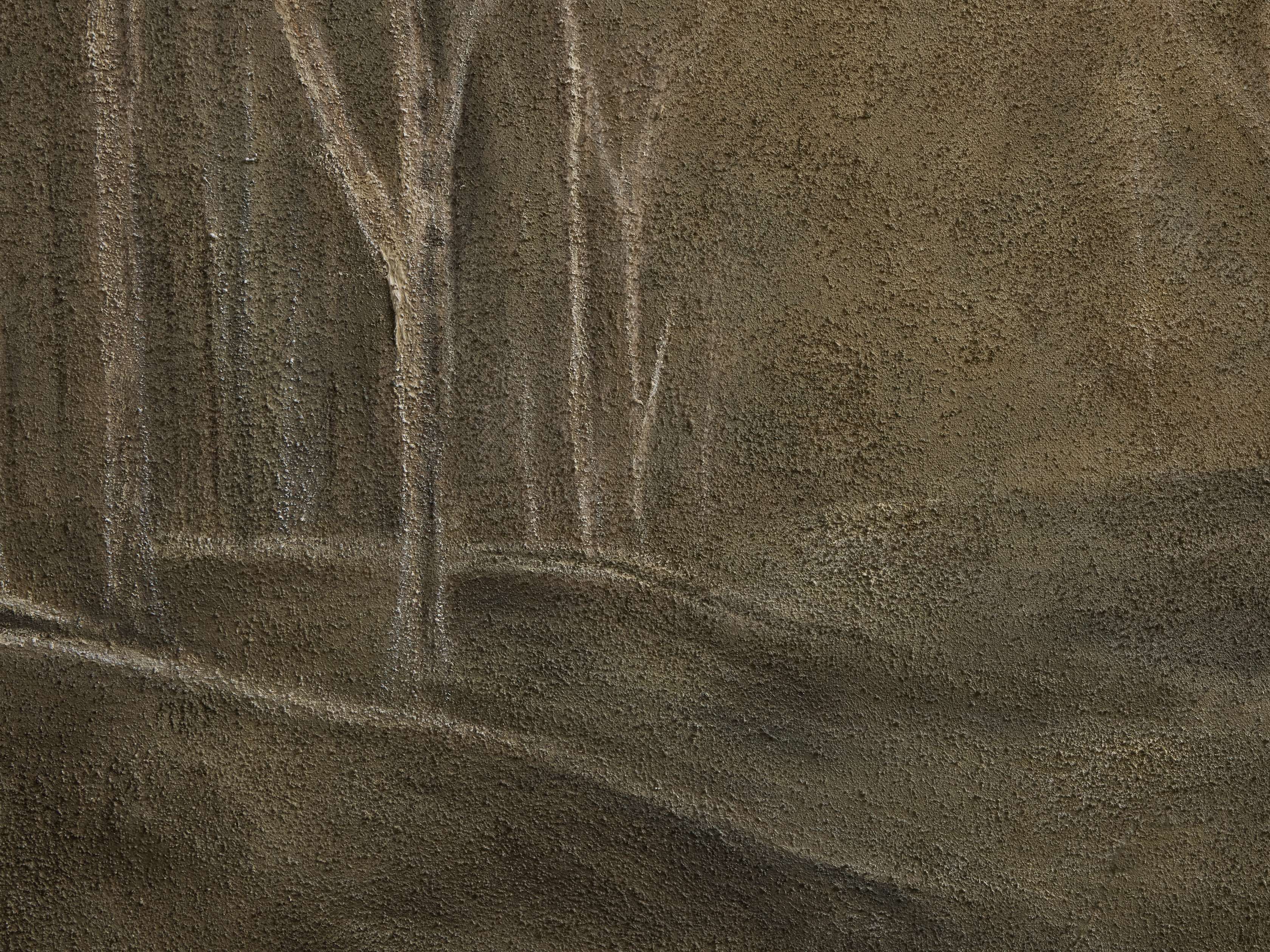
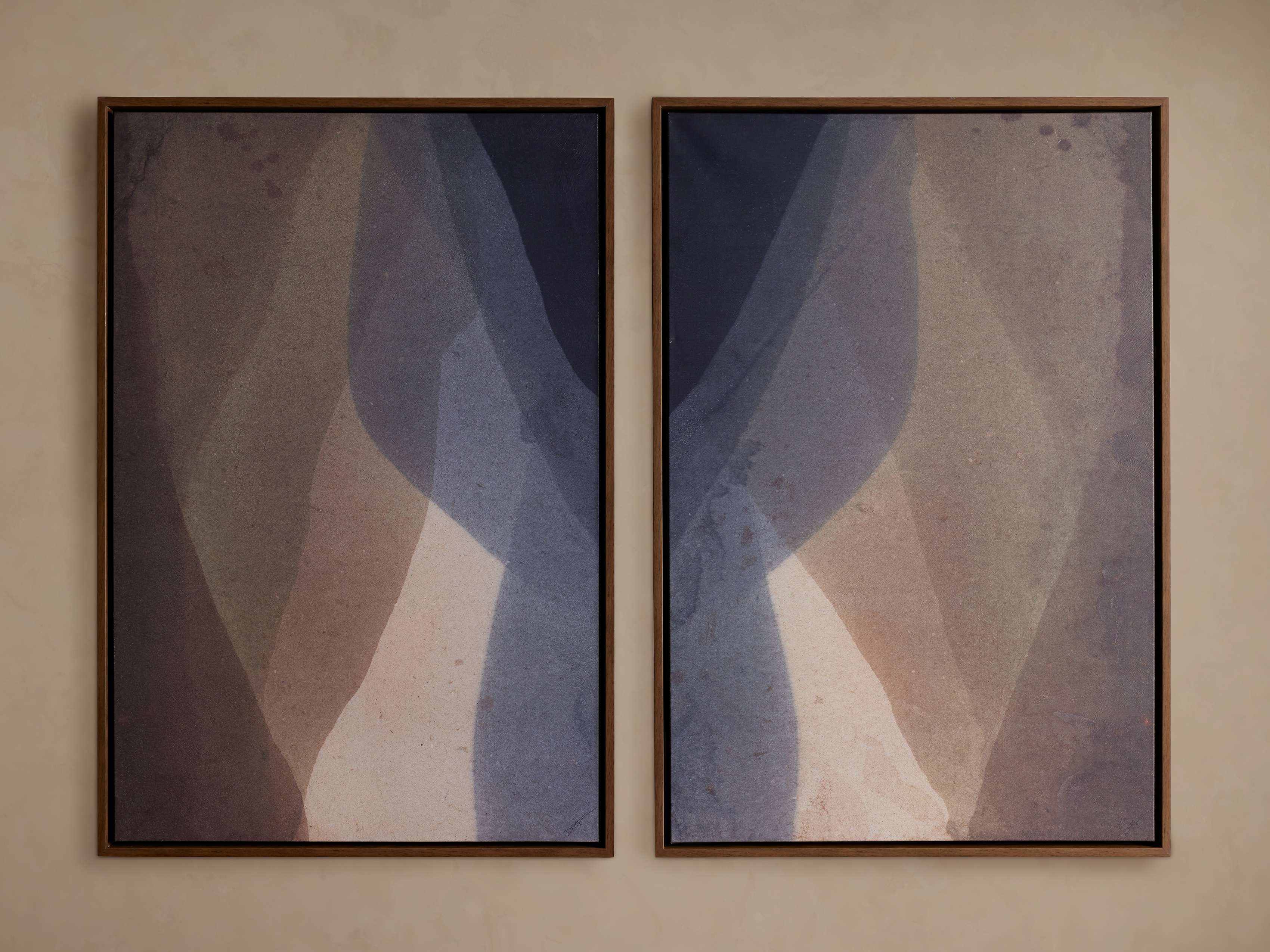
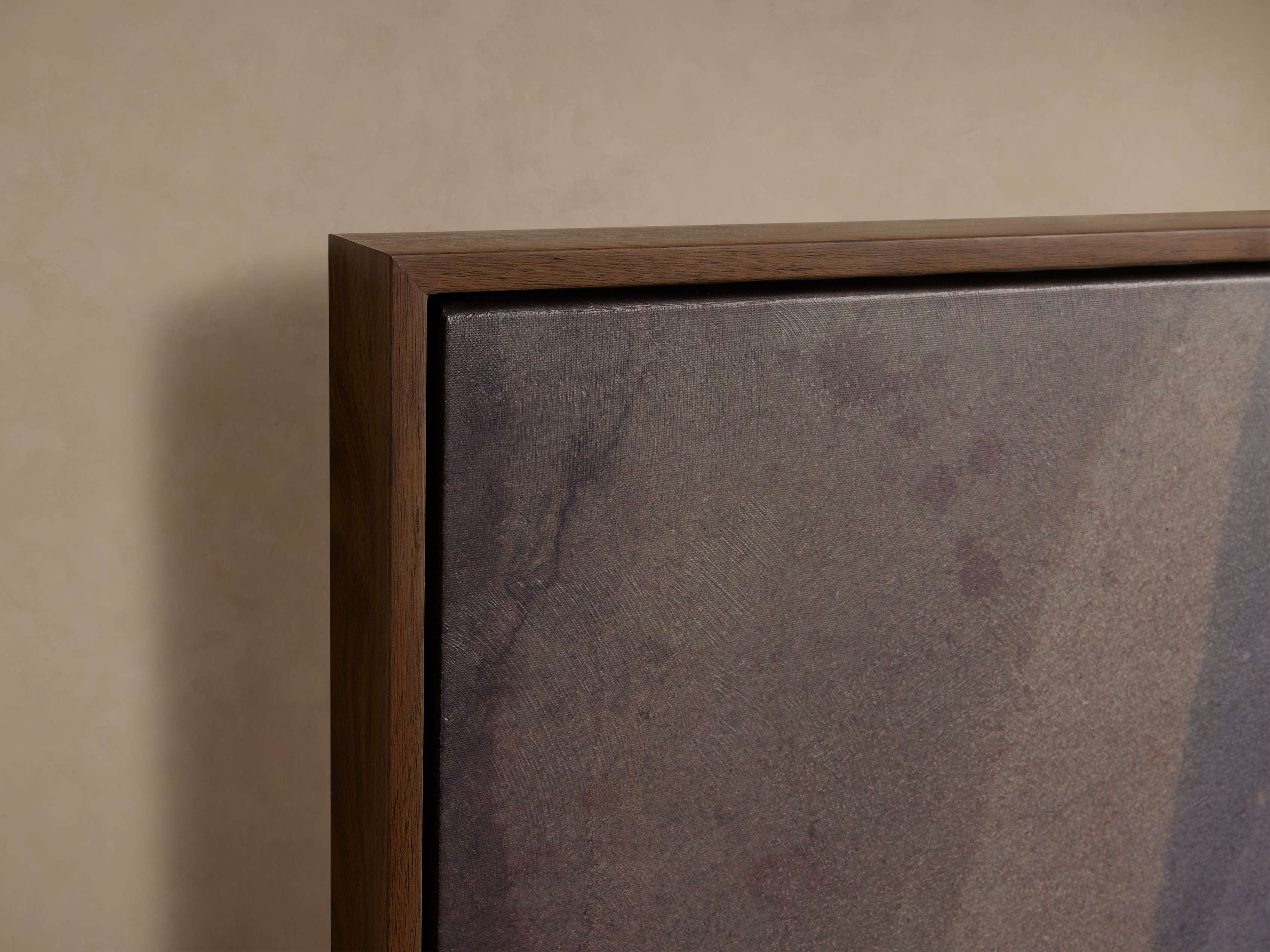
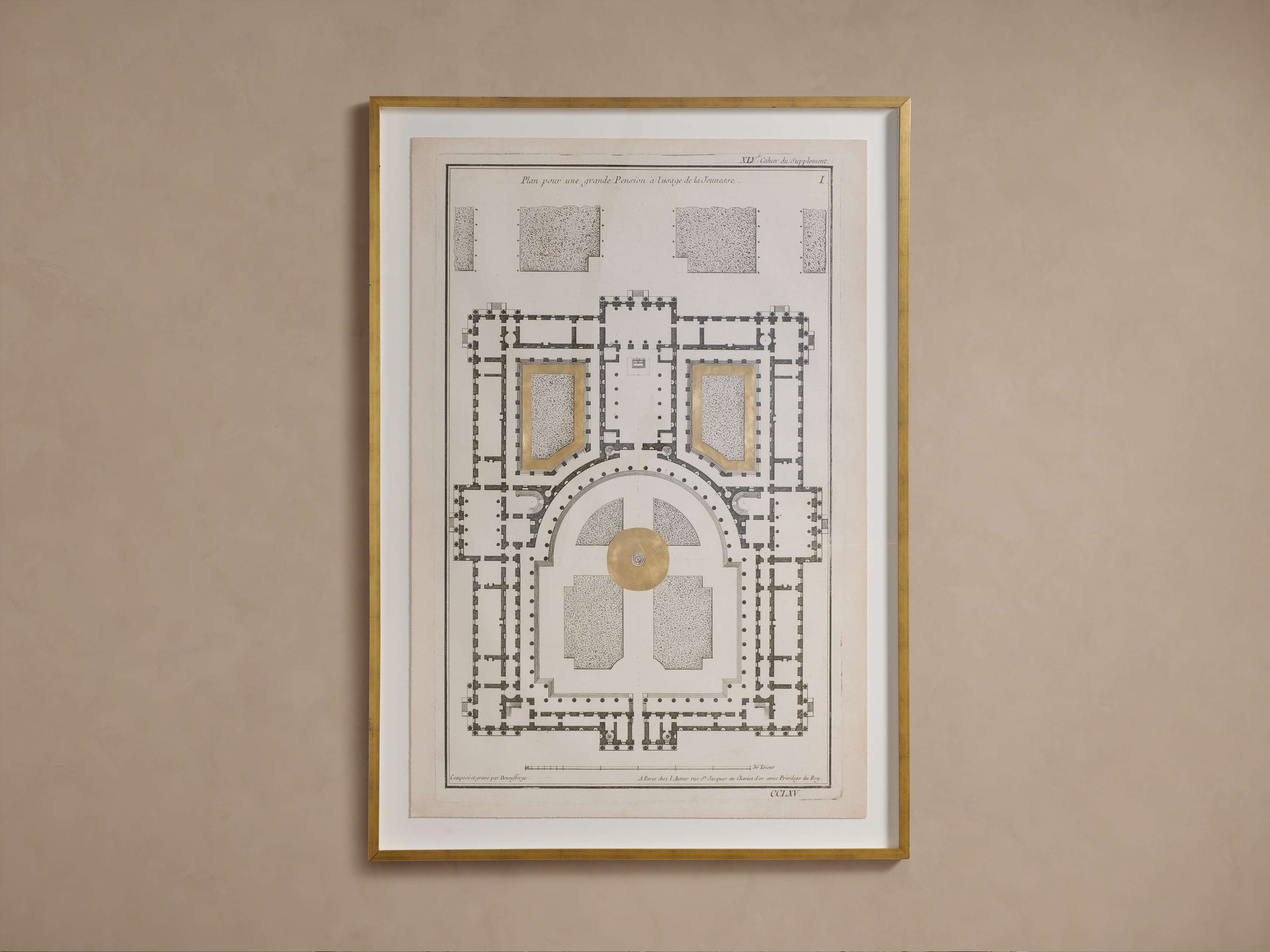
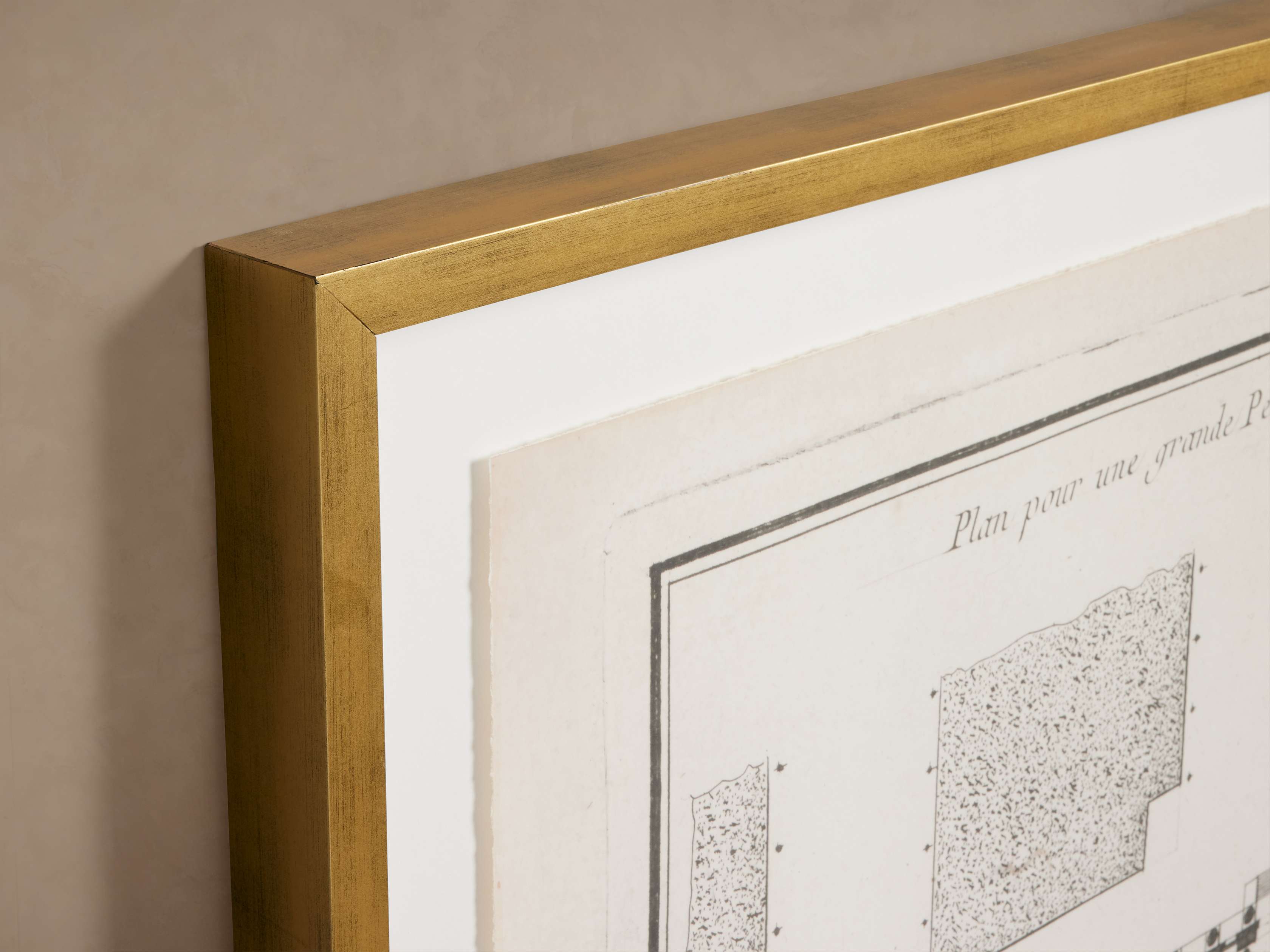
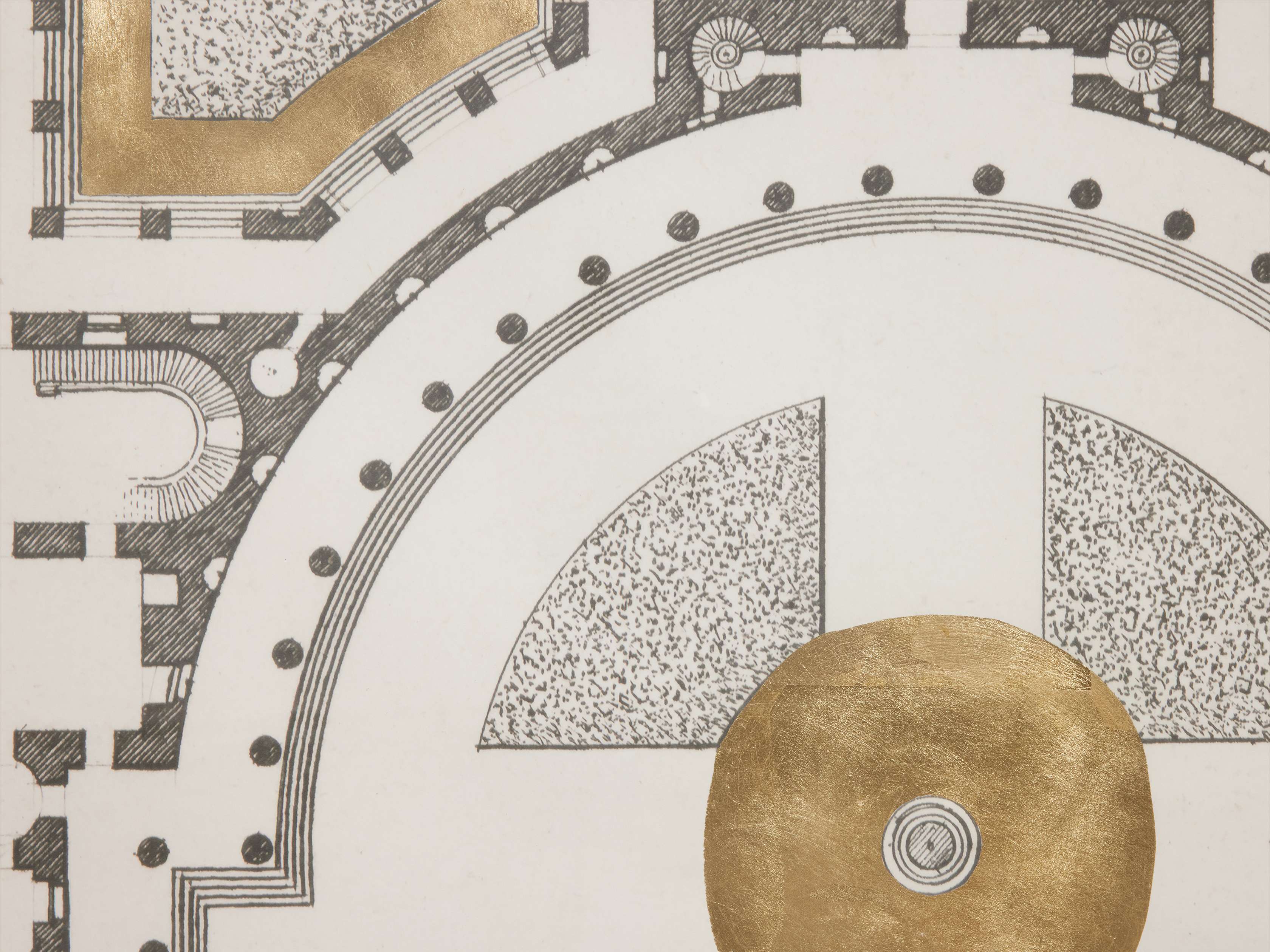
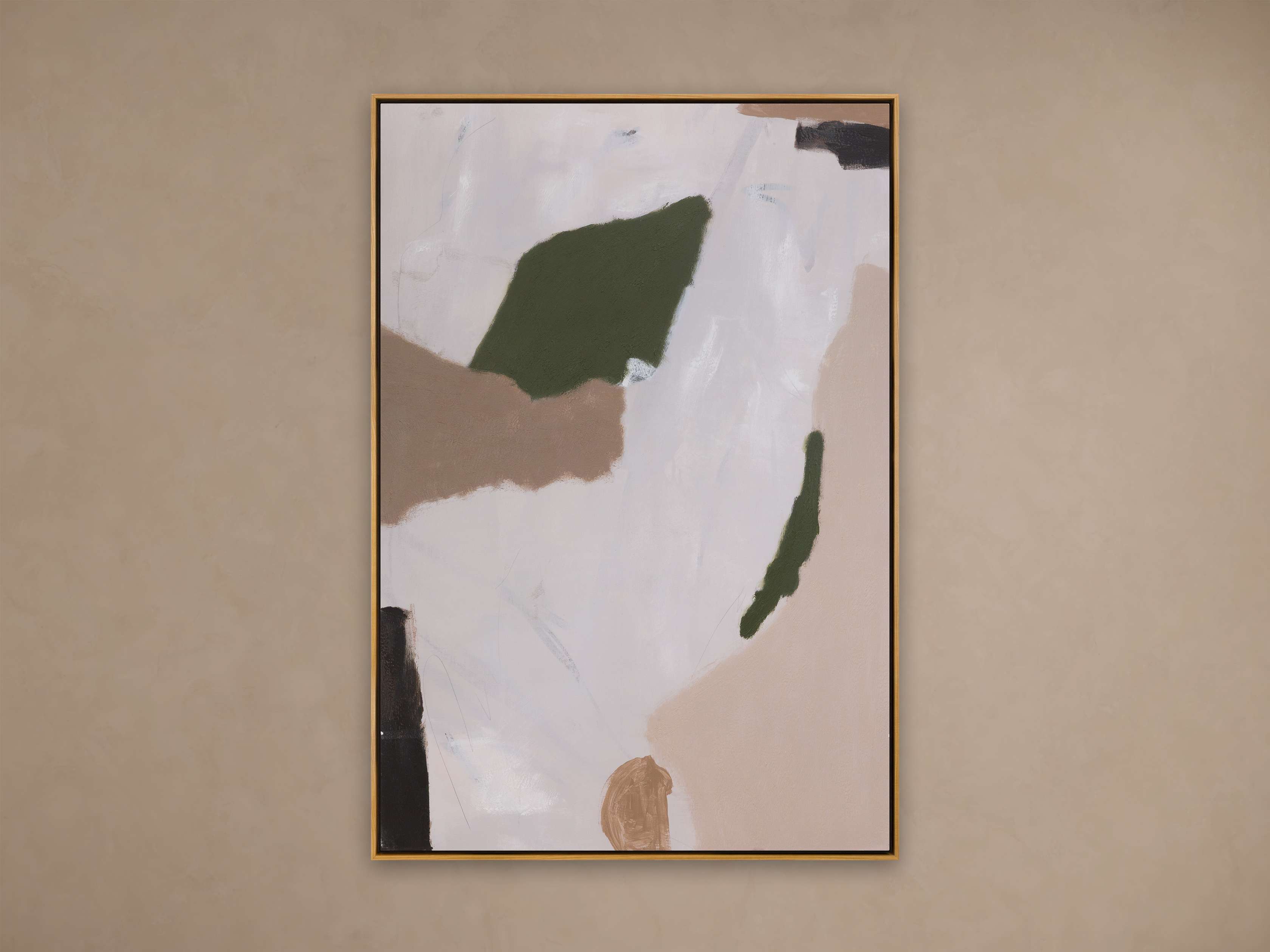
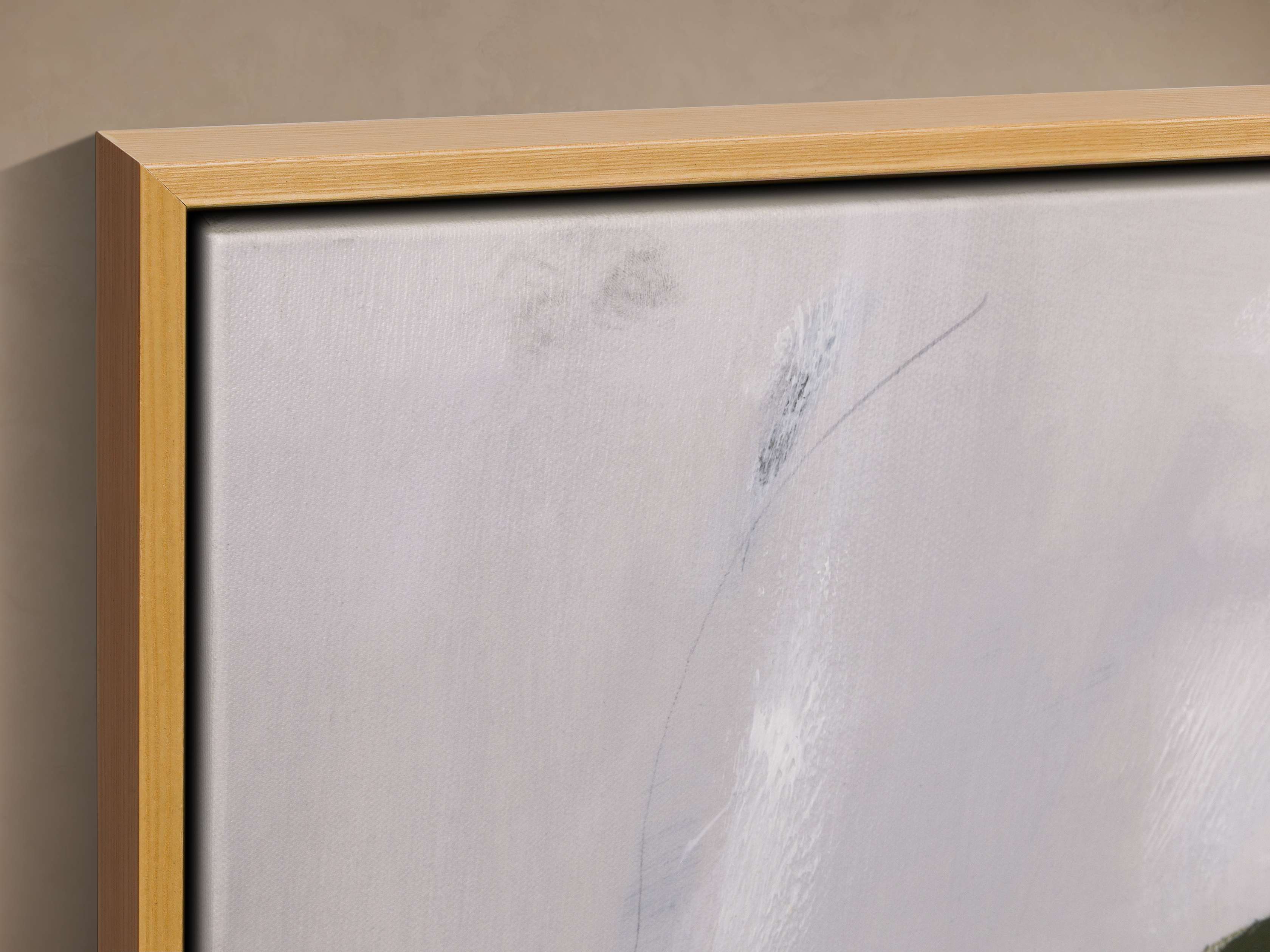
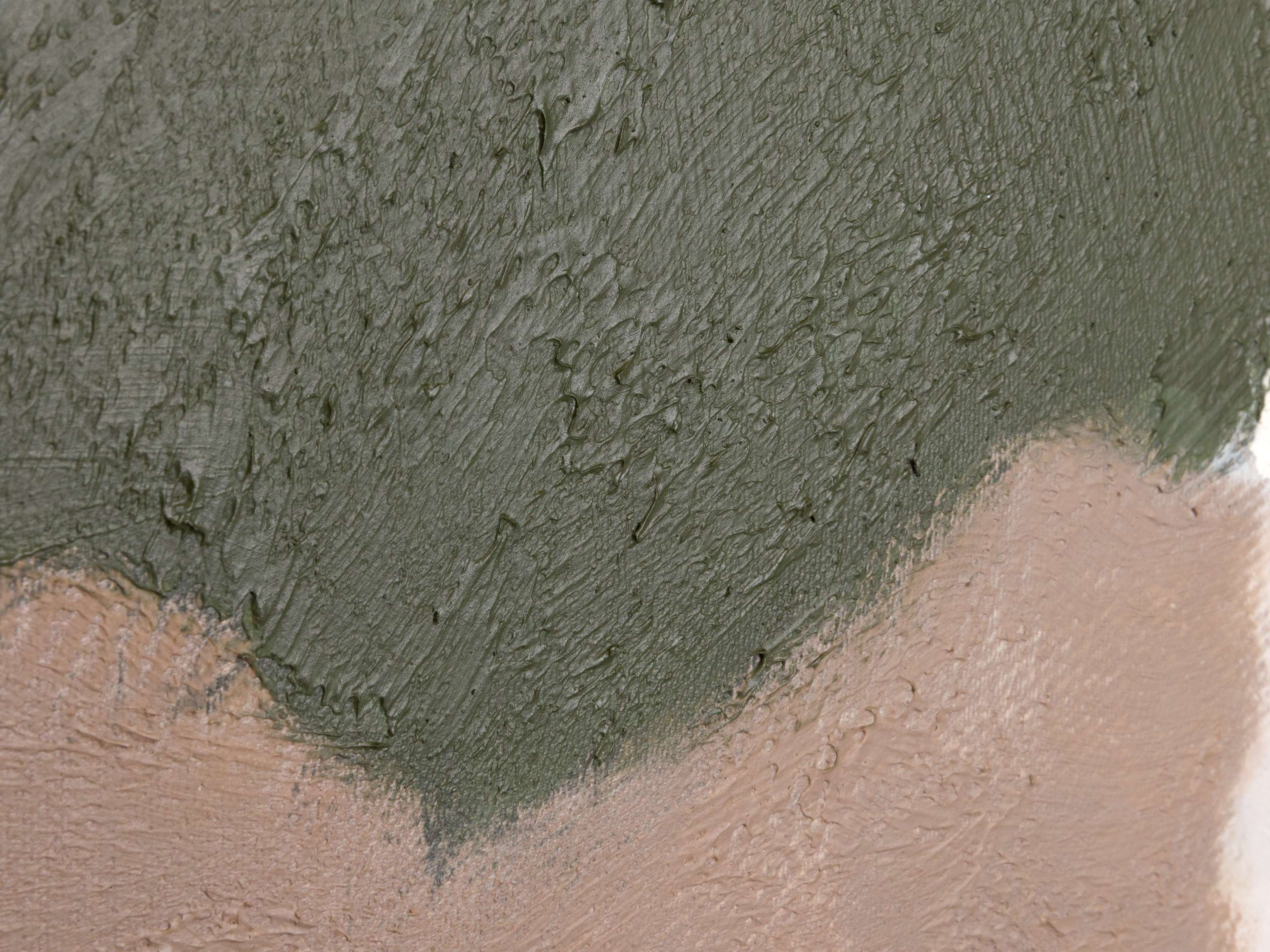
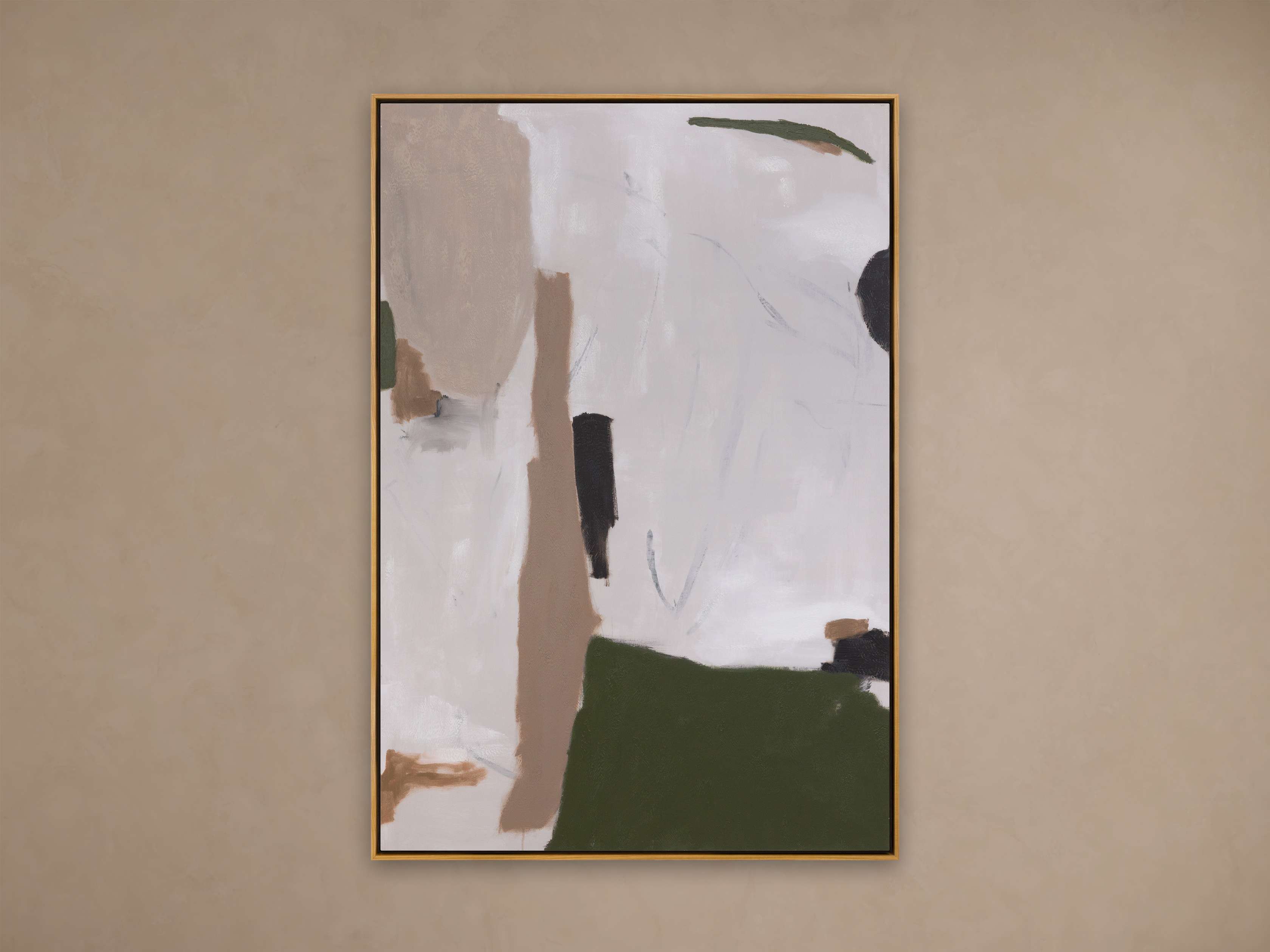
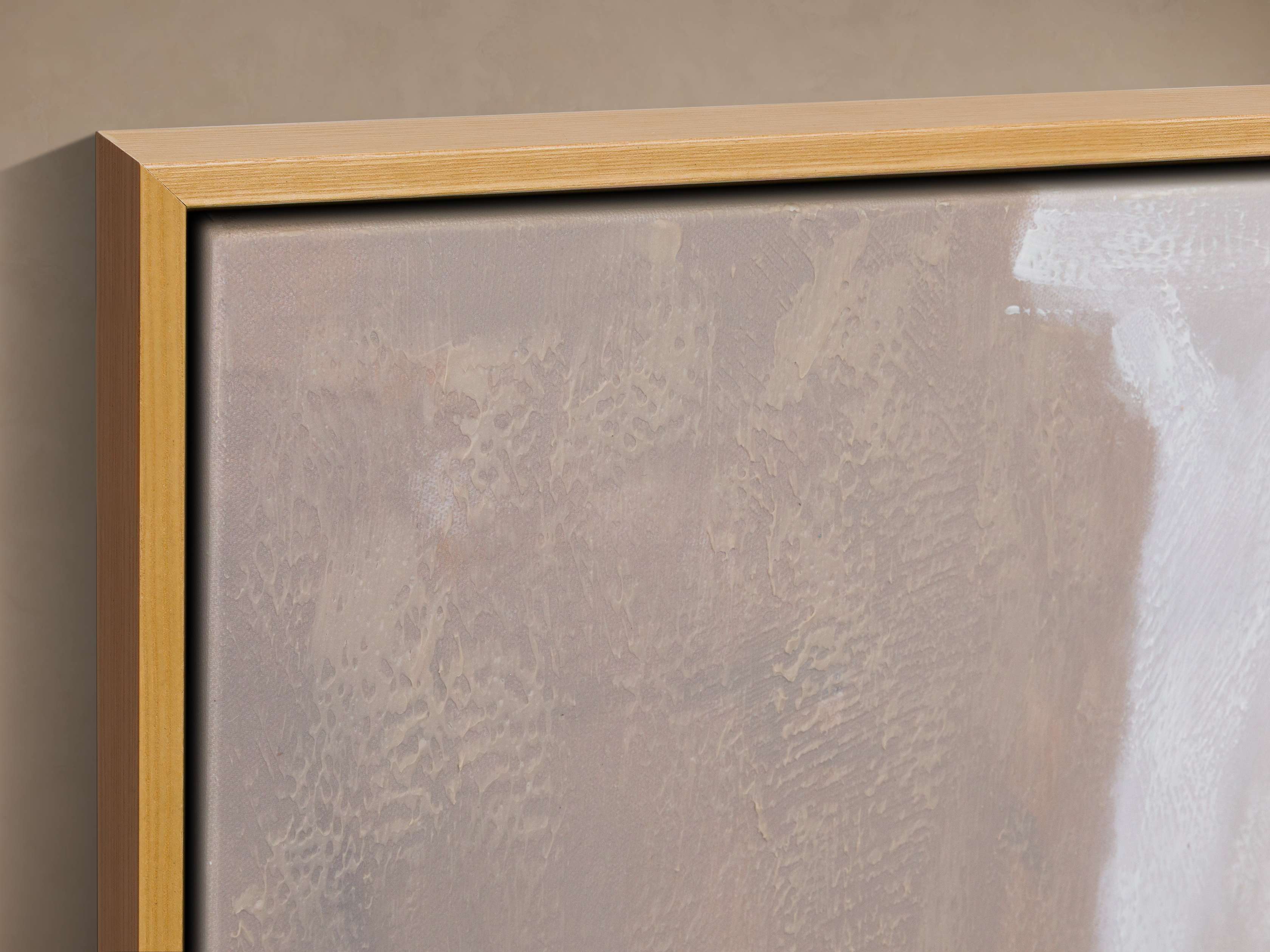
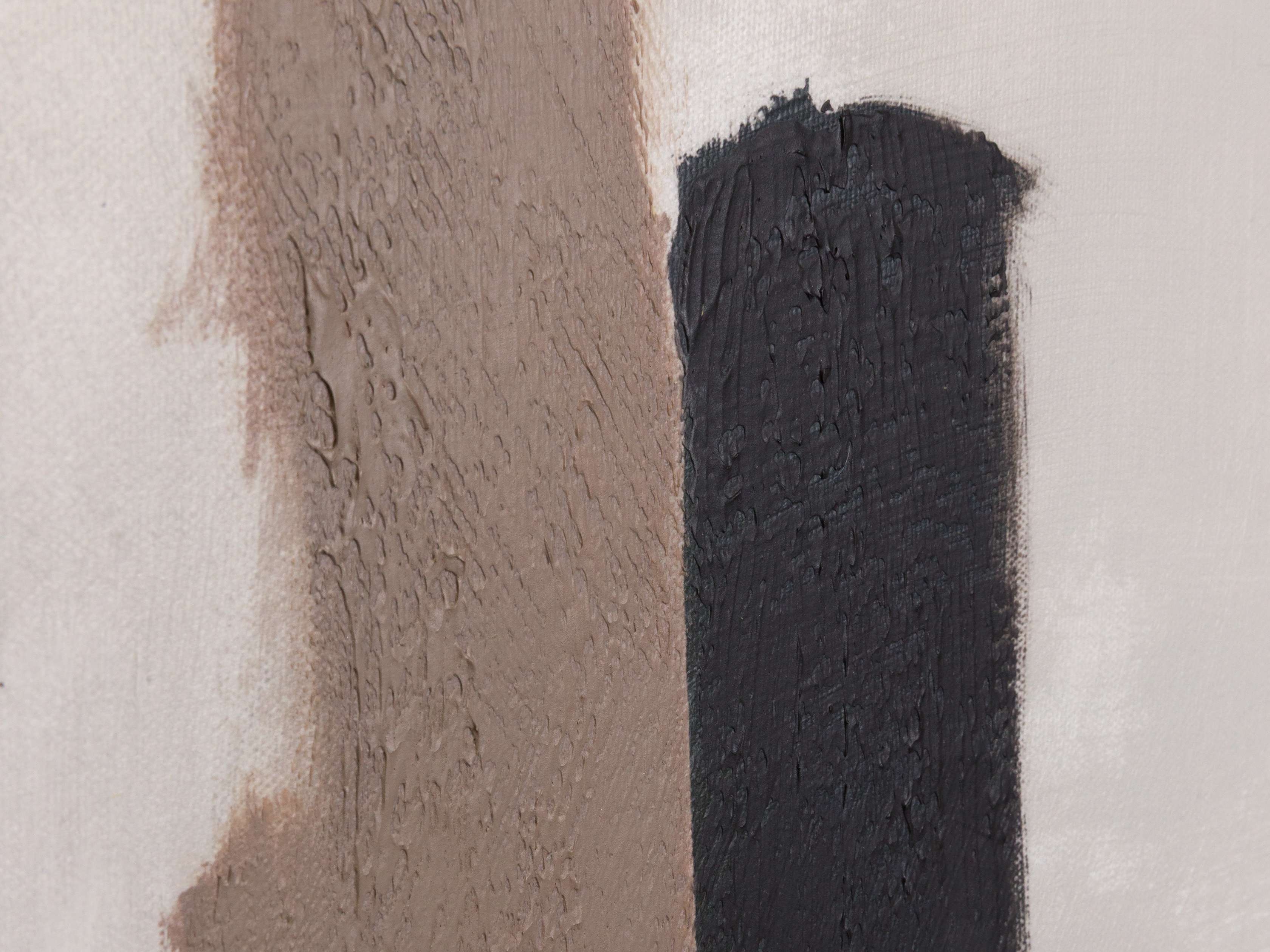
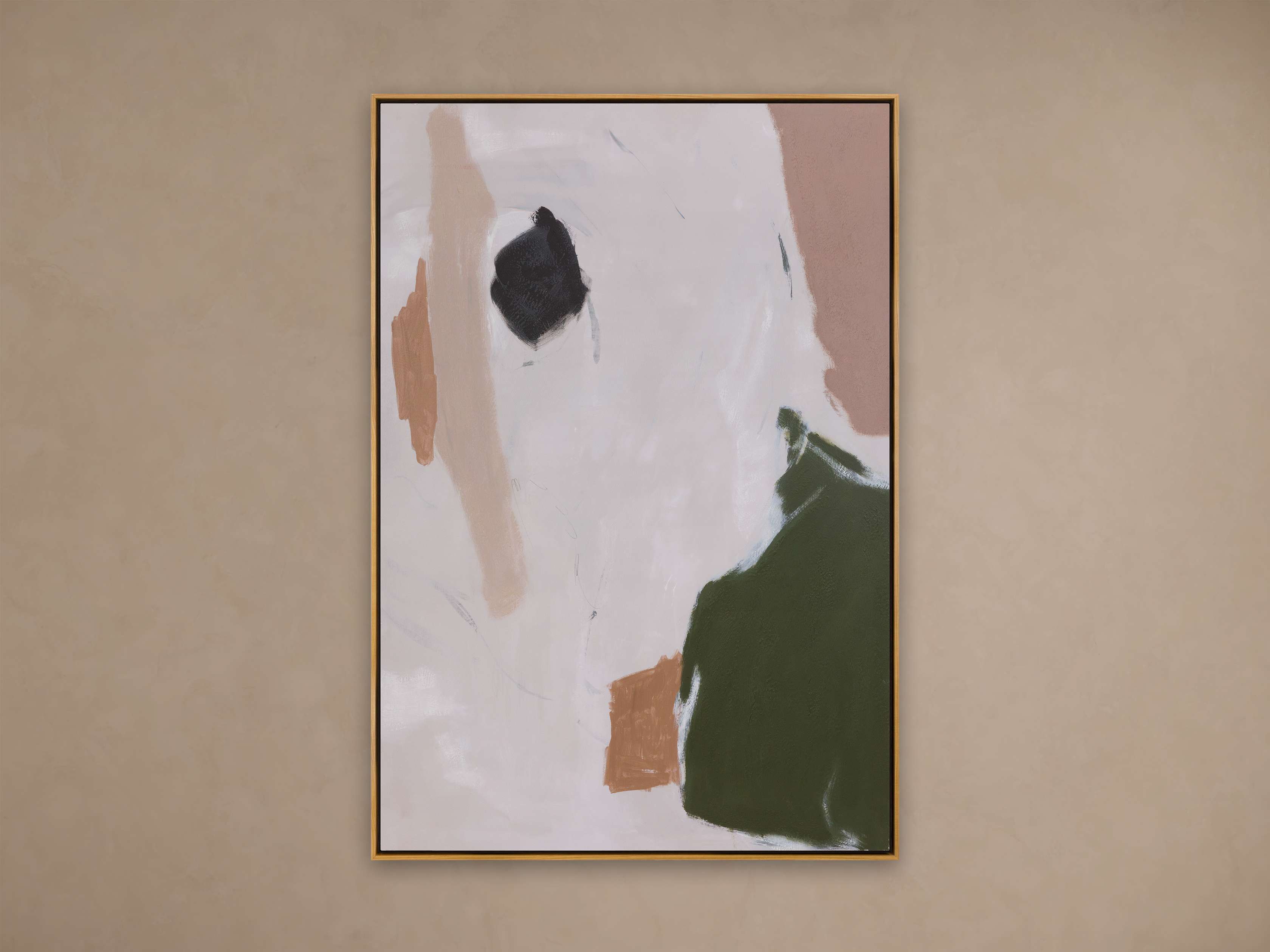
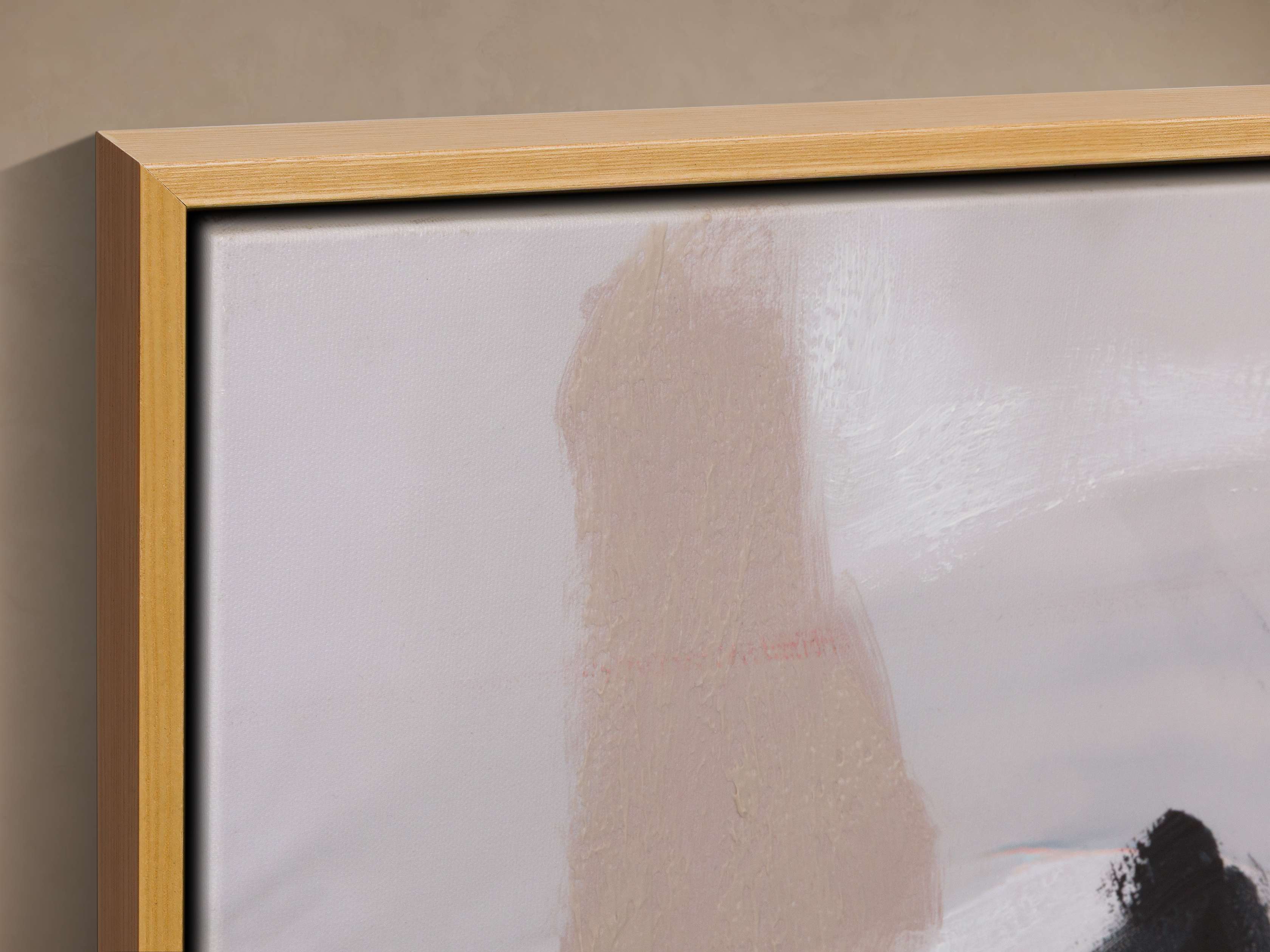
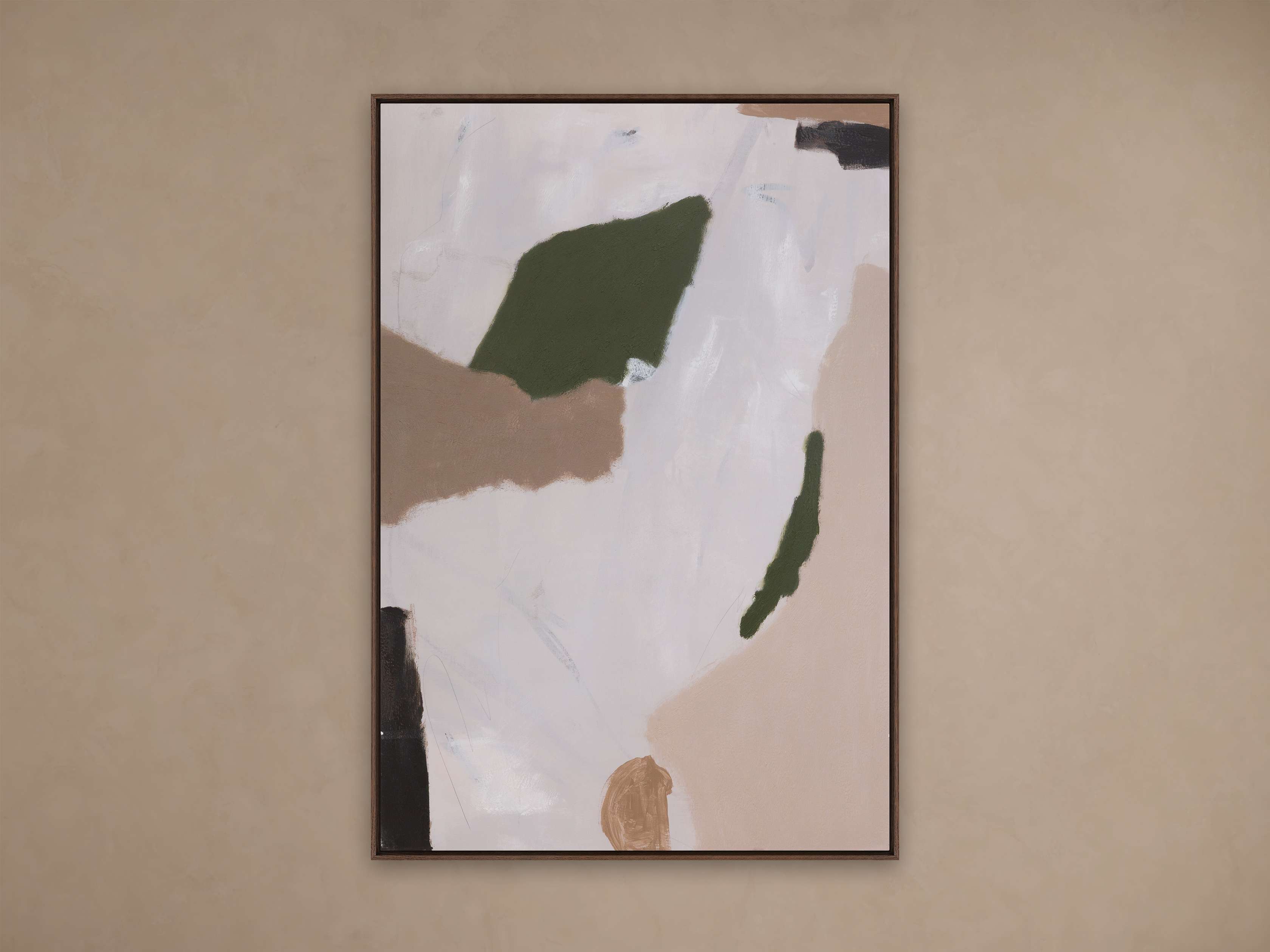
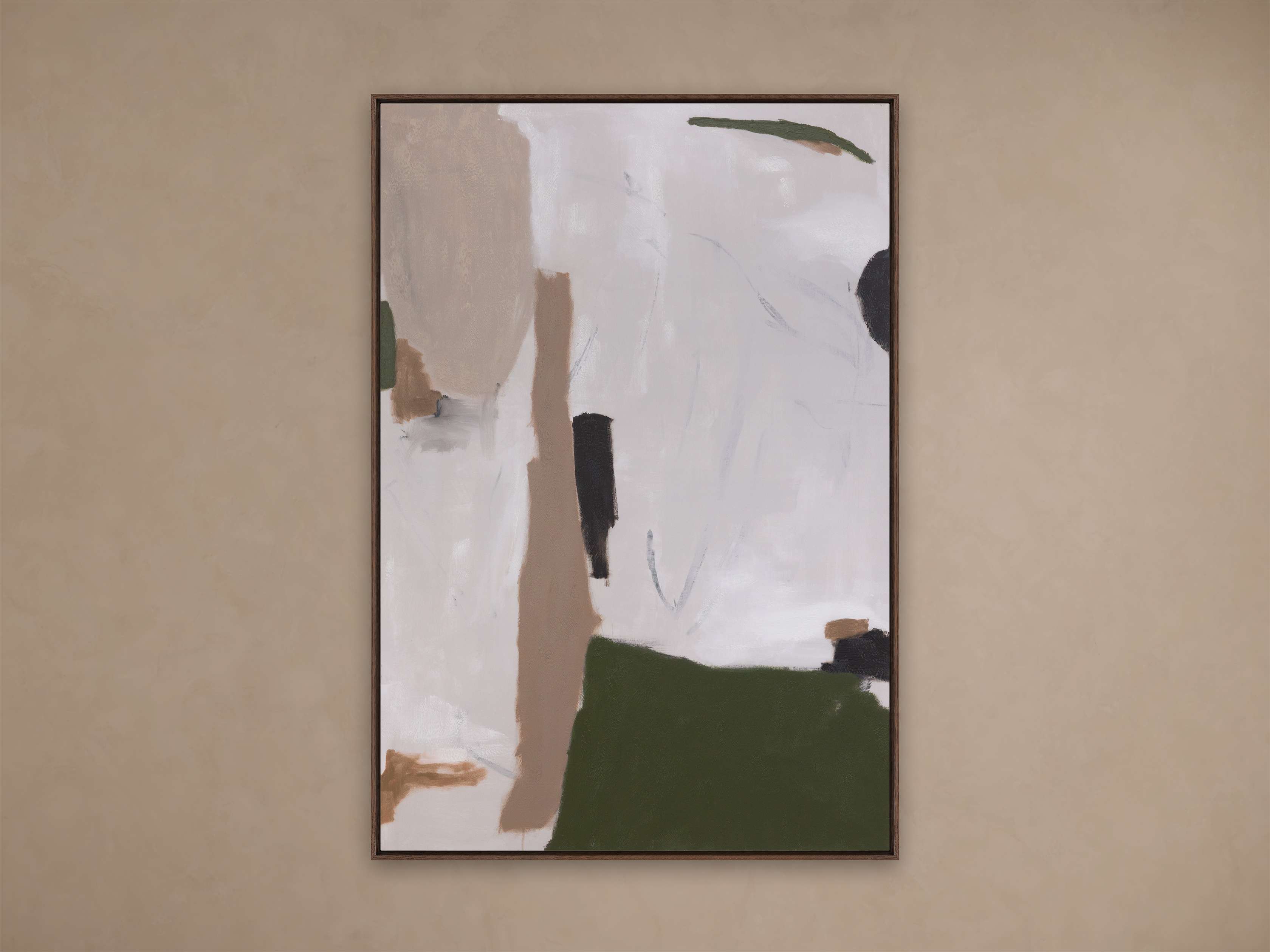
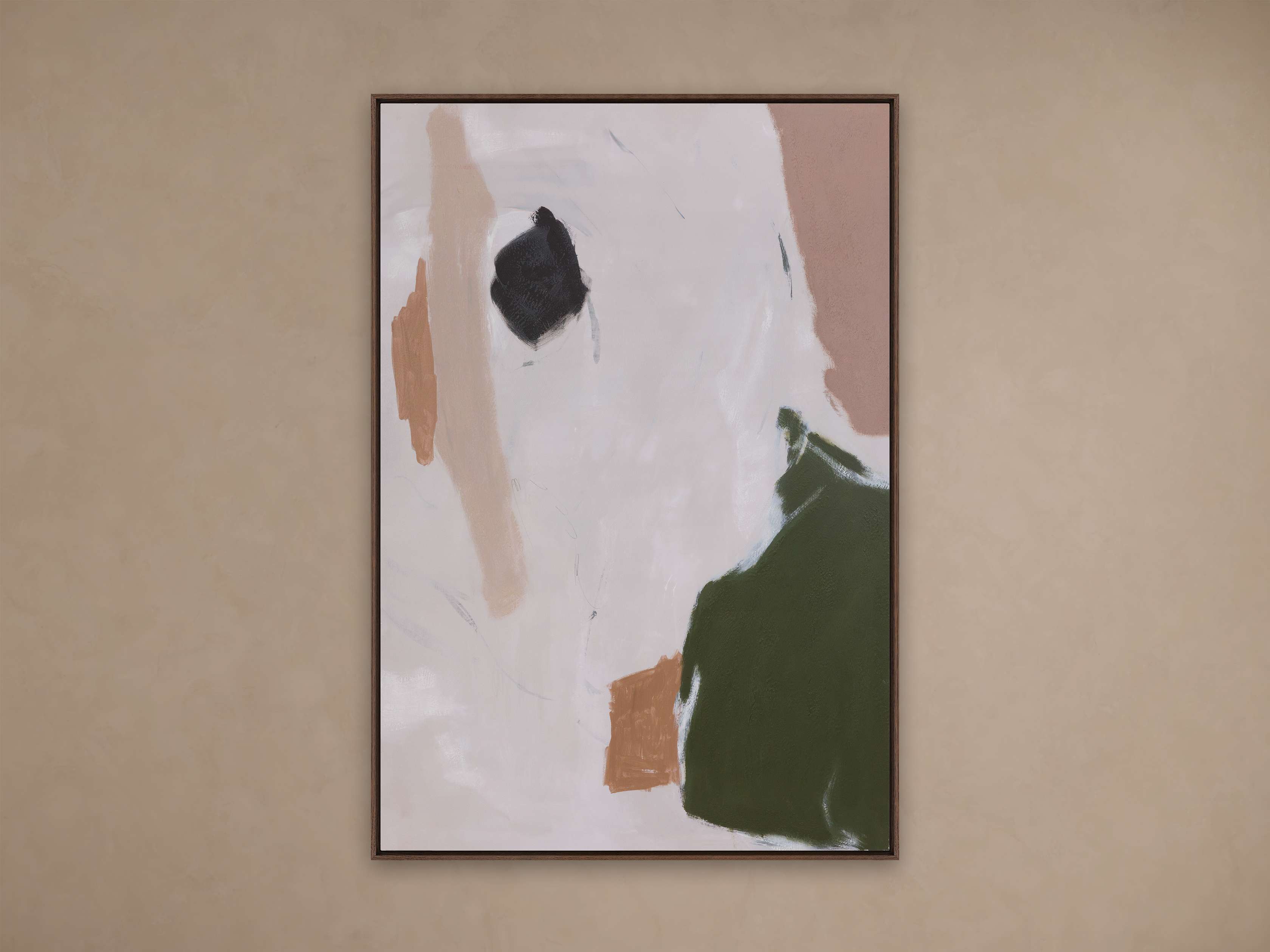
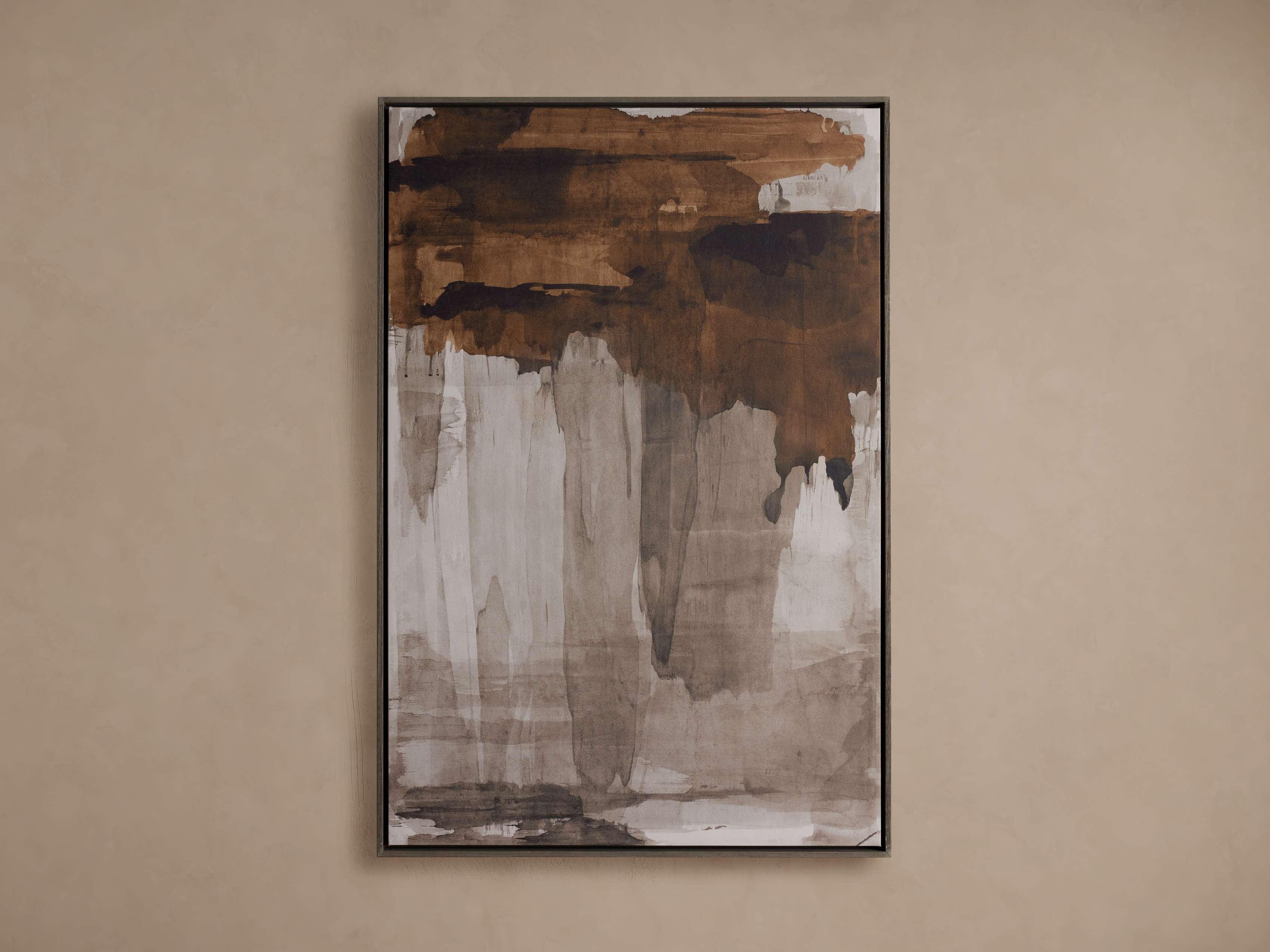
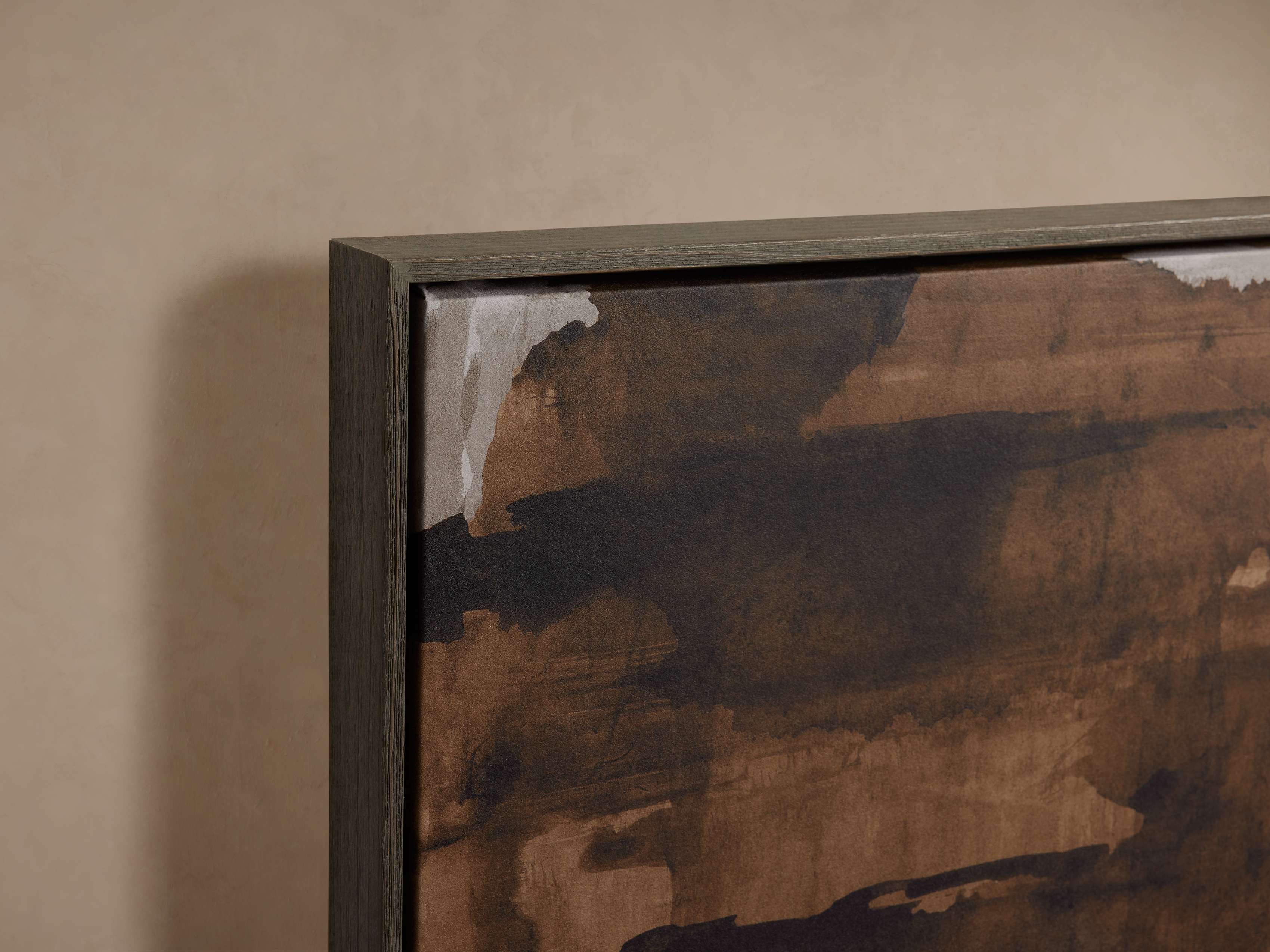
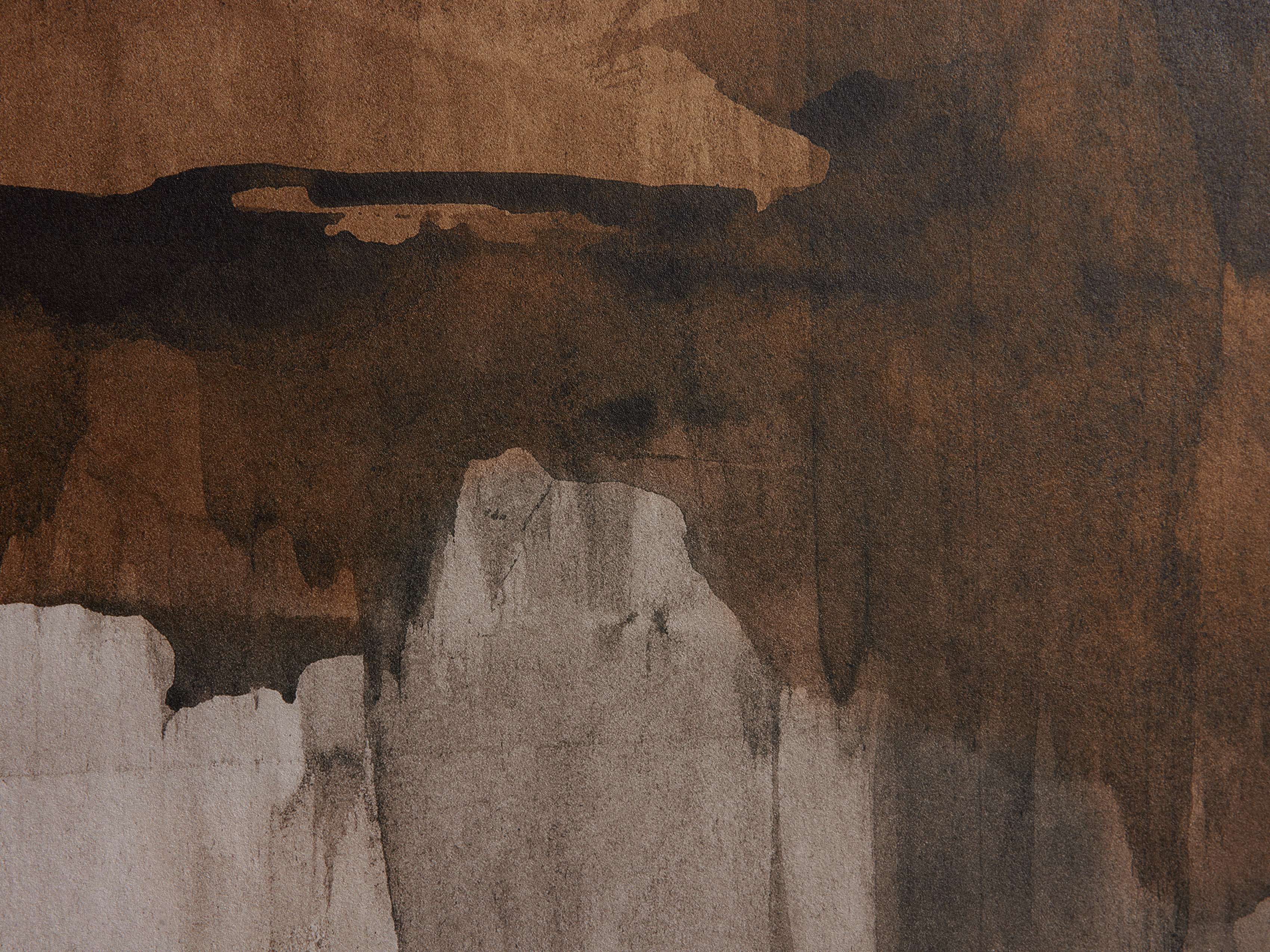
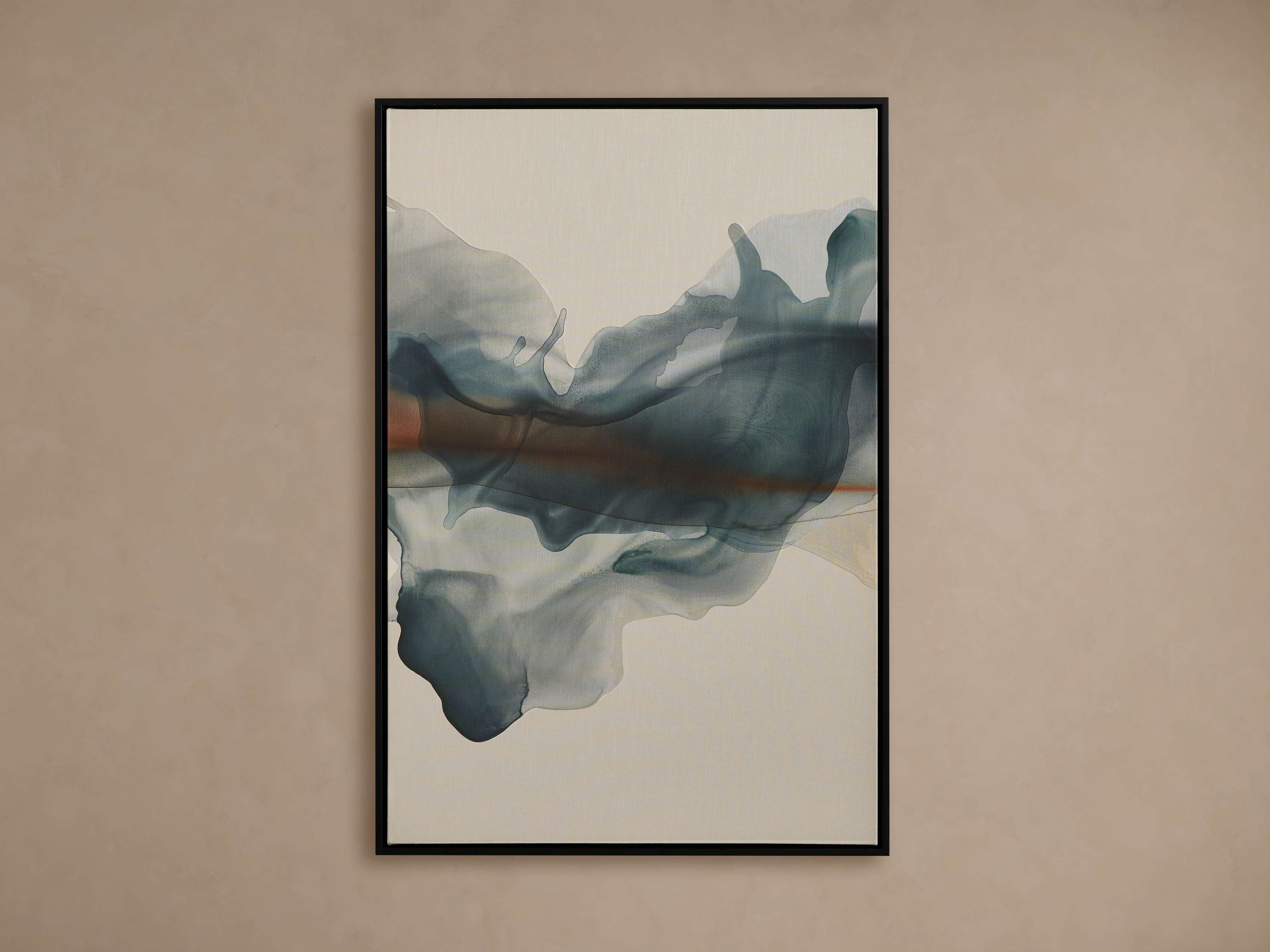
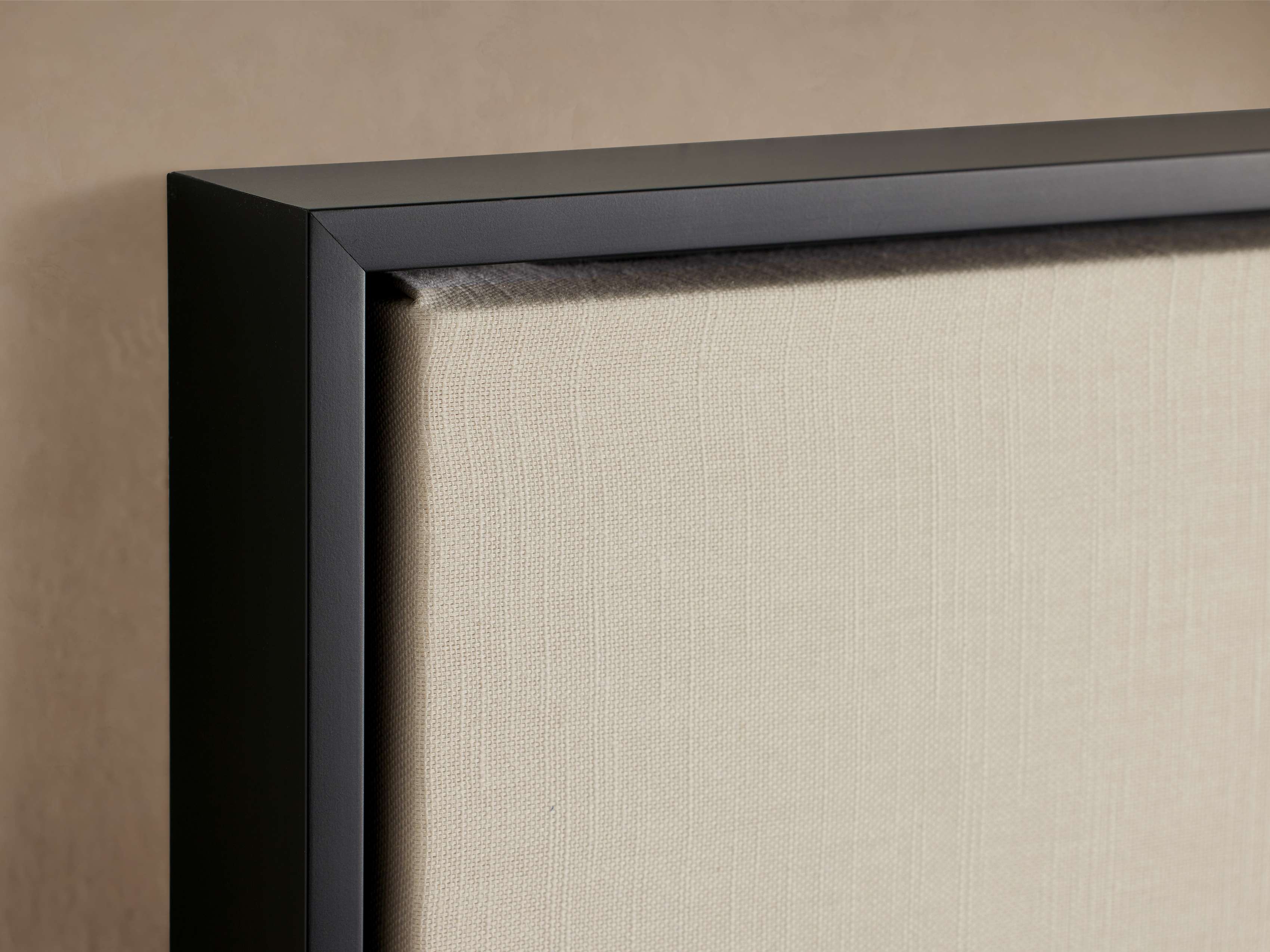

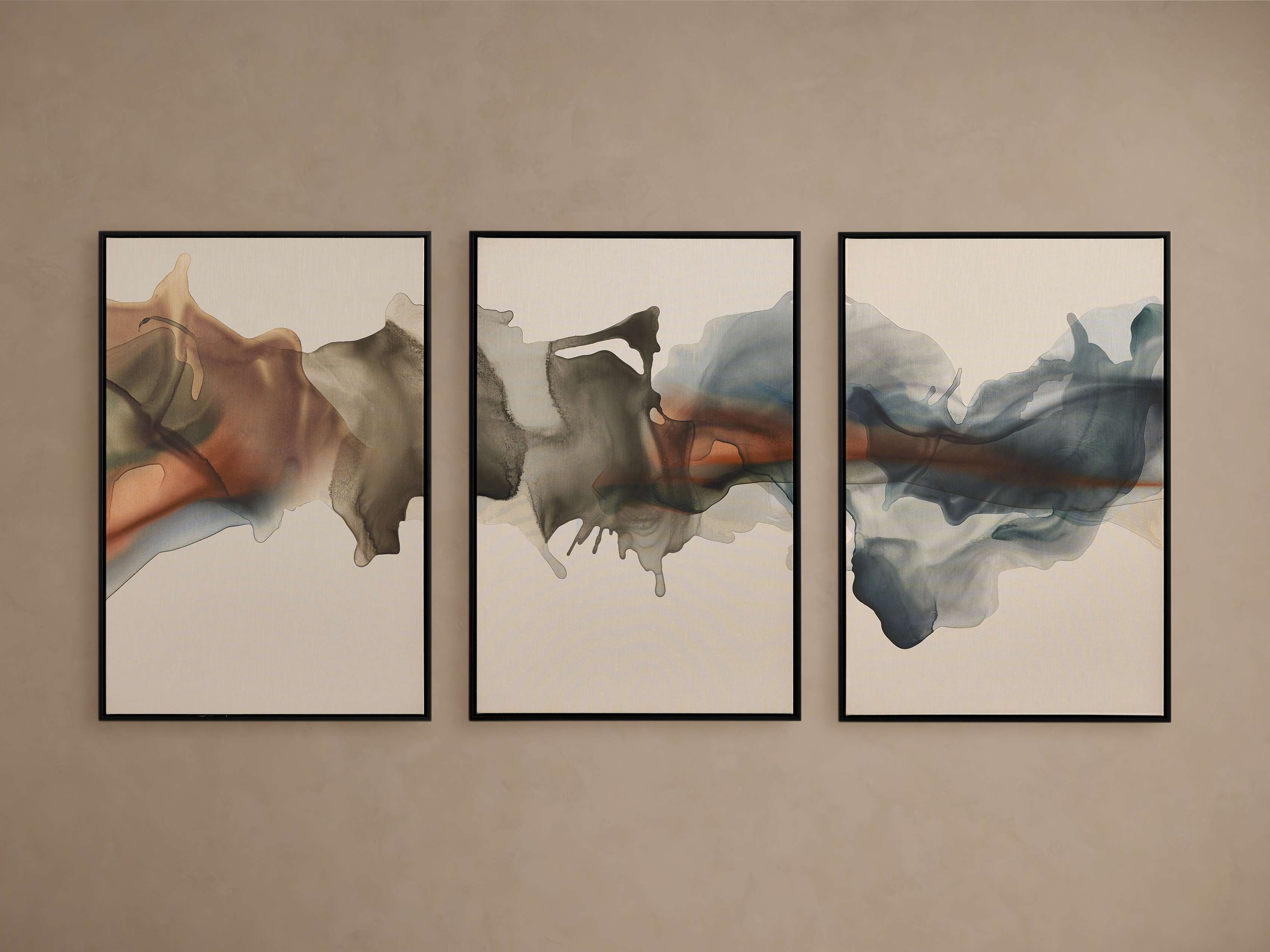
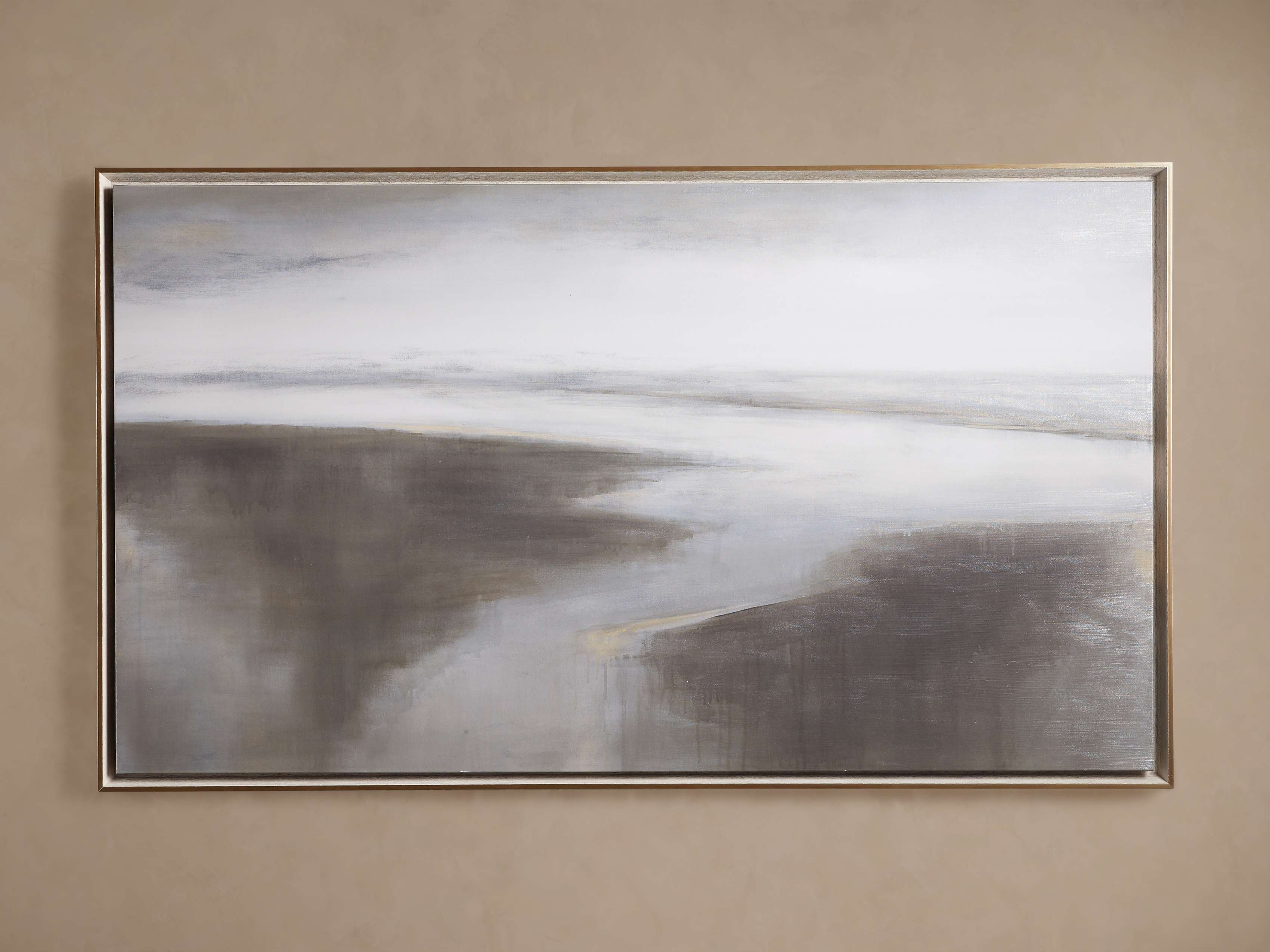
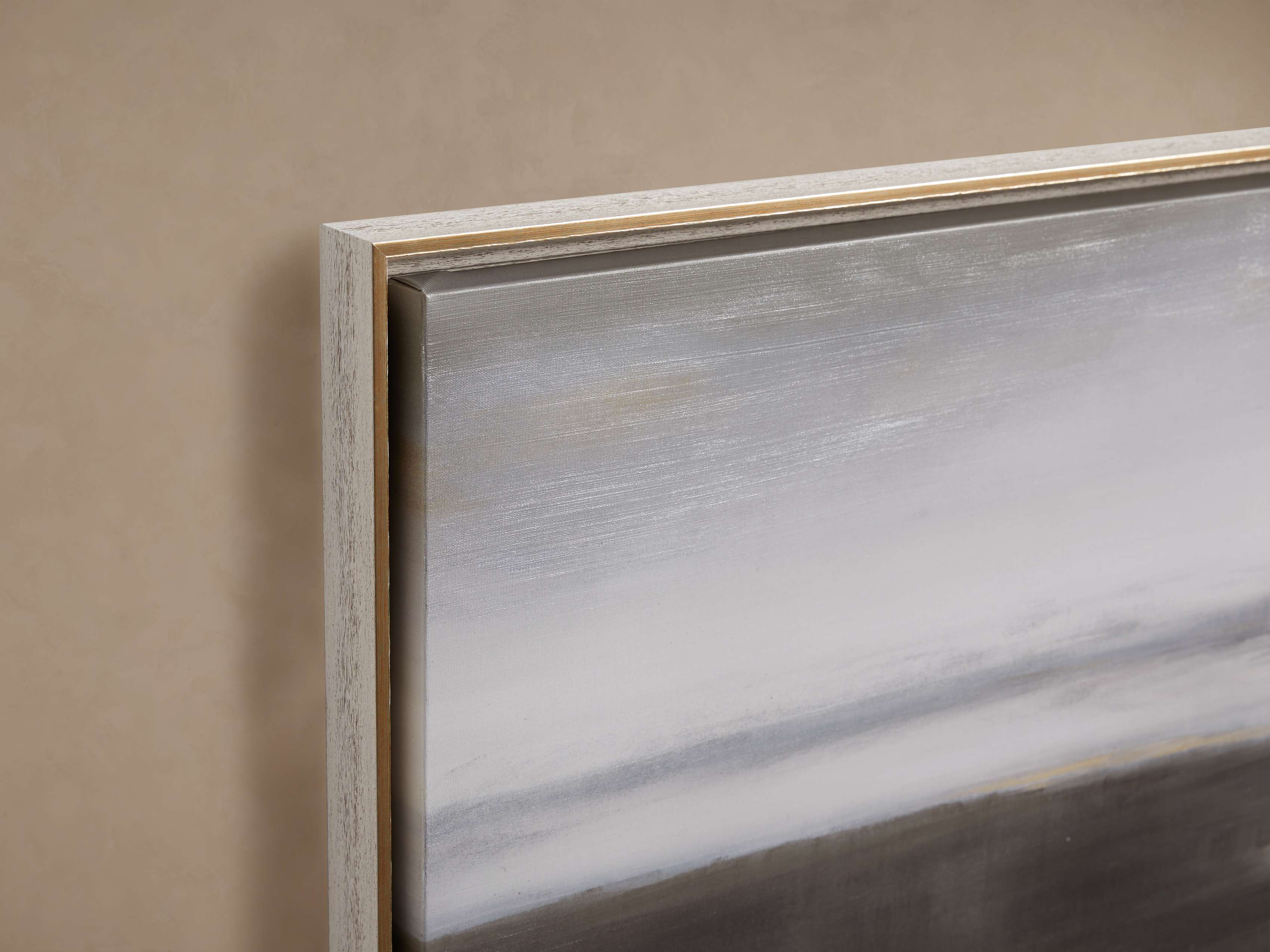
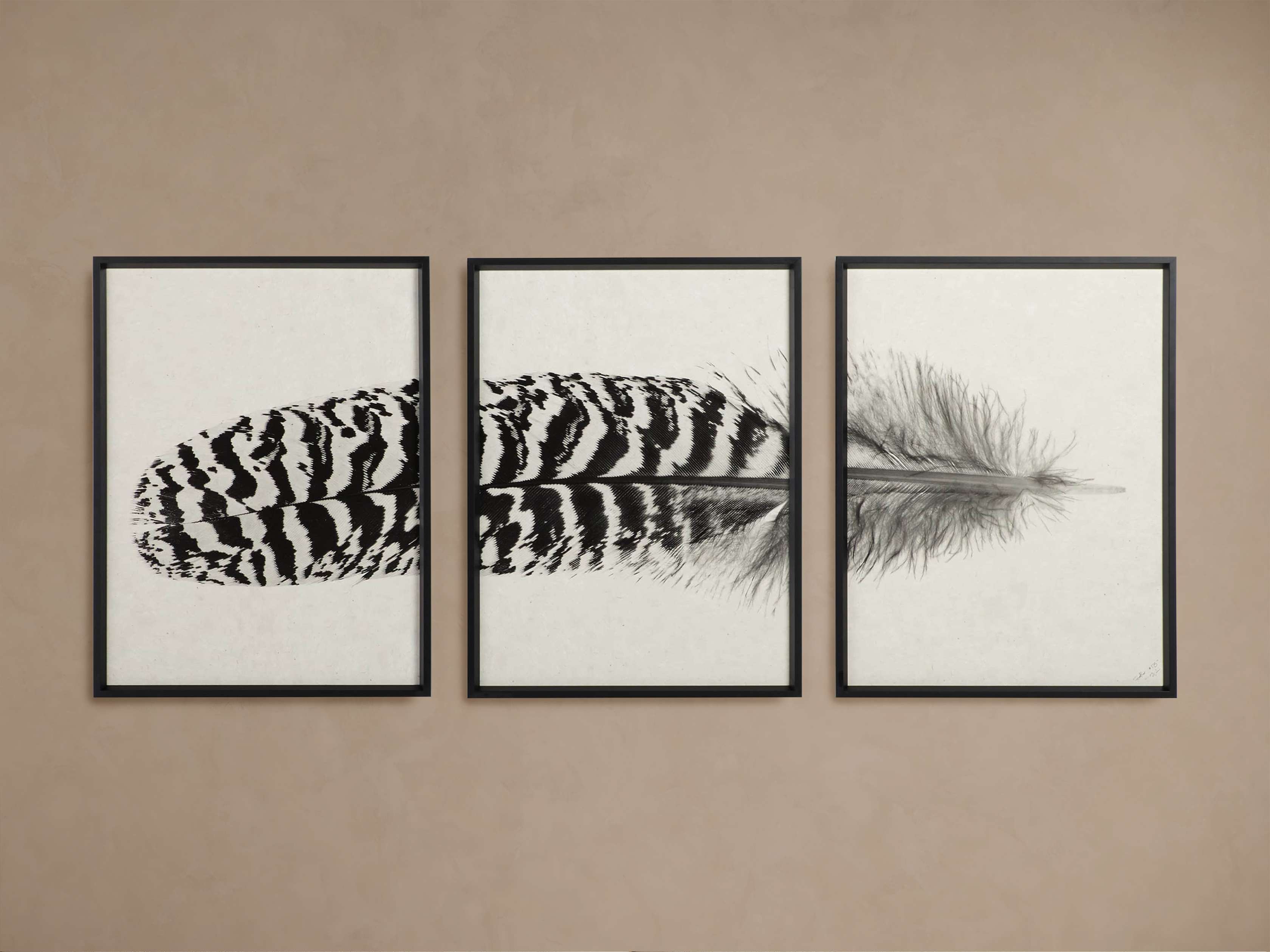
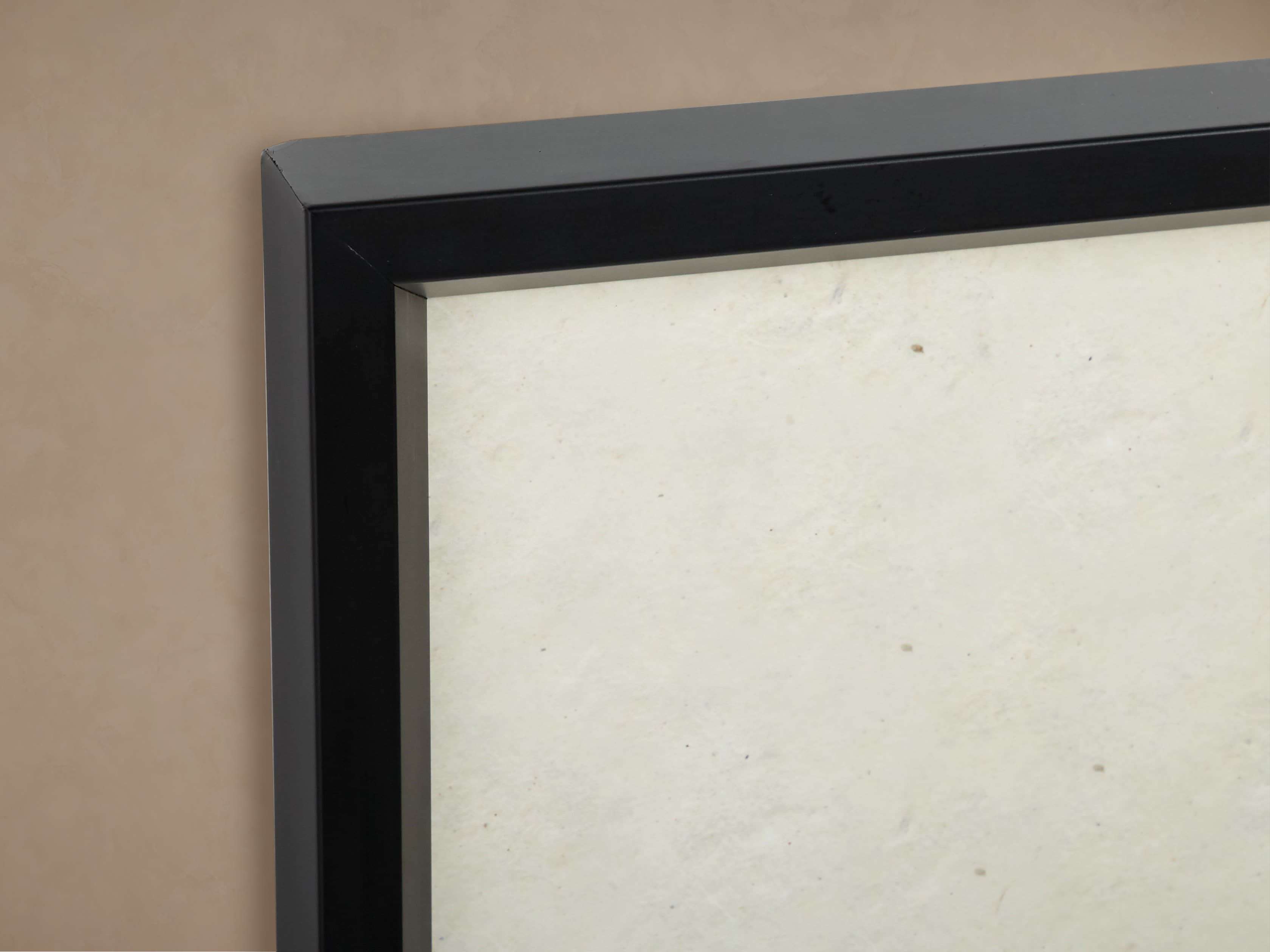
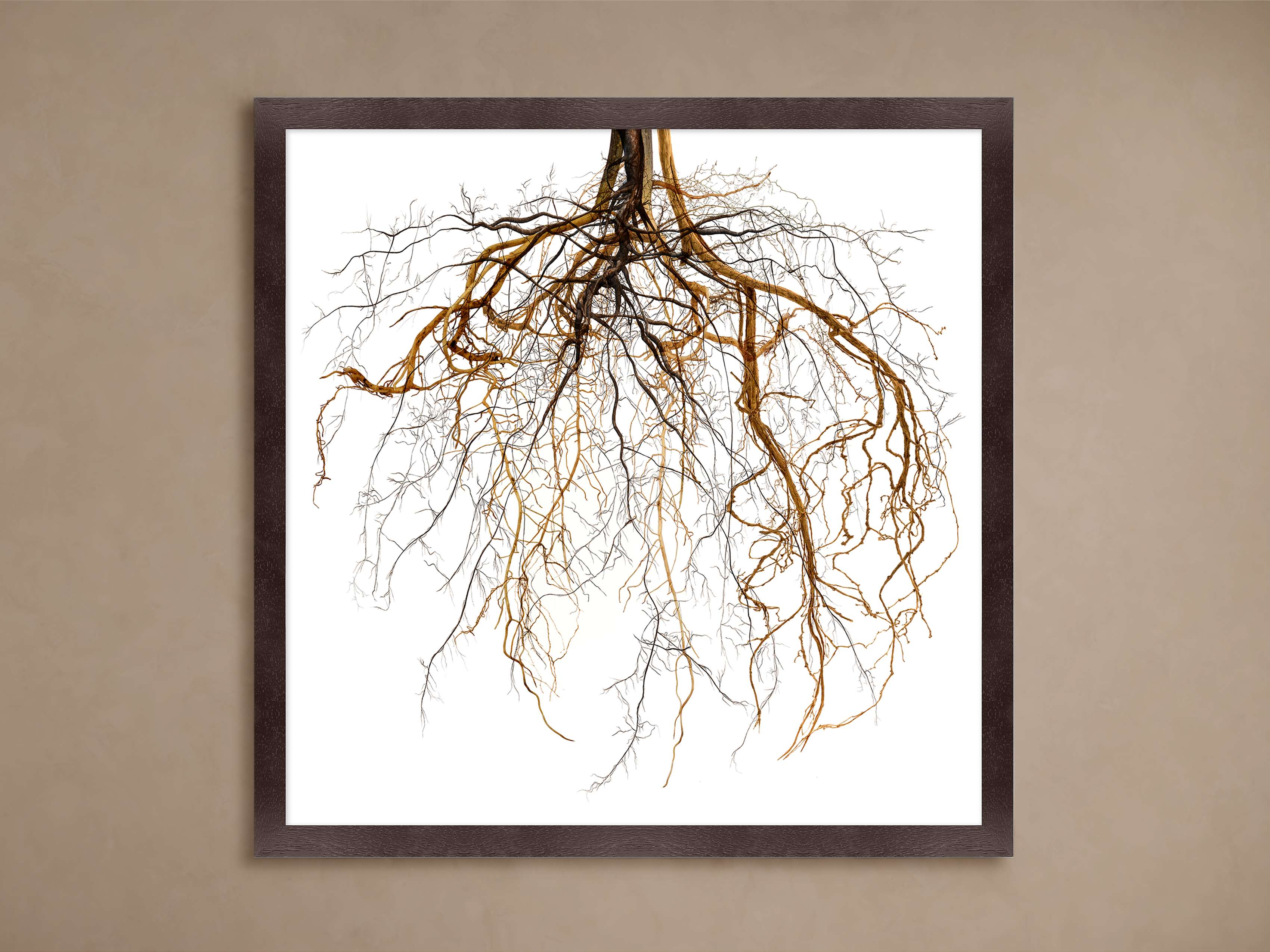
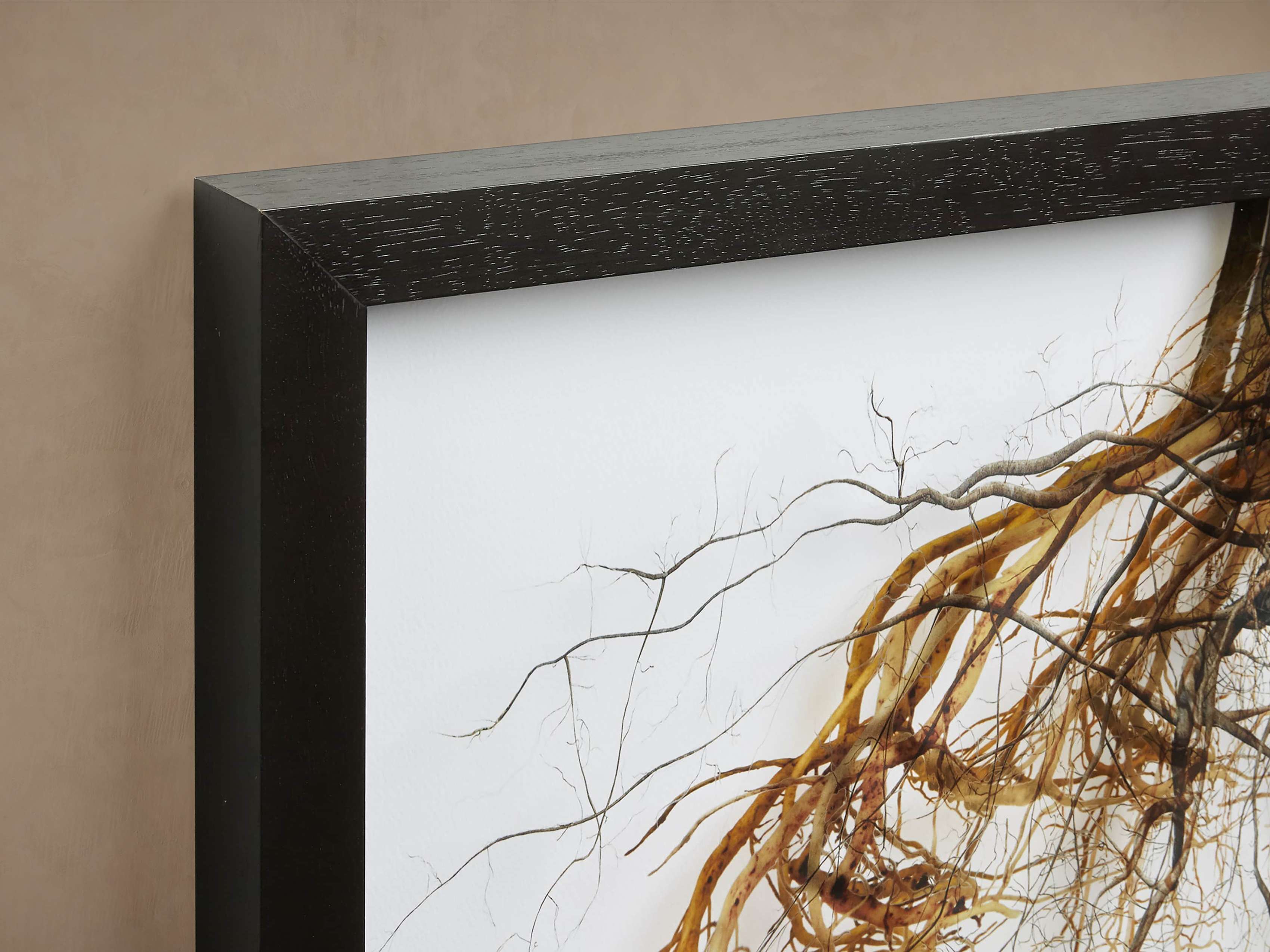
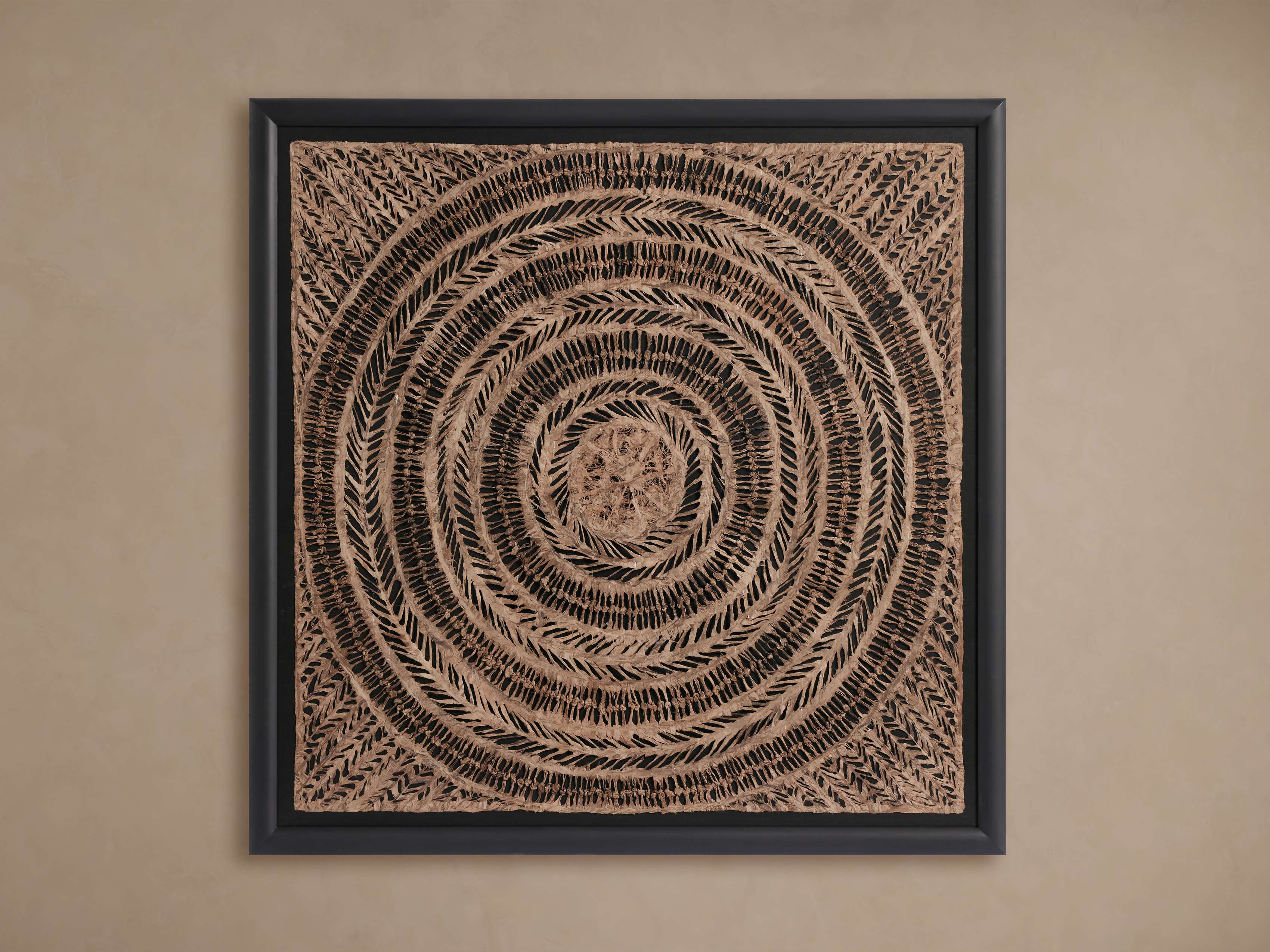
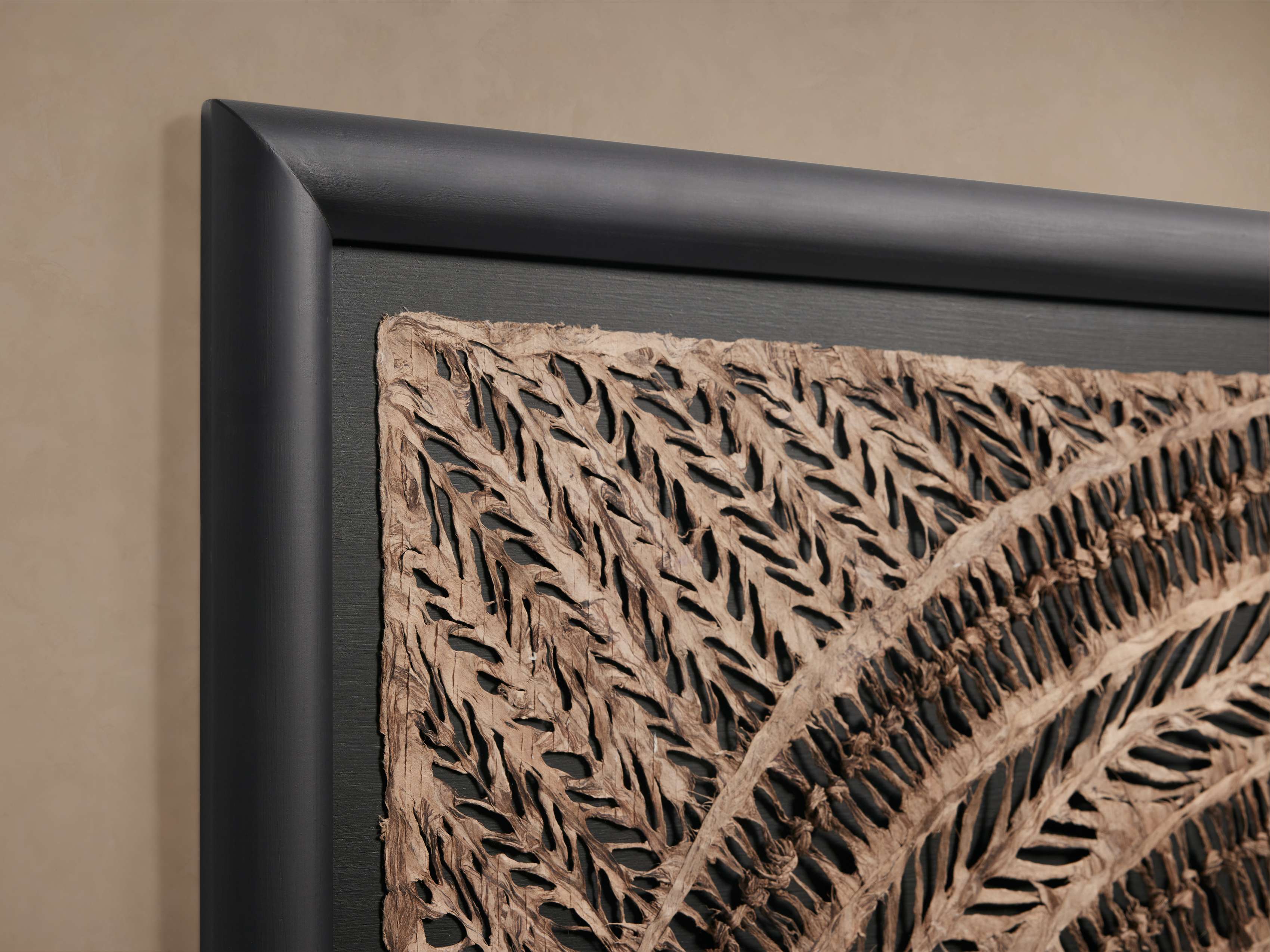
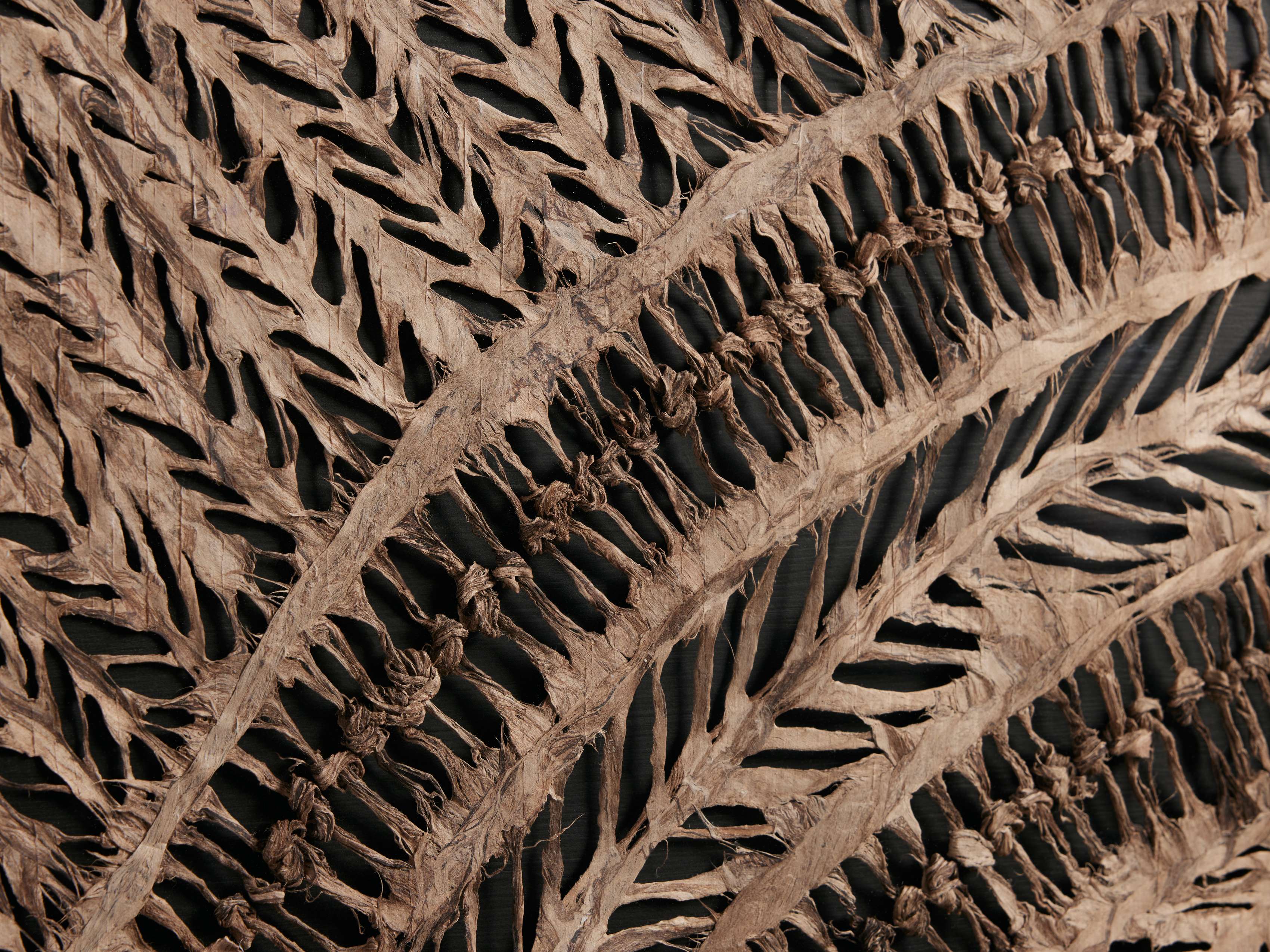
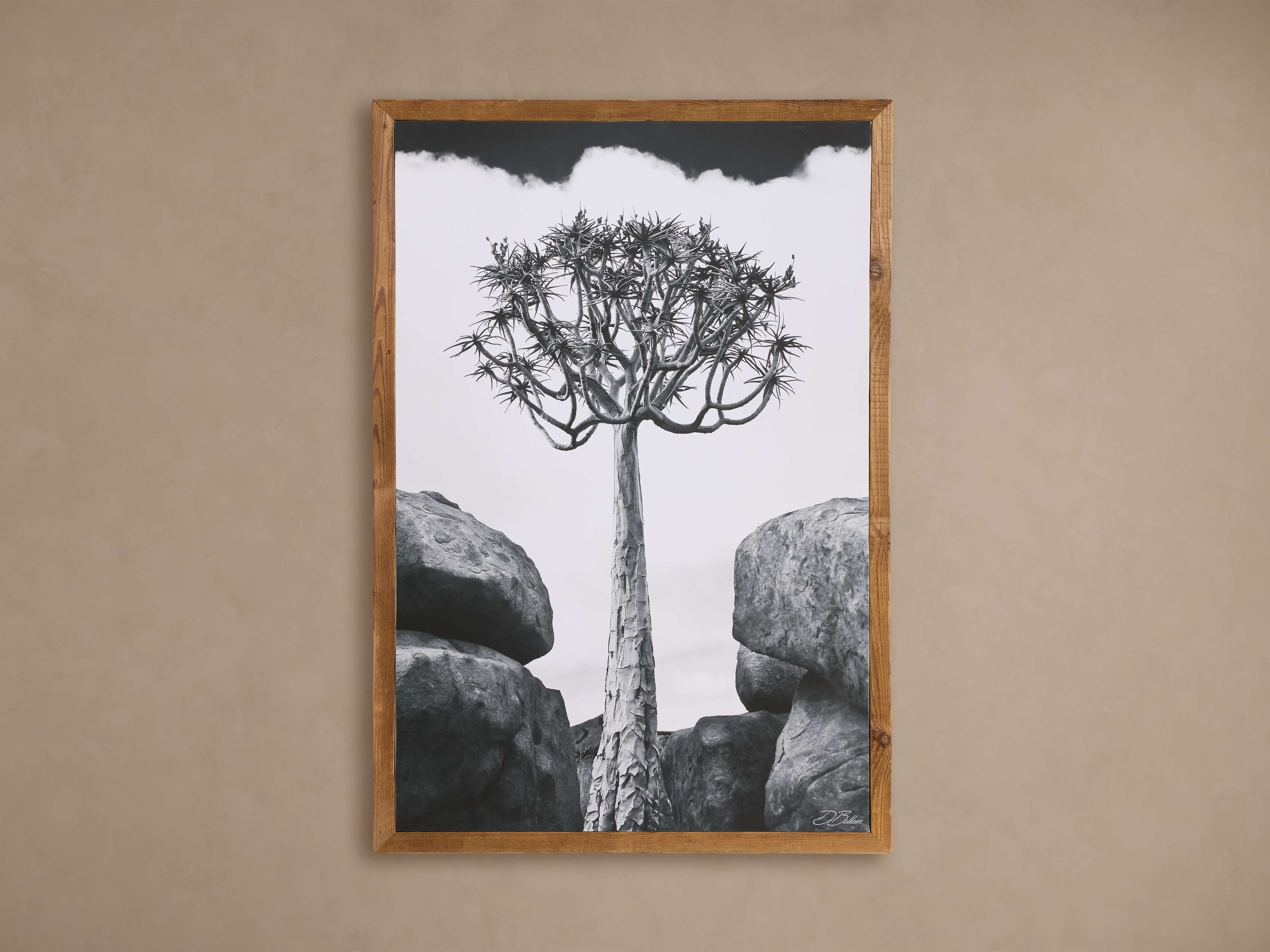
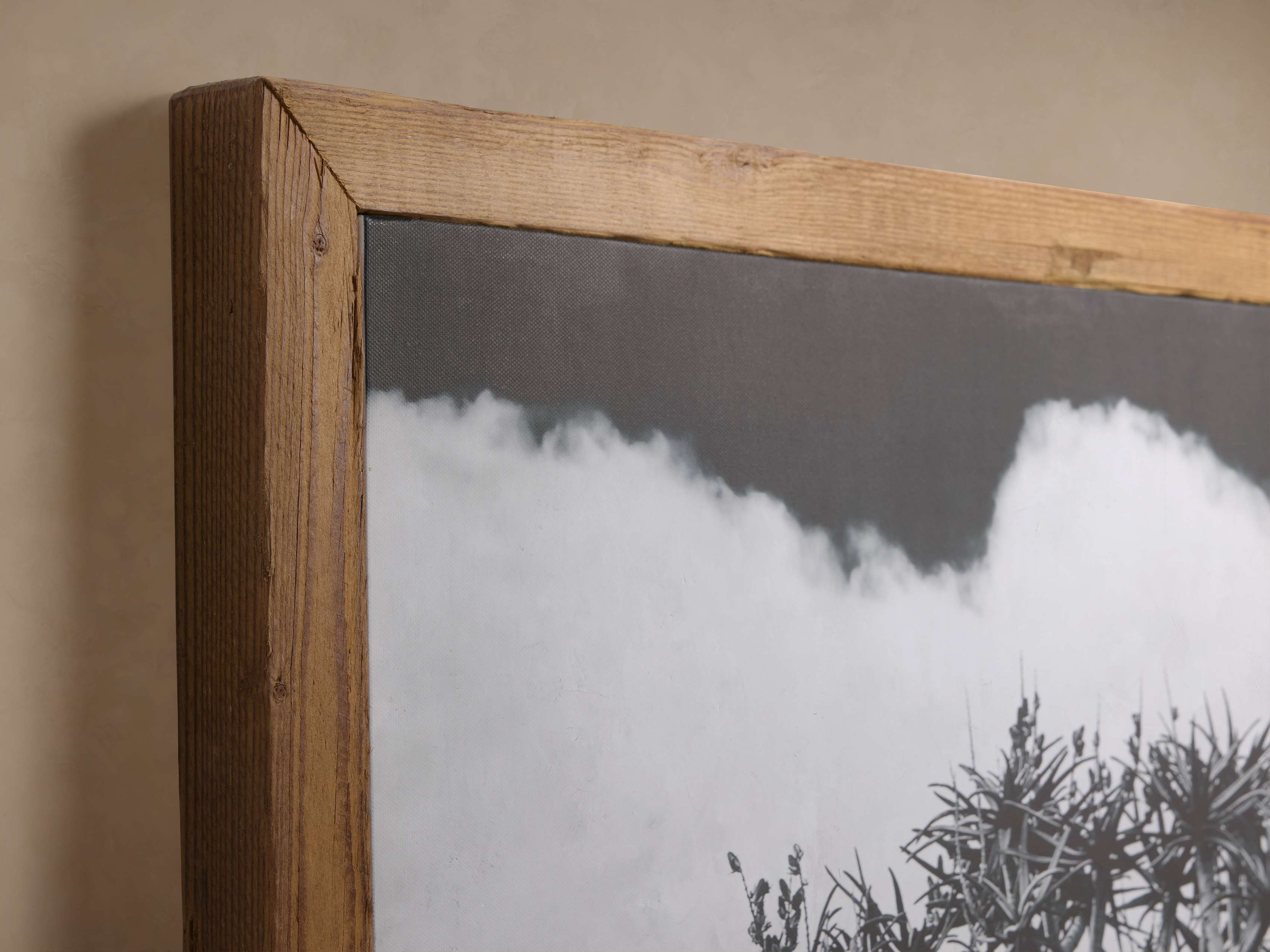

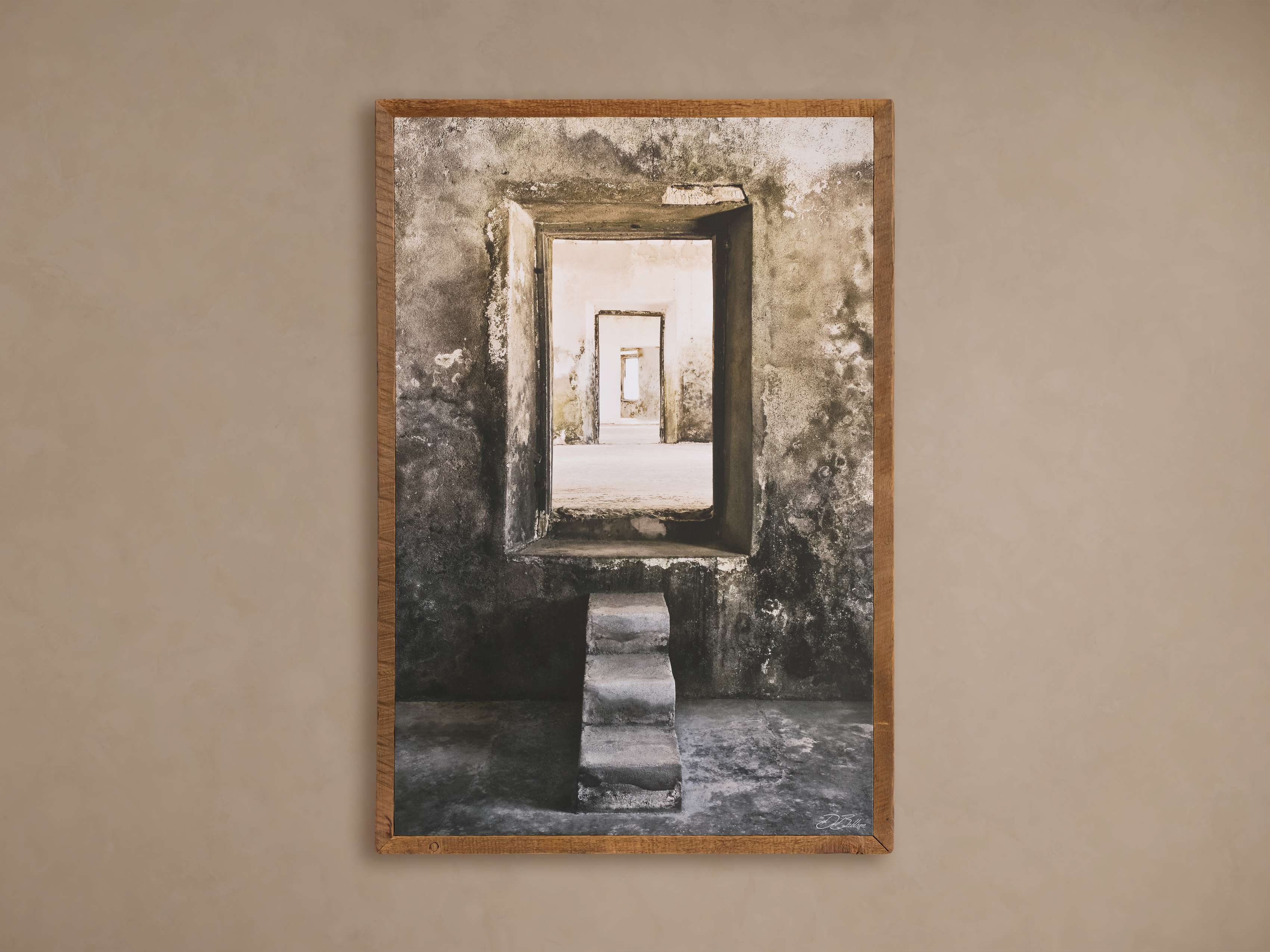
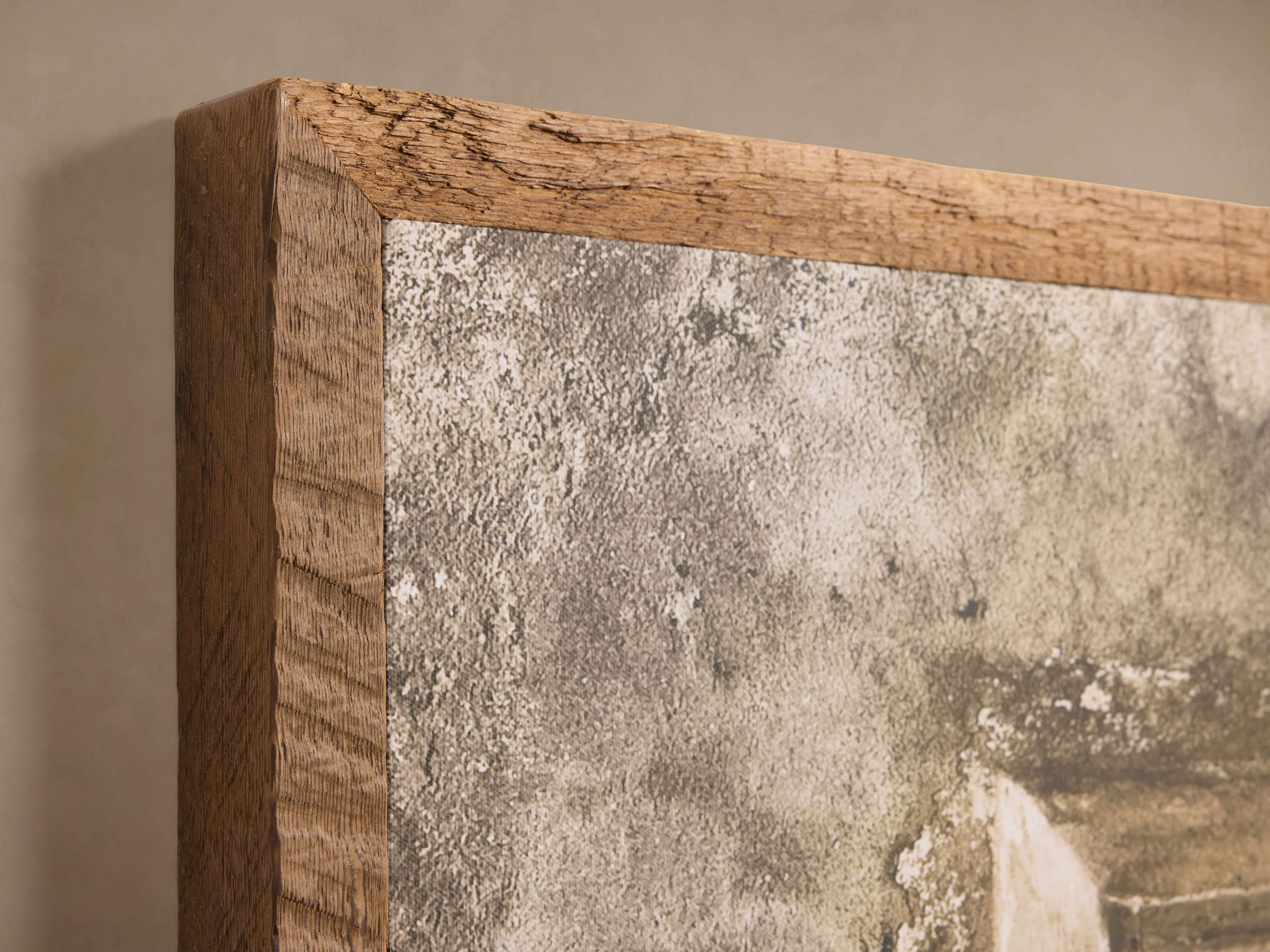
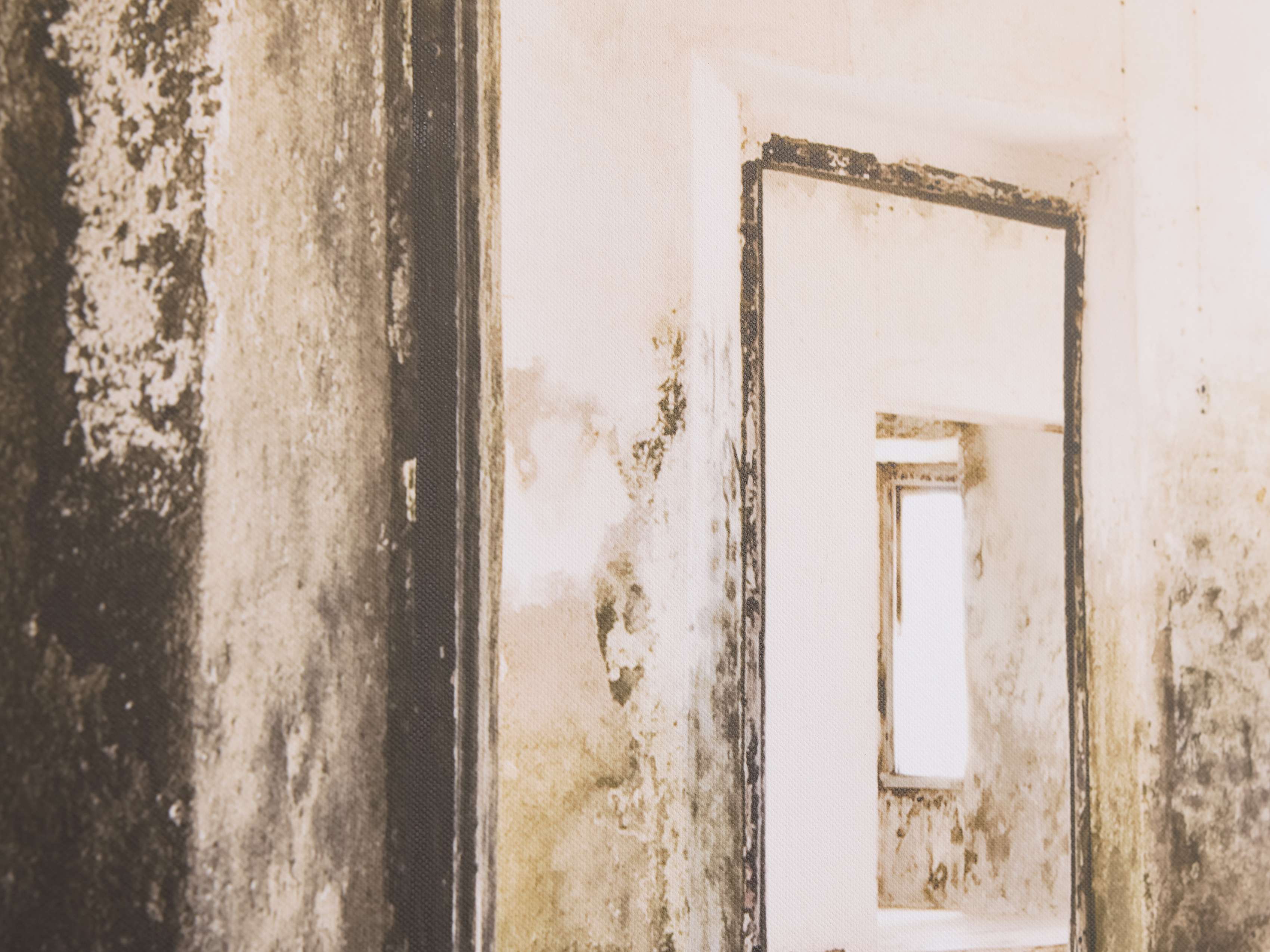
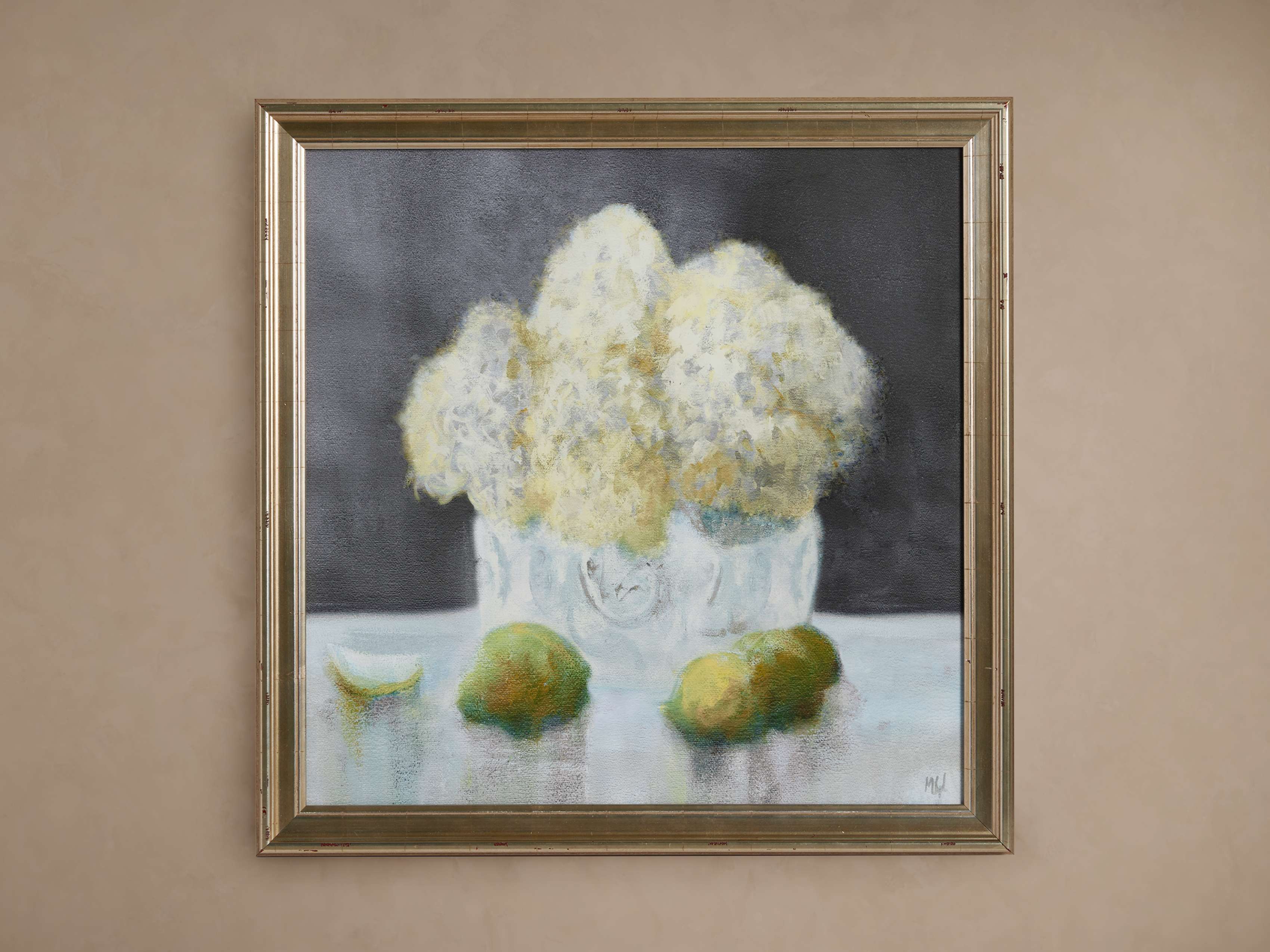
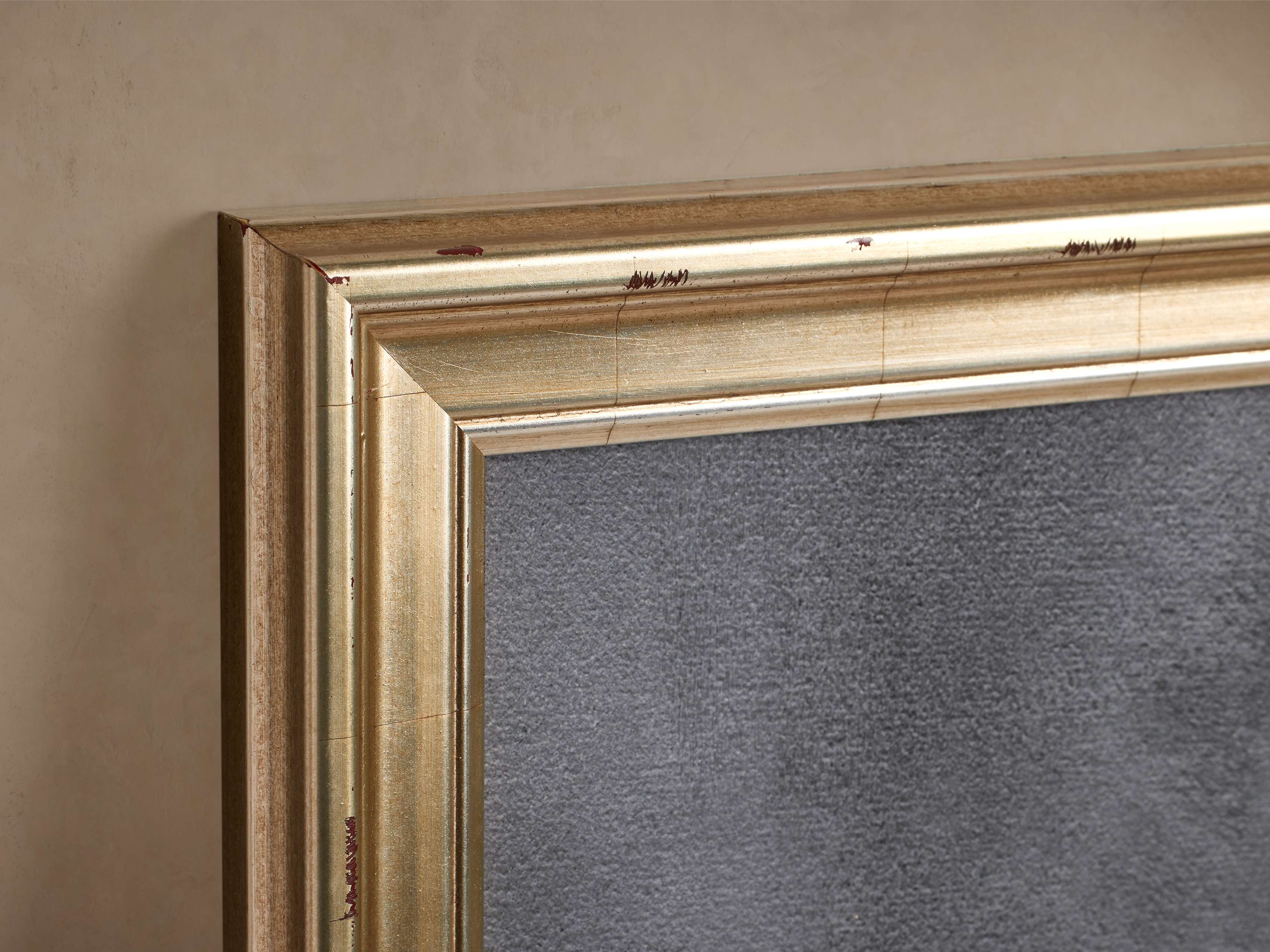
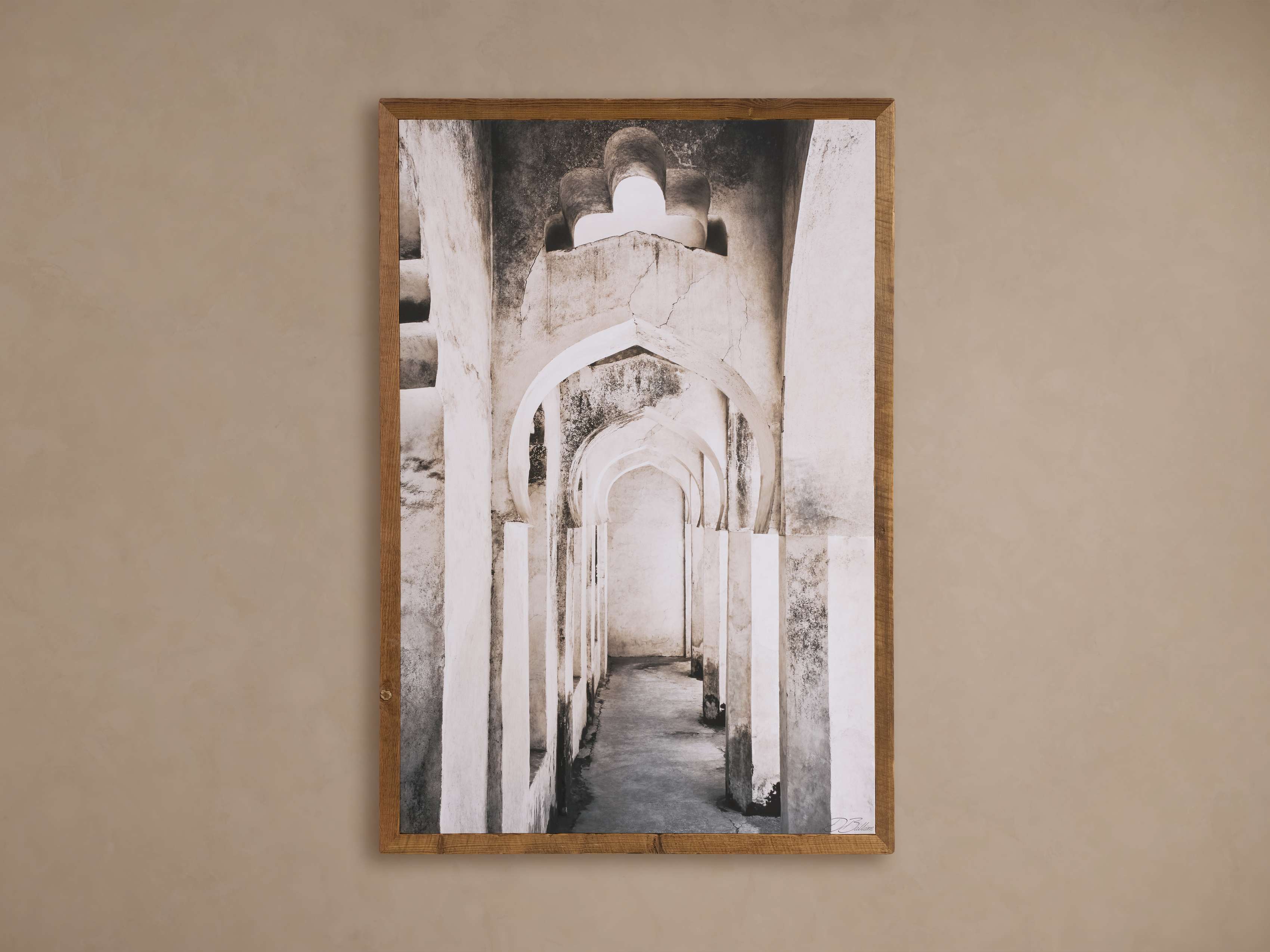
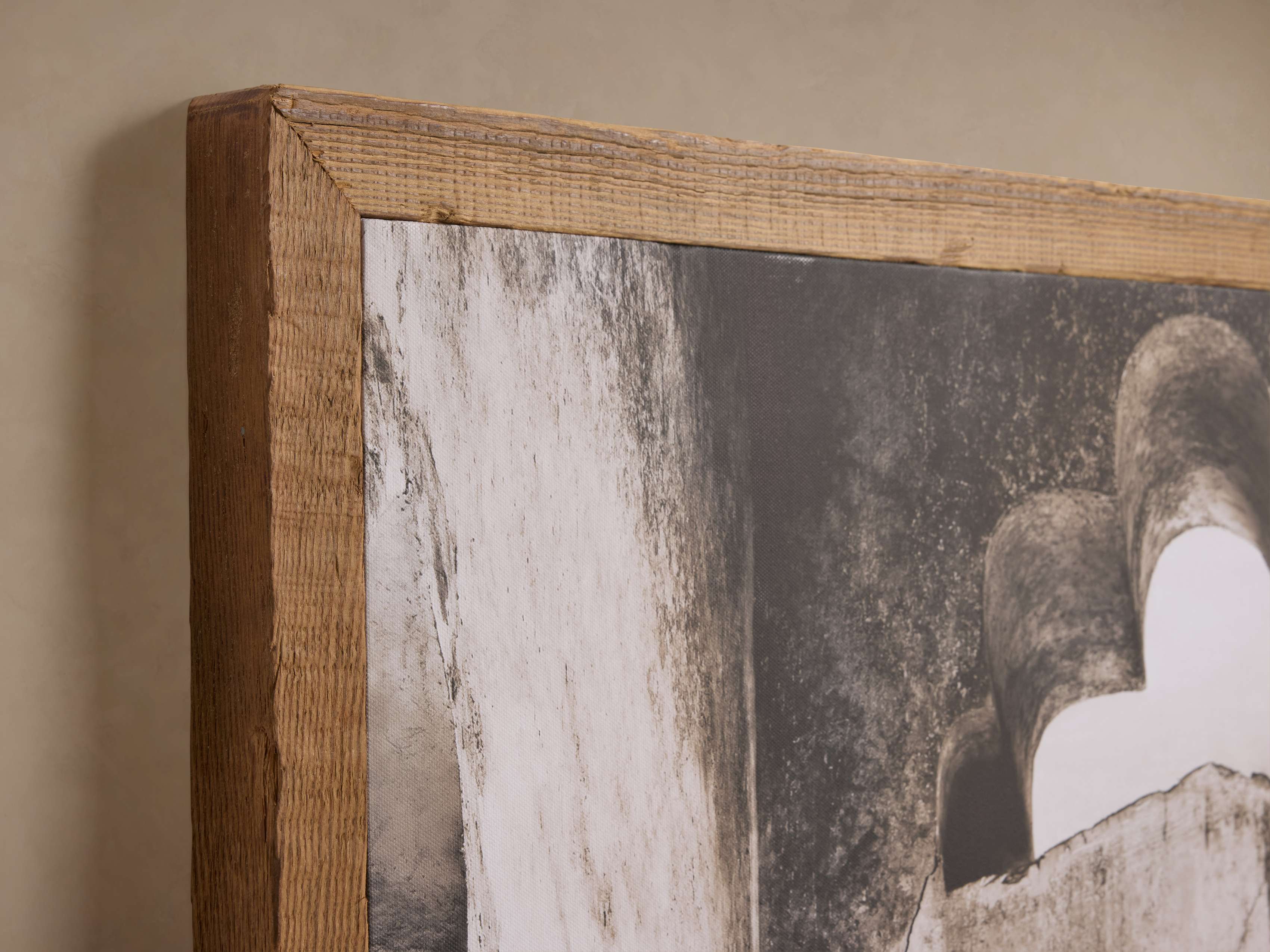
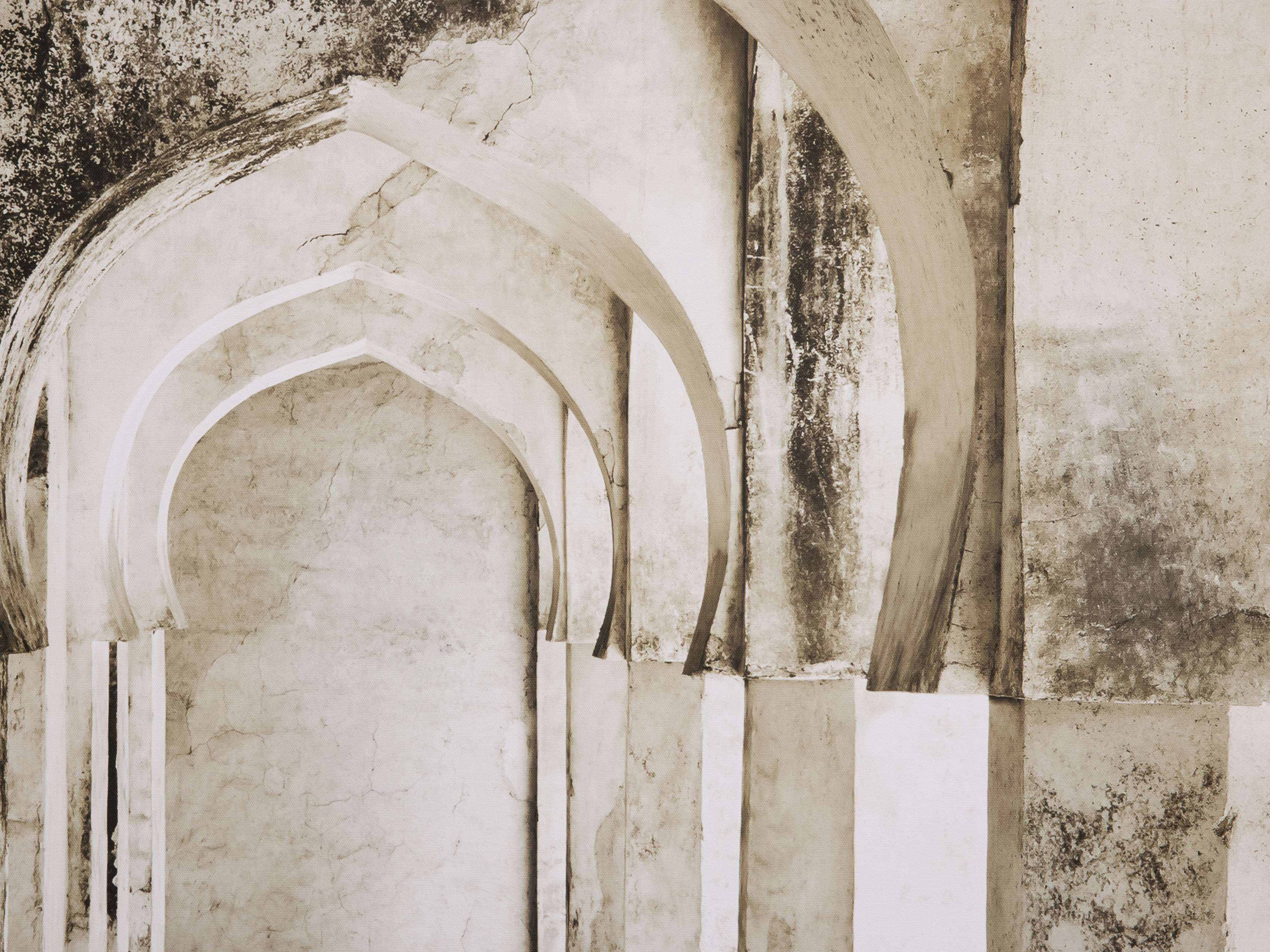
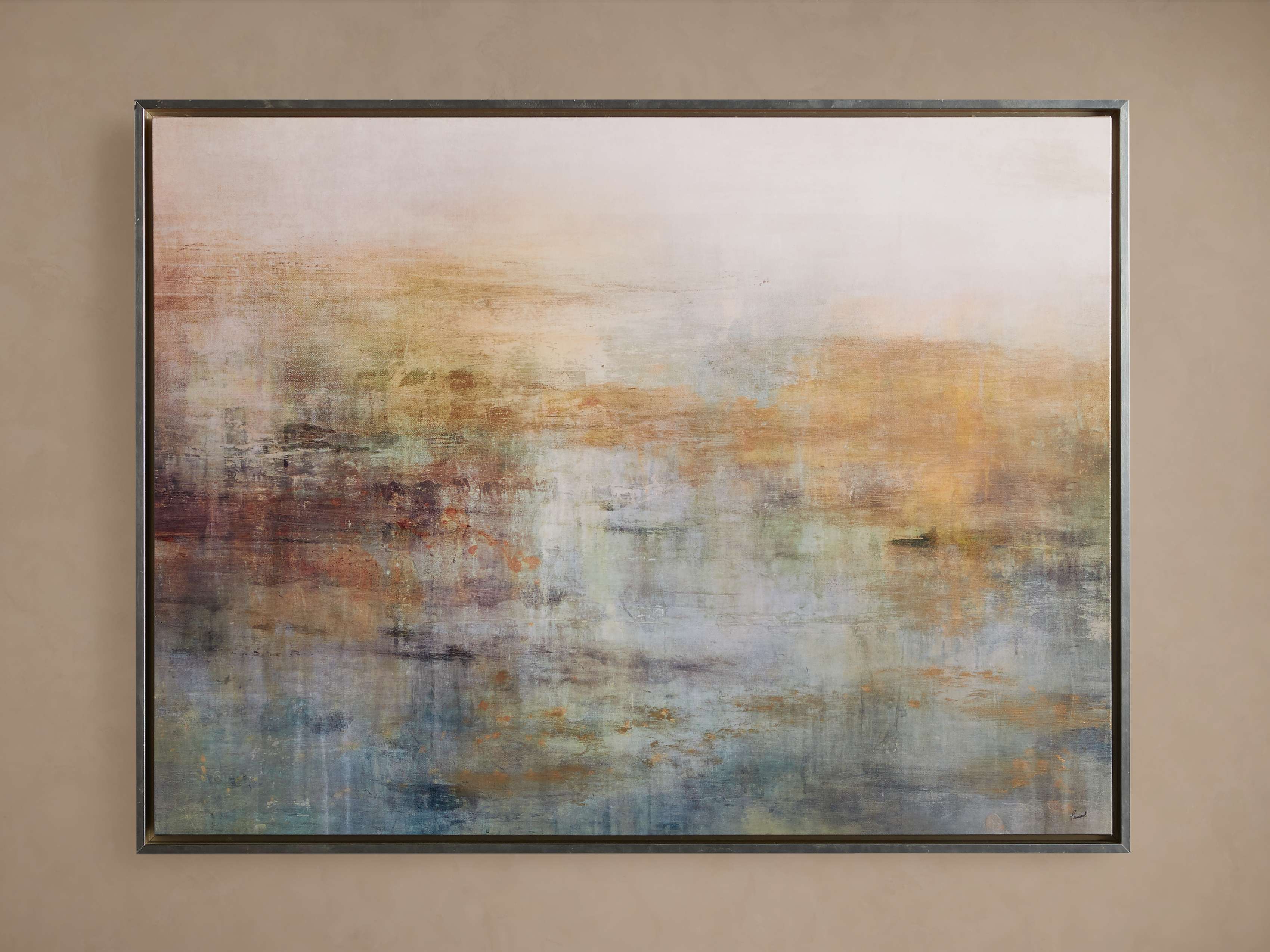
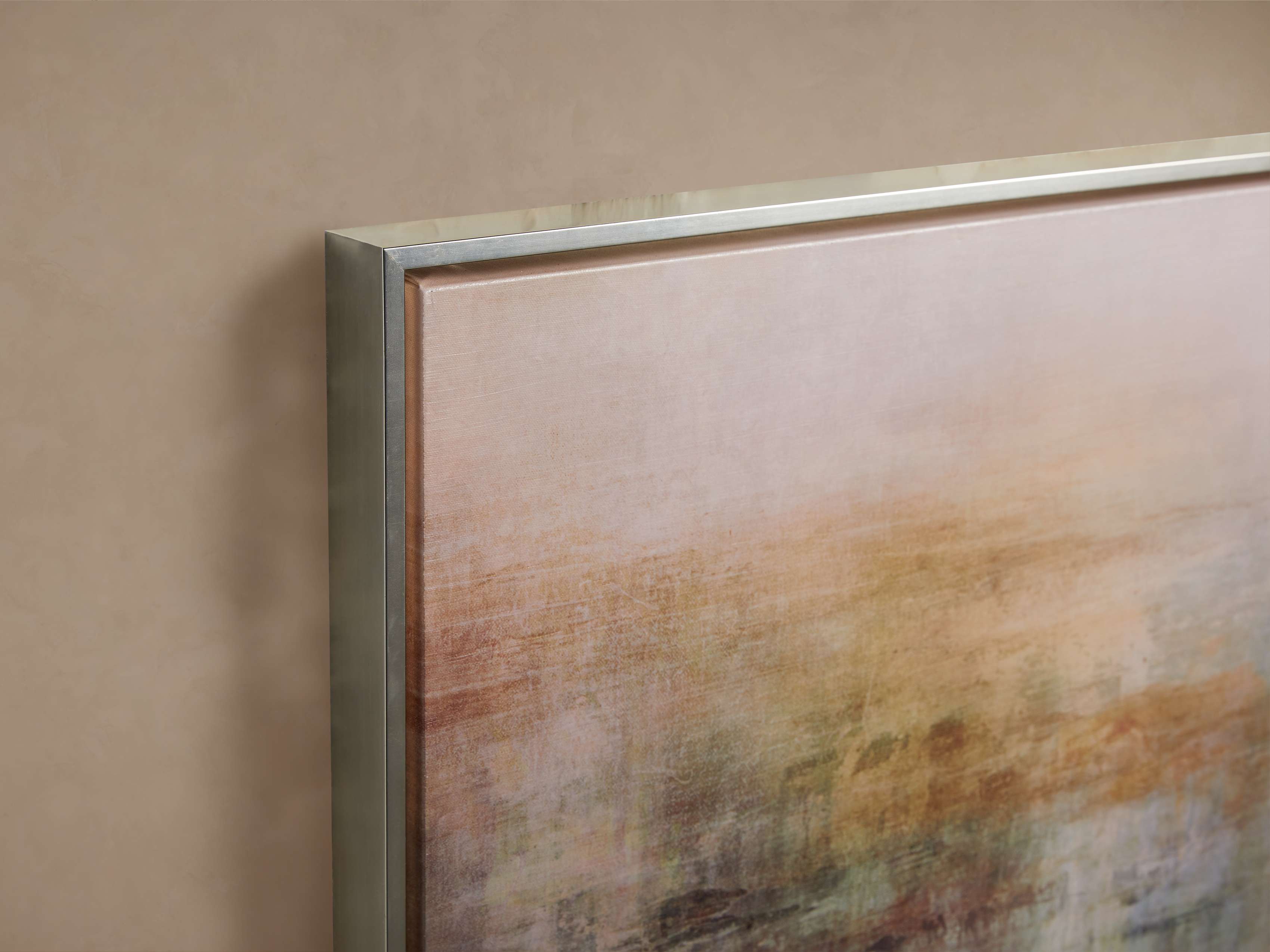
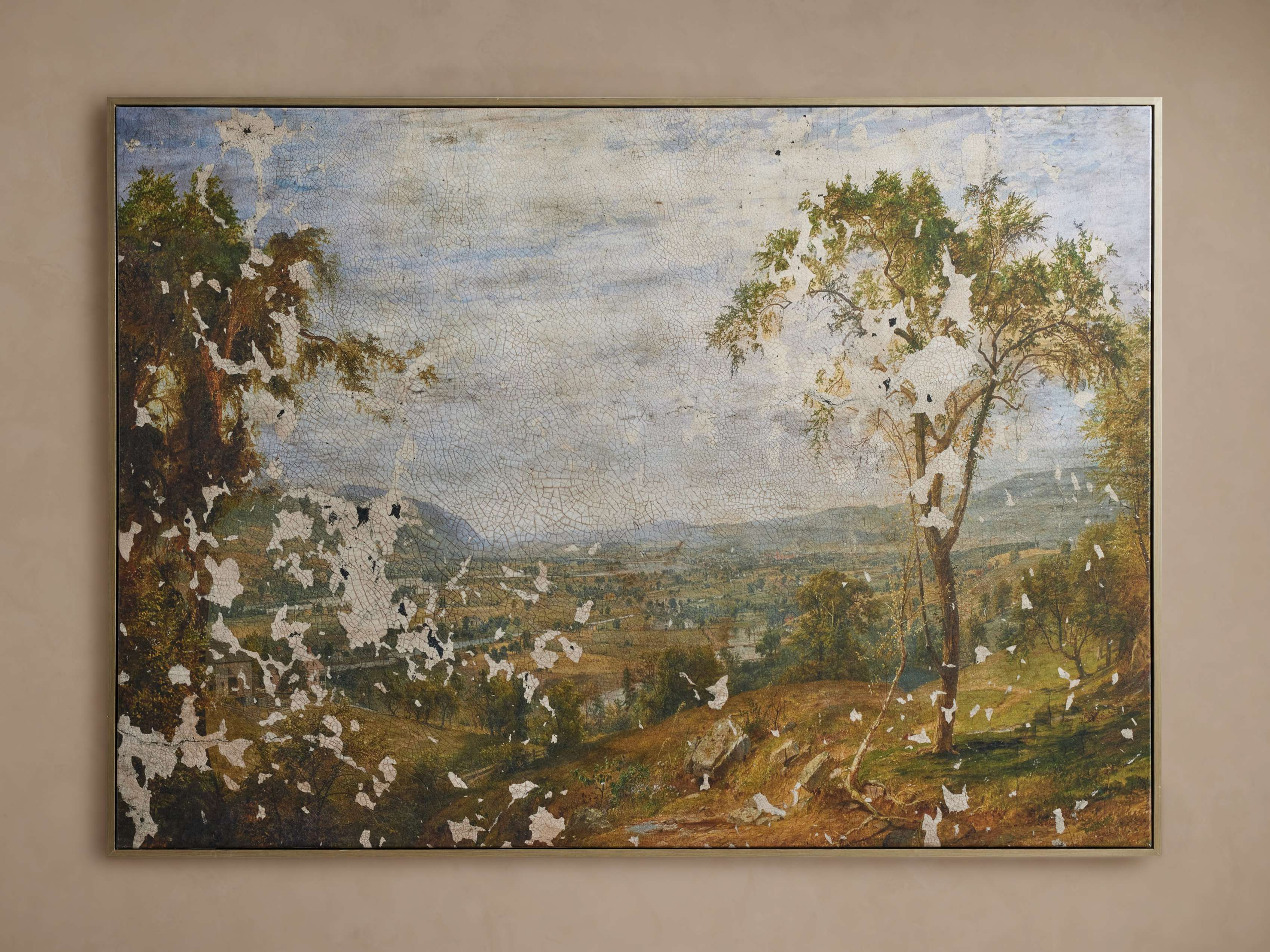
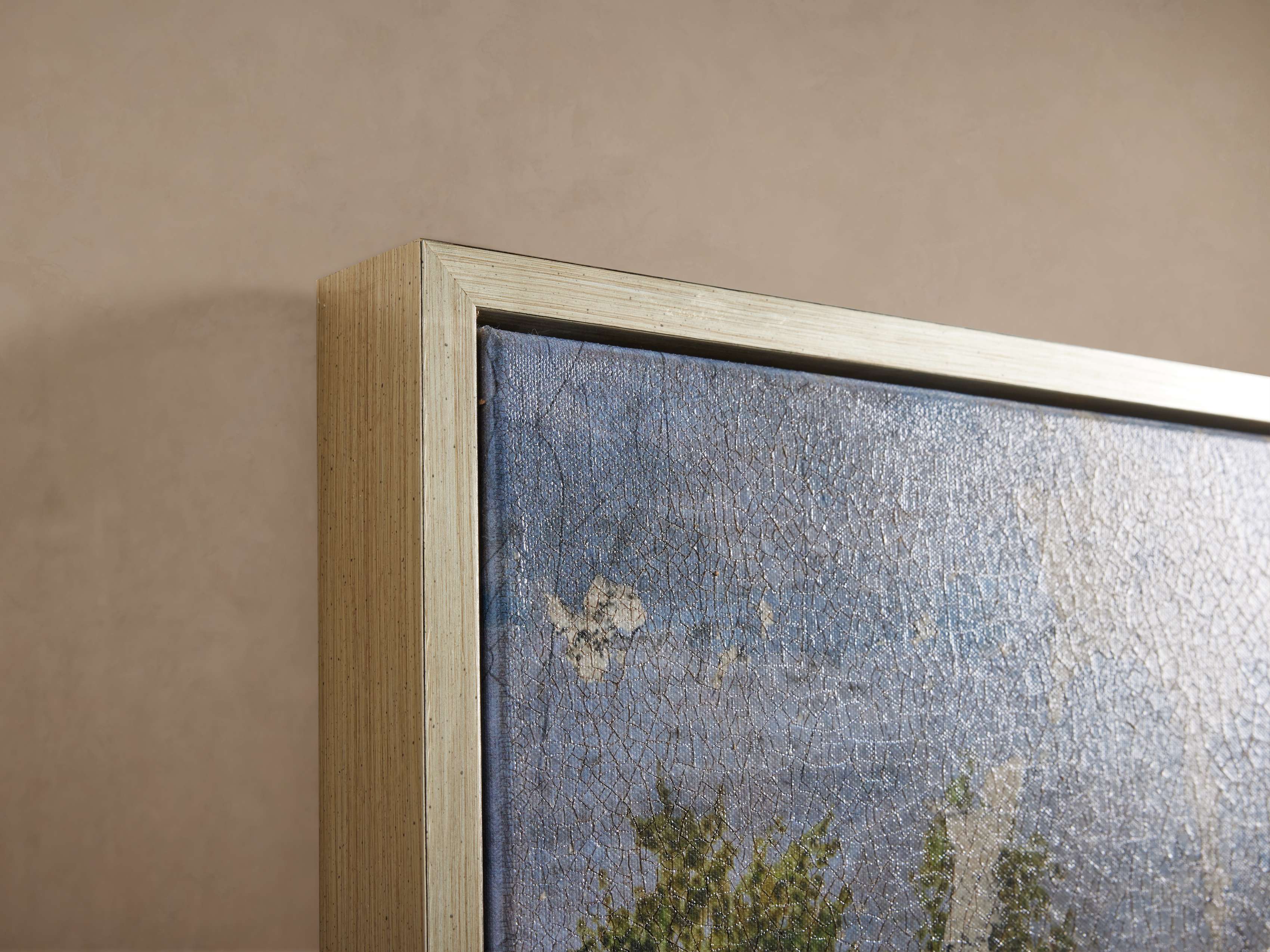
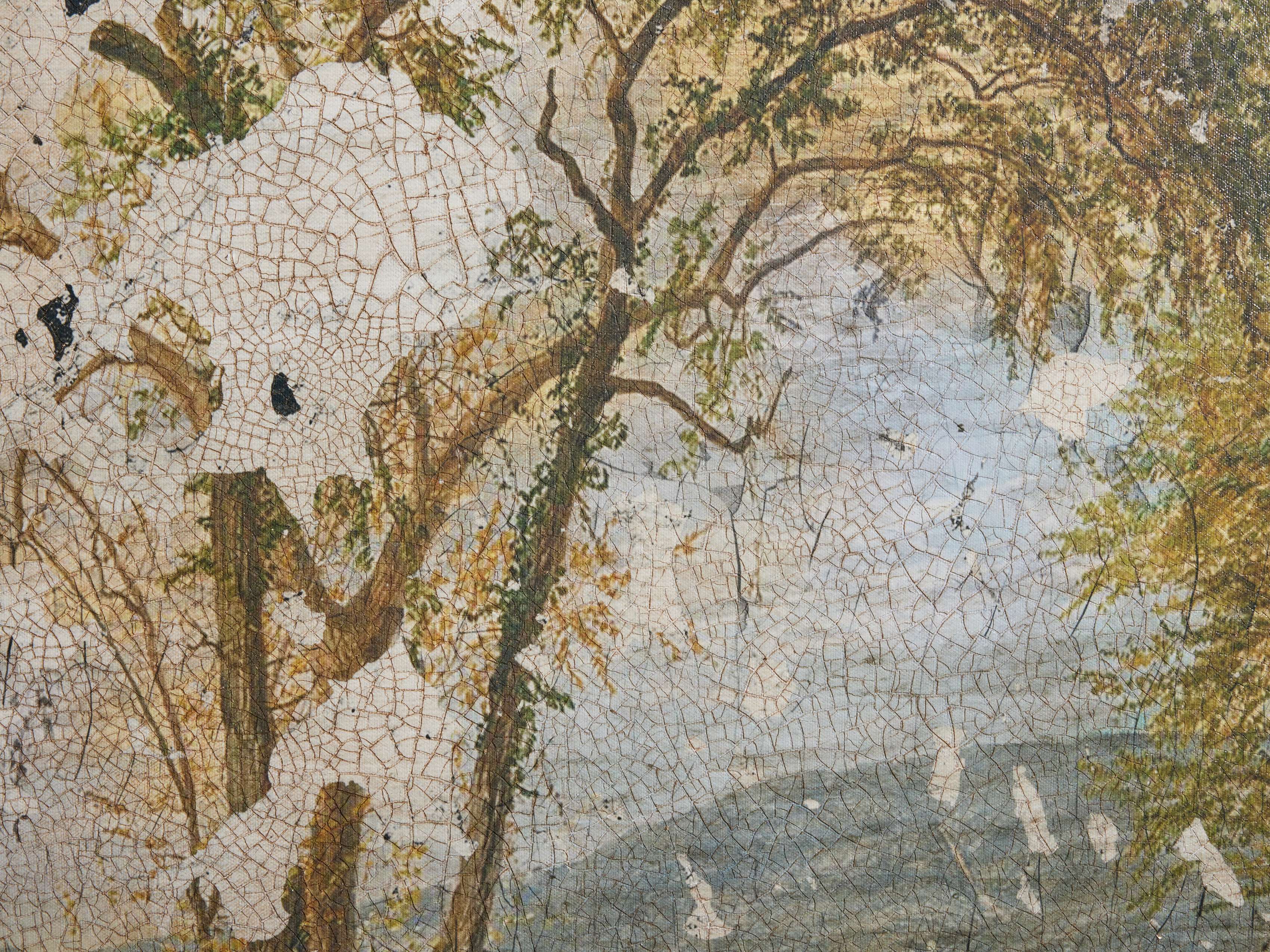
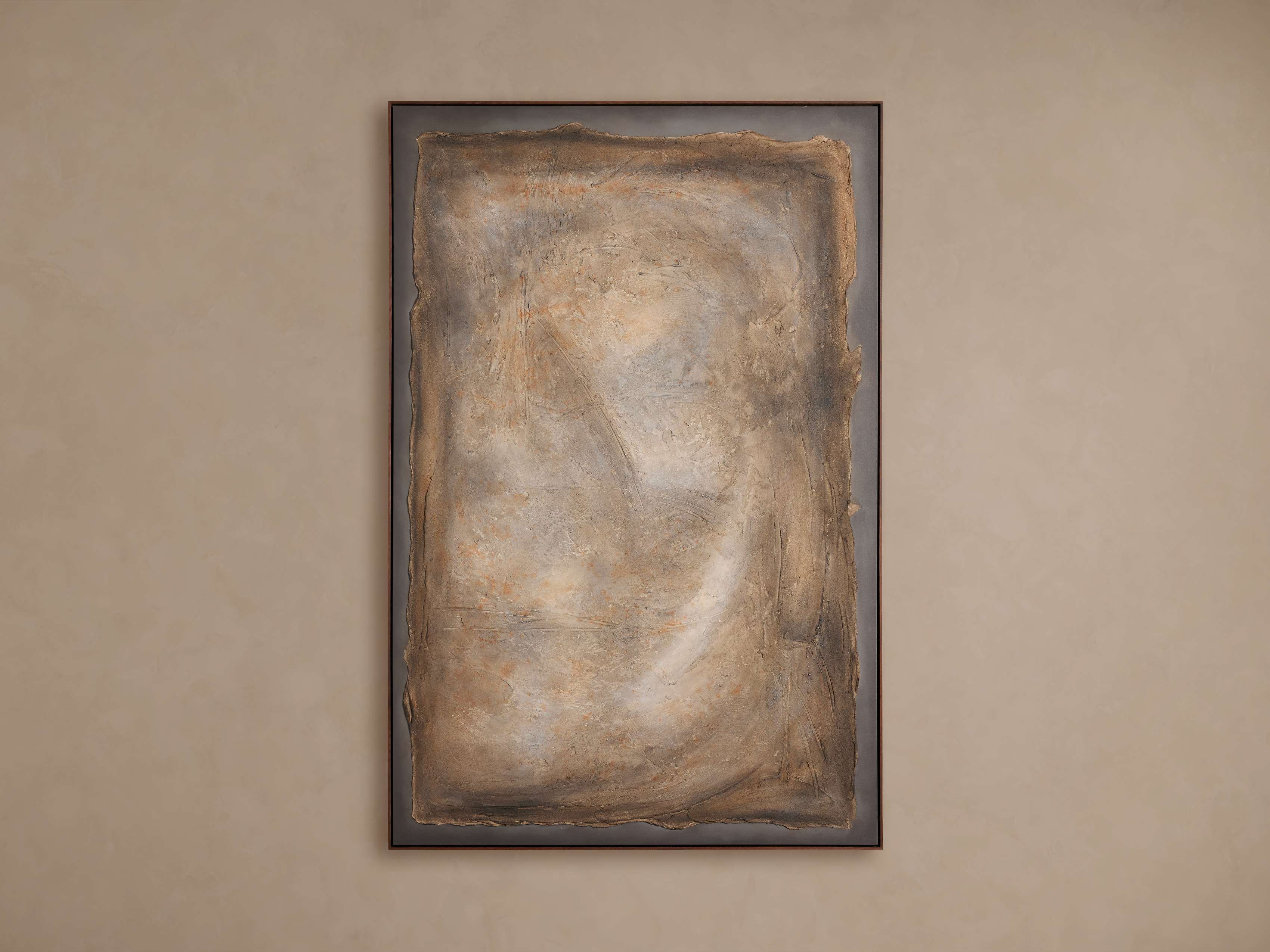
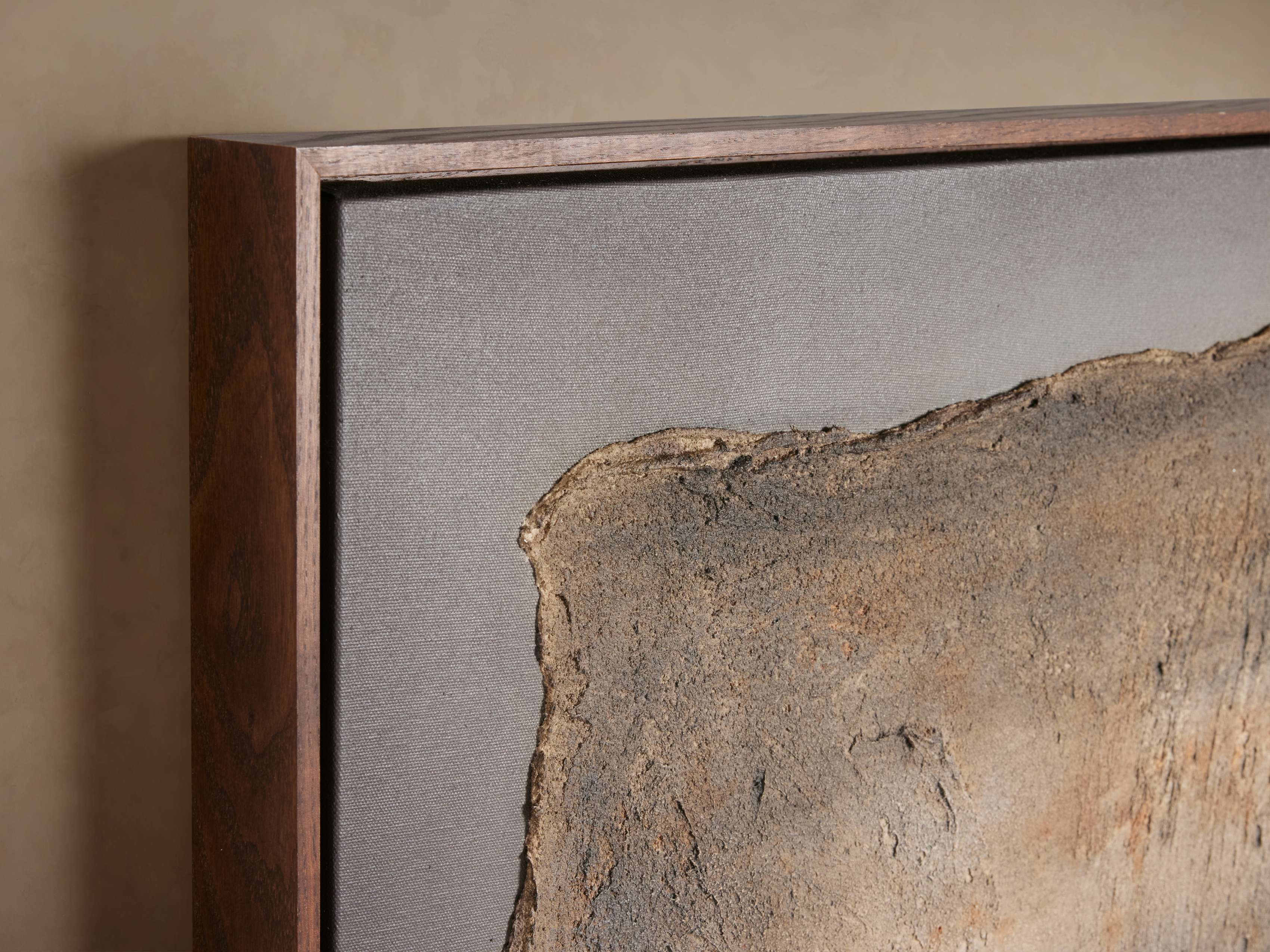

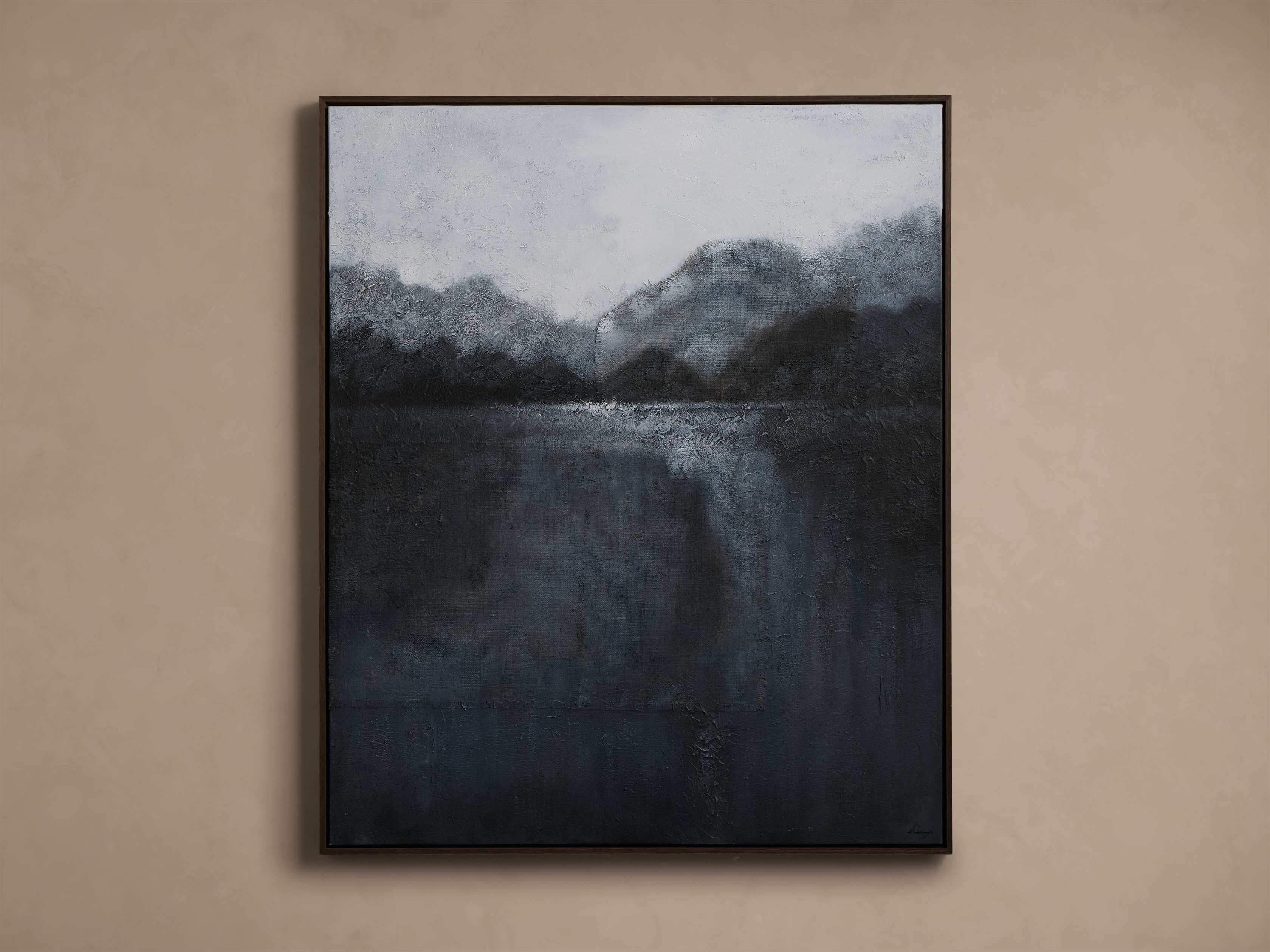
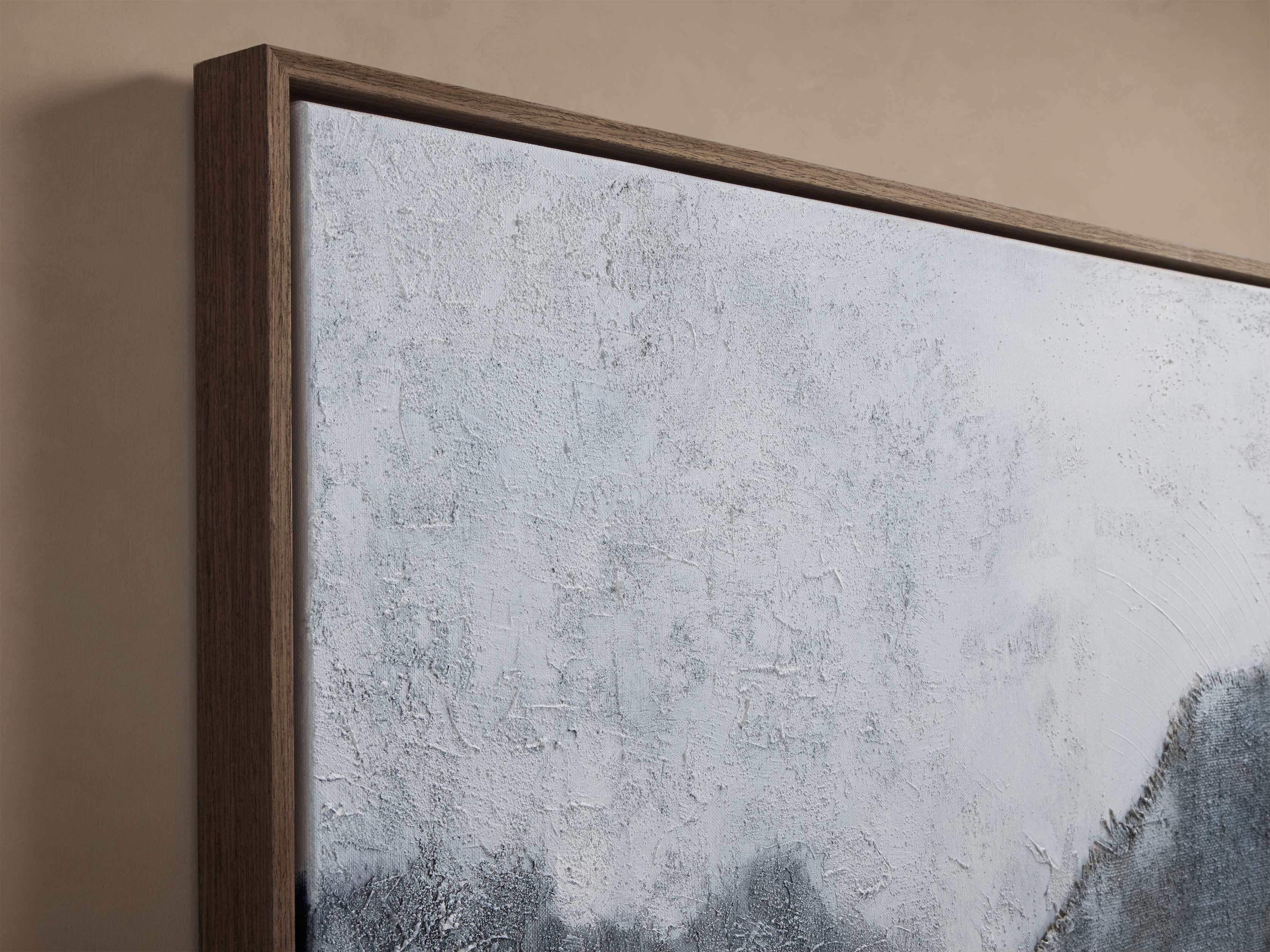

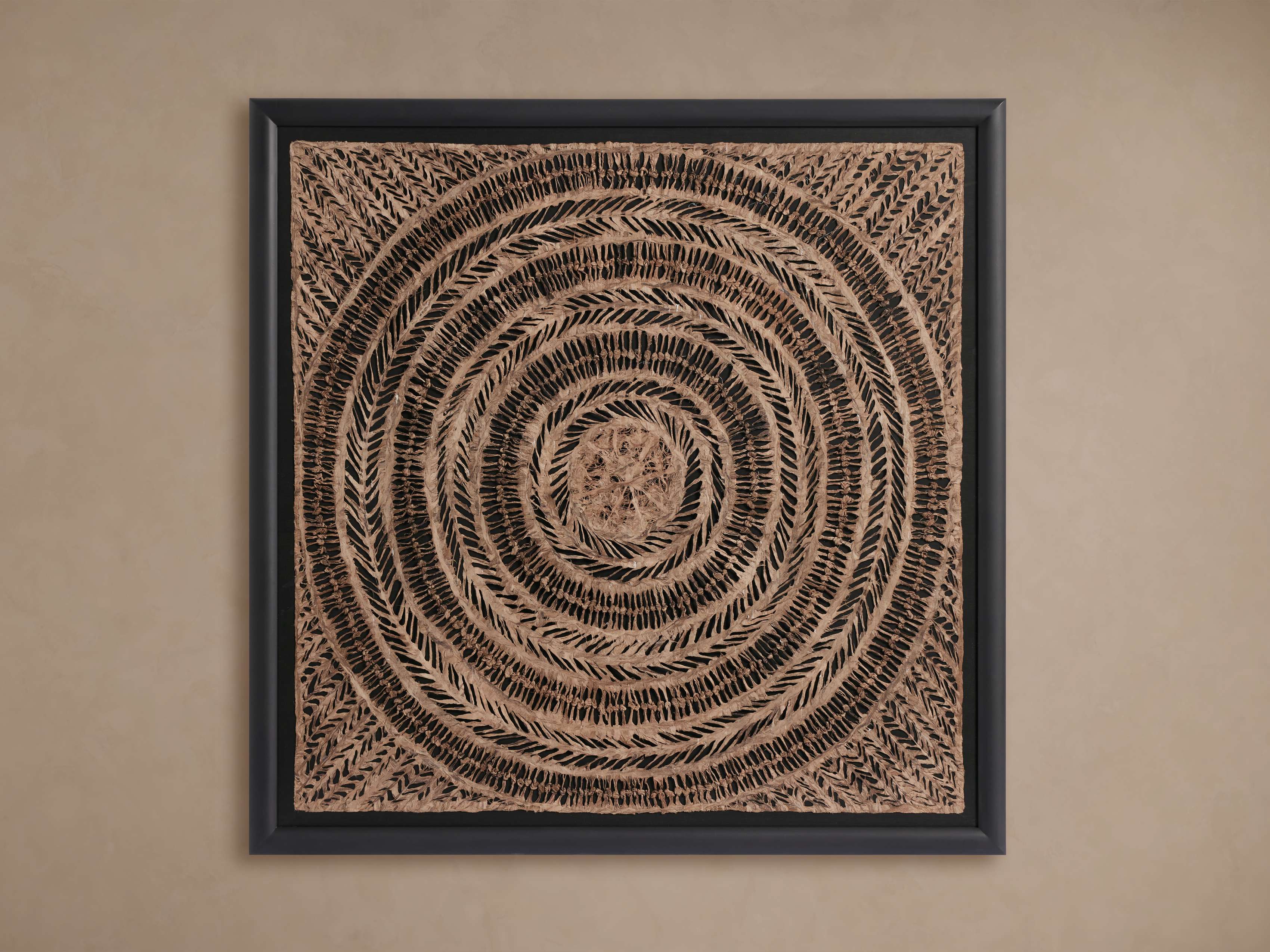
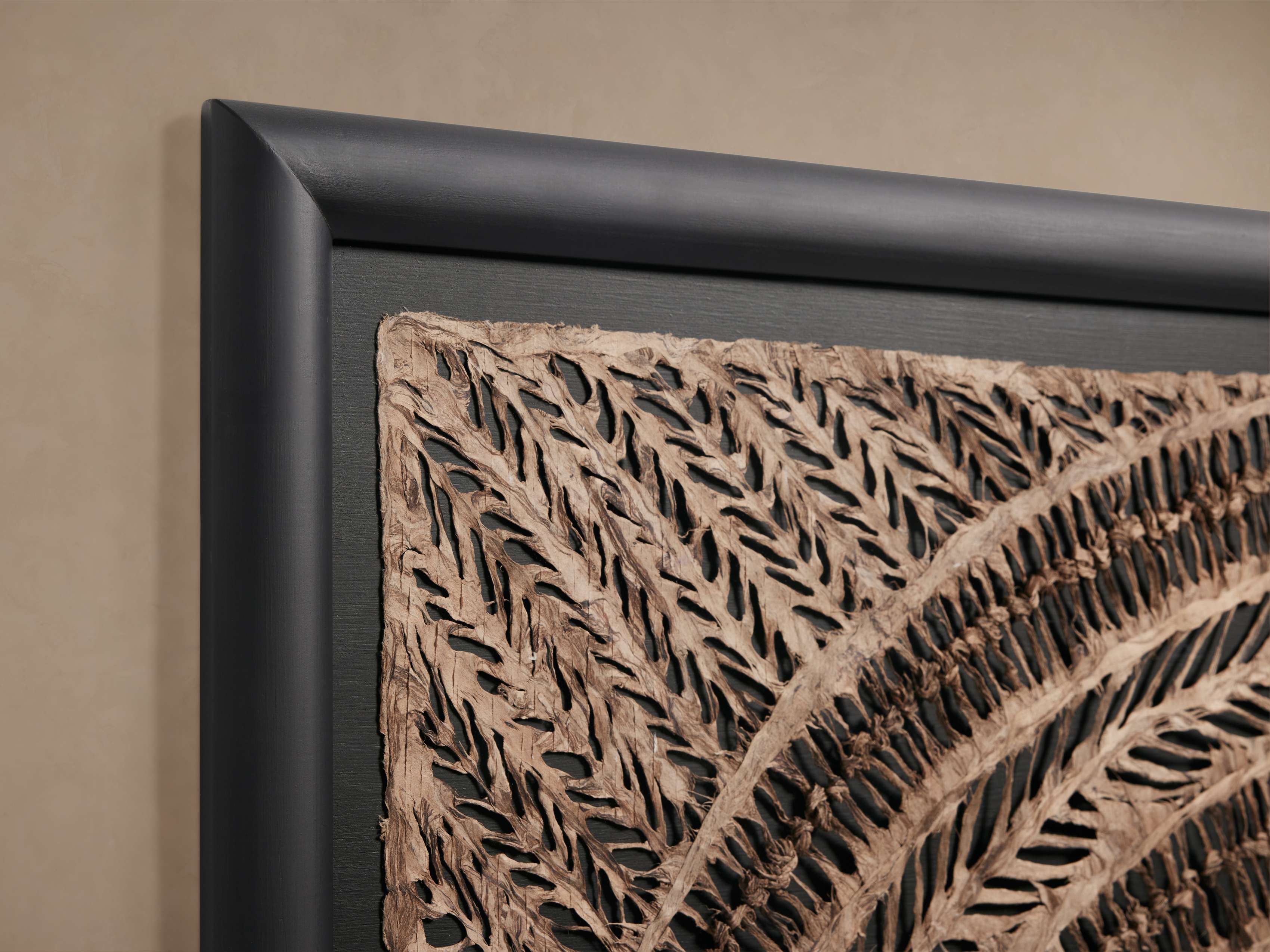
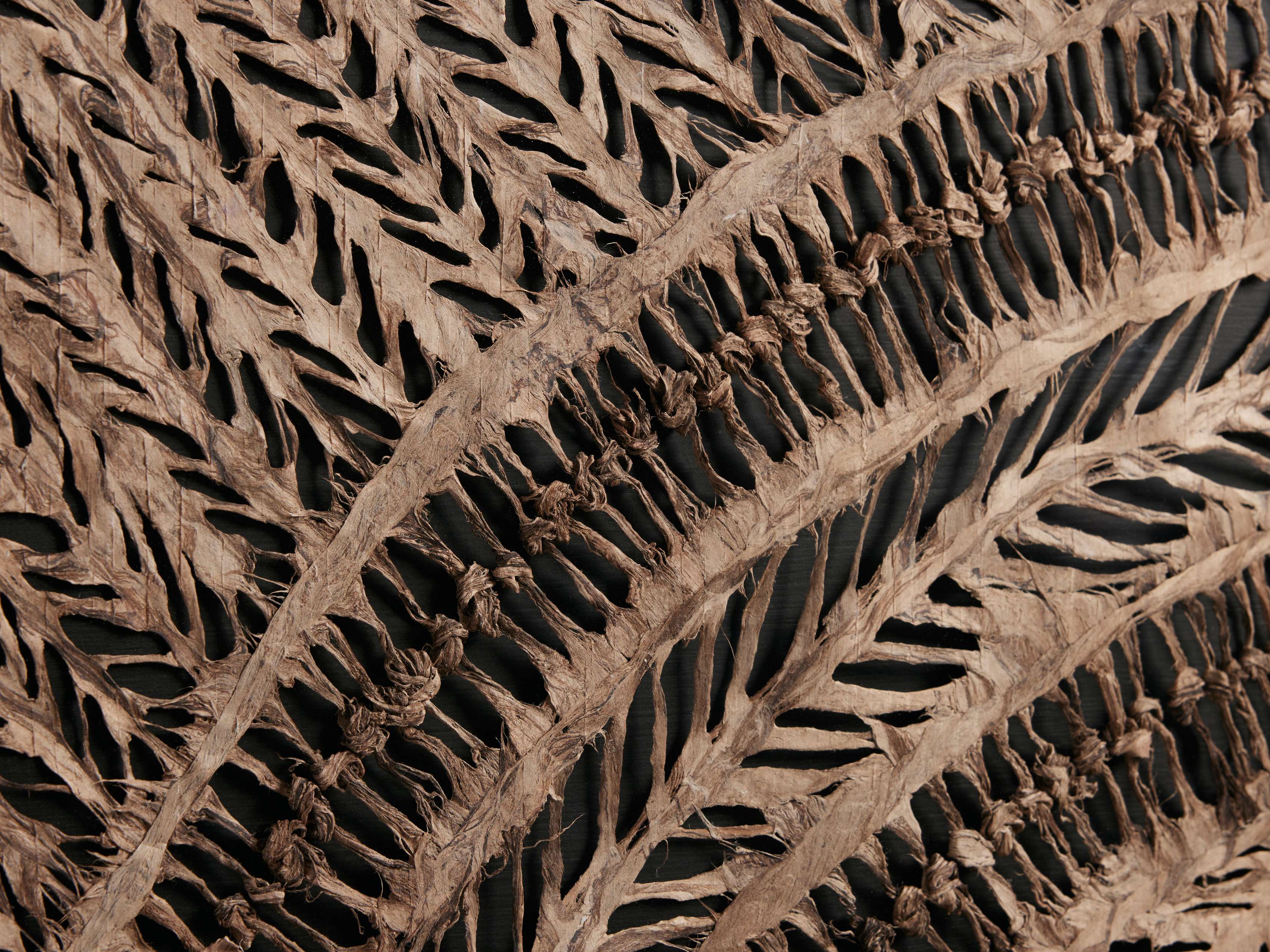
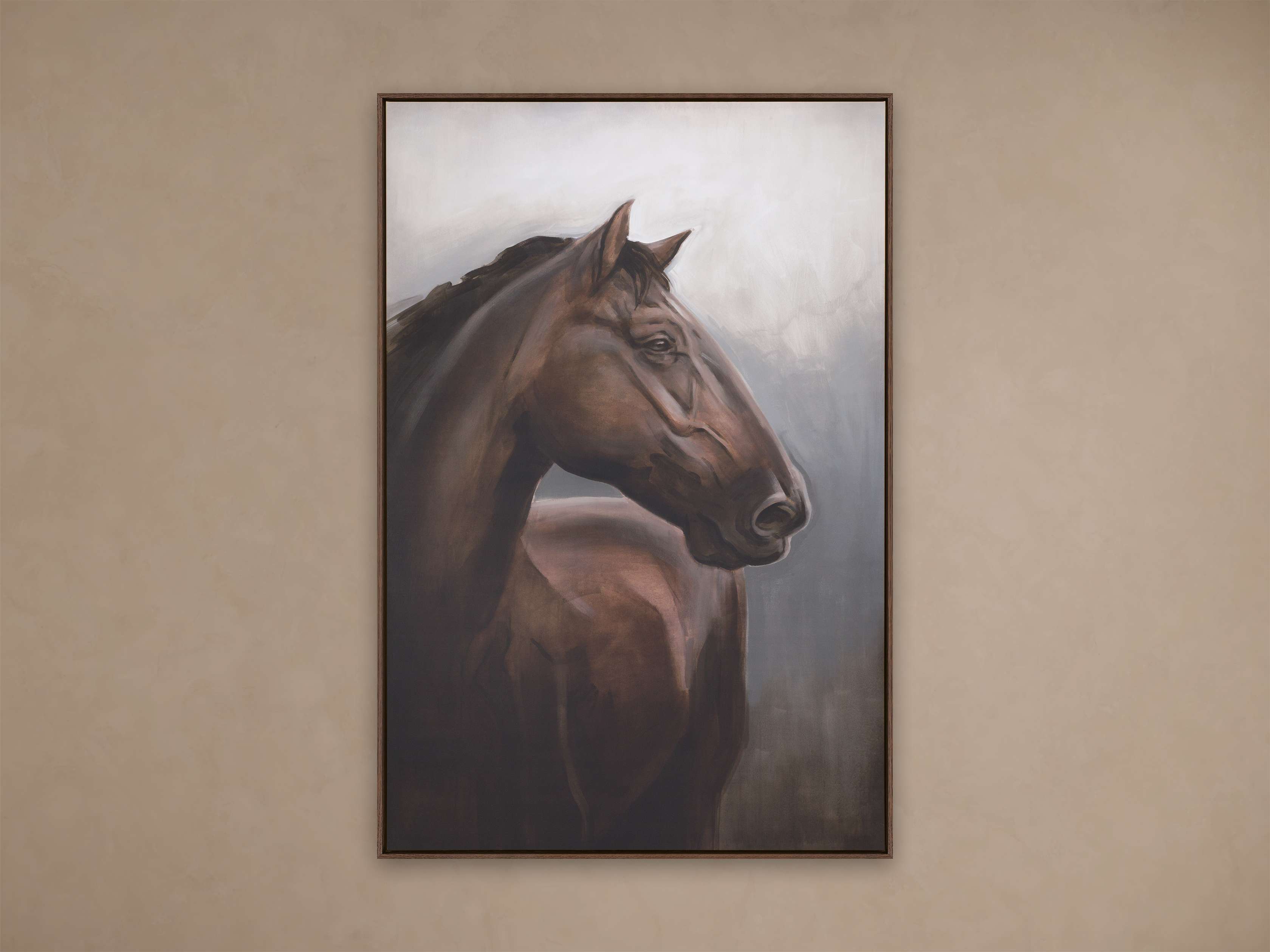
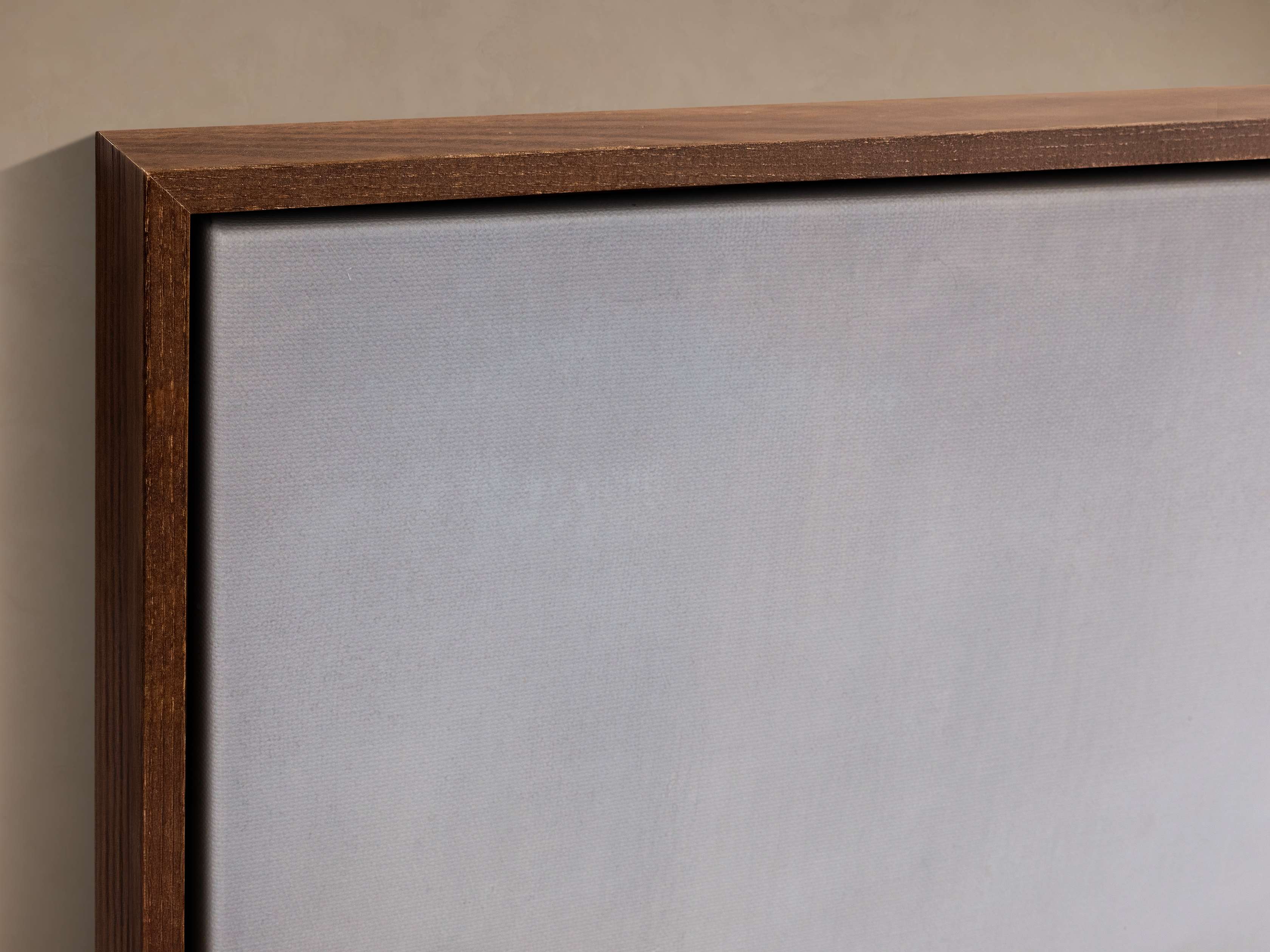
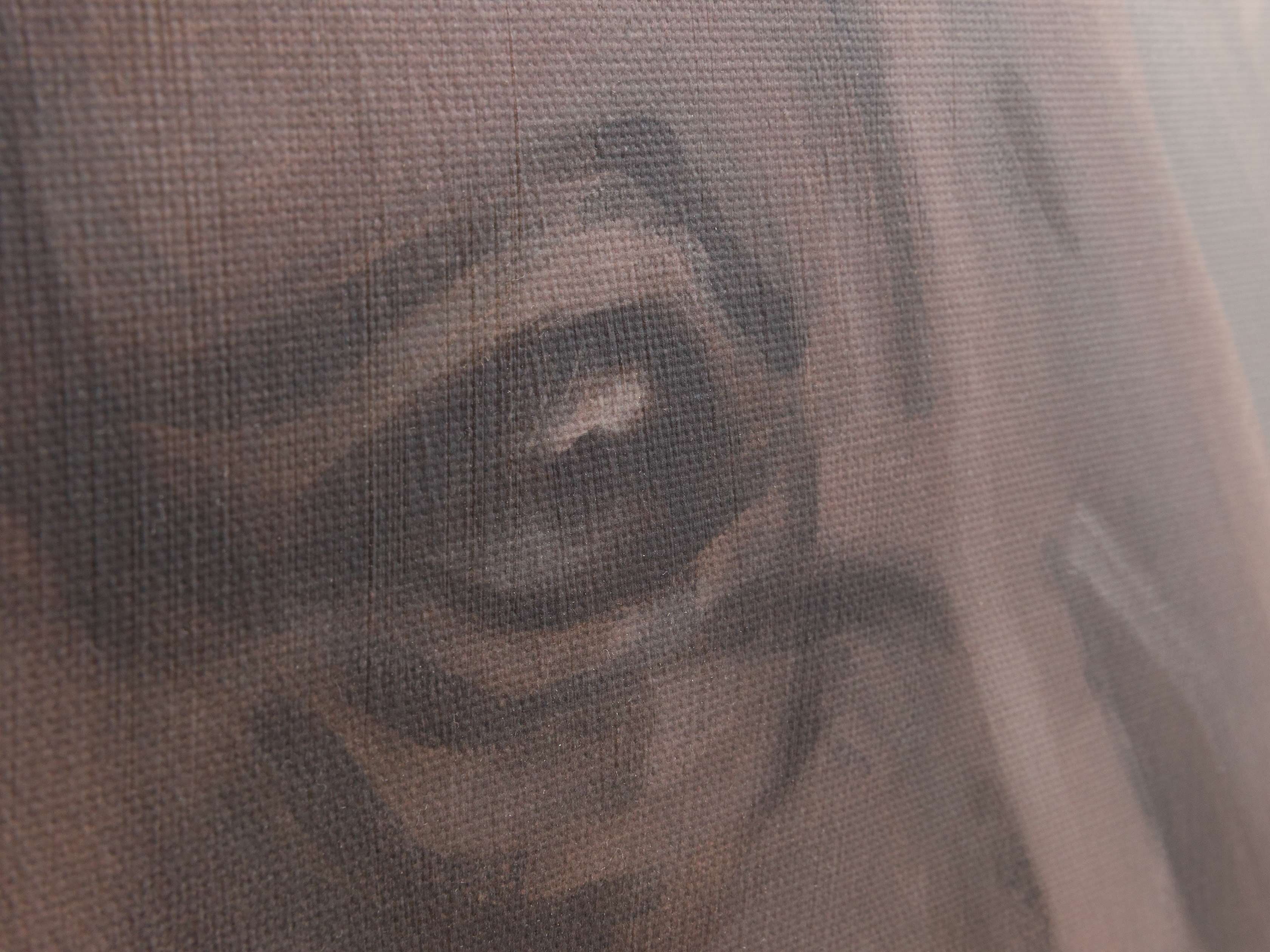
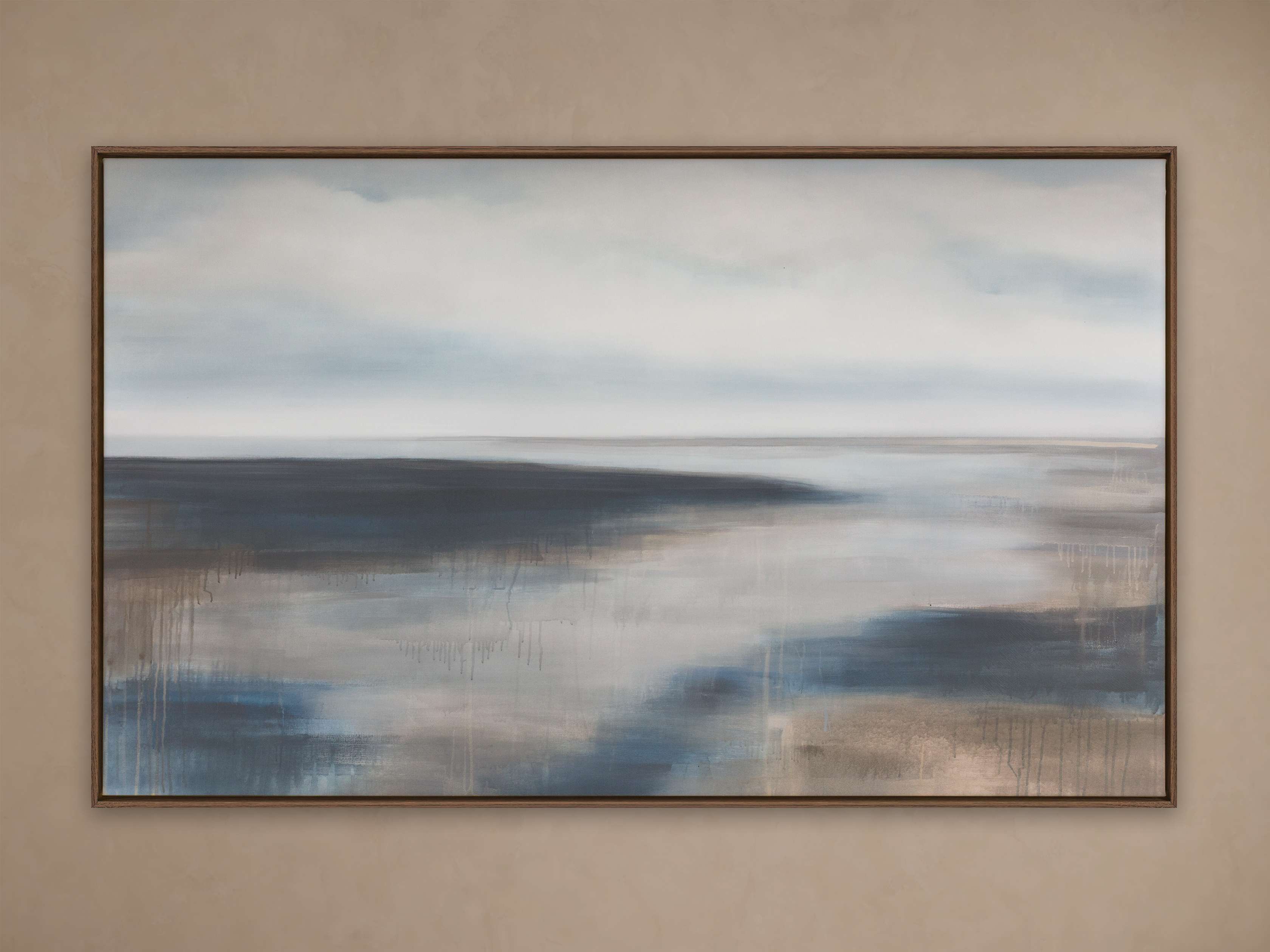
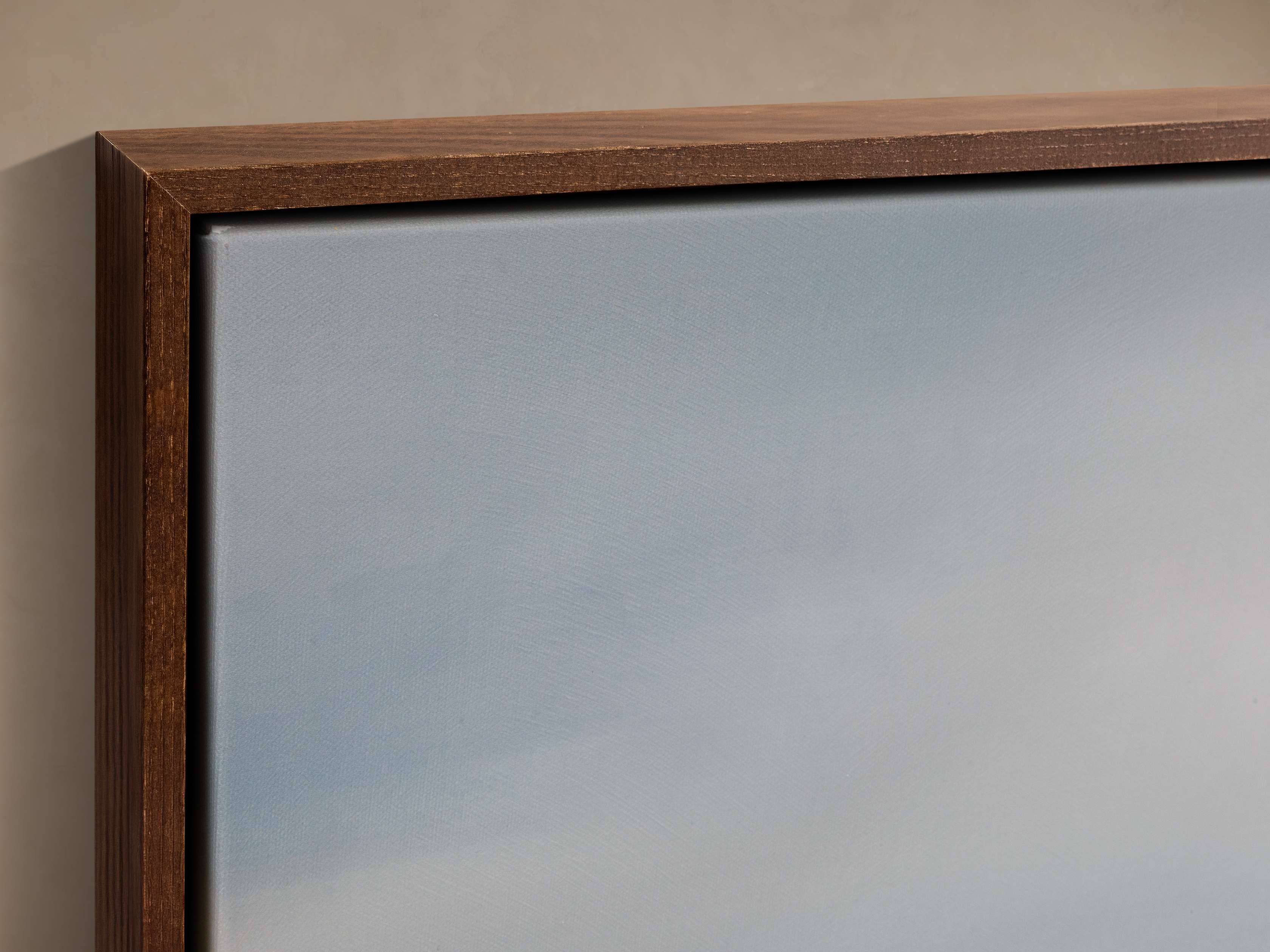
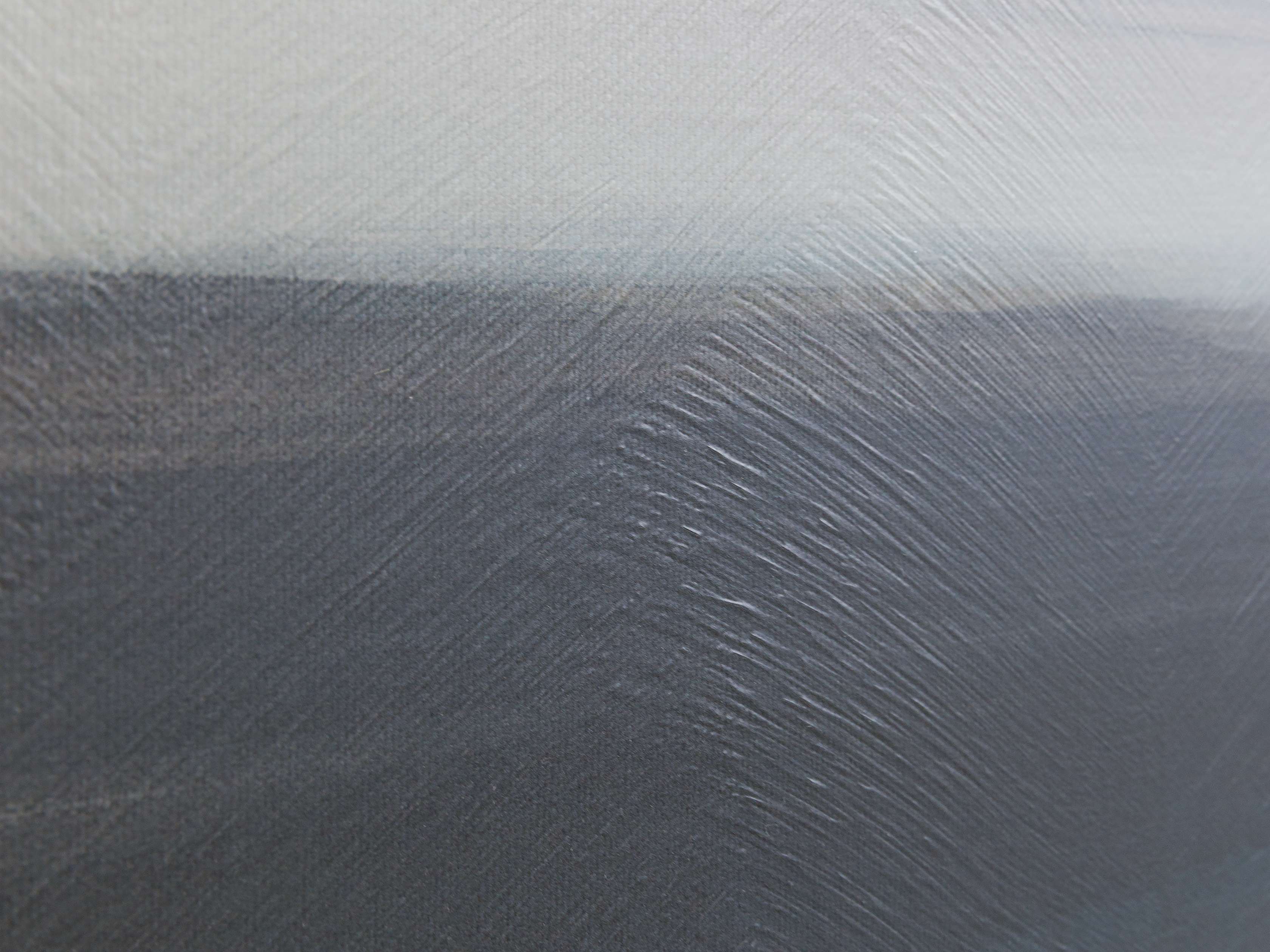
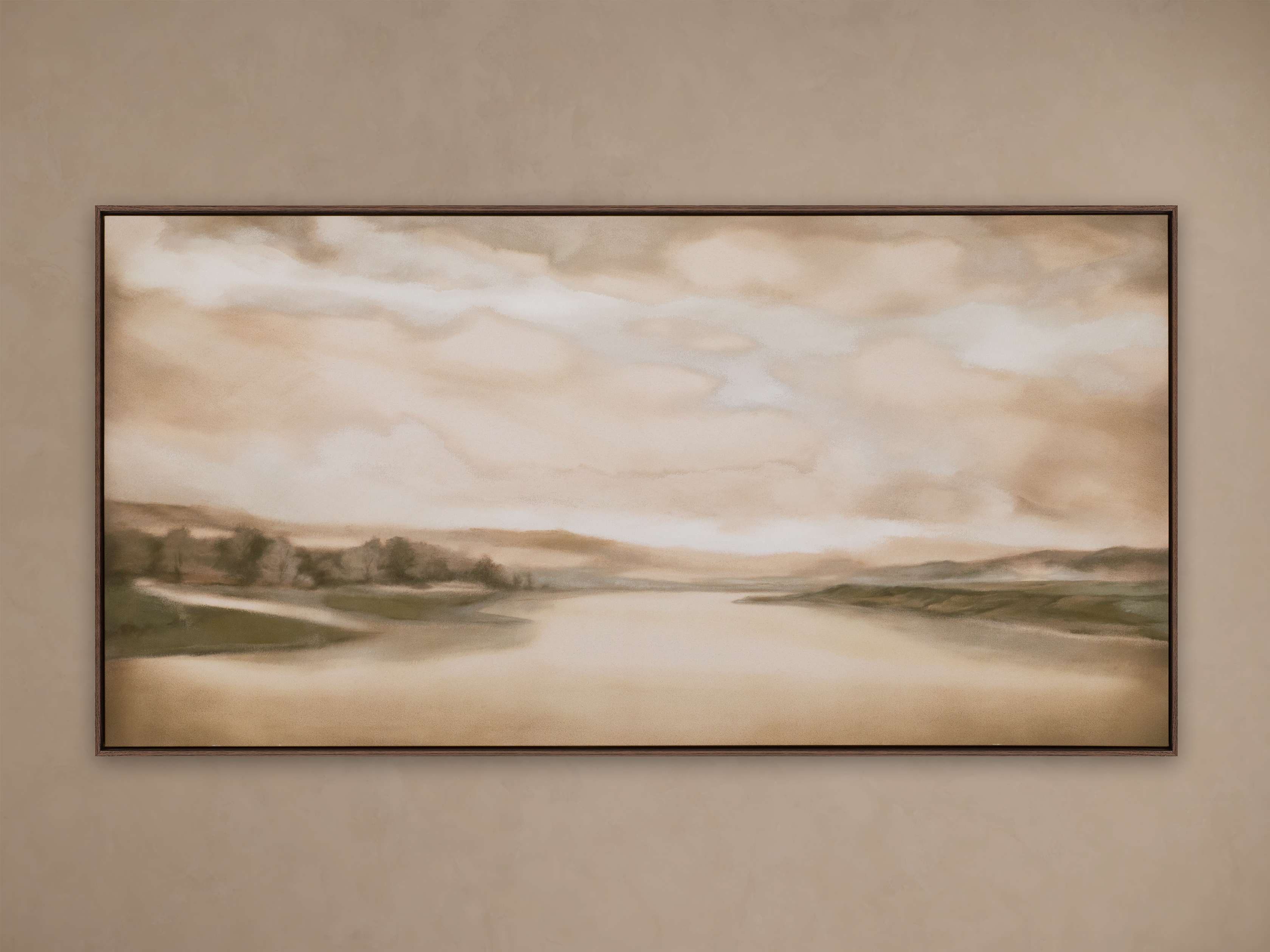
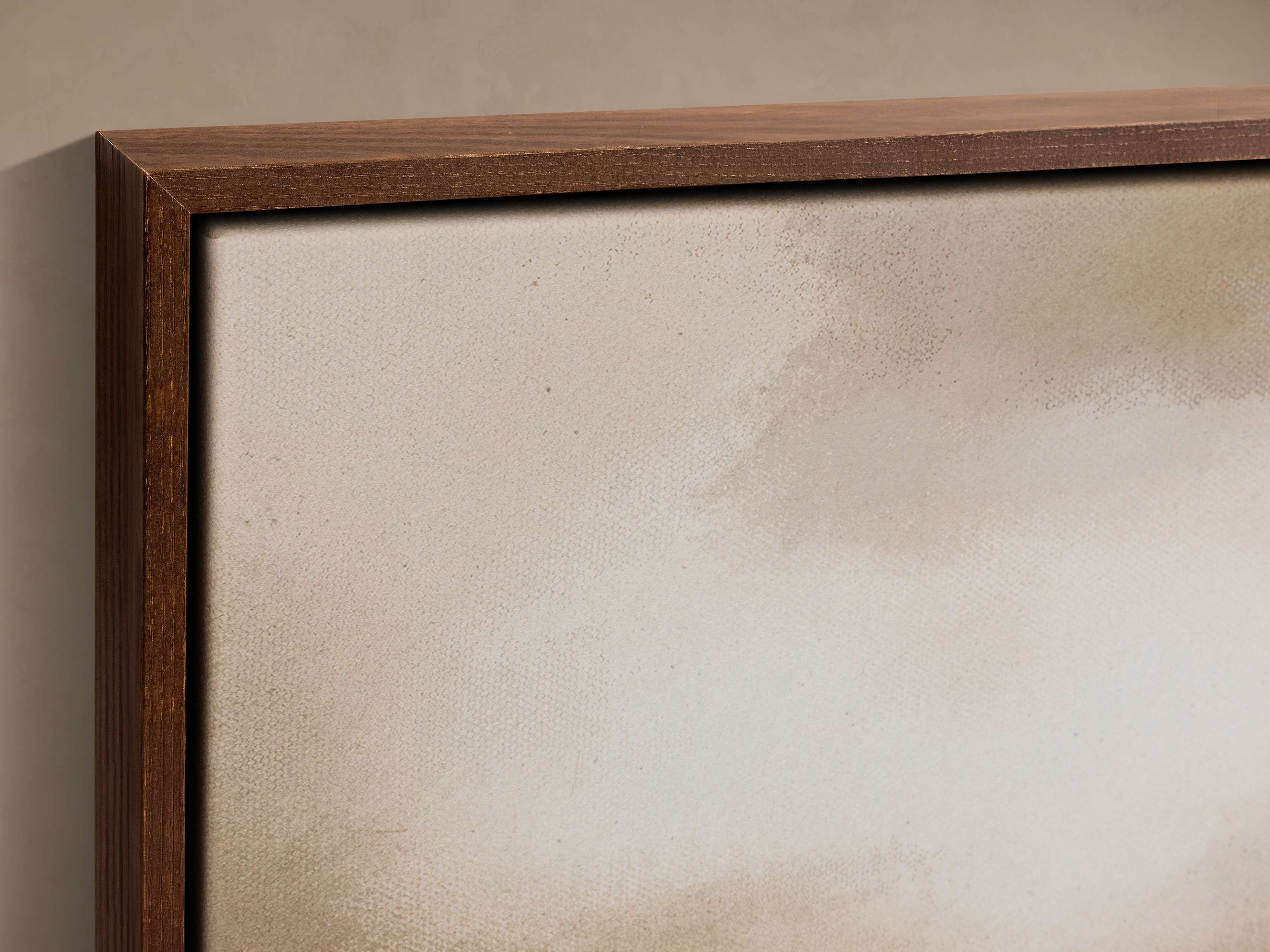
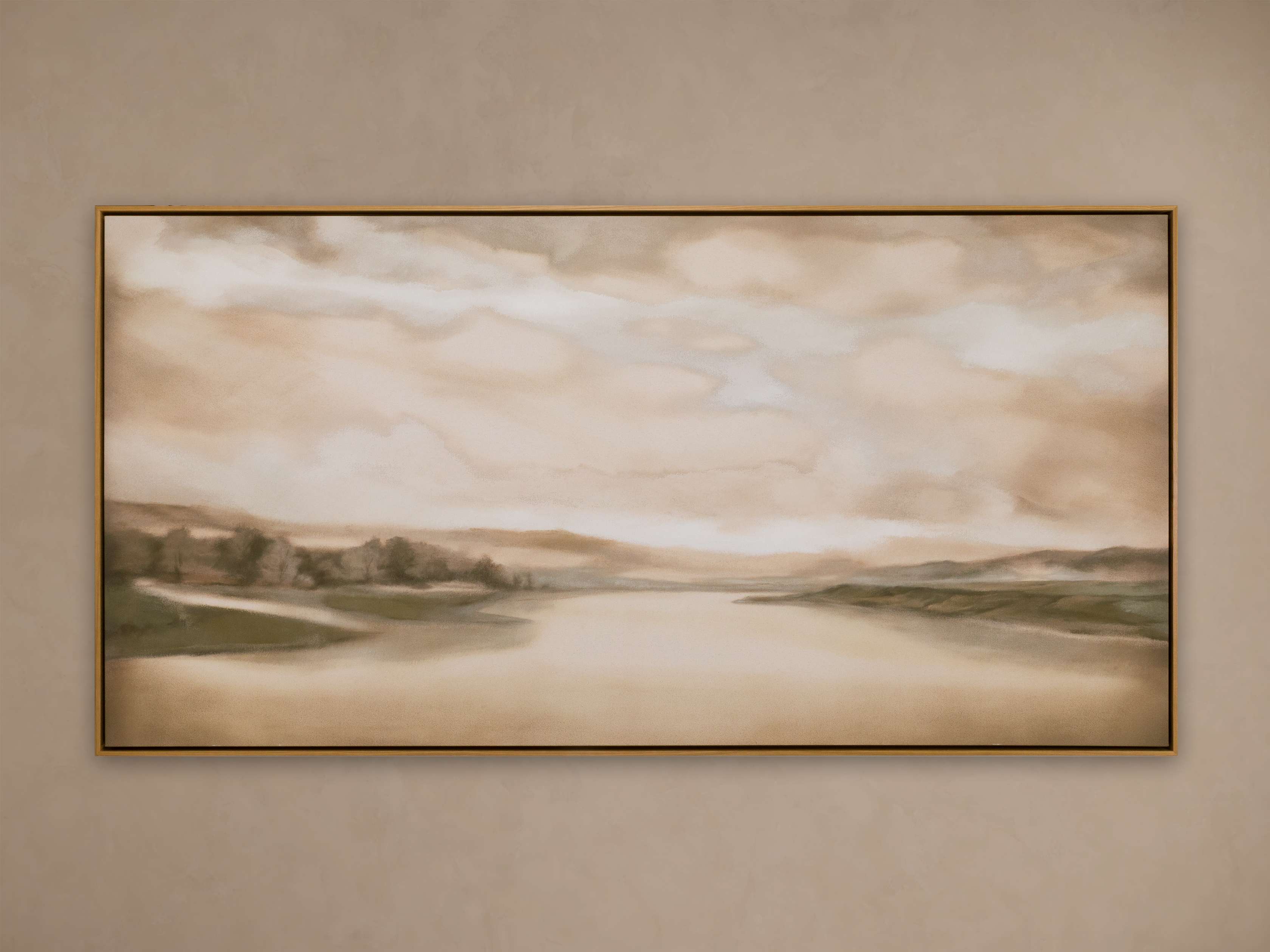
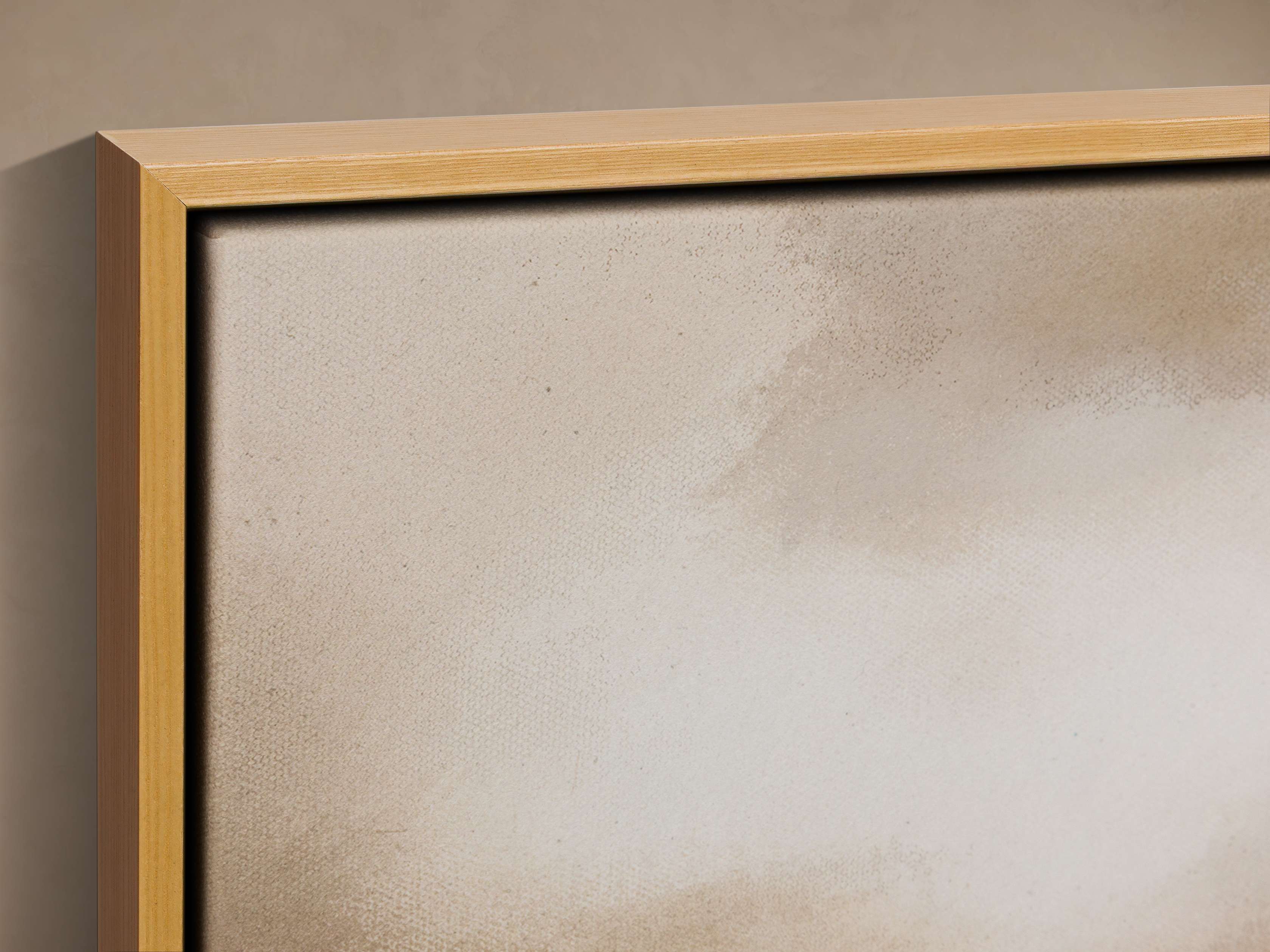
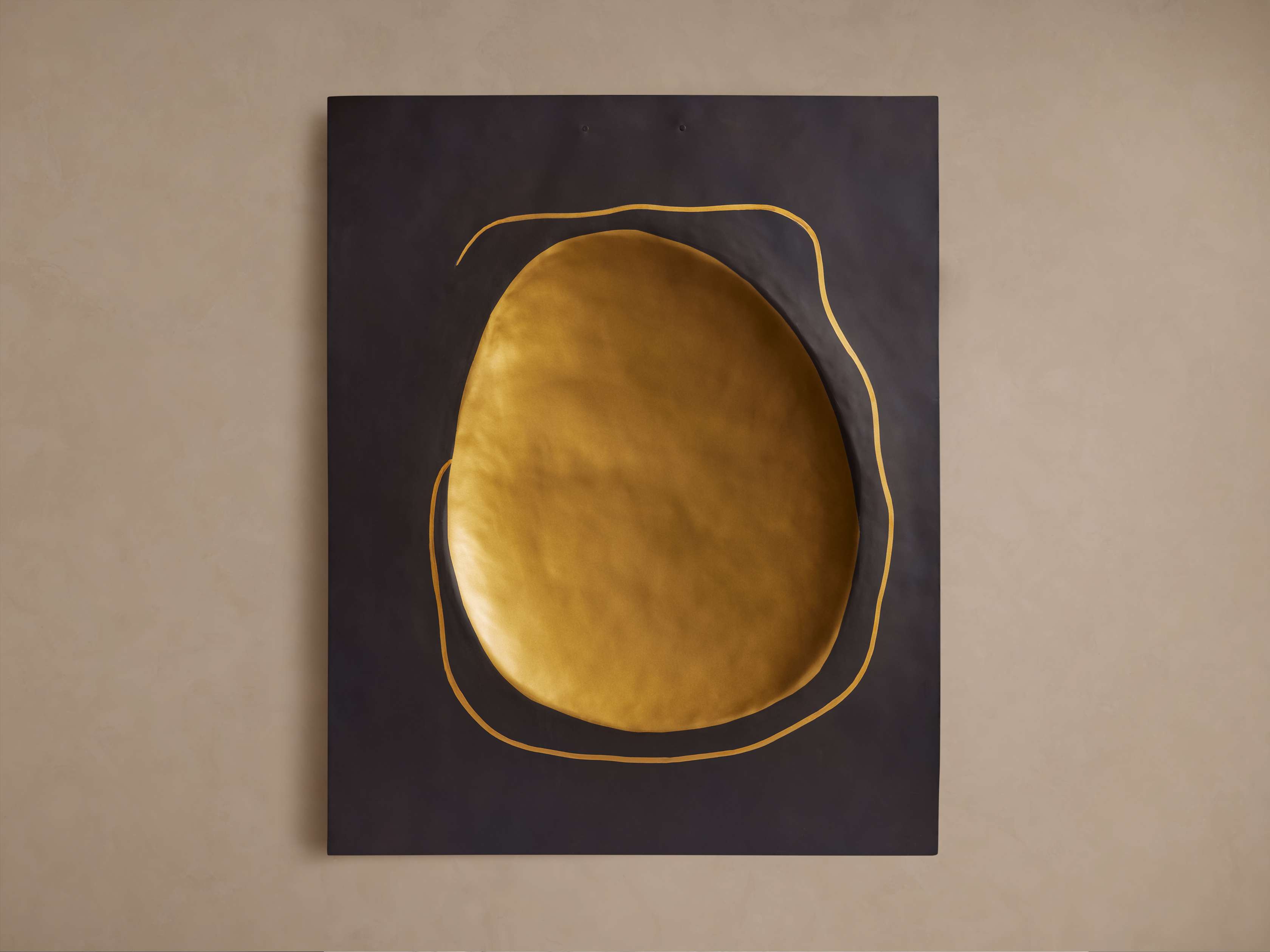
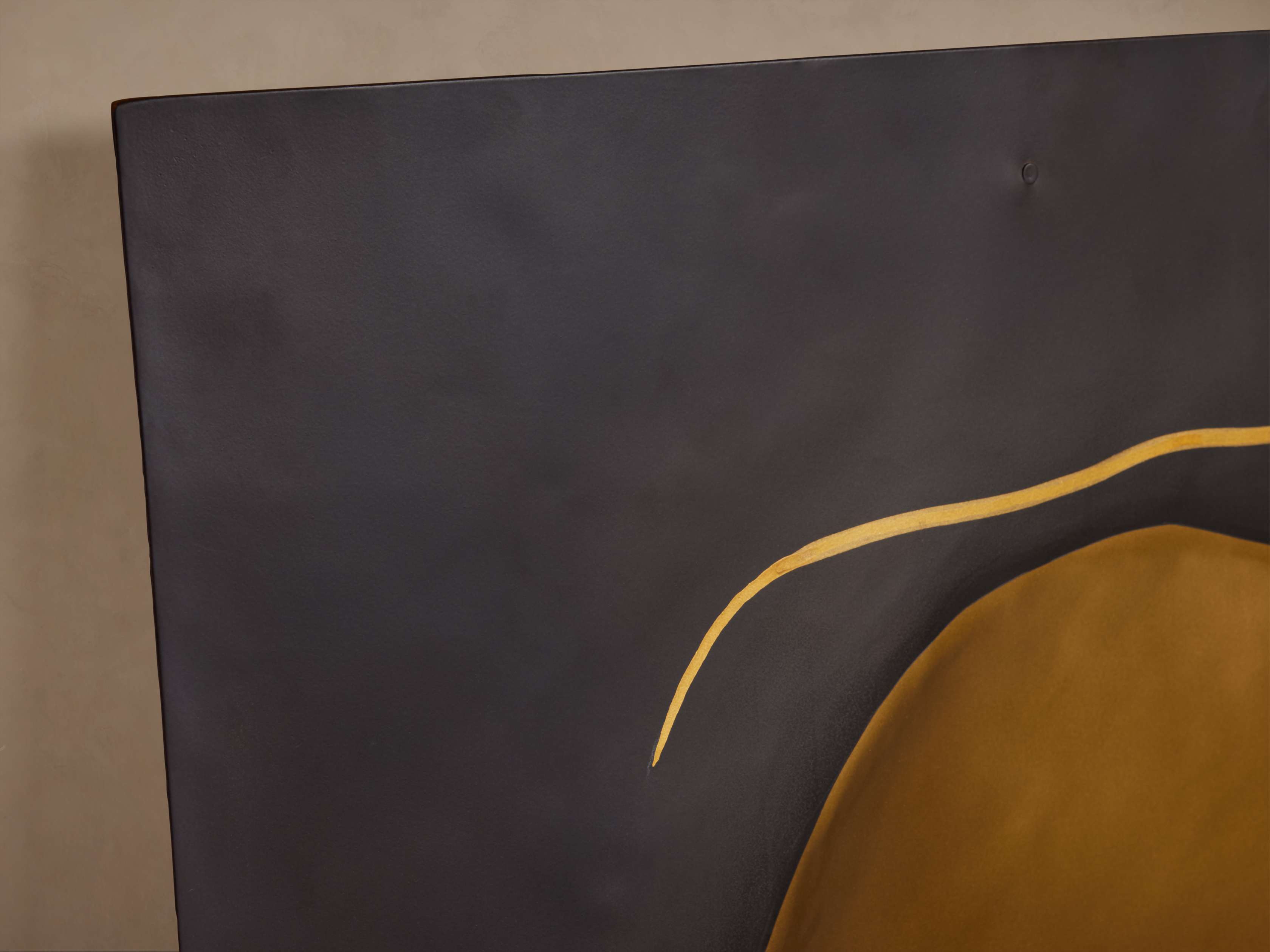
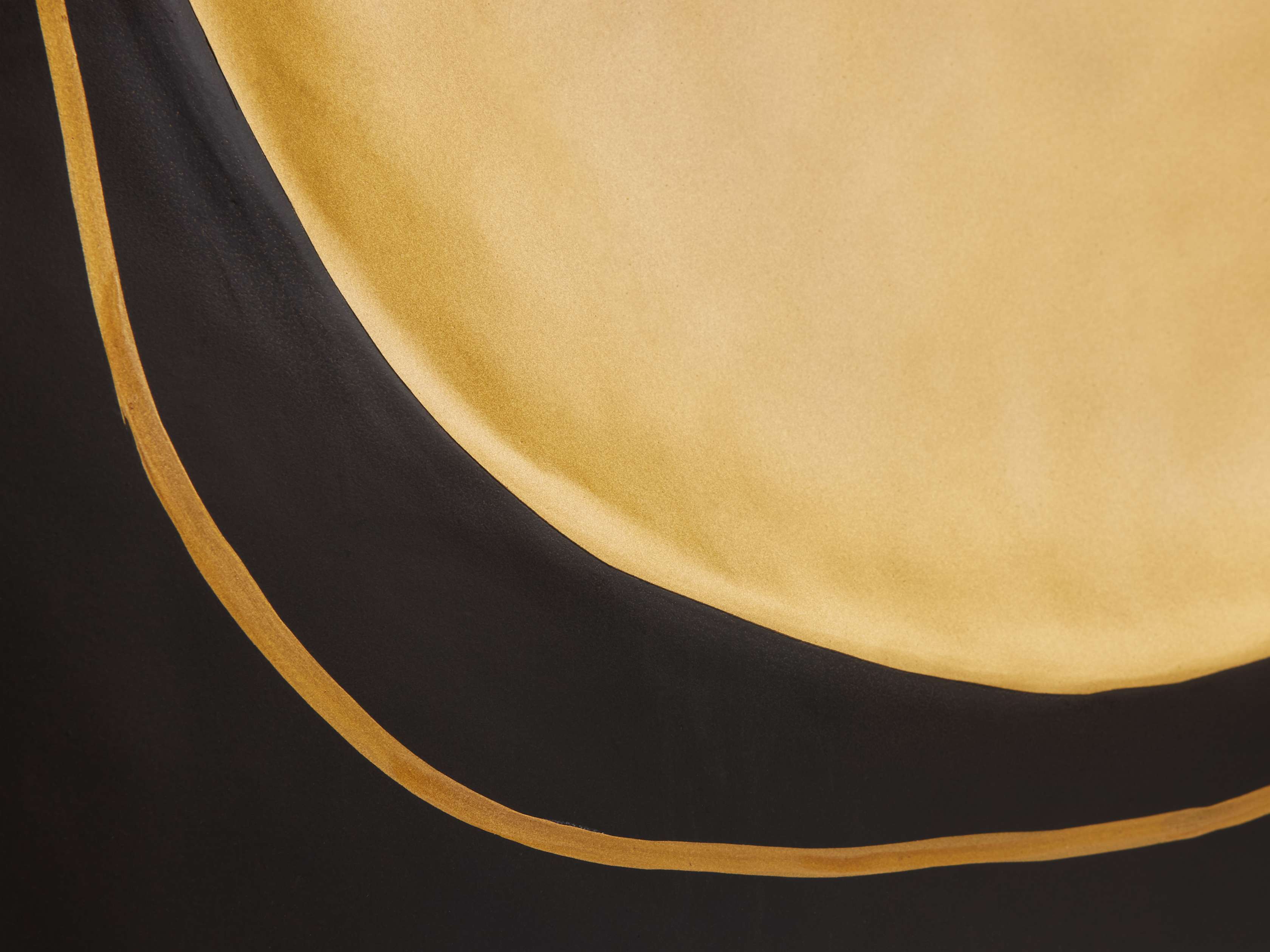
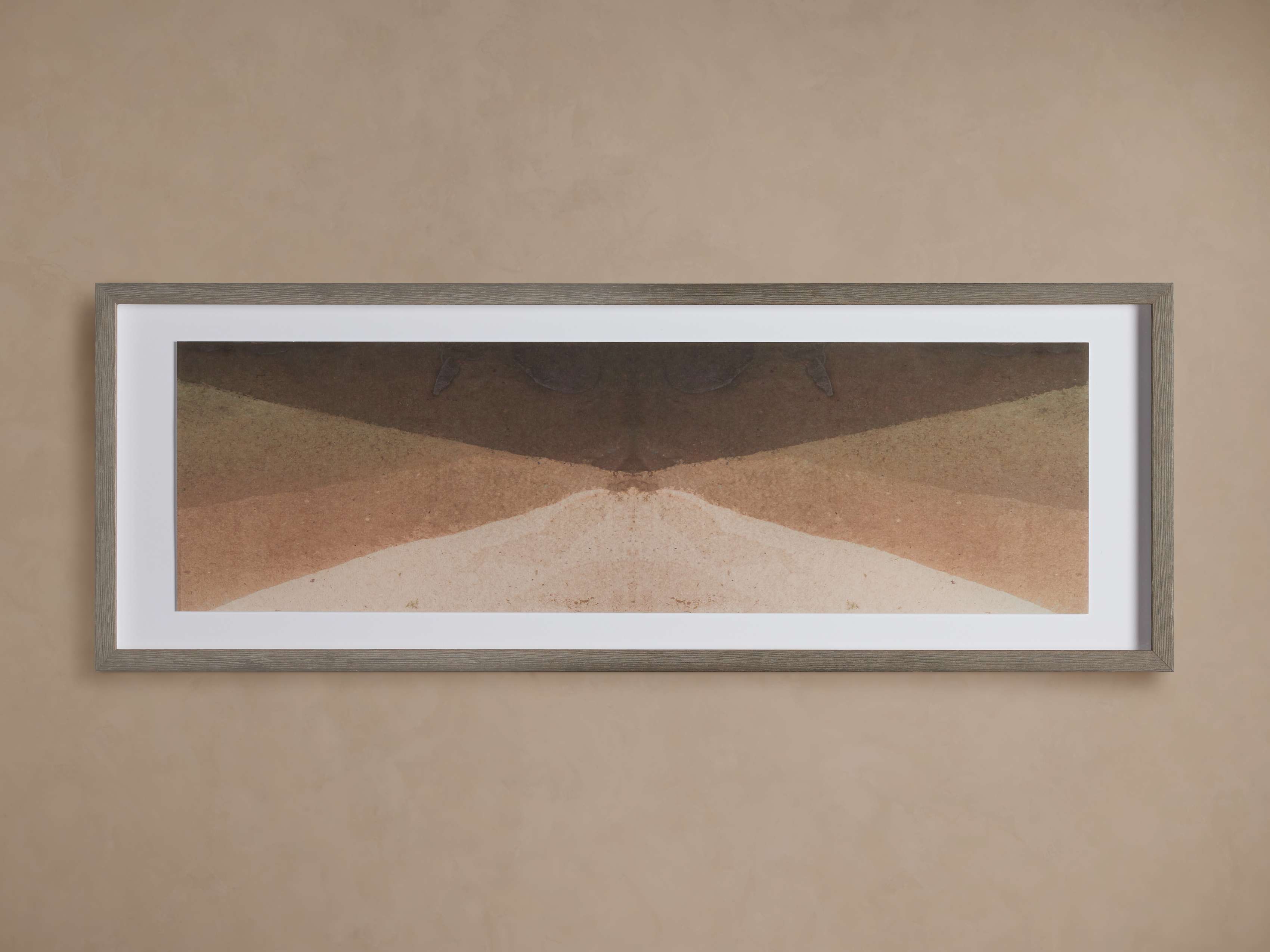
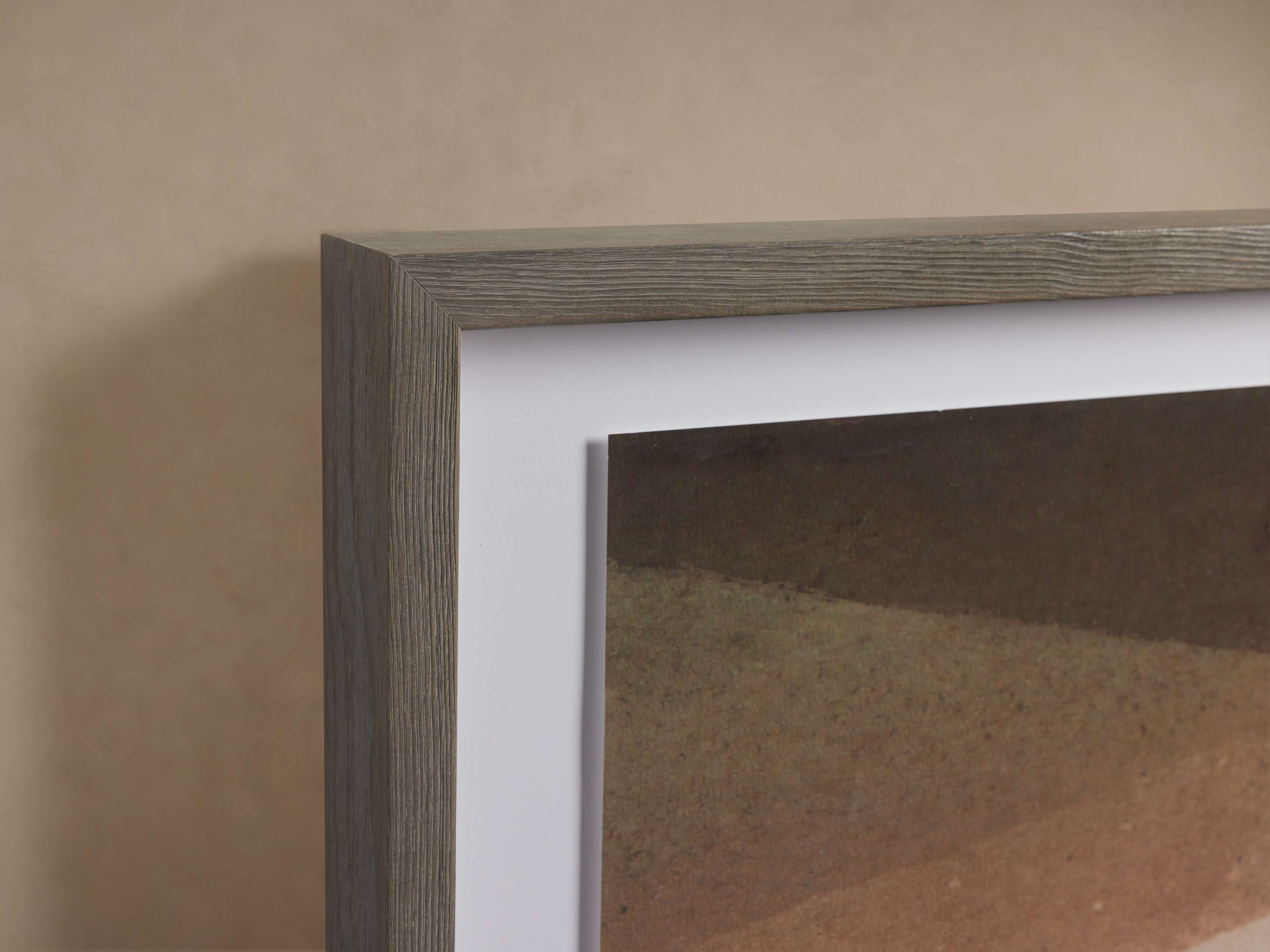
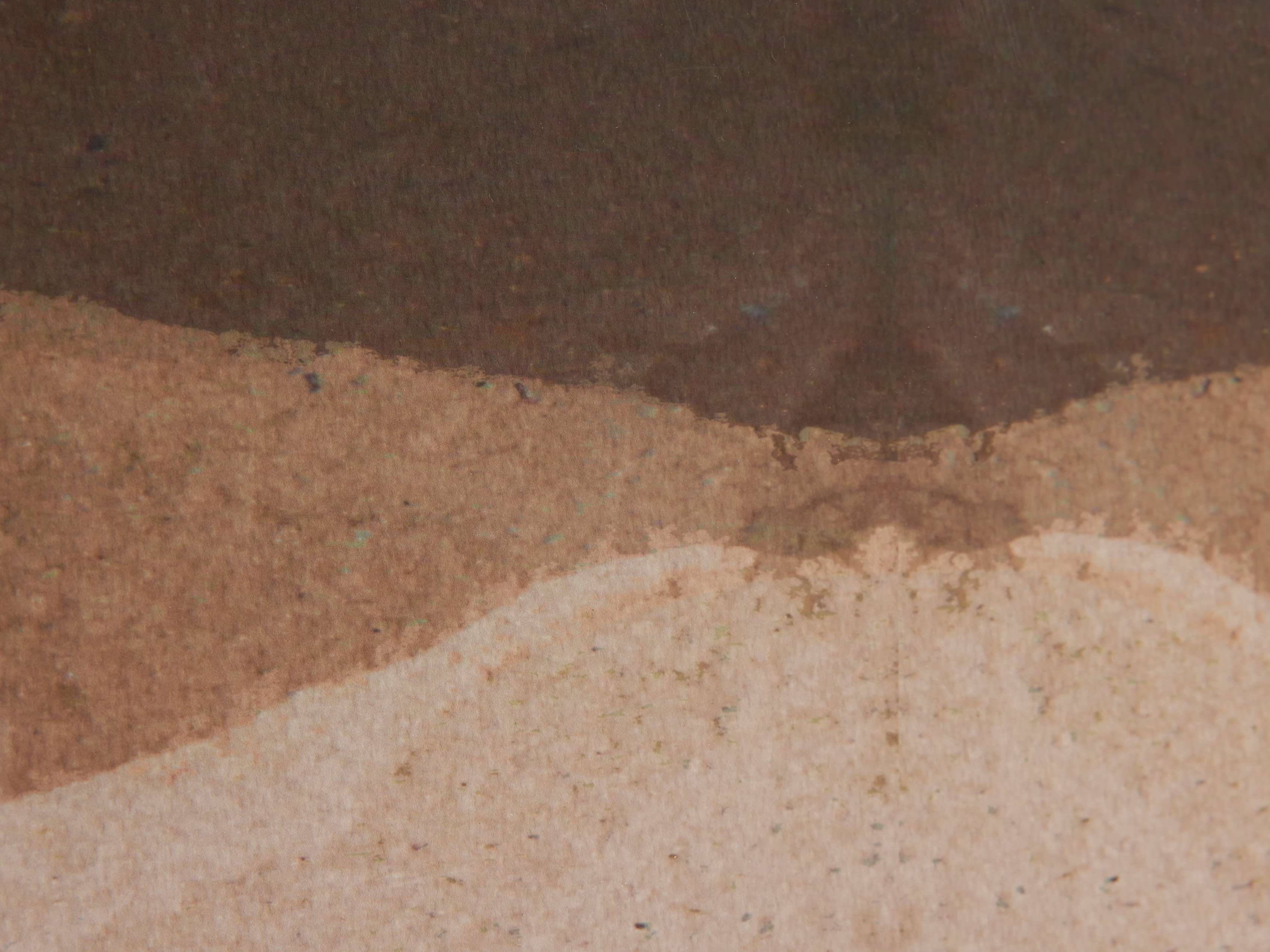
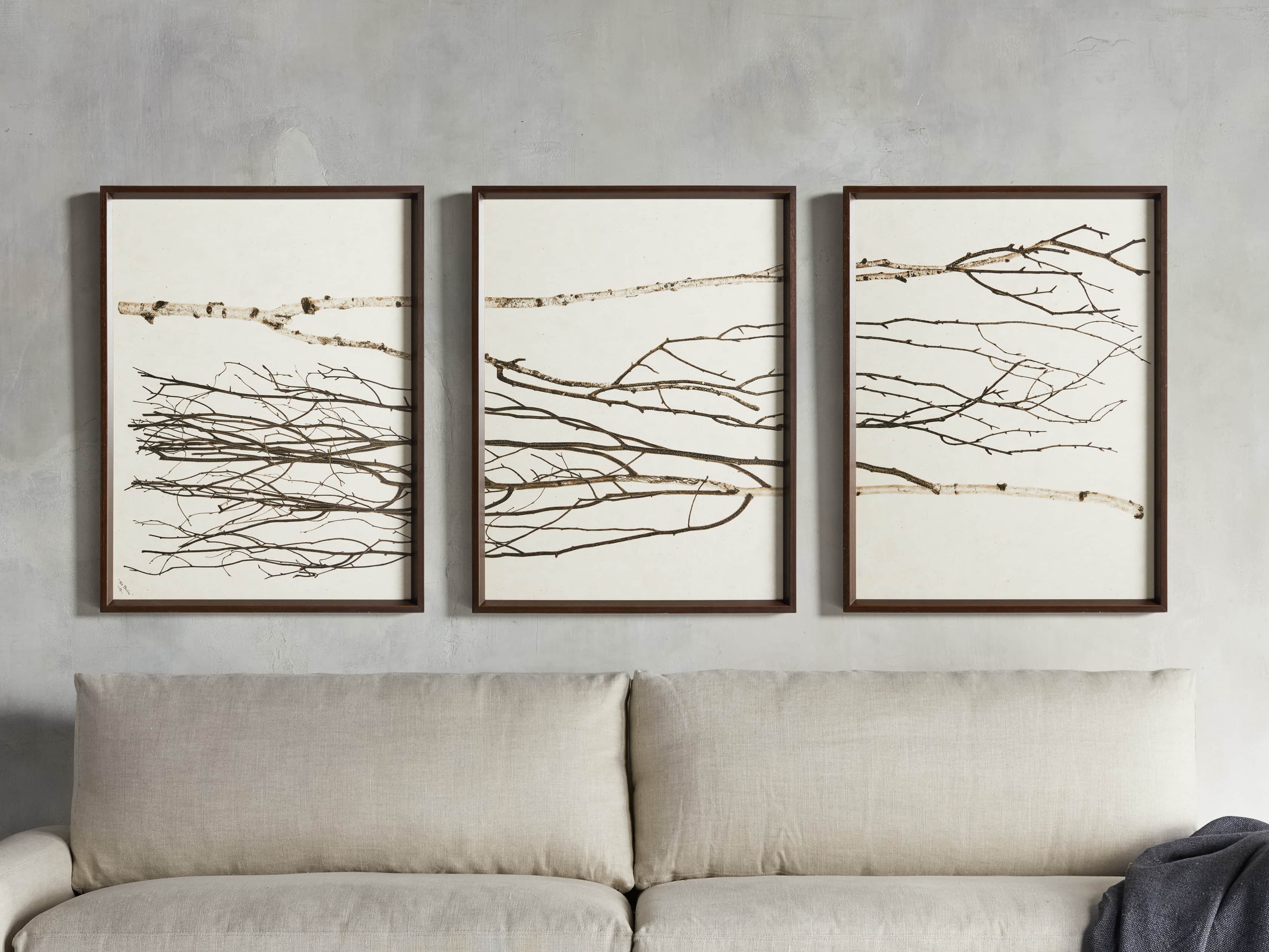

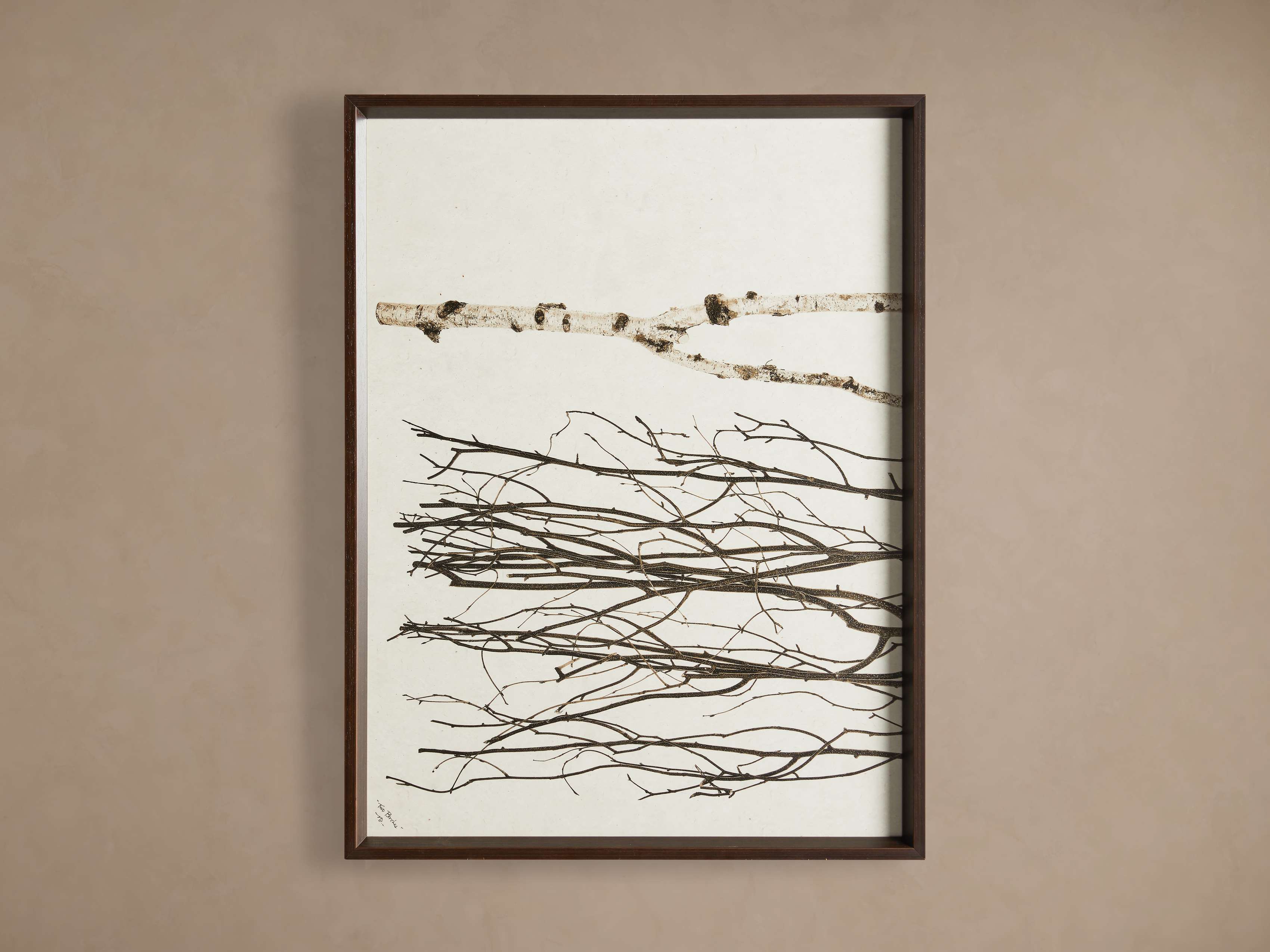
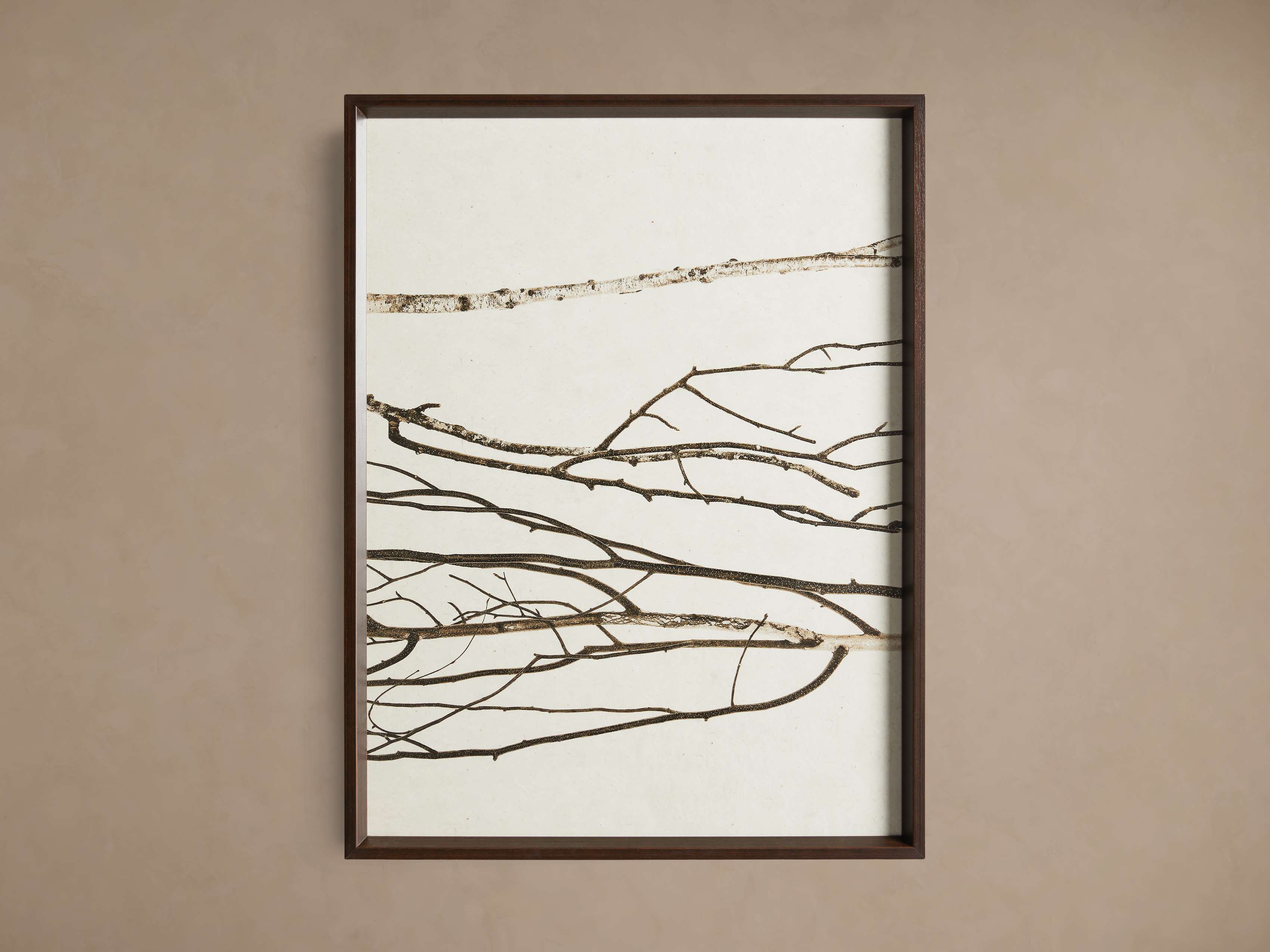
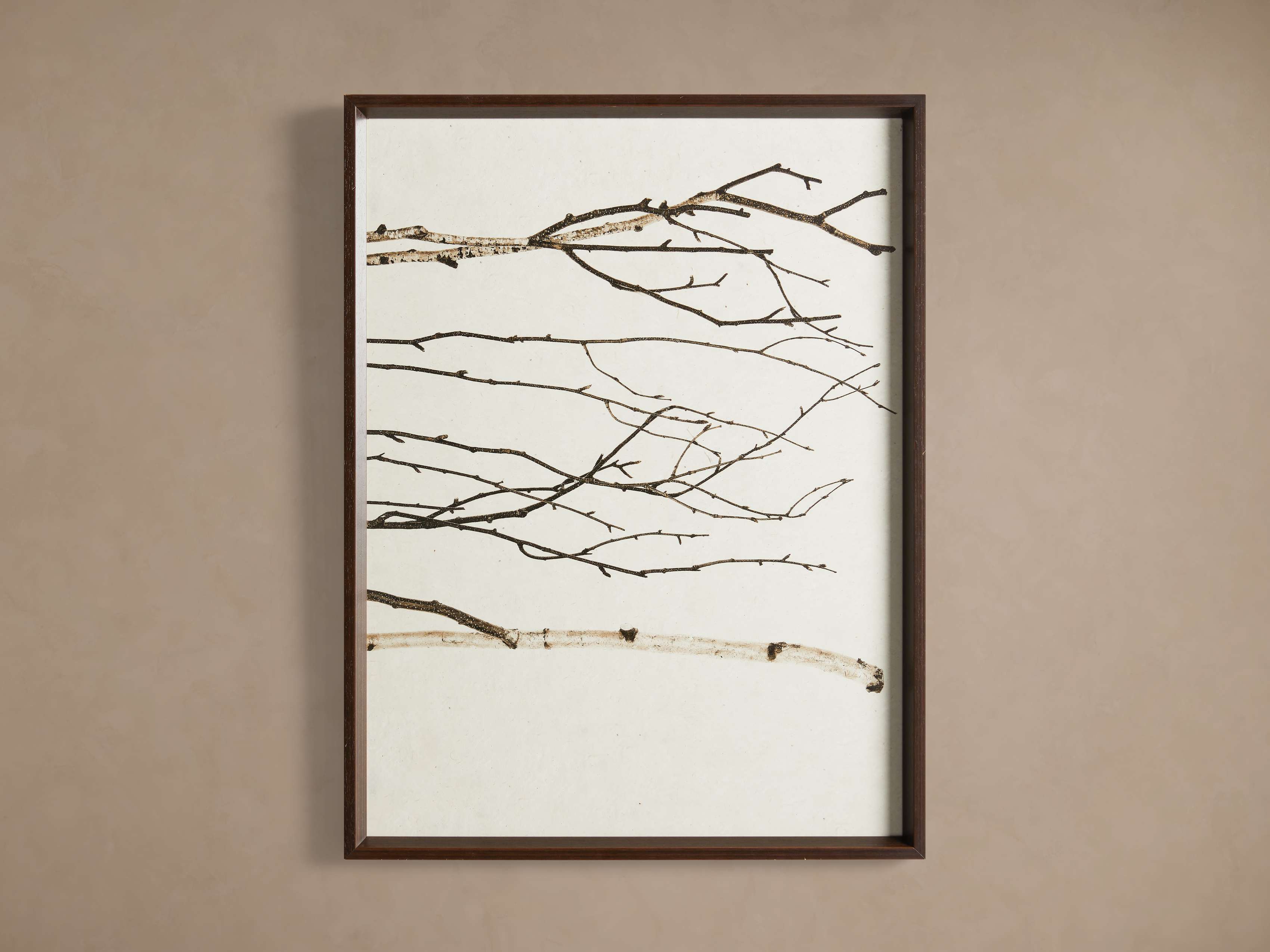
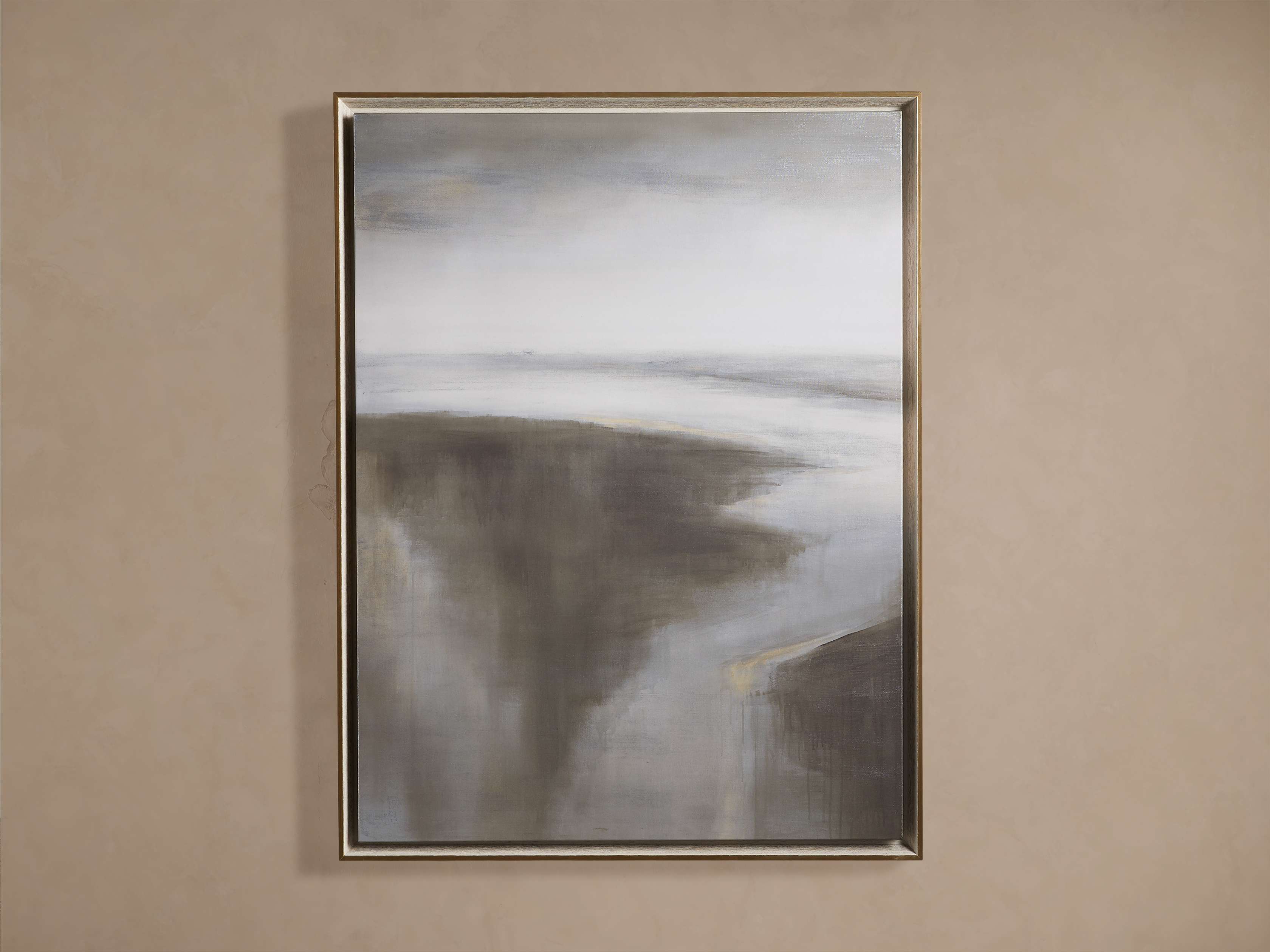
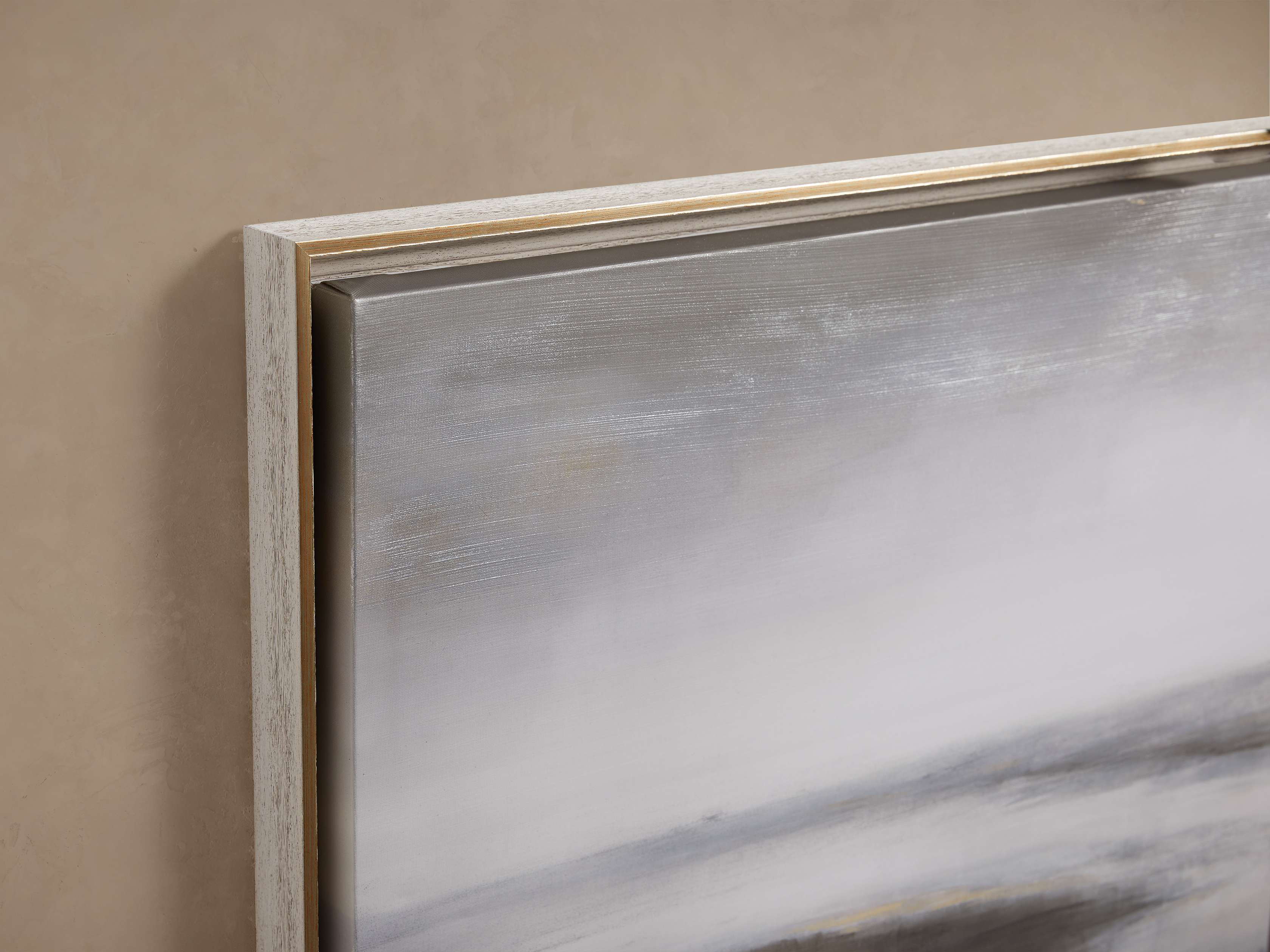
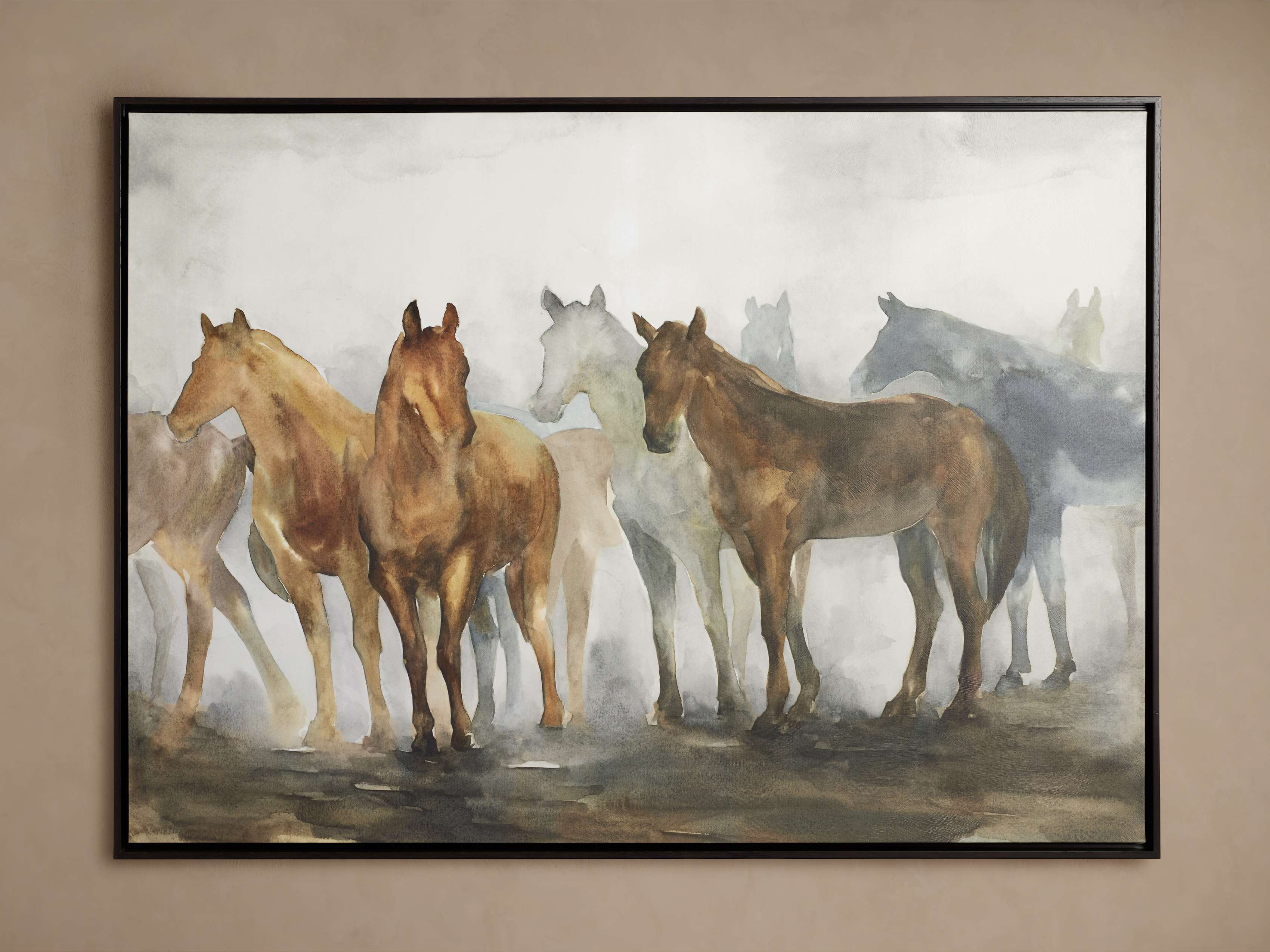
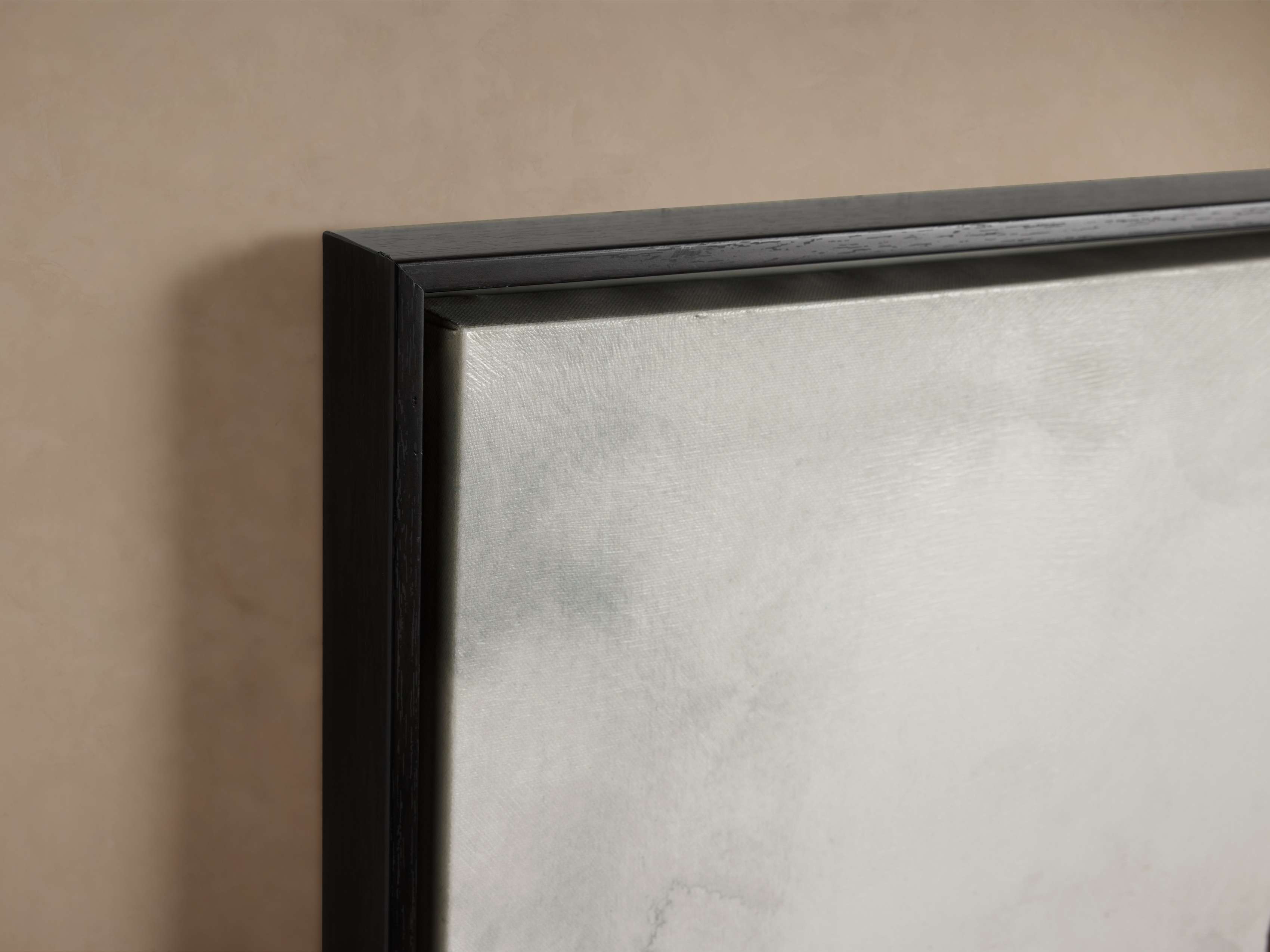
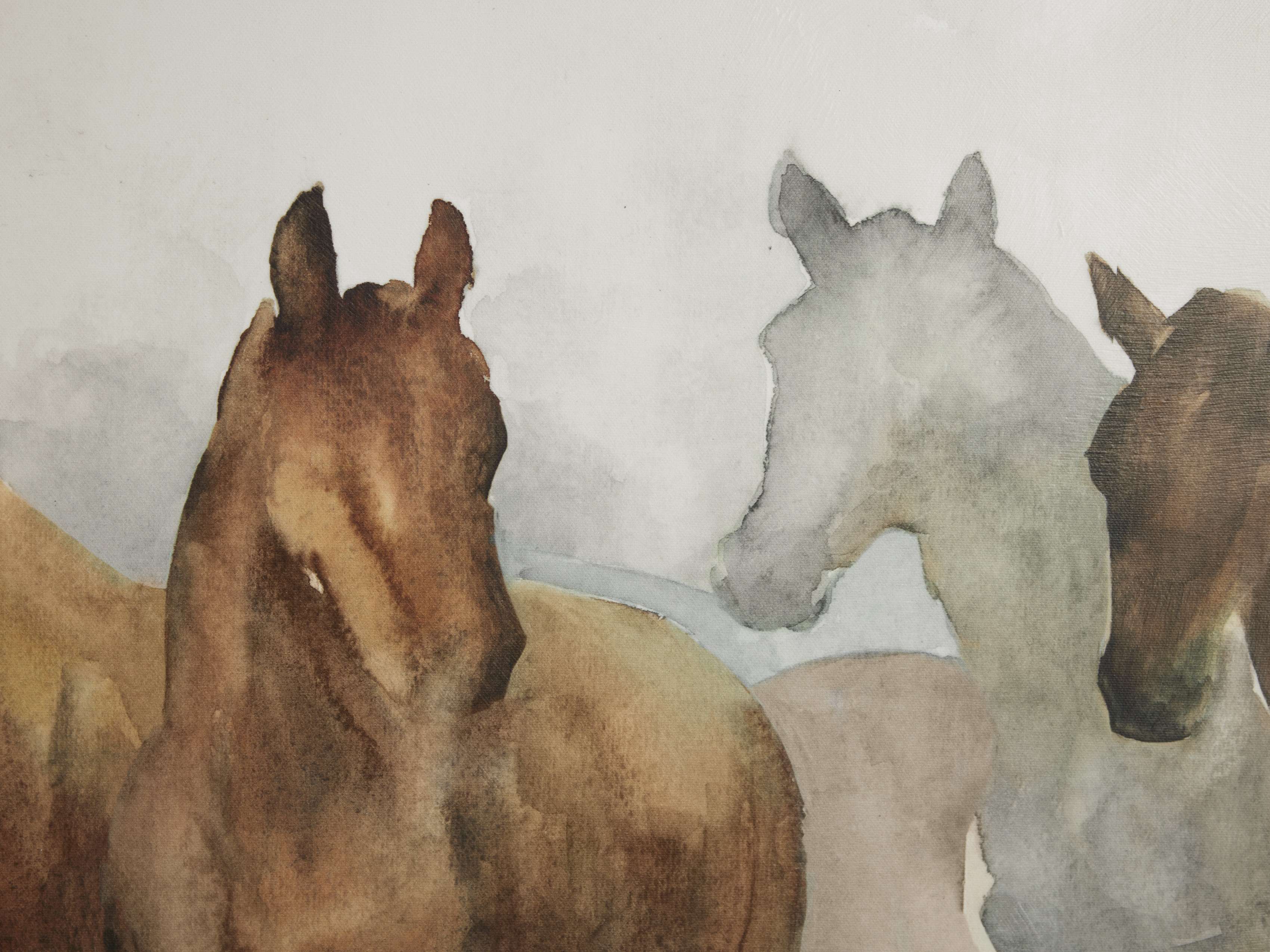
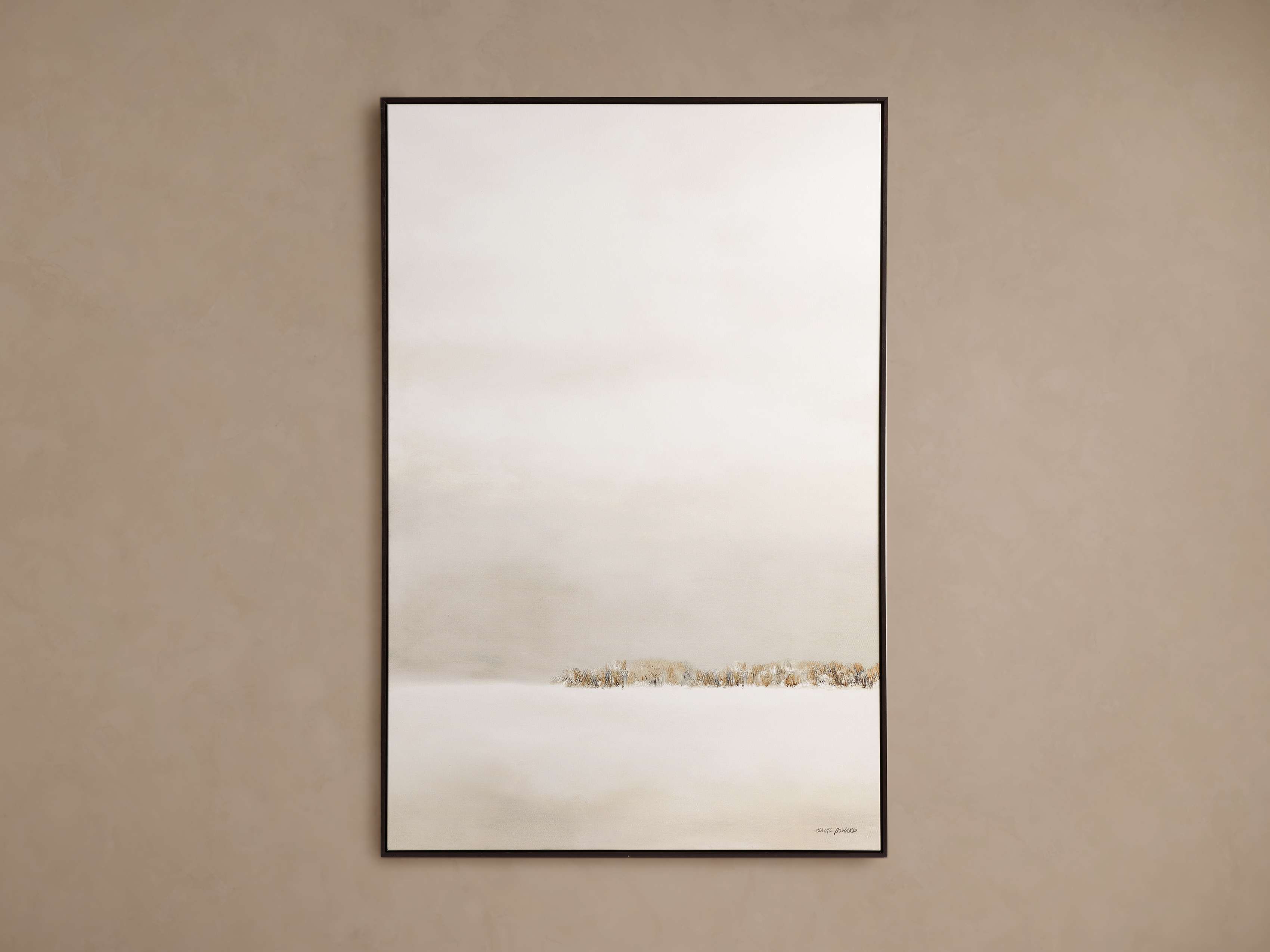
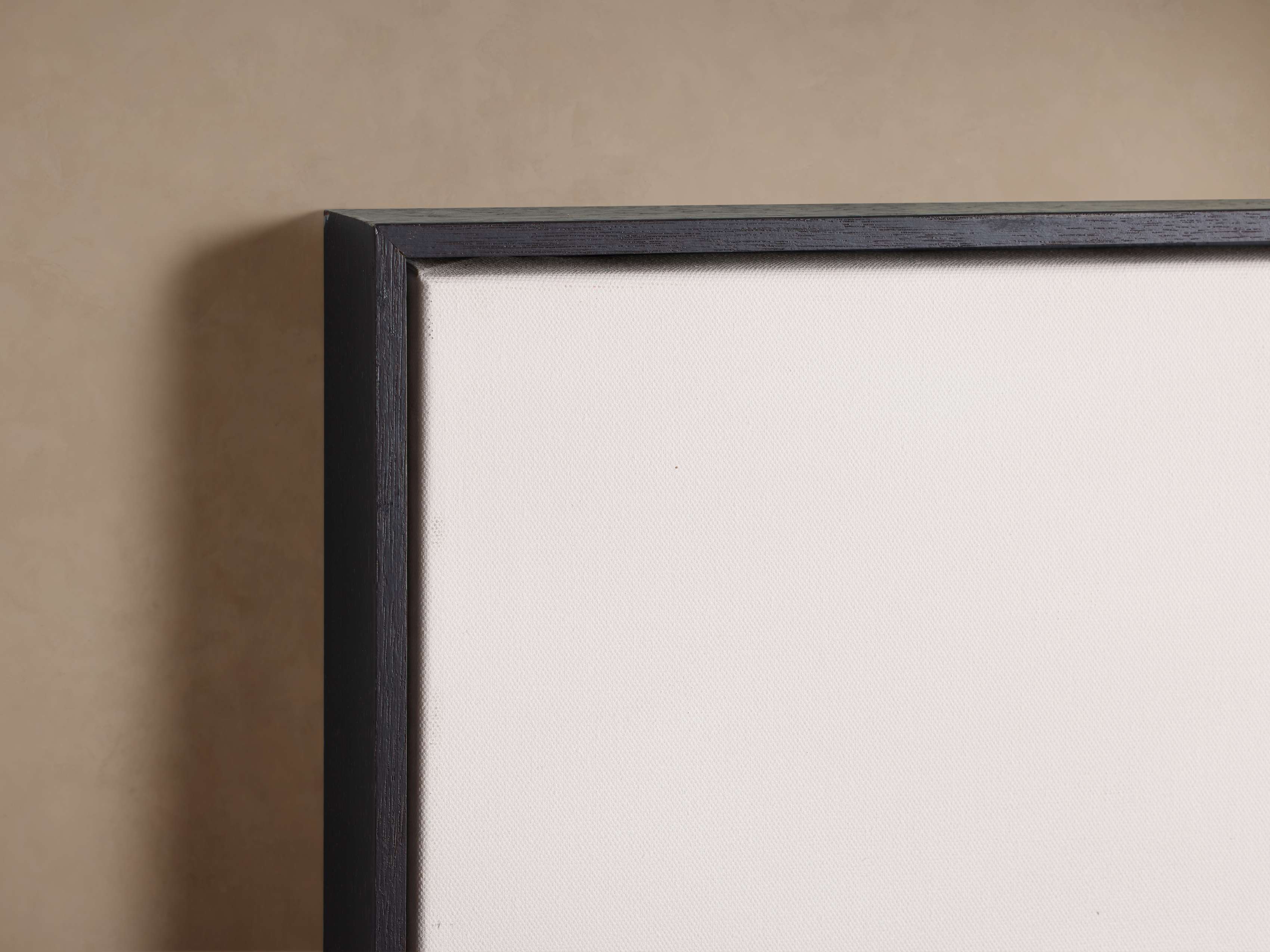
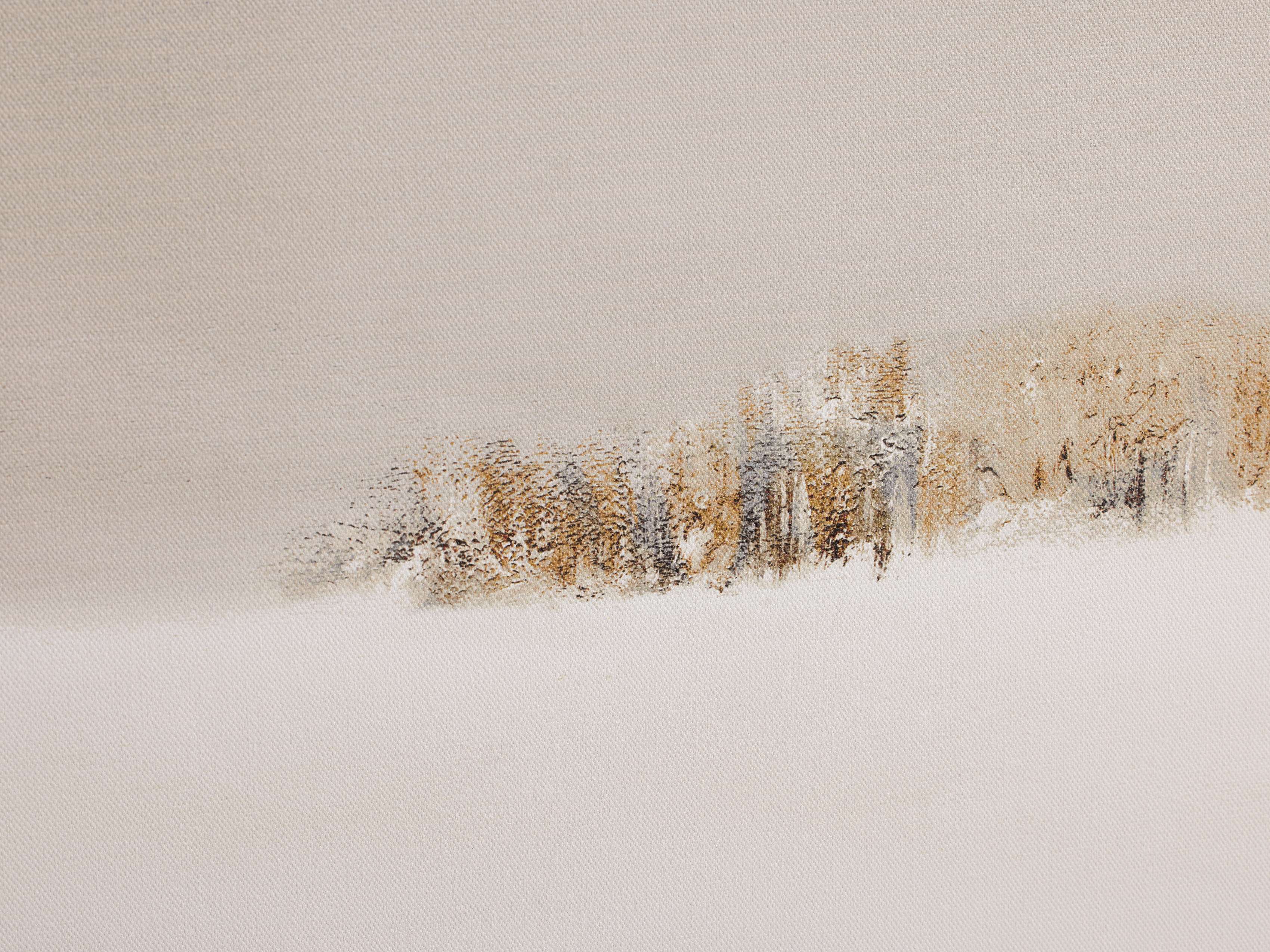
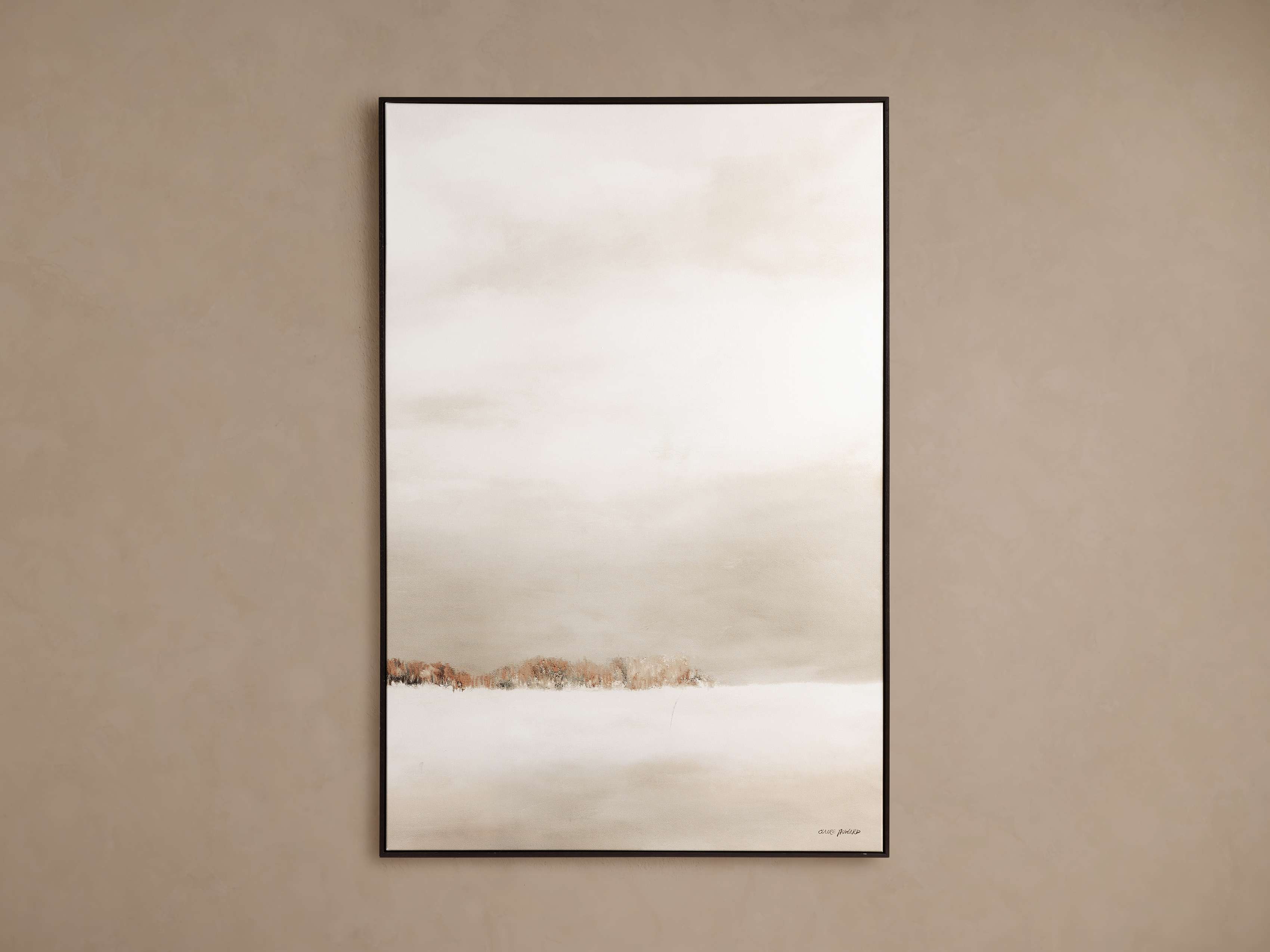
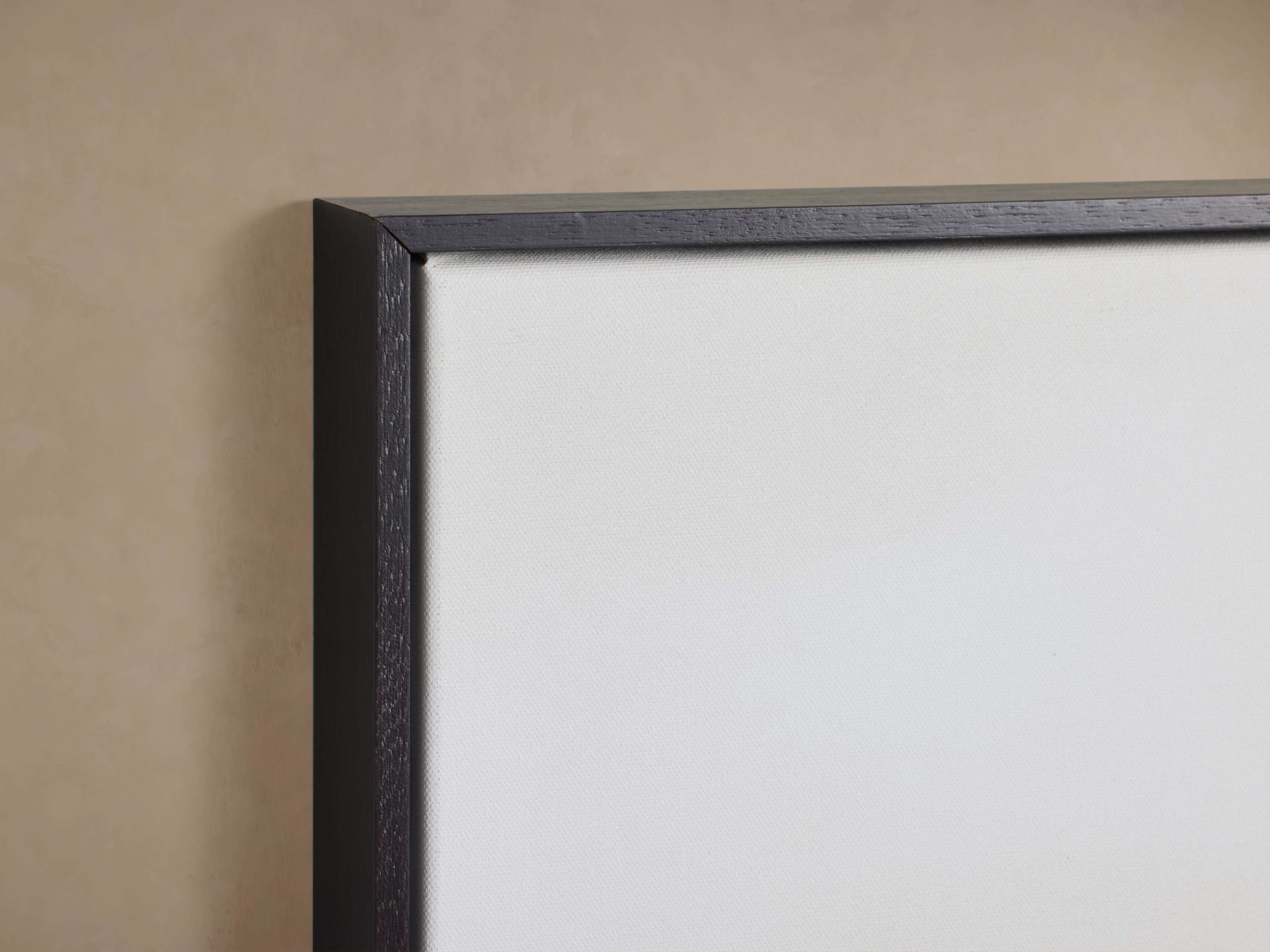
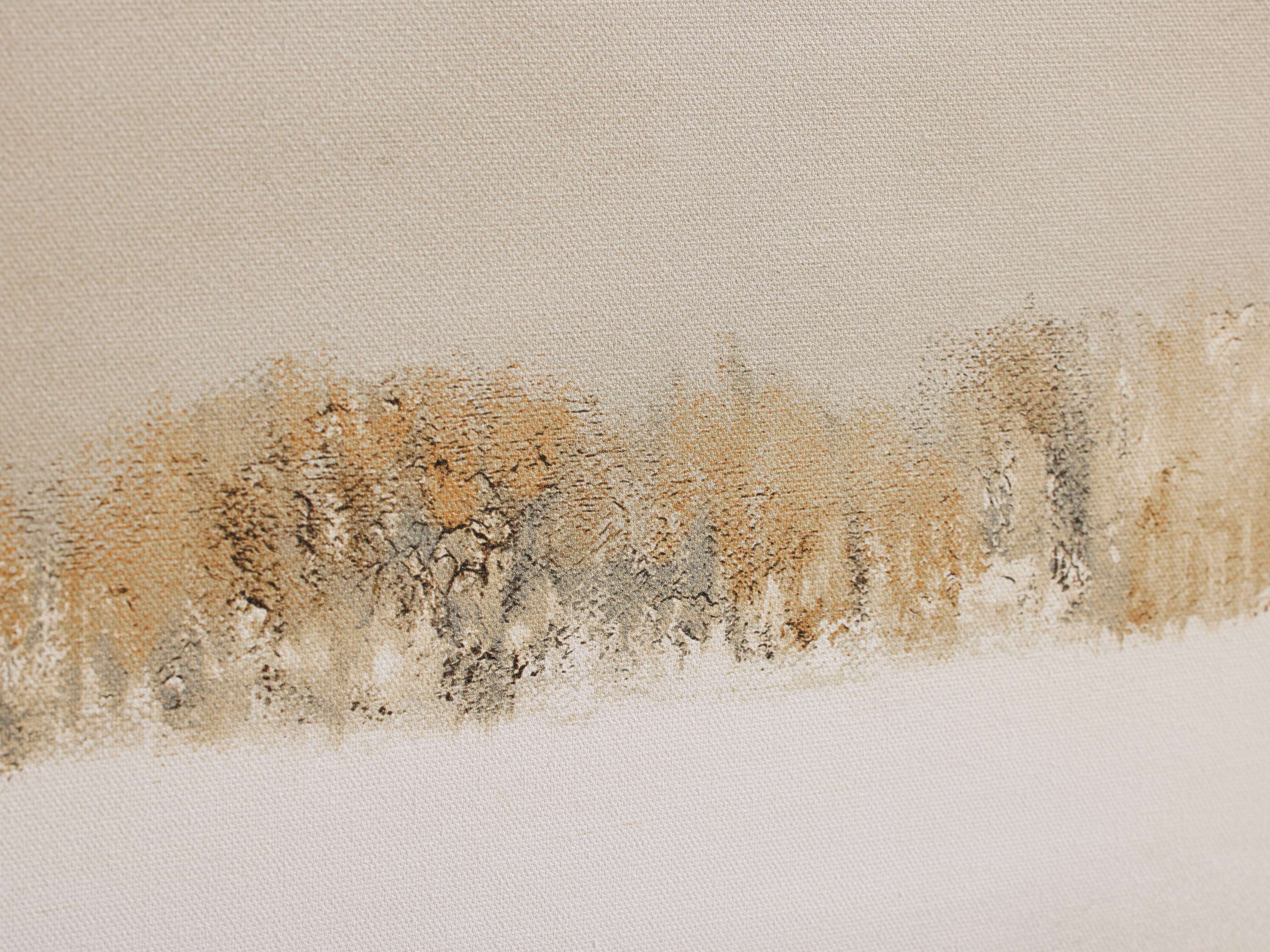
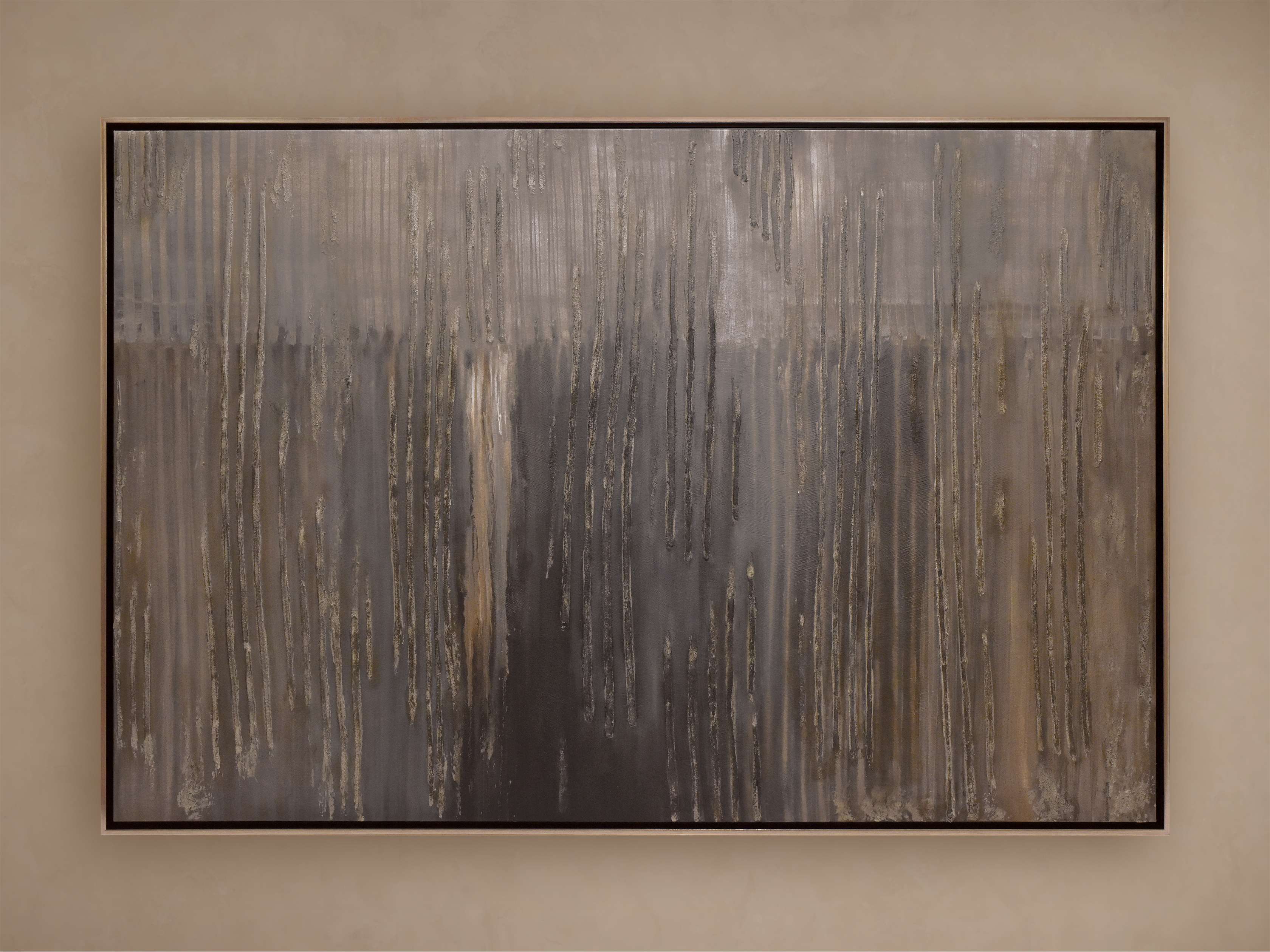
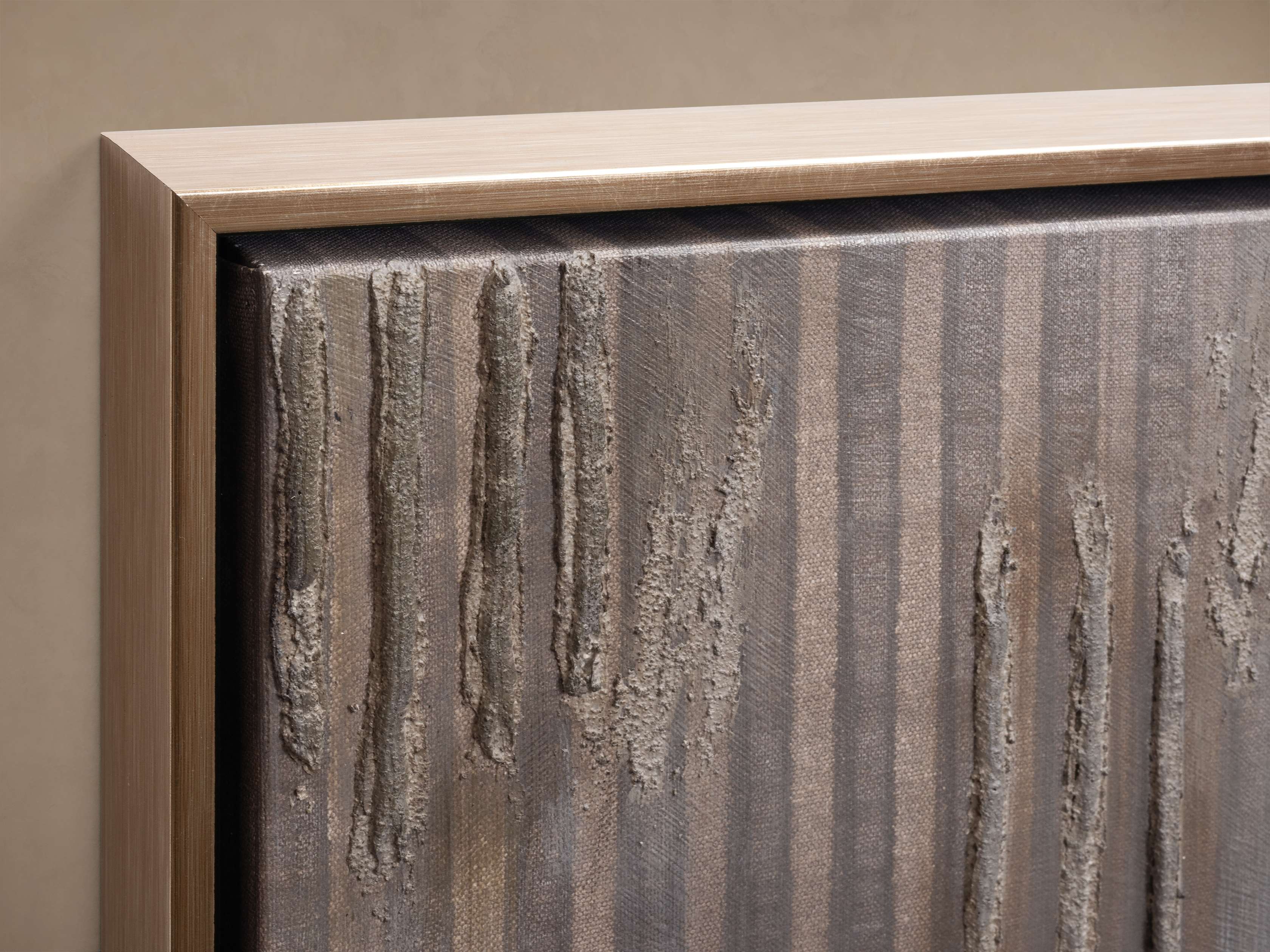
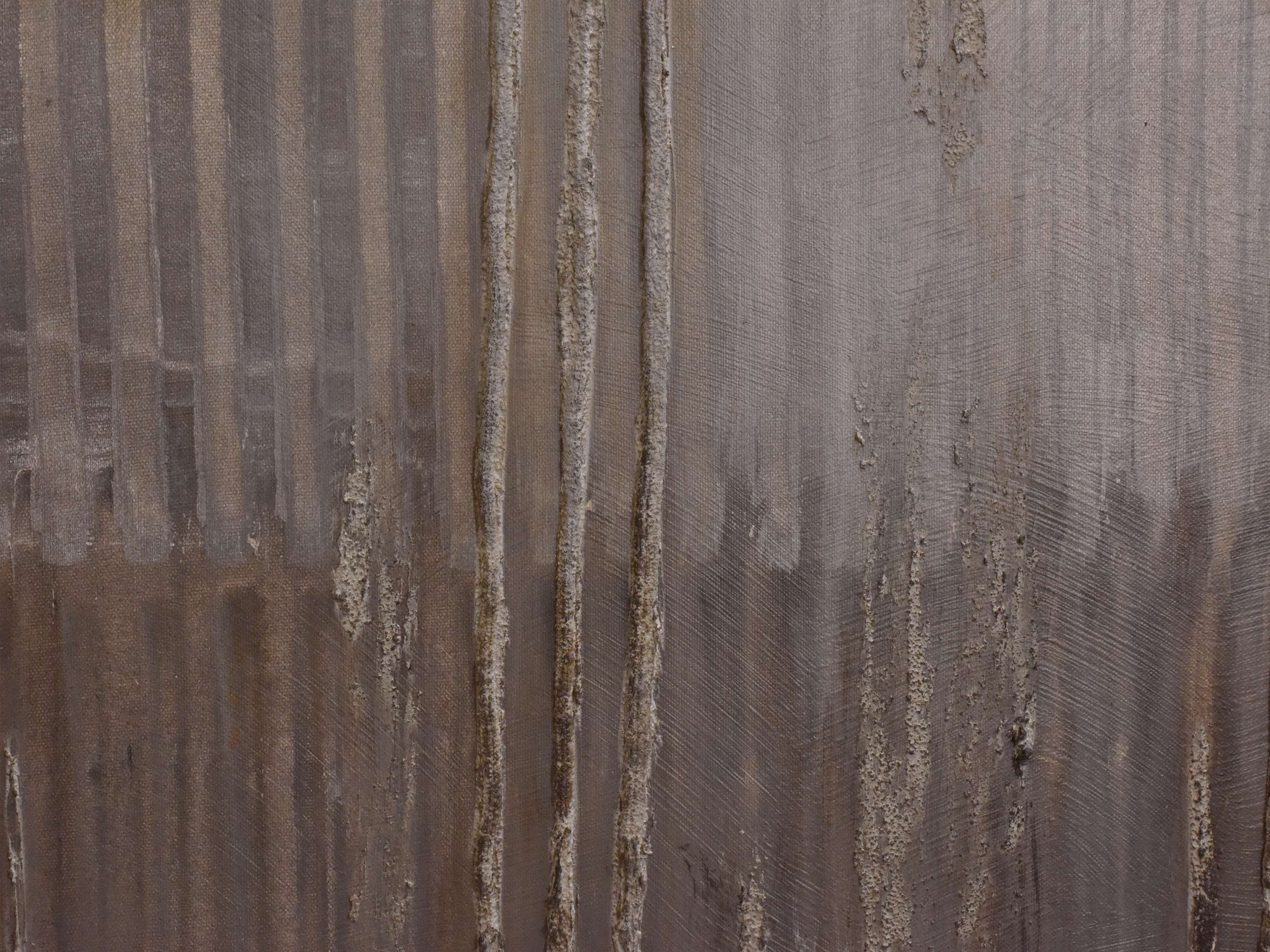
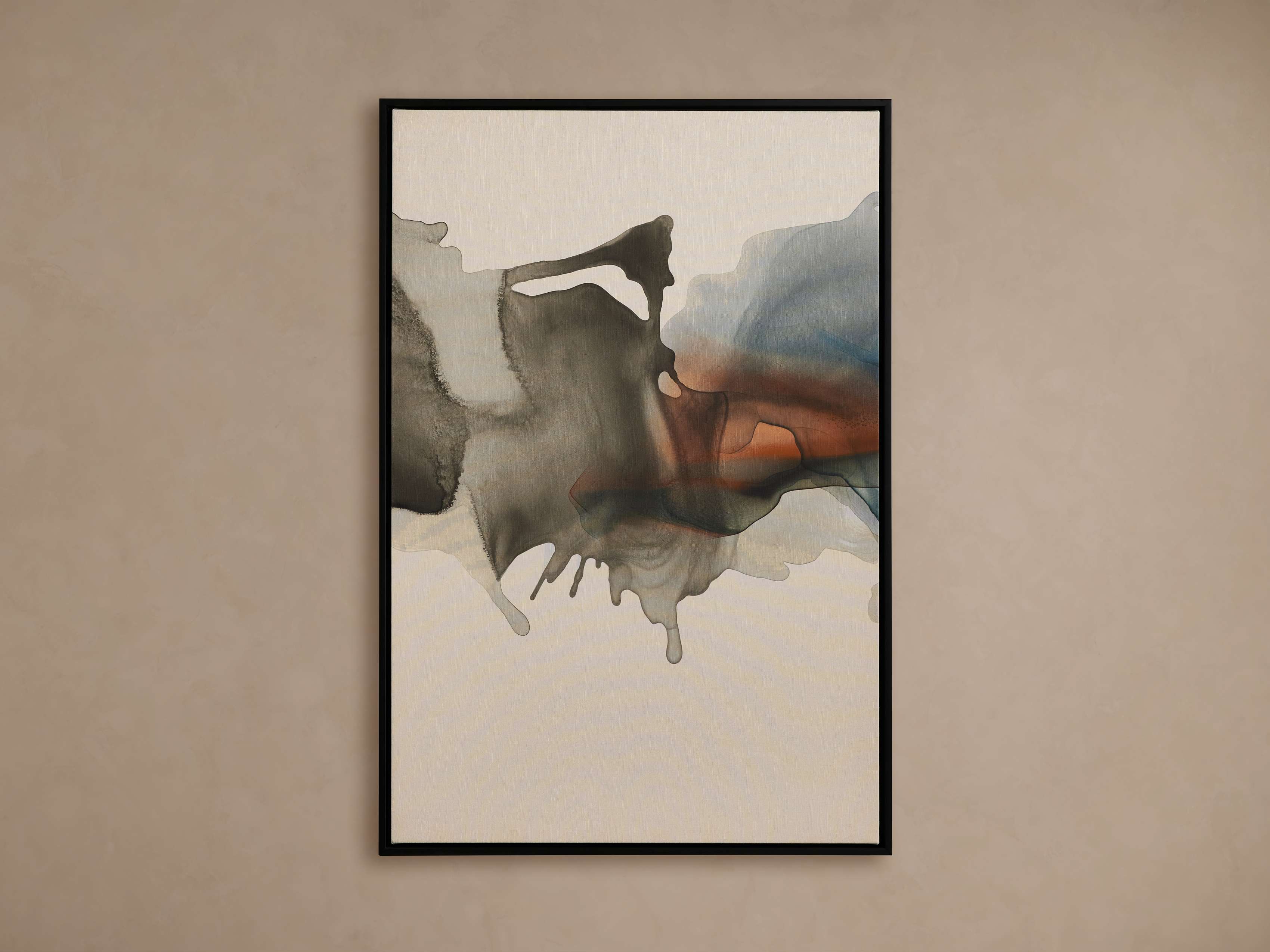
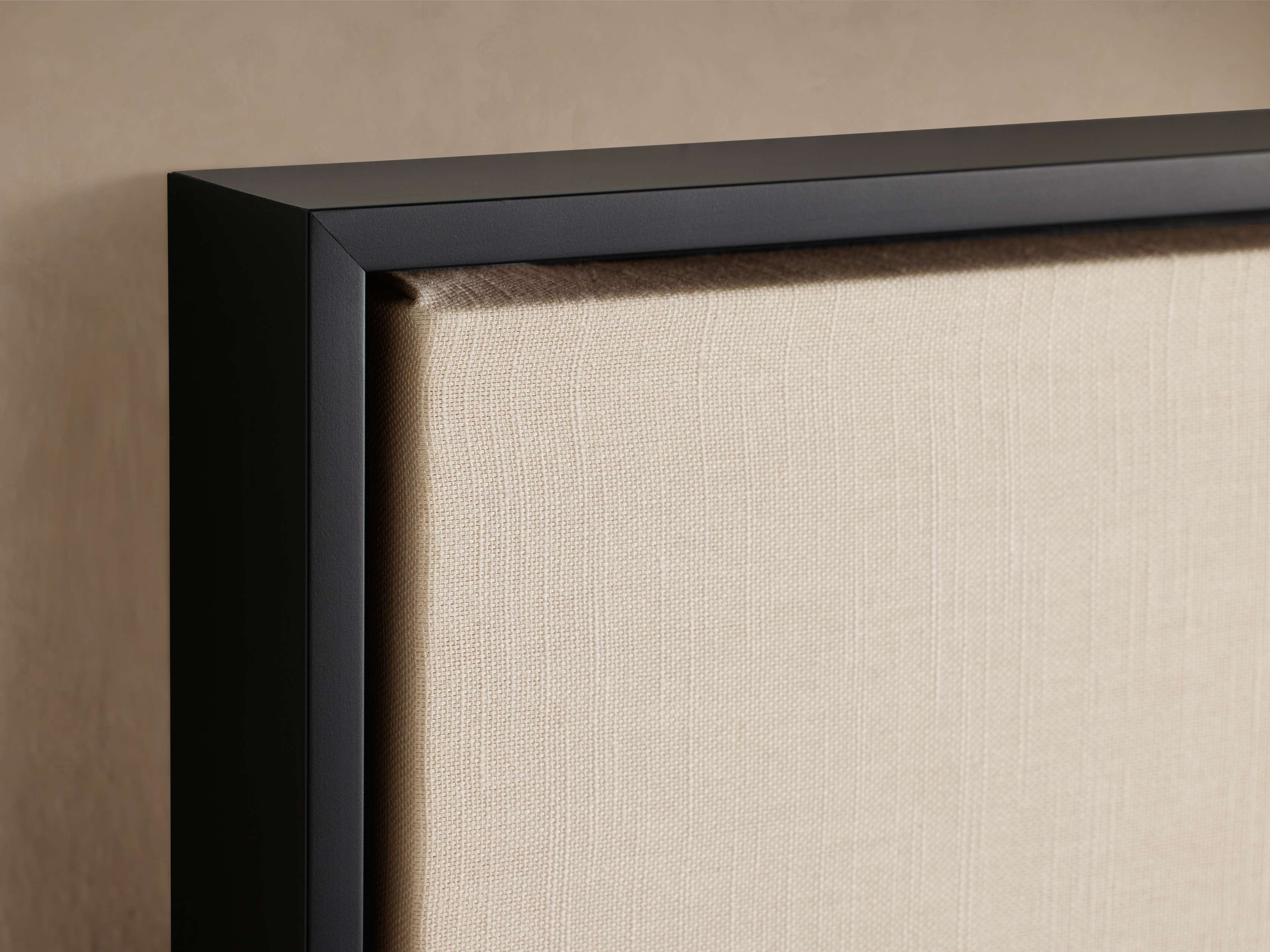
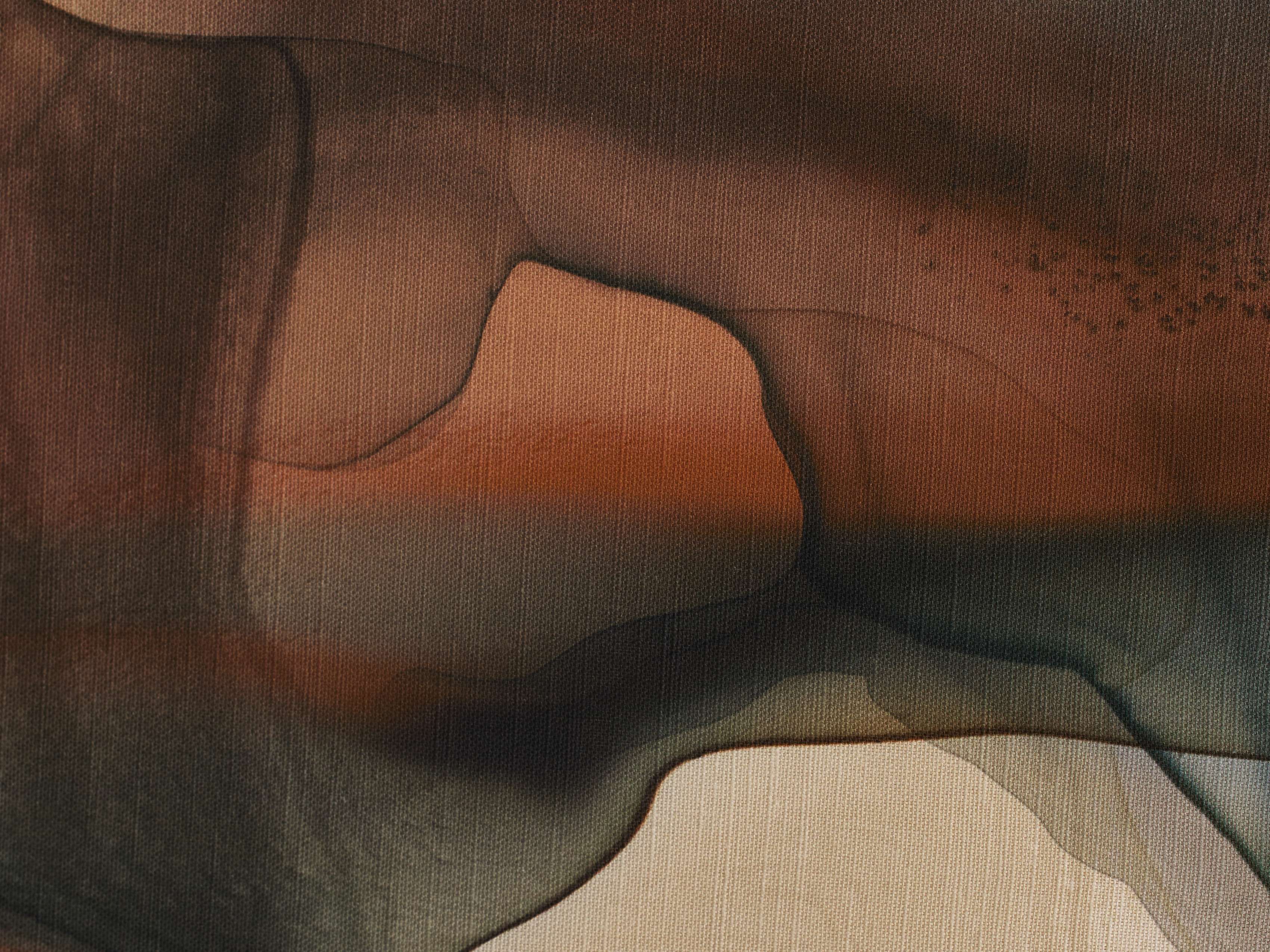
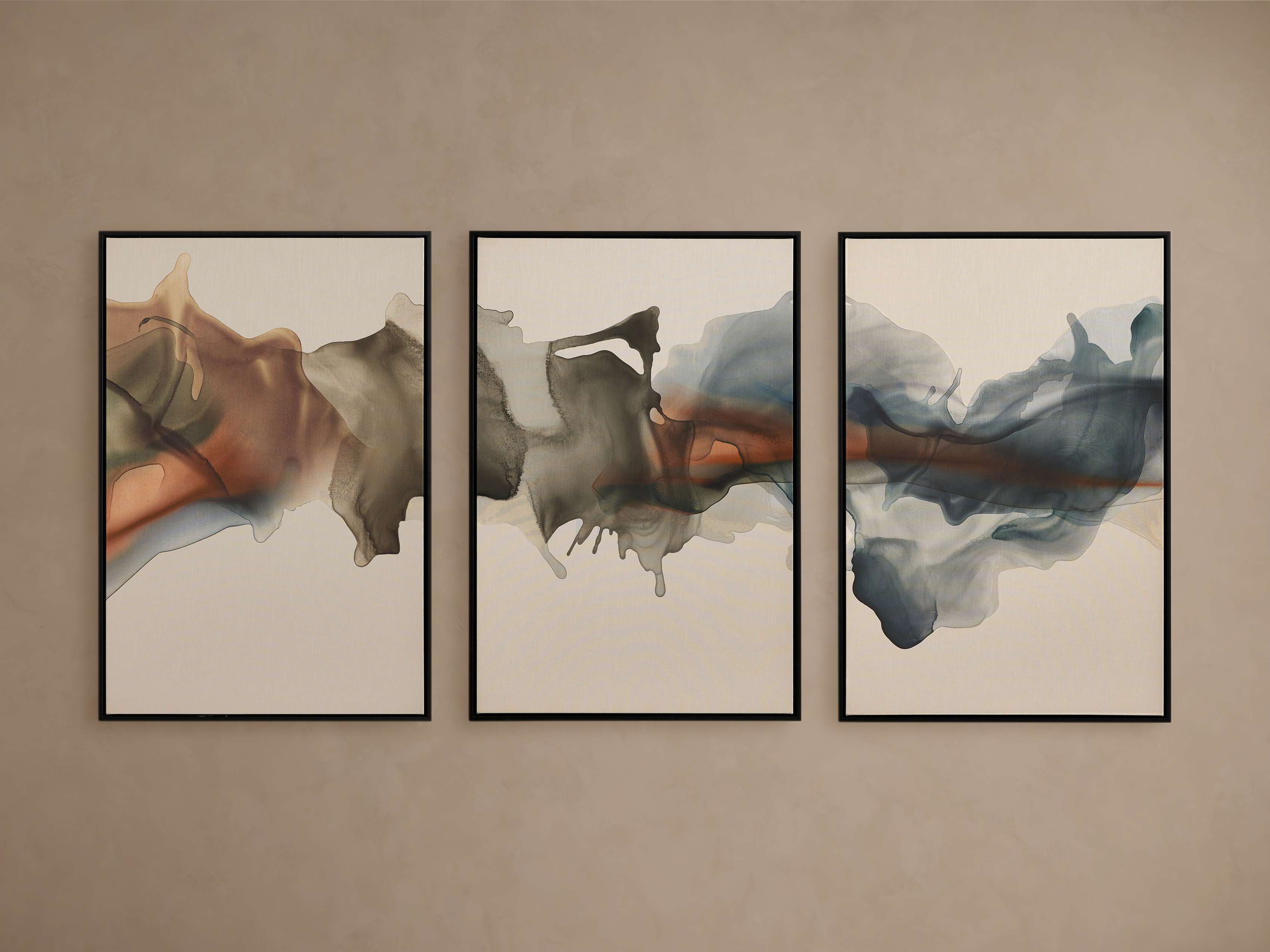
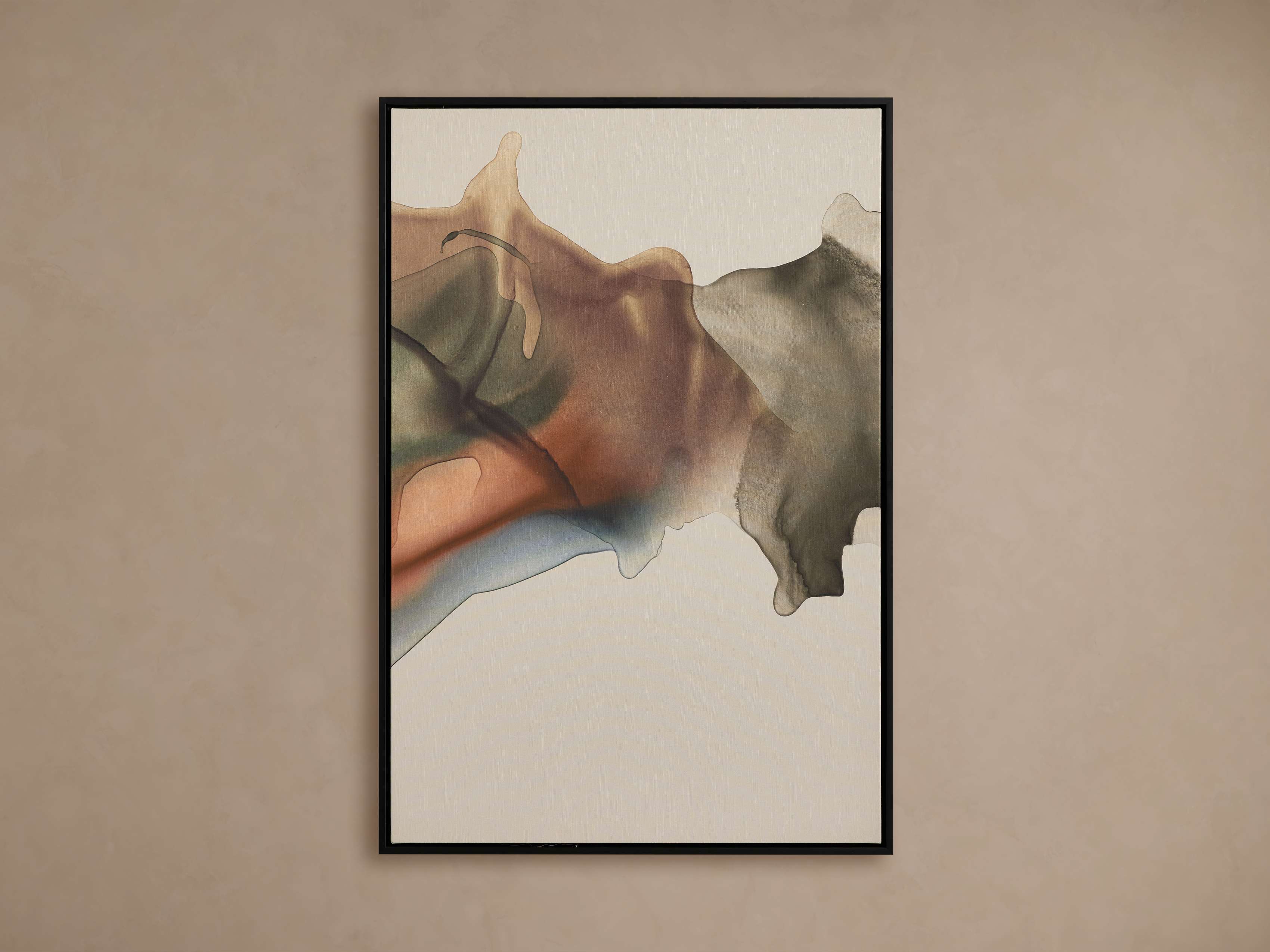
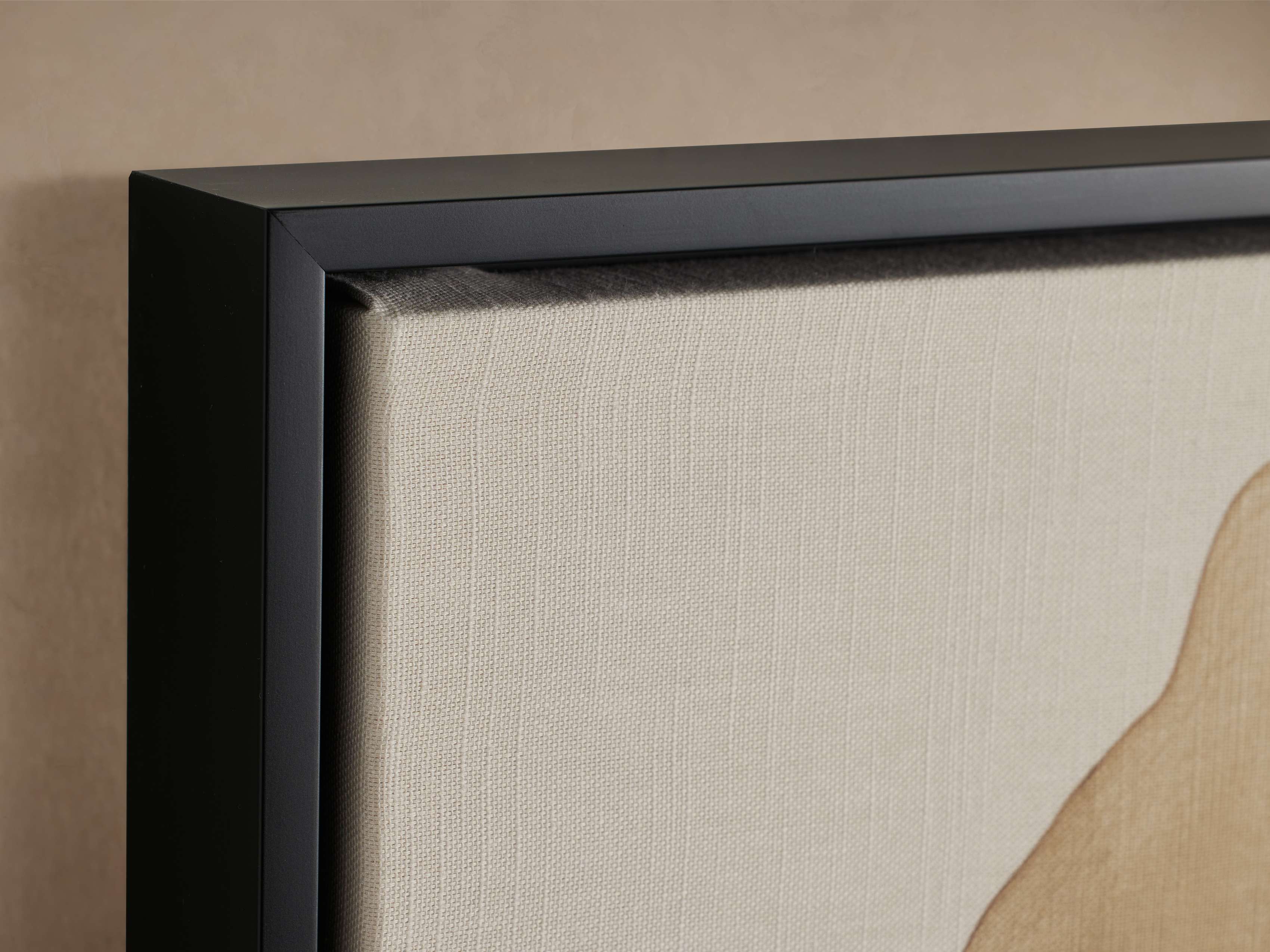
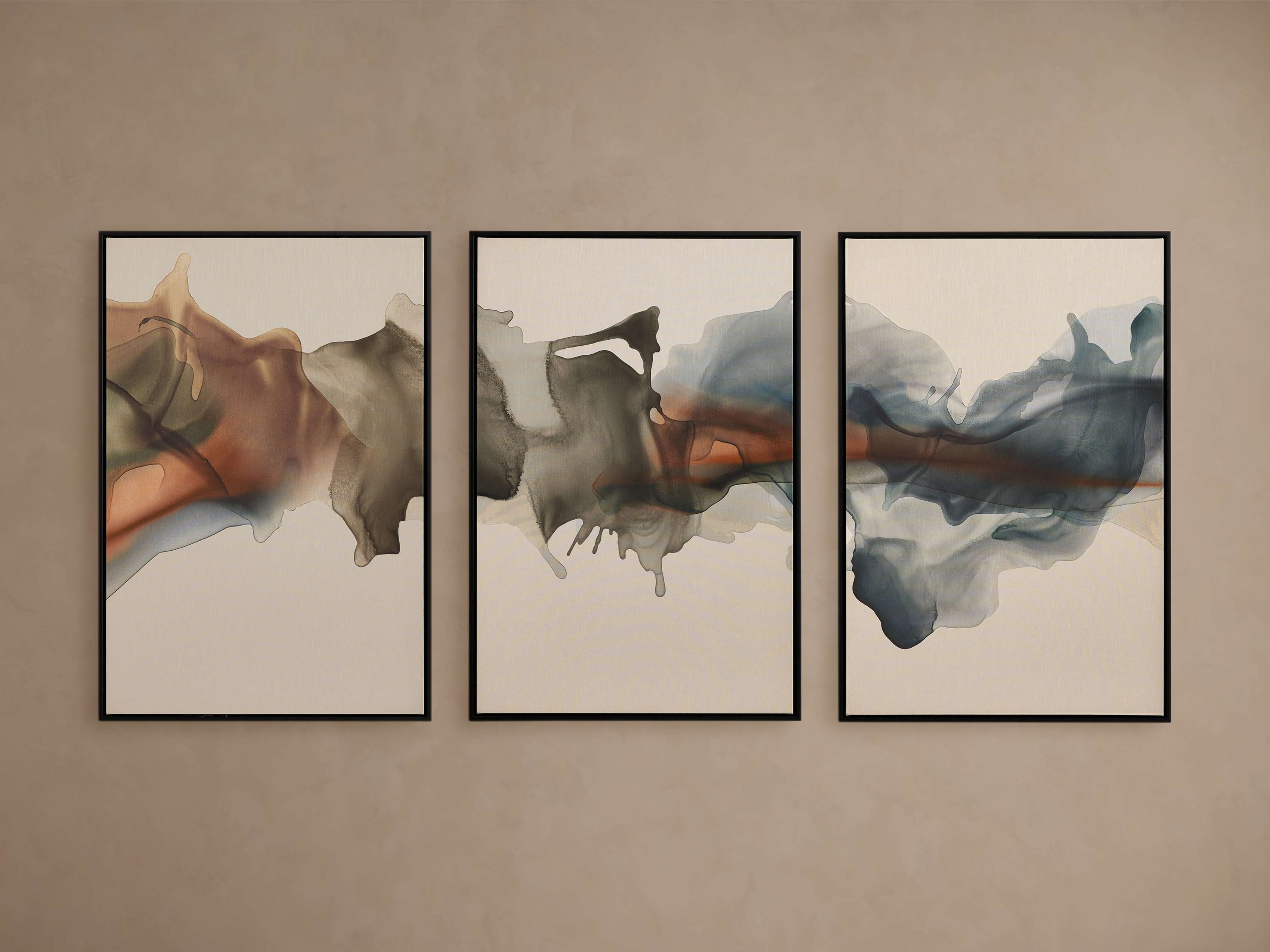
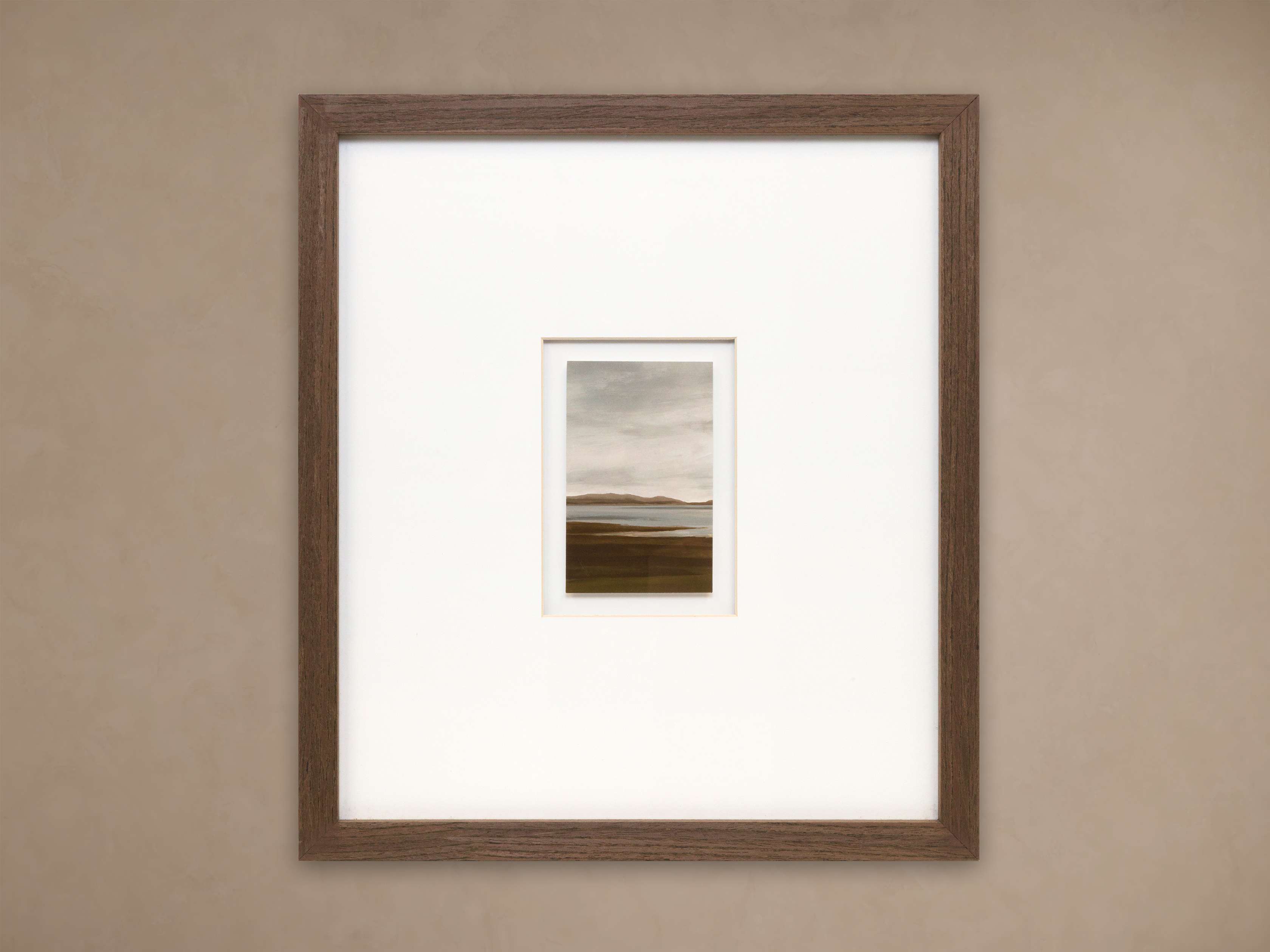
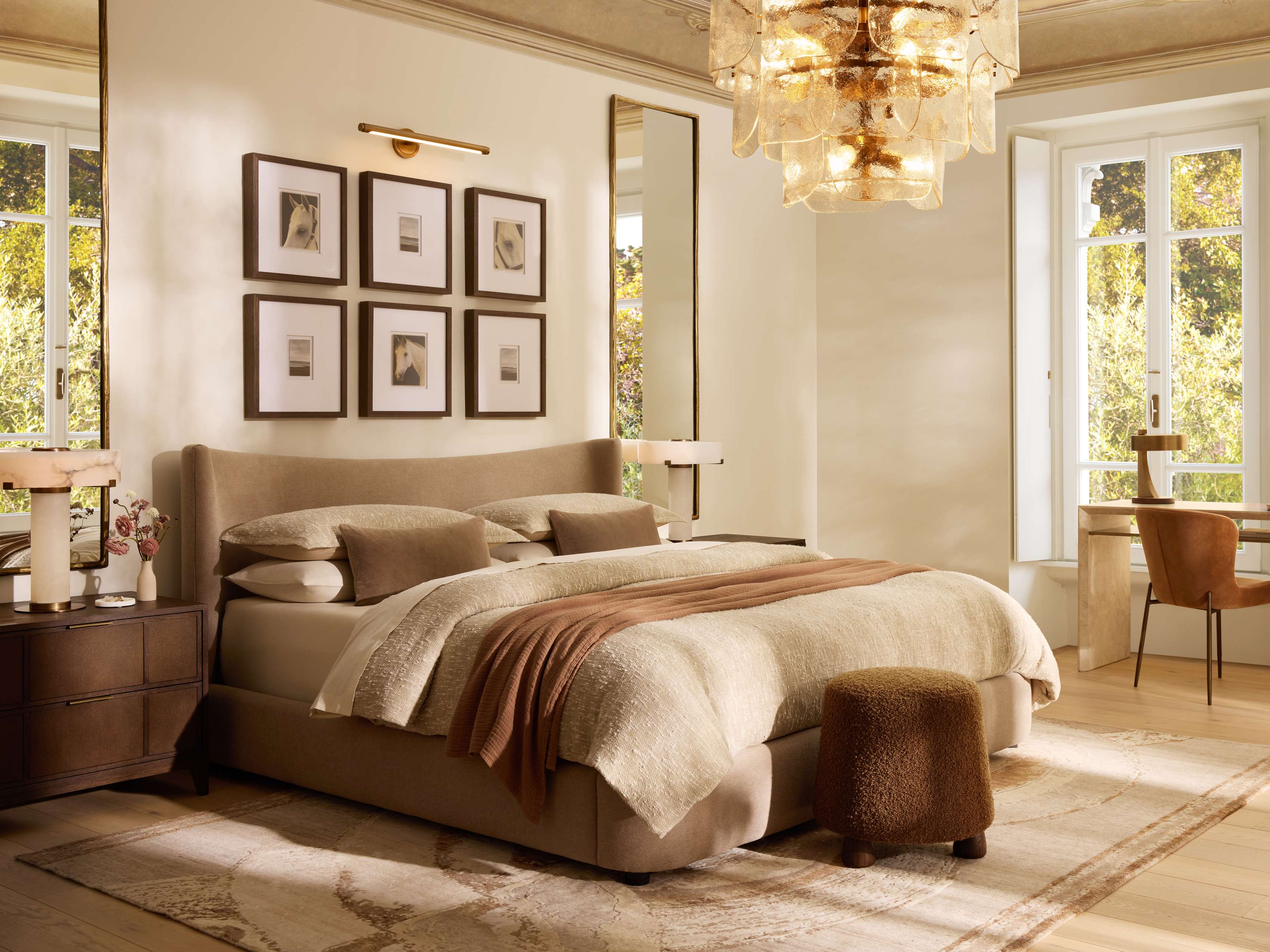
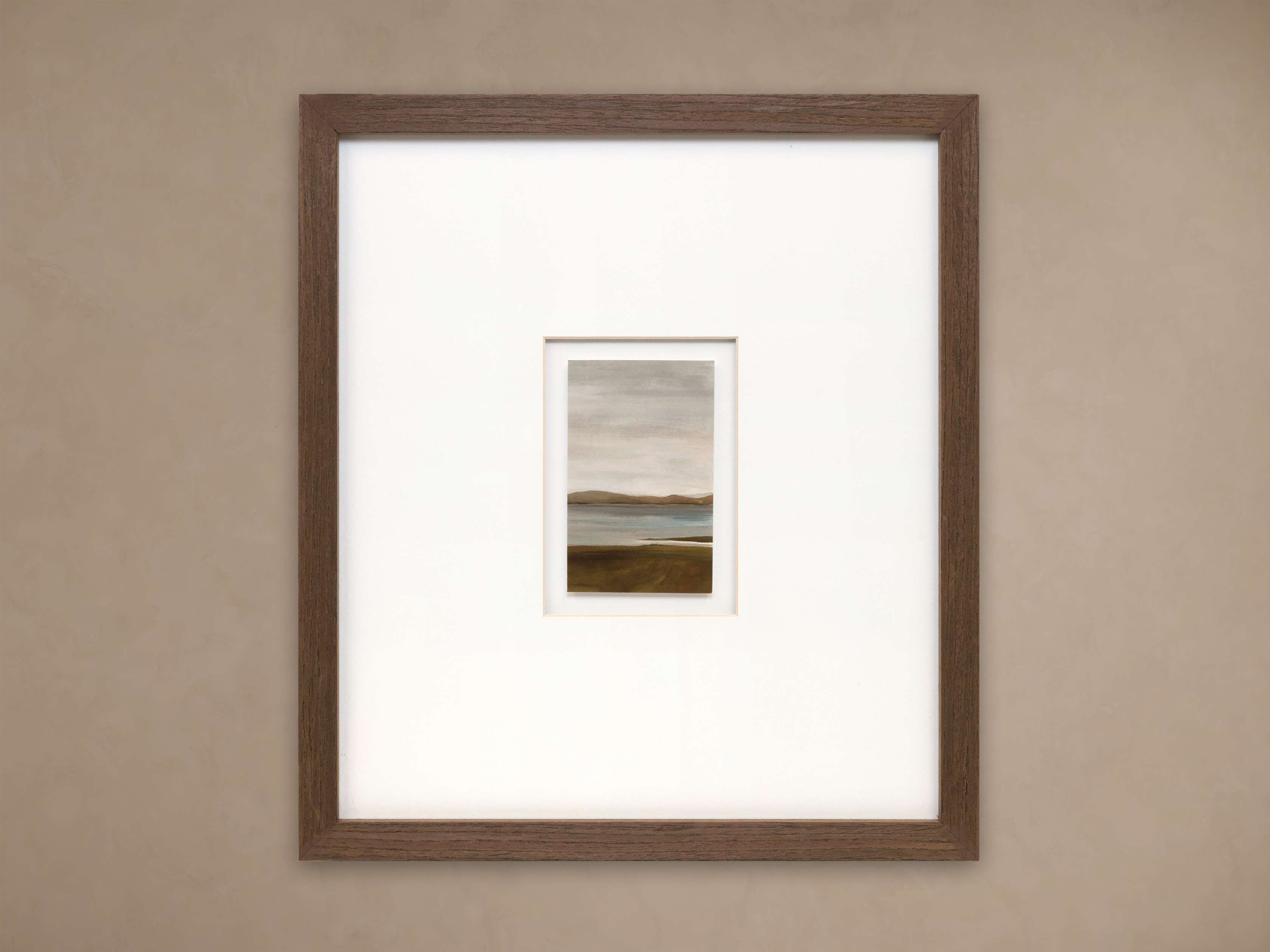
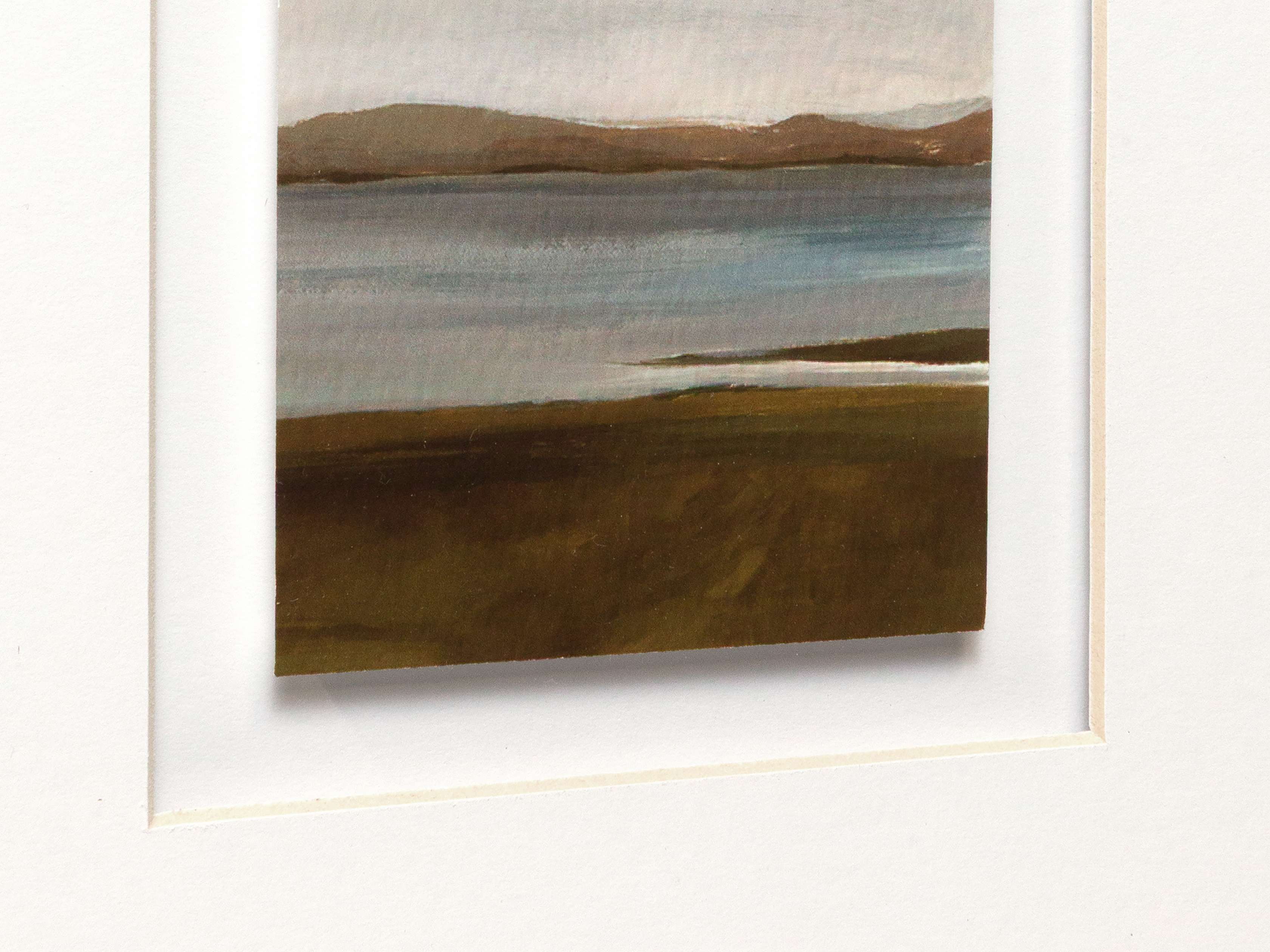
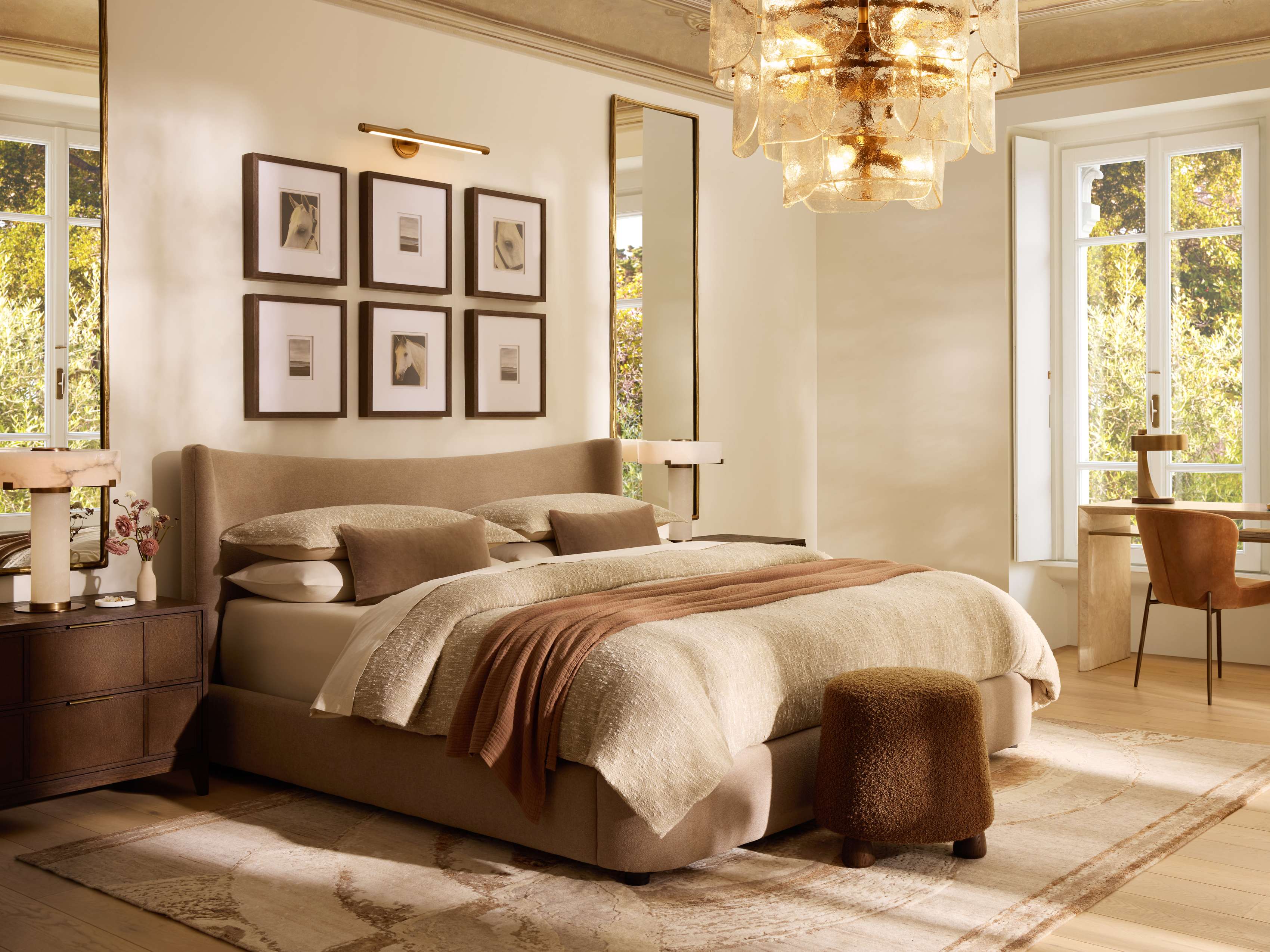
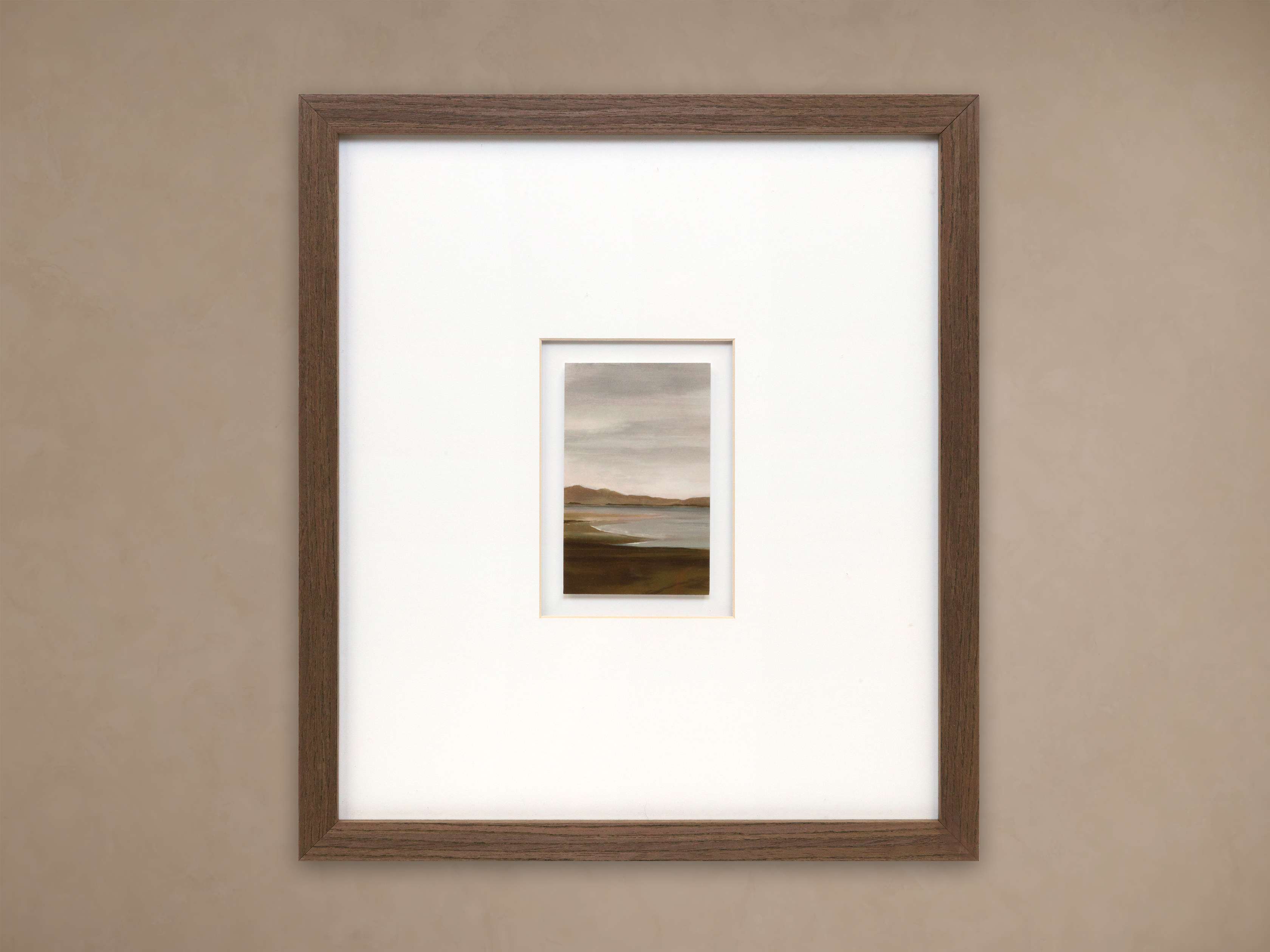
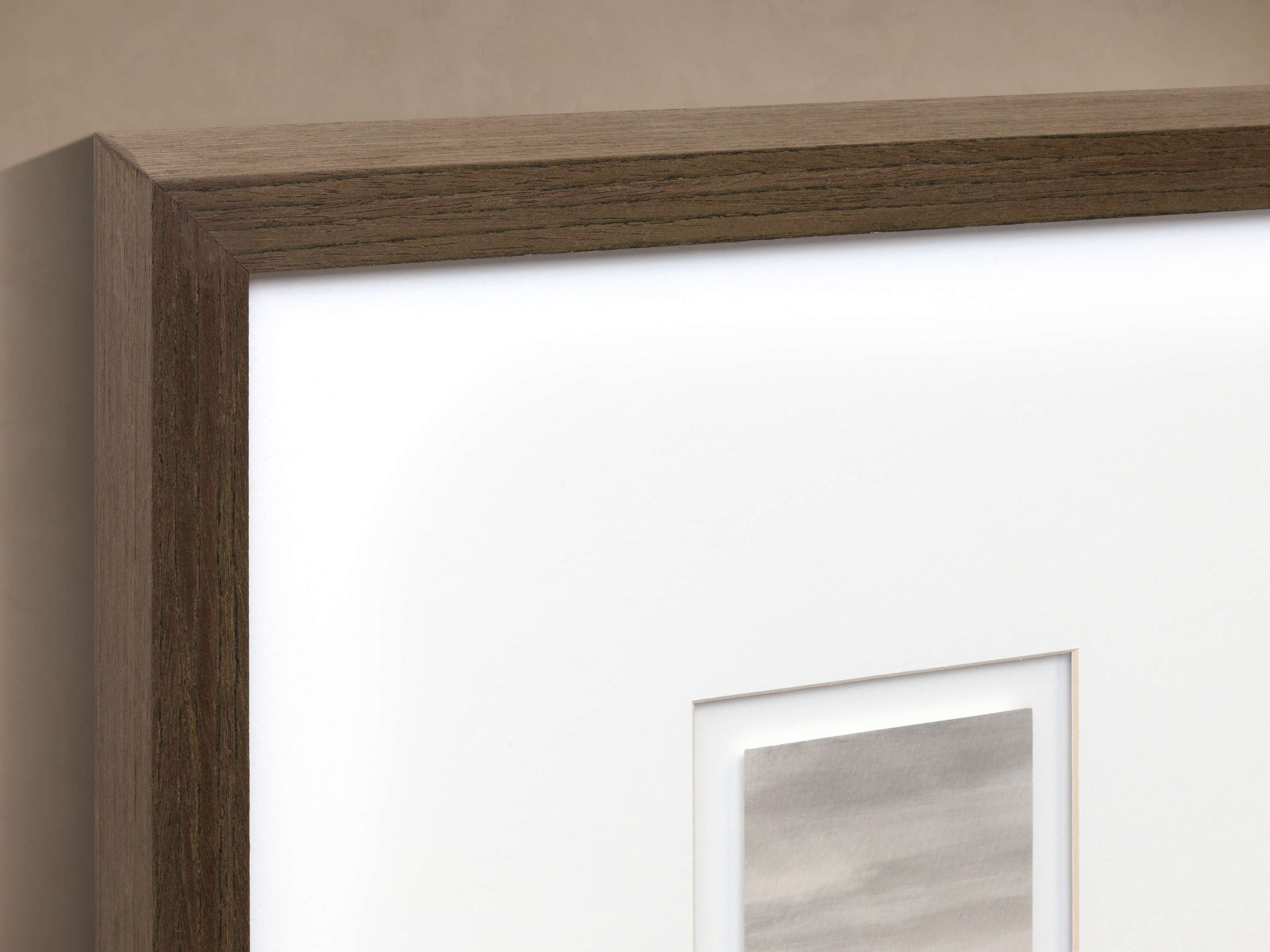
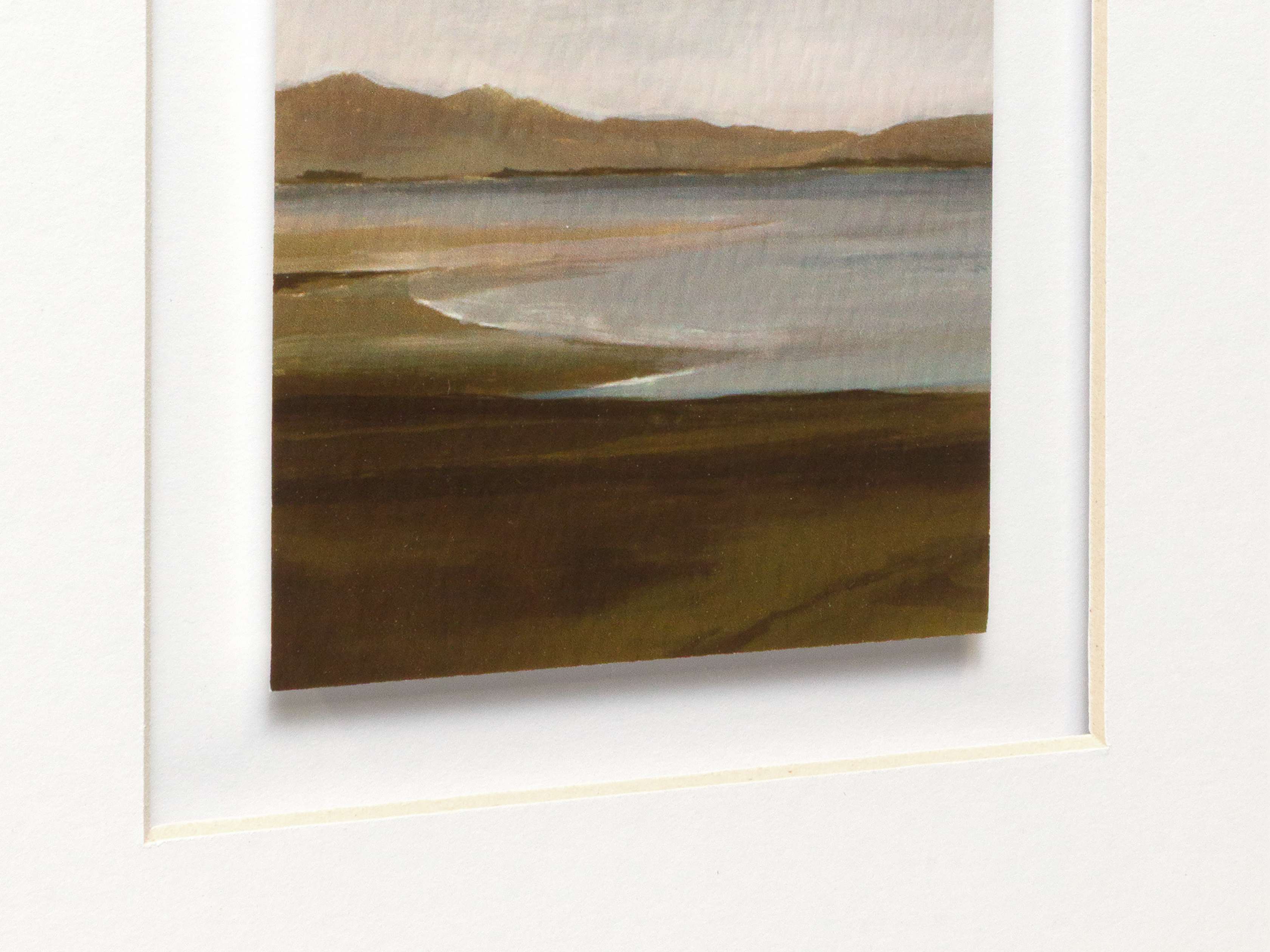
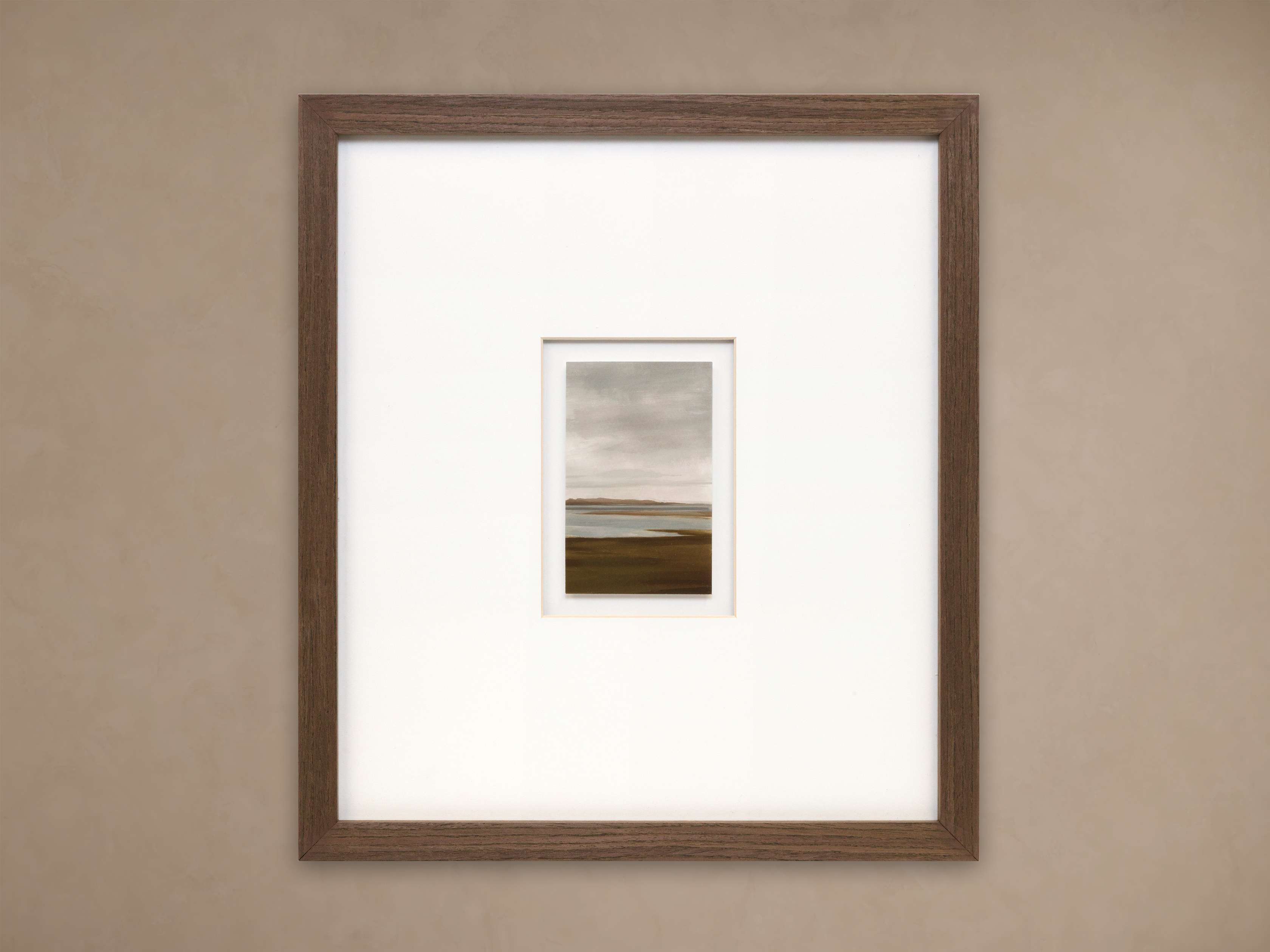
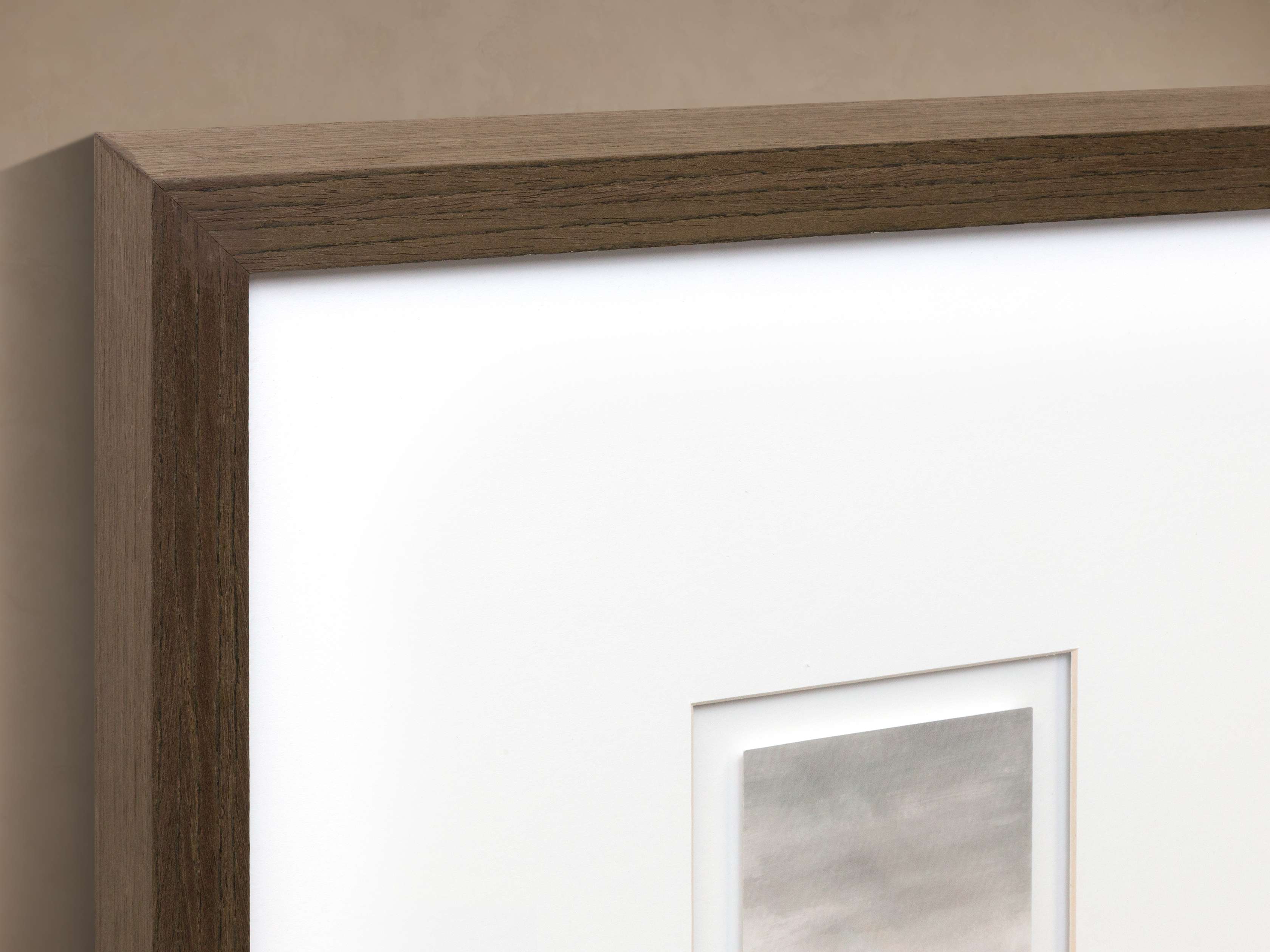
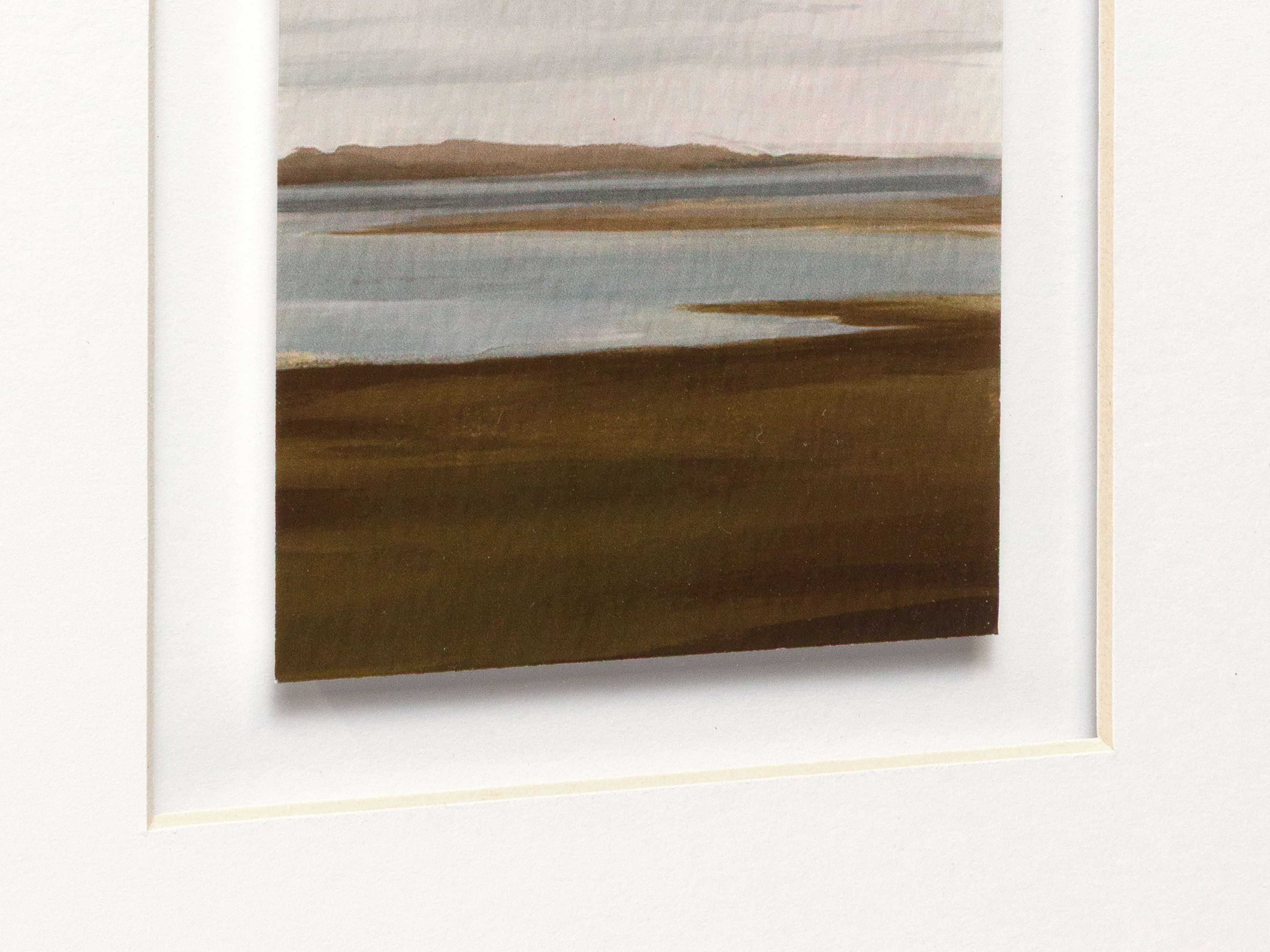
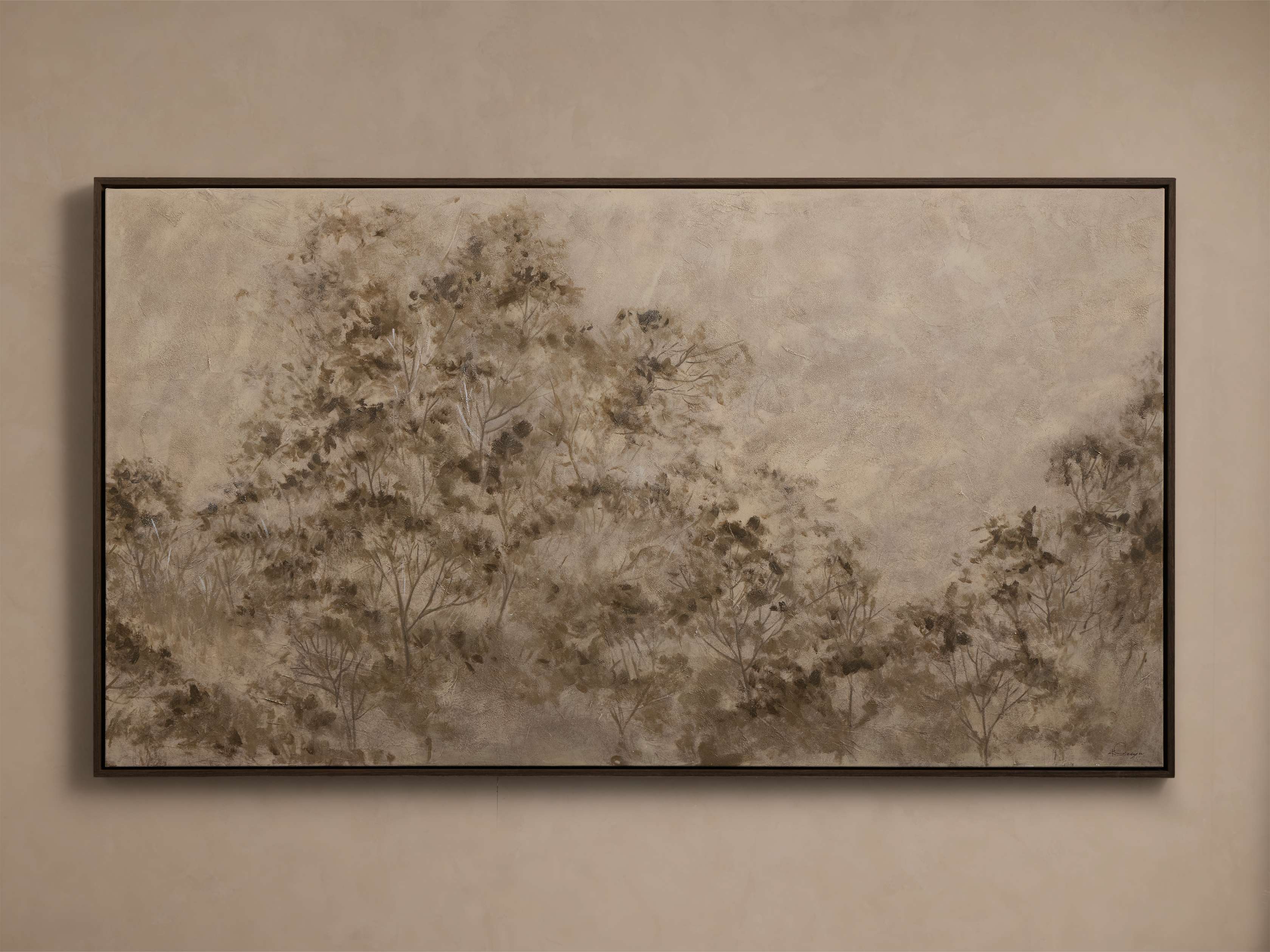
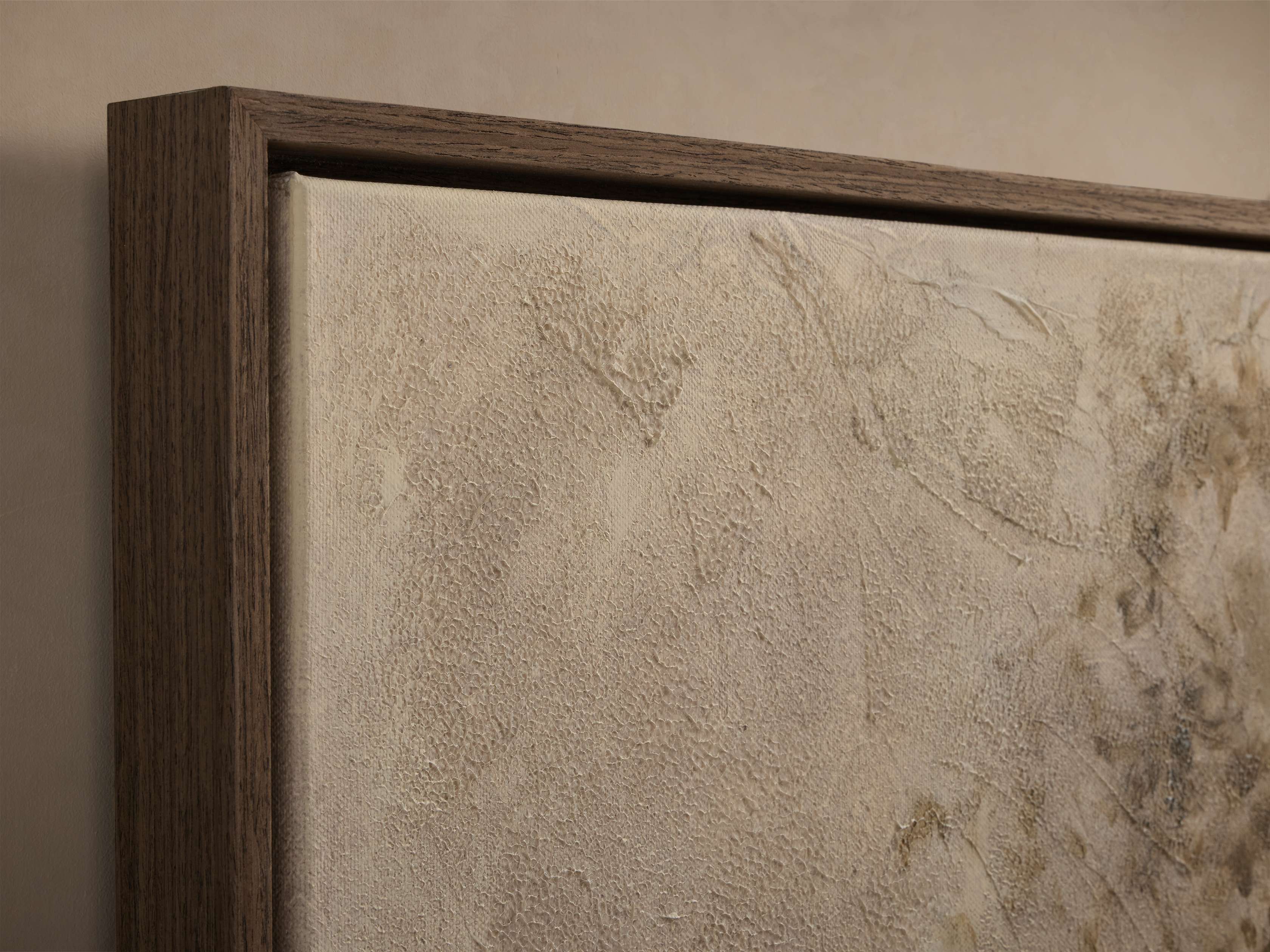

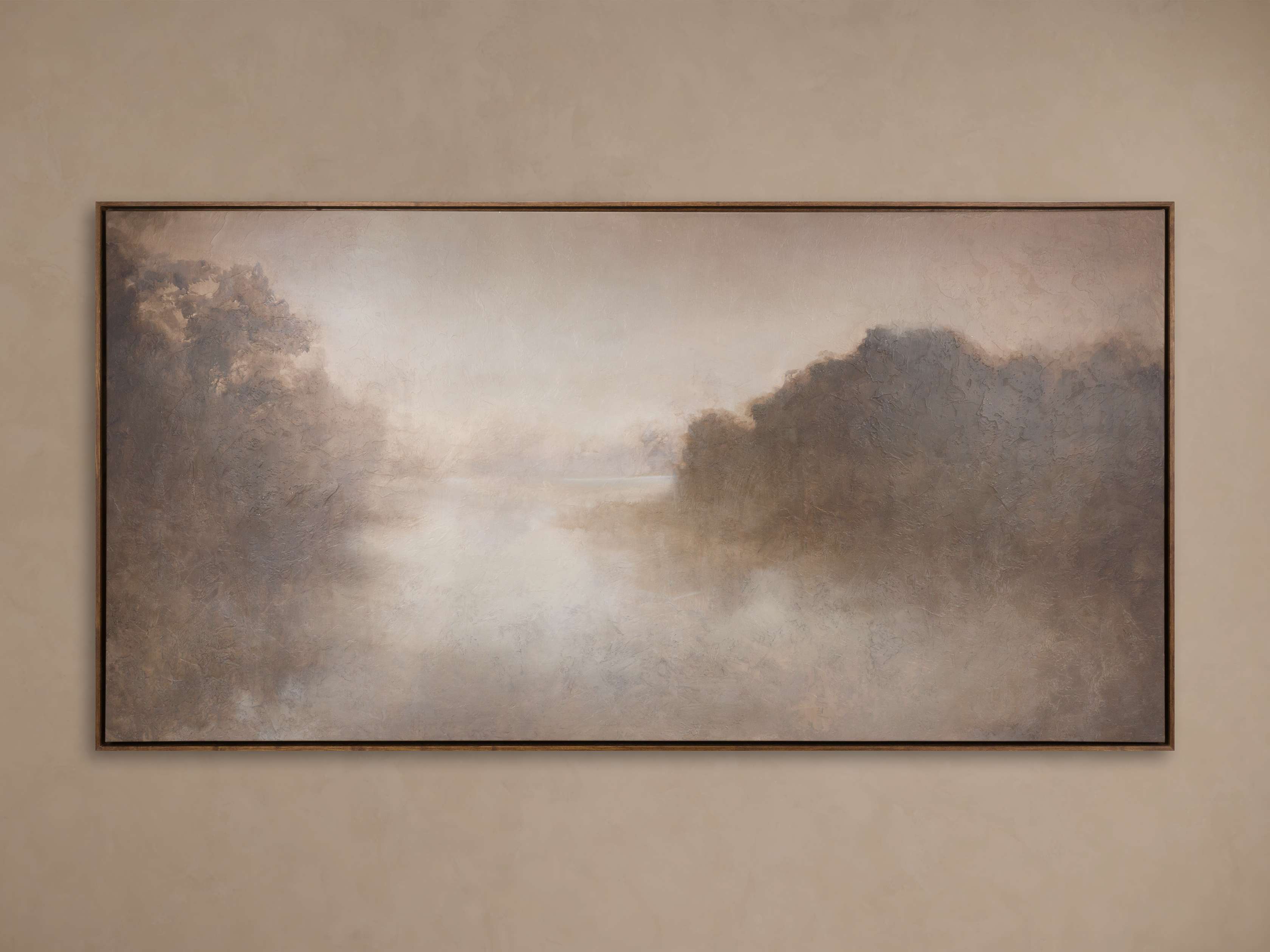
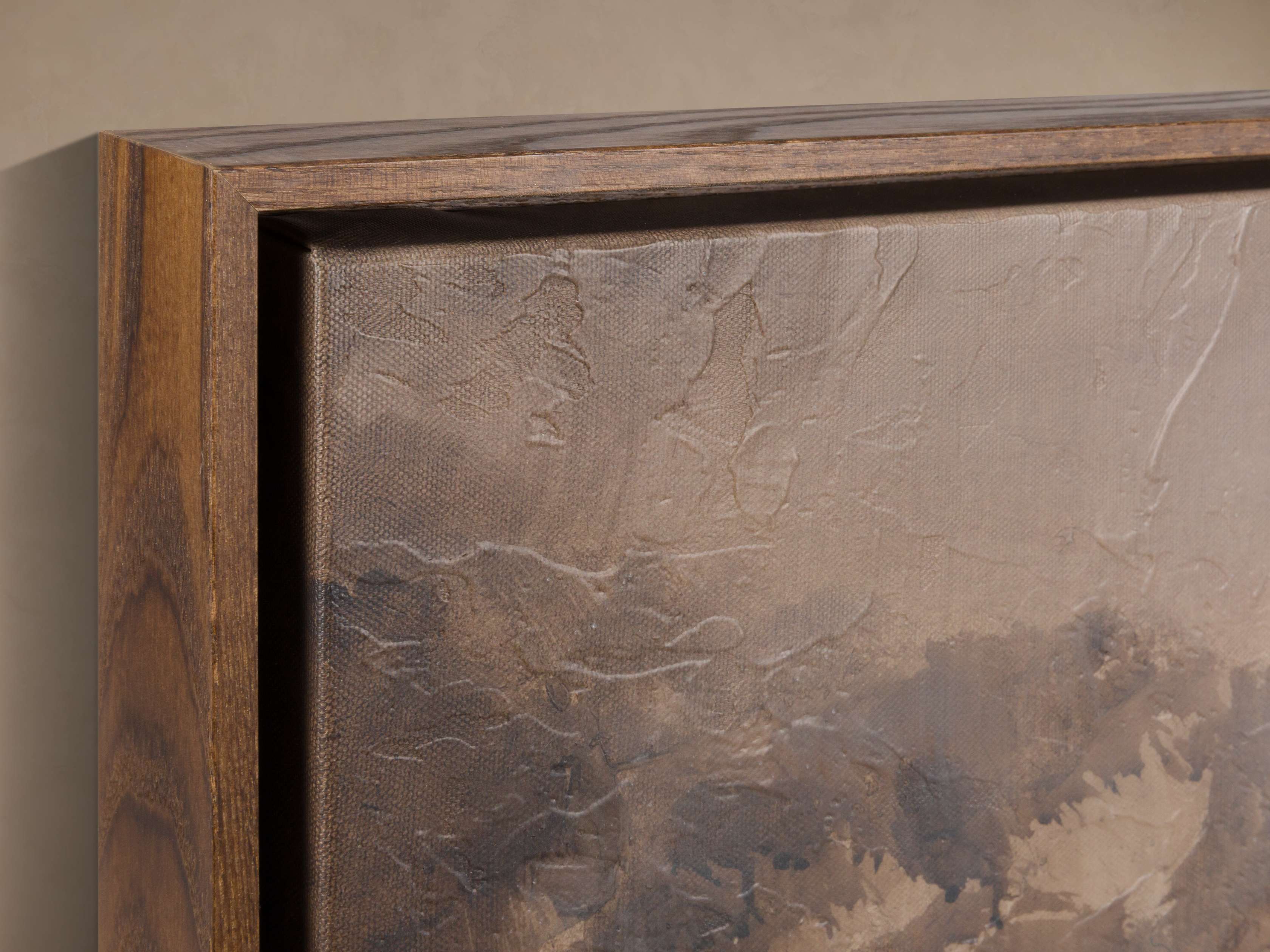
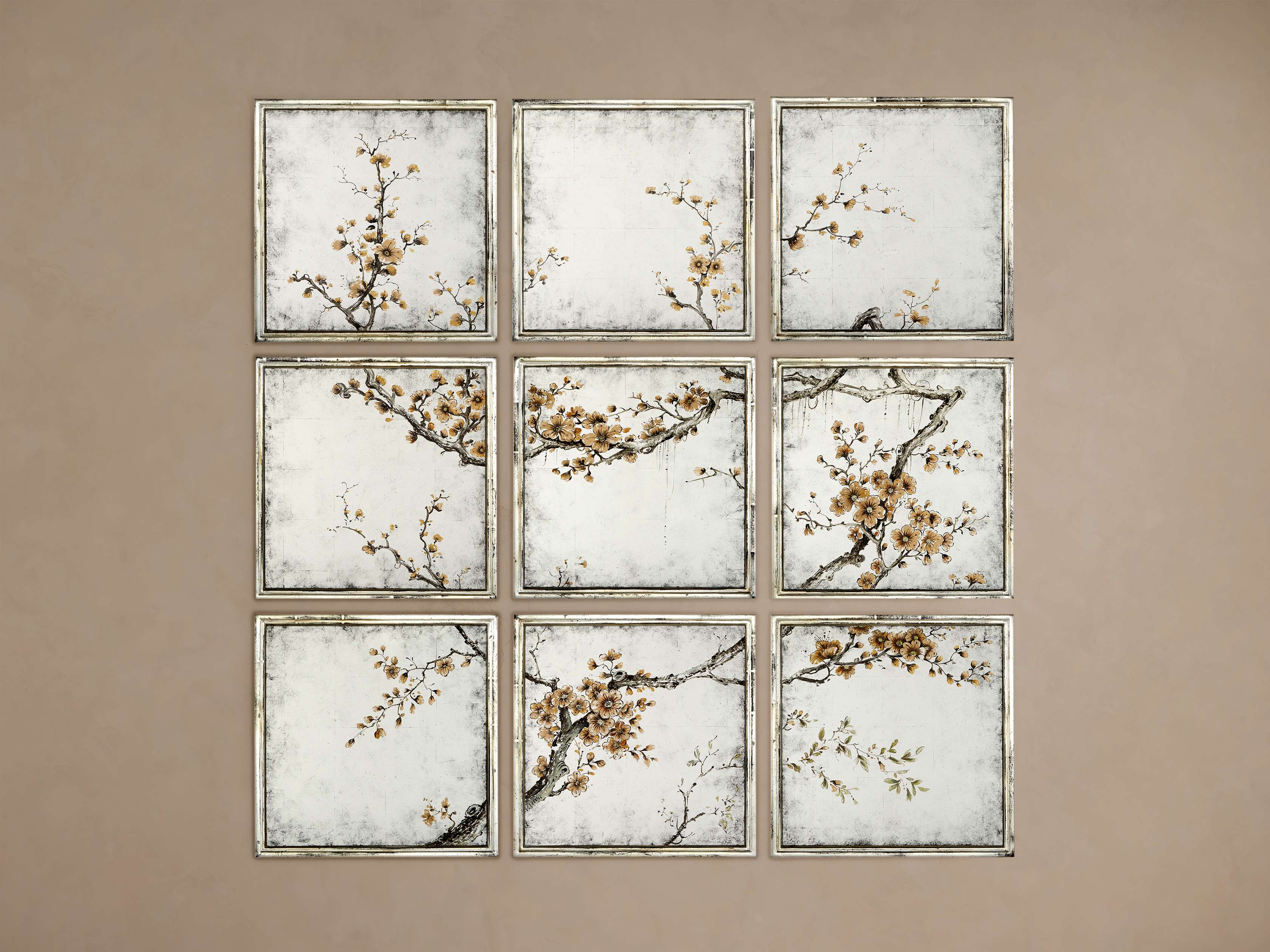
Choosing wall art usually starts with a wall, not a format: an empty stretch above a sofa, a hallway that needs something to break it up, a bedroom wall facing the bed. This collection brings together every style of art this shop carries in one place: framed prints, canvas wall art, photography, and multi-piece art sets, so the format can be chosen based on the room instead of guessed ahead of time.
Whether you already know you want a single framed statement piece or you're still deciding between a photograph and a canvas print, this is the place to compare them side by side.
Framed Prints, Canvas, and Photography Compared
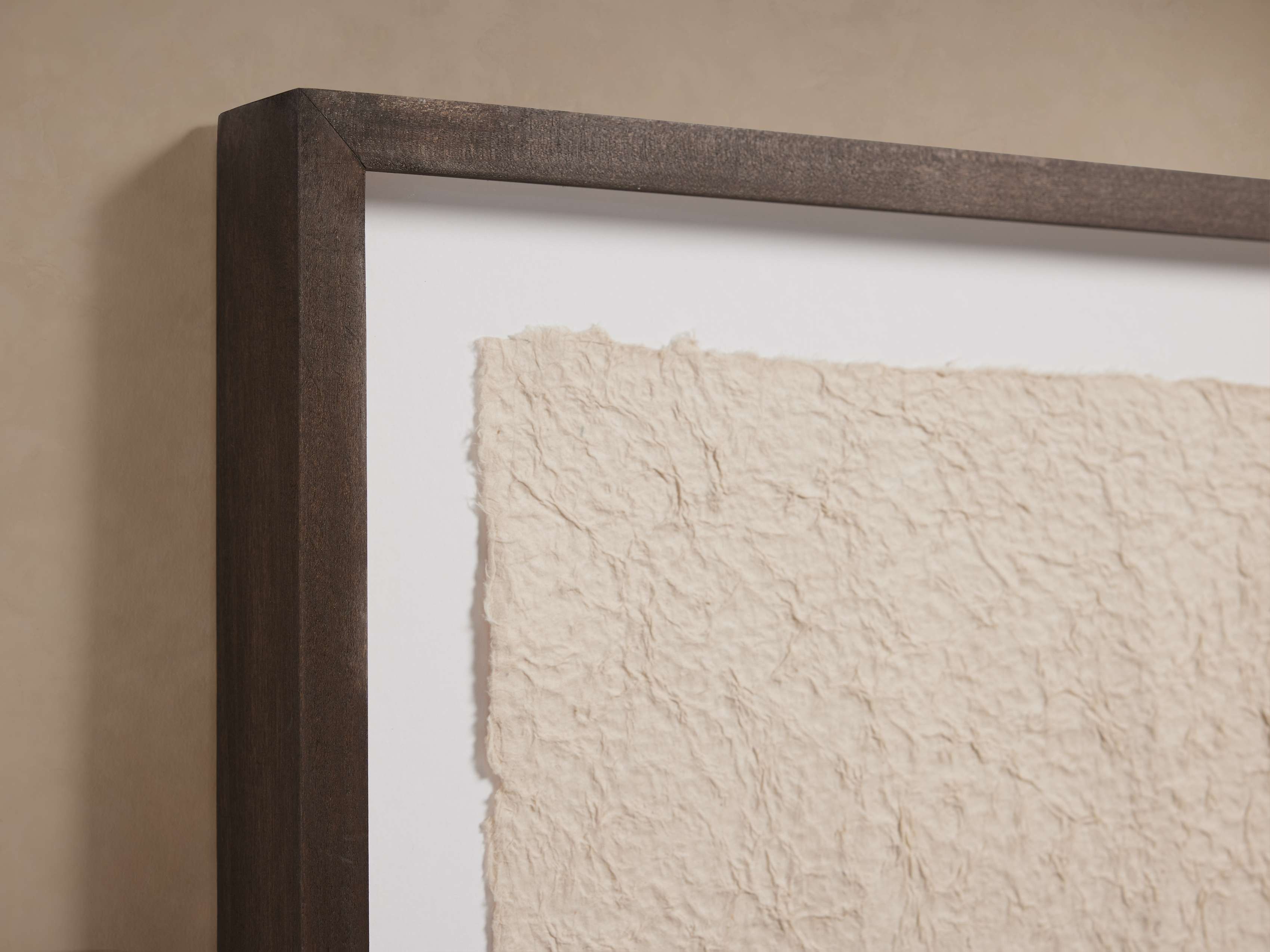
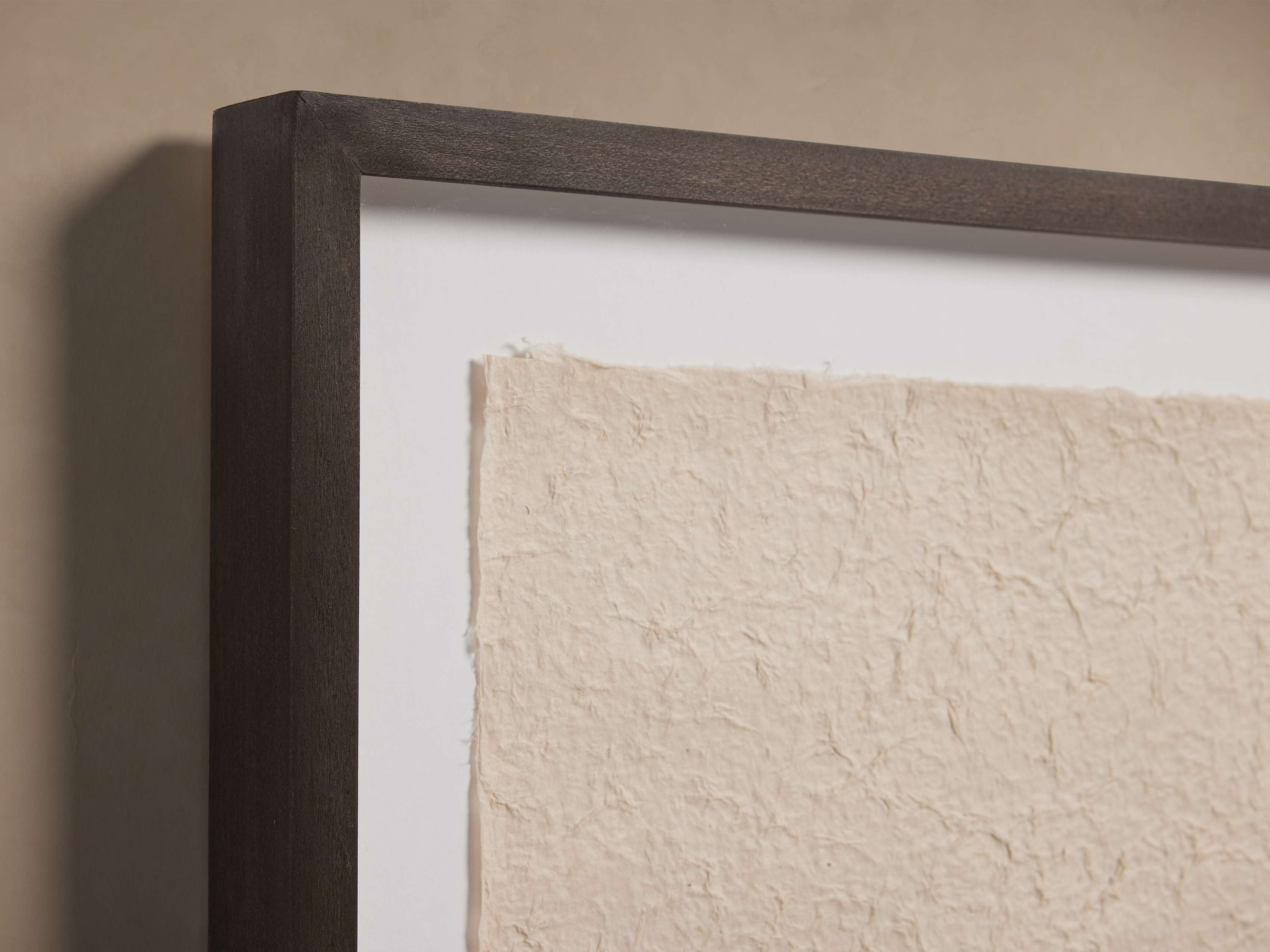
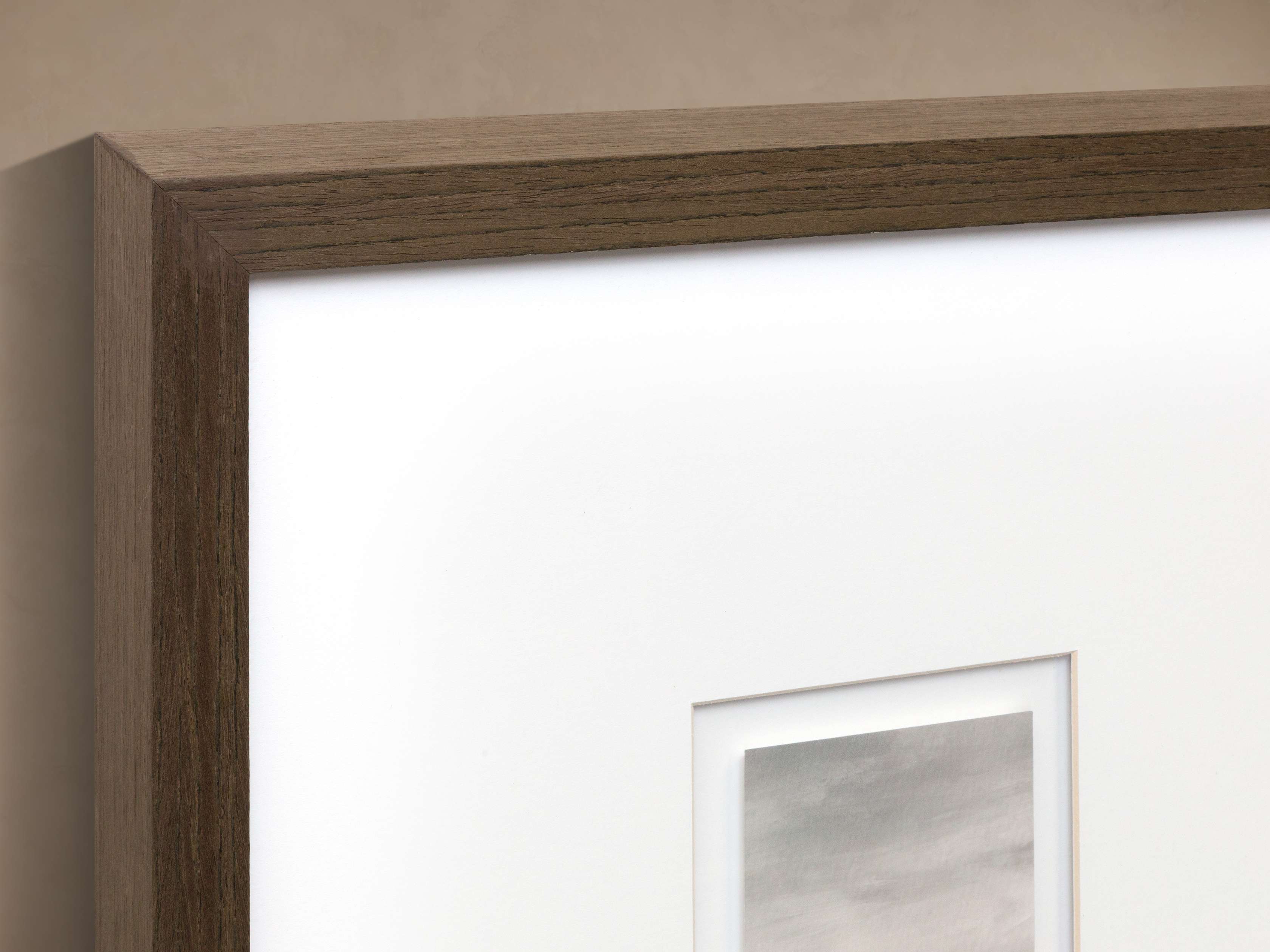
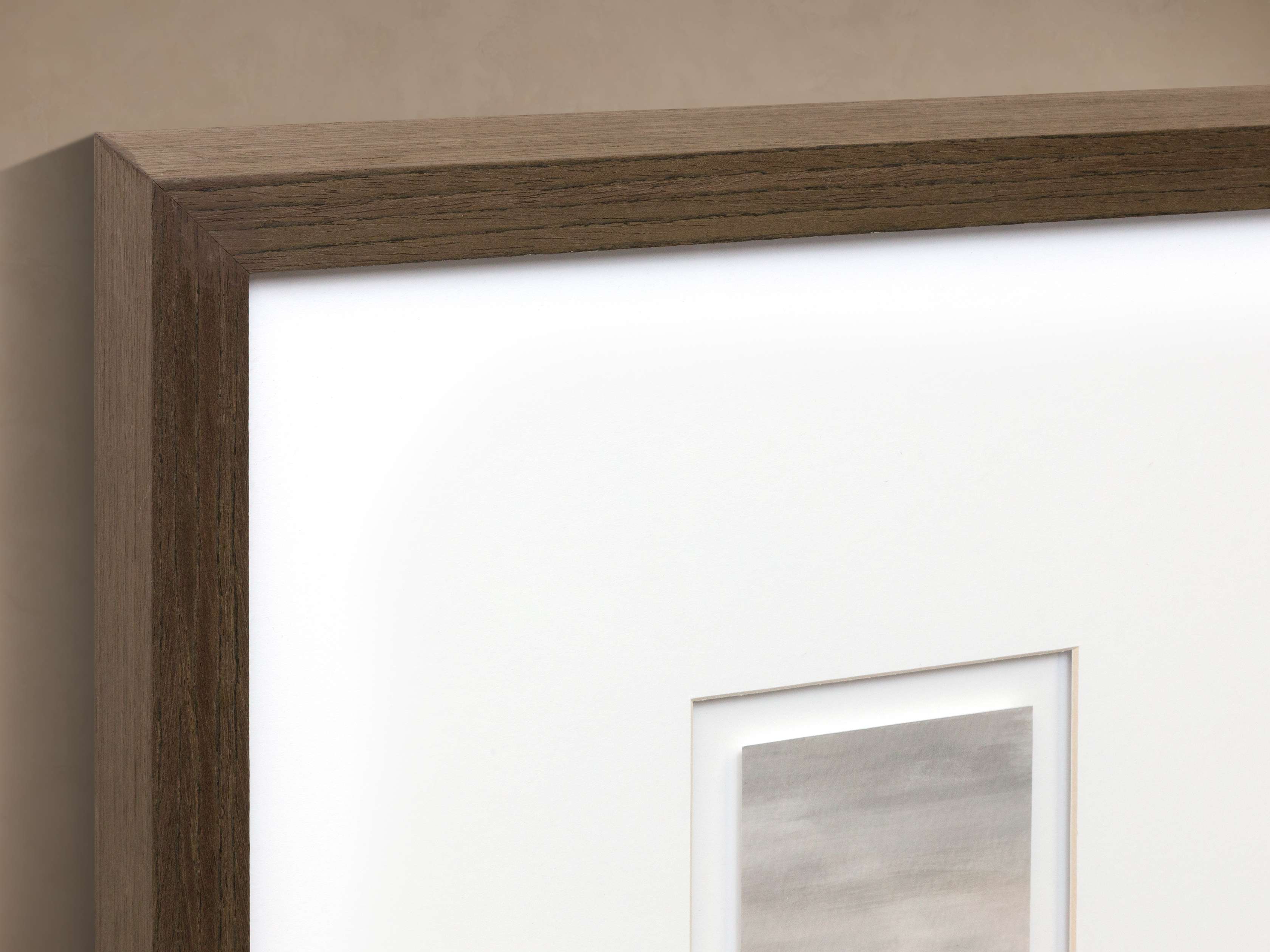
A framed print sits behind glass inside a dedicated frame, which gives it the most traditional, finished look of the group and makes it a natural fit for more classic or formal rooms. Canvas wall art skips the glass and frame entirely, stretching the printed image over its own edges instead, which reads as lighter and more contemporary on the wall.
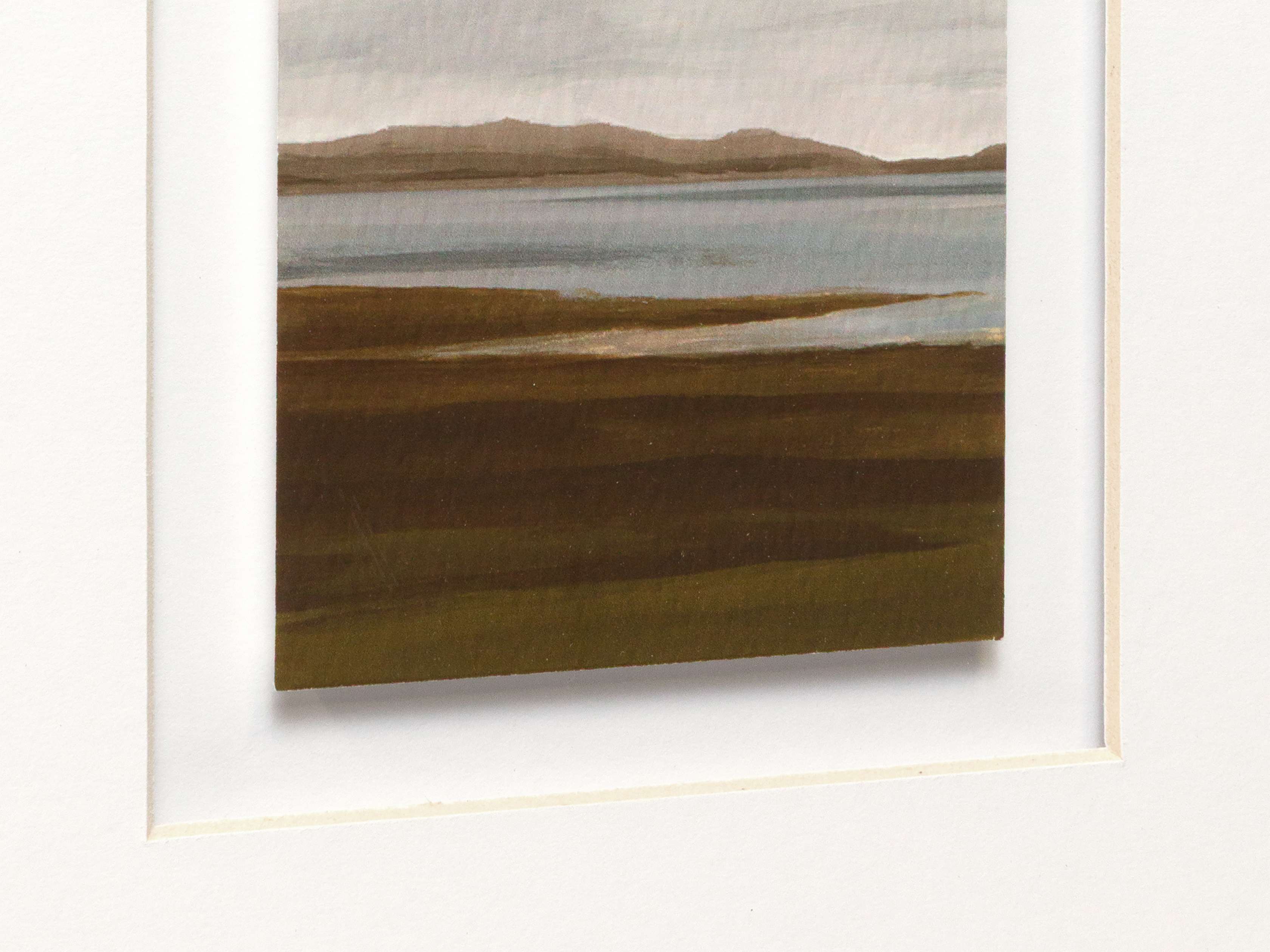
Photography overlaps with both formats depending on how it's printed and mounted, but it carries its own considerations around finish and glare that painted or illustrated art doesn't. A glossy photographic print behind glass can look striking in the right light and distracting in the wrong spot, so photography tends to reward a bit more thought about where exactly it will hang.
Single Pieces Versus Art Sets
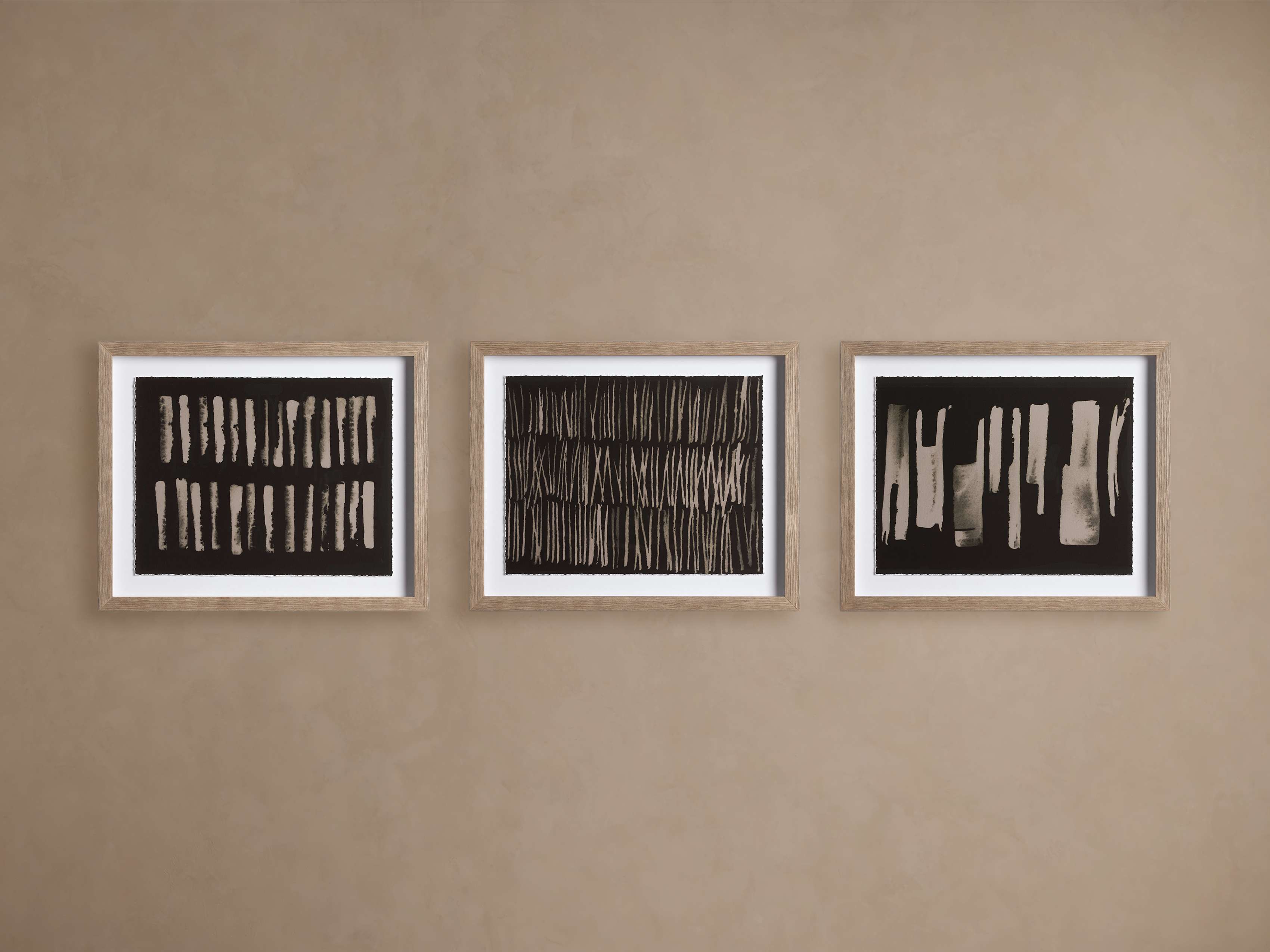
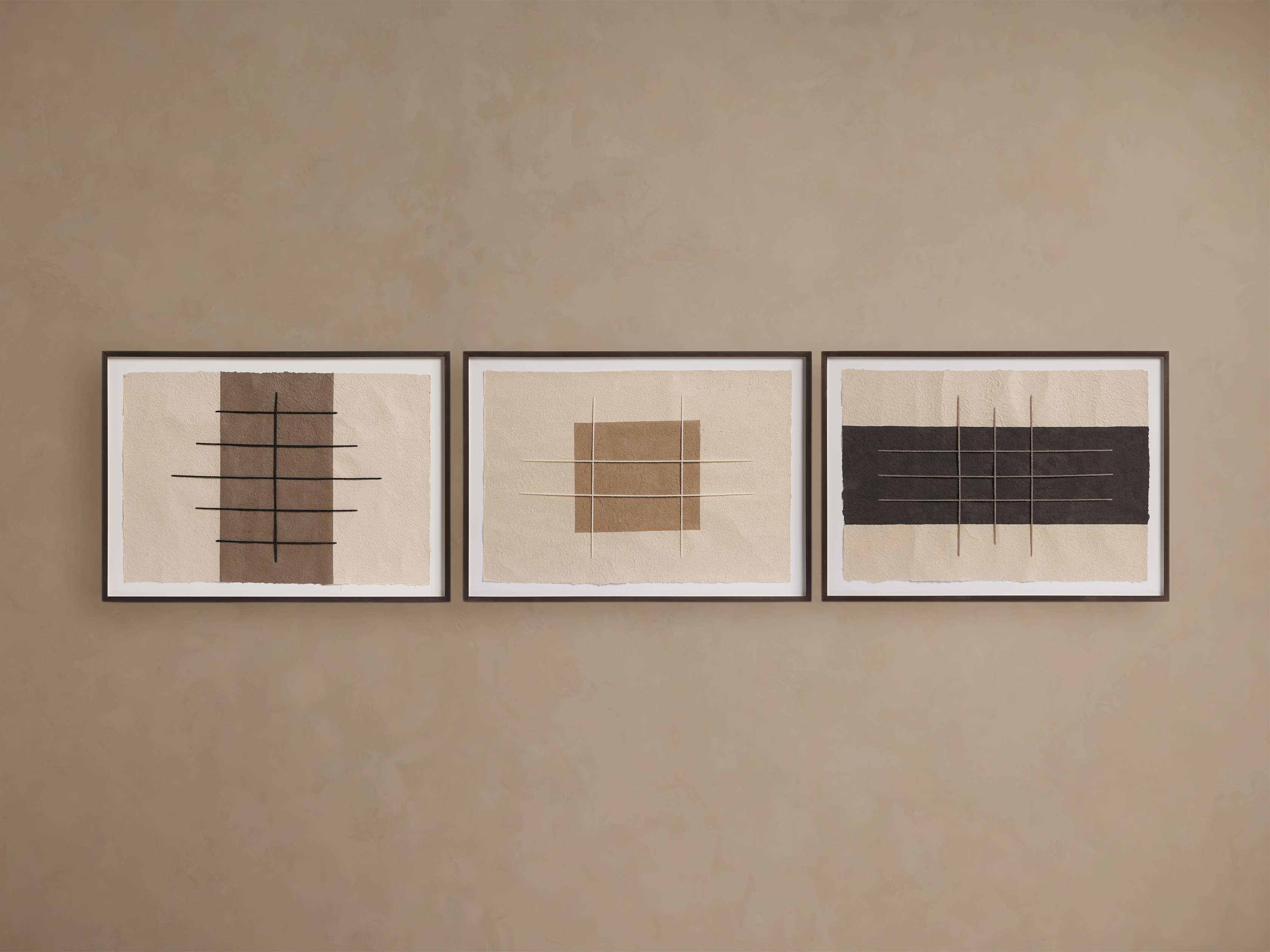
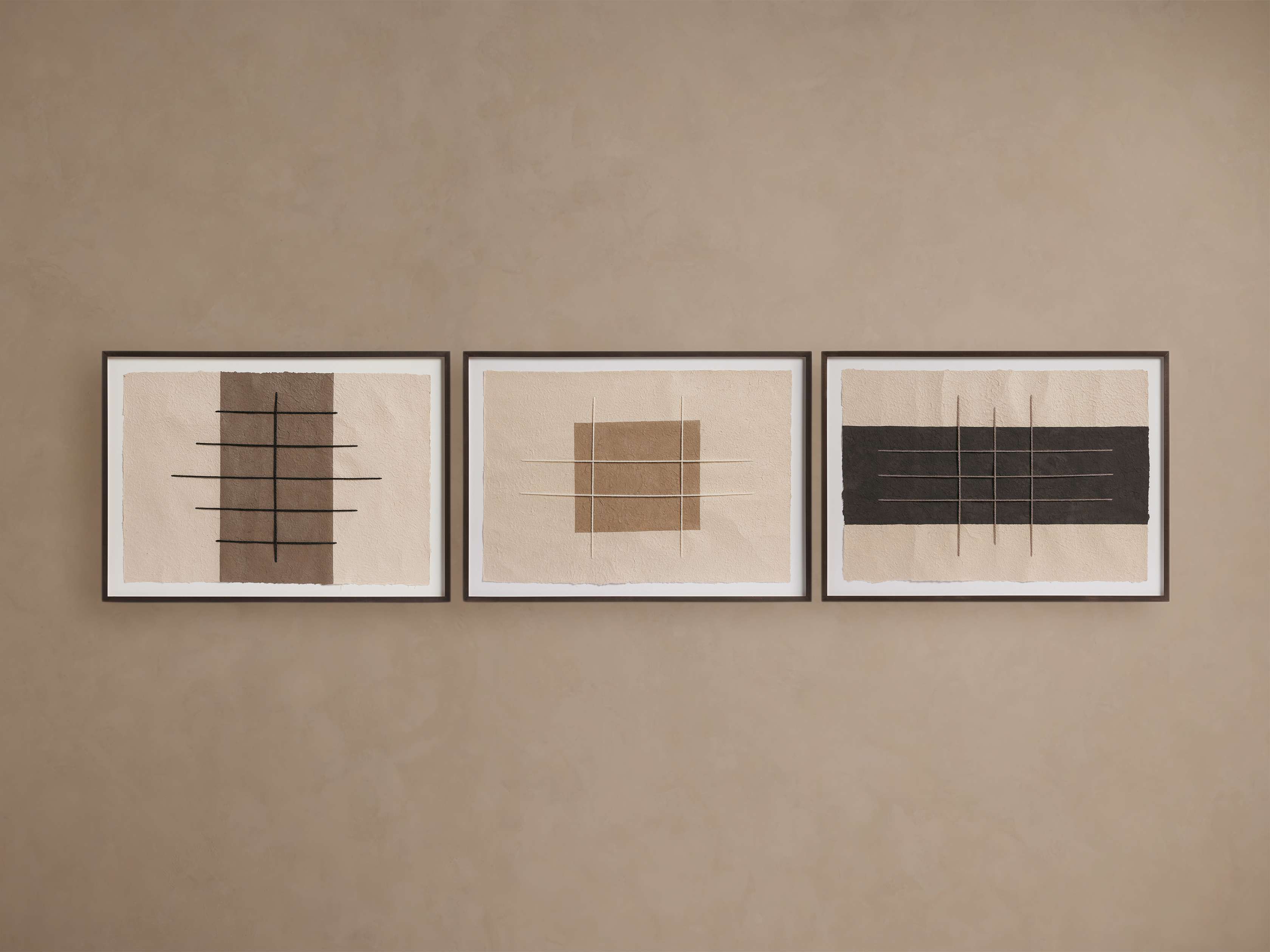
Think about the wall's proportions before deciding how many pieces to hang. A single large artwork can make a shorter wall feel complete without adding too much visual activity. On a longer wall or staircase, a multi-piece art set—whether a pair, trio, or numbered series—can spread the artwork across the space and create a more connected arrangement.
There's no right or wrong choice here. One oversized print keeps things simple and focused, while several smaller pieces give you room to experiment with spacing, rearrange the layout, or add new artwork over time.
Building a Room Around Its Wall Art
Wall art works best when it's chosen with the room's existing palette and furniture in mind rather than picked in isolation and hoped to fit later. Neutral and black-and-white pieces offer plenty of flexibility, fitting naturally into a wide range of rooms without much coordination. If you prefer bold, colorful artwork, choose shades that pick up on colors already used throughout the space.
Scale matters just as much as color. A piece, or a set of pieces, sized to genuinely fill the available wall space reads as intentional, while anything noticeably smaller than the wall around it tends to look like an afterthought no matter how nice the piece itself is.
How to Pick the Right Format for Your Wall
Start with the wall's shape and size. A short, contained wall generally suits a single piece, framed, canvas, or photographic, while a long or unusually shaped wall, a staircase, or a wide sofa wall often works better with a multi-piece art set or a numbered series spread across it.
Next, think about how the room is lit. A wall that catches strong, direct light through a window benefits from a matte finish and, in the case of photography, a bit of extra caution around glare. A wall with more controlled or indirect light has more flexibility to use a glossy finish or an unframed canvas piece without worrying about reflection.
Finally, let the room's existing mood guide subject and format together. A calmer, more traditional room tends to suit framed prints and landscape photography, while a more modern, minimal space often leans toward frameless canvas and bolder, more graphic subjects.
FAQ
What's the difference between framed wall art and canvas wall art?
Framed wall art is printed behind glass and set inside a dedicated frame, giving it a more traditional, finished look. Canvas wall art stretches the printed image over its own wooden support with no glass or separate frame, which gives it a lighter, more contemporary appearance on the wall.
Should I buy one framed artwork or a multi-piece set?
A single large piece of wall art tends to work best as a focal point on a shorter, more contained wall, while a multi-piece art set suits longer walls, staircases, or spaces that benefit from more visual movement across the room. Both are valid choices, and the decision usually comes down to the wall's shape more than personal preference alone.
Is photography a good choice for a living room wall?
Yes. Photography wall art, particularly landscape or nature subjects, tends to suit living rooms well, though it's worth checking the wall's lighting first. A photographic print facing strong direct light generally benefits from a matte finish to avoid glare that a glossy print or unframed canvas might not have to deal with as much.
How do I know which wall art dimensions will fit my space?
Measuring the wall itself before choosing a piece is the most reliable approach, since wall art sized to genuinely fill the available space reads as intentional, while something noticeably smaller looks like an afterthought. As a rough guide, a piece hung above furniture like a sofa should span roughly two-thirds of that furniture's width.
Can different types of wall art be mixed on the same wall?
Yes. Framed prints, canvas pieces, and photography can be combined on the same wall as part of a broader gallery arrangement, as long as frame finishes, mat colors, and spacing stay reasonably consistent across the group. Treating mixed-format wall art as one cohesive layout, rather than several unrelated pieces, is what makes the combination work.
