



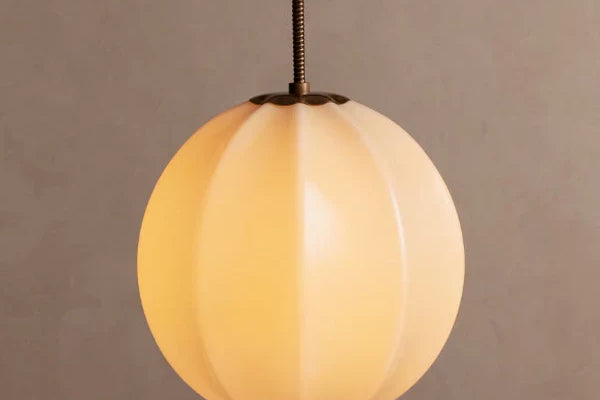



Vanities & Washstands

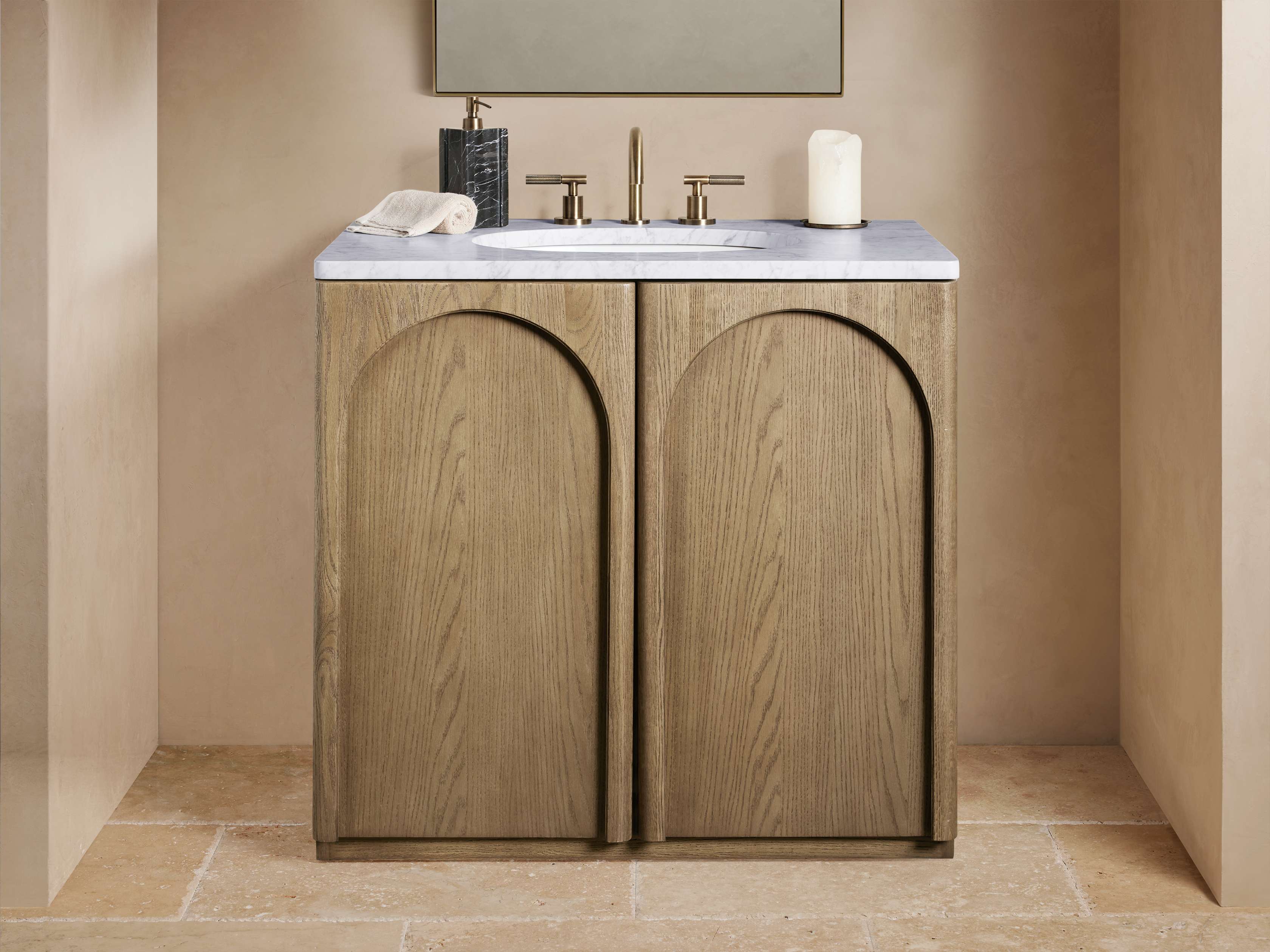

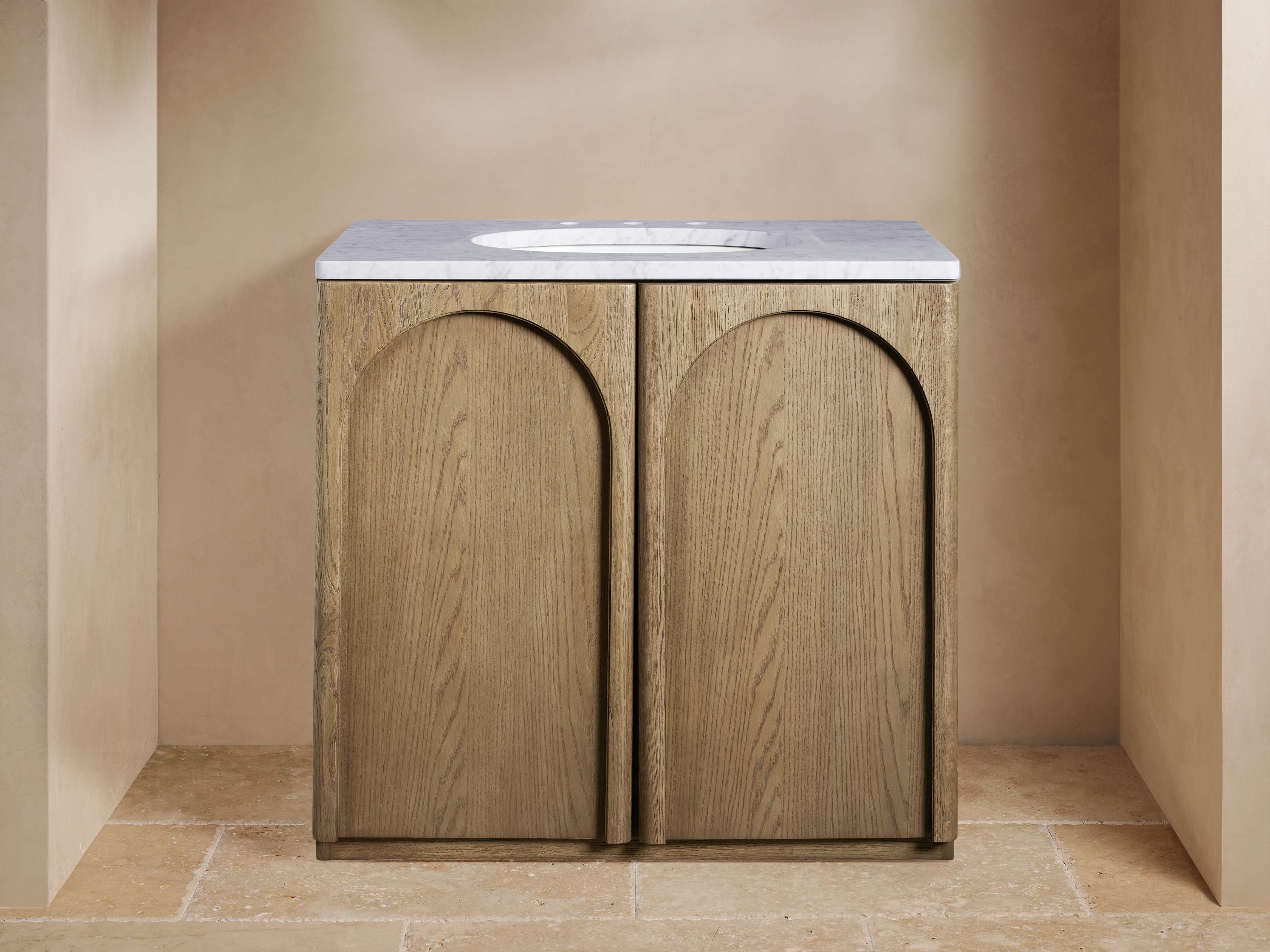
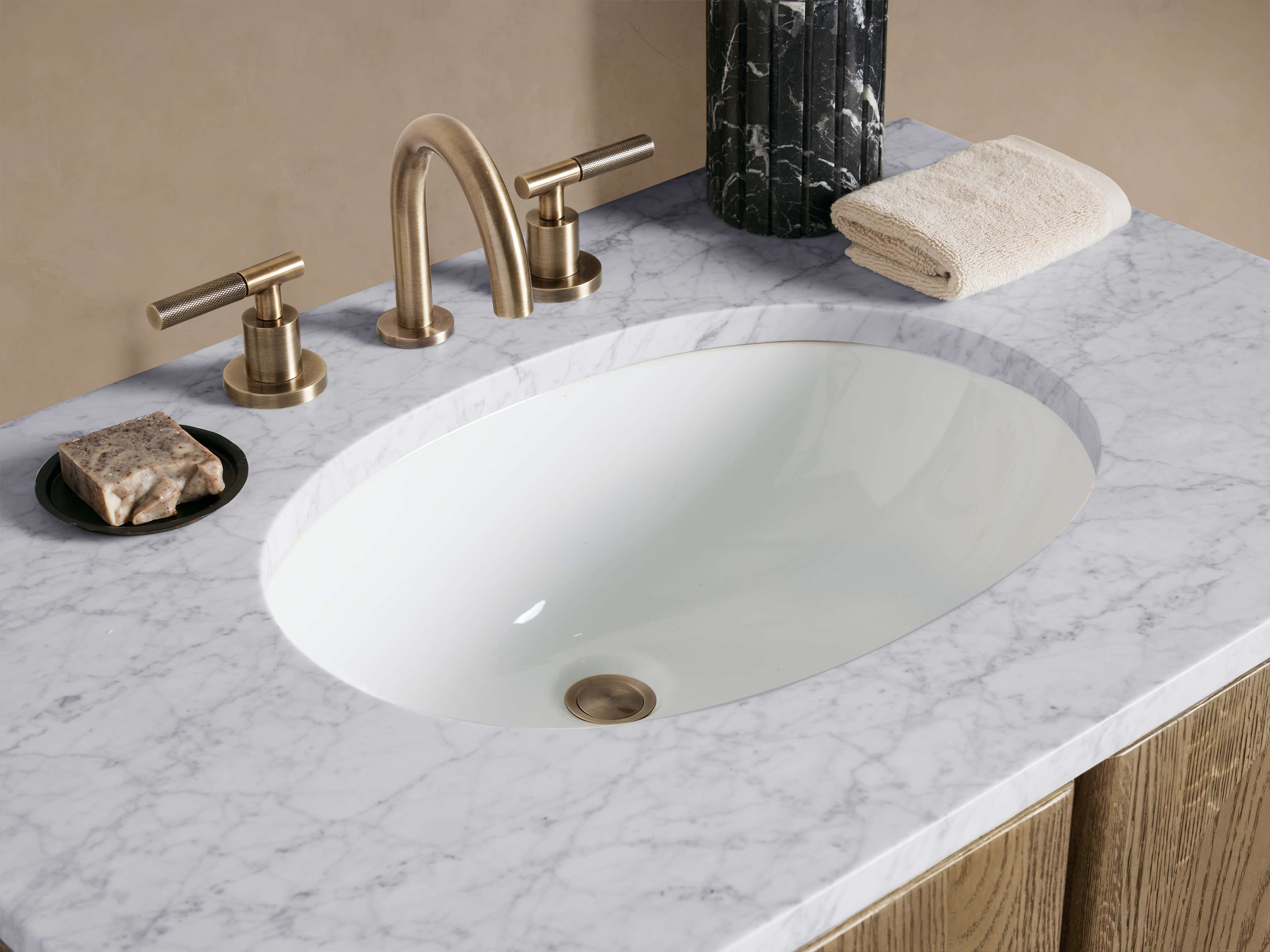
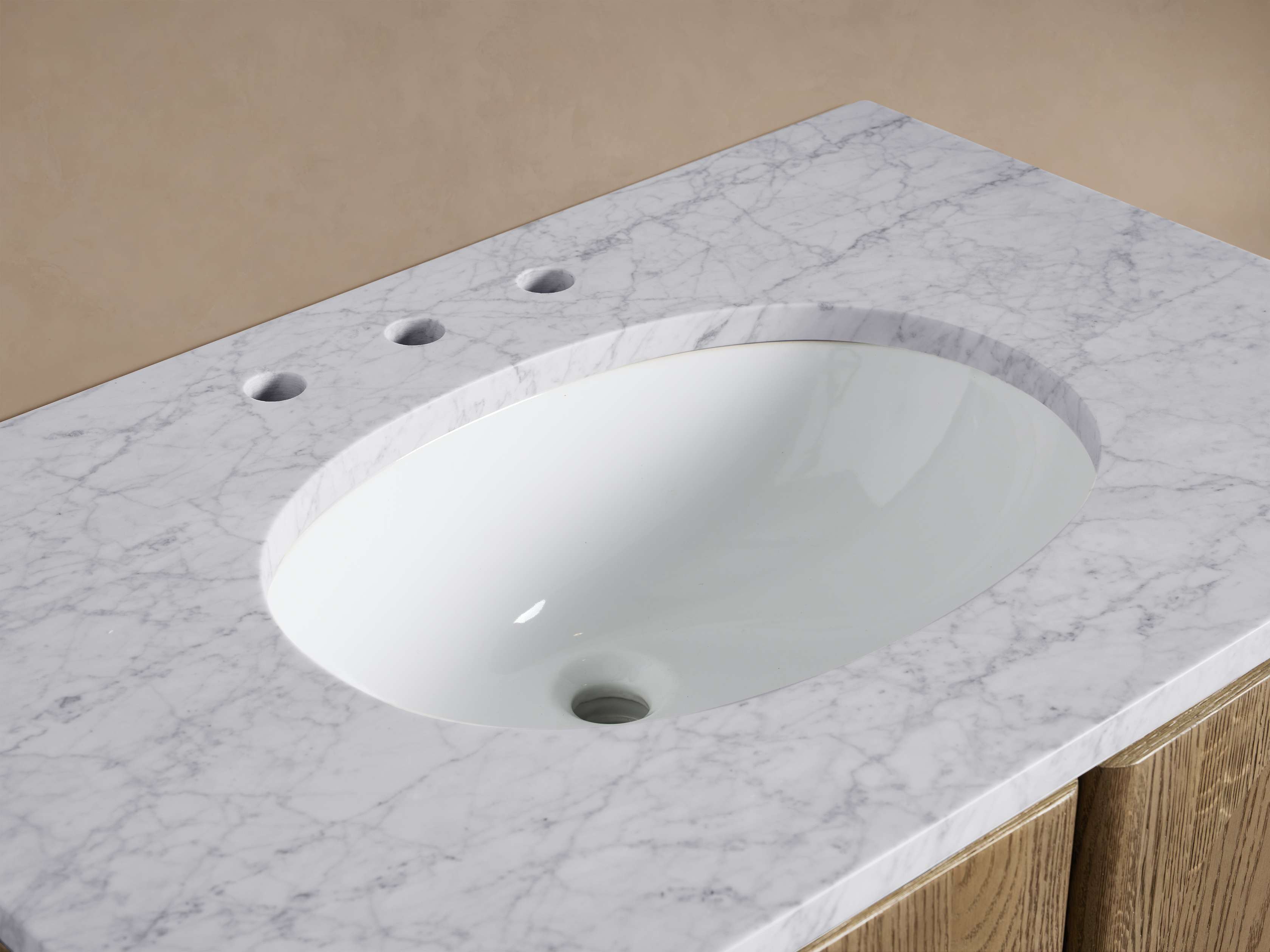
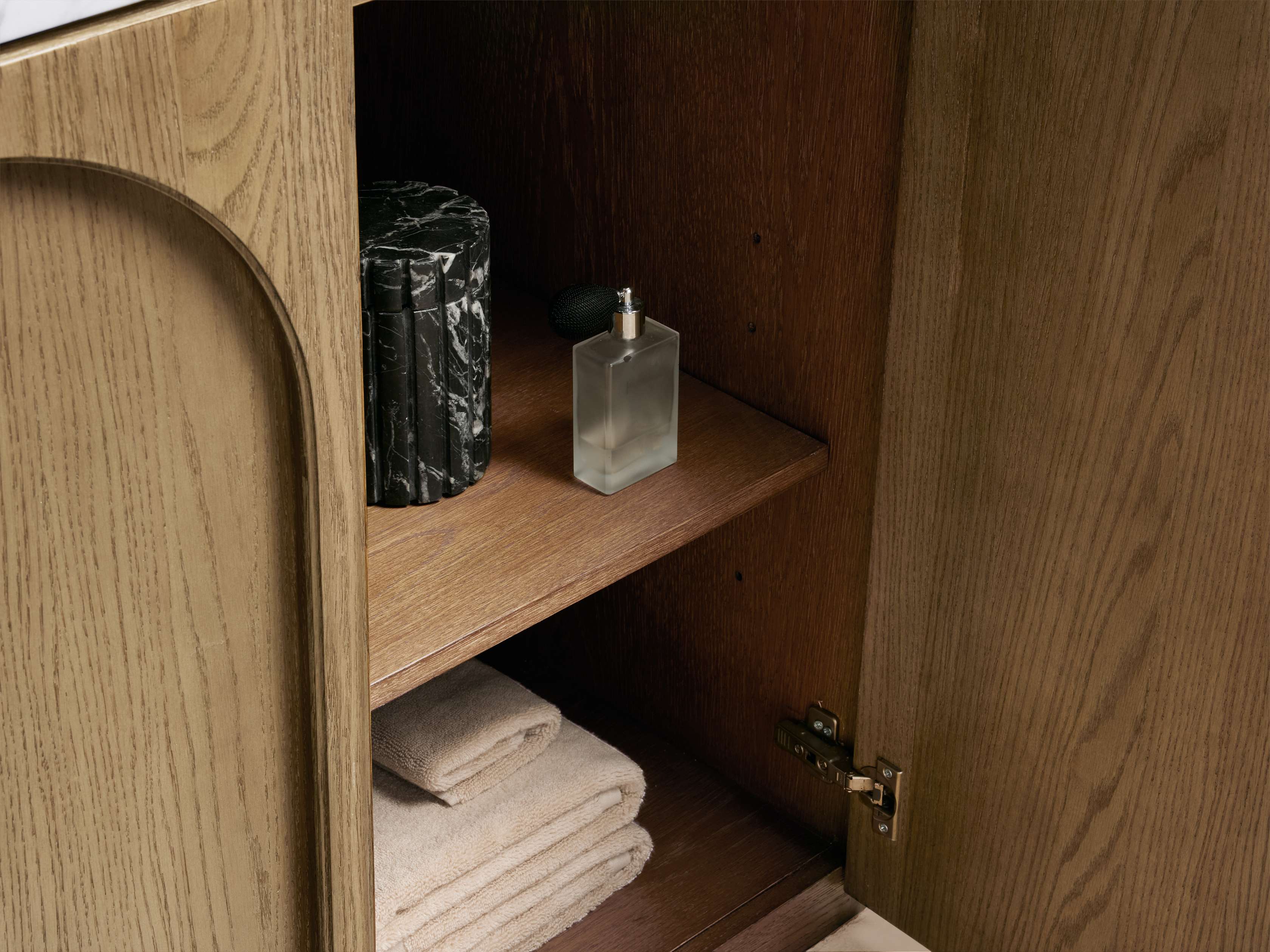
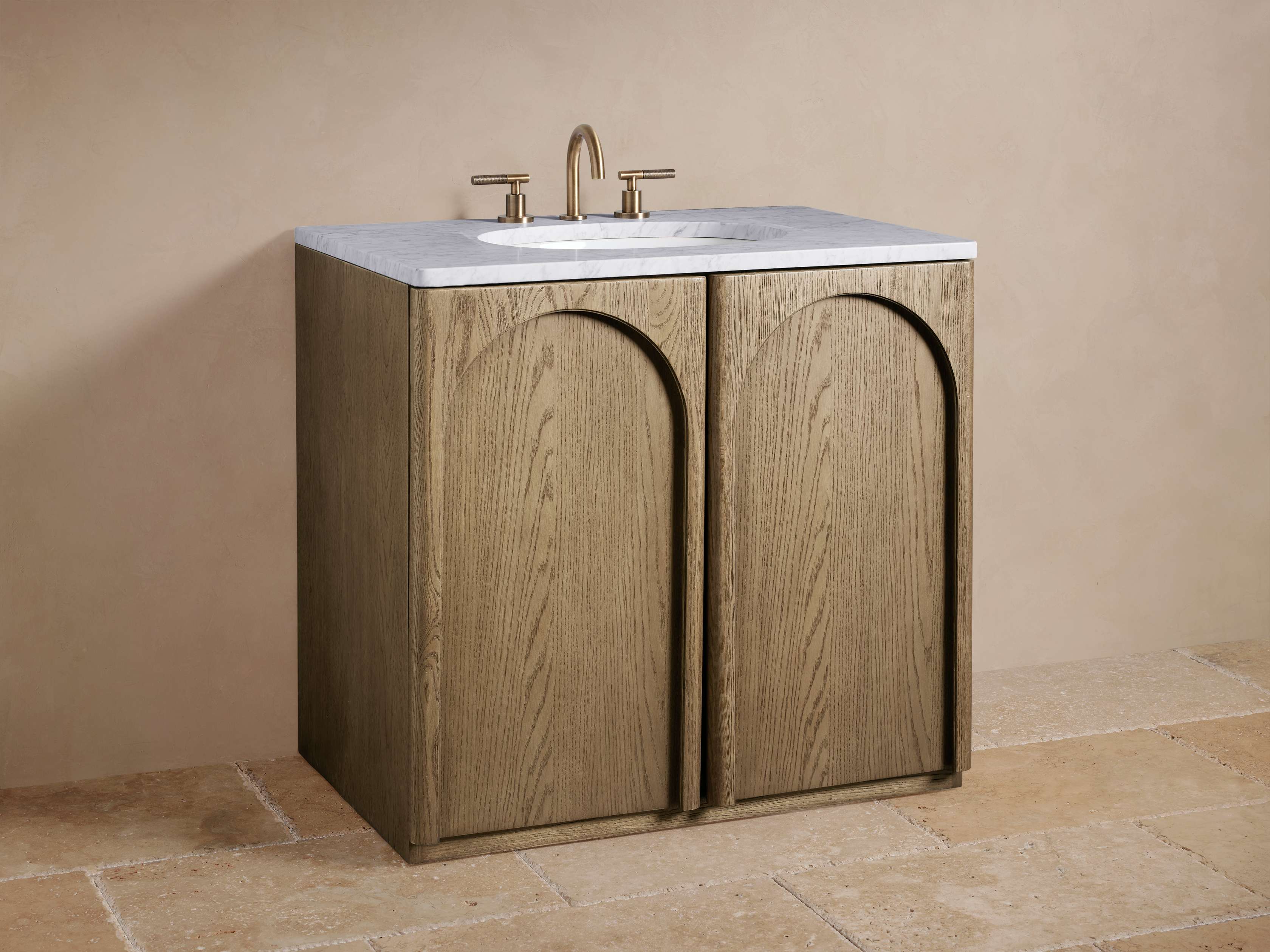
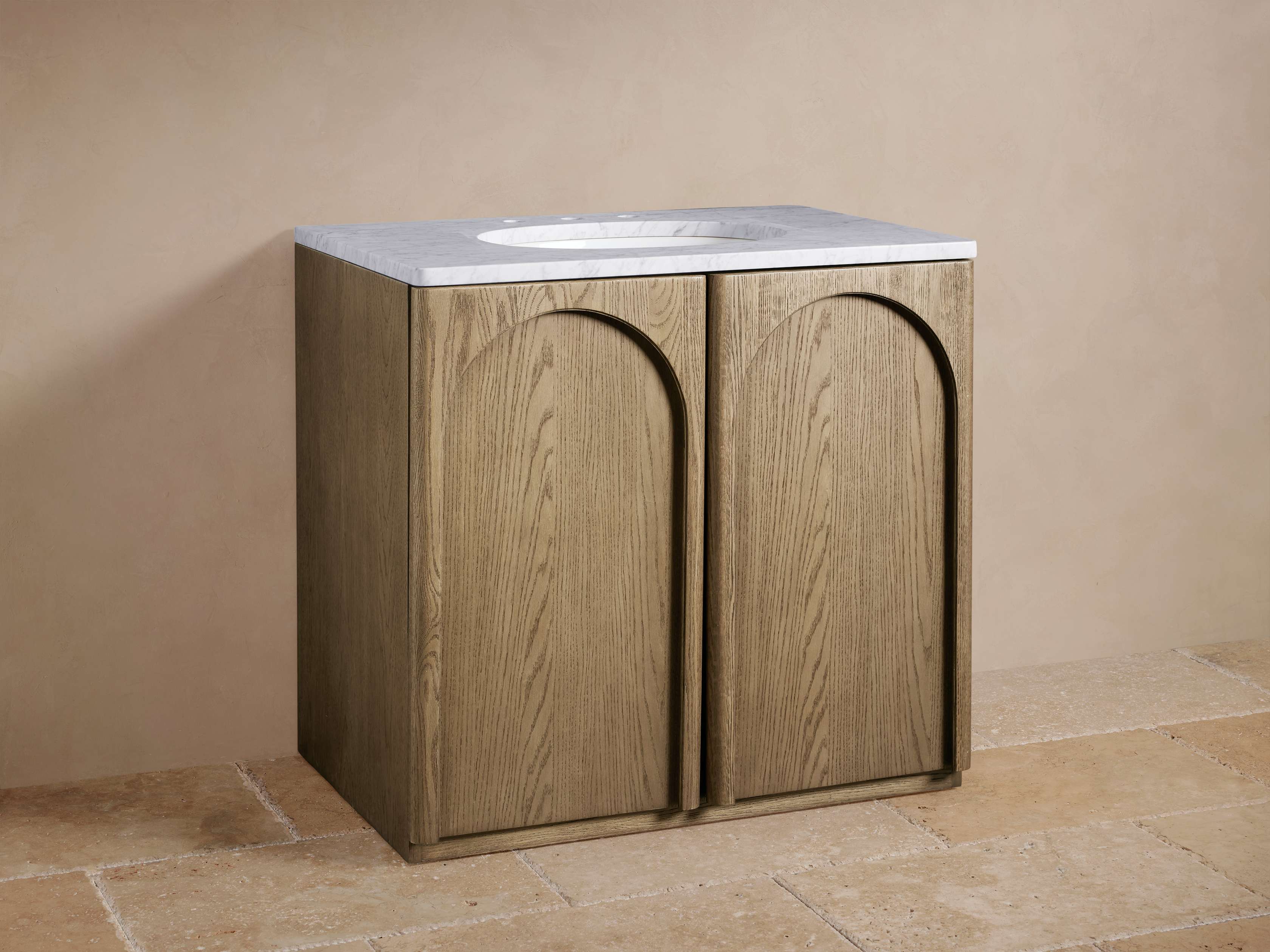
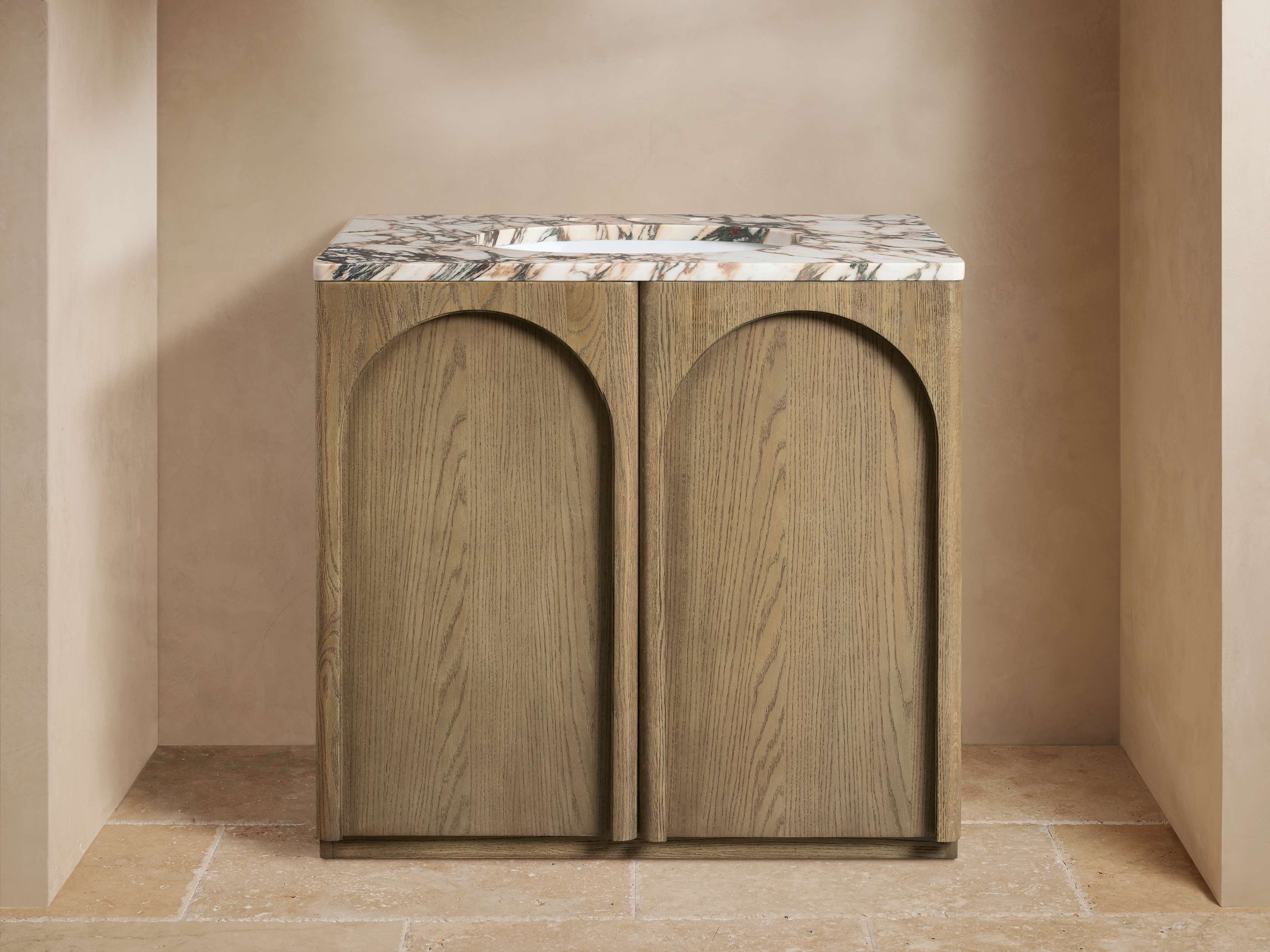
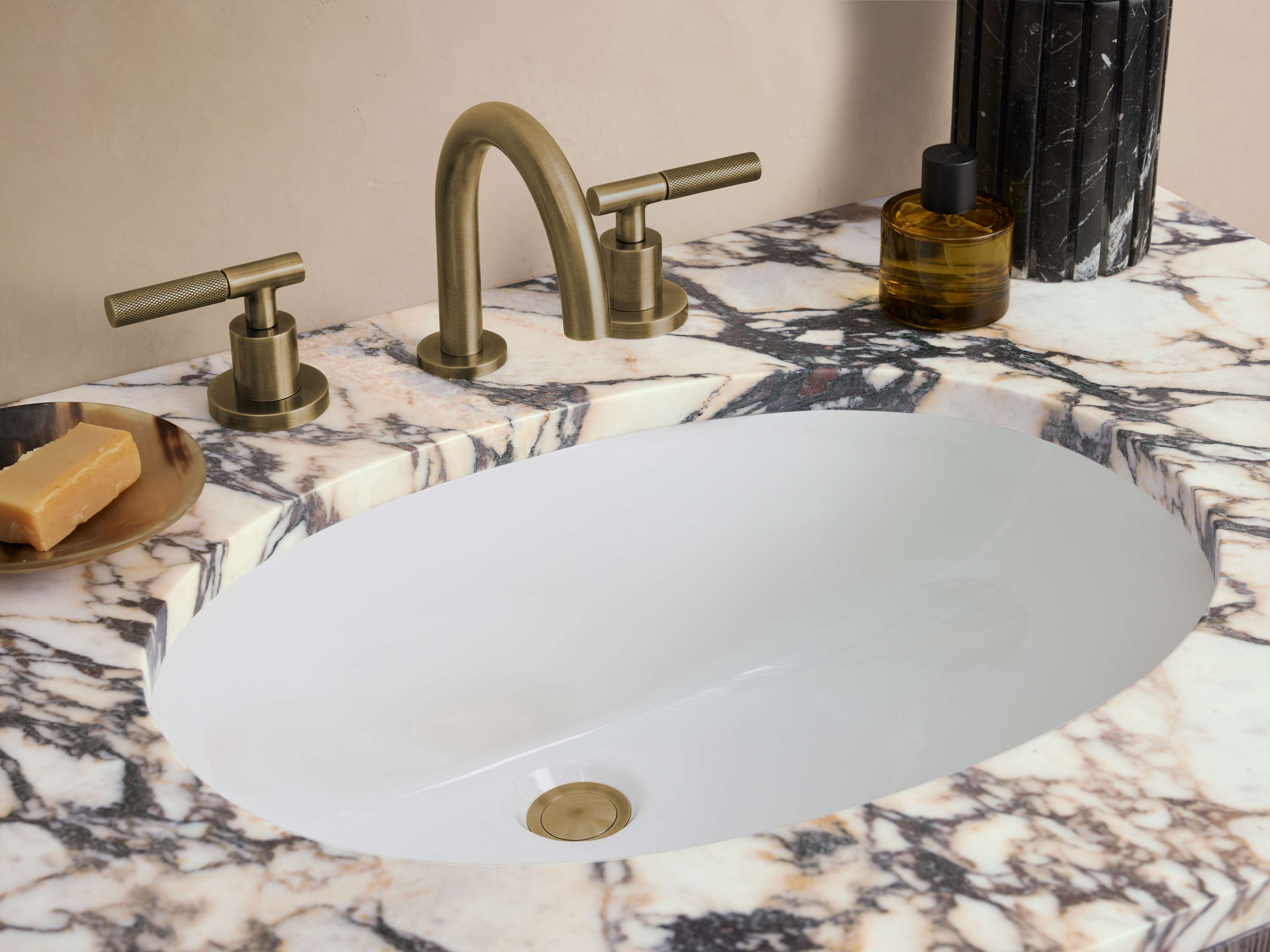
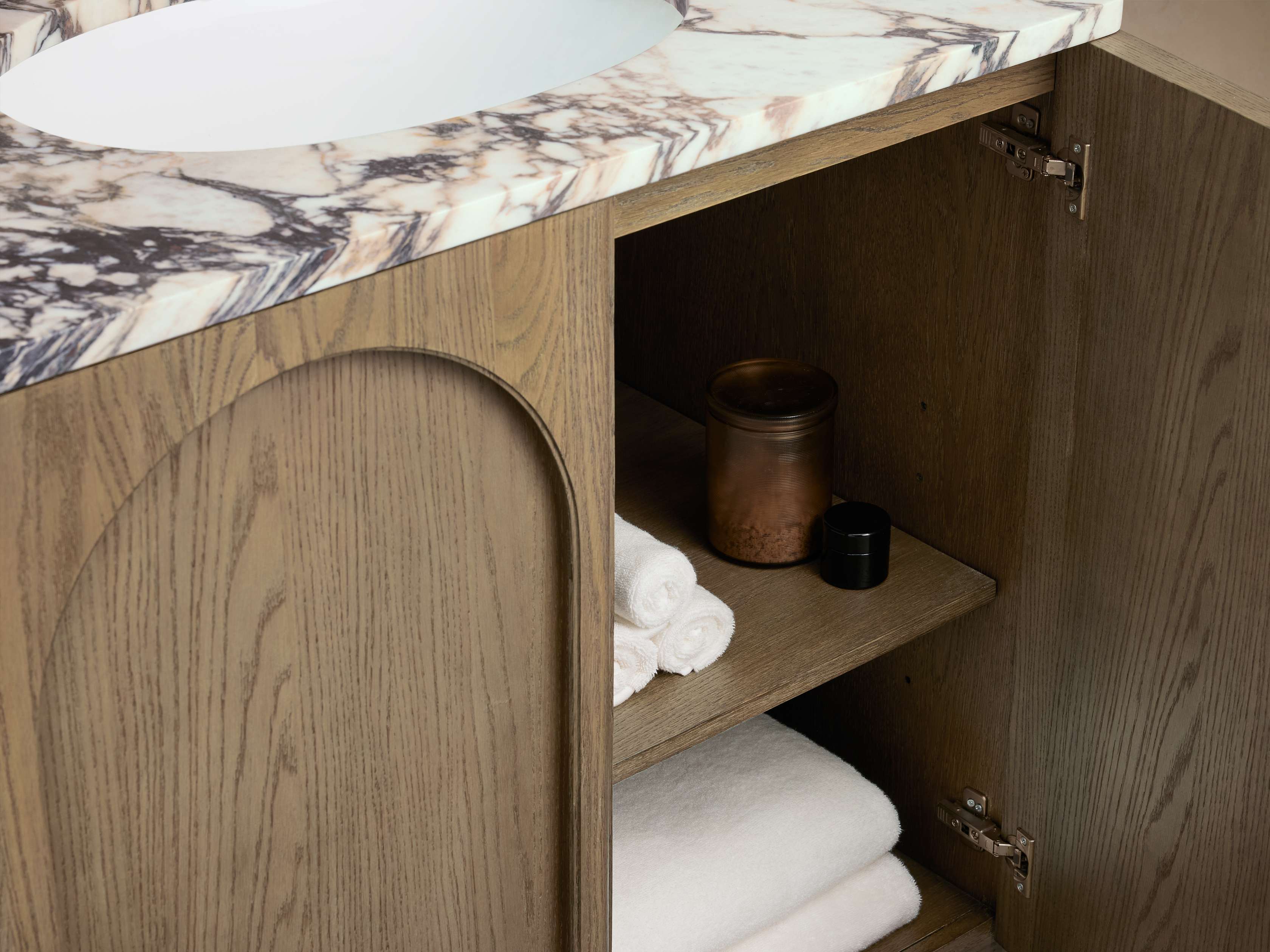
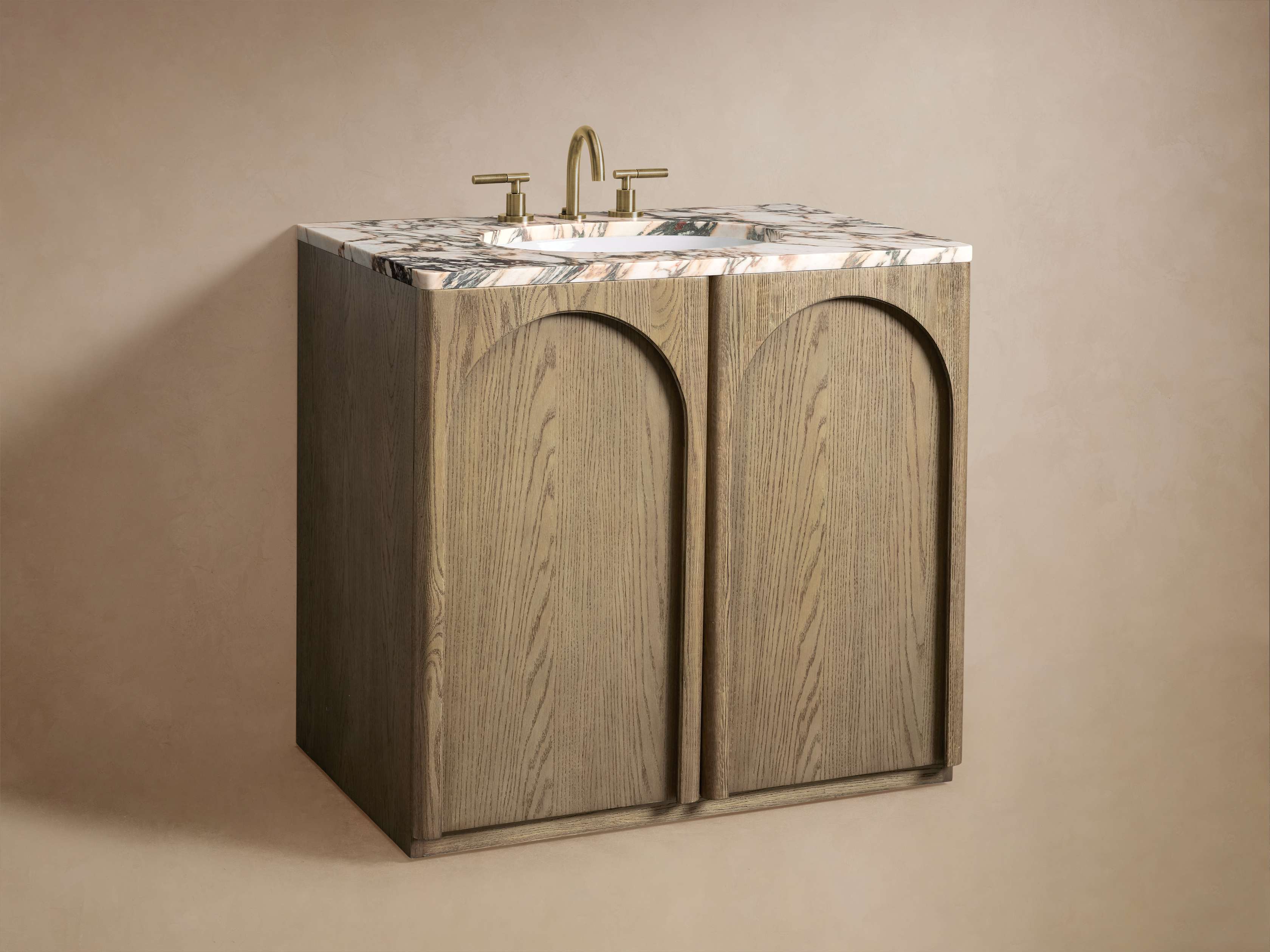


A vanity does more work than most bathroom furniture, holding the sink, the storage, and often the mirror lighting all in one piece. This collection covers vanities and washstands in single and double sink configurations, in sizes that work for a small powder room or a larger primary bathroom.
Whether you're renovating a full bathroom or replacing a single outdated vanity, there's a size and style here to match.
Single and Double Sink Vanities
A single sink vanity is the standard choice for smaller bathrooms, guest baths, or powder rooms where one person typically uses the space at a time. A double sink vanity spreads two basins across a wider counter, which works better for primary bathrooms shared by two people getting ready at once.
Counter material affects both looks and upkeep, with quartz and solid surface tops resisting water damage better than untreated wood. Cabinet storage matters as much as the sink itself, since most people need somewhere to keep toiletries, towels, and cleaning supplies close at hand. Vanity height should also match who's using it most, with taller vanities suiting adults better and standard heights working fine in shared or guest bathrooms.
Floating Vanities for Small Bathrooms
A floating bathroom vanity is mounted directly to the wall rather than resting on the floor. This creates more visual space in a small bathroom and makes it easier to clean underneath. Floating bathroom vanities often suit contemporary interiors, but classic finishes and detailed designs can help them blend into traditional bathrooms.
A wall-mounted bathroom vanity requires secure wall anchoring, making installation more involved than a floor-standing model. Be sure to account for the additional installation time when planning your renovation.
Washstands for a Traditional Look
A bathroom washstand has a furniture-inspired design that looks more like a dresser or table than a standard vanity. The sink may be built into the top or placed on the surface. This style works especially well in vintage and farmhouse bathrooms and is a practical choice for powder rooms with lighter storage needs.
How to Choose the Right Vanity or Washstand
Start with the bathroom's size and layout. A smaller bathroom usually calls for a single sink vanity or a floating design, while a larger primary bathroom can support a double sink vanity with more counter and storage space.
Think through how much storage you actually need day to day. A vanity with multiple drawers works better for households that keep a lot of toiletries and grooming tools on hand, while a simpler washstand may be enough for a guest bathroom that sees light use.
Plumbing placement matters too, since existing pipe locations can limit how much you can shift a vanity's position without additional plumbing work. It's worth checking this before settling on a size or configuration, especially in a renovation rather than new construction.
Finally, match the finish to the rest of the bathroom. A vanity's material and hardware should generally coordinate with cabinetry, fixtures, and flooring already in the space, unless the goal is a piece that stands out on its own.
FAQ
What bathroom vanity height works best?
Standard bathroom vanities are typically 32 to 36 inches tall, with 36 inches, sometimes called comfort height, being more common in newer installations since it matches standard kitchen counter height.
How much space do you need for a double sink vanity?
A double sink vanity generally requires a minimum of 60 inches of counter width to fit two sinks with enough space between them, though 72 inches or more is more comfortable for daily use.
Is a floating vanity harder to install than a freestanding vanity?
Yes, floating vanities require secure wall anchoring to support their weight without a cabinet base underneath, which typically means more involved installation than a freestanding vanity that simply sits on the floor.
What's the difference between a vanity and a washstand?
A vanity is a modern cabinet built specifically to house a sink and bathroom storage, while a washstand has a more furniture-like design, often resembling a table or dresser with a basin added on or set into the top.
Can a single sink vanity be replaced with a double sink vanity?
It depends on available counter space and existing plumbing. Converting to a double sink vanity usually requires at least 60 inches of width and may need additional plumbing work to accommodate the second sink.
