
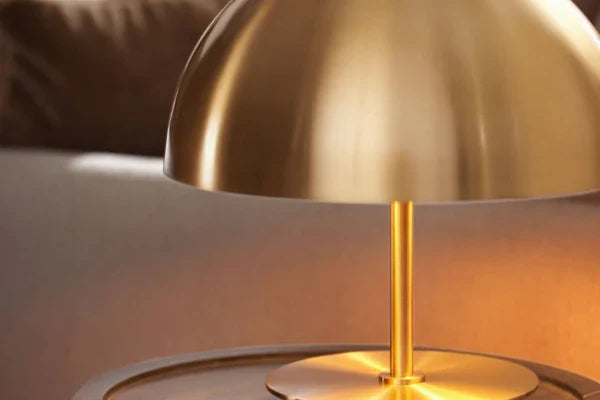






Desks

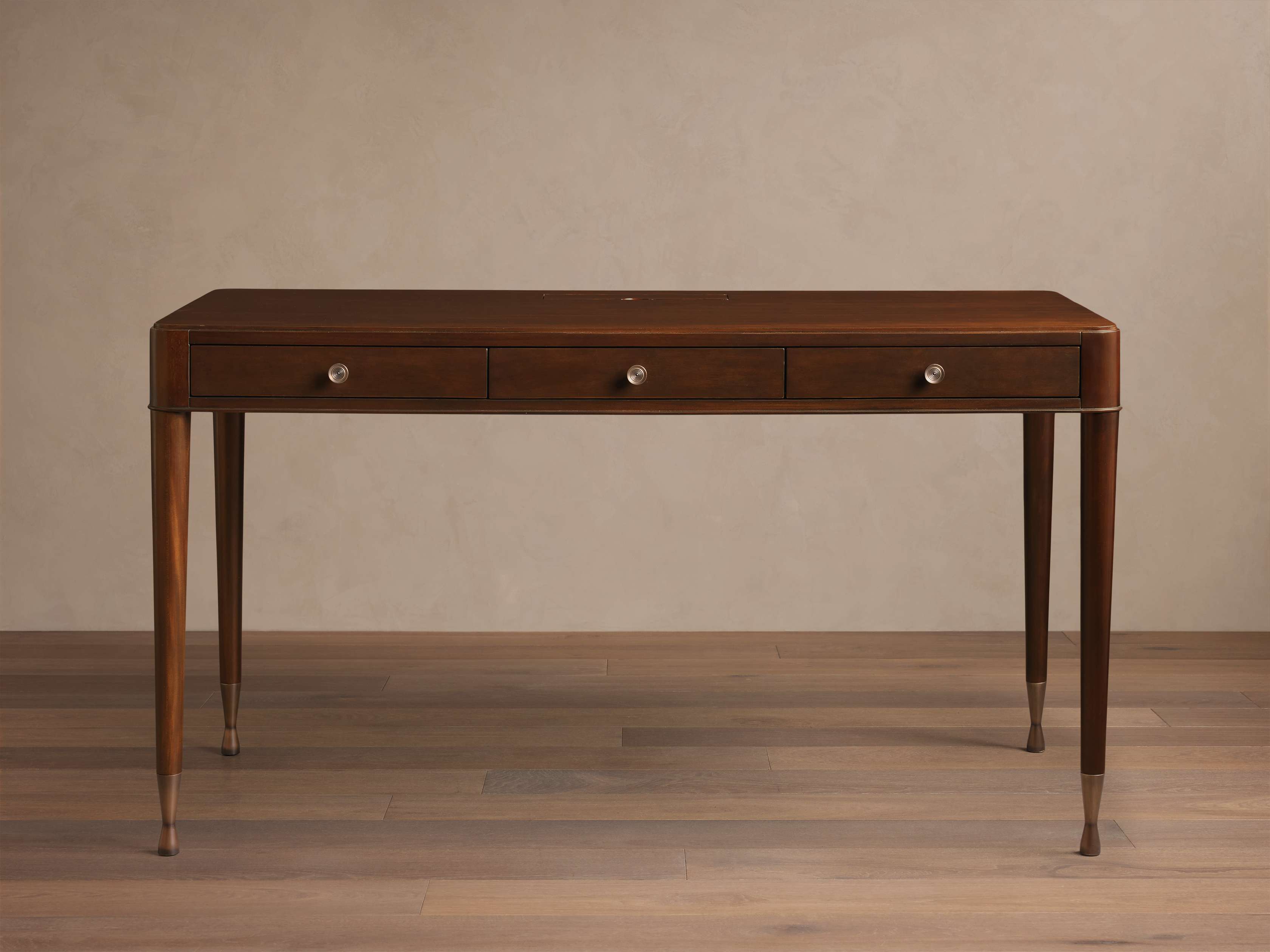
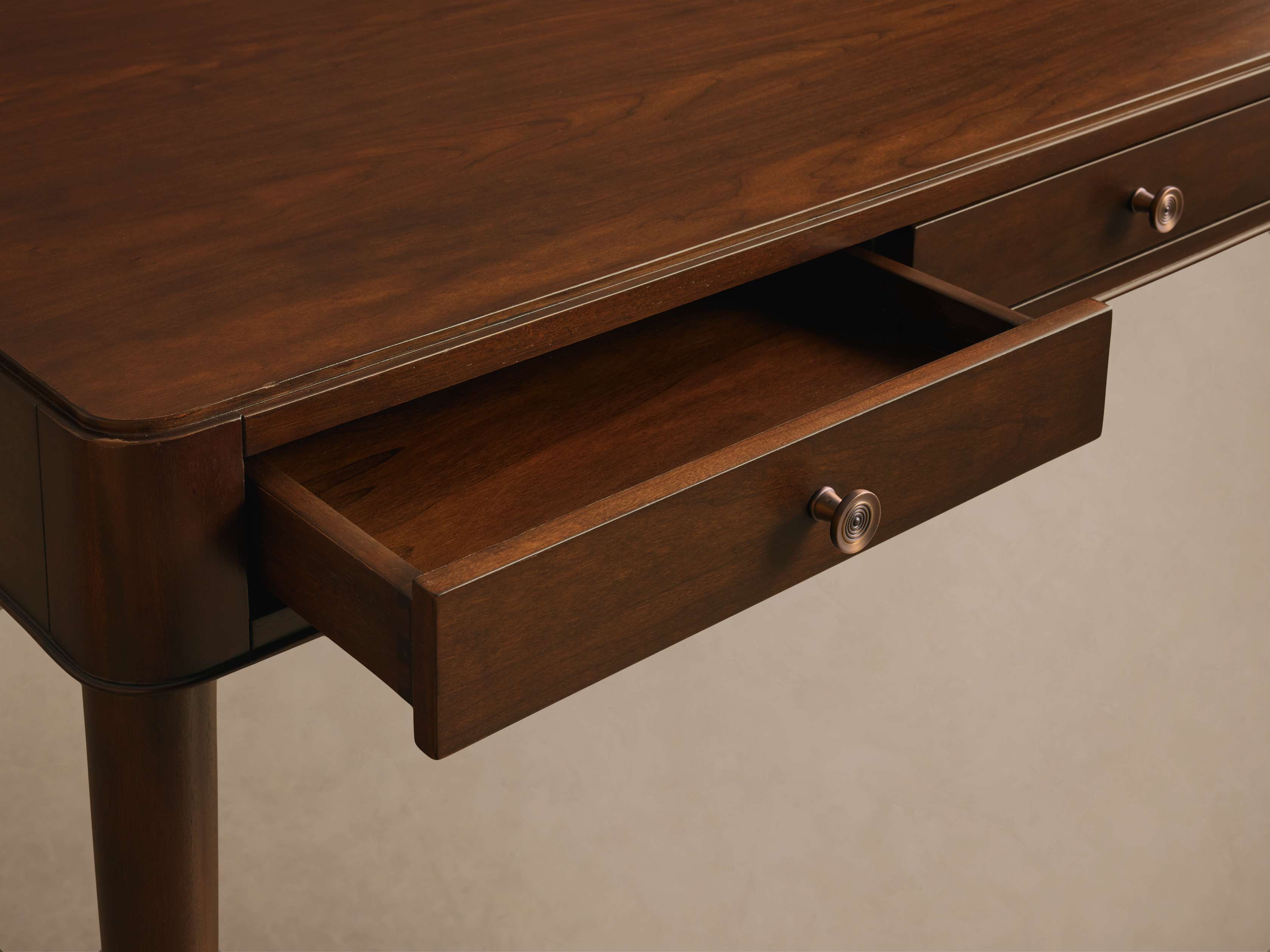
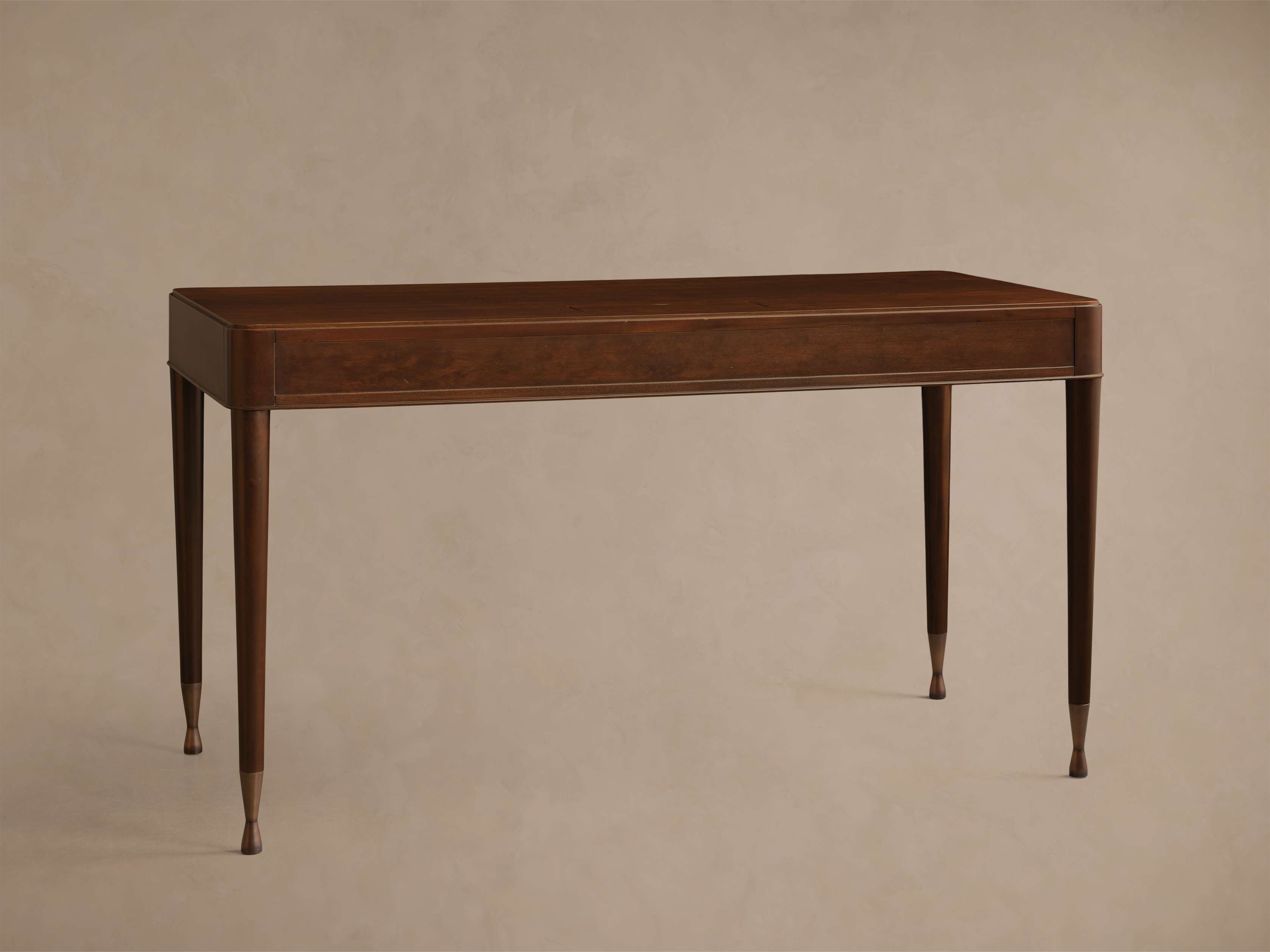
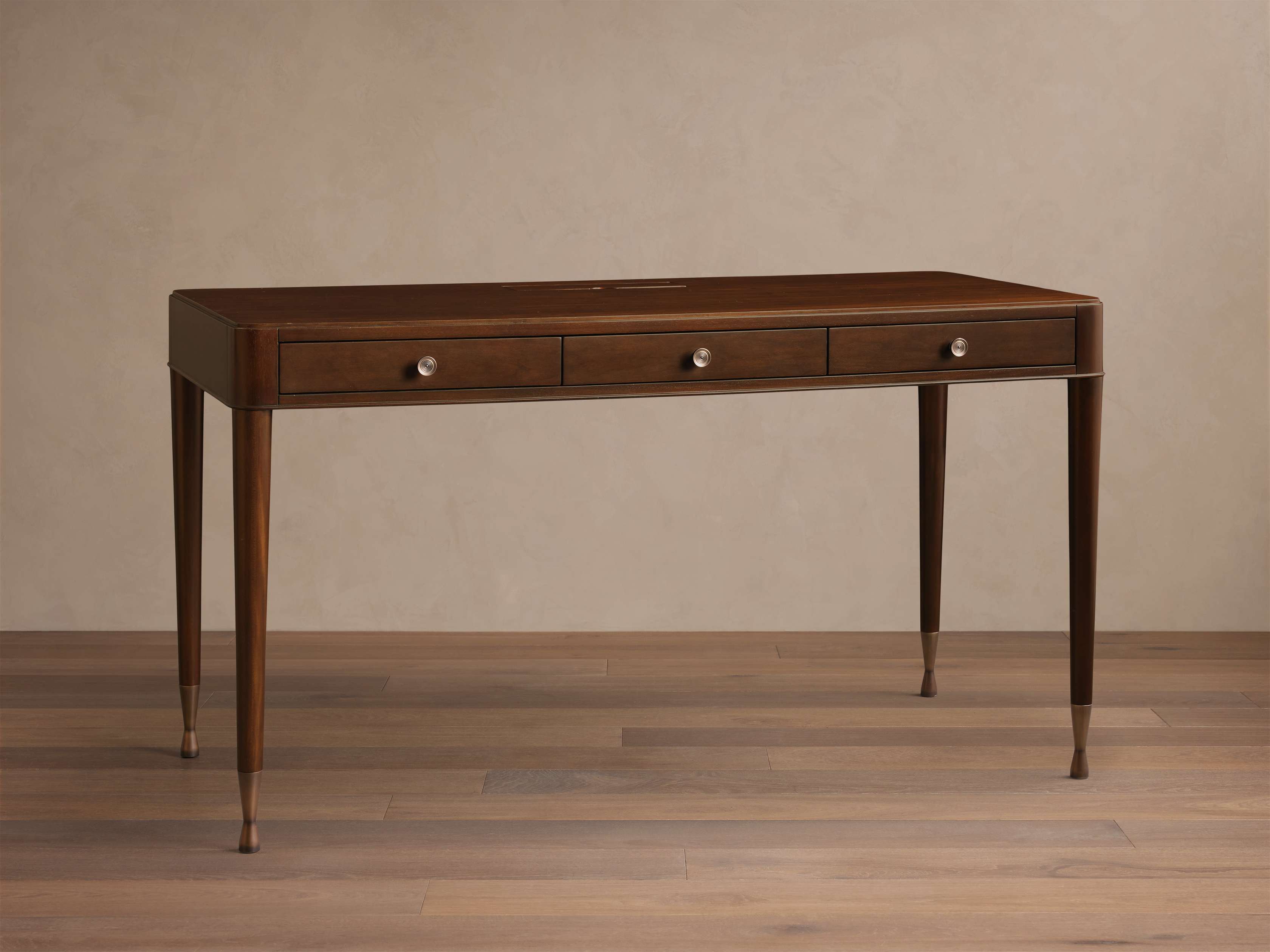
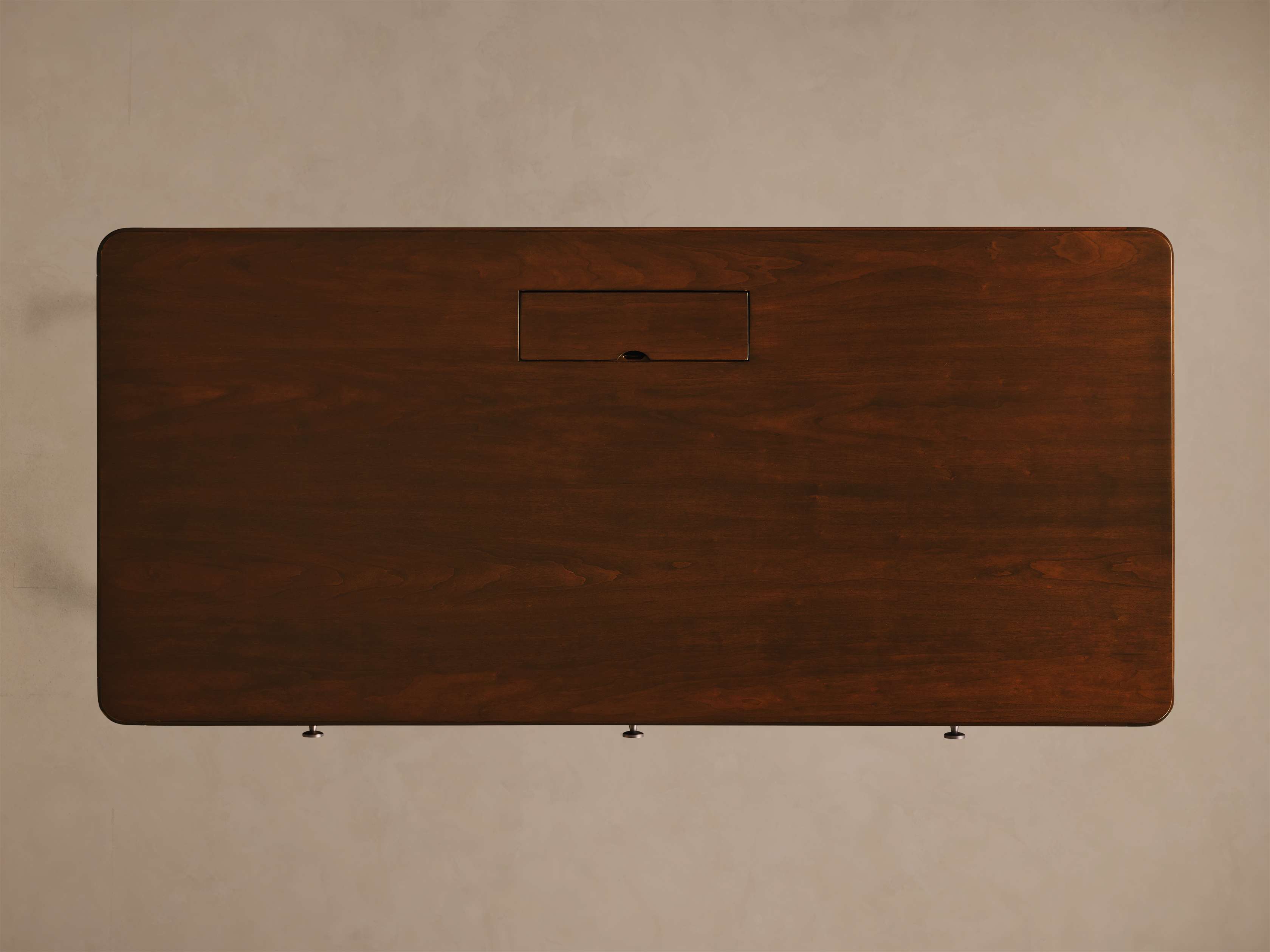
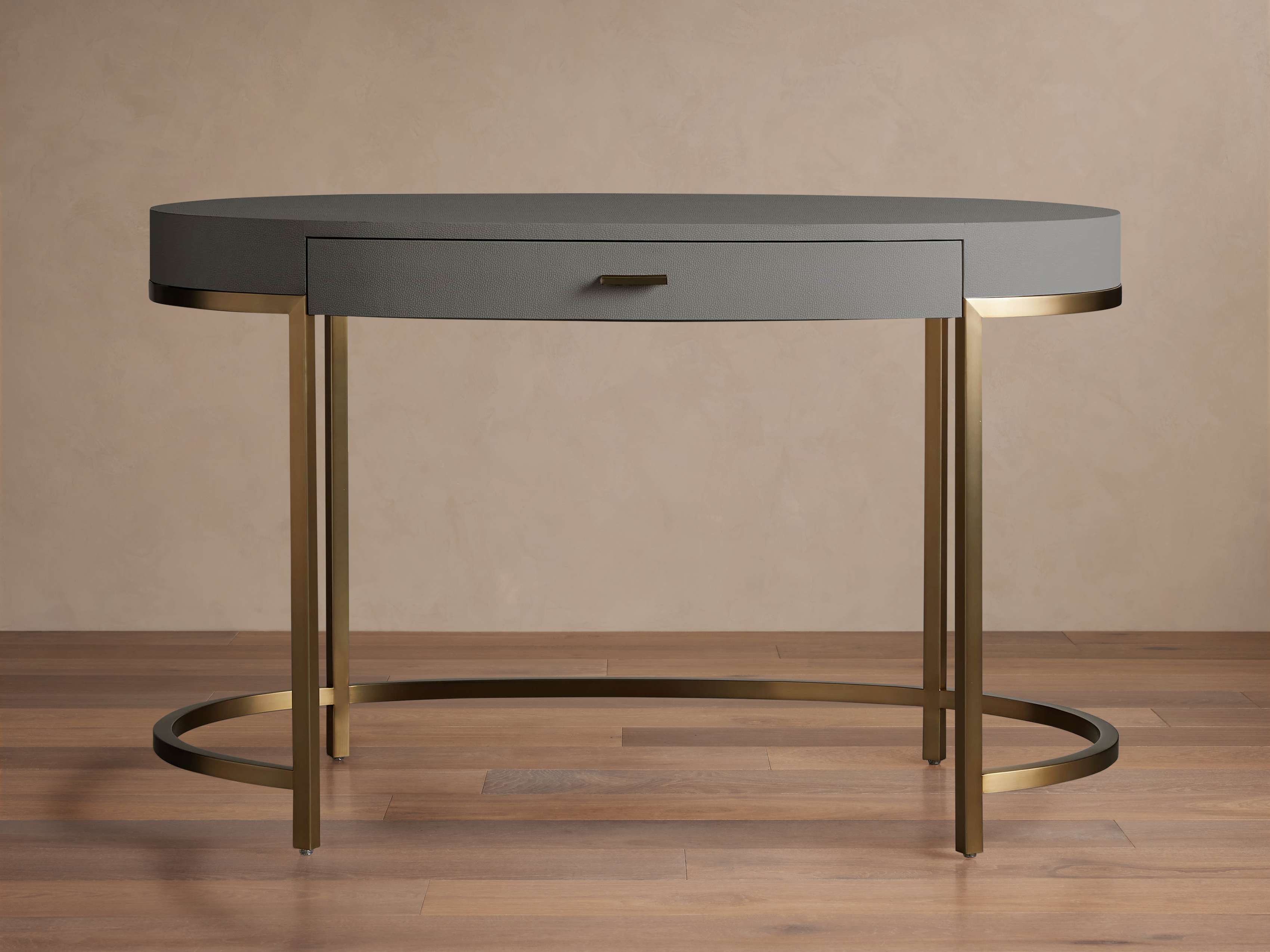
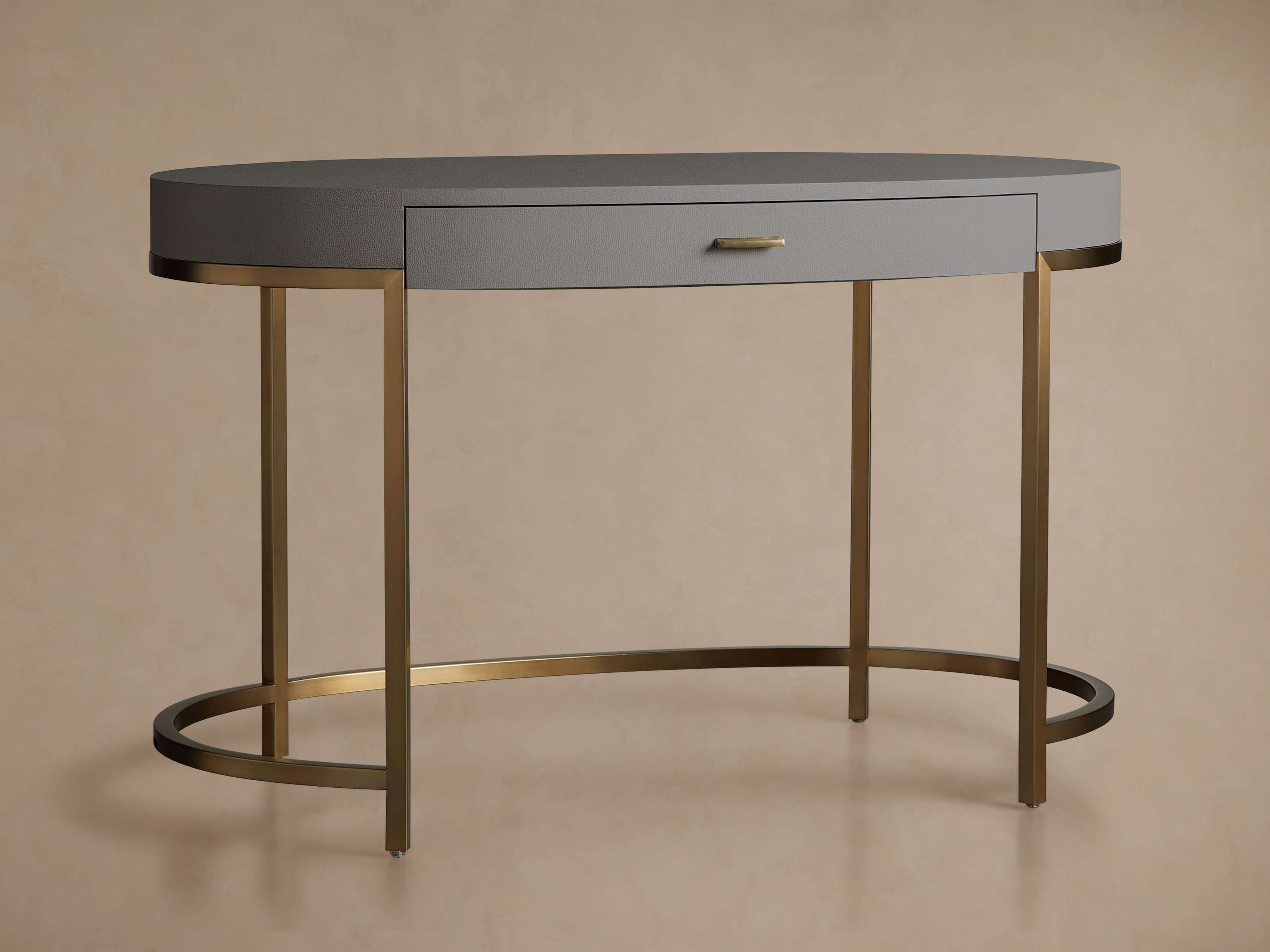
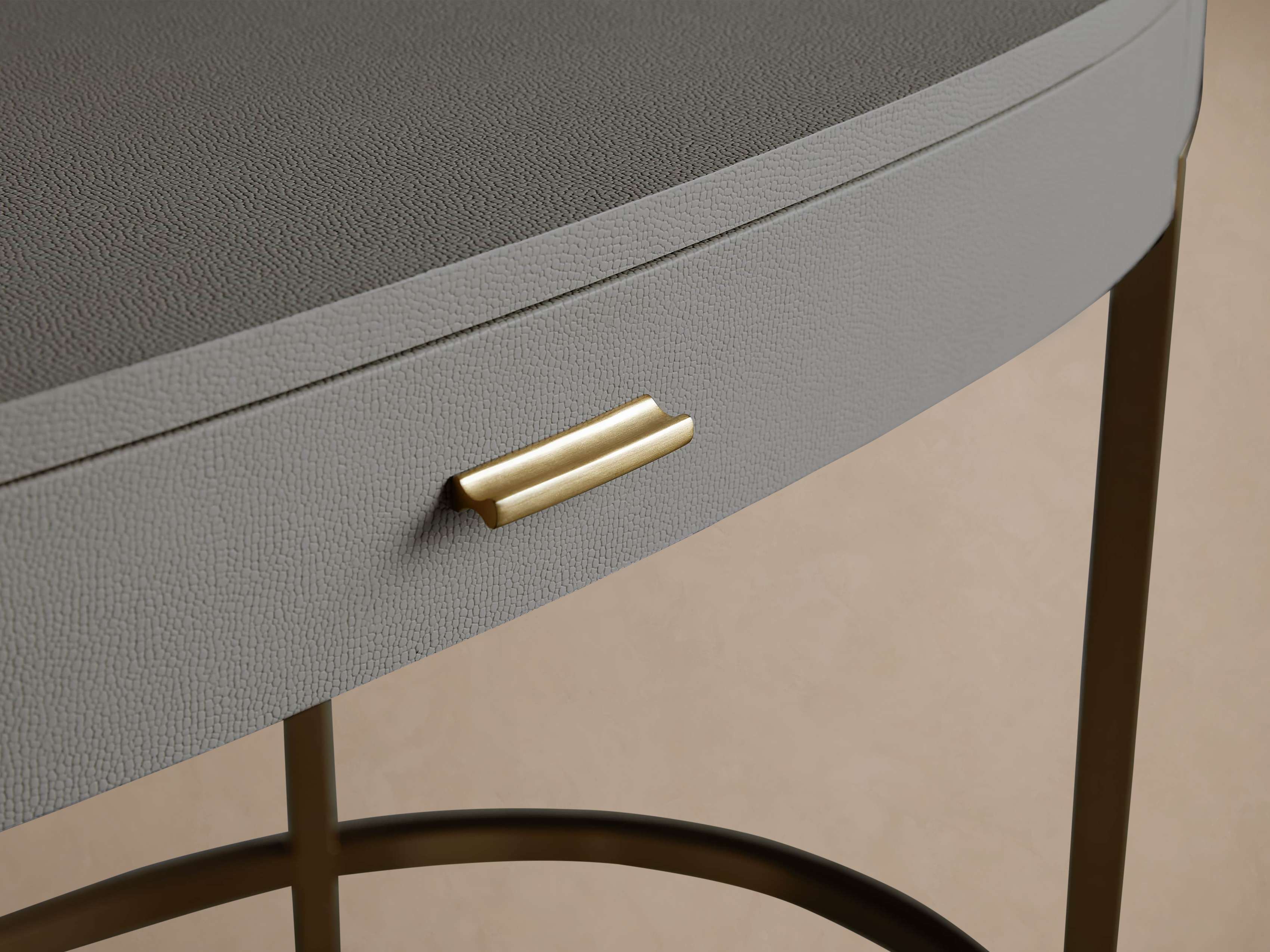
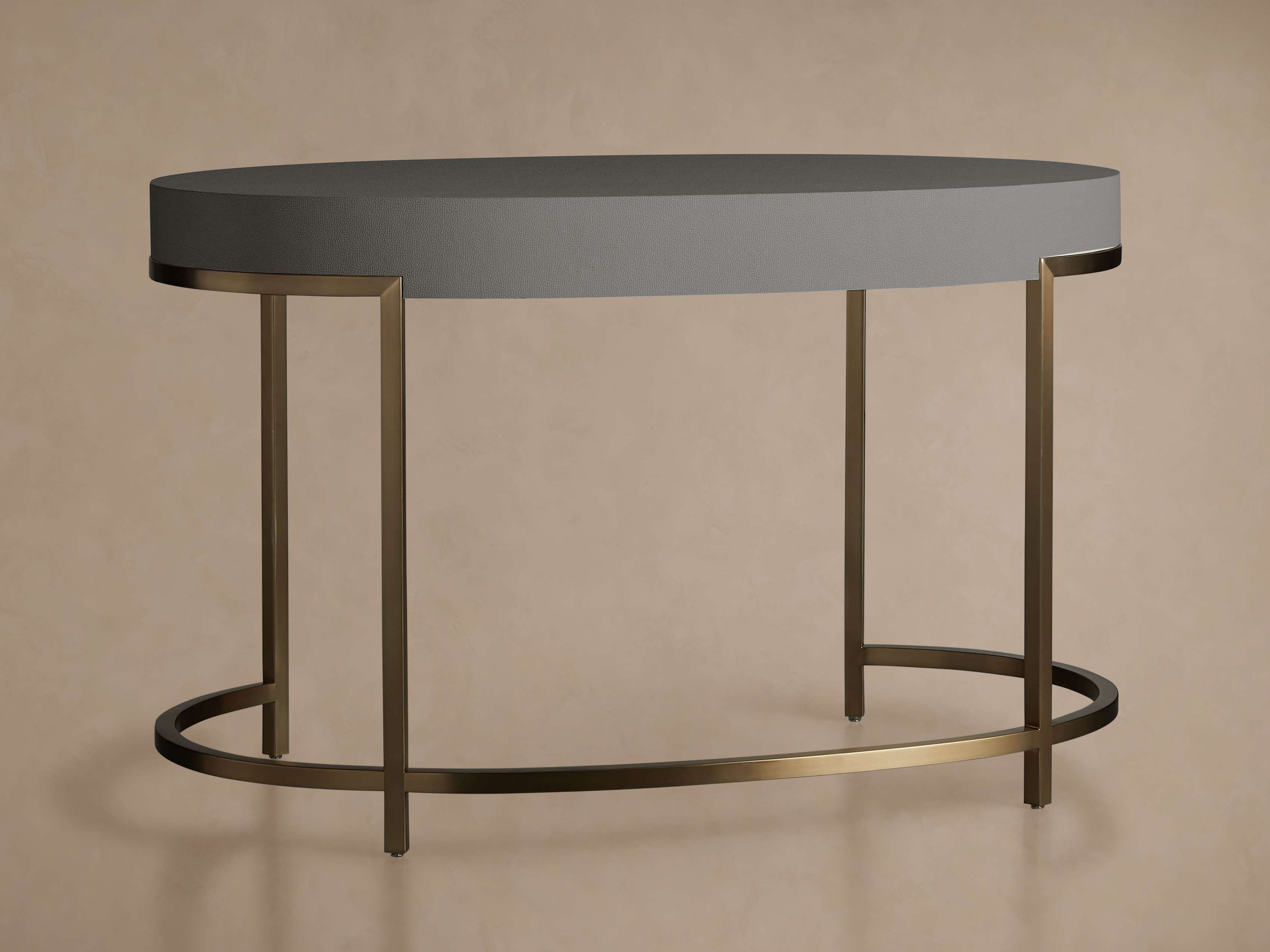
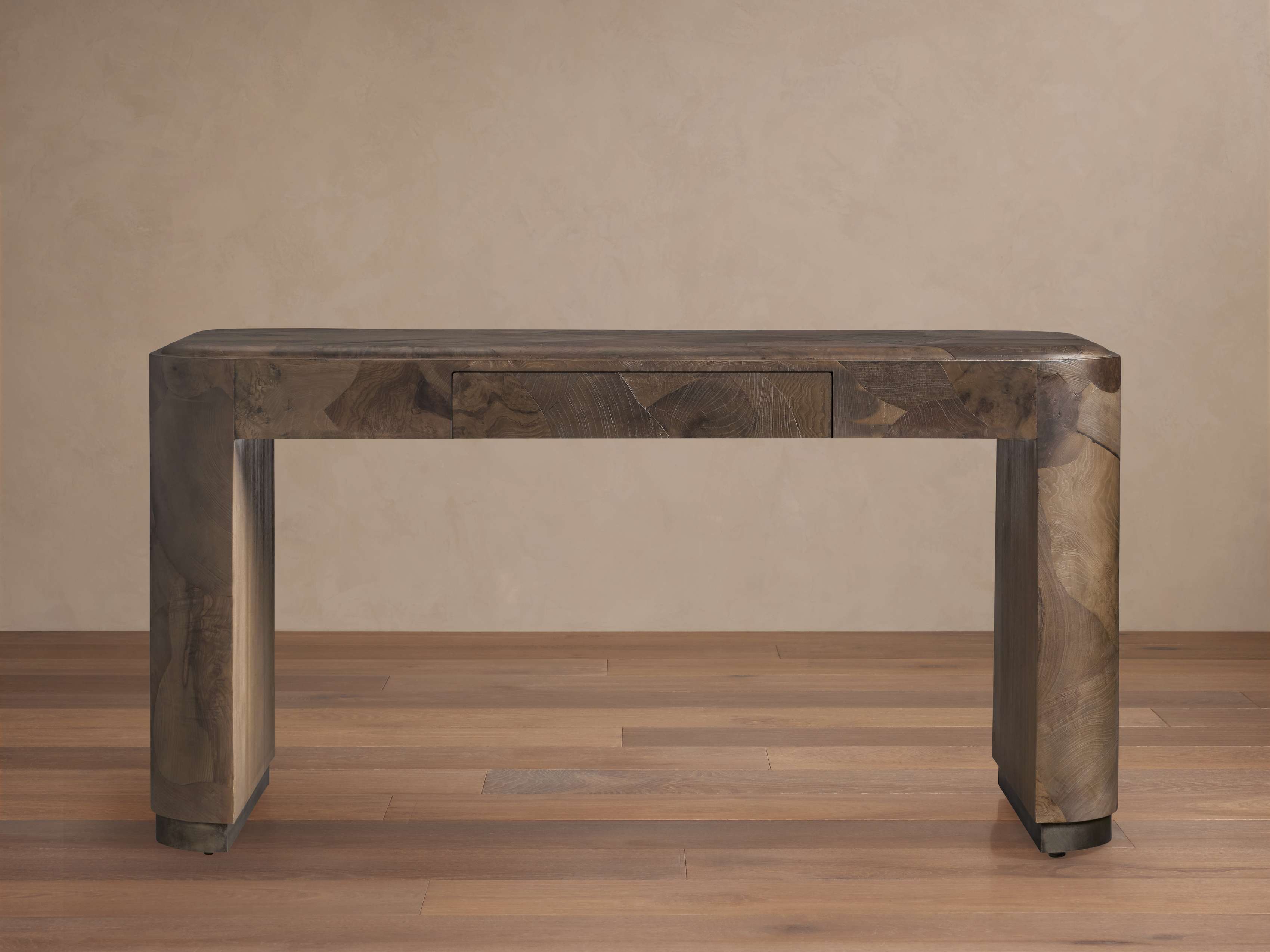
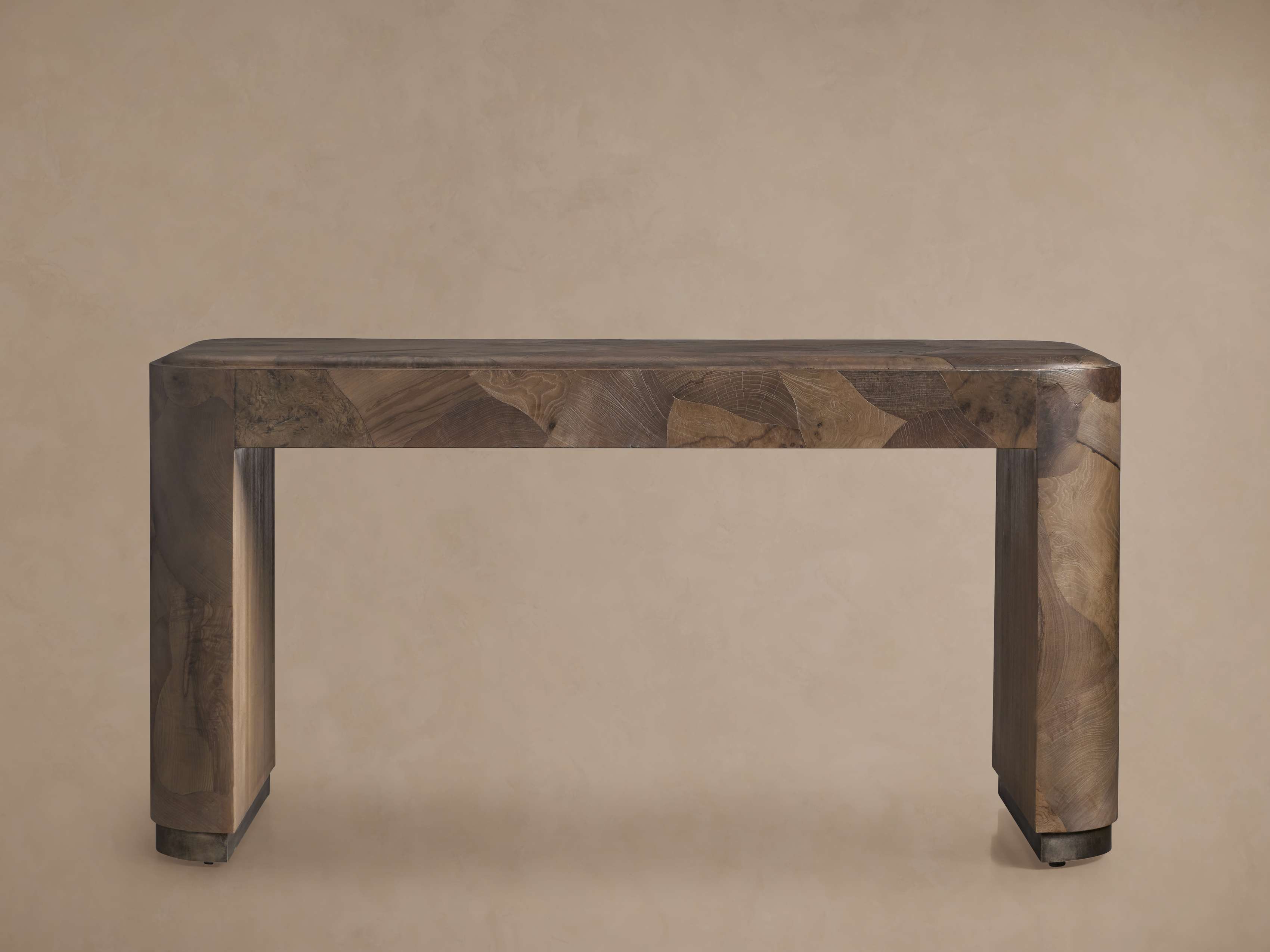
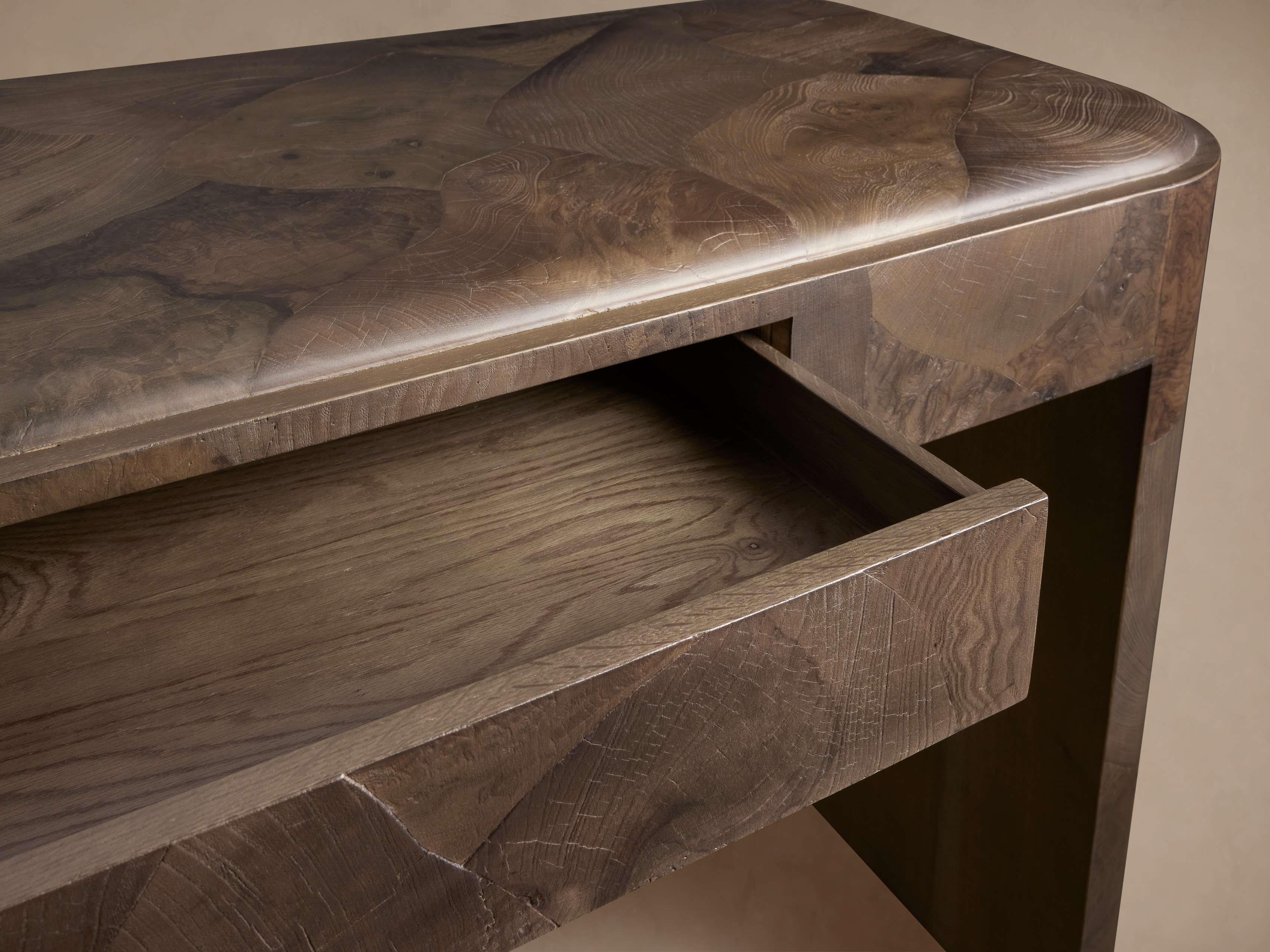
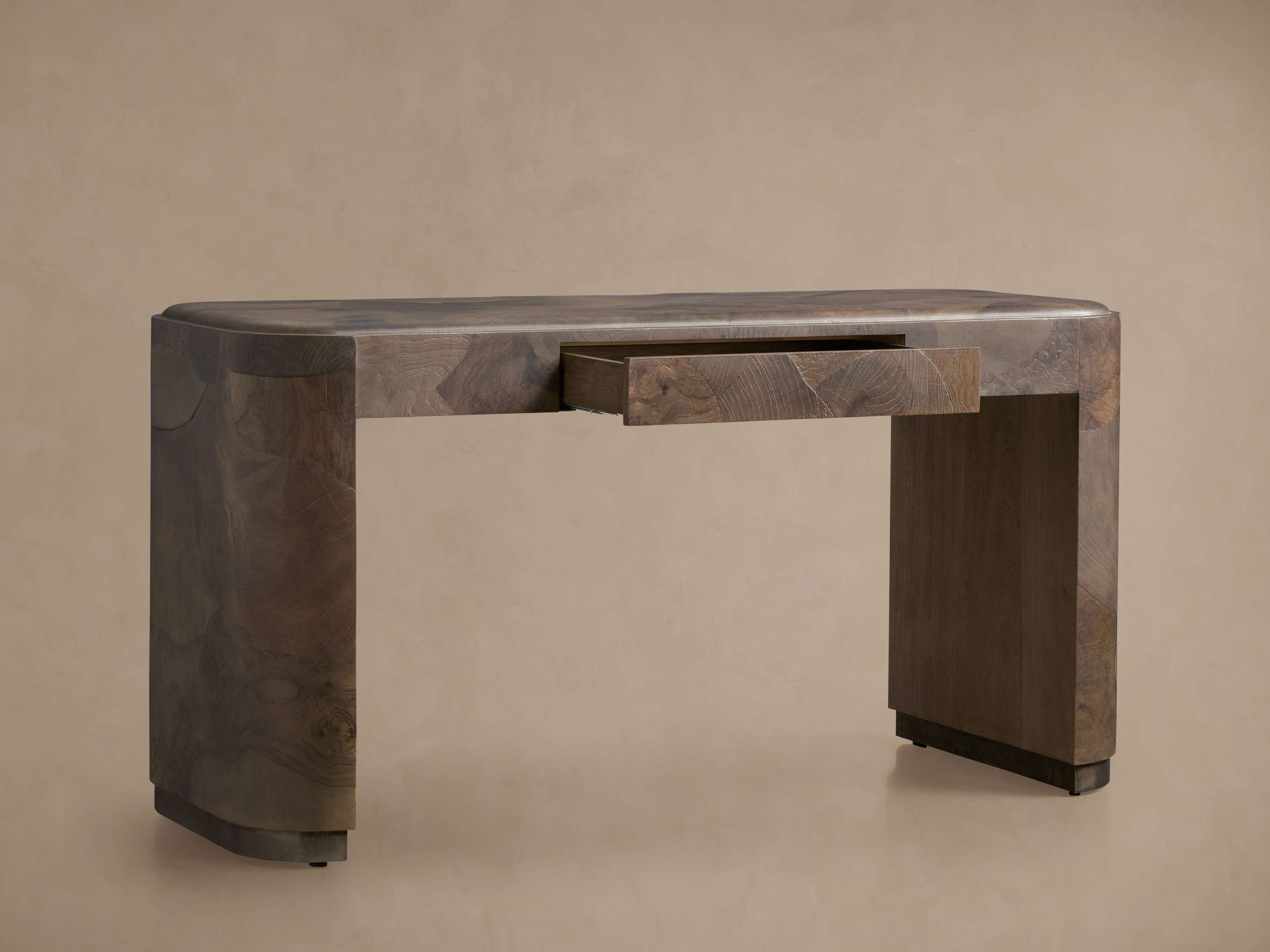
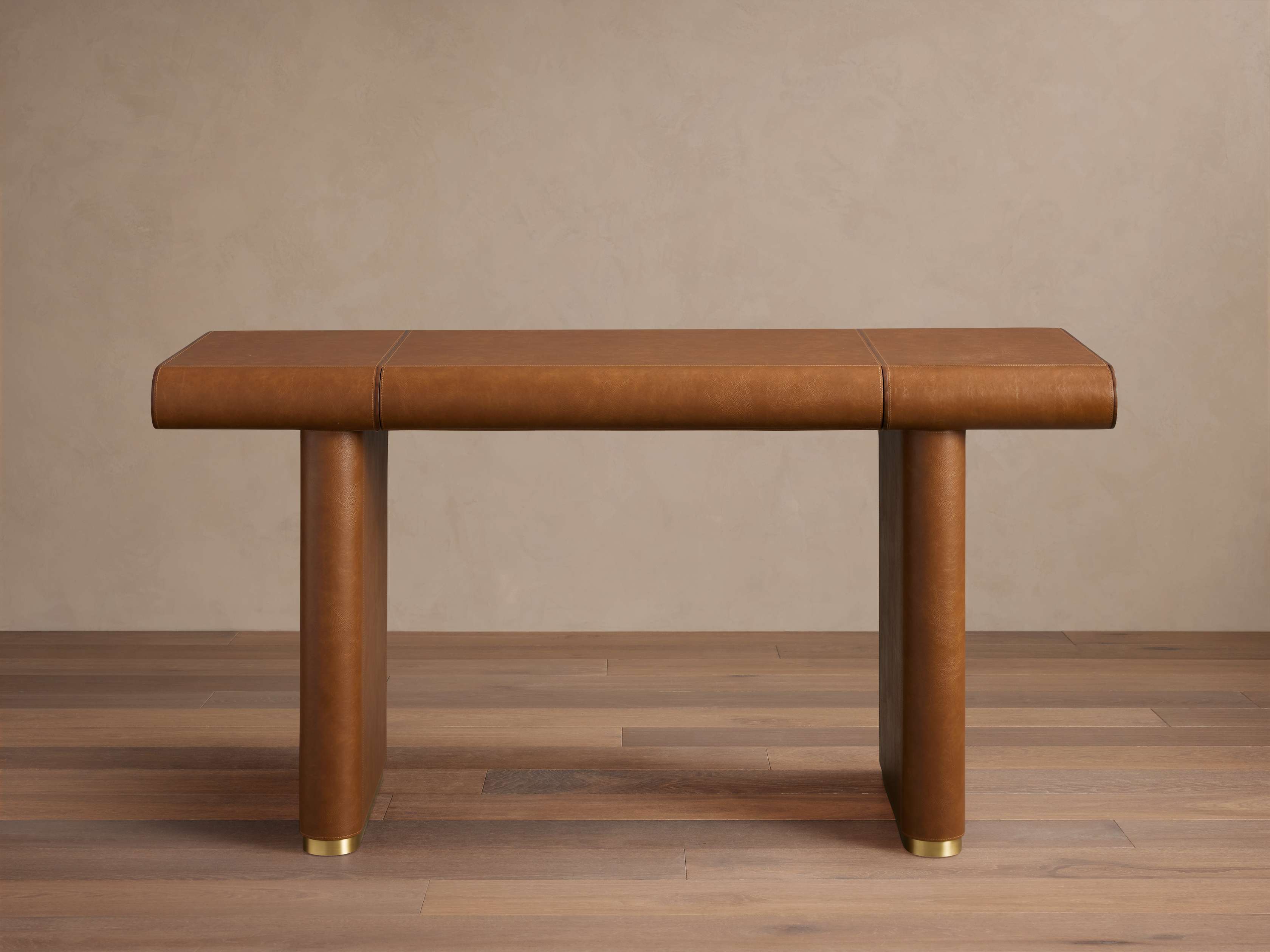
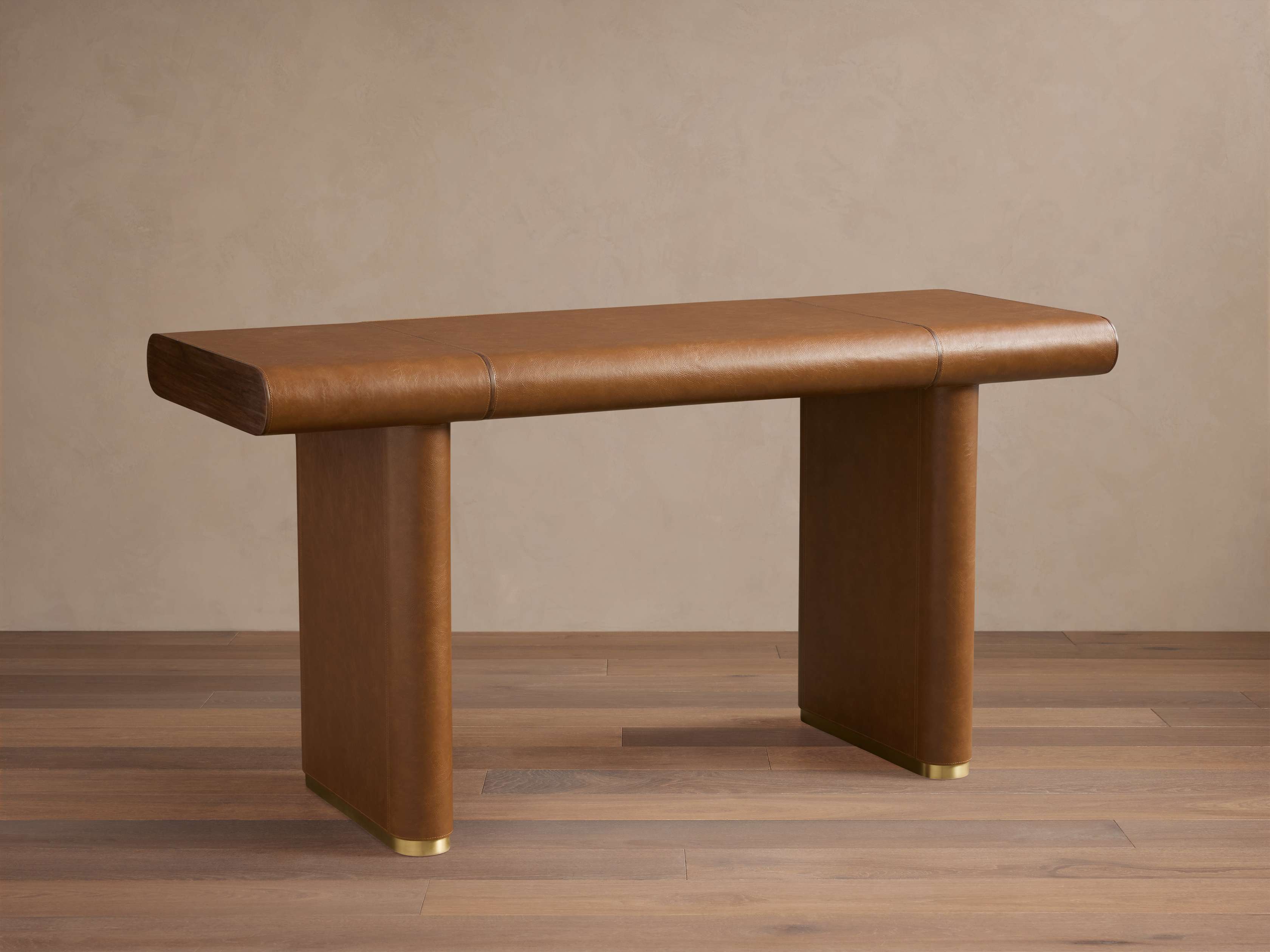
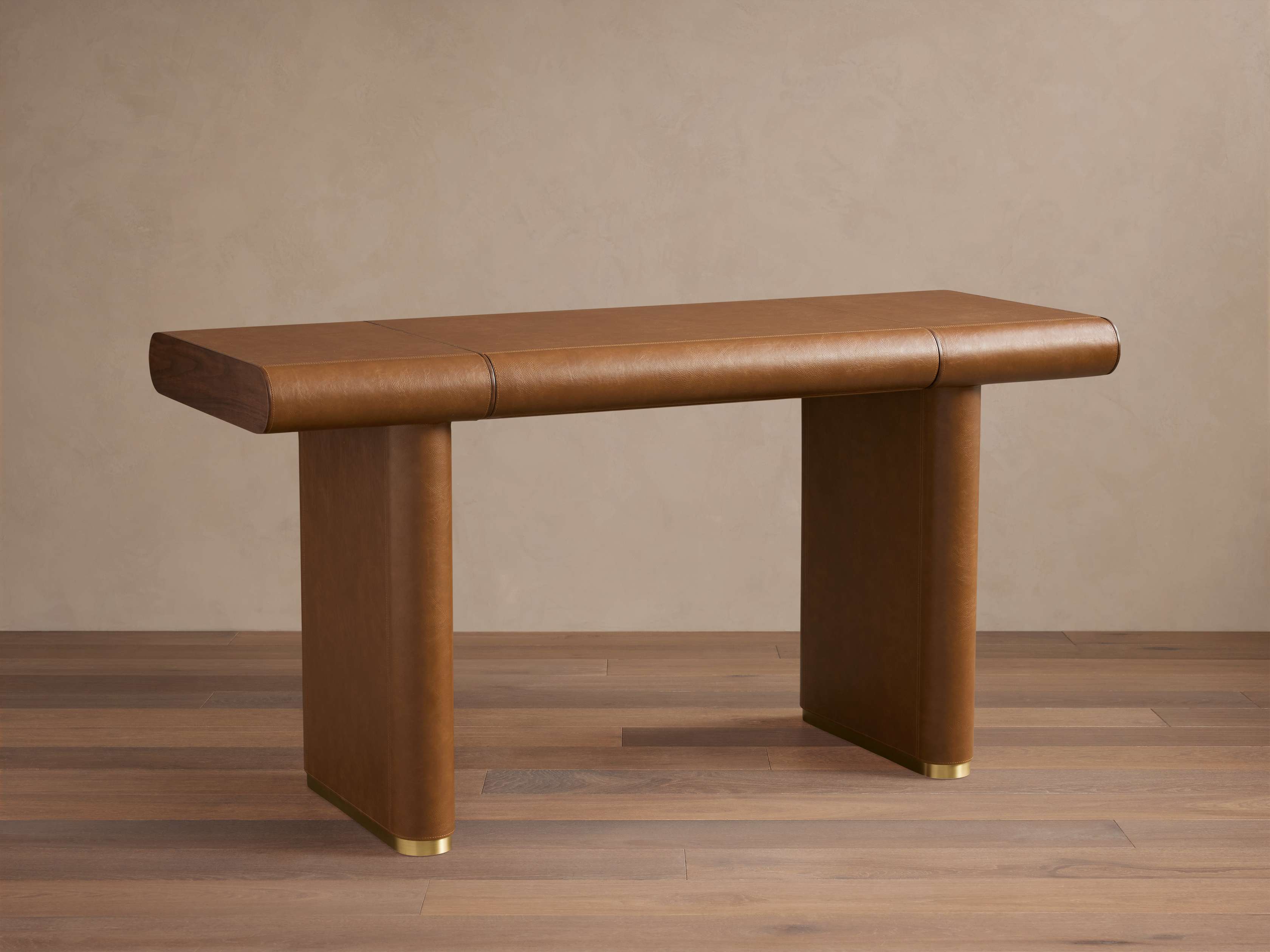
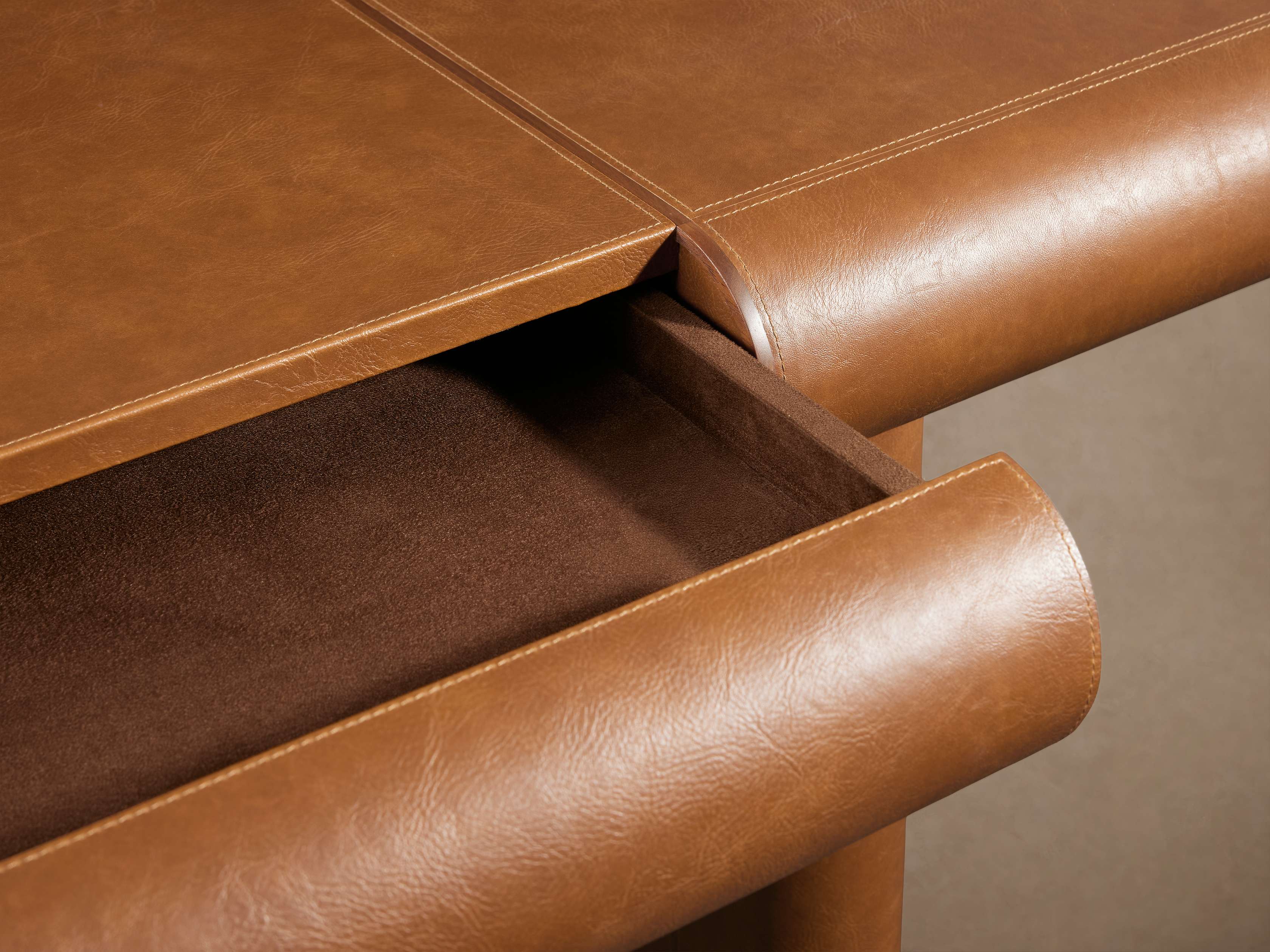
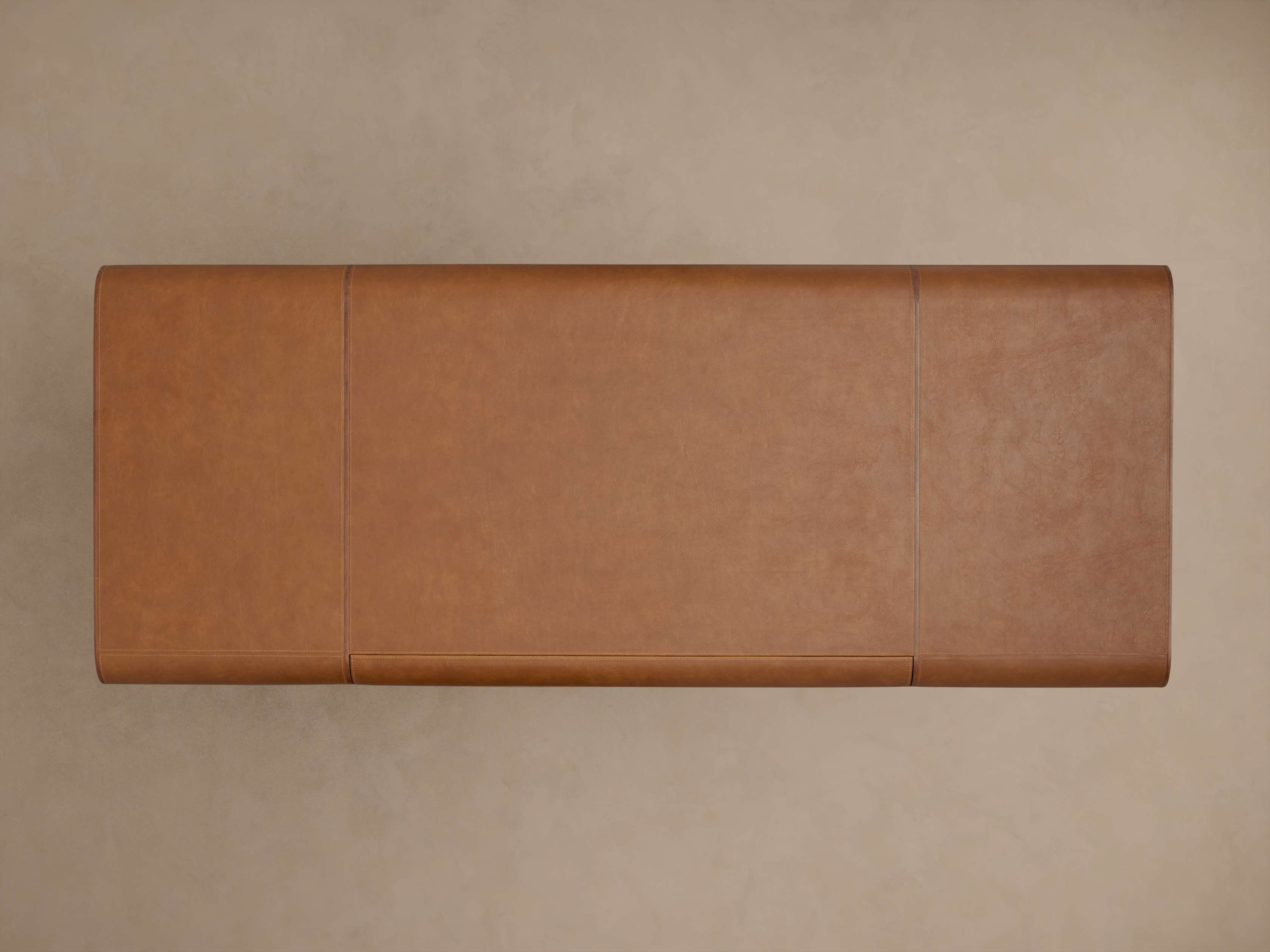

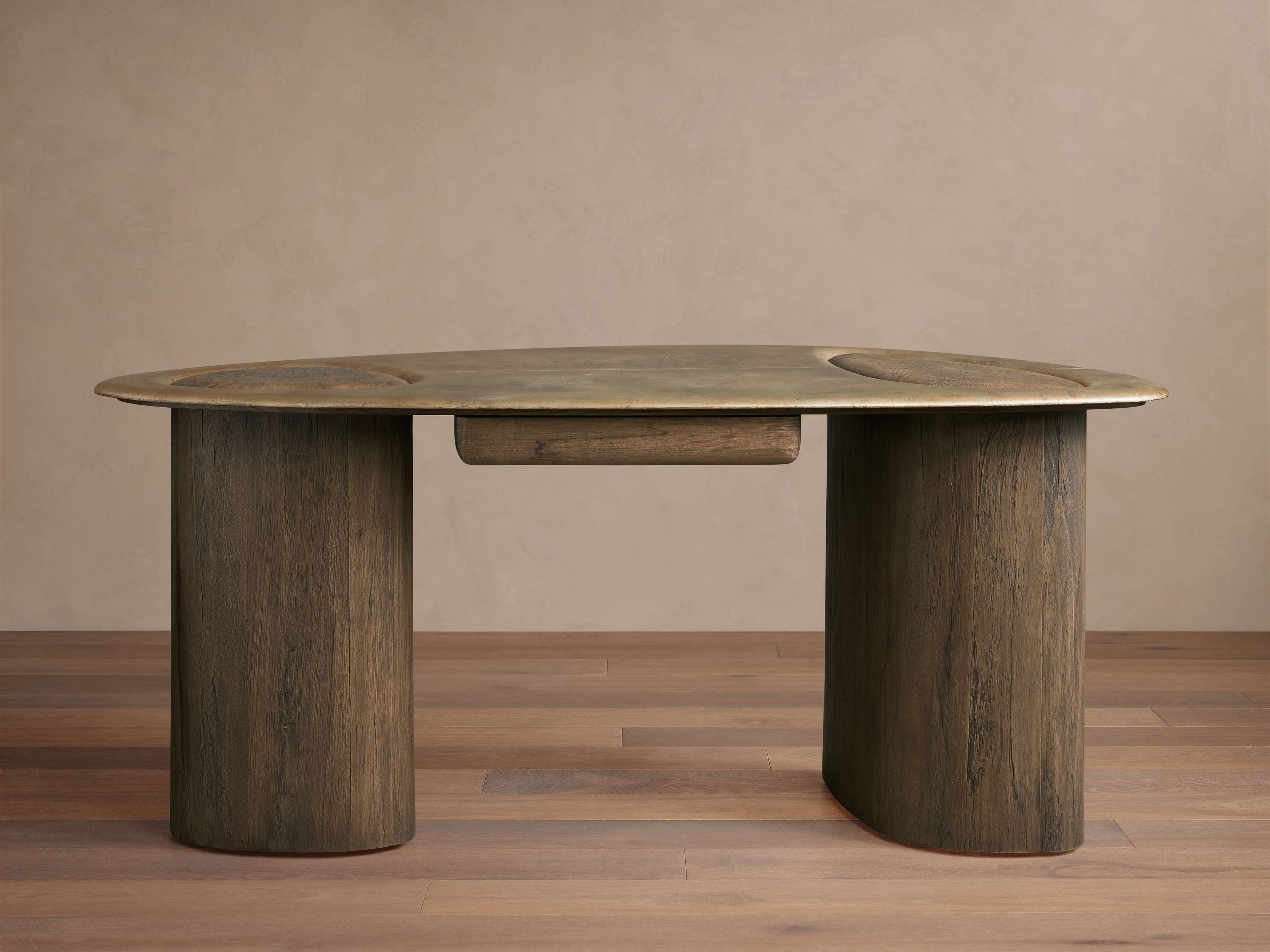
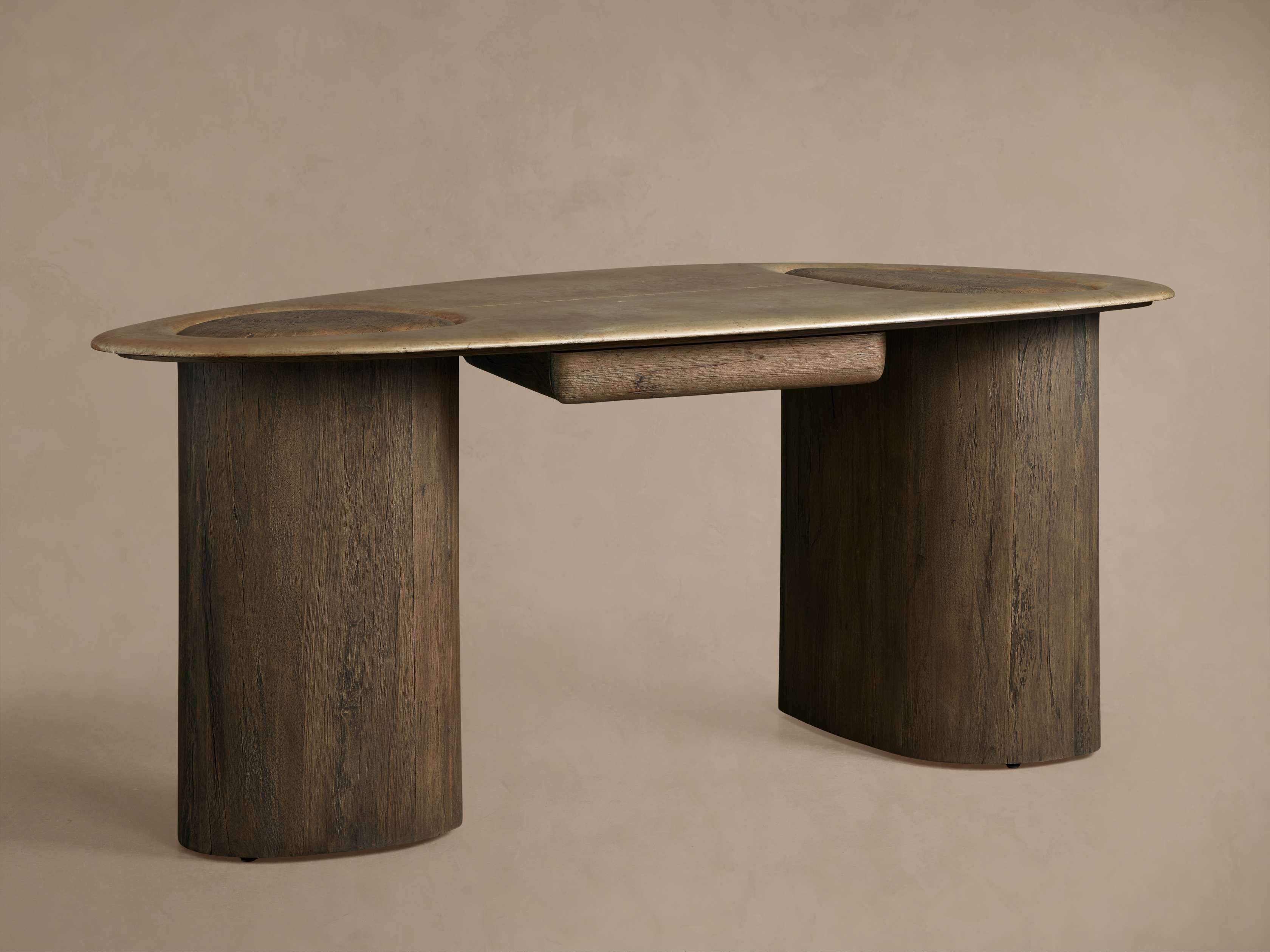
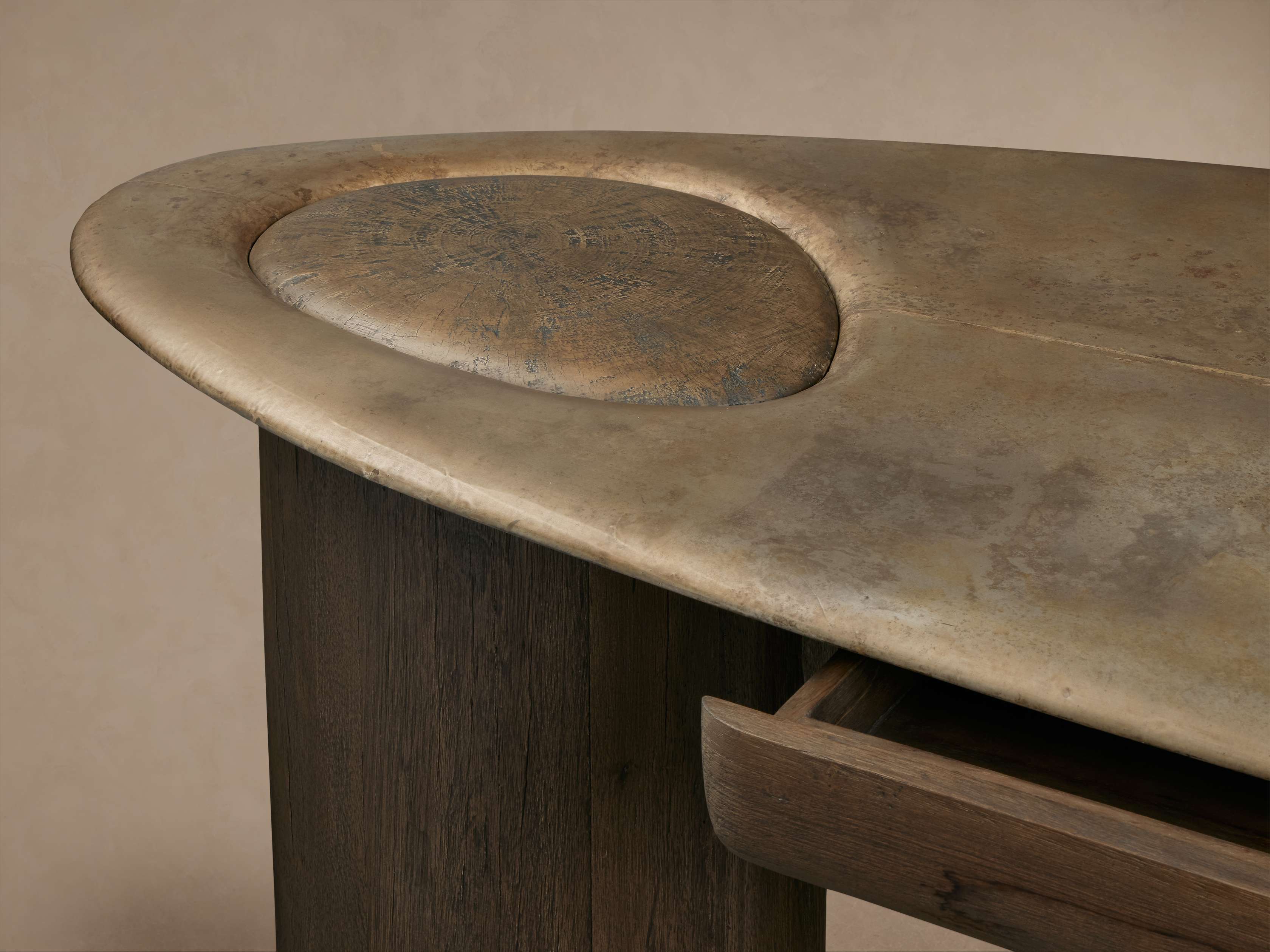
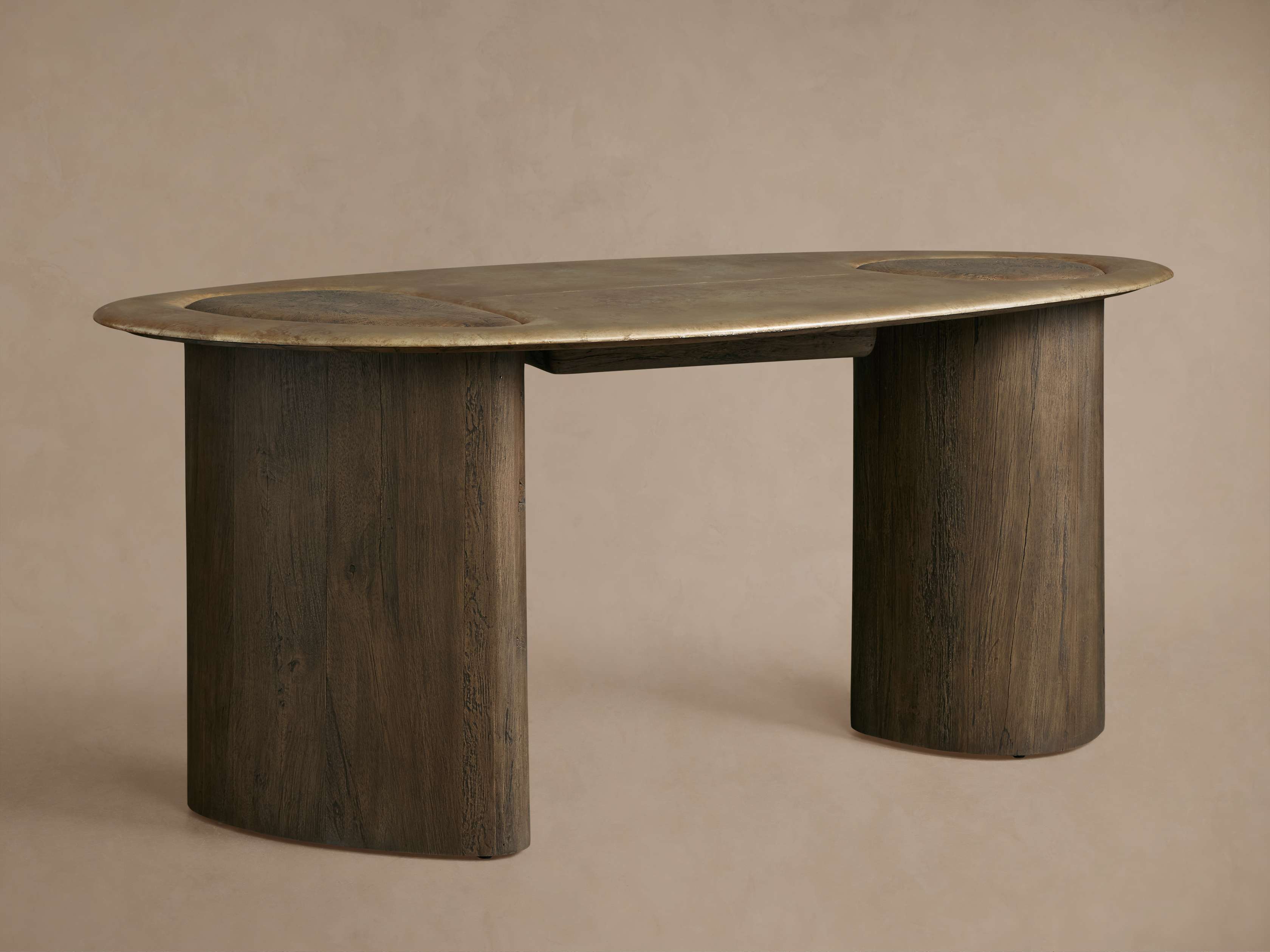

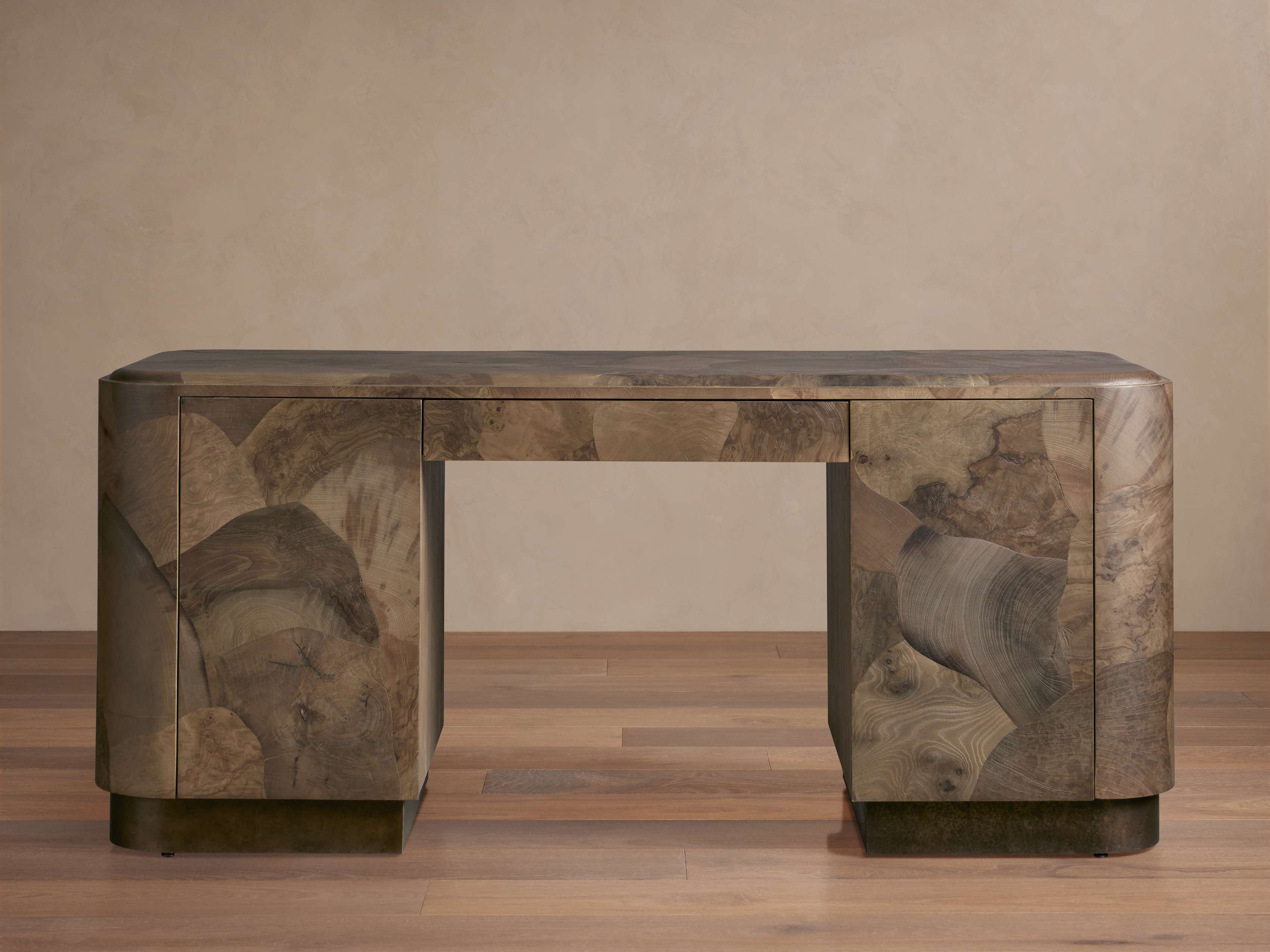
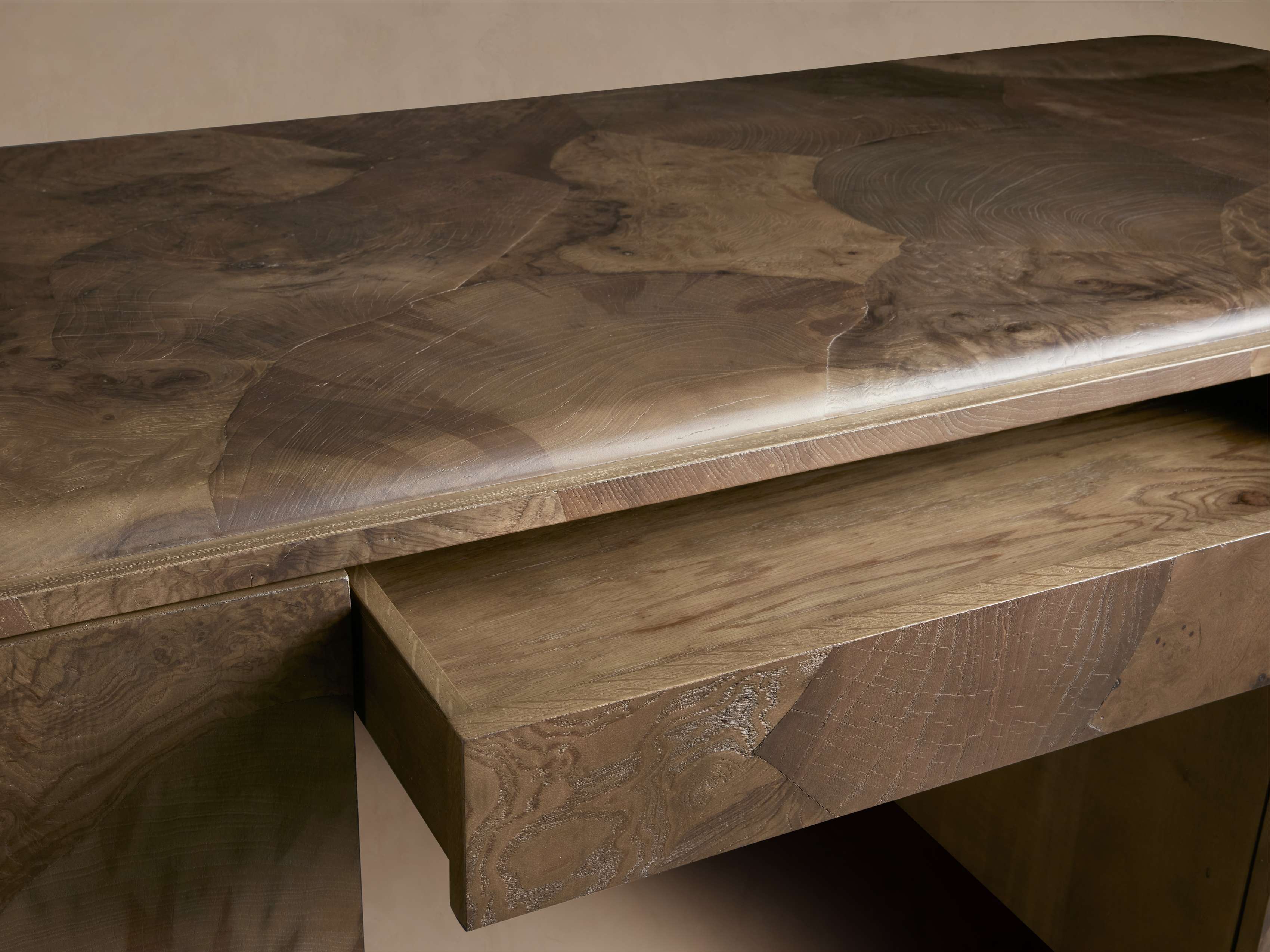
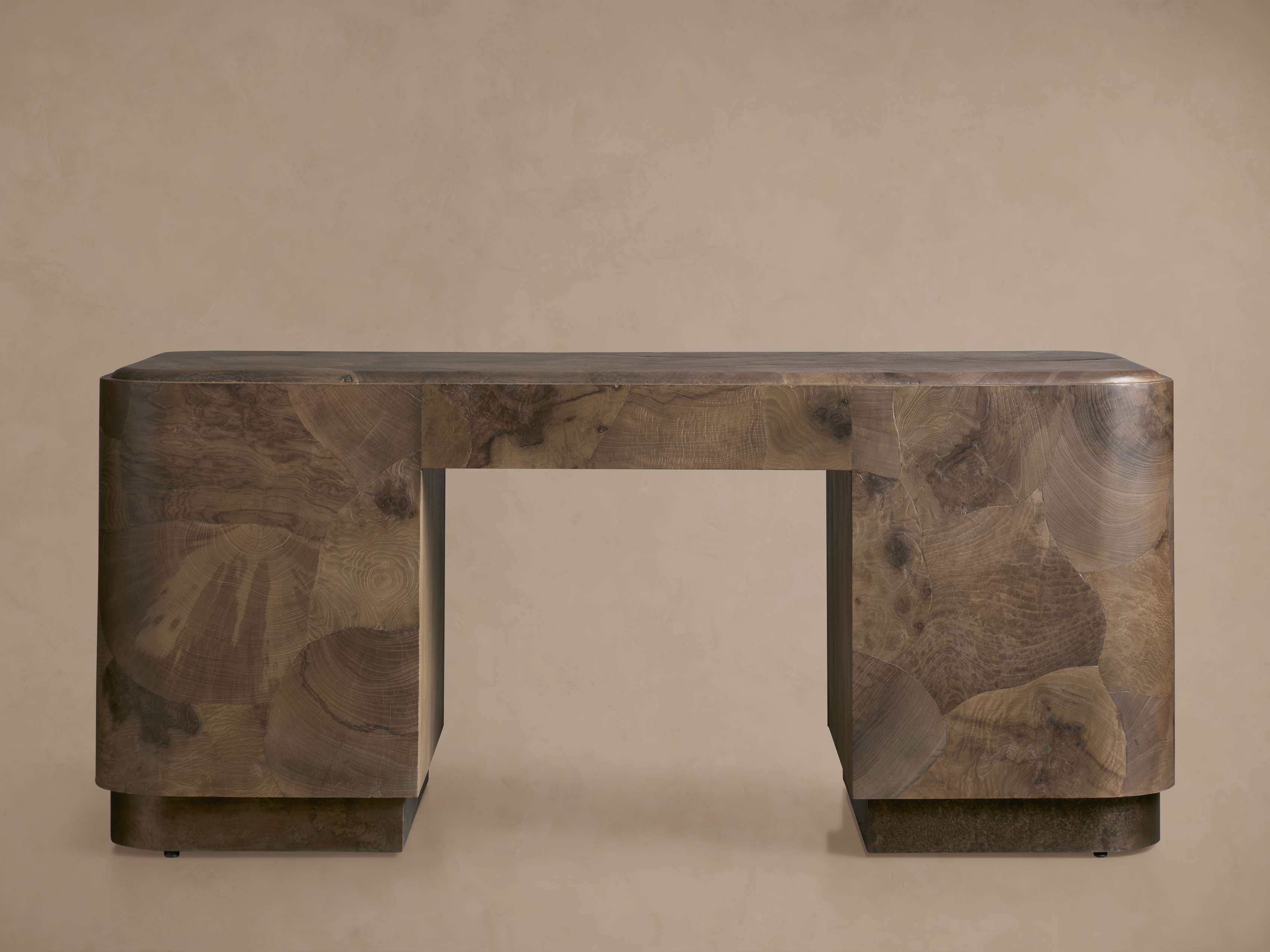
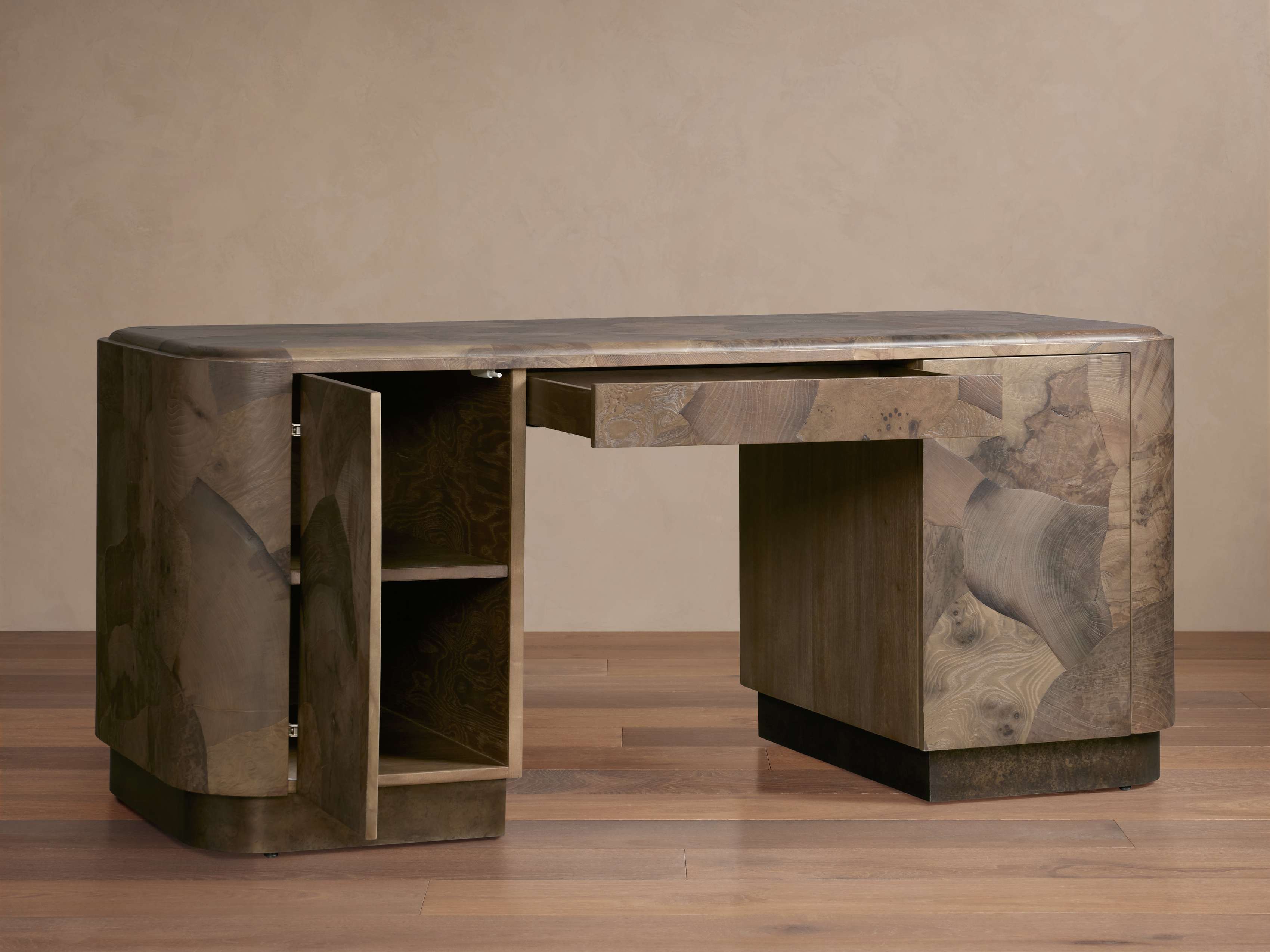
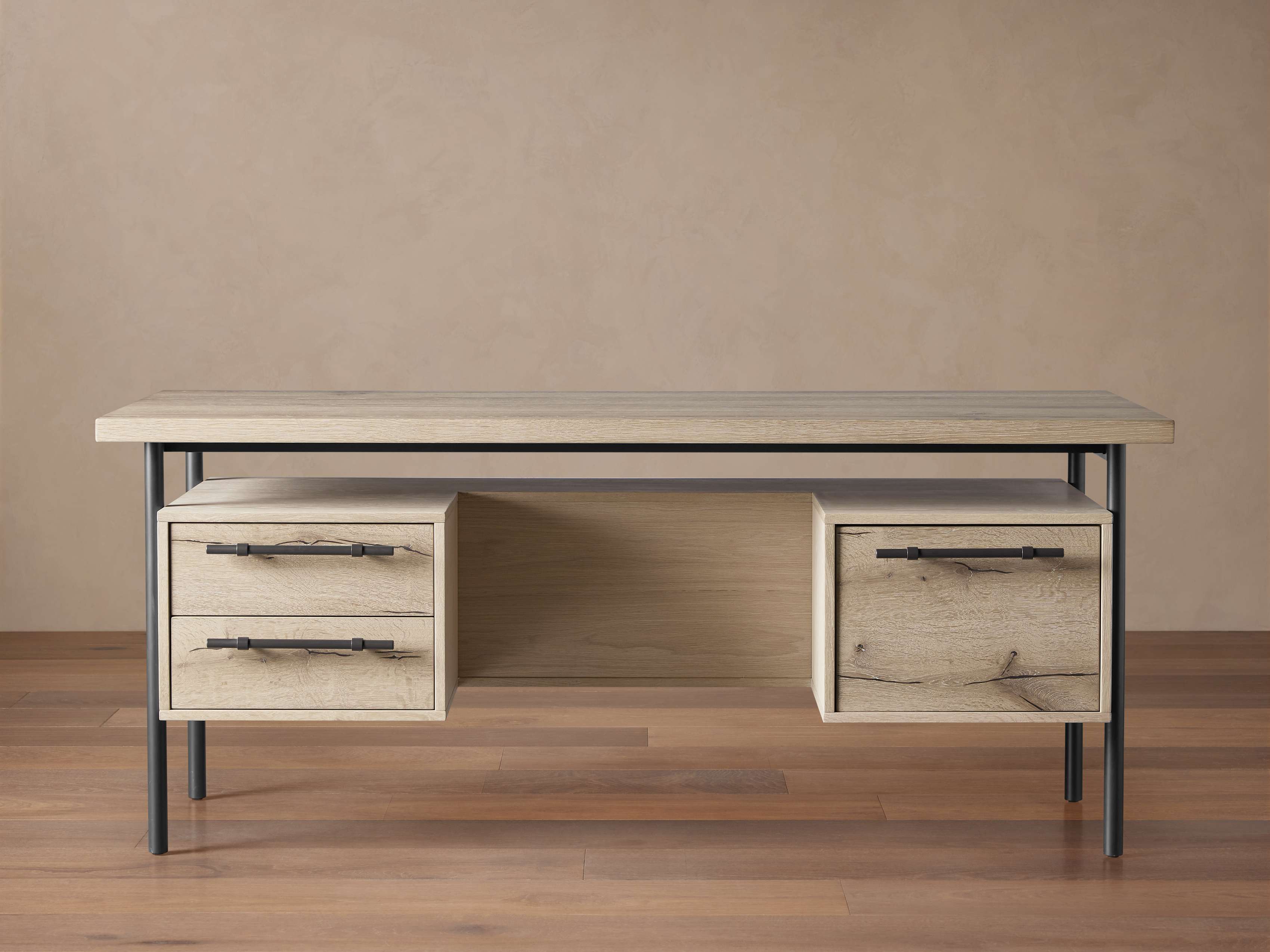
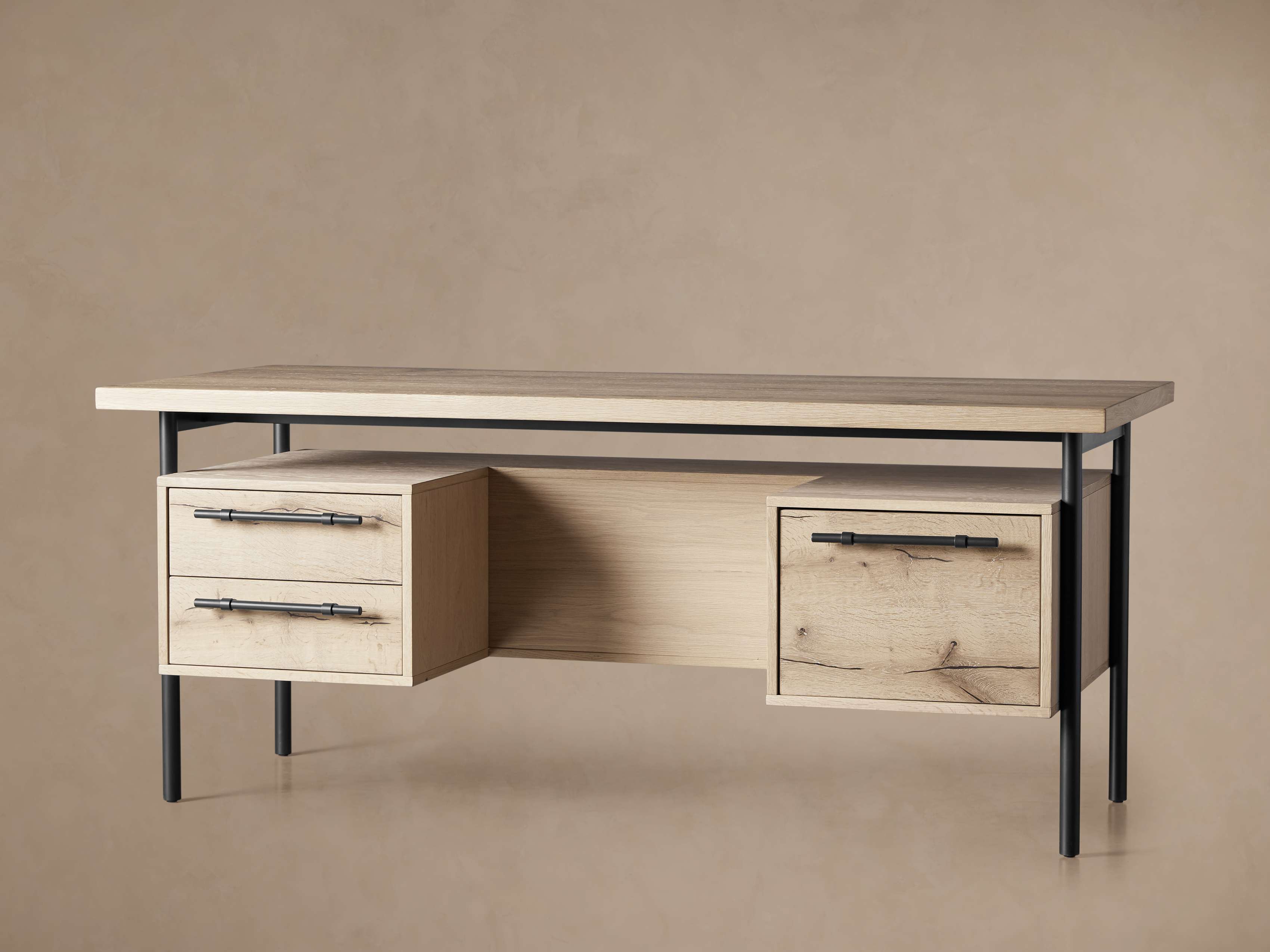
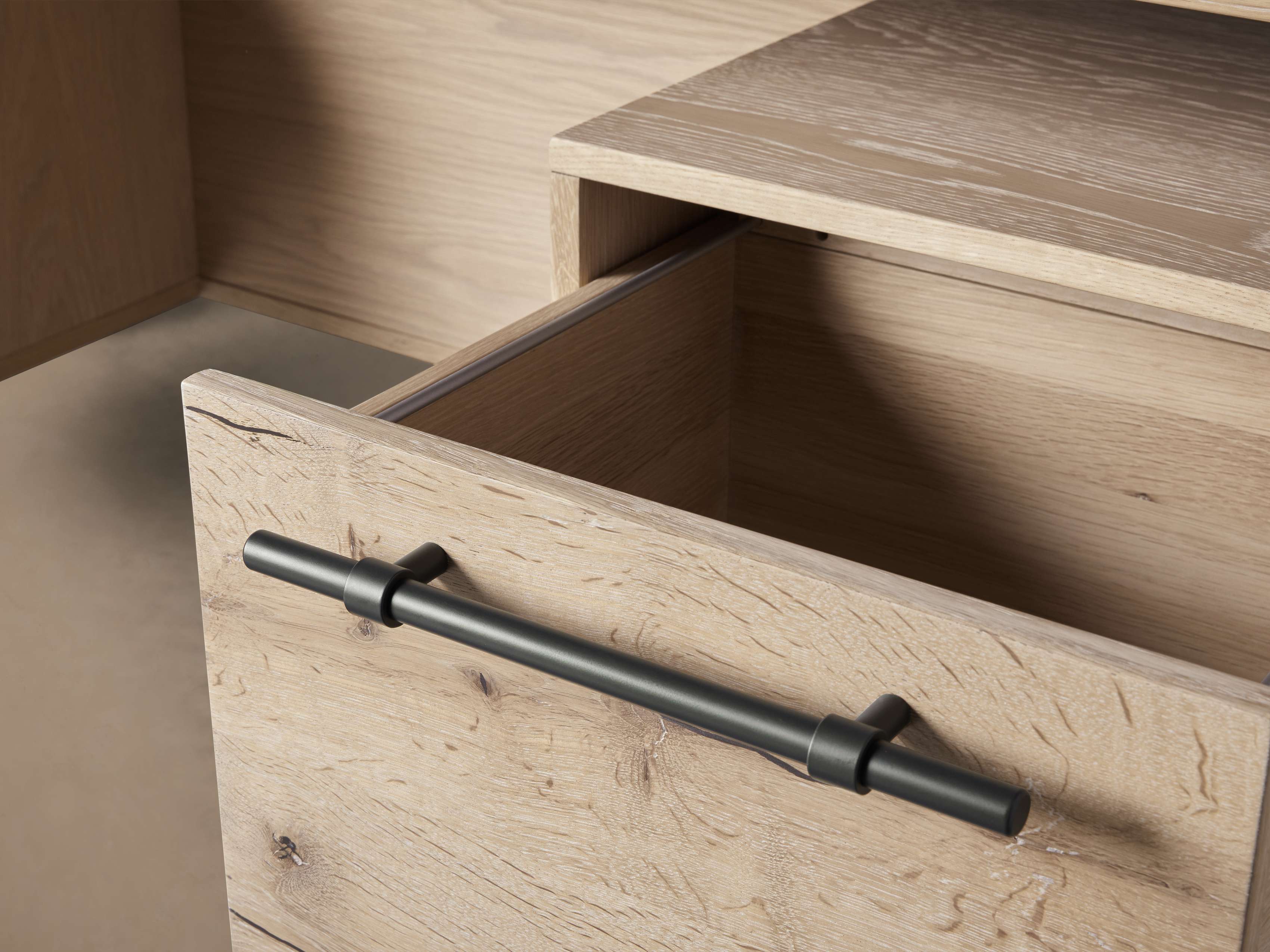
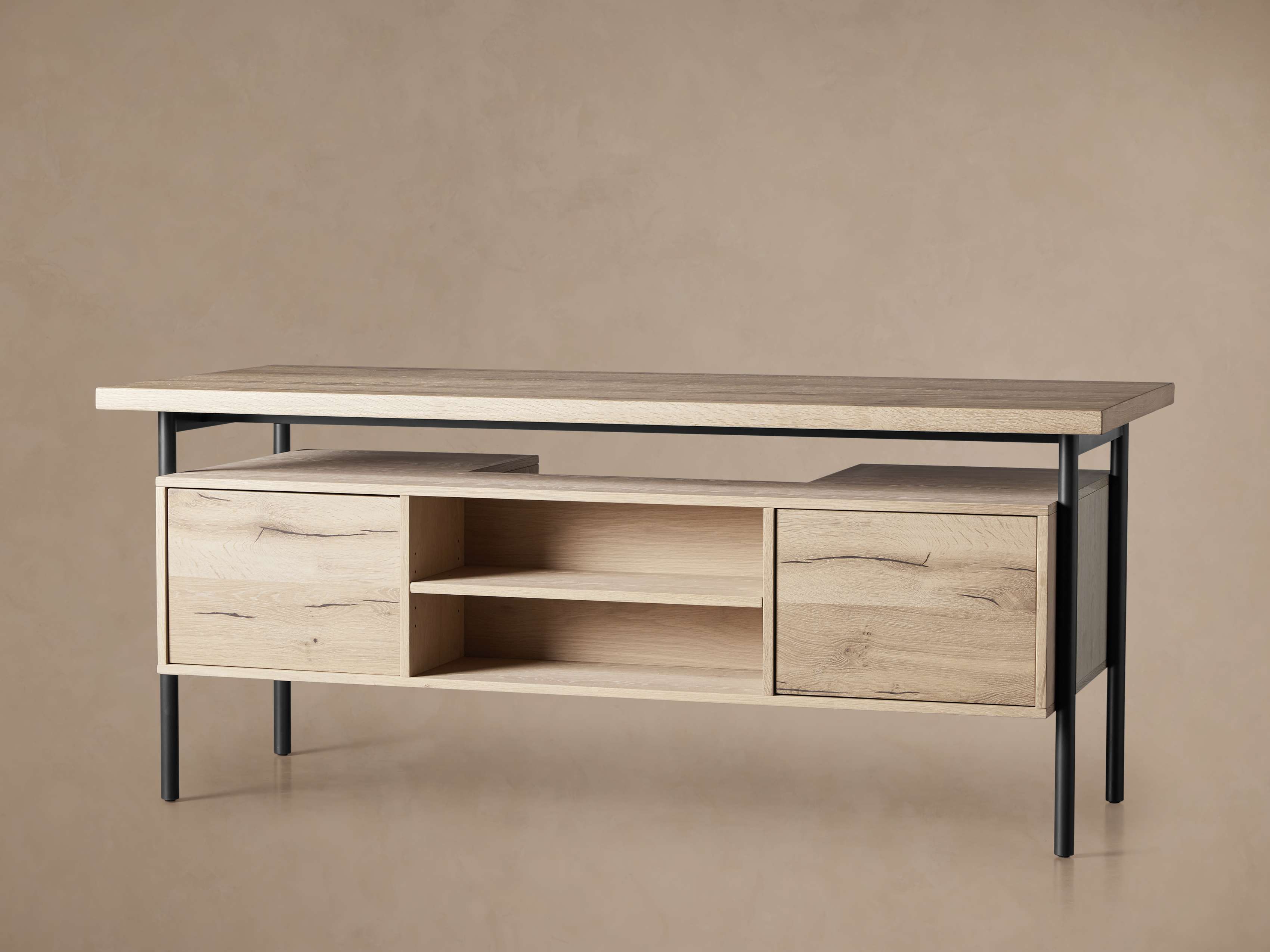
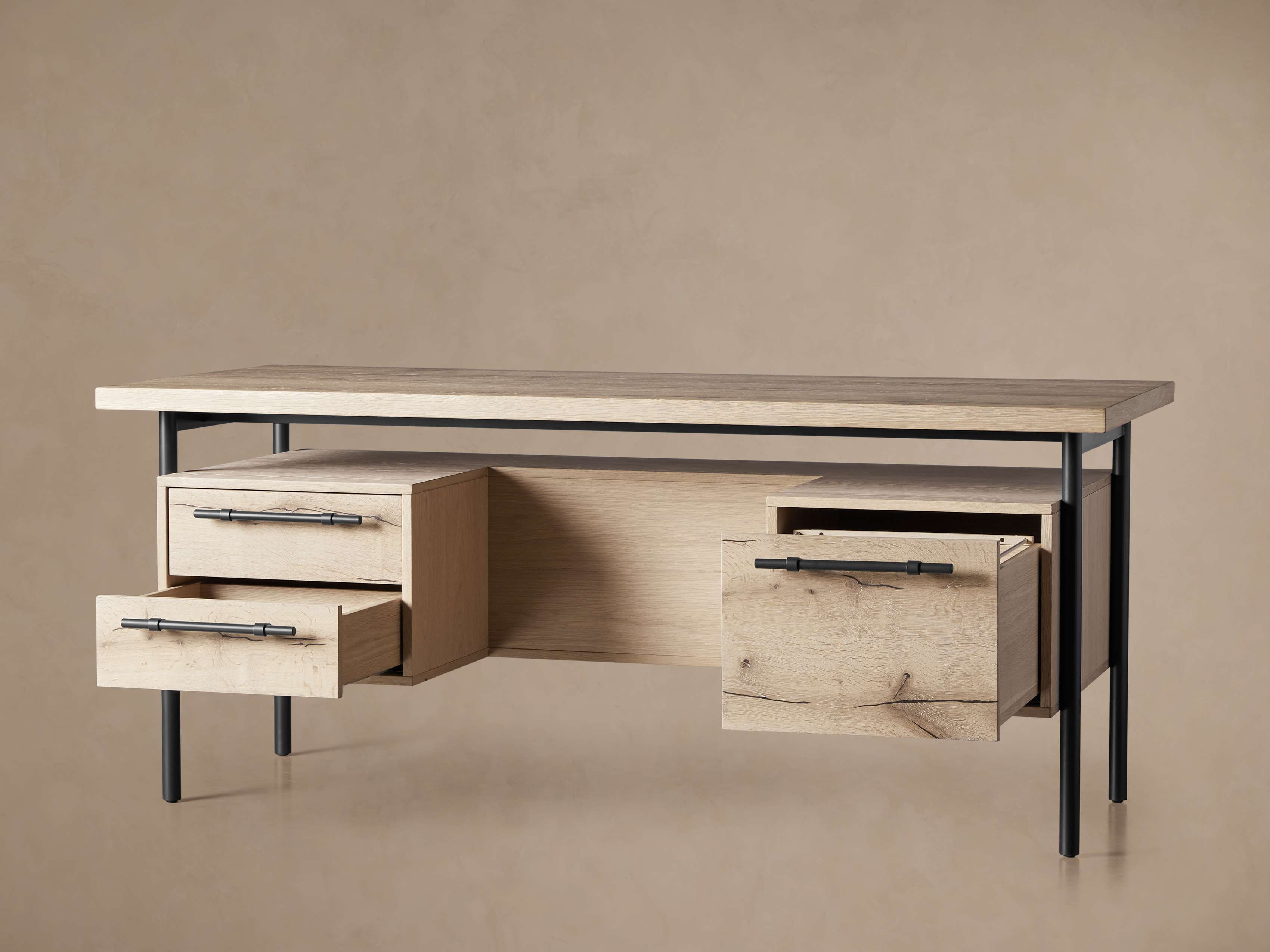
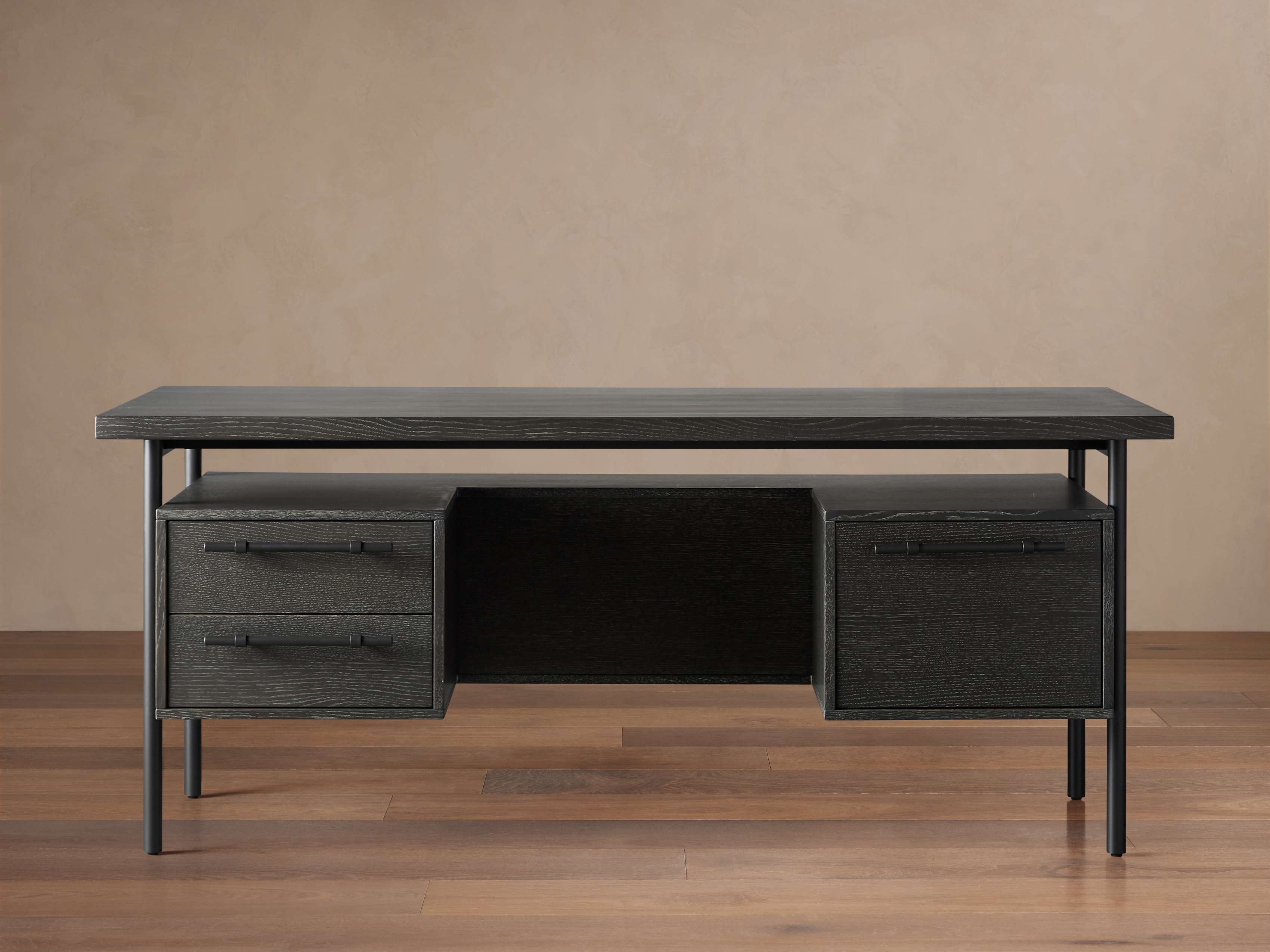
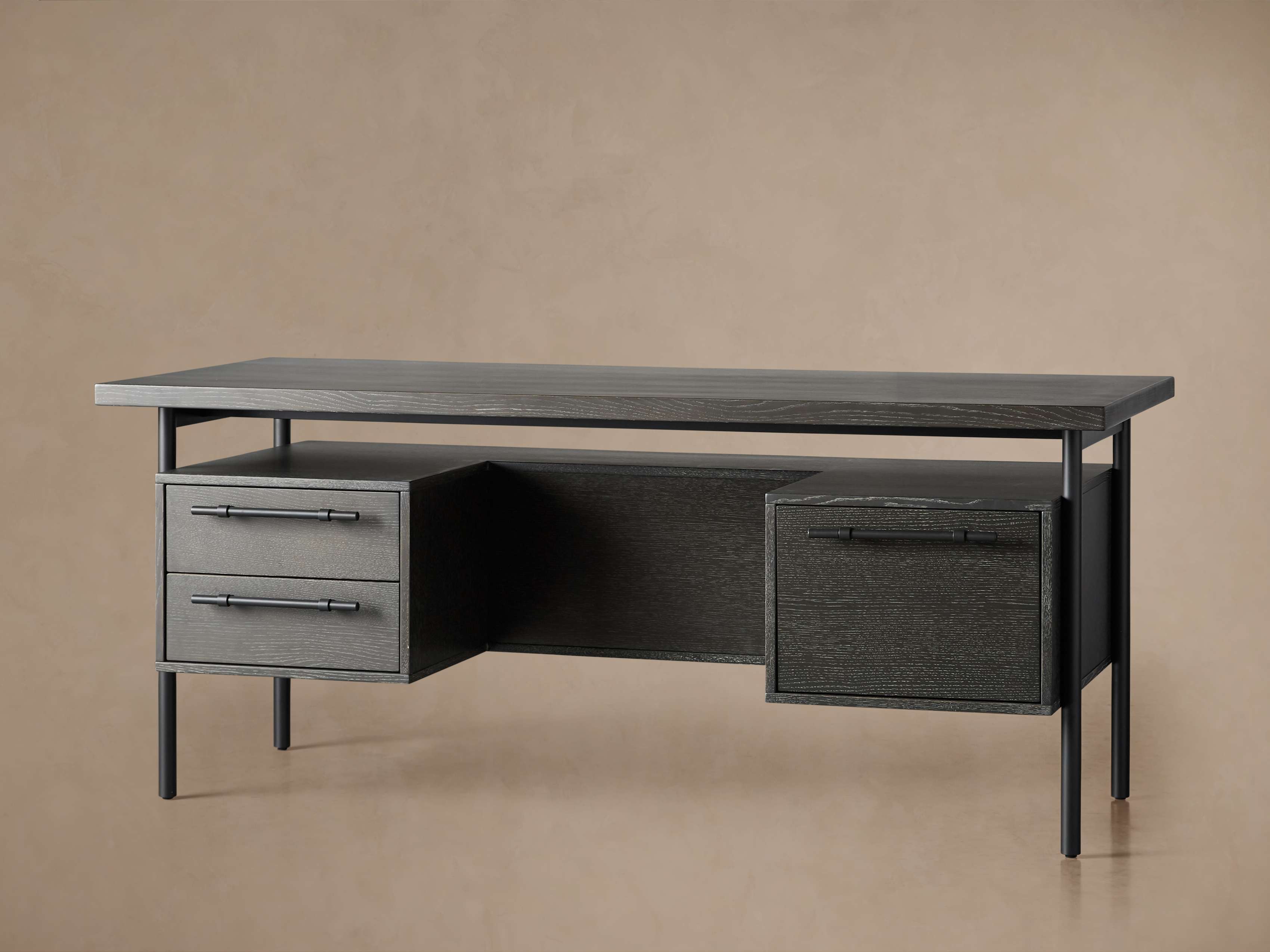
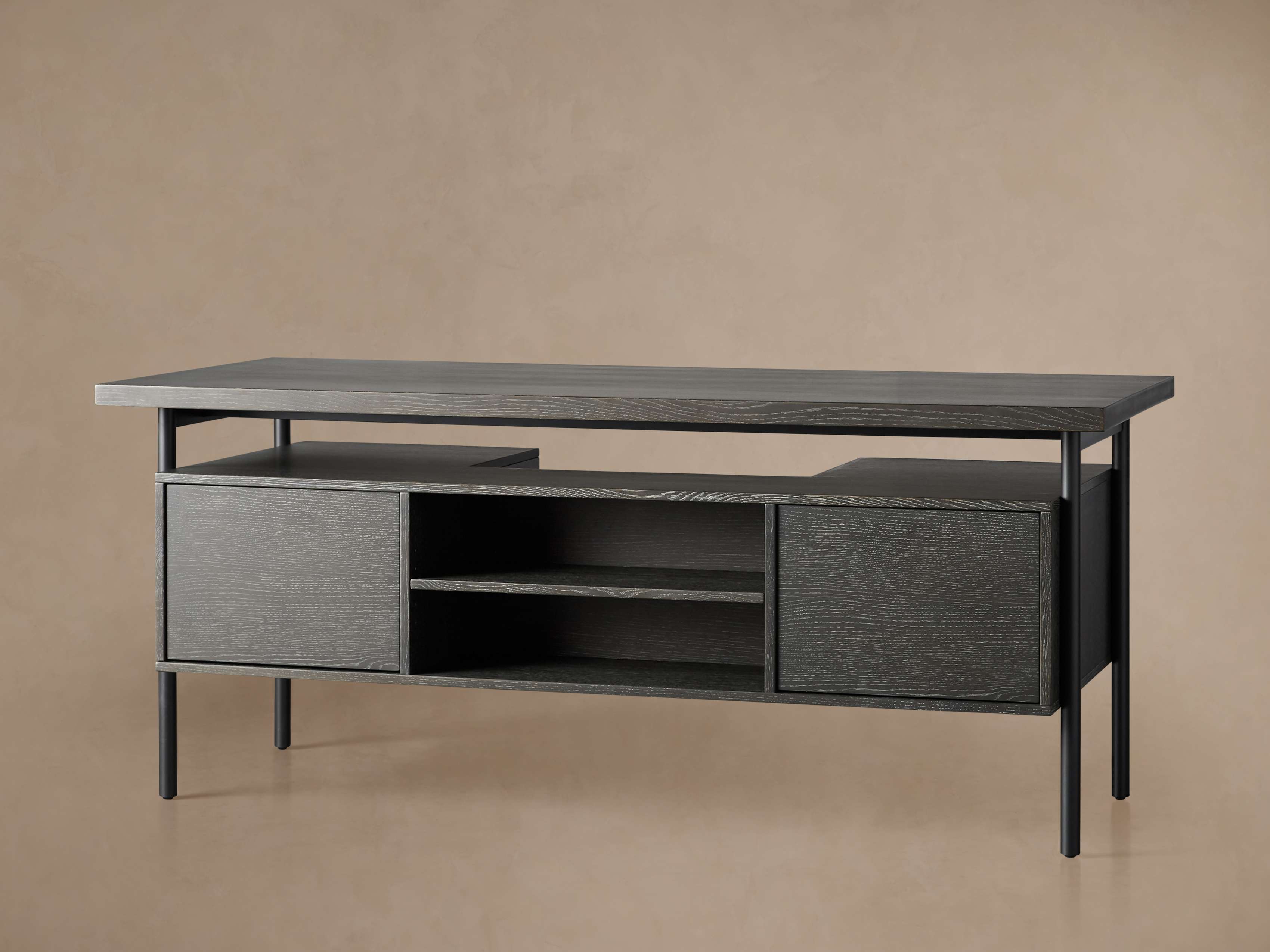
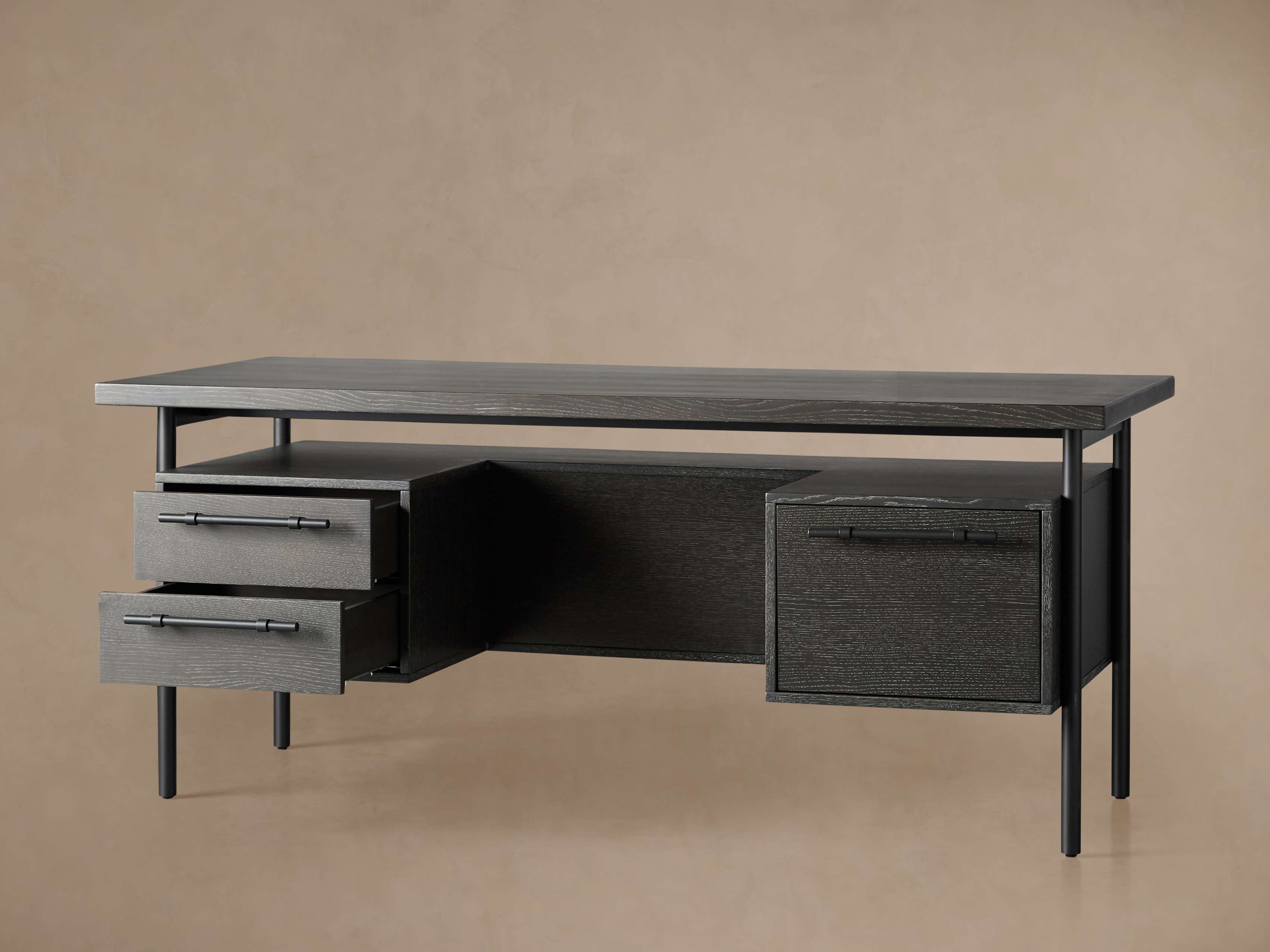
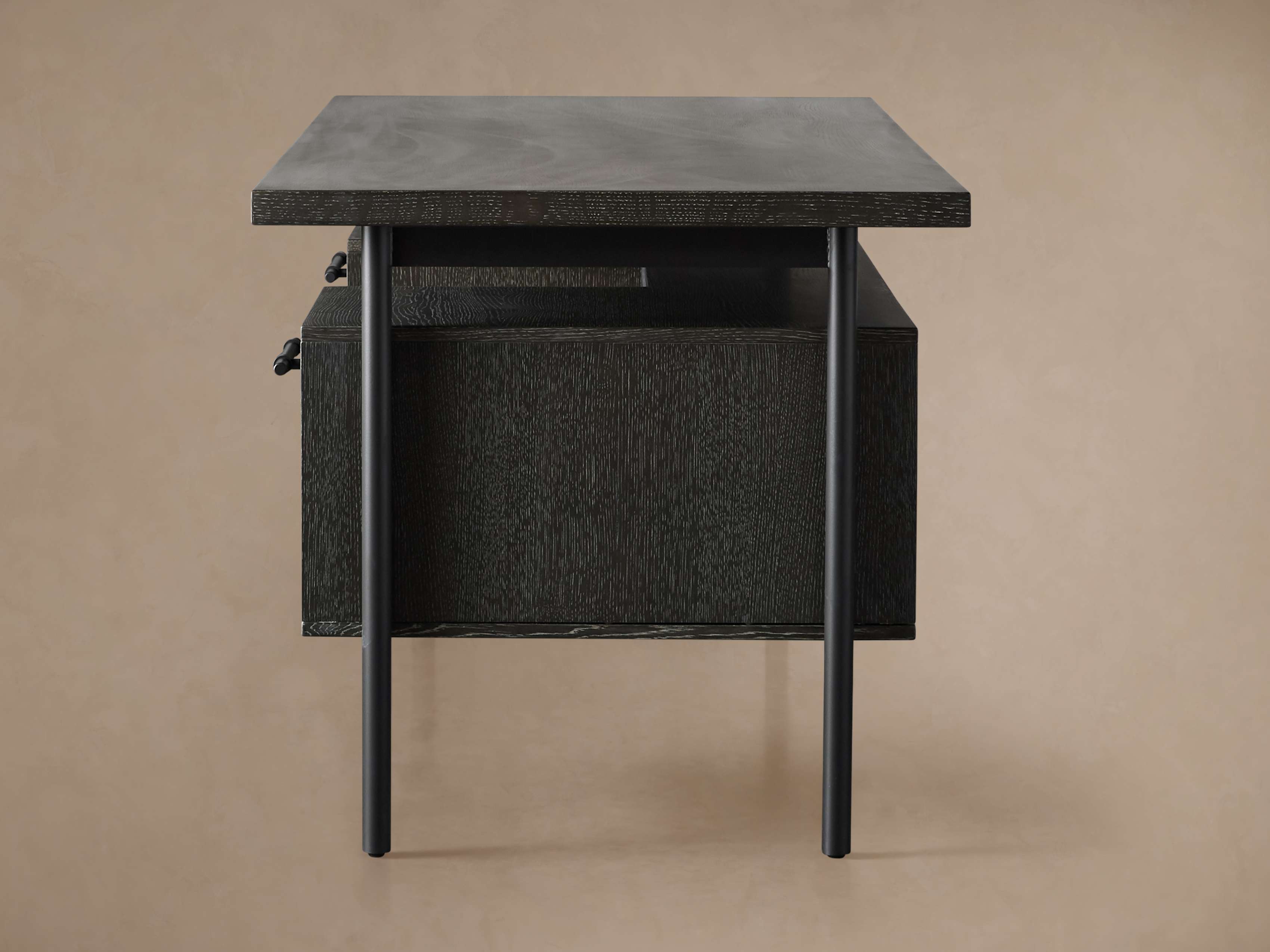
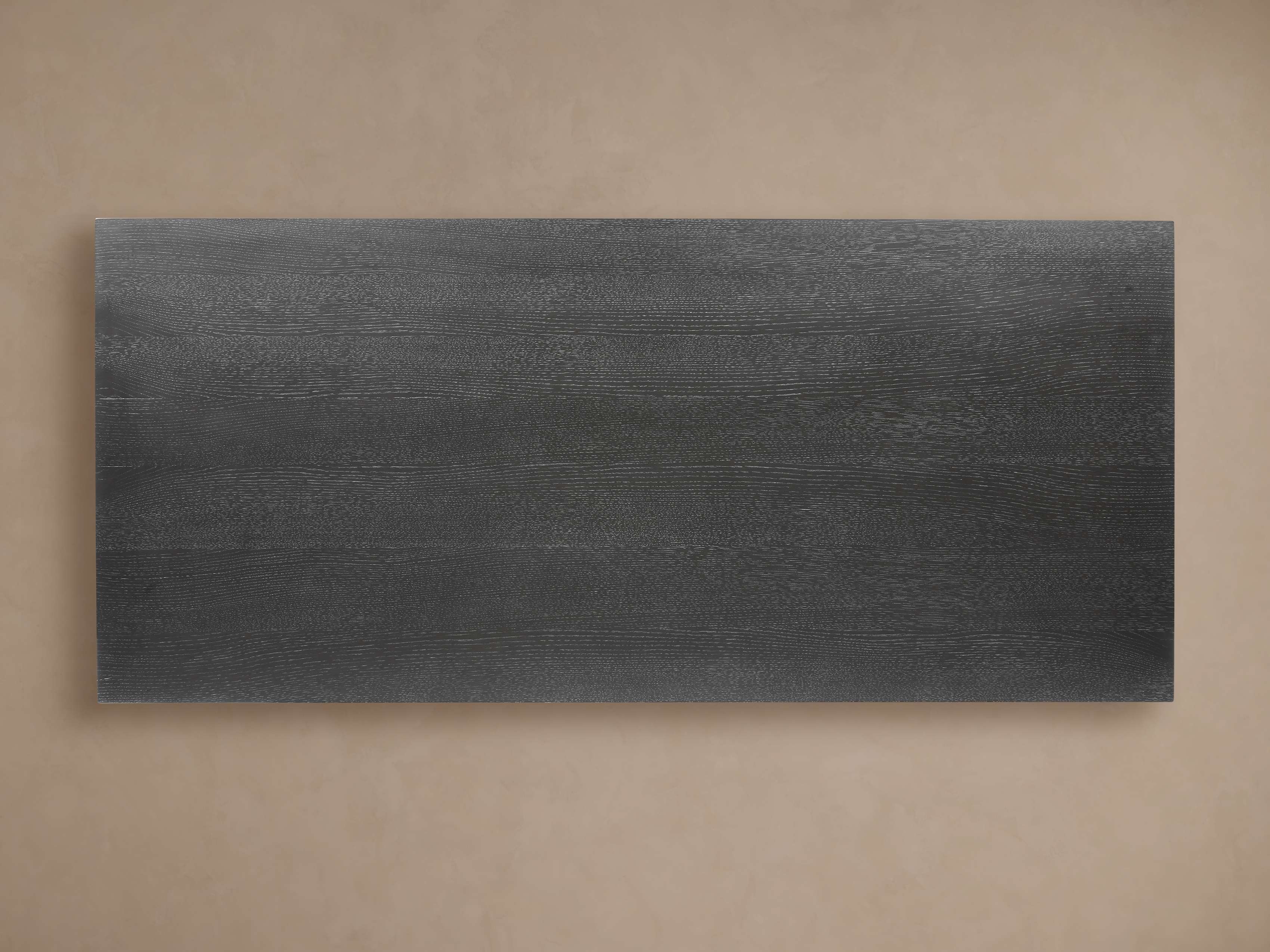

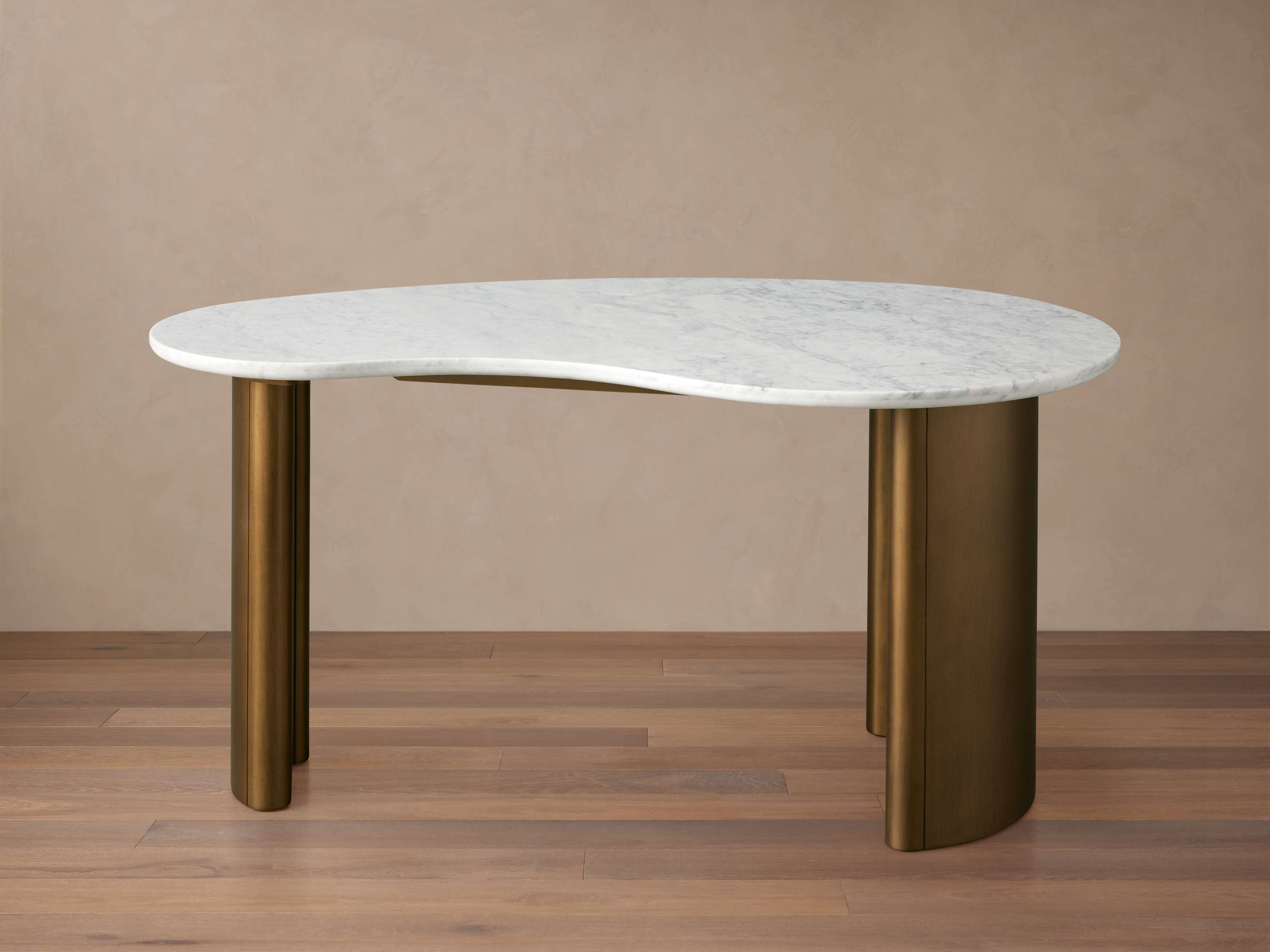
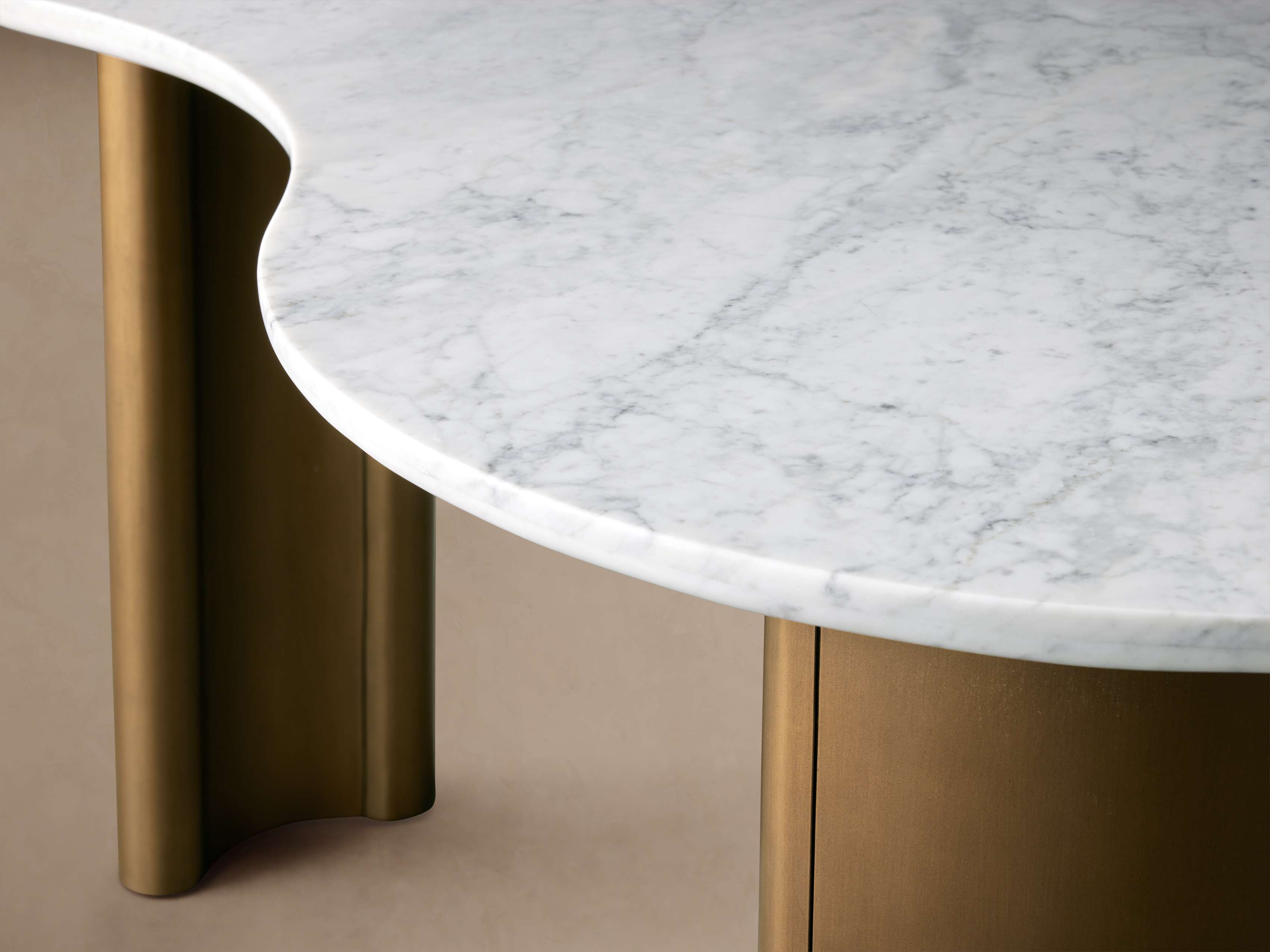
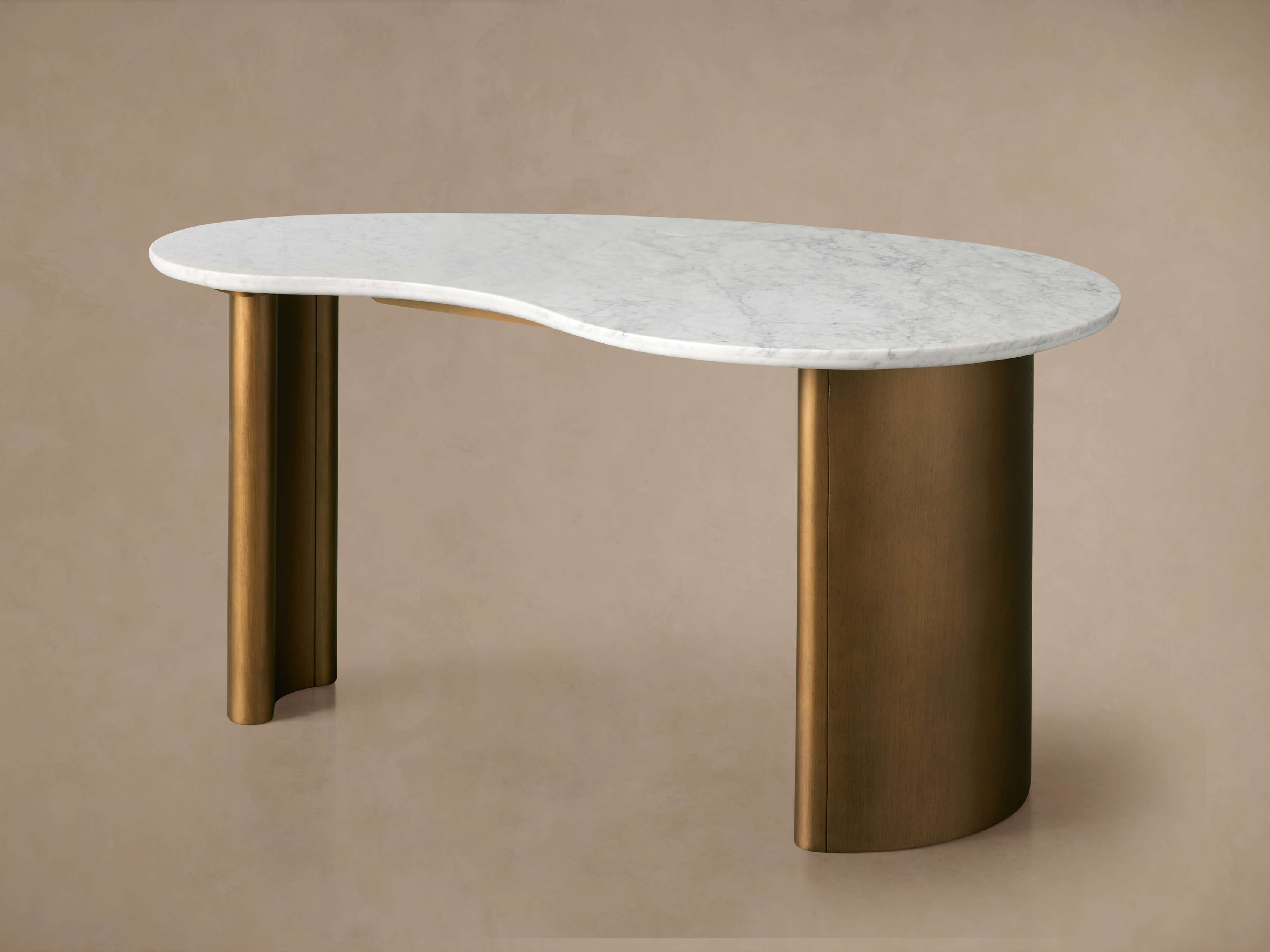
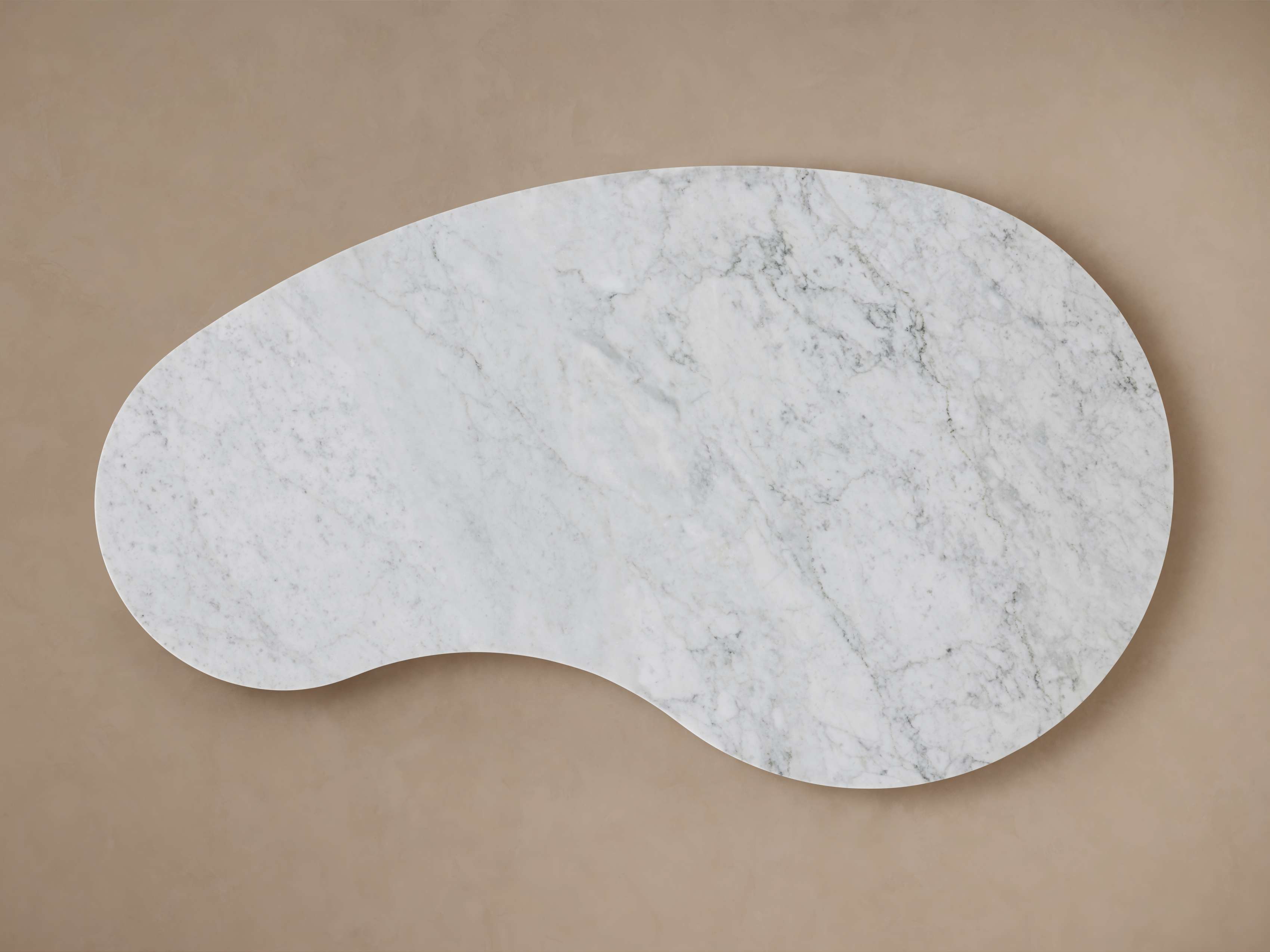
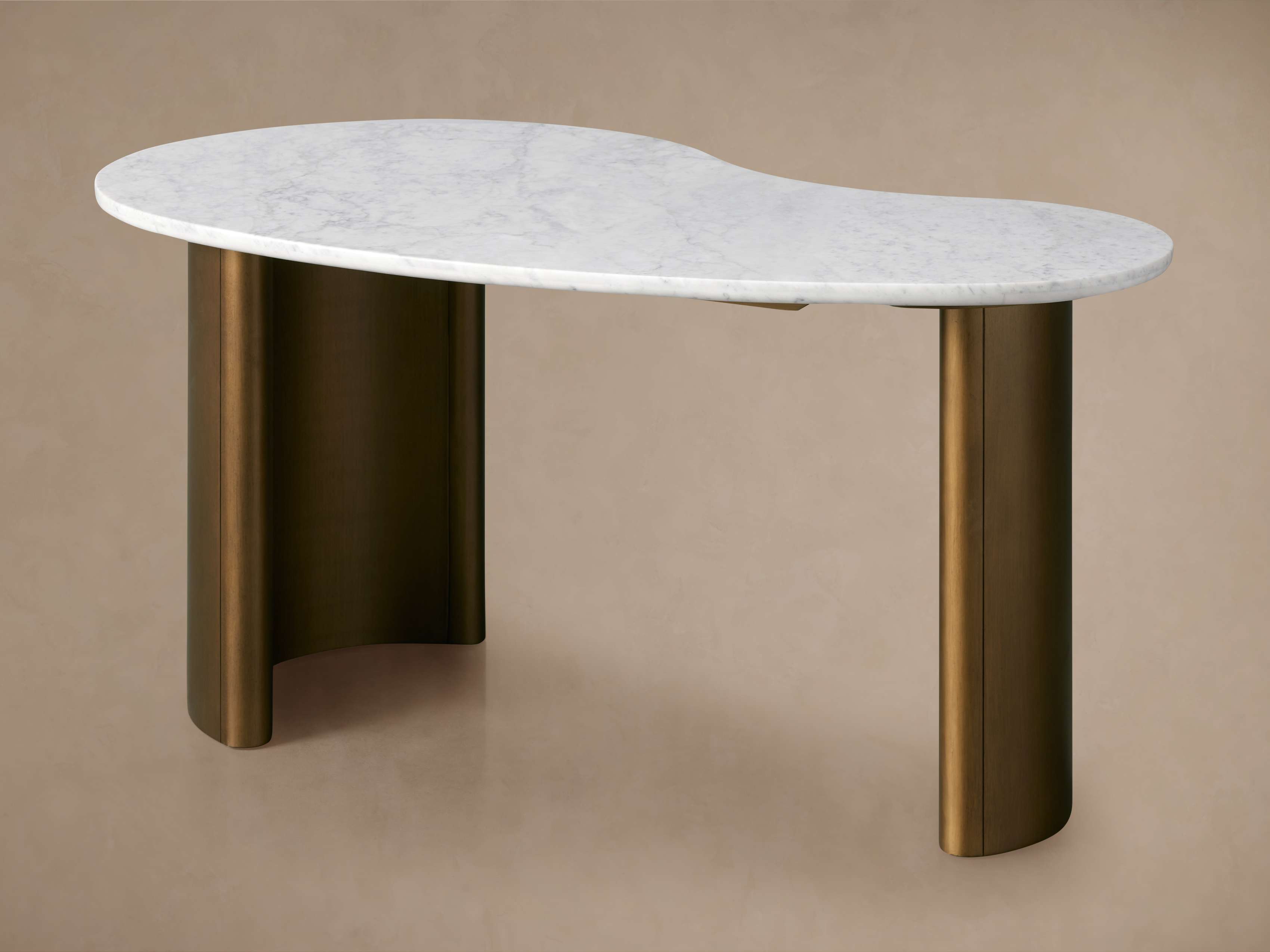
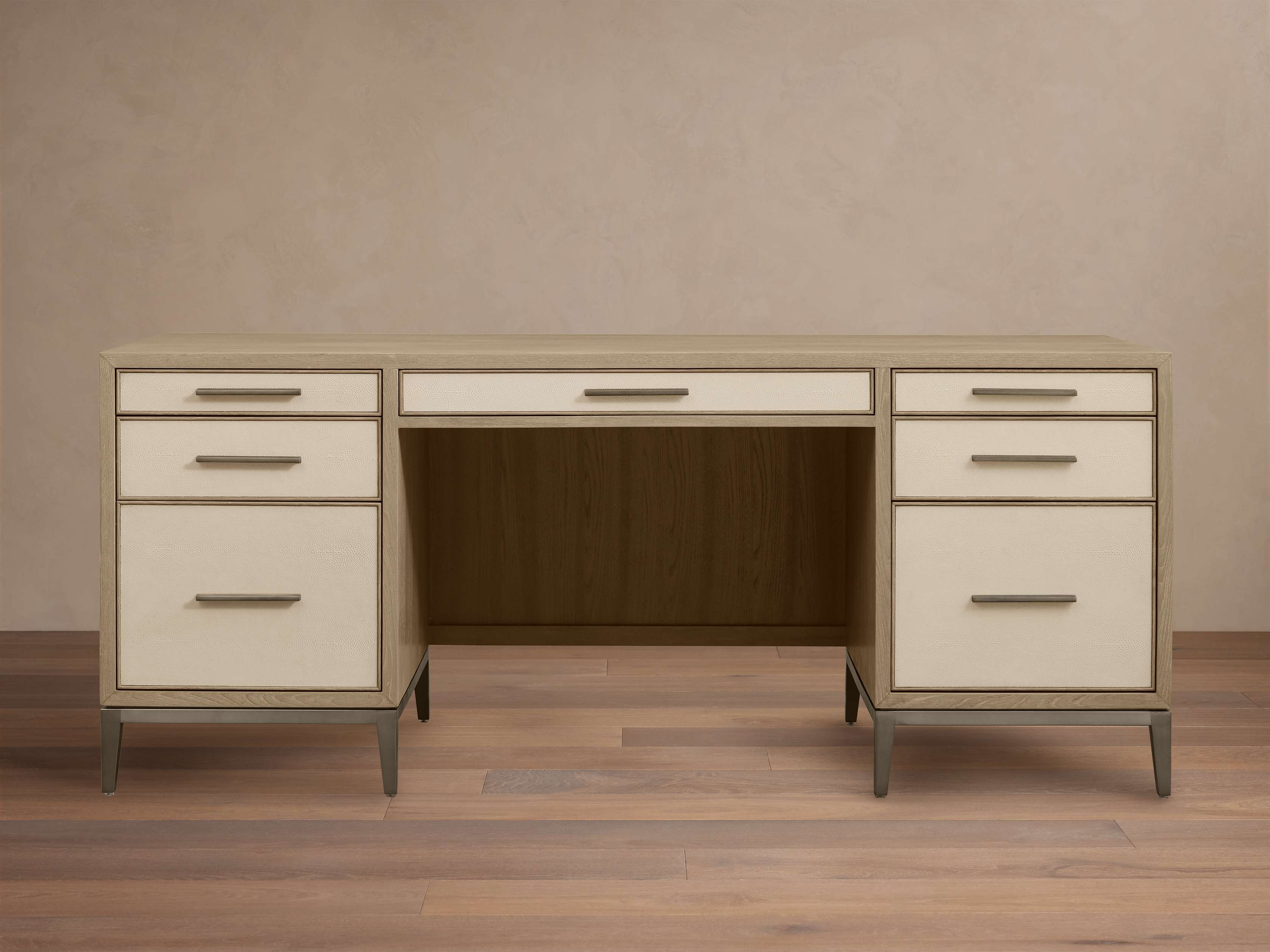
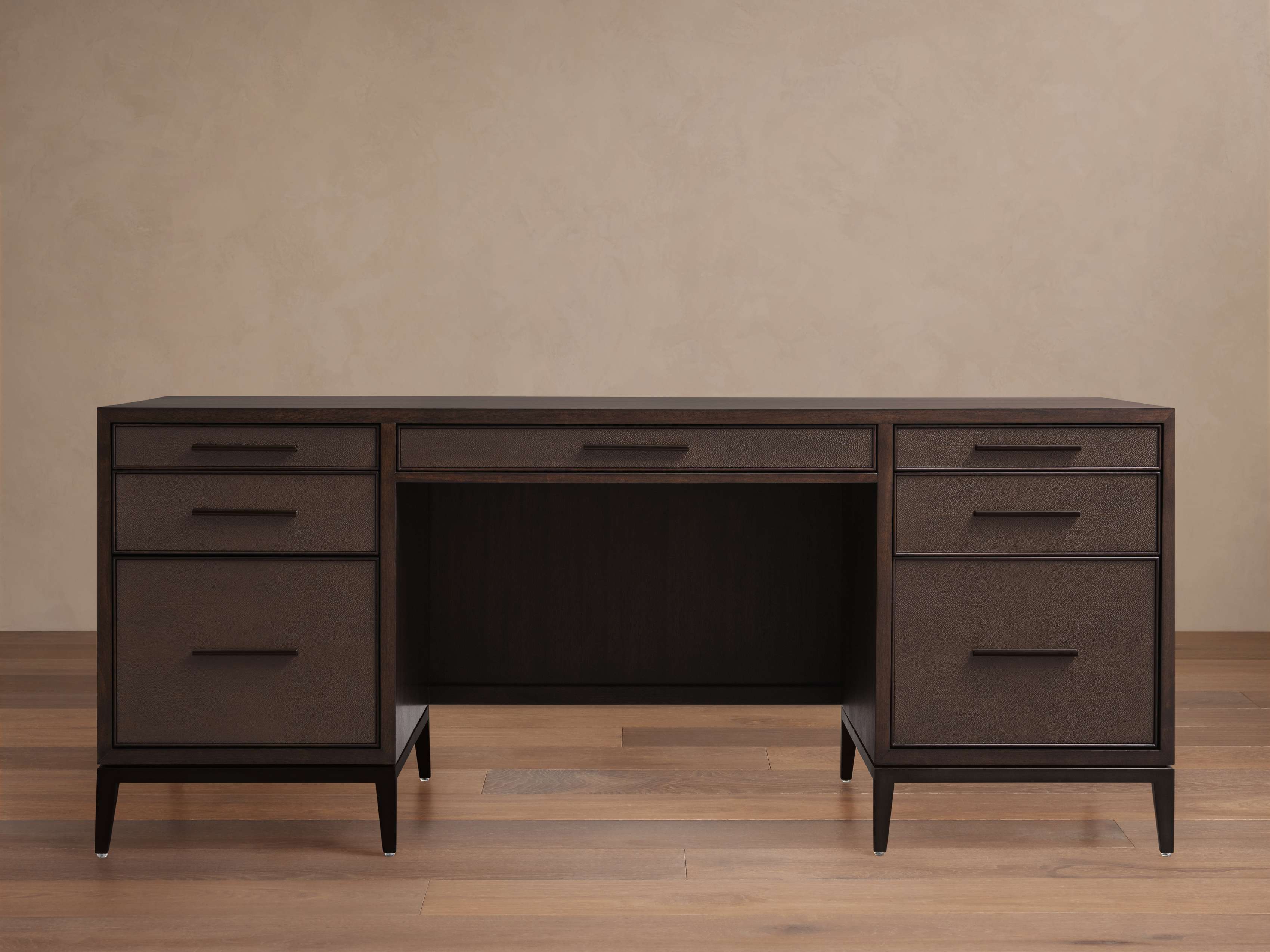
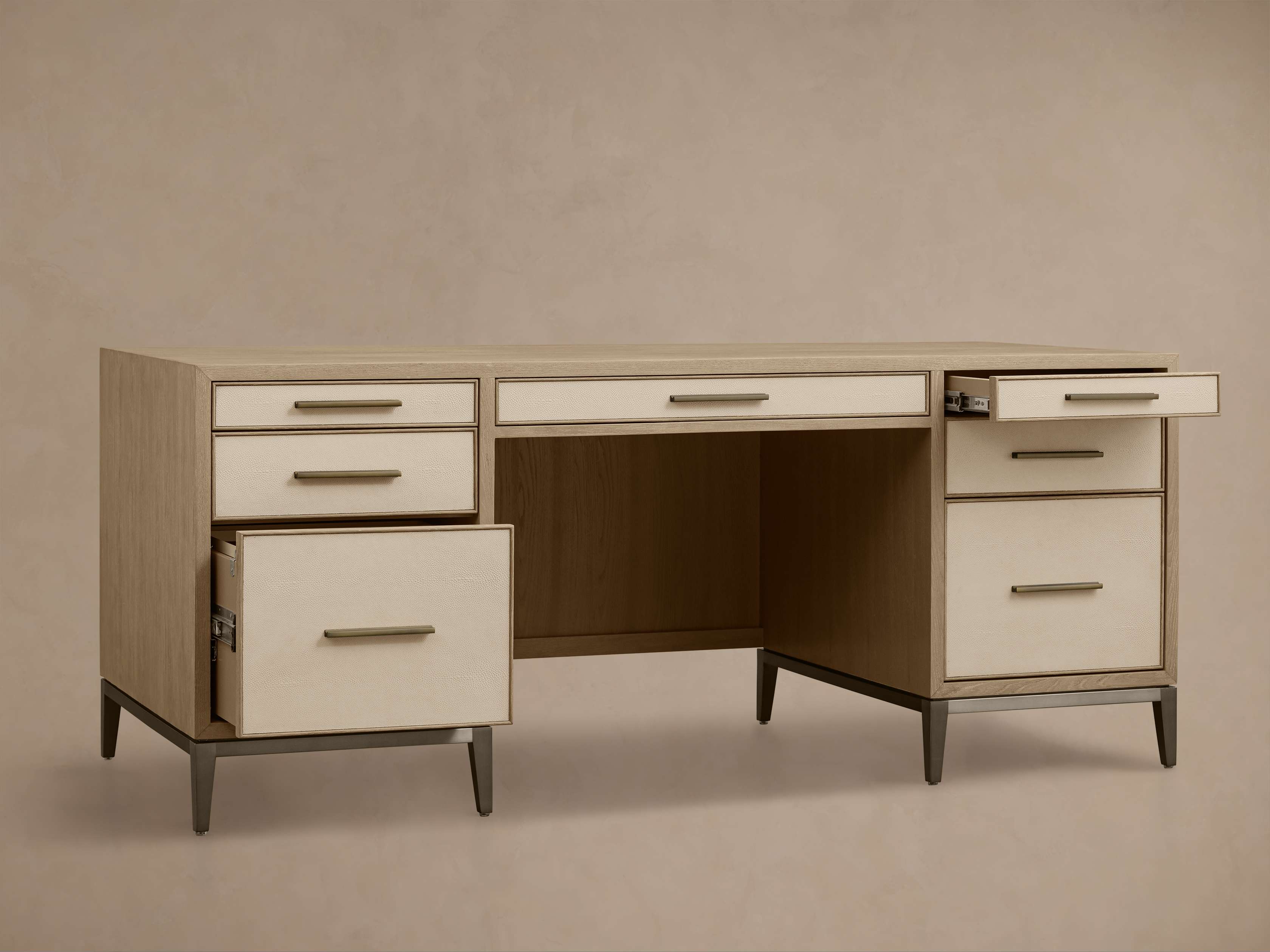
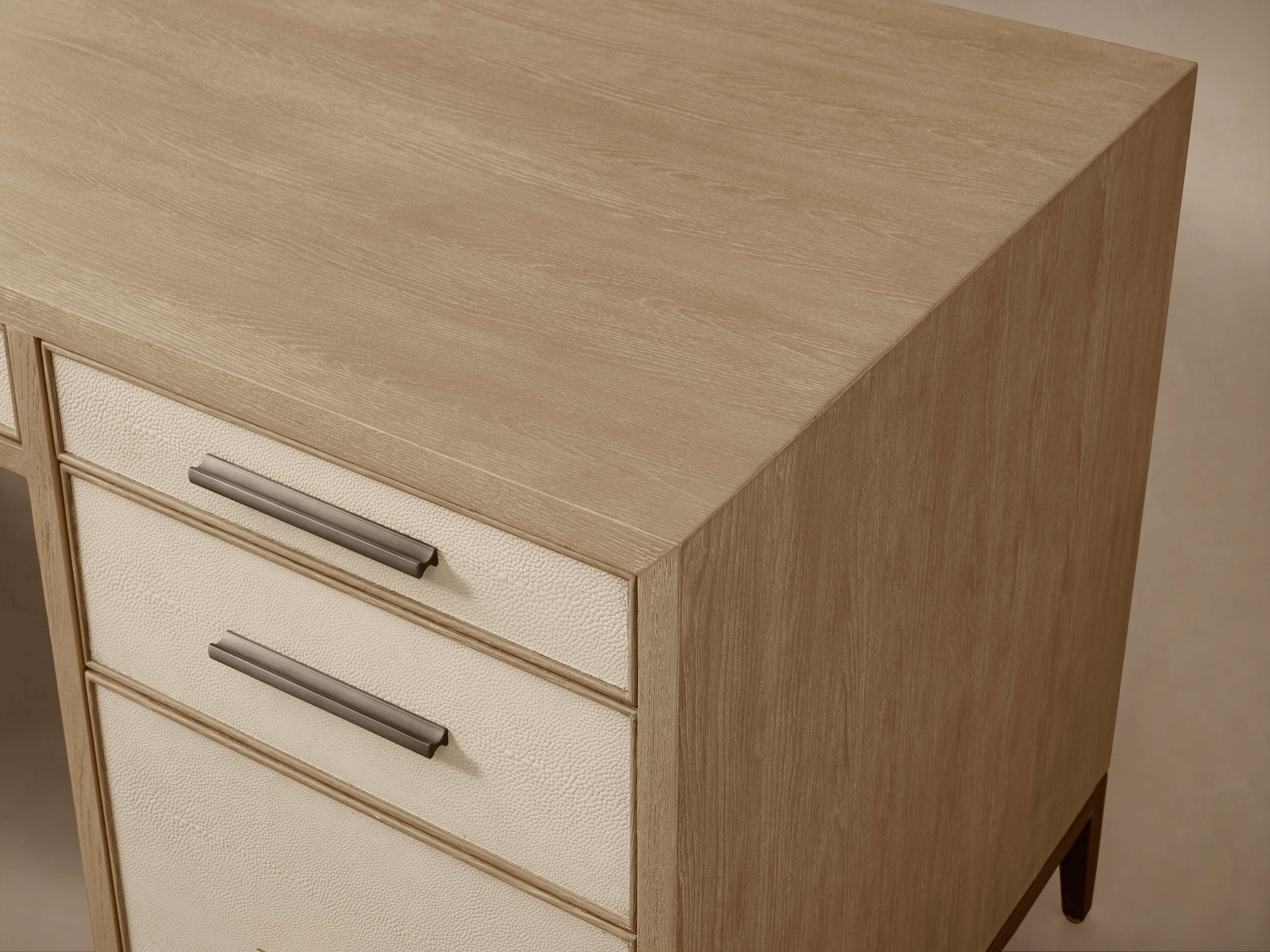
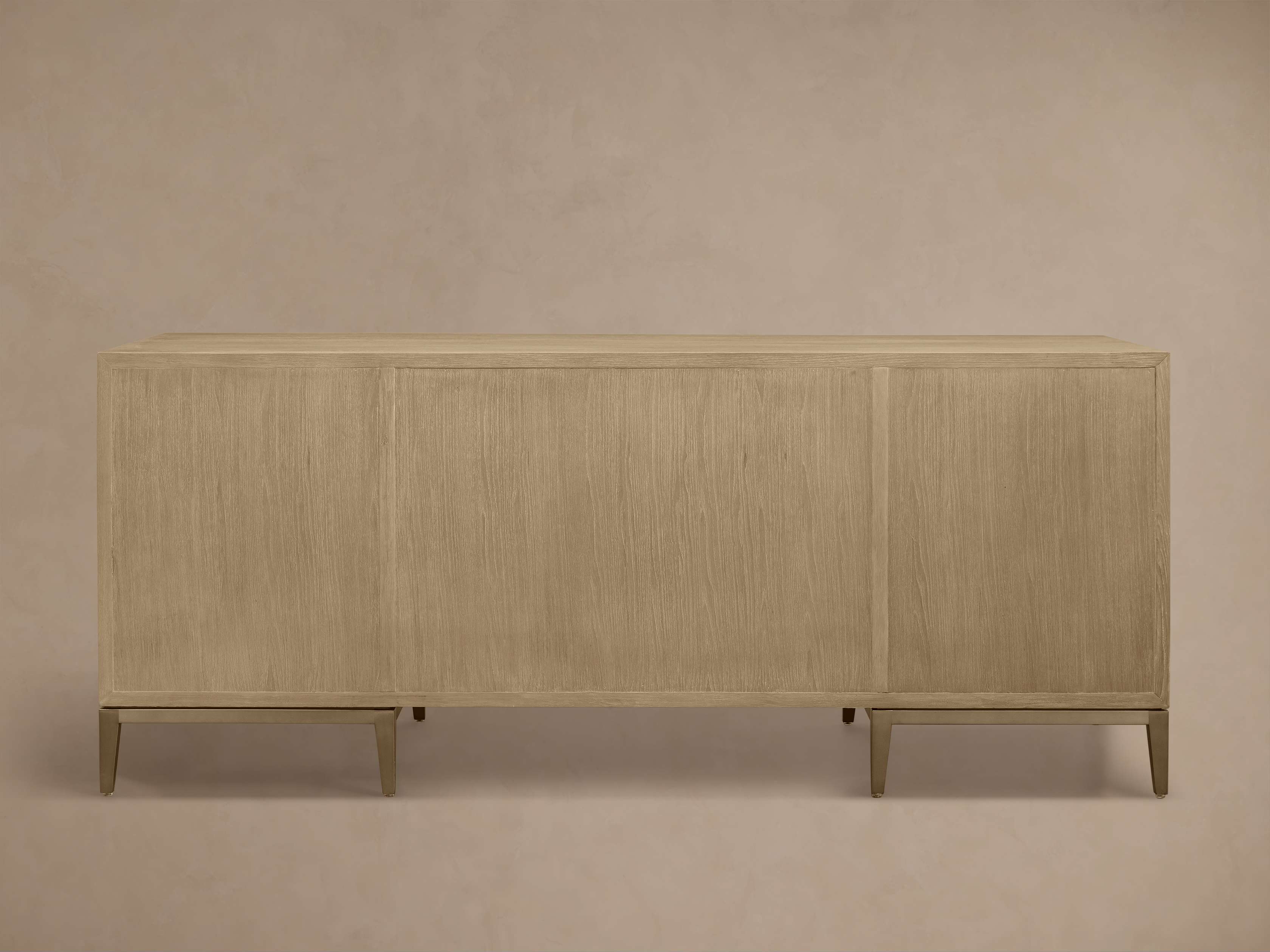
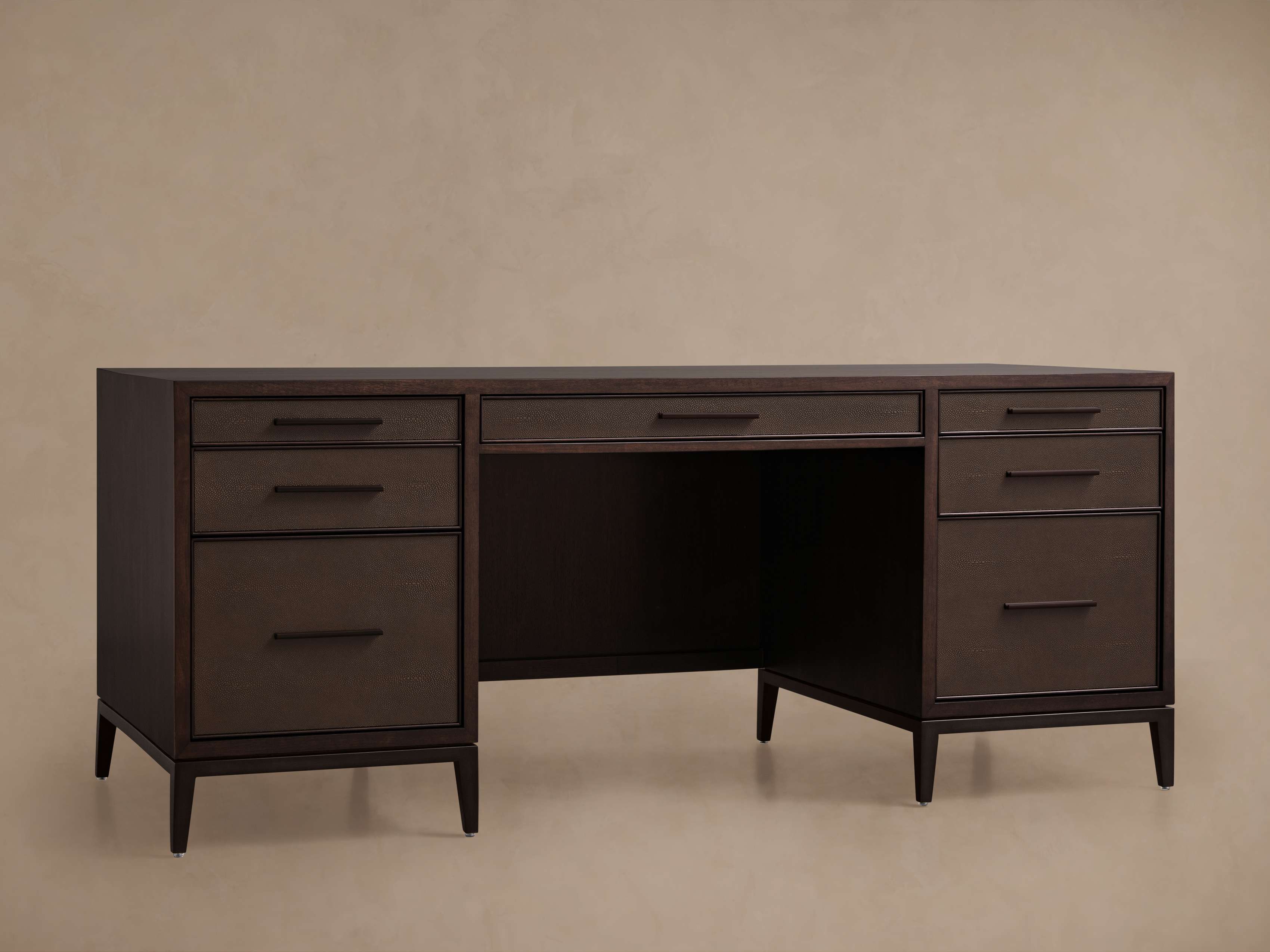
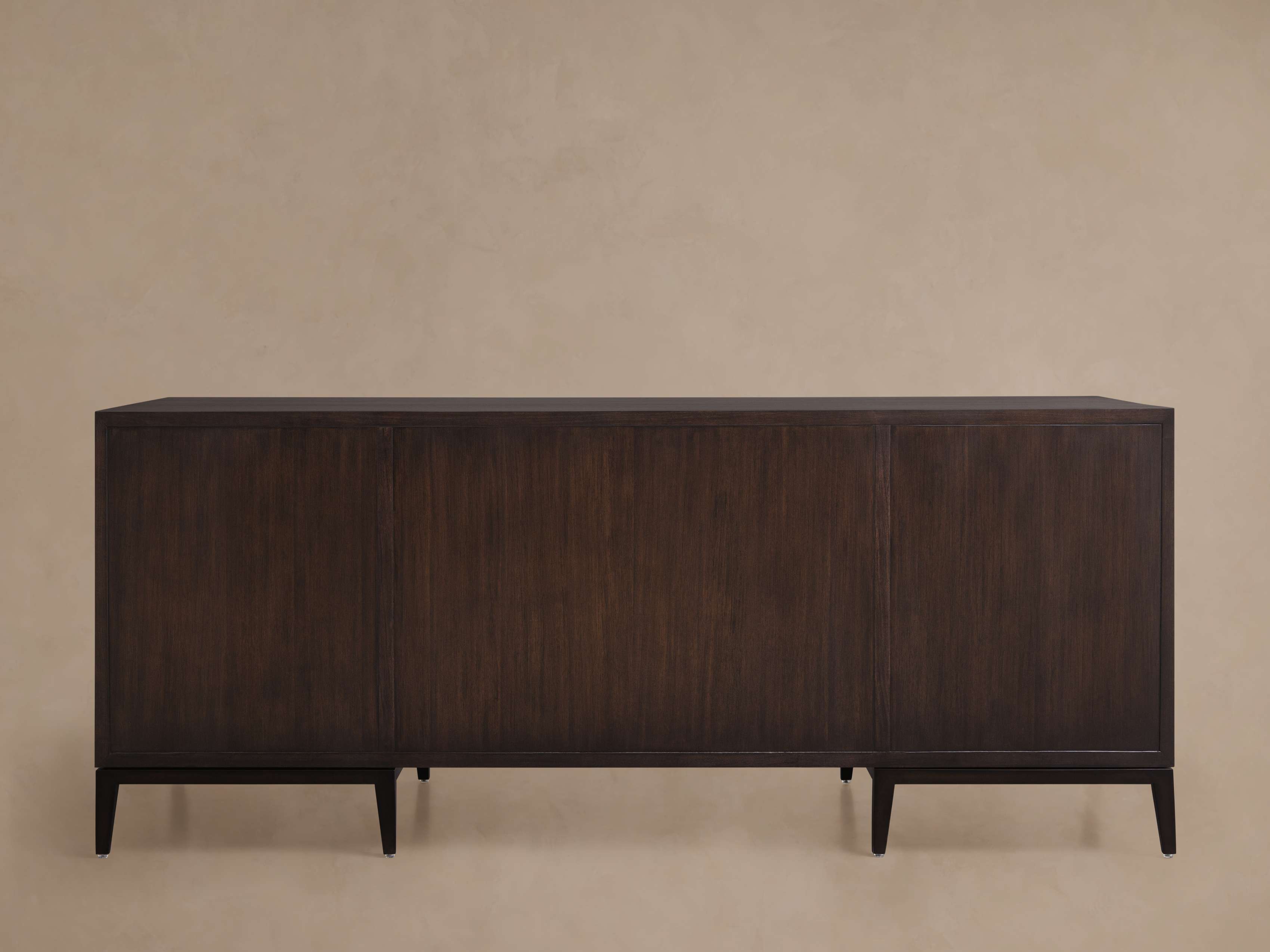
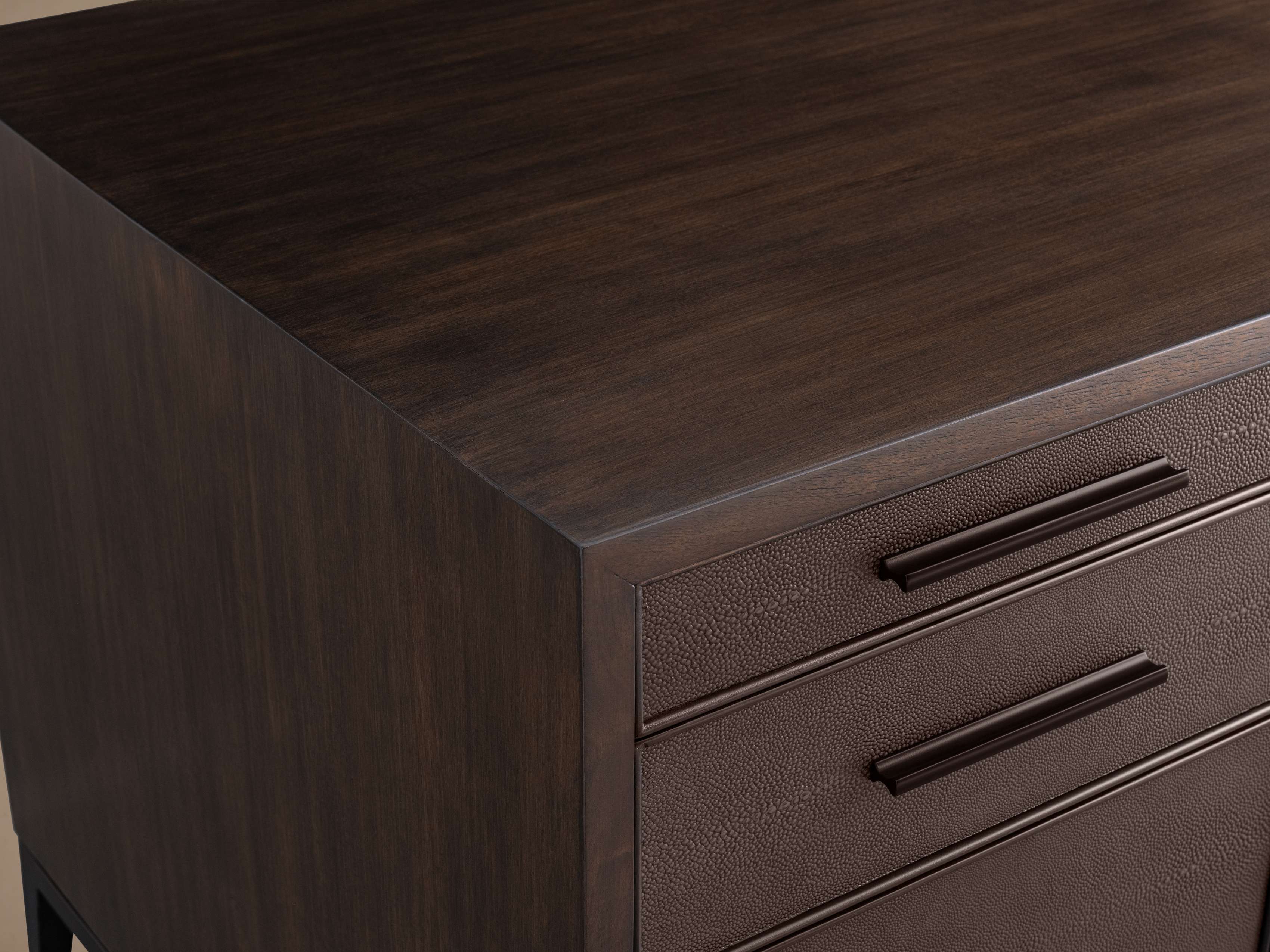


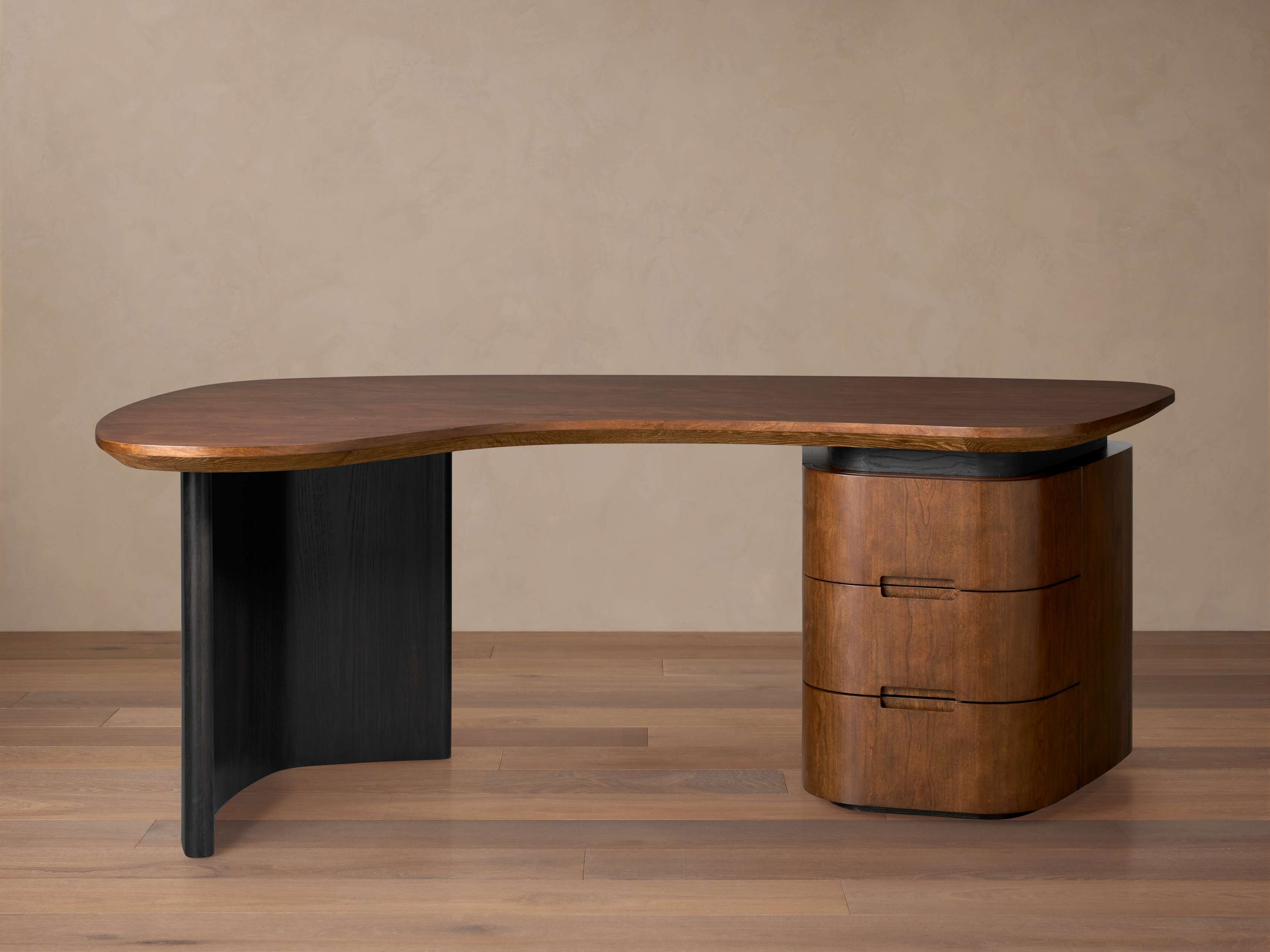
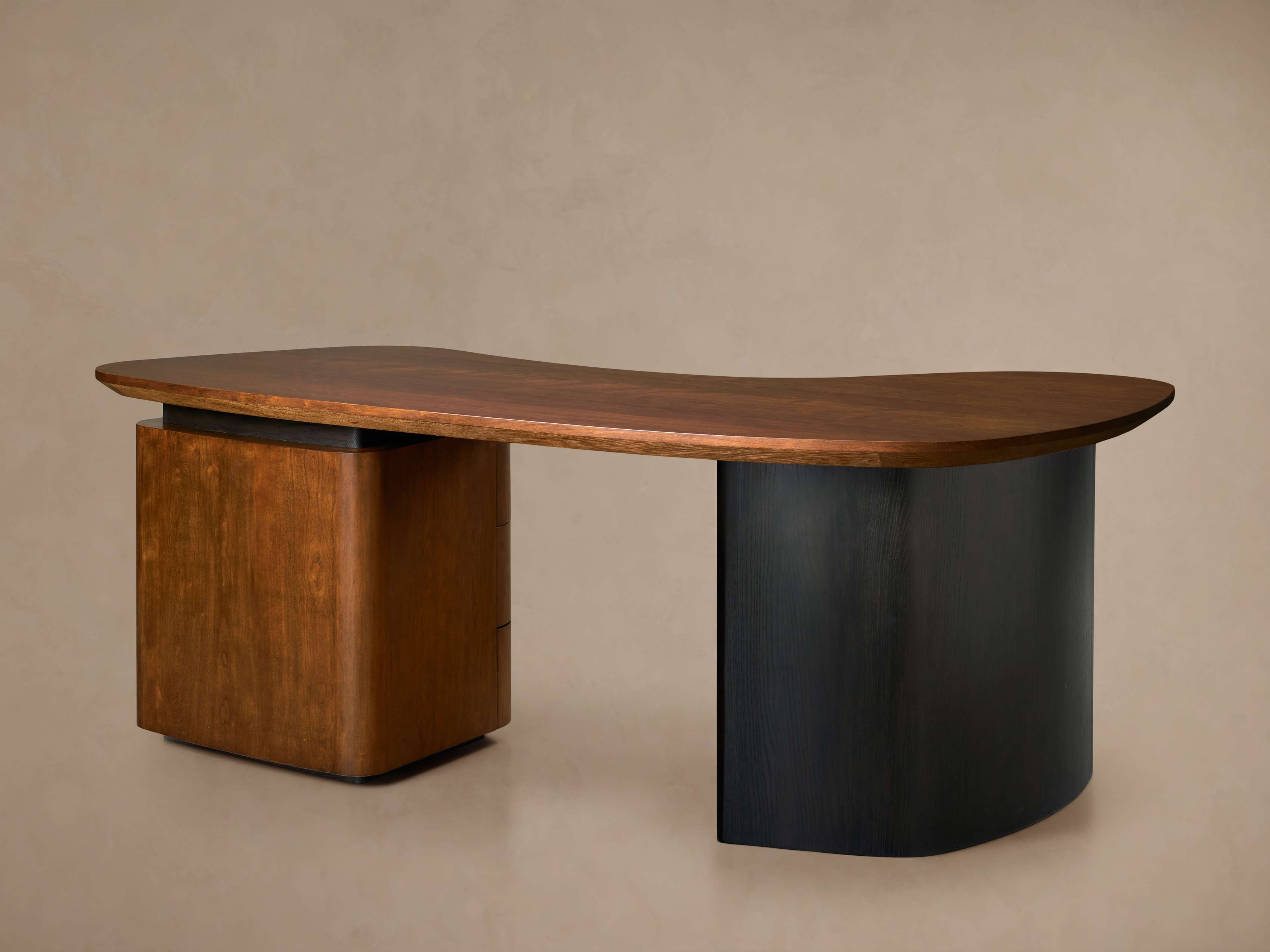
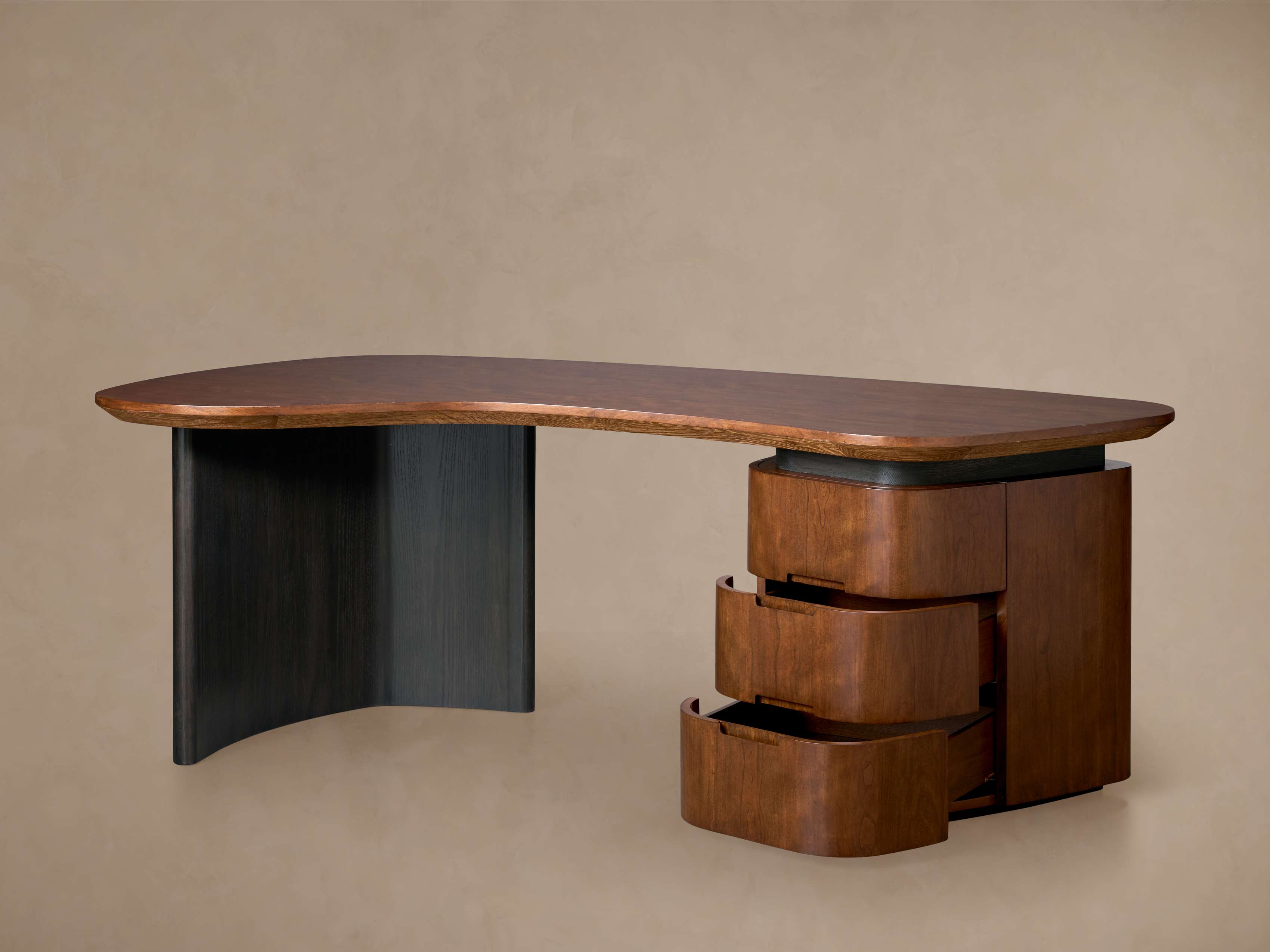
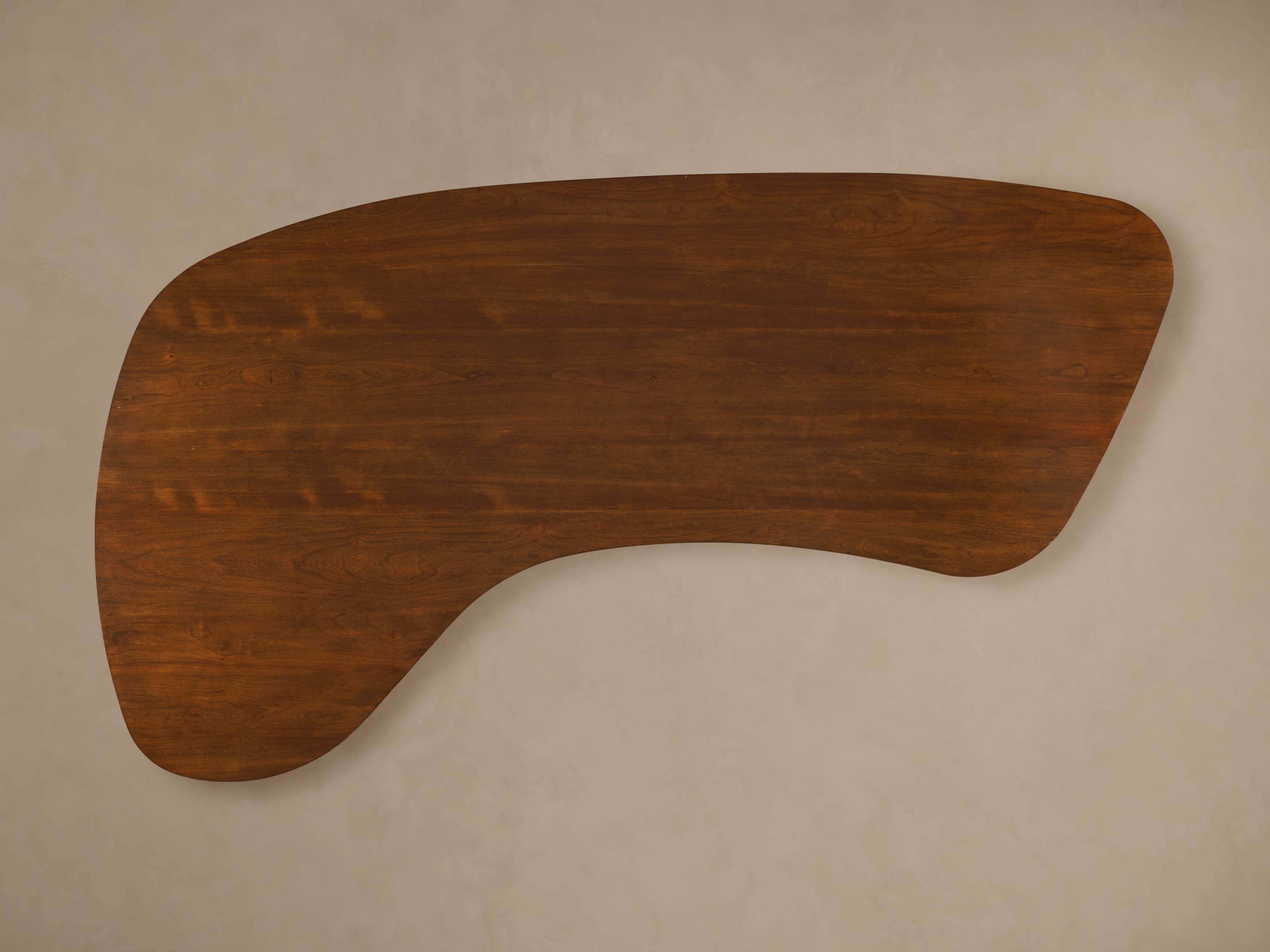
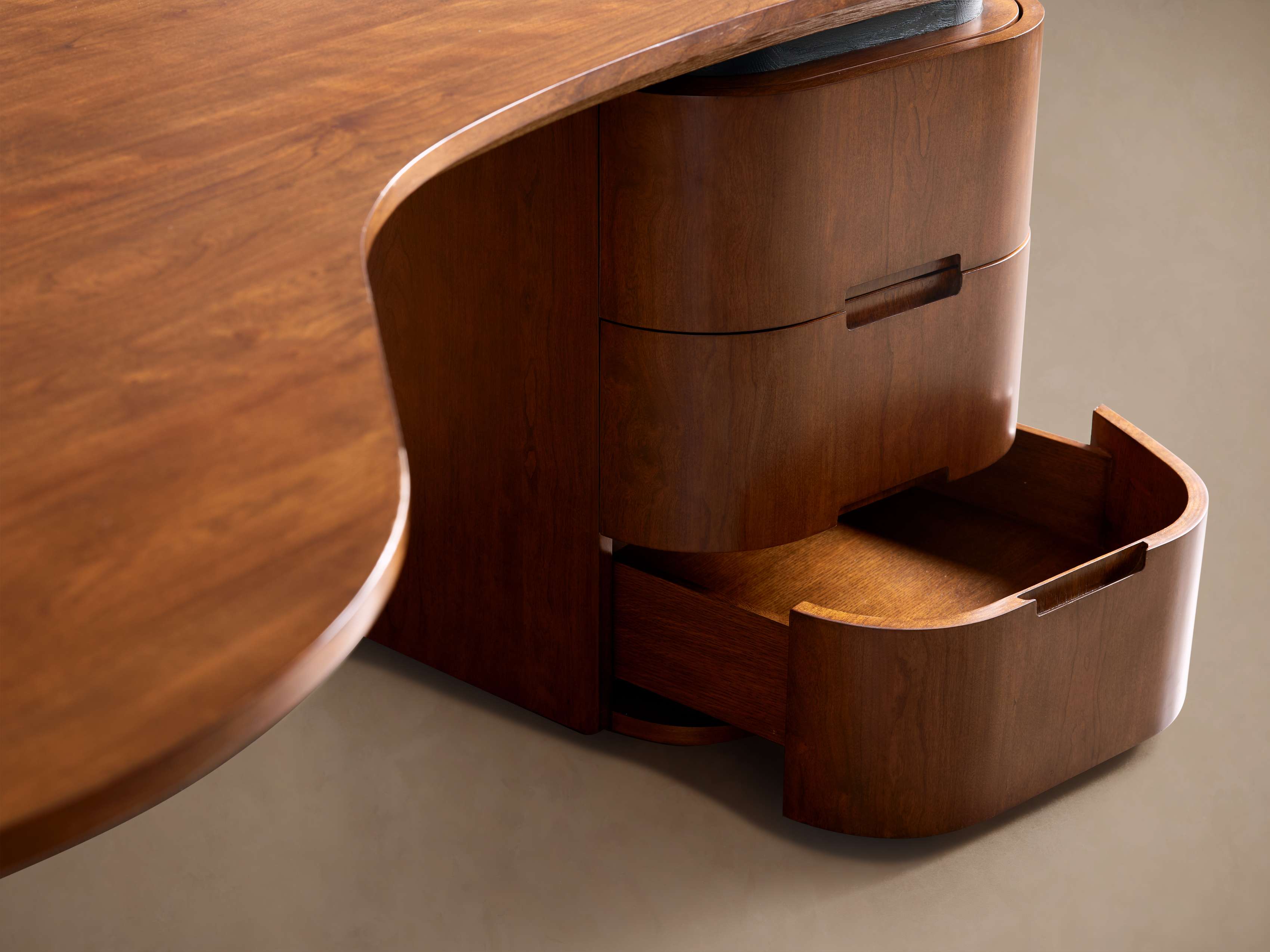
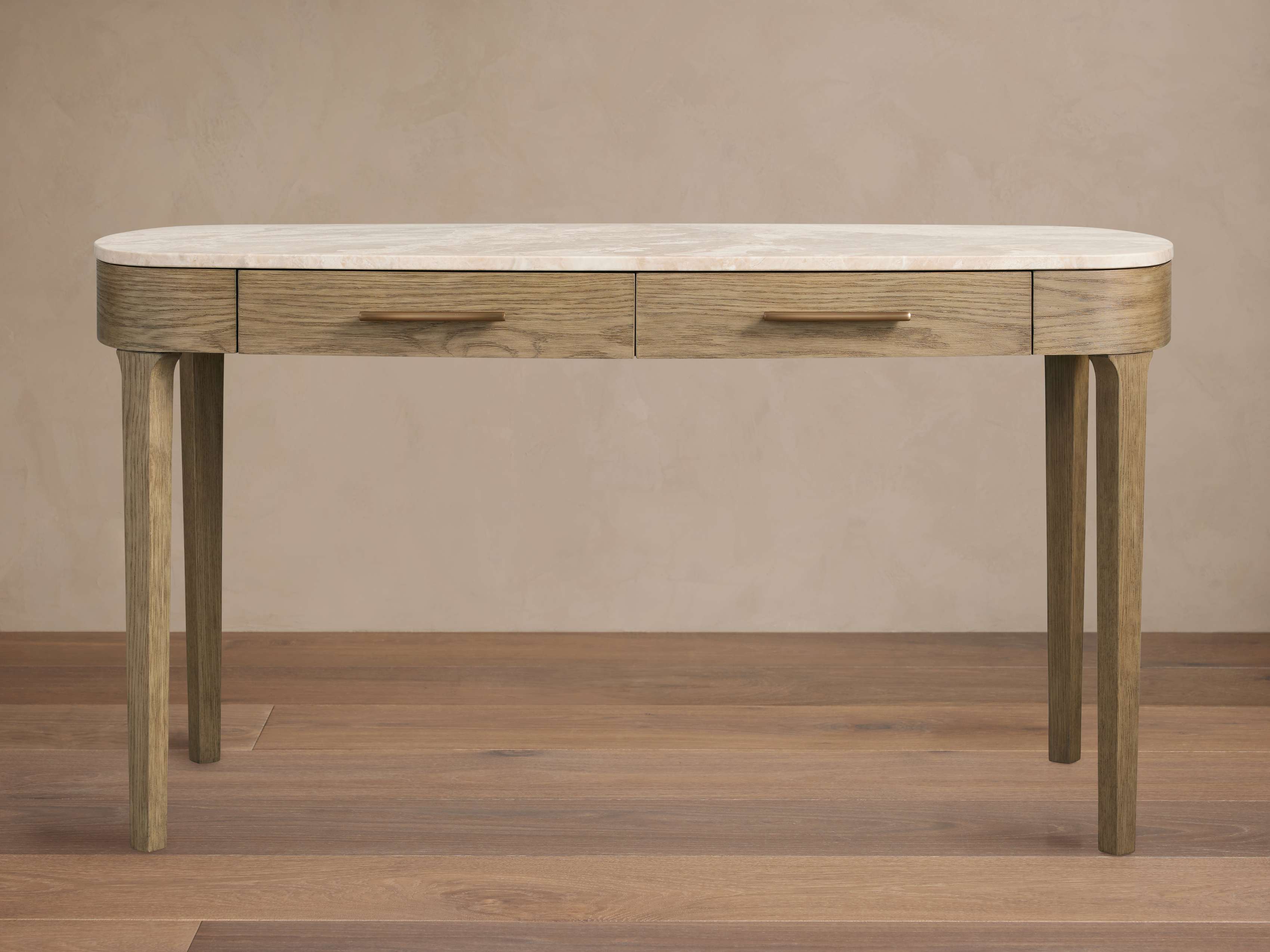
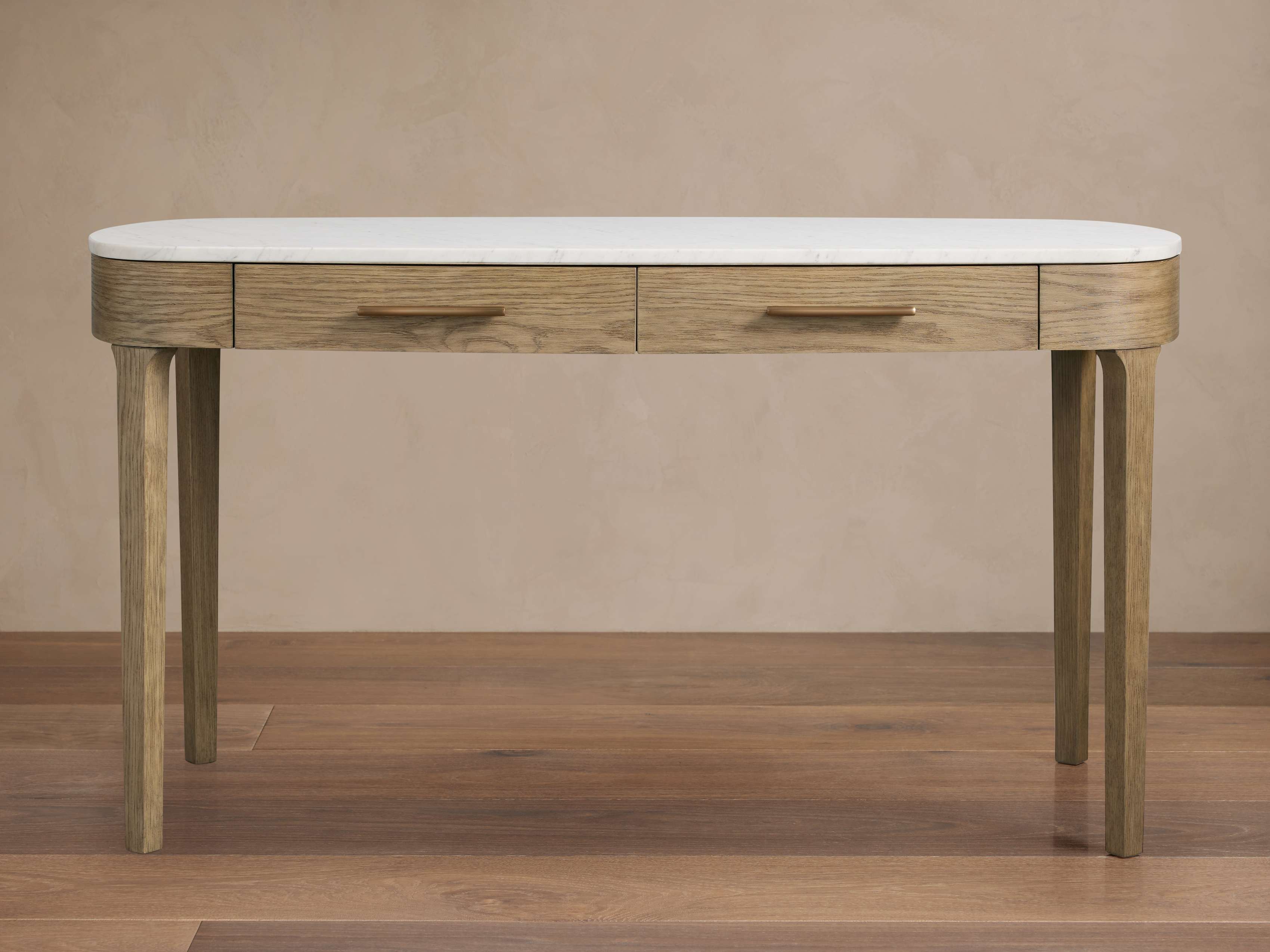
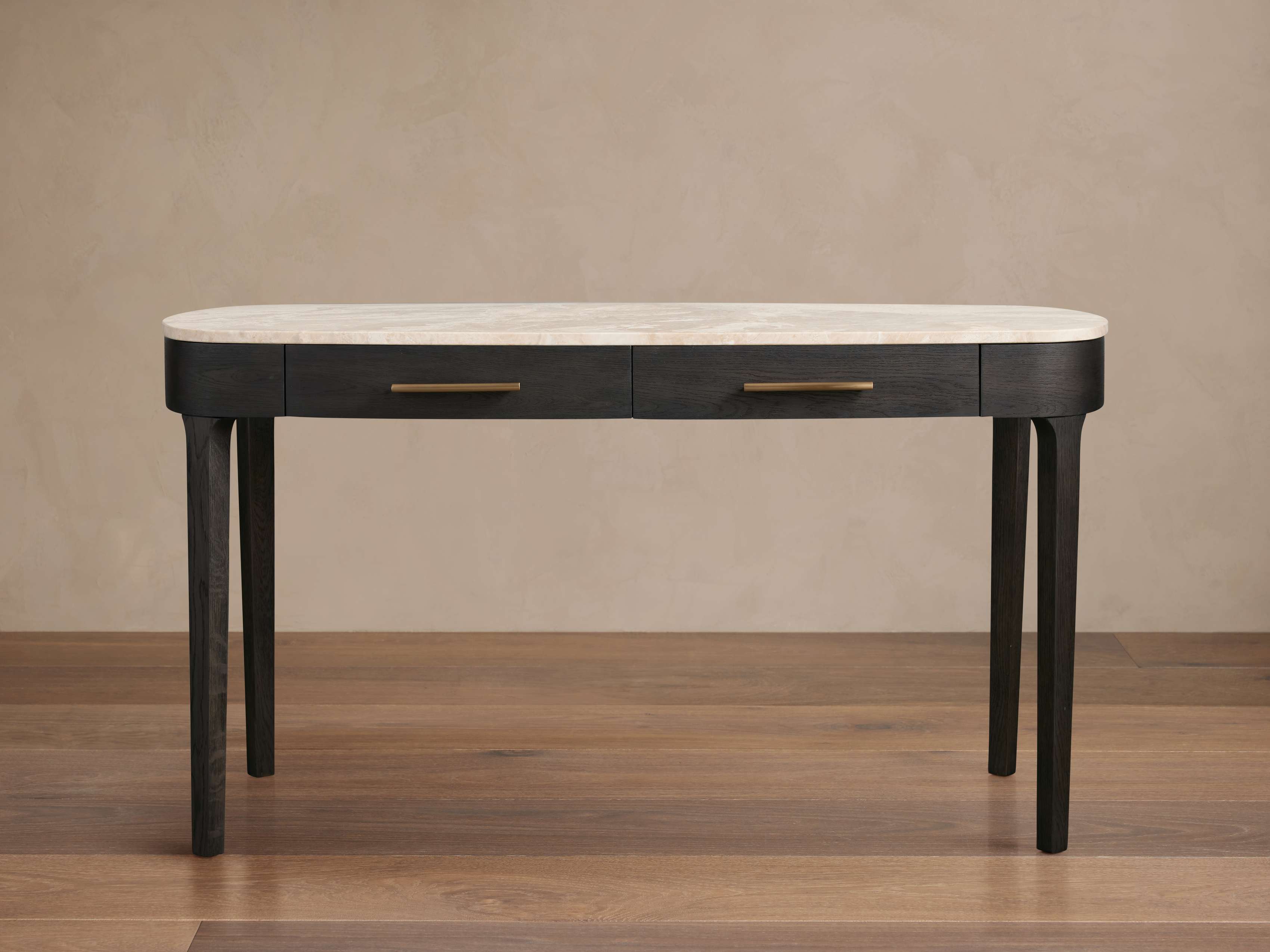
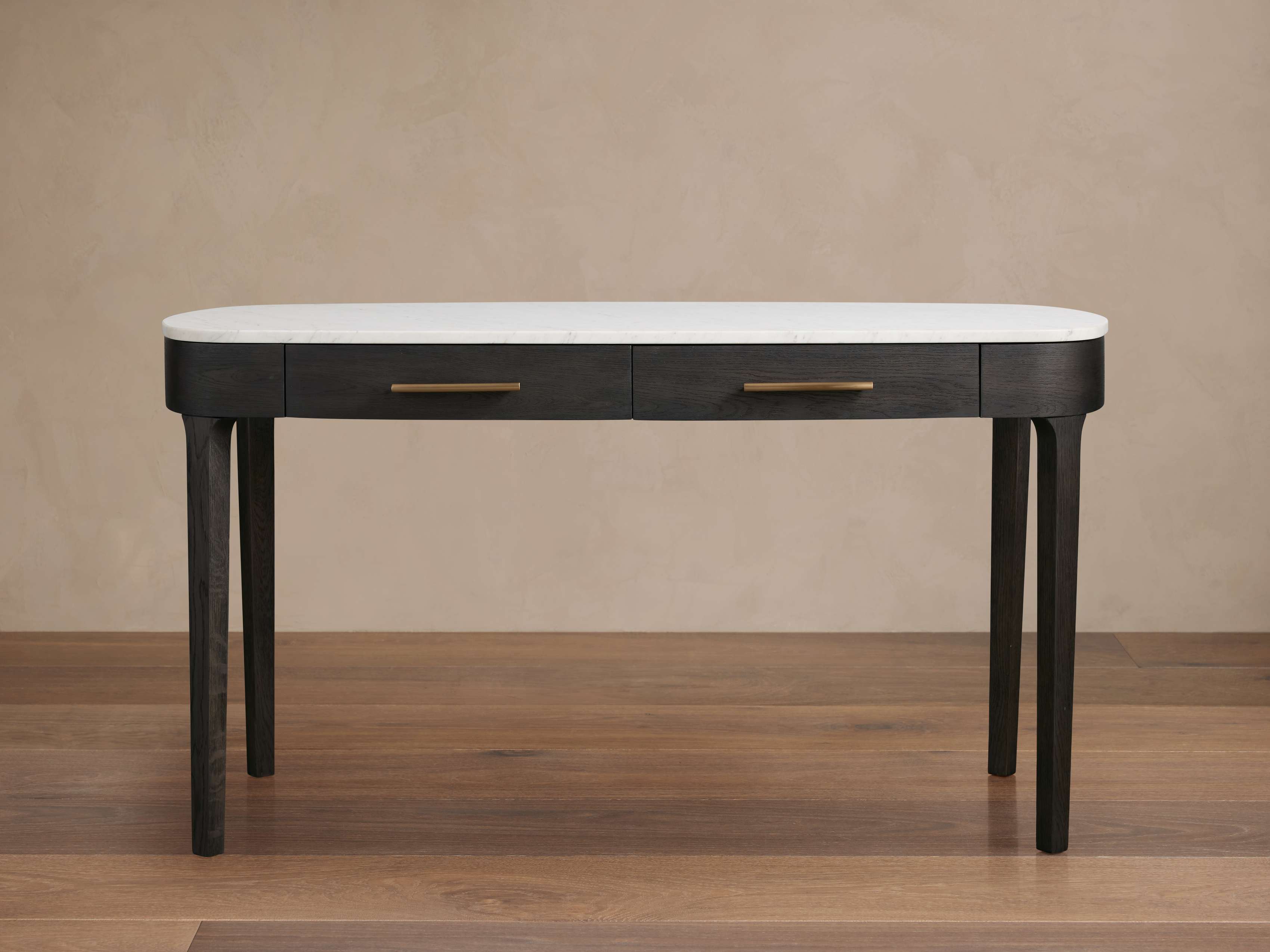
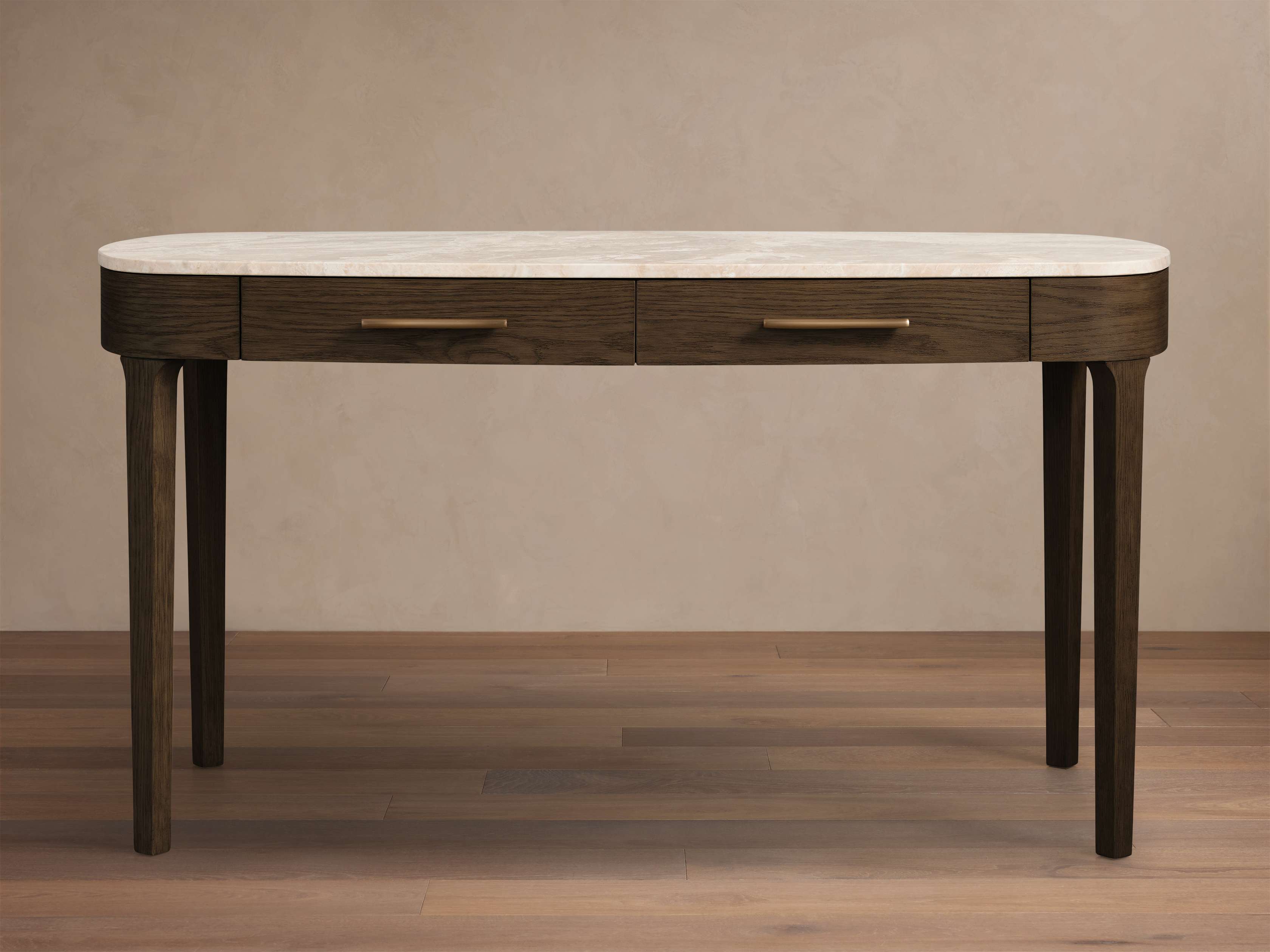
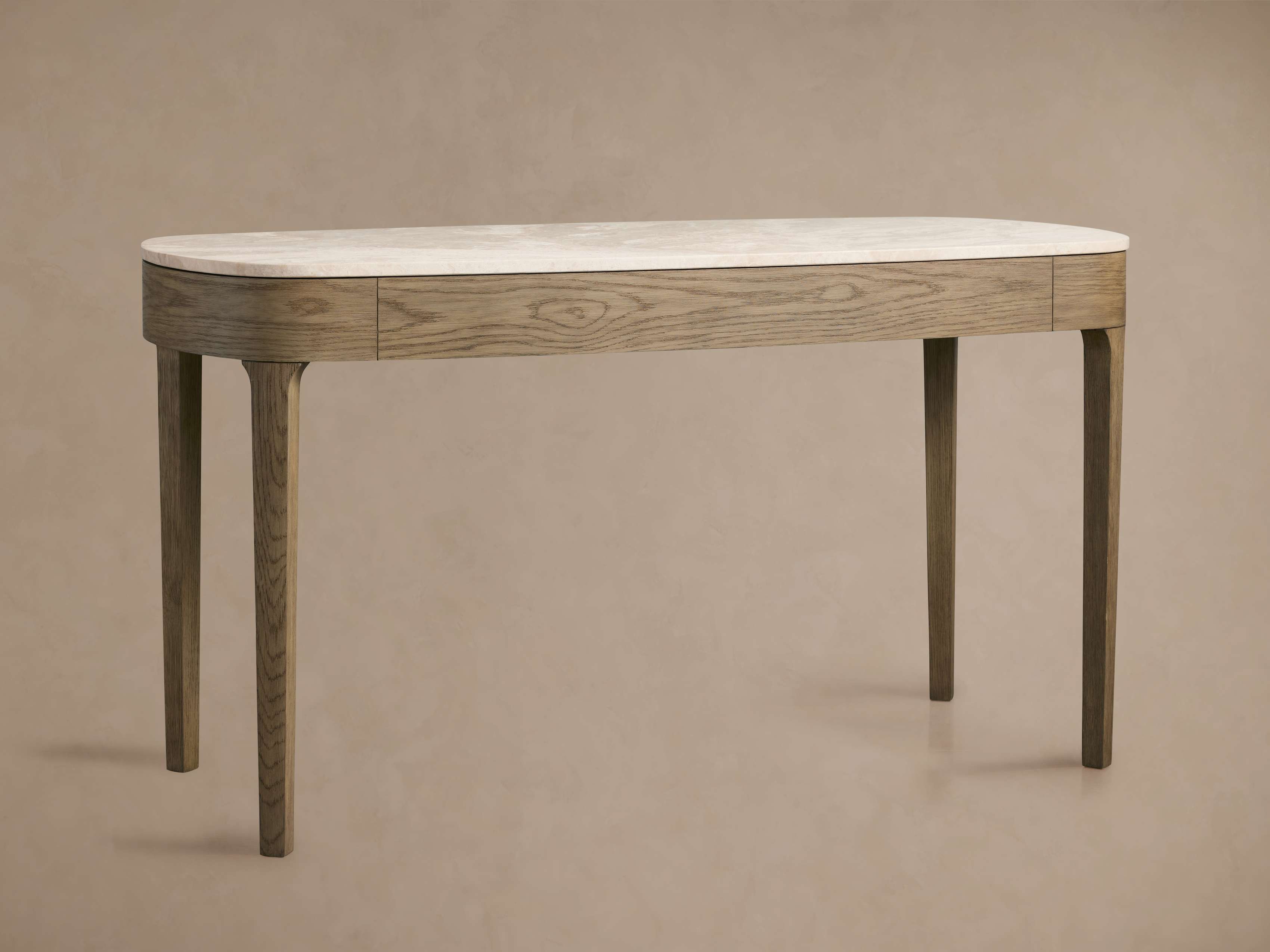
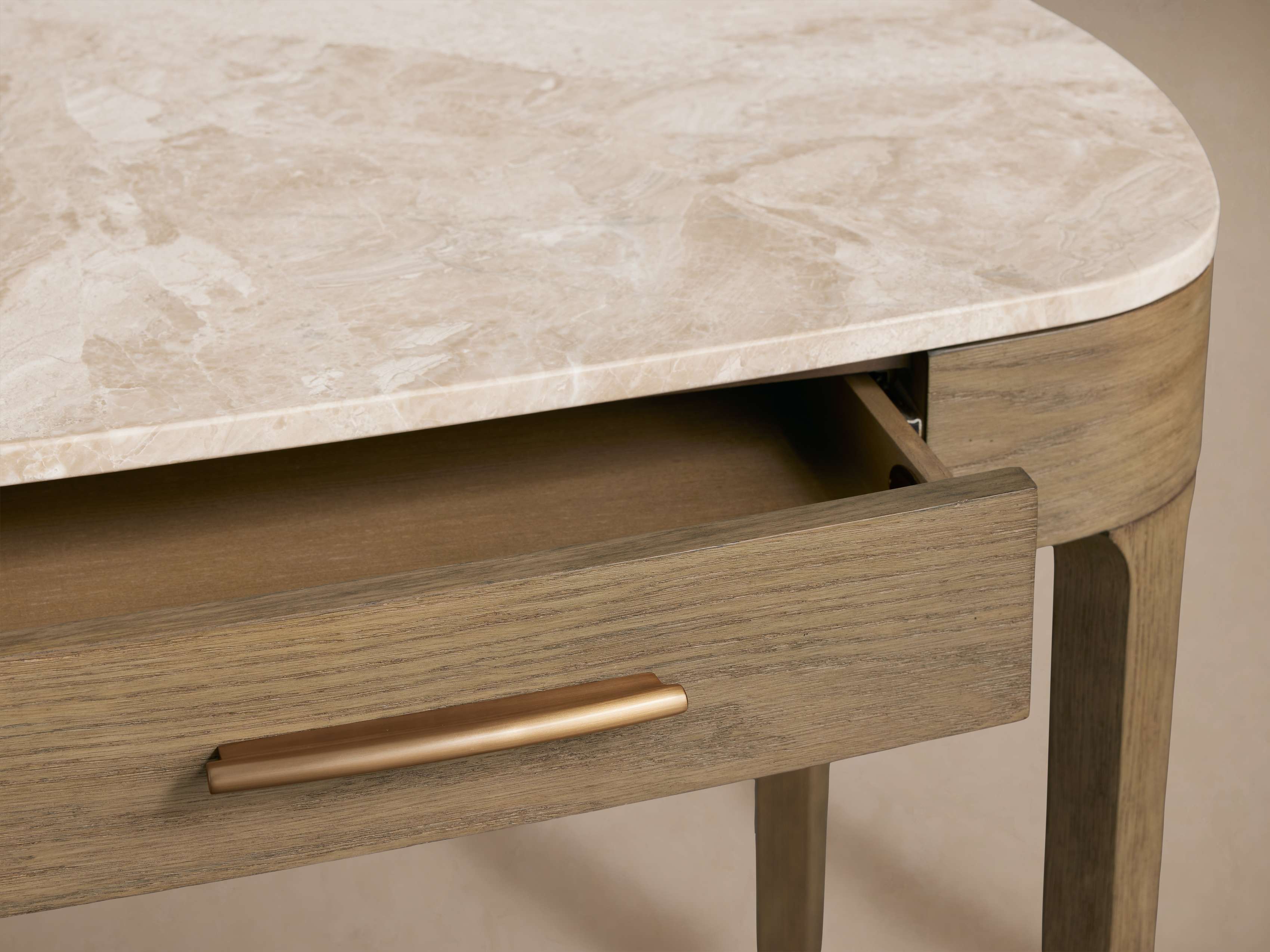
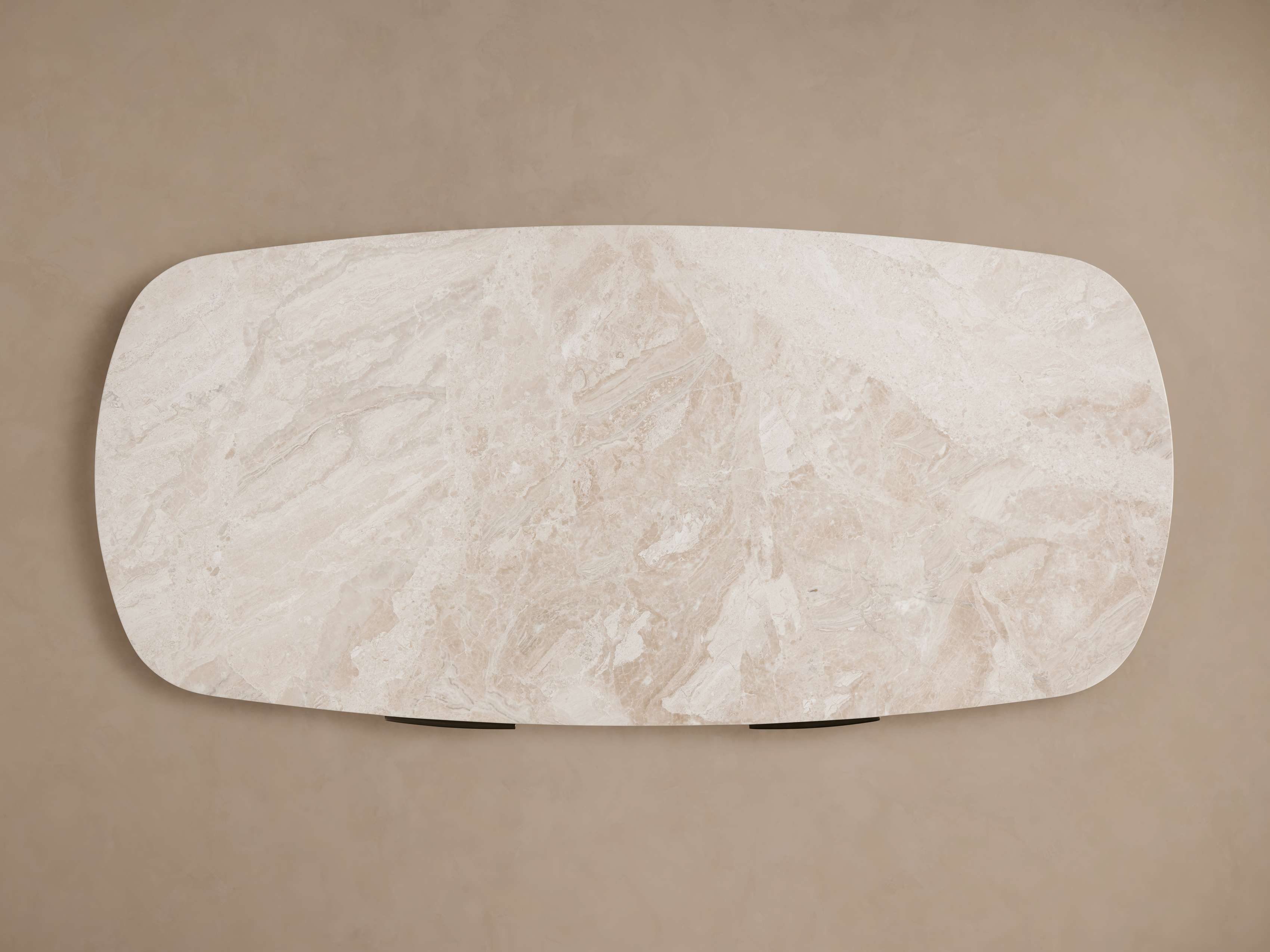
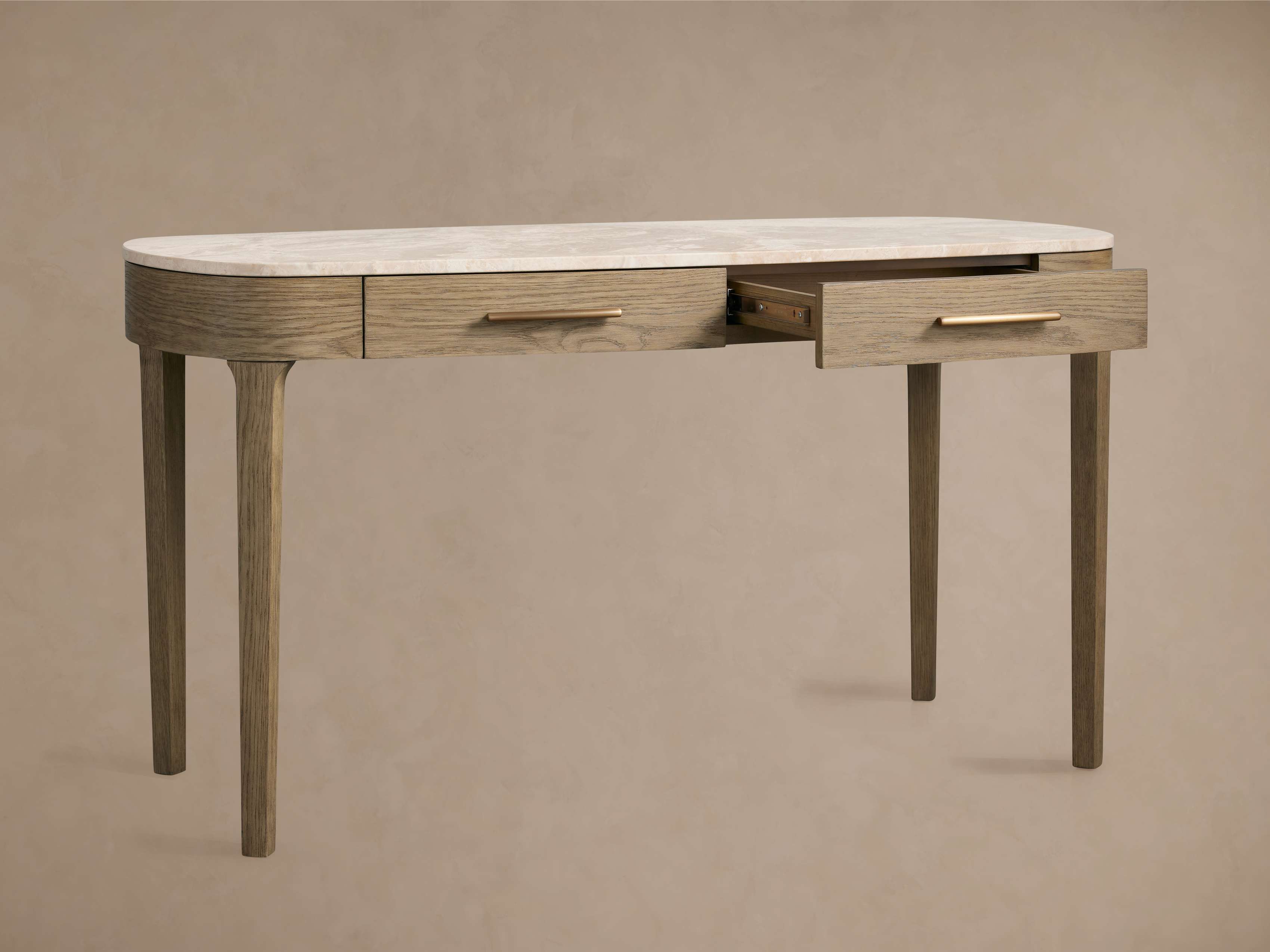
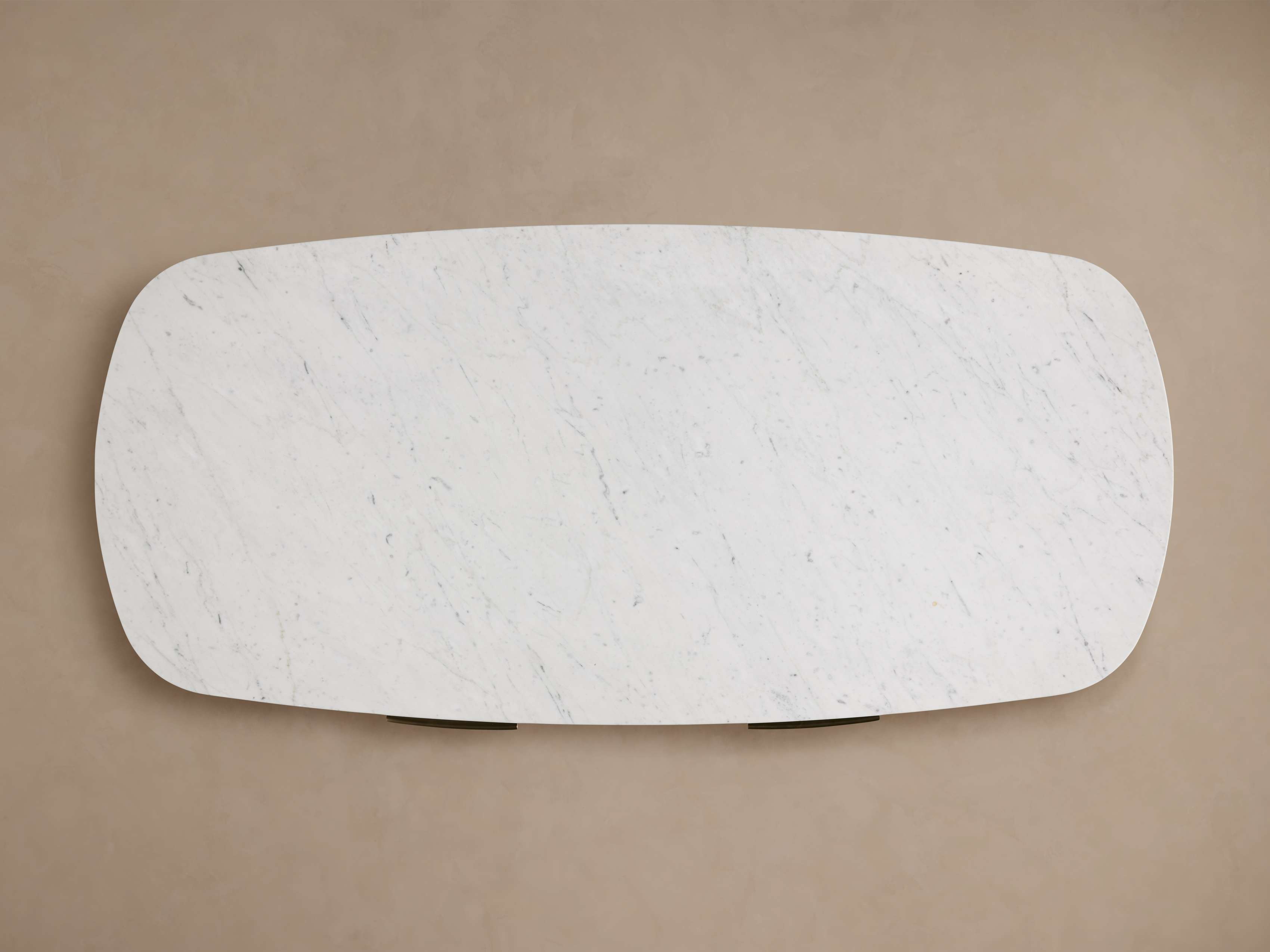
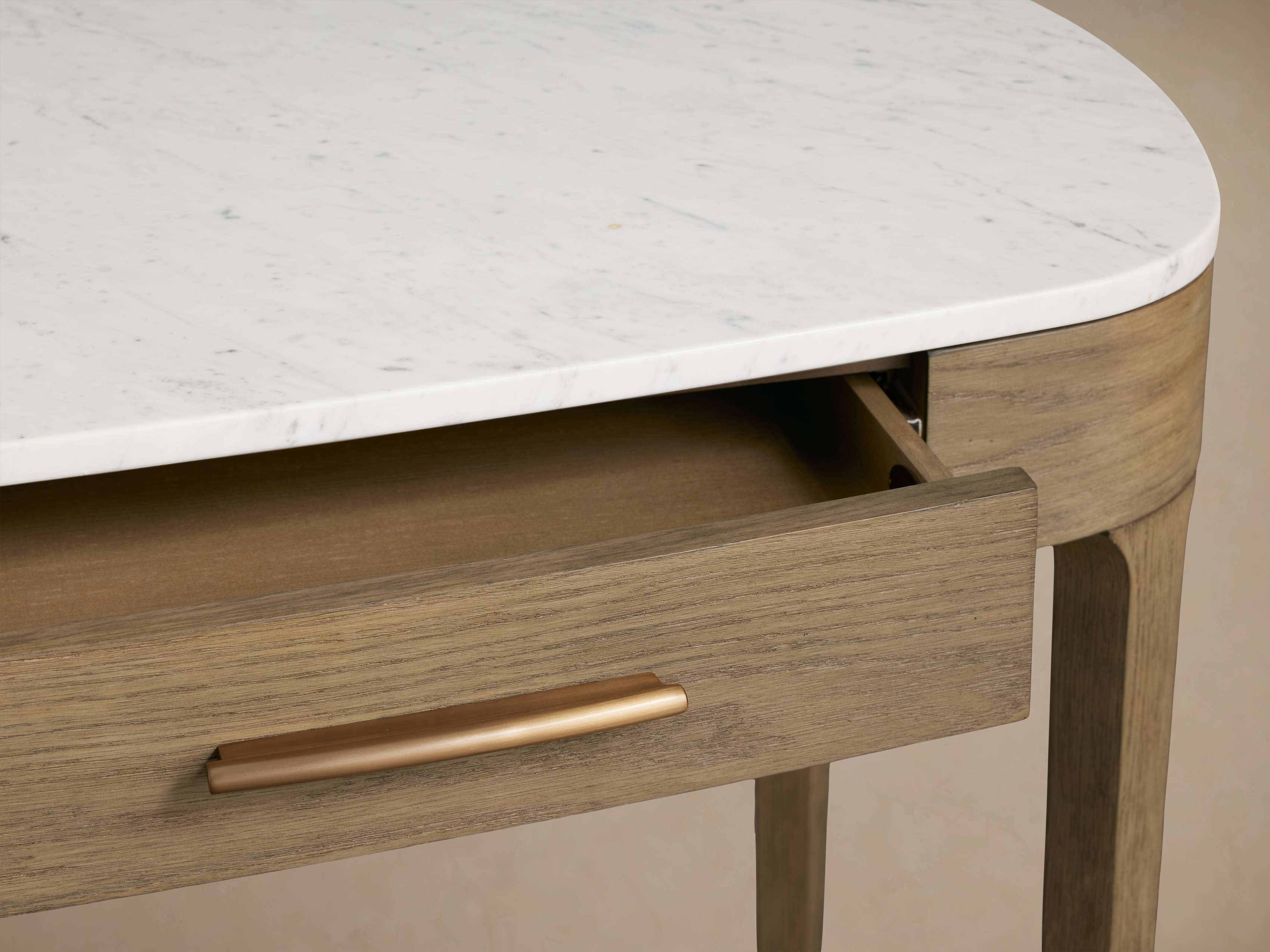
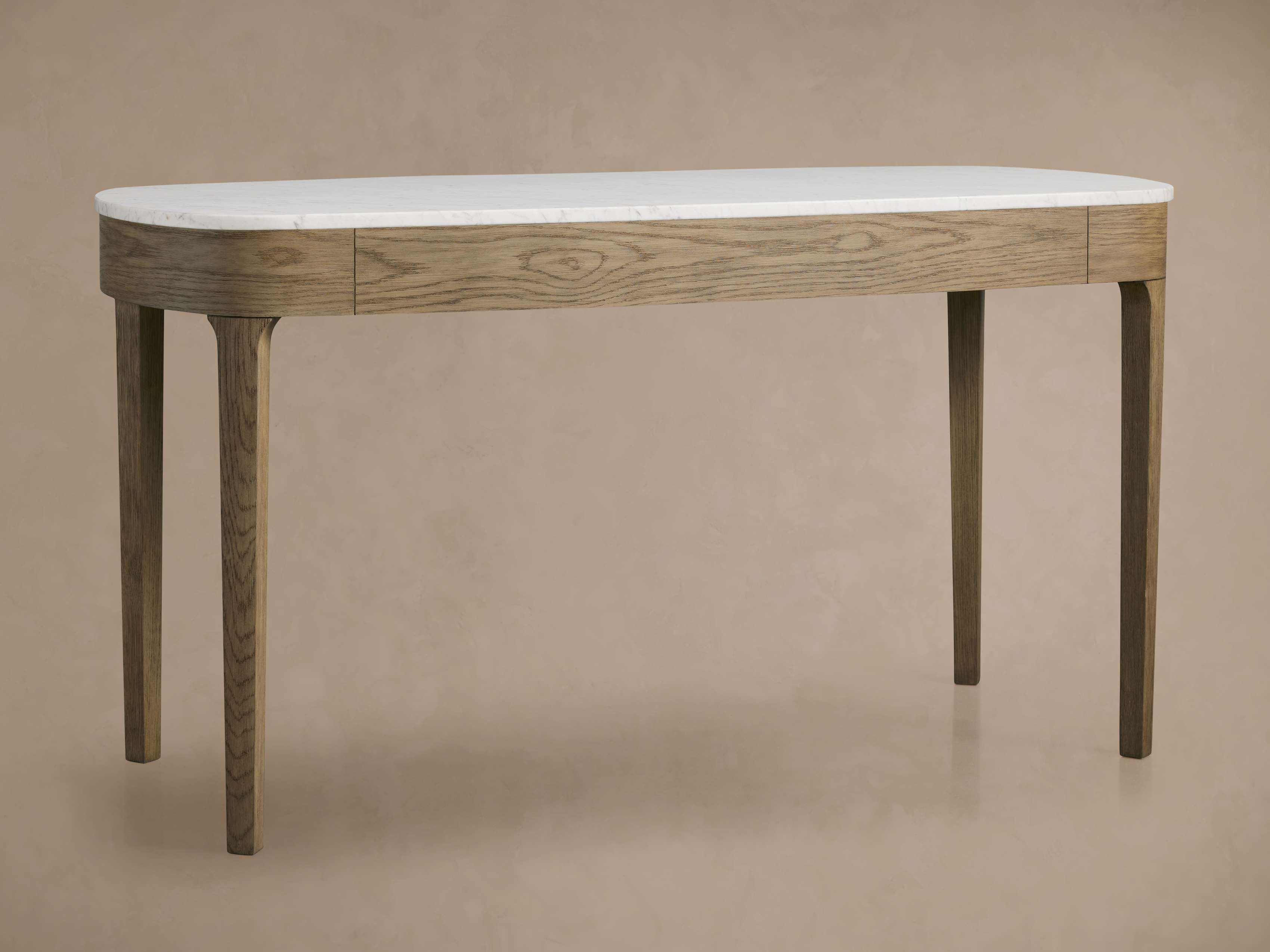
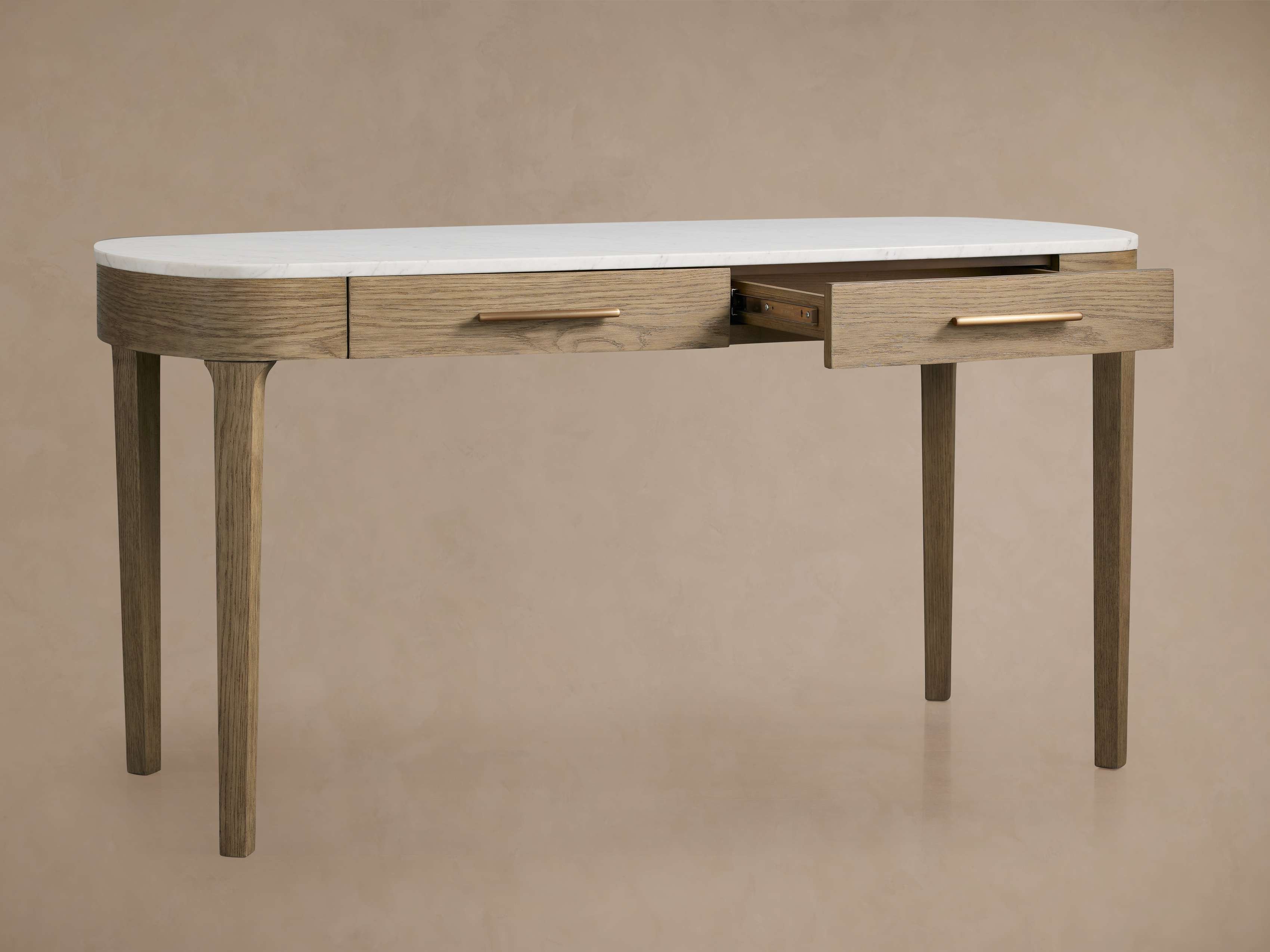
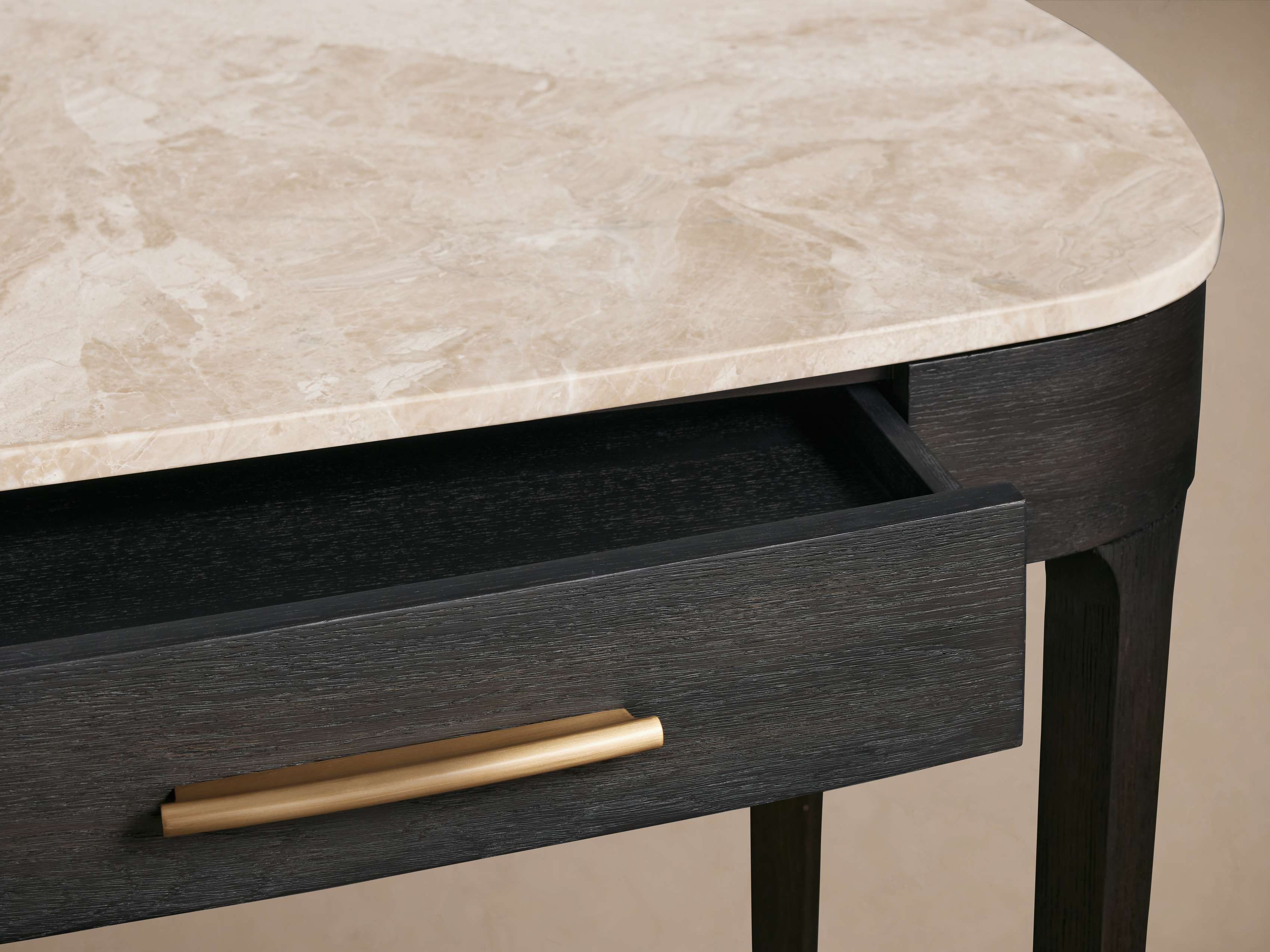
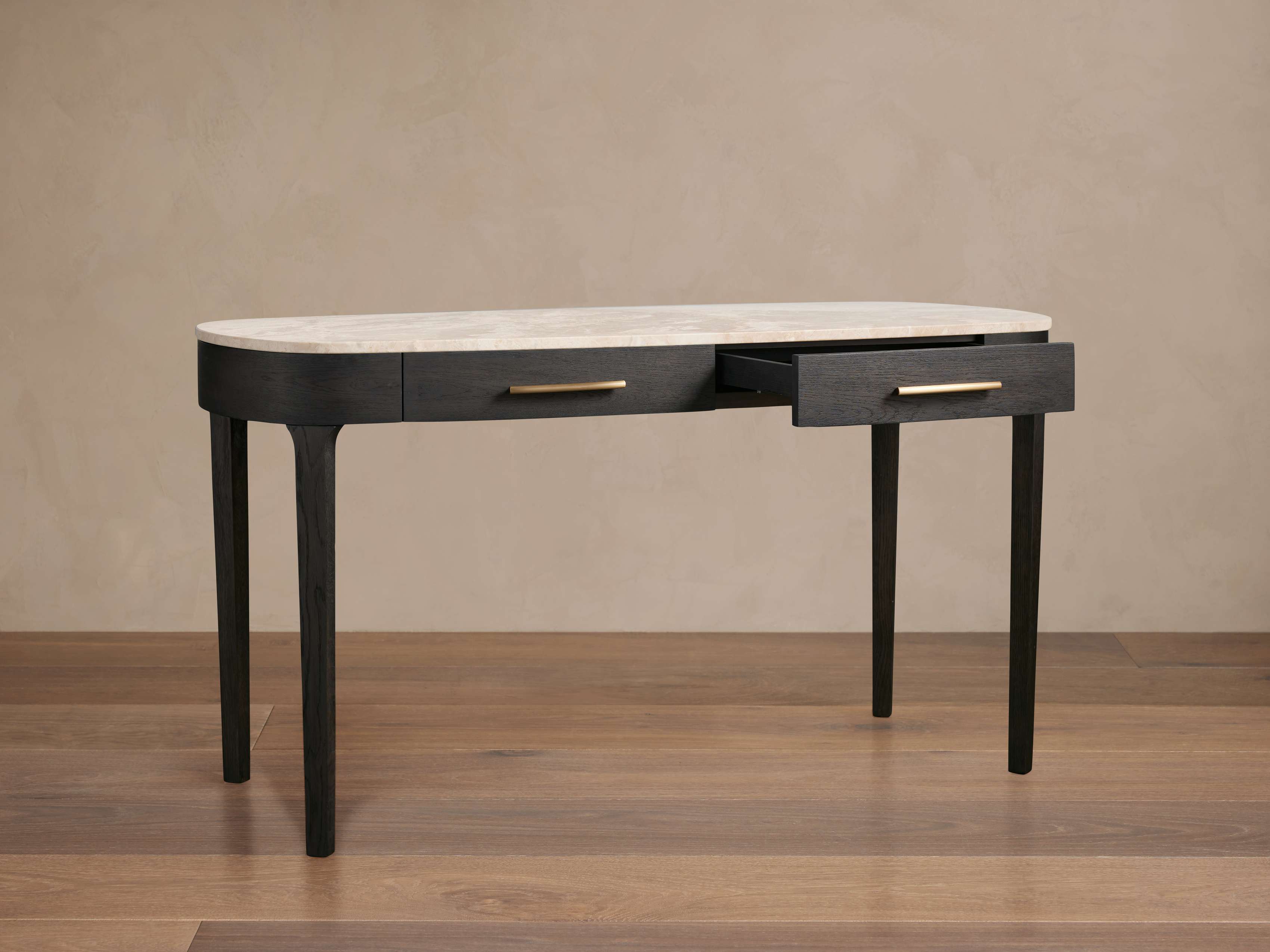
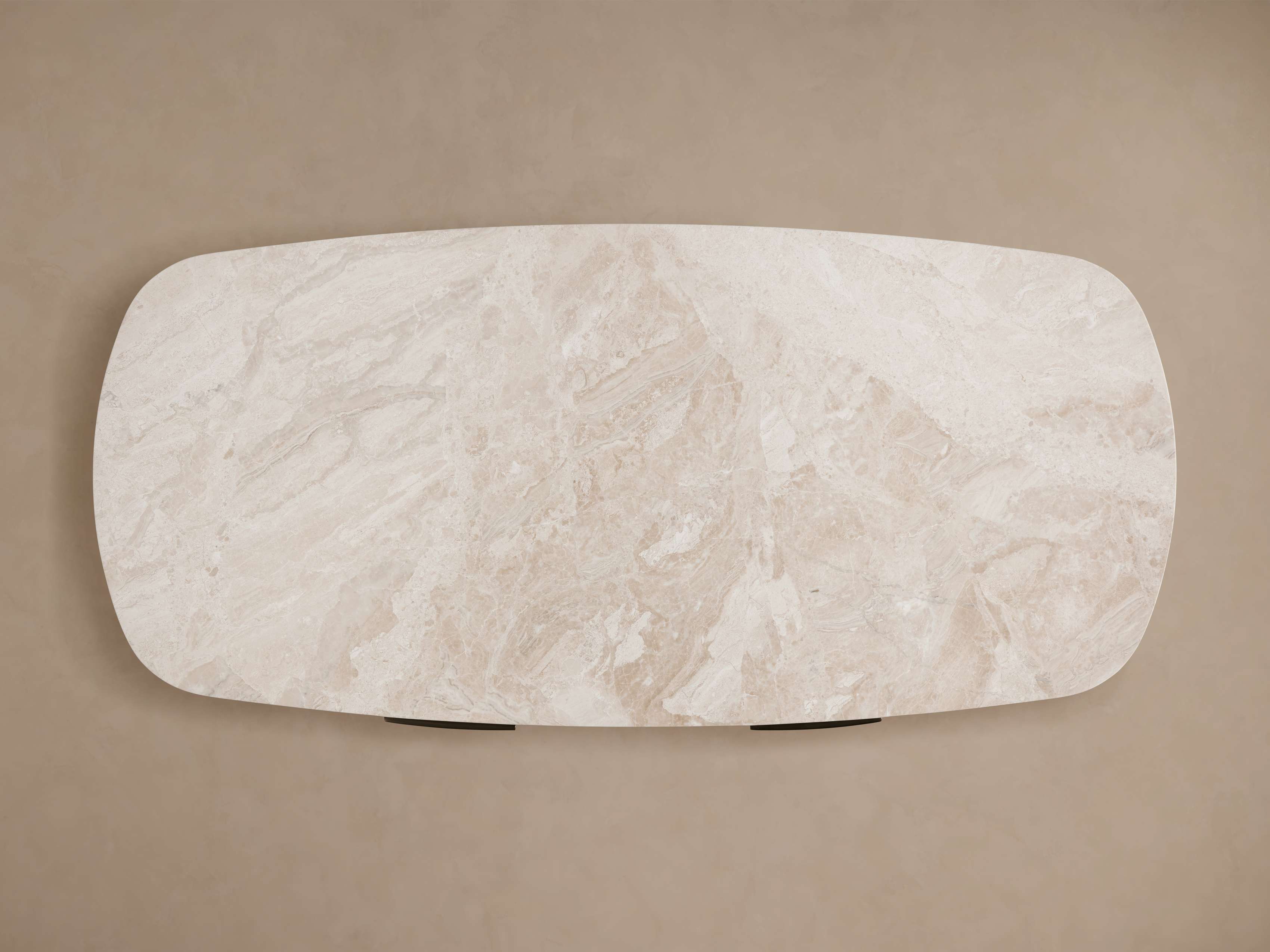
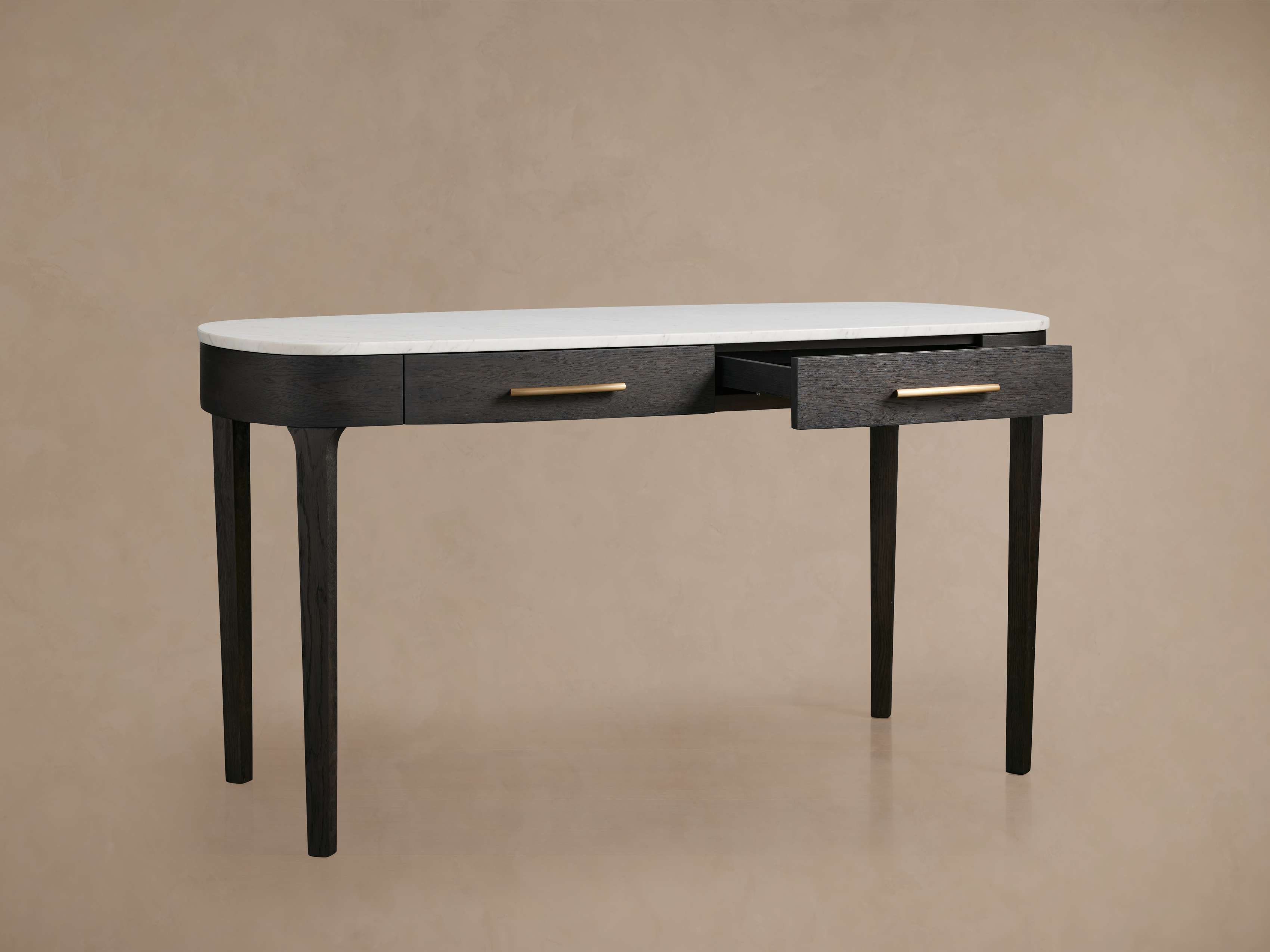
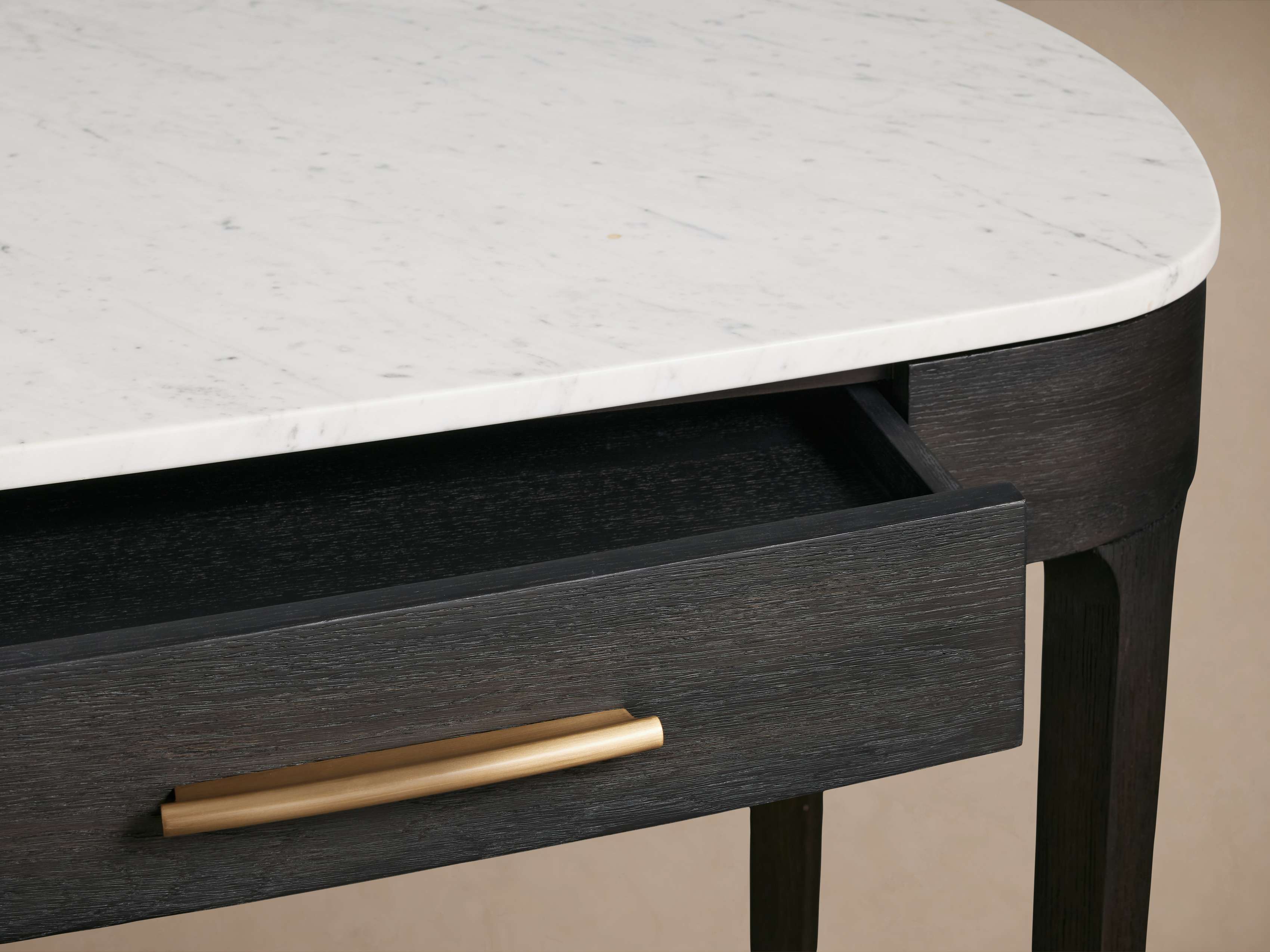
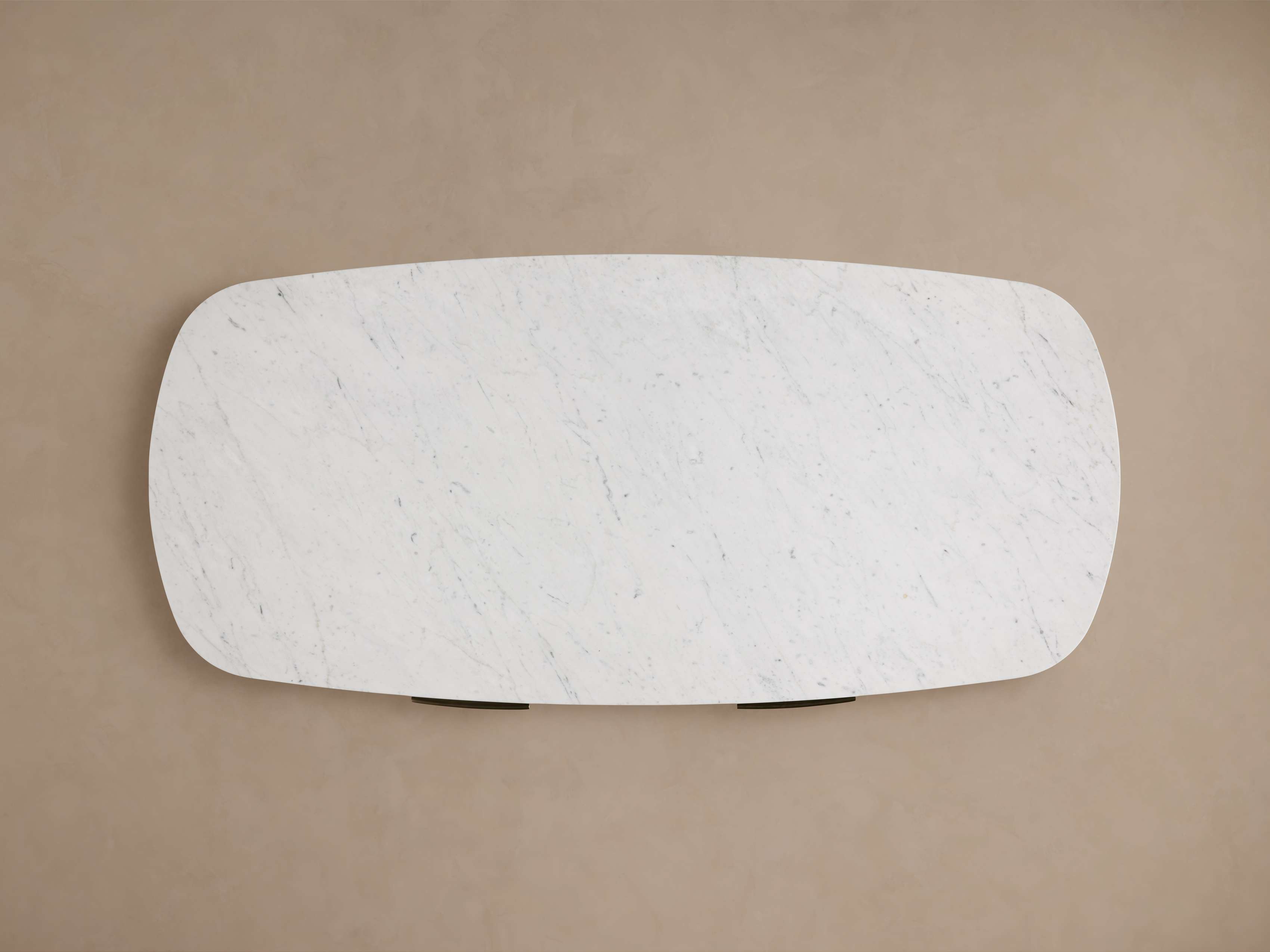
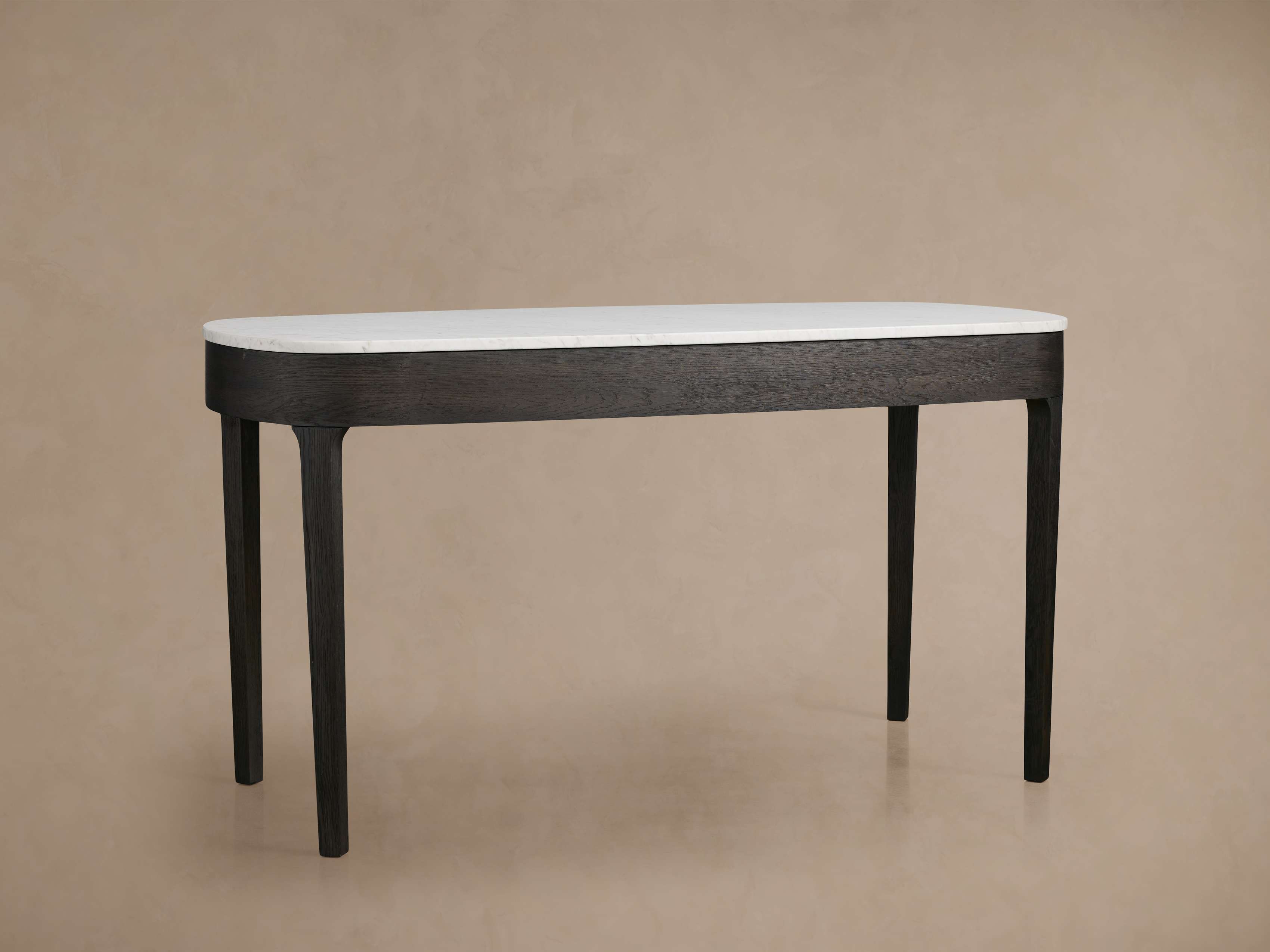
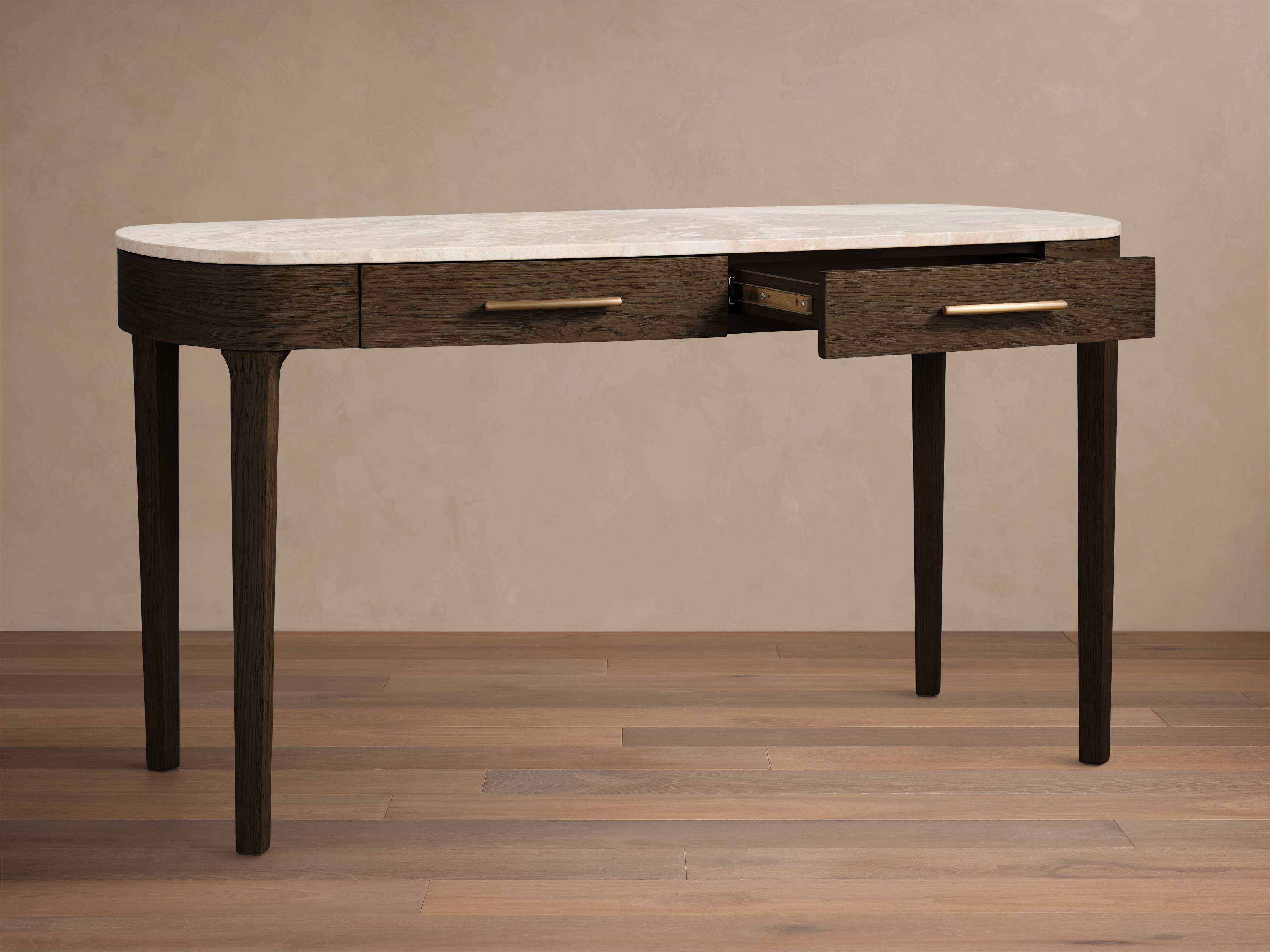
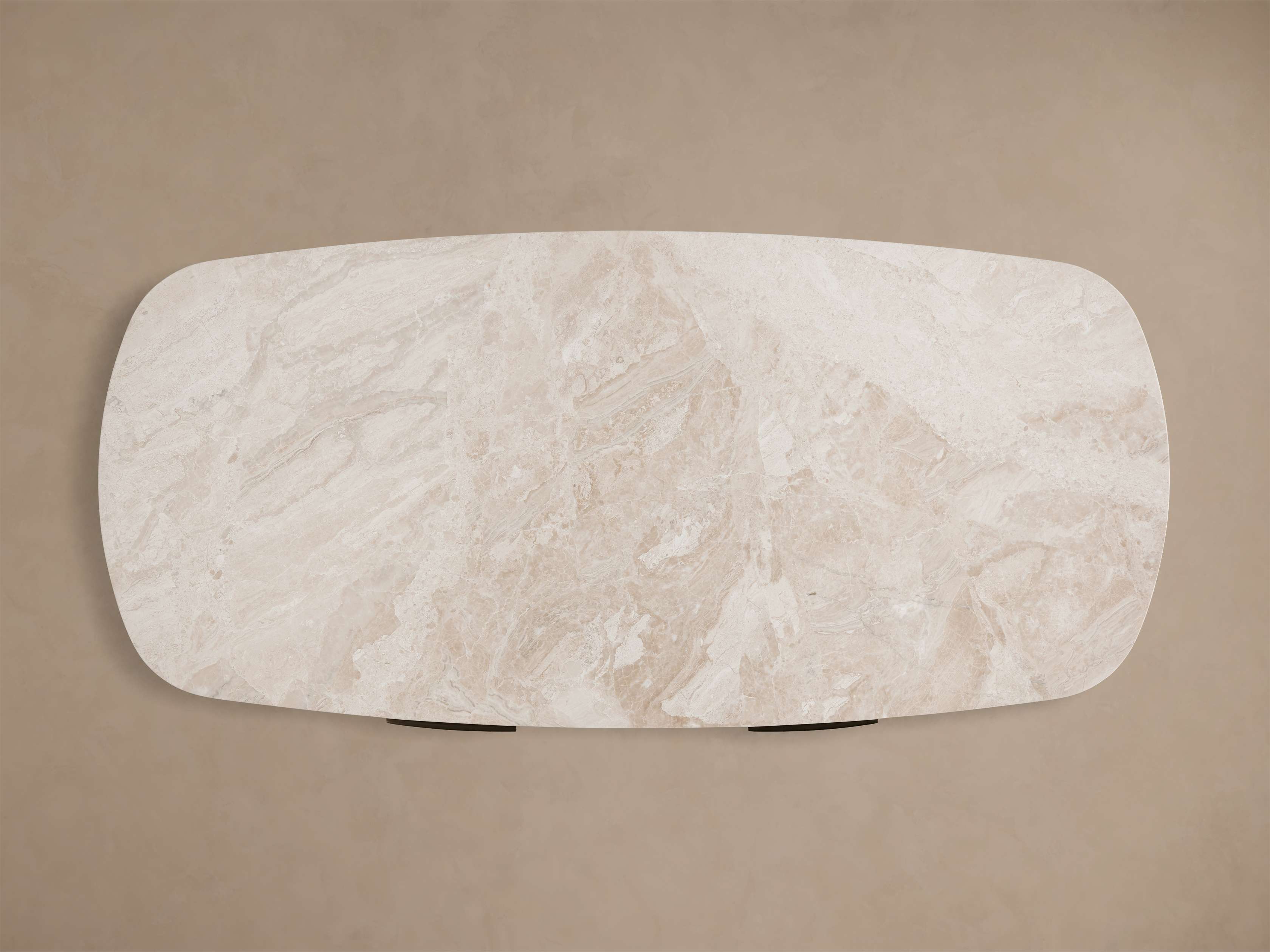
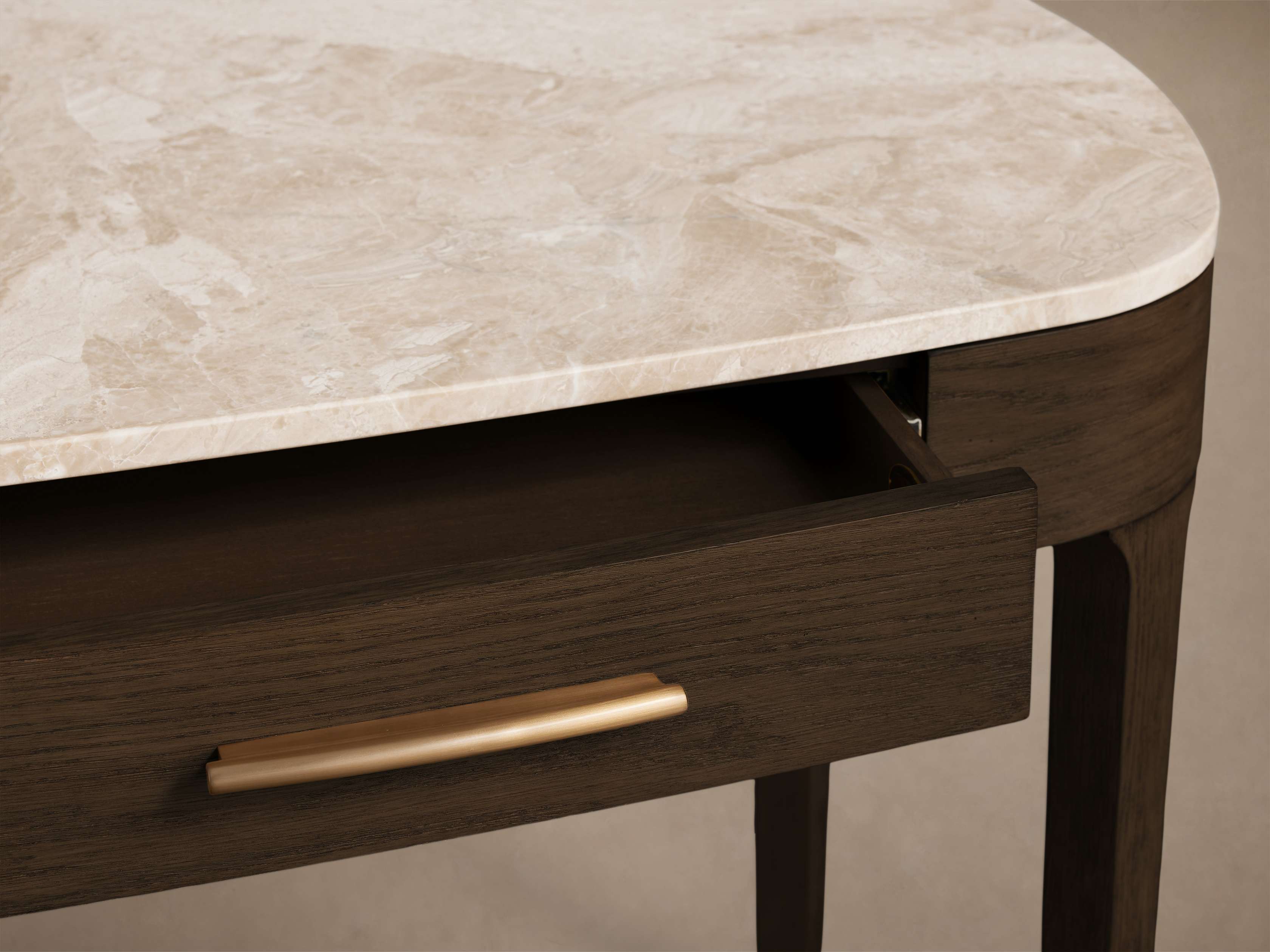
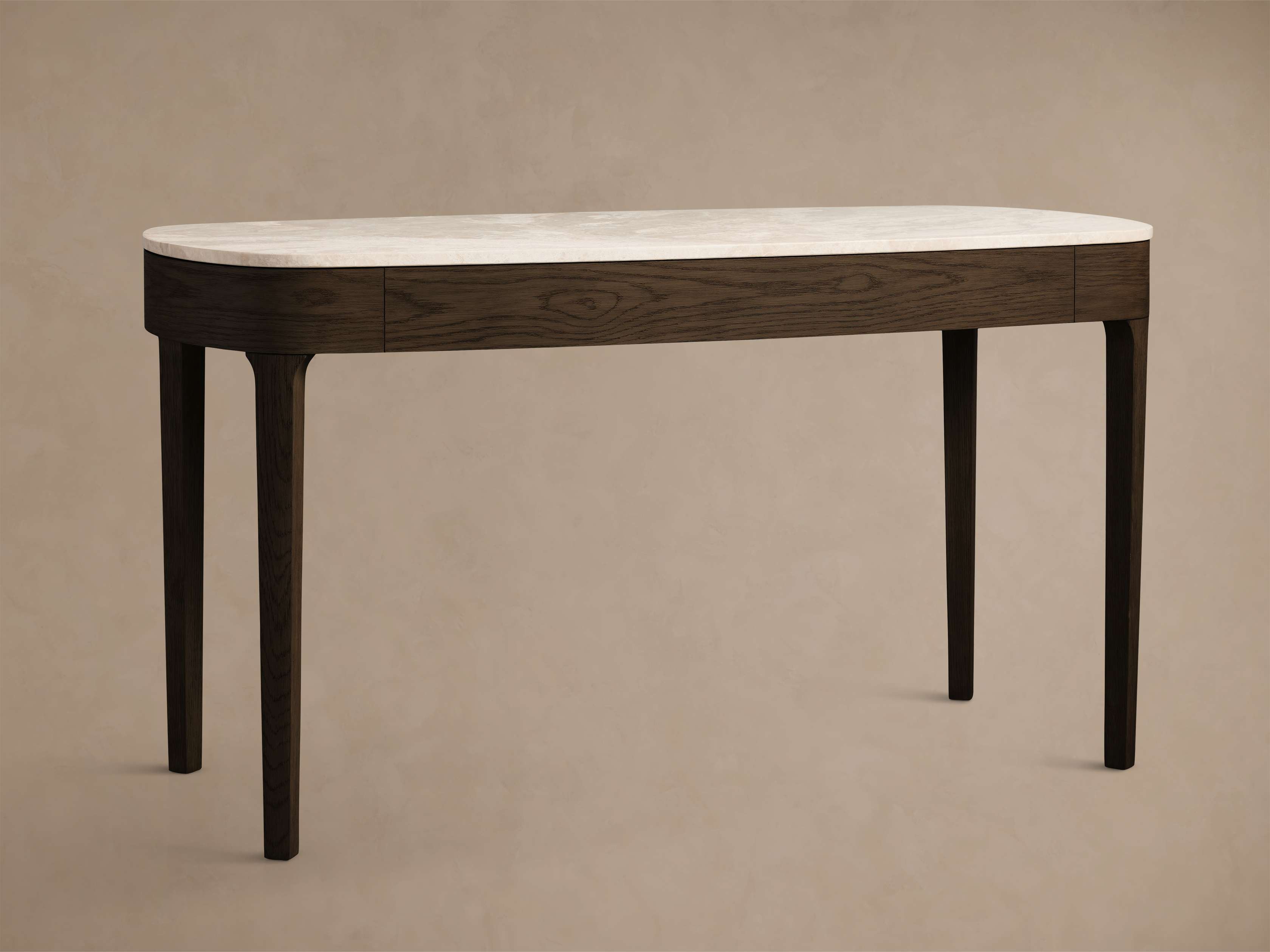
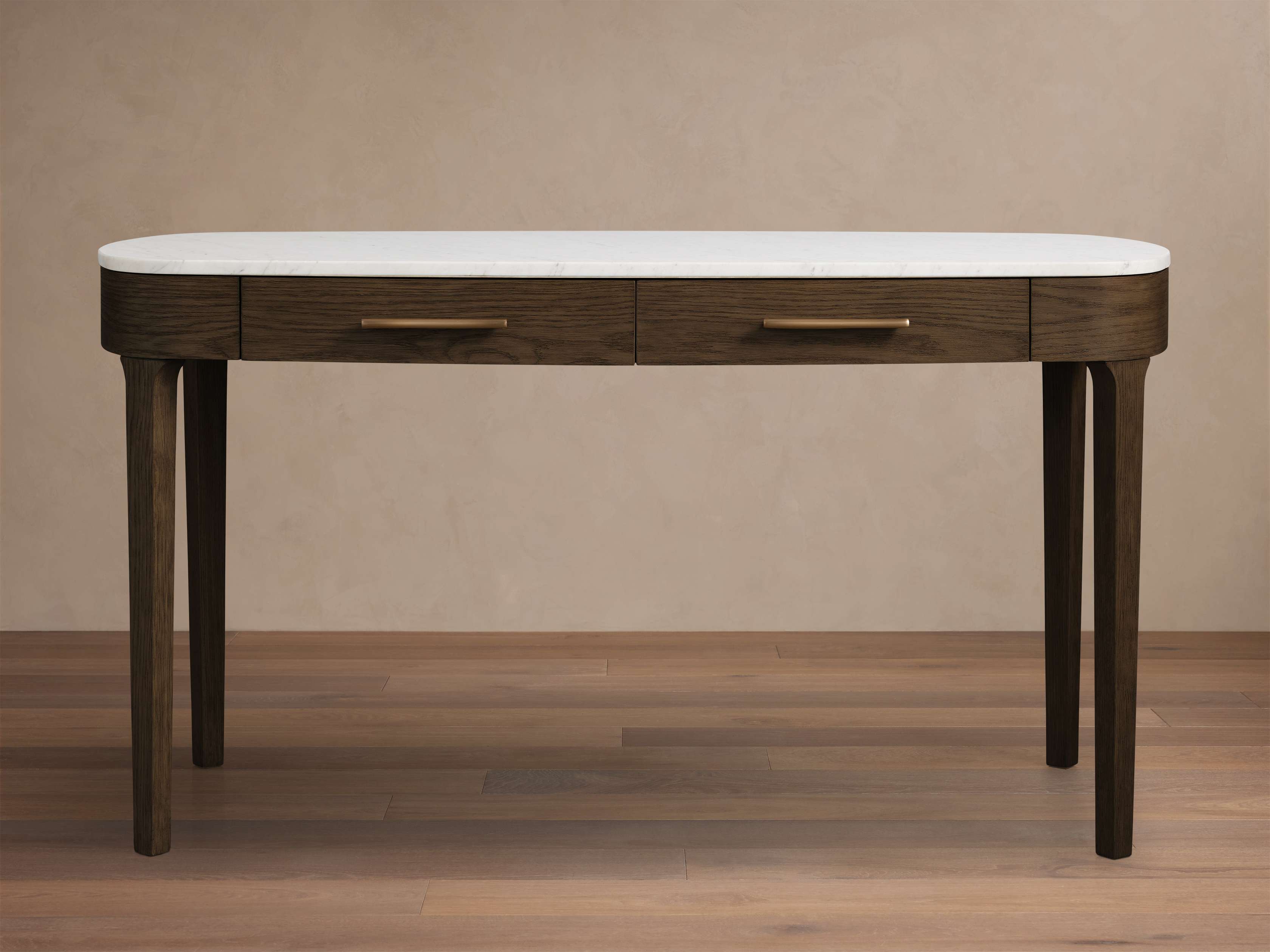
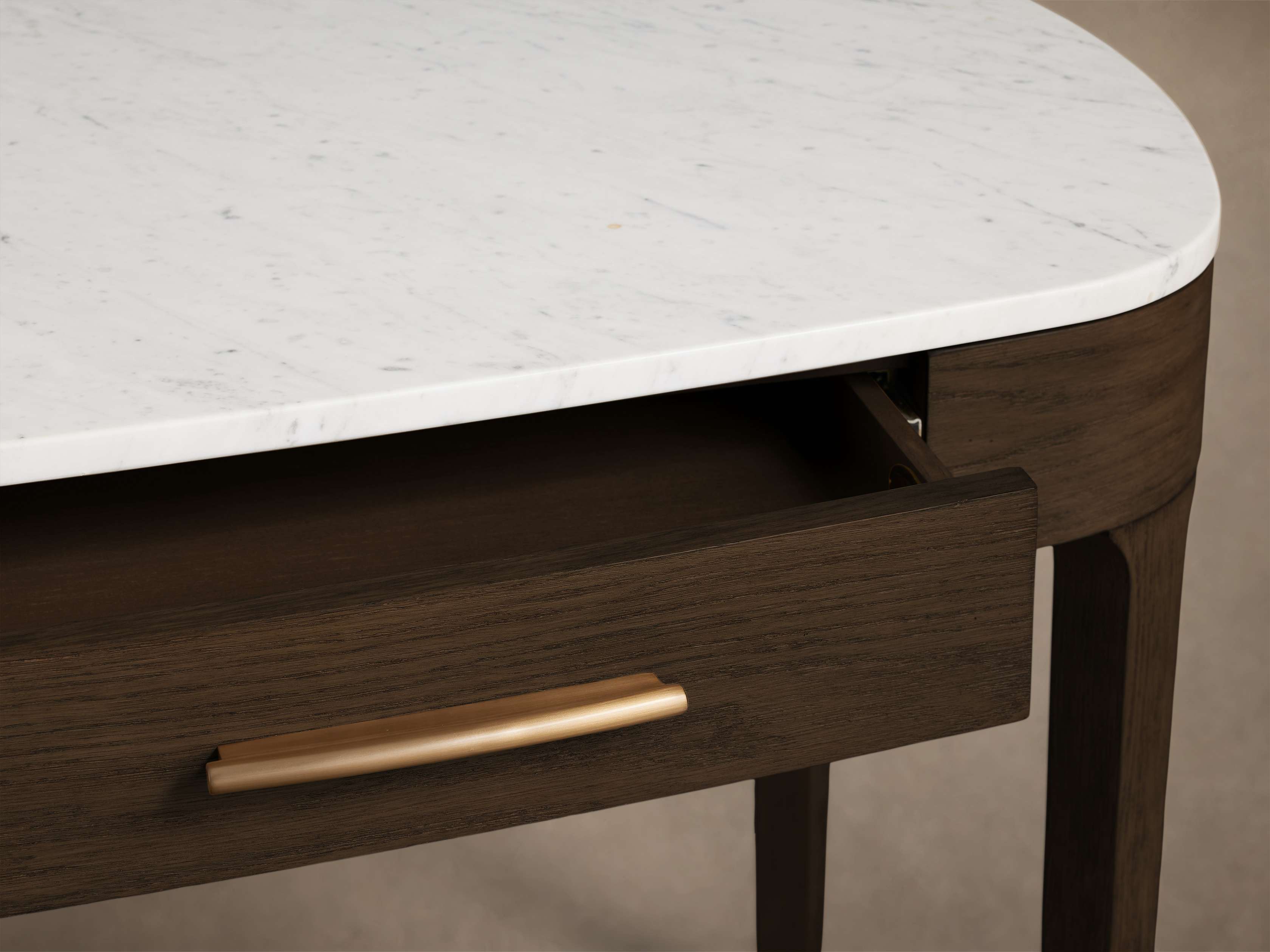
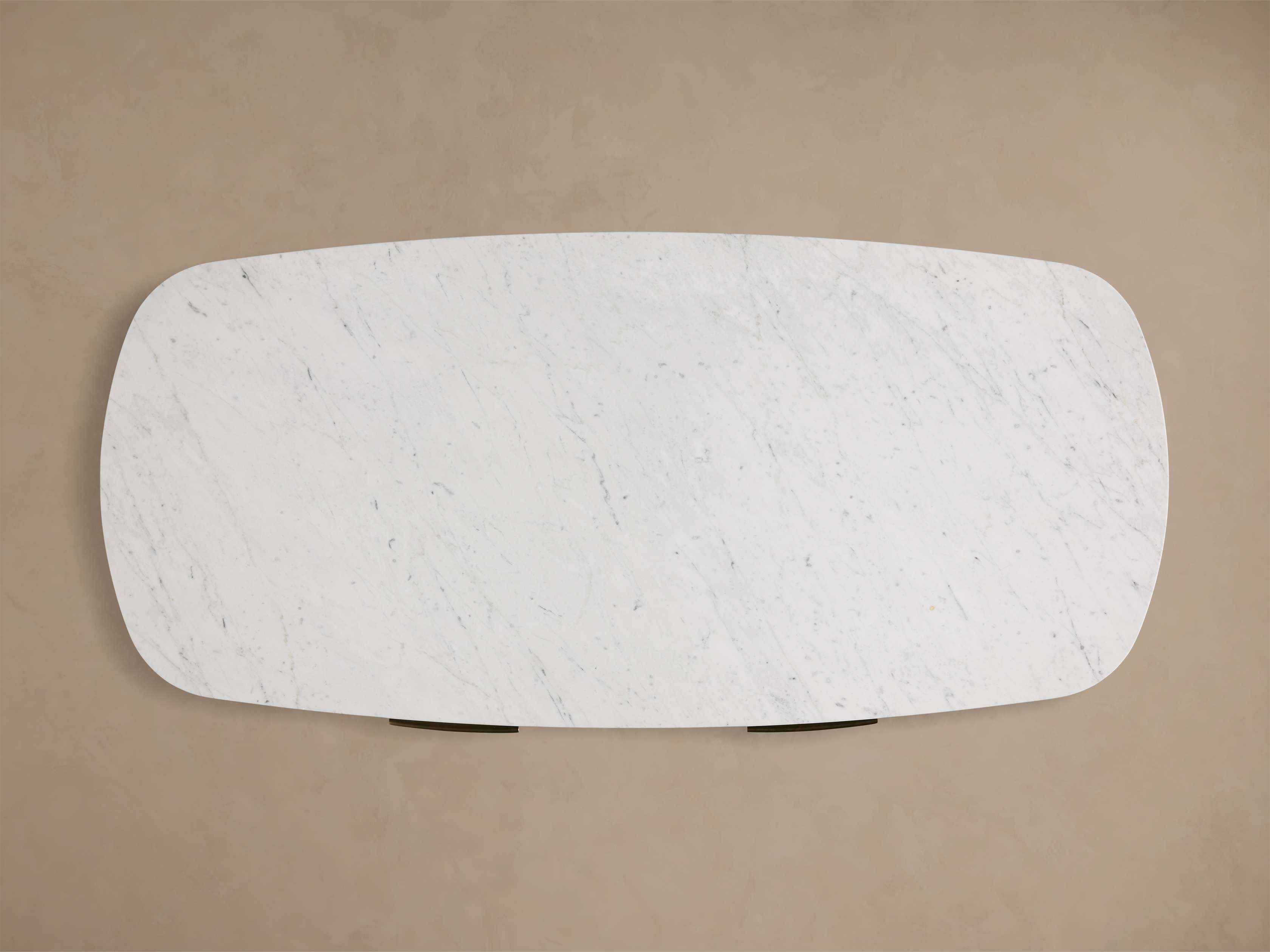
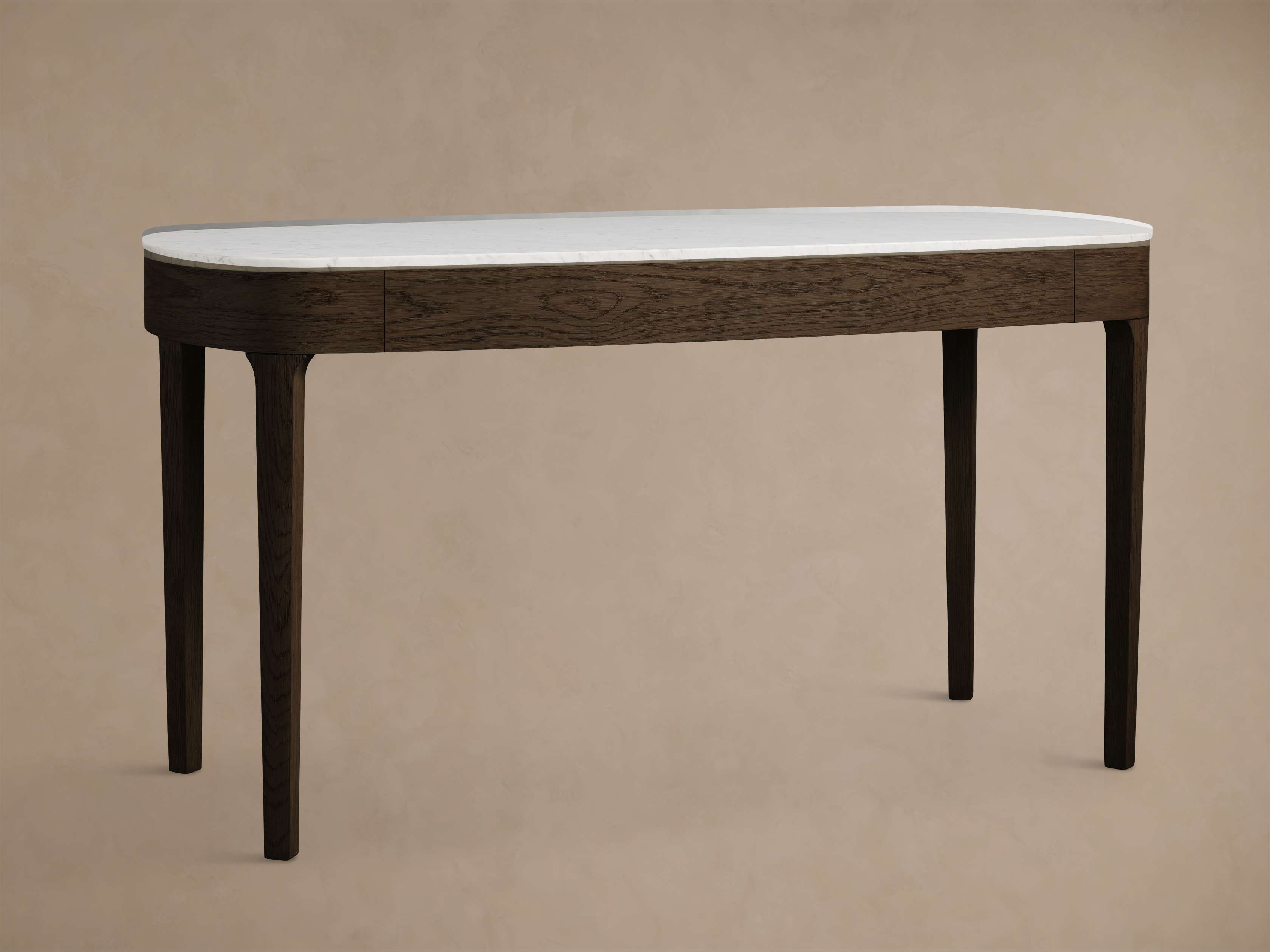
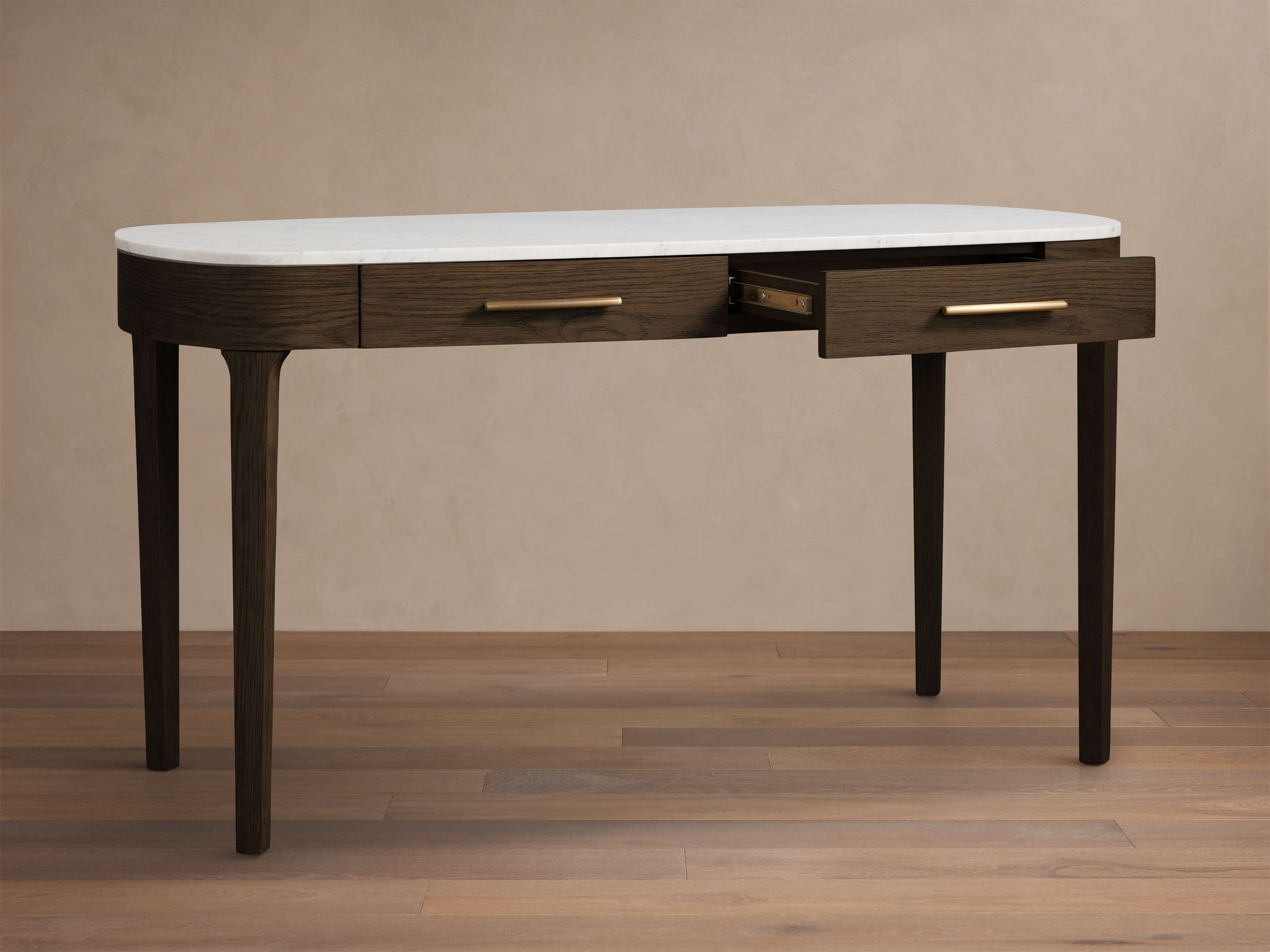





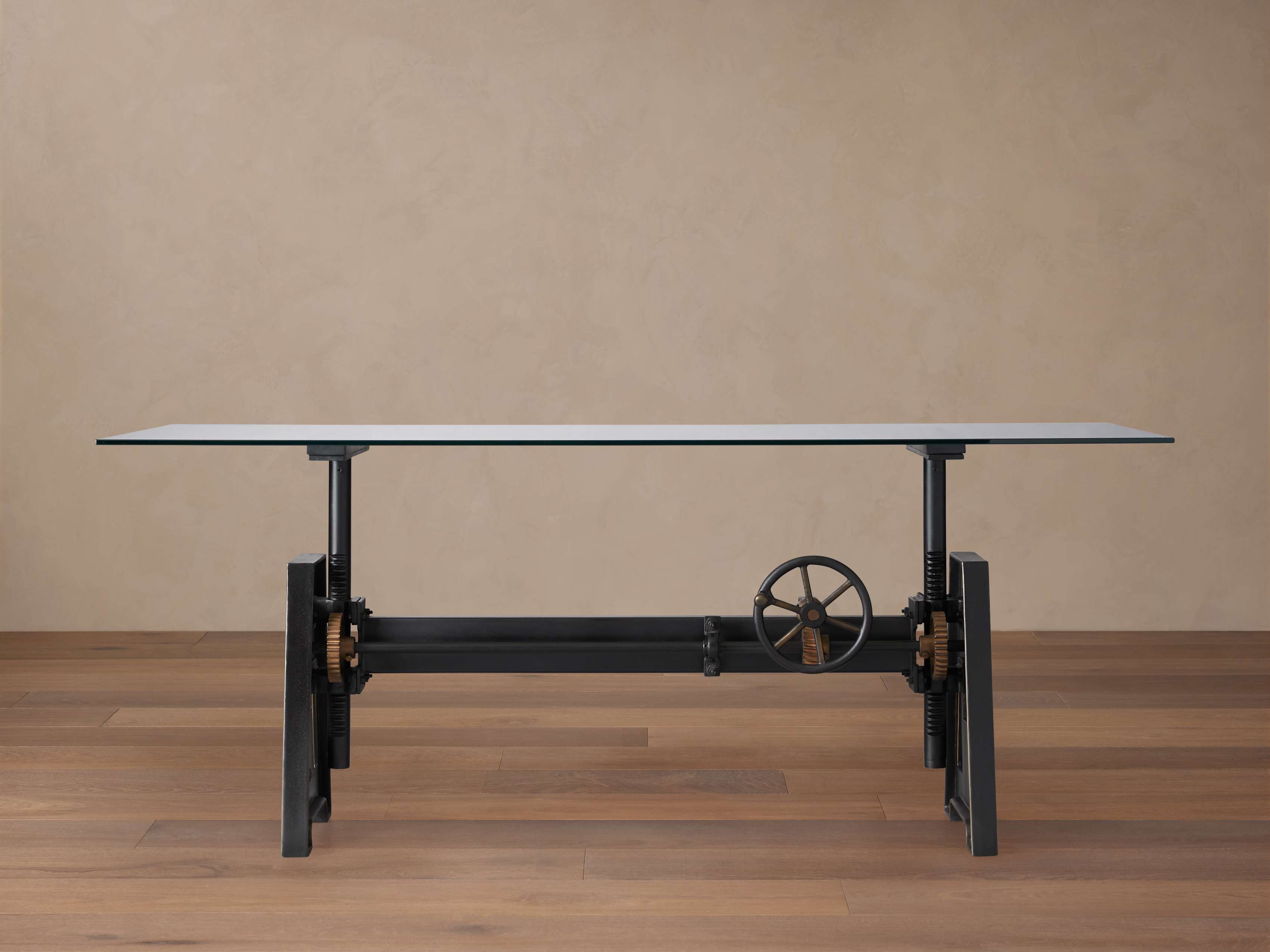
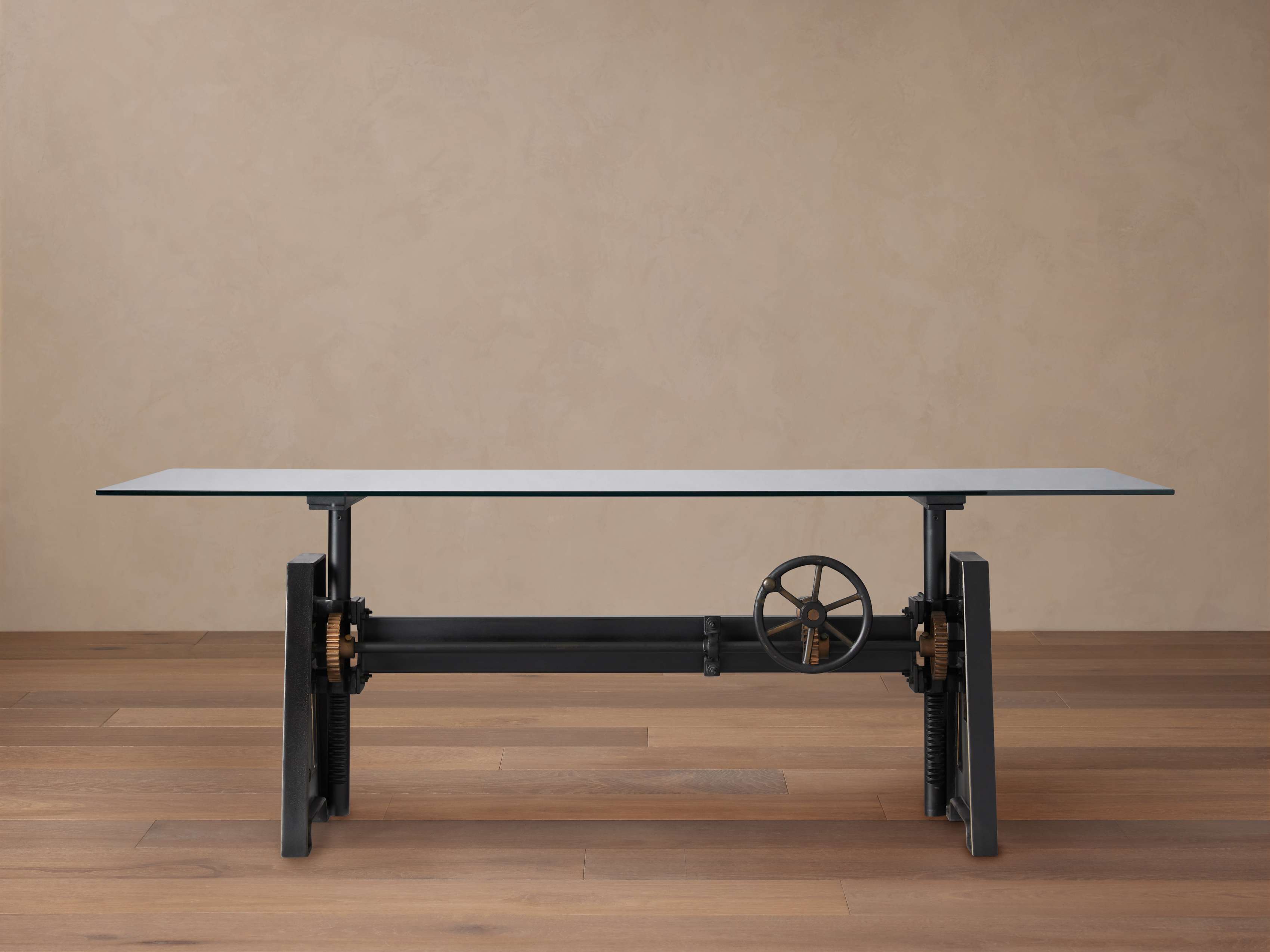
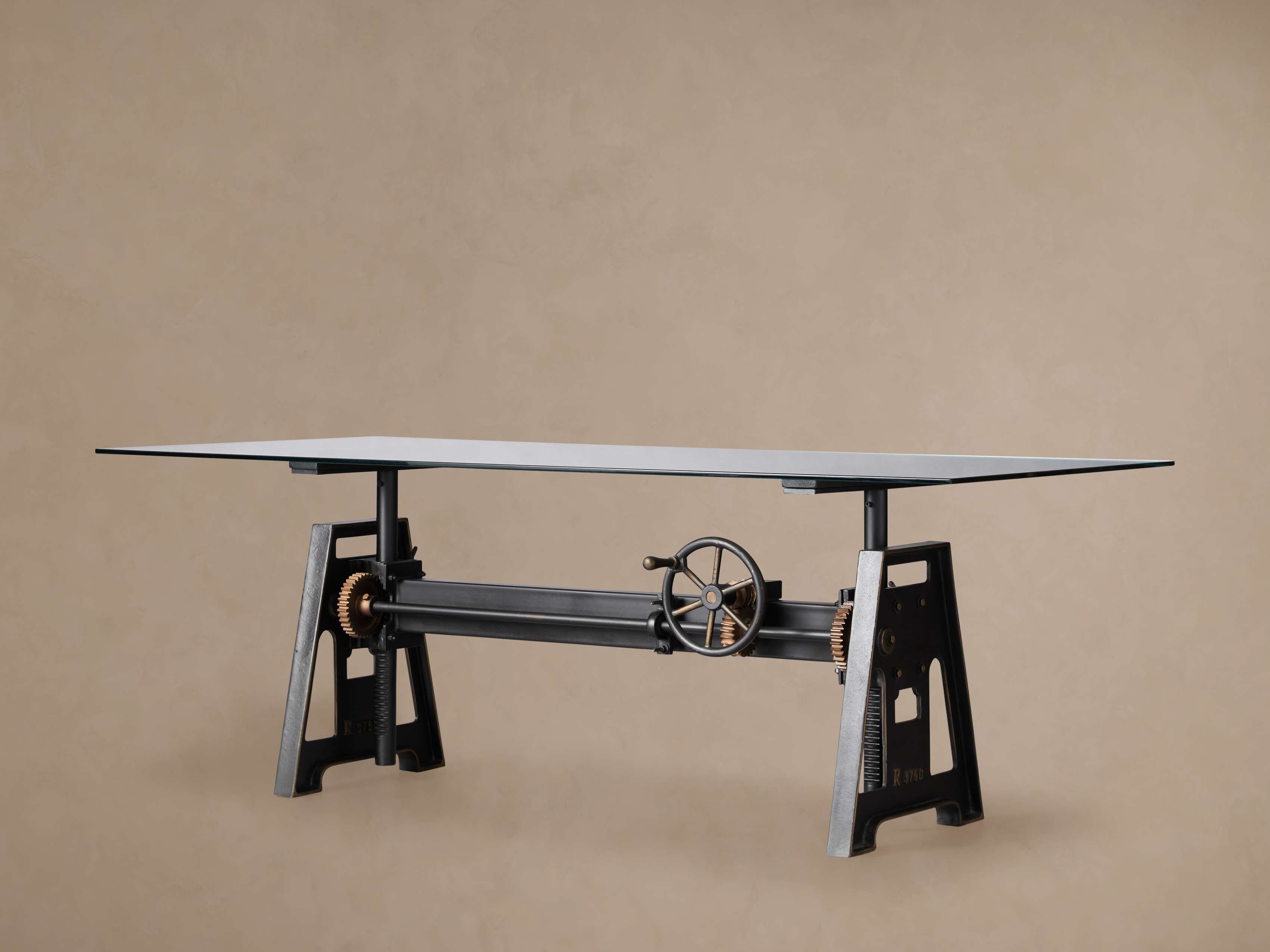
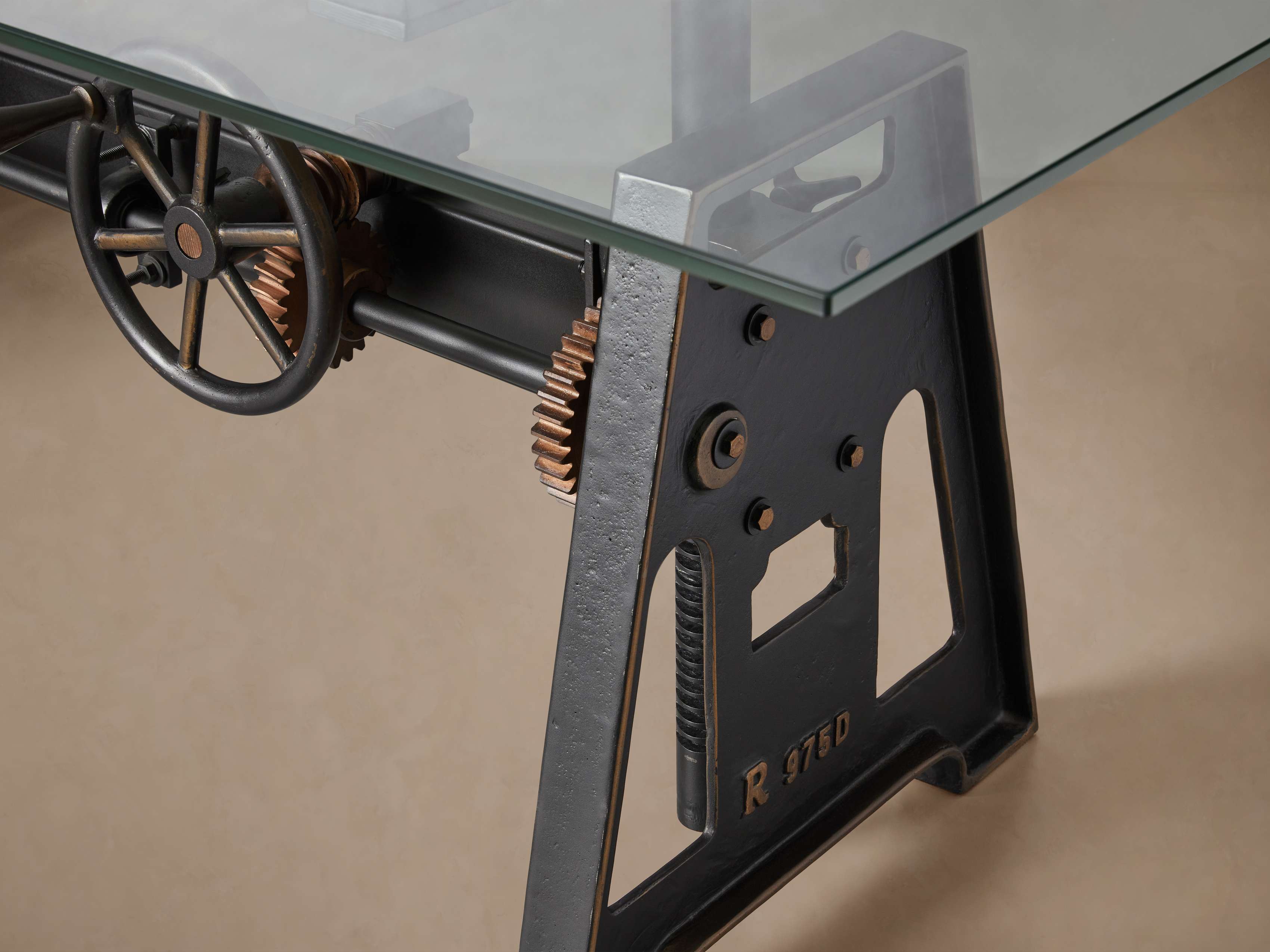
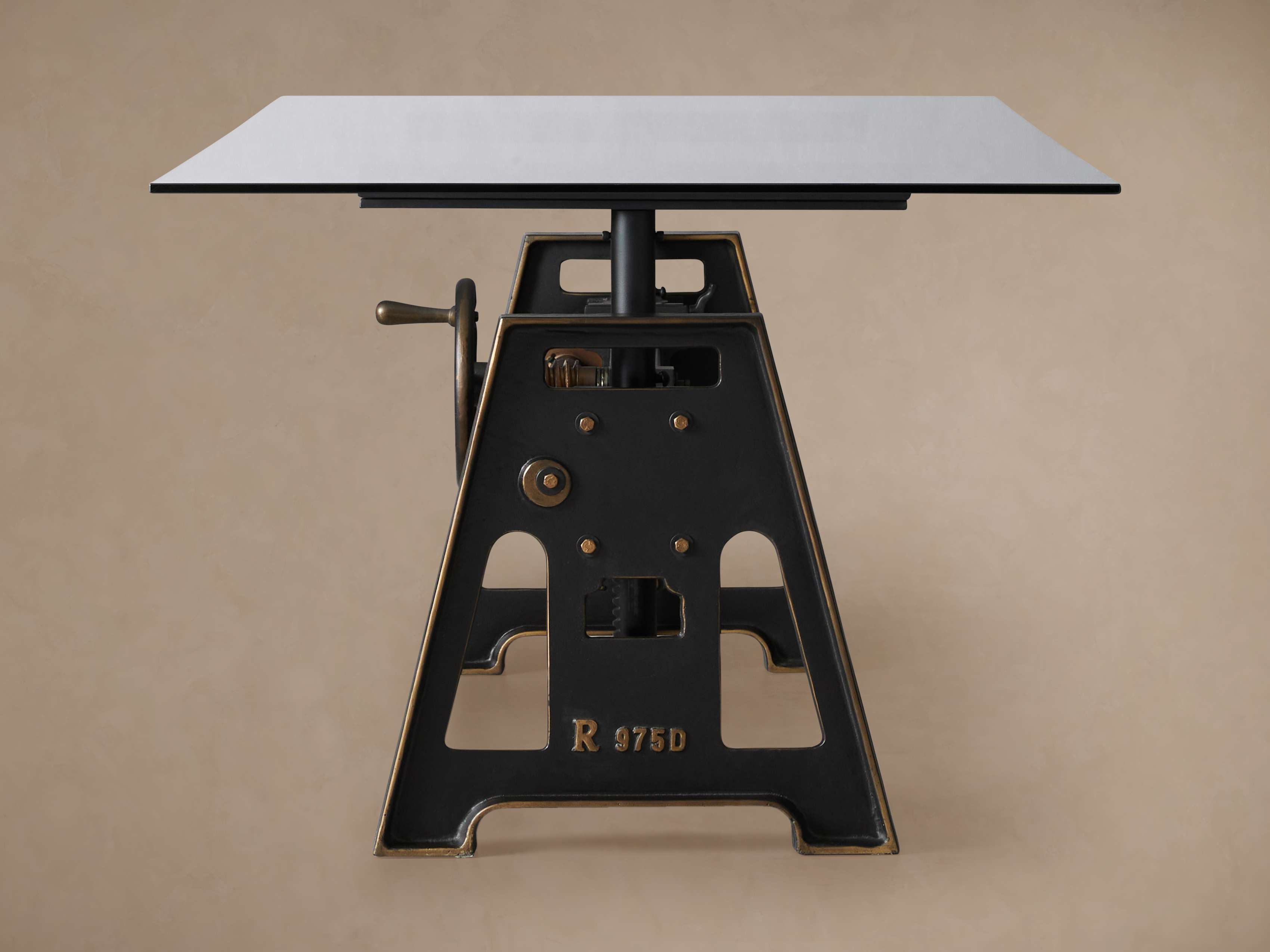

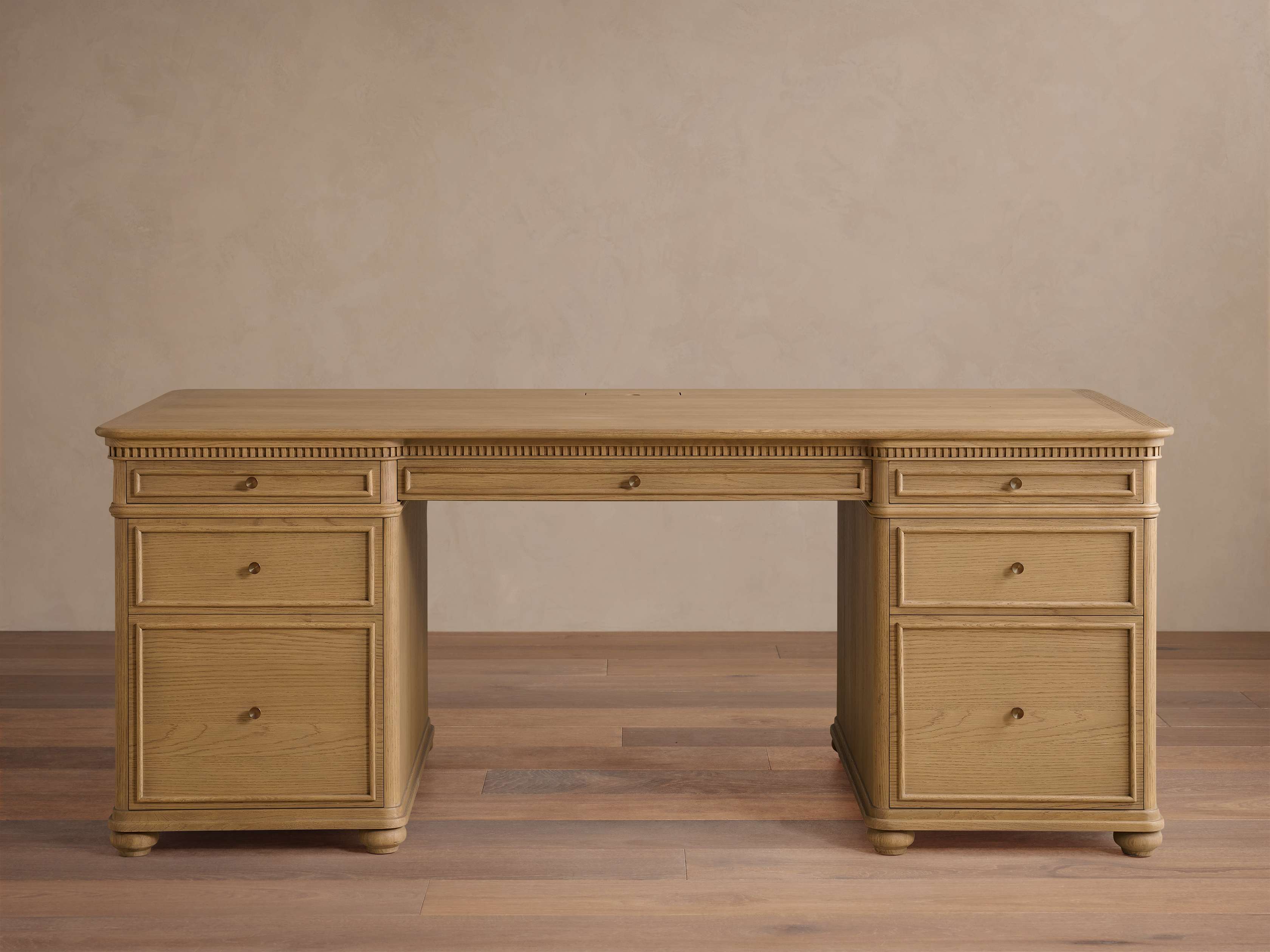
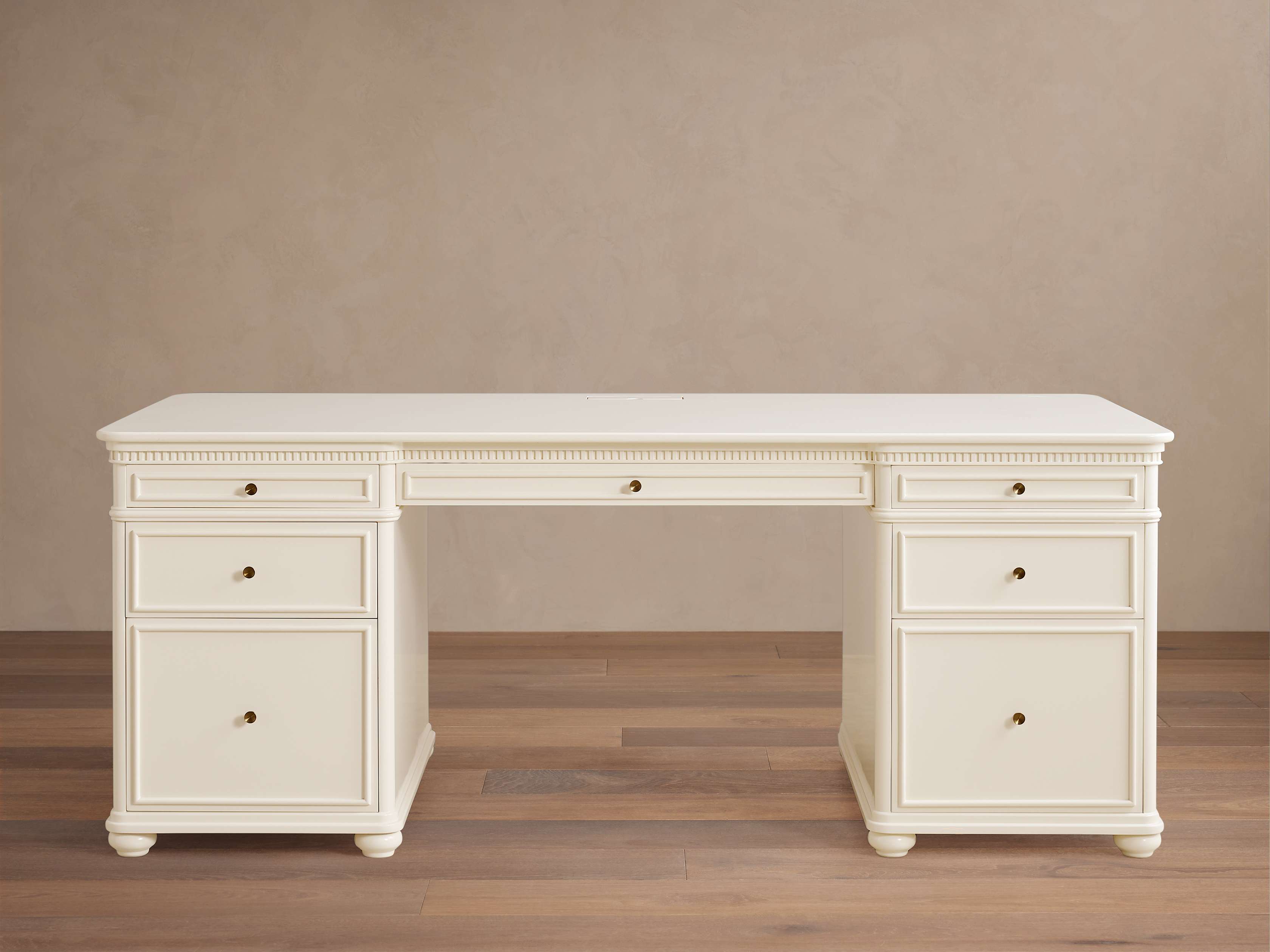
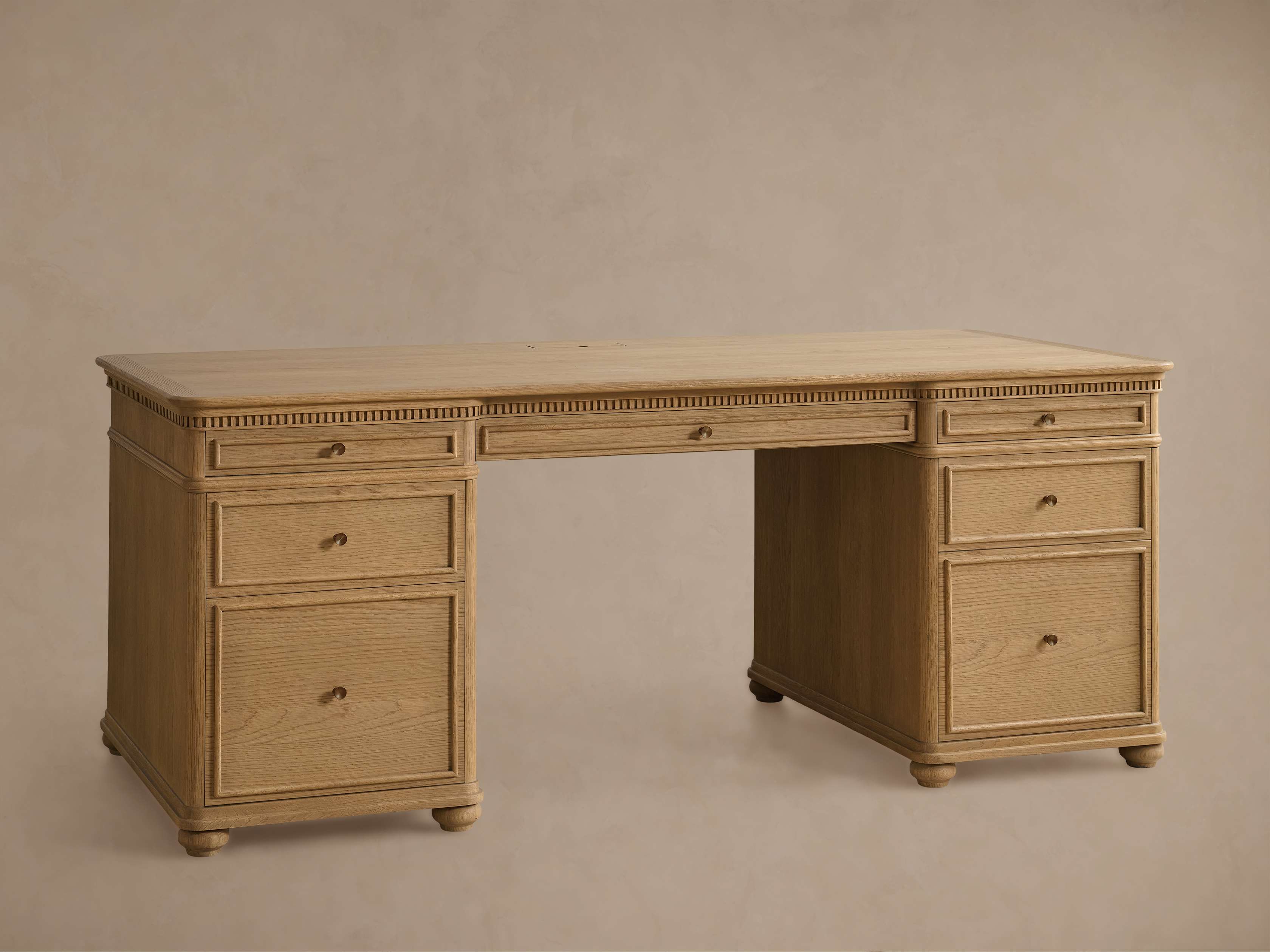
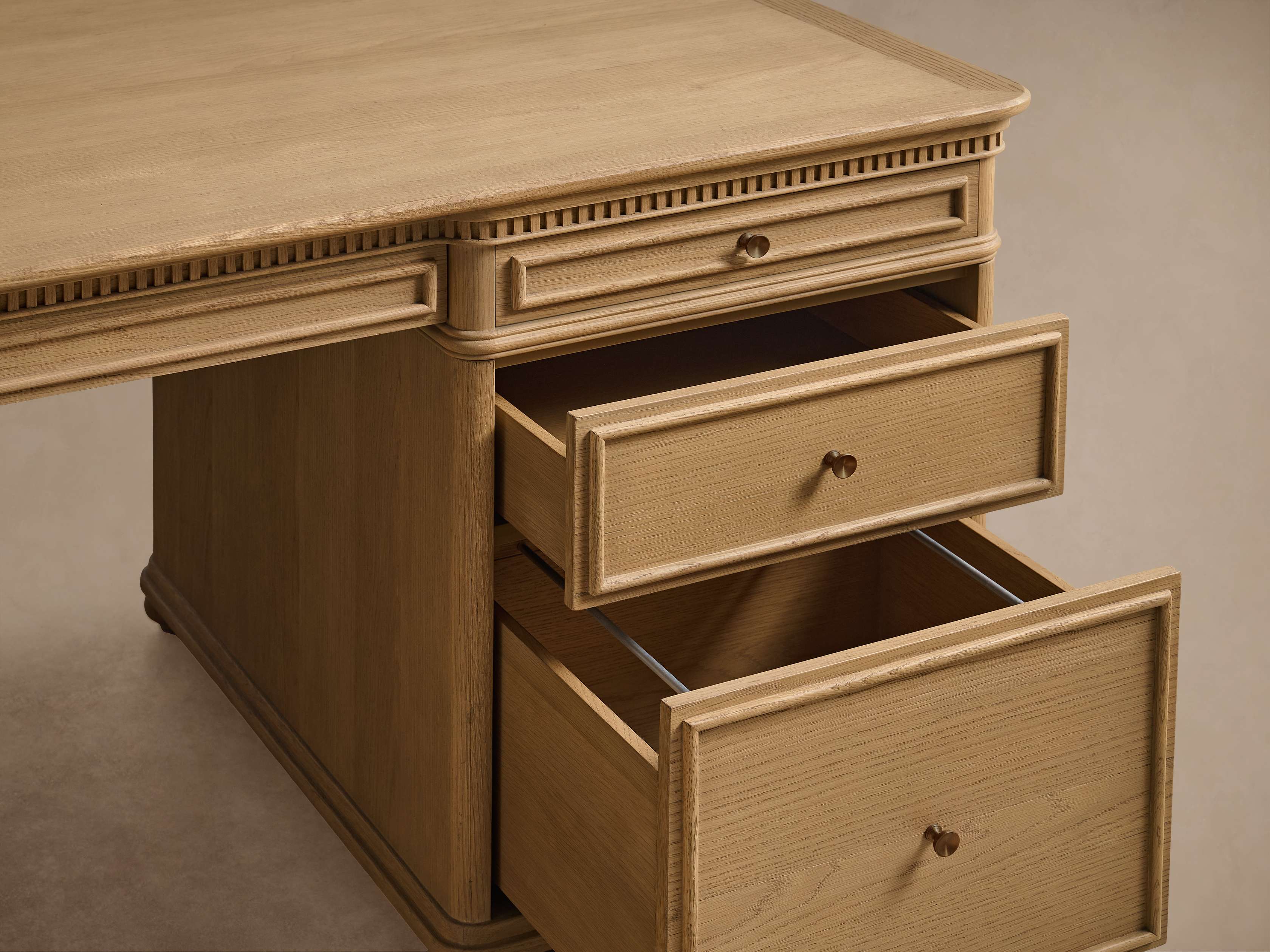
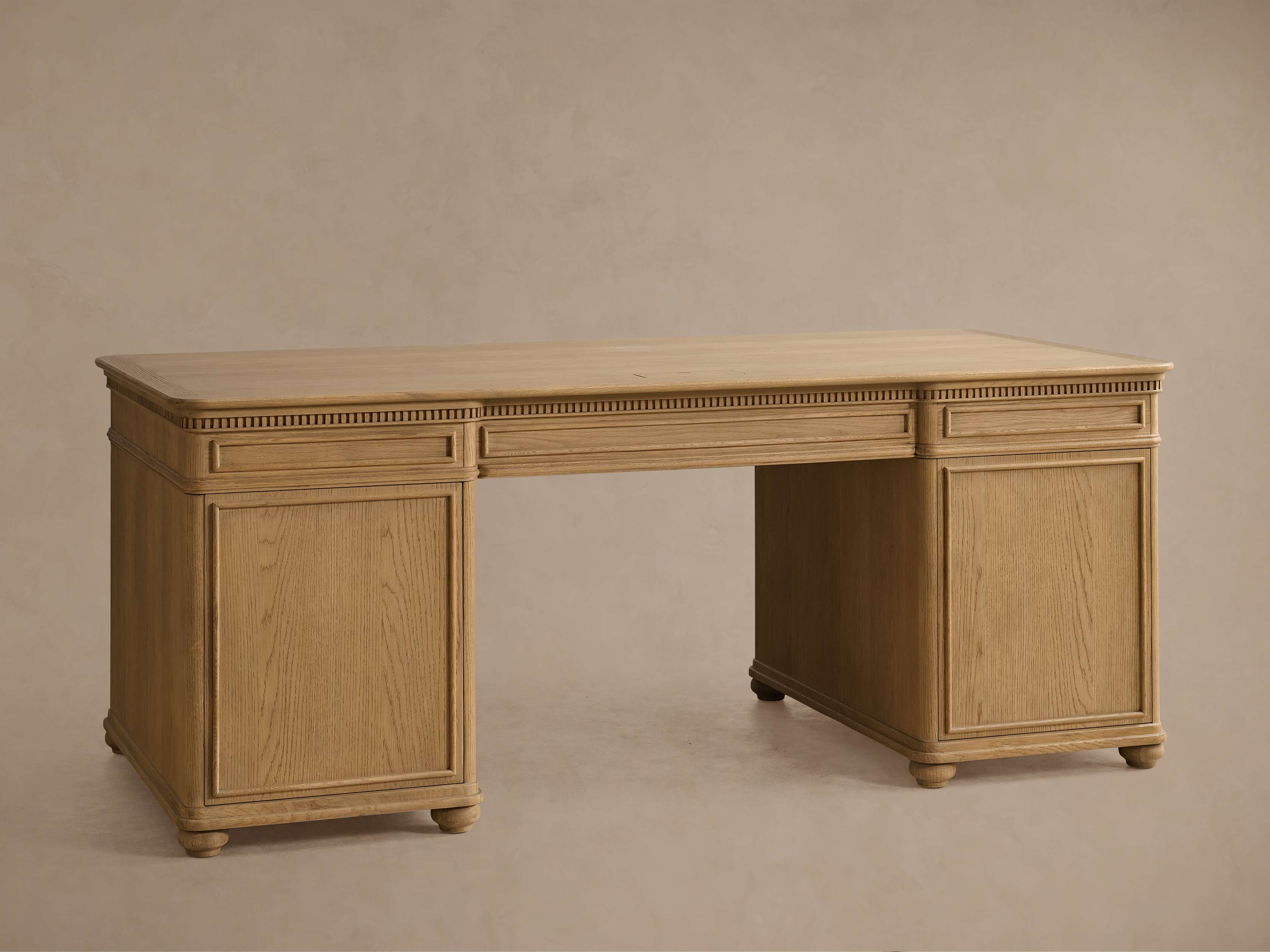
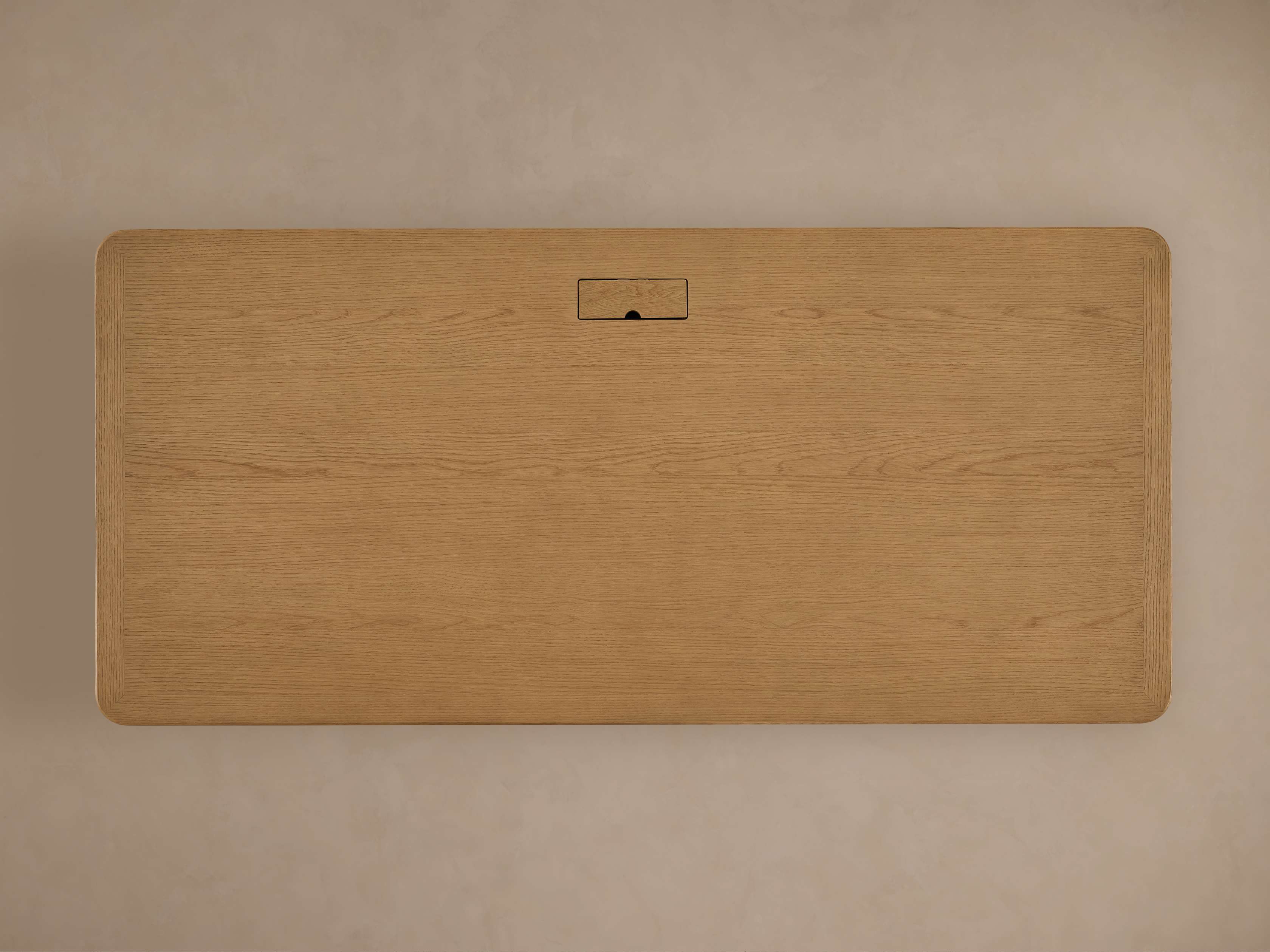
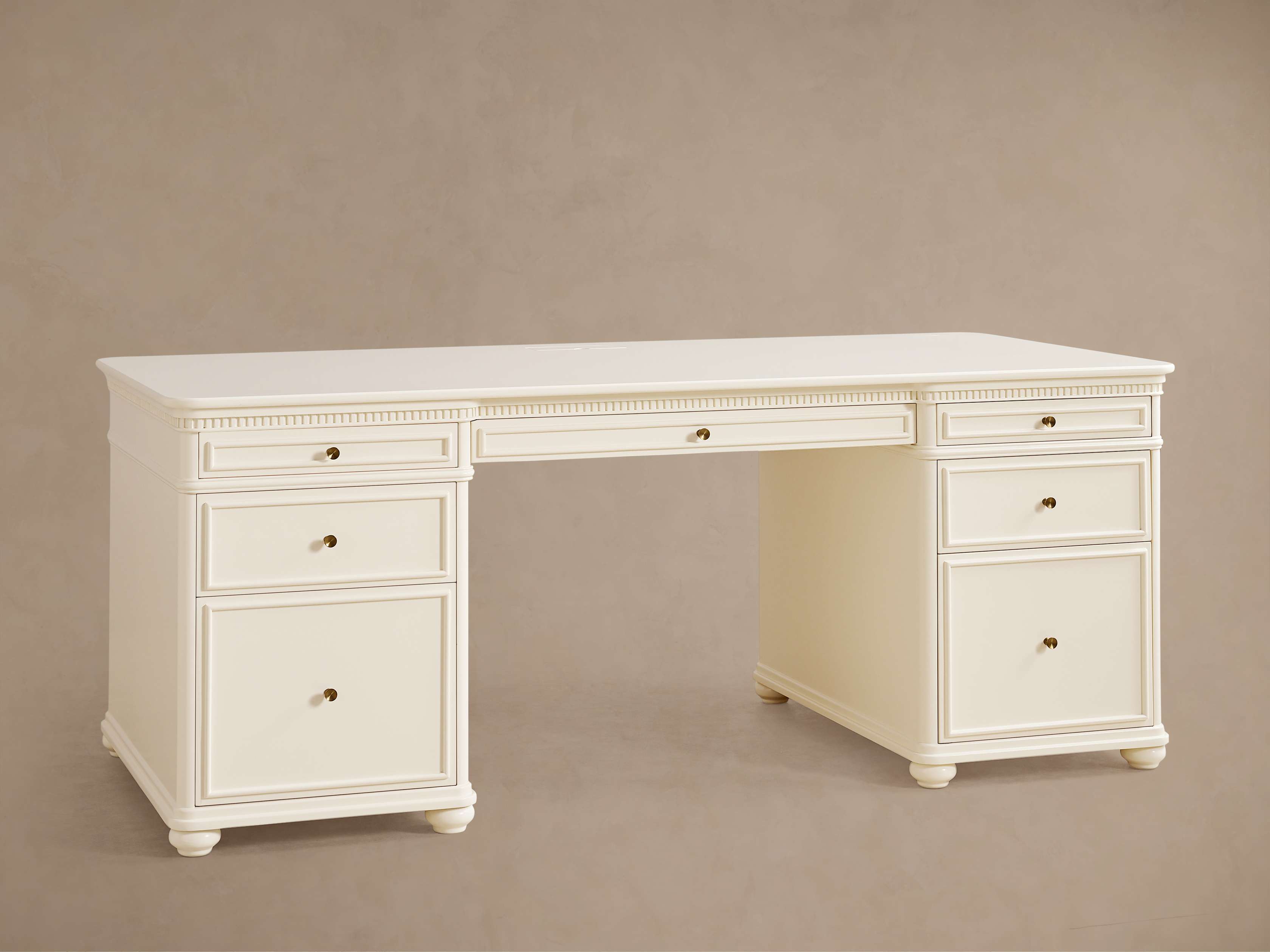
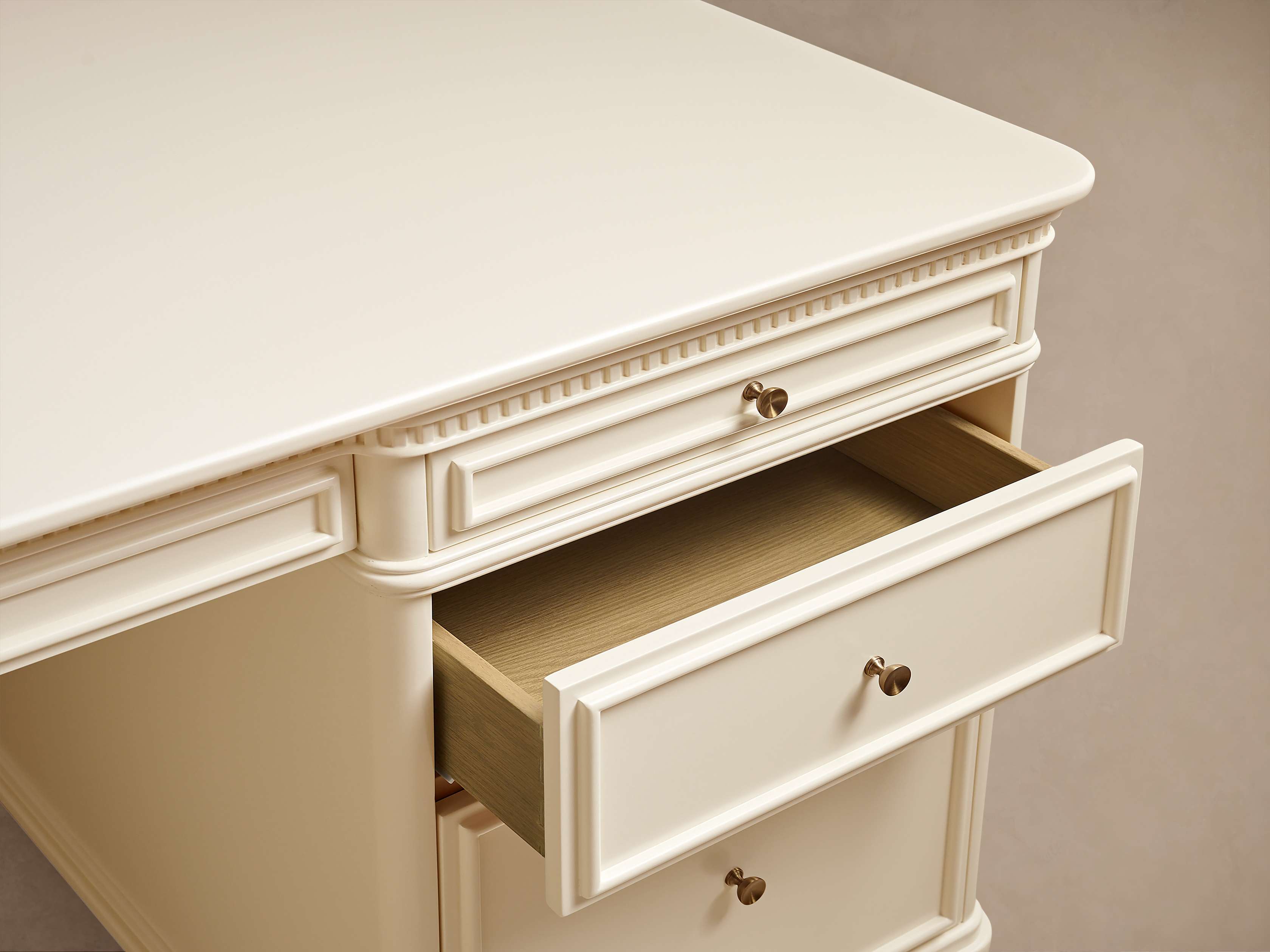
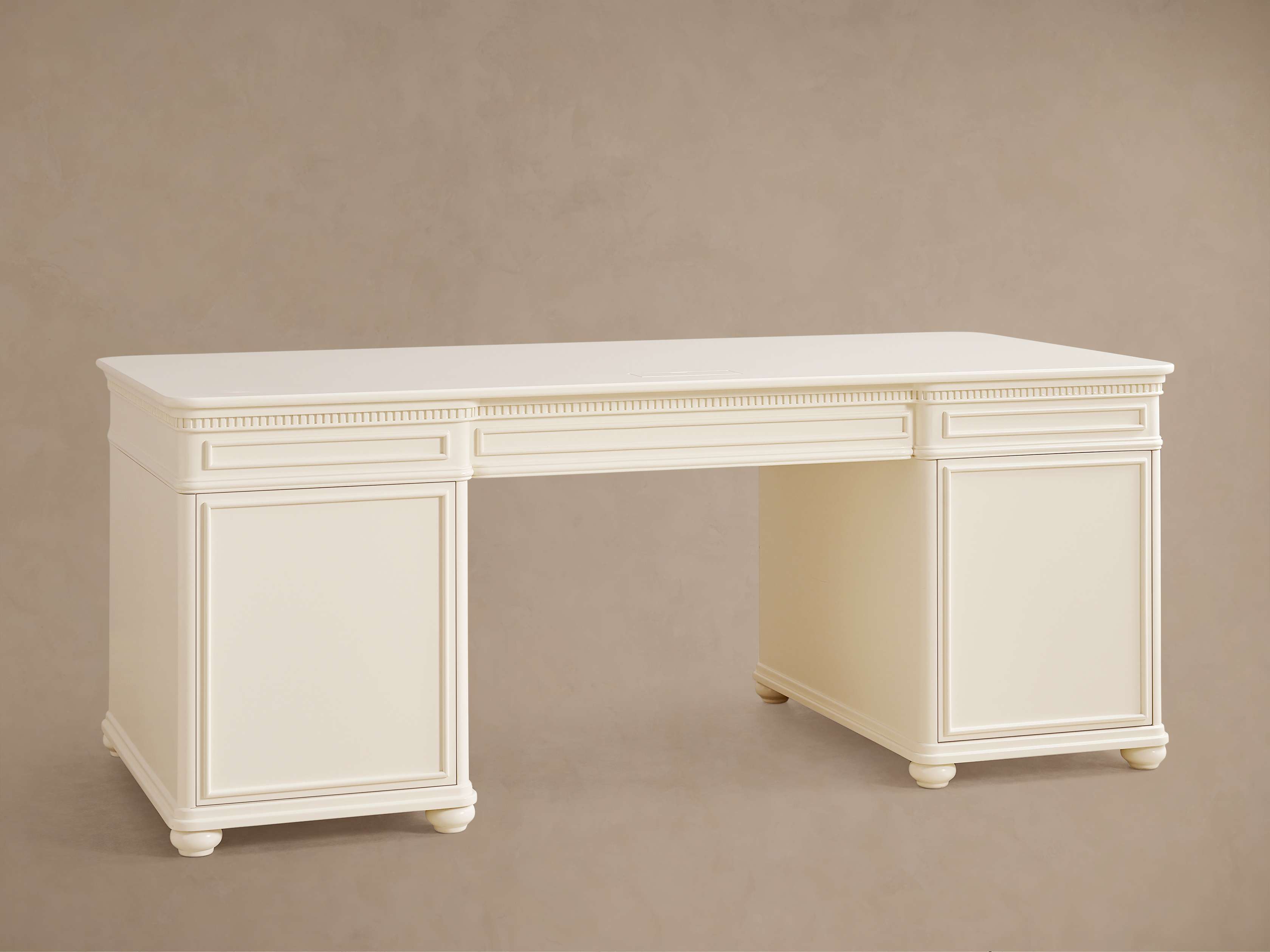
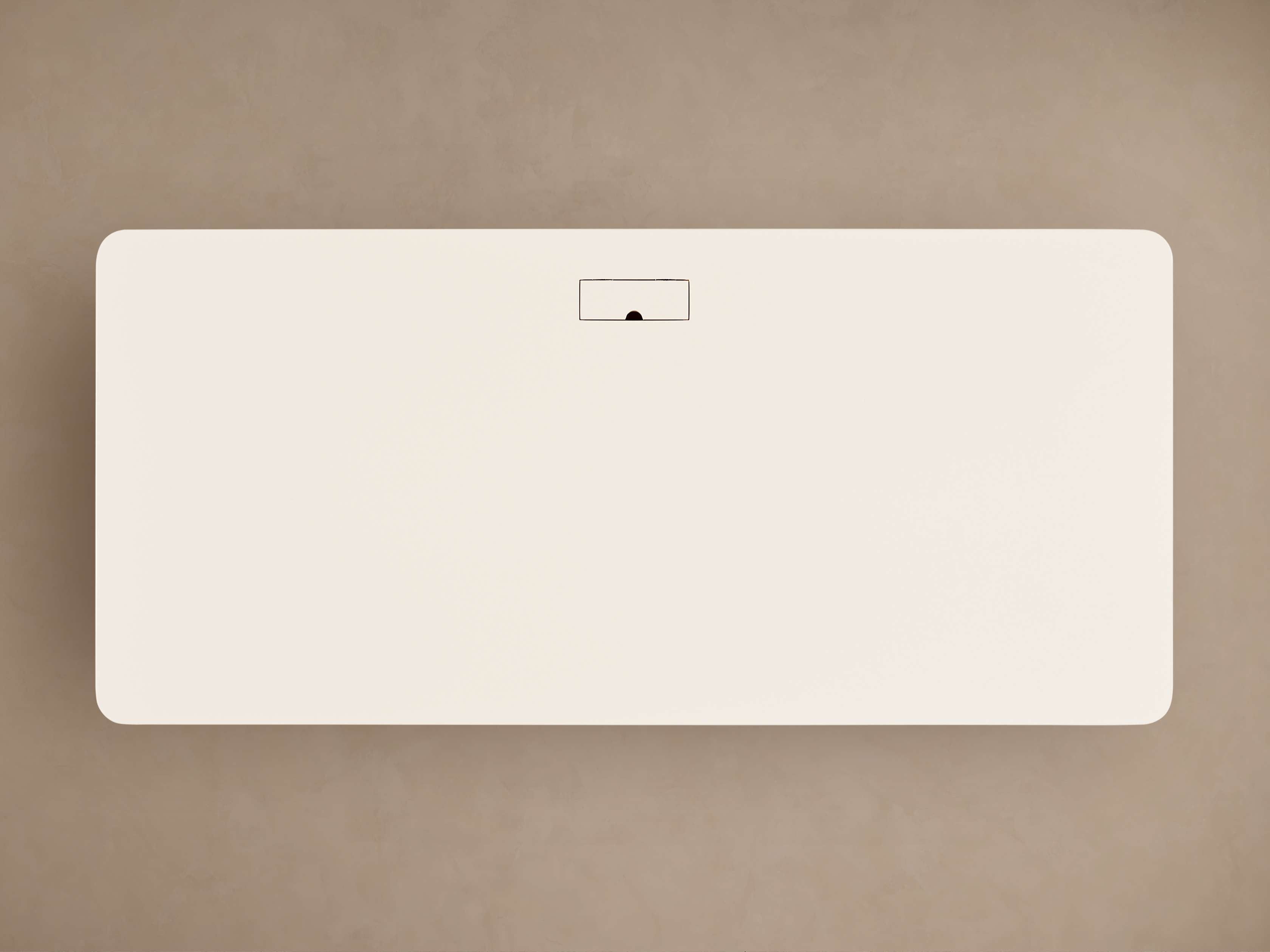


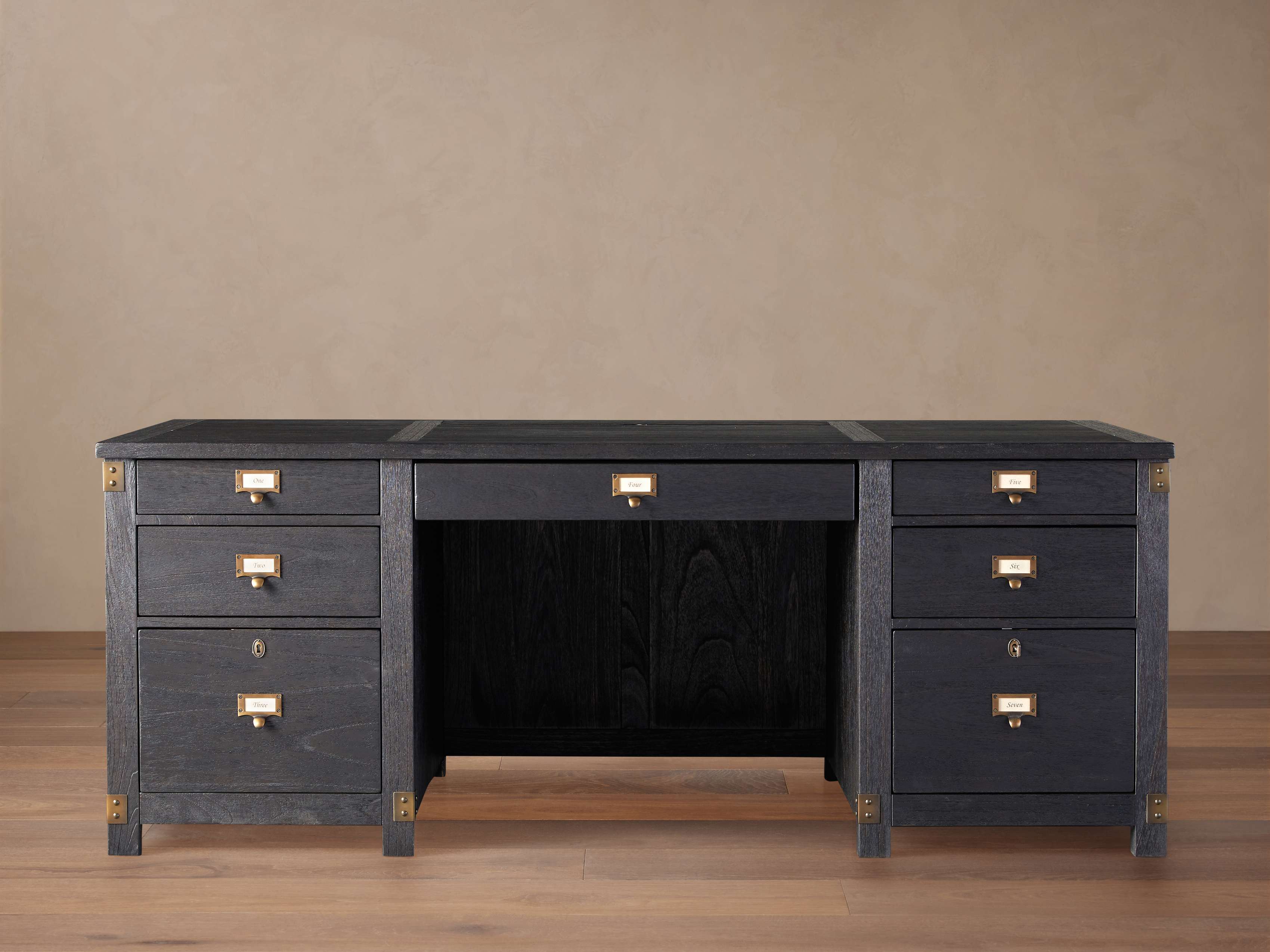
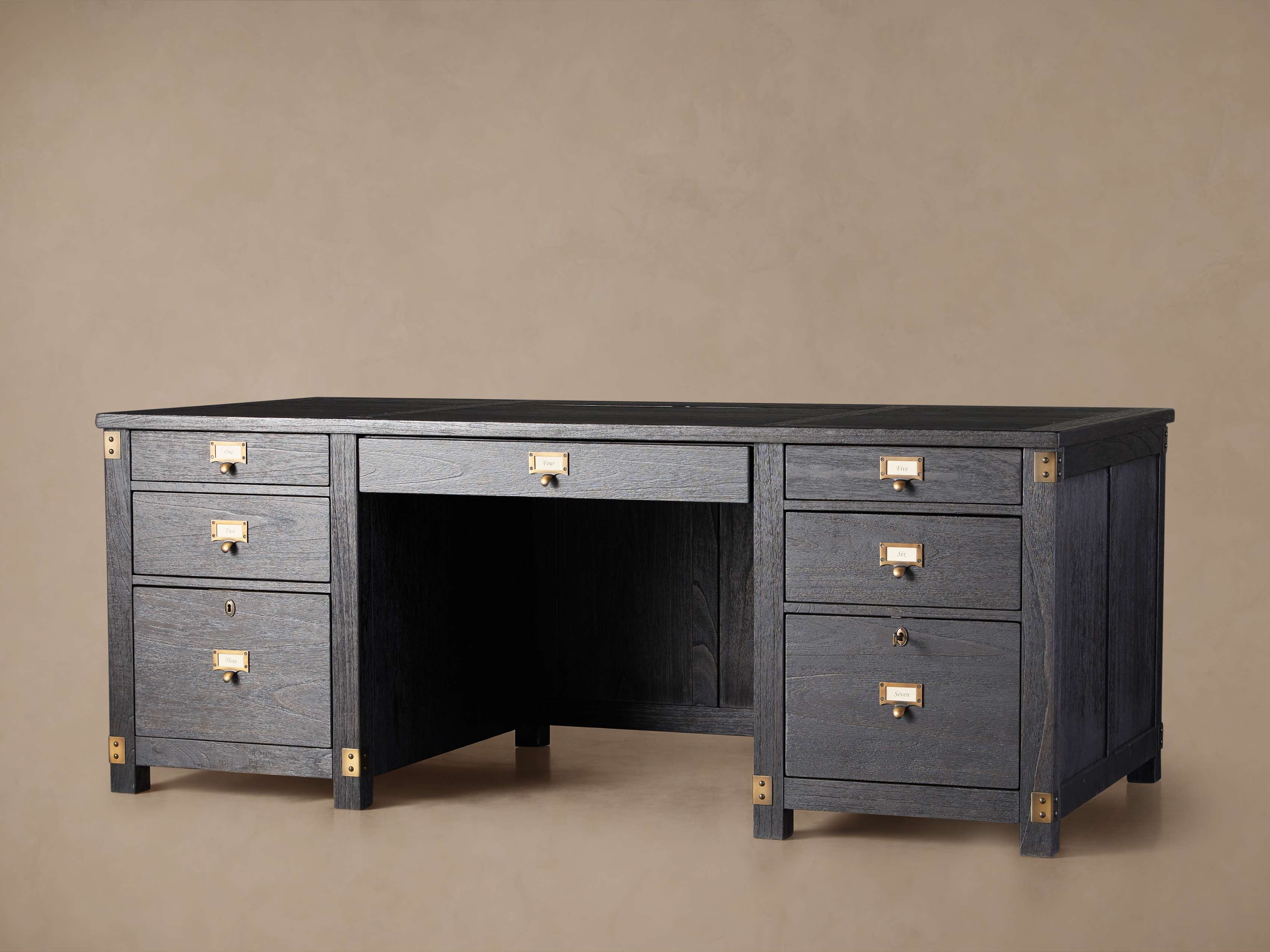
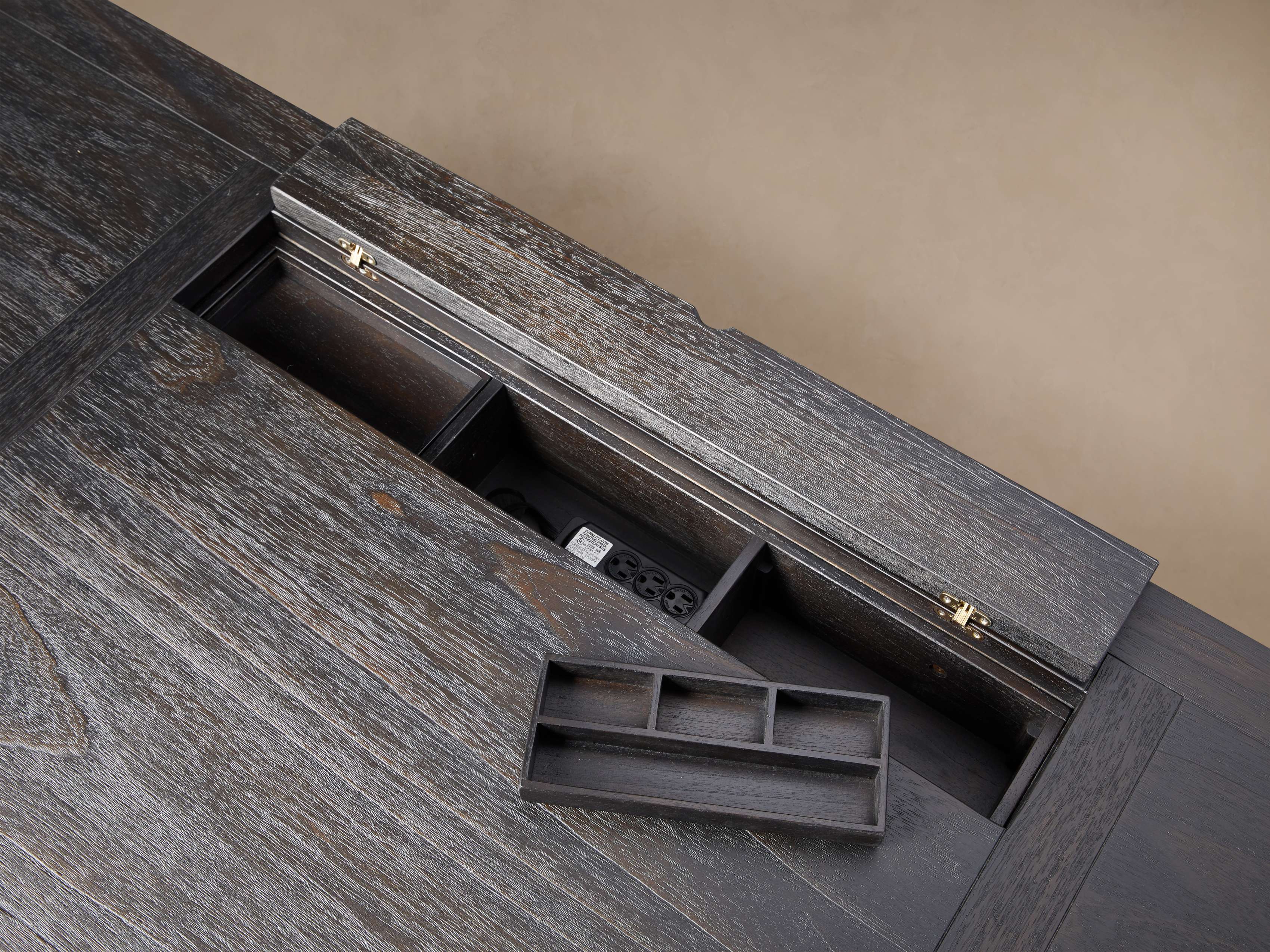
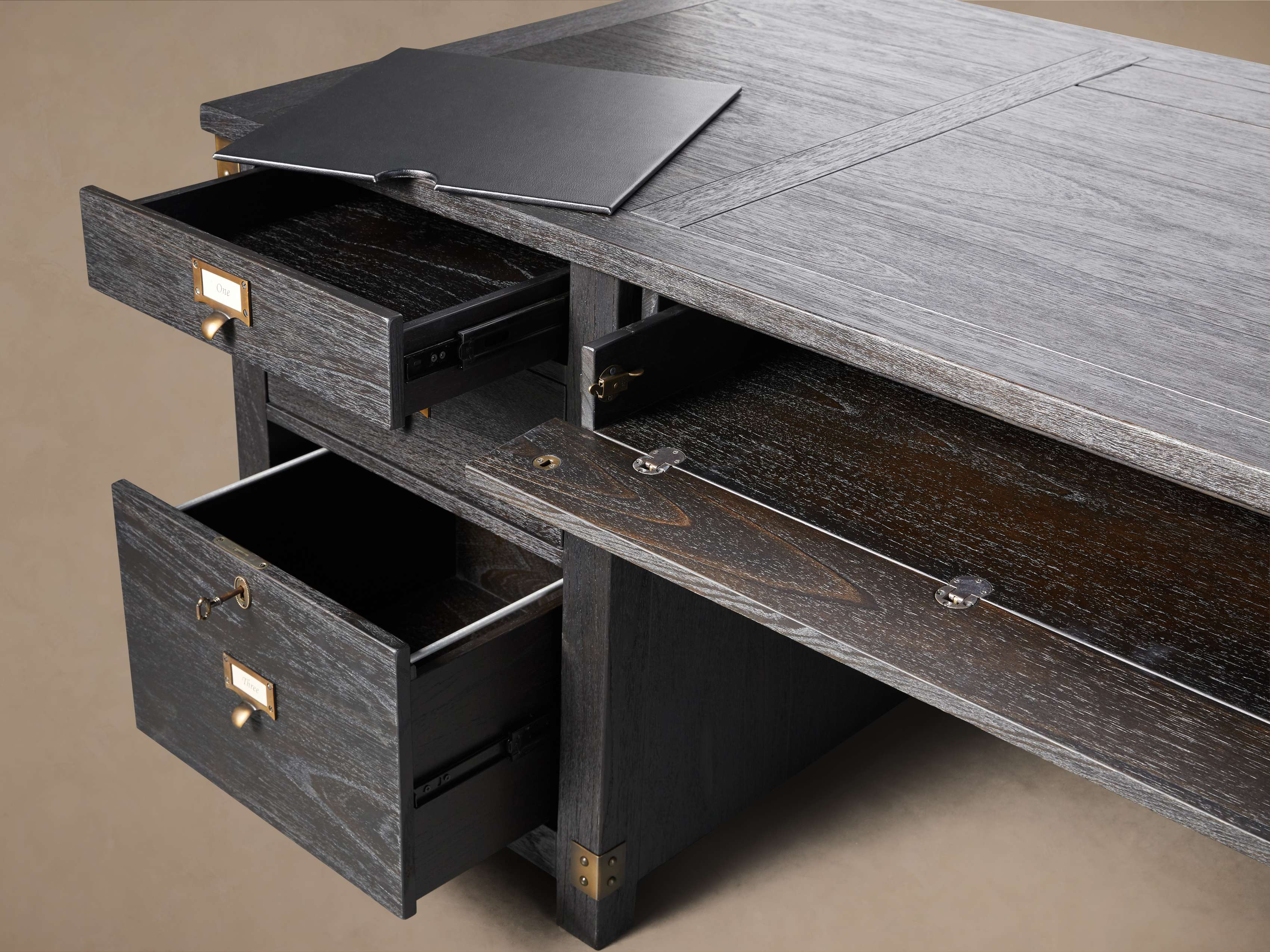
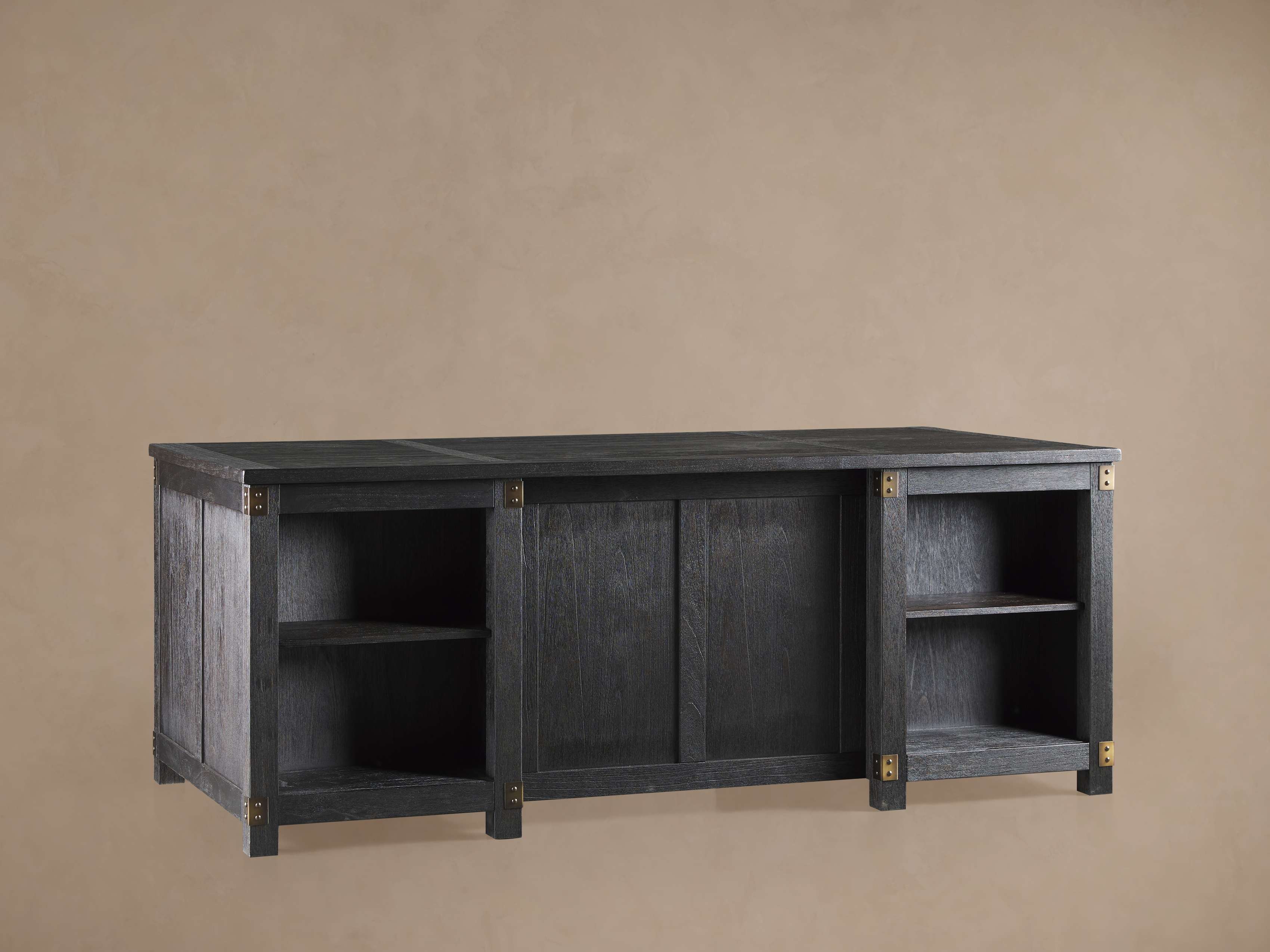
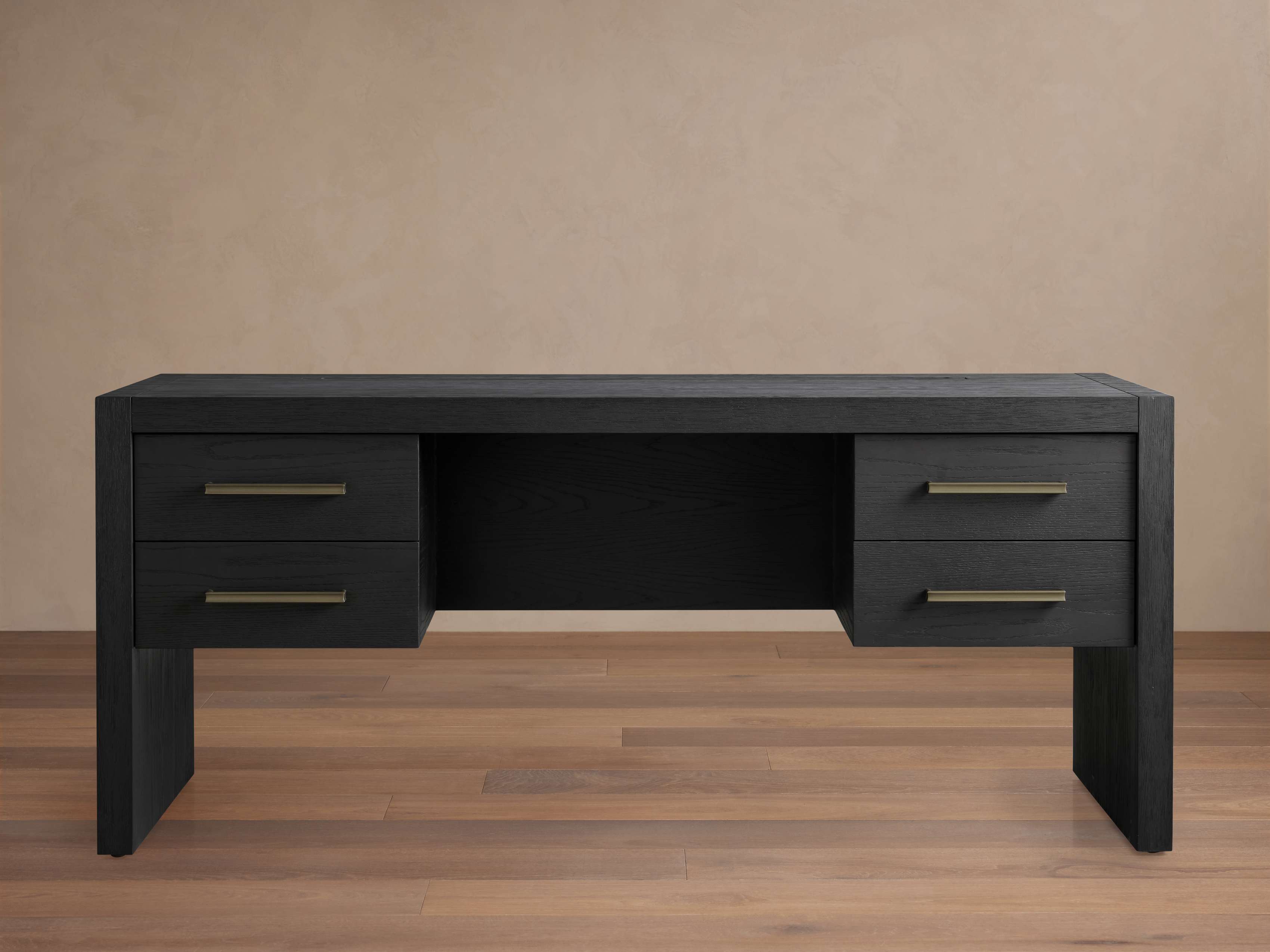
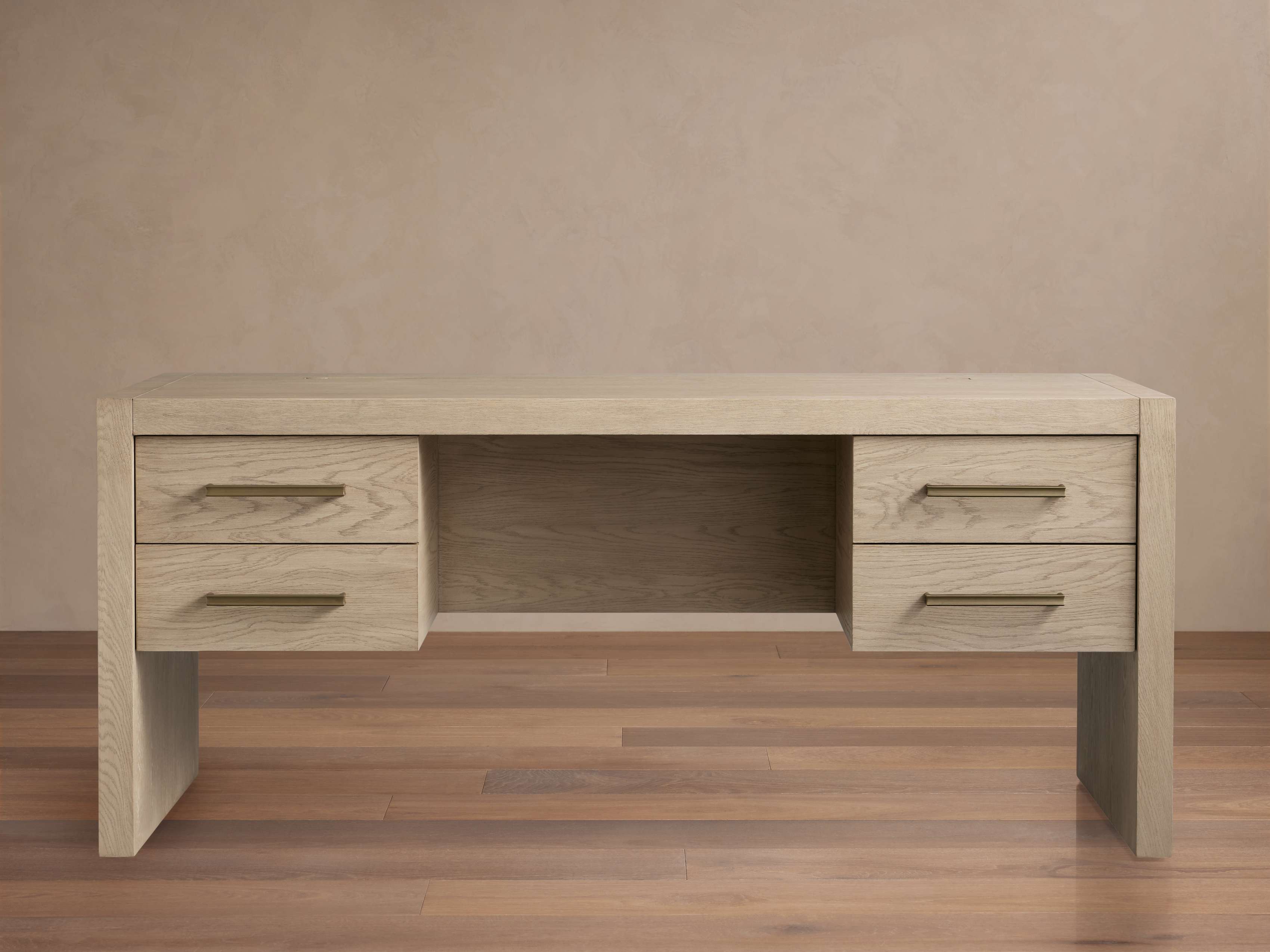
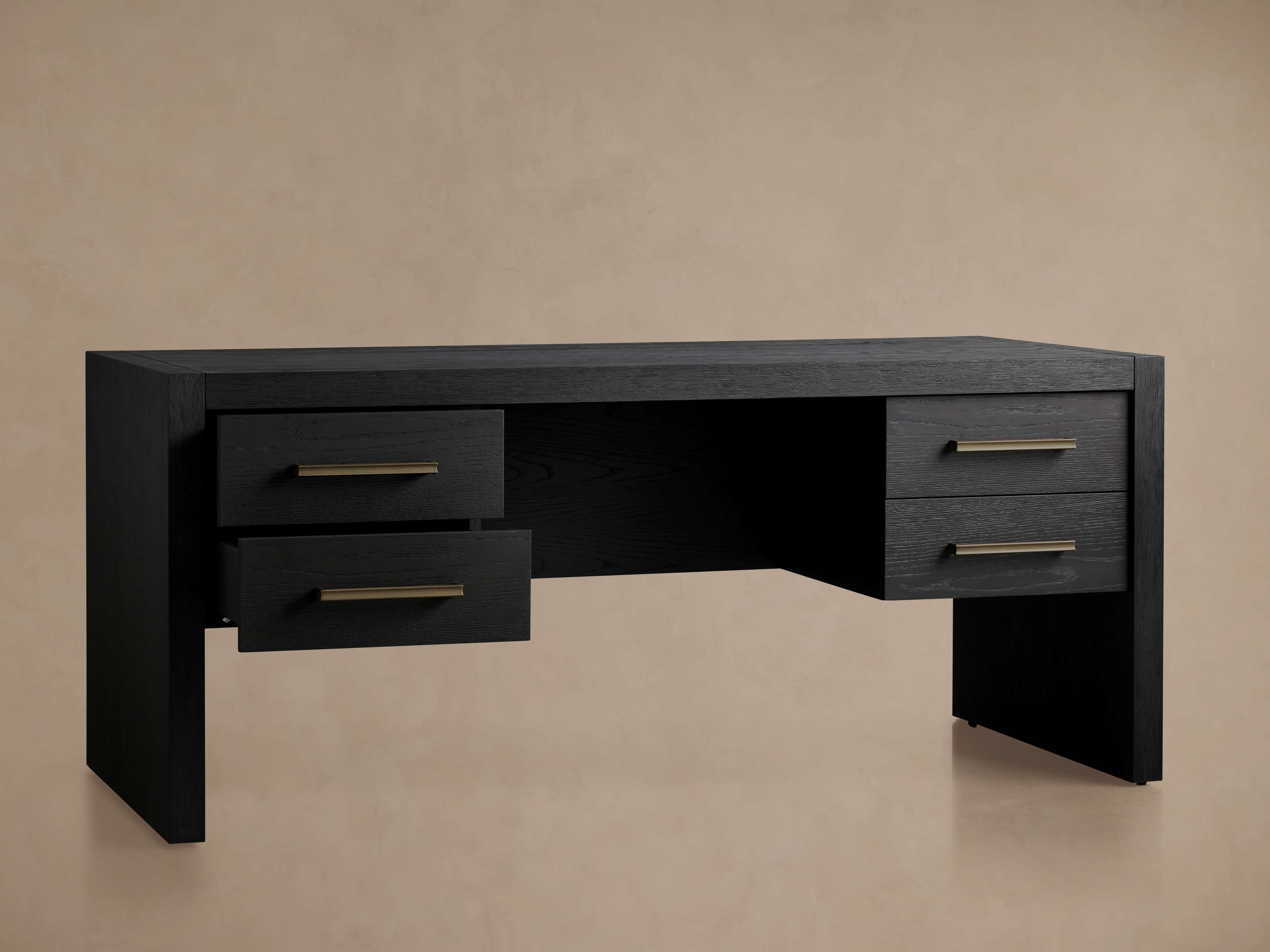
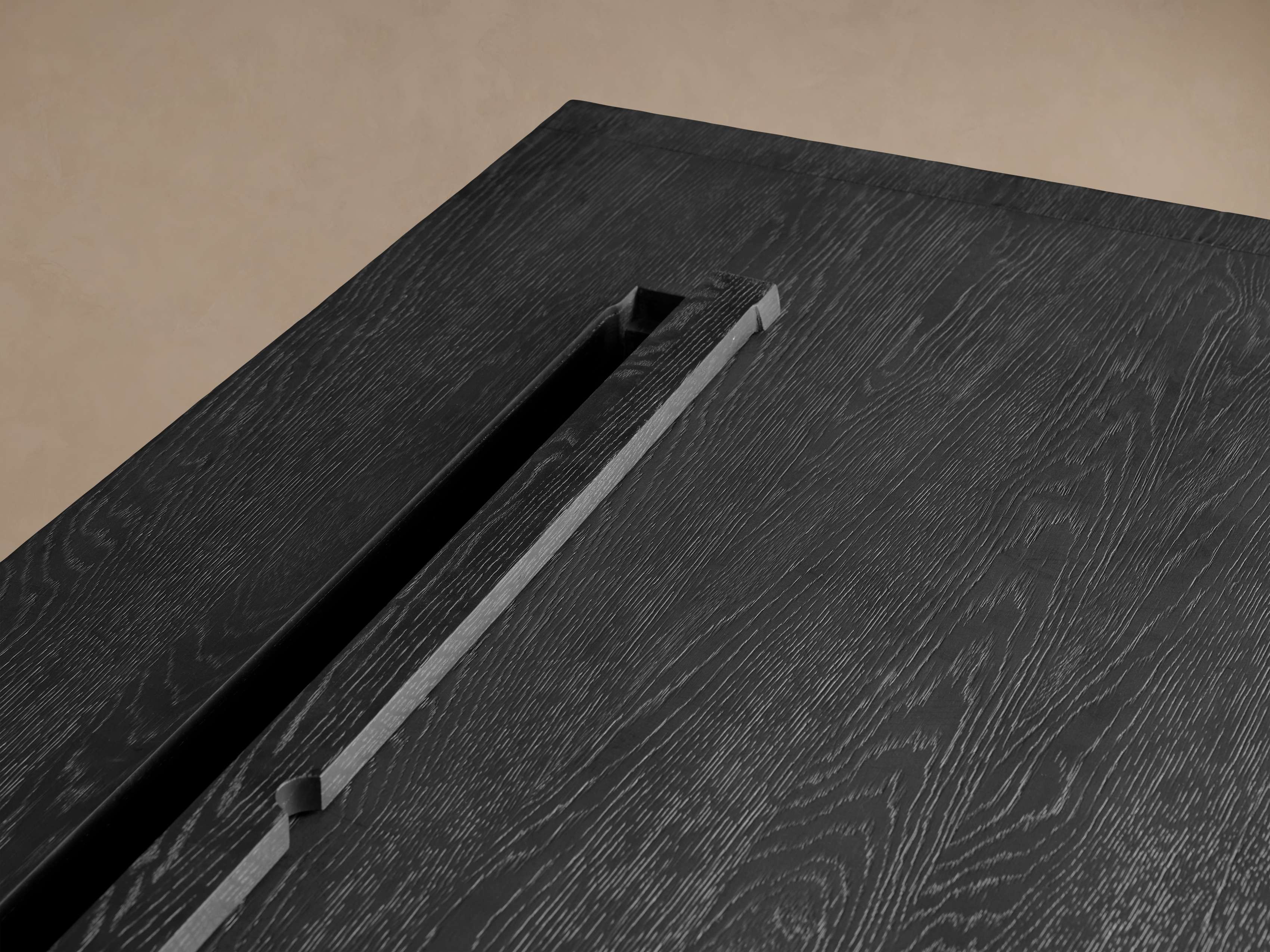
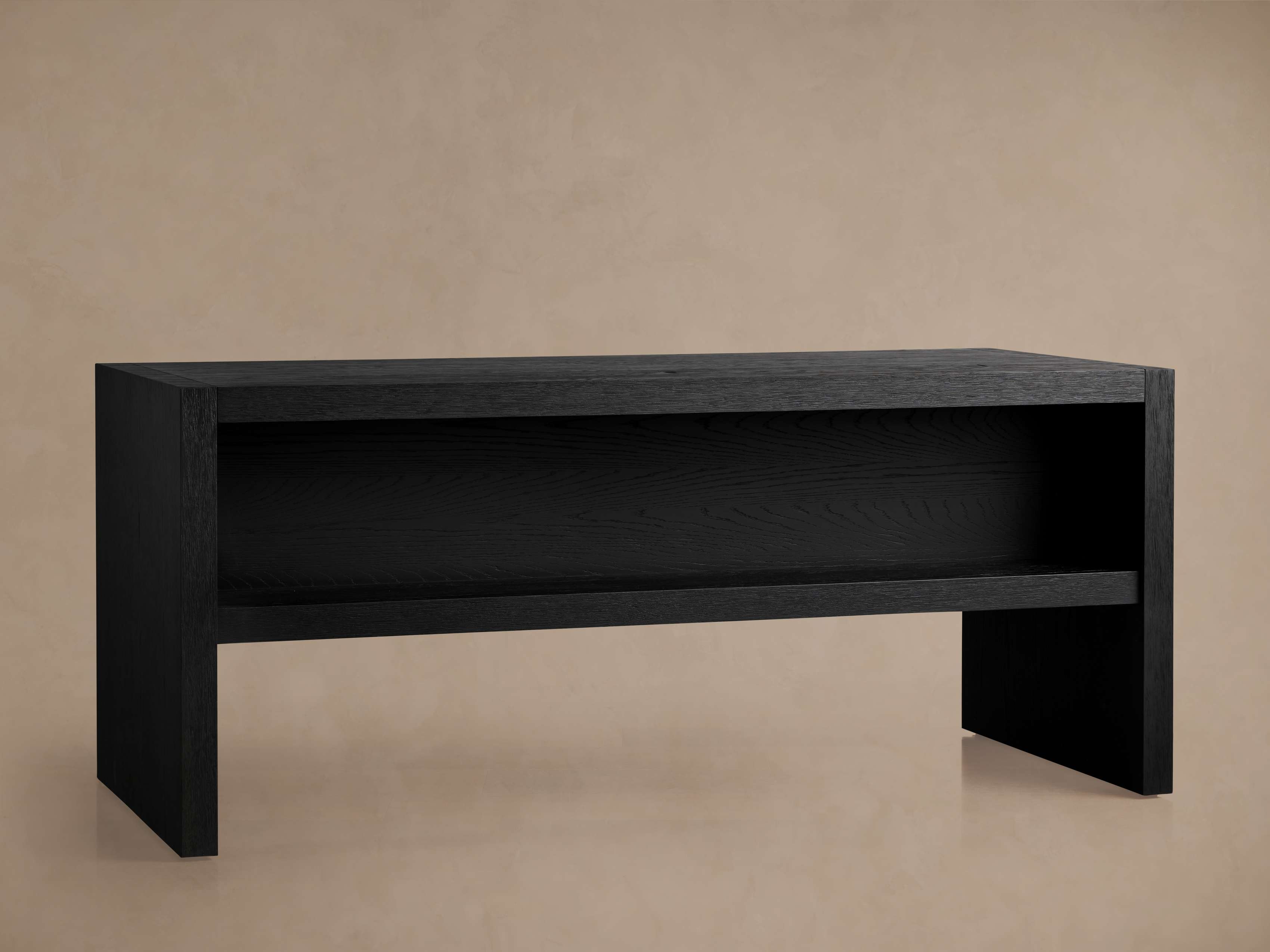
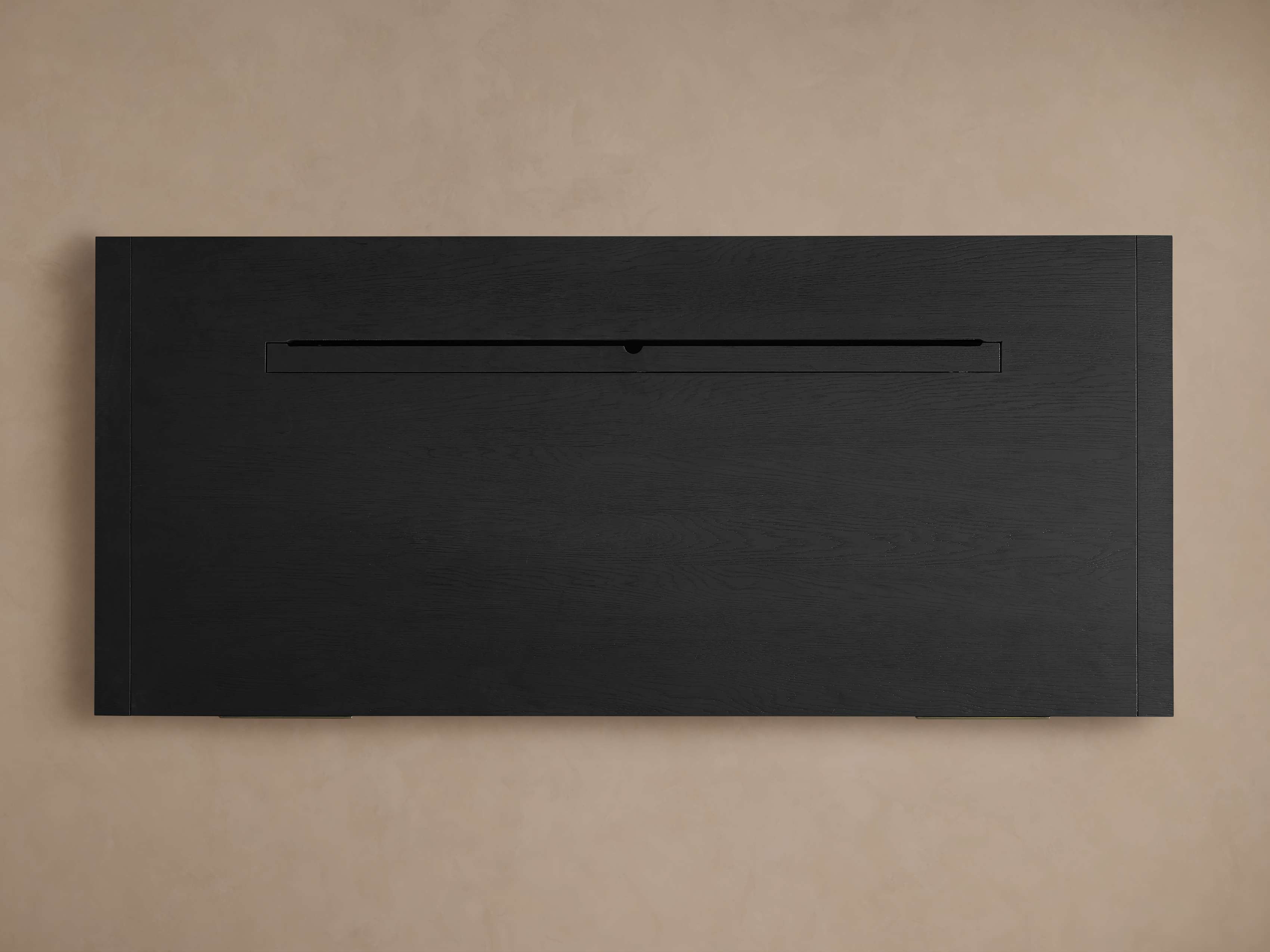
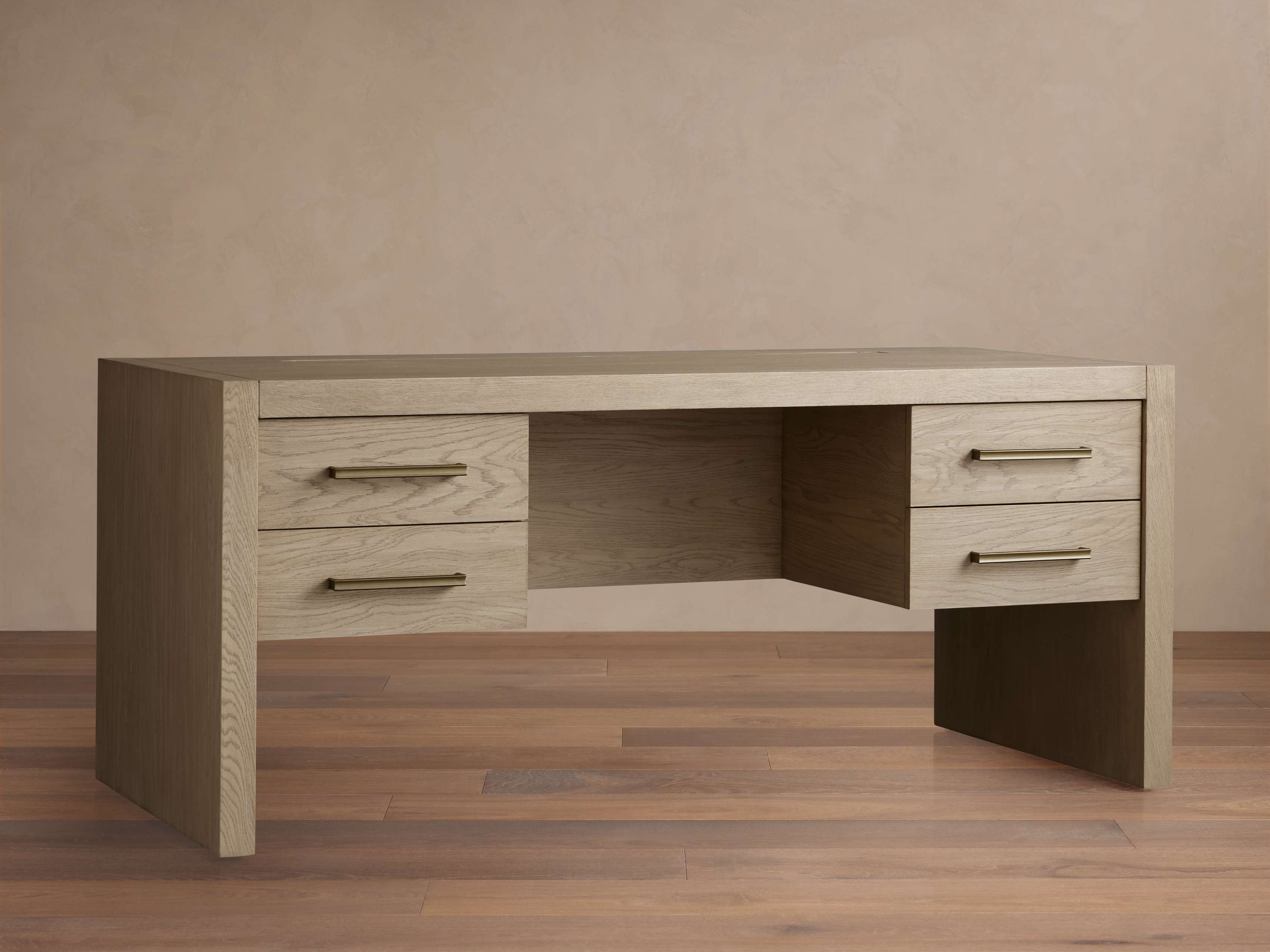
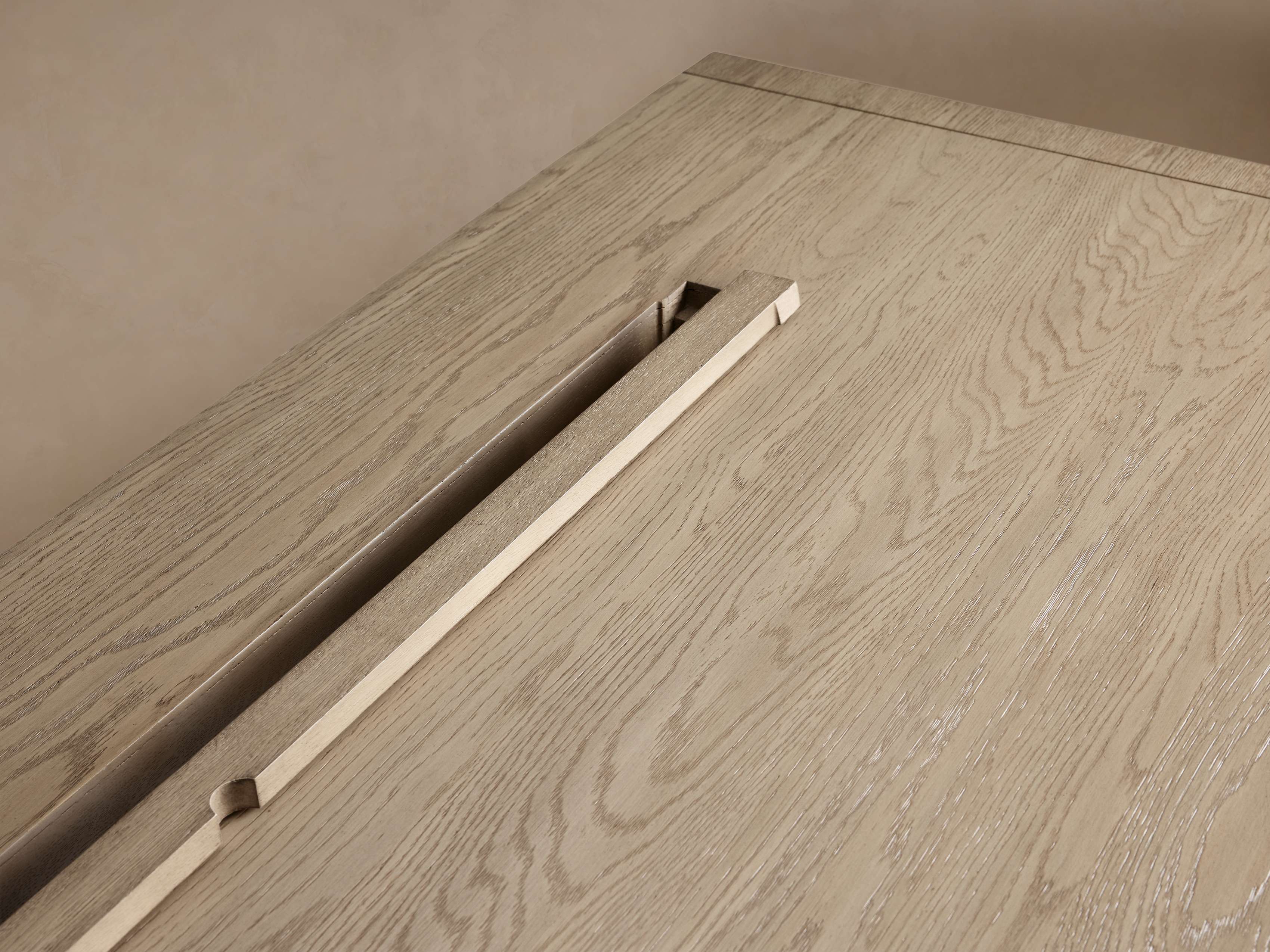
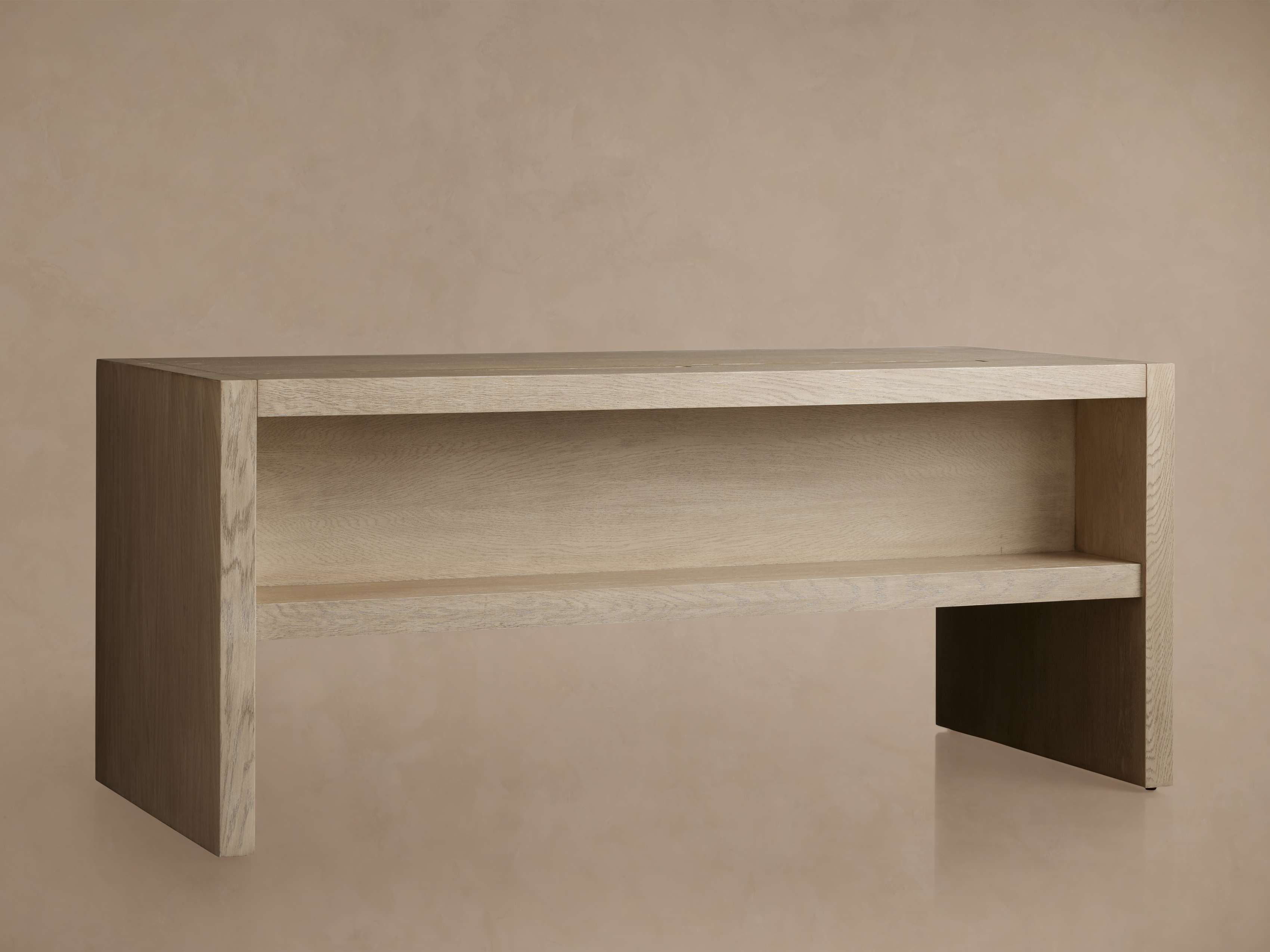
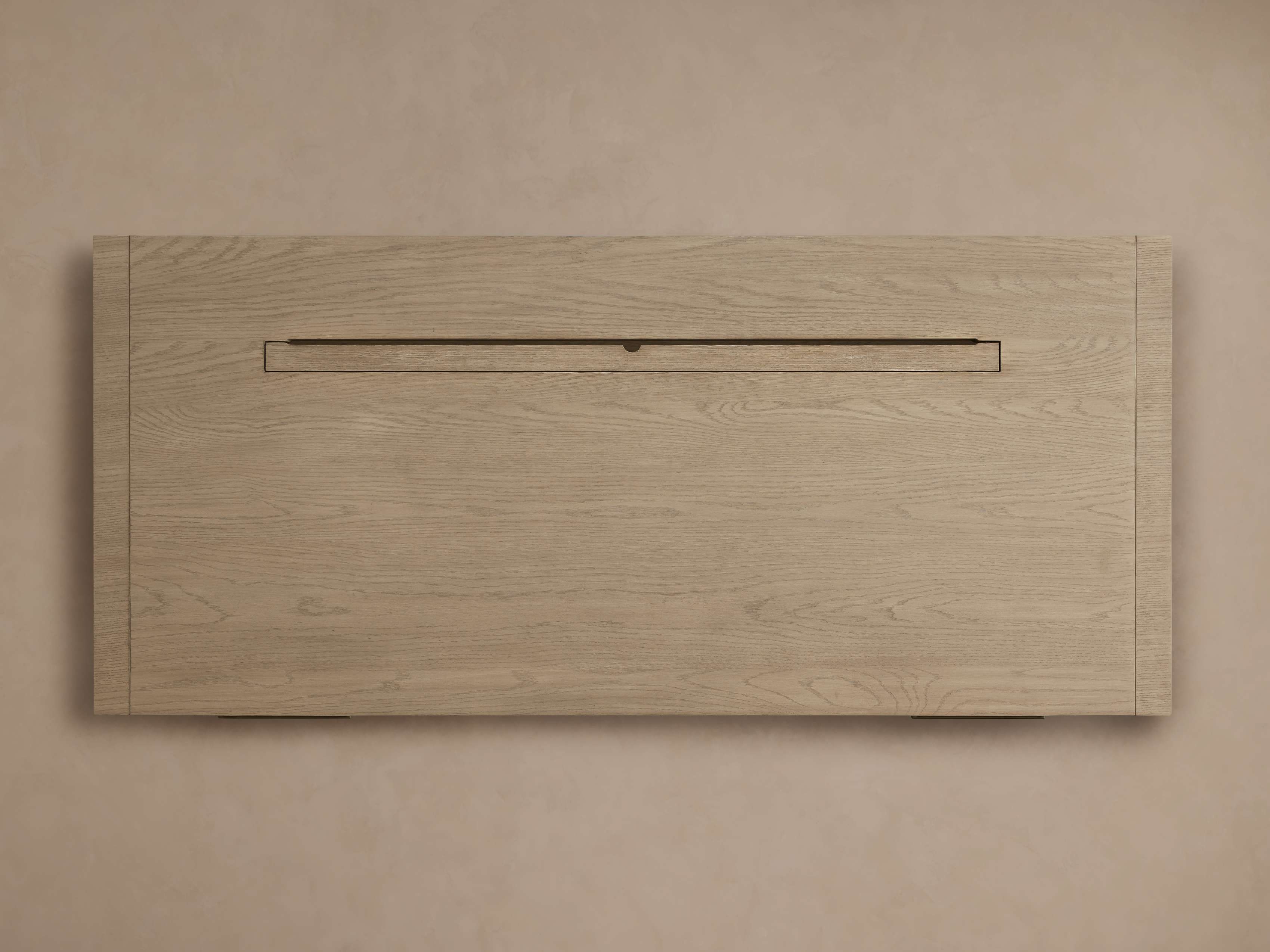

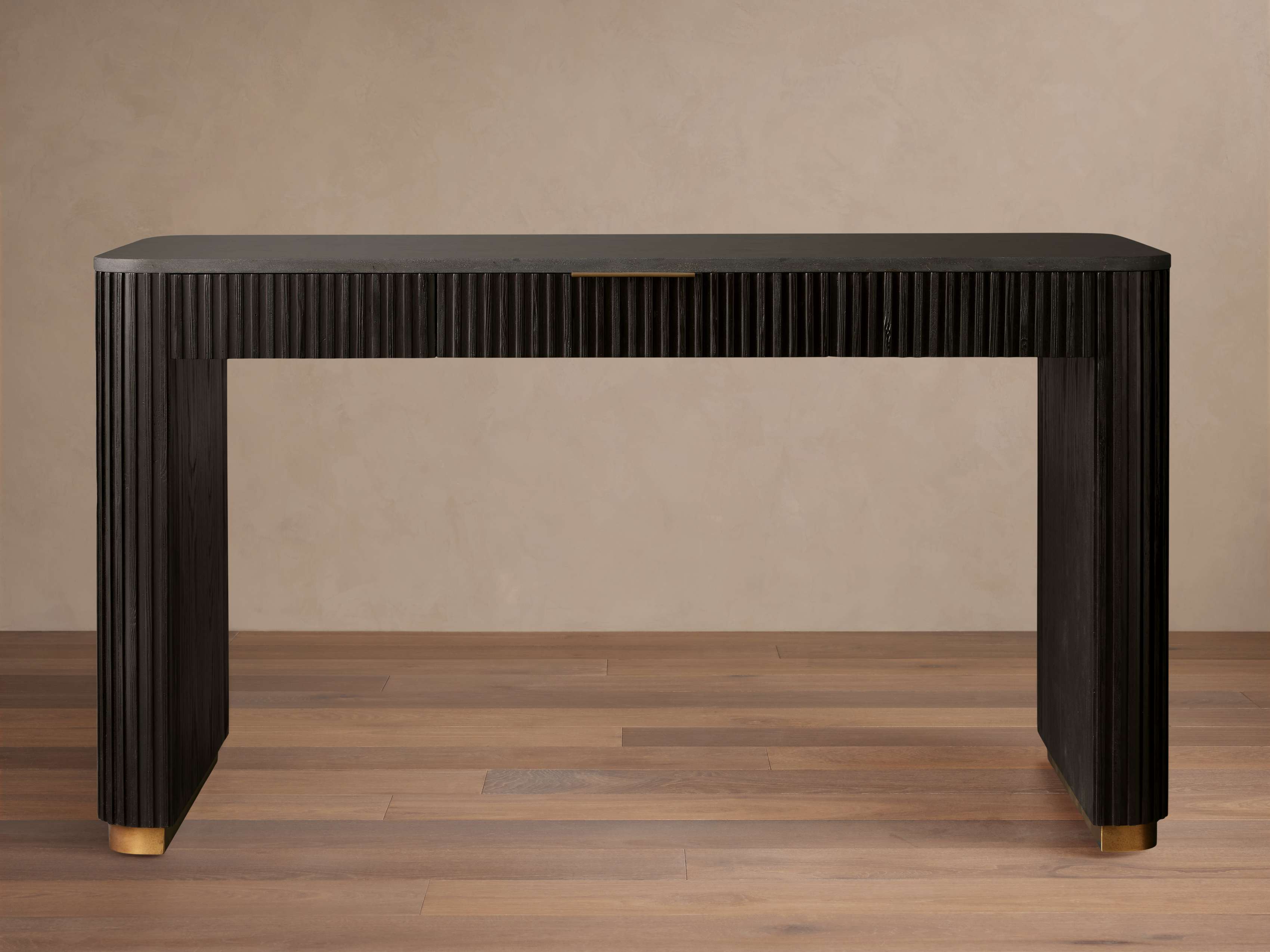
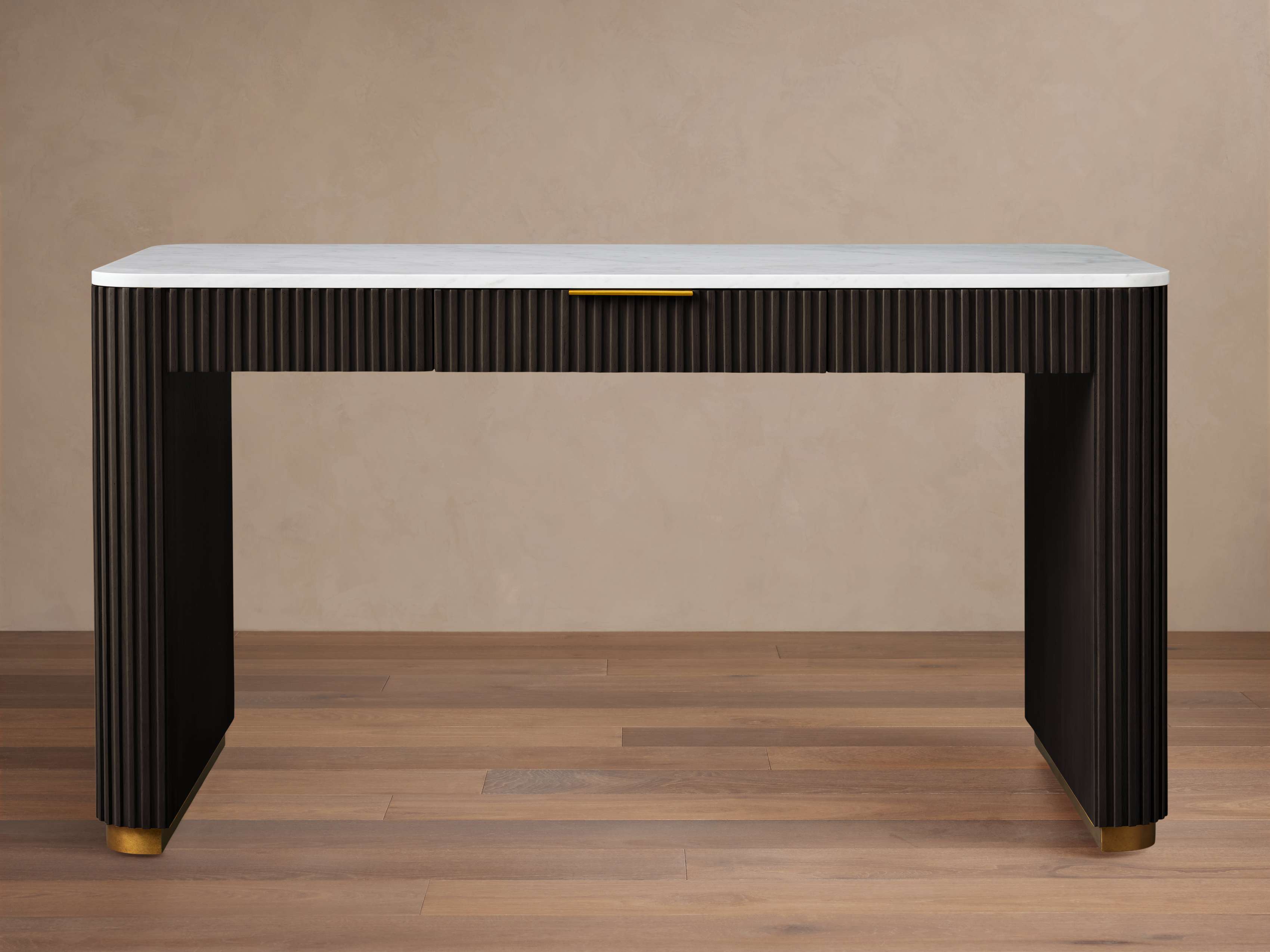
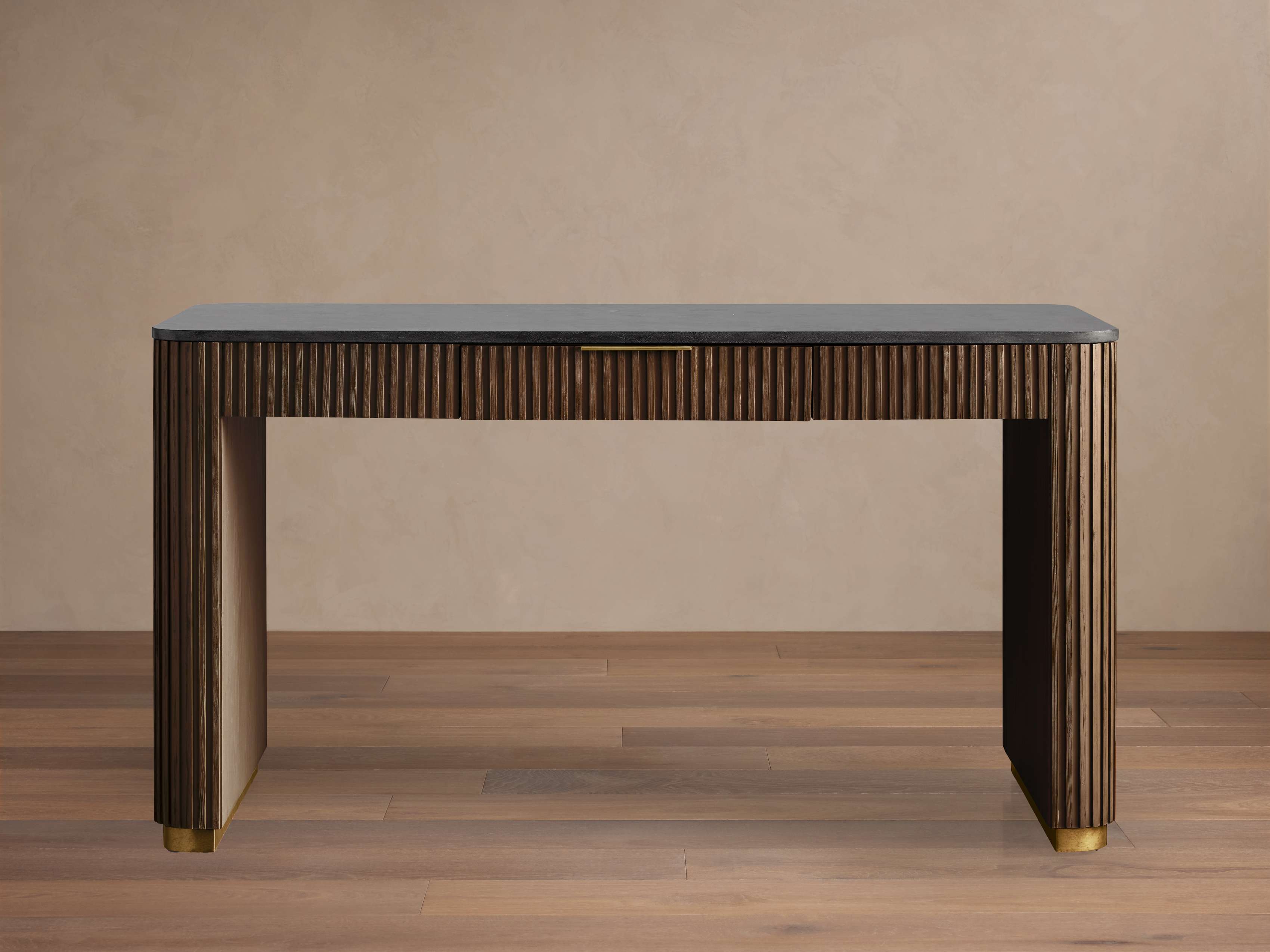
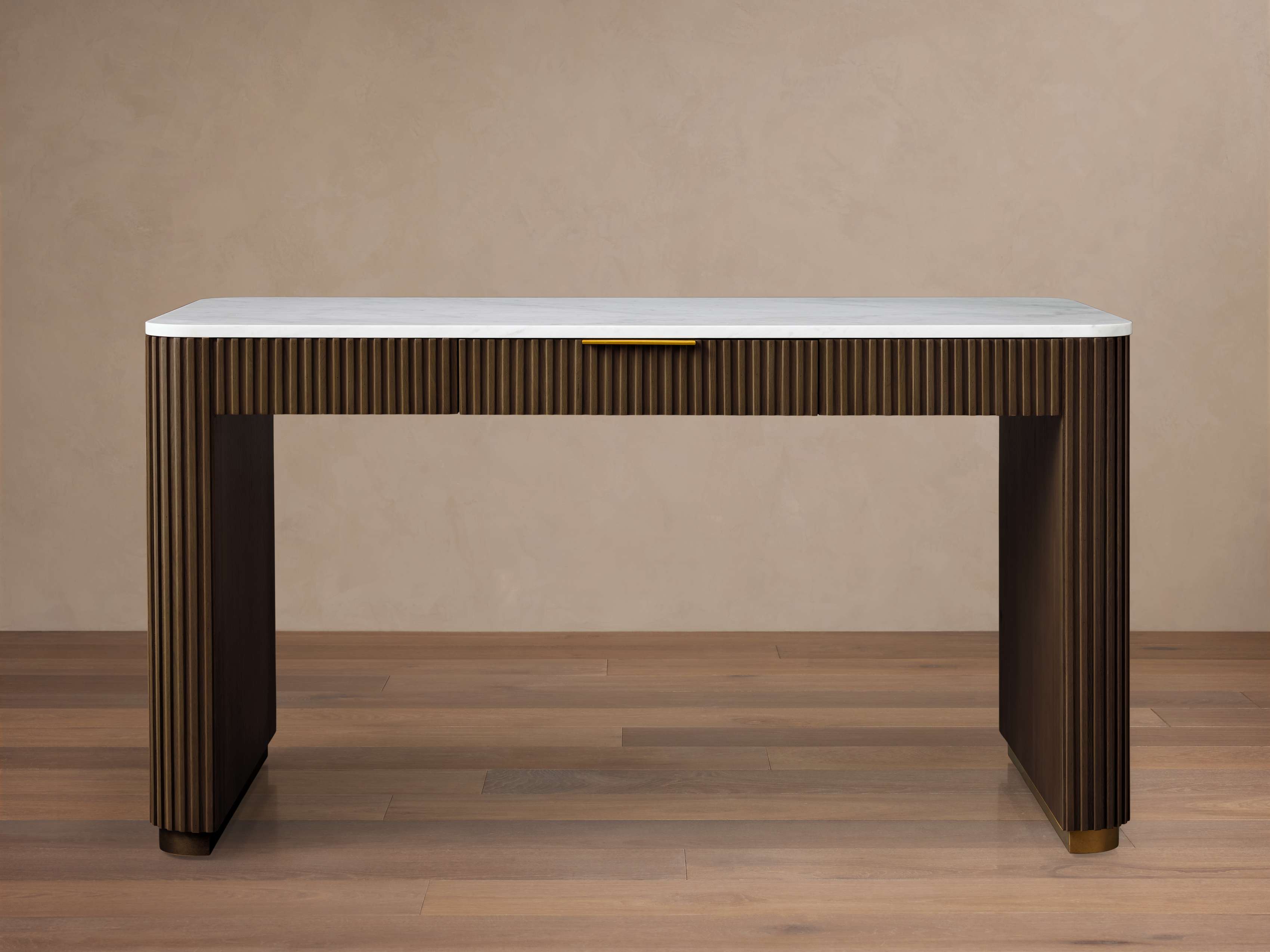
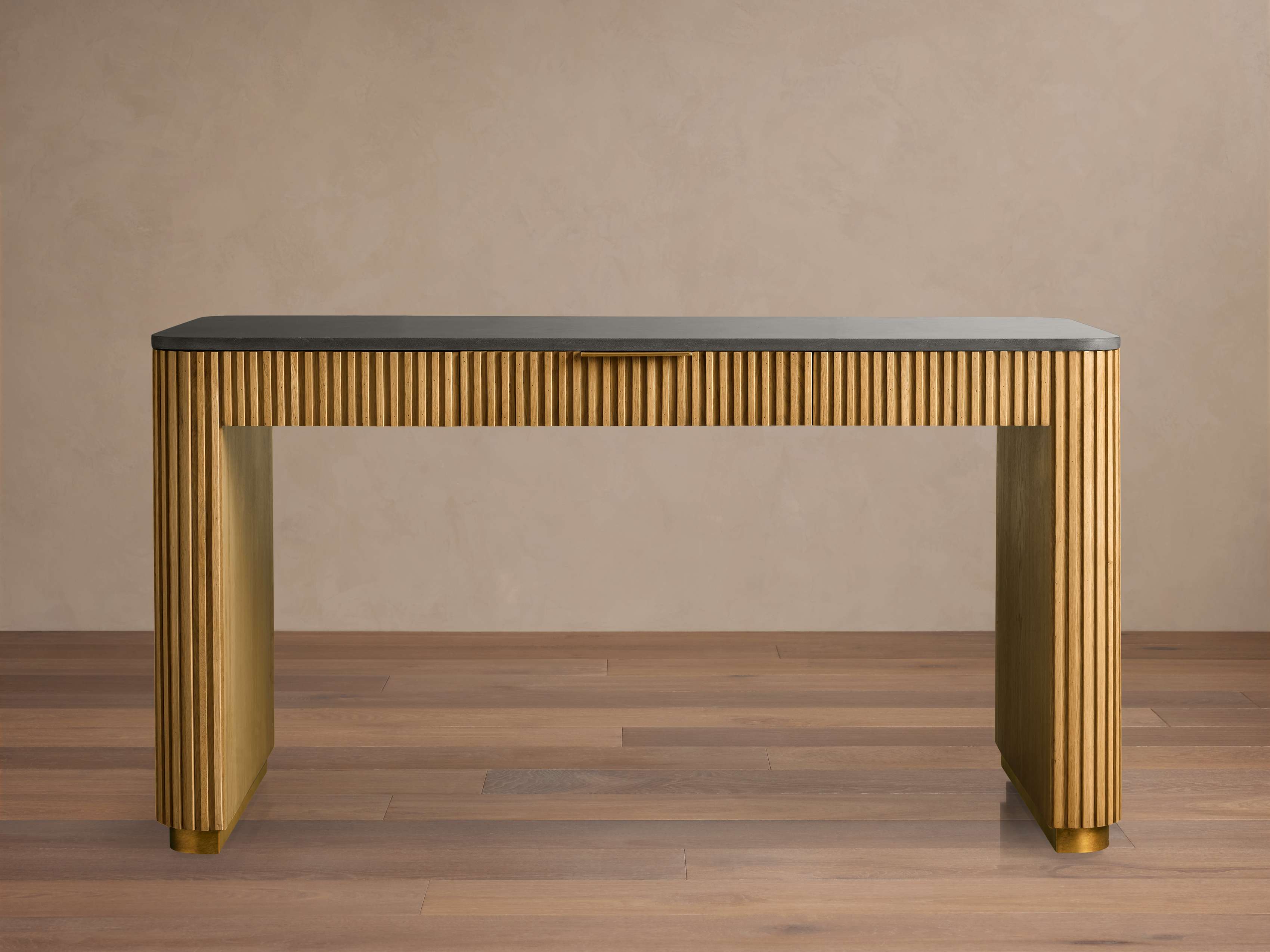
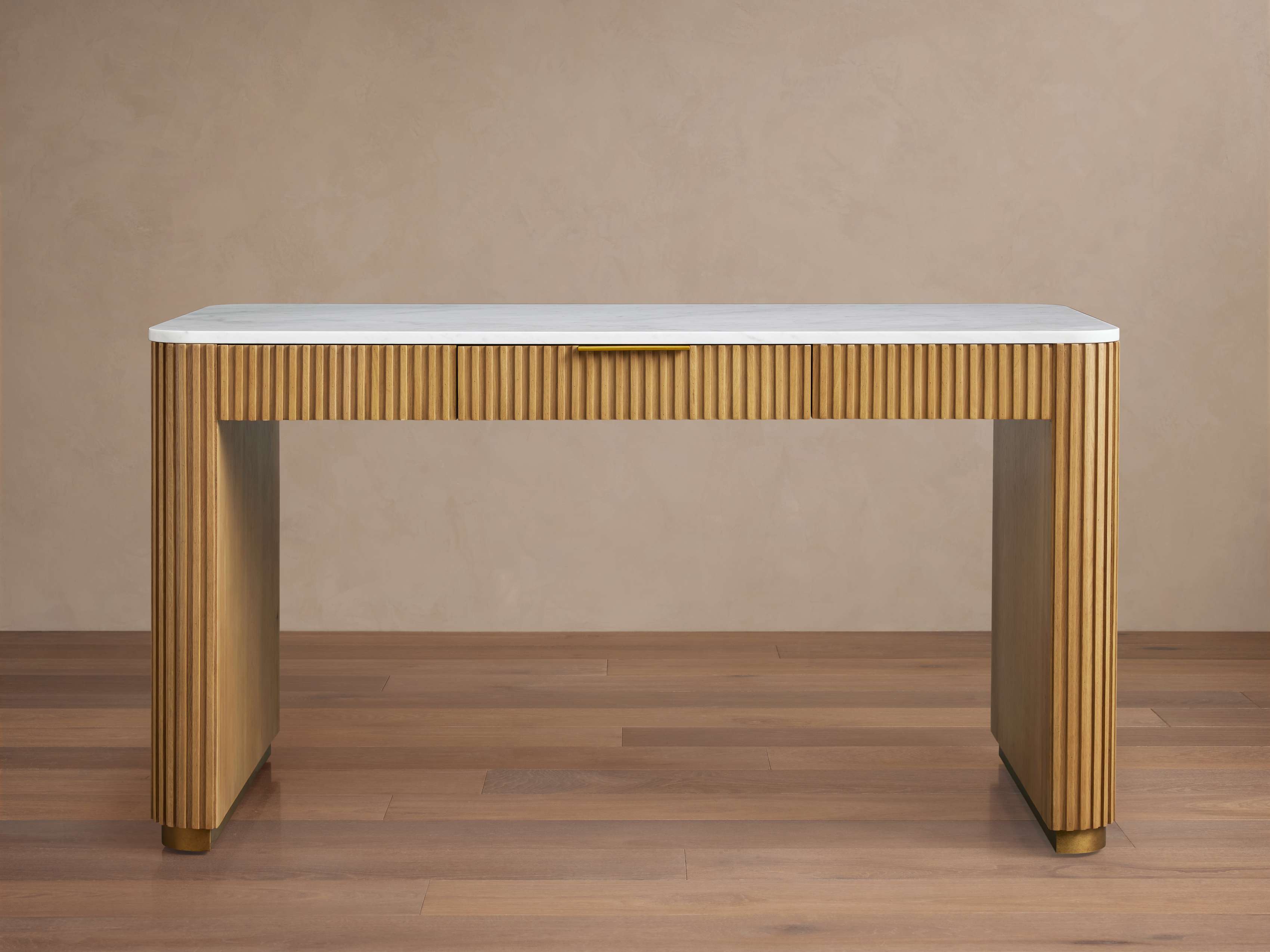
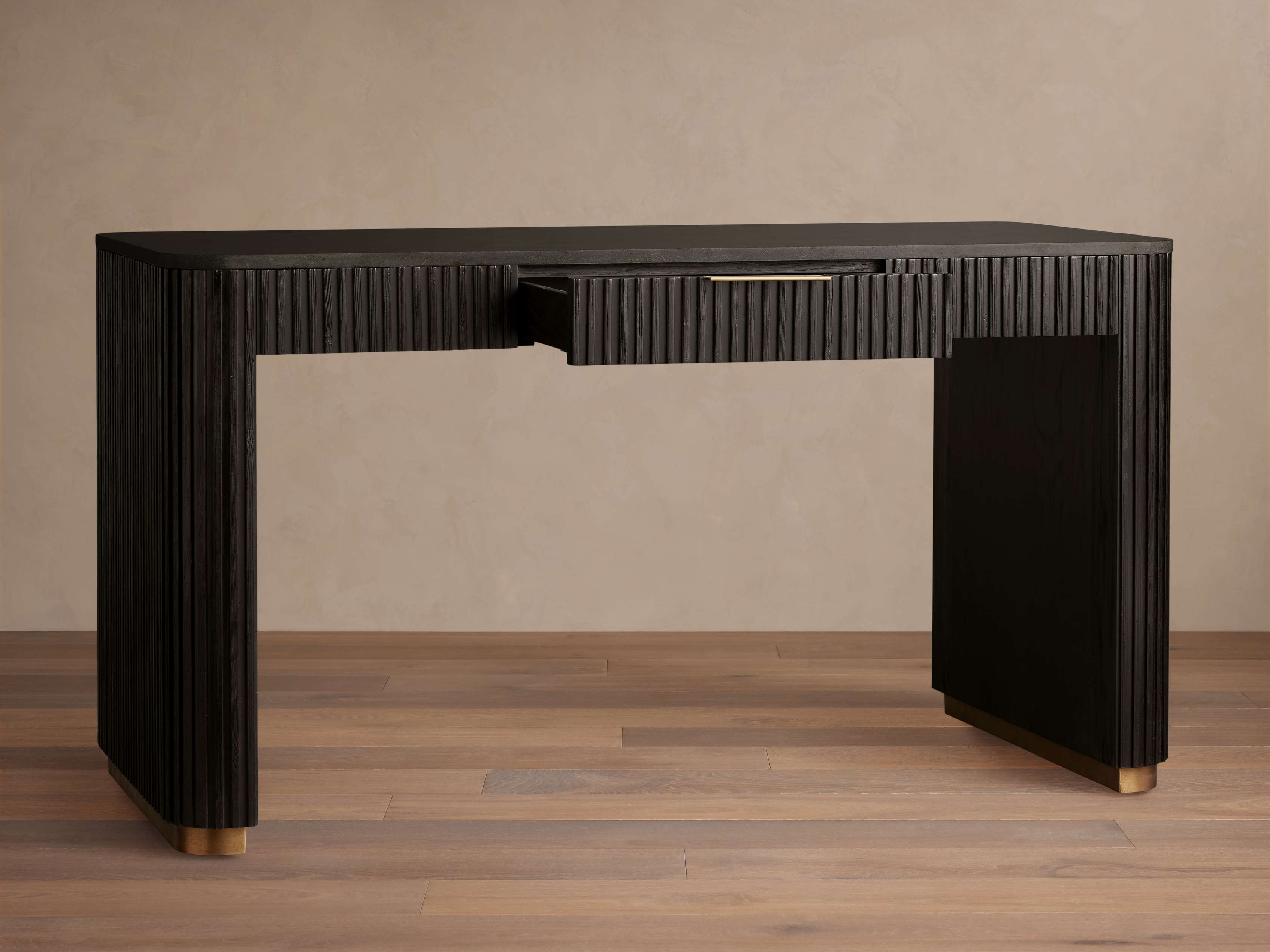
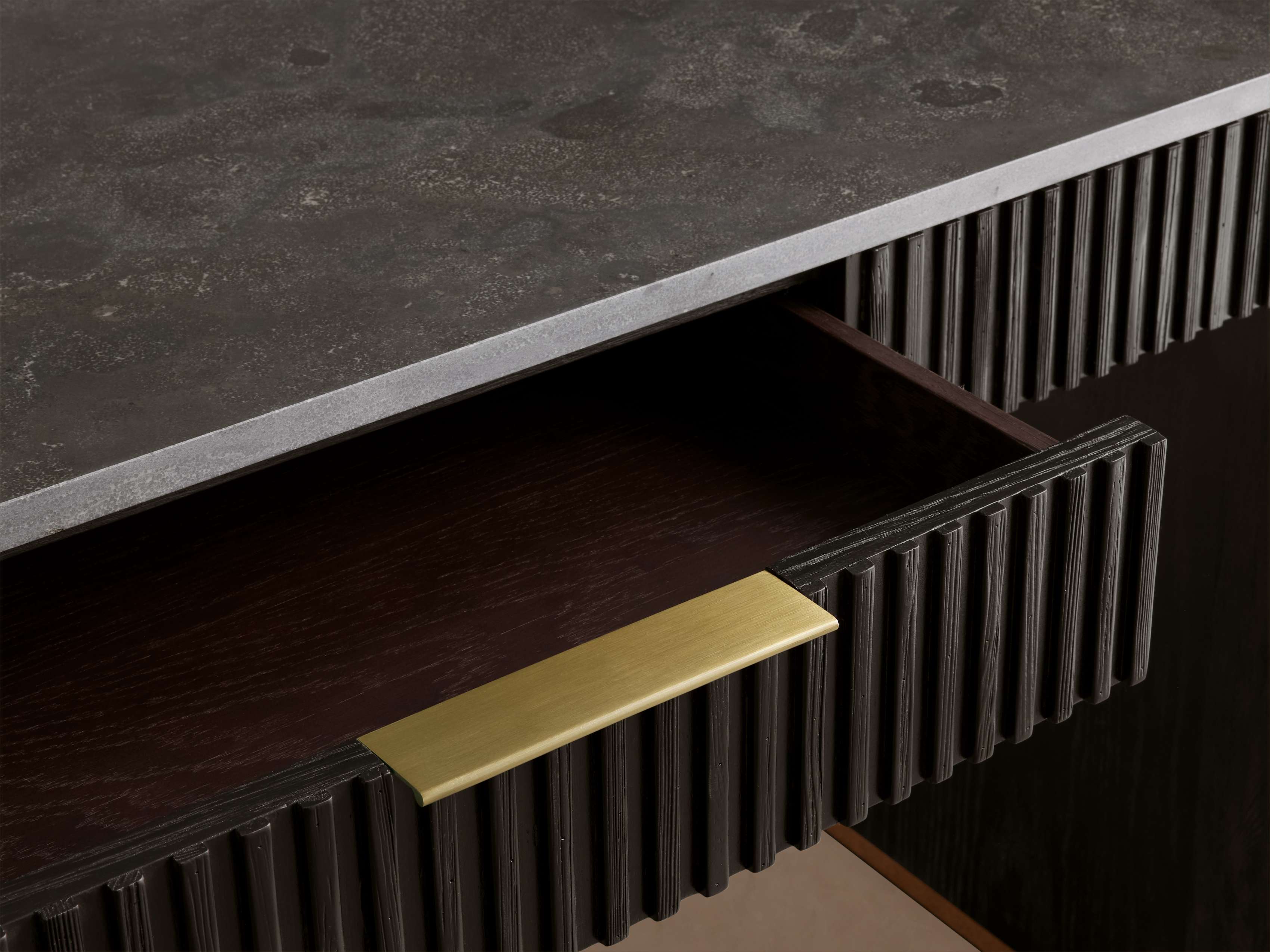
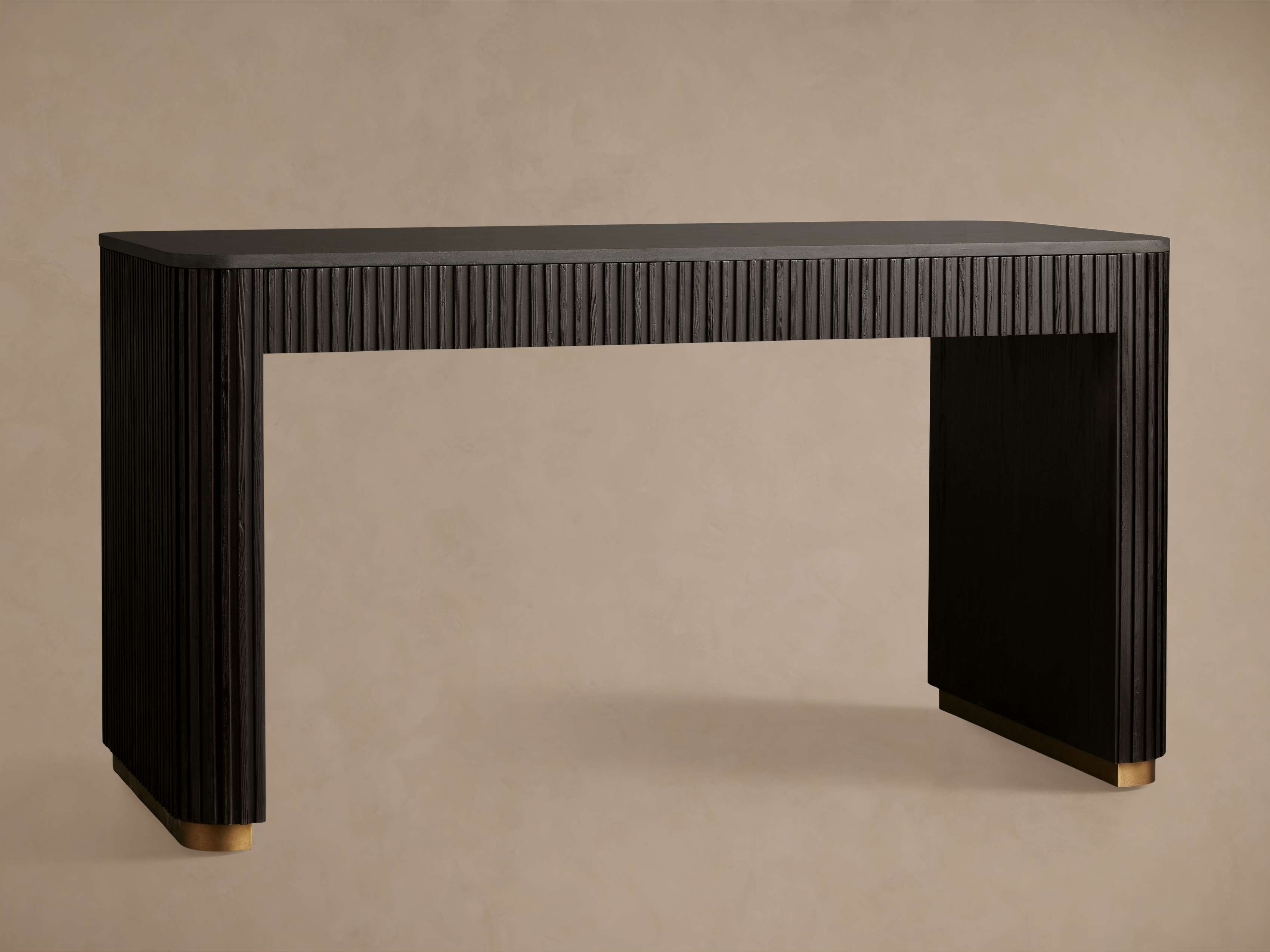
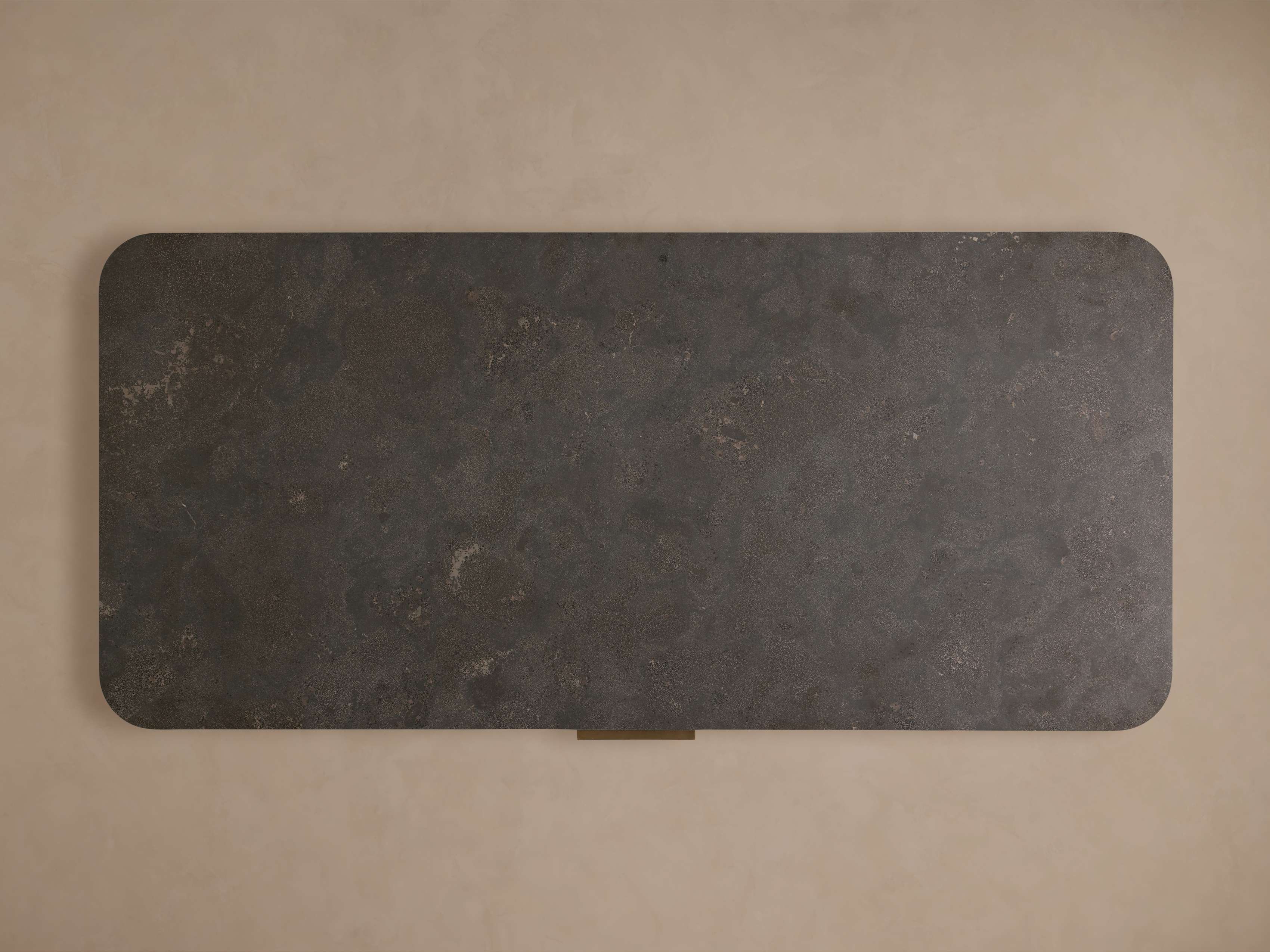
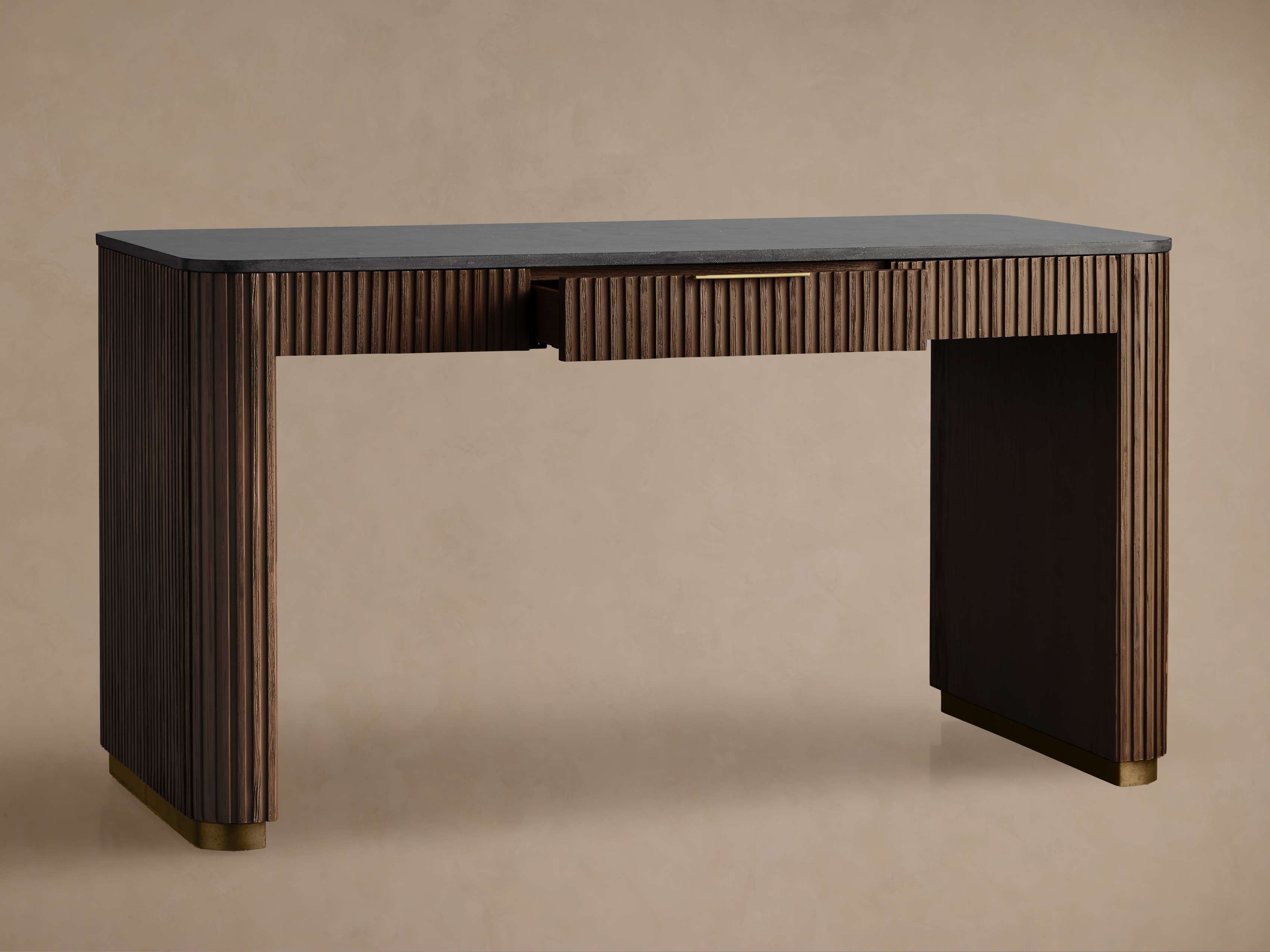
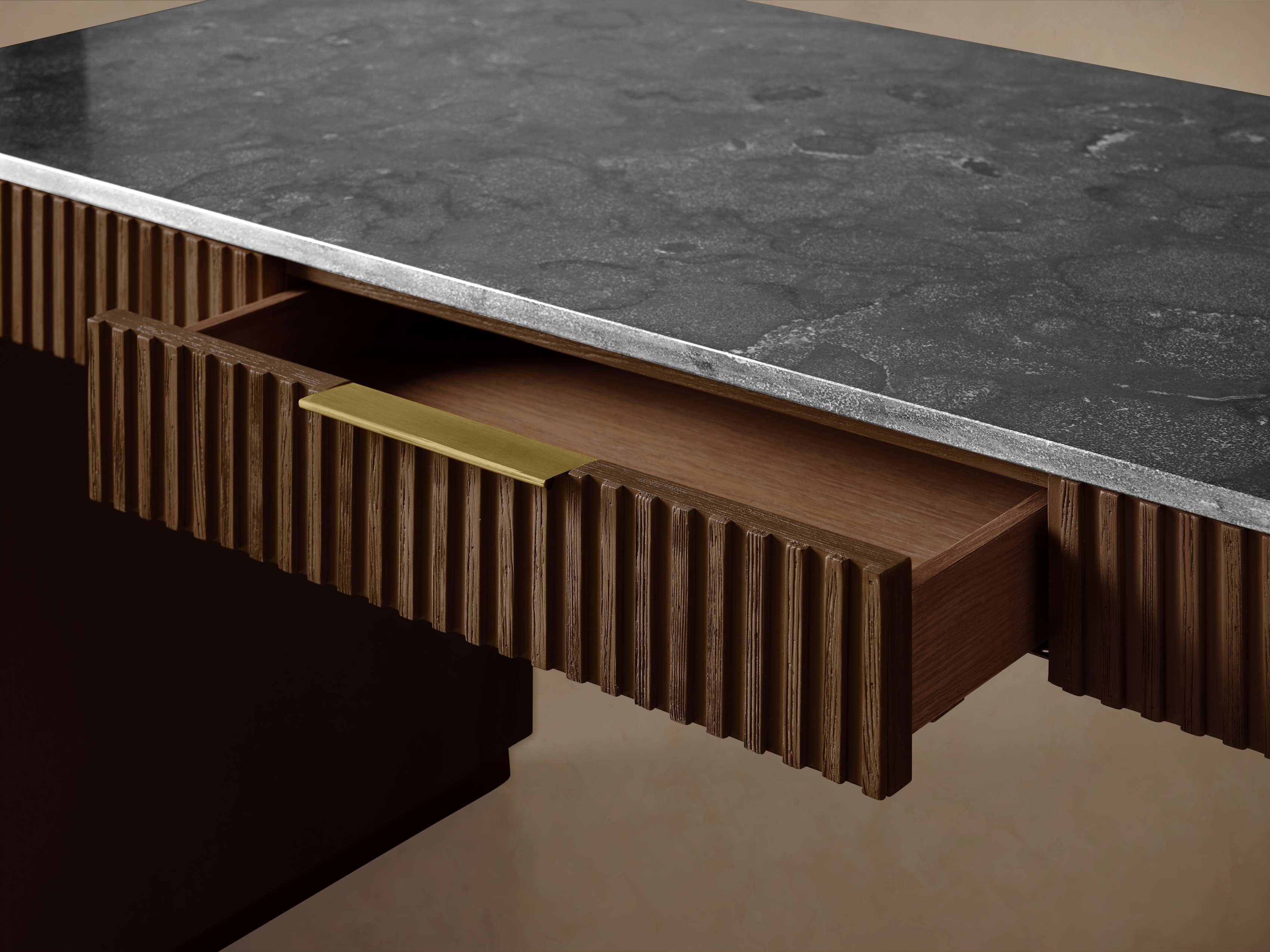
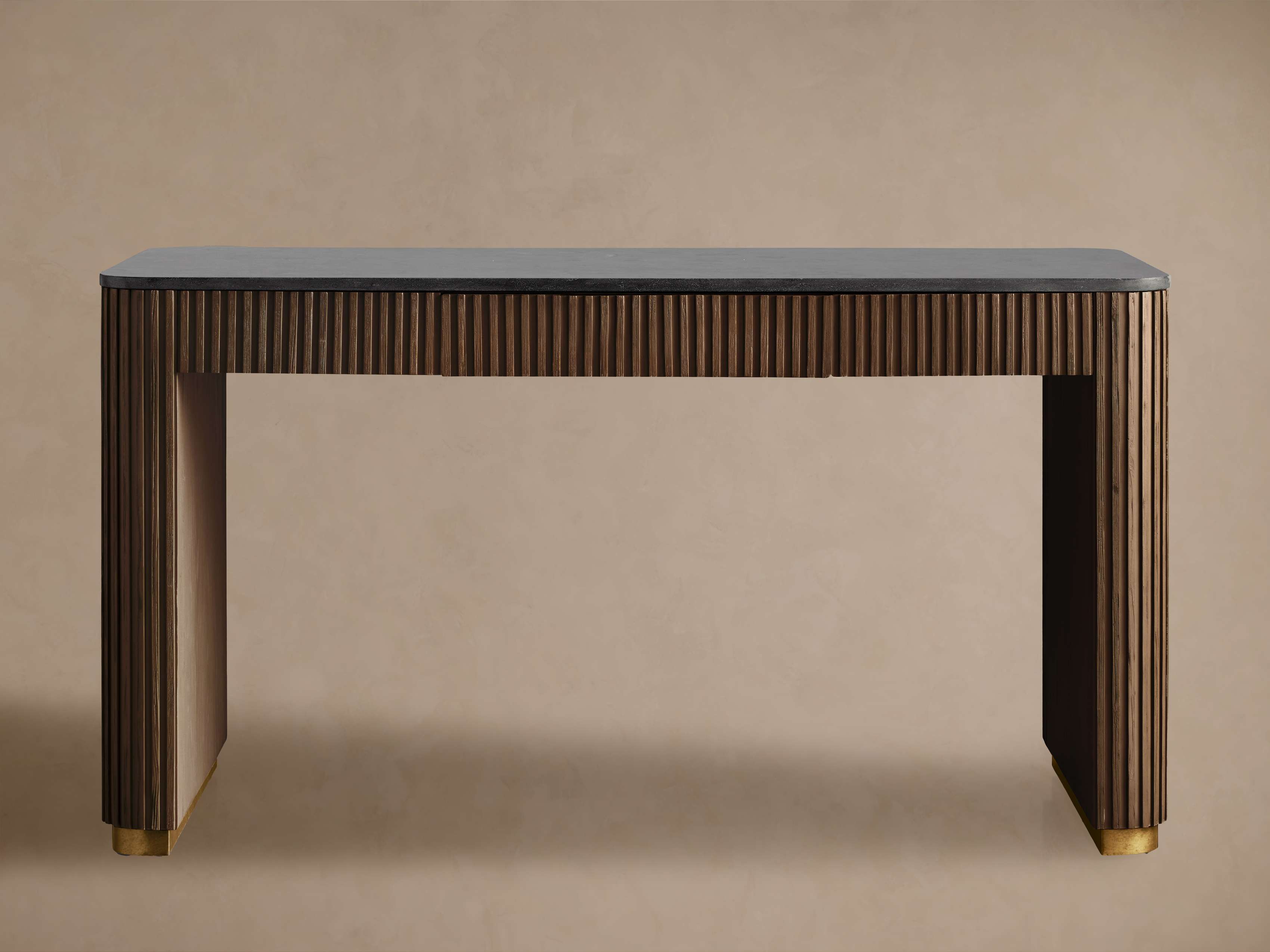
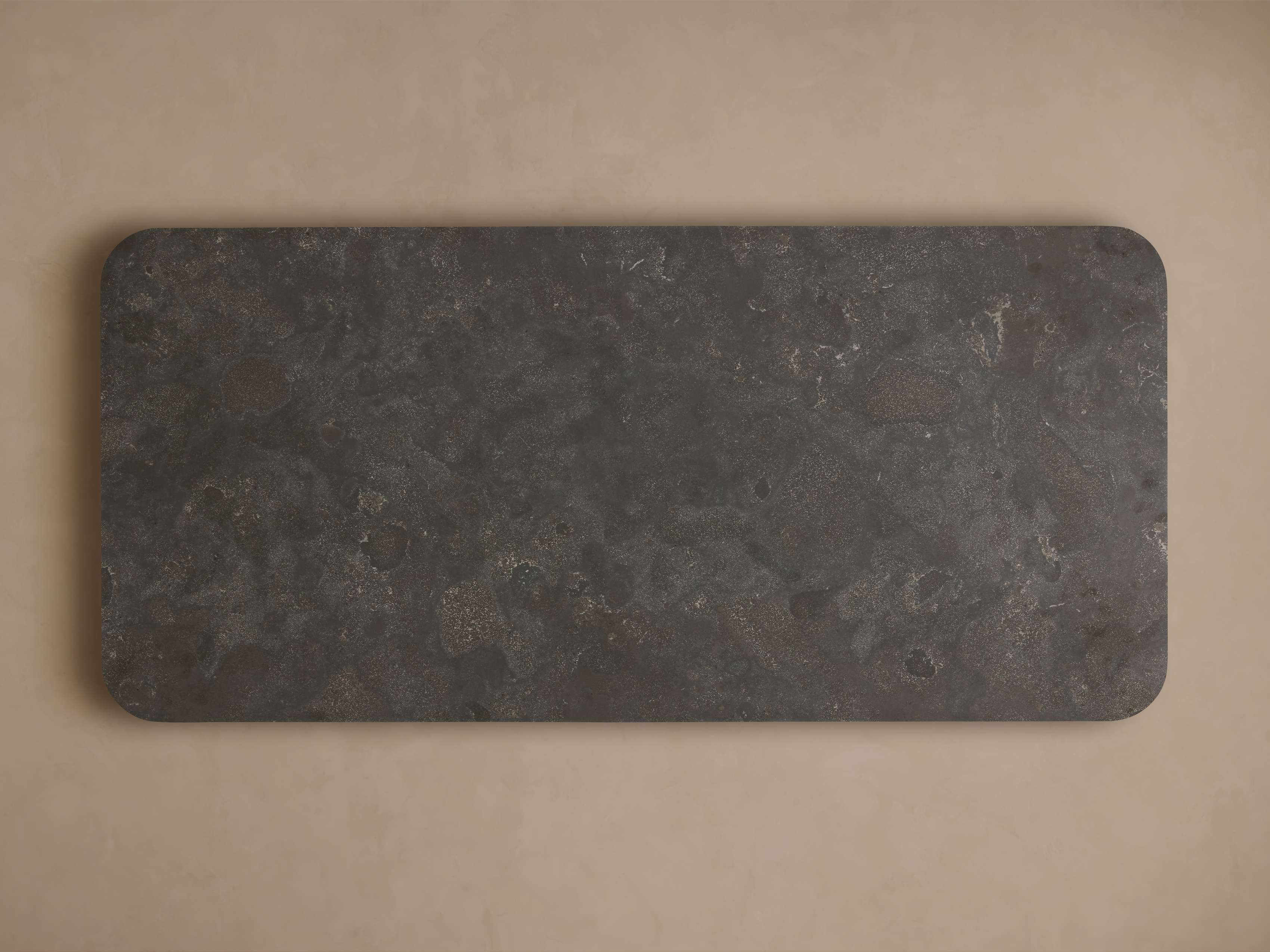
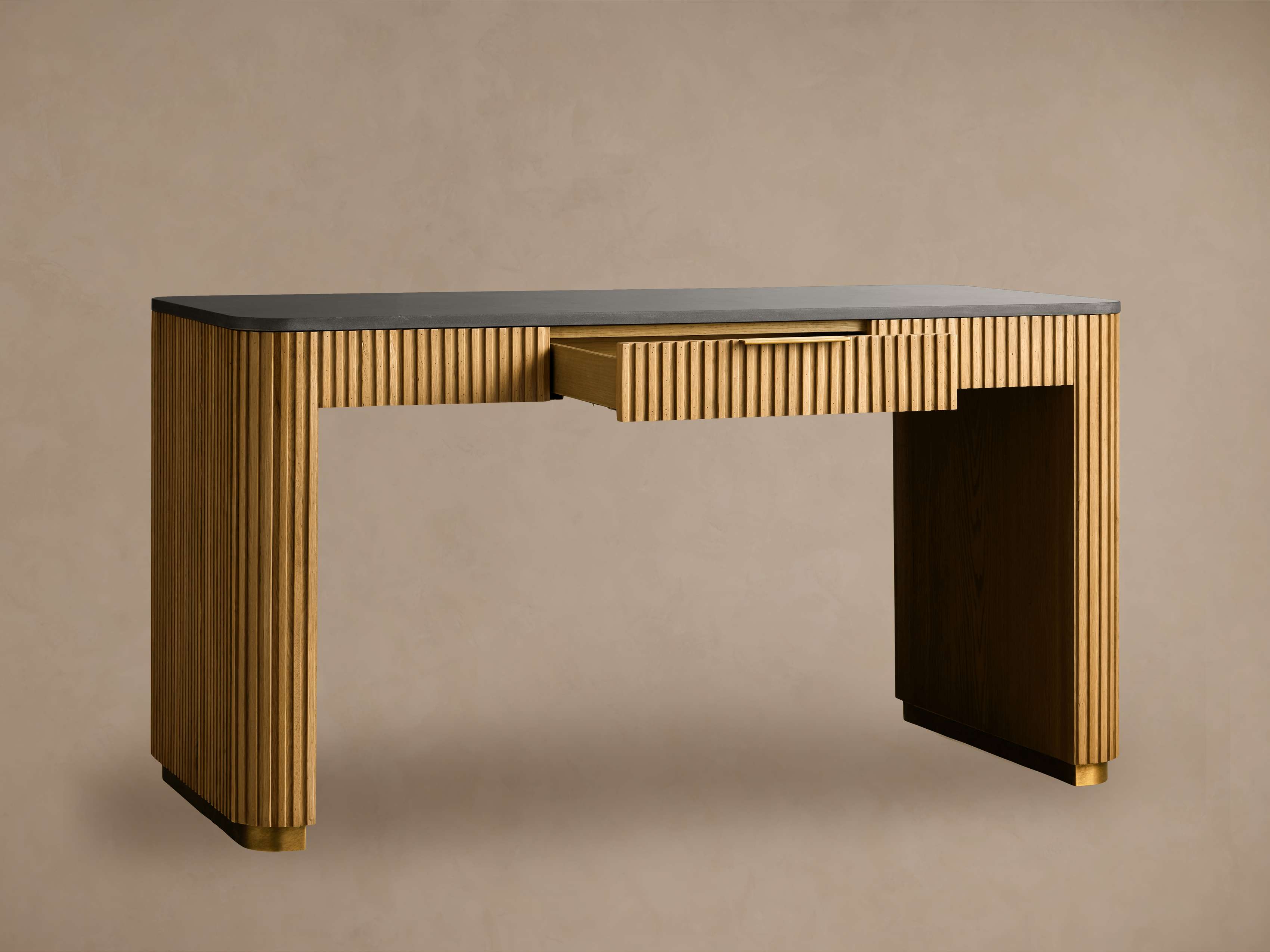
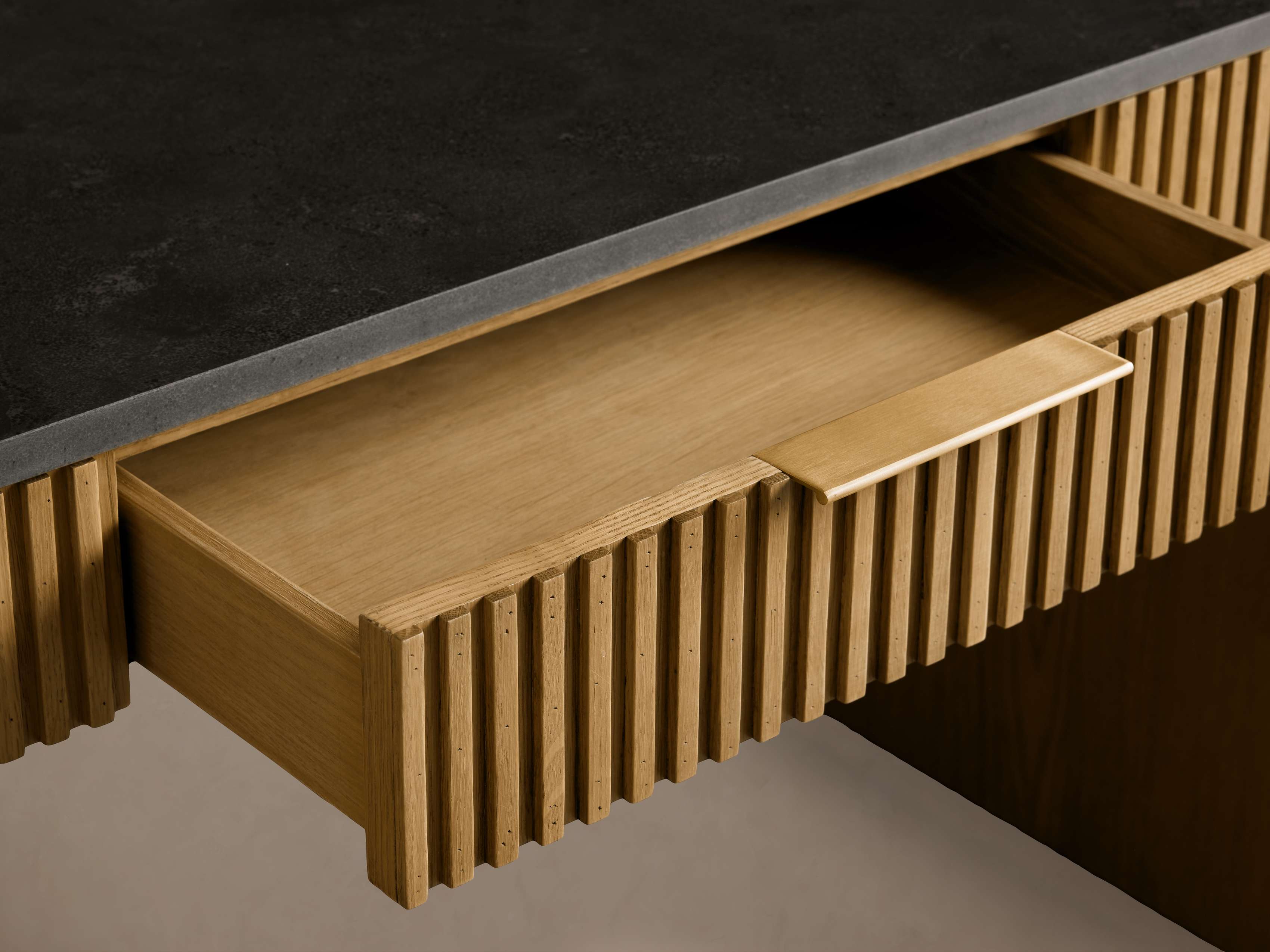
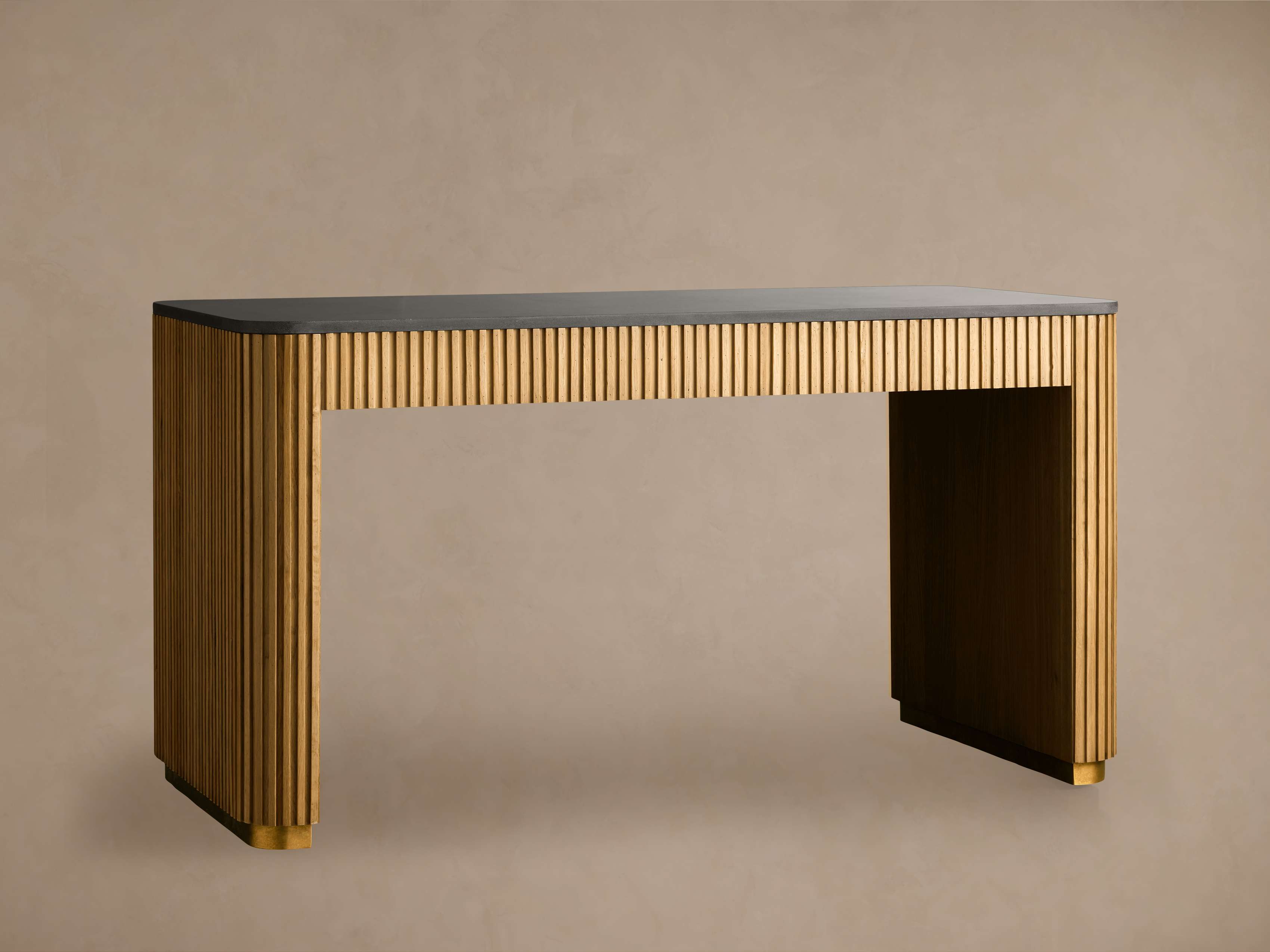
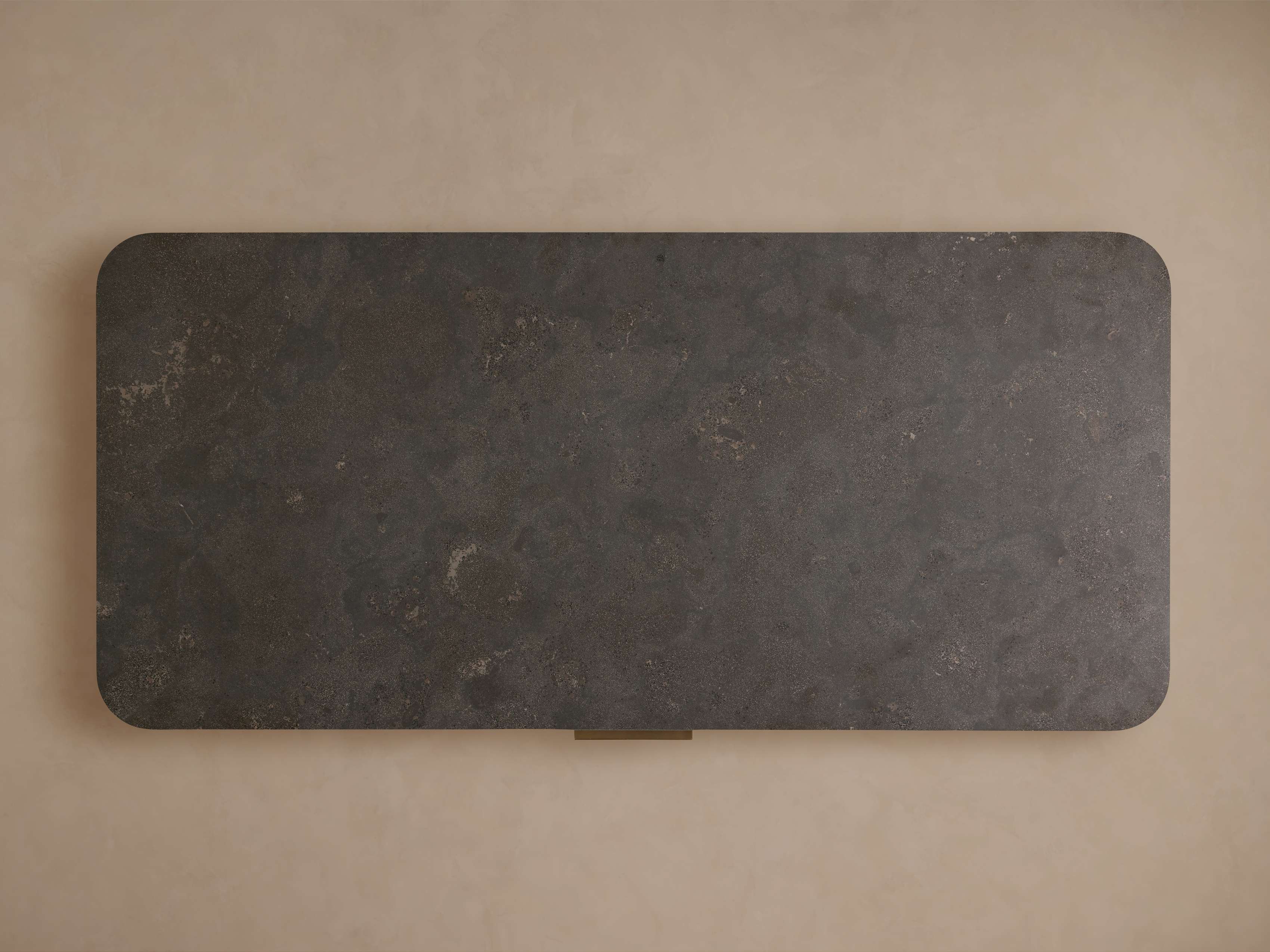
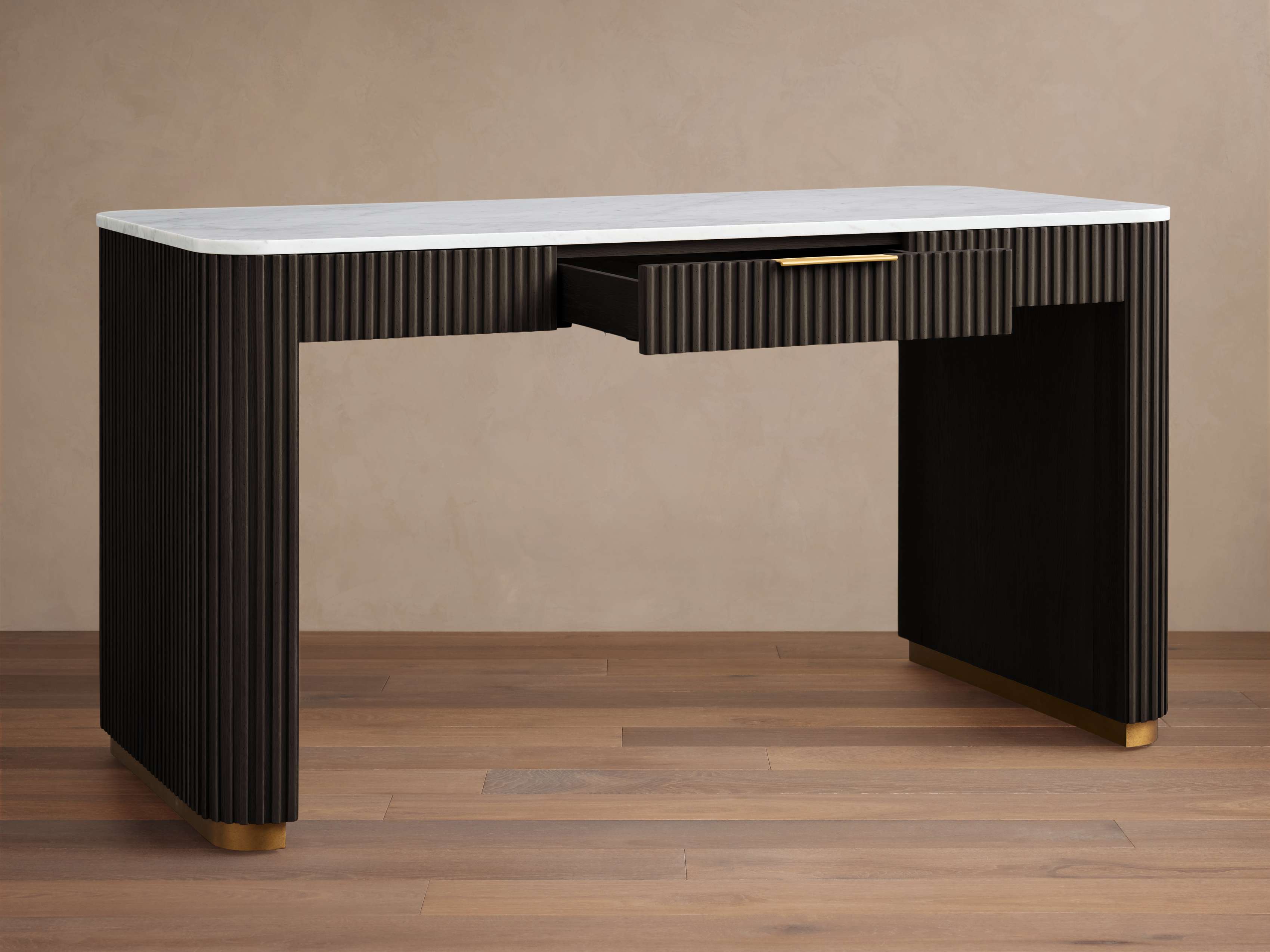
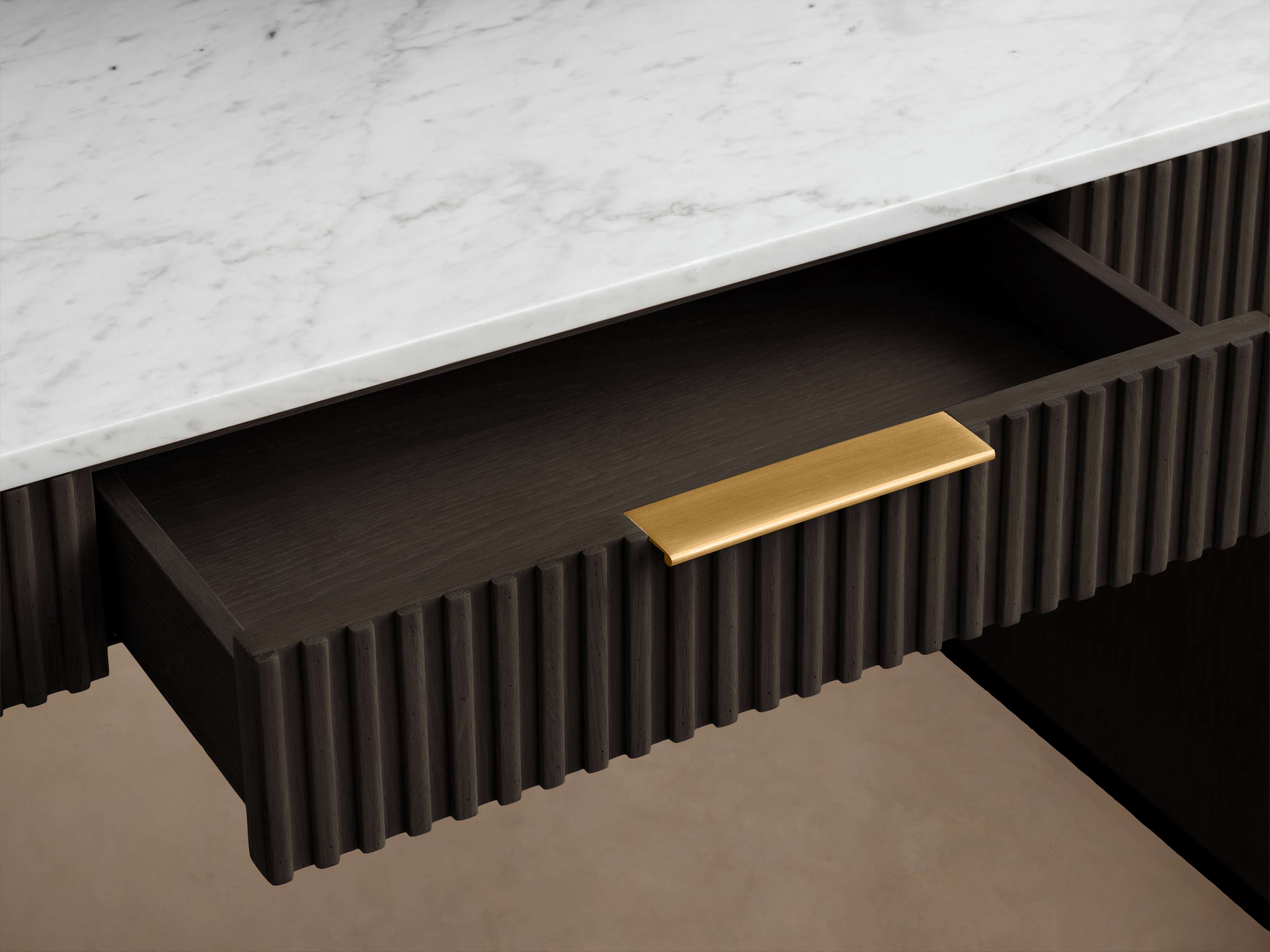
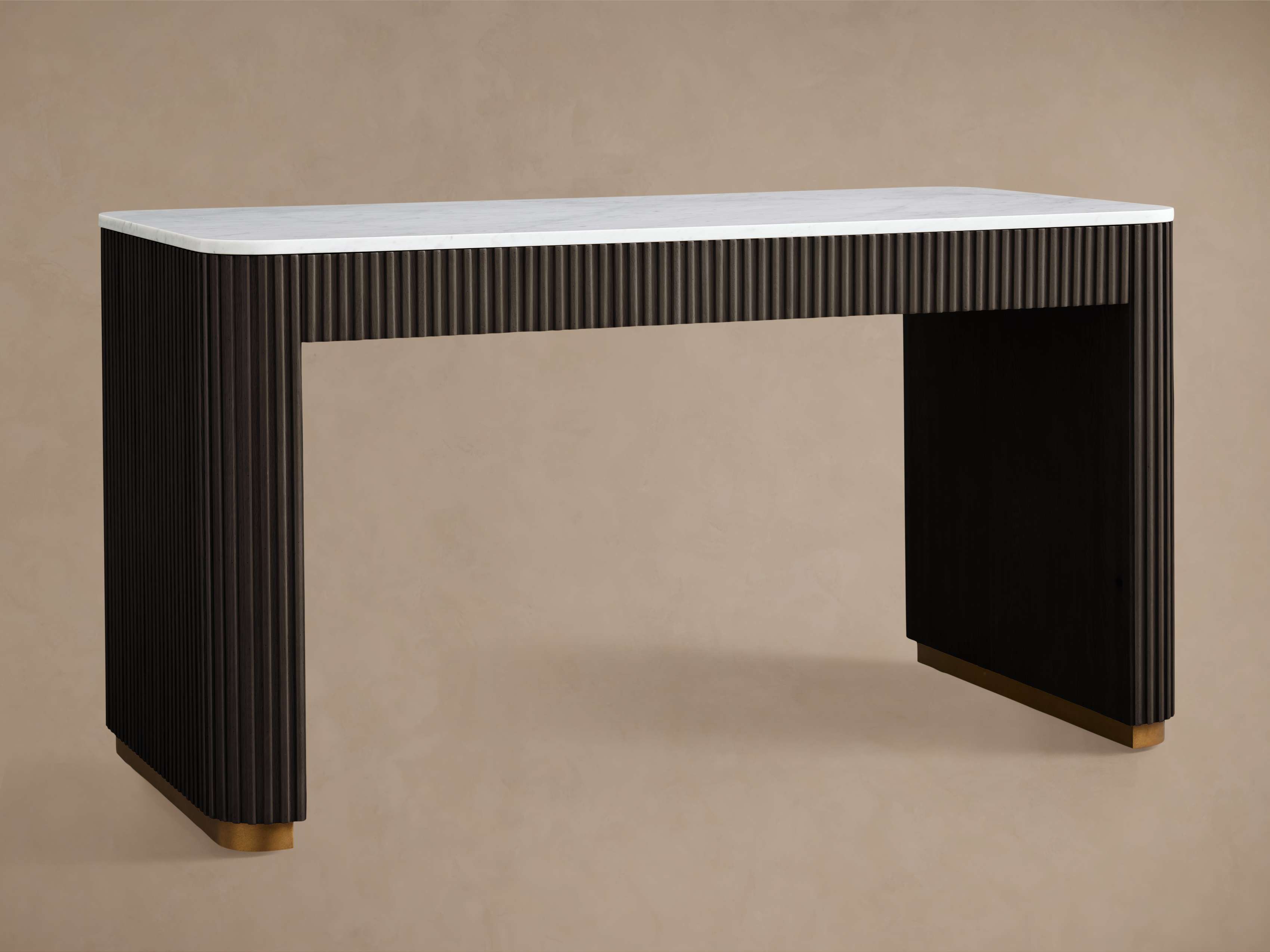
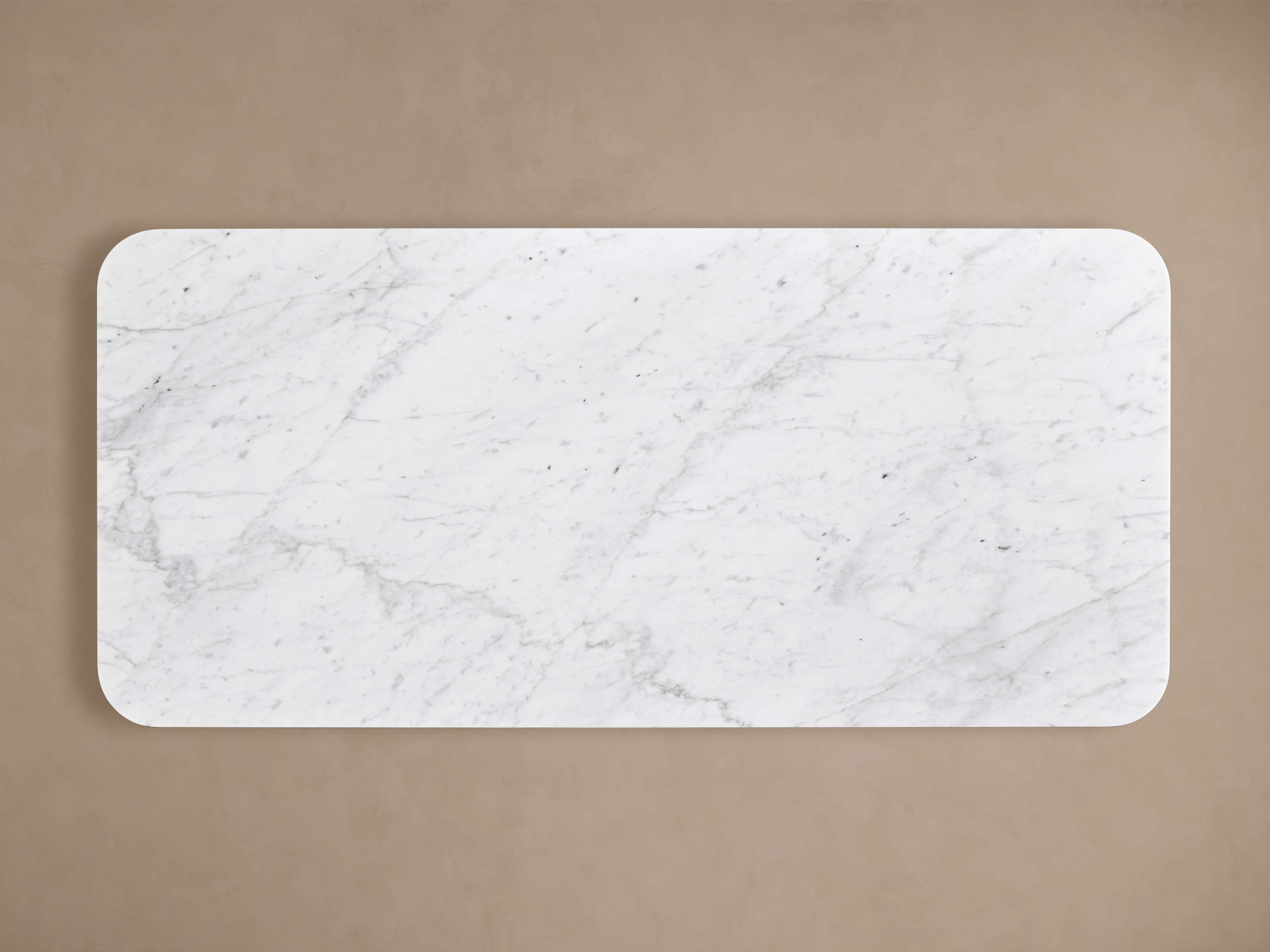
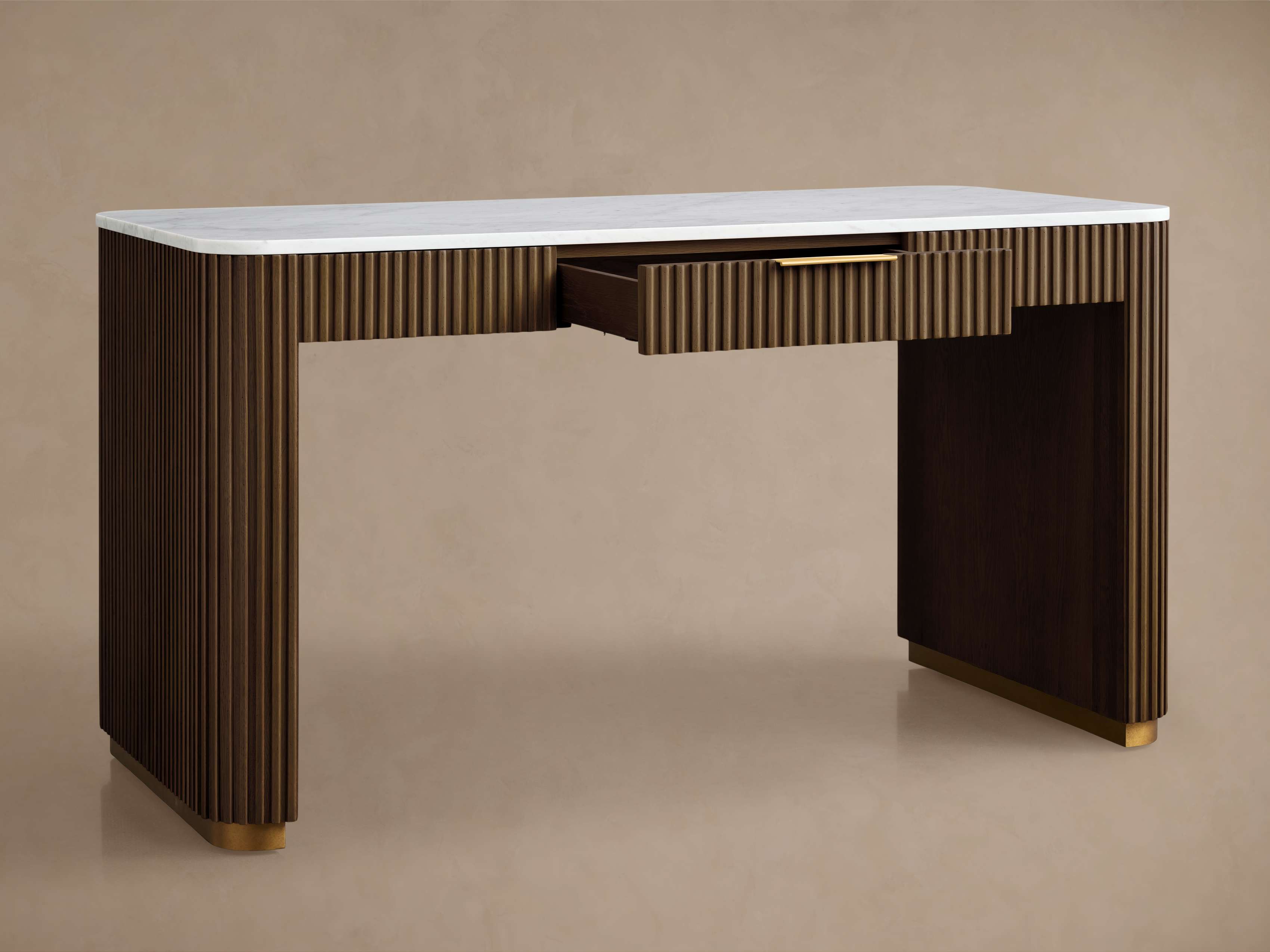
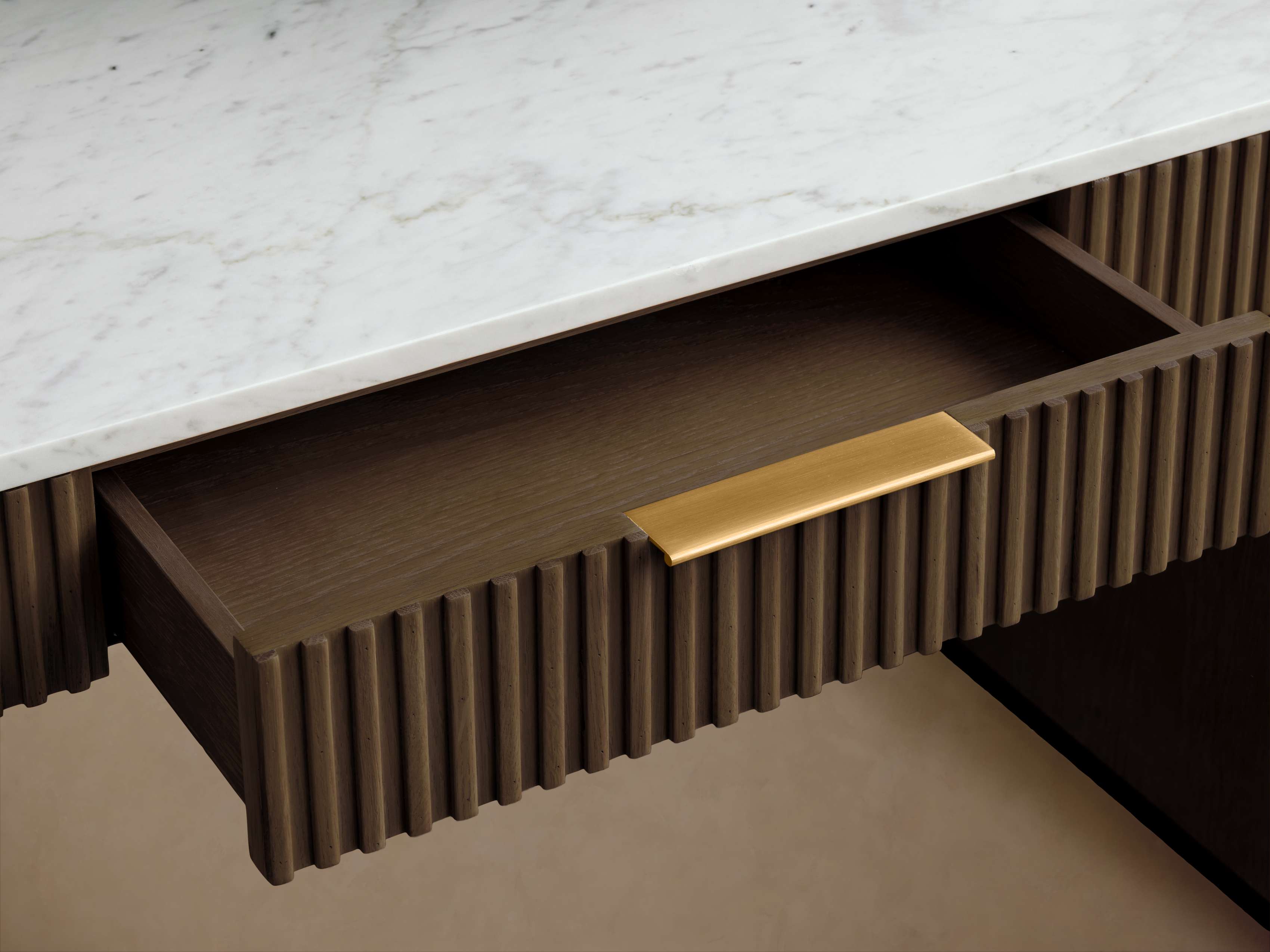
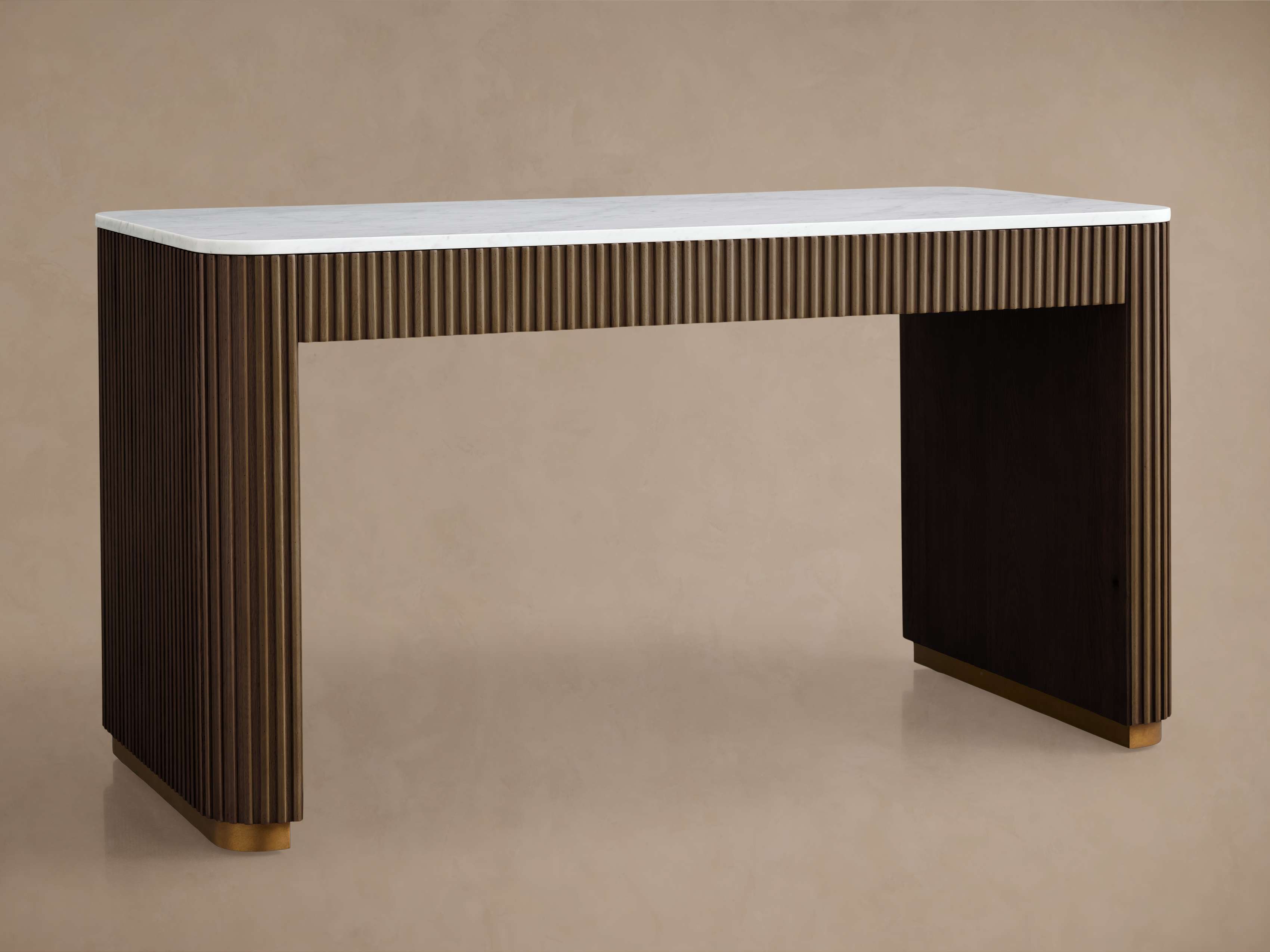
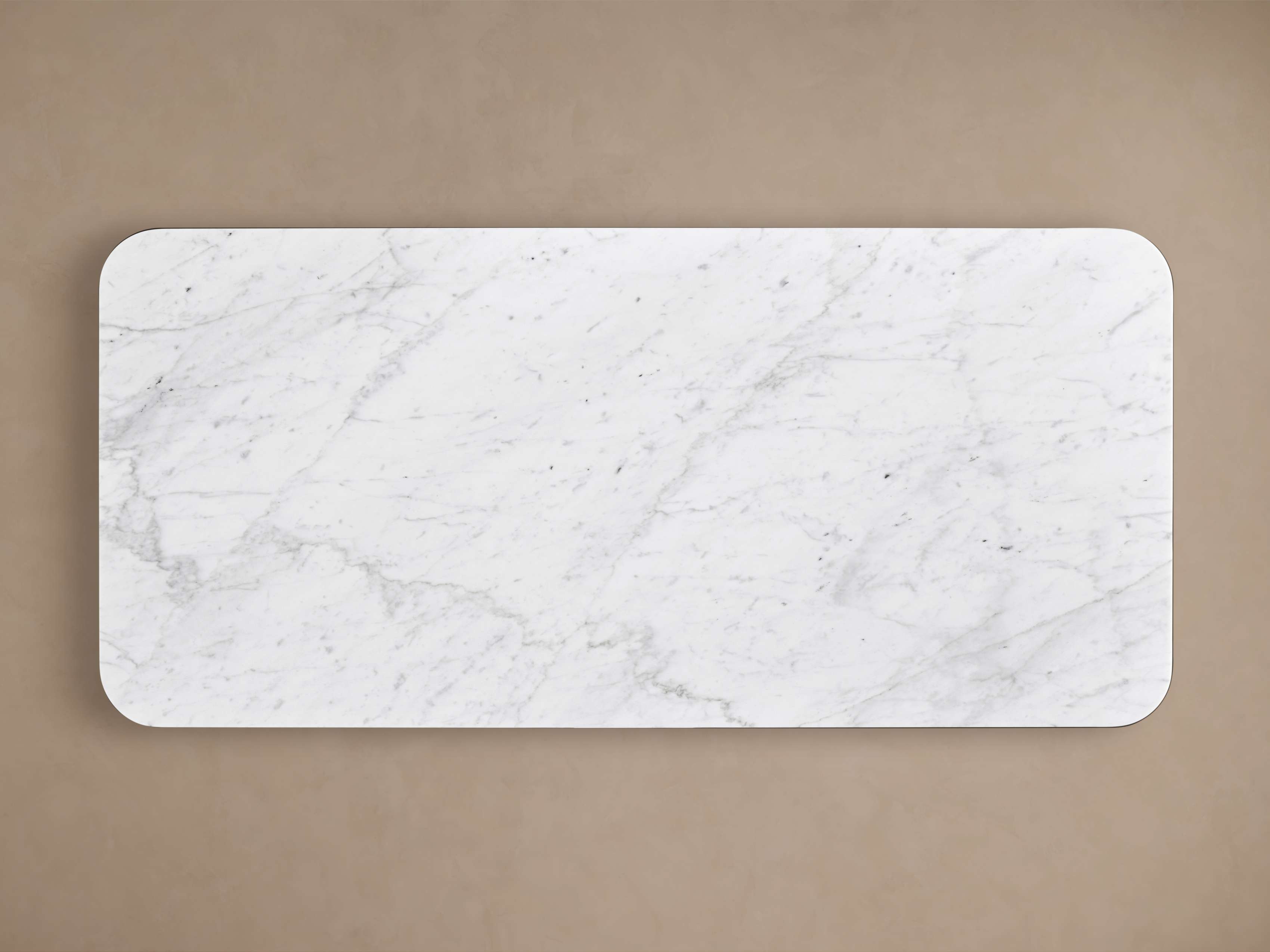
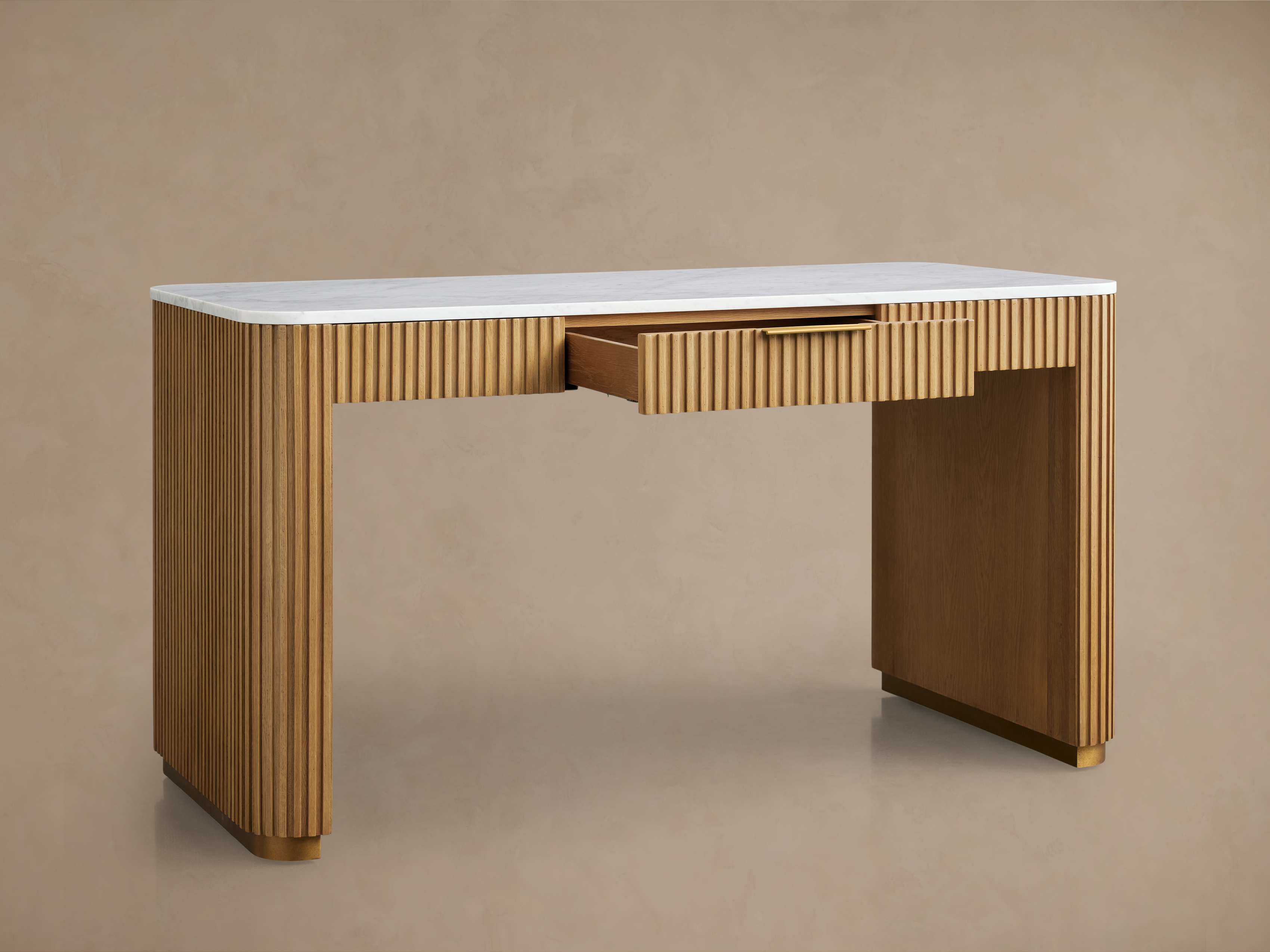
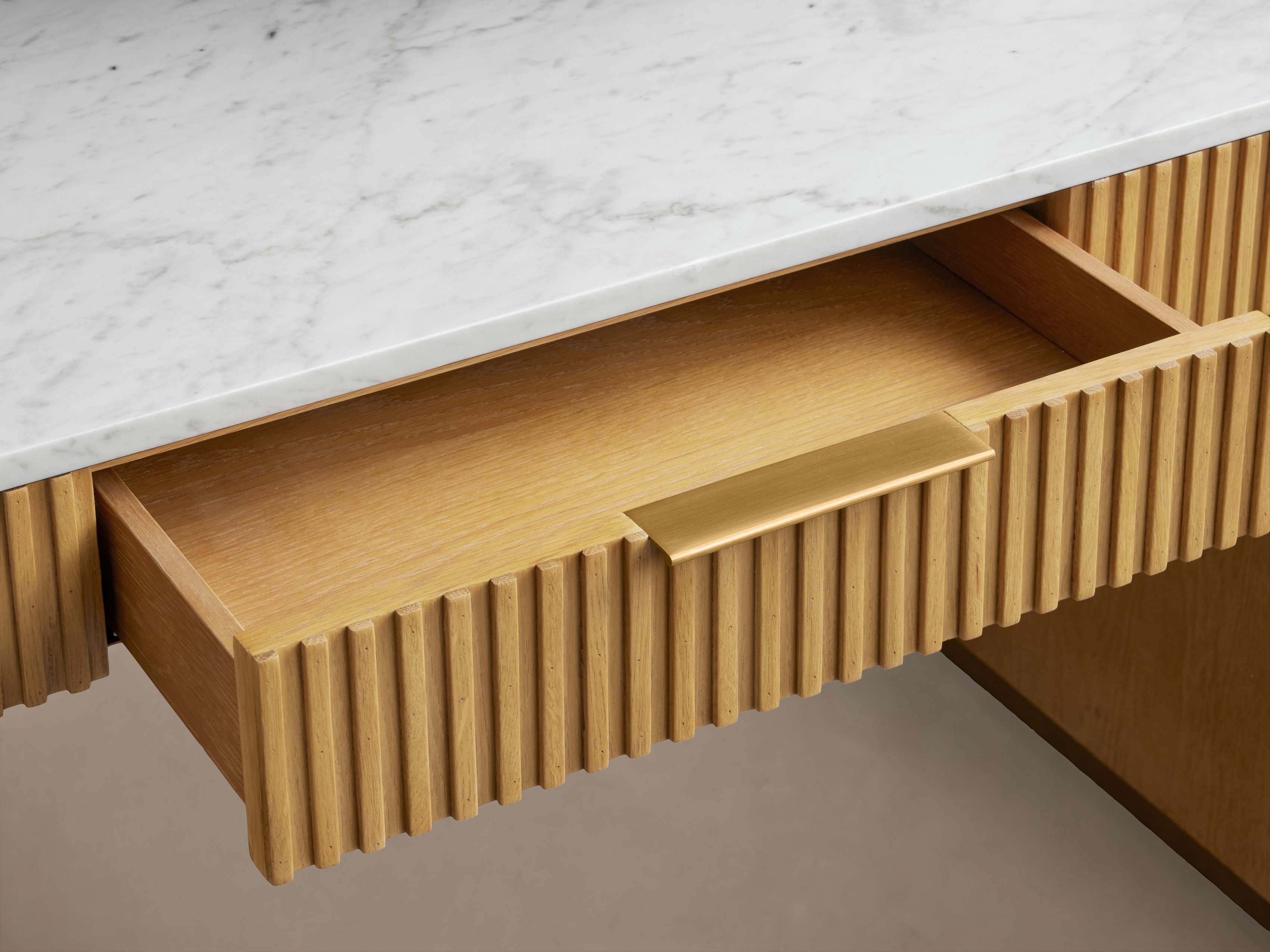
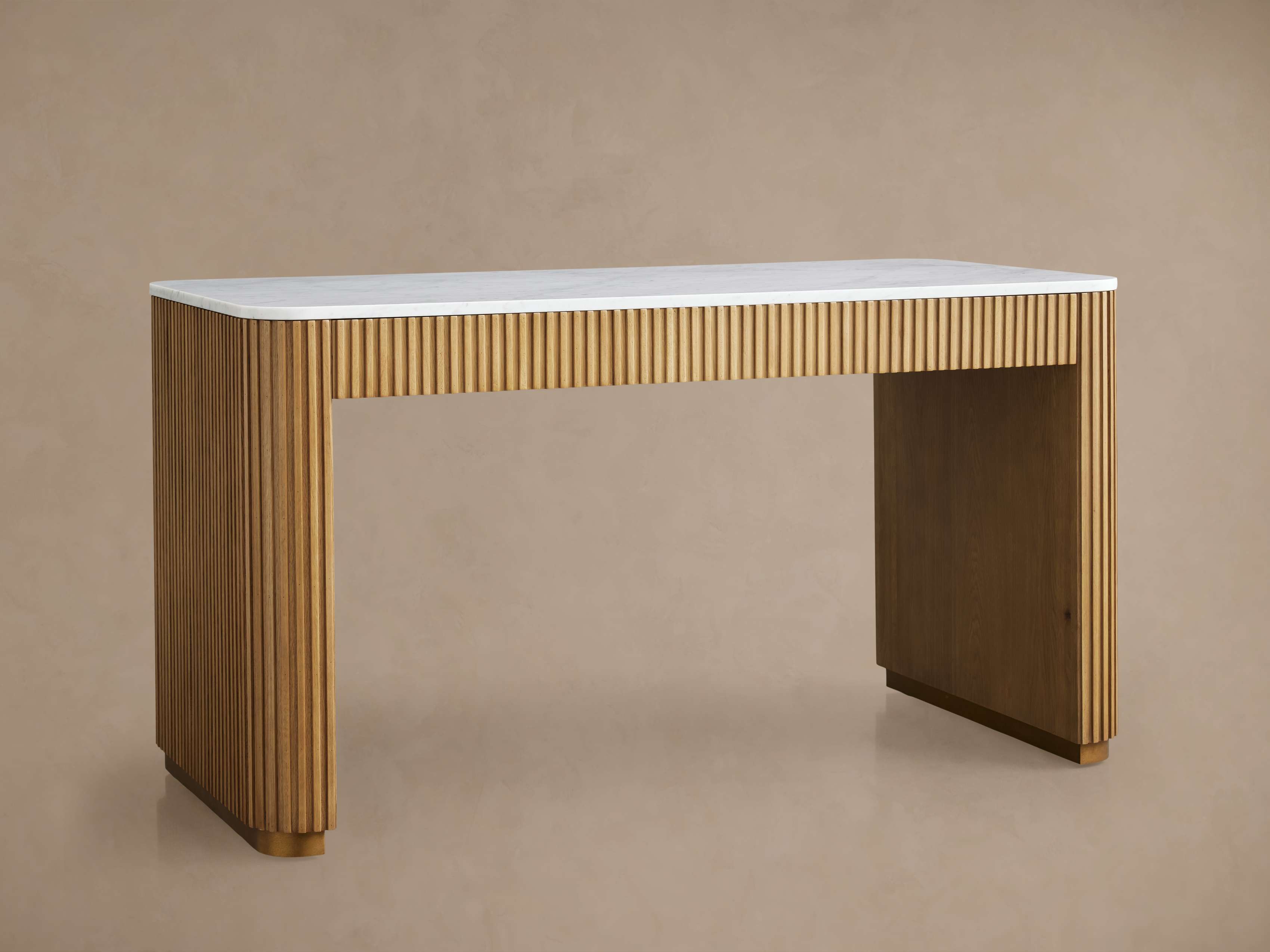
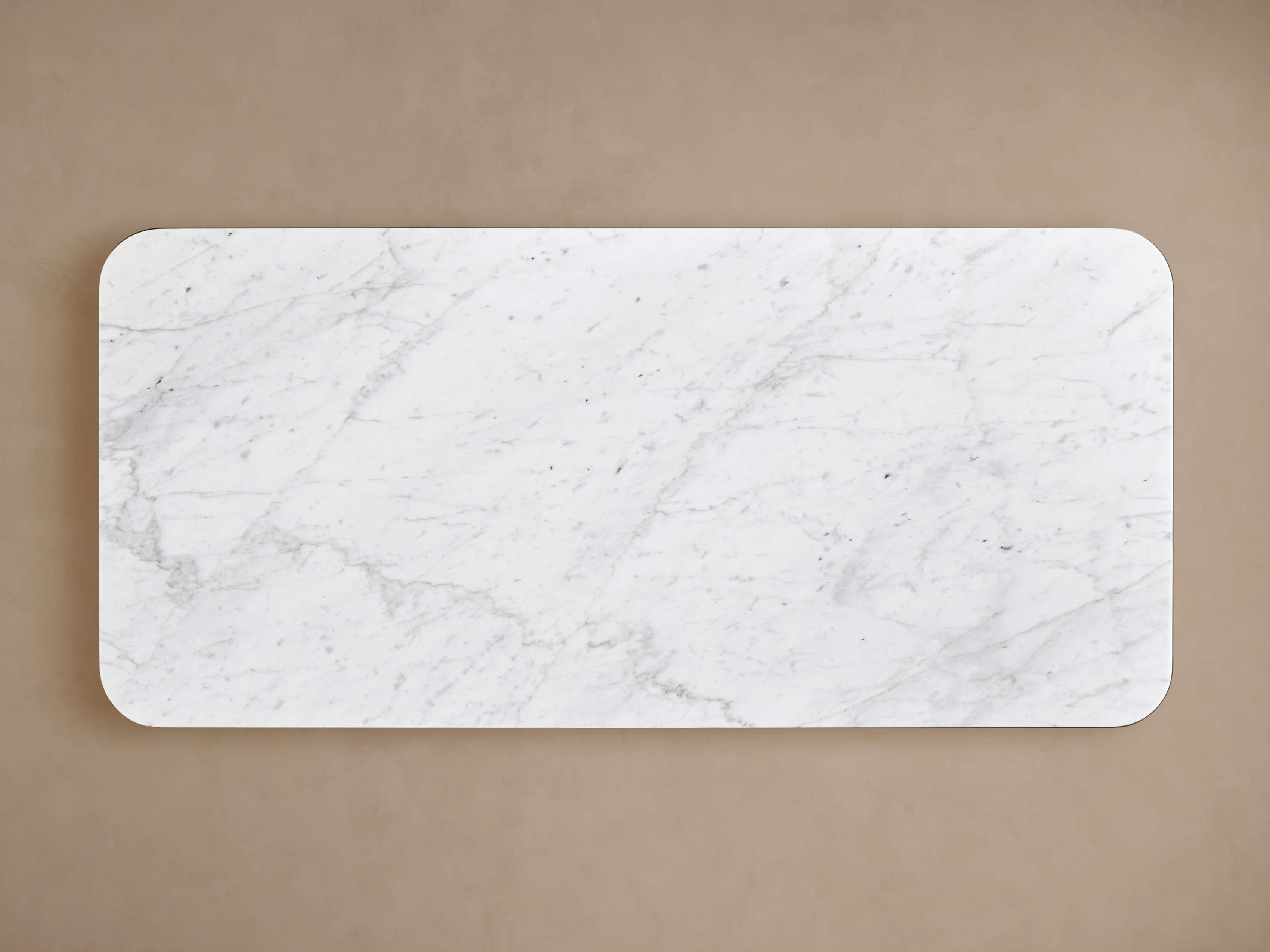
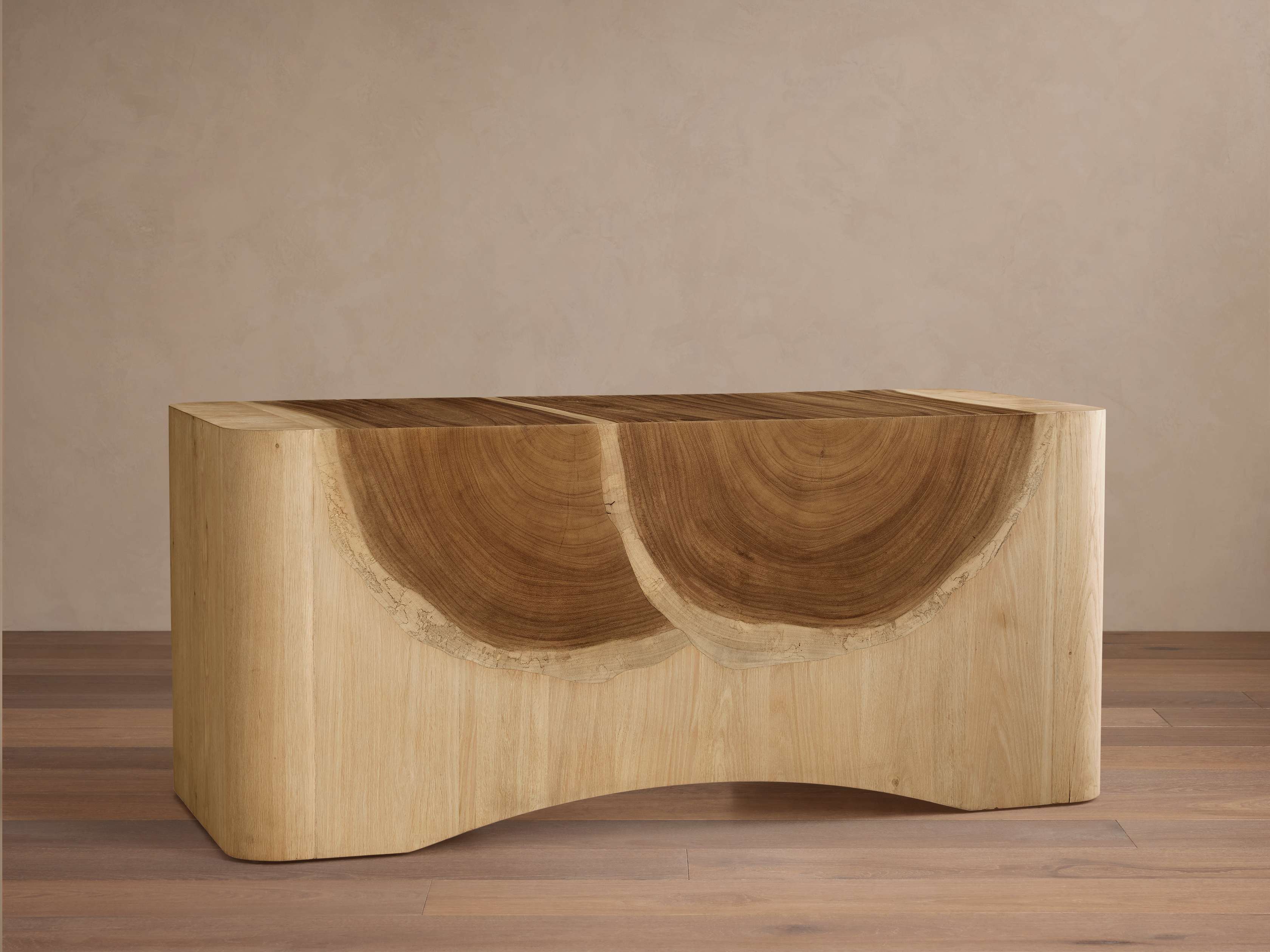
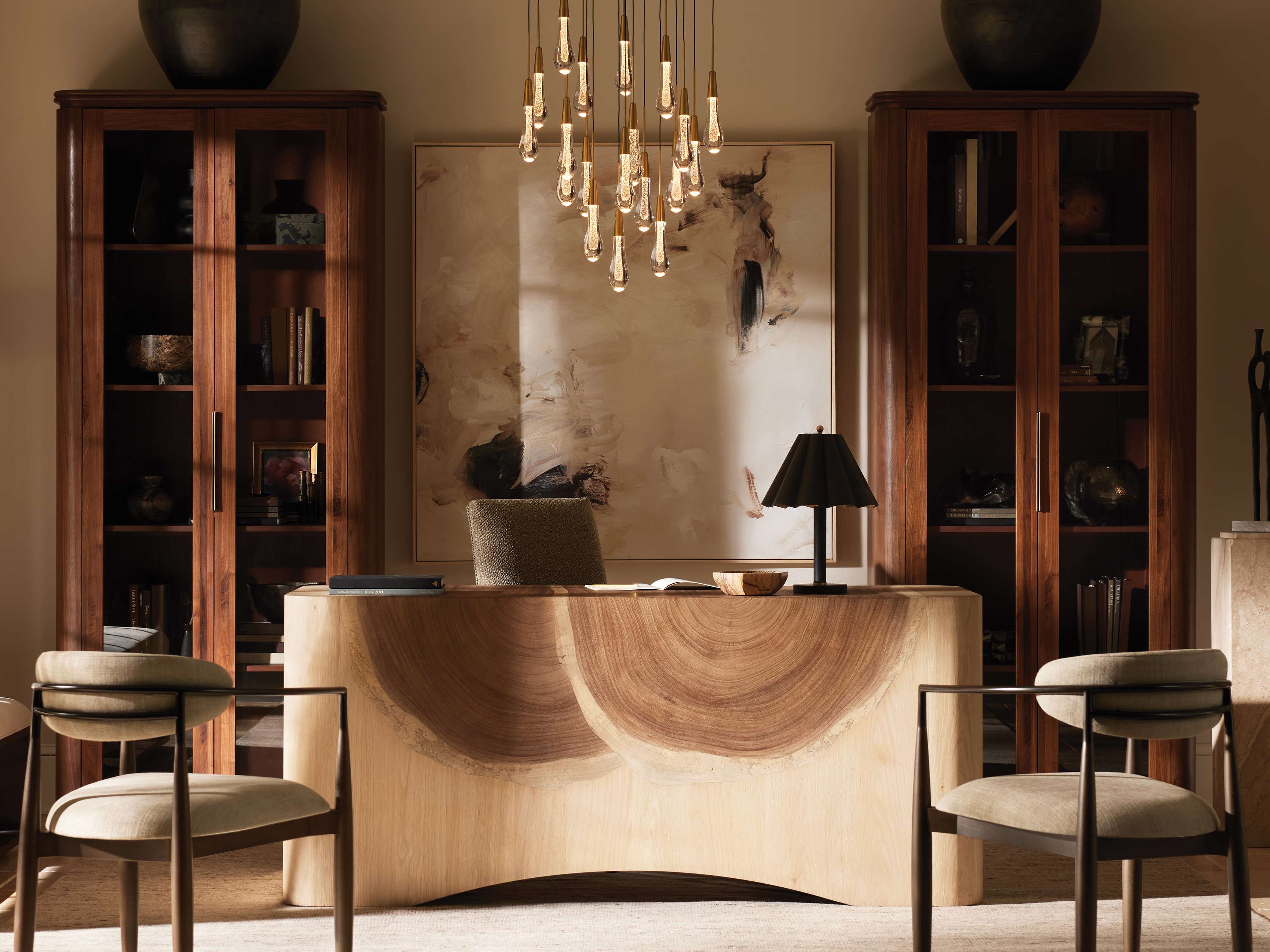
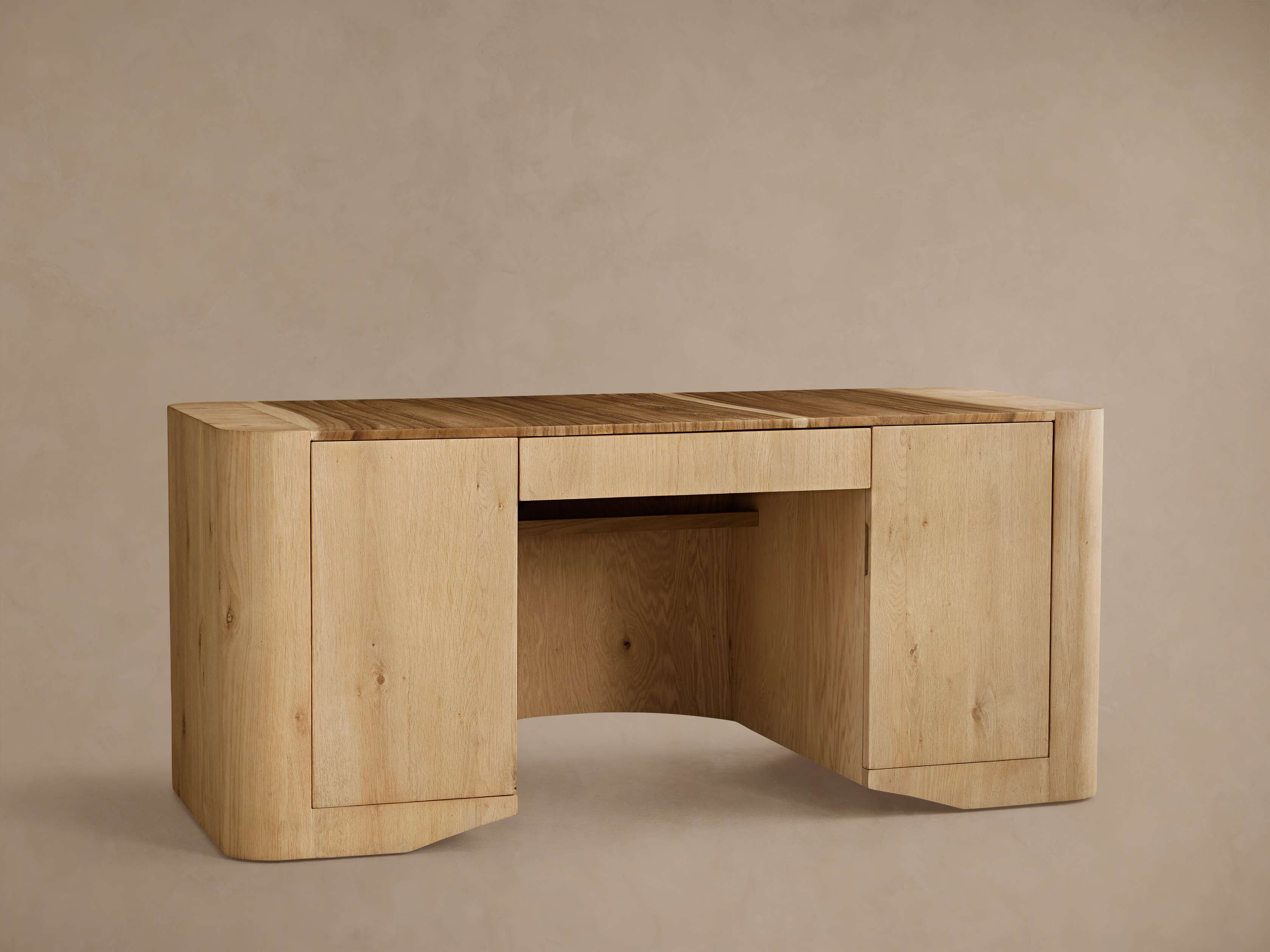
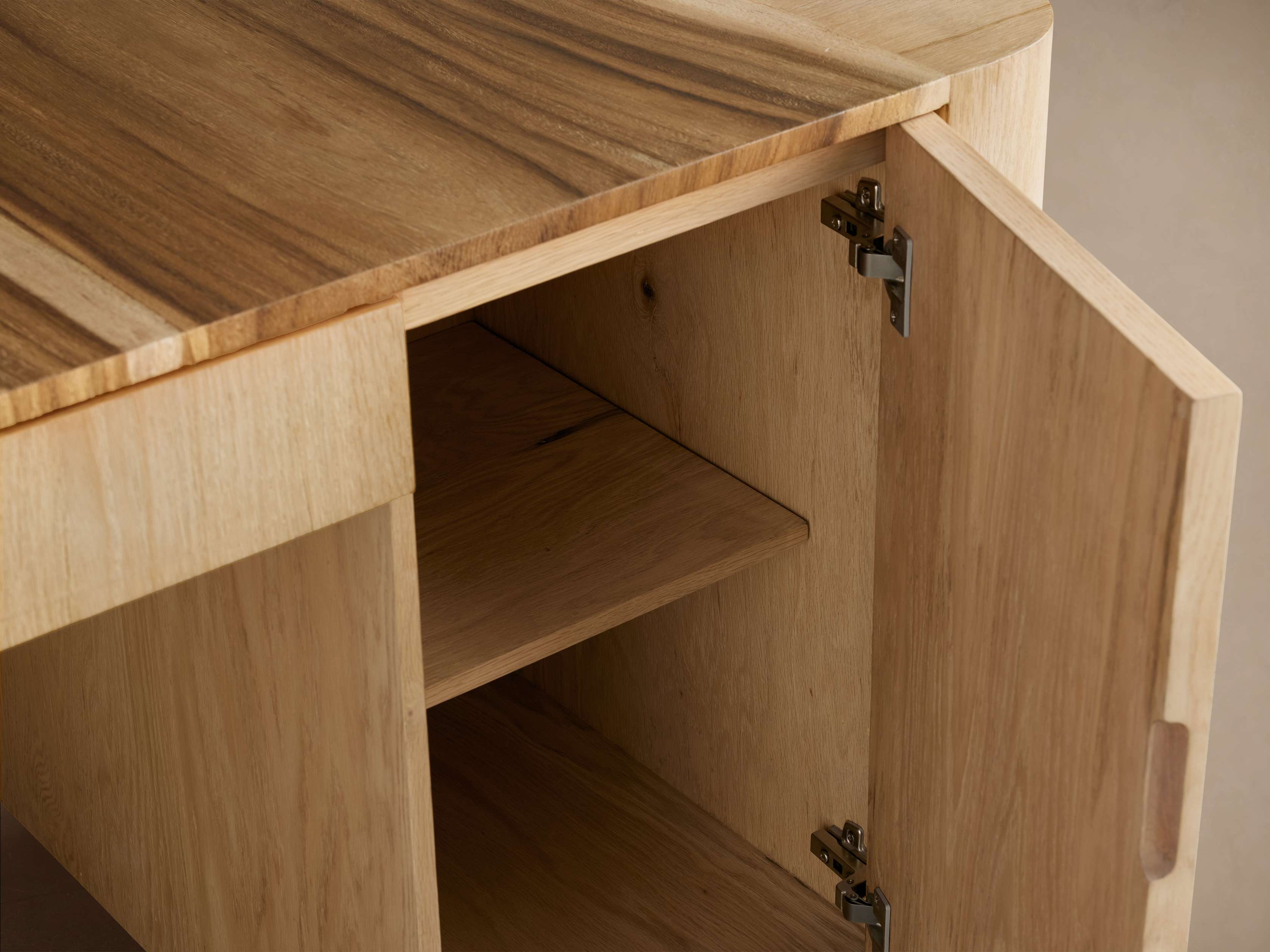
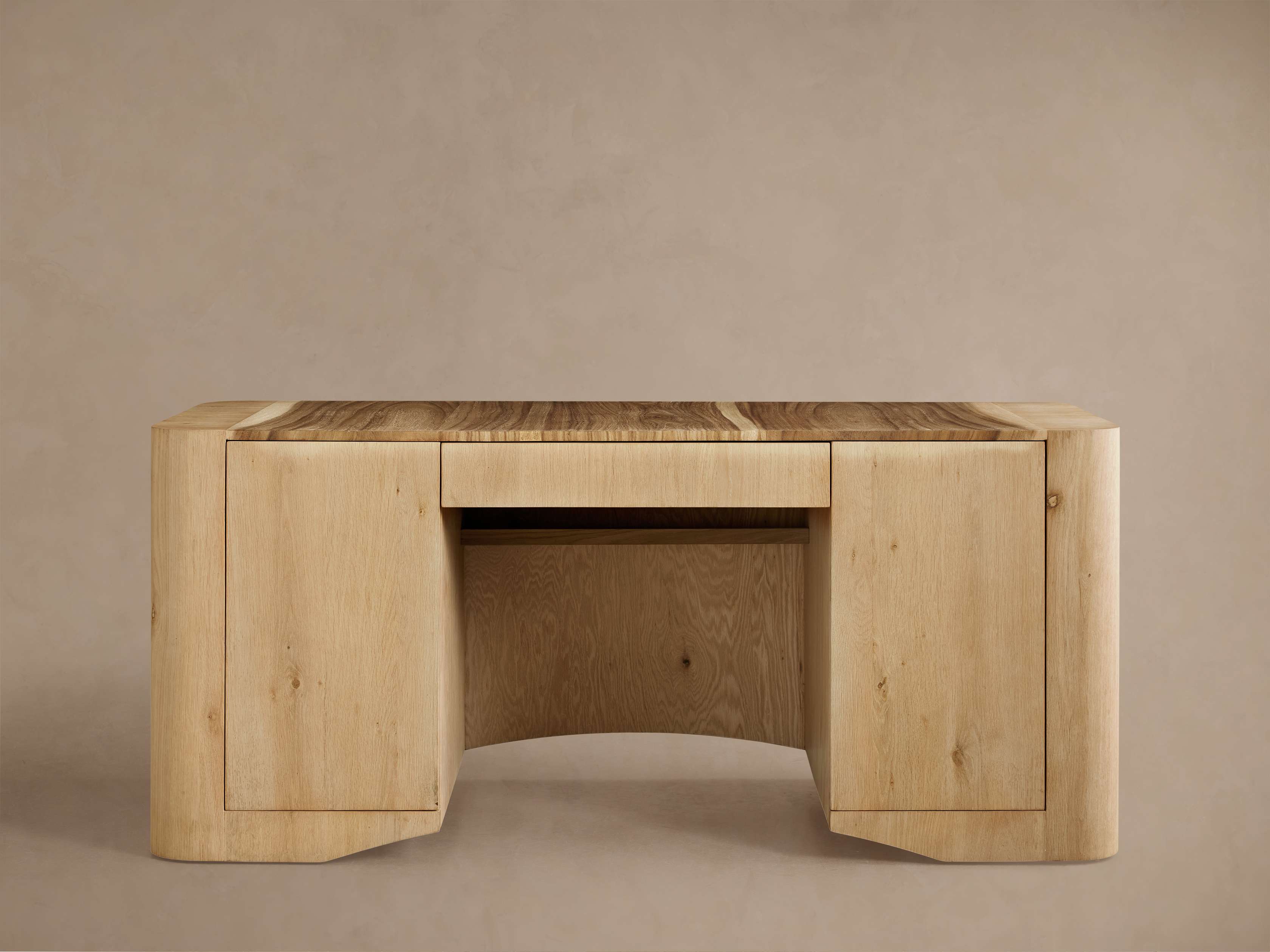
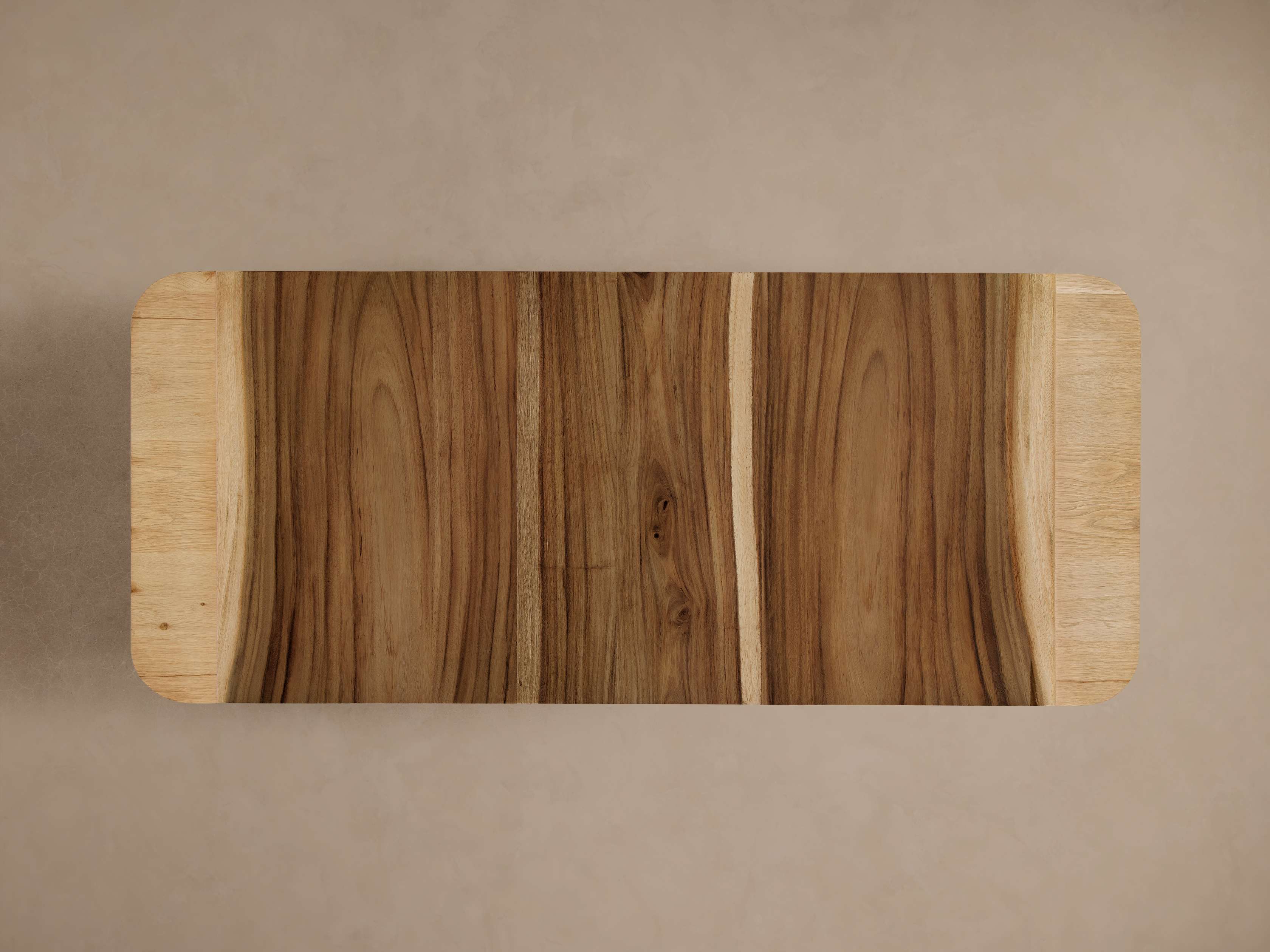
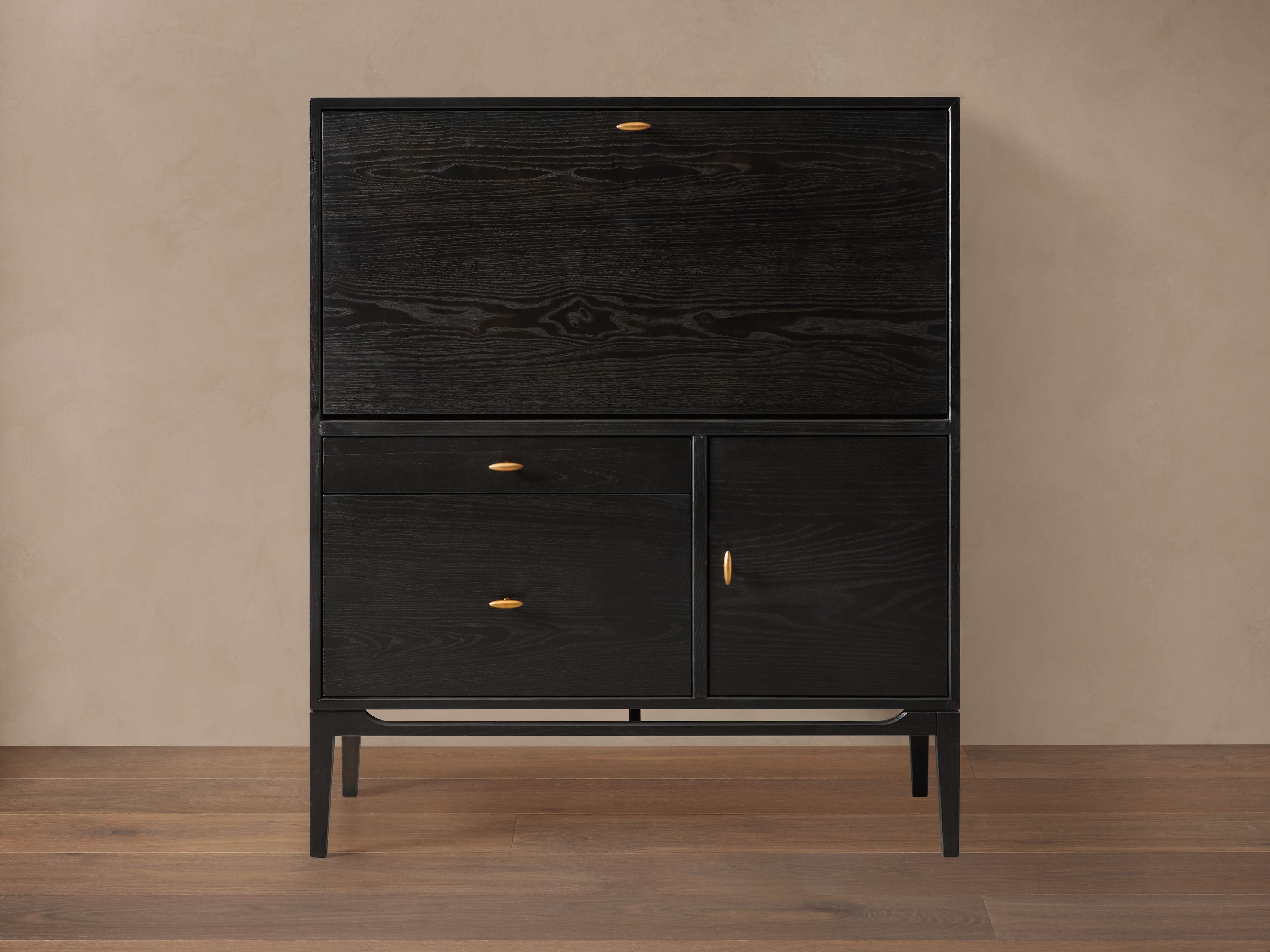
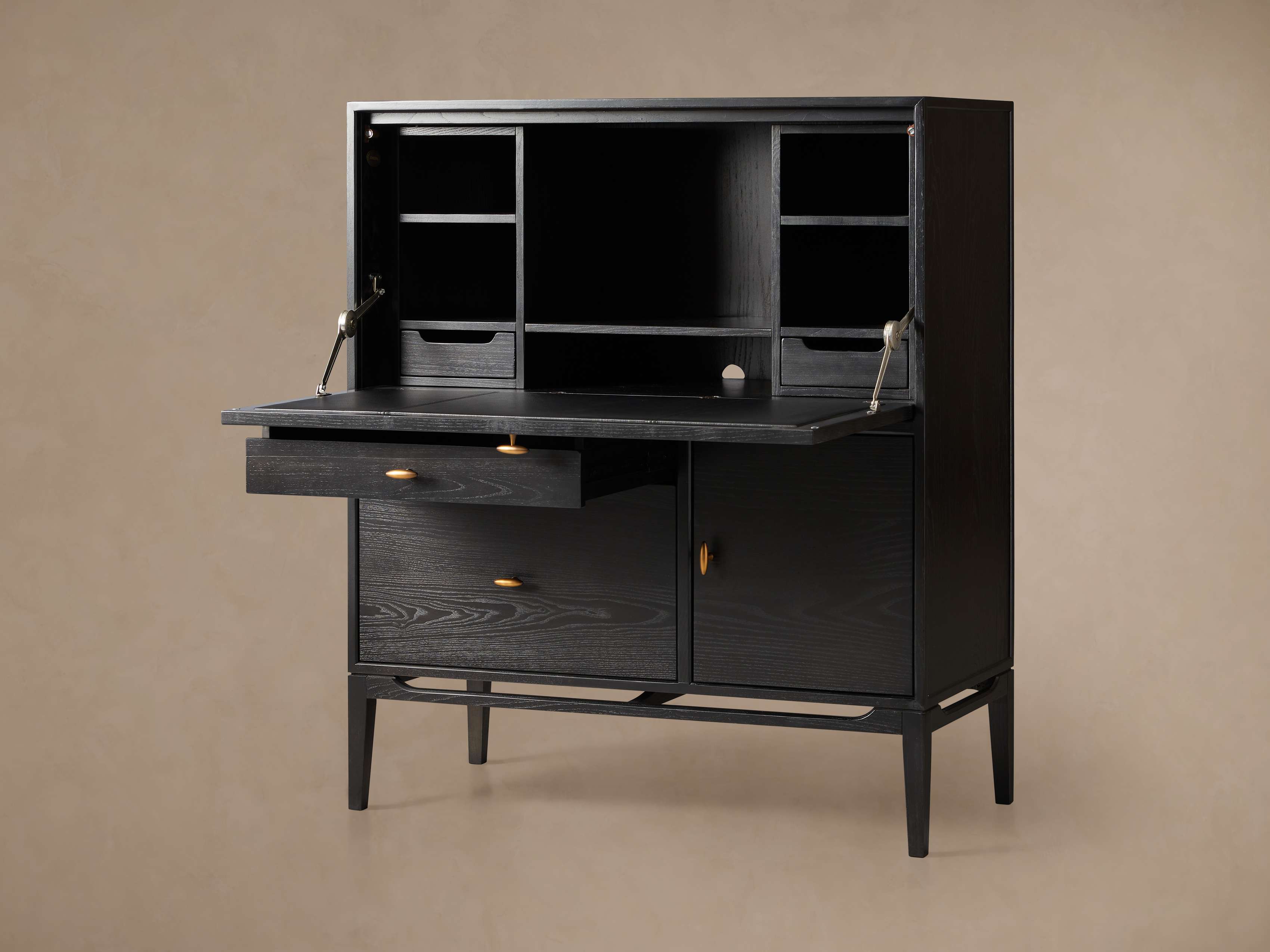
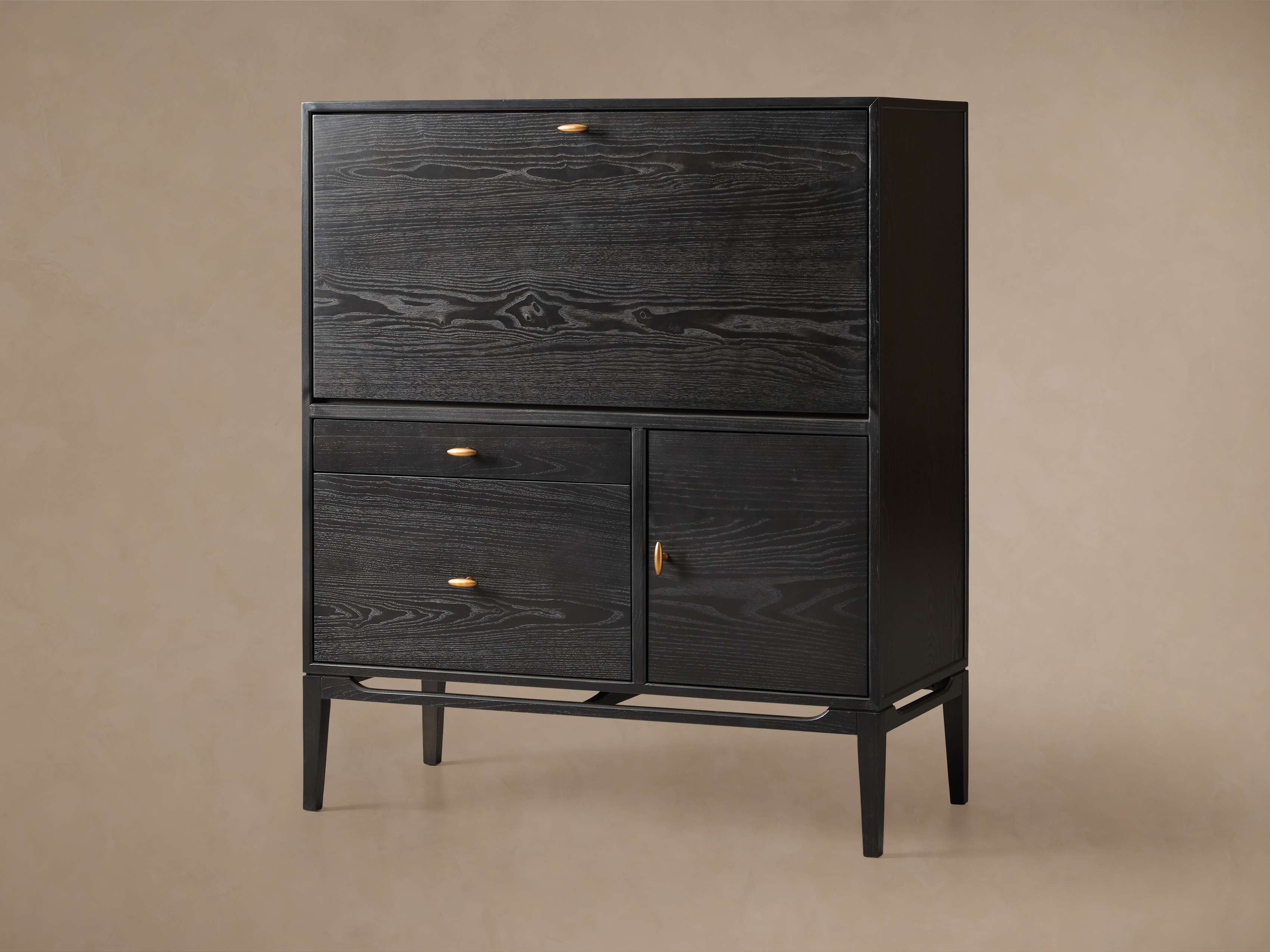
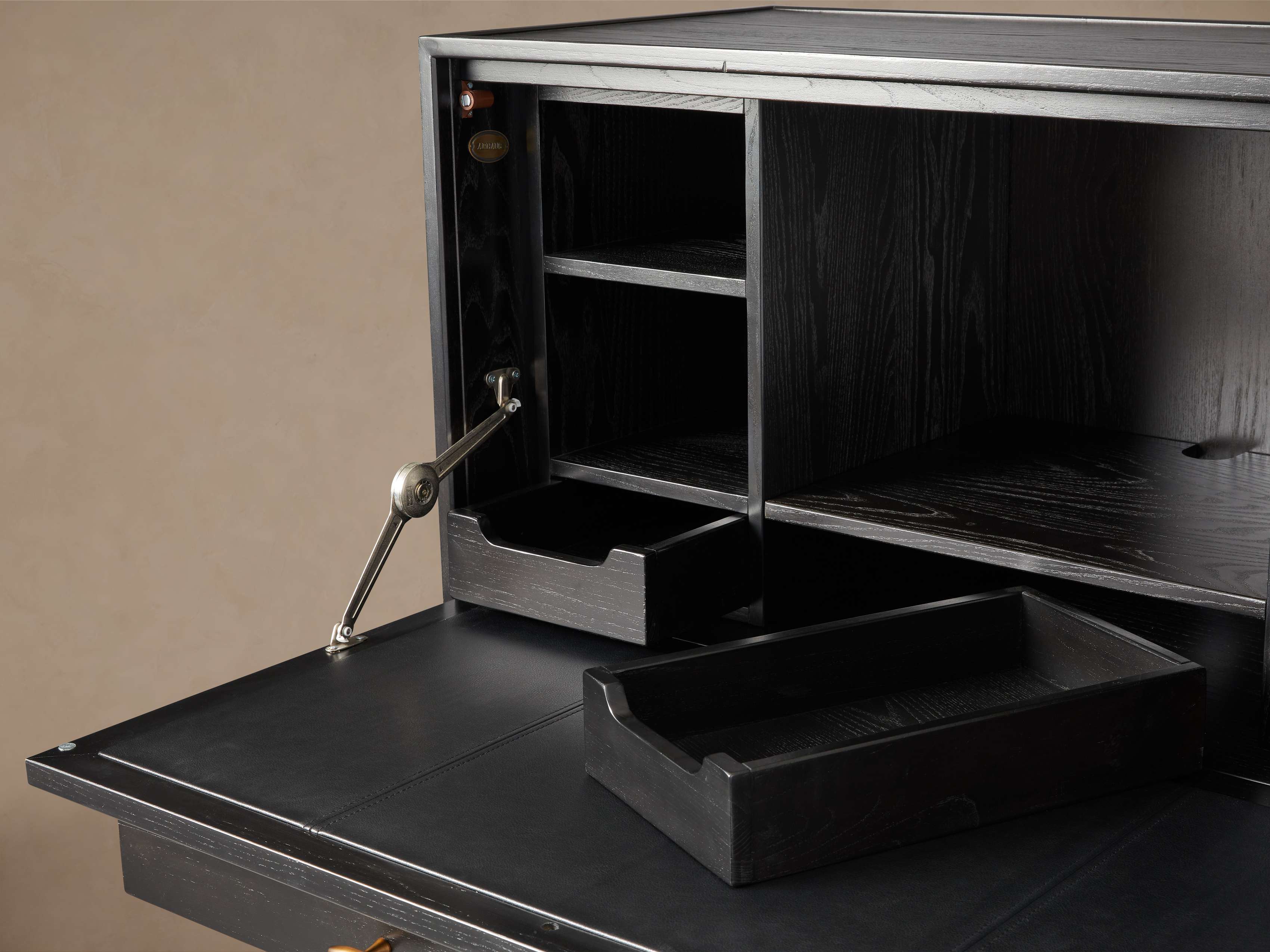
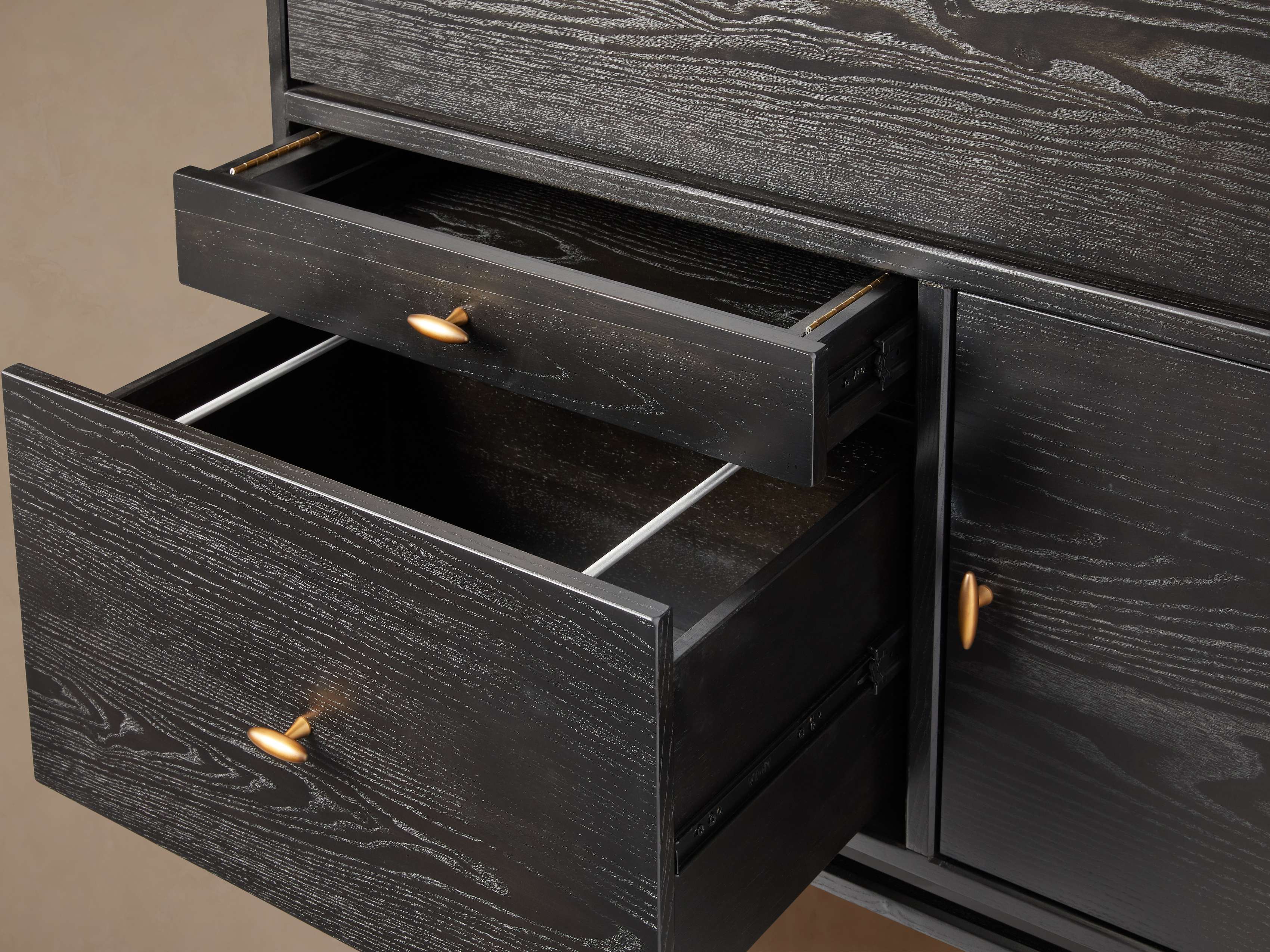
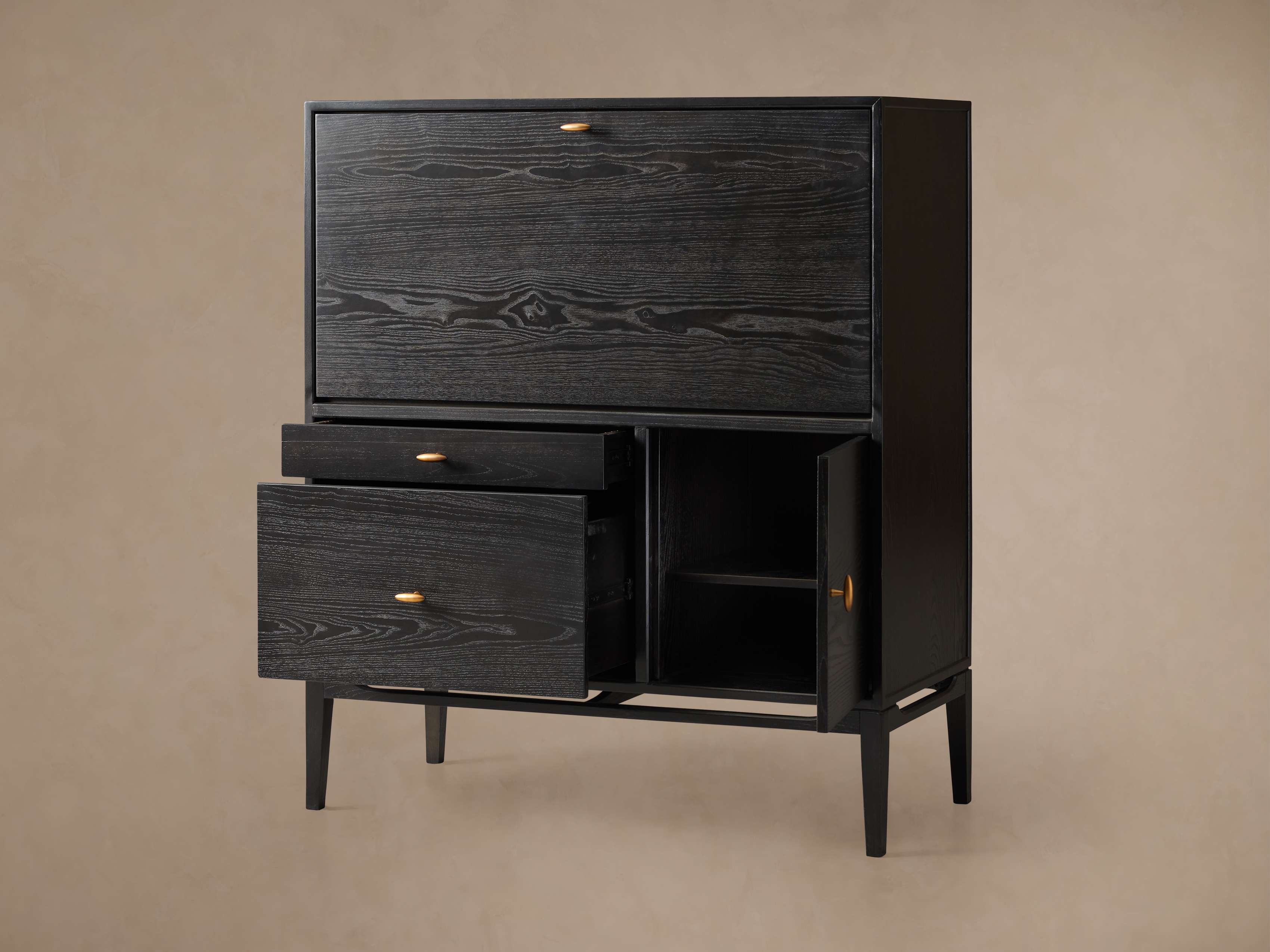
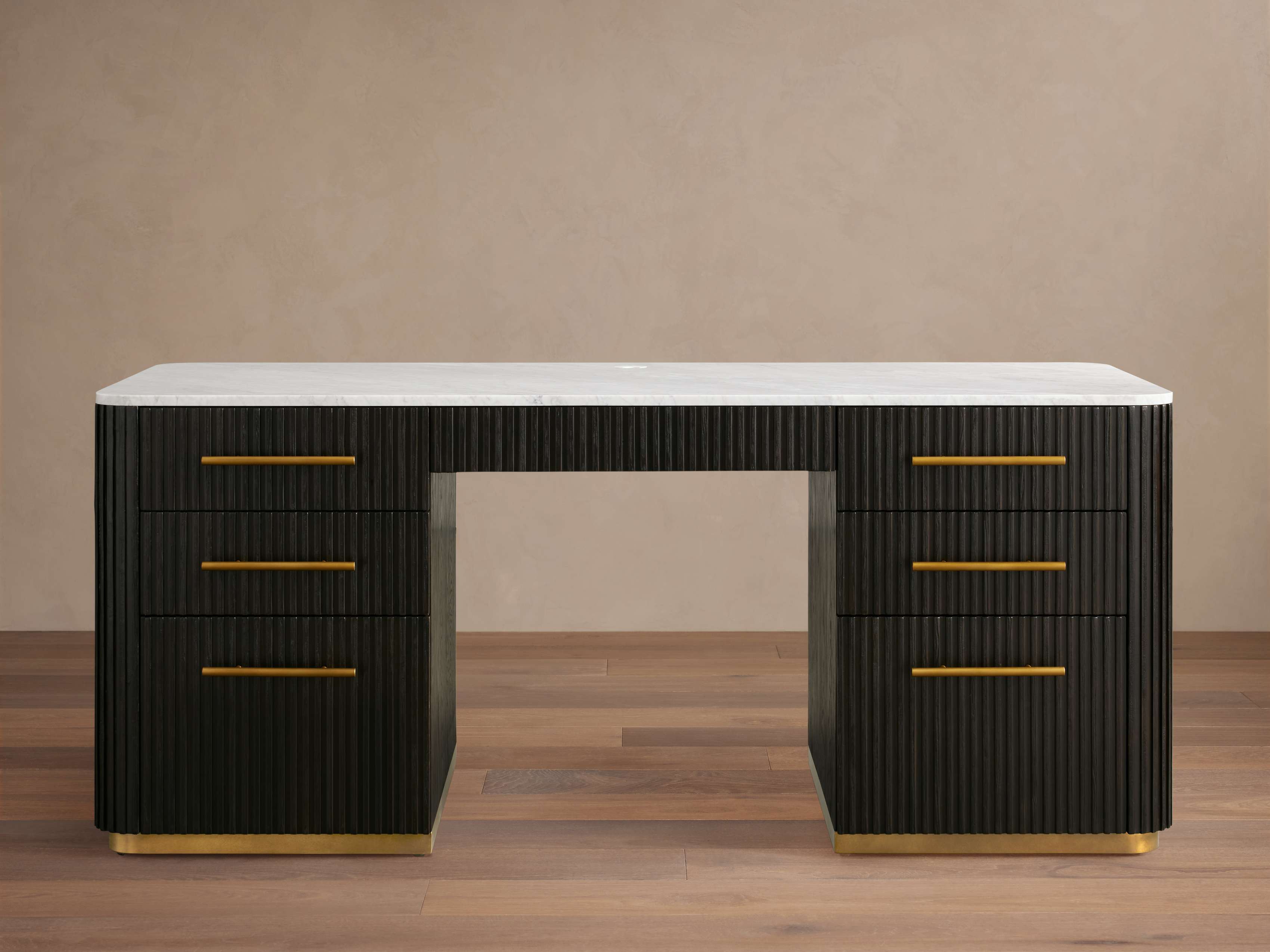
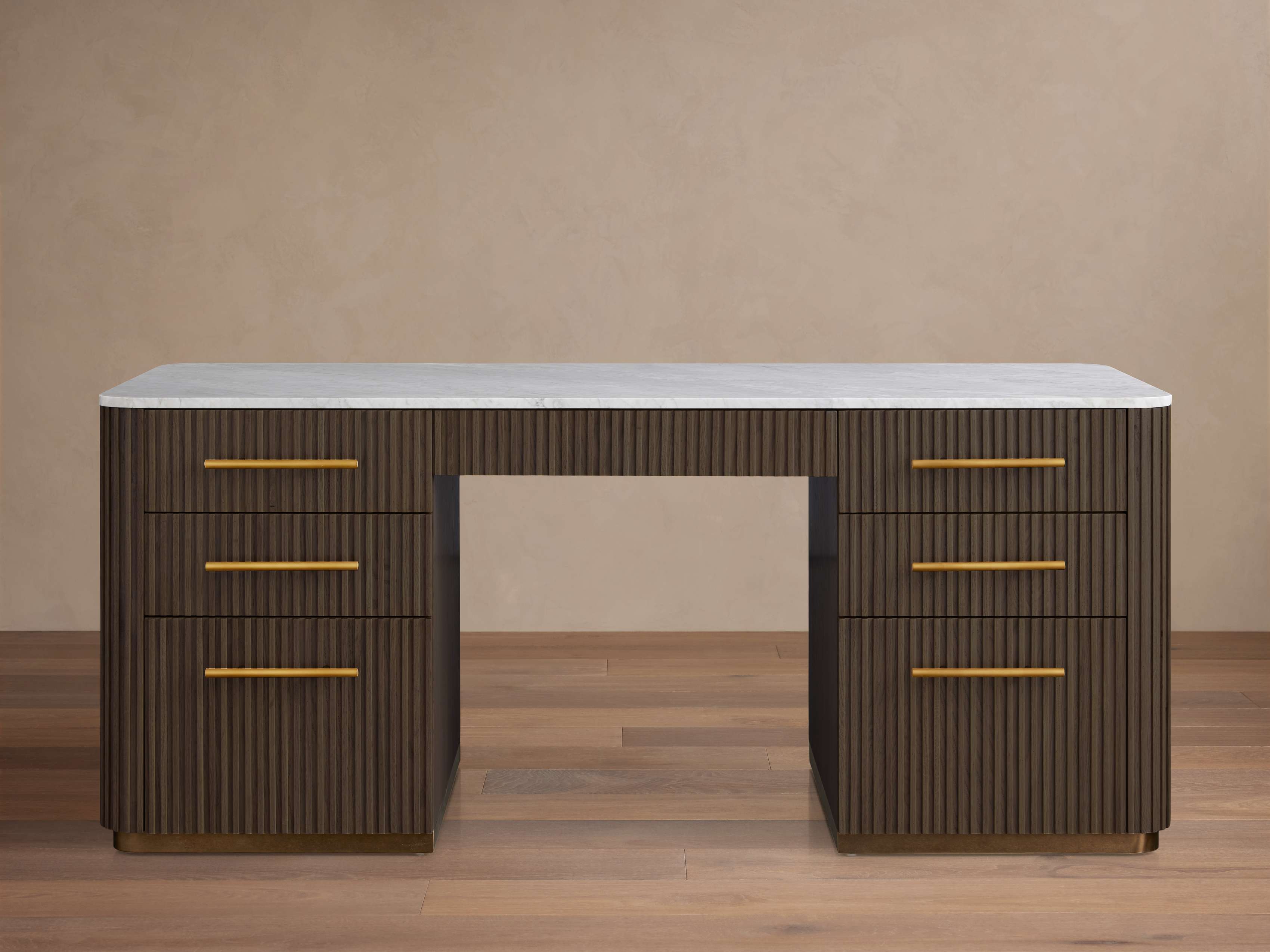
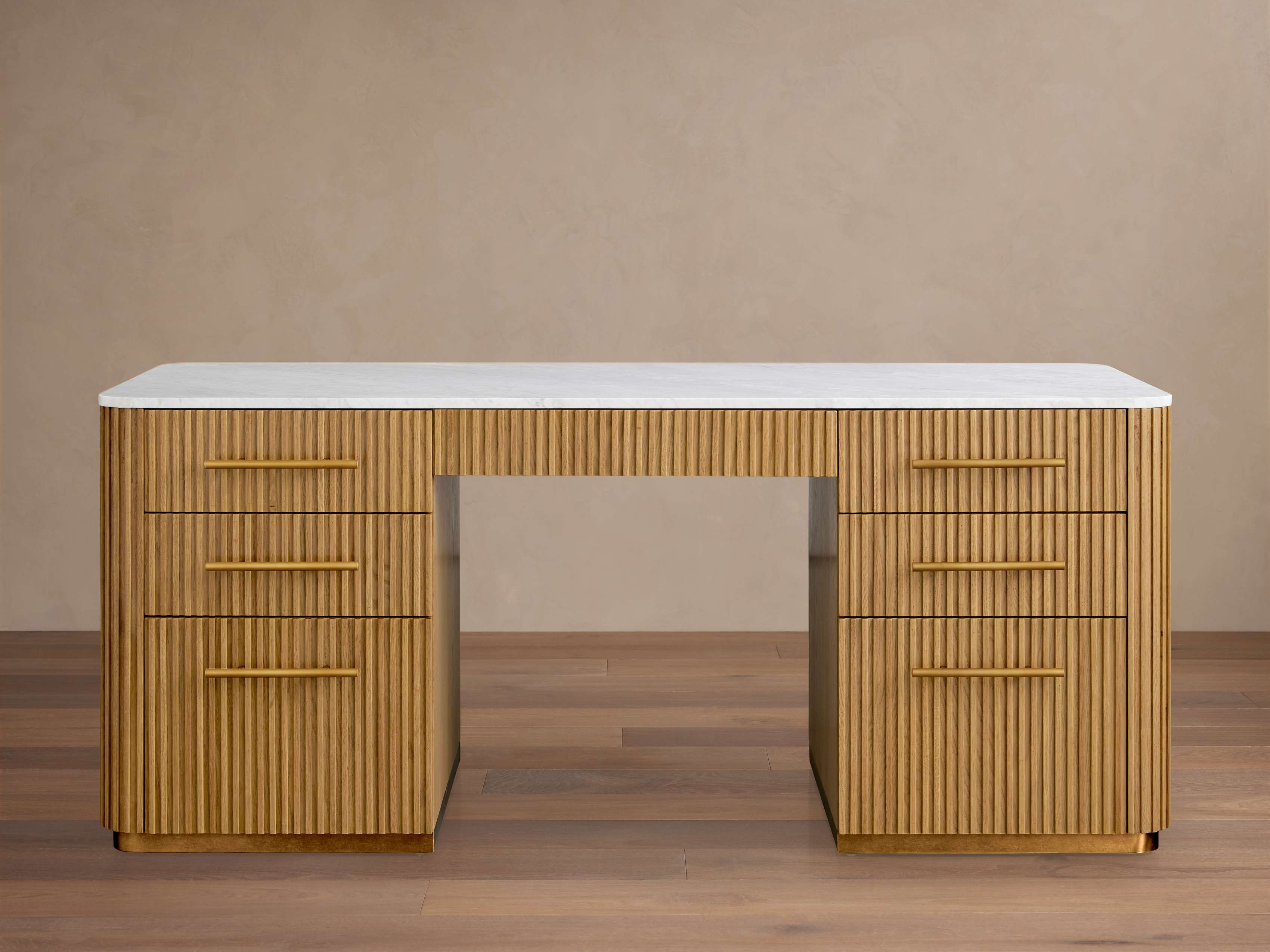
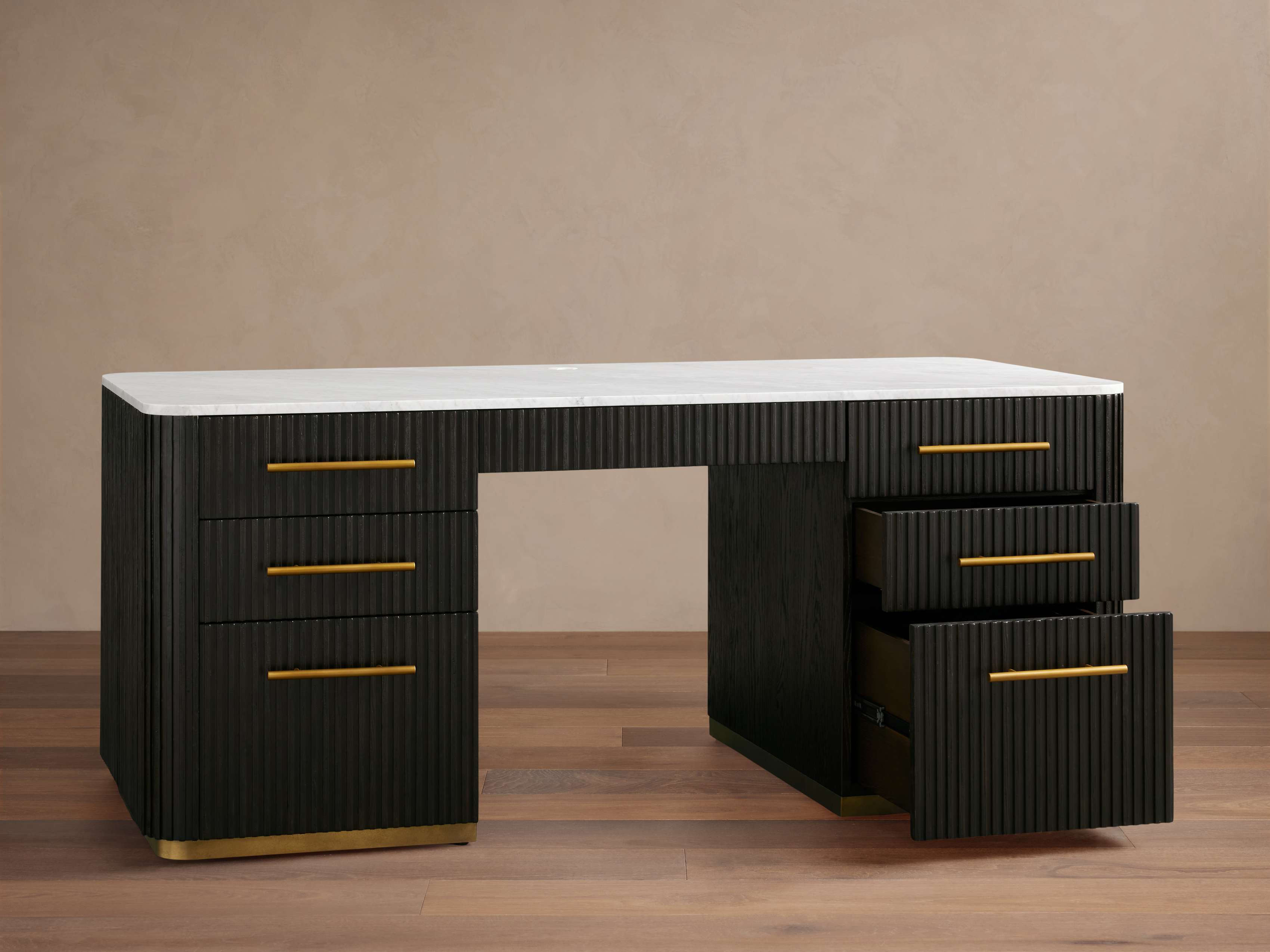
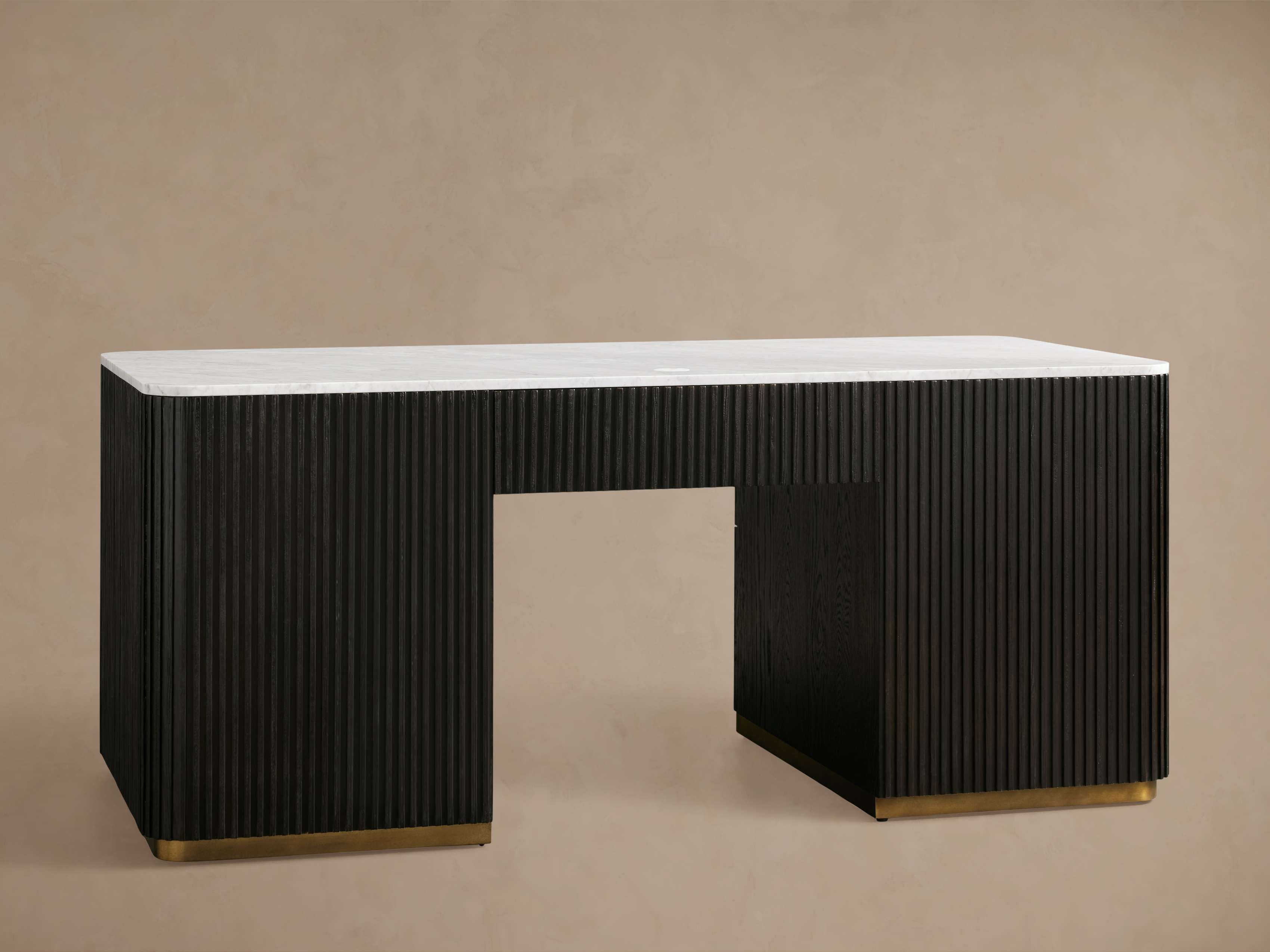
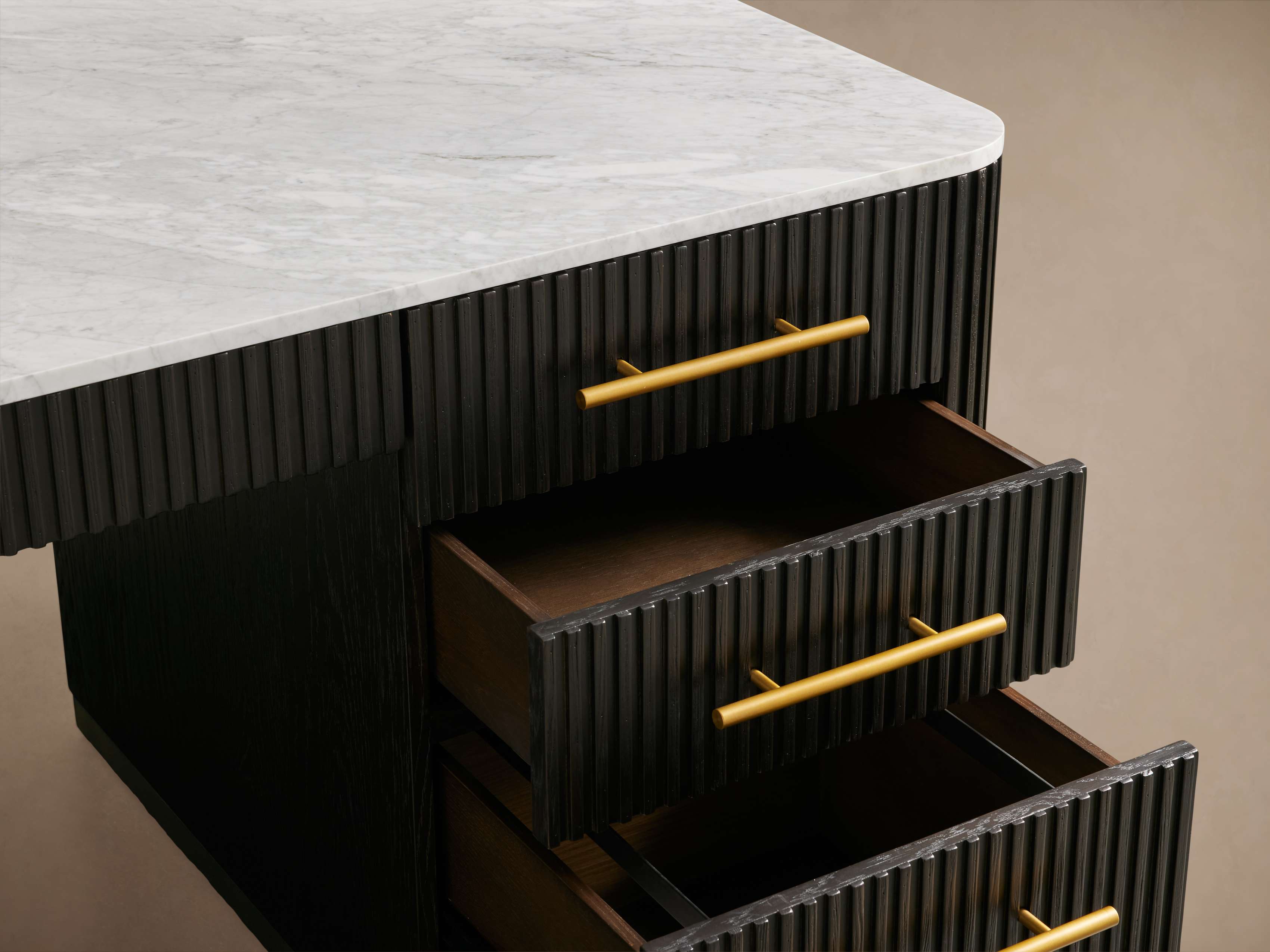
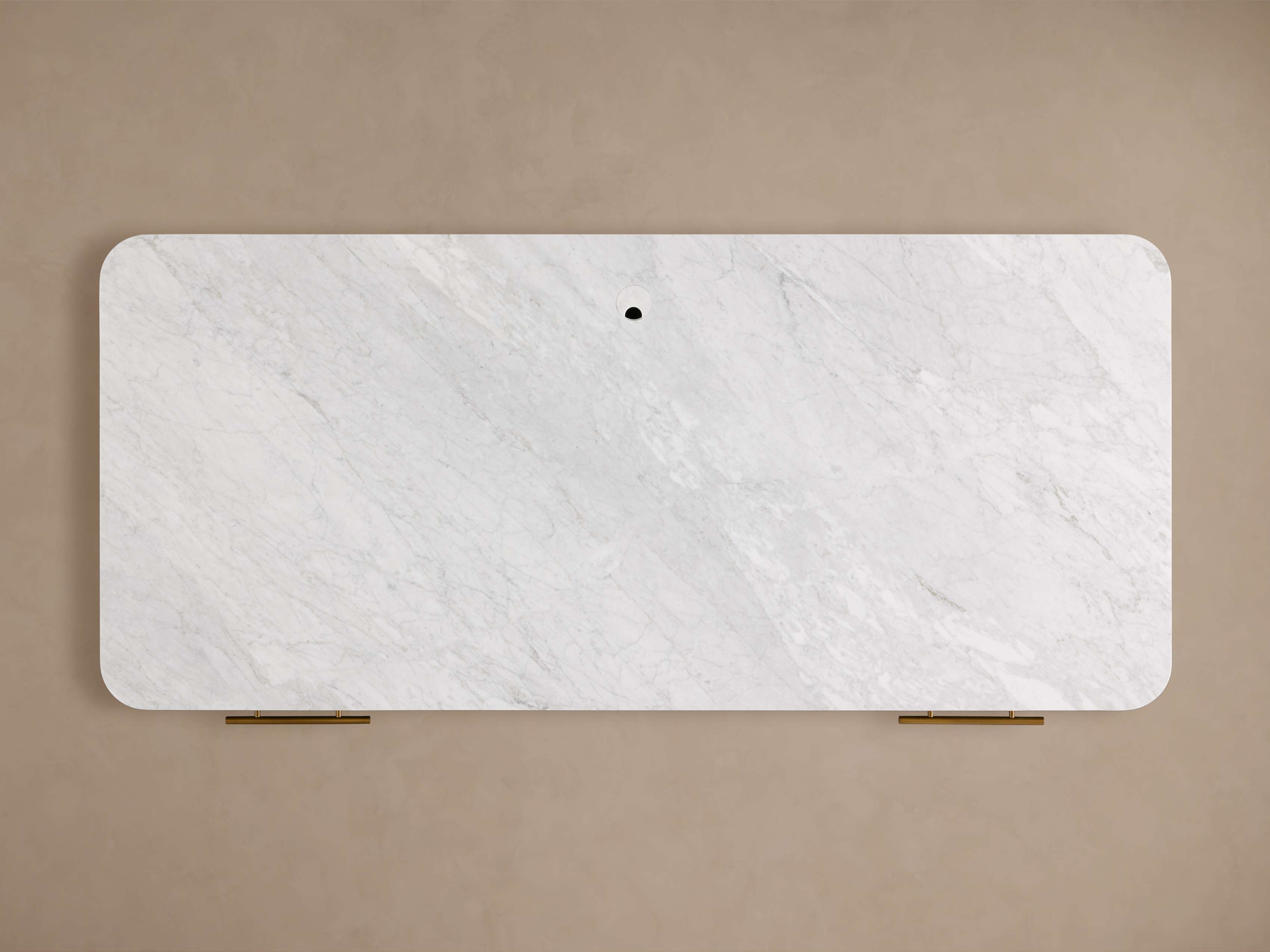
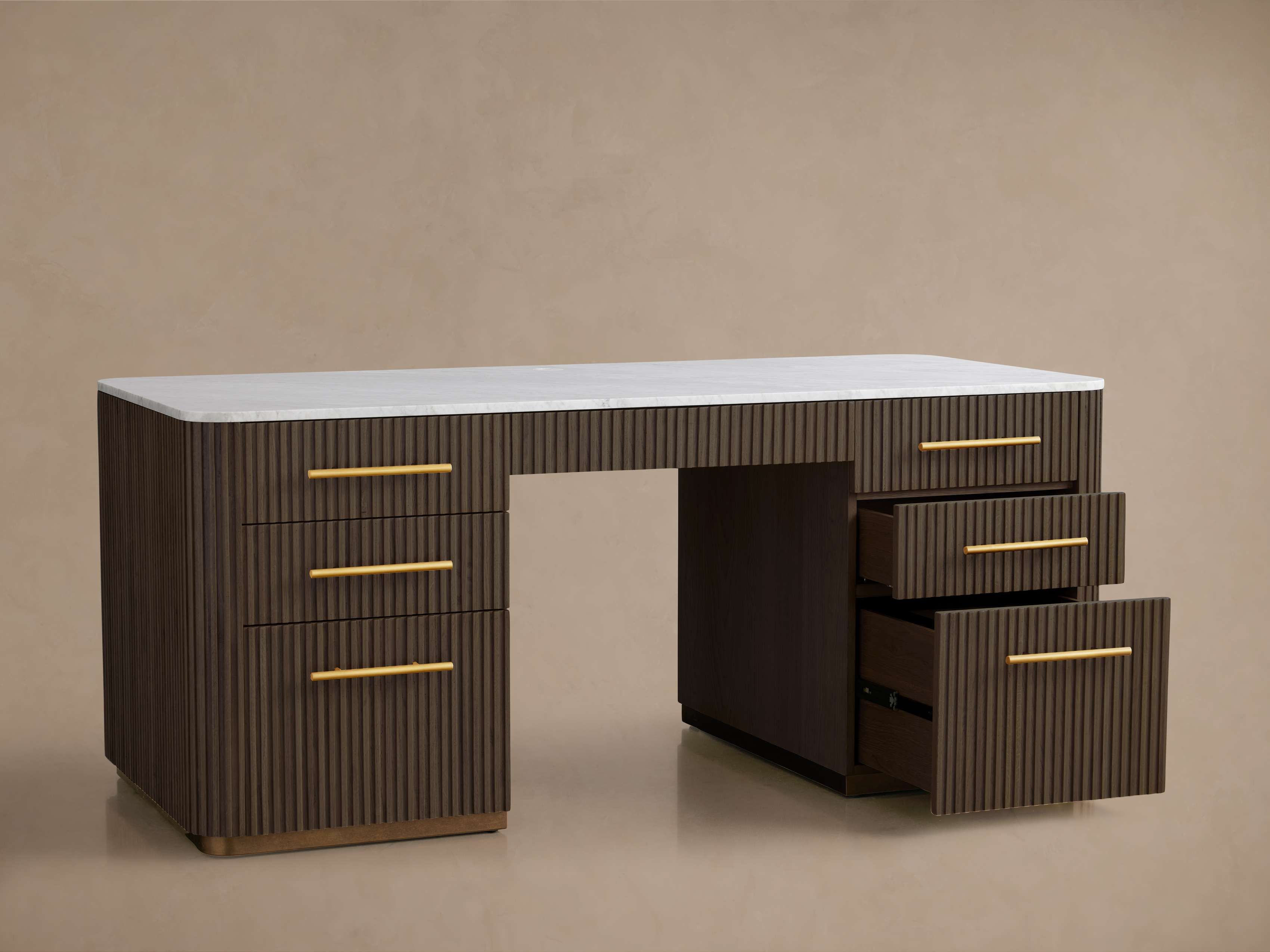
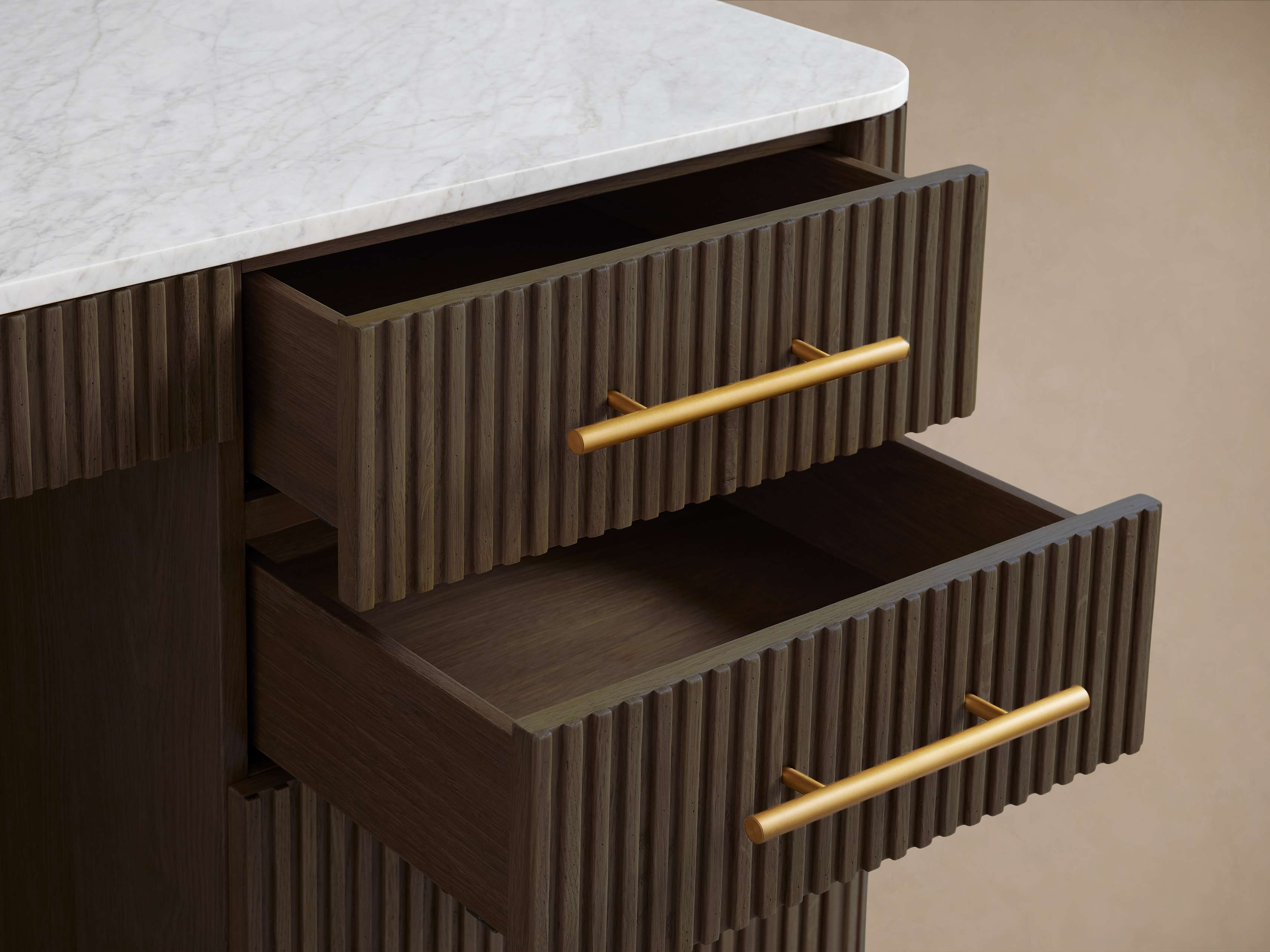
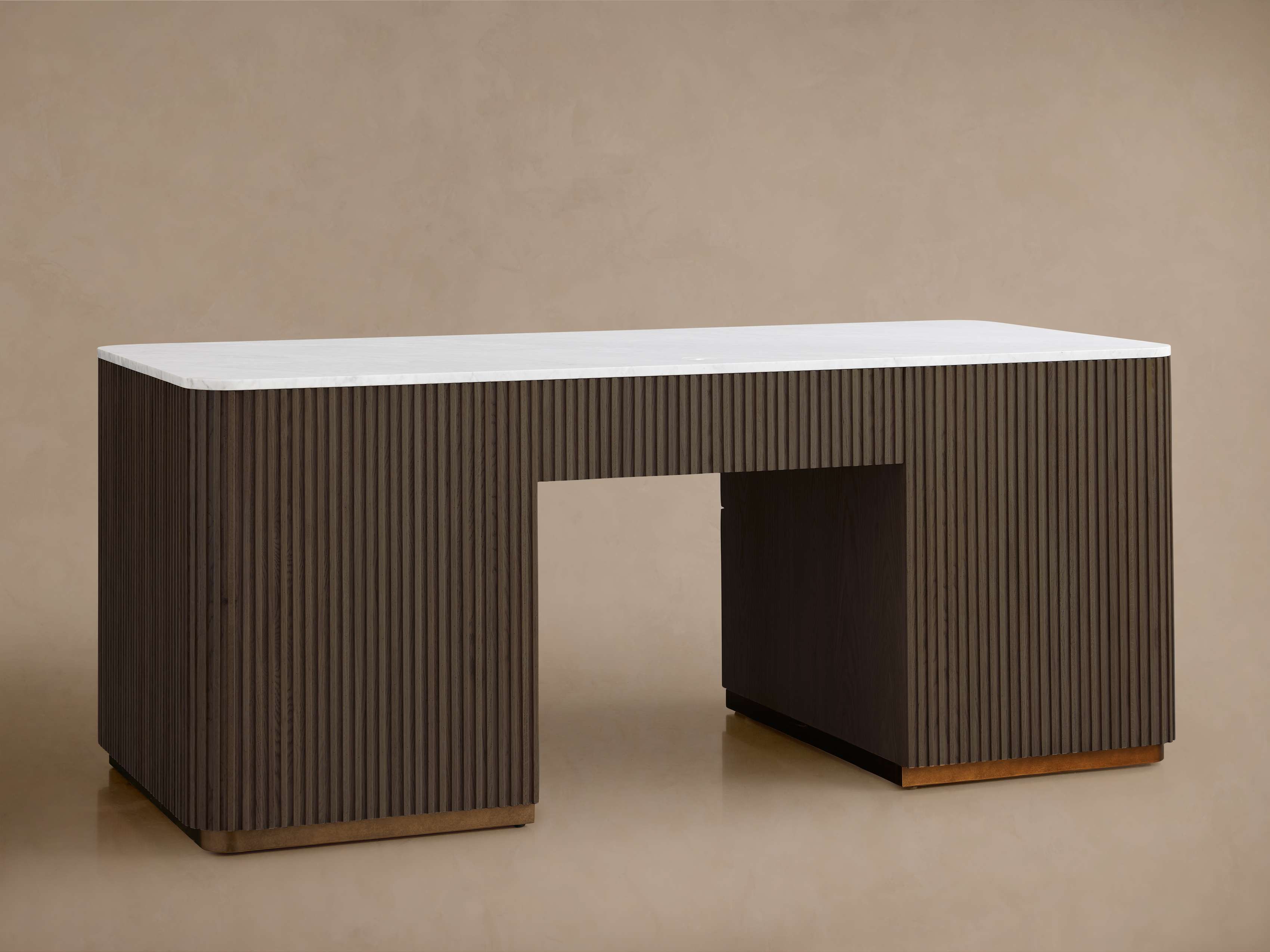
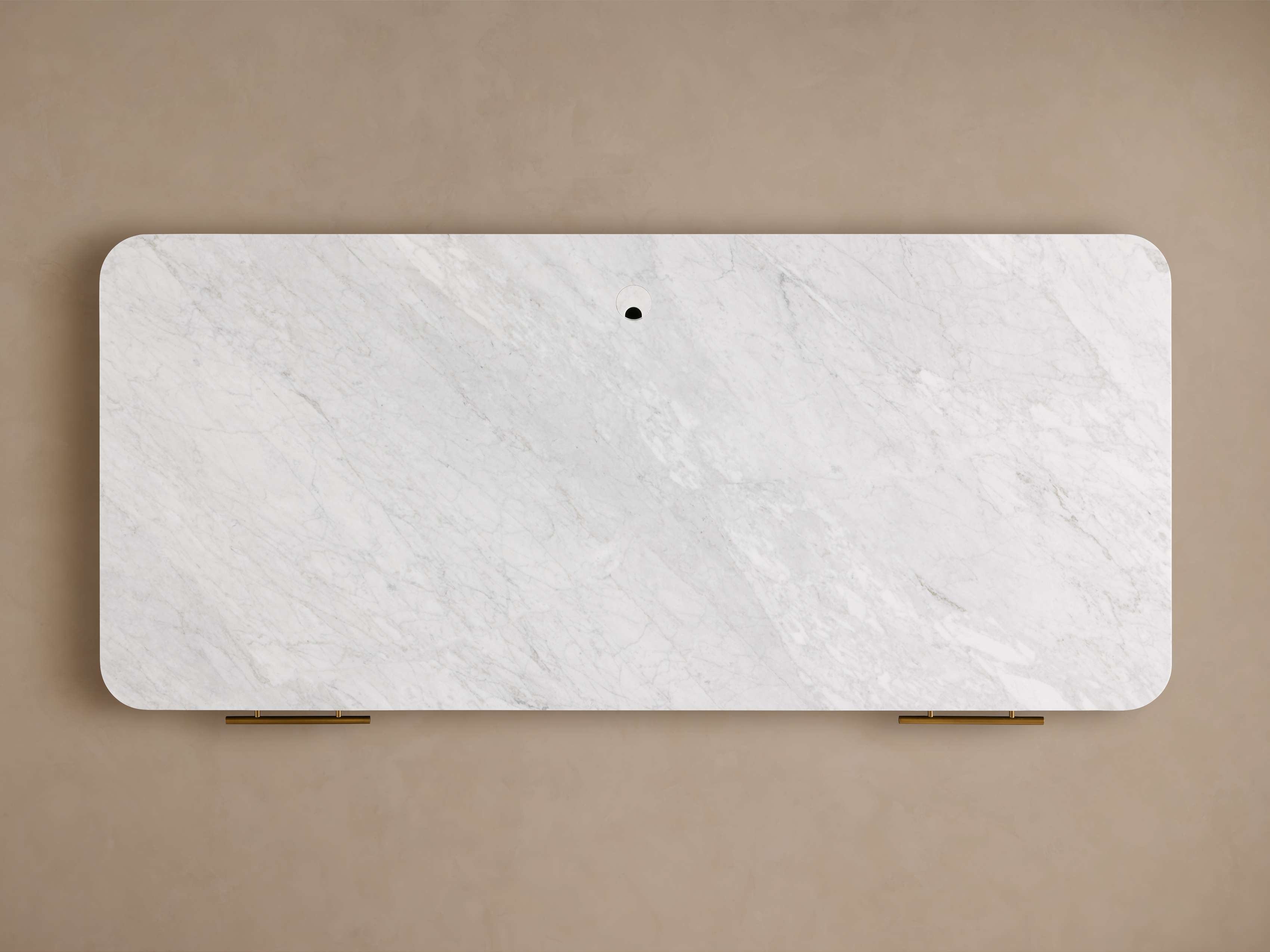
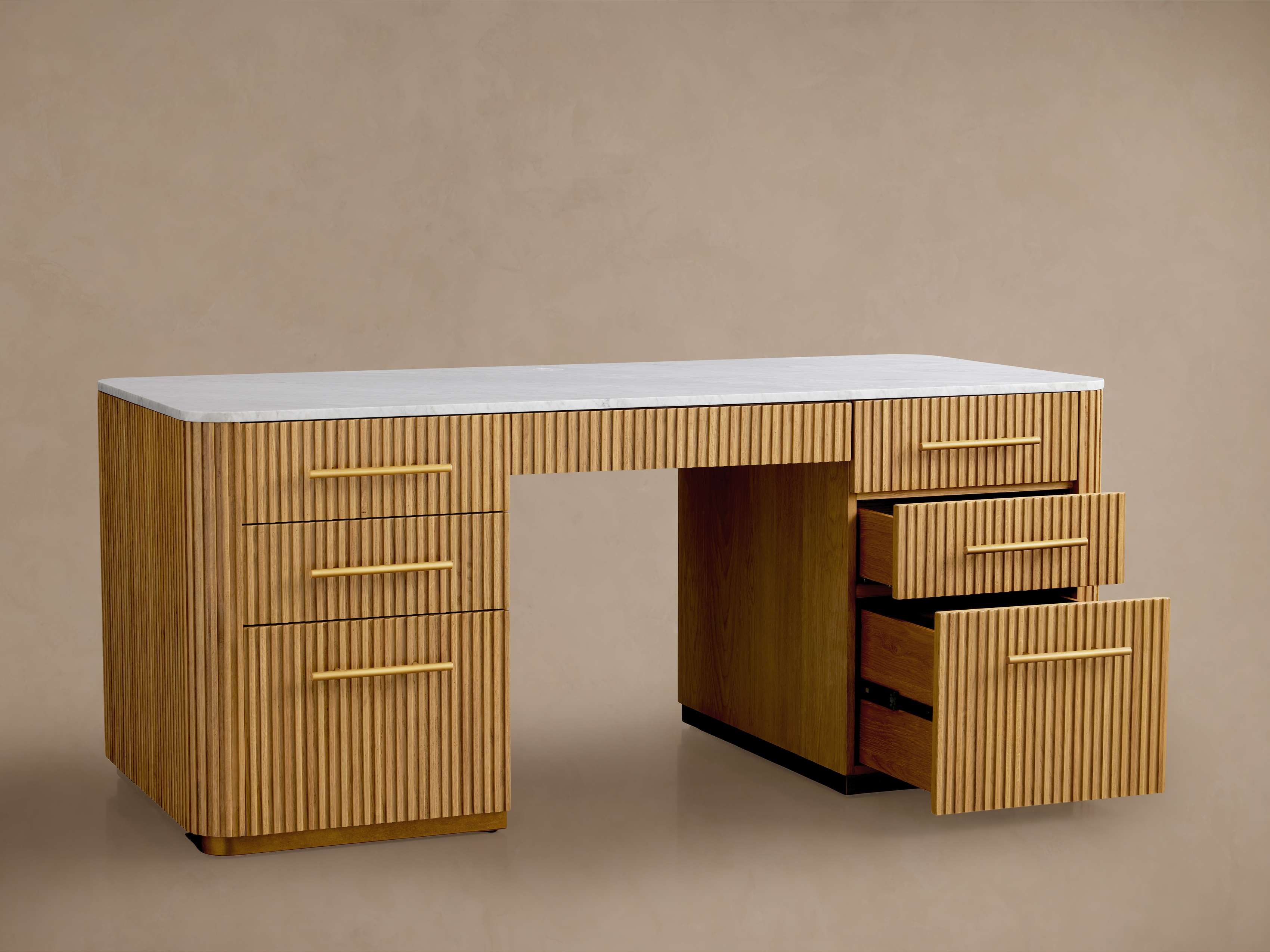
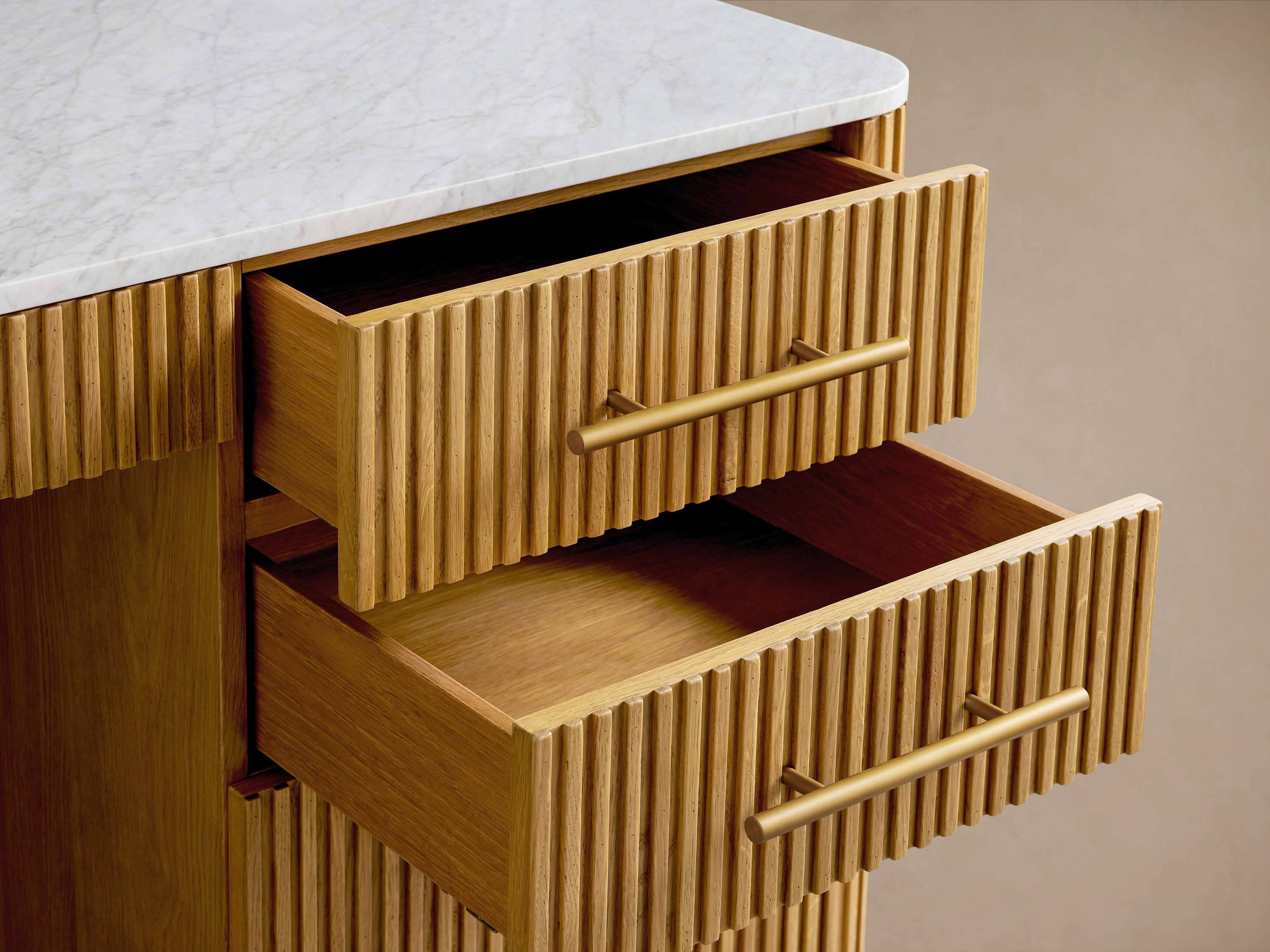
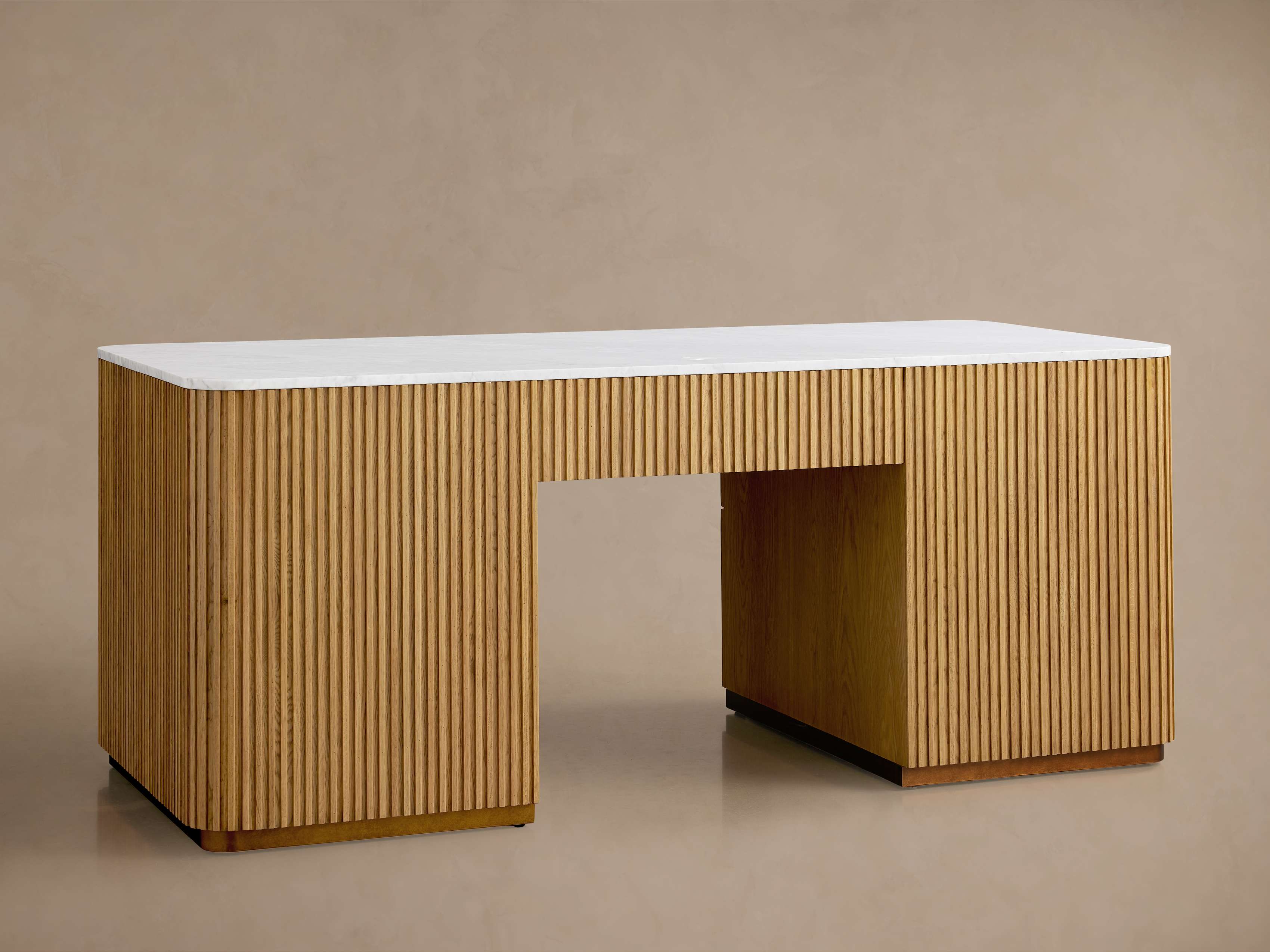
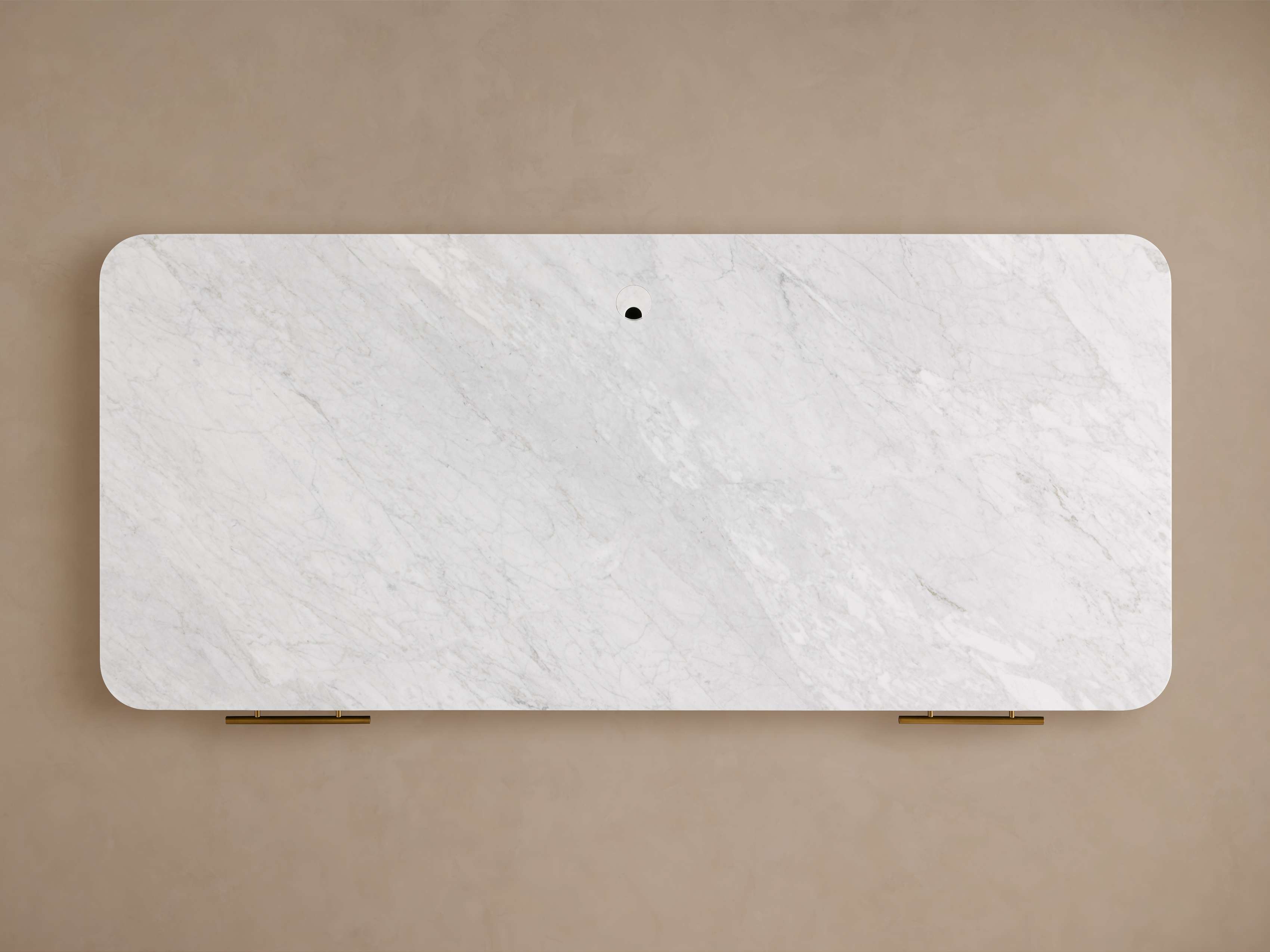
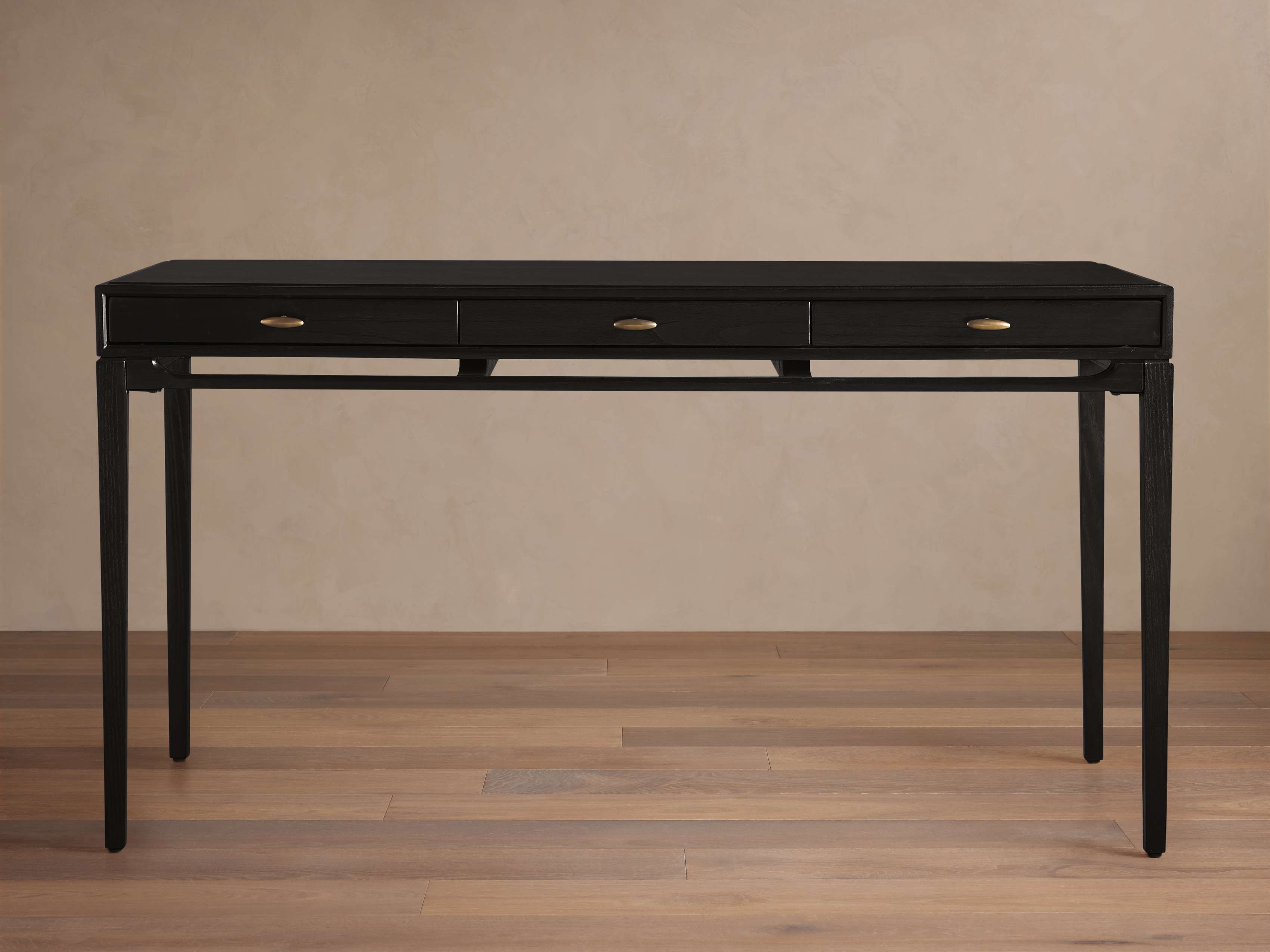
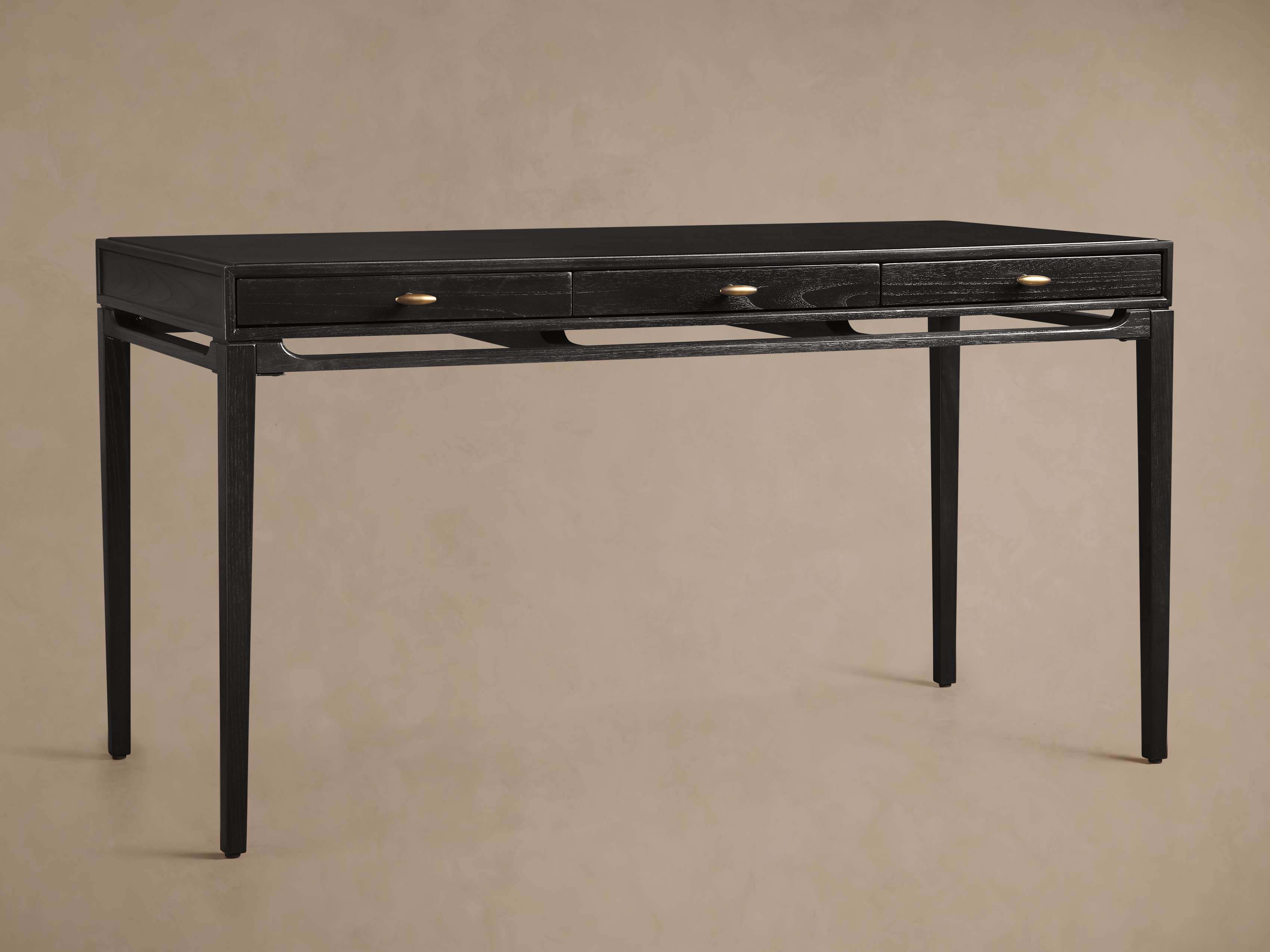
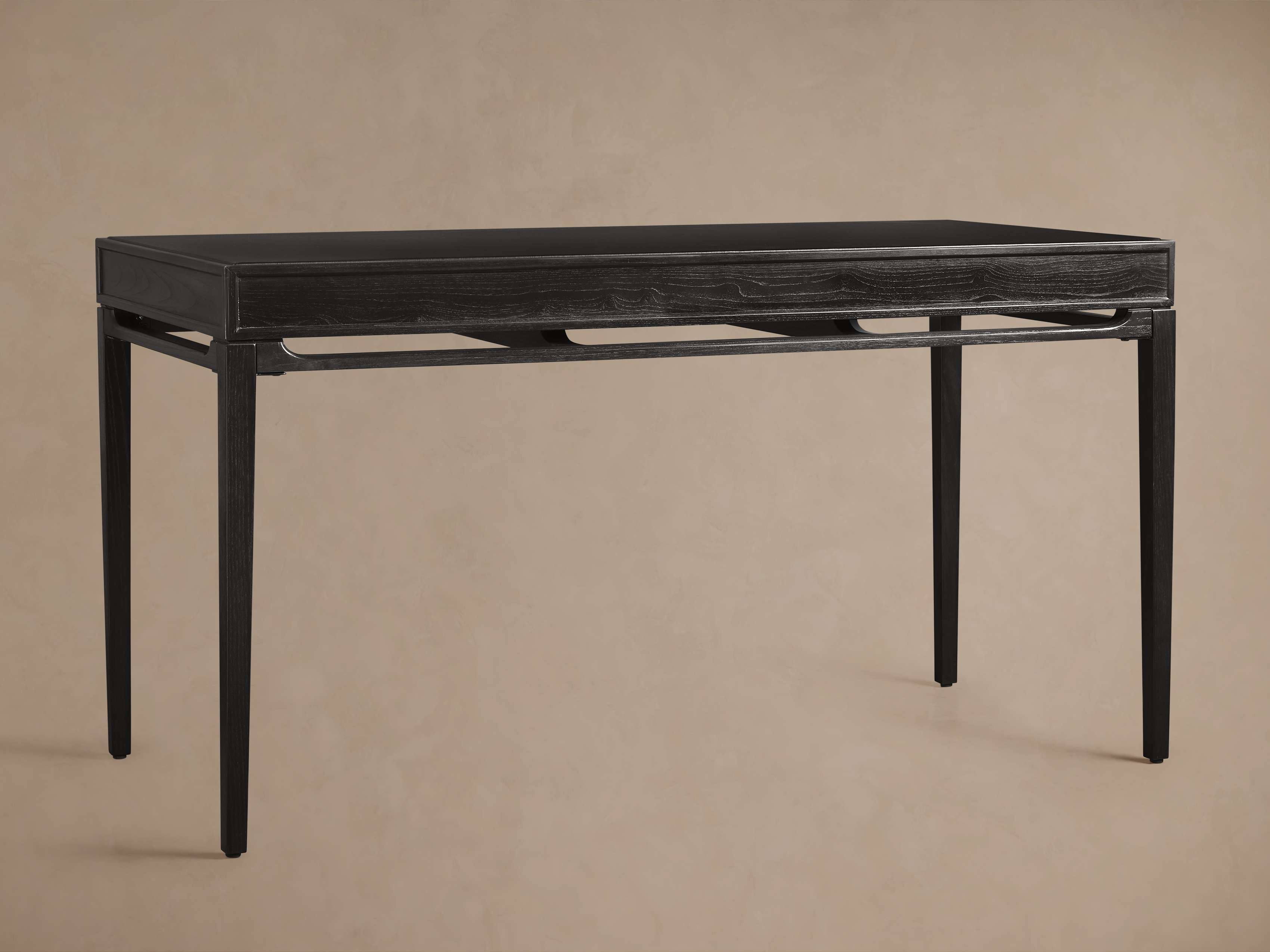
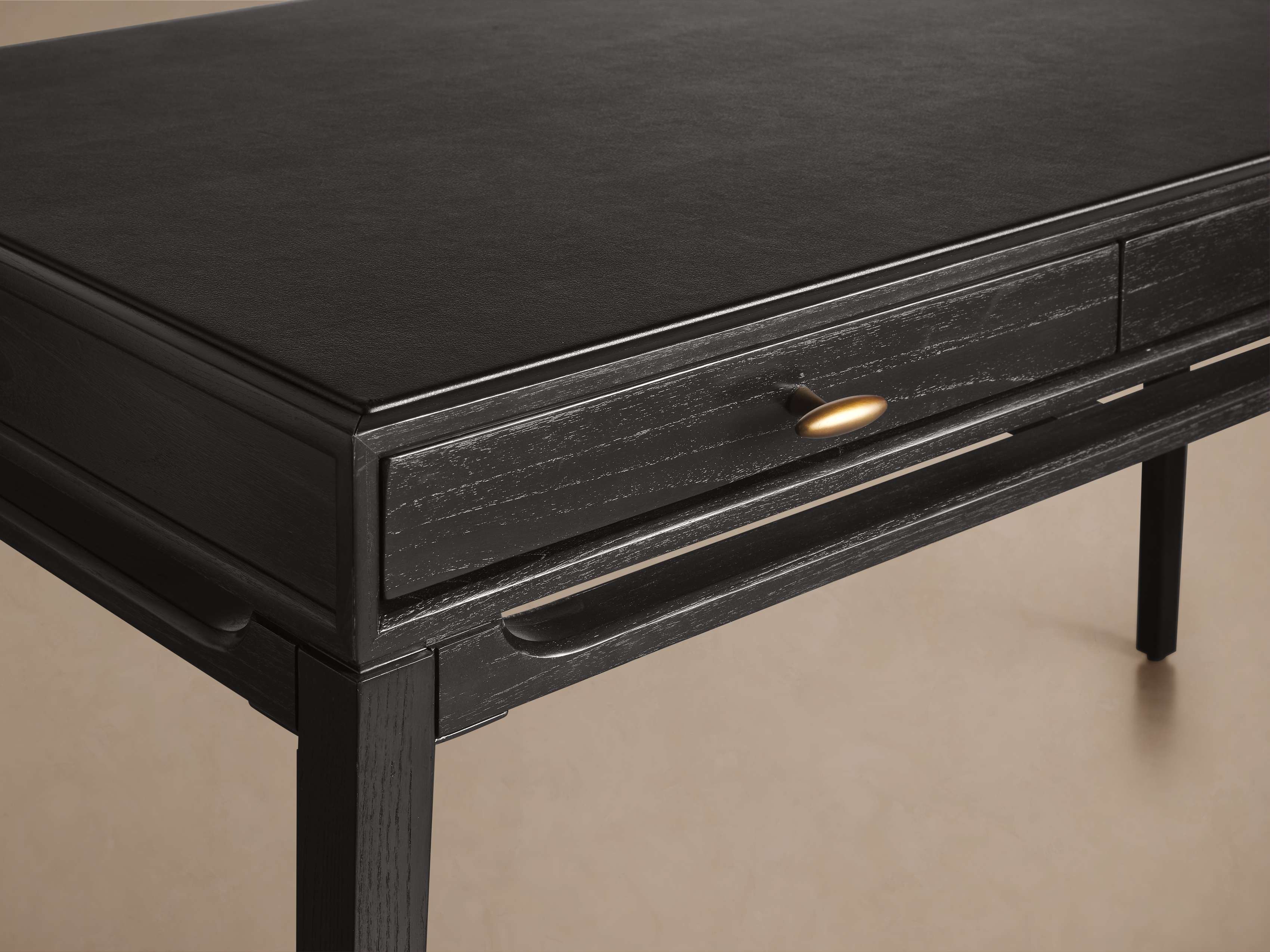
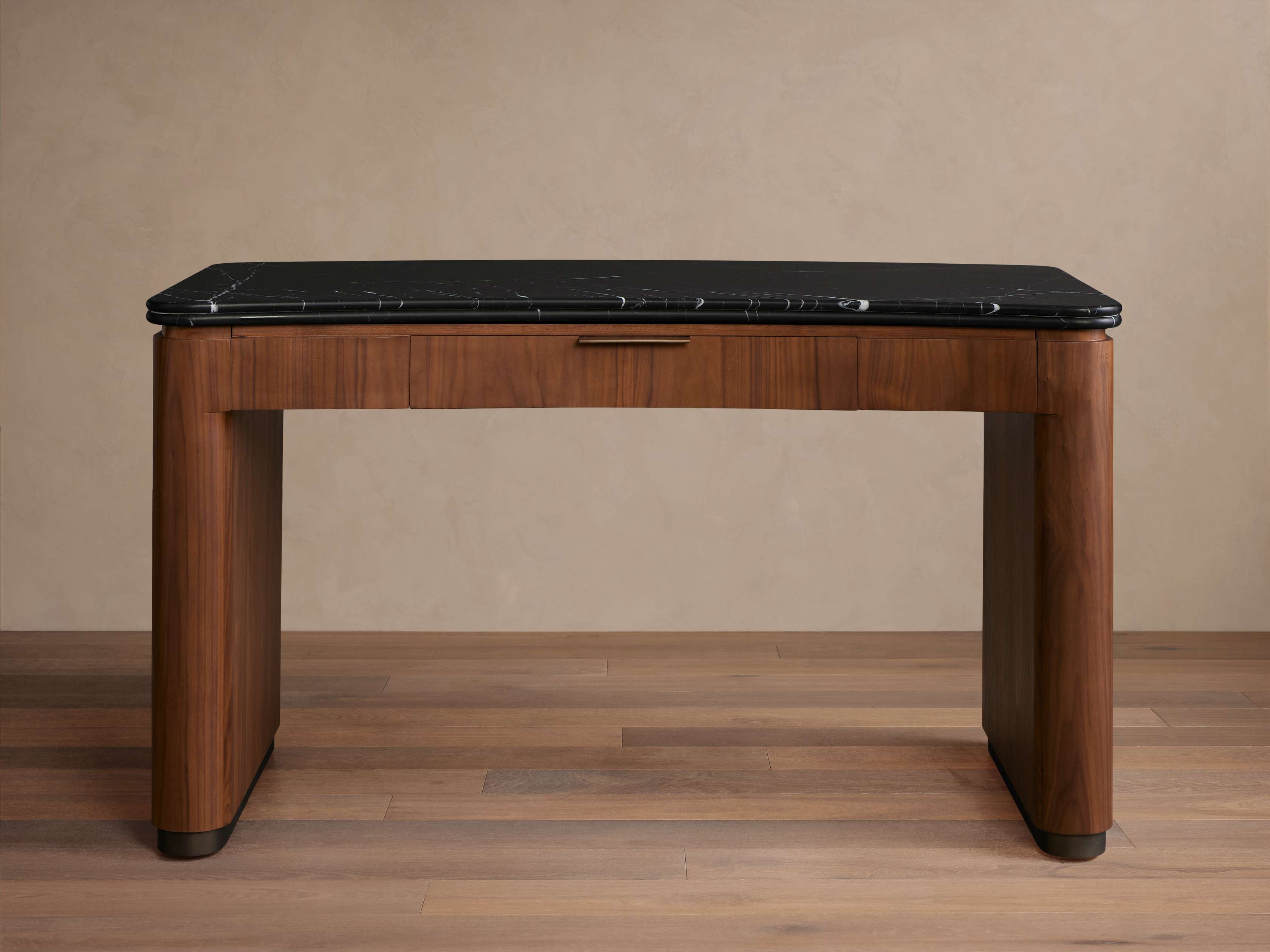
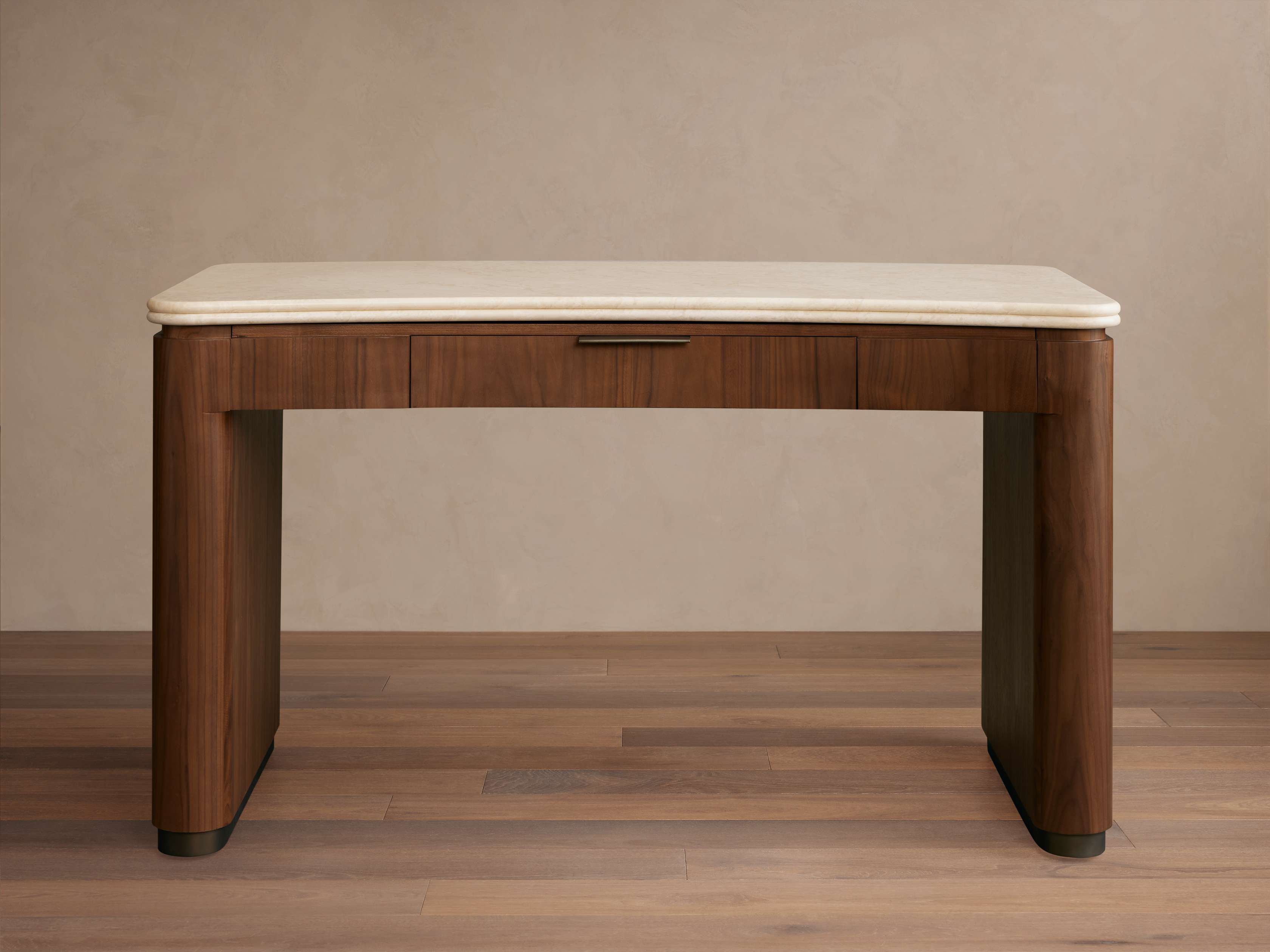
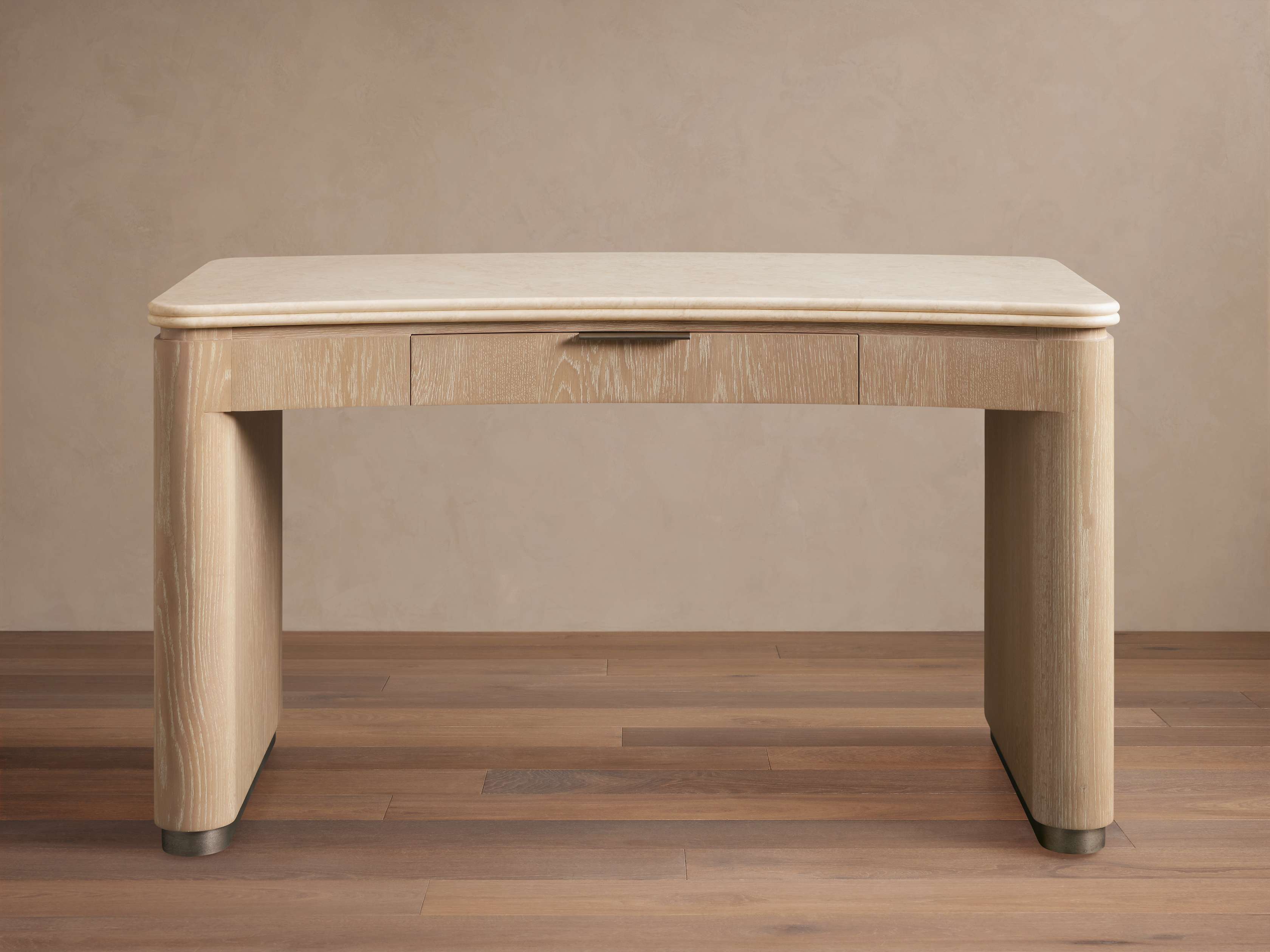
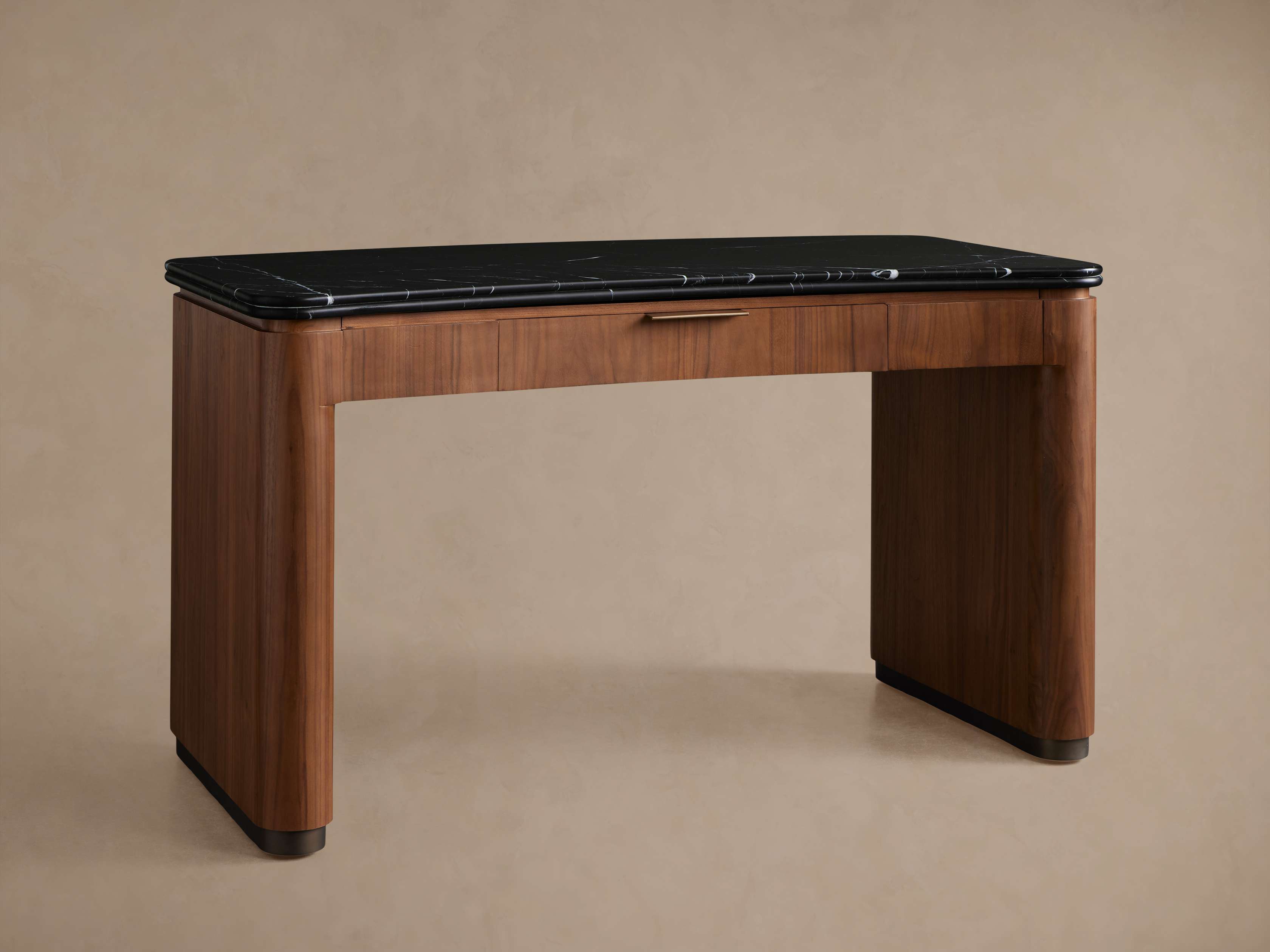
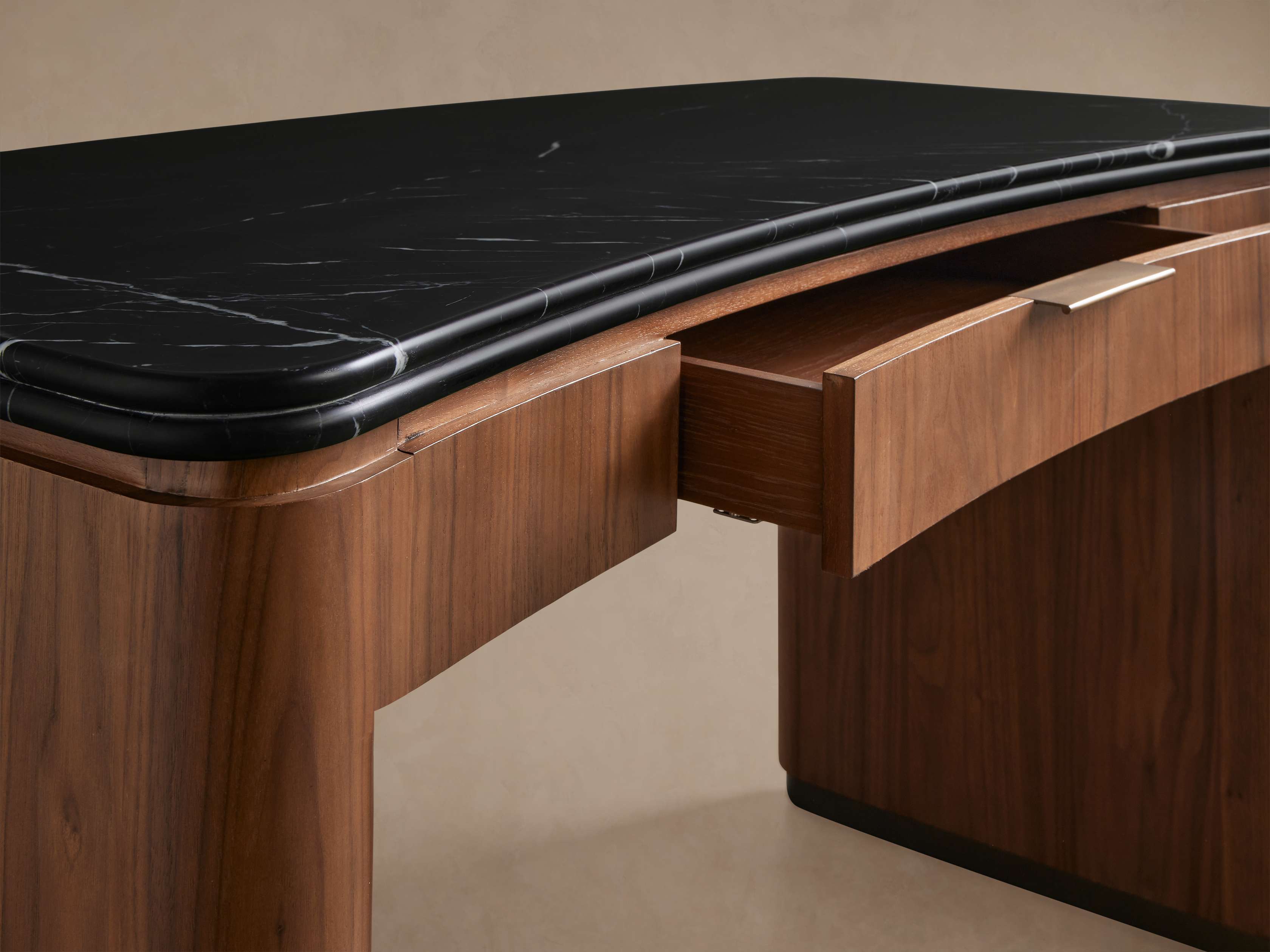
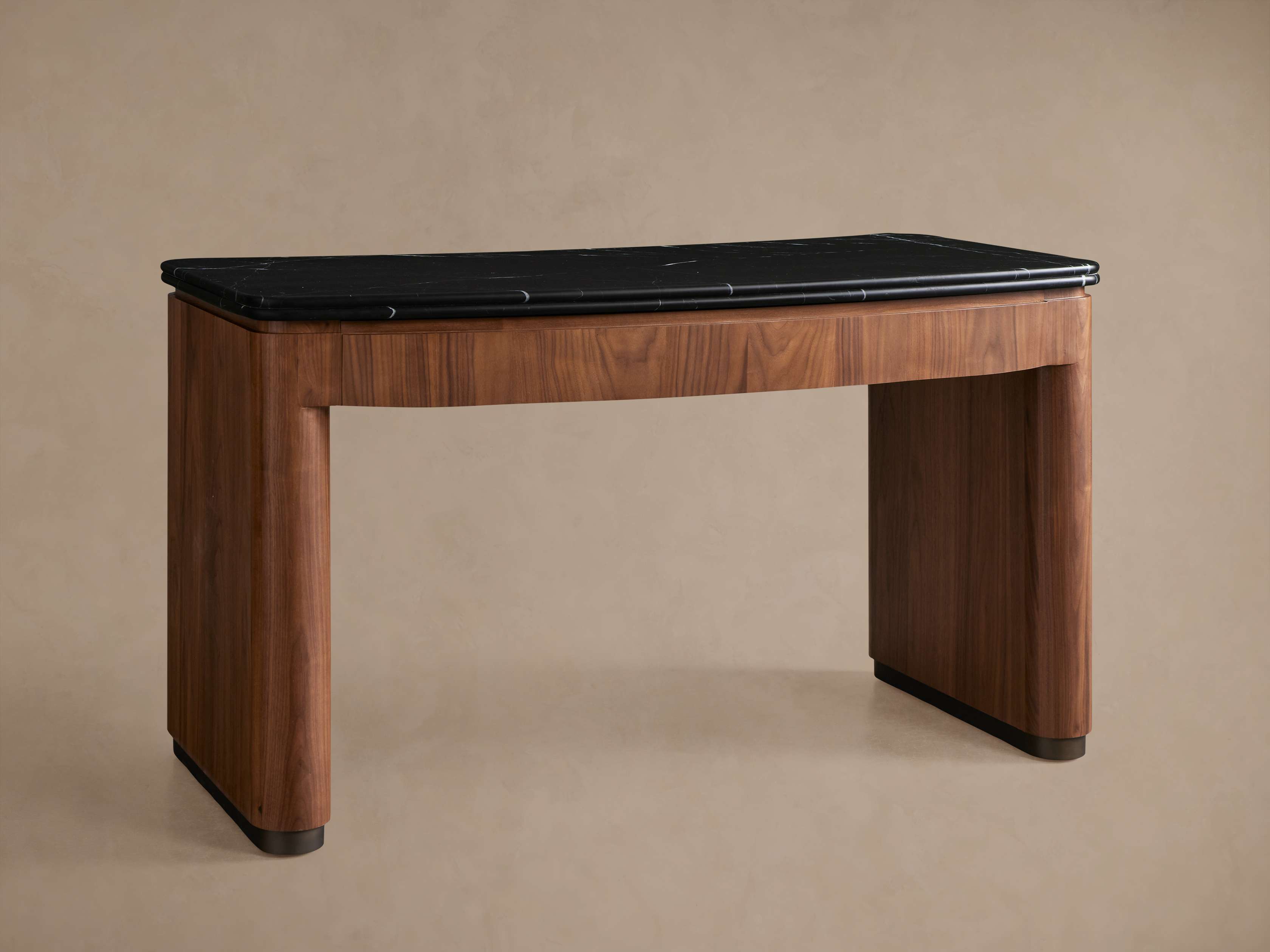
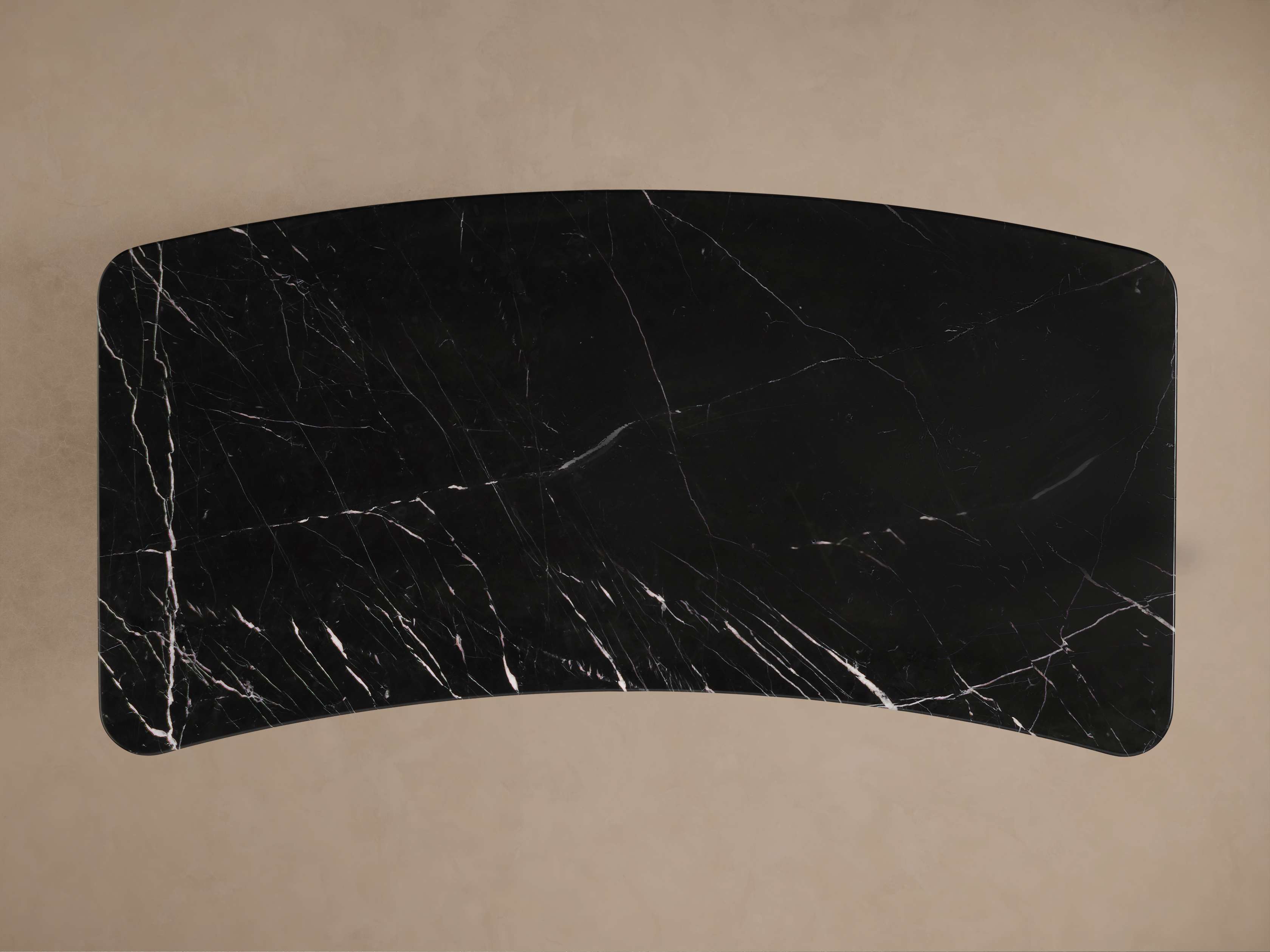
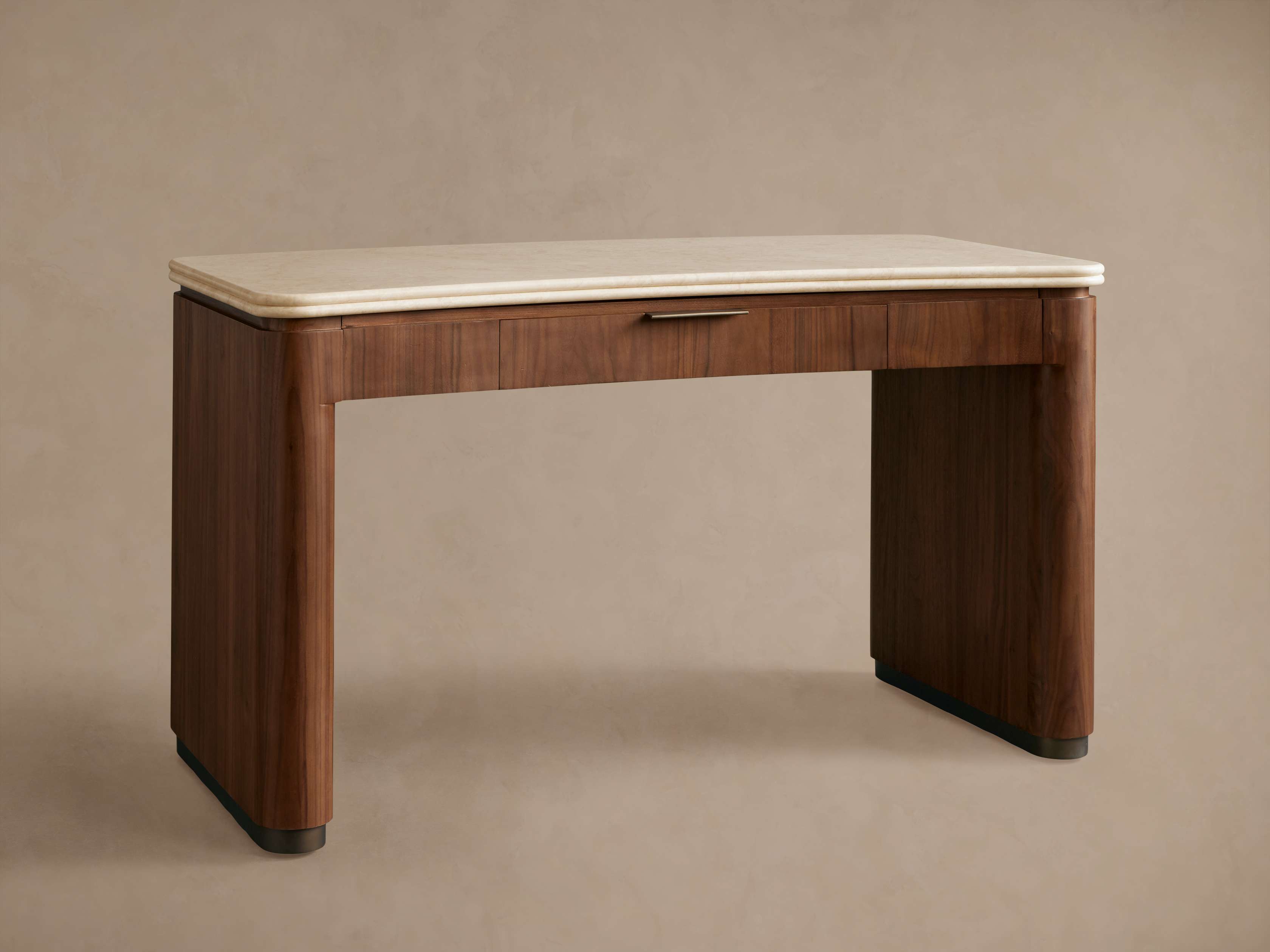
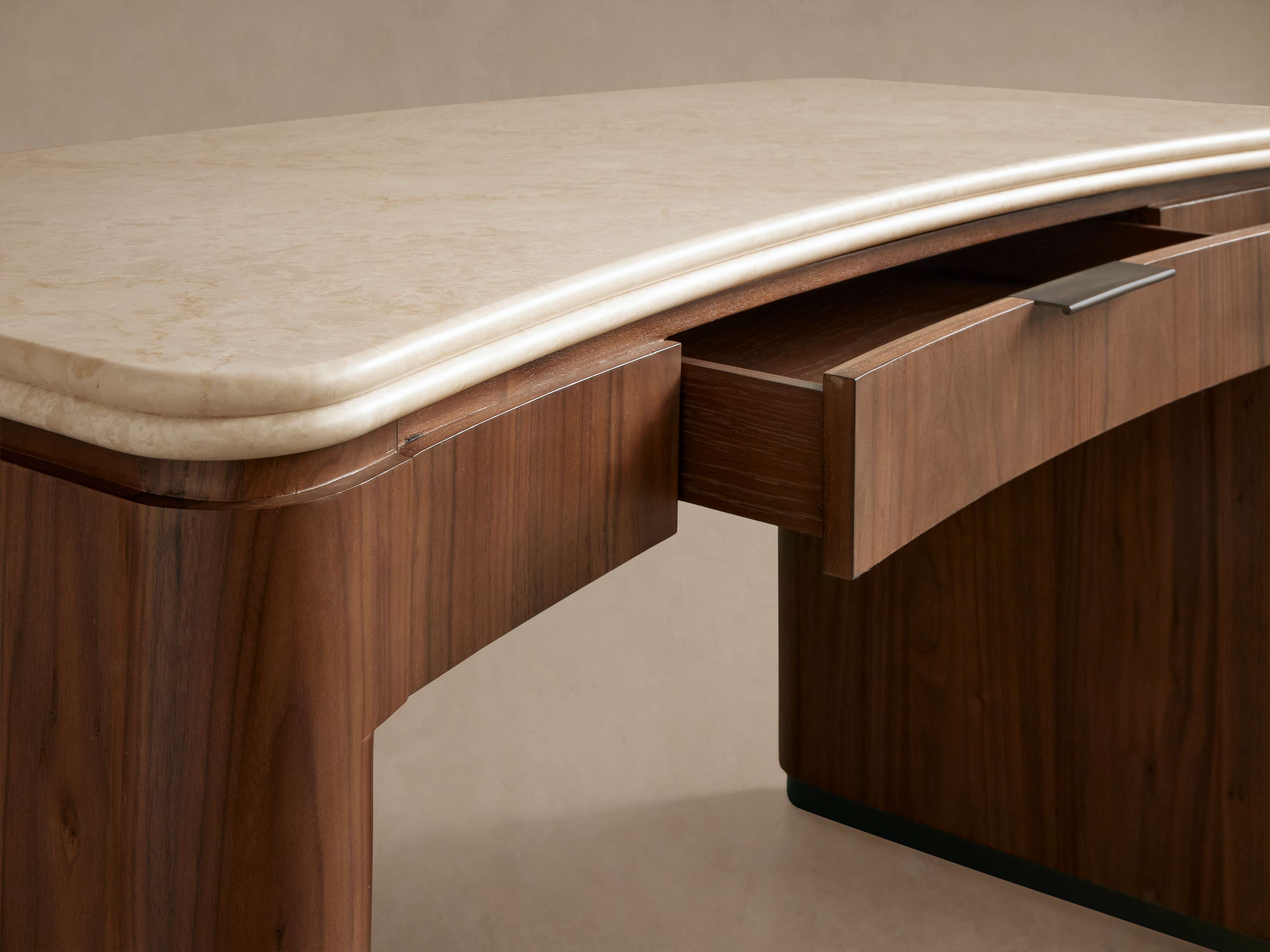
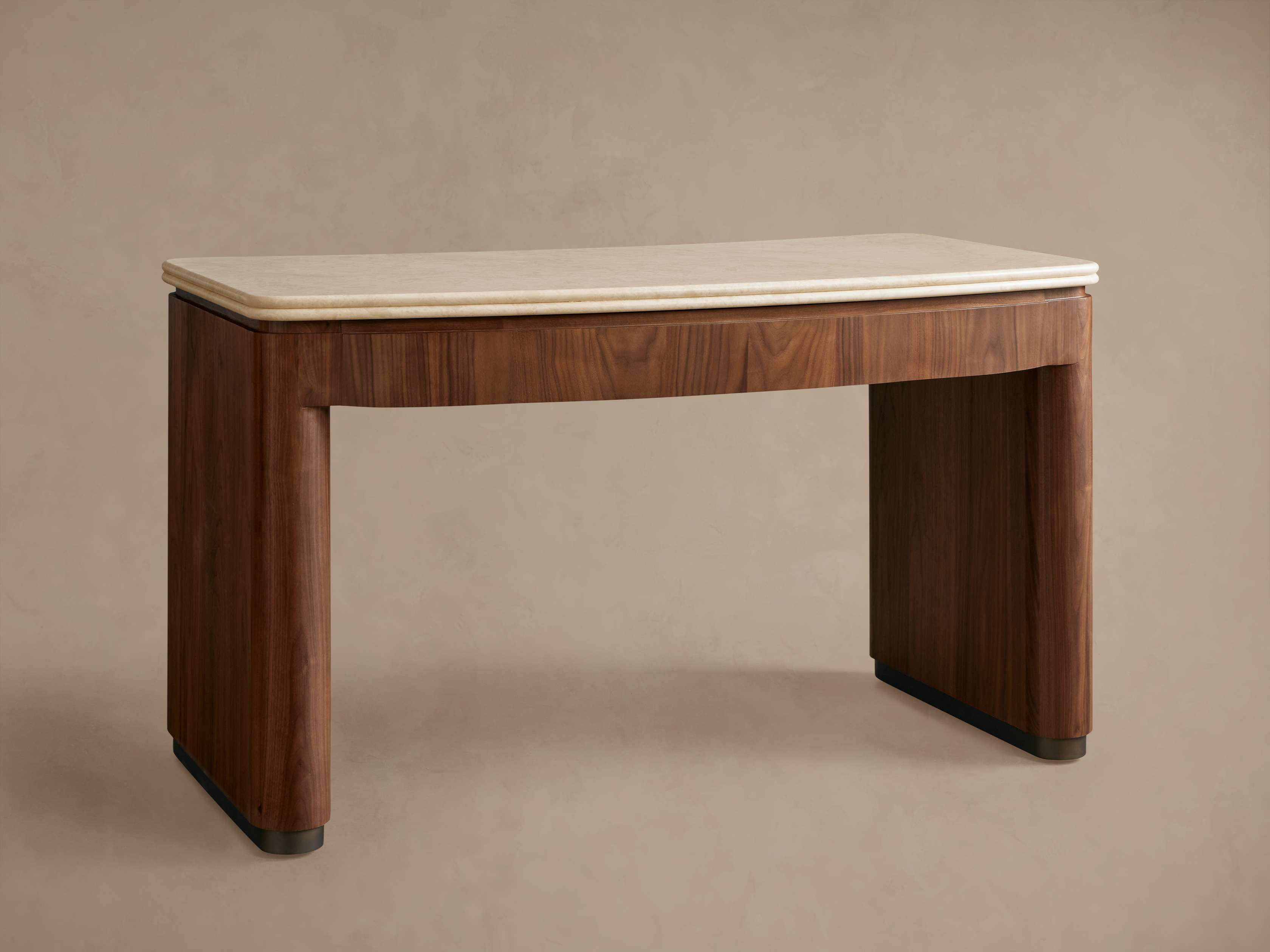
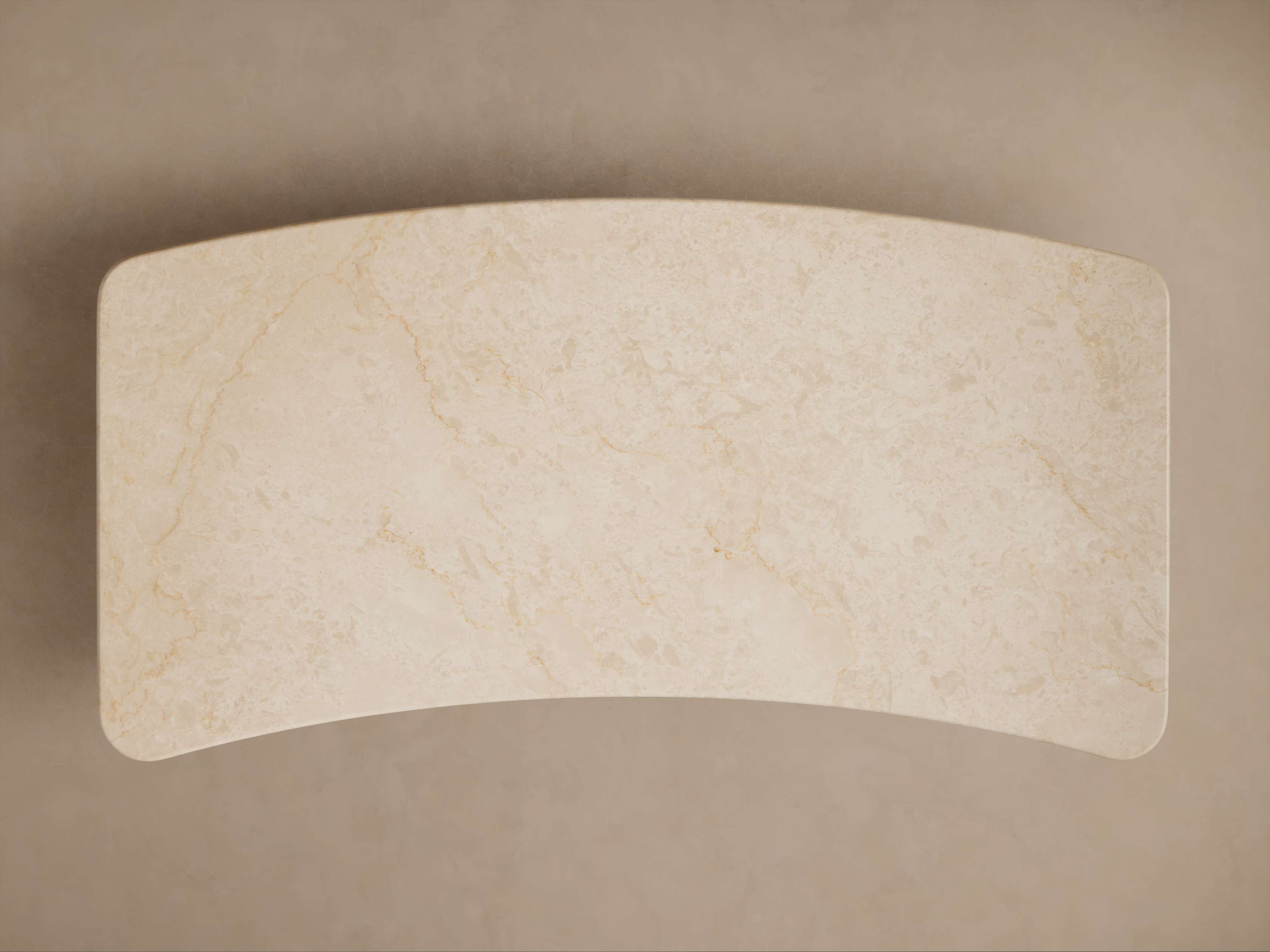
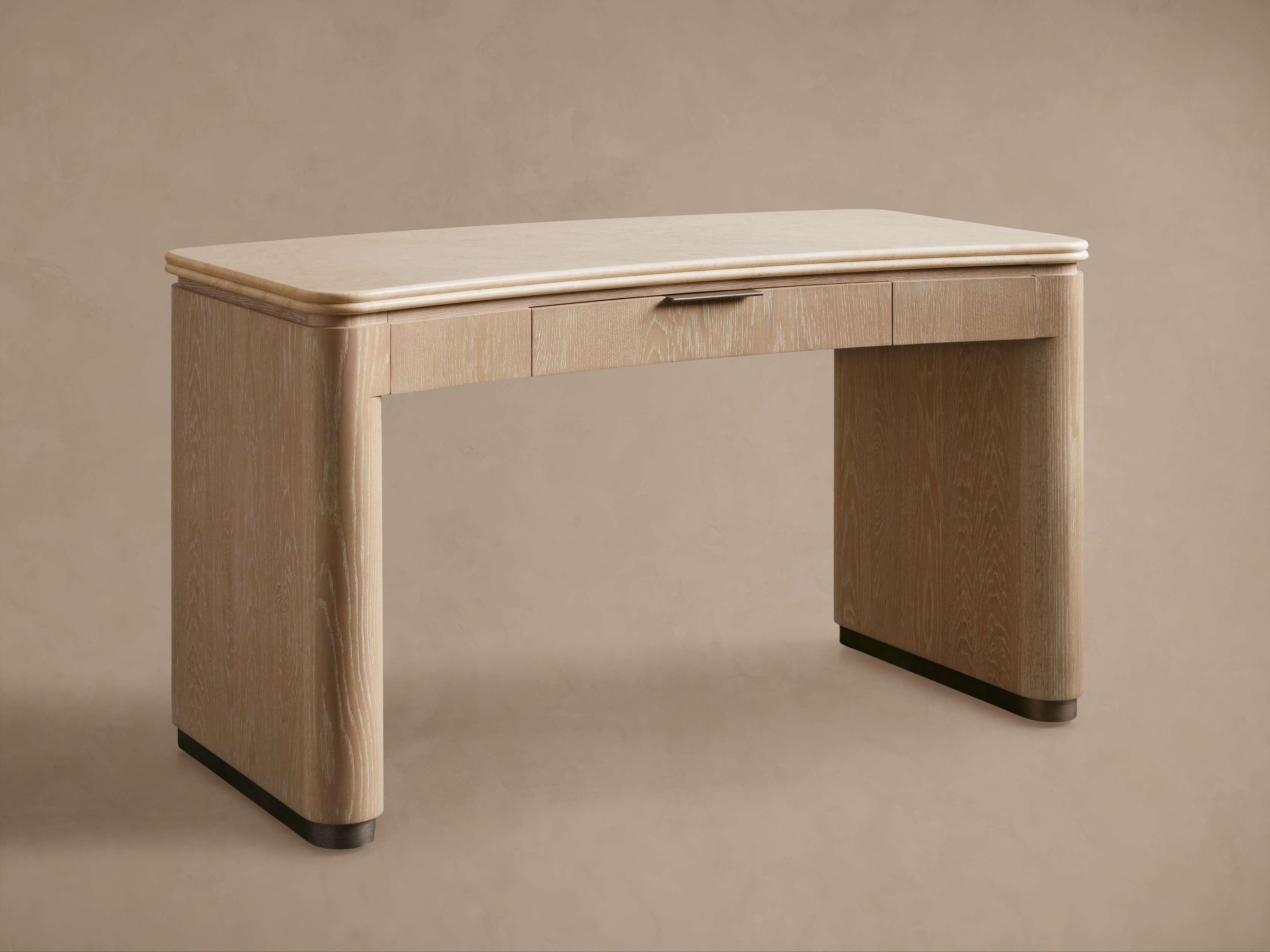
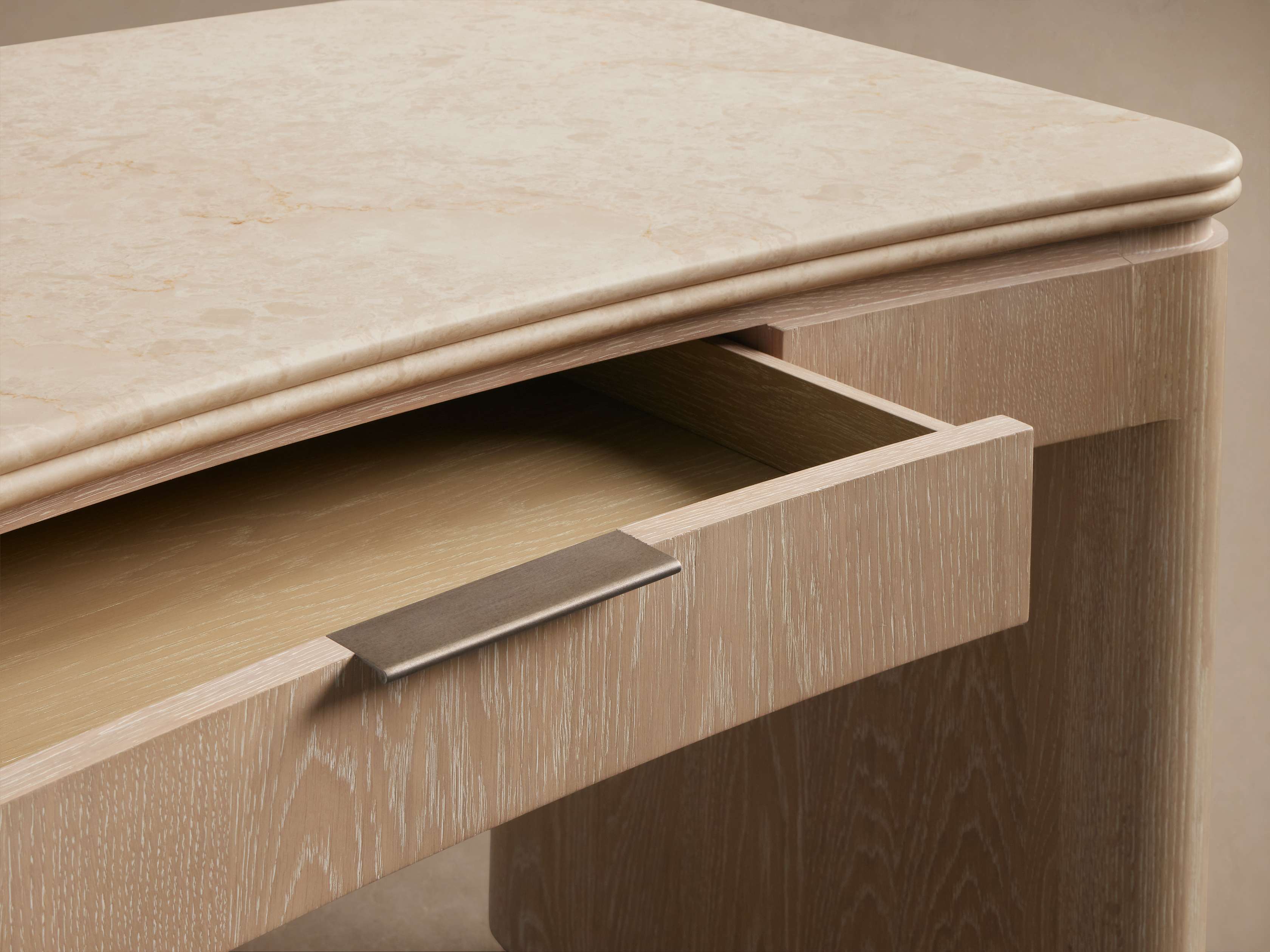
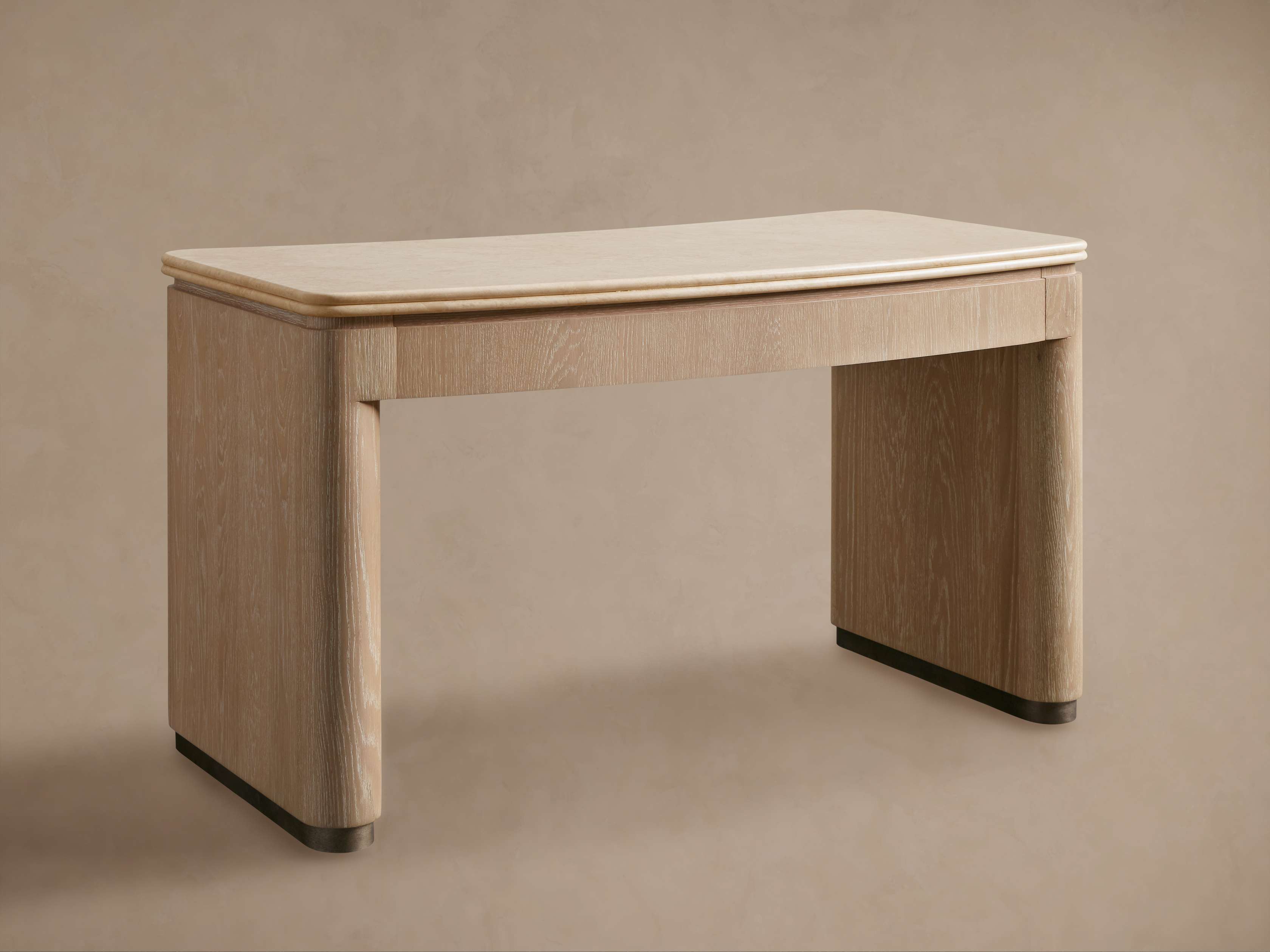
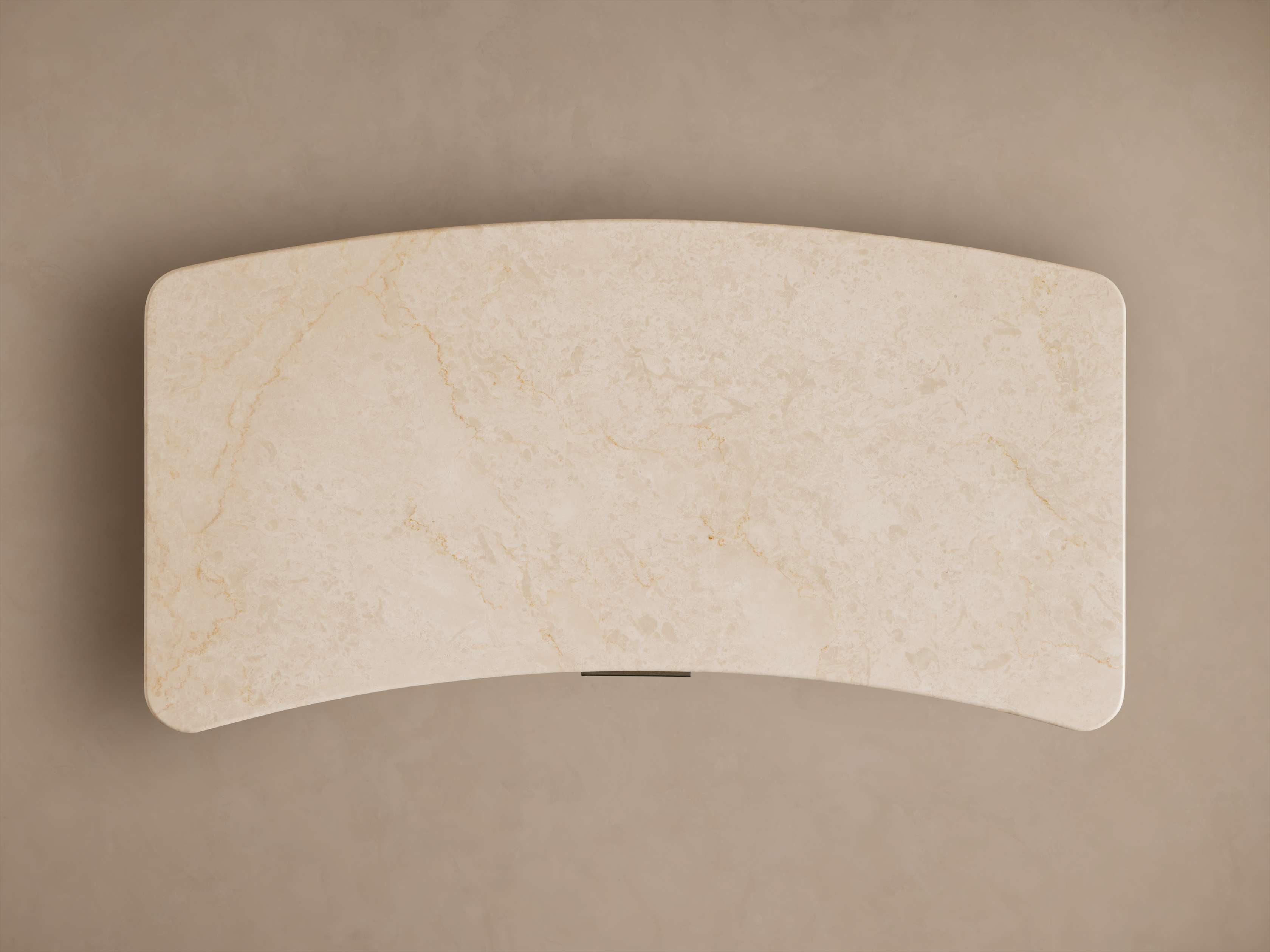
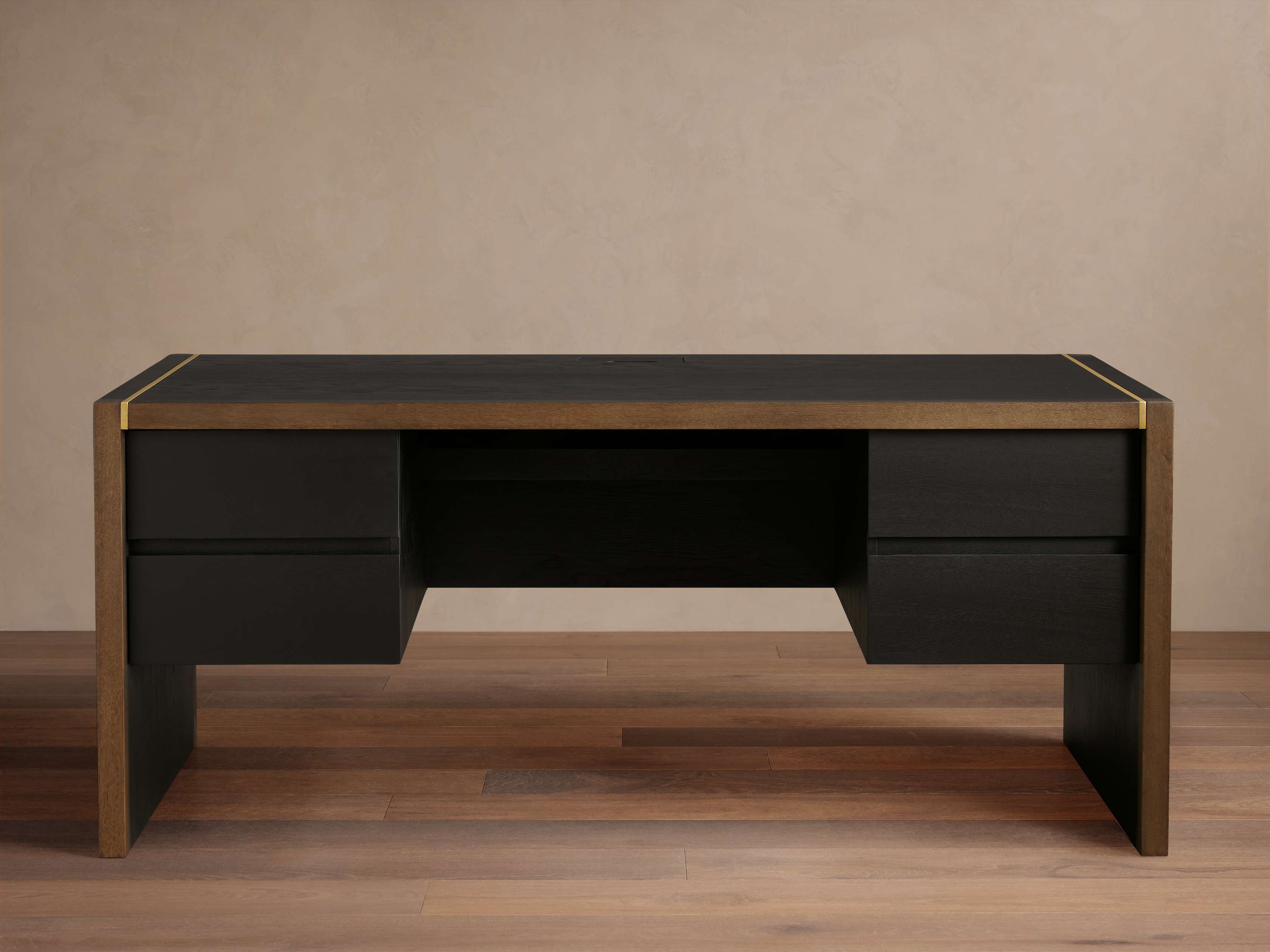
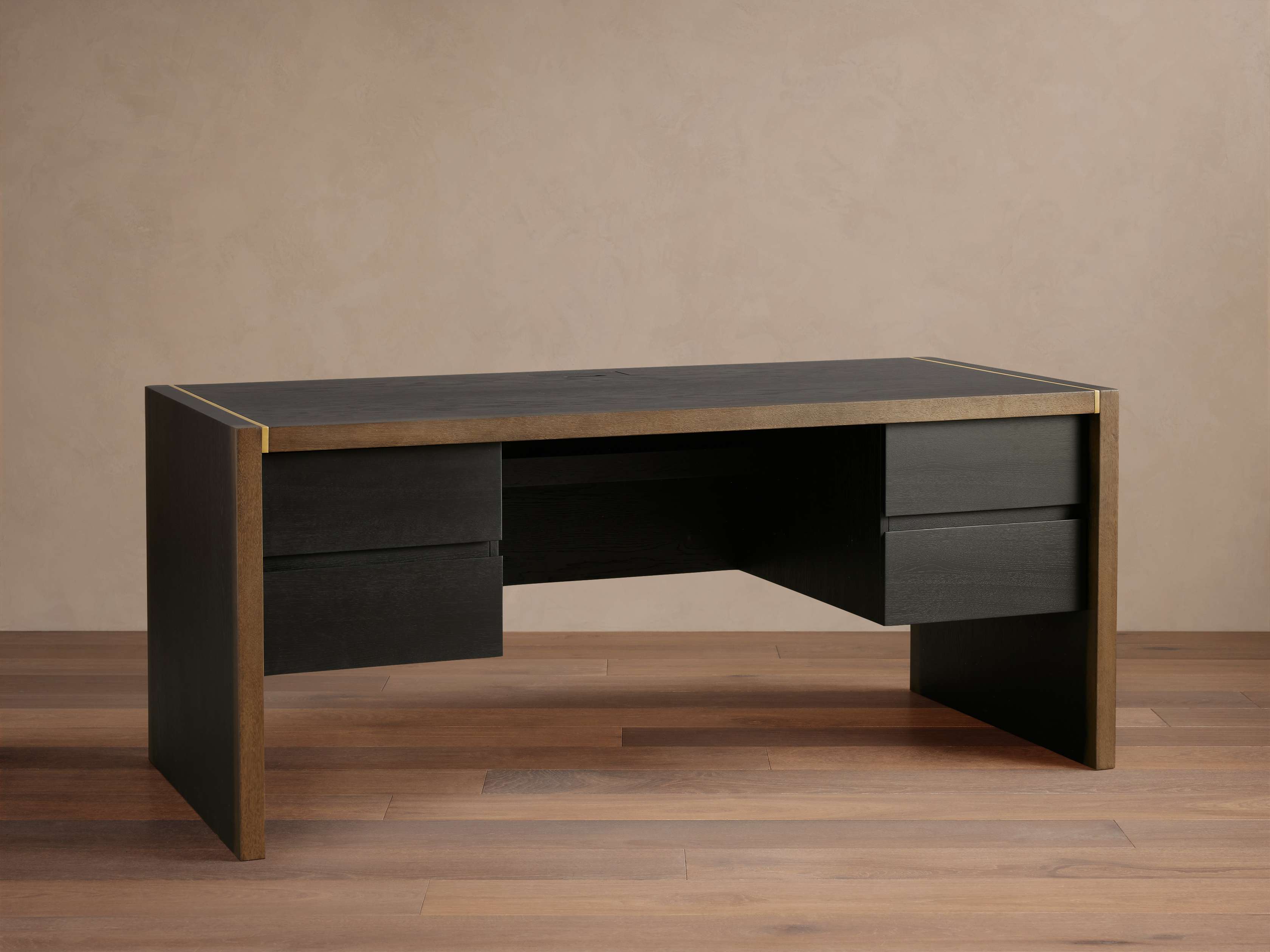
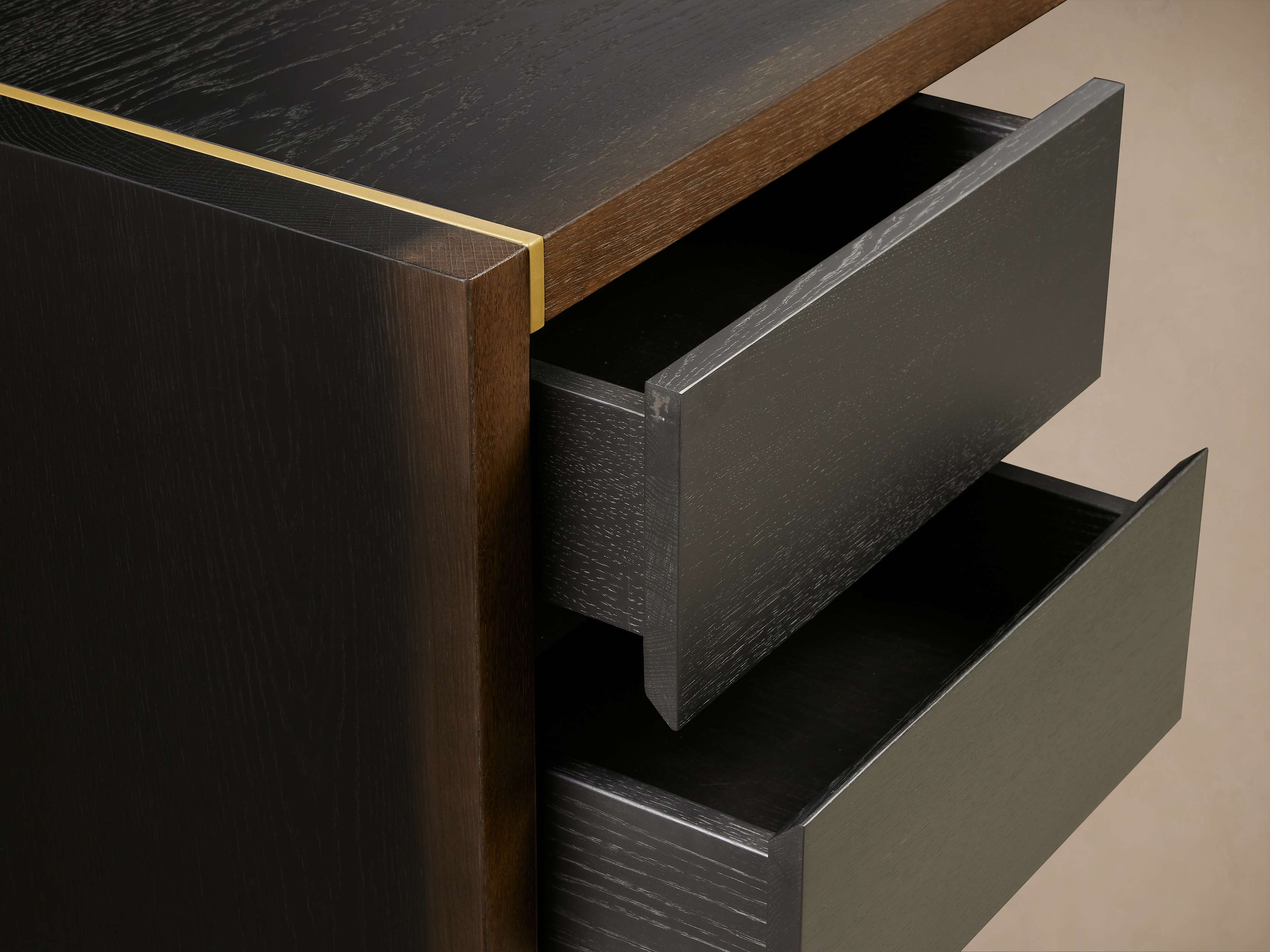
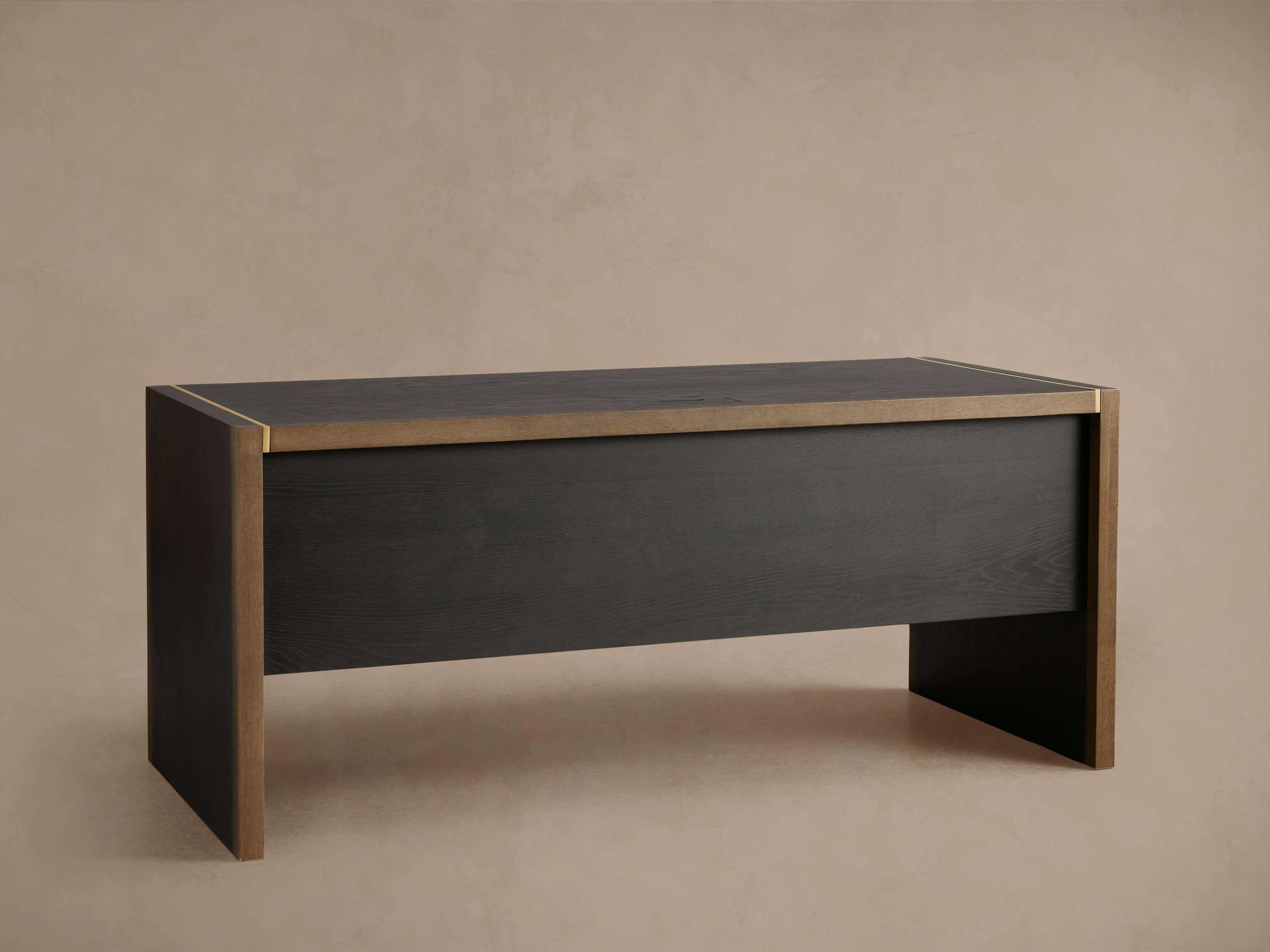
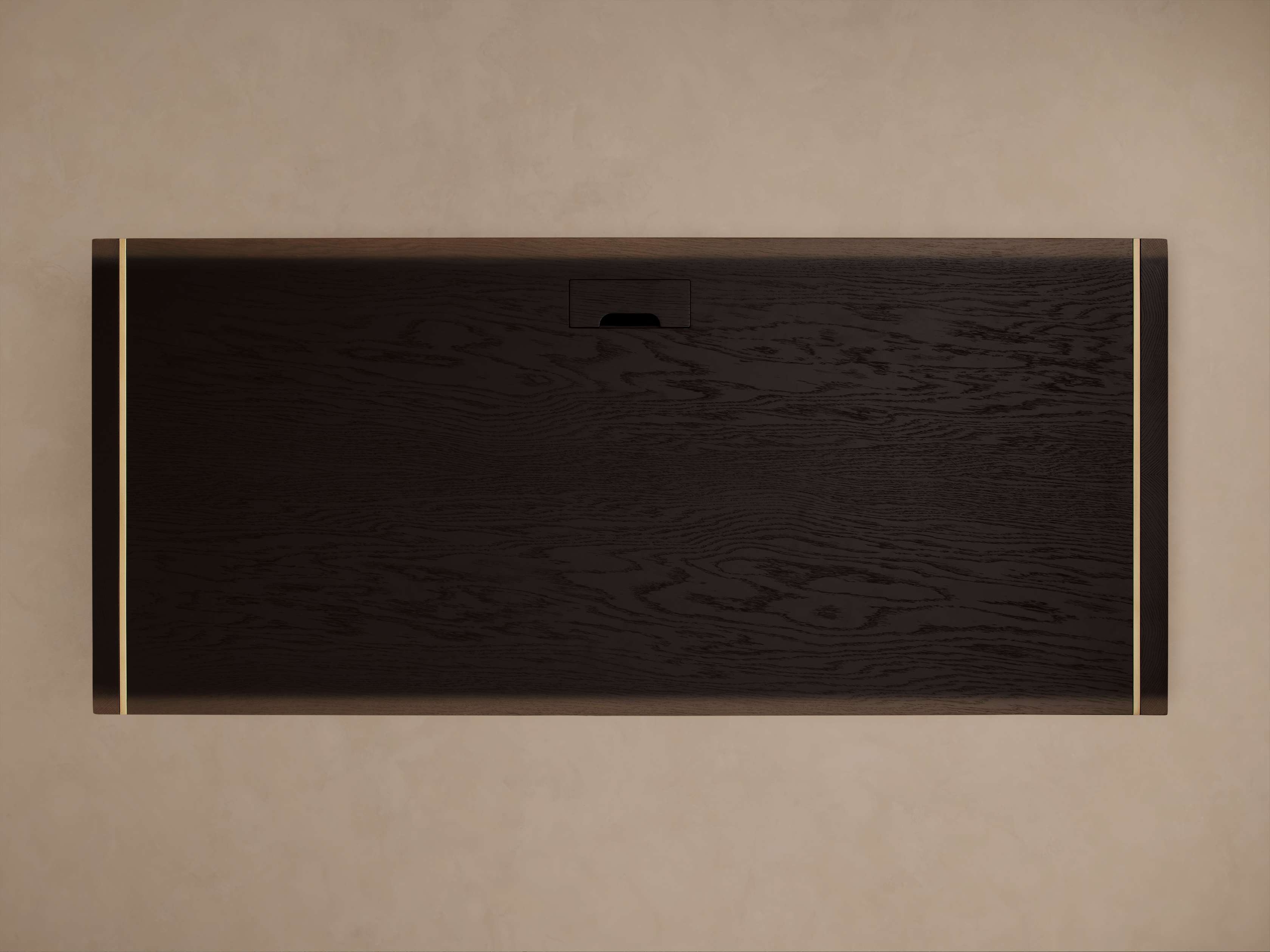
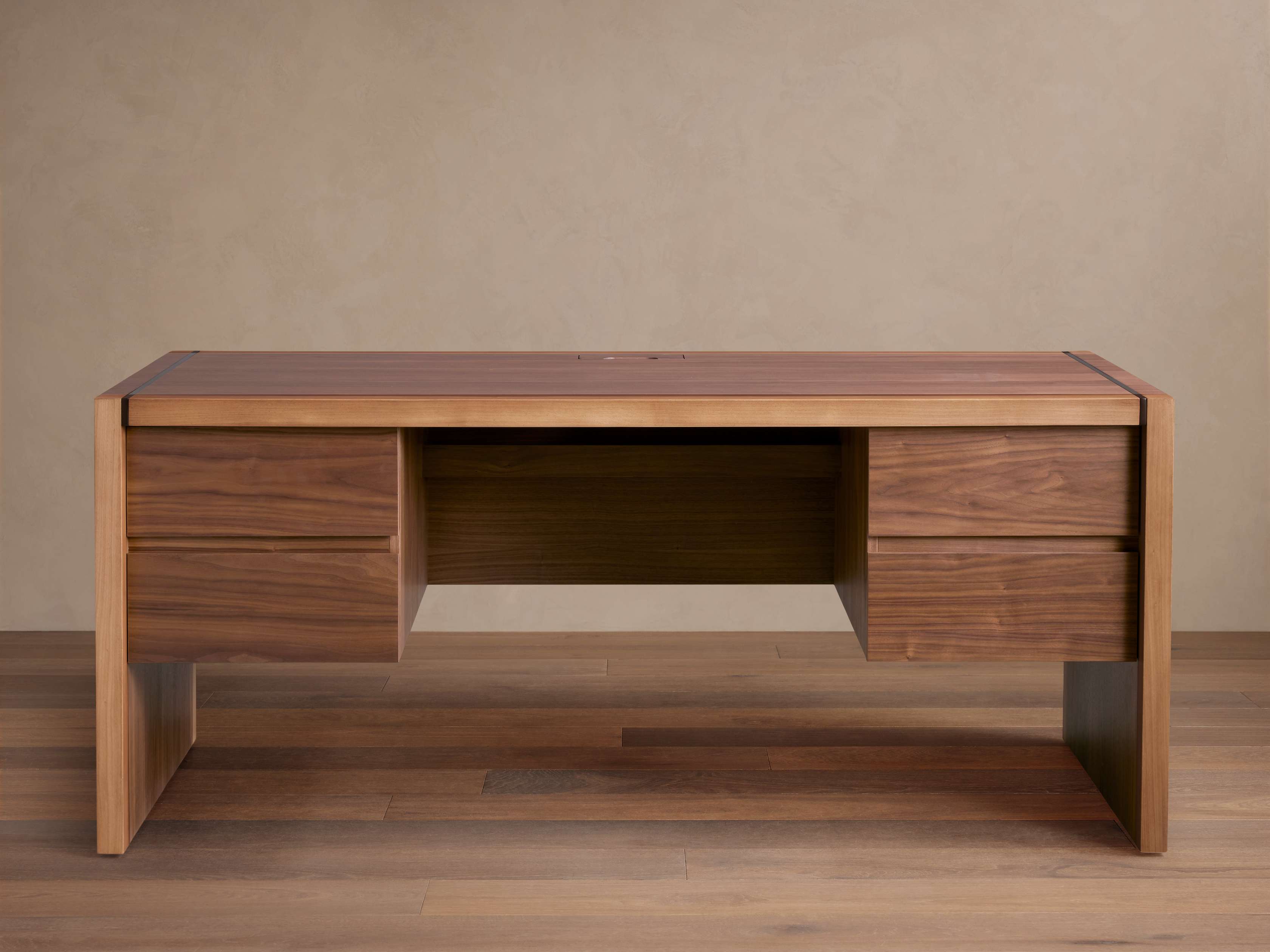
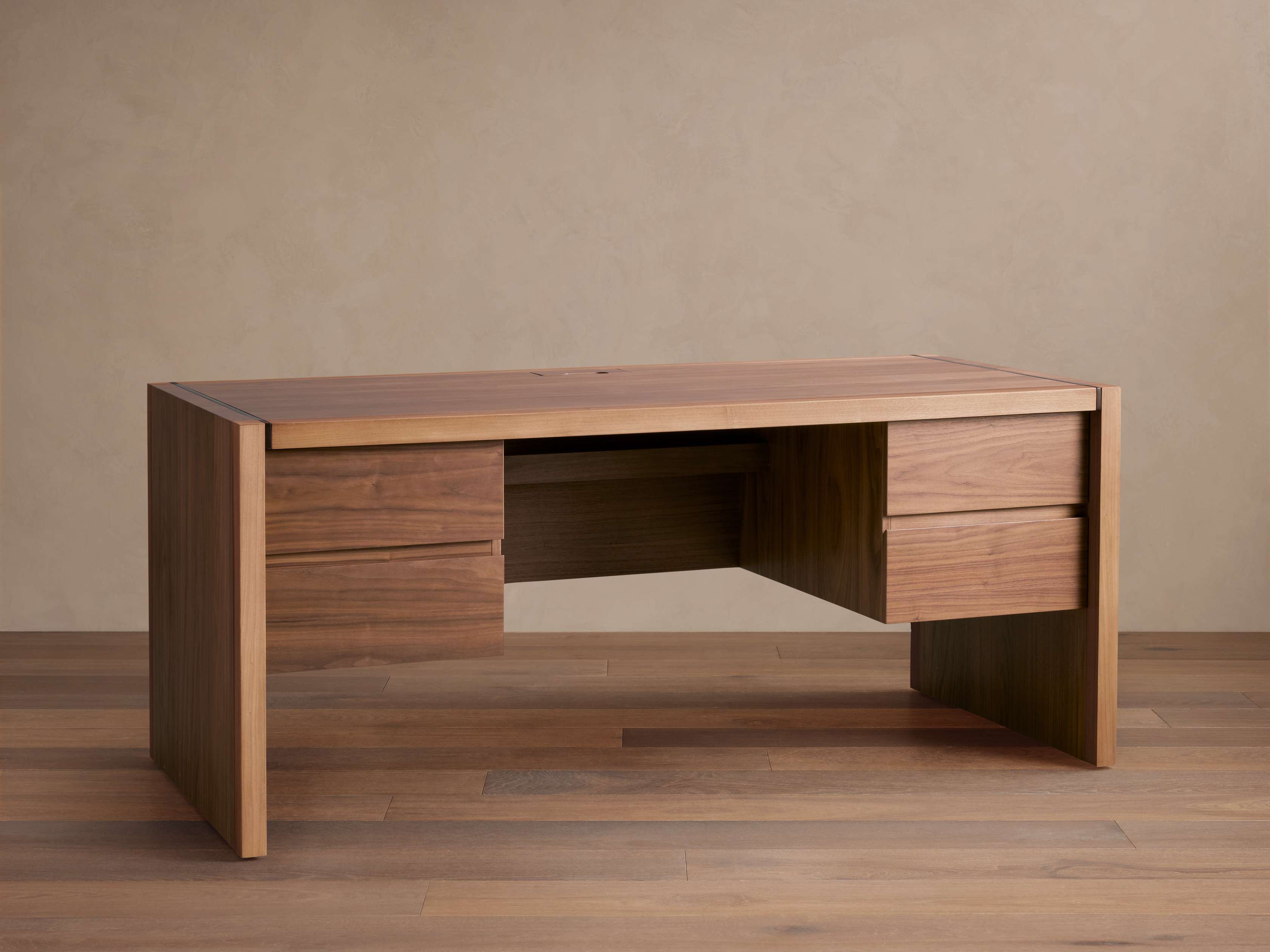
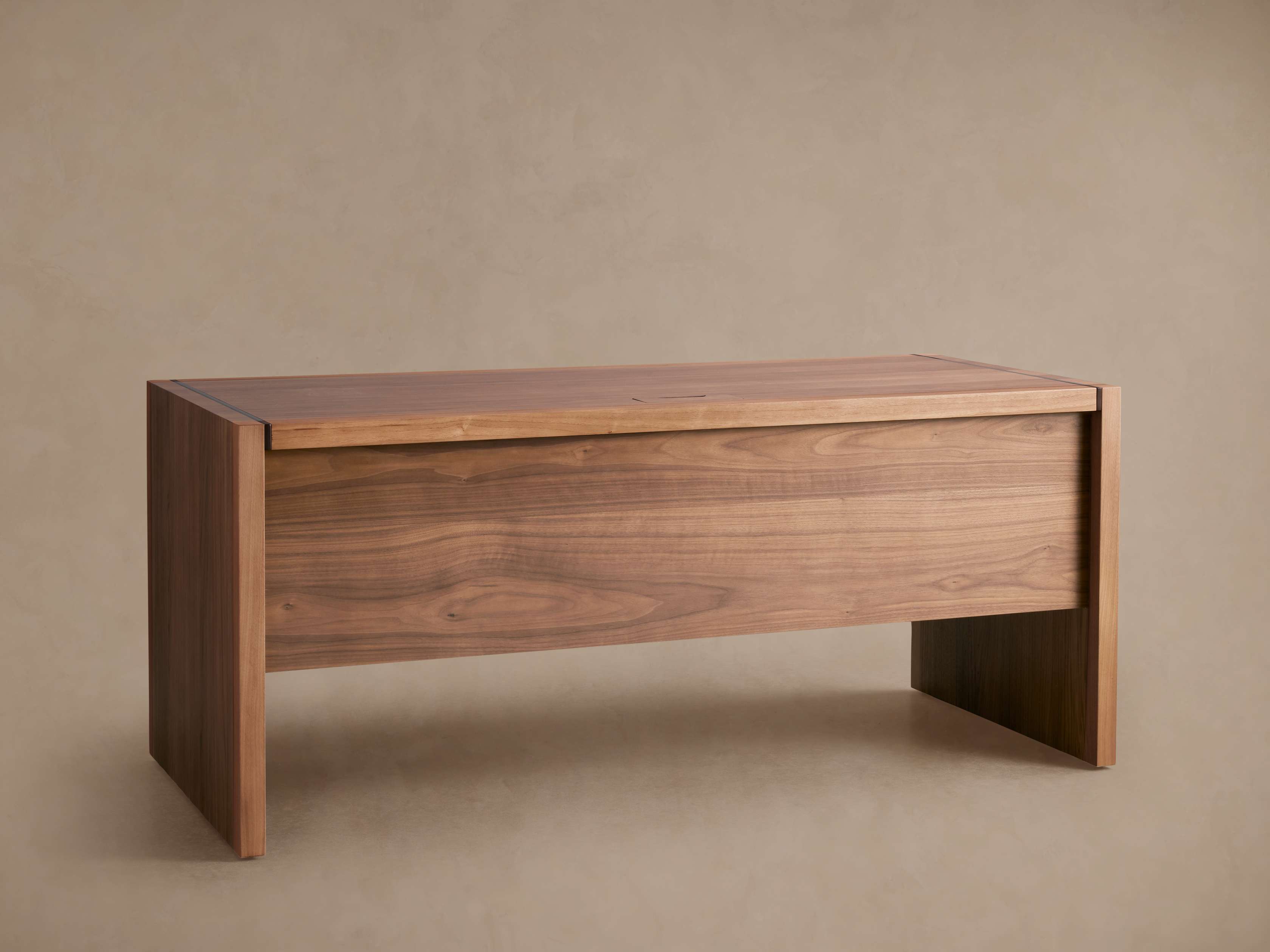
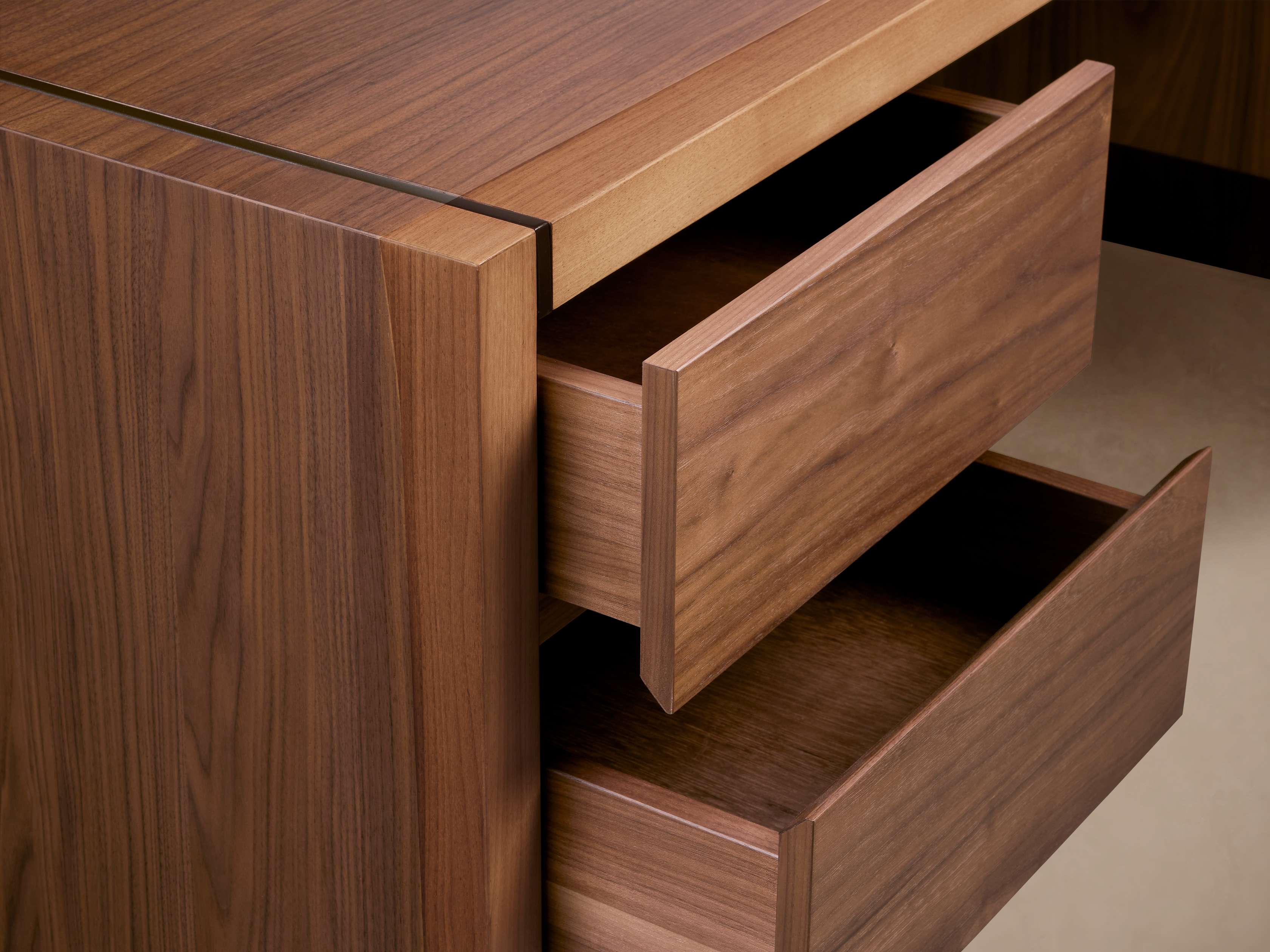
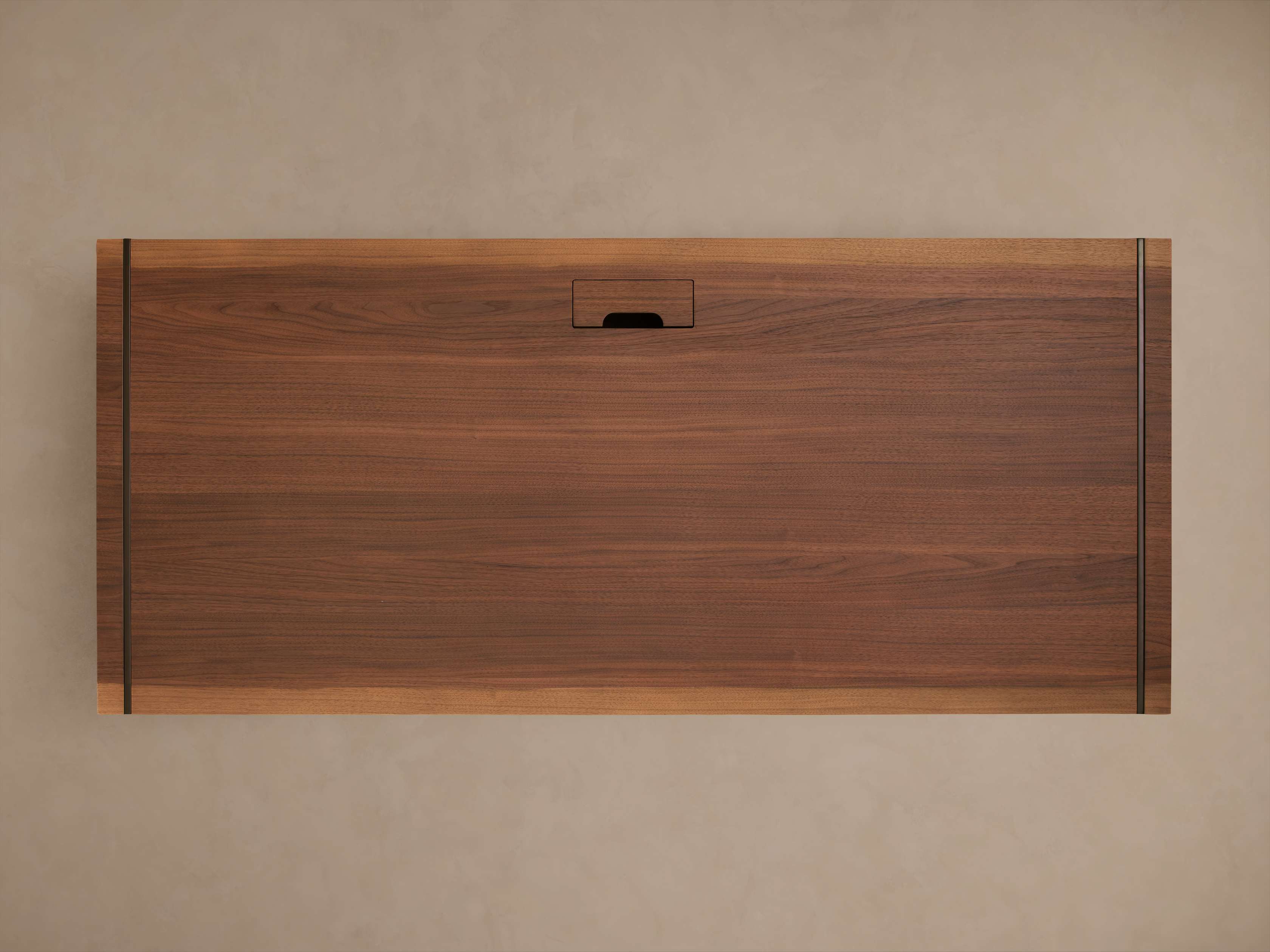
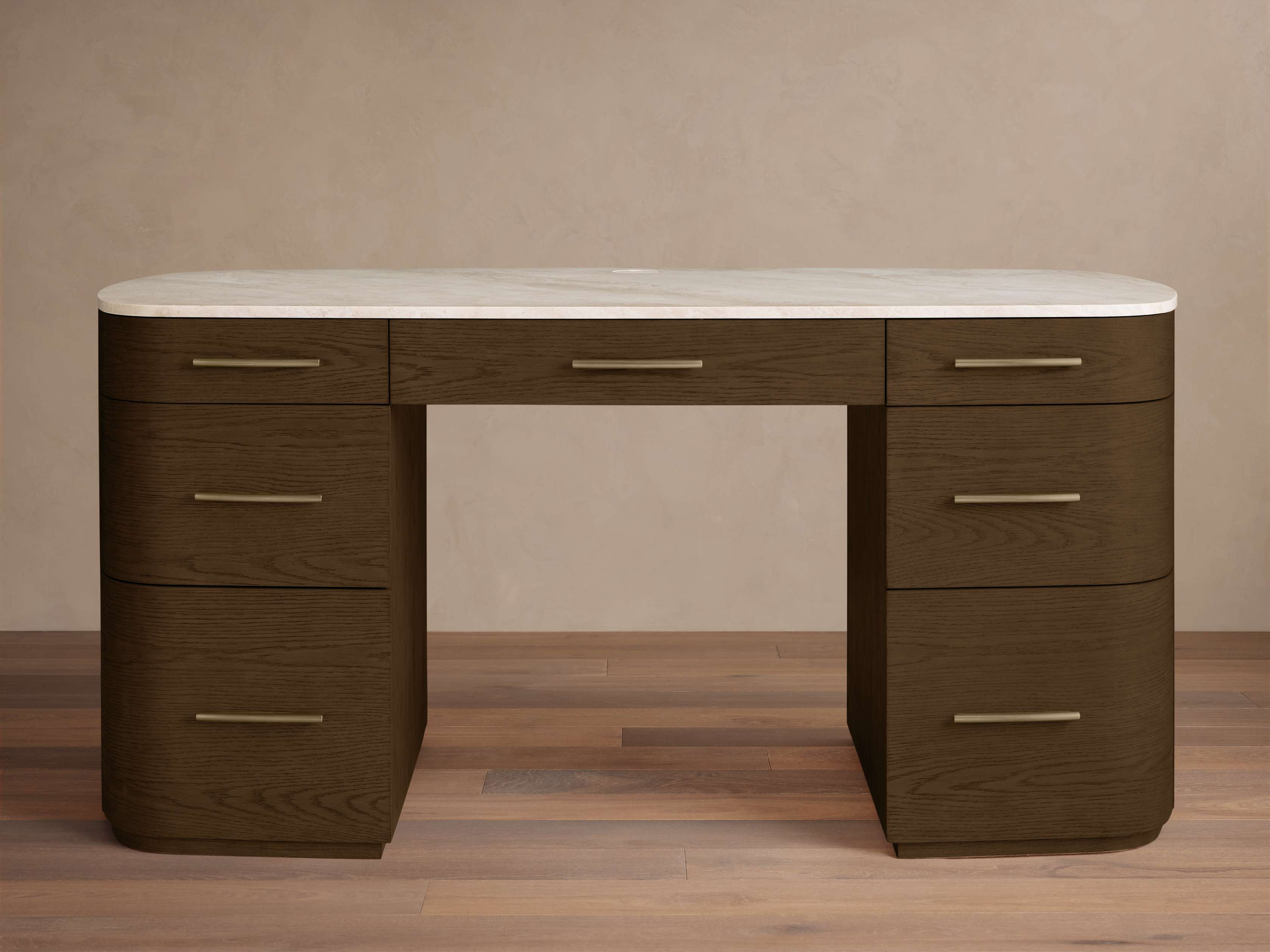
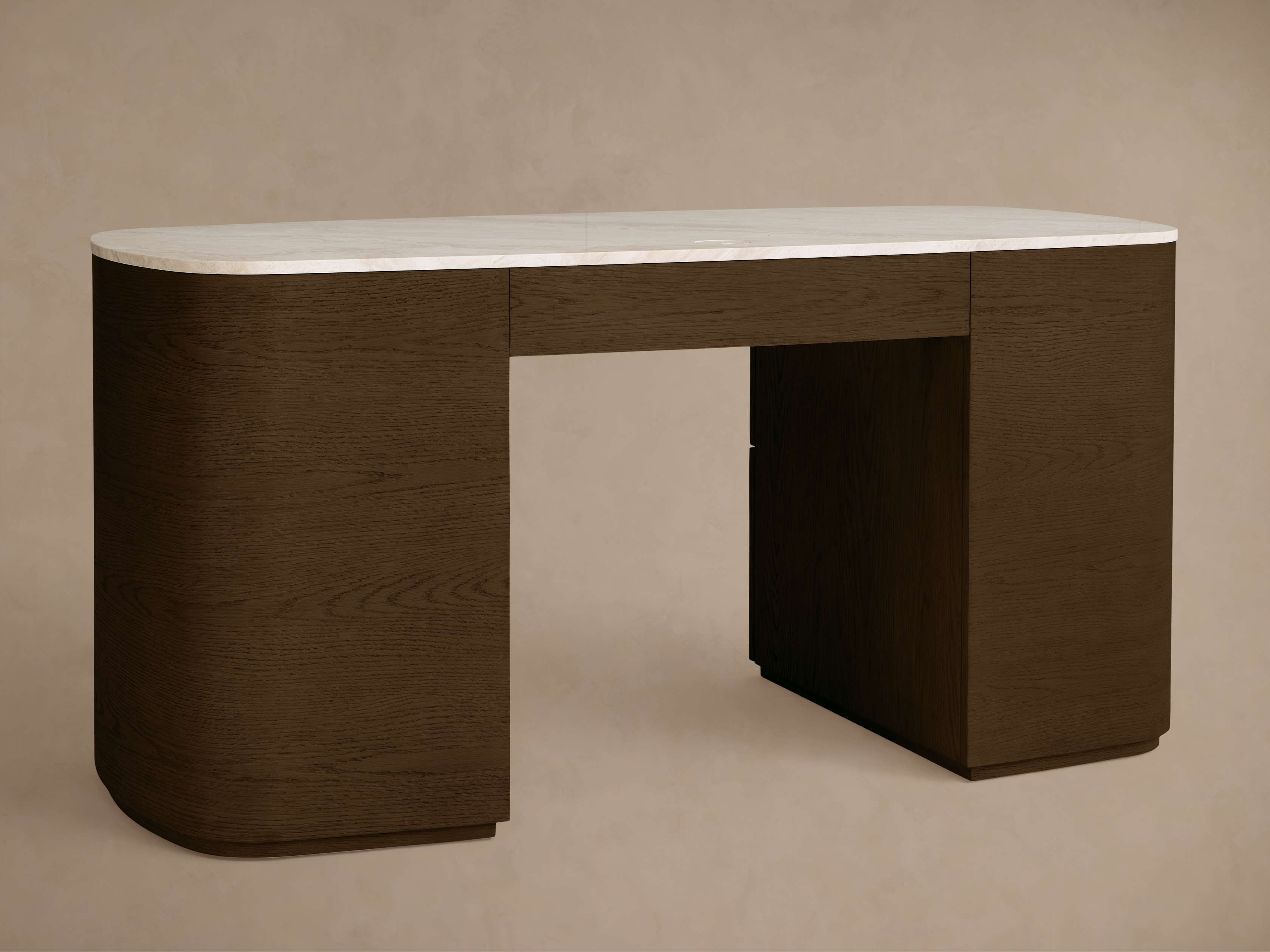
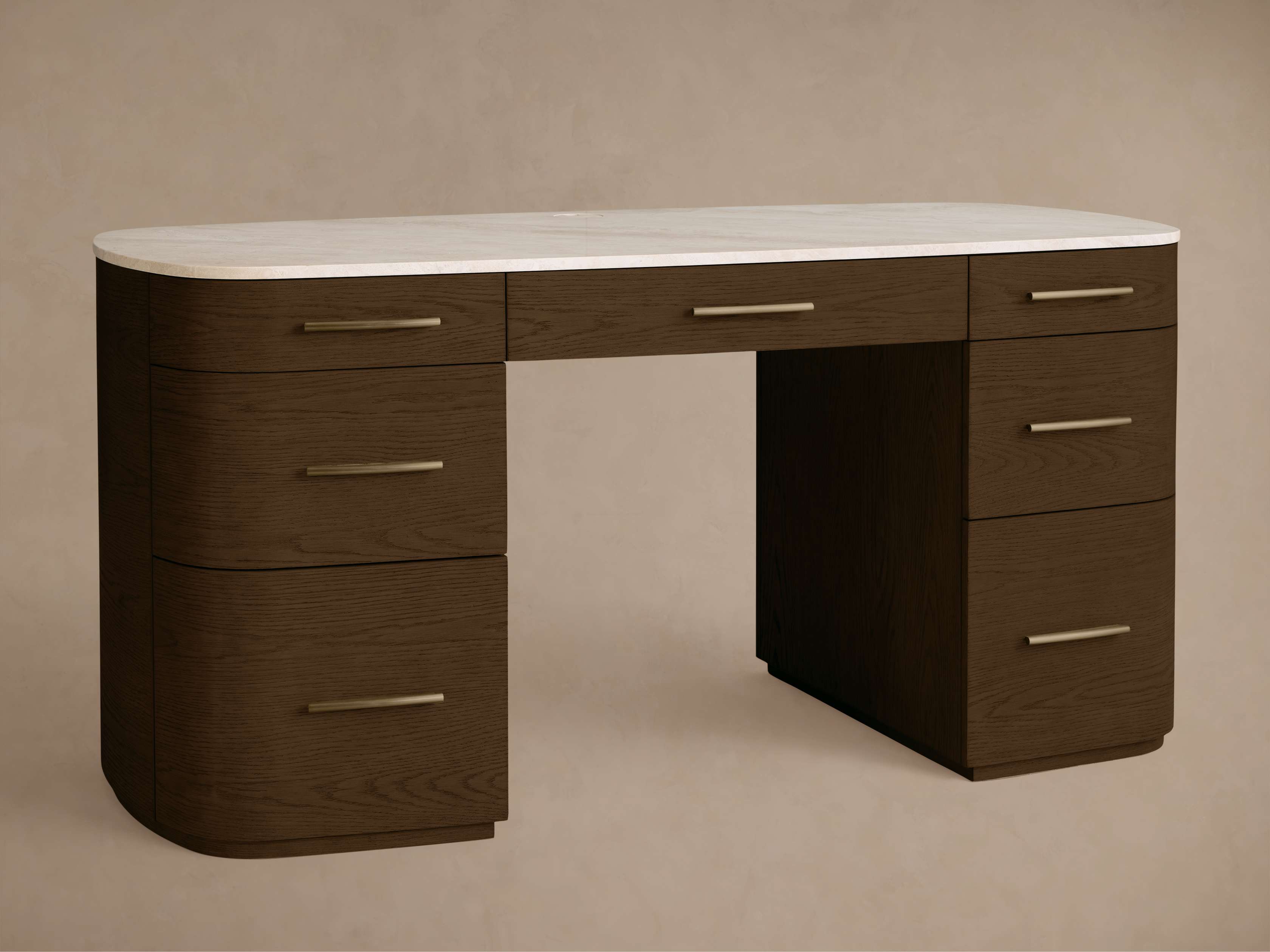
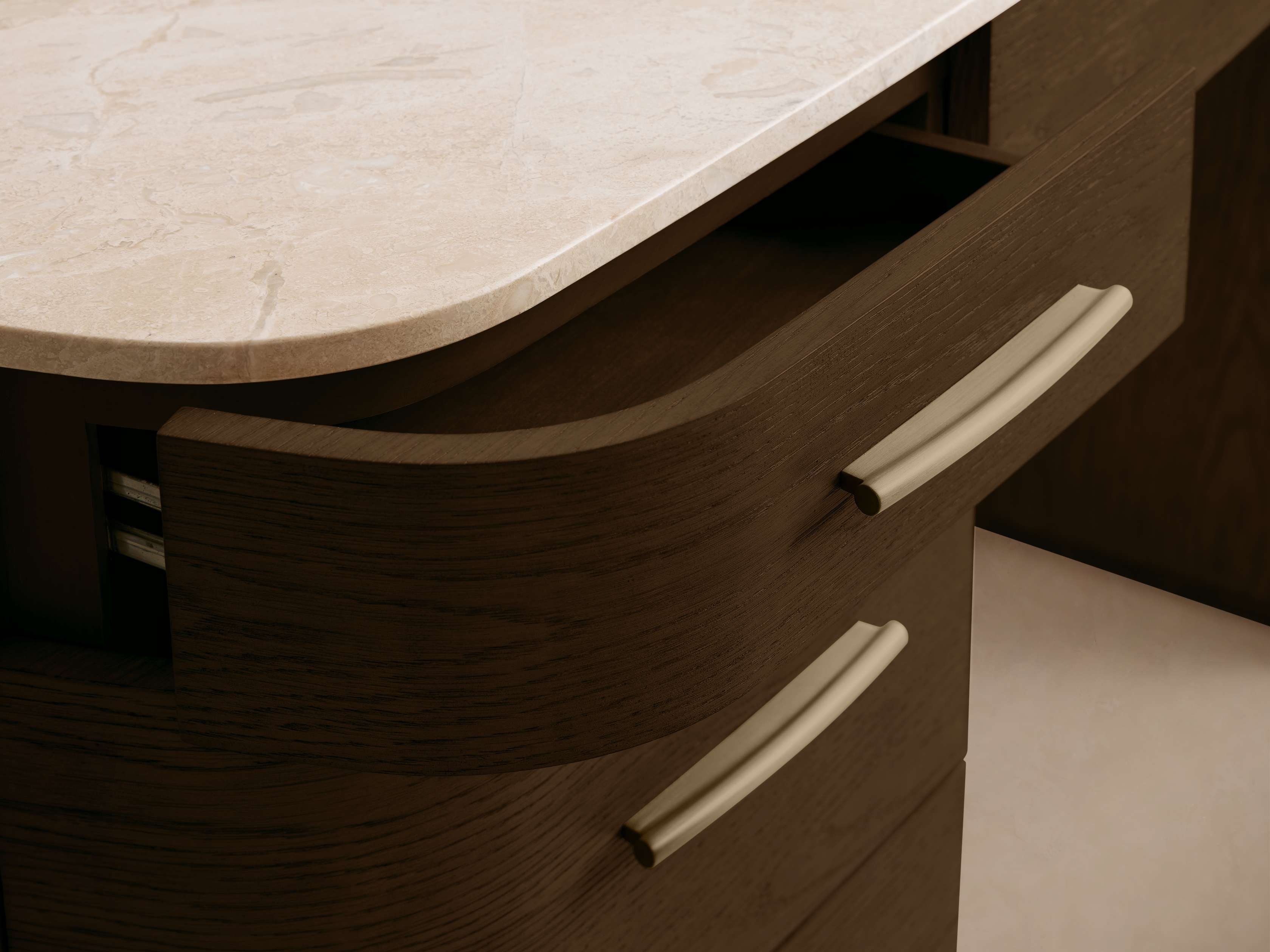
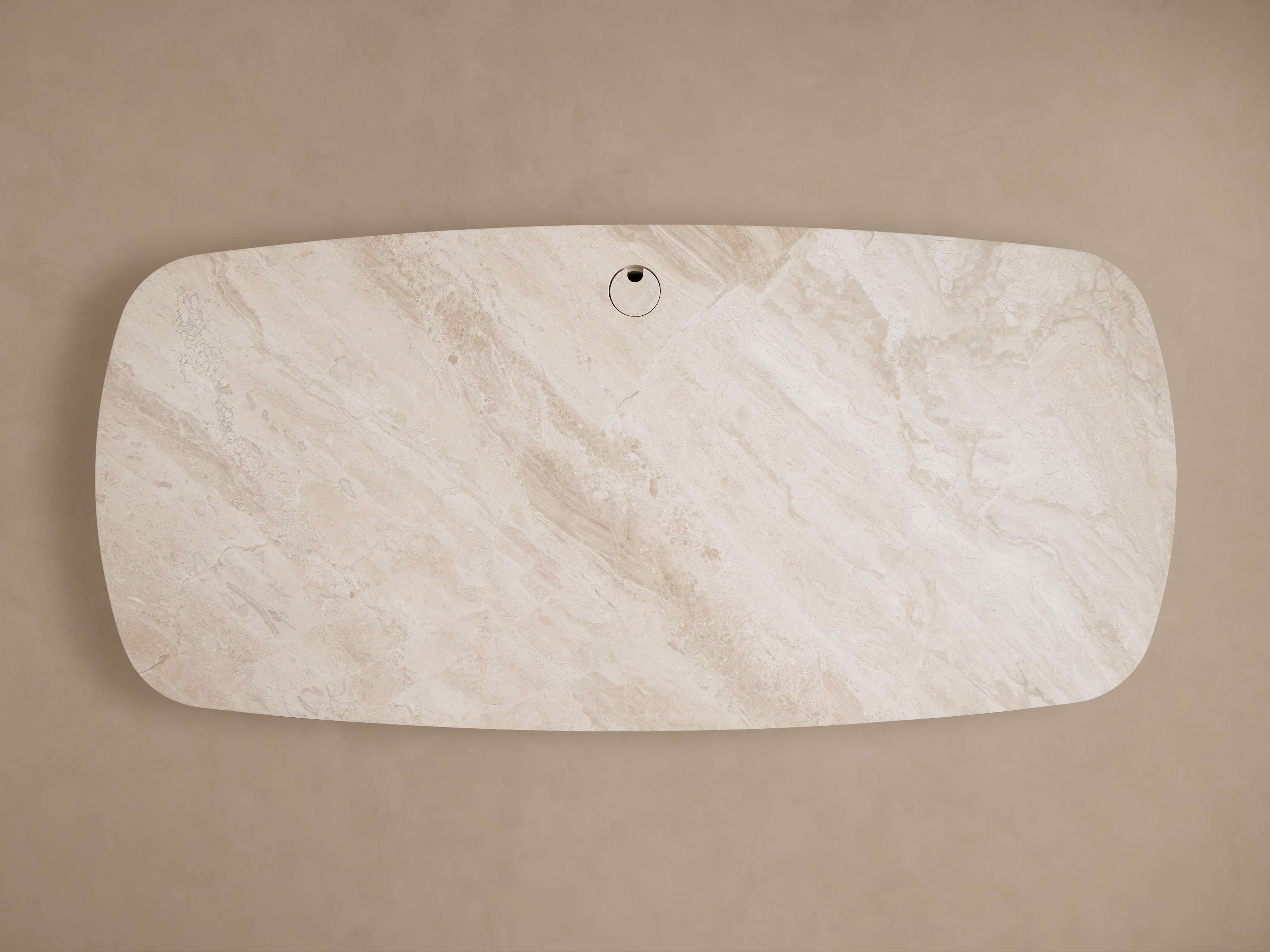
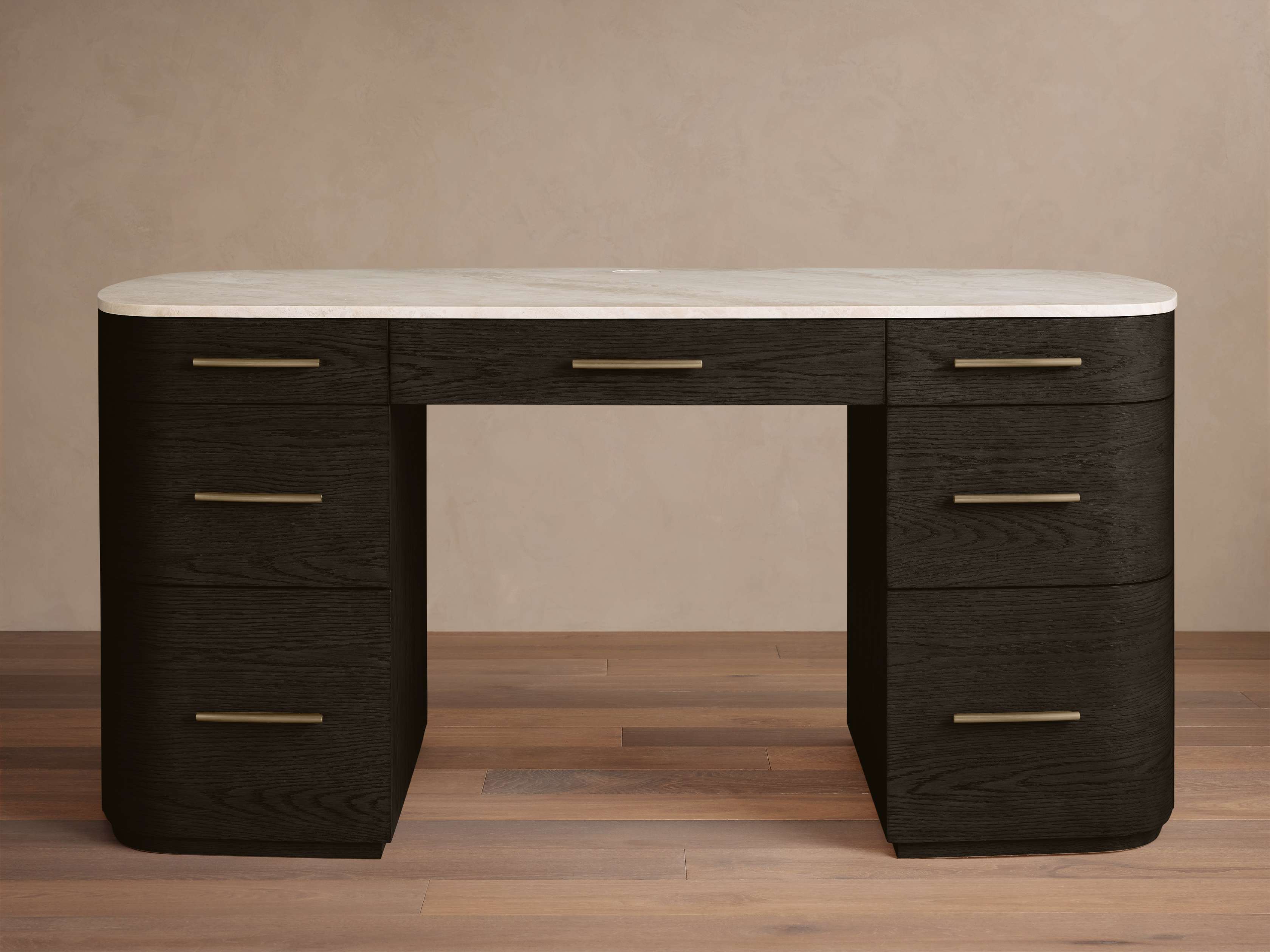
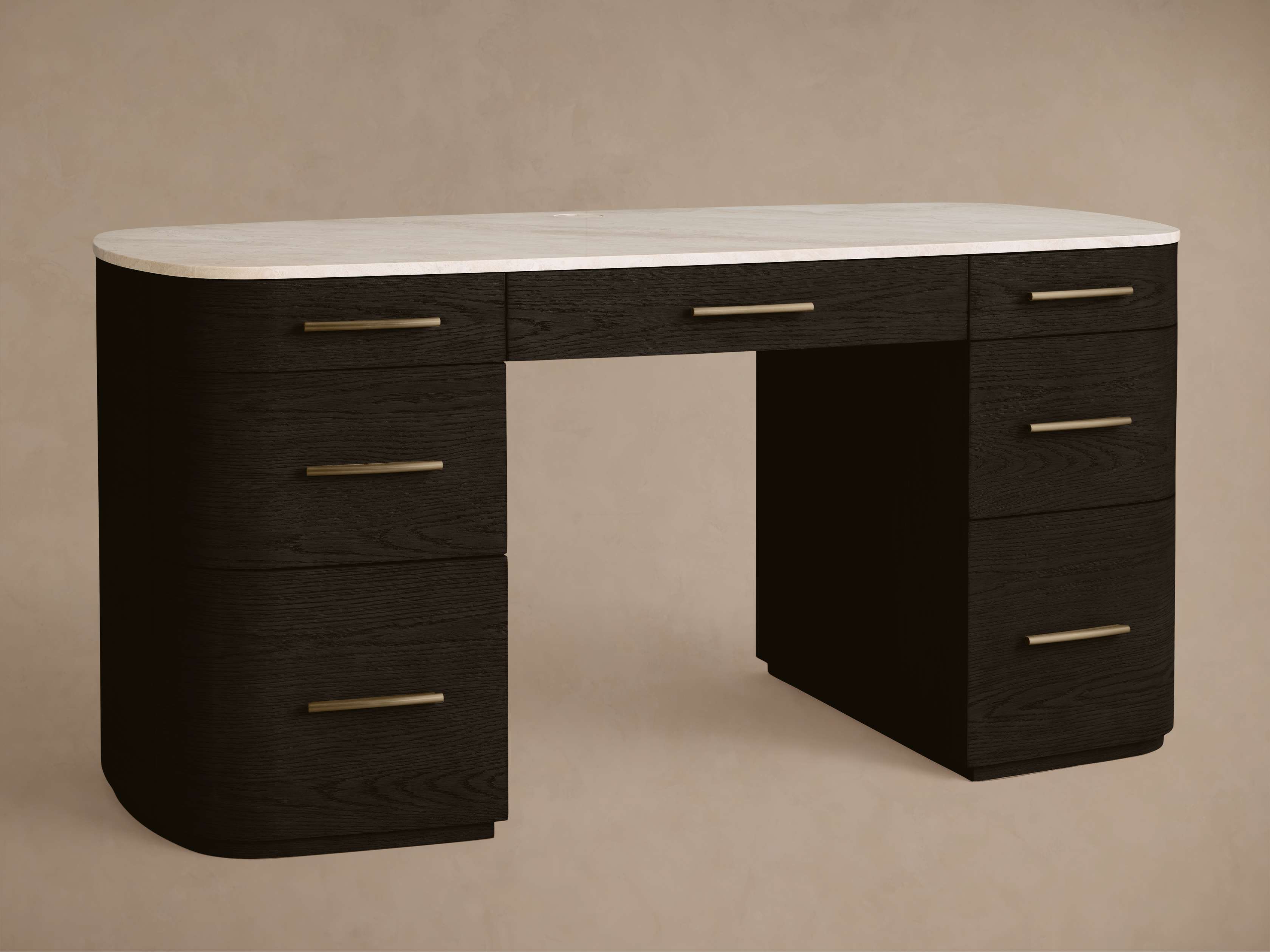
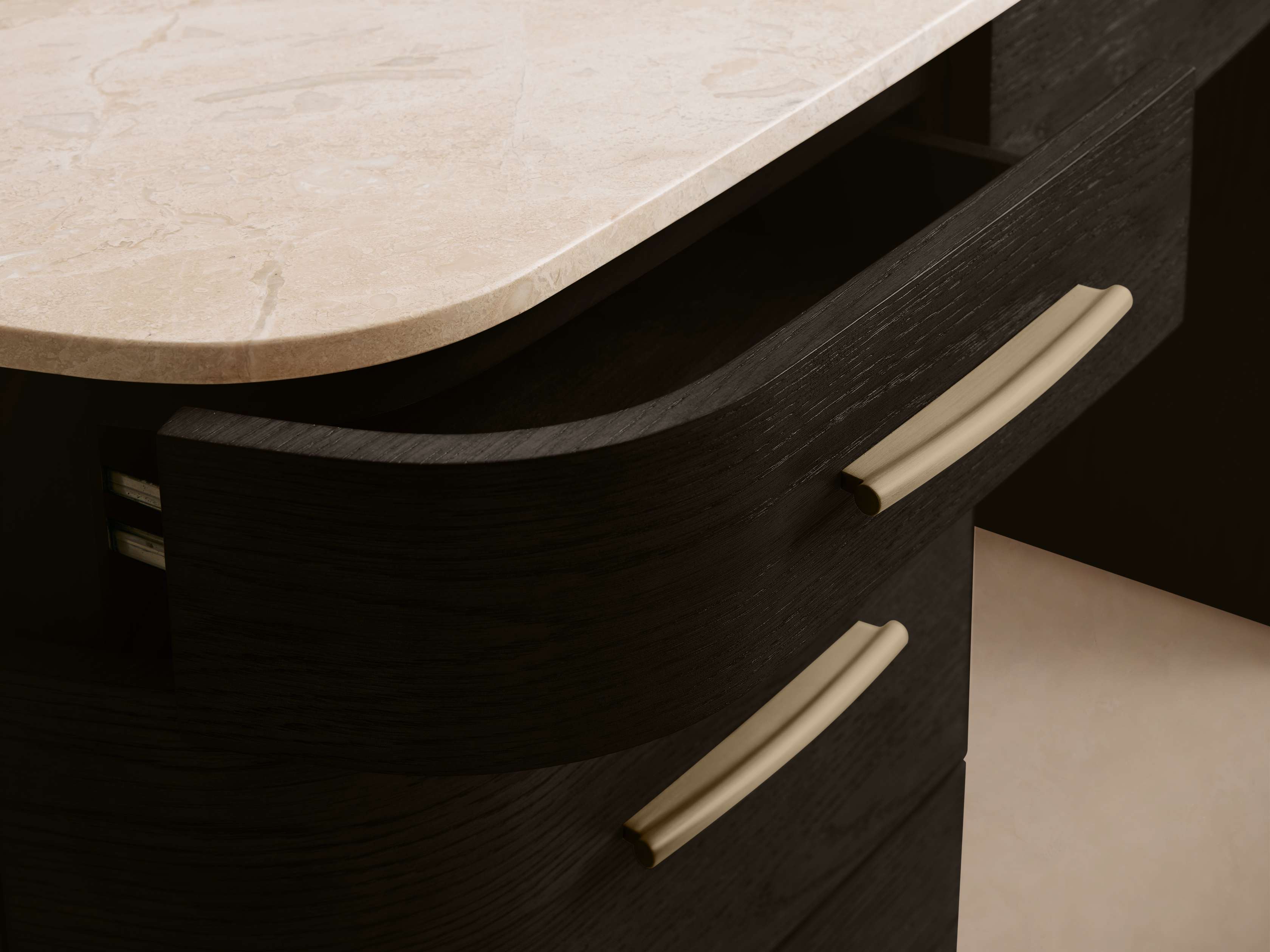
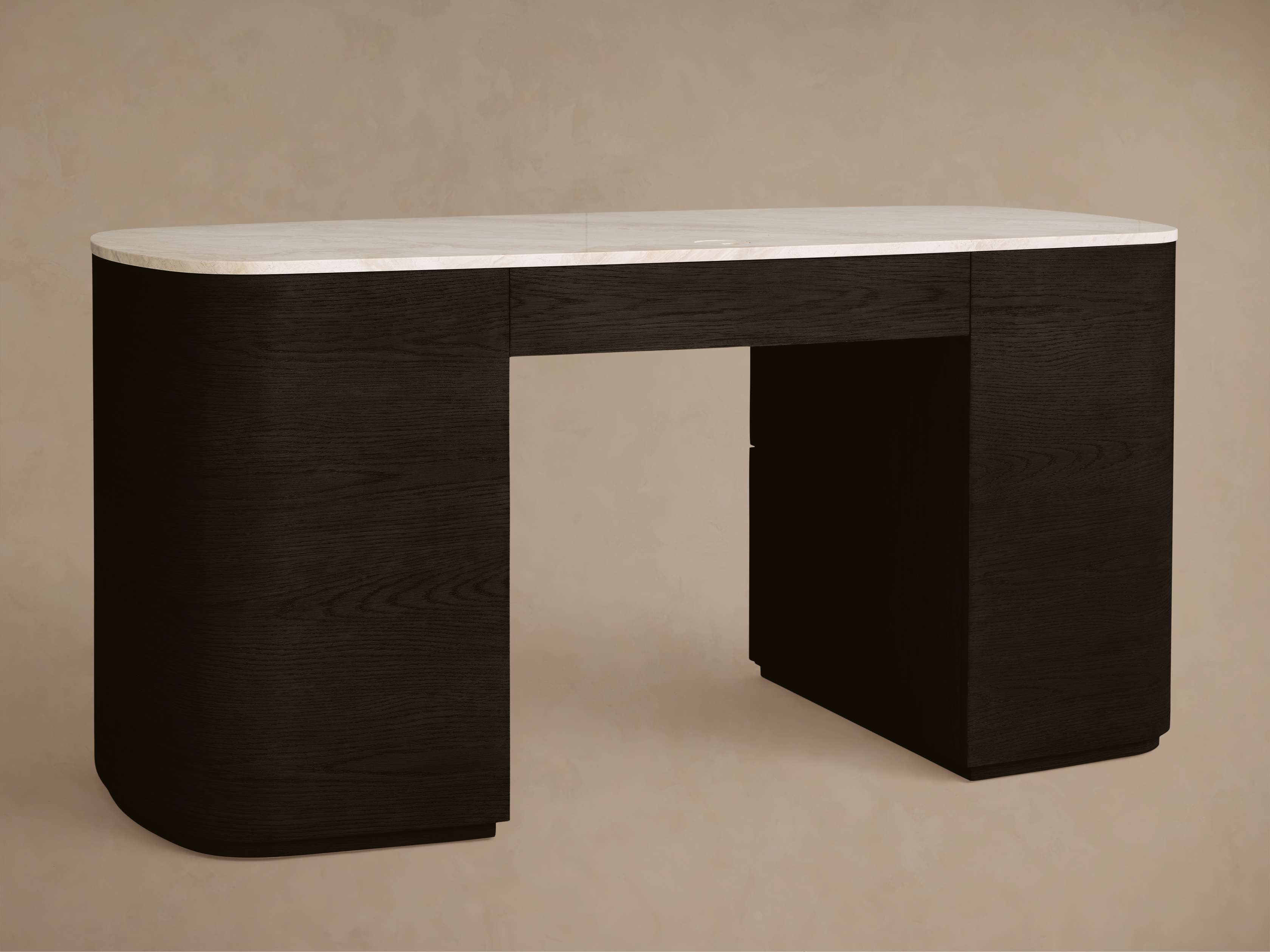
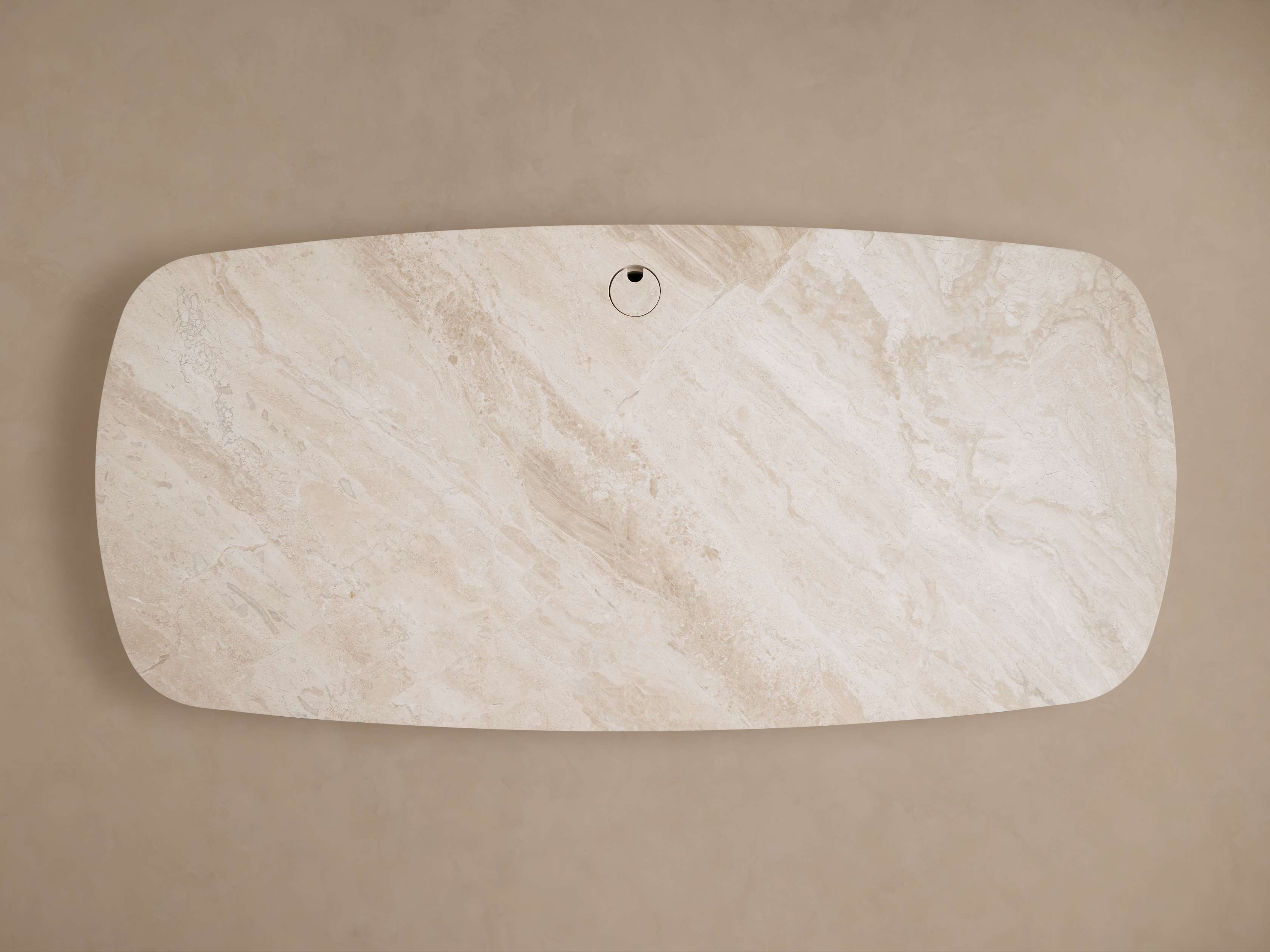
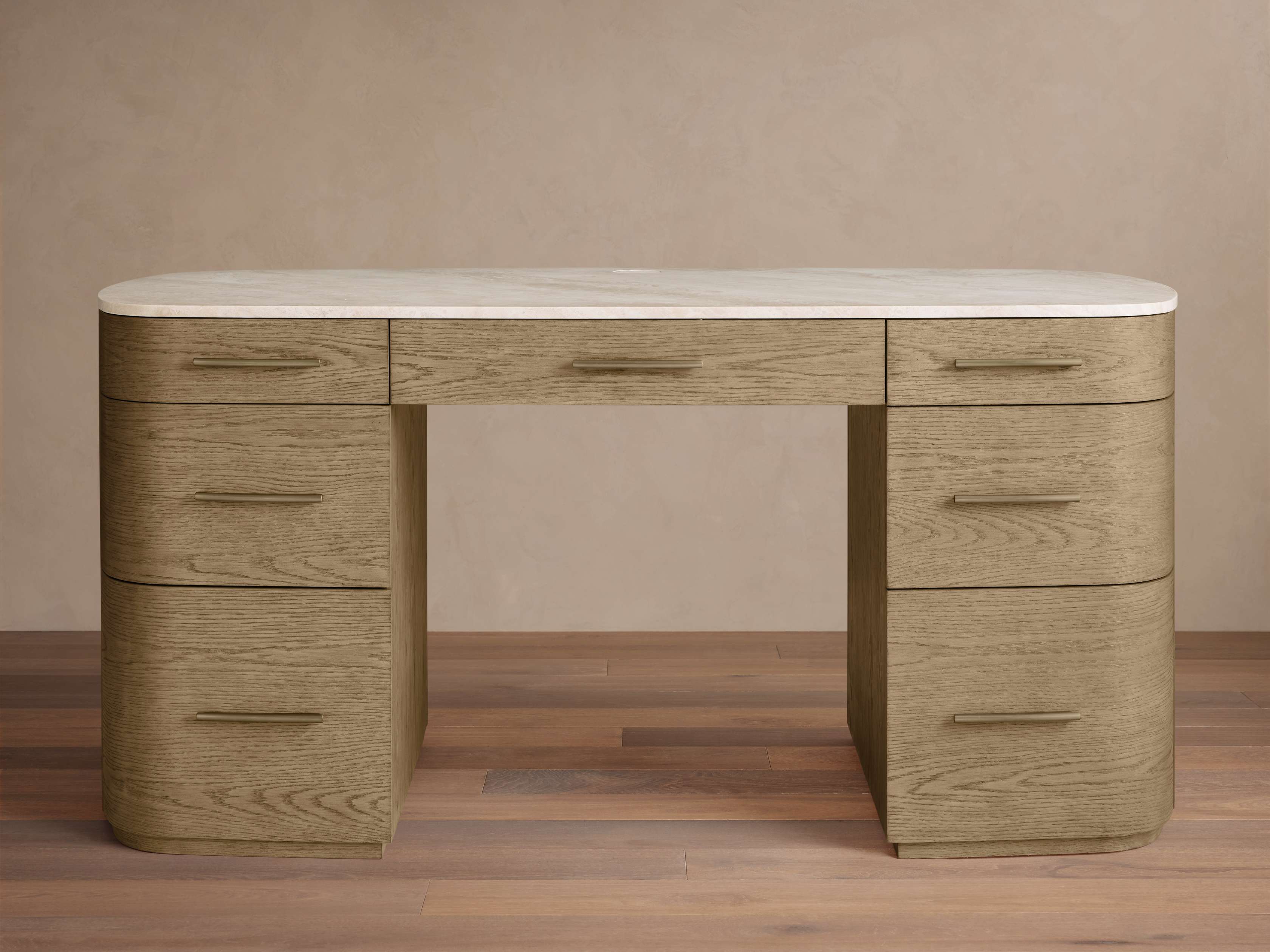
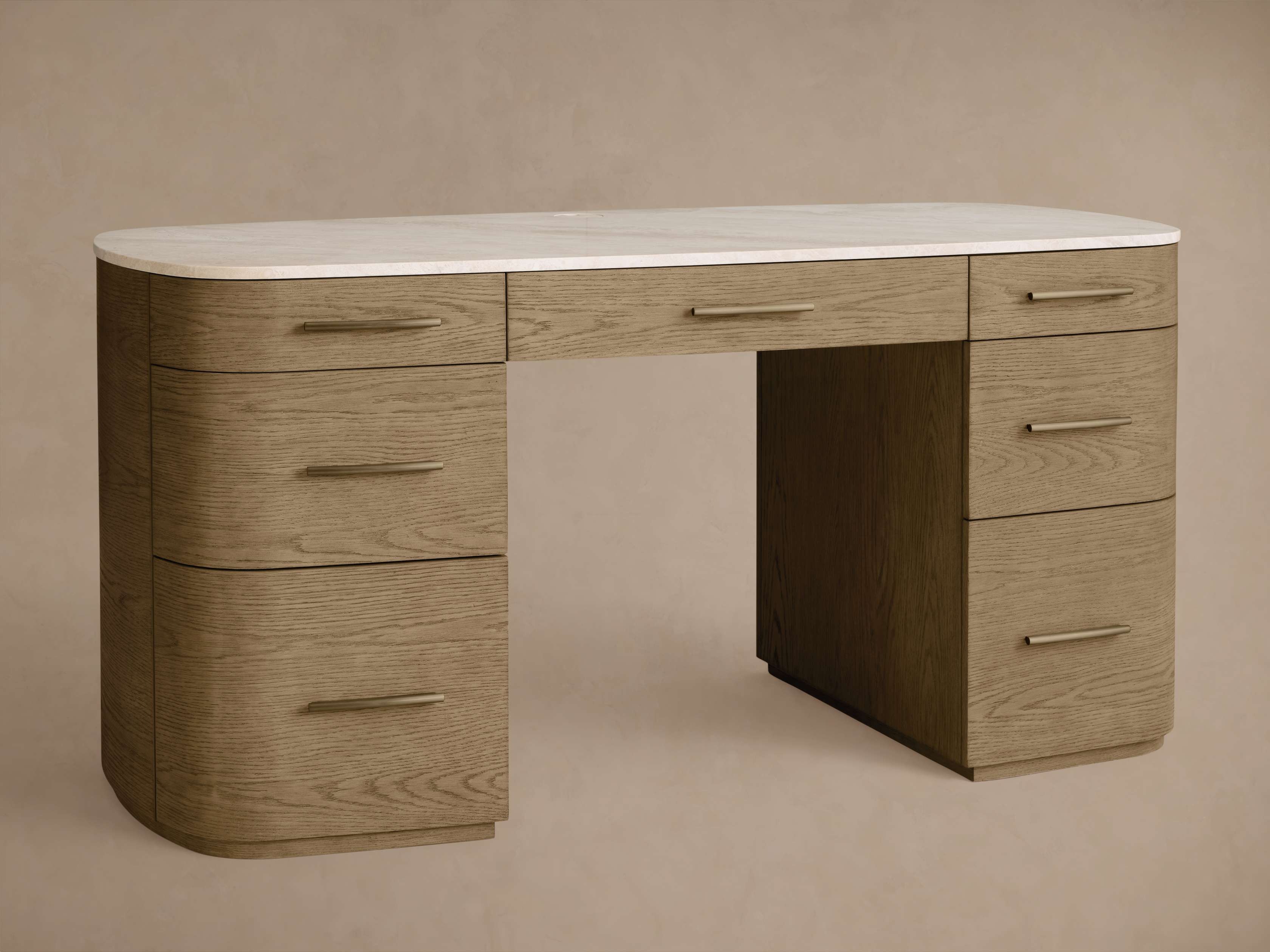
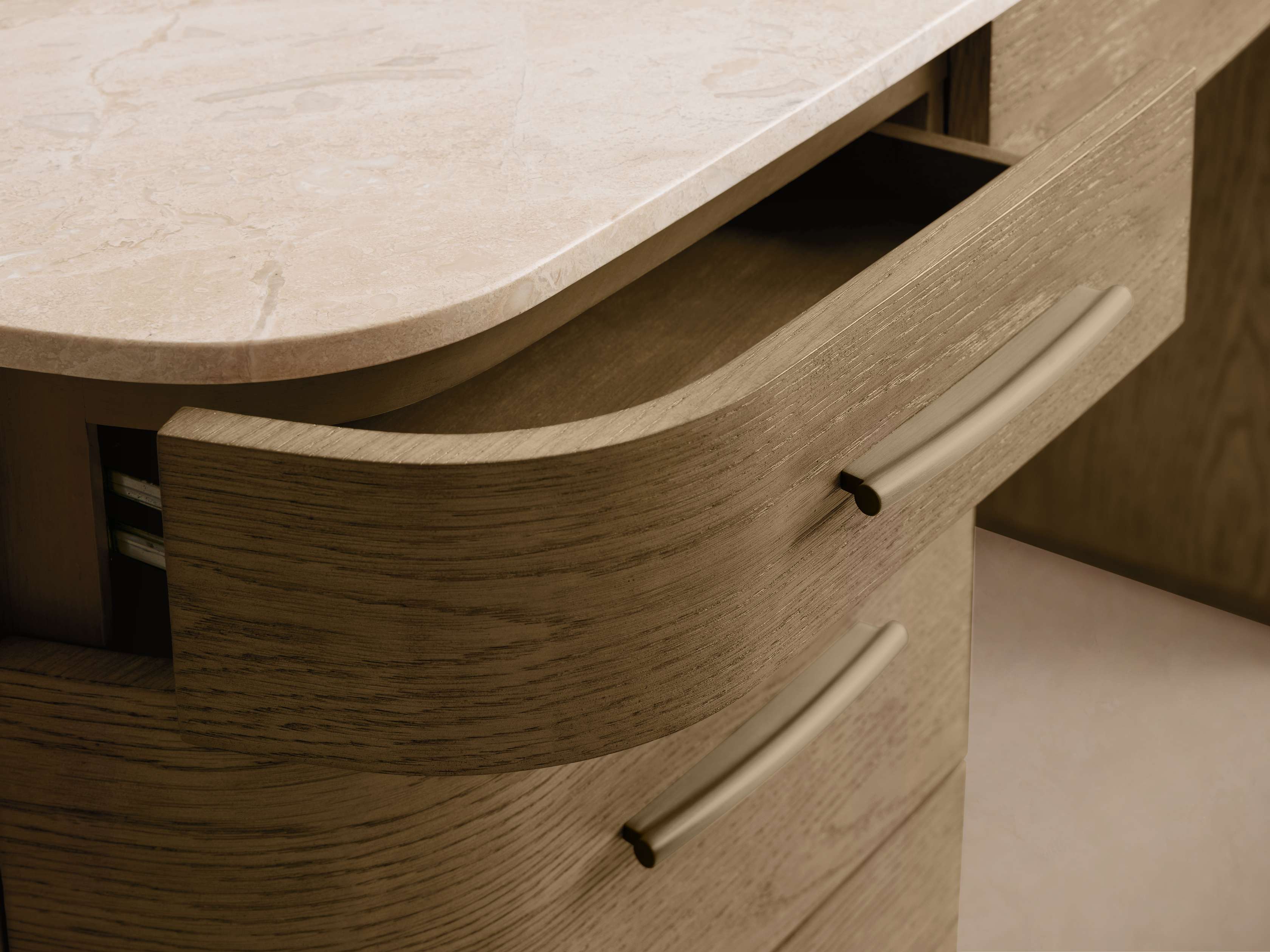
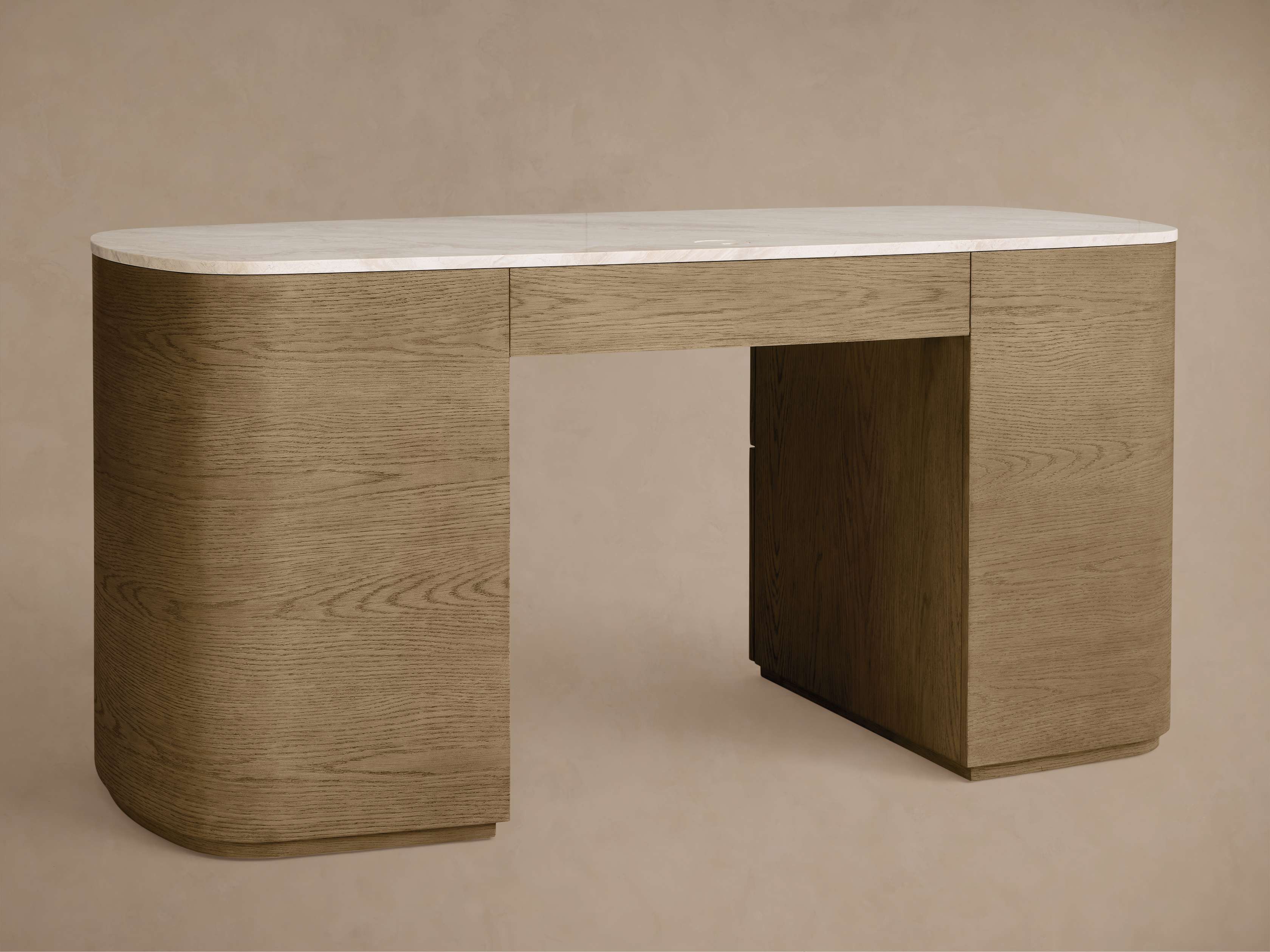
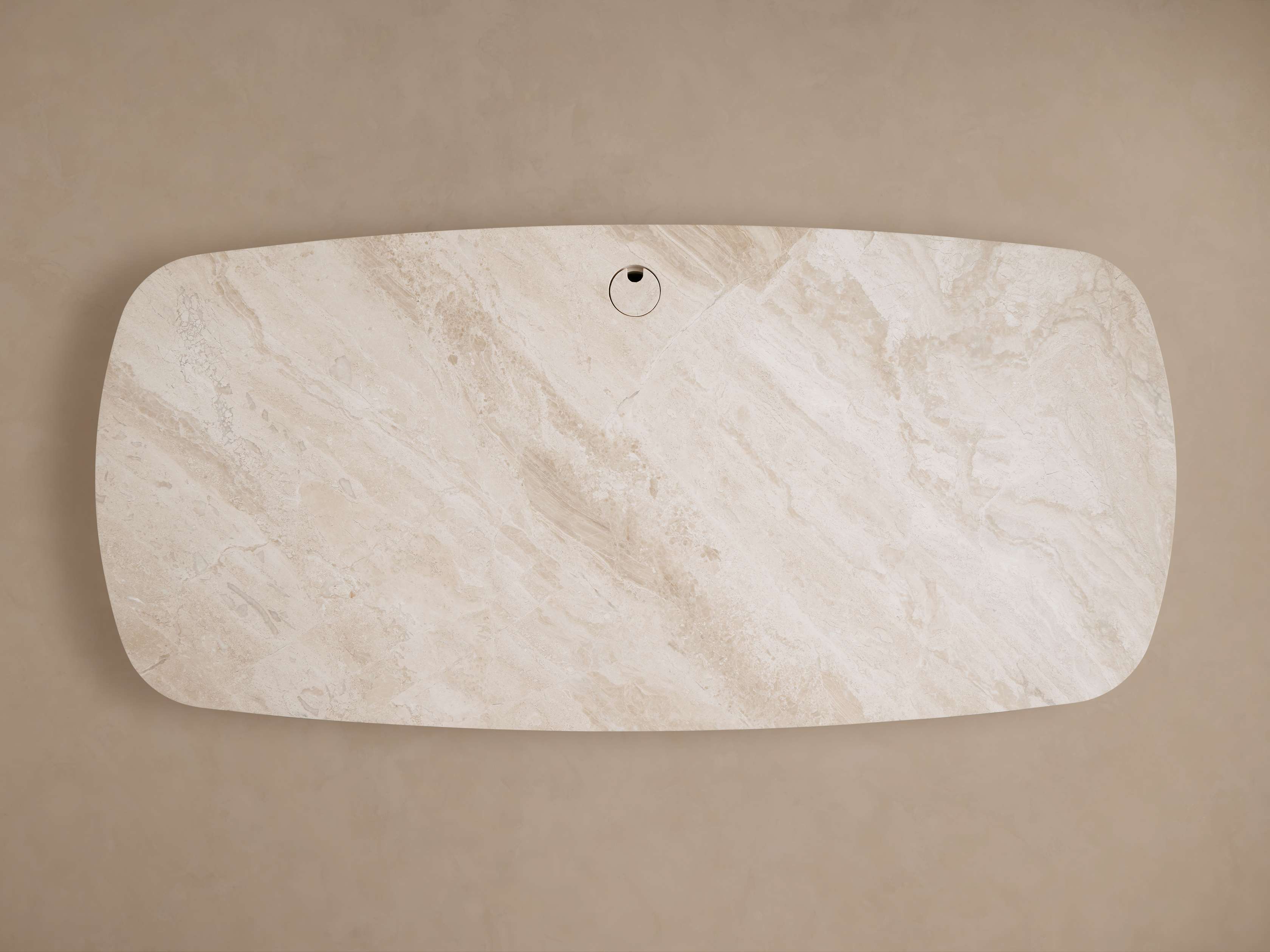
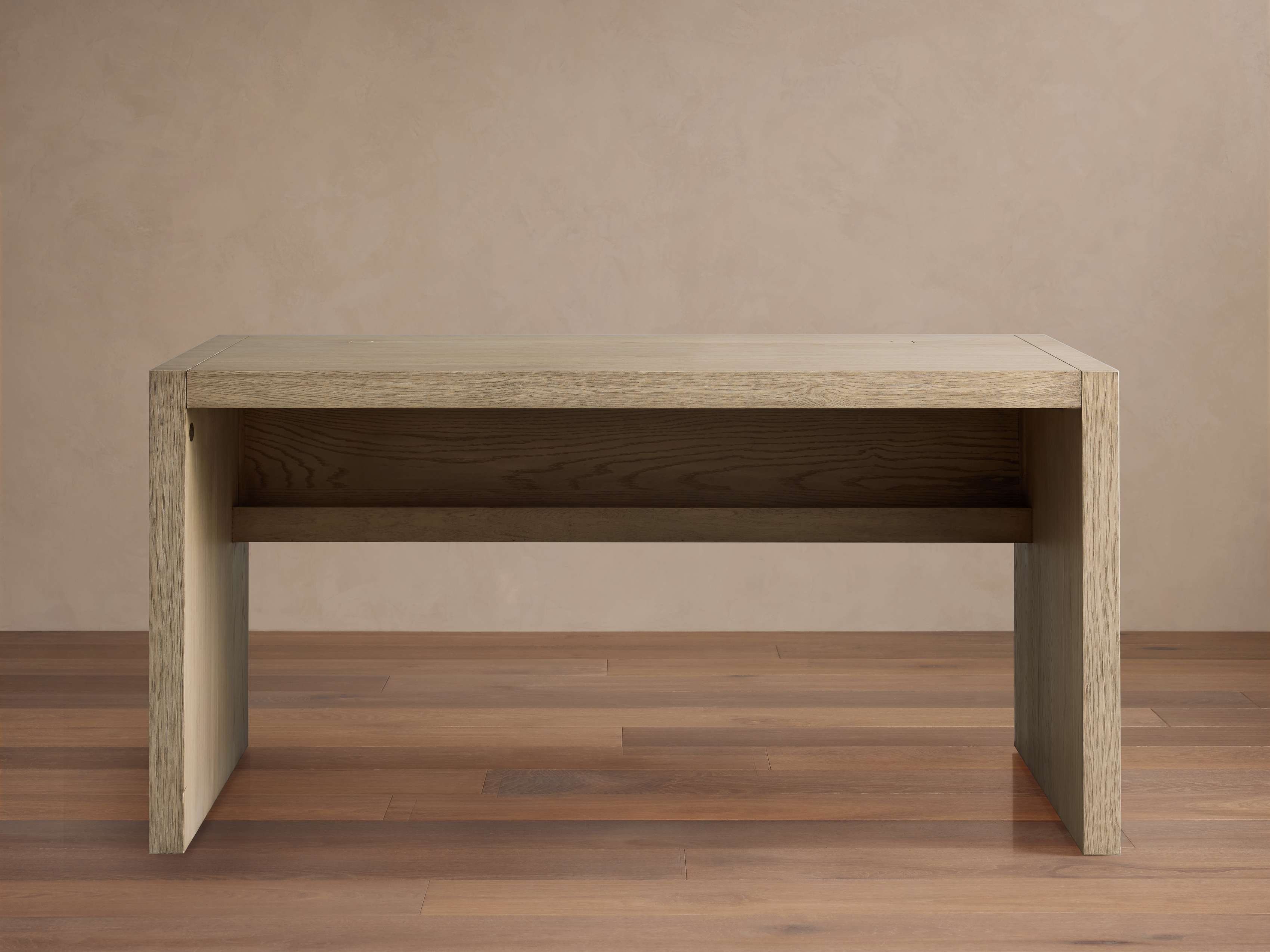
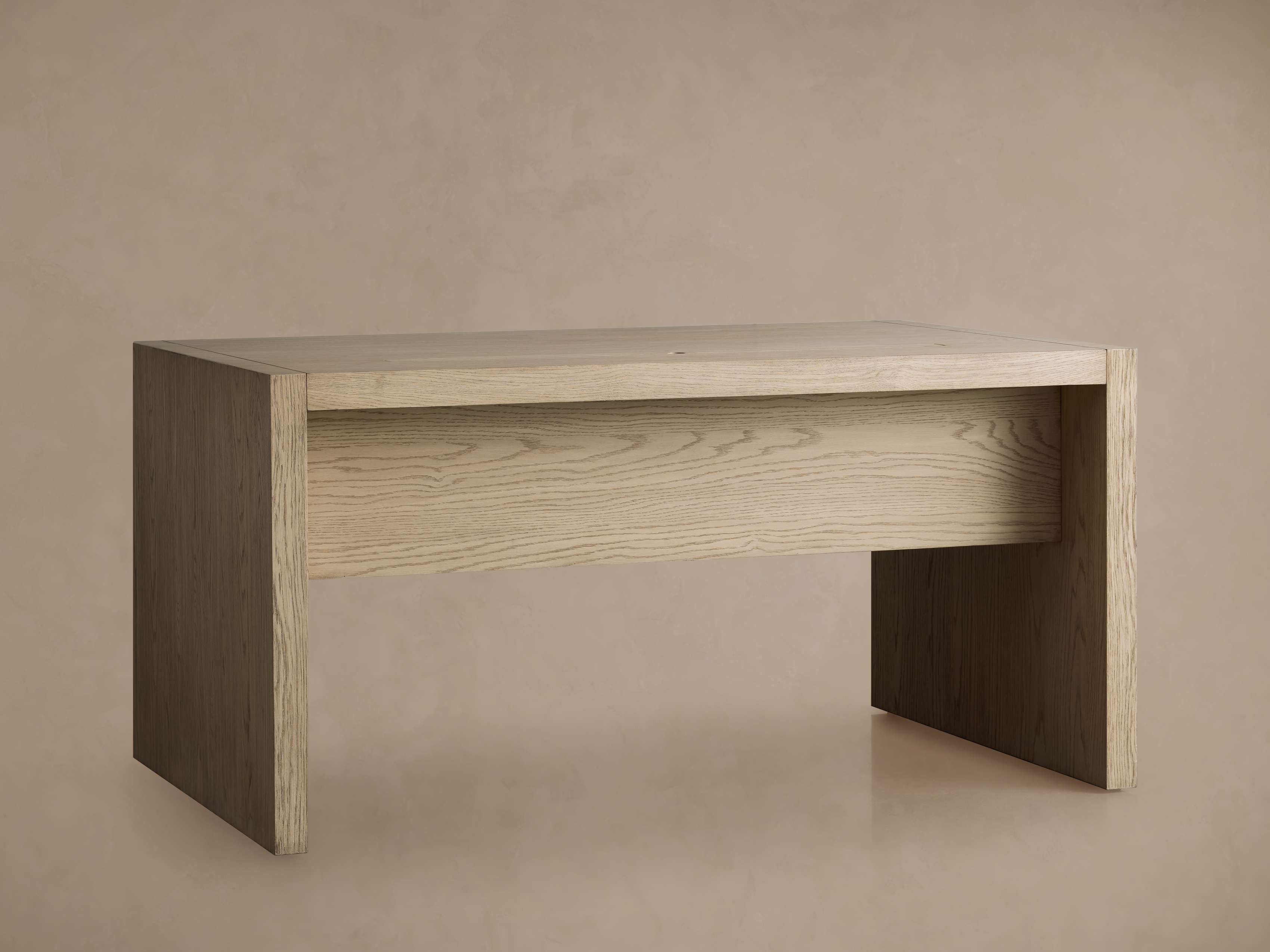
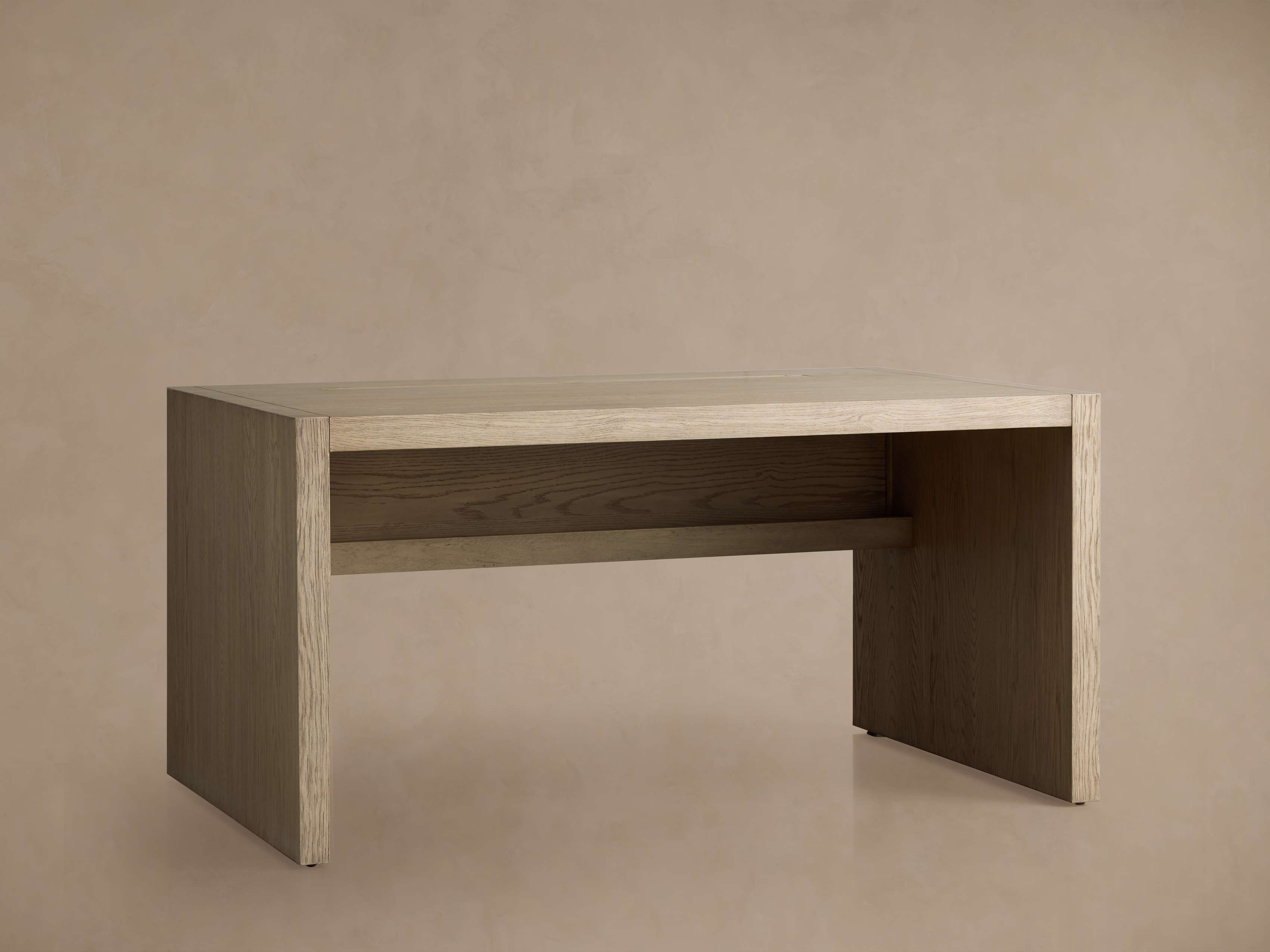
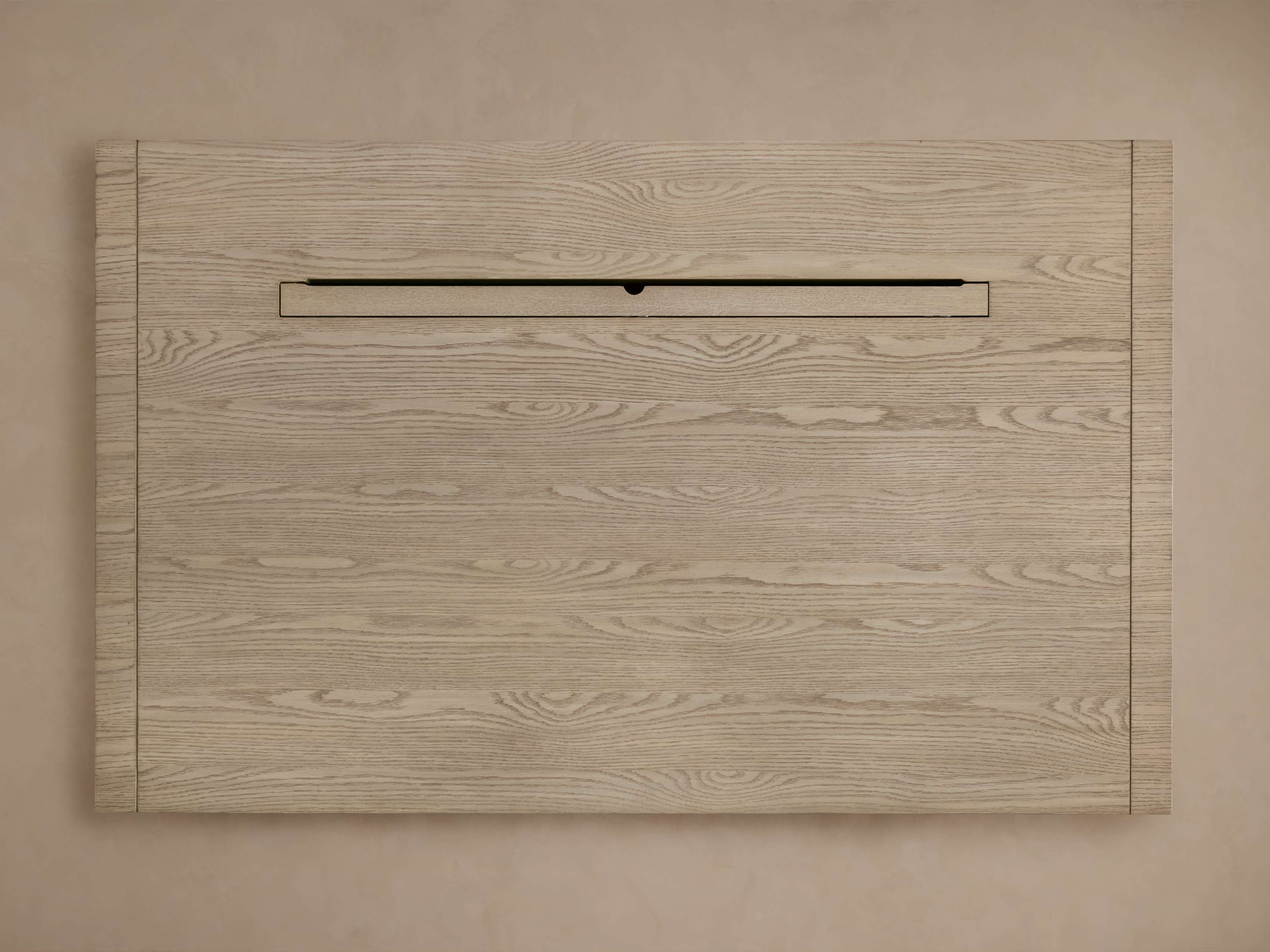
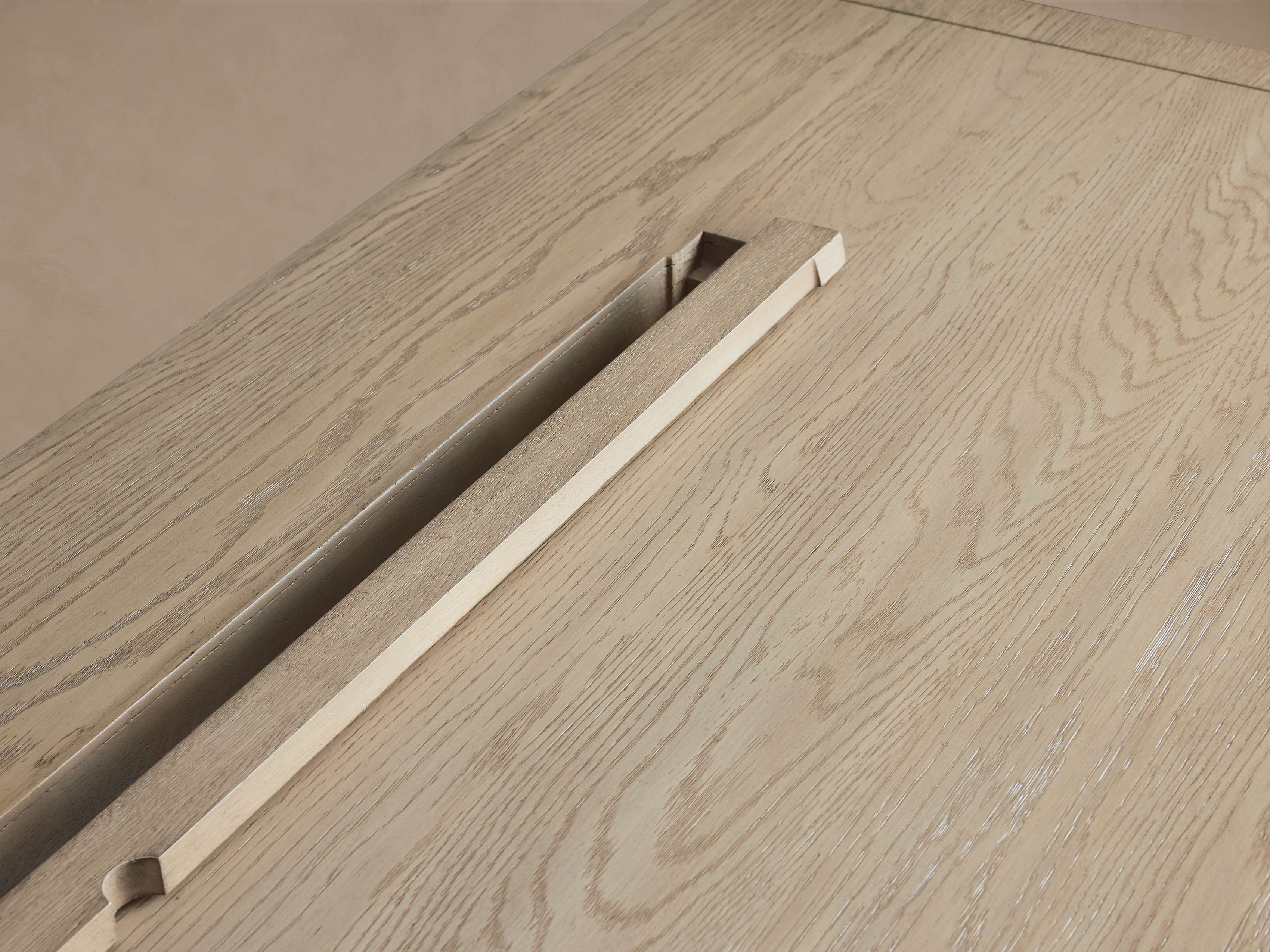
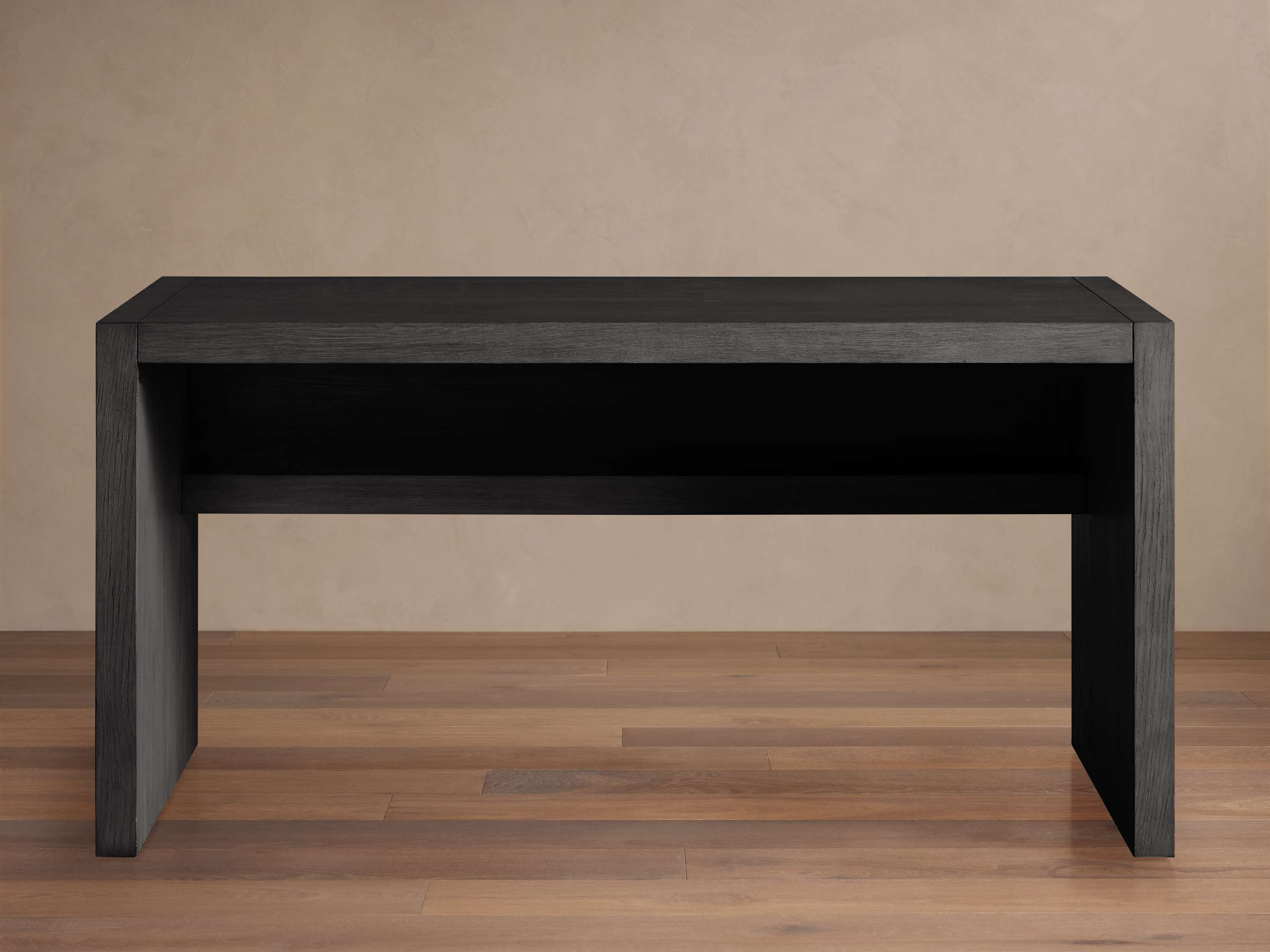
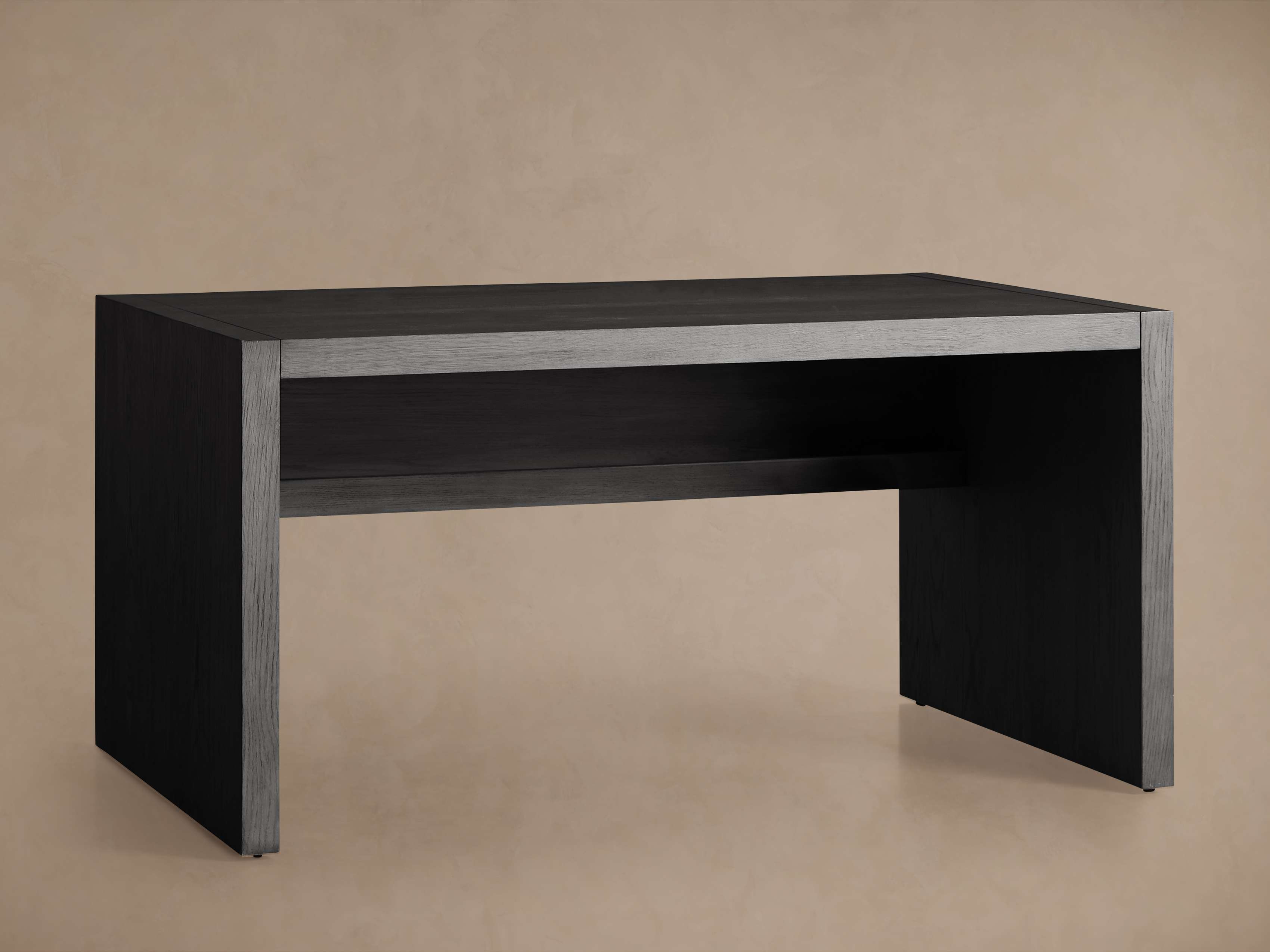
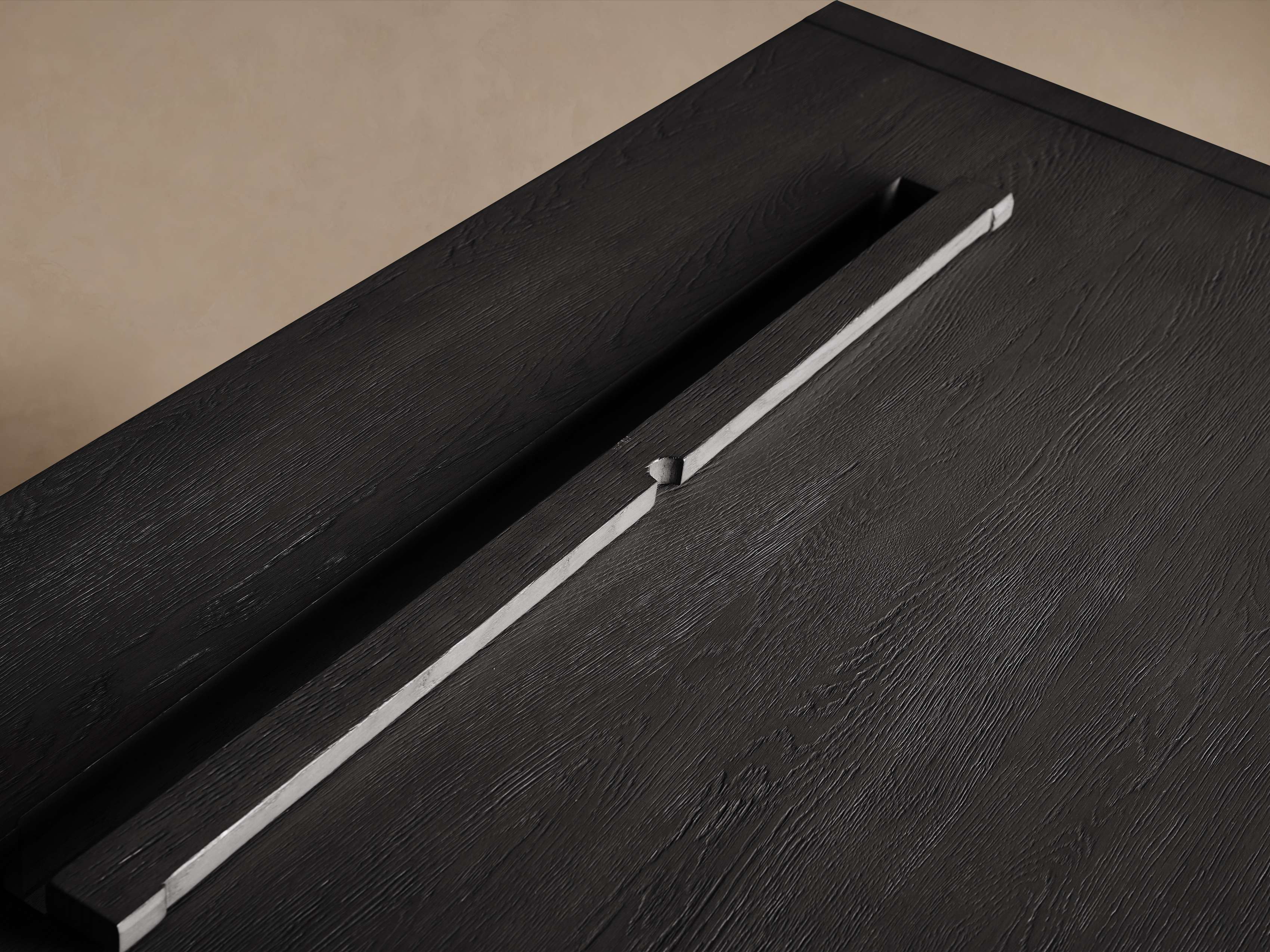
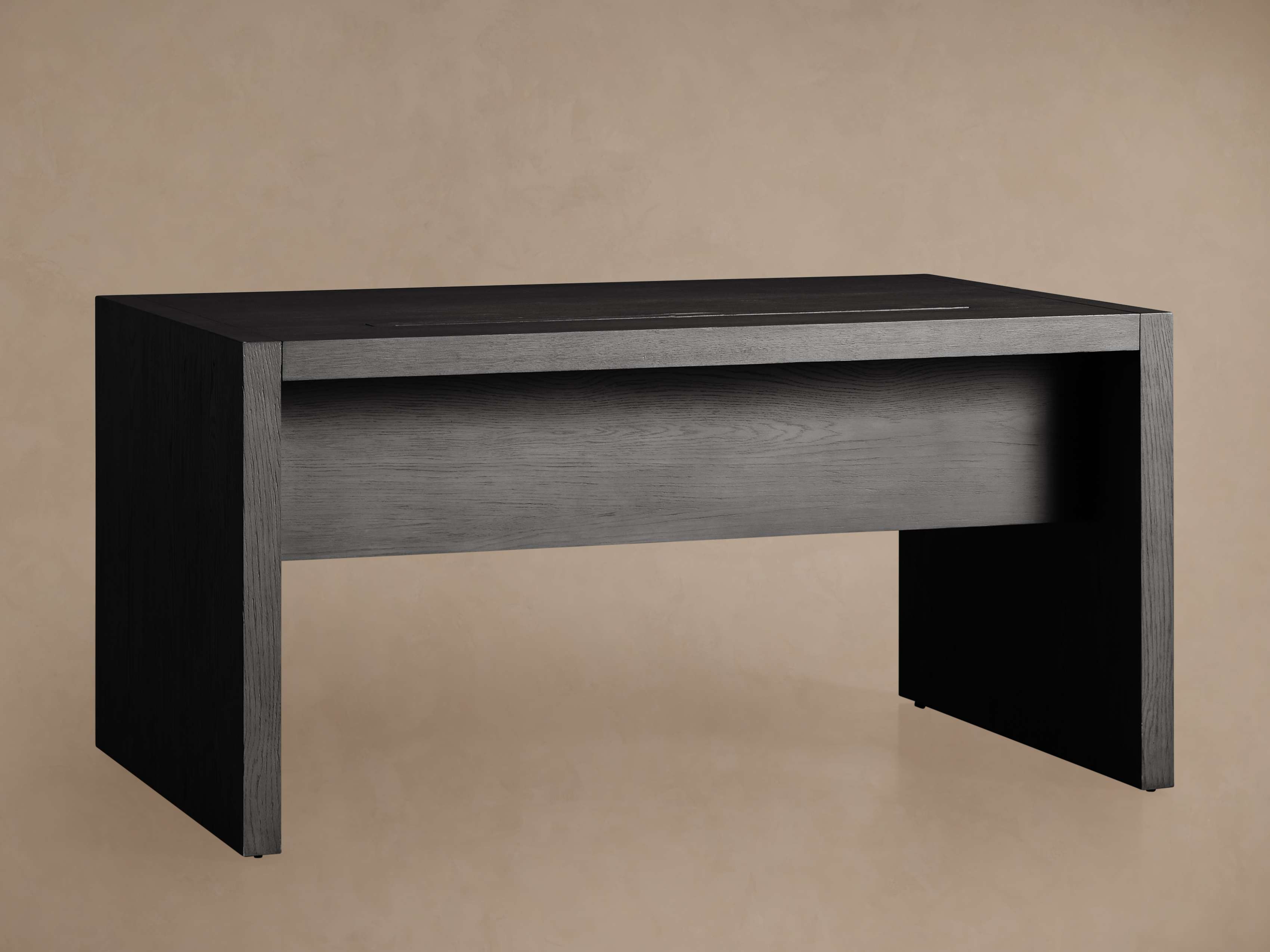
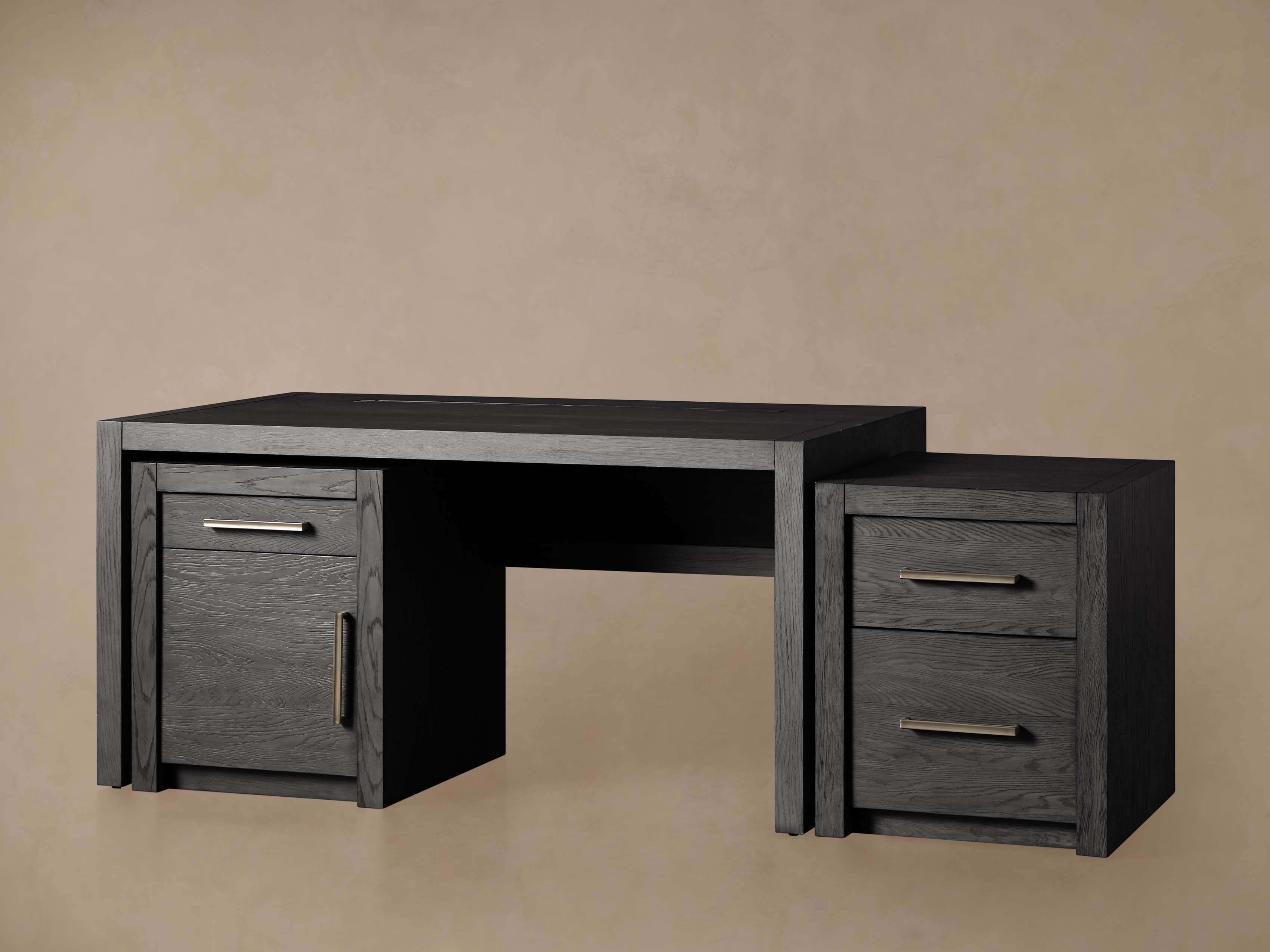
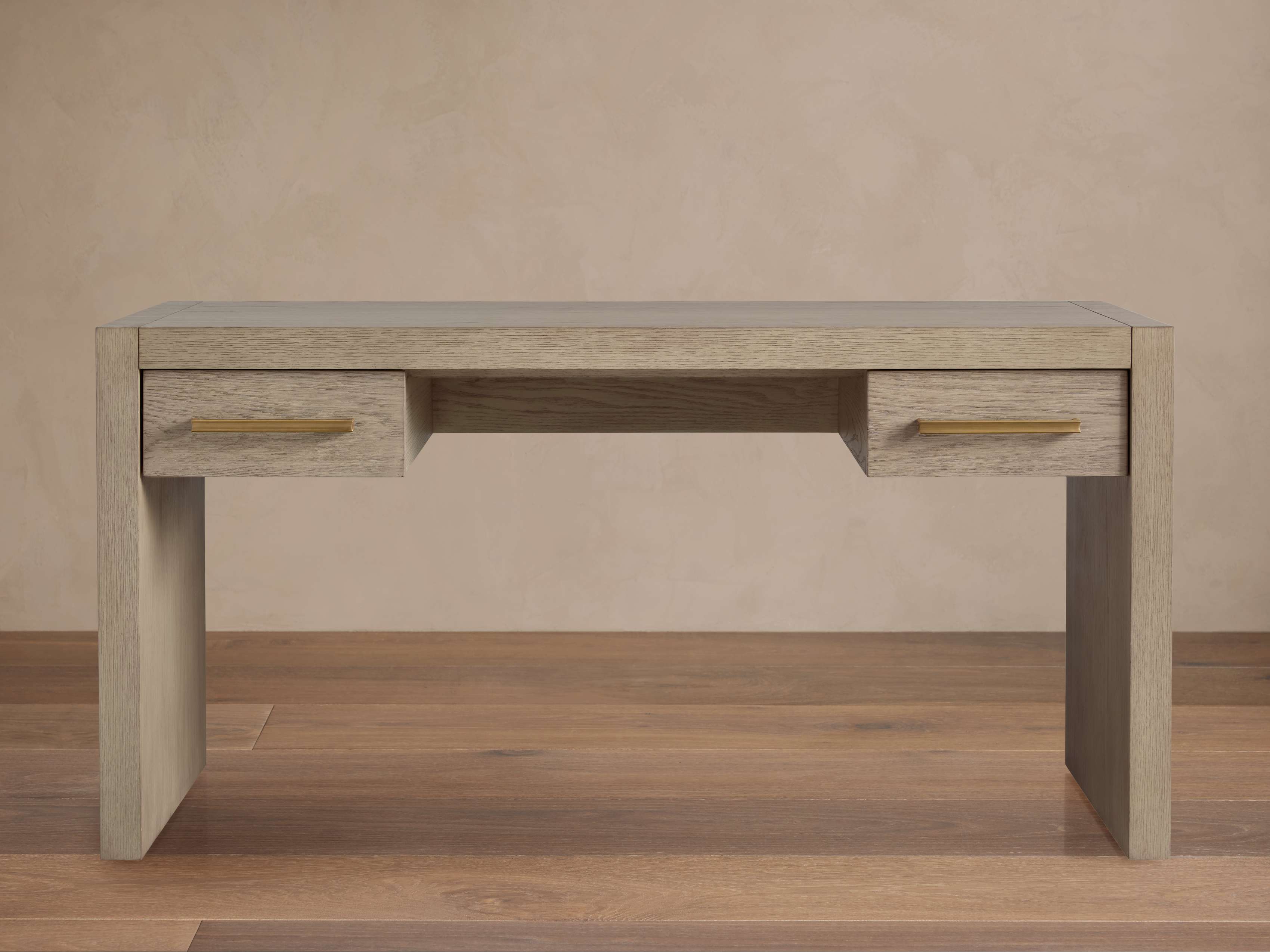
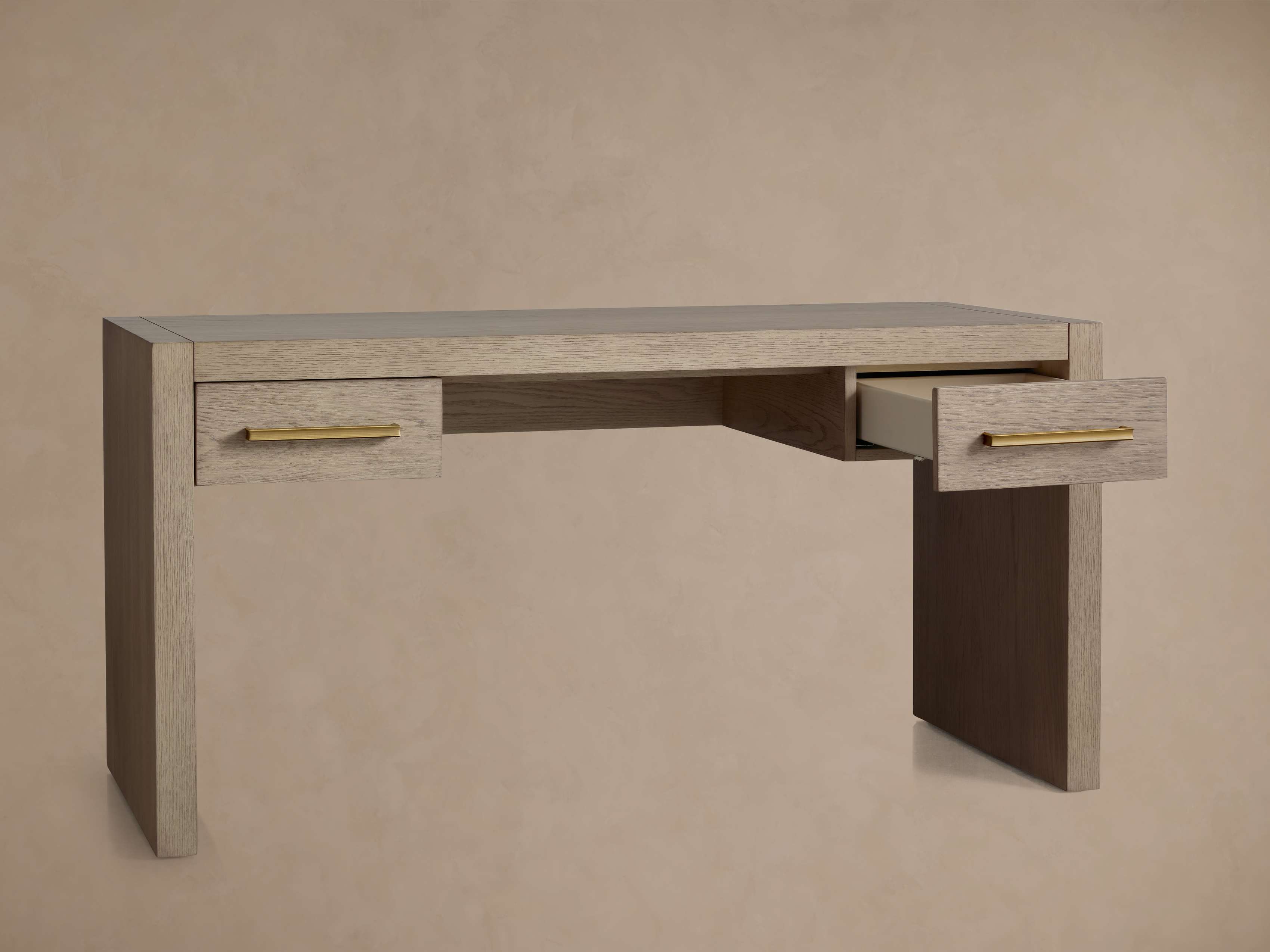
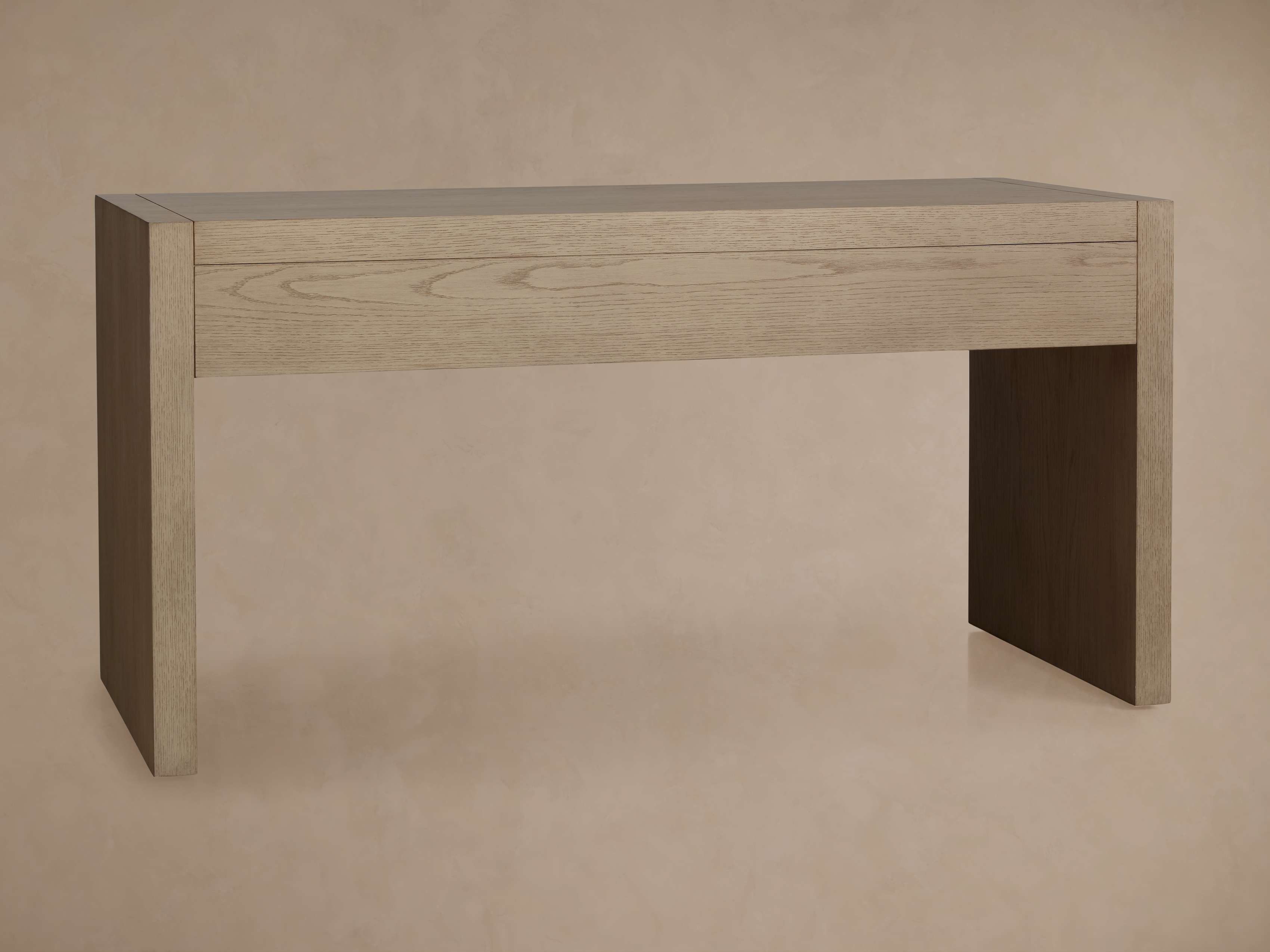
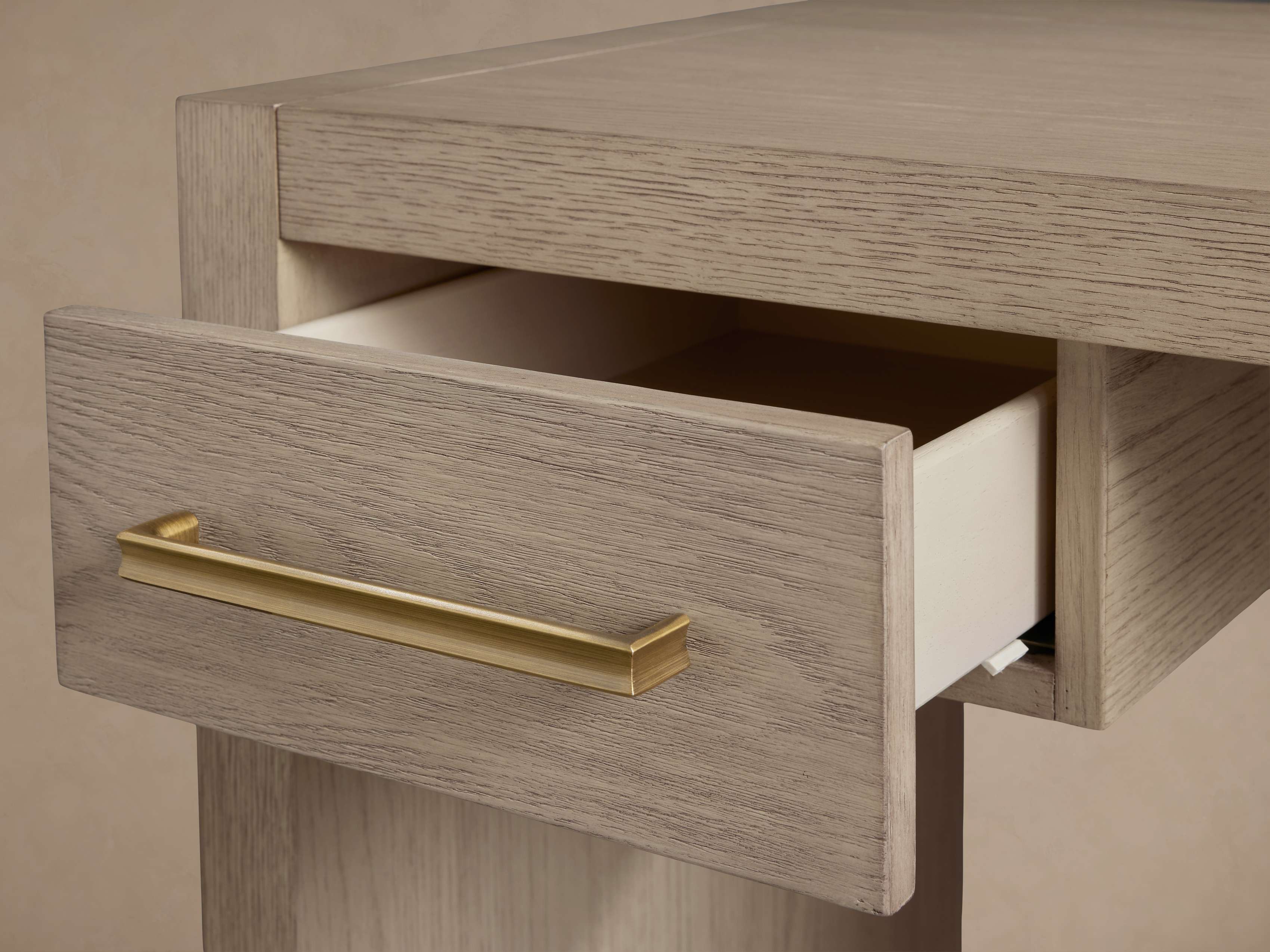
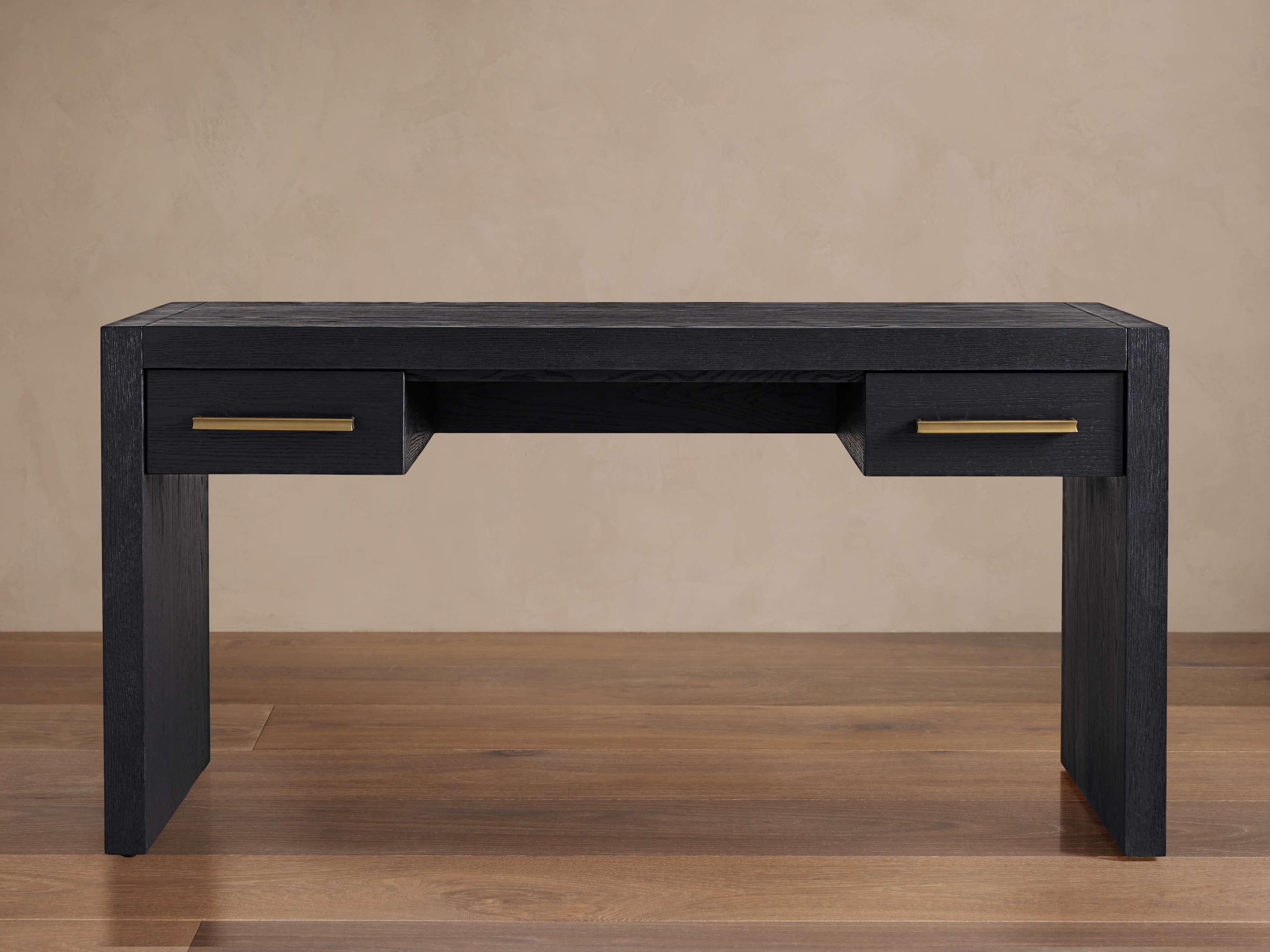
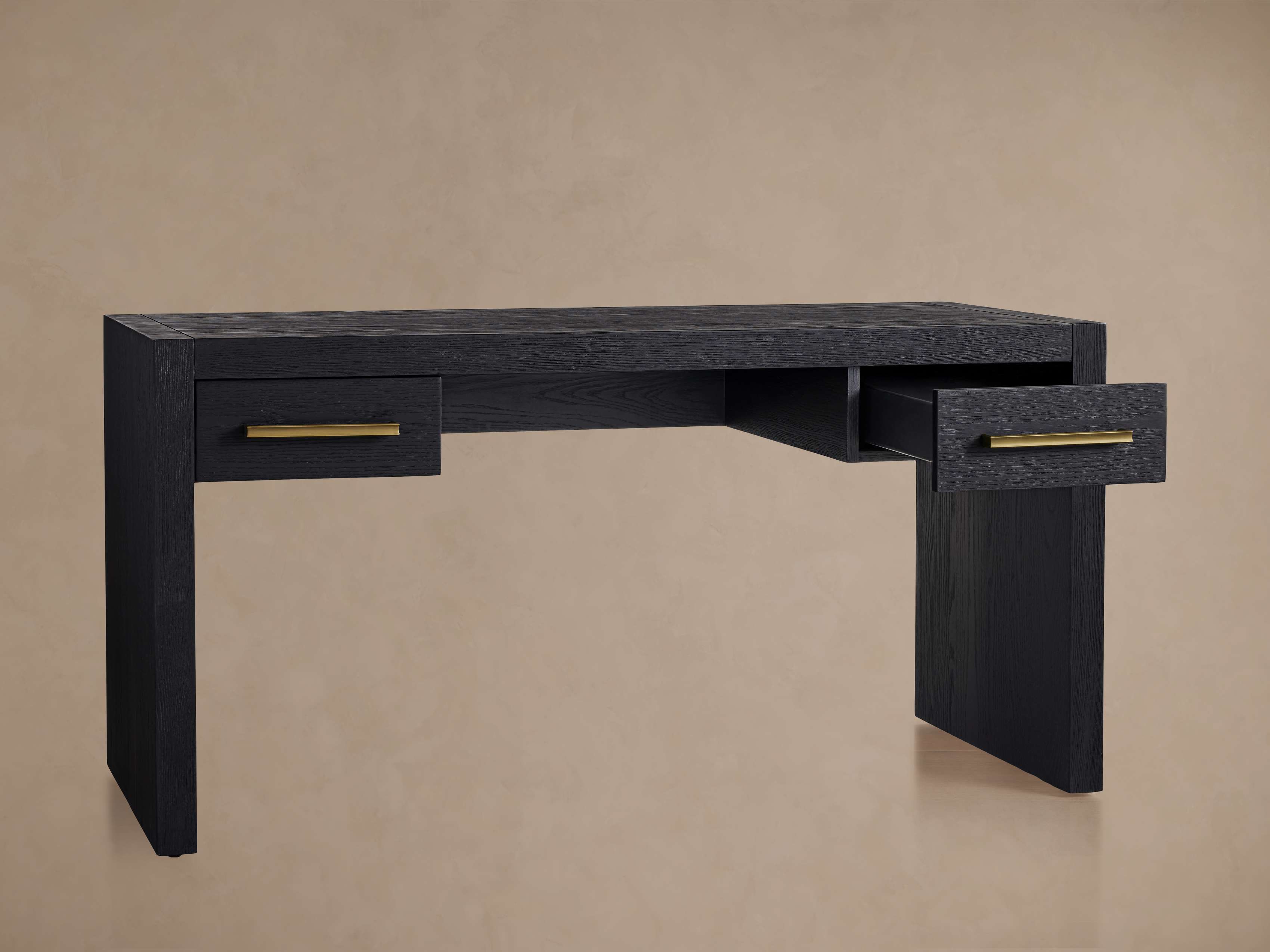
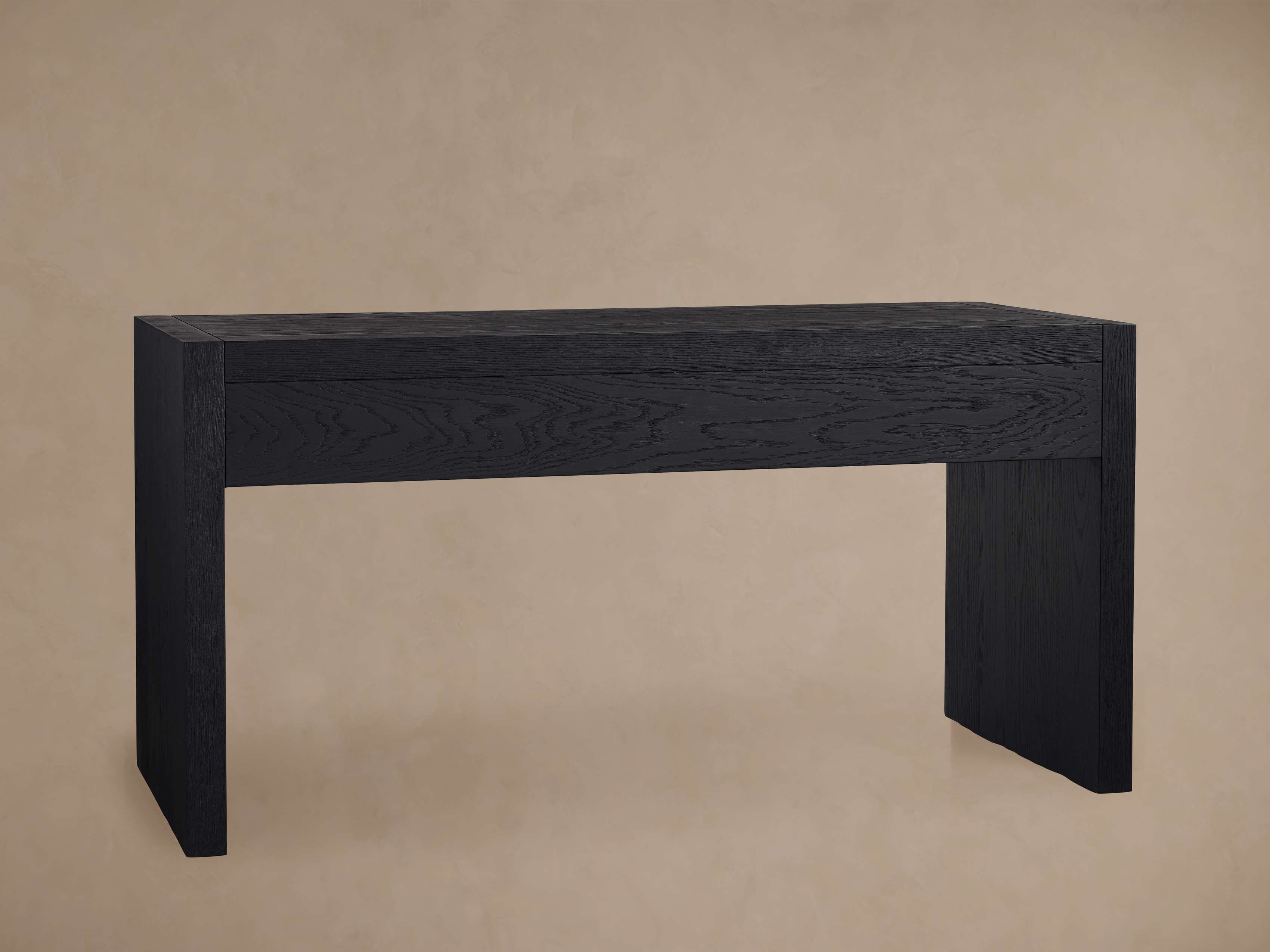
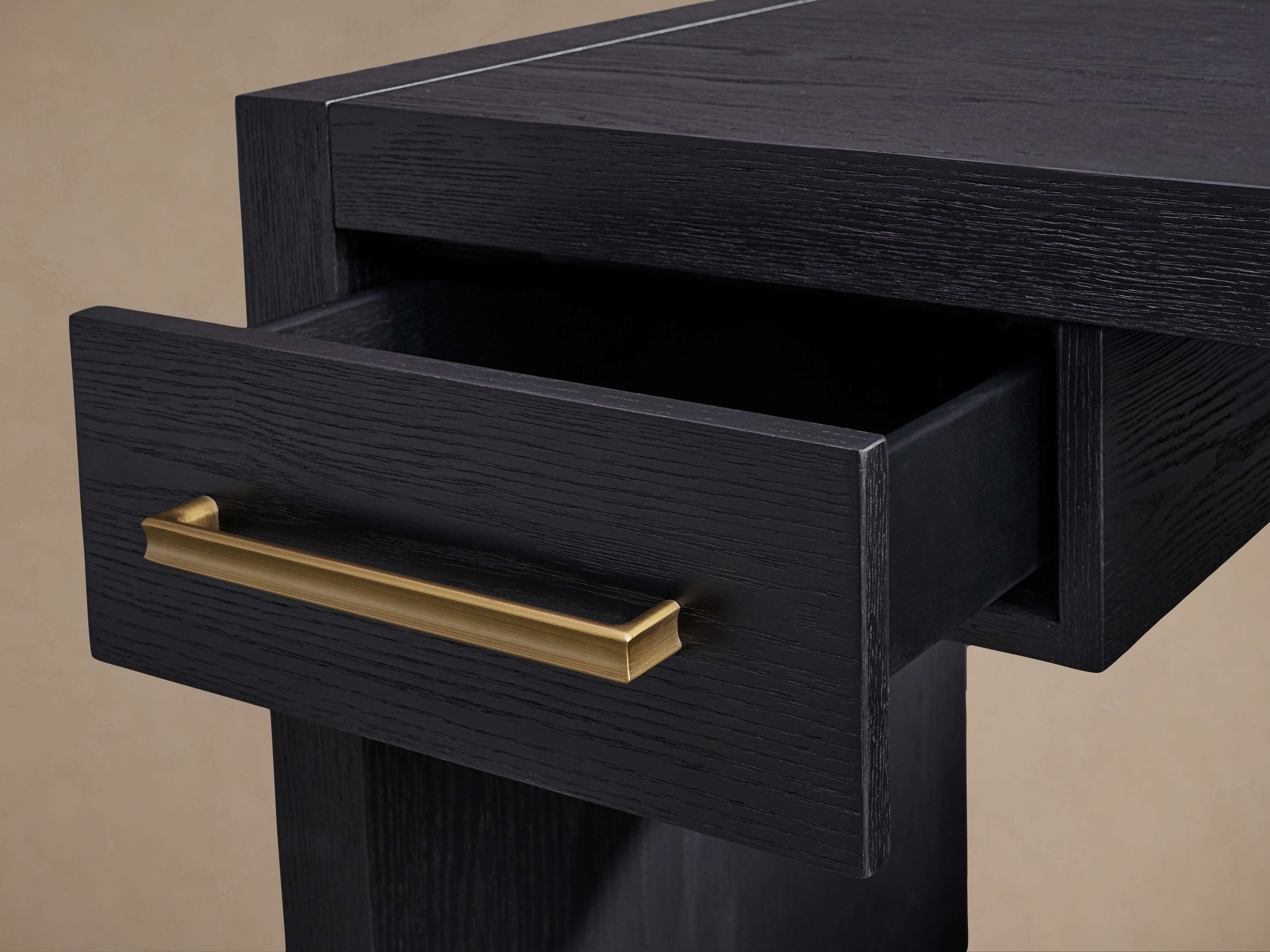
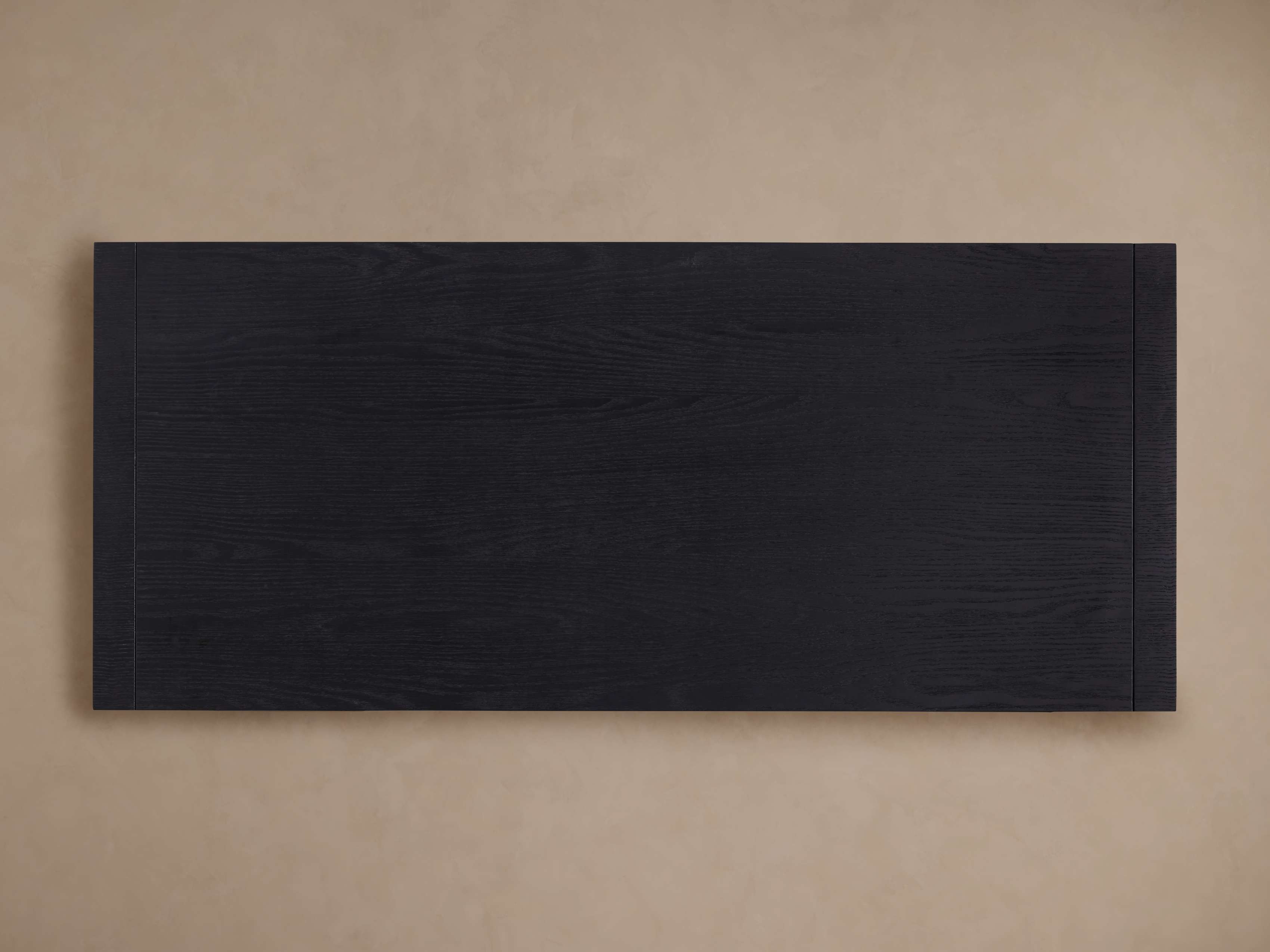
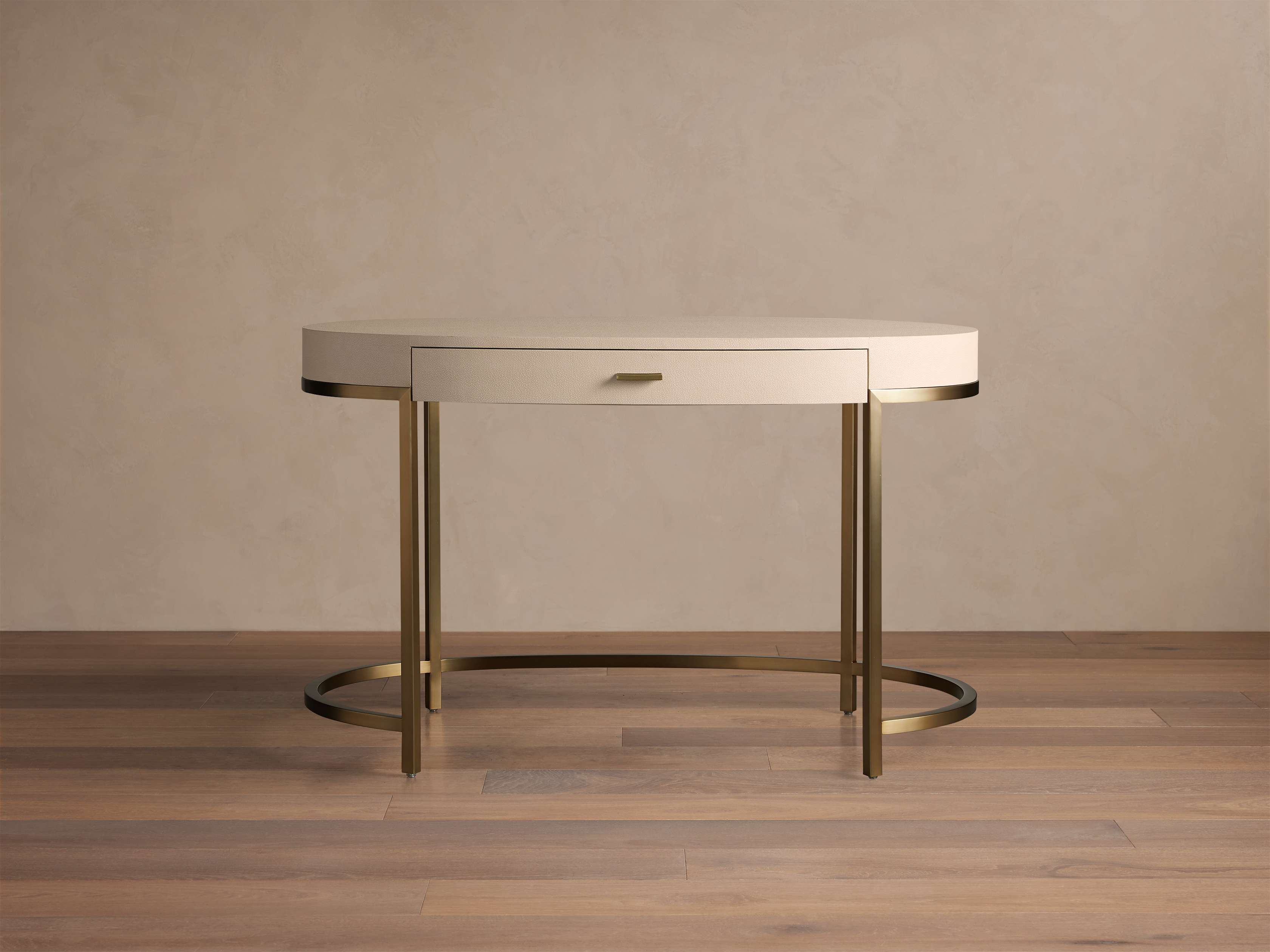
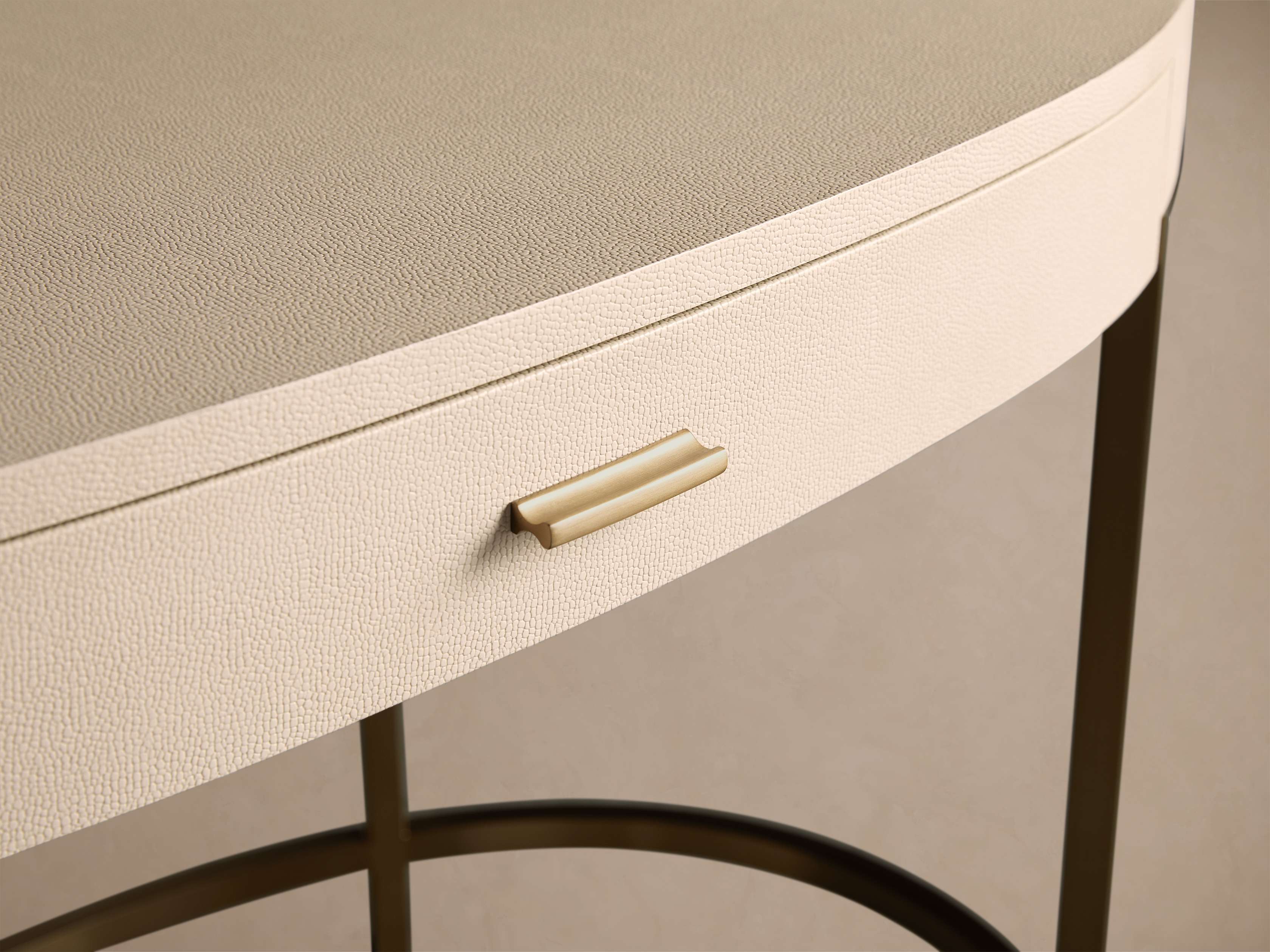
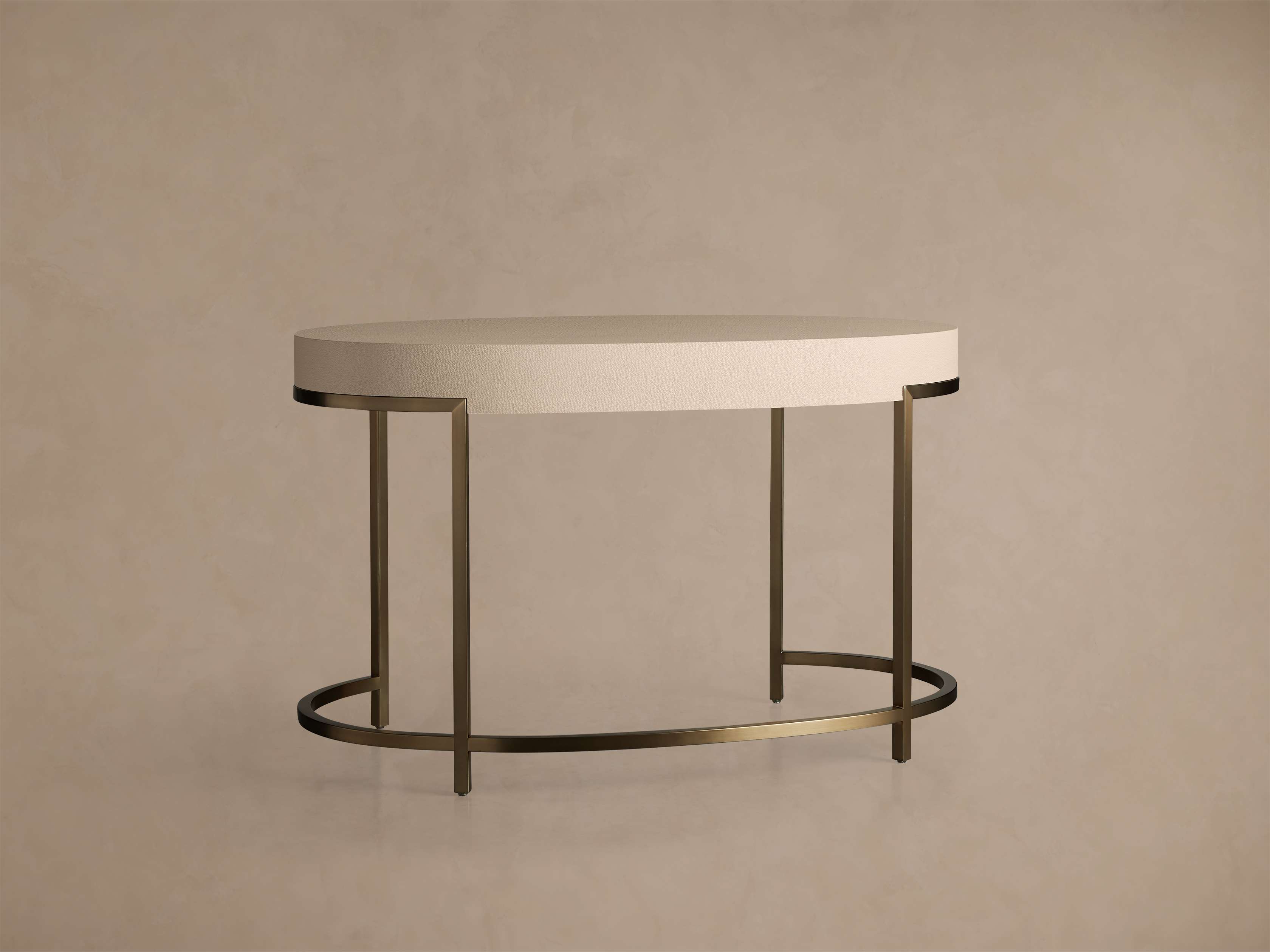
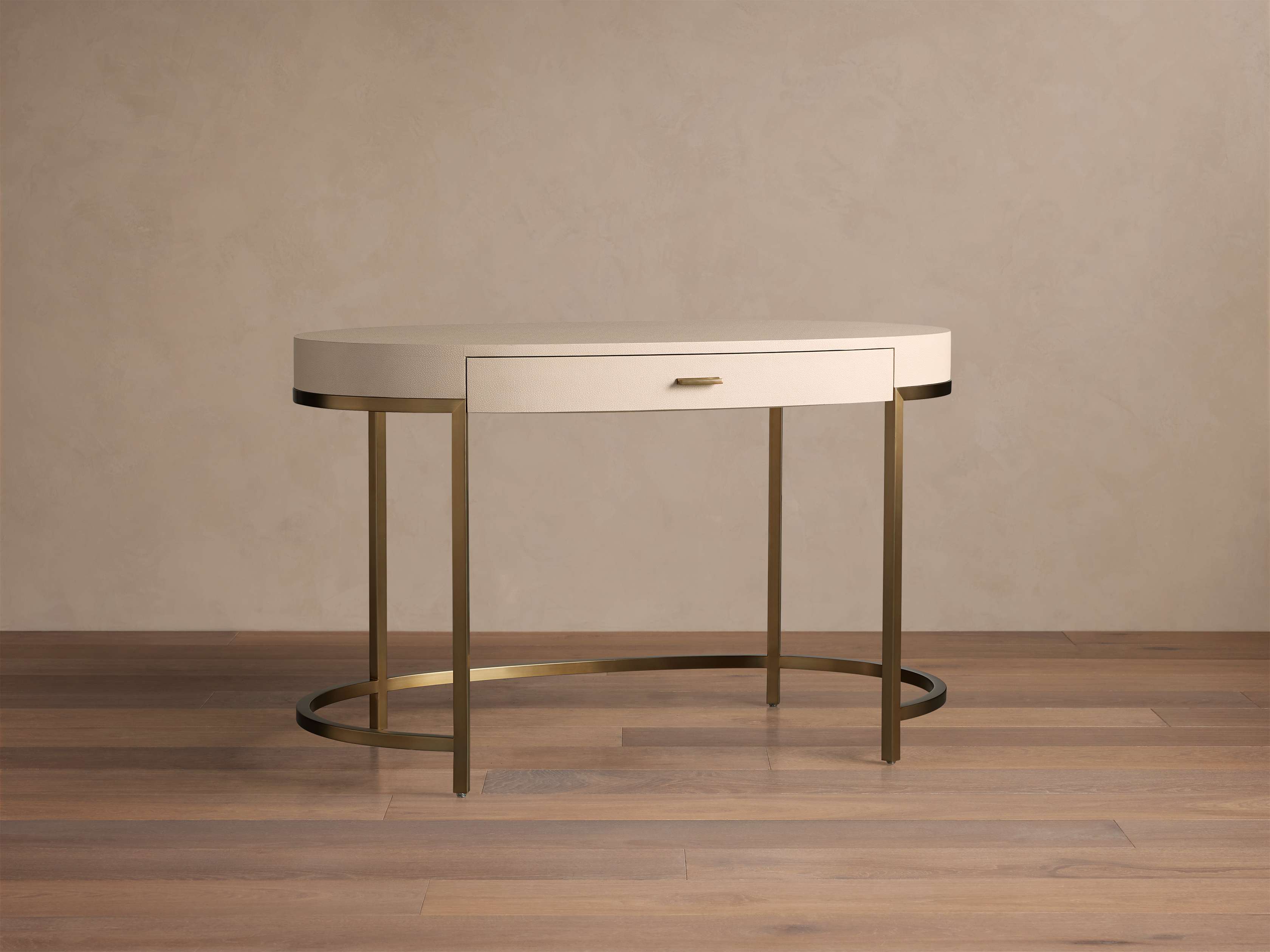
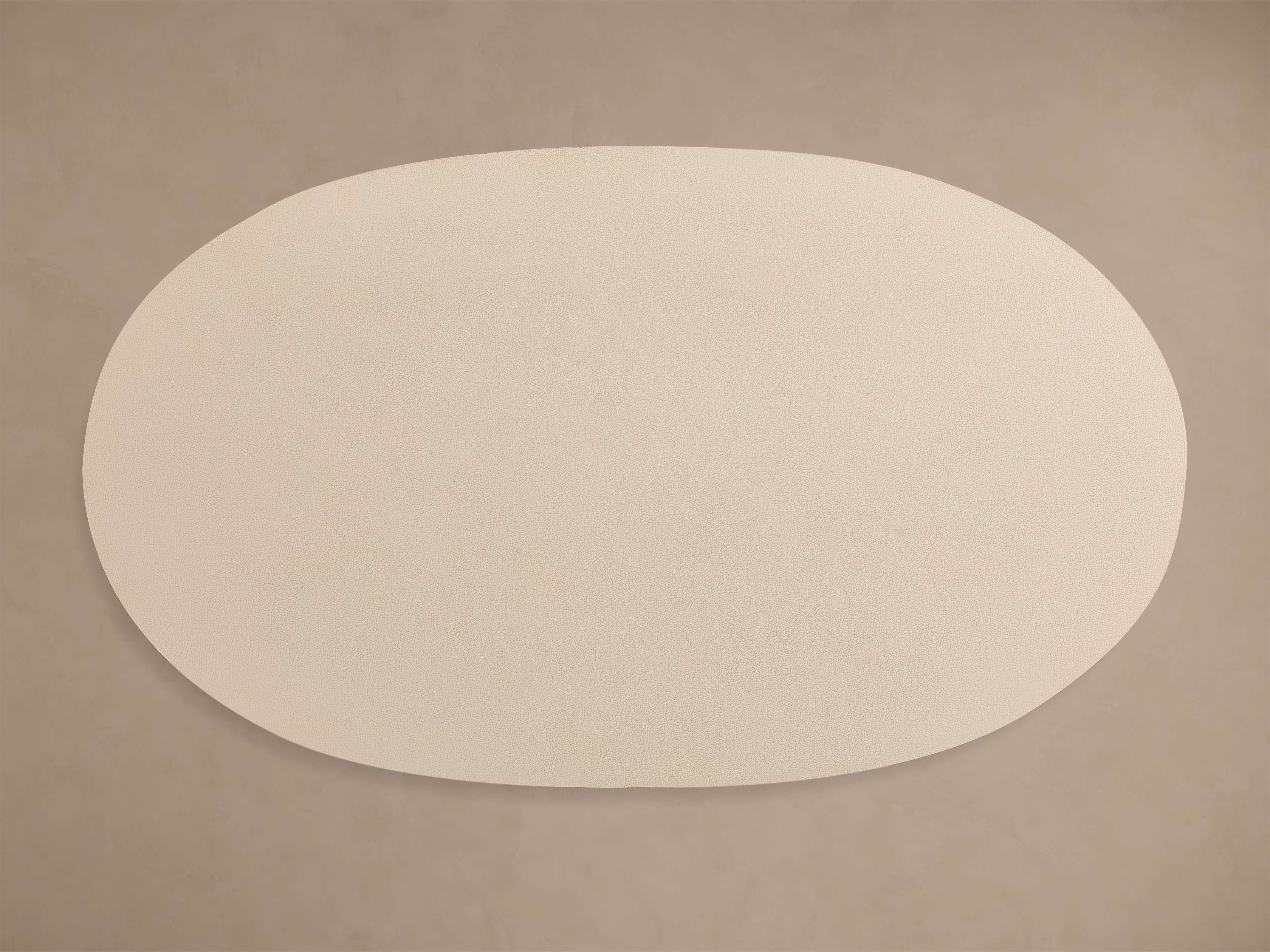
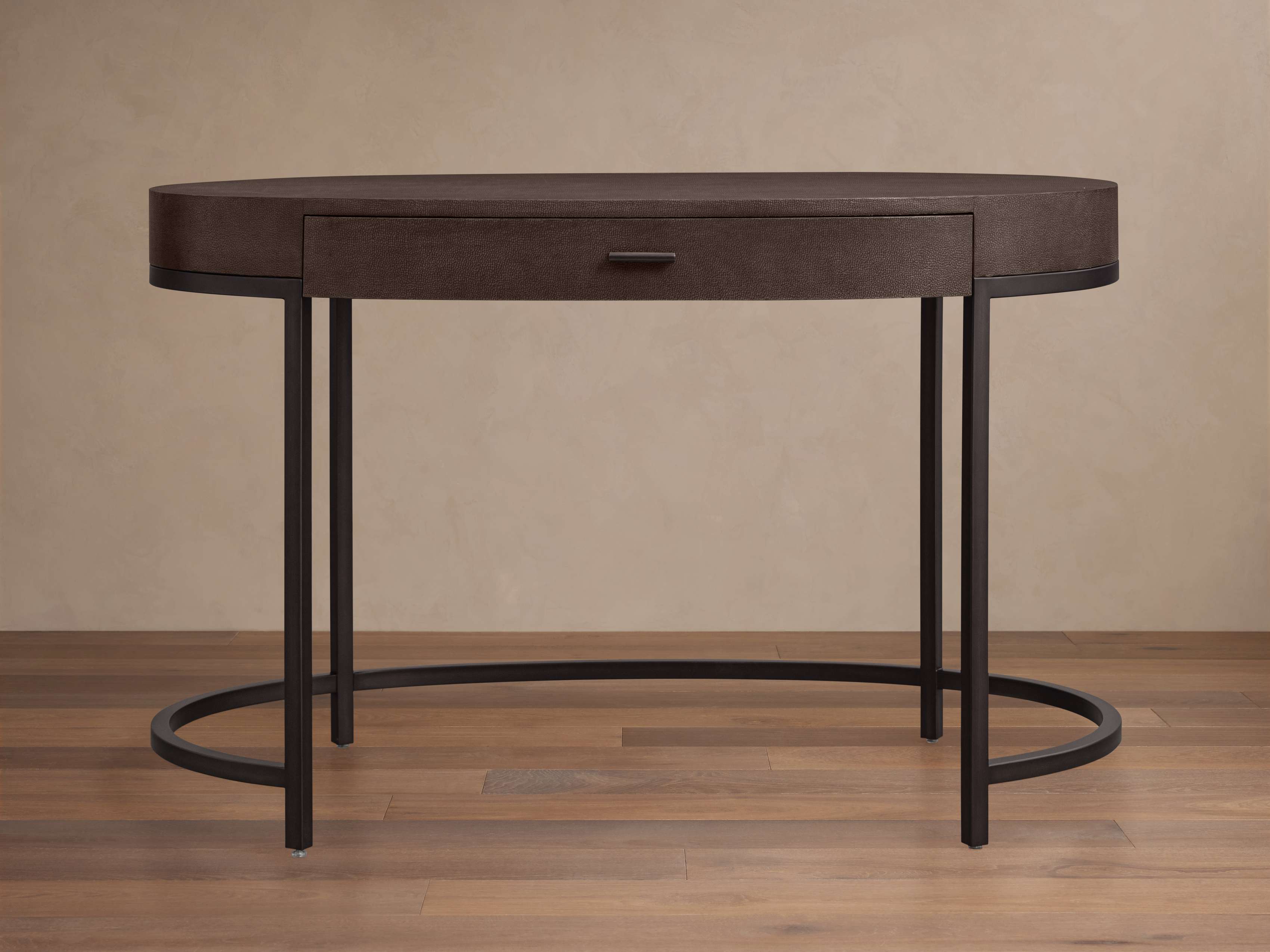
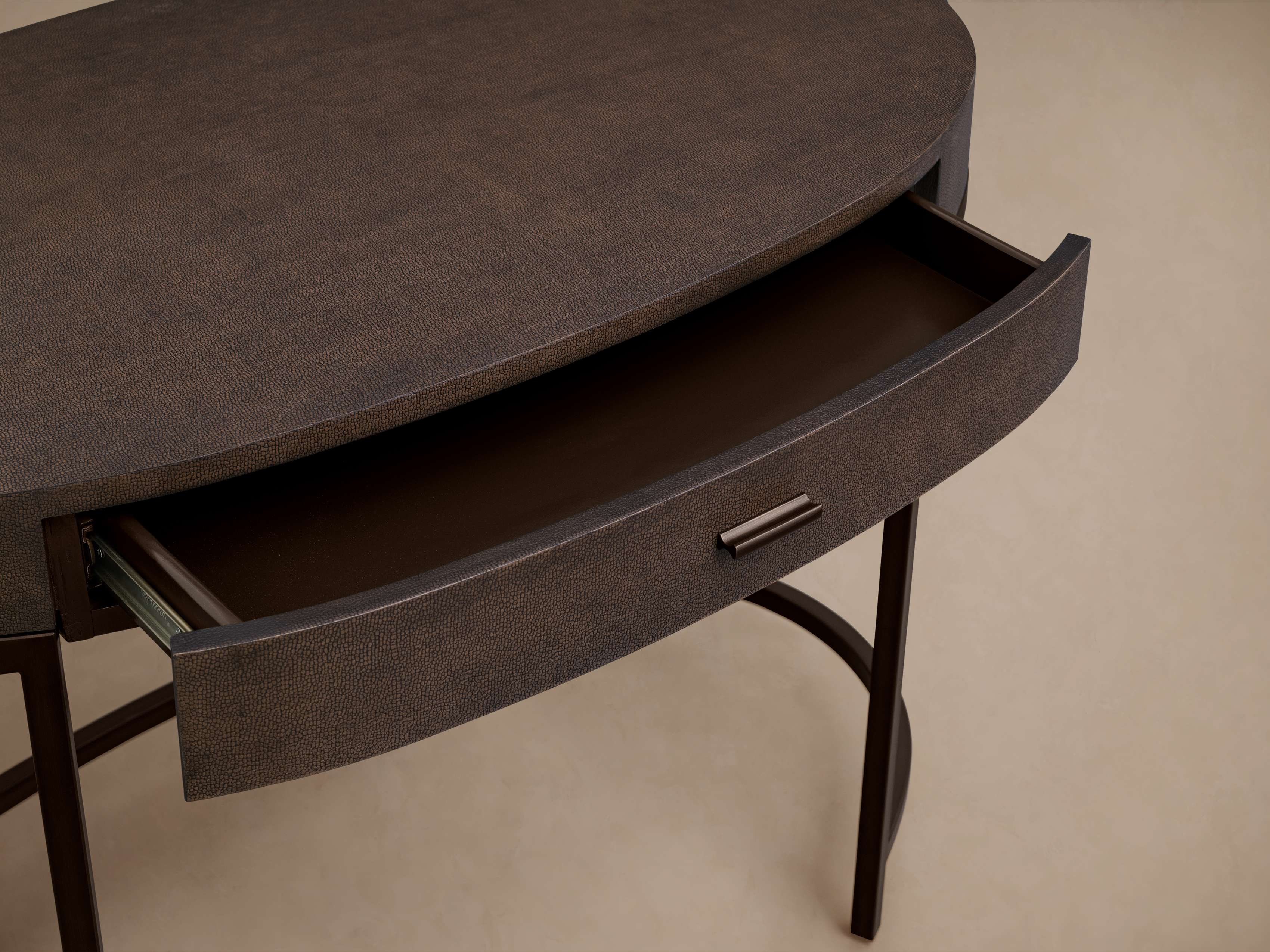
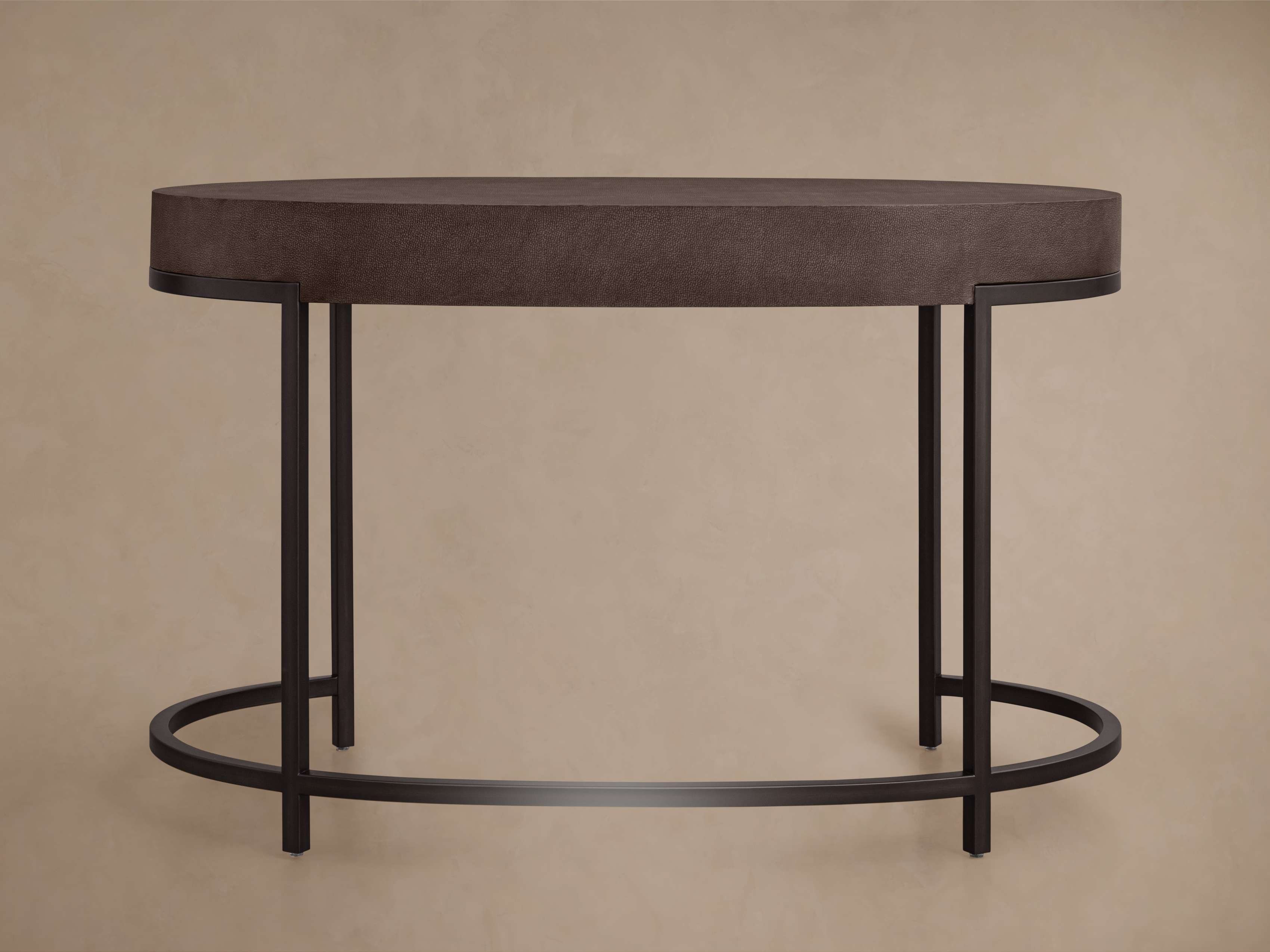
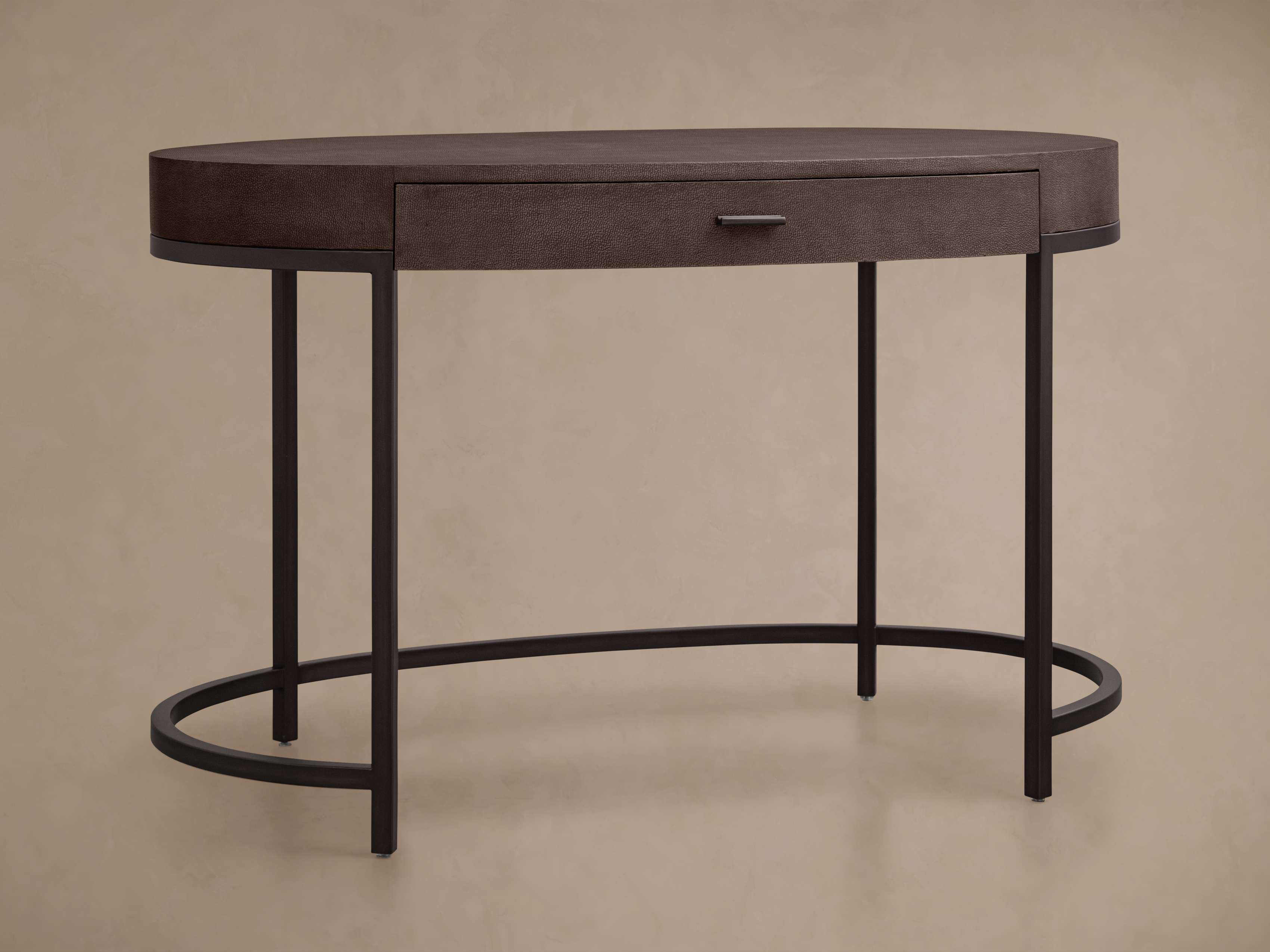
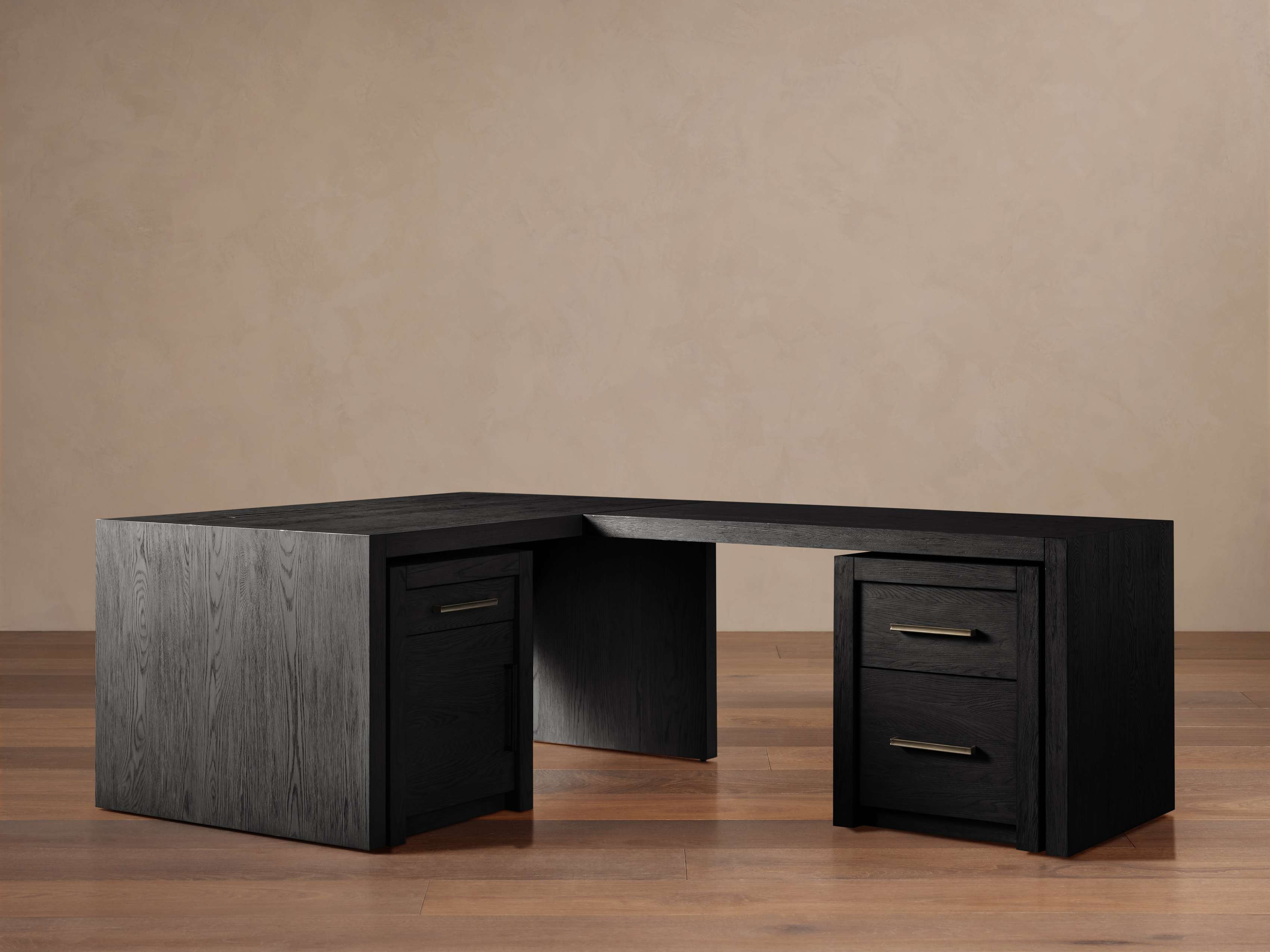
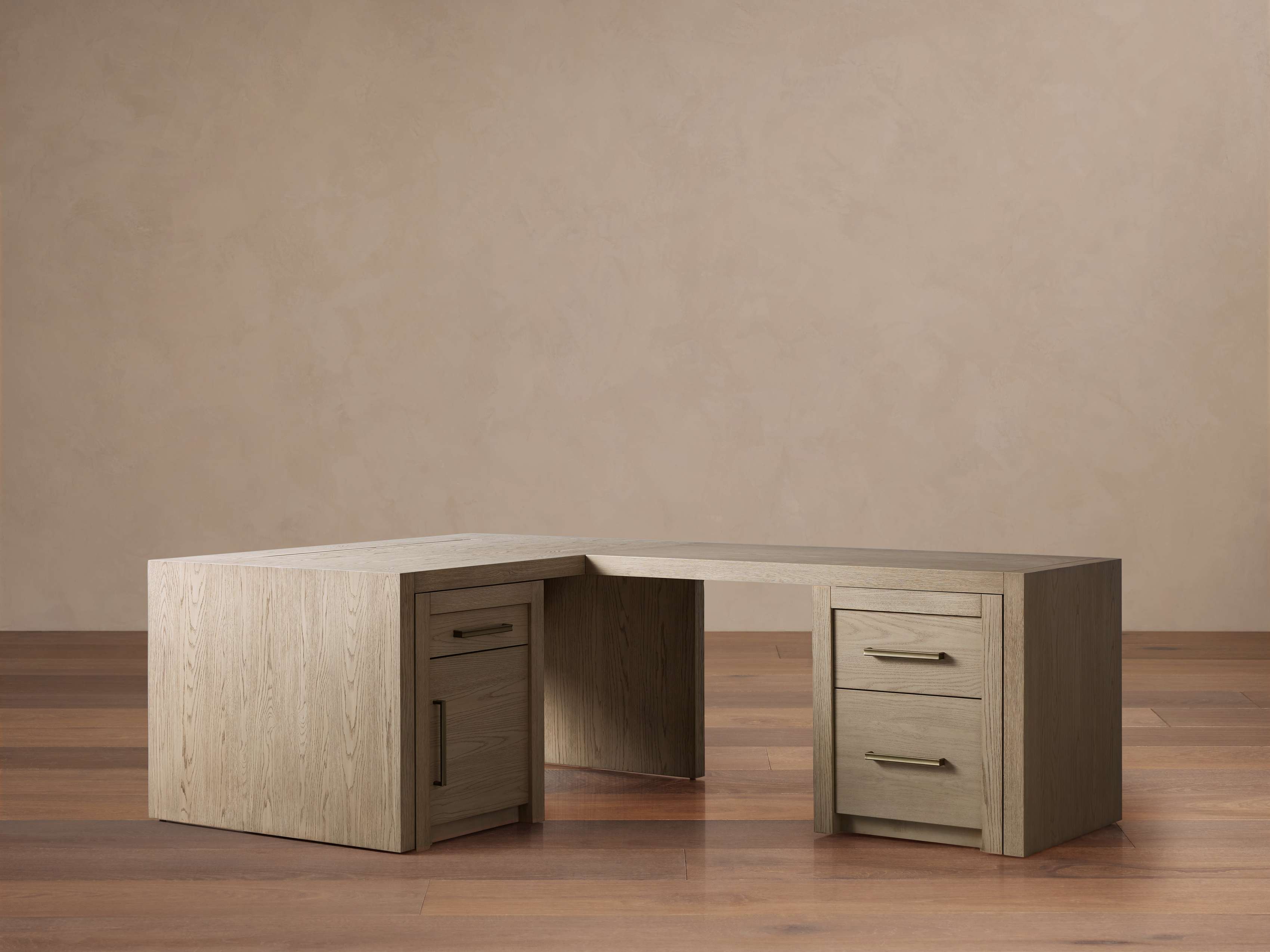
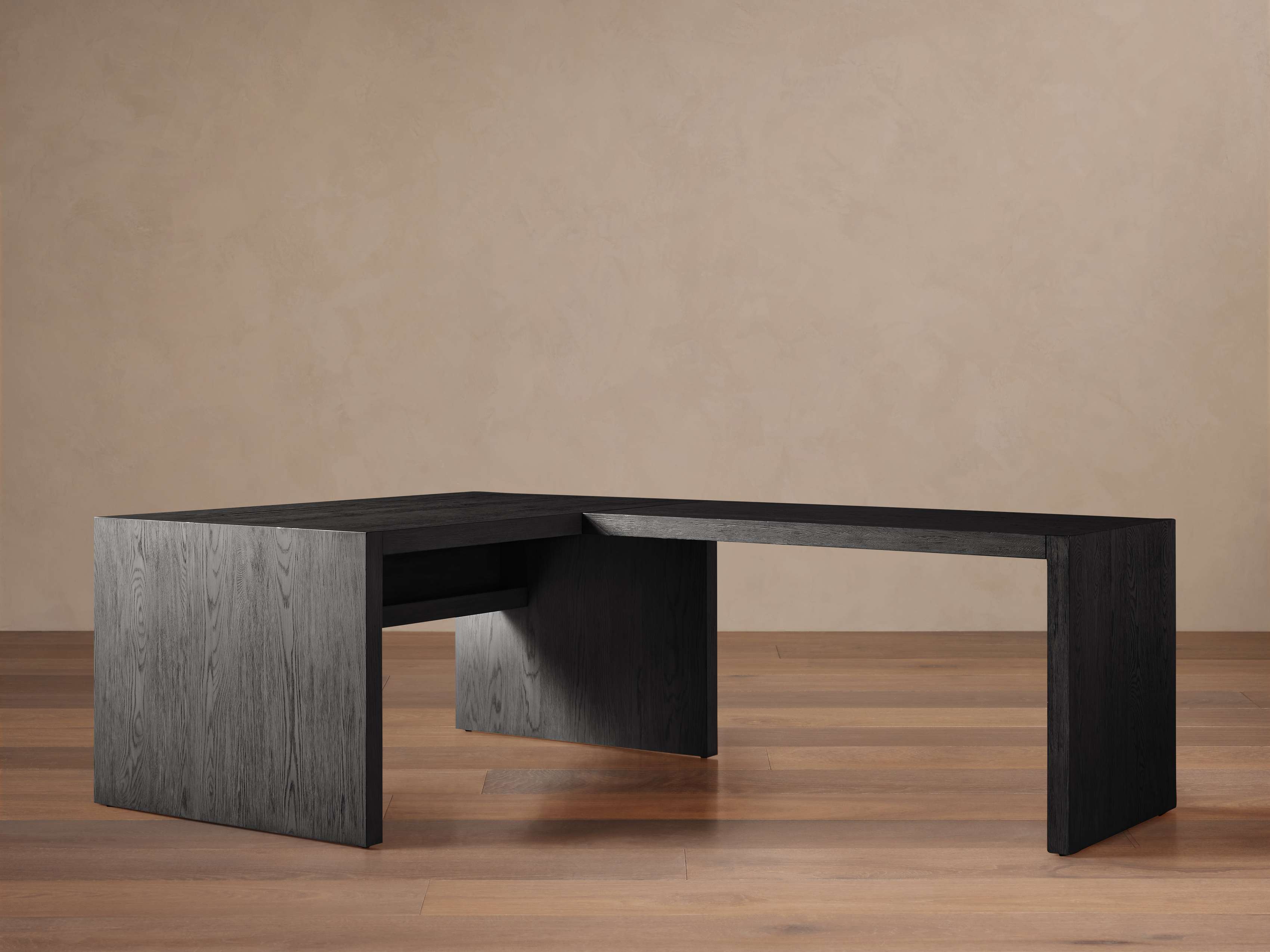
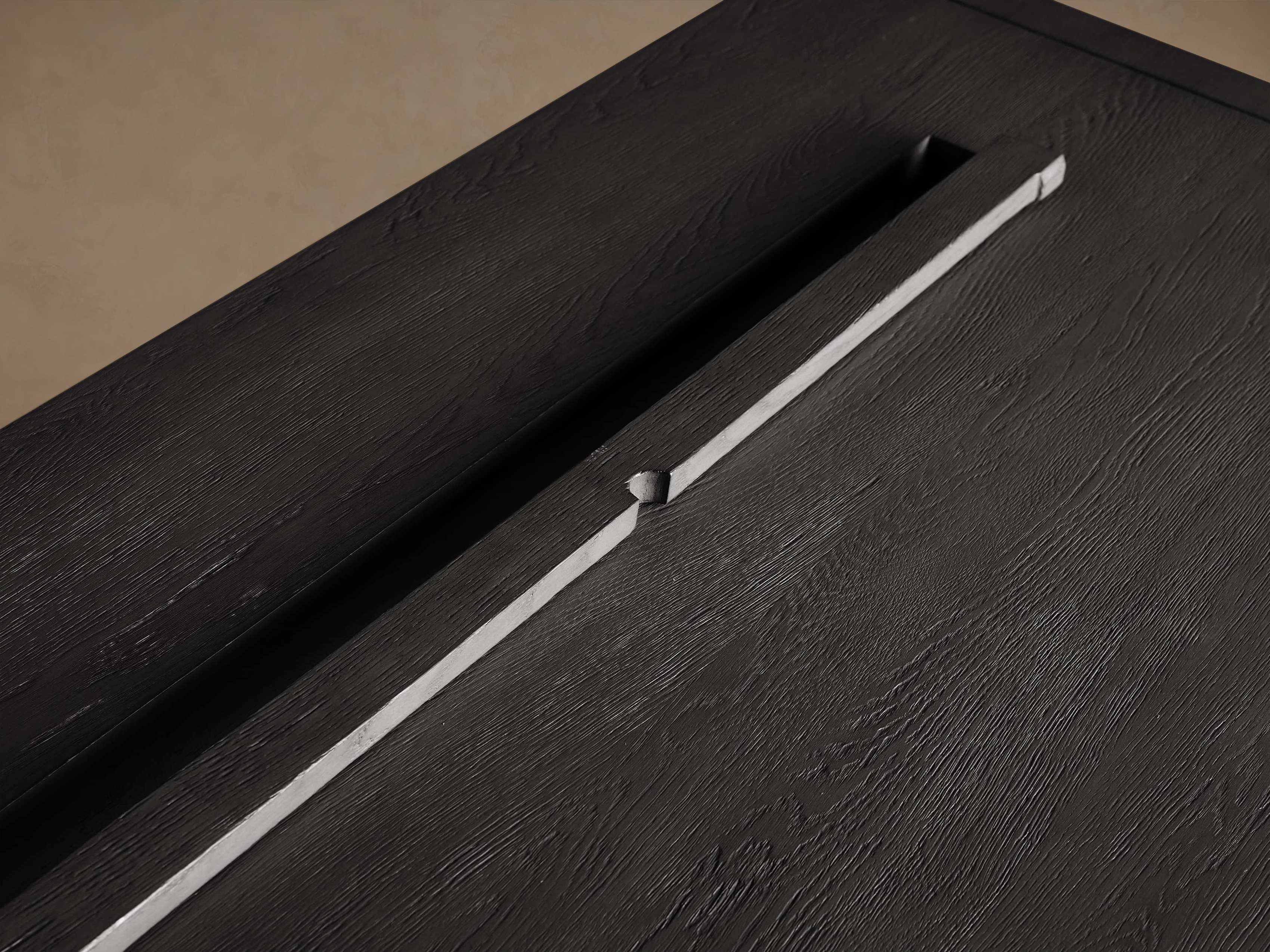
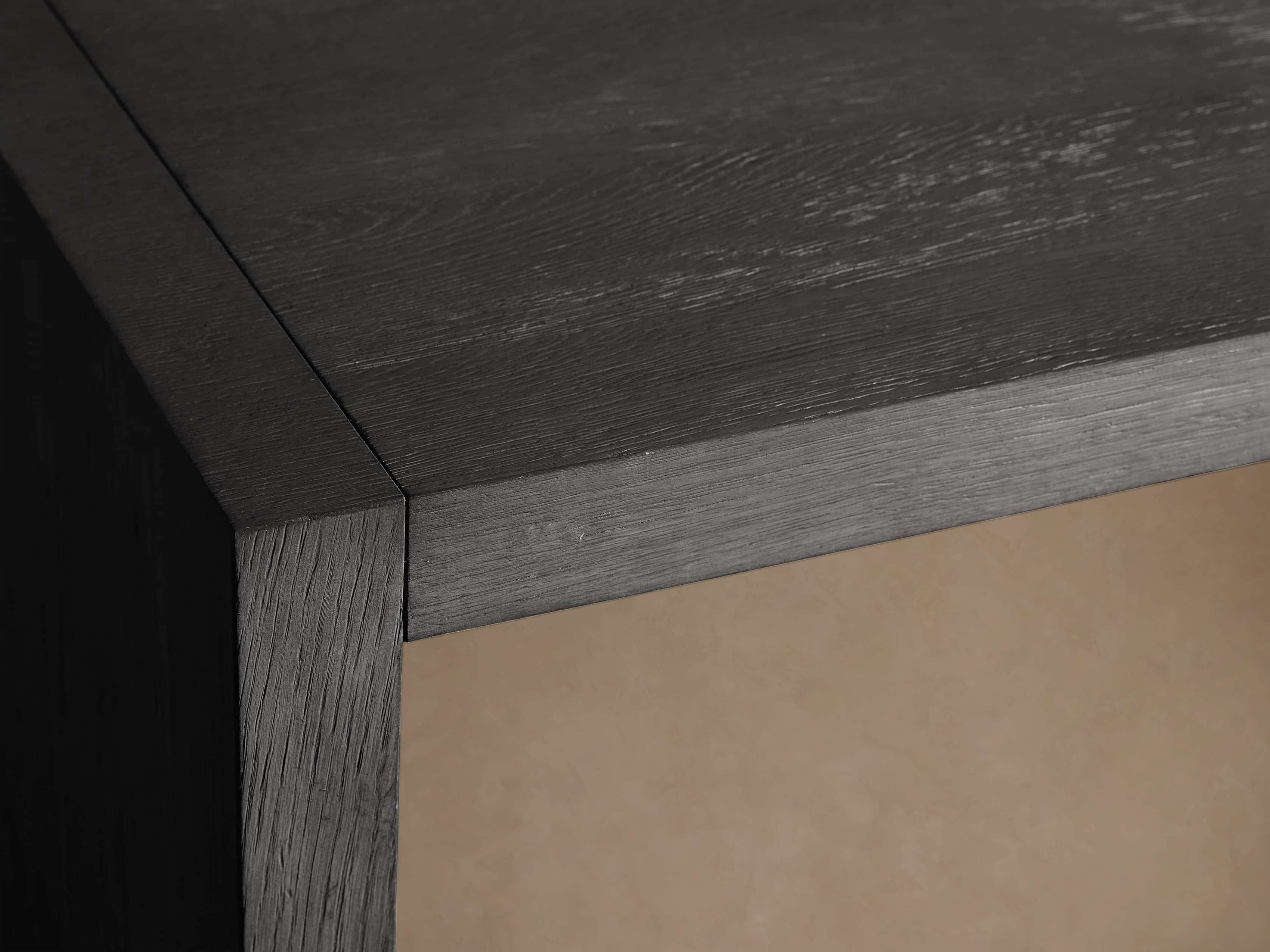
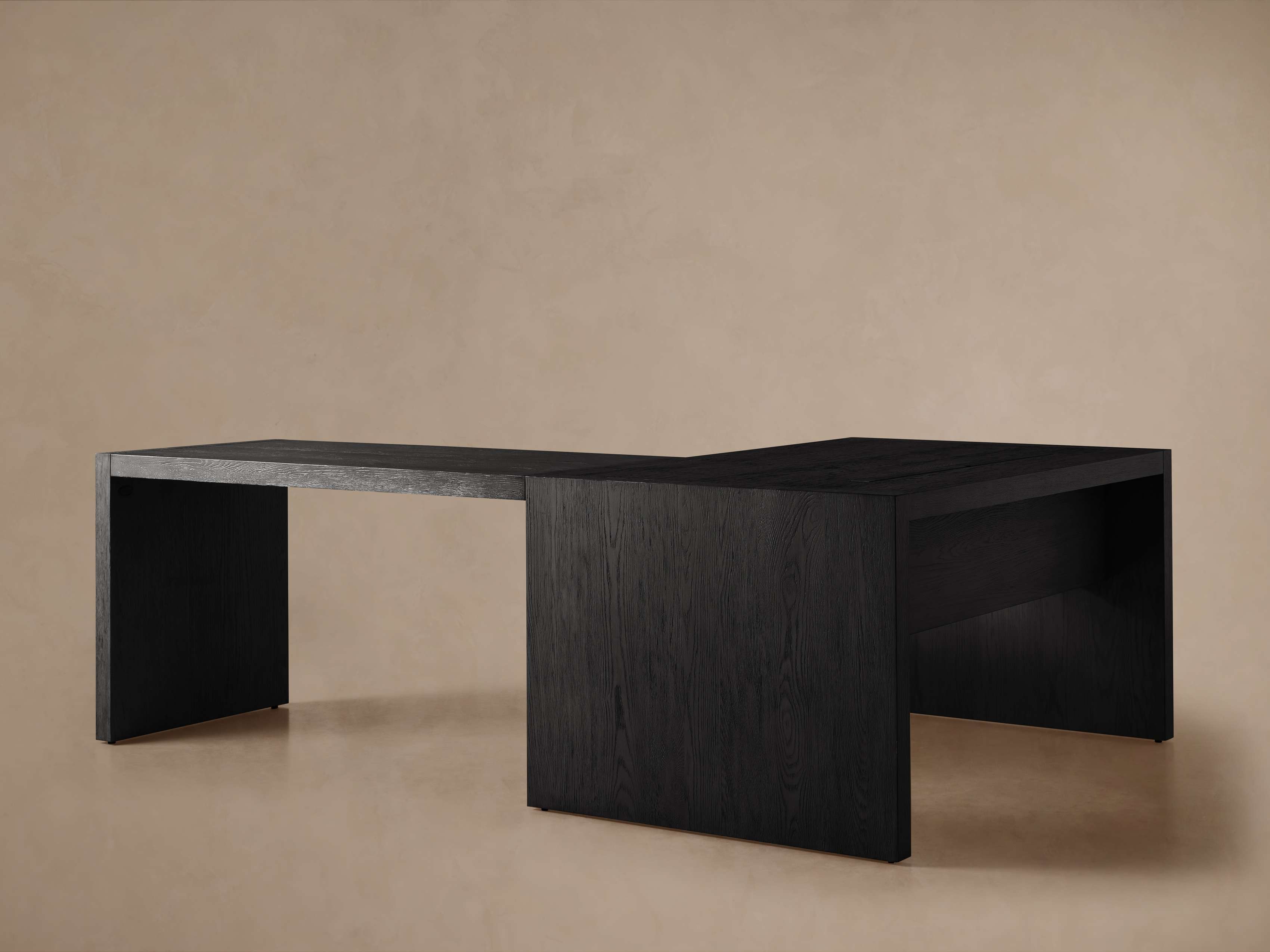
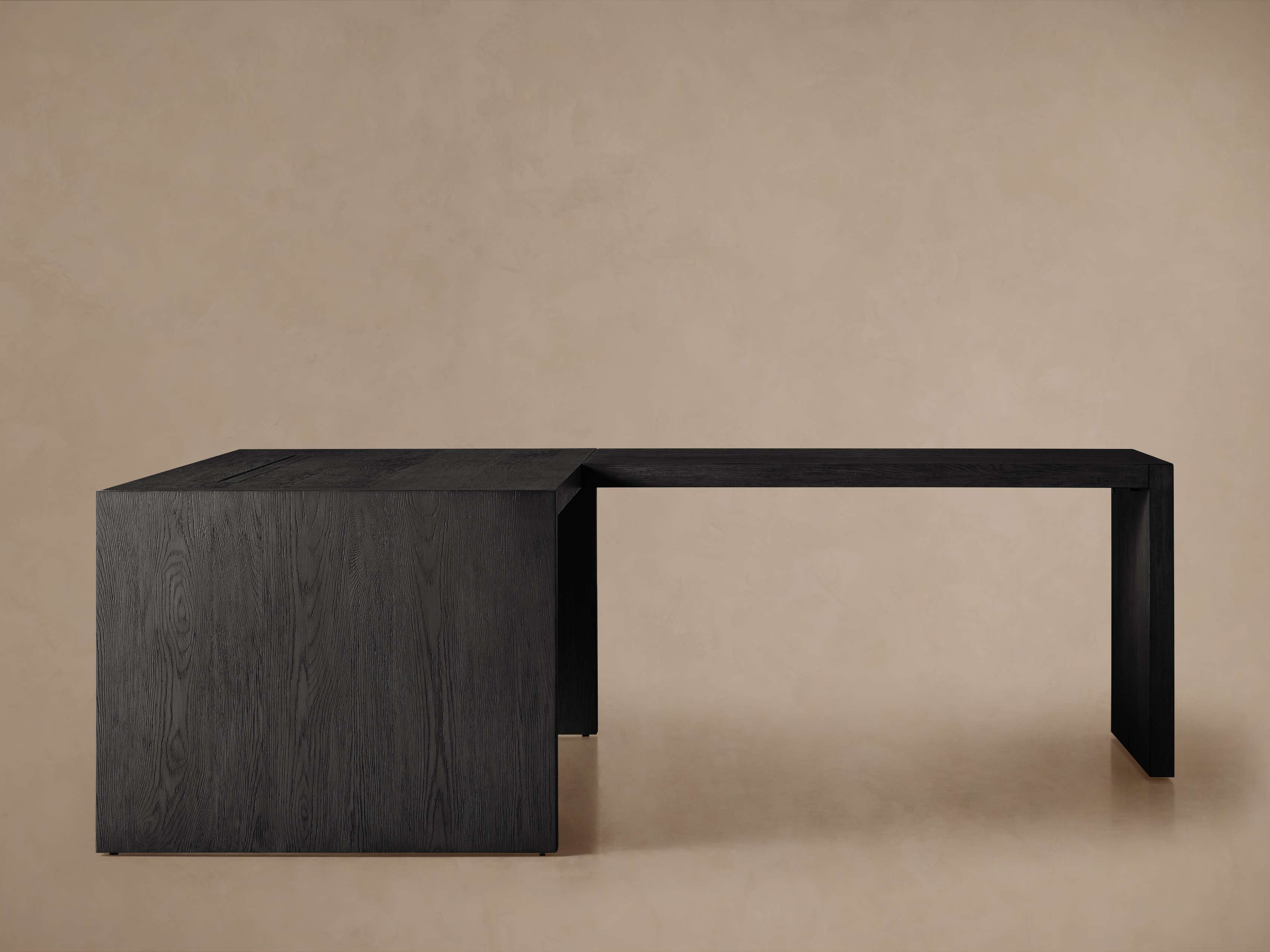
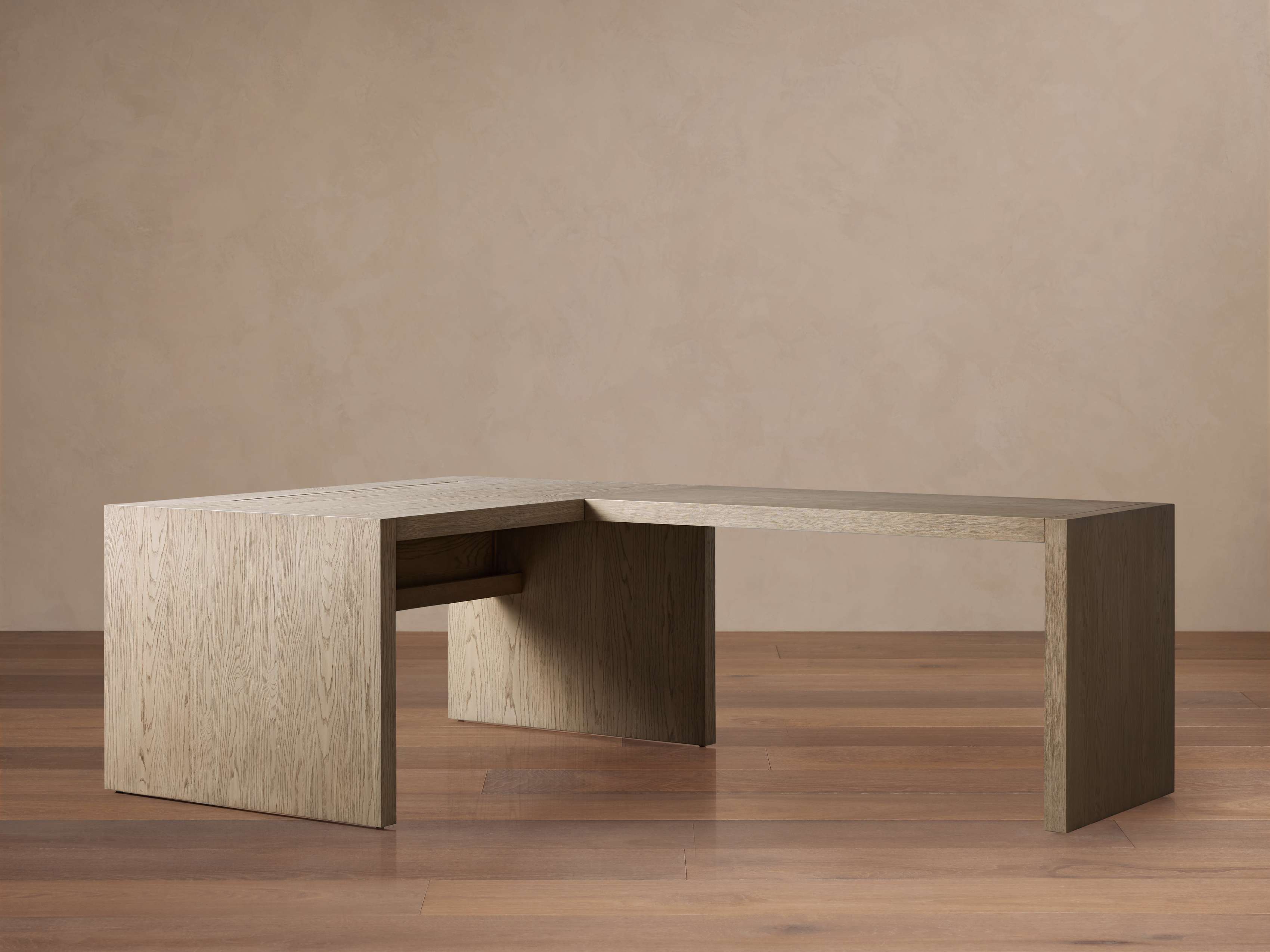
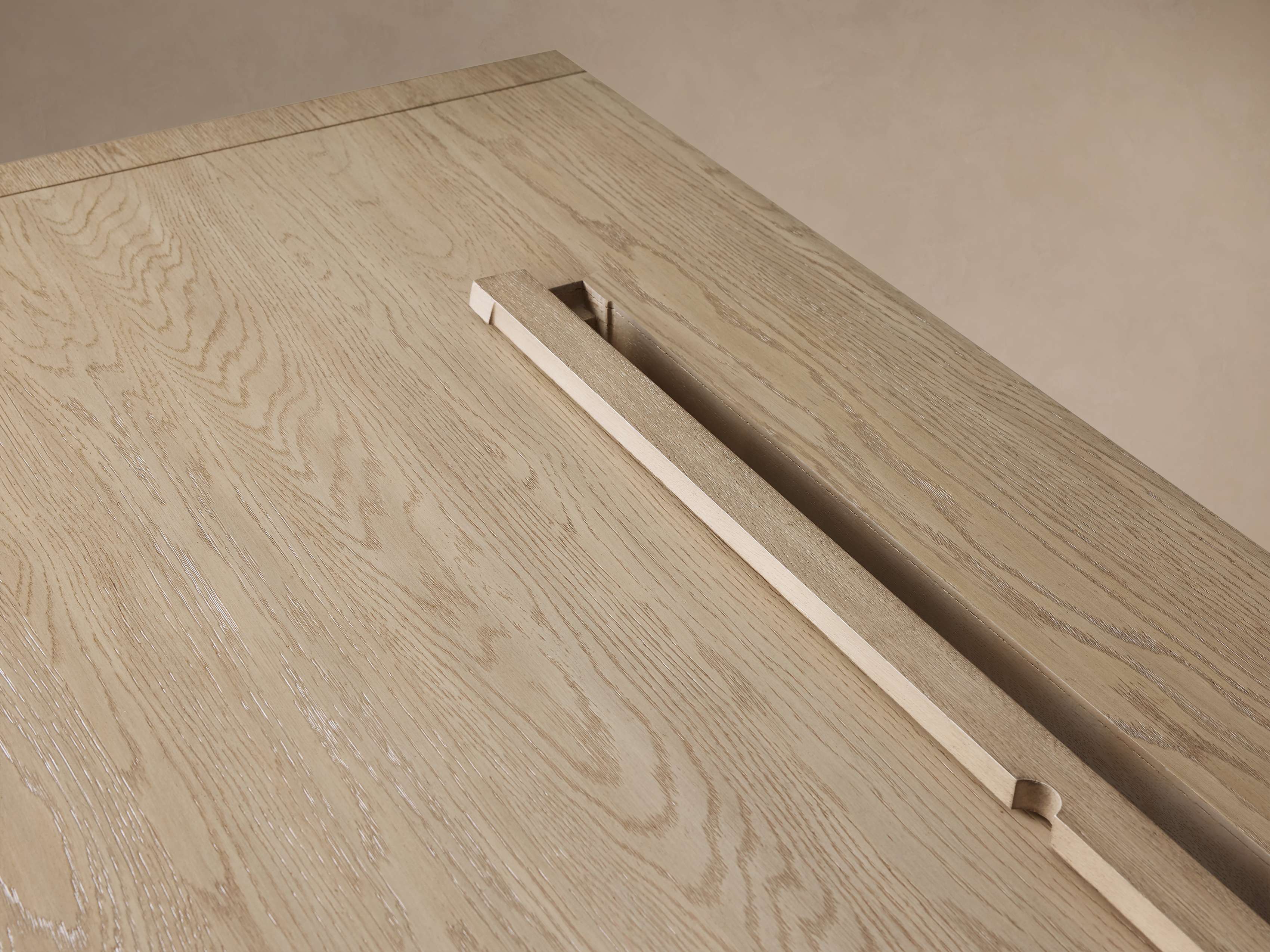
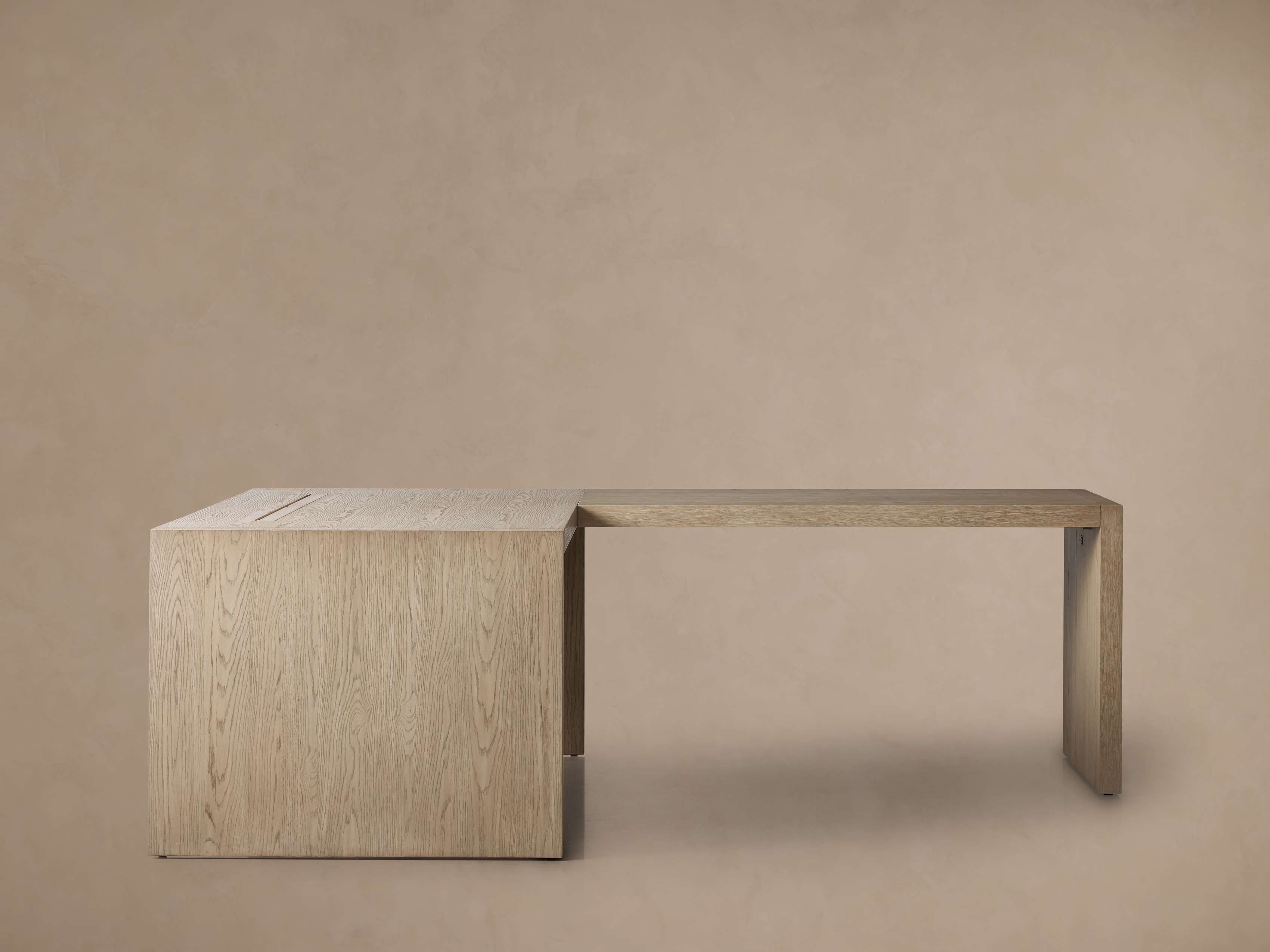
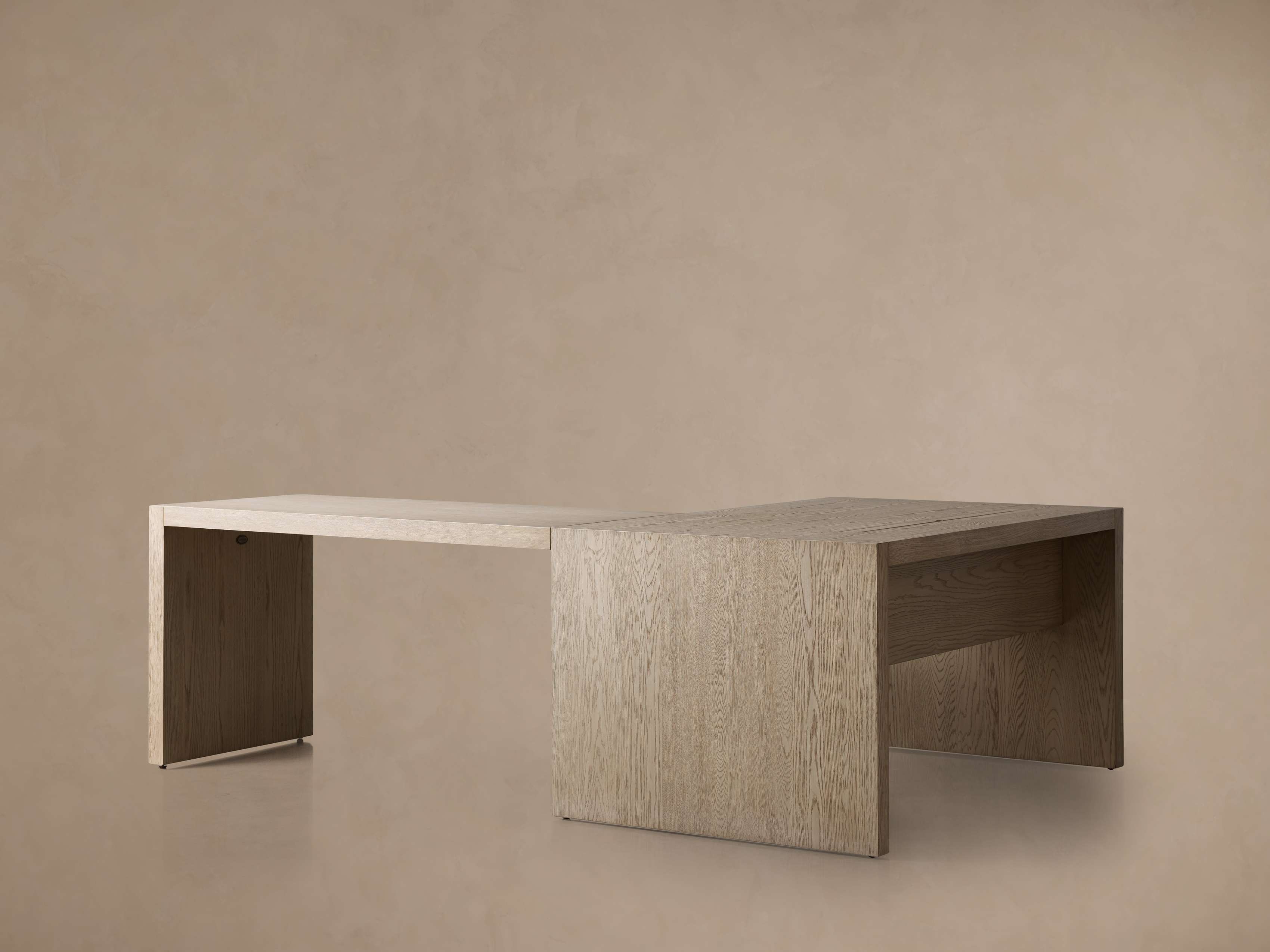
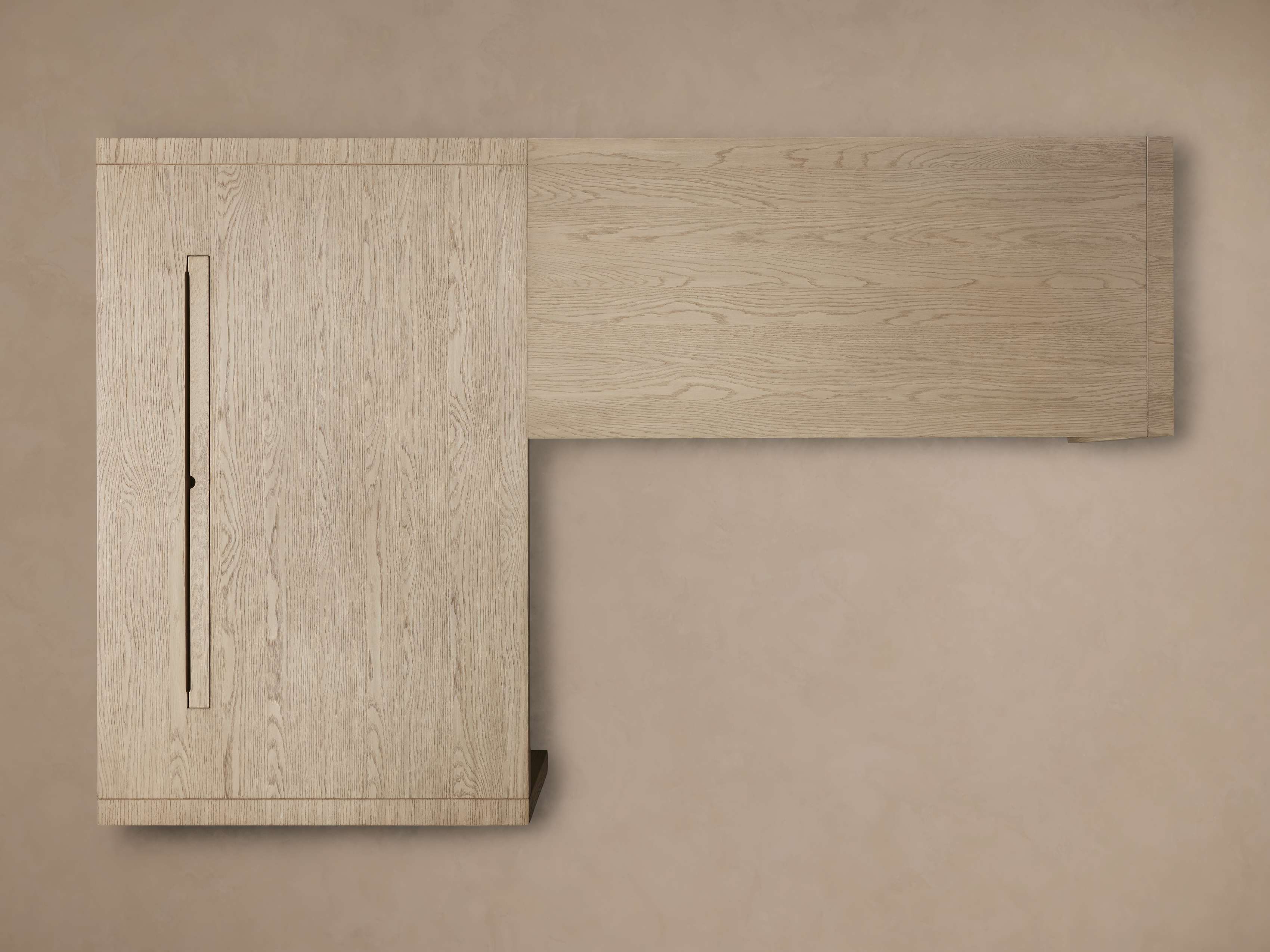
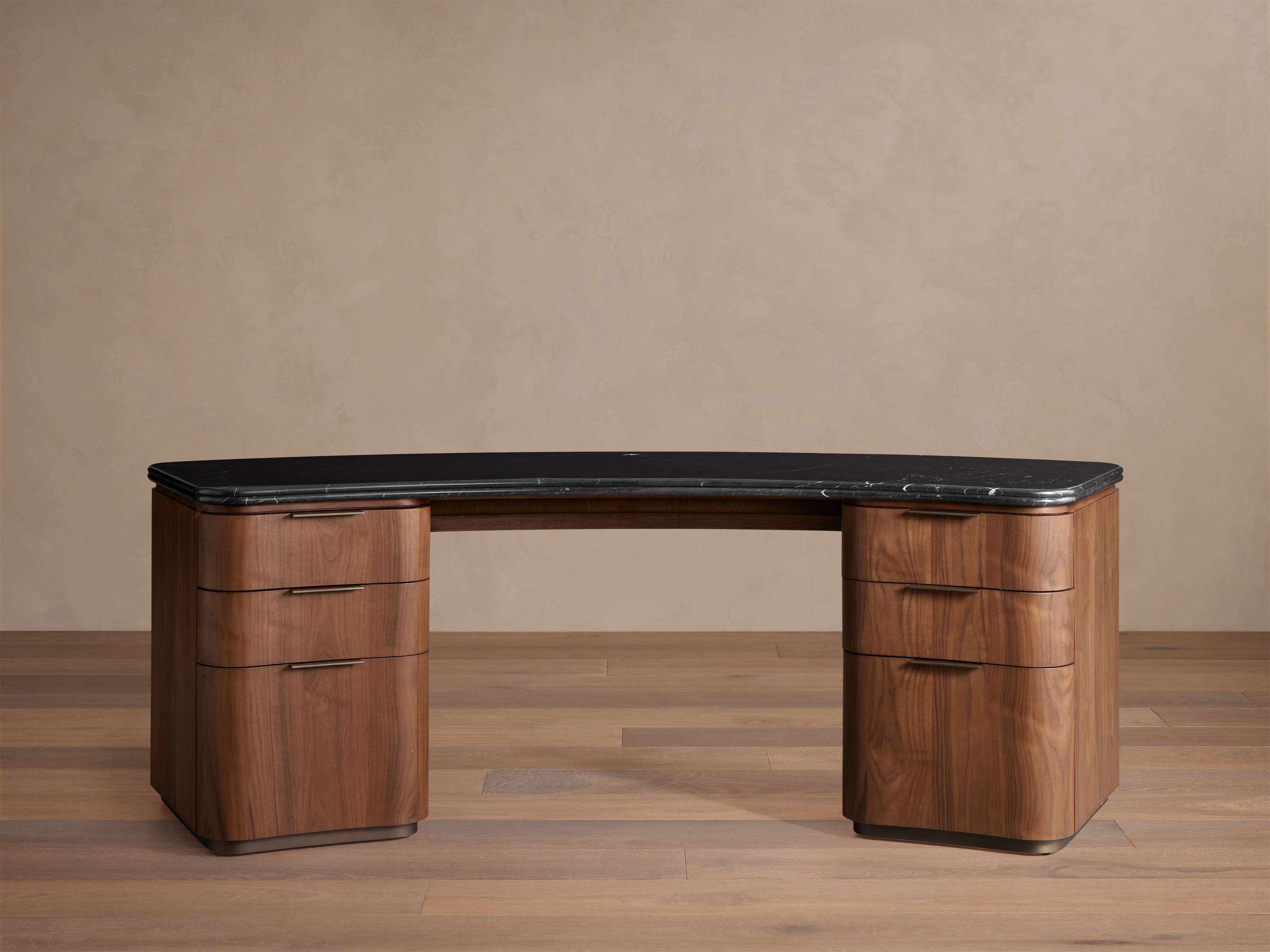
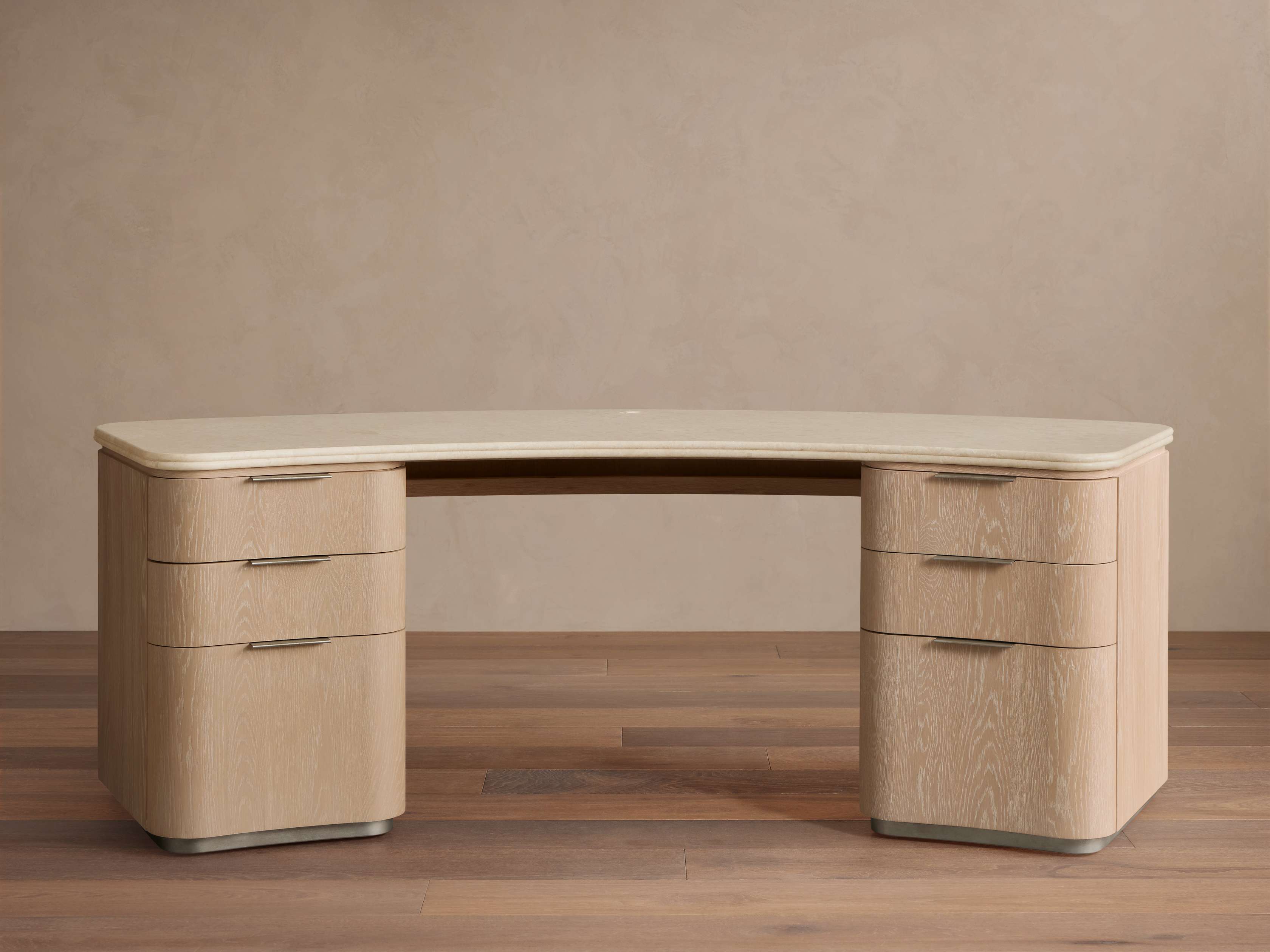
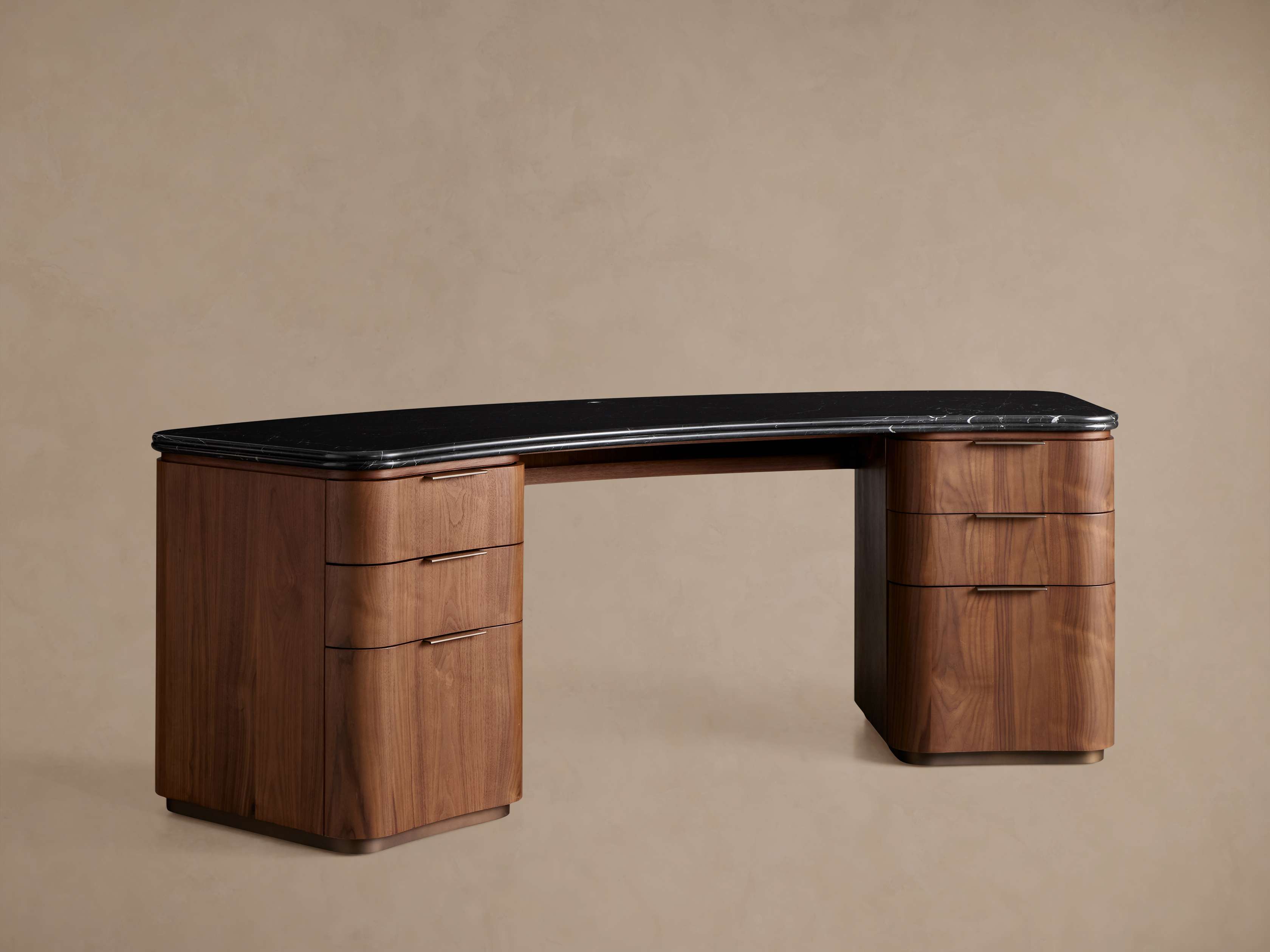
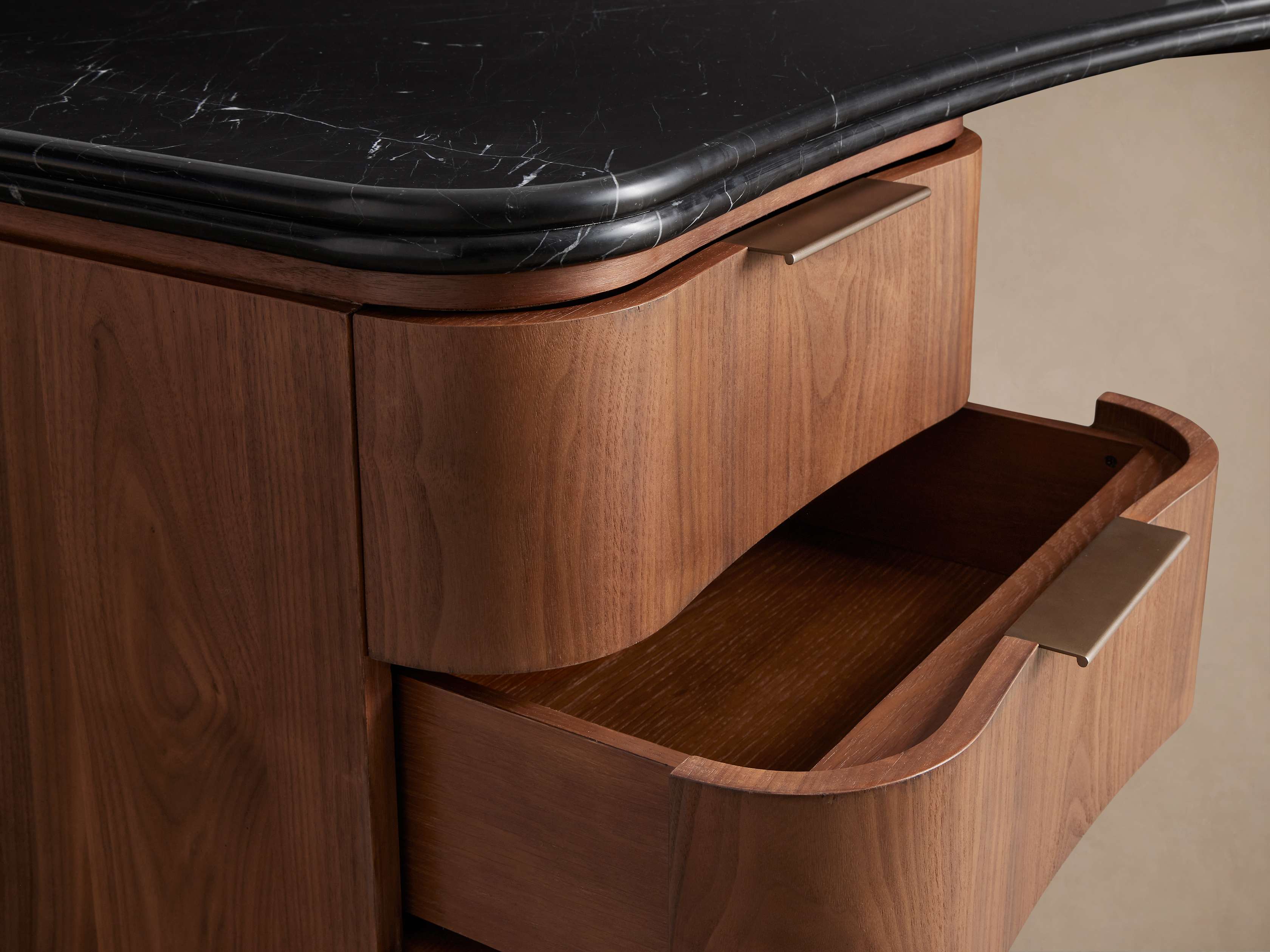
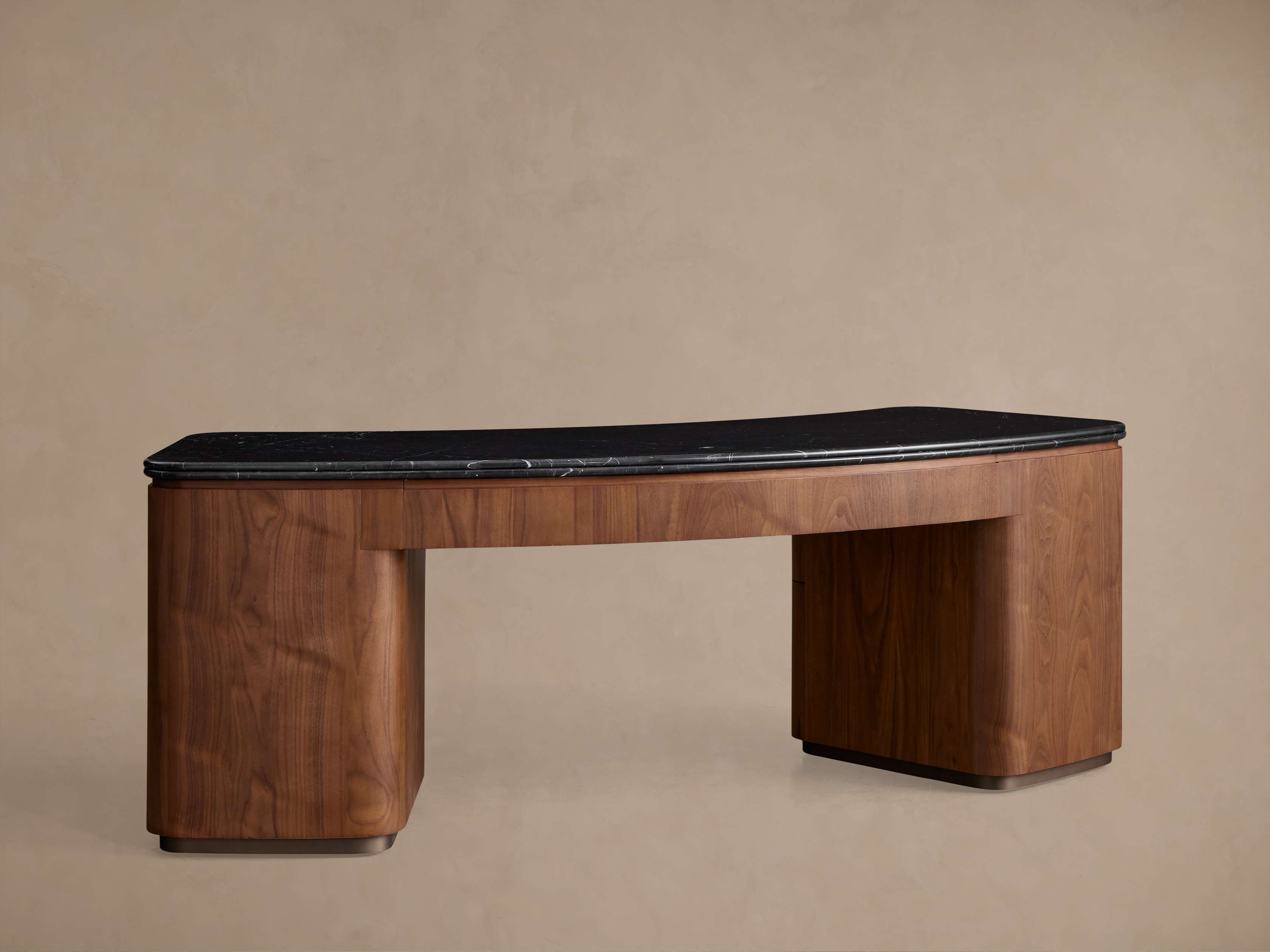

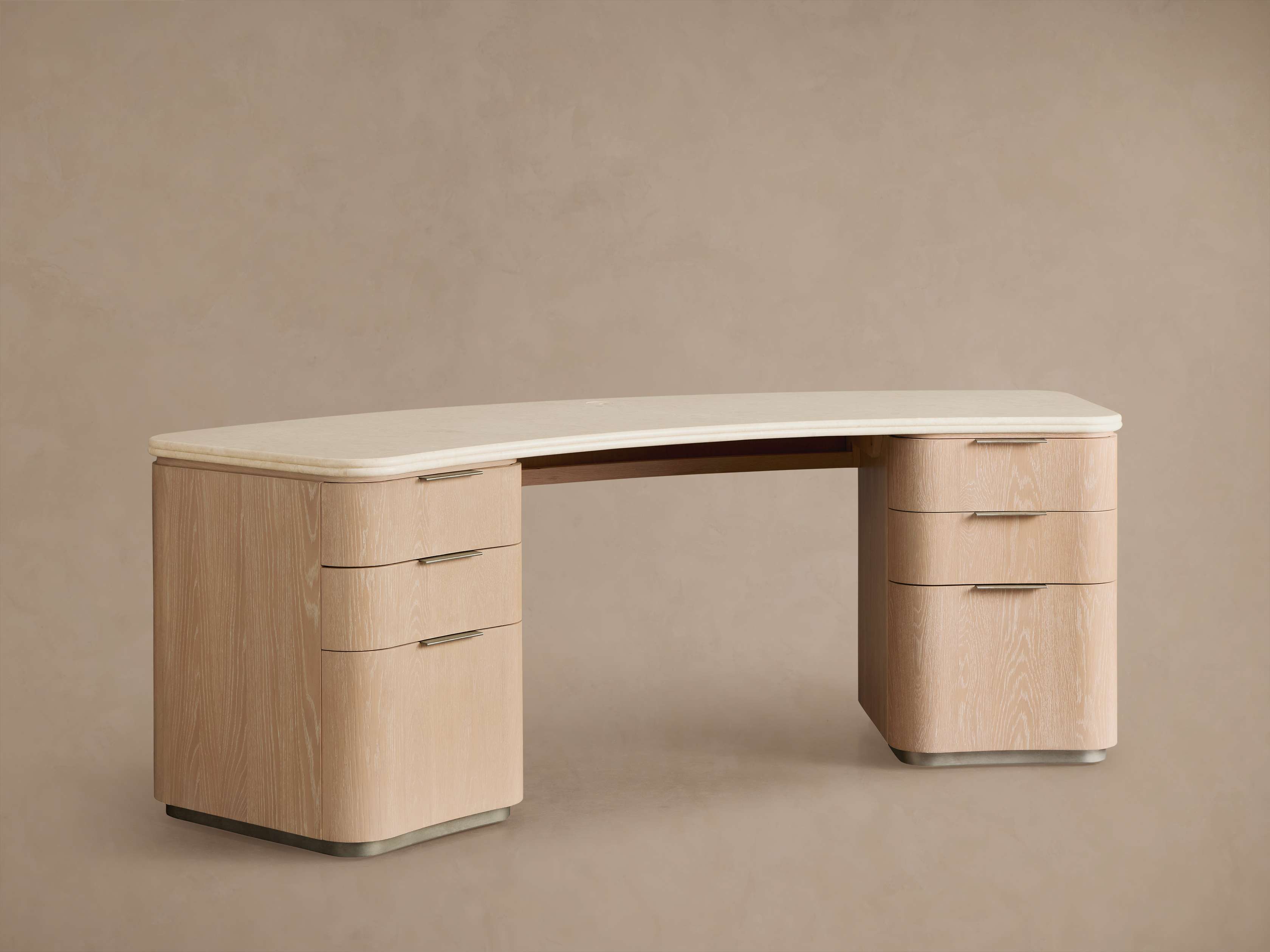
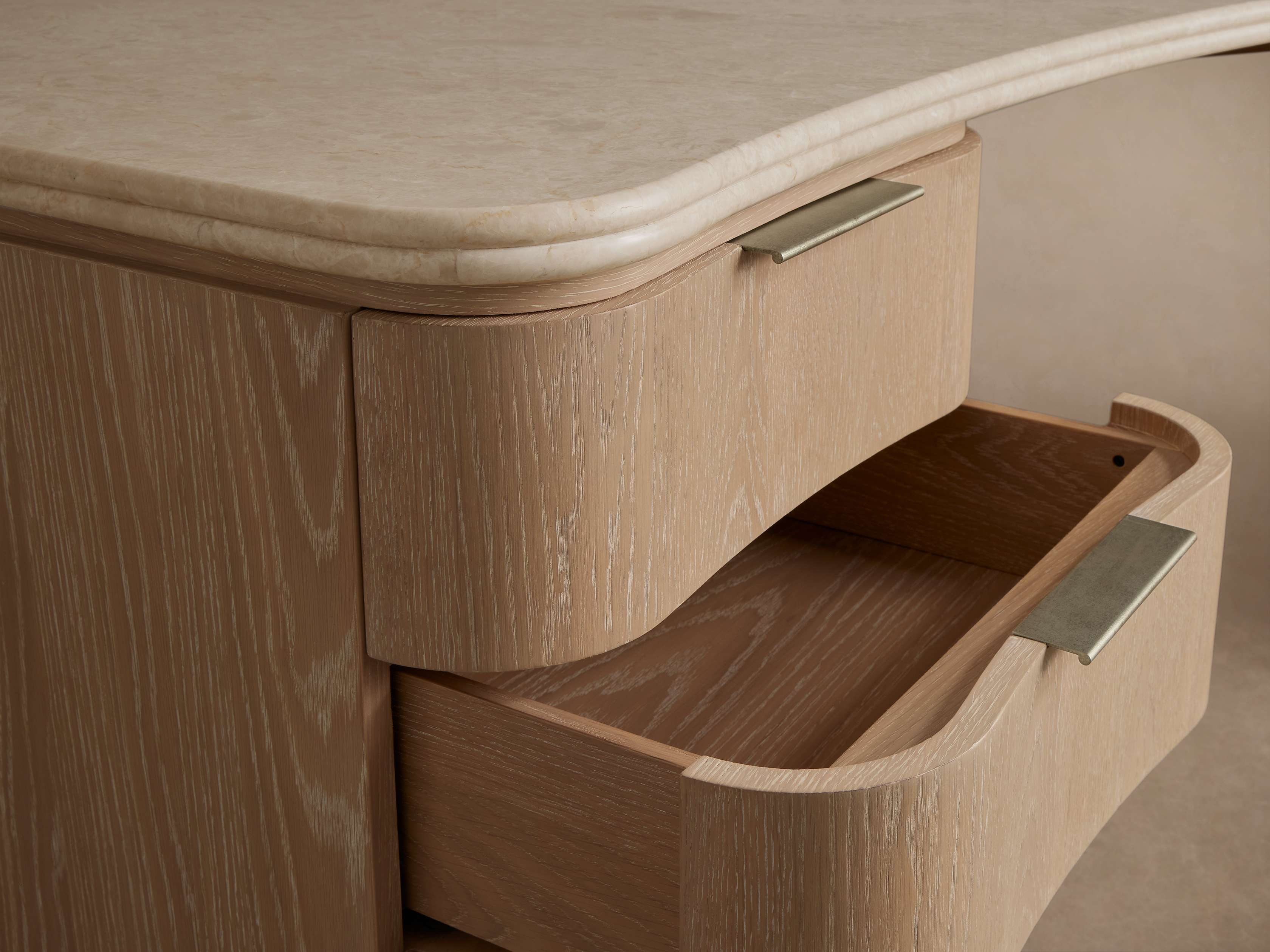
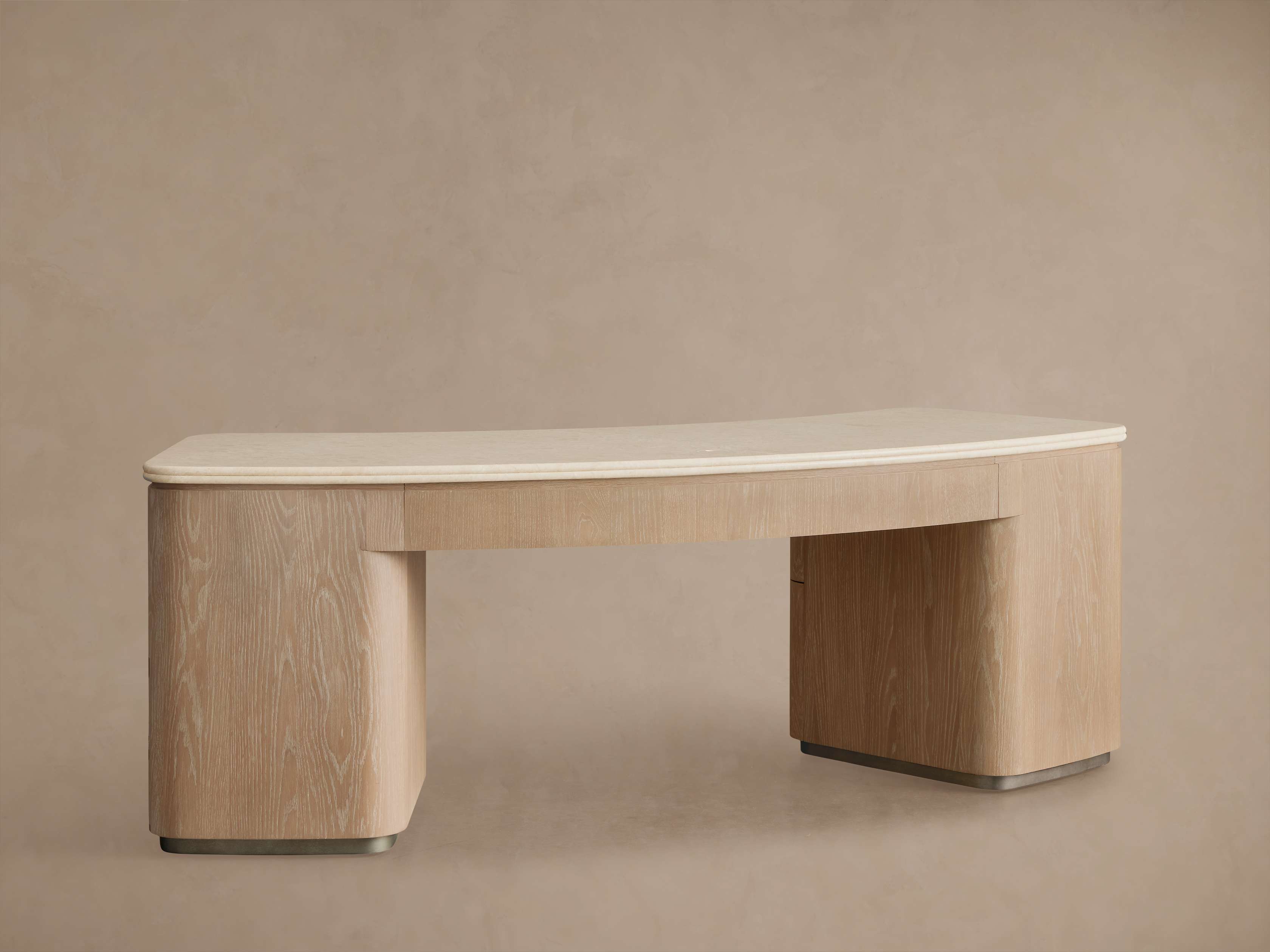
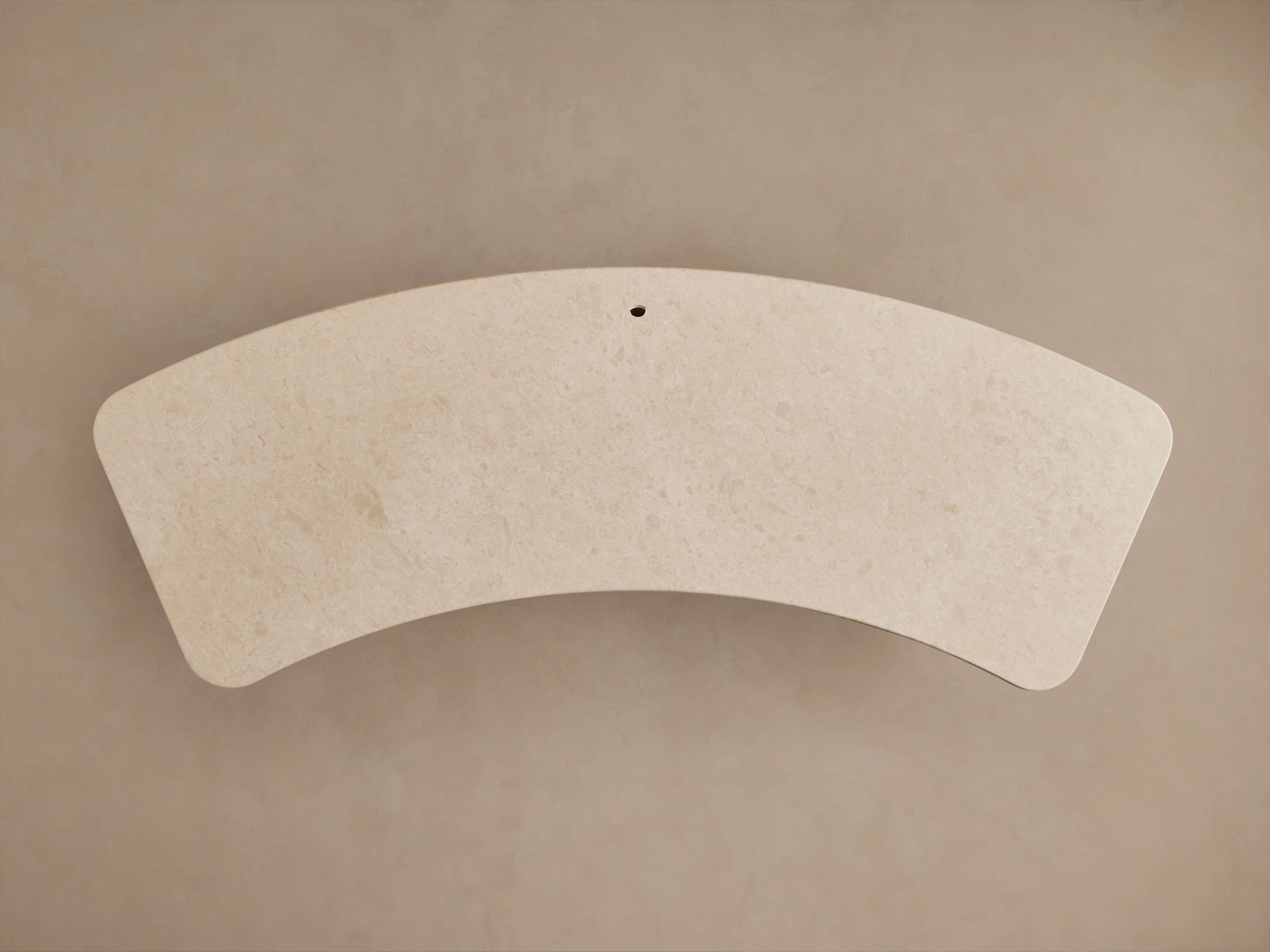
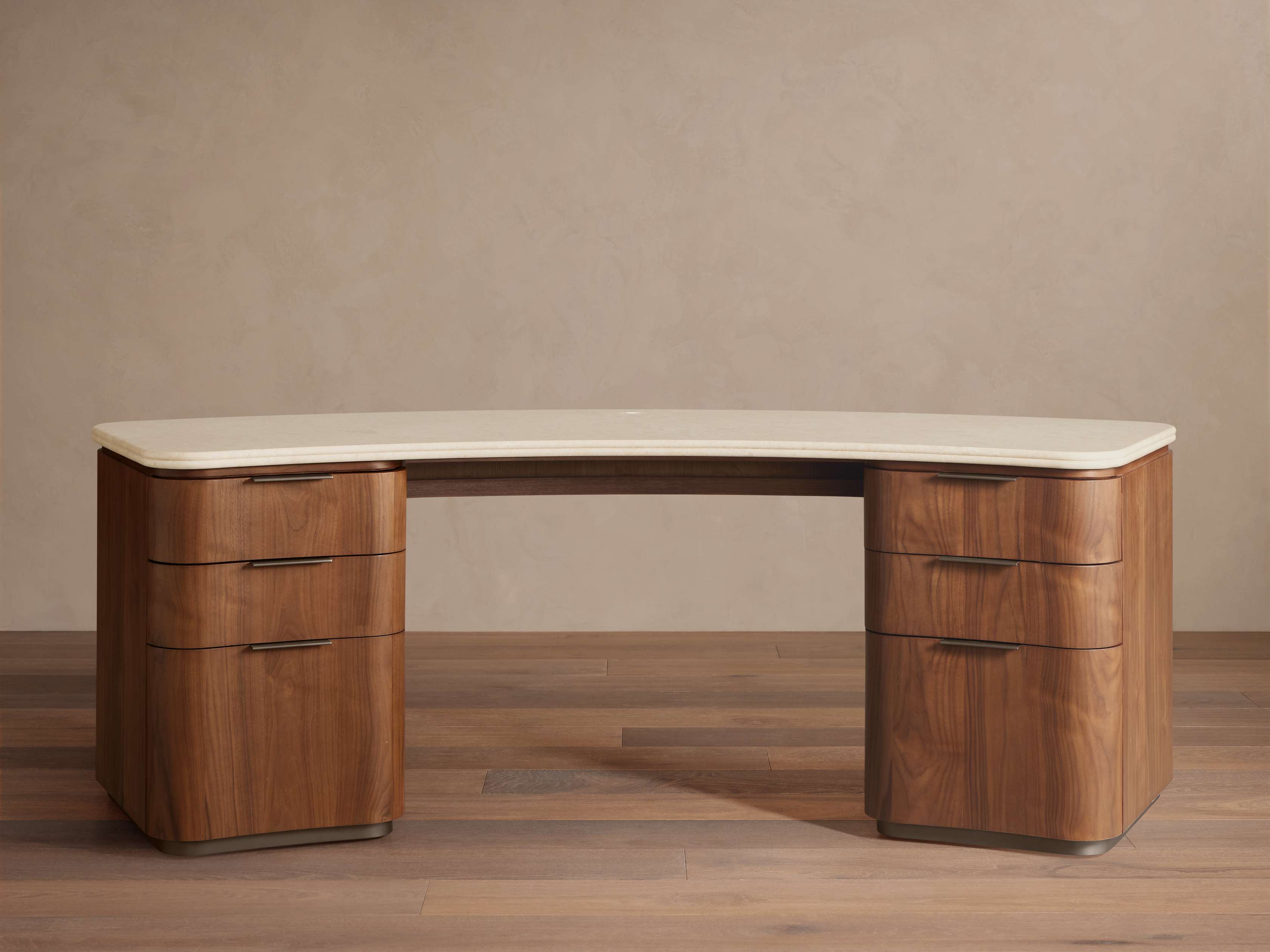
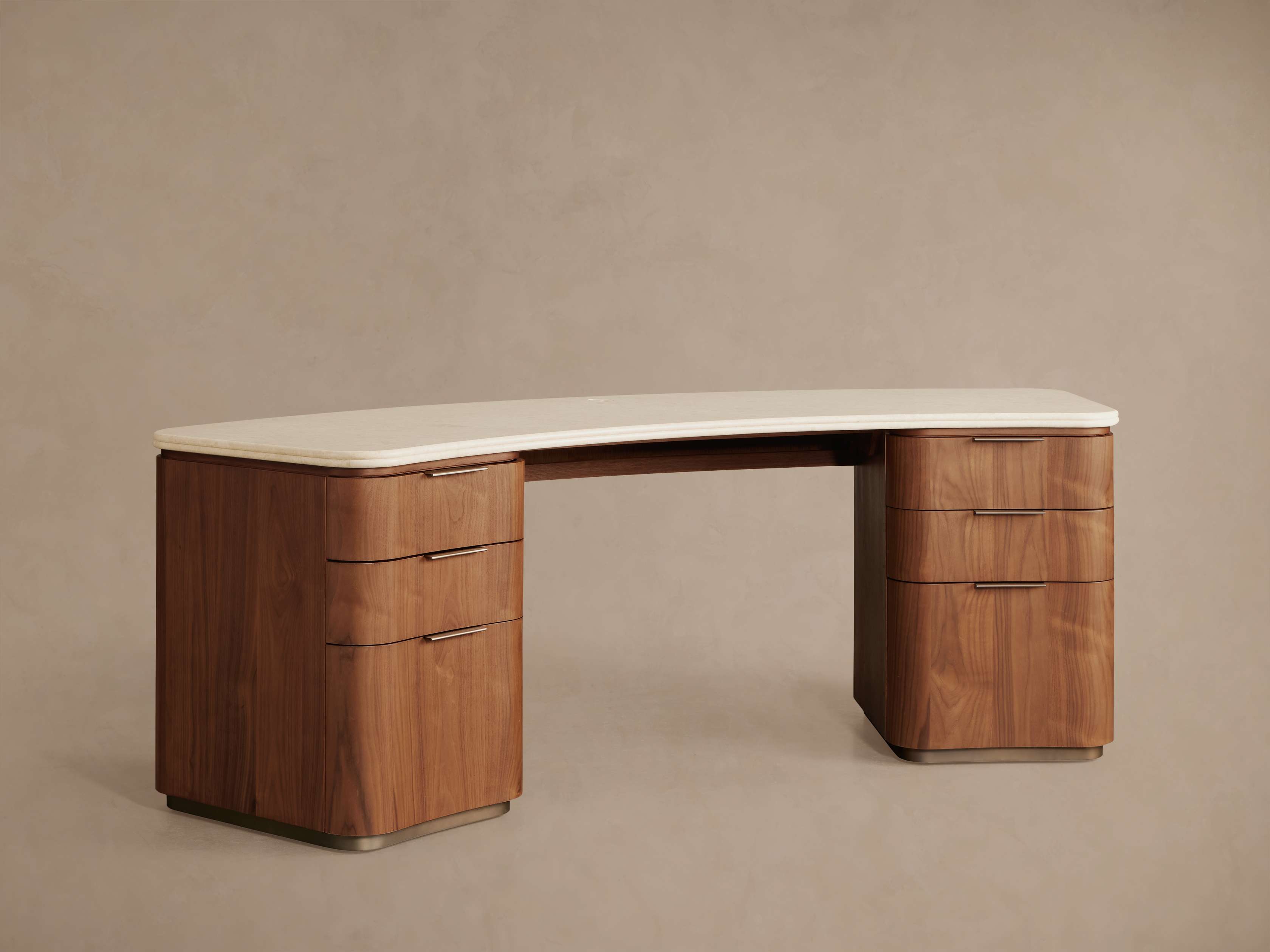
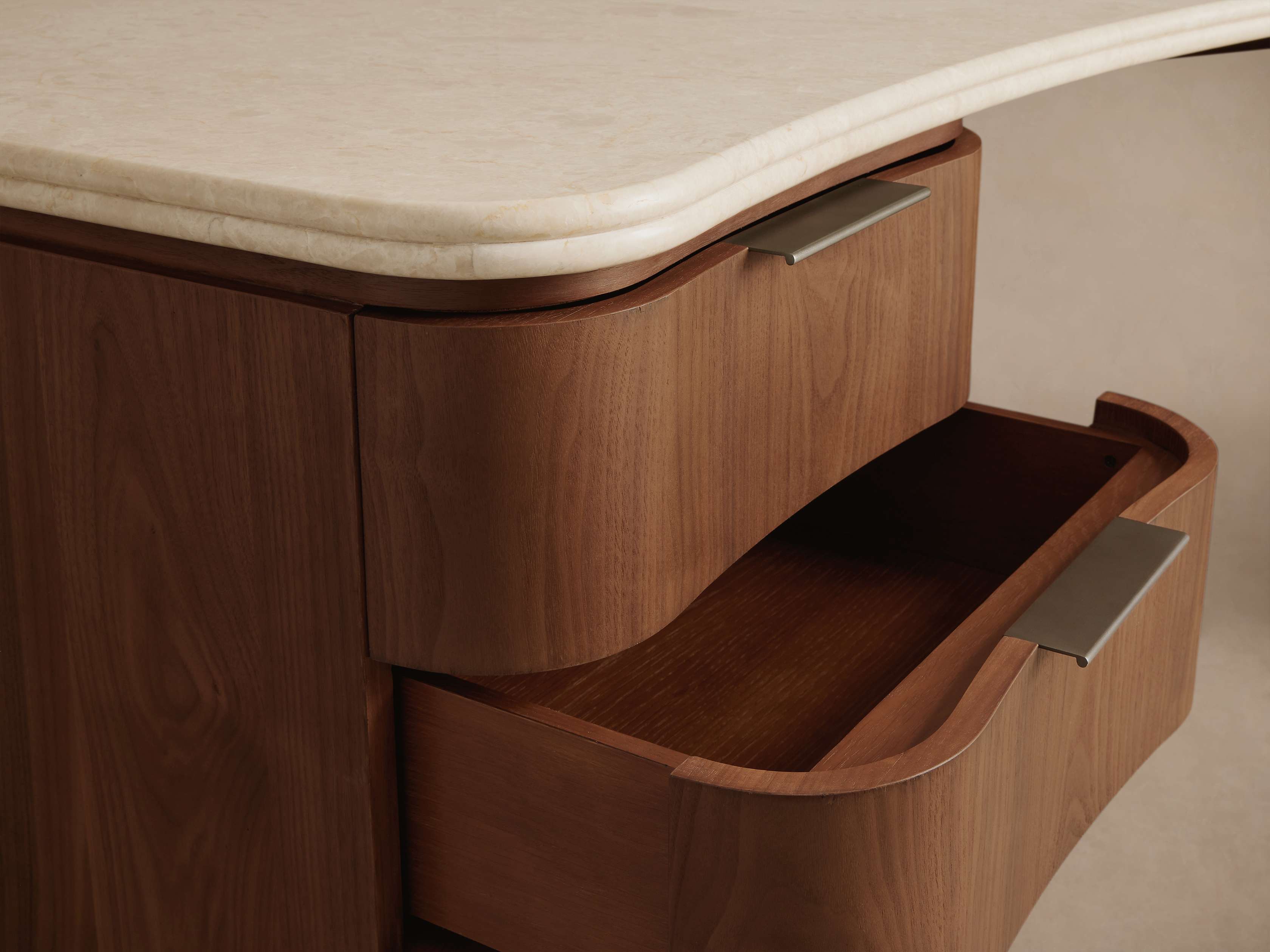
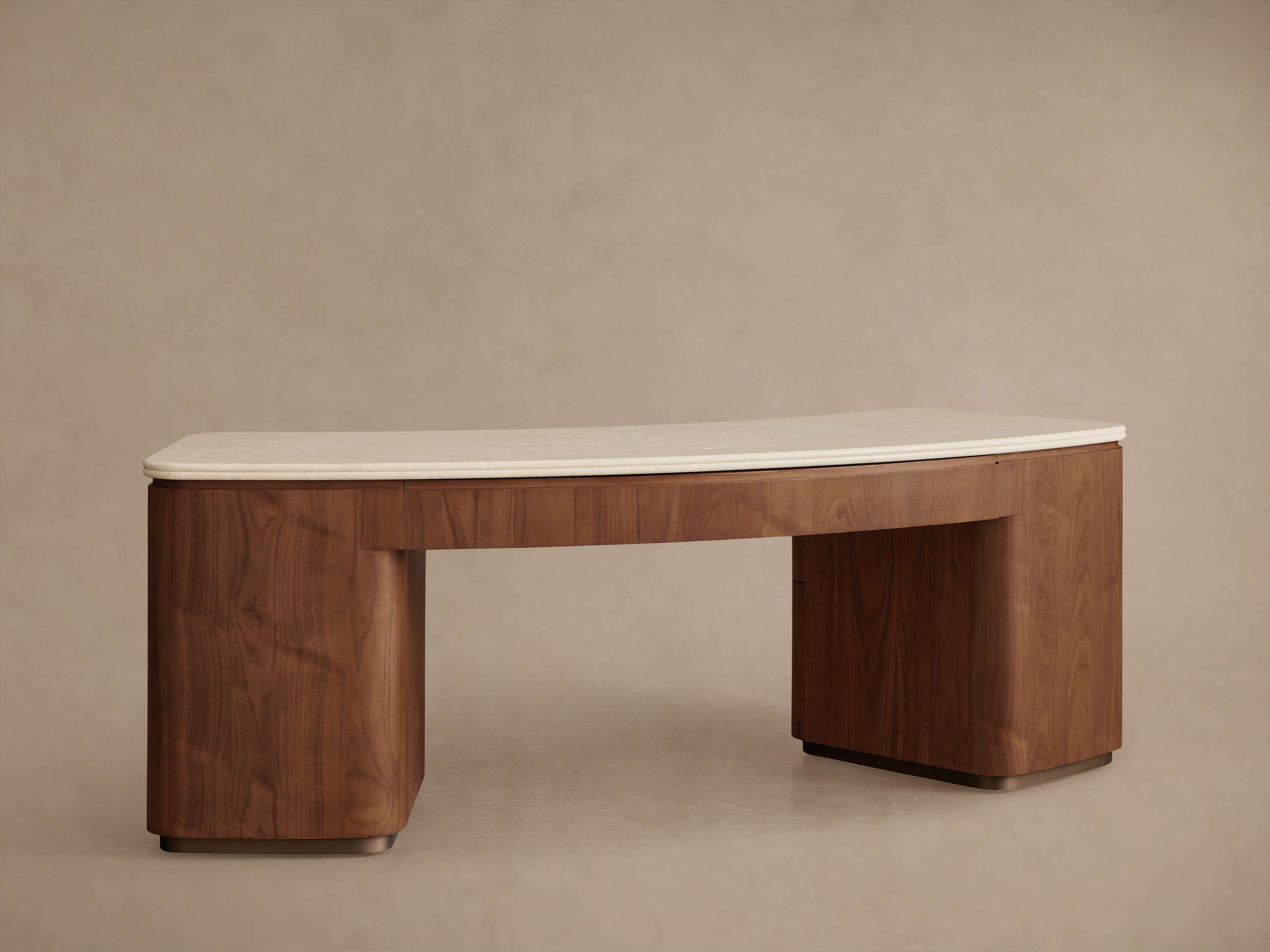
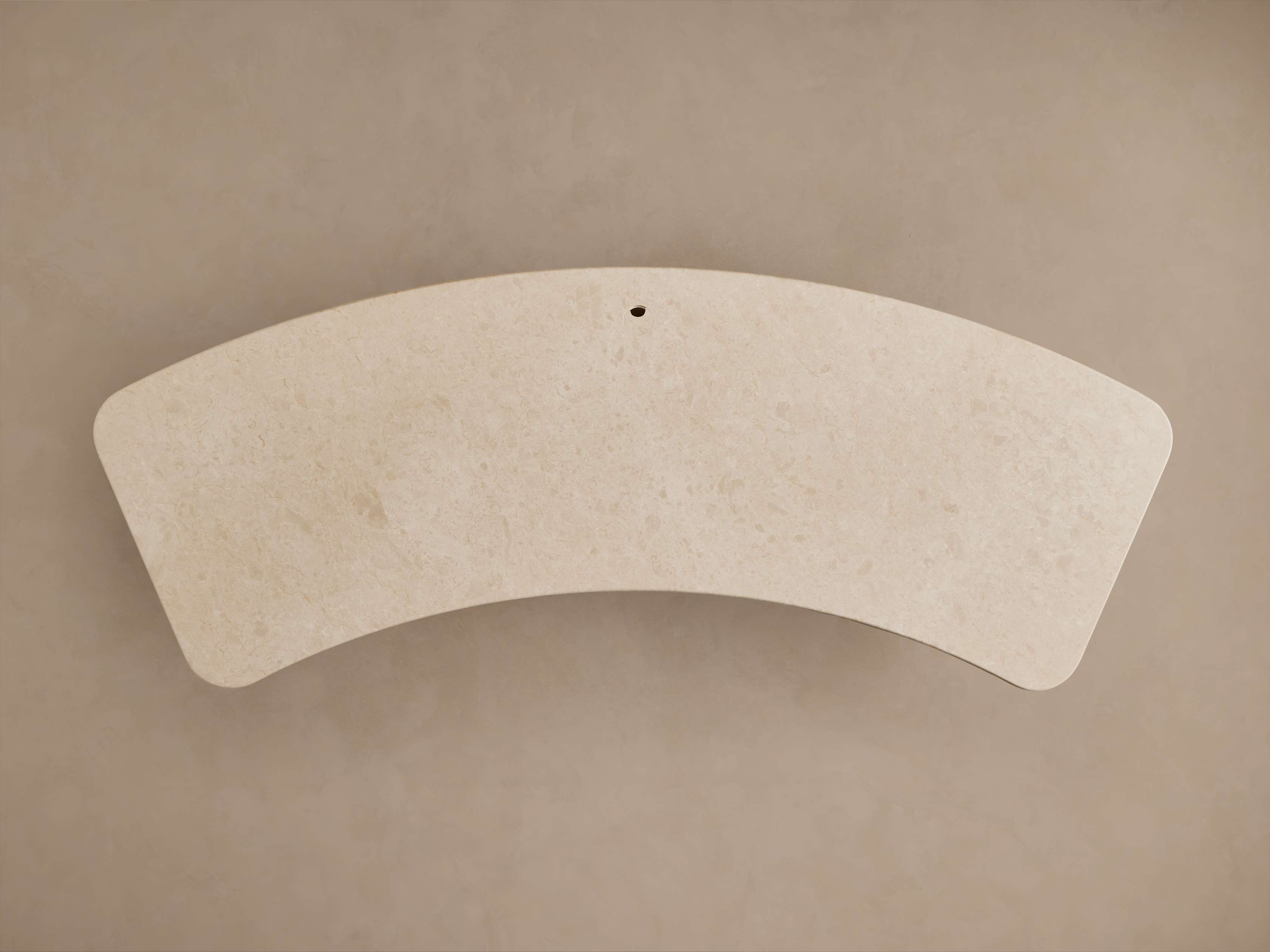
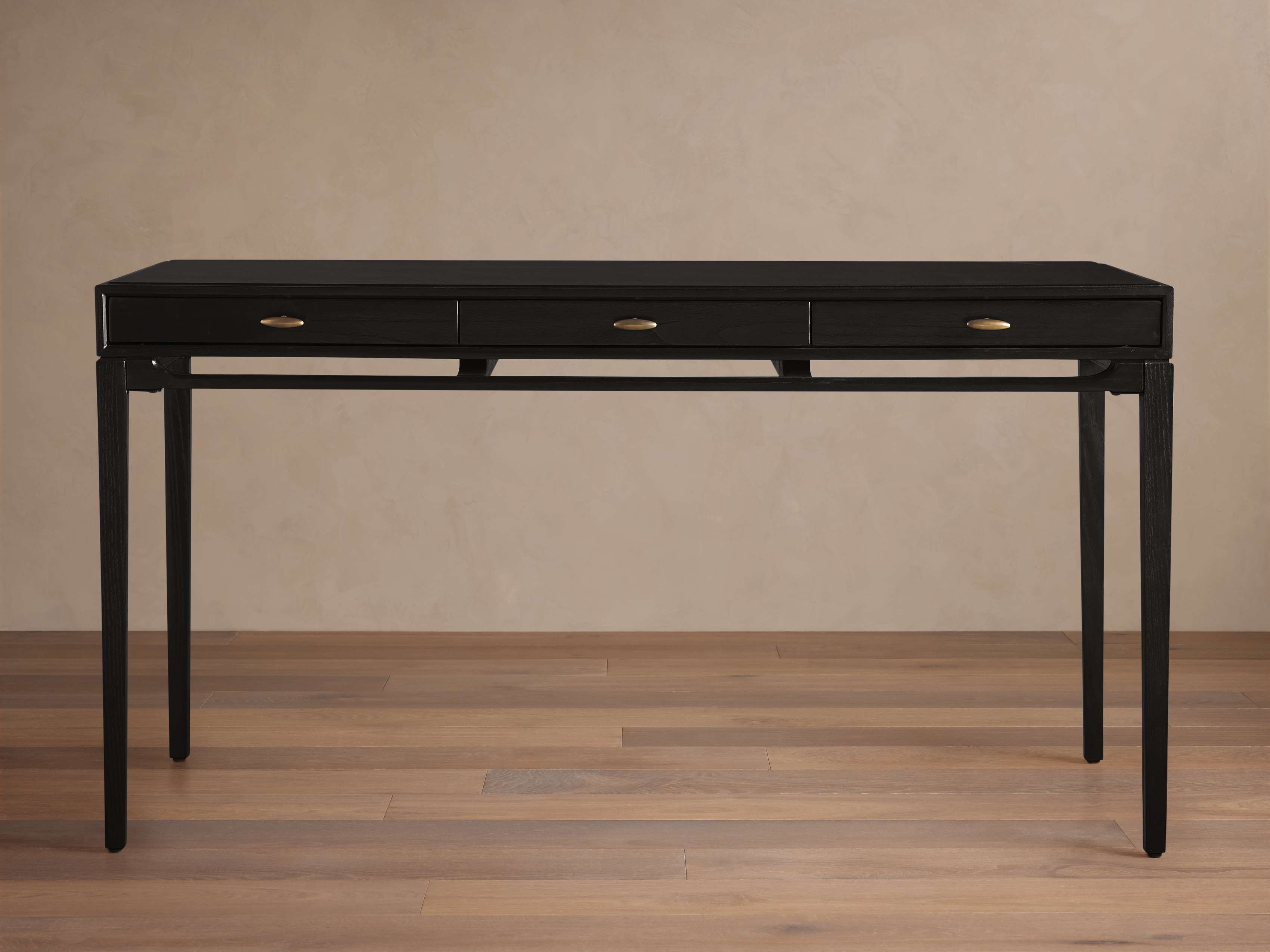
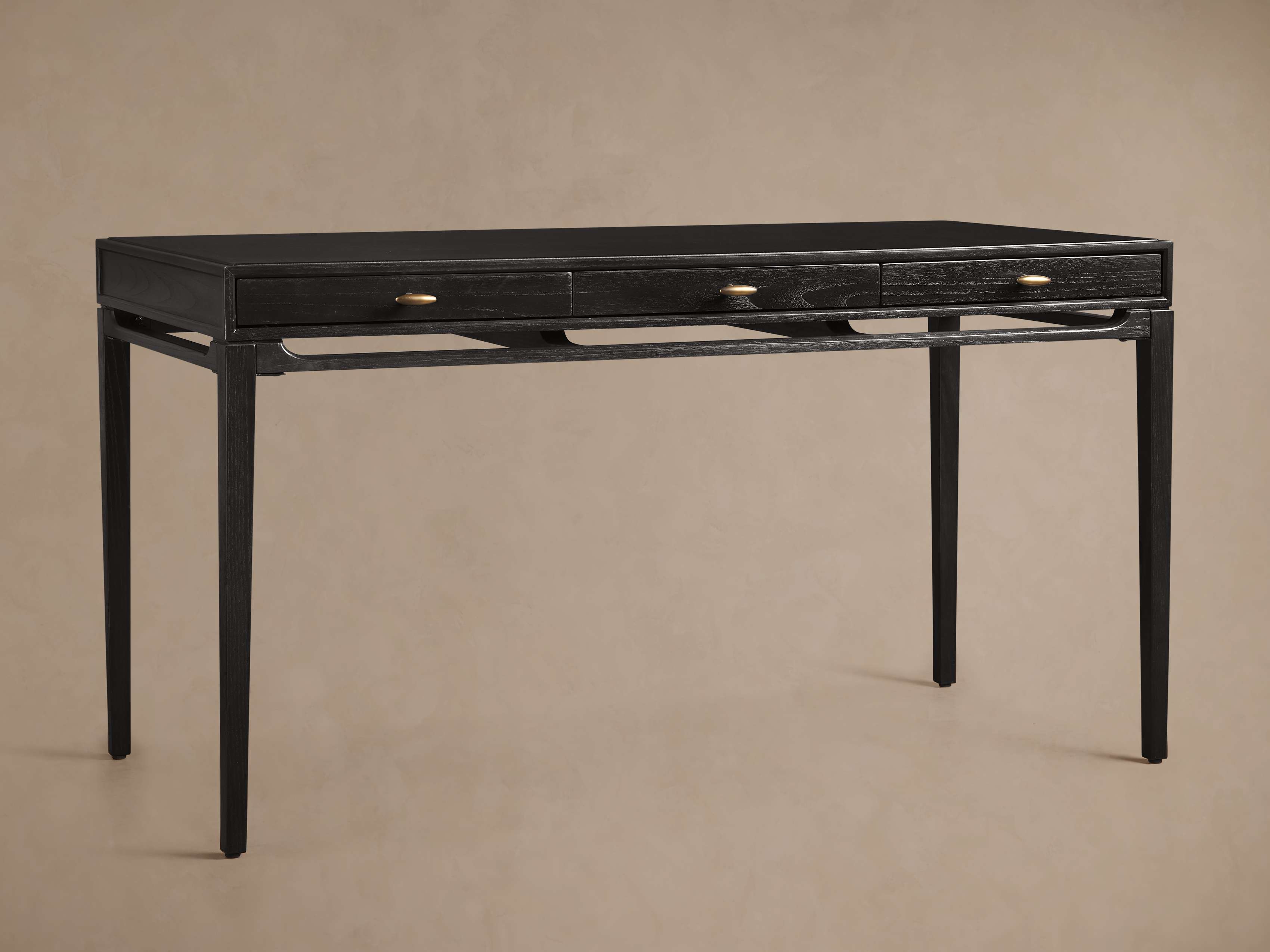
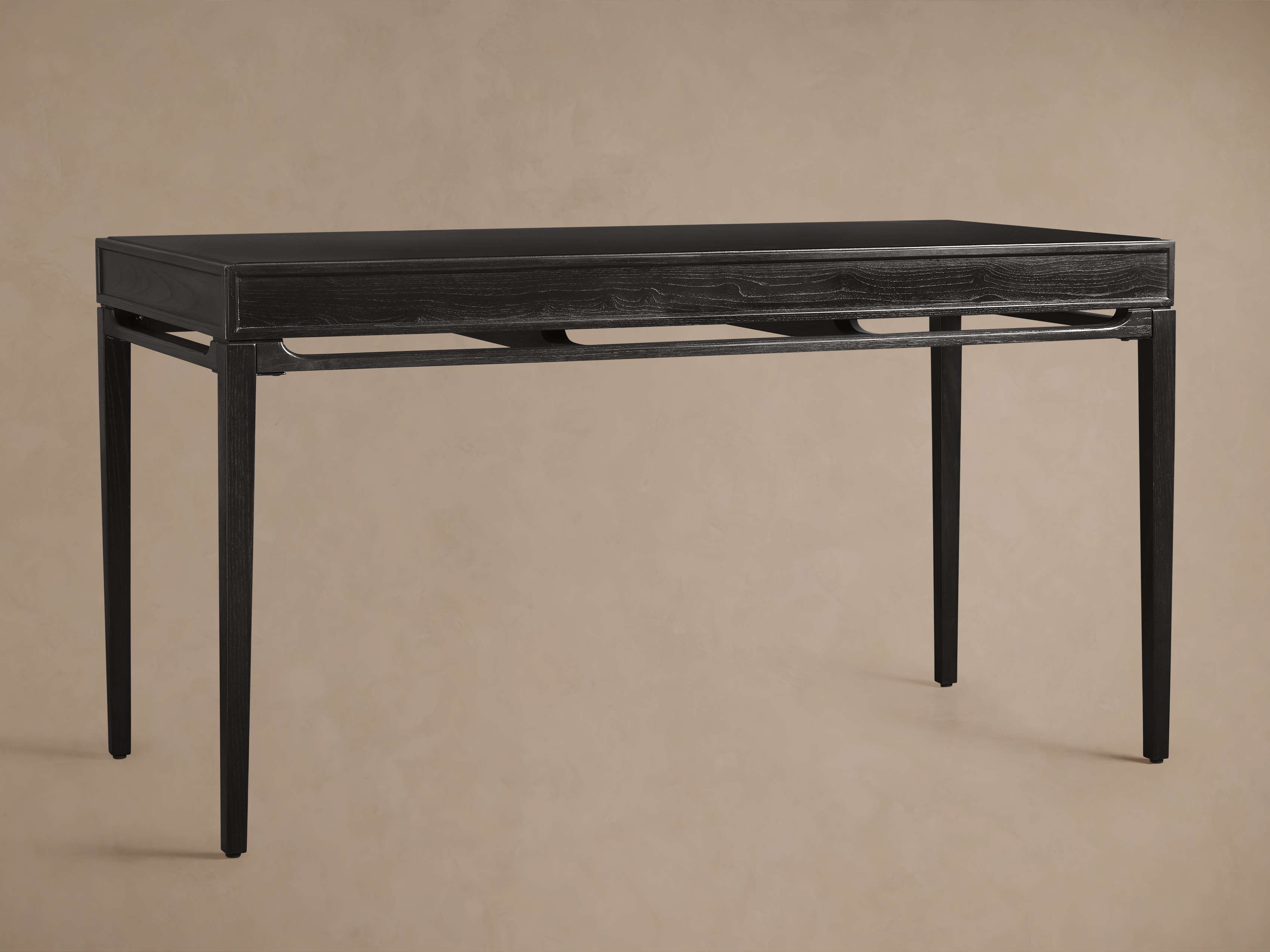
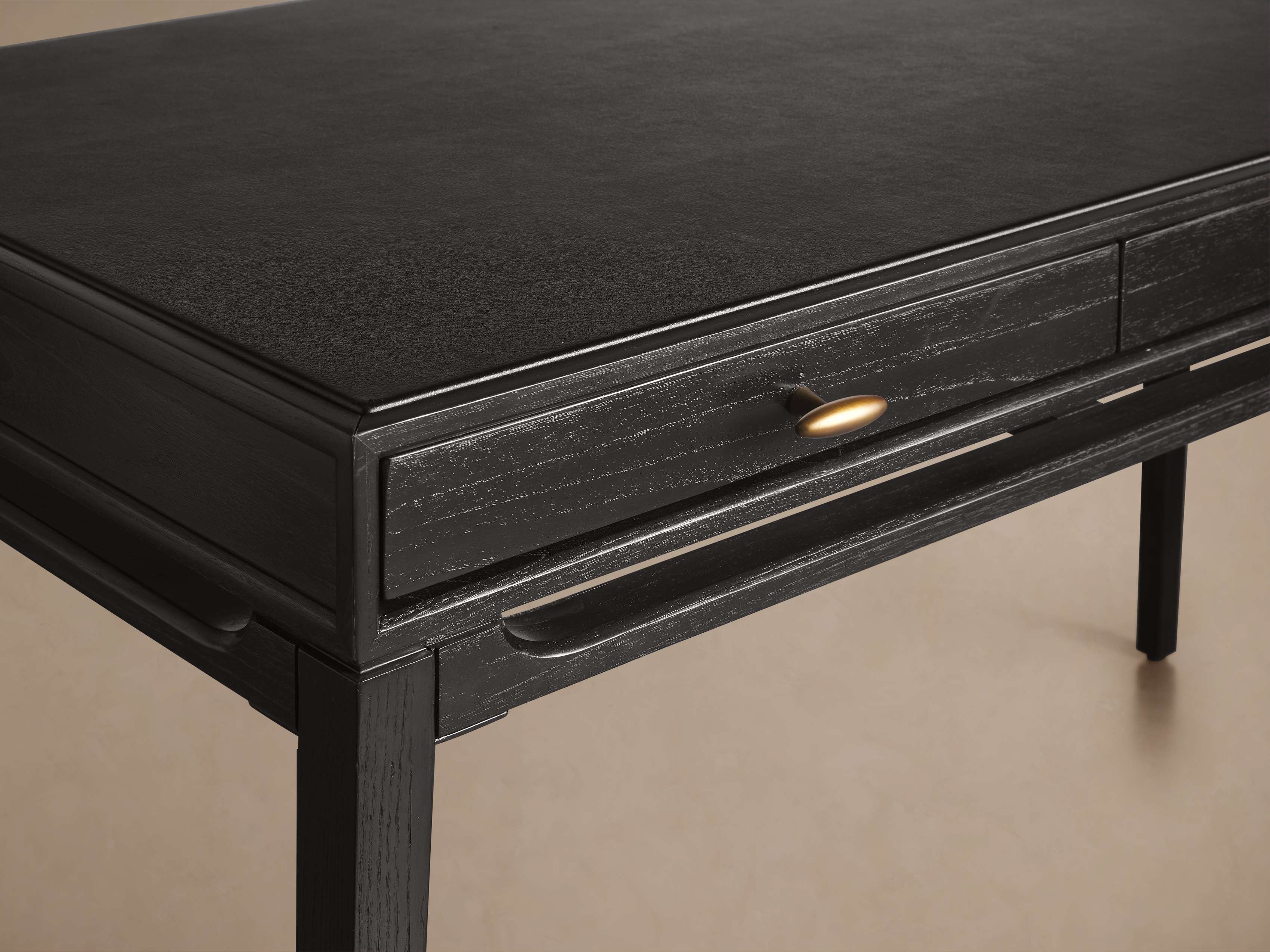
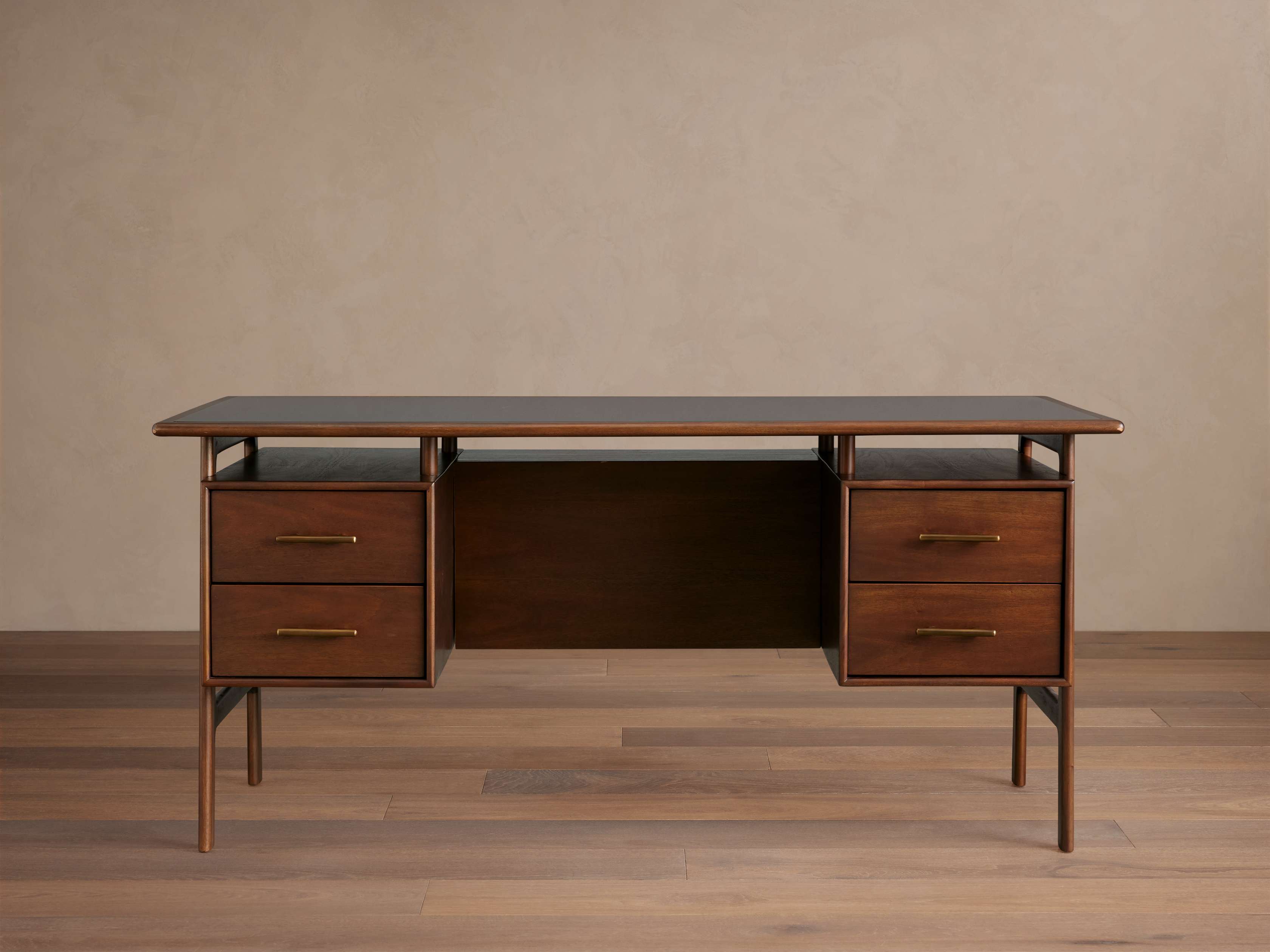
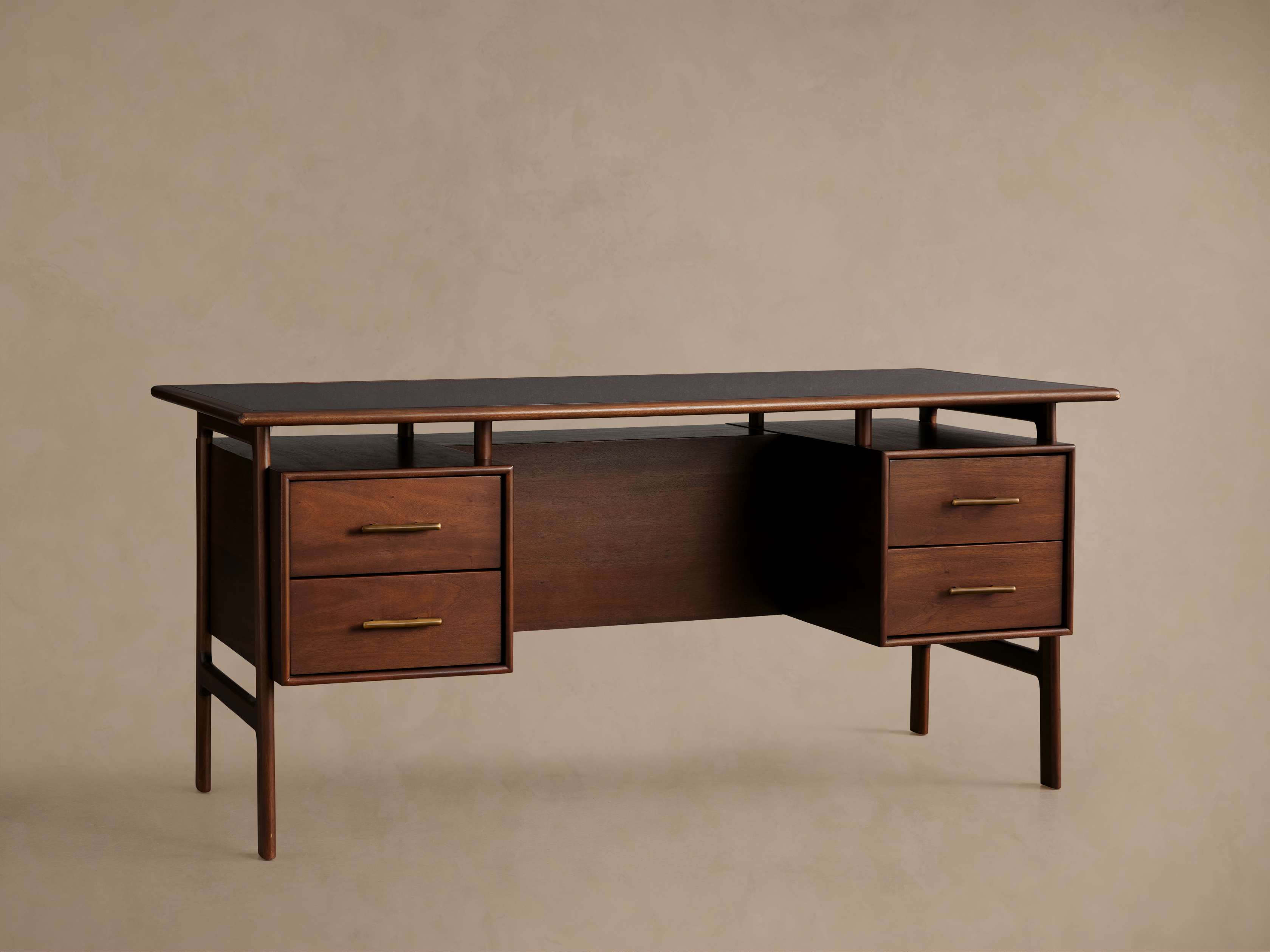
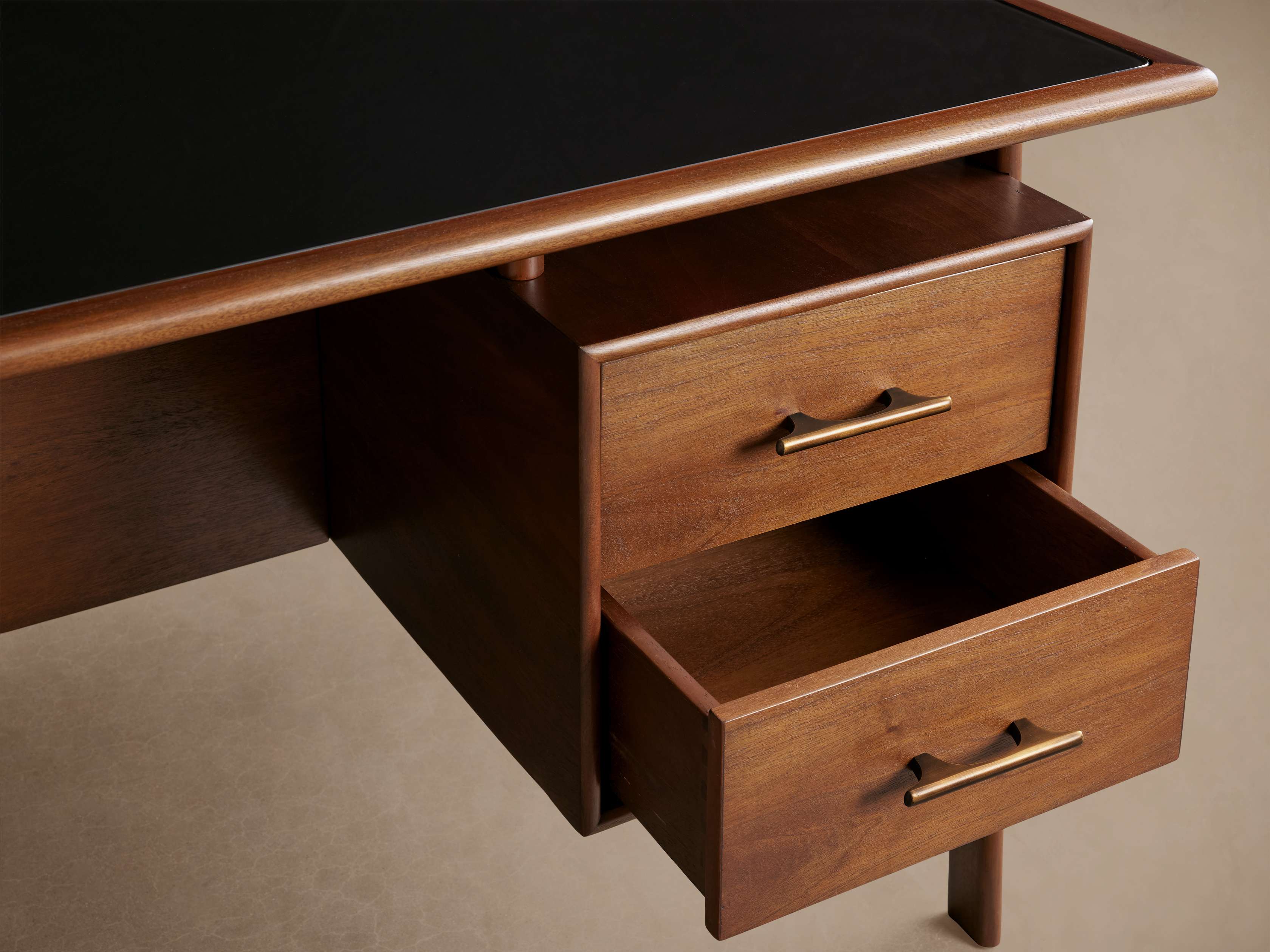
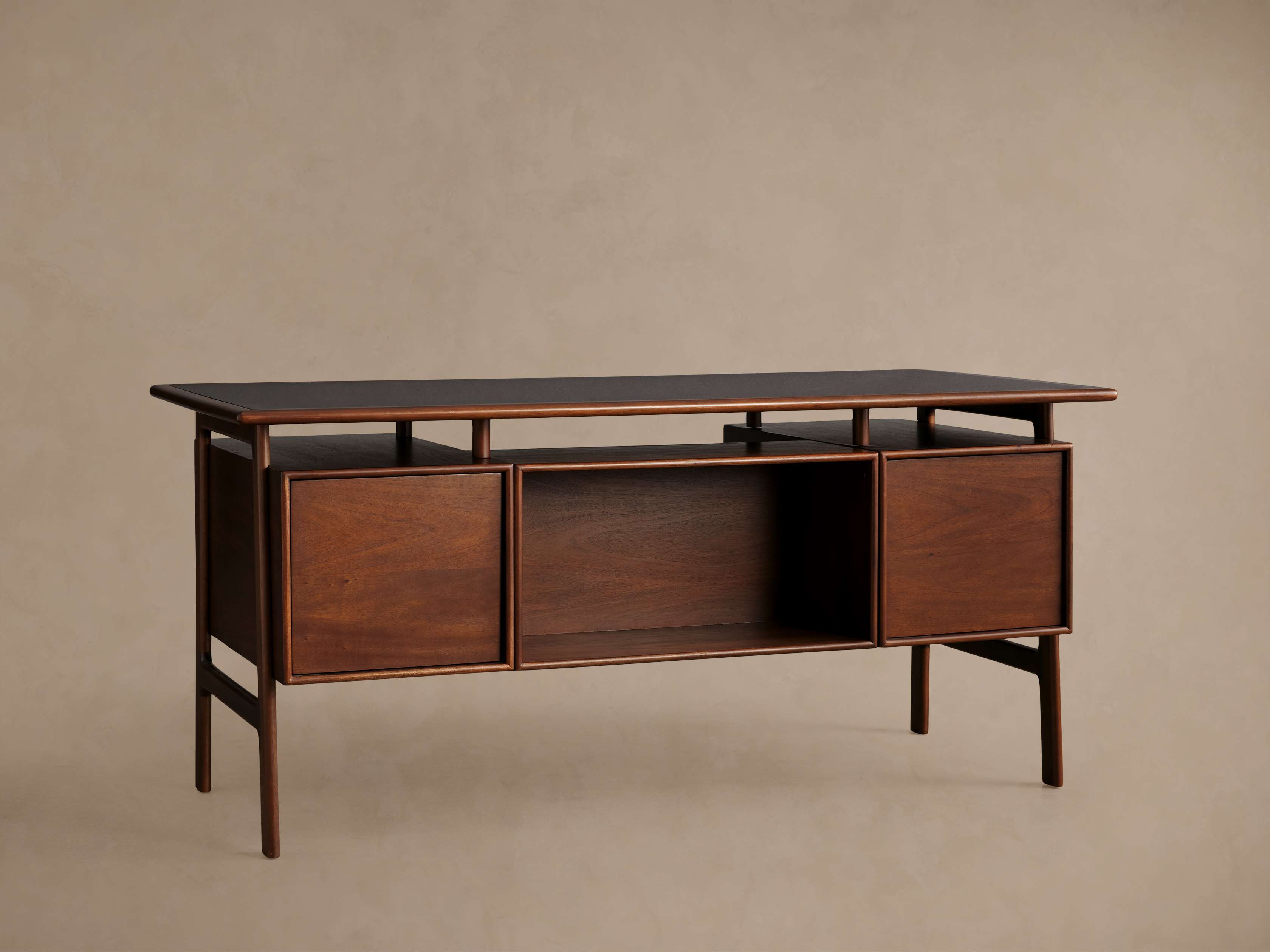
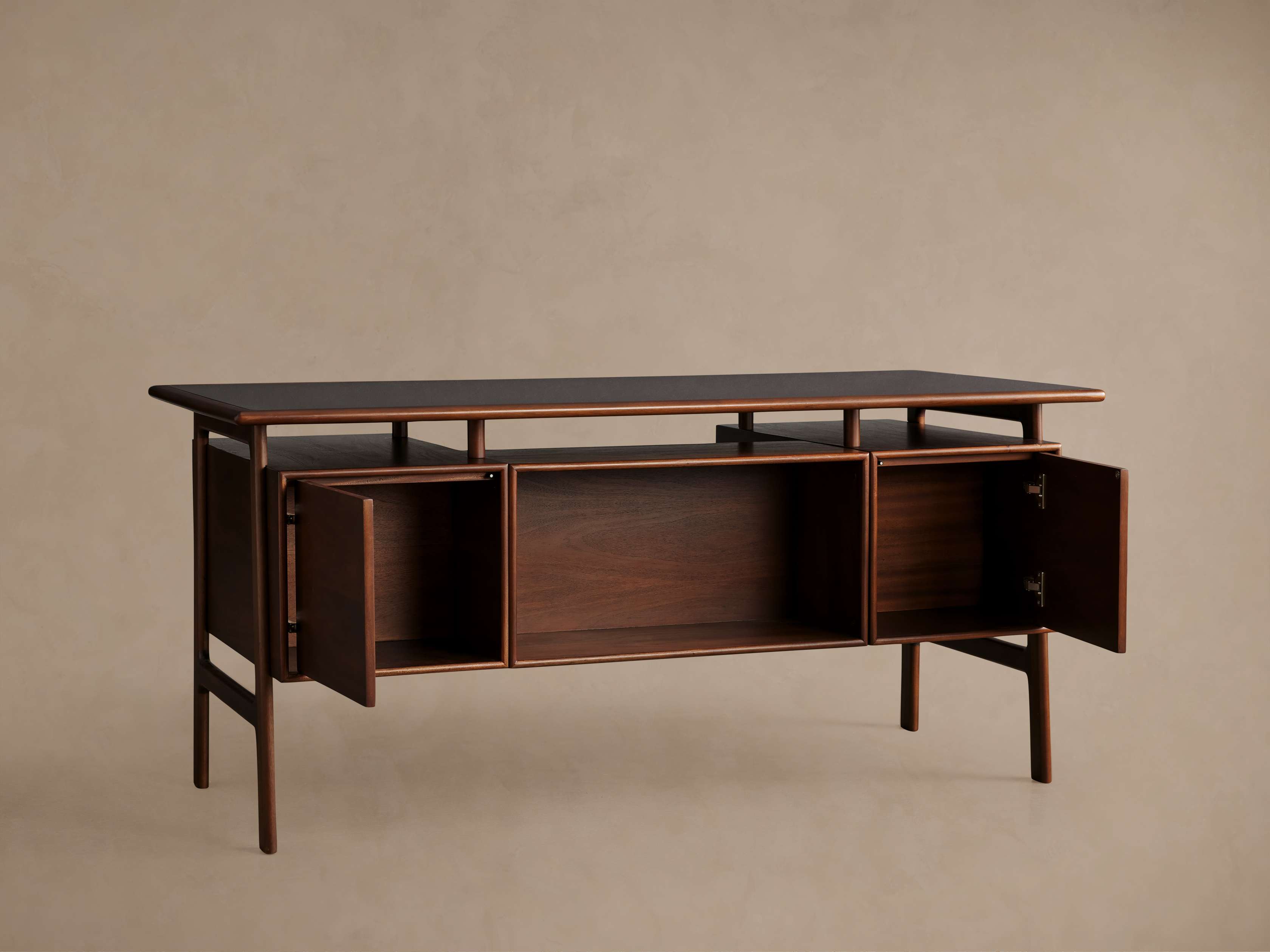

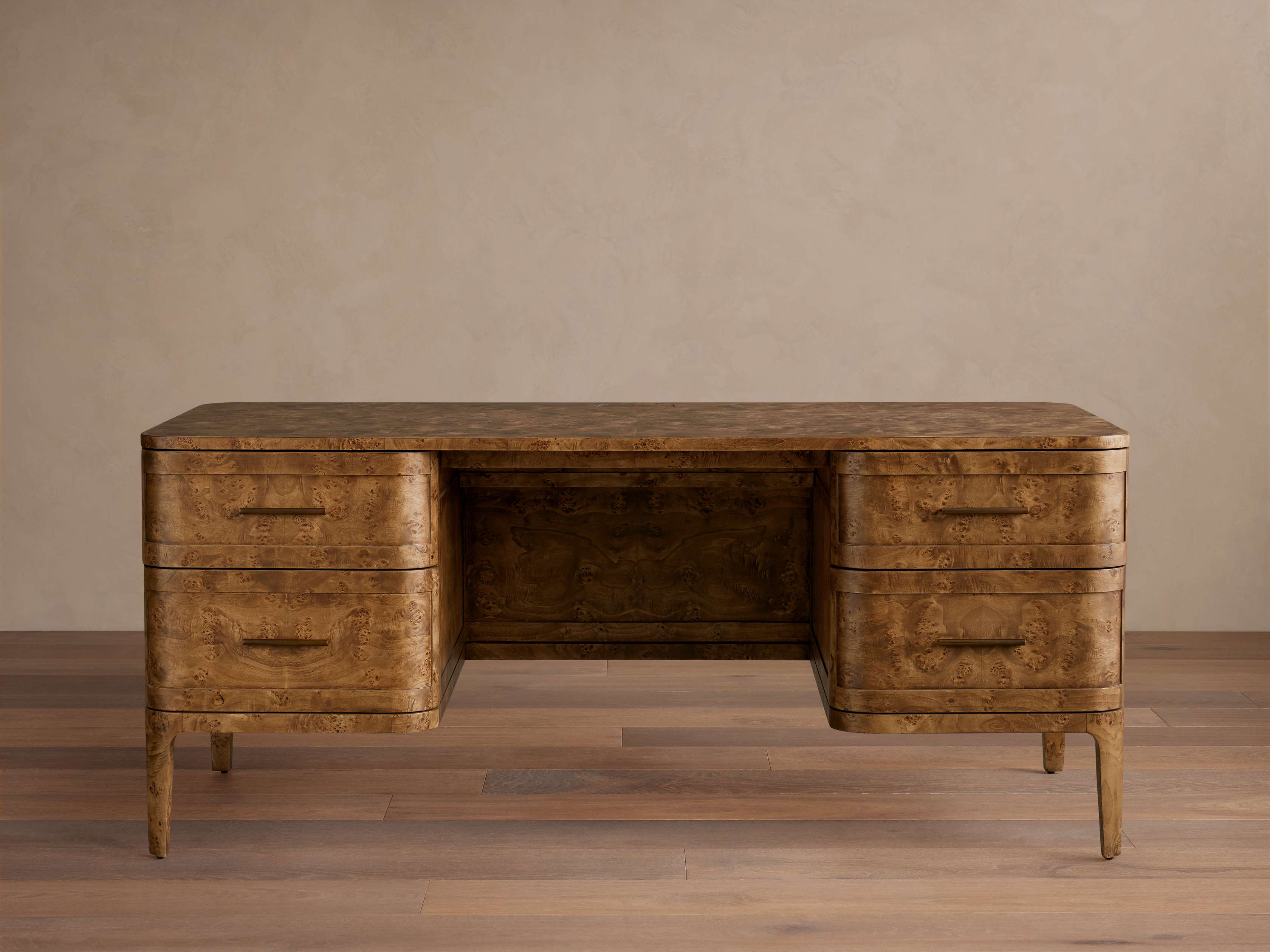

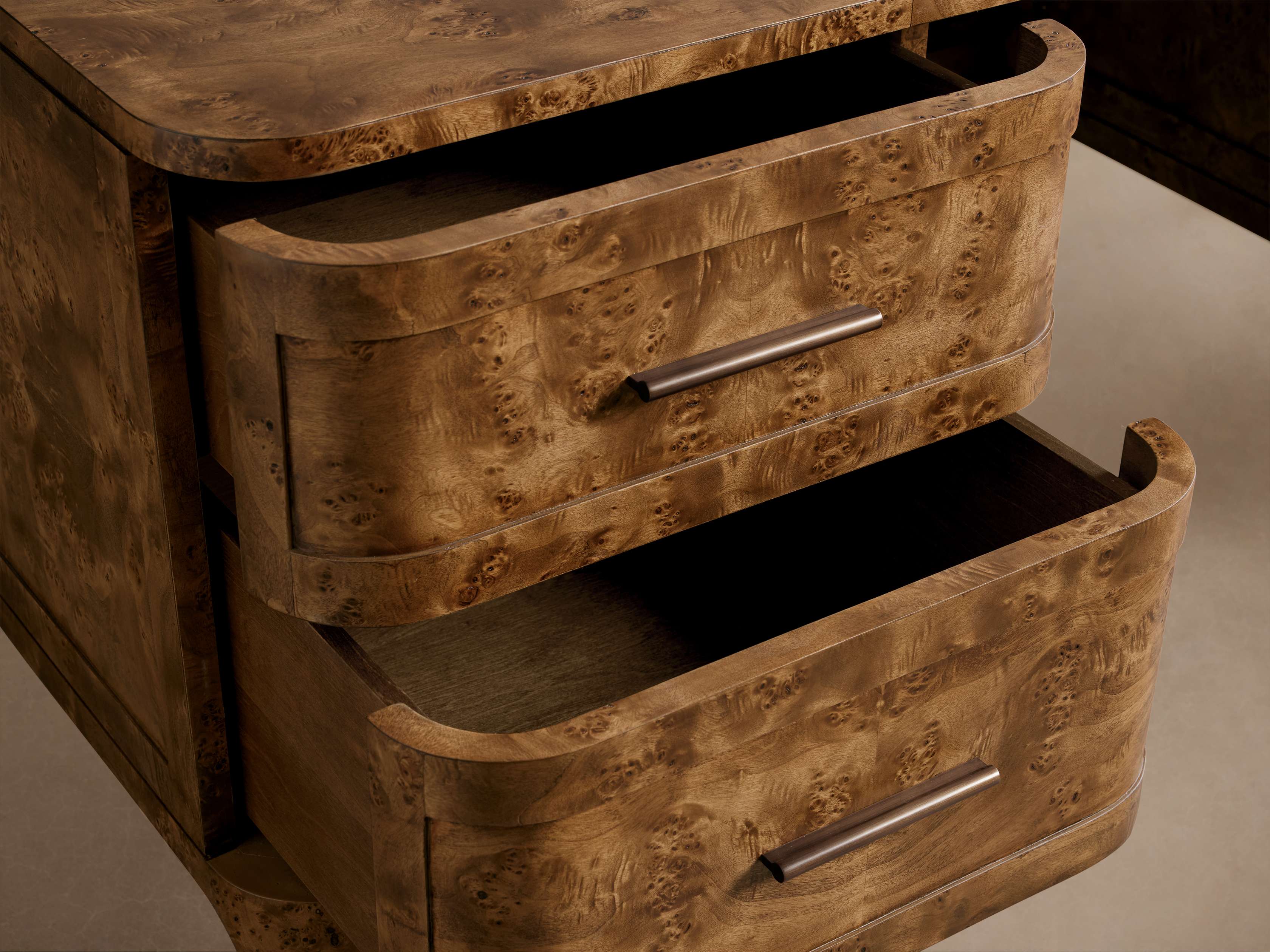
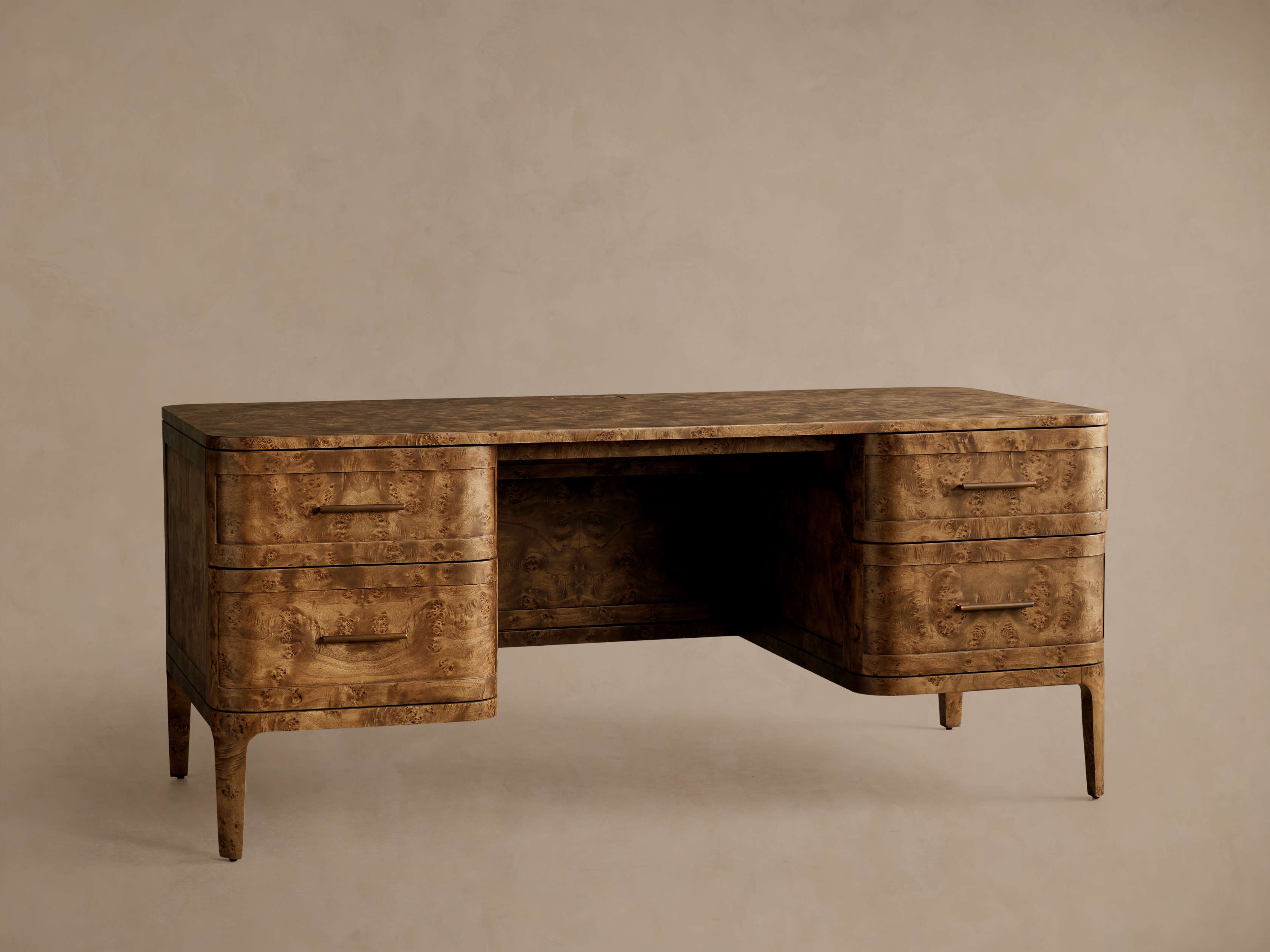
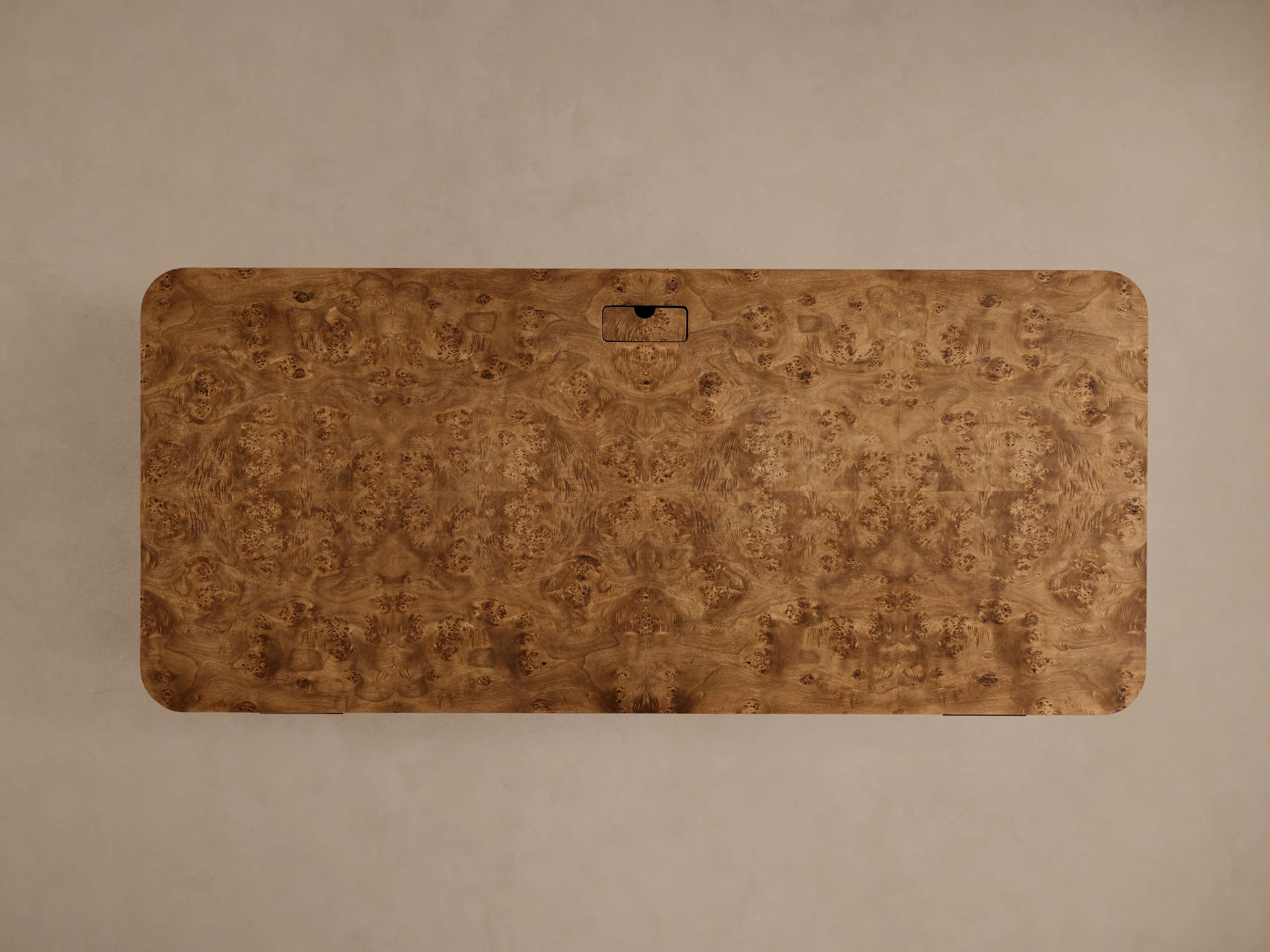
Choosing the right desk means considering more than its appearance. It needs to suit the available space, provide the storage or work surface you need, and stand up to regular use. Our collection includes desks in a variety of styles, including writing desks, executive desks, and space-saving designs for smaller rooms, with options for everything from compact nooks to dedicated home offices.
Whether you're furnishing a full-time workspace or creating a simple place for occasional tasks, there's a desk to suit the way you work.
Writing Desks for Smaller Spaces
A writing desk keeps a slim profile and a simple, open surface, which makes it the natural choice for a bedroom corner, a small office, or any room where a bulkier desk would eat up too much floor space. Most writing desks skip a full bank of drawers in favor of one or two shallow ones, trading storage for a lighter visual footprint.
Because a writing desk has less surface area than a larger option, it's worth thinking through what actually needs to live on it day to day, a laptop, a lamp, a notebook, before assuming a bigger desk is automatically the more practical choice.
Executive Desks for a Dedicated Office
An executive desk is built with more presence and more storage than a writing desk, usually with a full set of drawers on one or both sides and a broader work surface meant to handle paperwork, multiple monitors, or meetings held at the desk itself. This style suits a dedicated home office more than a shared or multipurpose room, since its scale is built around having the space to spare.
Because executive desks run larger, measuring the room before buying matters more here than with almost any other desk style. A desk that looks reasonably sized in a showroom photo can dominate a smaller room once it's actually in place.
Matching Desk Size to Room Layout
A desk's footprint should leave enough room behind it to pull out a chair fully and still walk past comfortably, generally at least three feet of clearance if the desk backs onto a walkway. In a smaller room, positioning a desk against a wall rather than floating it in the middle of the space usually makes the room feel less cramped.
Depth matters as much as width. A desk deep enough to hold a monitor at a comfortable viewing distance, typically at least 24 inches, tends to be more comfortable for daily use than a shallower desk that forces the screen too close.
How to Choose the Right Desk
Start with what you need the desk to do in your everyday routine. Someone doing focused, single-task work, writing, reading, occasional email, is usually well served by a simpler writing desk, while anyone juggling multiple monitors, paperwork, or in-person meetings benefits more from the surface area and storage of an executive desk.
Next, measure the room rather than guessing. A desk that fits comfortably on paper can still feel oversized once a chair, doorway swing, and walking space are factored in, so it's worth taping out the desk's the amount of floor space it will occupy before choosing a size.
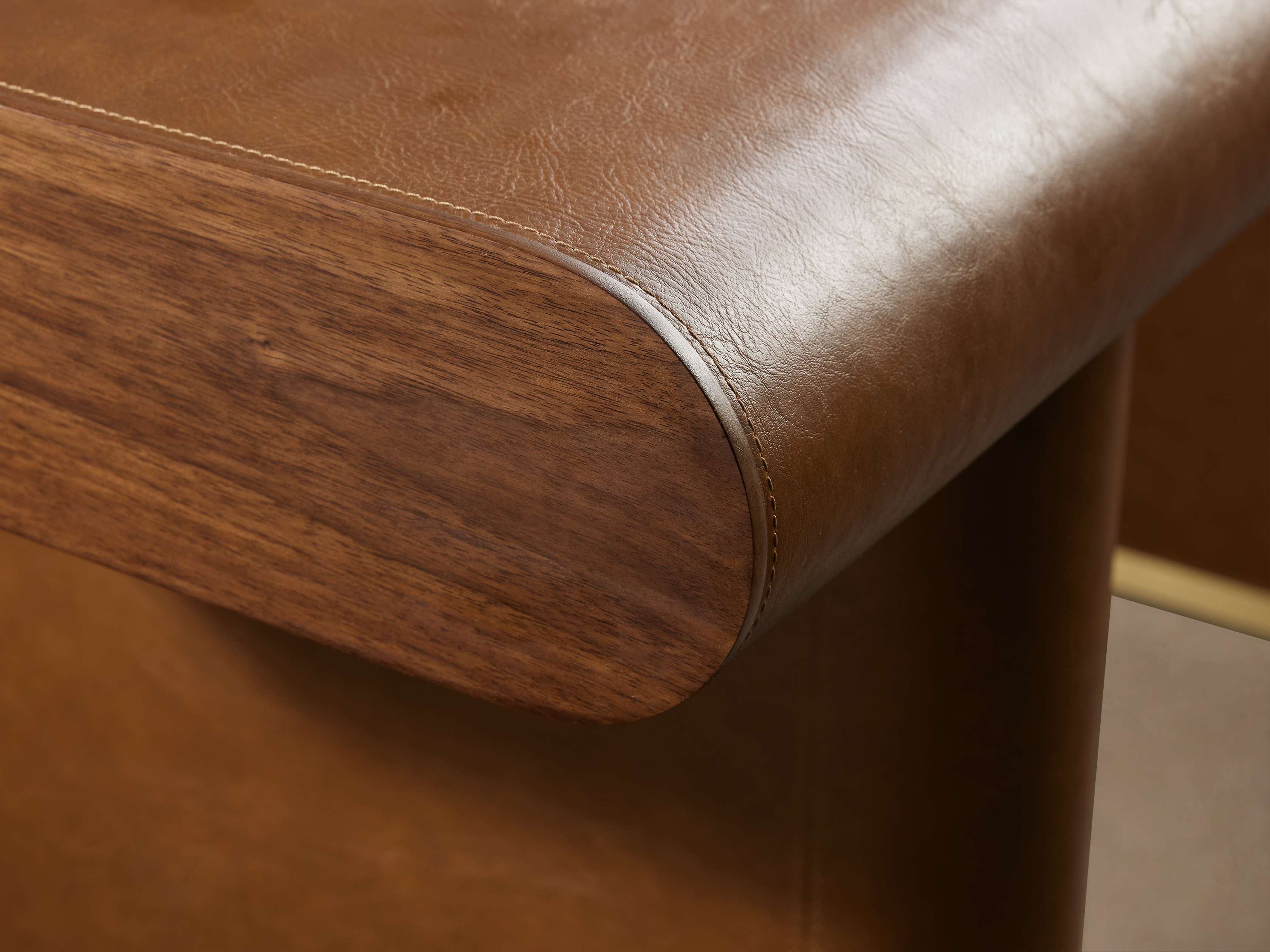
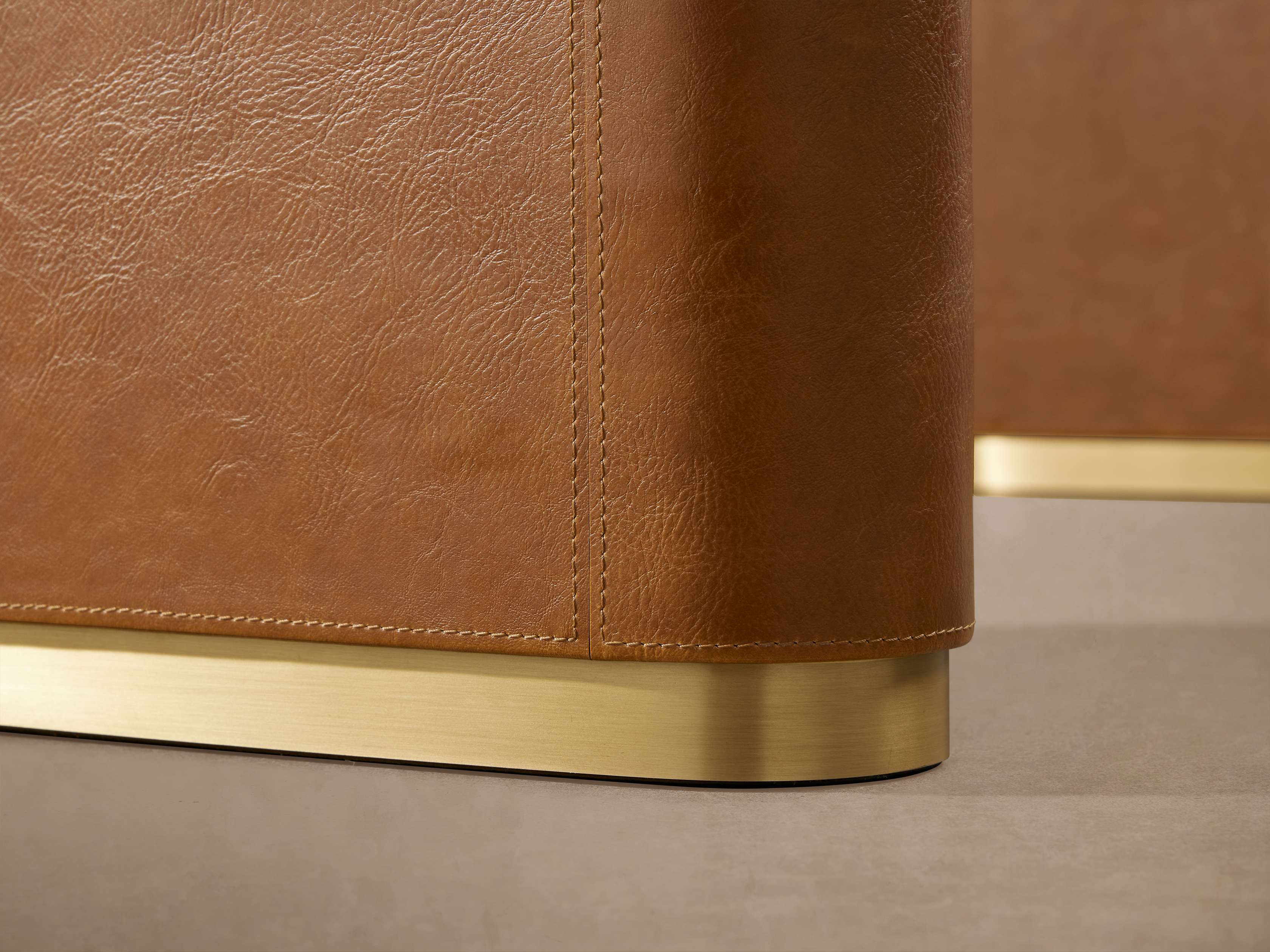
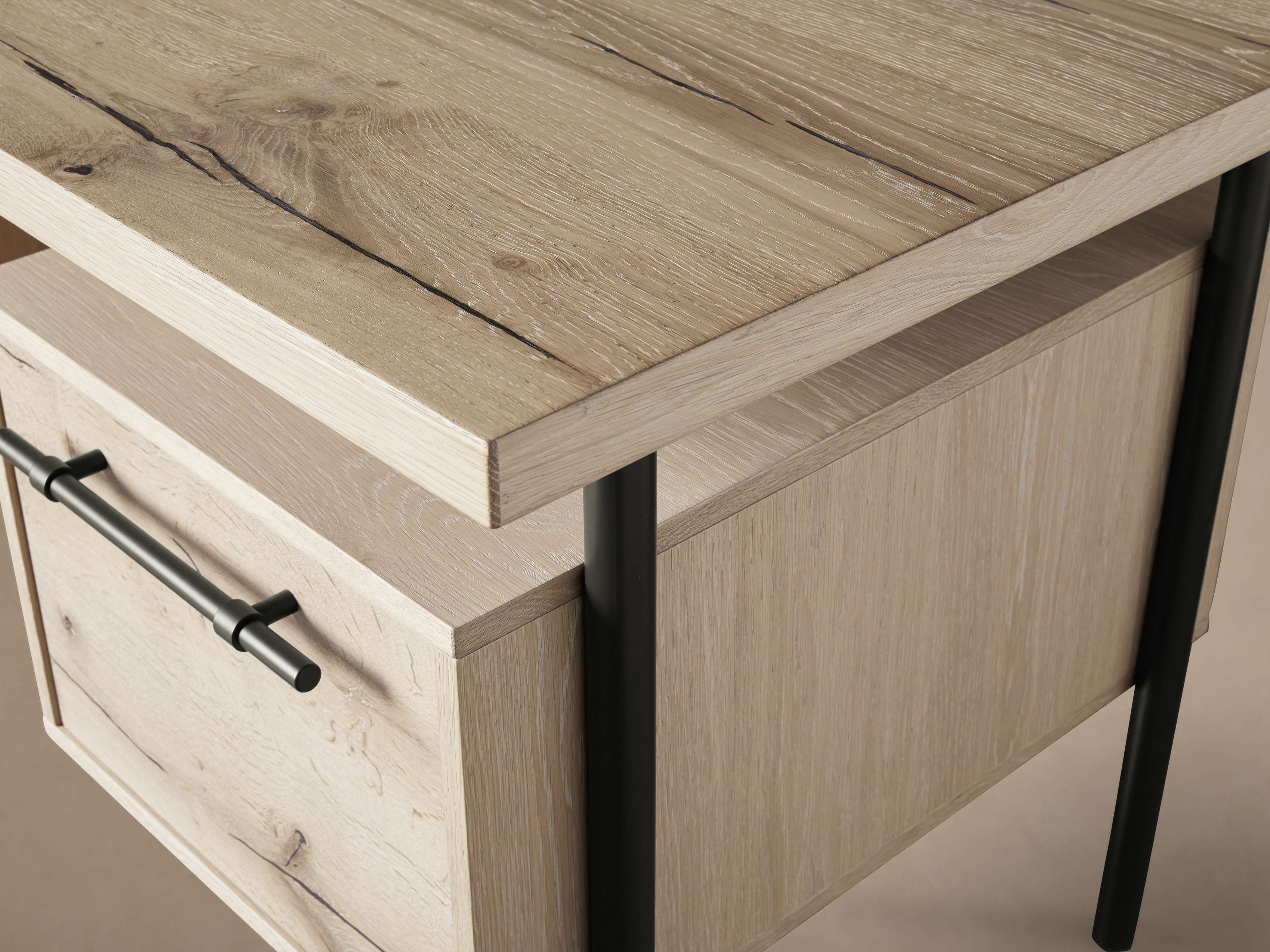
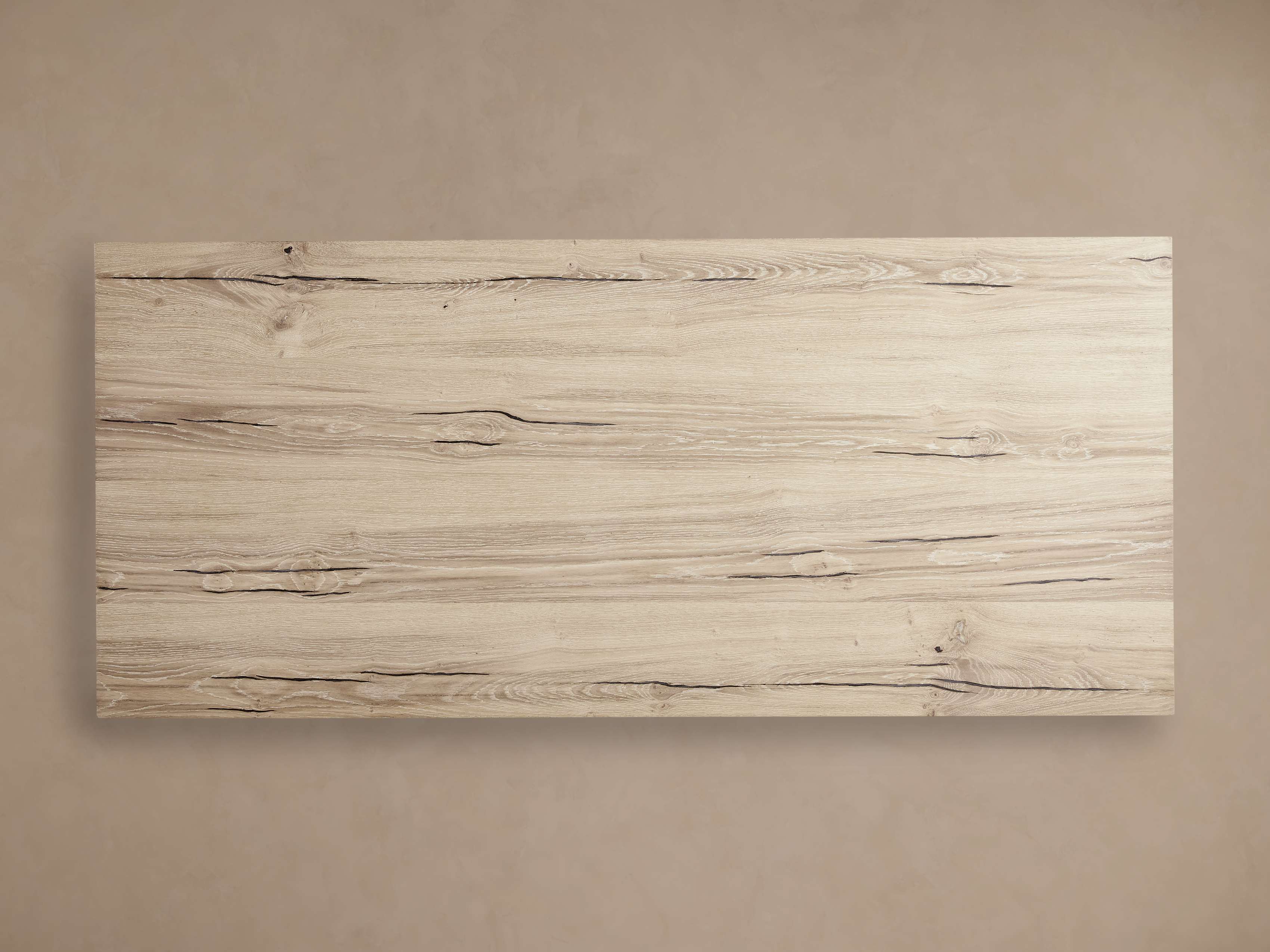
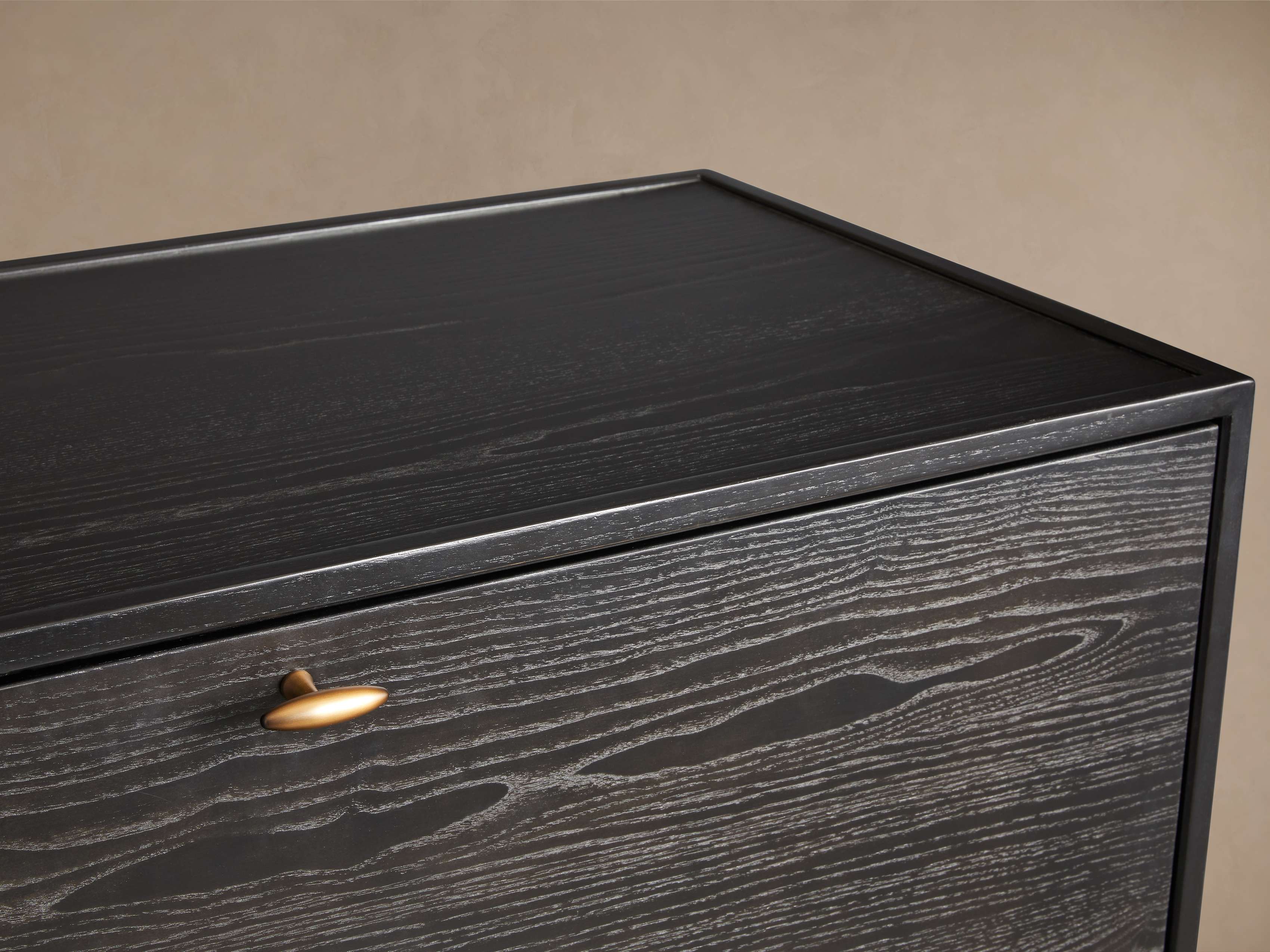
Finally, consider material and finish alongside the rest of the room's furniture. A wood desk with visible grain tends to suit a warmer, more traditional office, while a desk in metal or a matte lacquered finish generally reads as more modern and works well in a room already leaning toward clean, minimal lines.
Frequently Asked Questions
Is there a difference between a writing desk and an executive desk?
A writing desk has a smaller, simpler surface with minimal storage, built for lighter use in bedrooms or smaller offices. An executive desk is larger, with more drawers and a broader work surface, designed for a dedicated home office that needs to handle paperwork, multiple monitors, or in-person meetings at the desk itself.
What clearance should you allow behind a desk for comfortable movement?
Most desks need at least three feet of clearance behind them if the space also serves as a walkway, enough room to pull a chair out fully and walk past without squeezing by. In a room where the desk sits against a wall with no foot traffic behind it, slightly less clearance is generally fine.
What is a good desk depth for using a monitor comfortably?
A desk depth of around 24 inches or more generally allows enough distance between the eyes and a monitor for comfortable daily use. A shallower writing desk can still work well for laptop use, where the screen sits closer by design, but tends to feel cramped with an external monitor added on top.
Can a compact desk fit comfortably in a small bedroom?
Yes. A slim writing desk is well suited to a small bedroom because its compact footprint leaves more room for the bed, storage, and comfortable movement while still providing a functional workspace. a stable surface for a laptop, a lamp, and everyday paperwork. Positioning it against a wall rather than in the center of the room also helps a smaller space feel less crowded.
Does desk material affect how long a desk lasts?
Yes, to some extent. Solid wood desks tend to hold up to daily wear better over time than desks built from lighter engineered wood, though both can last for years with reasonable care. For heavier daily use, a metal-framed desk can offer better resistance to movement and wobbling than an all-wood design of comparable size.
