



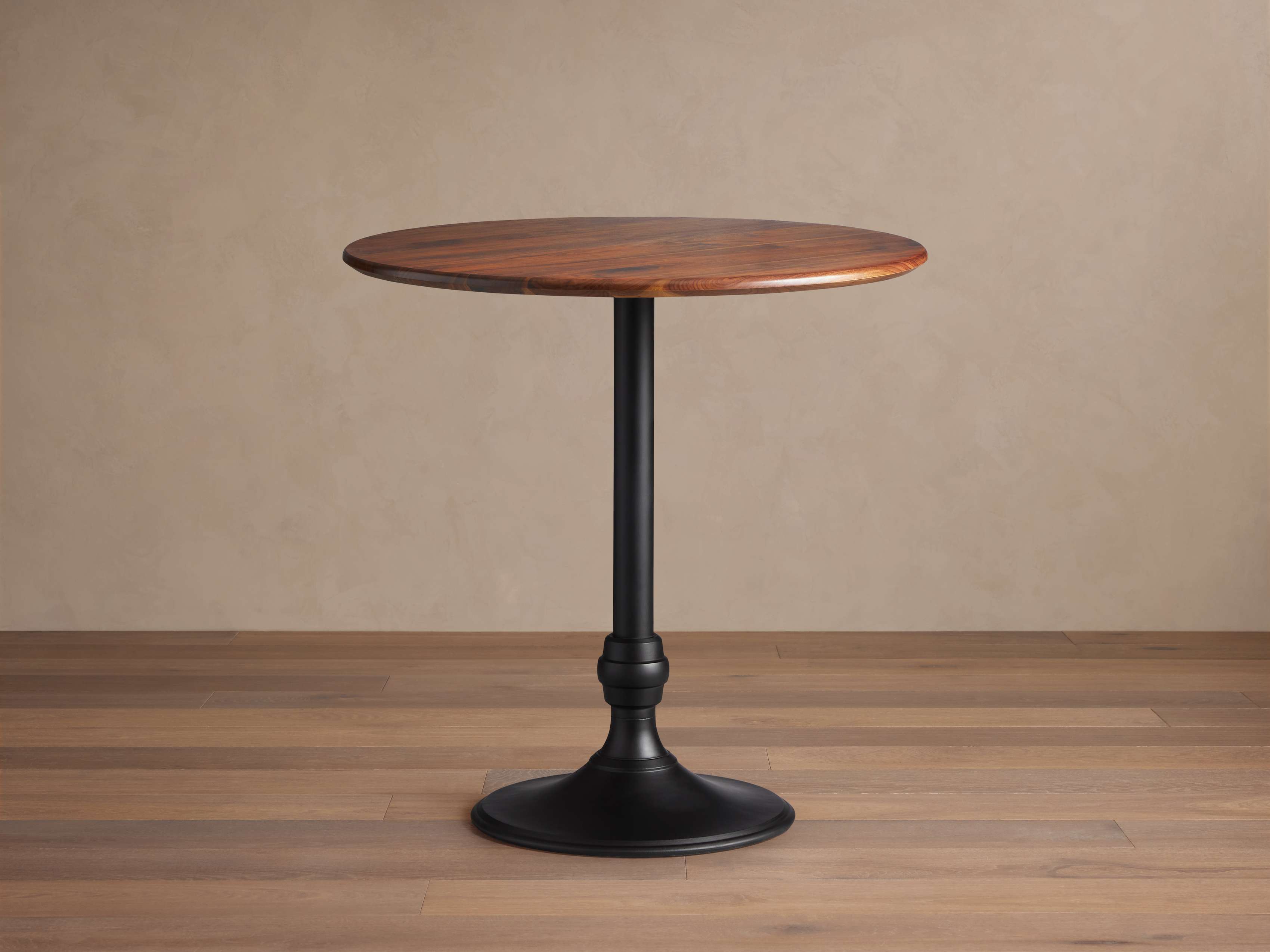
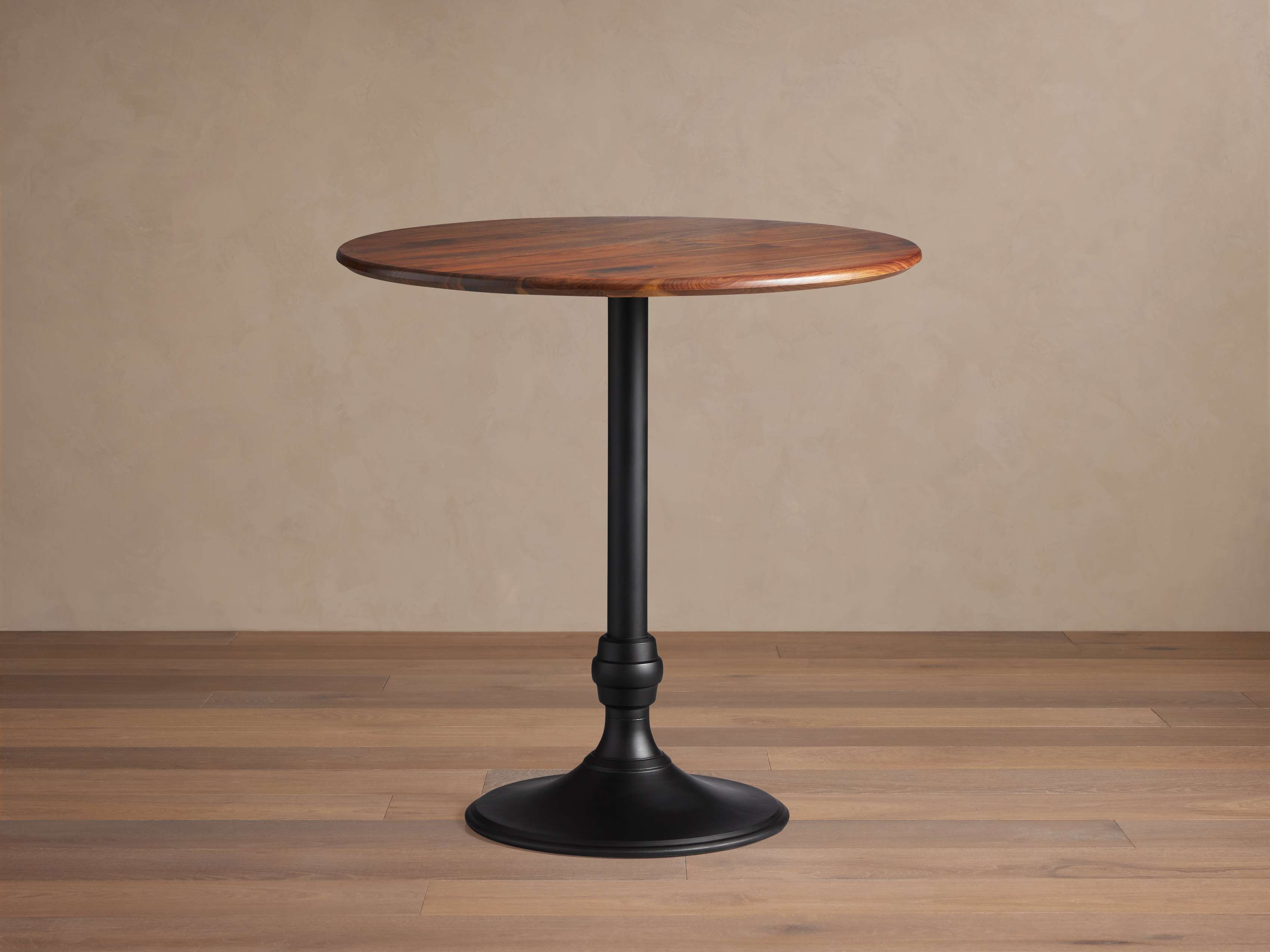
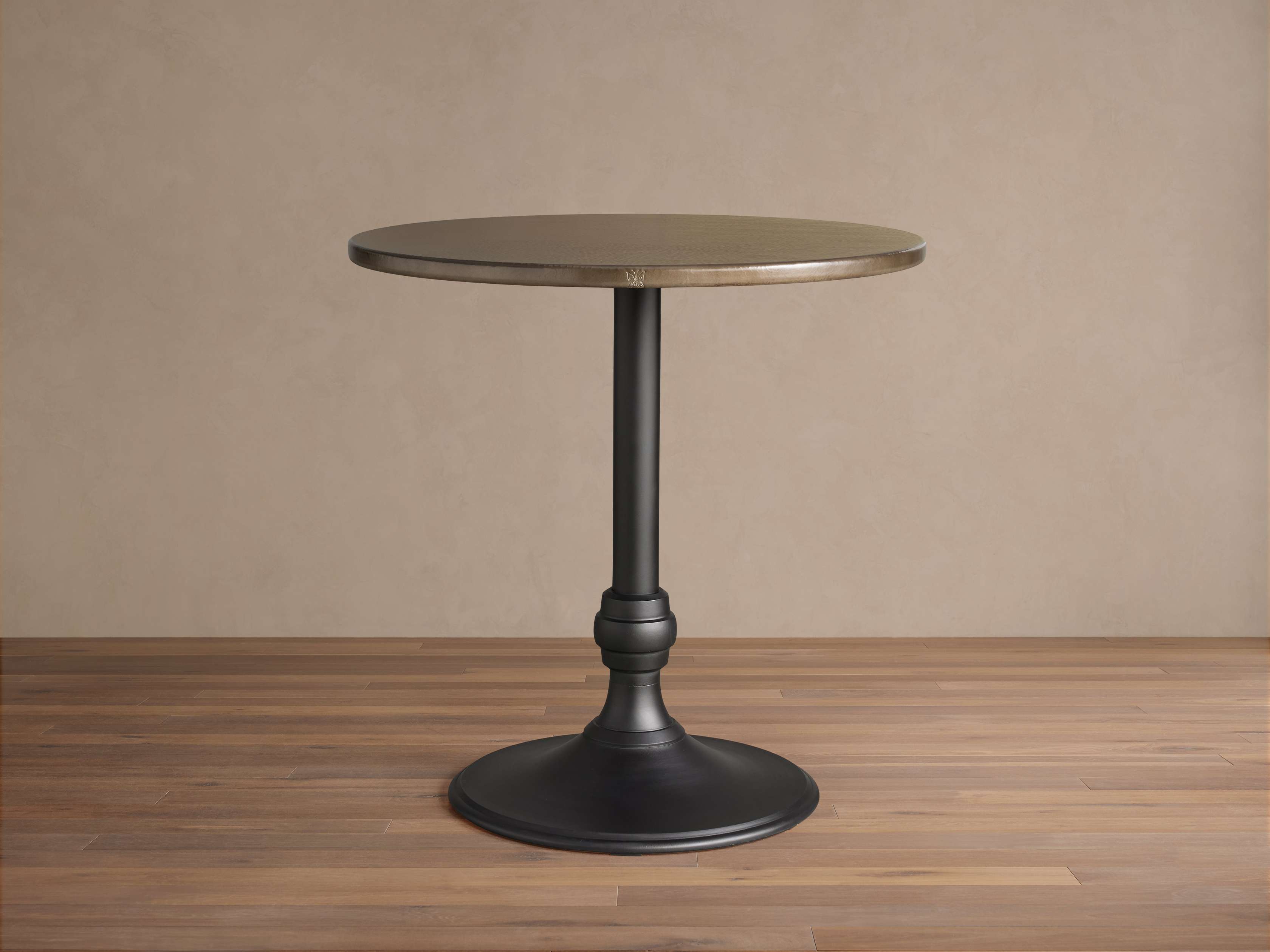
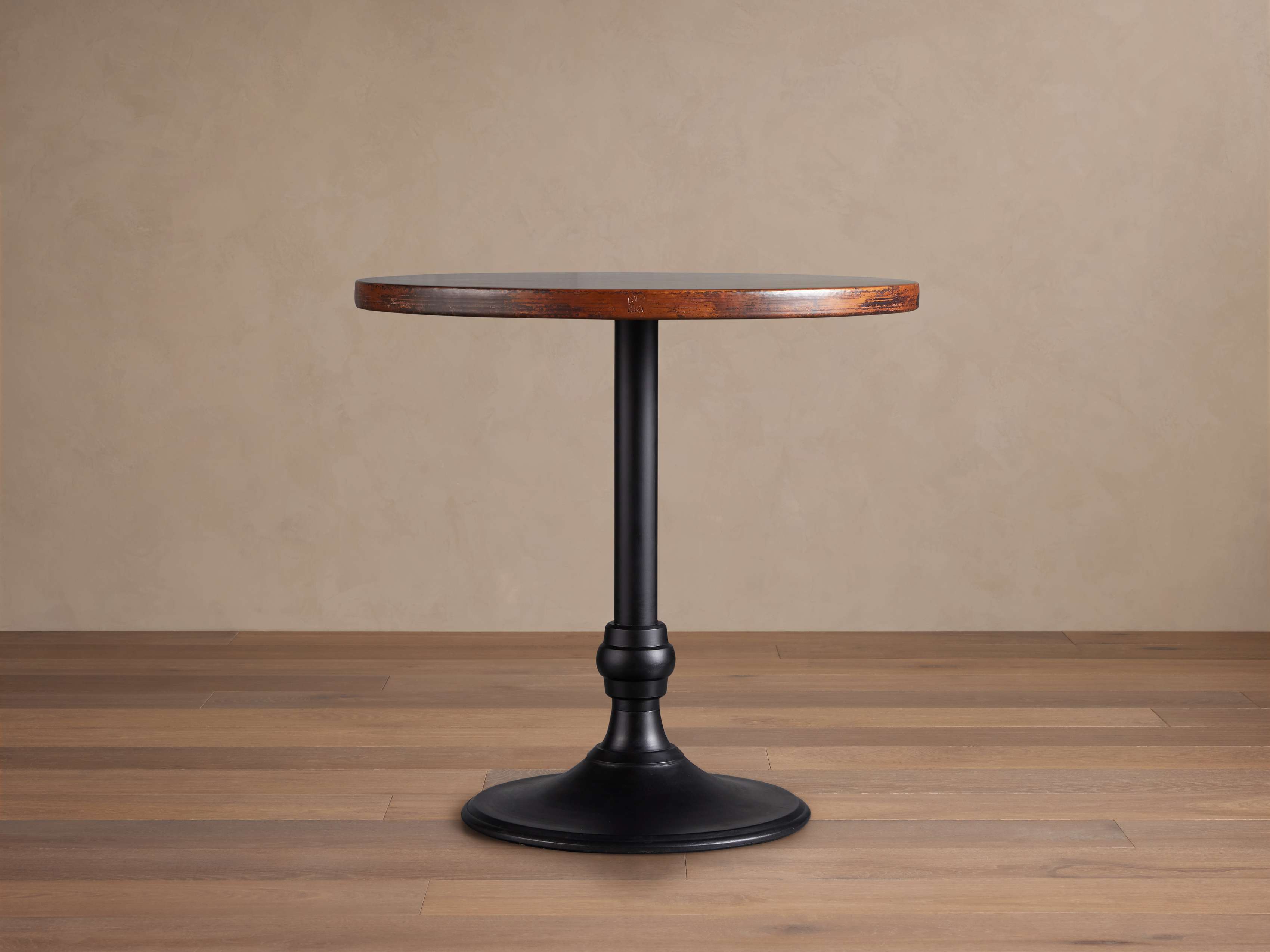


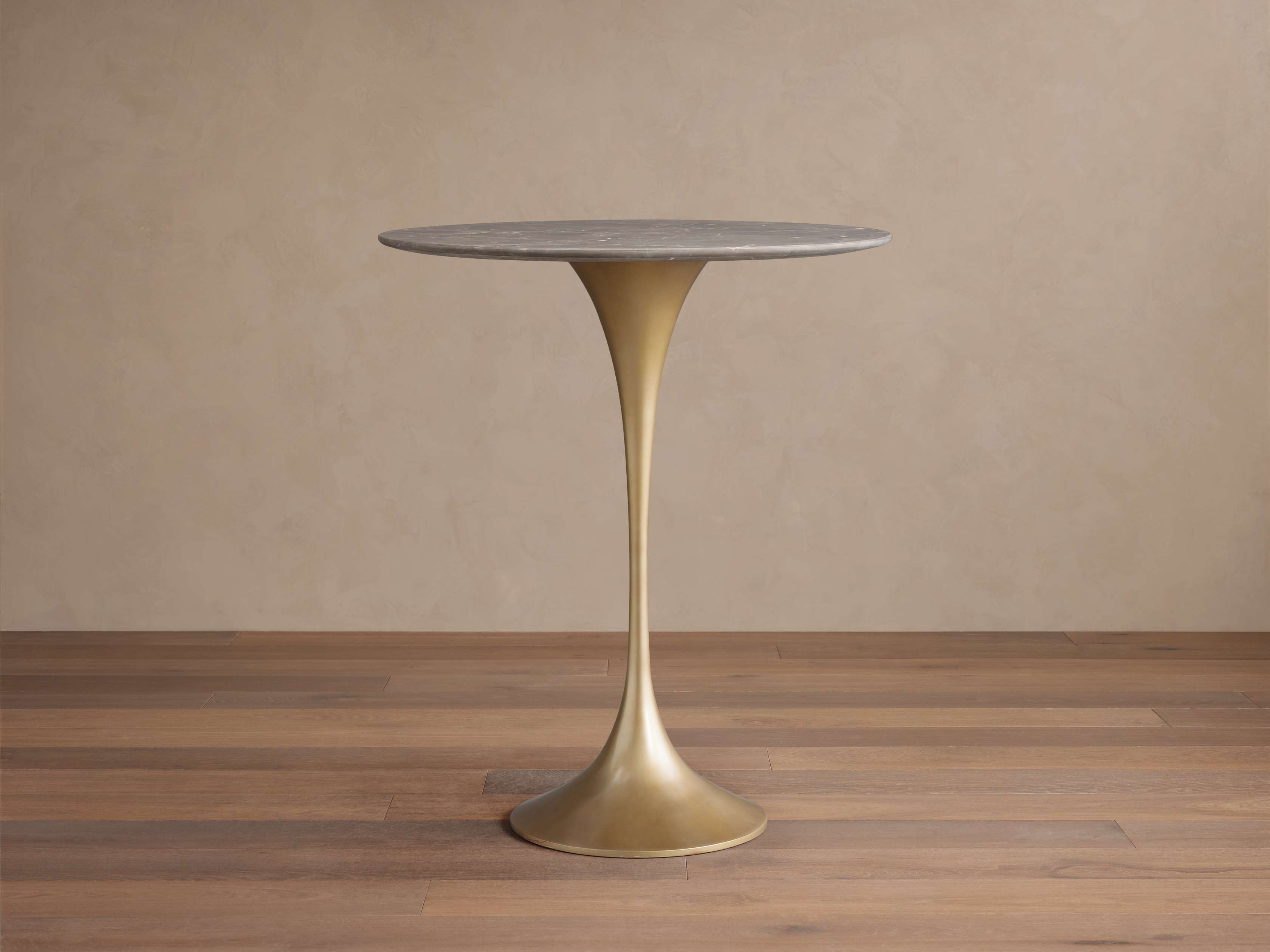
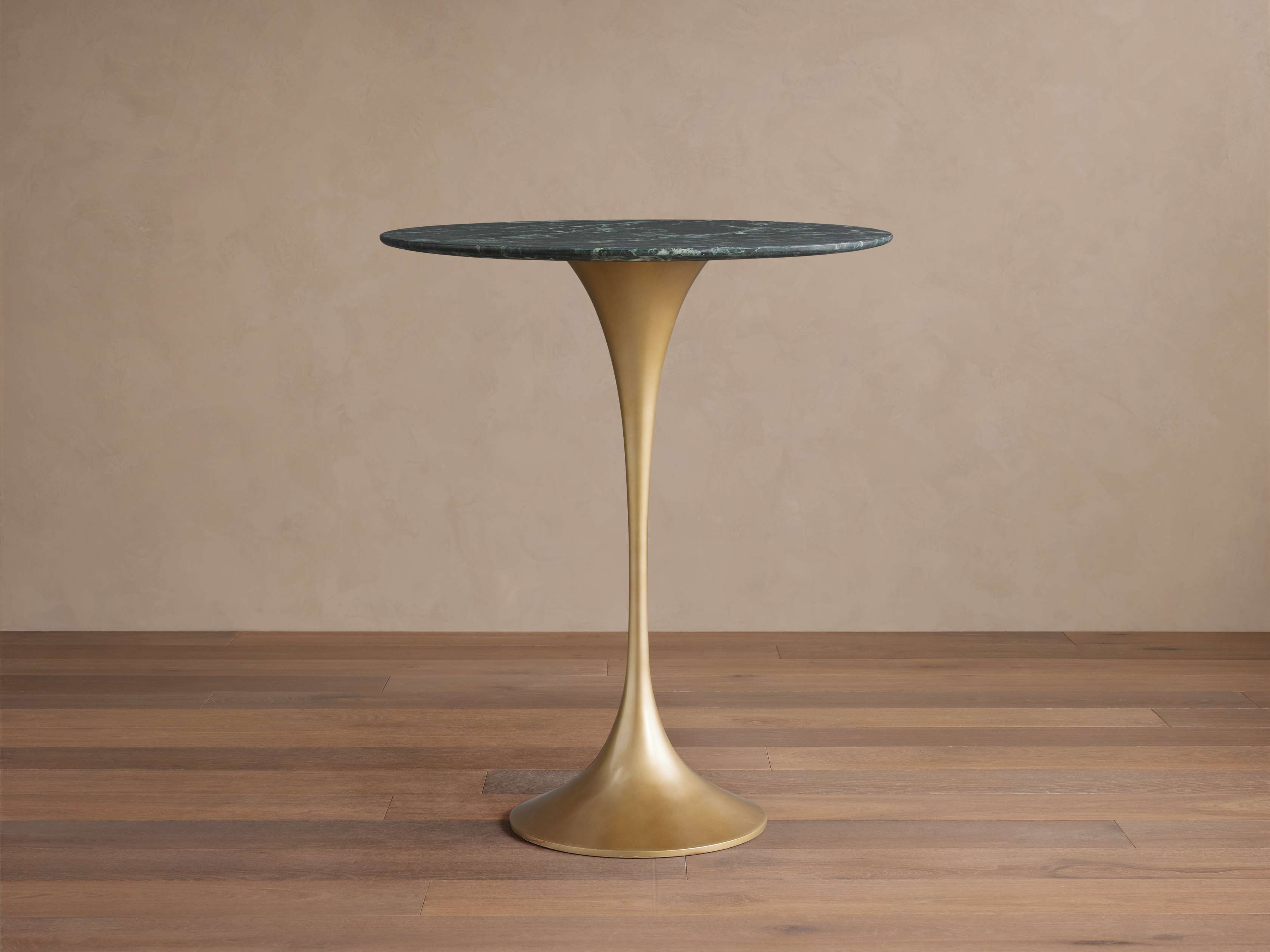
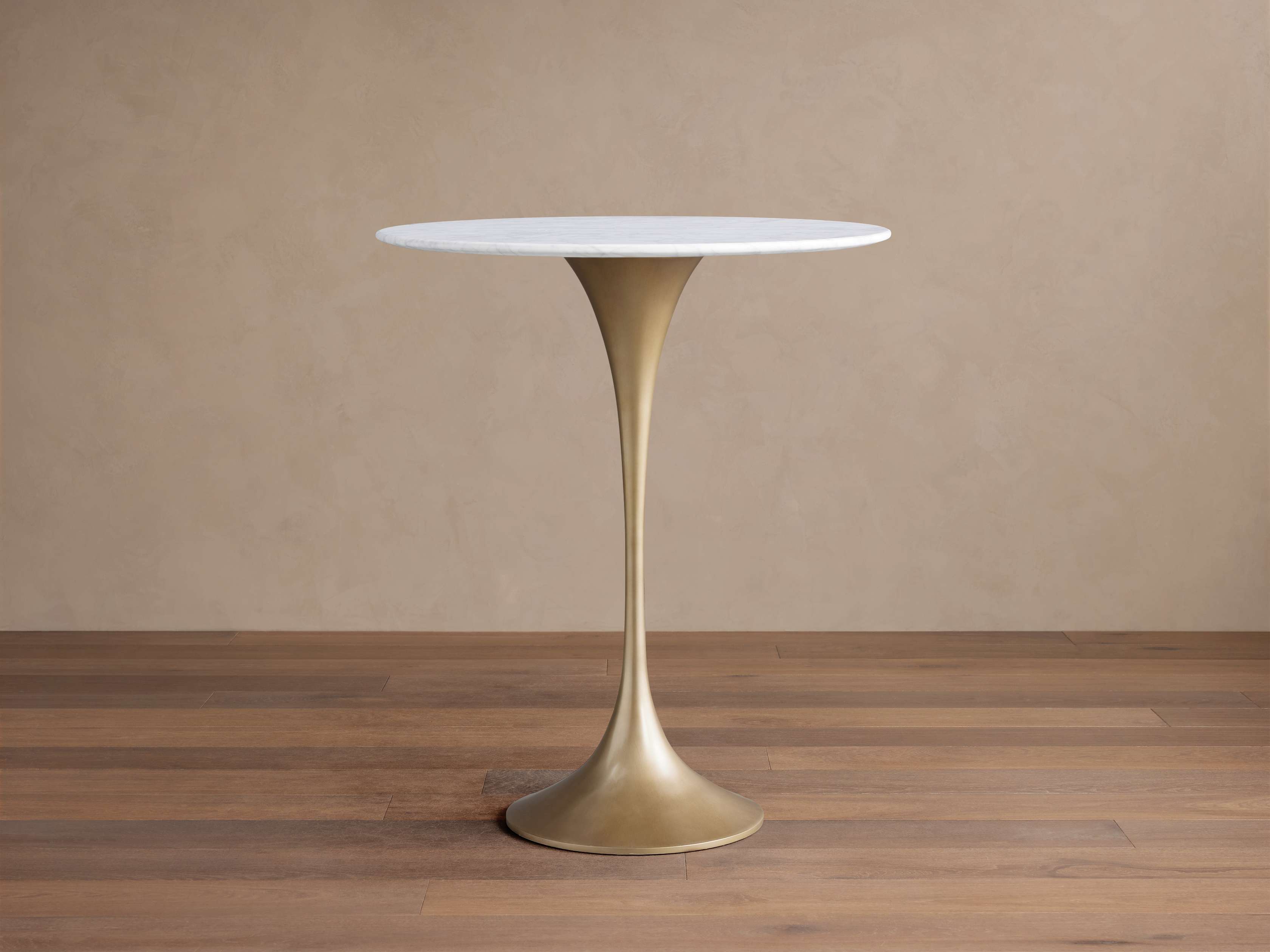
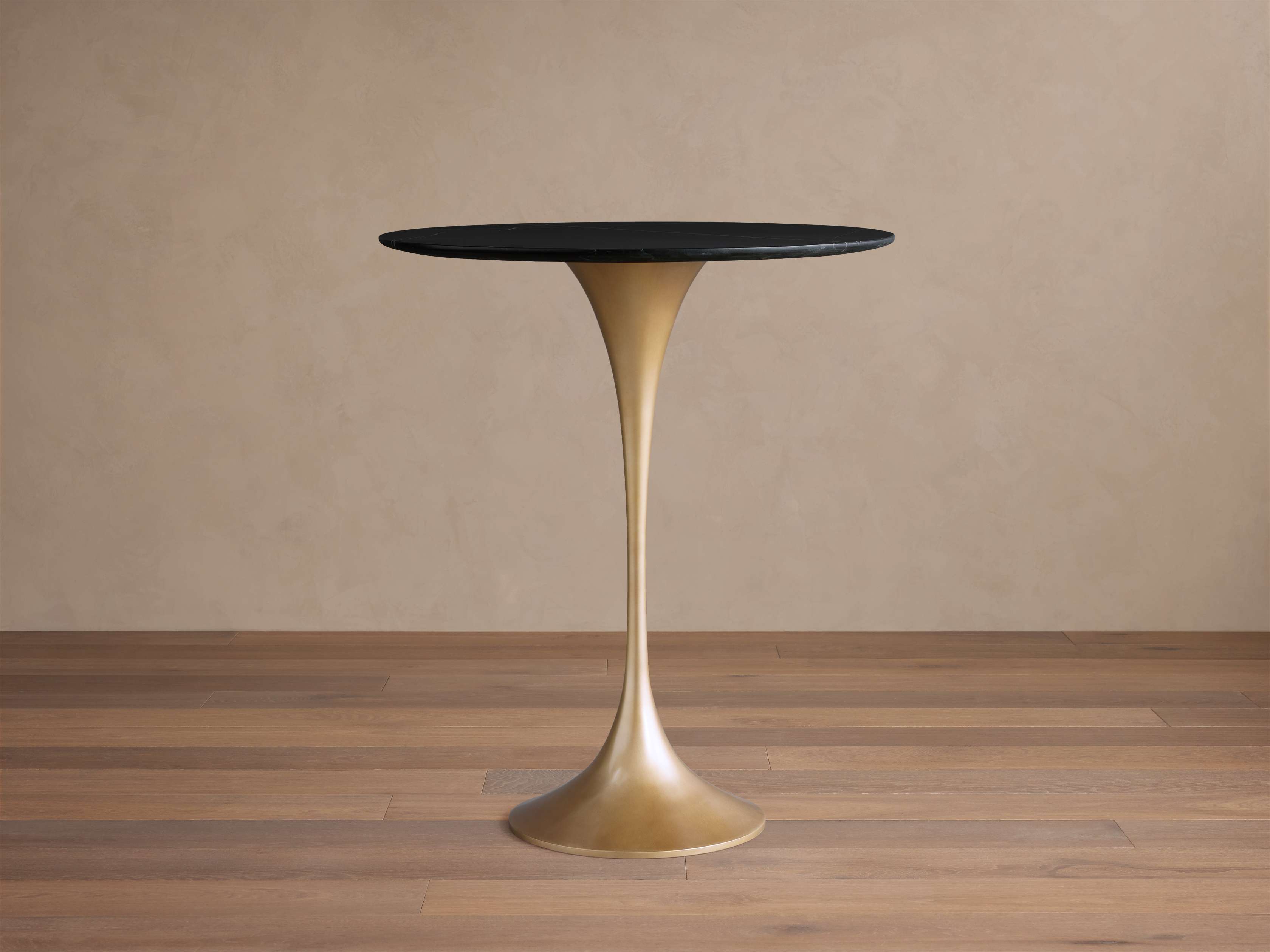
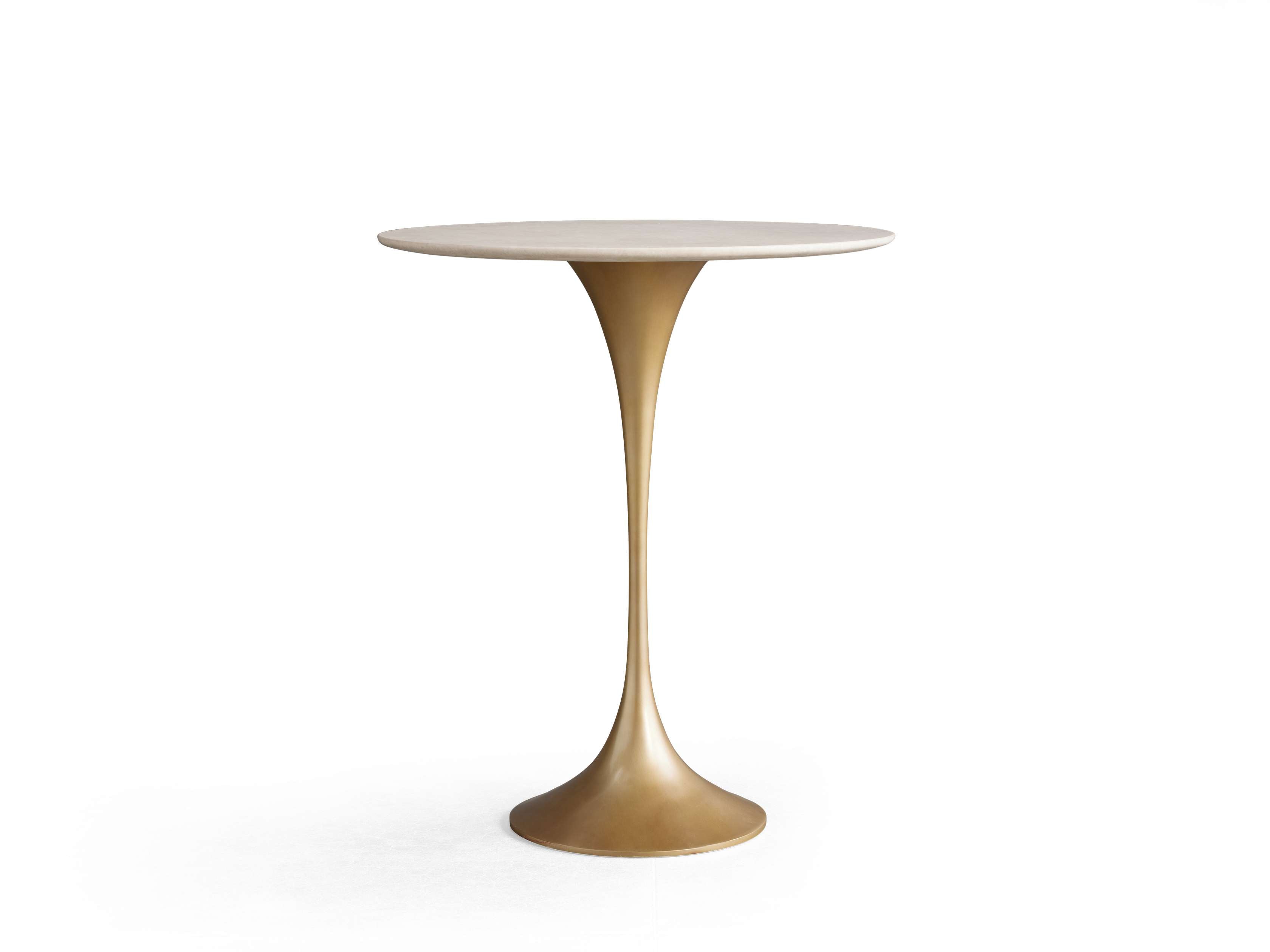
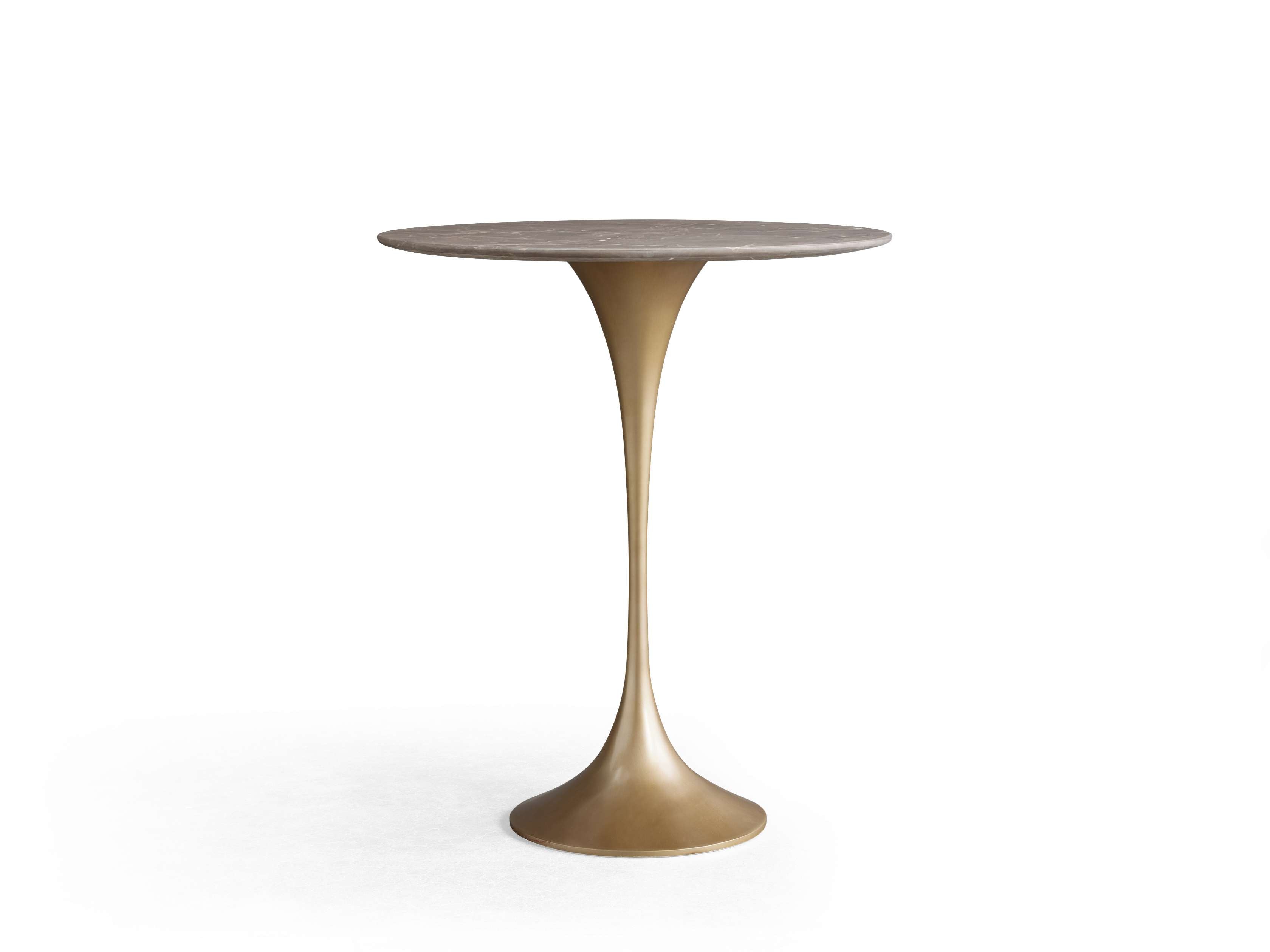
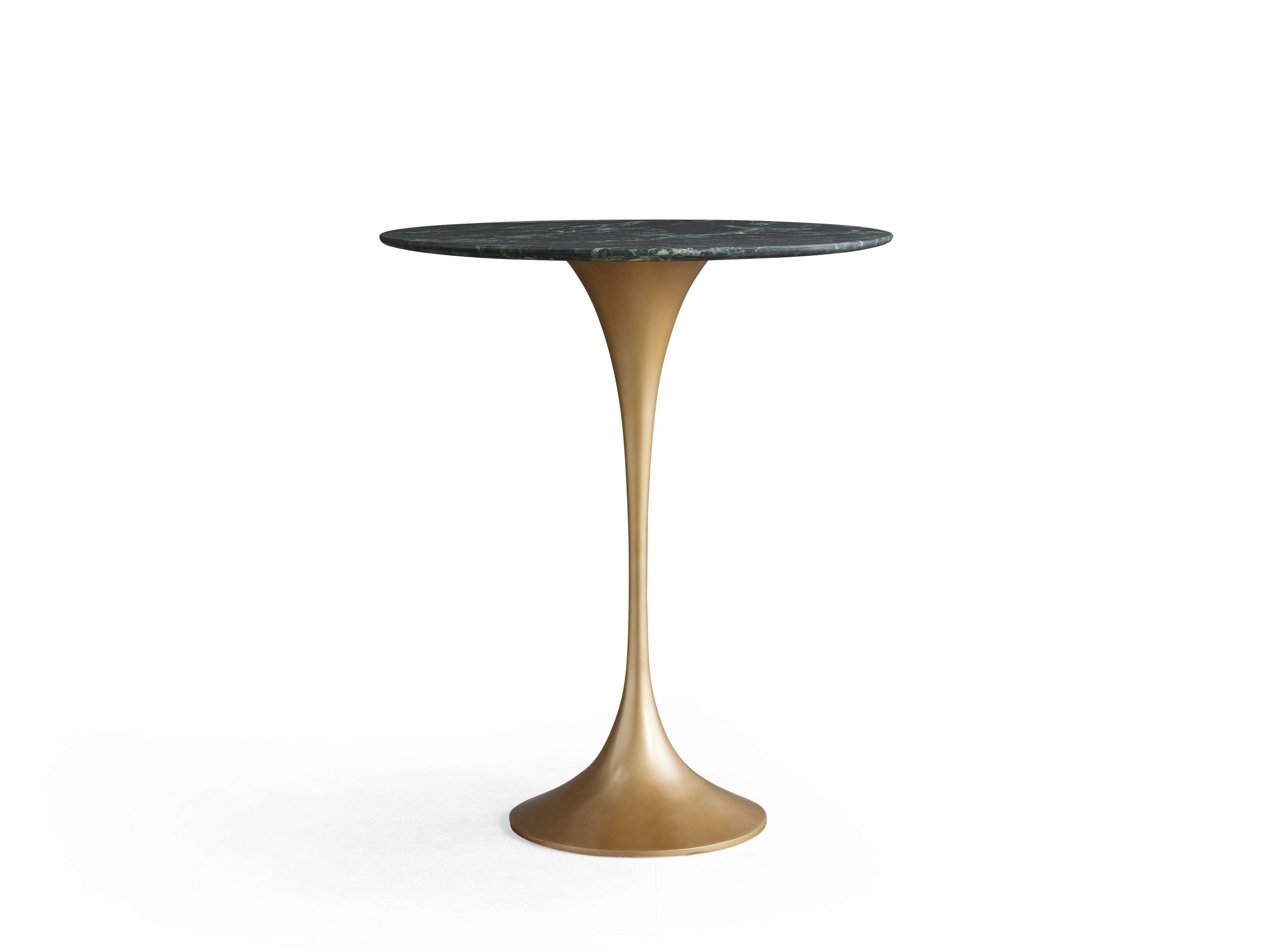
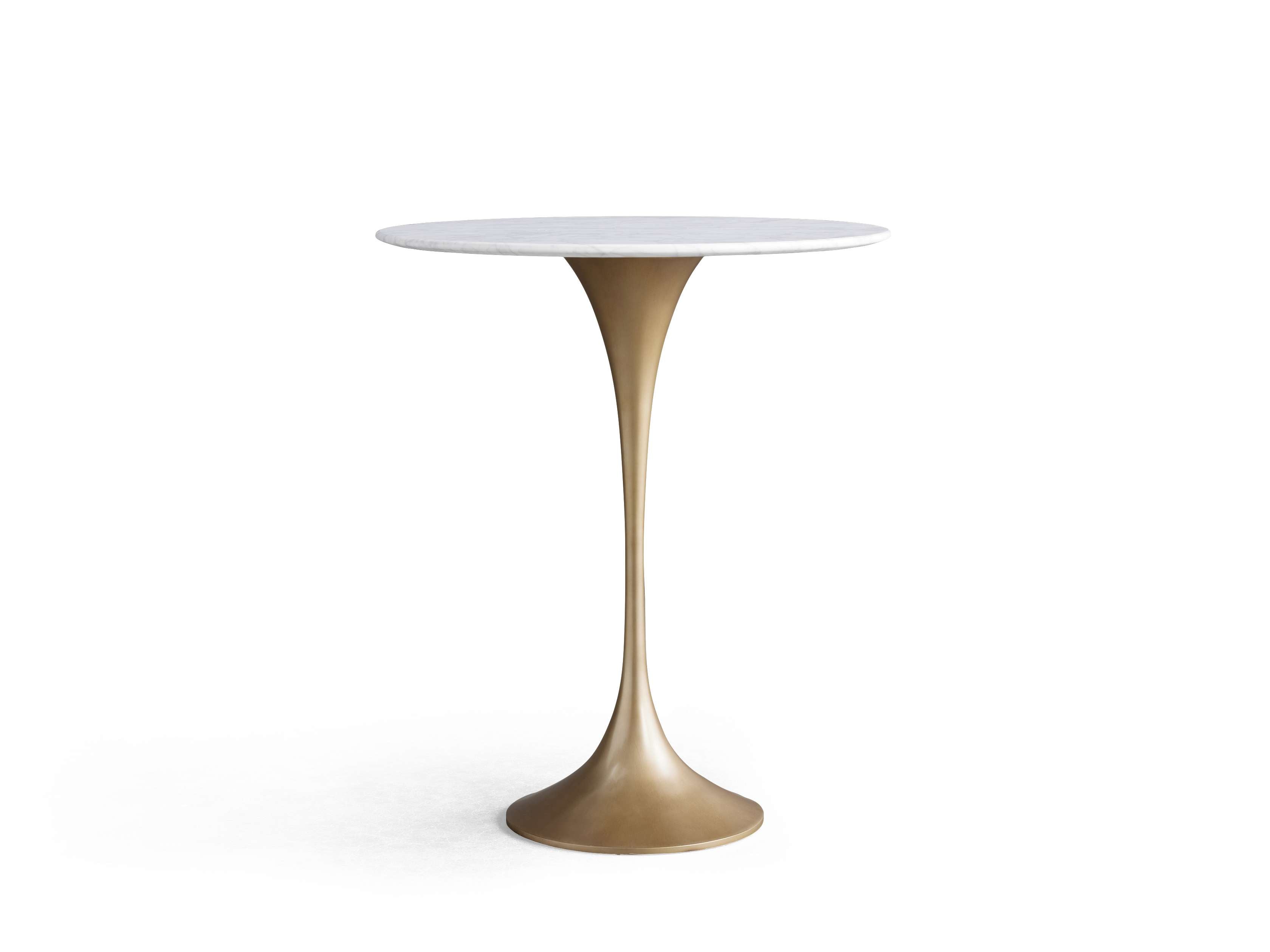





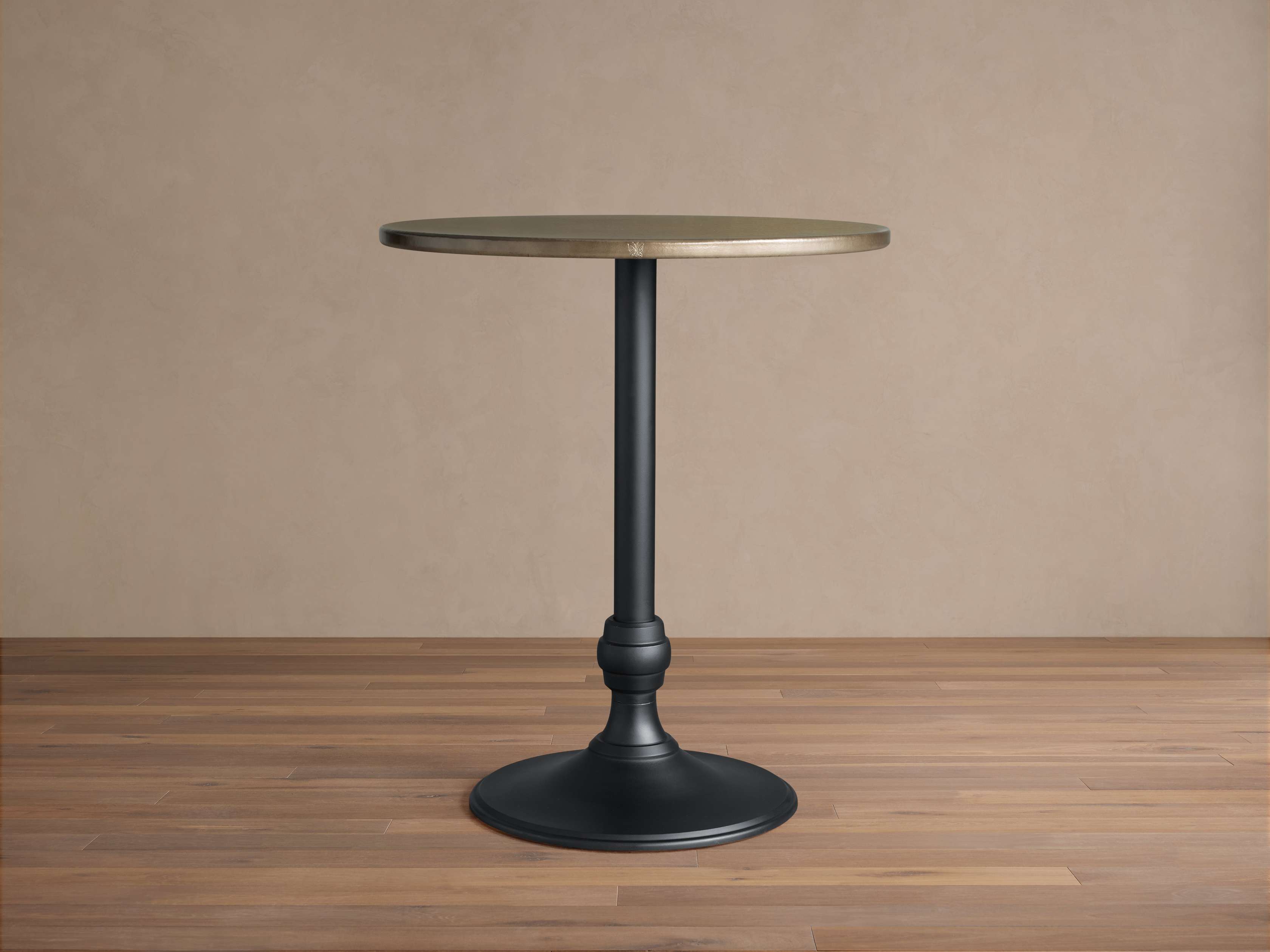
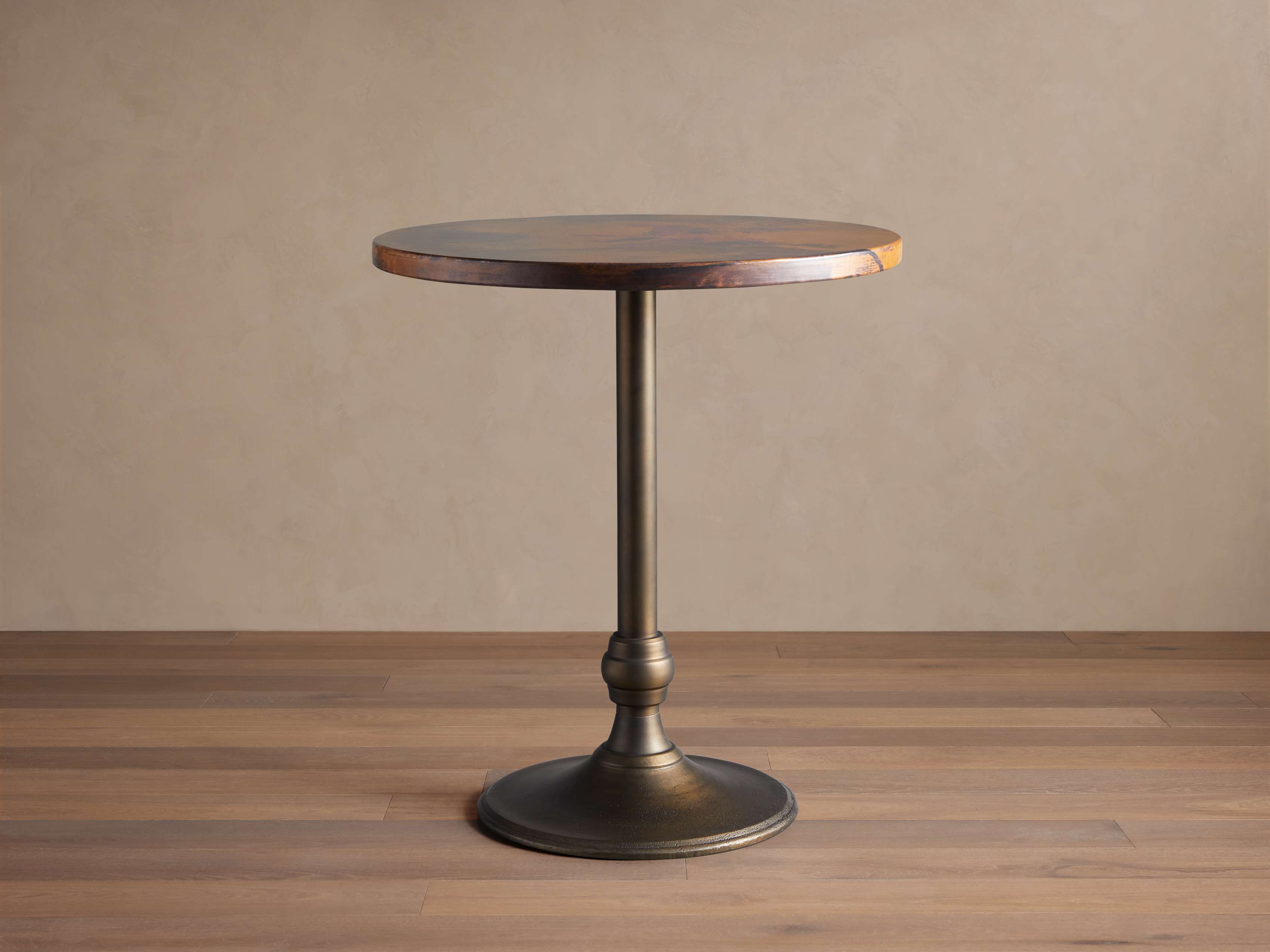
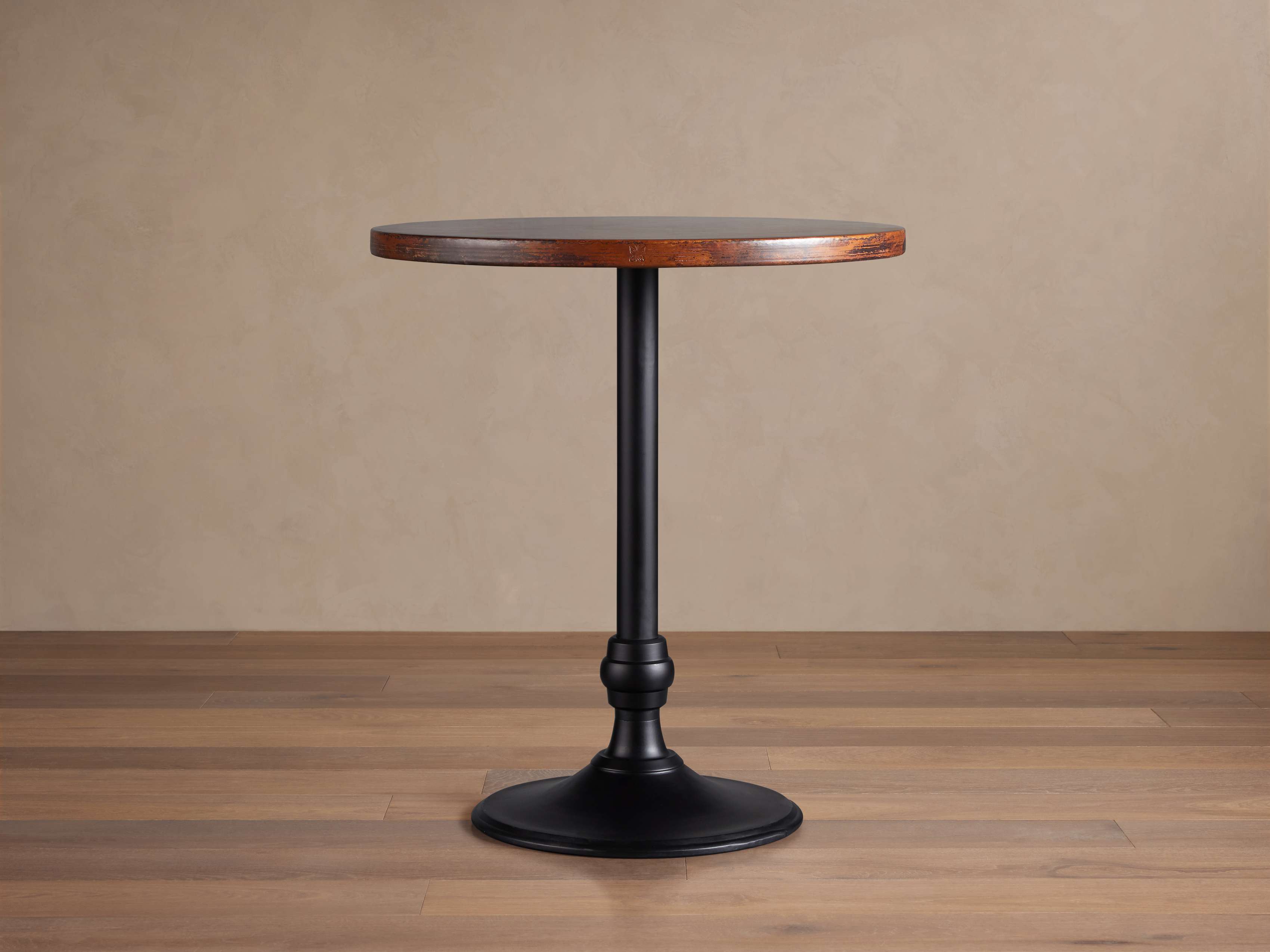
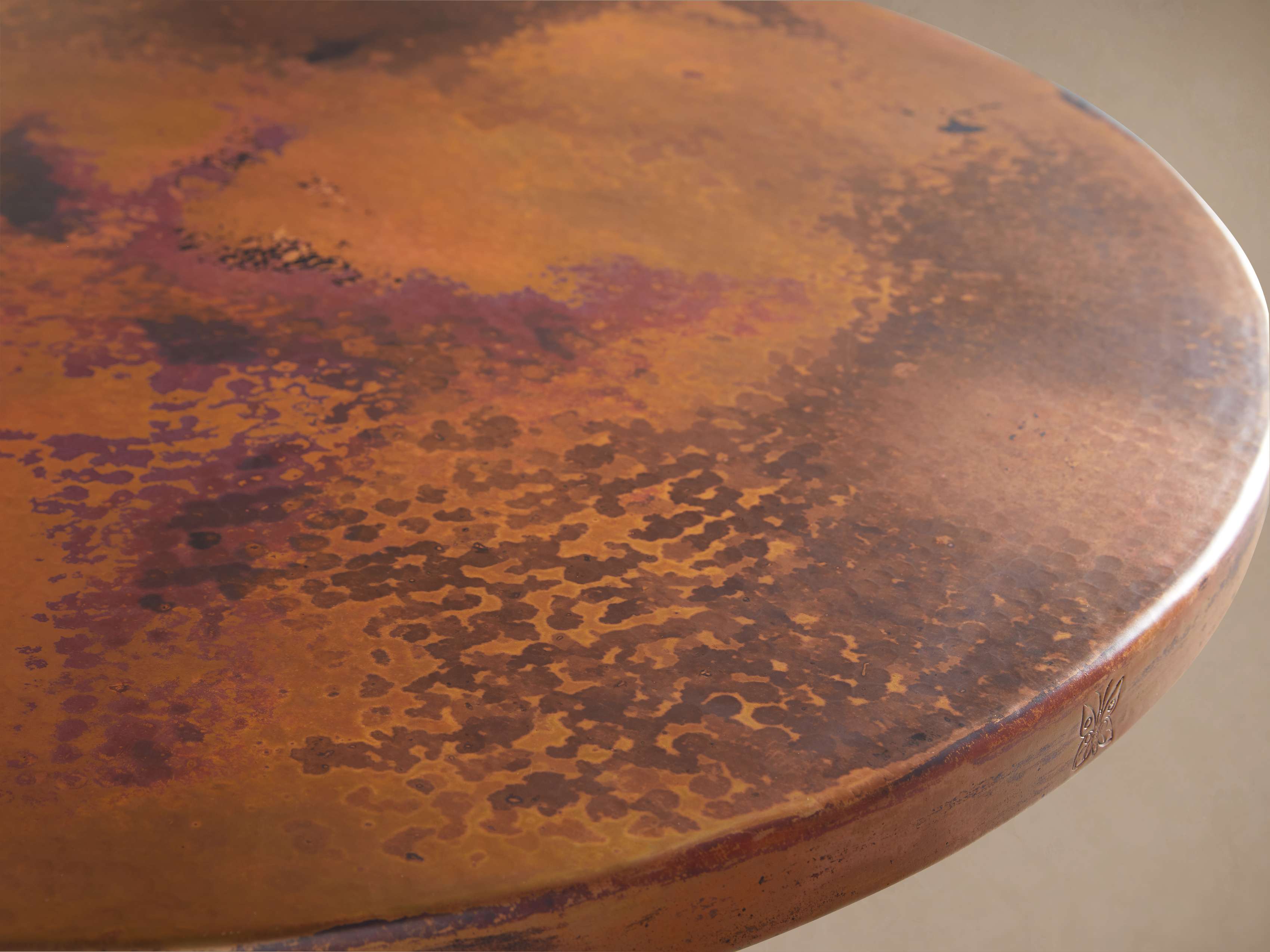
A bar table works differently than a standard dining table. It sits taller, usually pairs with stools instead of chairs, and tends to anchor a more casual entertaining spot rather than a full sit-down meal. This collection covers both bar-height and counter-height options, in materials built to handle regular use.
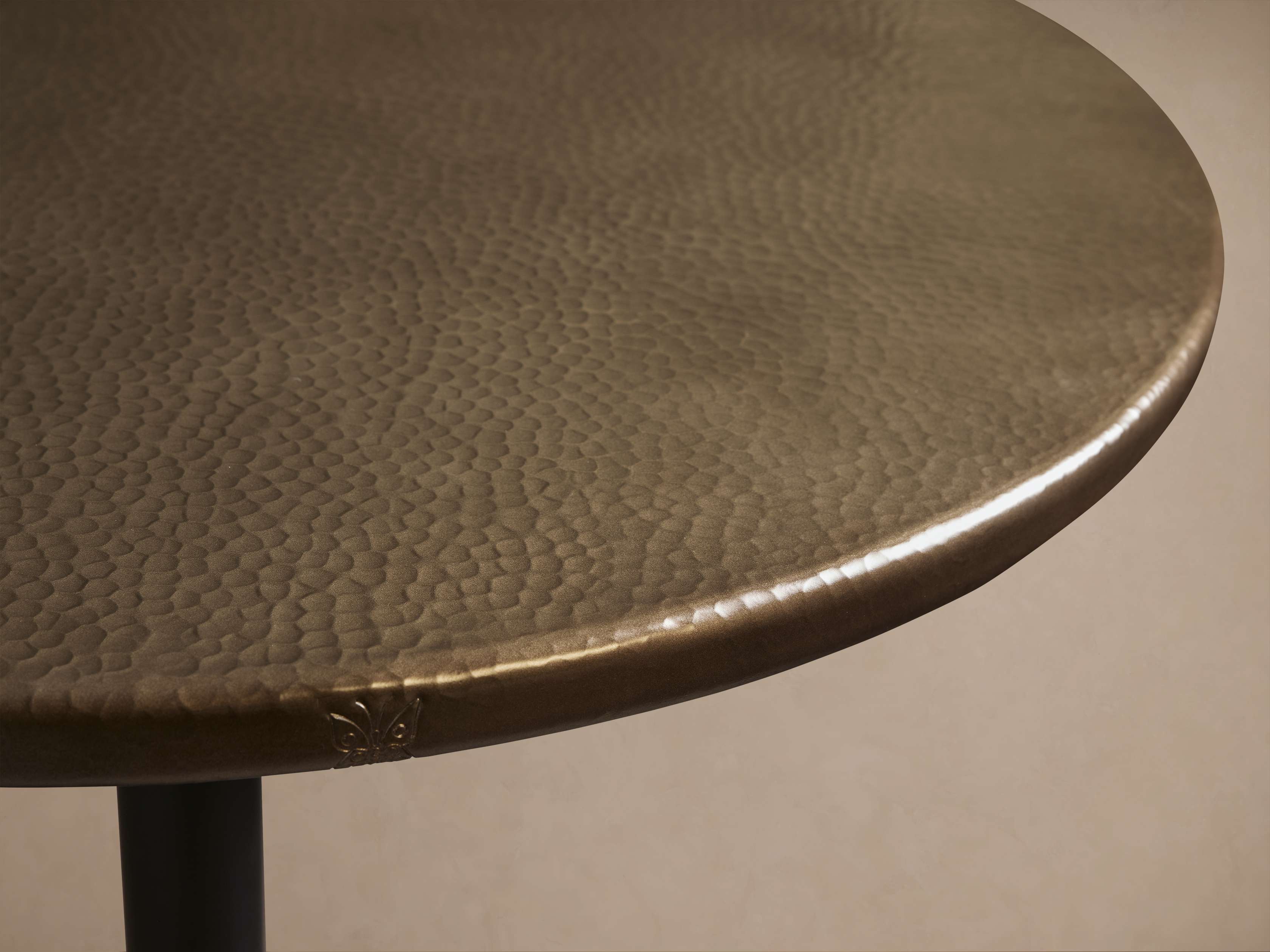
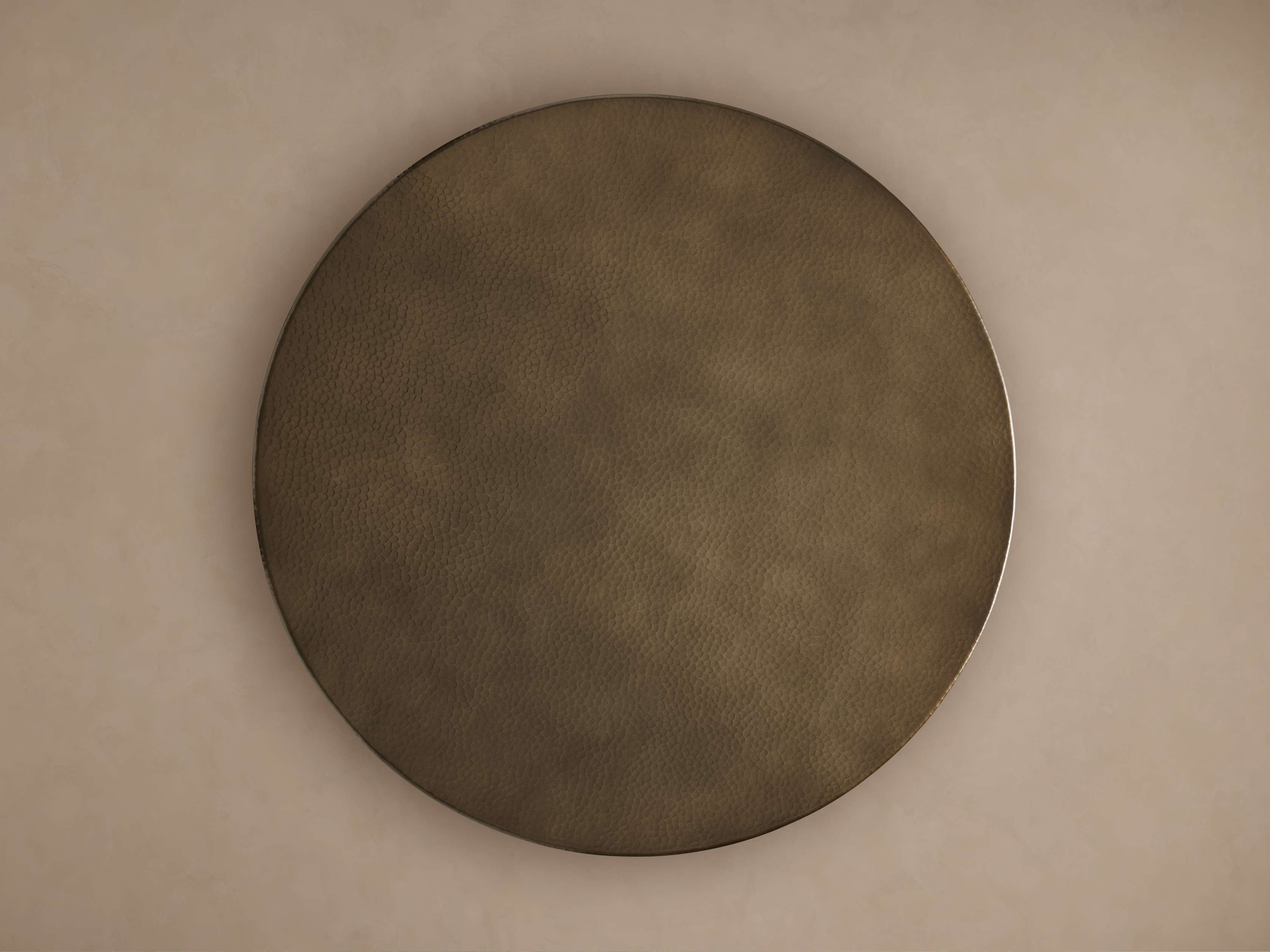
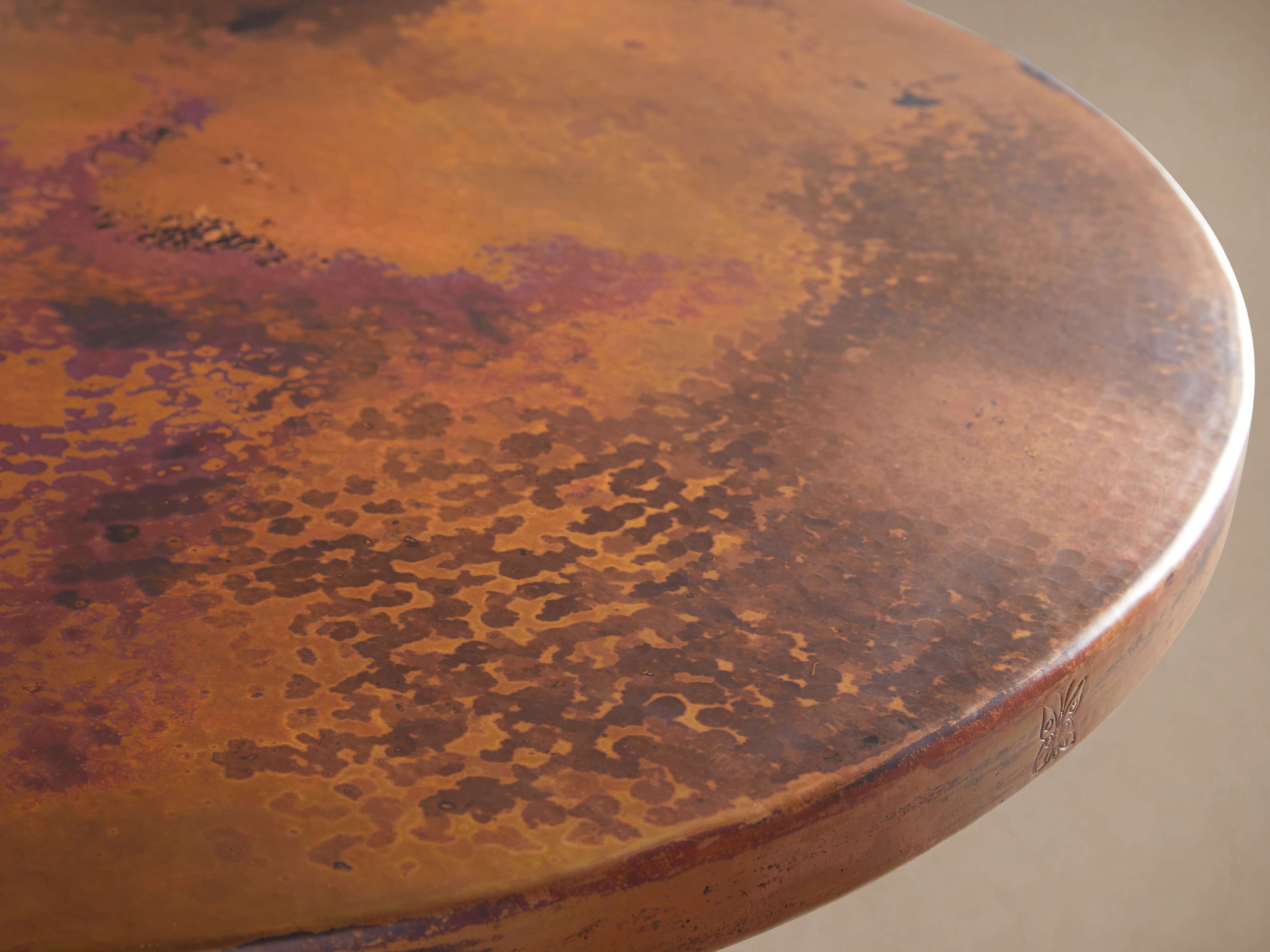
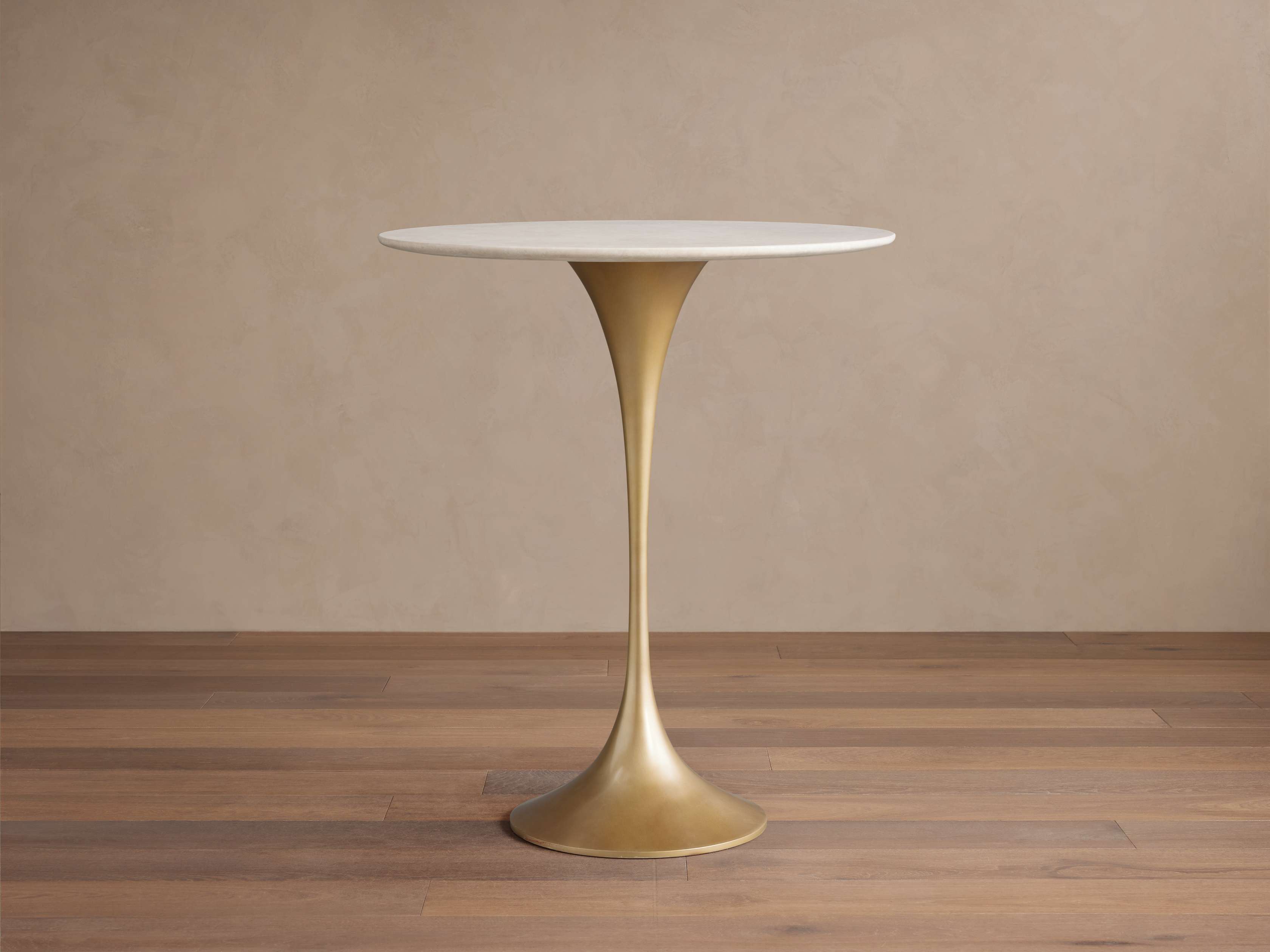
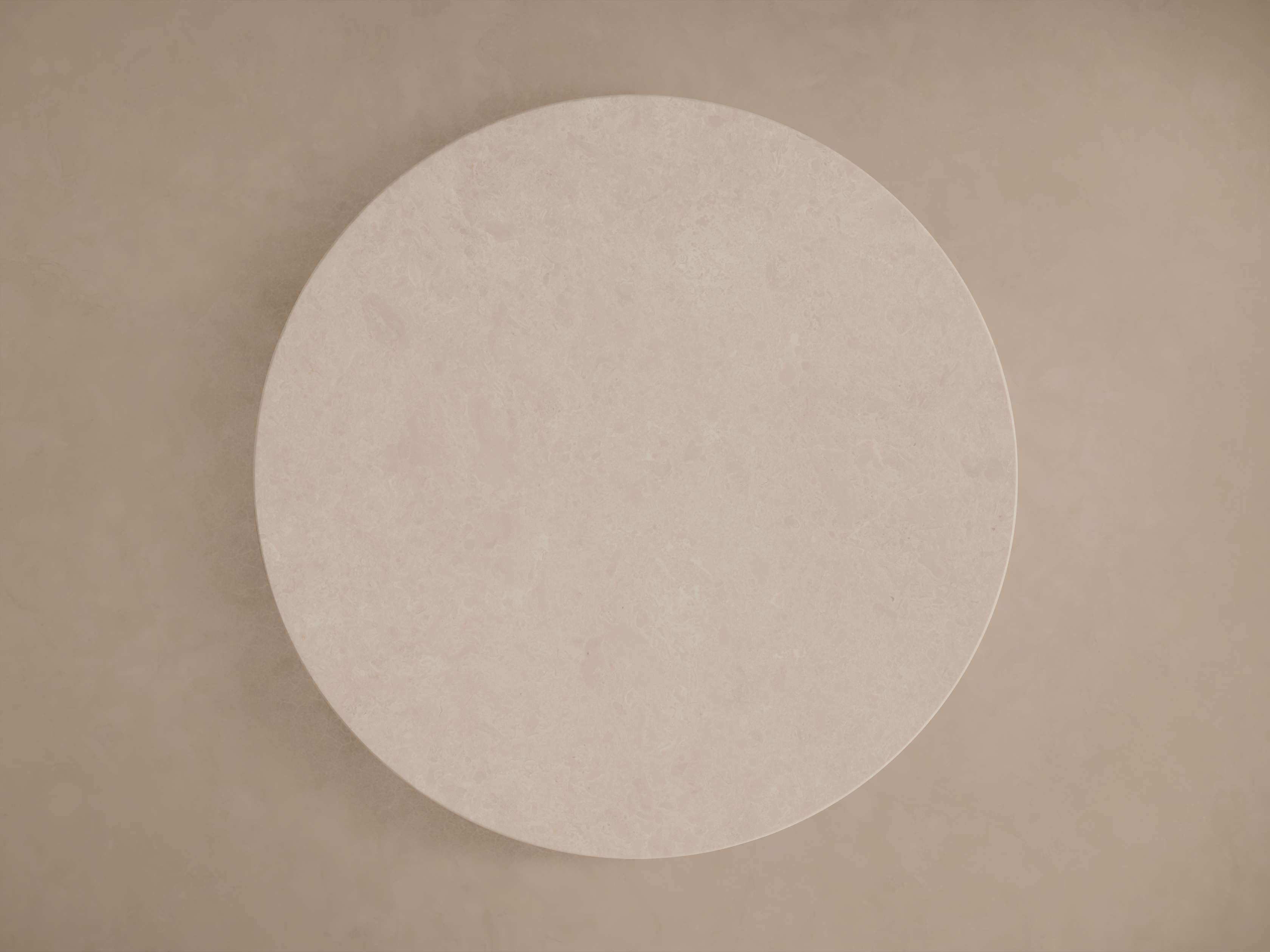
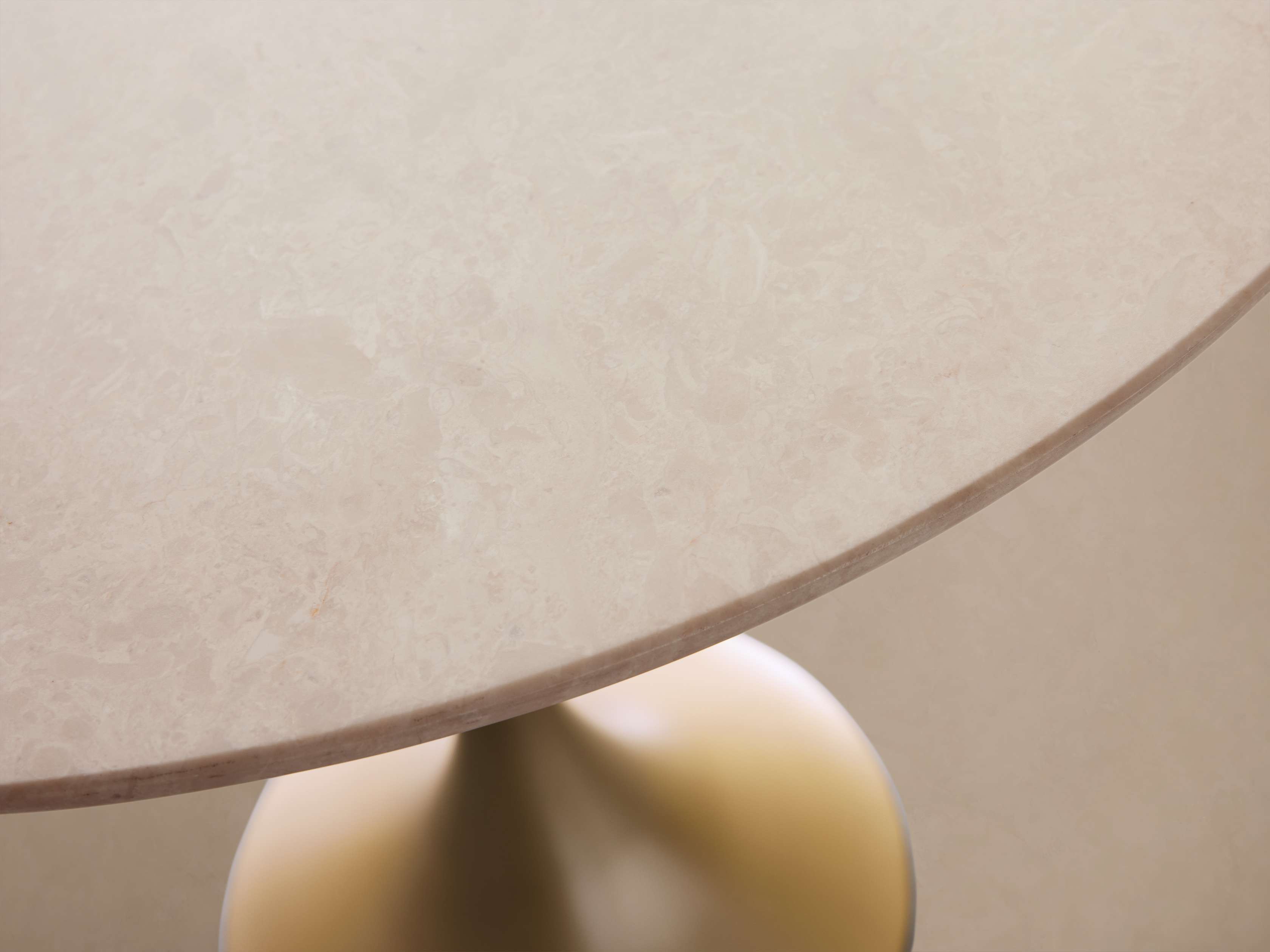
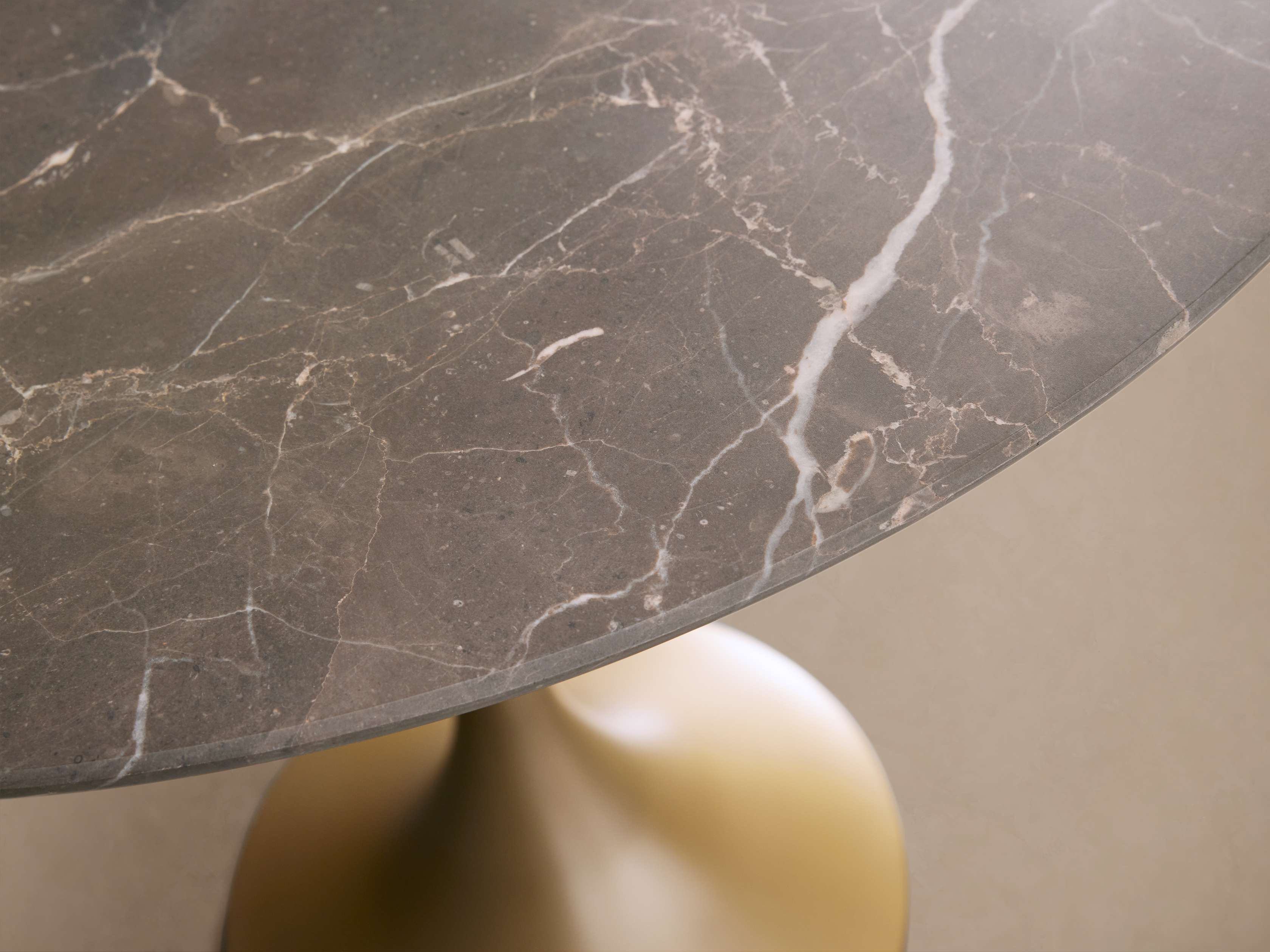
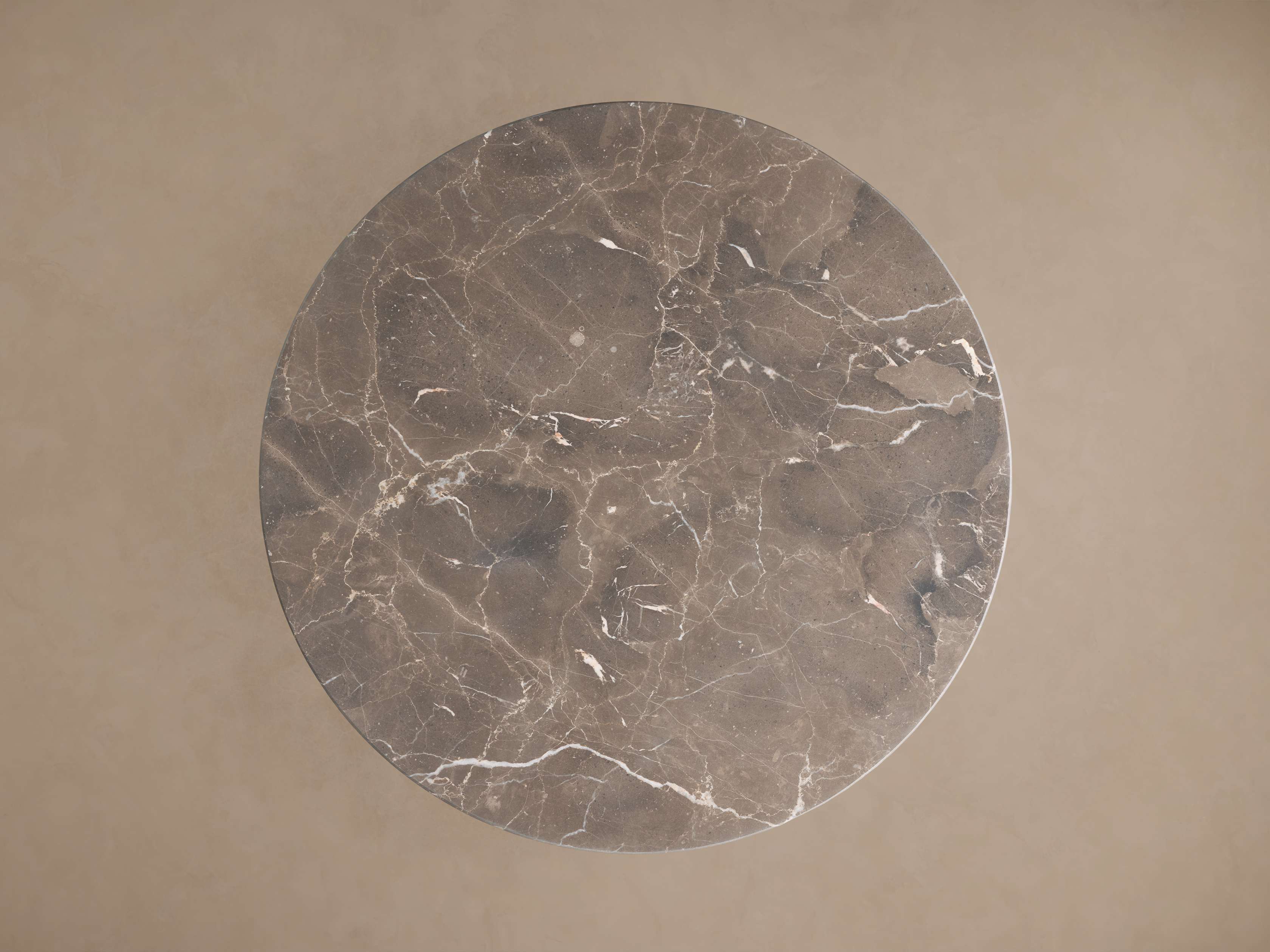
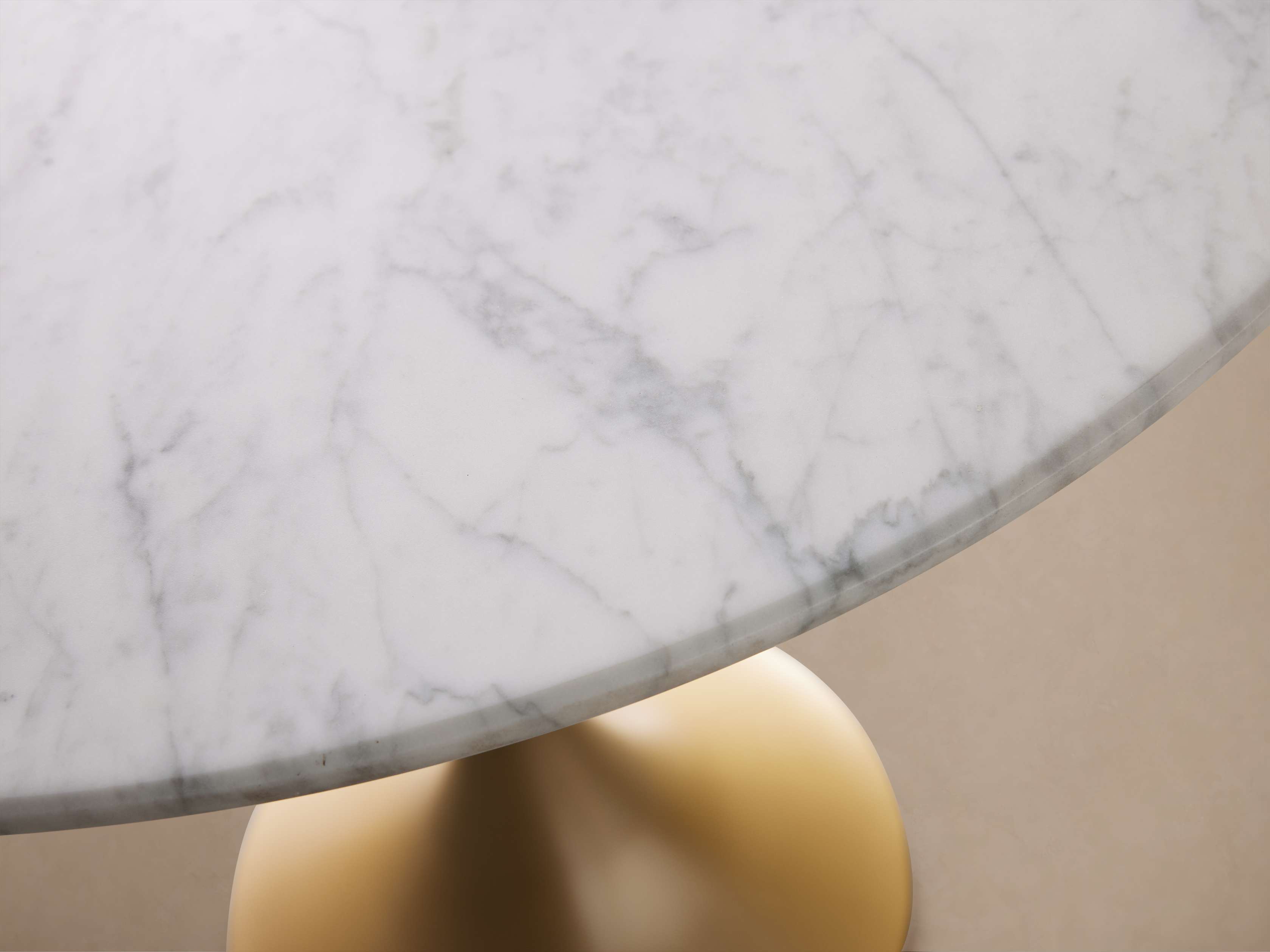
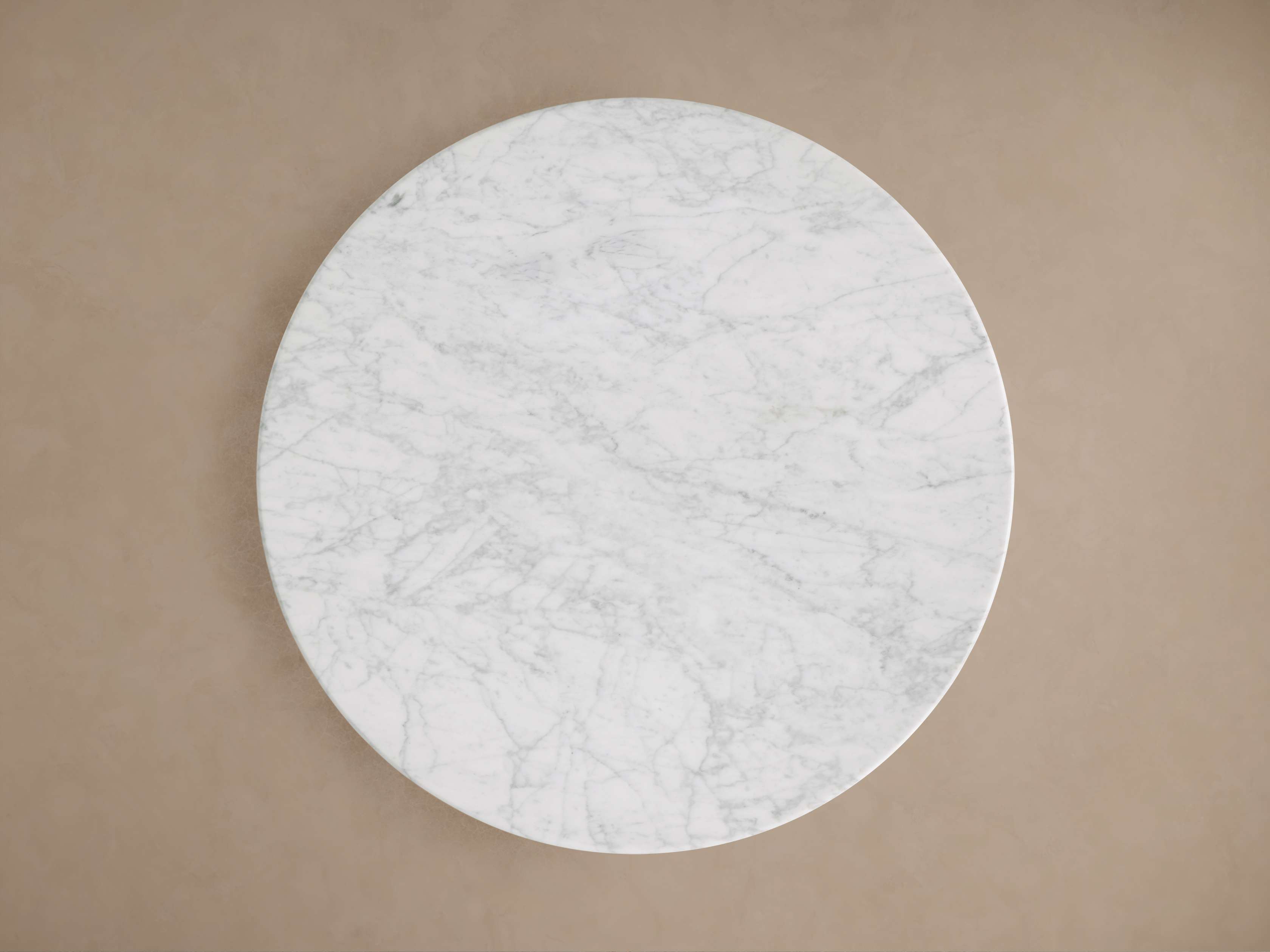
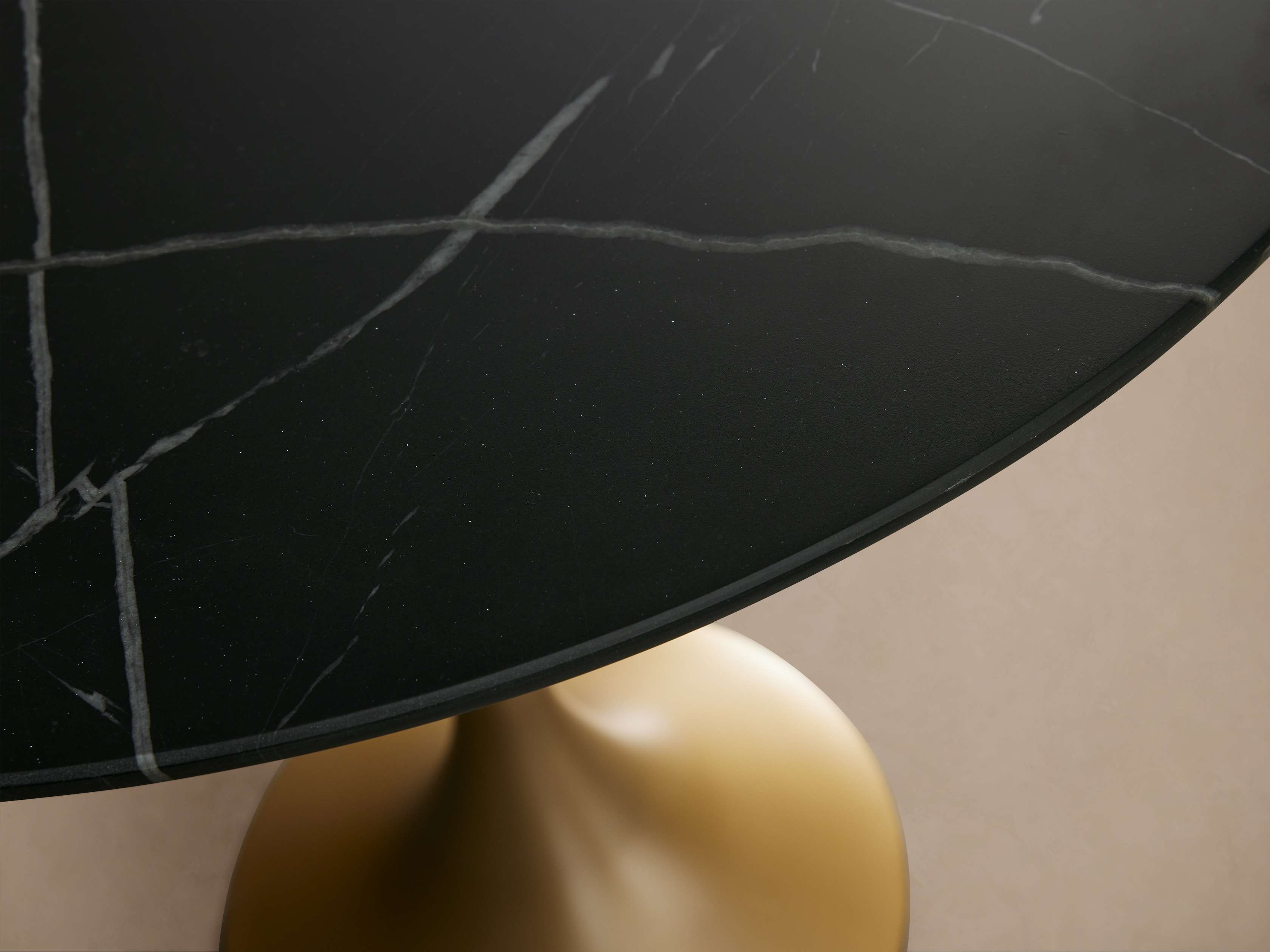
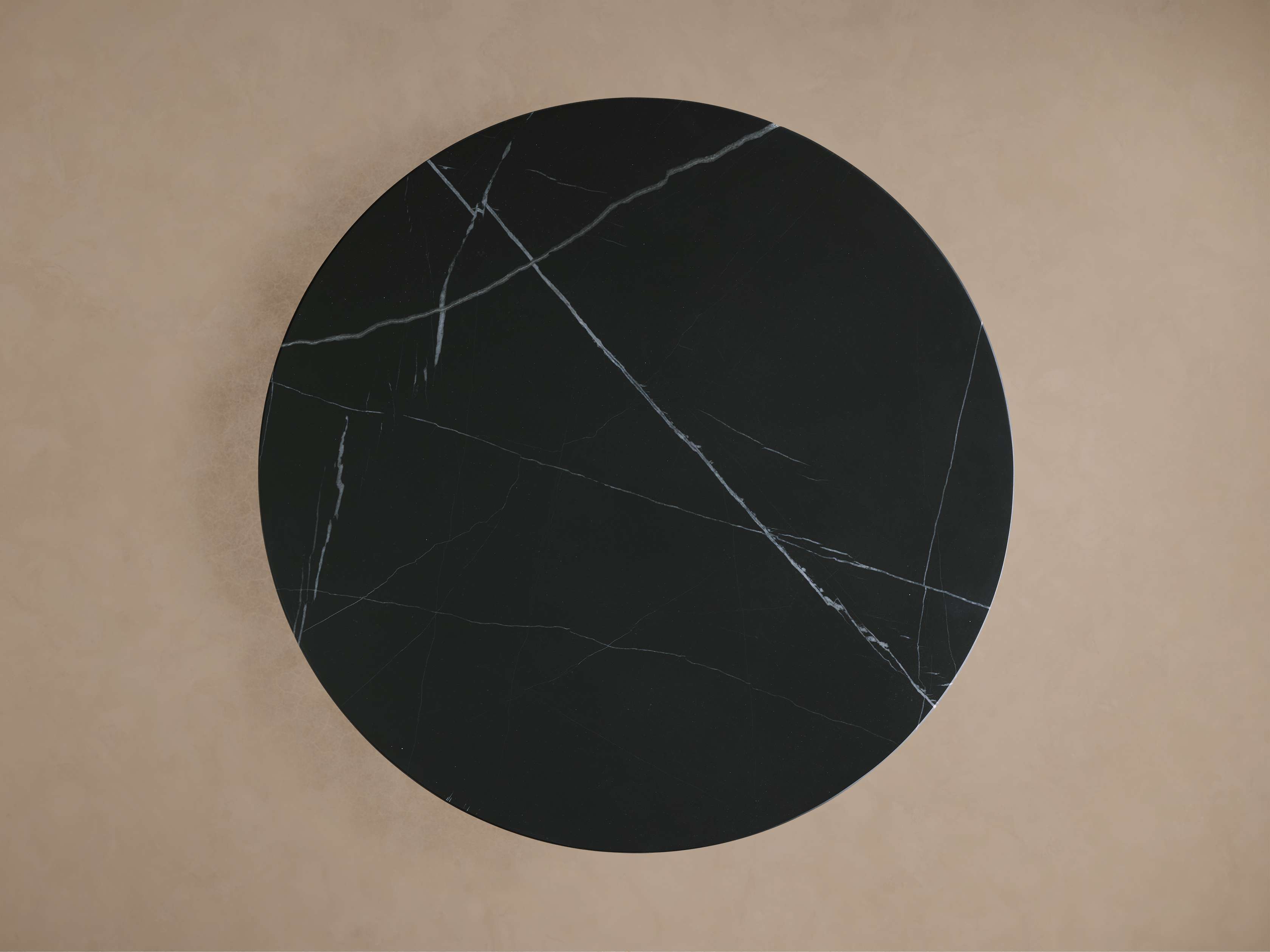
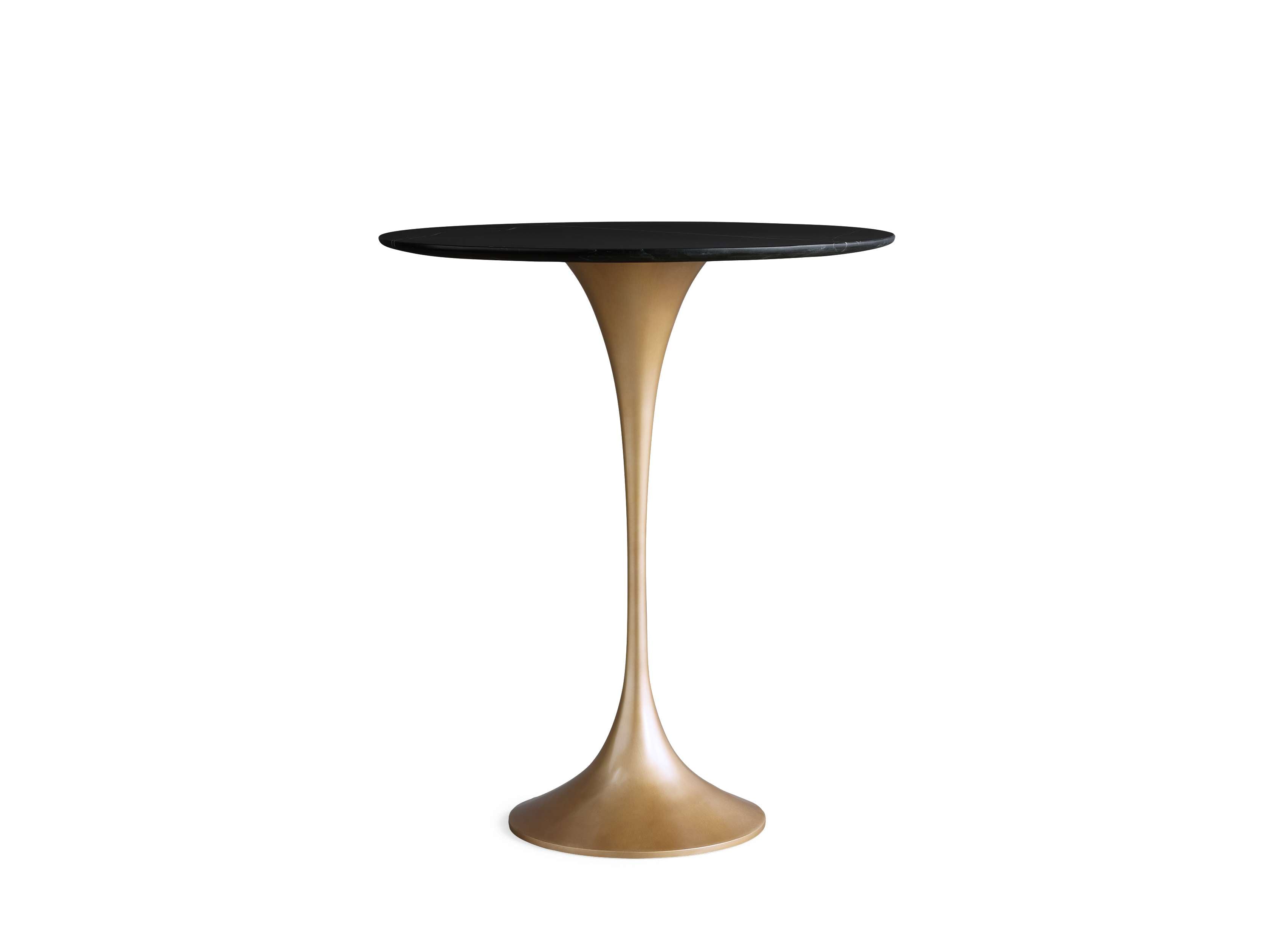
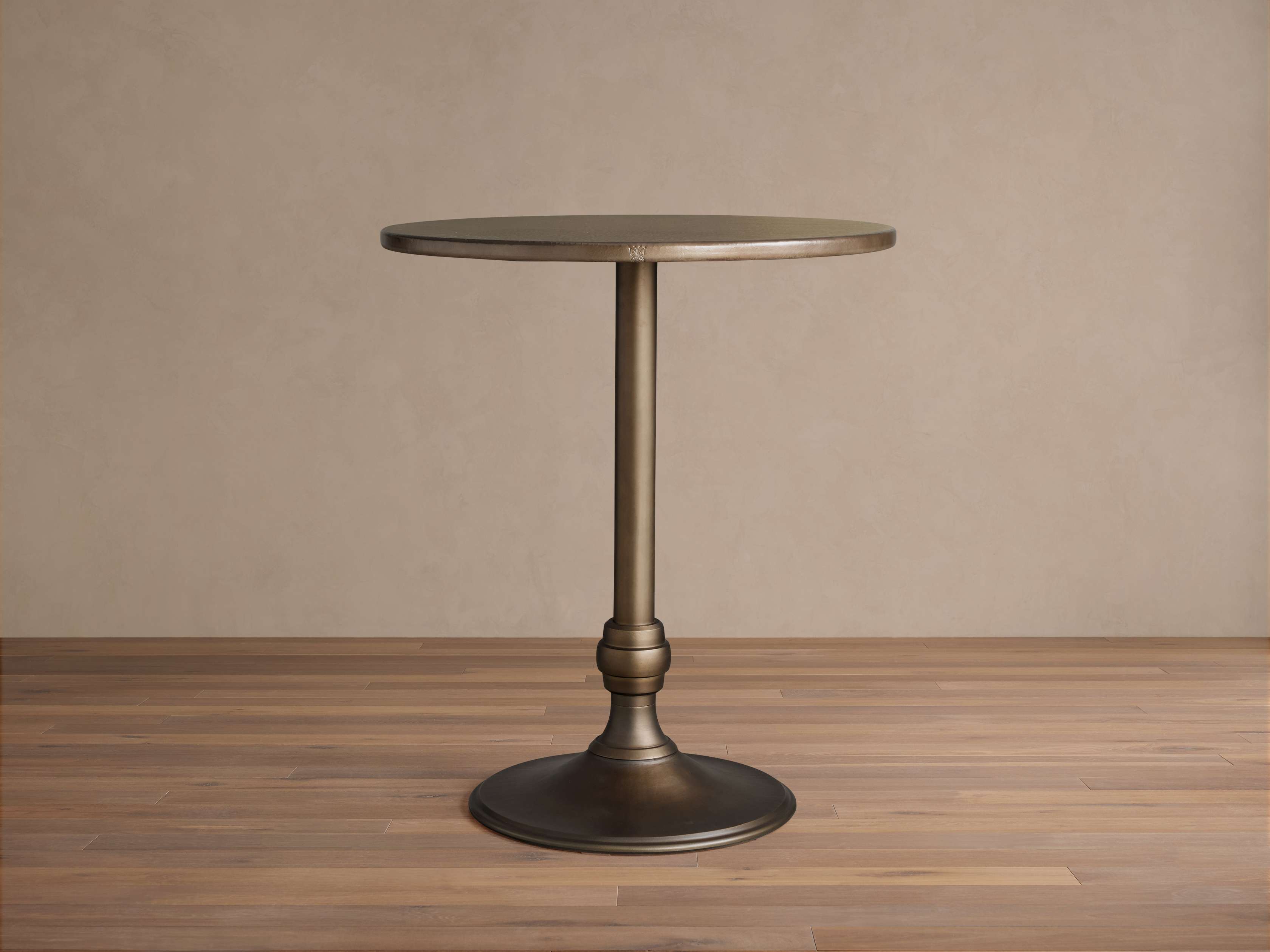
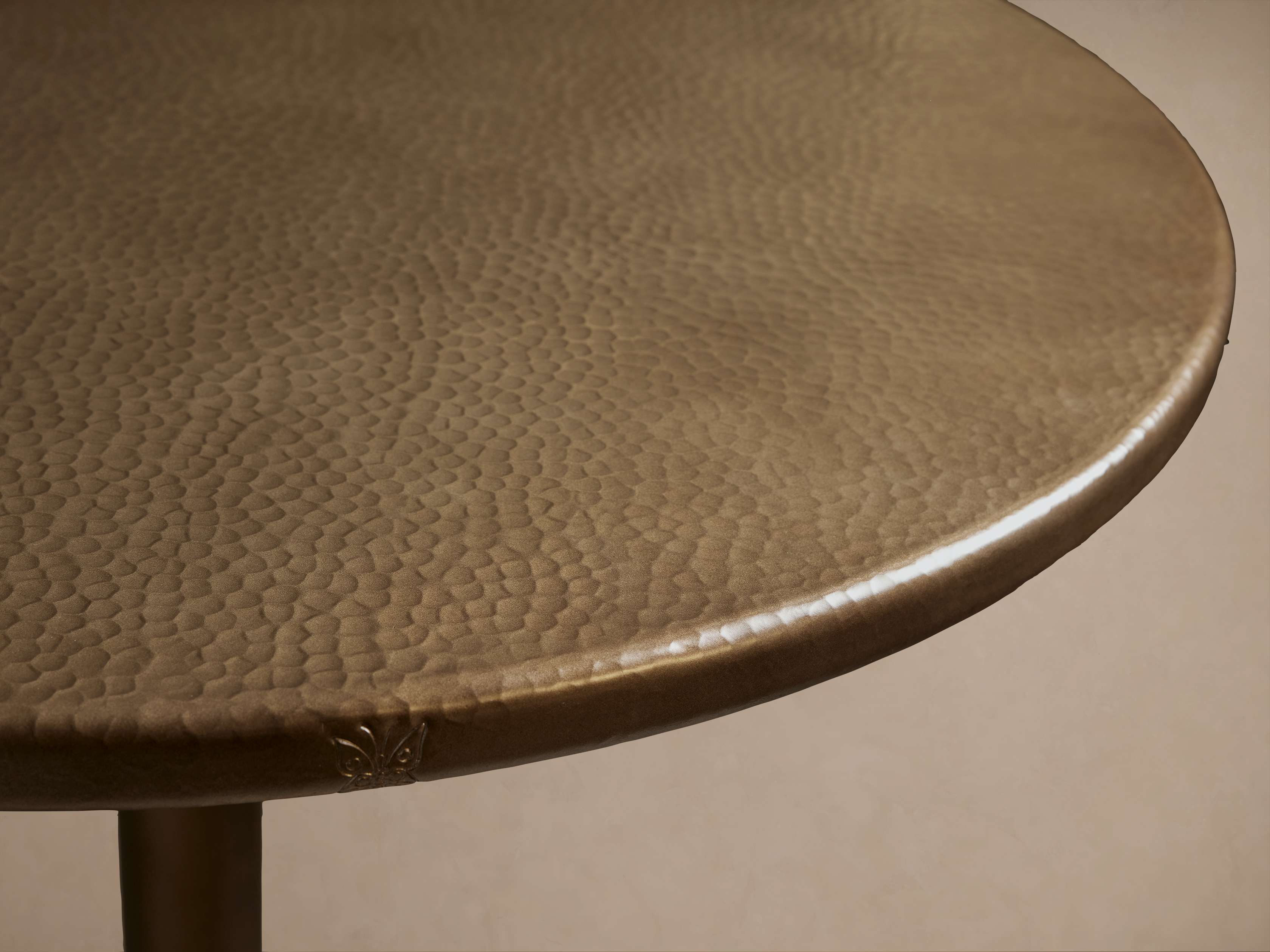
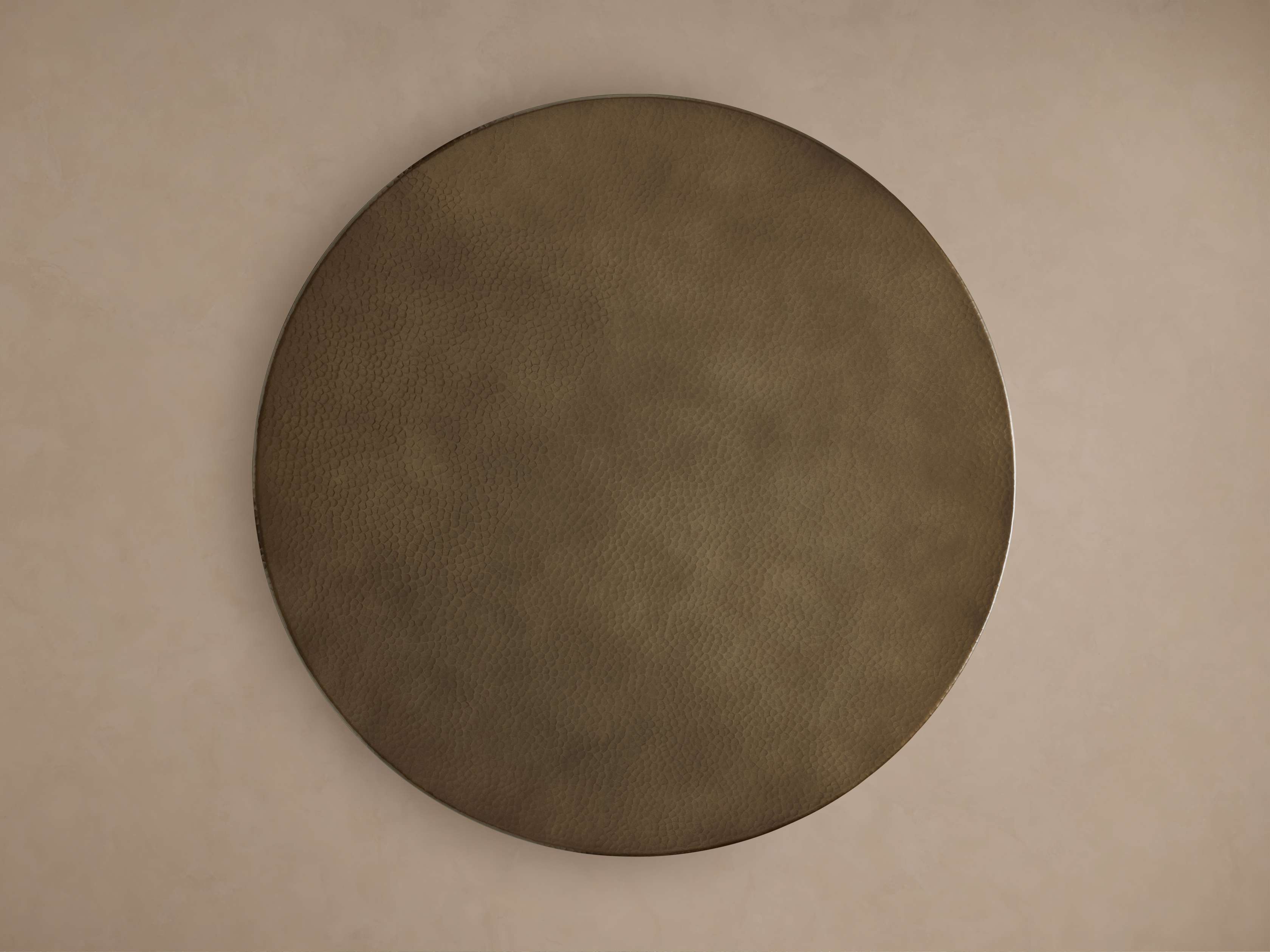
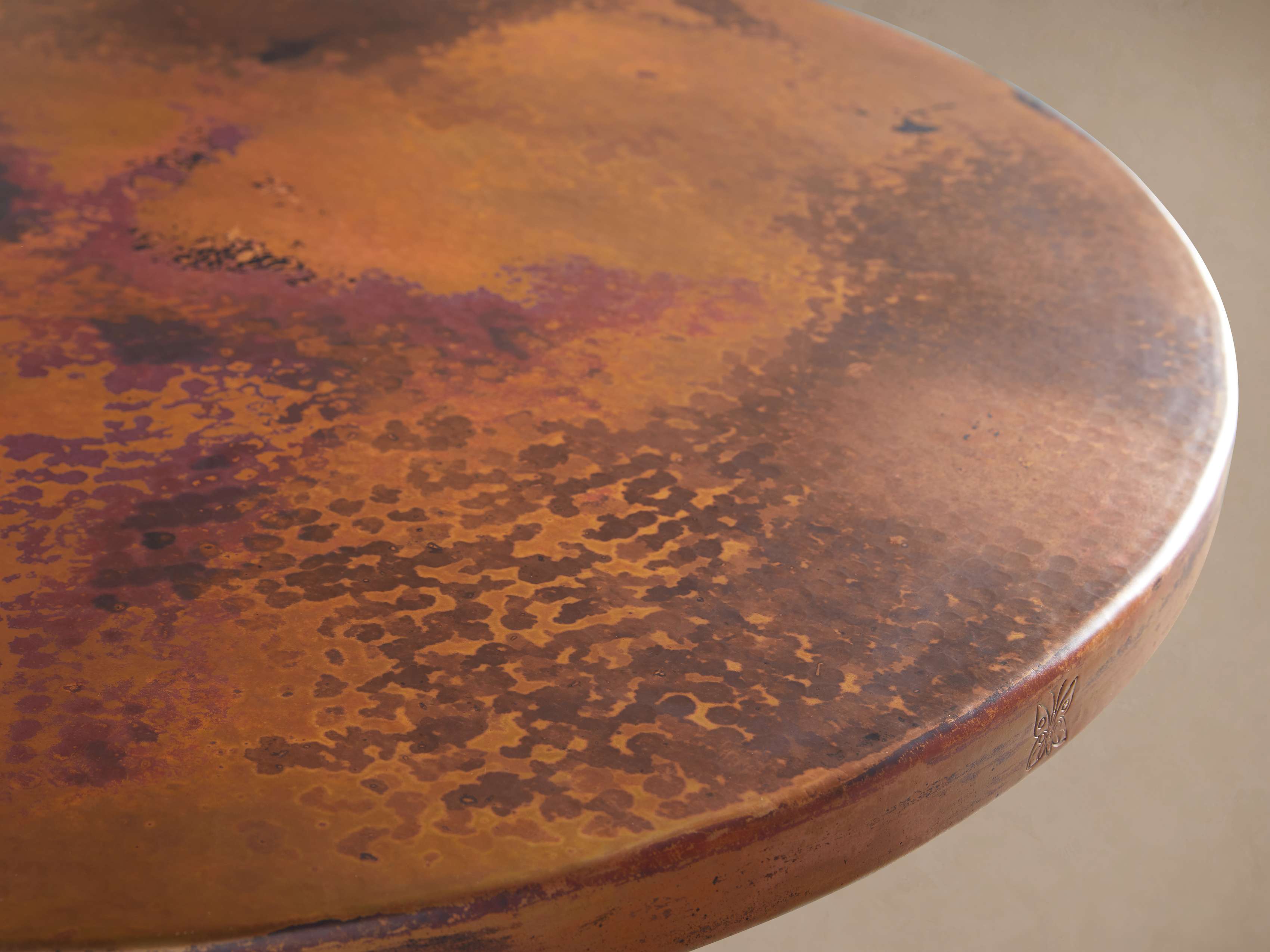
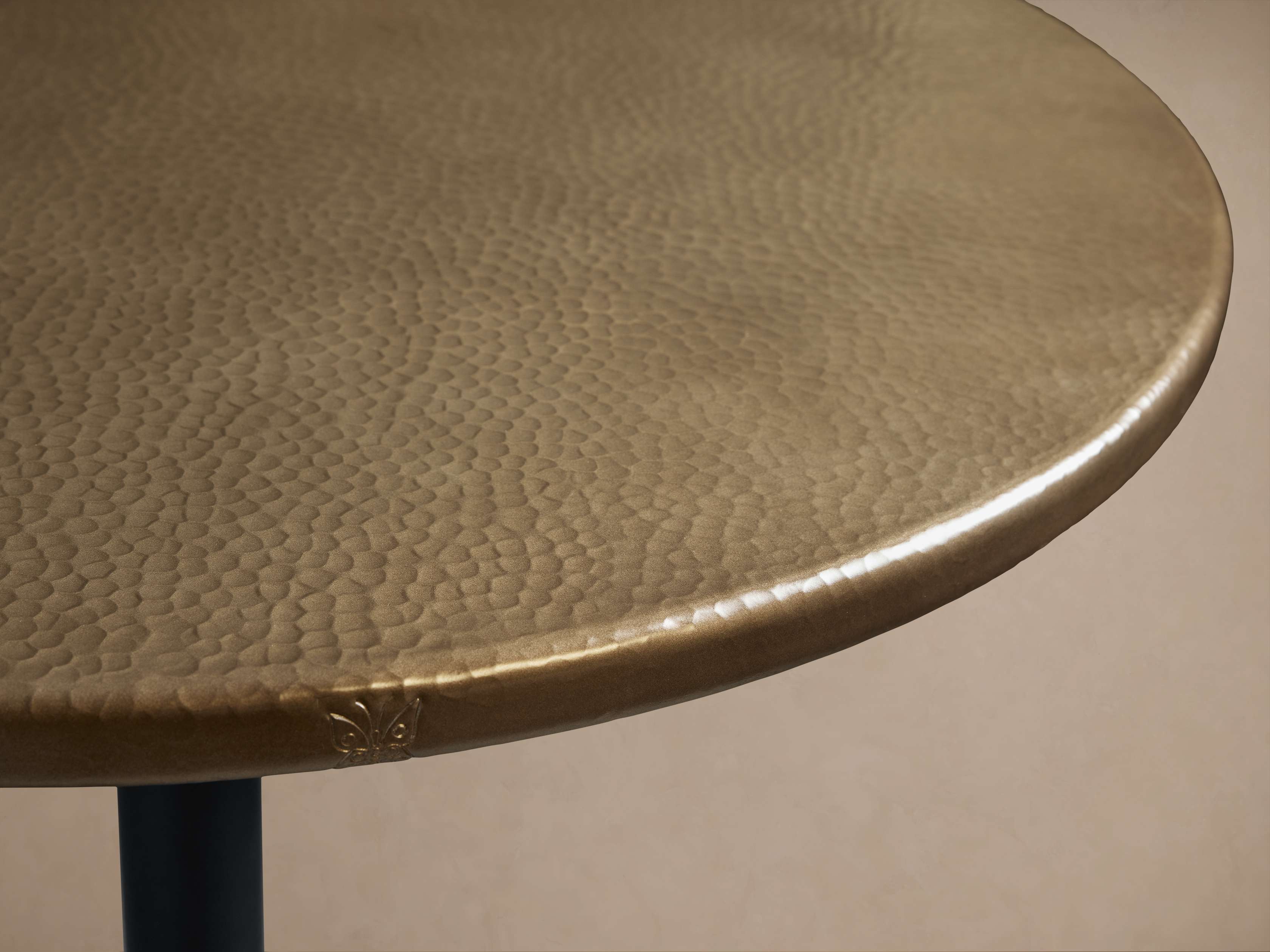
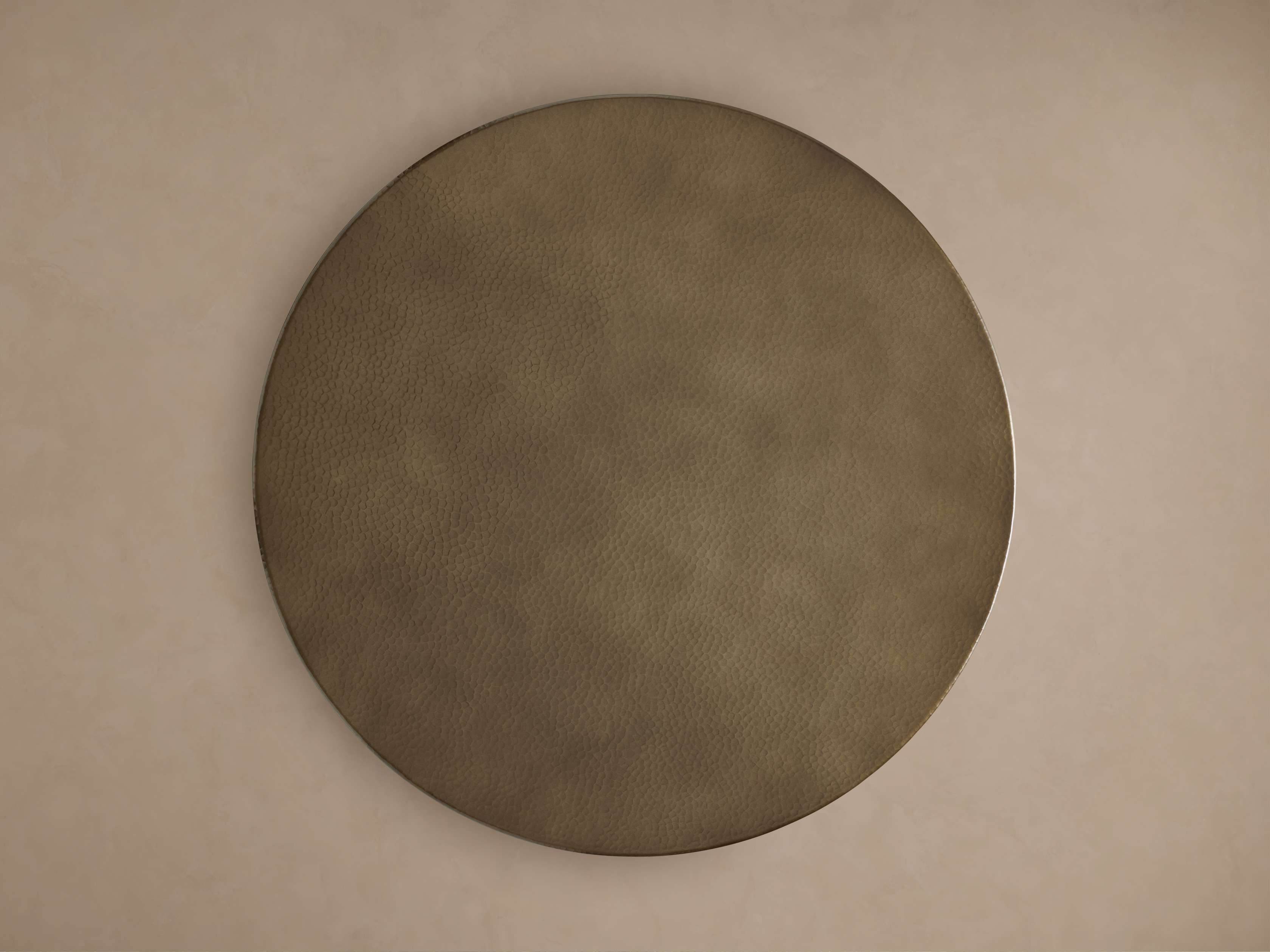
You'll find tables topped in Carrara, Black Marquina, and cream stone, along with recycled metal designs in brass and copper finishes for something with more visual weight. Whether you're setting up a home bar, finishing a kitchen island, or adding a stand-alone counter table for casual seating, there's a base and top combination here to match.
Bar Tables for Entertaining Spaces
A bar table is usually the centerpiece of a more social setup, whether that's a home bar, a game room, or a spot near the kitchen for people to gather while you cook. Height matters most here, since bar tables are built to pair with taller bar stools rather than standard dining chairs.
What to look for:
- Recycled metal tops in brass or copper for a warmer, more industrial look
- Stone and marble tops for a cleaner, more polished finish
- Bases sized to pair comfortably with bar-height stools
- Practical and easy to live with, these finishes are built to maintain their look through daily meals, occasional spills, and regular use.
Counter Tables for Kitchens and Islands
A counter table sits lower than a bar table, closer to standard kitchen counter height, which makes it a better fit for casual meals or as an extension of a kitchen island. Ours are built with the same range of stone, marble, and metal finishes as the bar-height options.
In this range you'll find:
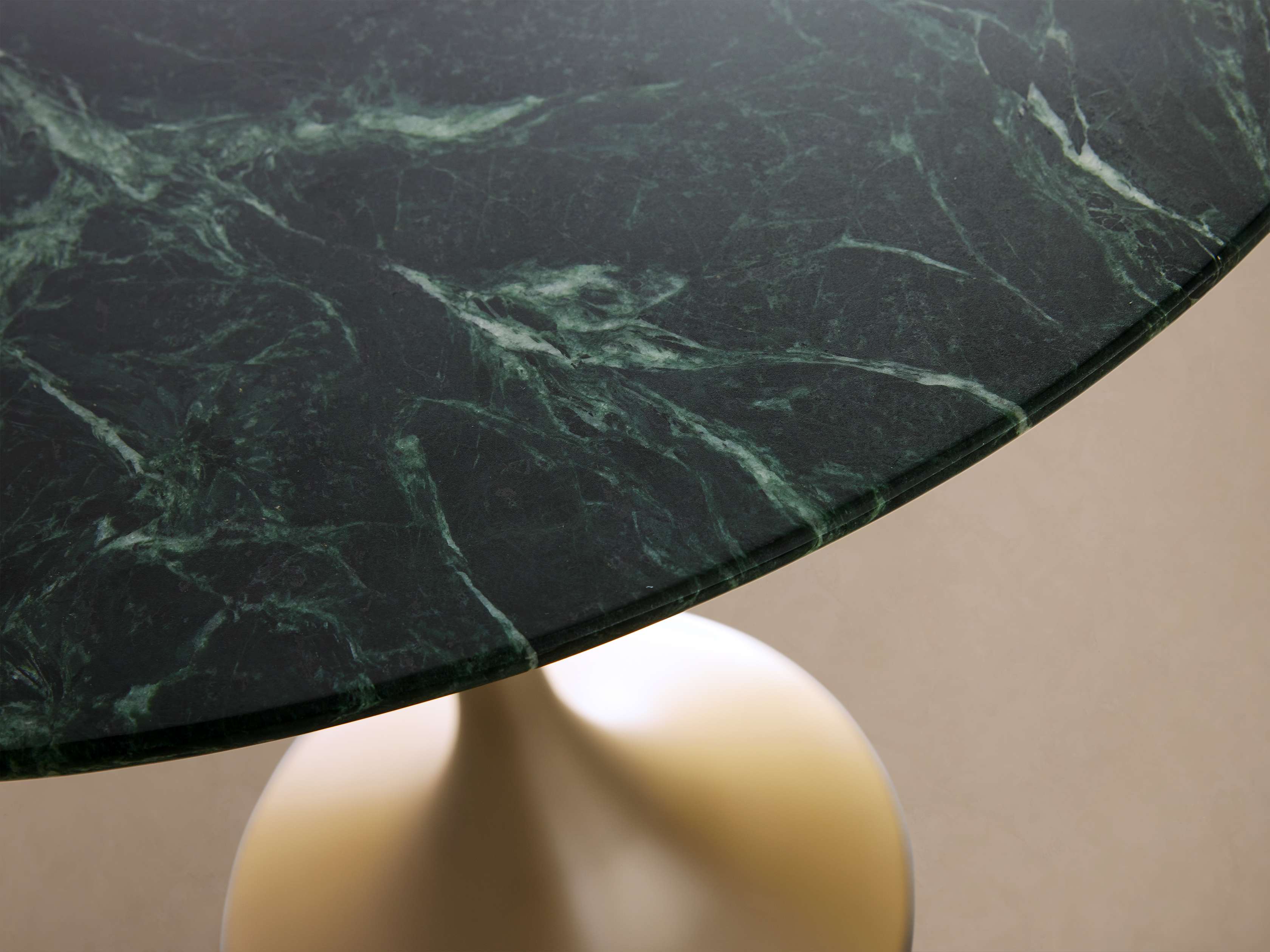
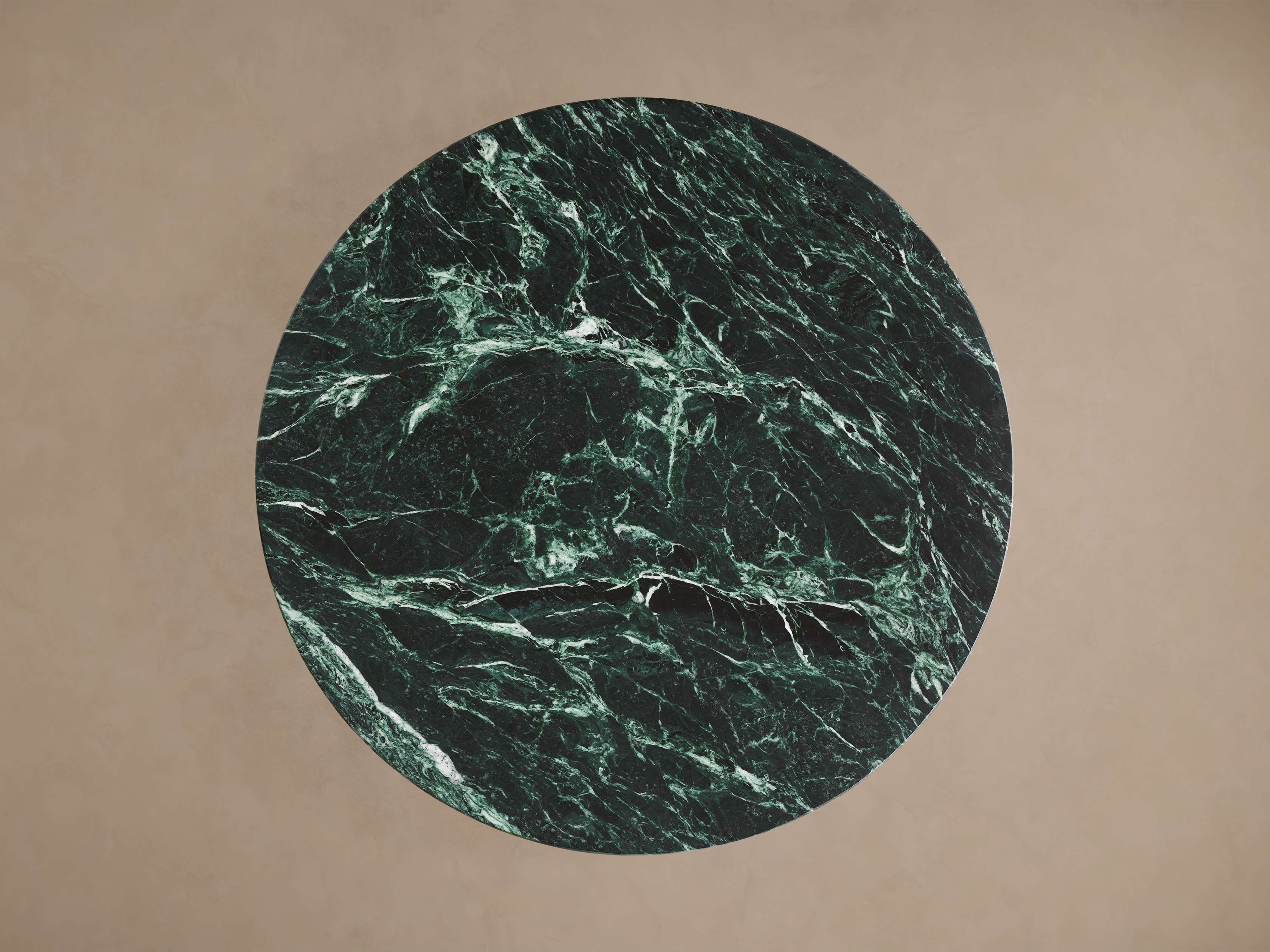
- Marble-topped counter tables in Carrara, Julian Jade, and cream stone
- Recycled metal counter tables in brass and copper
- Bases designed to pair with counter-height stools rather than bar stools
-
Finishes that match easily with existing kitchen or dining furniture
How to Choose the Right Height and Finish
A few practical things to think through:
Height. Bar tables generally run 40 to 42 inches high and pair with bar stools around 28 to 30 inches. Counter tables run closer to 34 to 36 inches and pair with counter stools around 24 to 26 inches.
Shape. If you're specifically after a round bar table, check the individual product listing for exact dimensions, since round and rectangular options aren't always available in the same finish. Rectangular tables generally offer more seating along the edges, while round tables tend to suit tighter, more social spaces where people are facing each other.
Material. Designed for real-life use, stone and marble tables provide a sturdy surface that can handle everything from family meals and hot plates to everyday wear.
Stool pairing. Match your table height to the correct stool height rather than choosing them separately, since even a small mismatch will make the setup feel off.
FAQ
What's the difference between a bar table and a counter table?
A bar table stands taller, generally 40 to 42 inches high, and pairs with bar-height stools, while a counter table sits closer to standard kitchen counter height, around 34 to 36 inches, and pairs with counter-height stools.
Does Maison Lumière carry a round bar table?
Shape availability varies by design and finish, so check the individual product page for each table's dimensions and shape before ordering if a round bar table is specifically what you're after.
What stool height pairs with a bar table?
Bar tables generally pair with stools around 28 to 30 inches in seat height, which leaves about 10 to 12 inches of clearance between the seat and the tabletop.
Is a marble or metal top better for a bar table?
Marble tops resist heat and scratches well and offer a cleaner, more polished look. Recycled metal tops bring more visual texture and character but may show wear or patina differently over time depending on the finish.
Can a bar table be used as a standalone dining spot?
Yes. Many people use a bar table for casual meals, especially in smaller spaces where a full dining table isn't practical, as long as there's enough stool seating around it.
