




File Cabinets

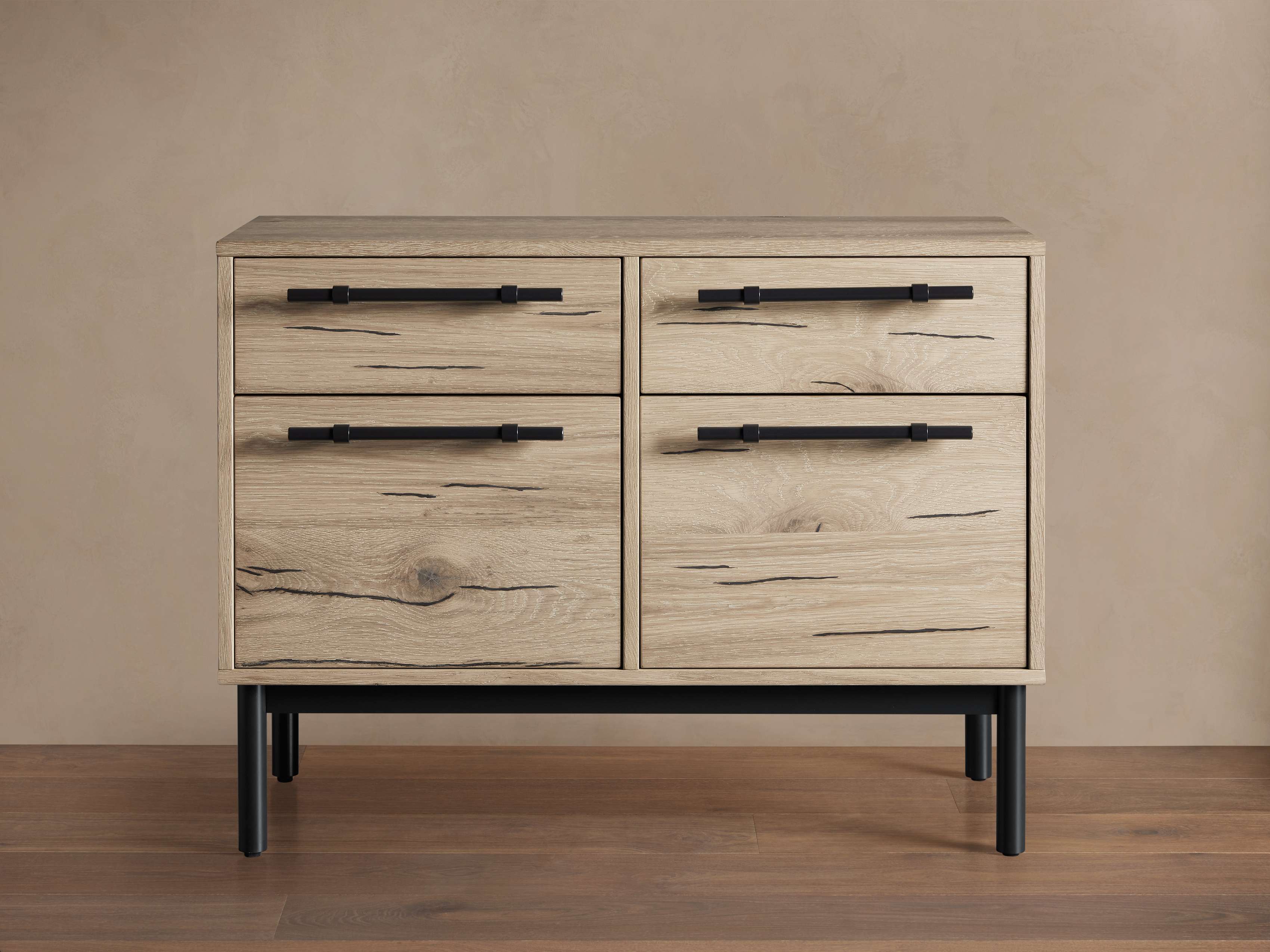
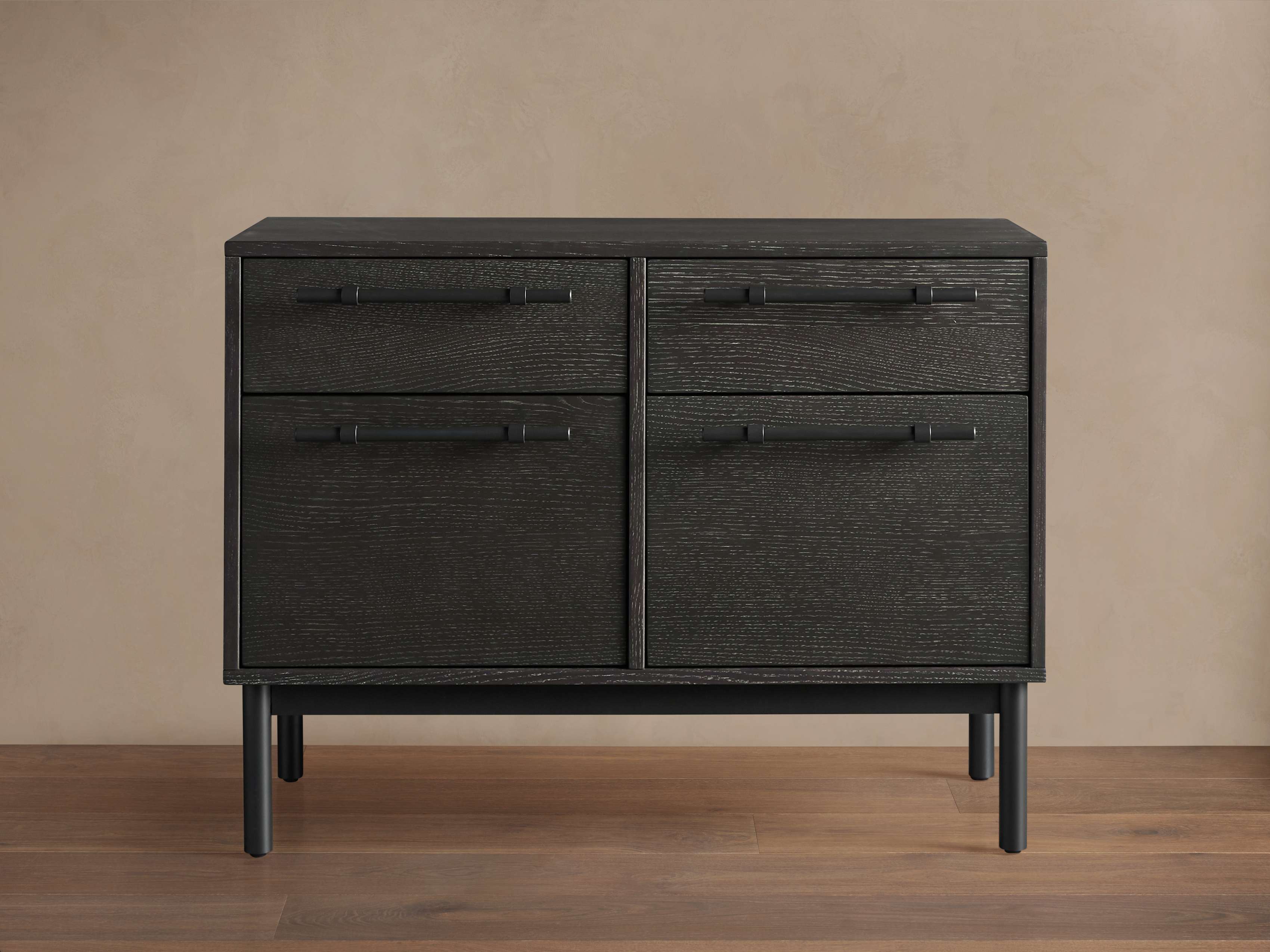
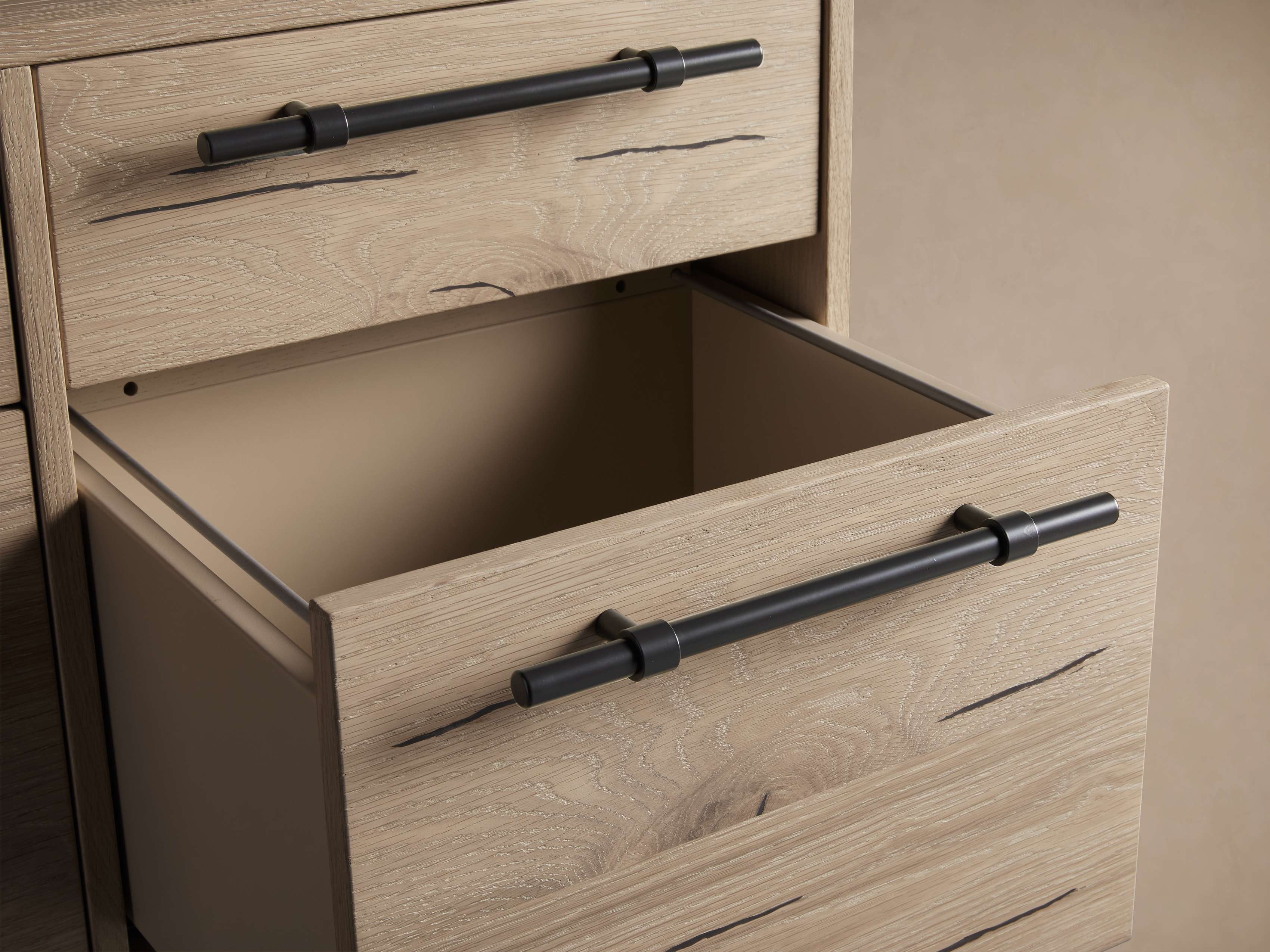
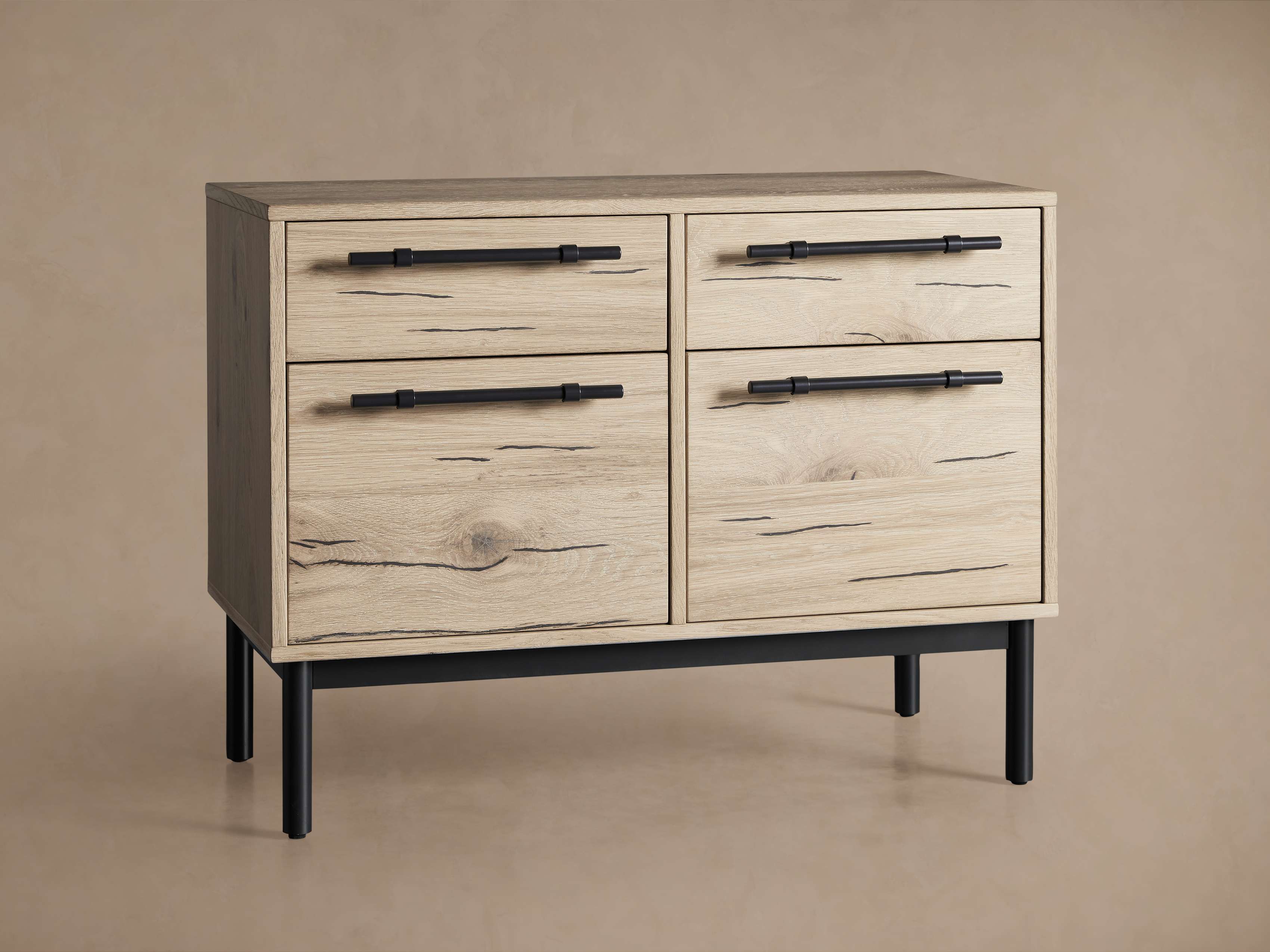
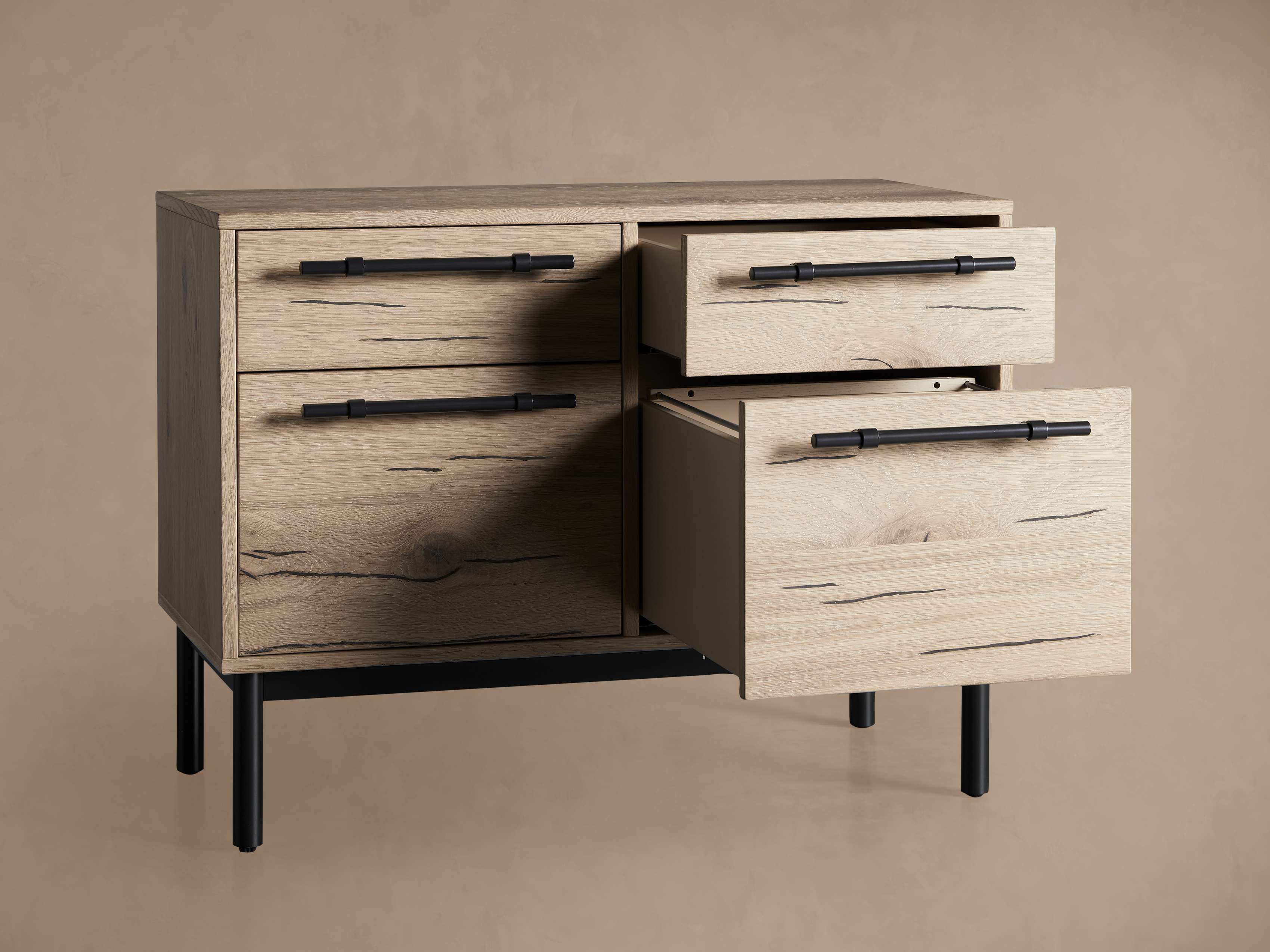
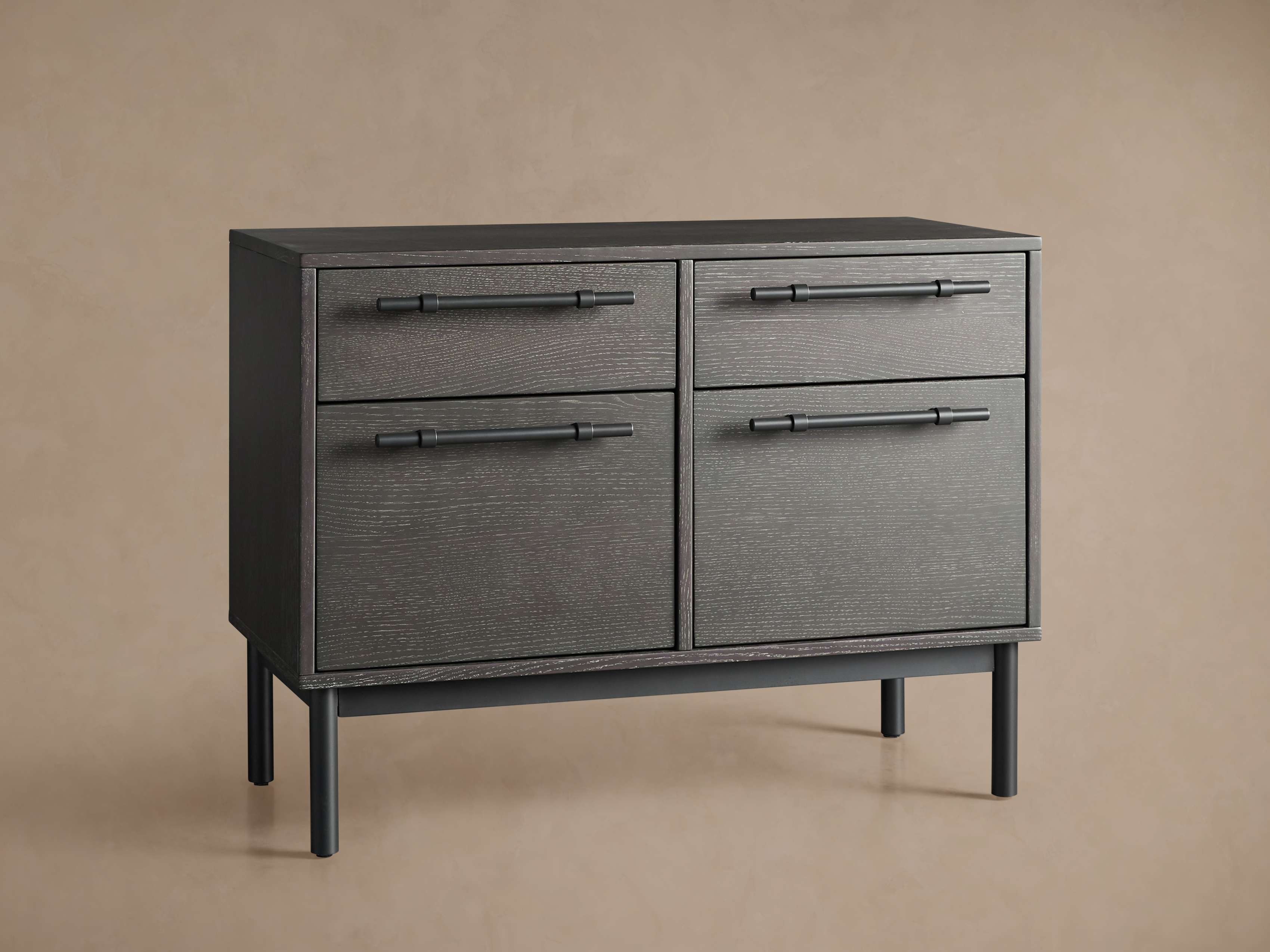
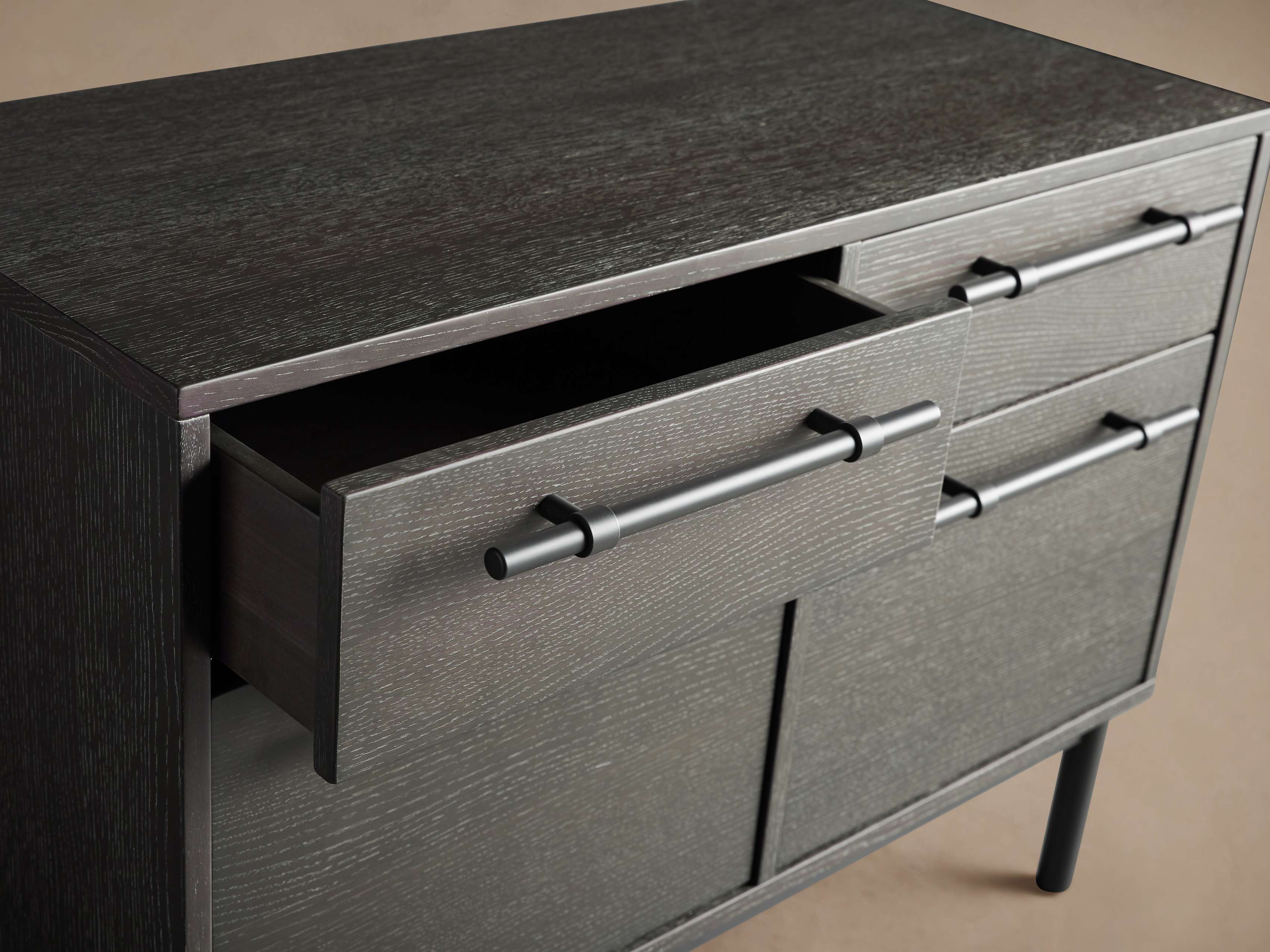
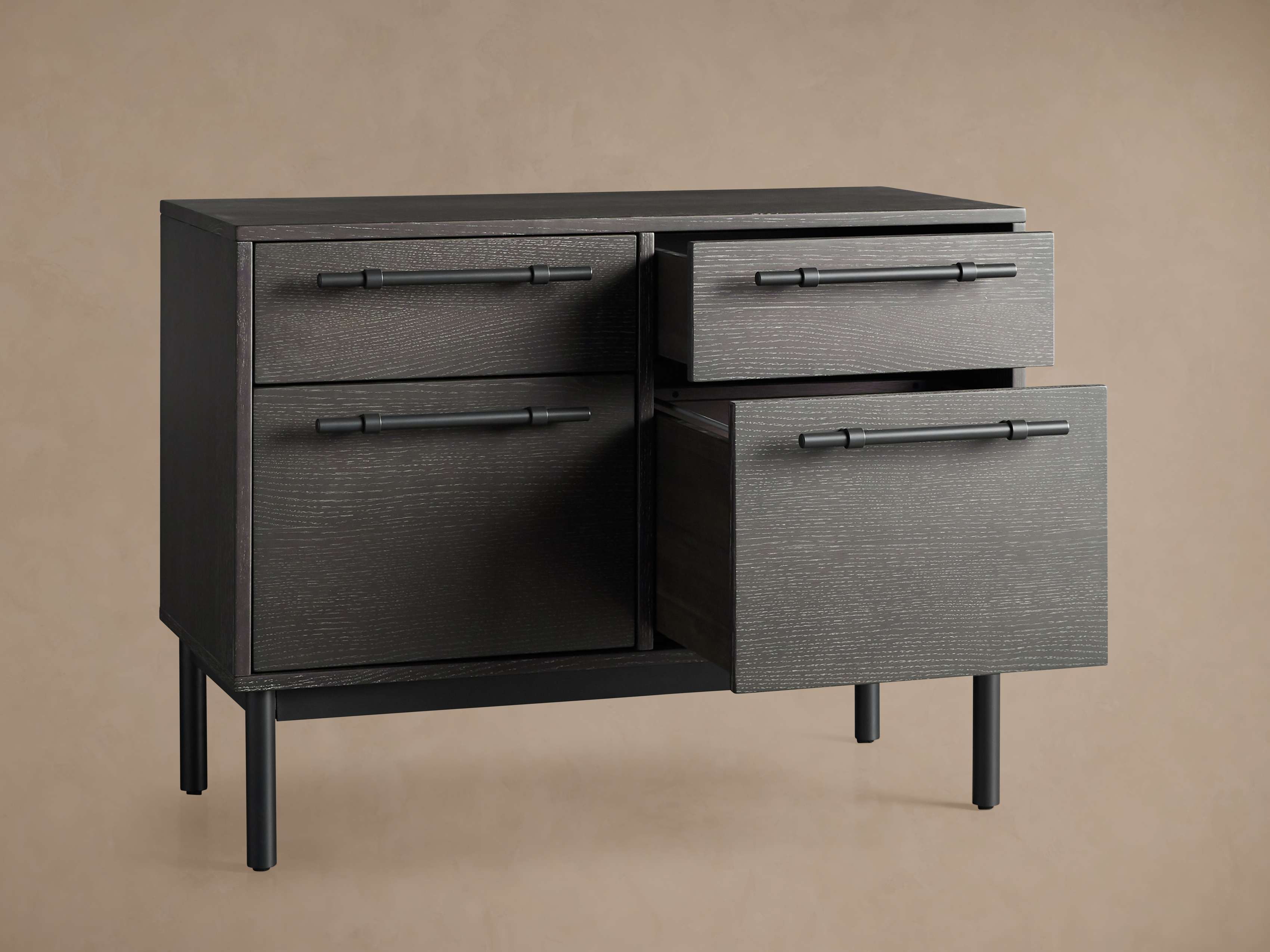


A file cabinet gives paperwork, office supplies, and everyday essentials a proper place without requiring an entire room of storage furniture. In a home office, the right cabinet can keep documents close at hand while helping the workspace stay clear and organised.
This collection of file cabinets brings practical office storage into a more considered furniture setting. Whether you need a dedicated place for important paperwork or additional storage beside your desk, these cabinets offer a way to keep work essentials within reach without letting them take over the room.
File Cabinets for Everyday Office Storage
A file cabinet is useful when documents need to be accessible but shouldn't remain scattered across a desk. It gives paperwork a designated location, making it easier to separate current projects, records, stationery, and other office essentials.
For a home workspace, a compact cabinet can sit beside or beneath a desk, keeping frequently used items within easy reach. Larger office arrangements may benefit from a more substantial storage piece that handles a greater volume of documents and supplies.
The best setup depends on what you actually need to store. If most of your paperwork is digital, a smaller cabinet may be enough. If your work involves physical files, contracts, records, or printed materials, additional capacity becomes more important.
Office Cabinets That Work Beyond Paperwork
Modern office storage cabinets can hold much more than paperwork. They provide convenient space for notebooks, folders, stationery, technology accessories, and other everyday items that can quickly clutter a workspace.
This makes a file cabinet useful when storage needs go beyond documents. A cabinet placed beside a desk can keep frequently used supplies within easy reach, while the top can hold a desk lamp, books, or a few decorative objects, depending on the design.
In a visible home office, the cabinet should also work with the surrounding furniture. A well-designed storage piece can complement your desk, chair, bookcase, and other furnishings while keeping the workspace organized.
Choosing a File Cabinet Finish and Style
Consider how the file cabinet will look alongside the furniture you already have in the office. A substantial cabinet can add visual weight to a room, while a simpler design can blend into a lighter, more open workspace.
Consider the finishes of your desk, bookcases, shelving, and other storage pieces when making your choice. Matching doesn't have to mean using the same material or colour. Similar tones, textures, or proportions can be enough to create a cohesive arrangement.
For a more traditional office, deeper finishes and substantial construction can give the room a grounded feel. In a contemporary workspace, cleaner shapes and understated finishes can keep the furniture from making the room feel crowded.
Positioning a File Cabinet in Your Workspace
Where you place a file cabinet affects how useful it will be. If you regularly access paperwork while working, keeping the cabinet close to your desk saves unnecessary movement and makes daily organisation easier.
Before choosing a location, measure the available floor space and account for the room needed to open drawers or doors. This is particularly important in smaller offices where a cabinet positioned too close to a desk or walkway can interfere with movement.
For larger rooms, a file cabinet can help fill an unused section of wall or balance a desk setup. In a compact home office, a smaller storage cabinet placed directly beside the desk may provide the most practical arrangement.
How to Choose the Right File Cabinet
Start by considering what you need to store. Make a rough estimate of how many documents, folders, and office supplies need a permanent home, then choose a cabinet with enough capacity without buying significantly more furniture than the room requires.
Next, think about access. Keep regularly used supplies close at hand, while archived paperwork and items you seldom need can be placed in less accessible areas.
Measure the space around your desk before purchasing. Check the cabinet's width, depth, and height, and make sure drawers or doors can open fully without hitting the desk, chair, wall, or another piece of furniture.
Finally, consider the cabinet as part of the entire room rather than as a standalone storage item. A modern file cabinet should provide the organisation you need while fitting naturally with the desk, shelving, lighting, and other furniture around it.
Frequently Asked Questions
What is a file cabinet used for?
A file cabinet is primarily used to organise and store documents, folders, paperwork, and office supplies. In a home office, it can also hold notebooks, stationery, technology accessories, and other items that need to be kept out of sight but easily accessible.
Is a file cabinet practical for a home office?
Yes. A home office file cabinet can be placed beside or near a desk to keep paperwork and supplies organised. Choosing a design that complements the rest of the room helps the storage piece feel like part of the furniture rather than commercial office equipment.
What should you keep in a file cabinet?
Use a file cabinet for documents and items that need organised storage, such as invoices, contracts, records, folders, stationery, notebooks, and work-related paperwork. You can also use available storage space for small office accessories and supplies.
What factors should I consider when selecting a file cabinet size?
Consider both the amount of storage you need and the available floor space. Measure the area where the cabinet will sit, then check its width, depth, and height. Don't forget to allow enough clearance for drawers or doors to open comfortably.
Should a file cabinet match my desk?
It doesn't have to match exactly. A file cabinet can coordinate with your desk through similar finishes, materials, colours, or design details. Using complementary pieces rather than an identical furniture set can create a more natural-looking office.
Can a file cabinet be used for storage other than files?
Yes. A file cabinet can store stationery, folders, notebooks, electronic accessories, office supplies, and other everyday workspace items. Depending on the design, the top can also be used for a desk lamp, books, or small decorative pieces.
