



Office Chairs

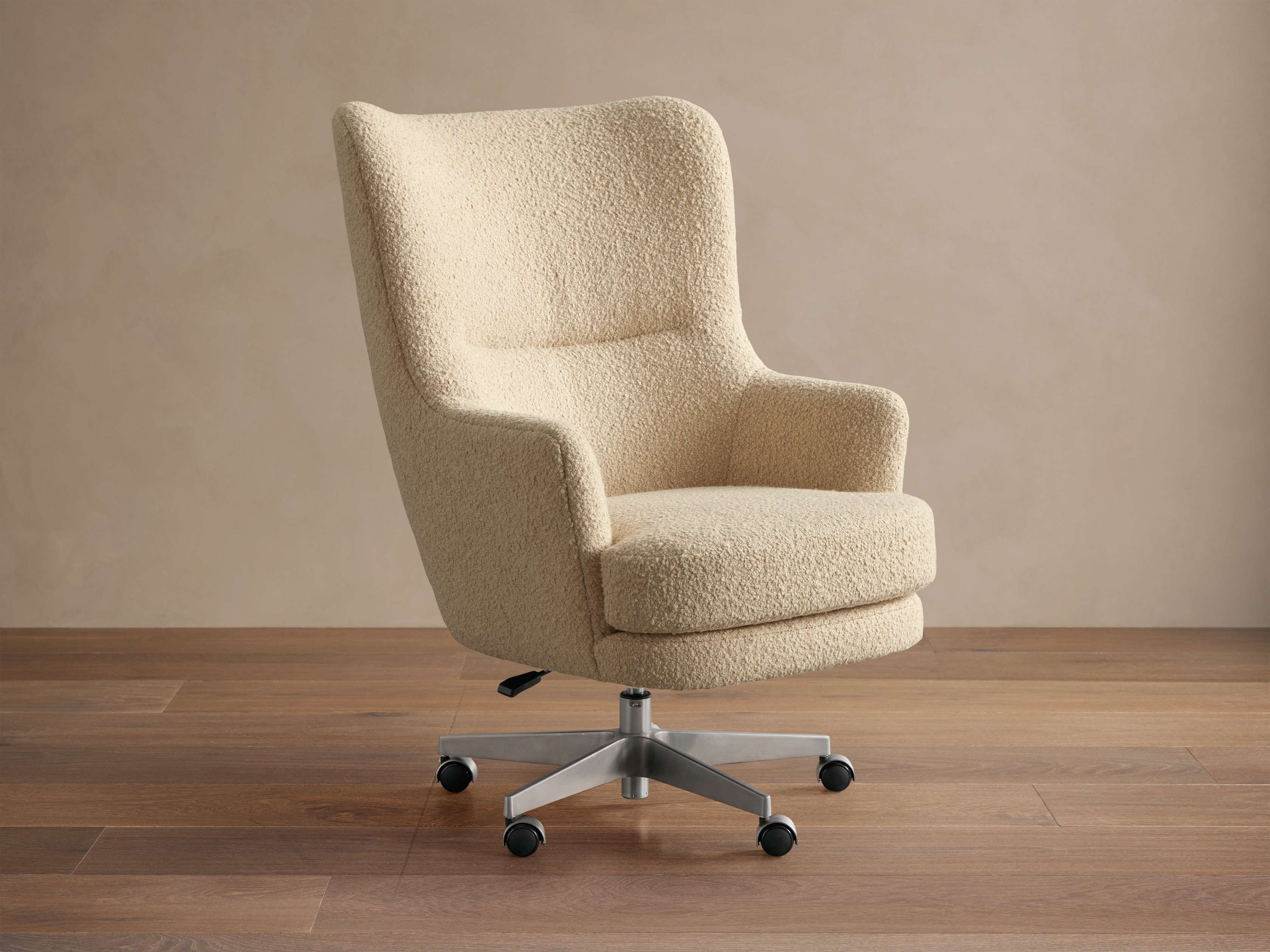
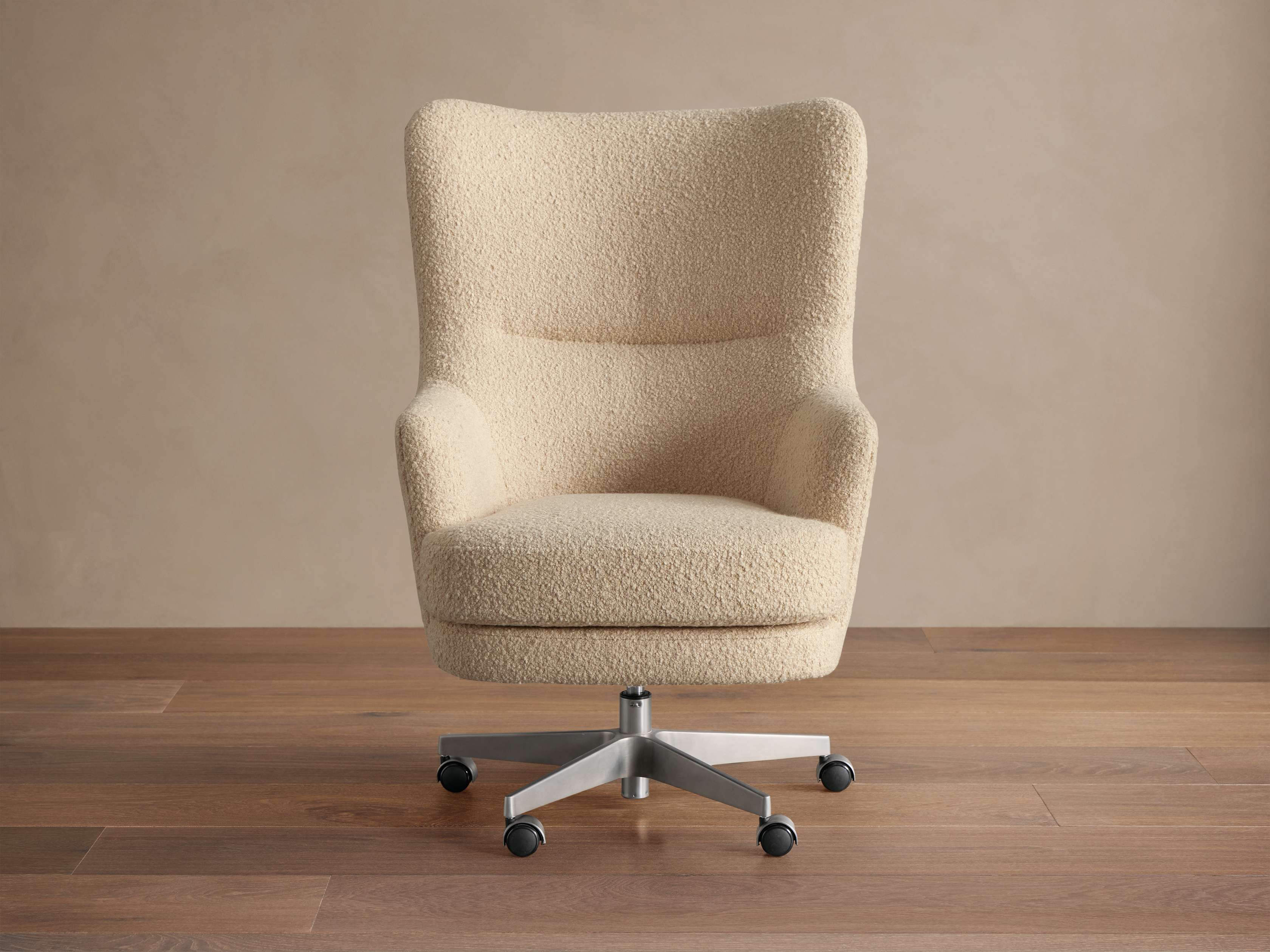
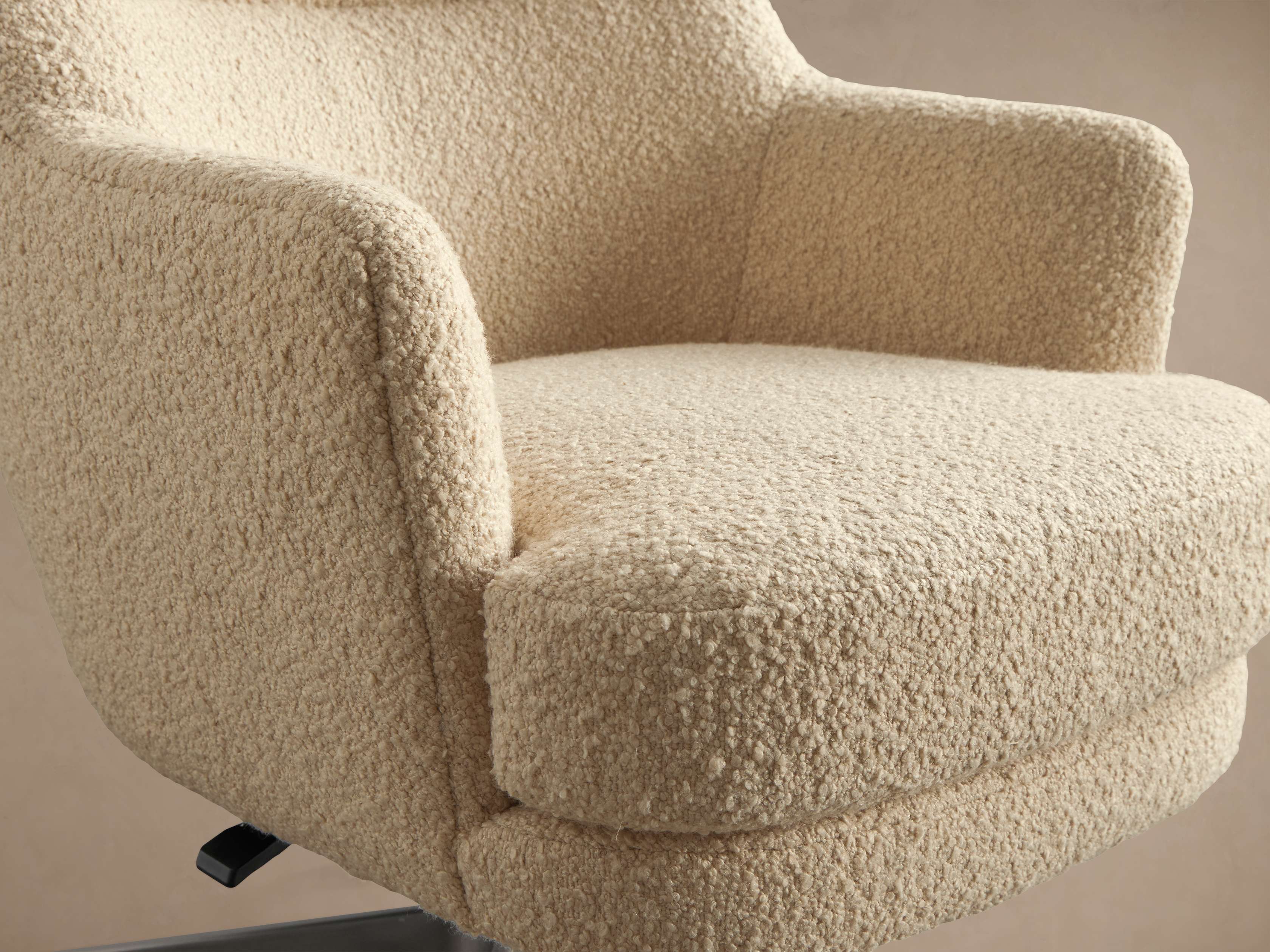
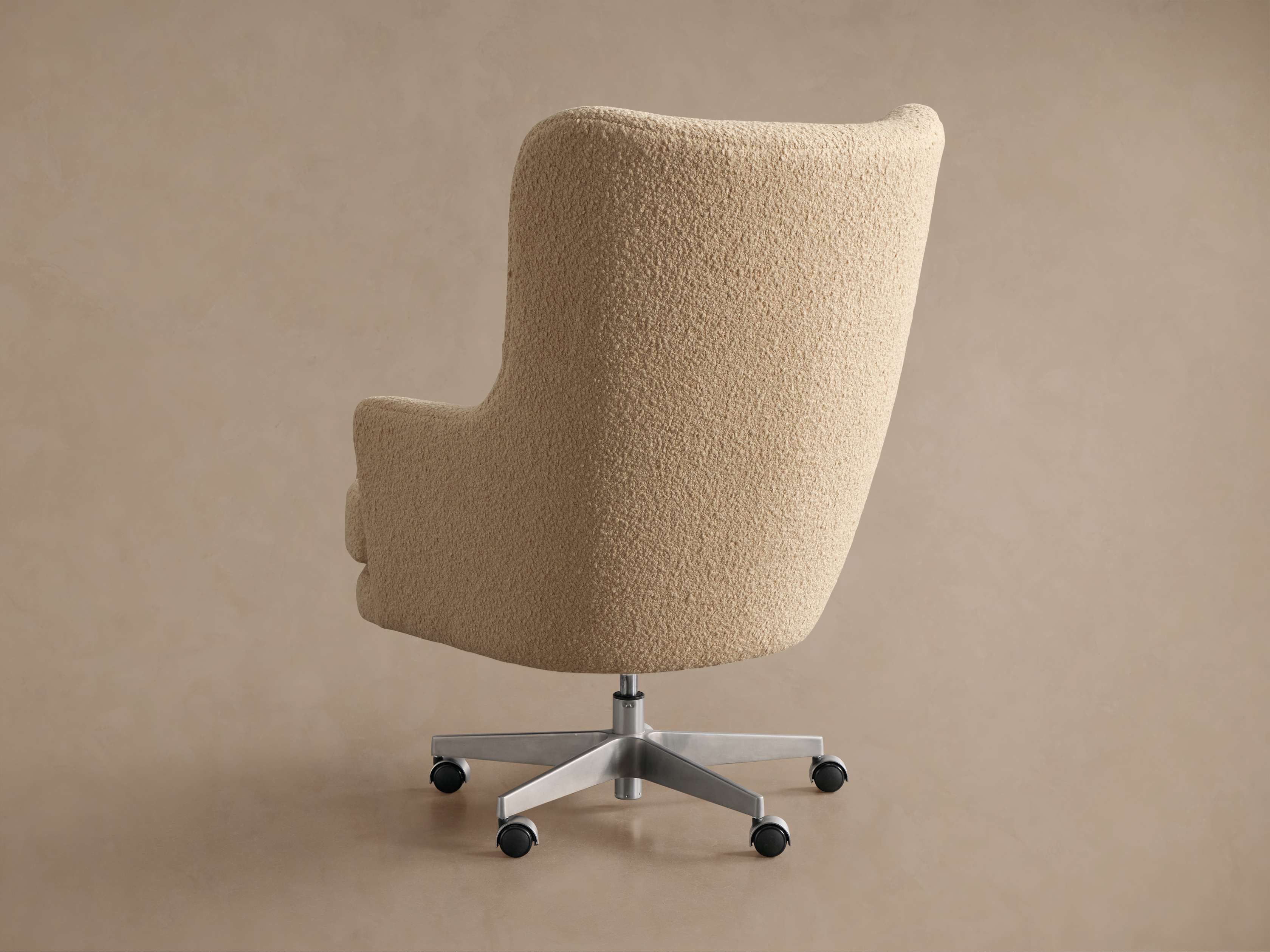
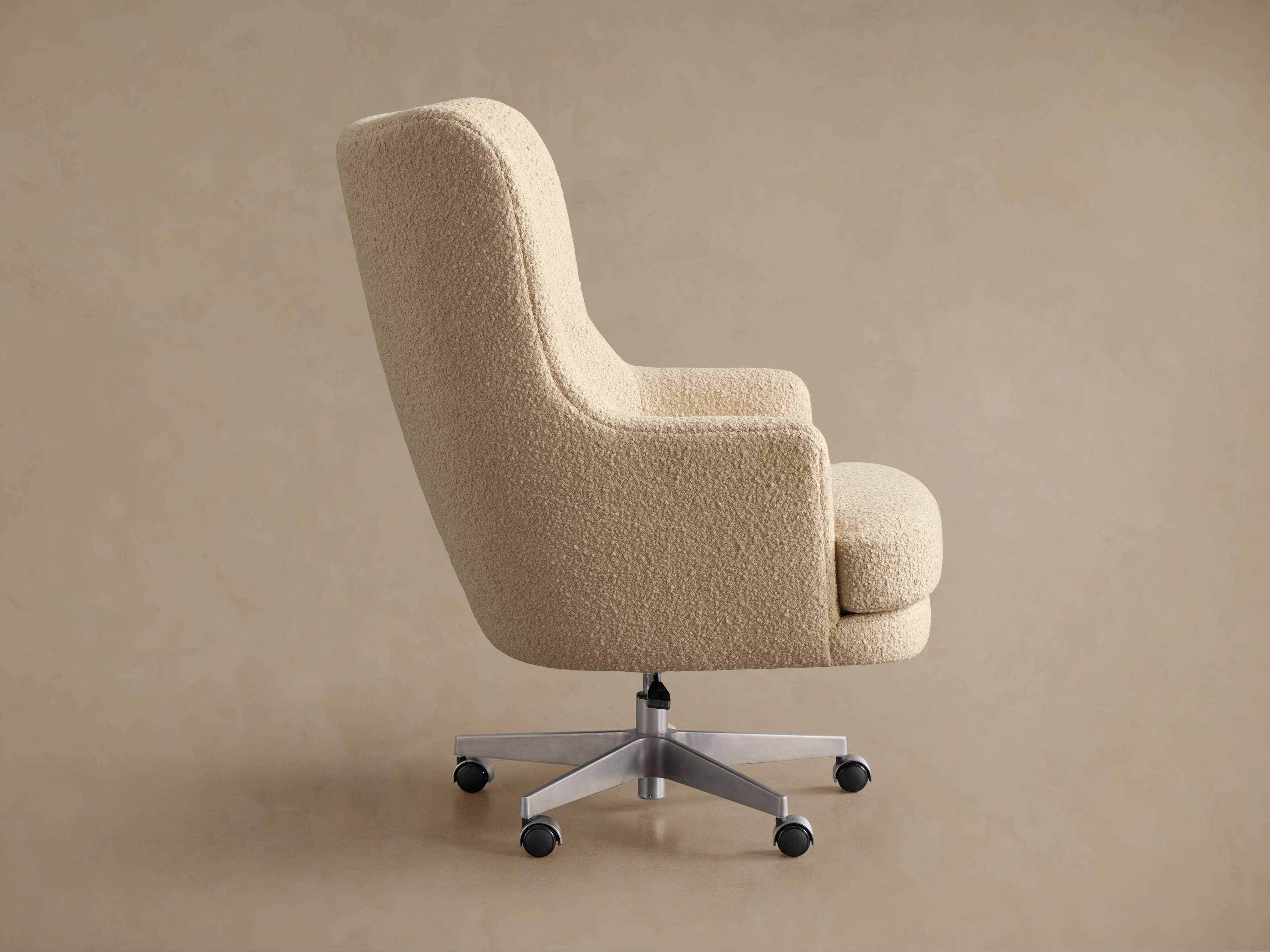
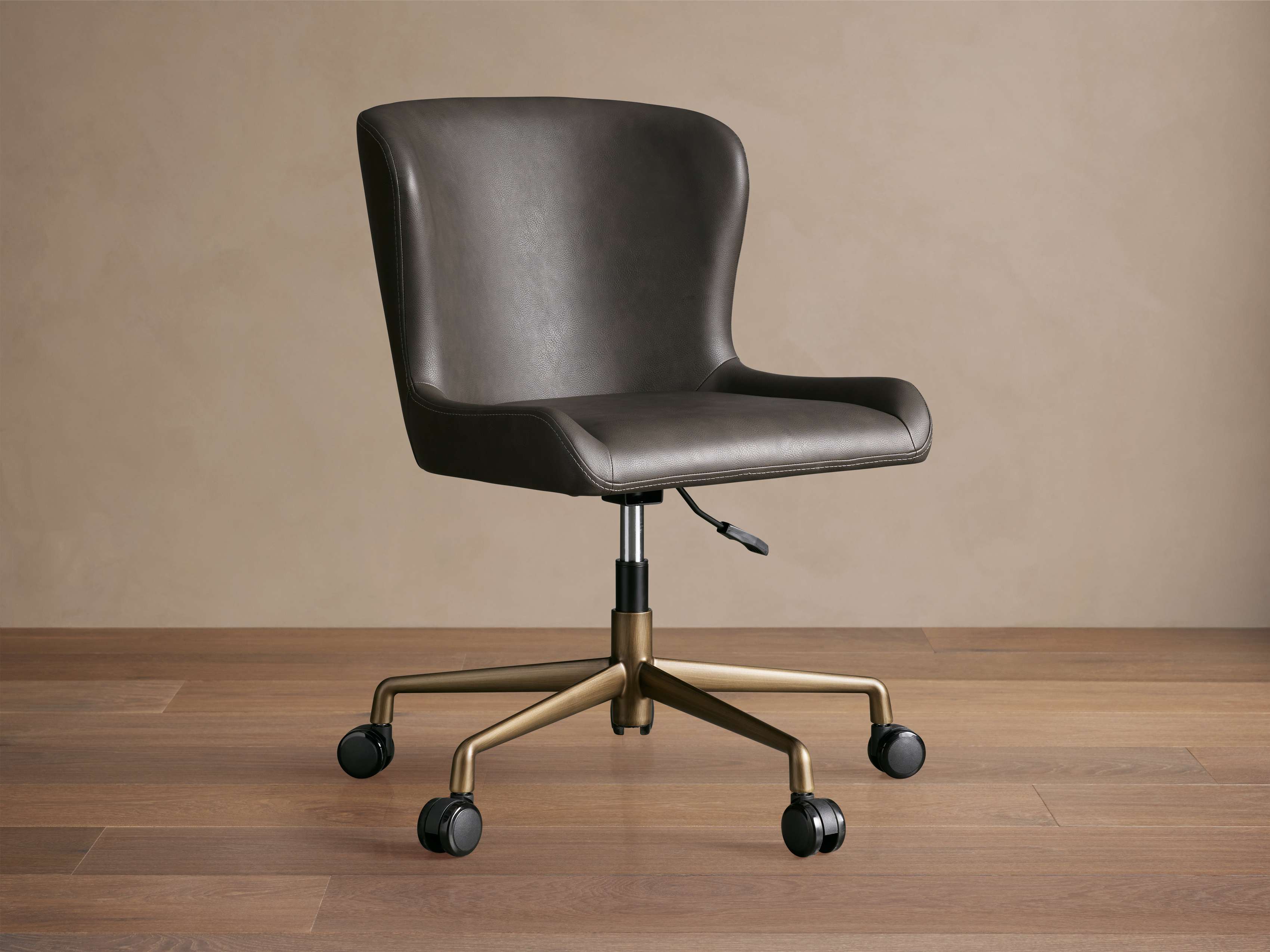
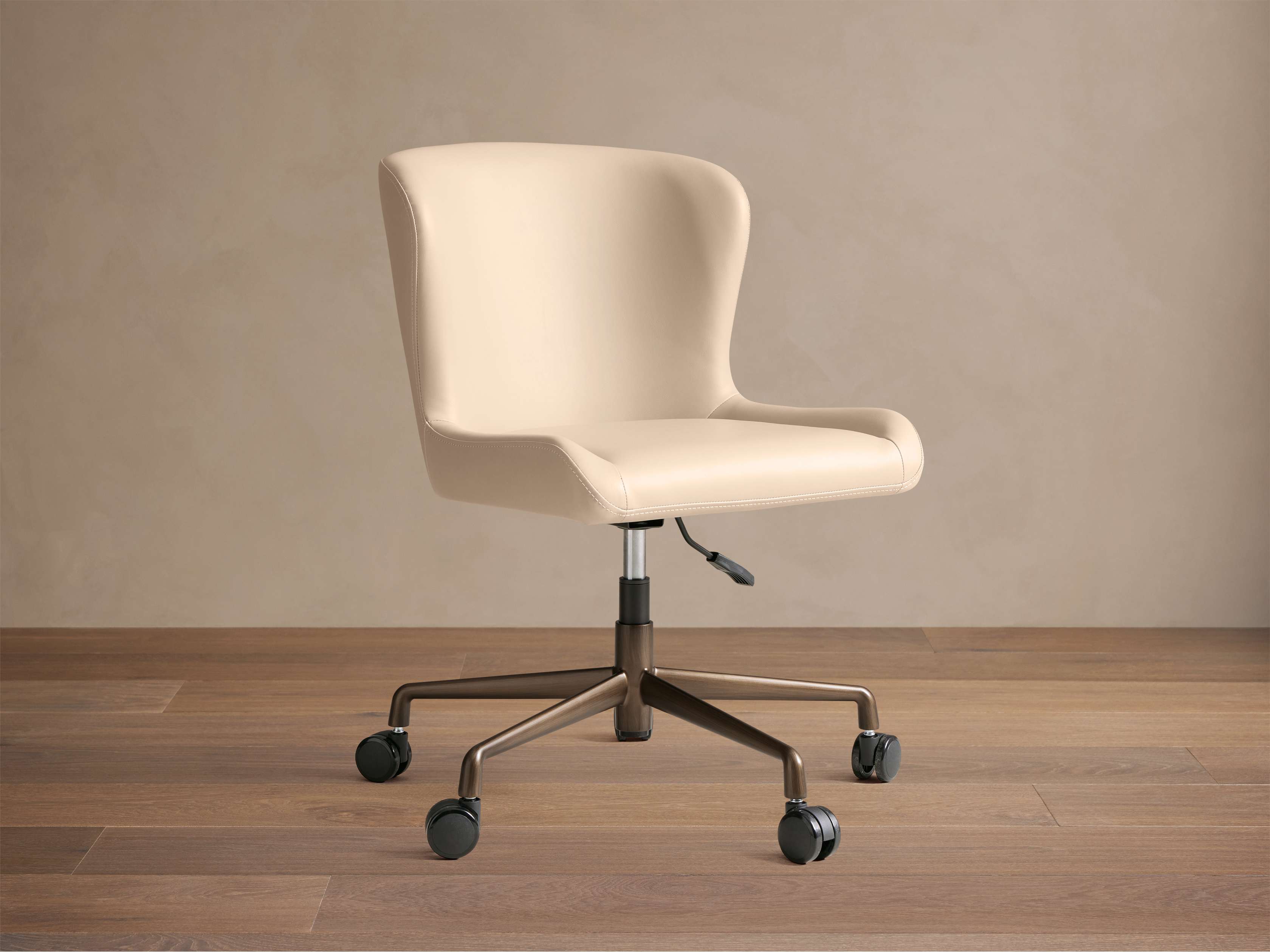
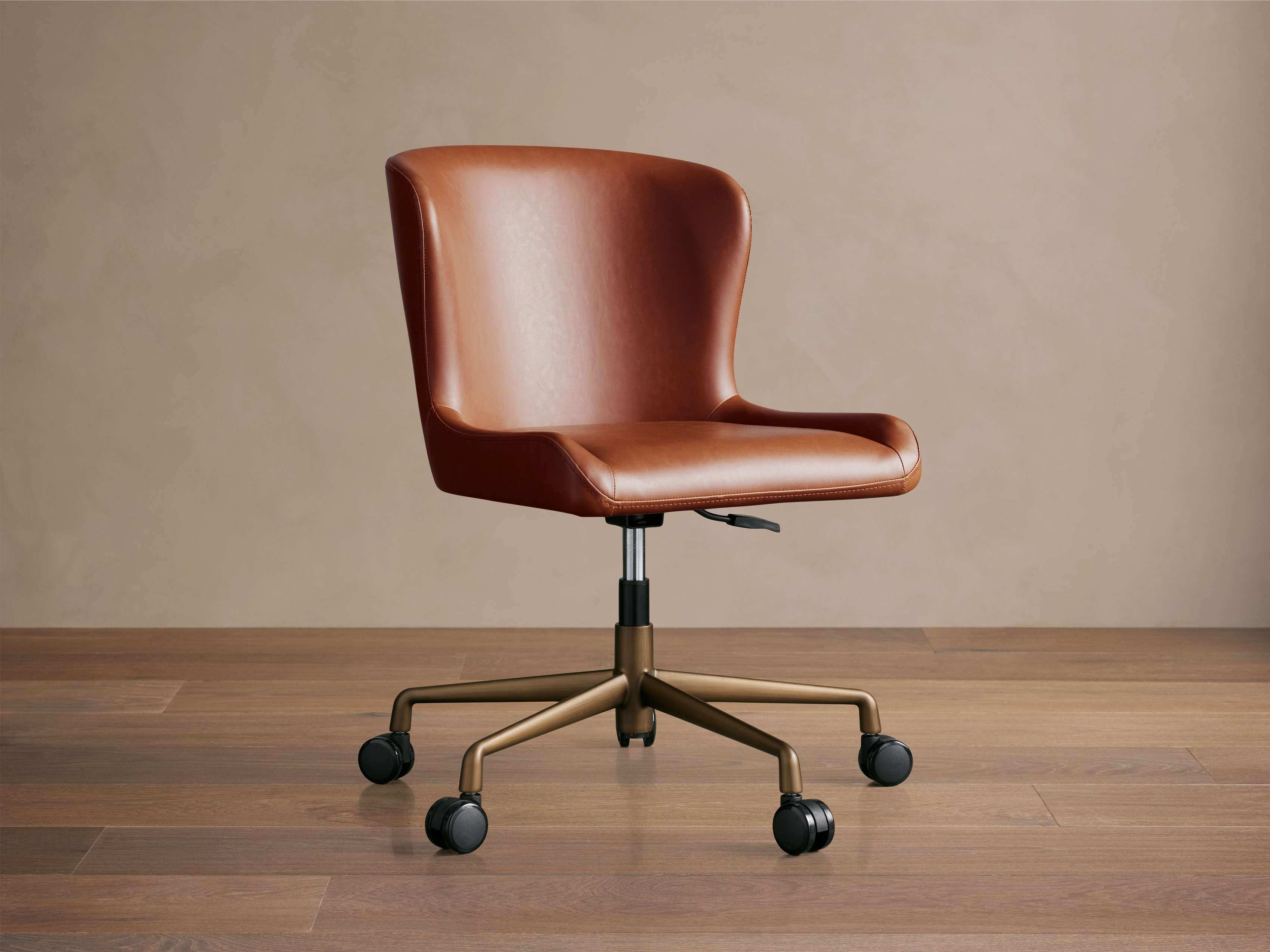
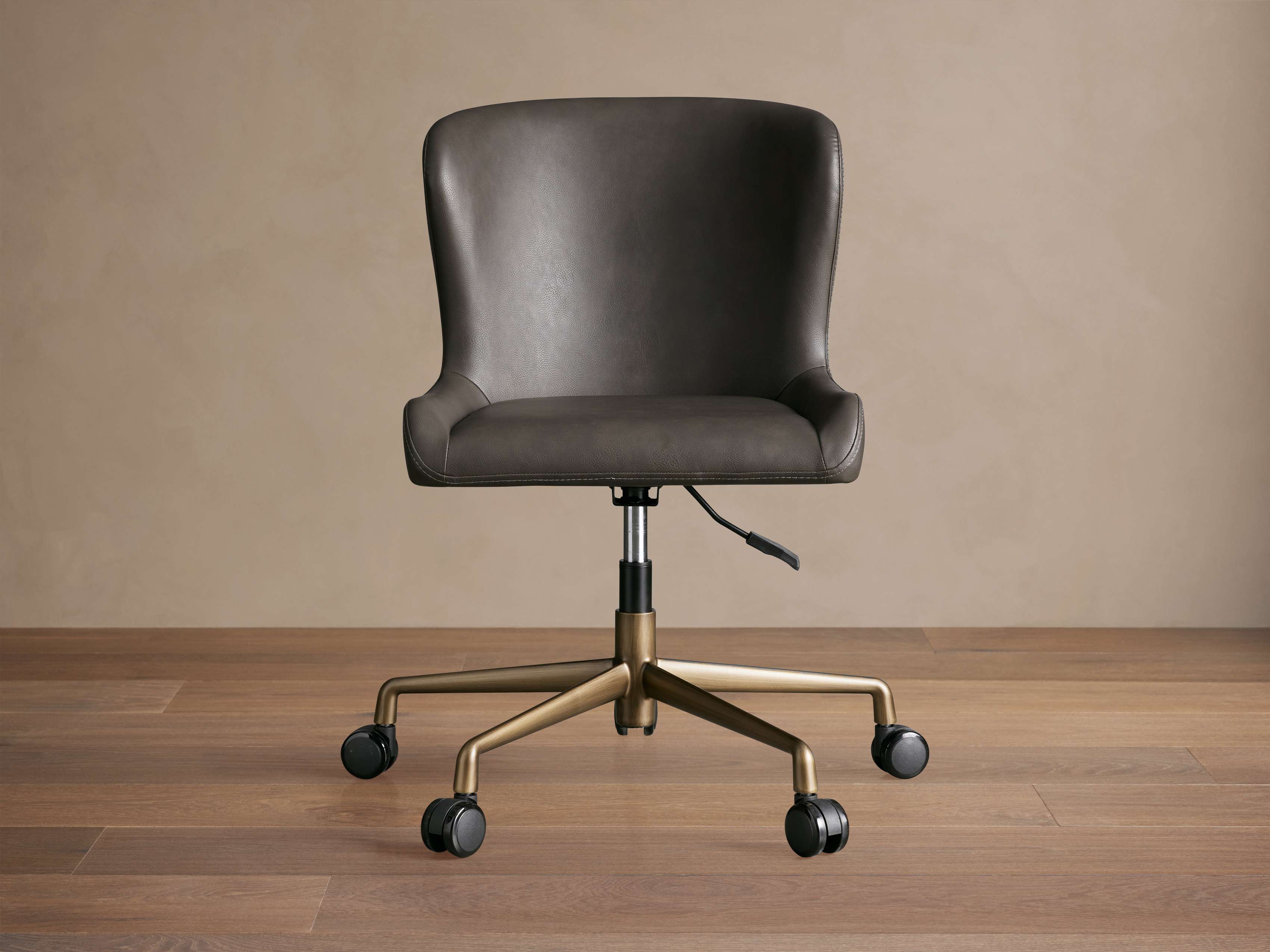
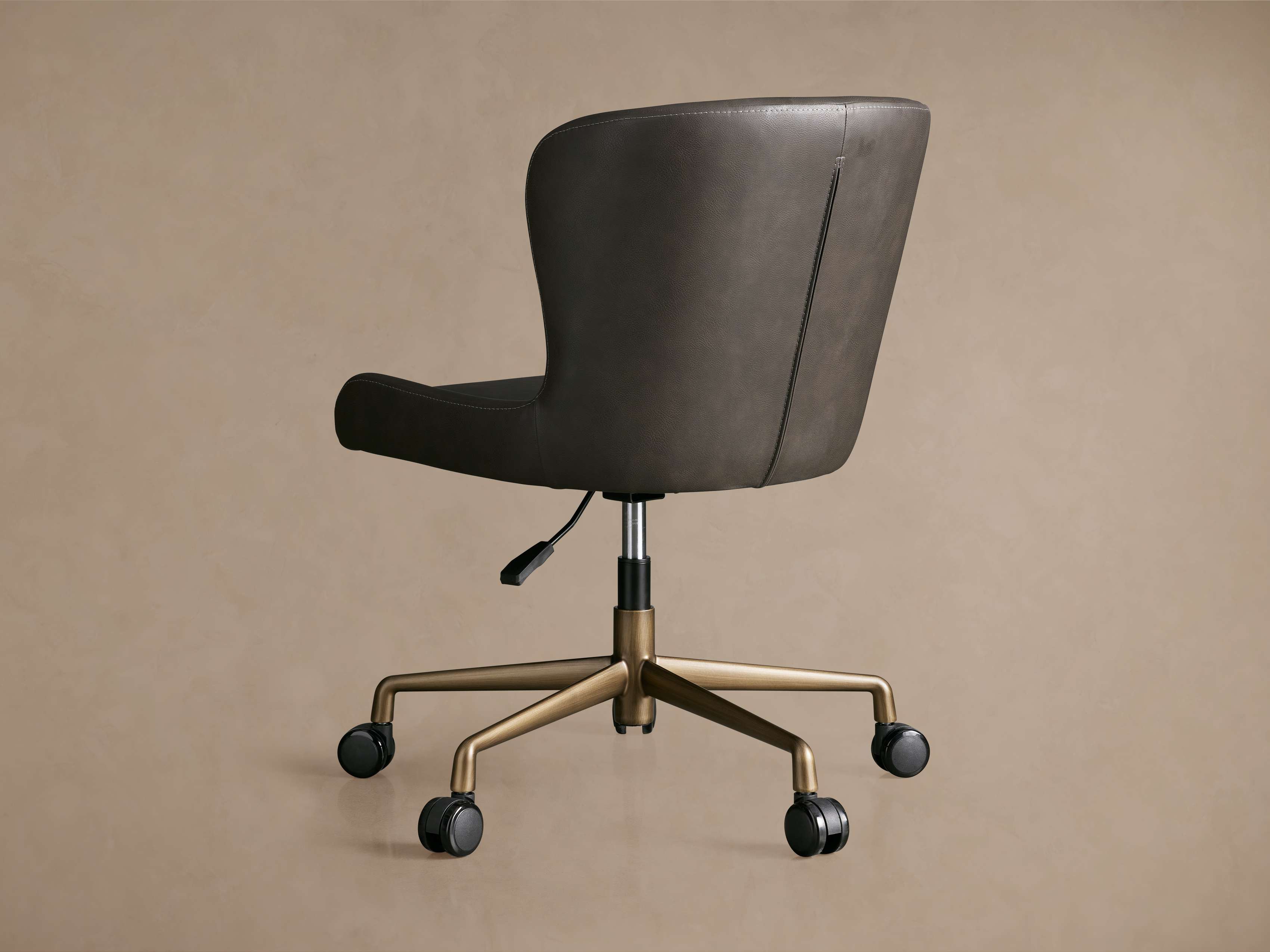
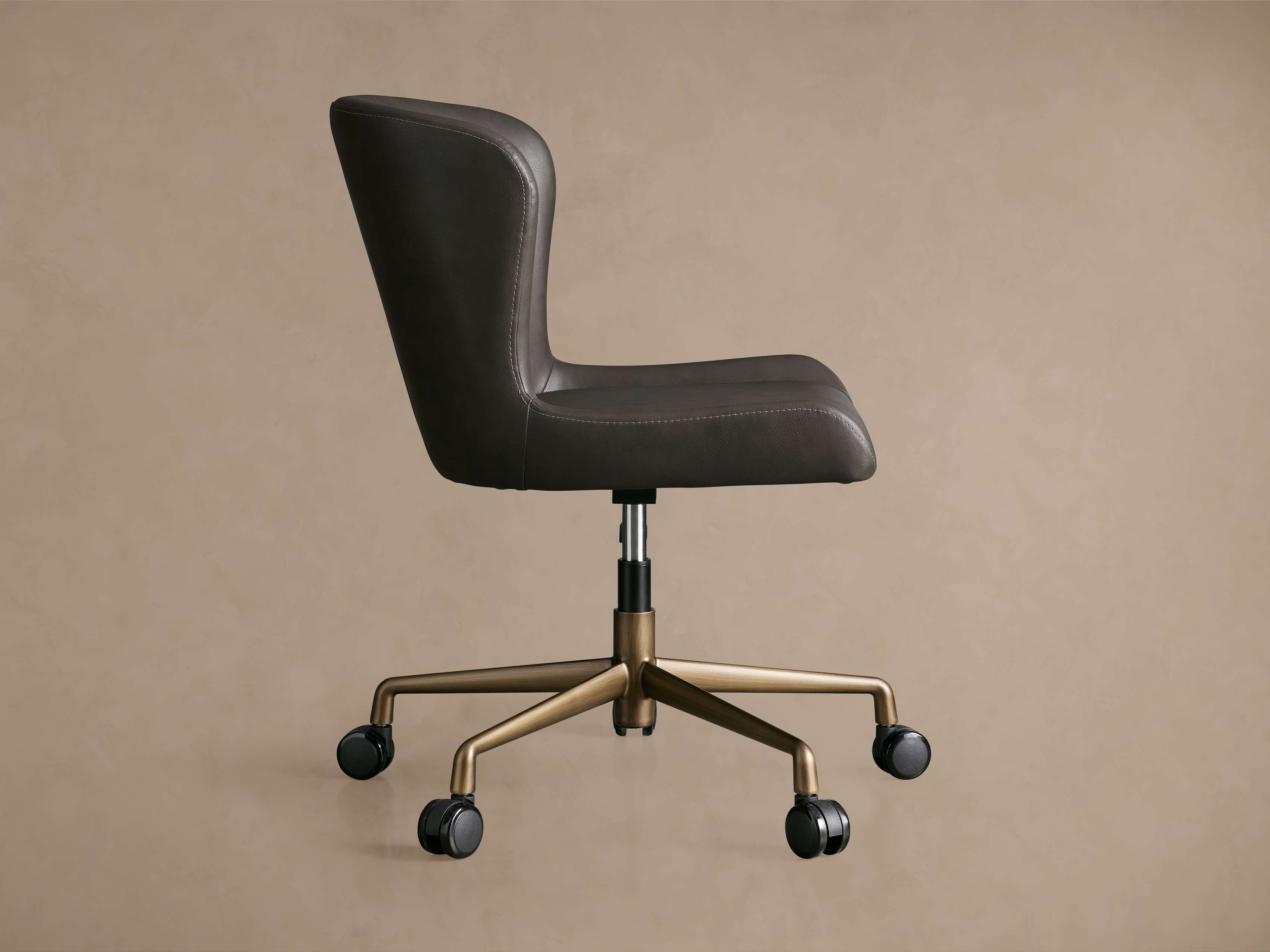
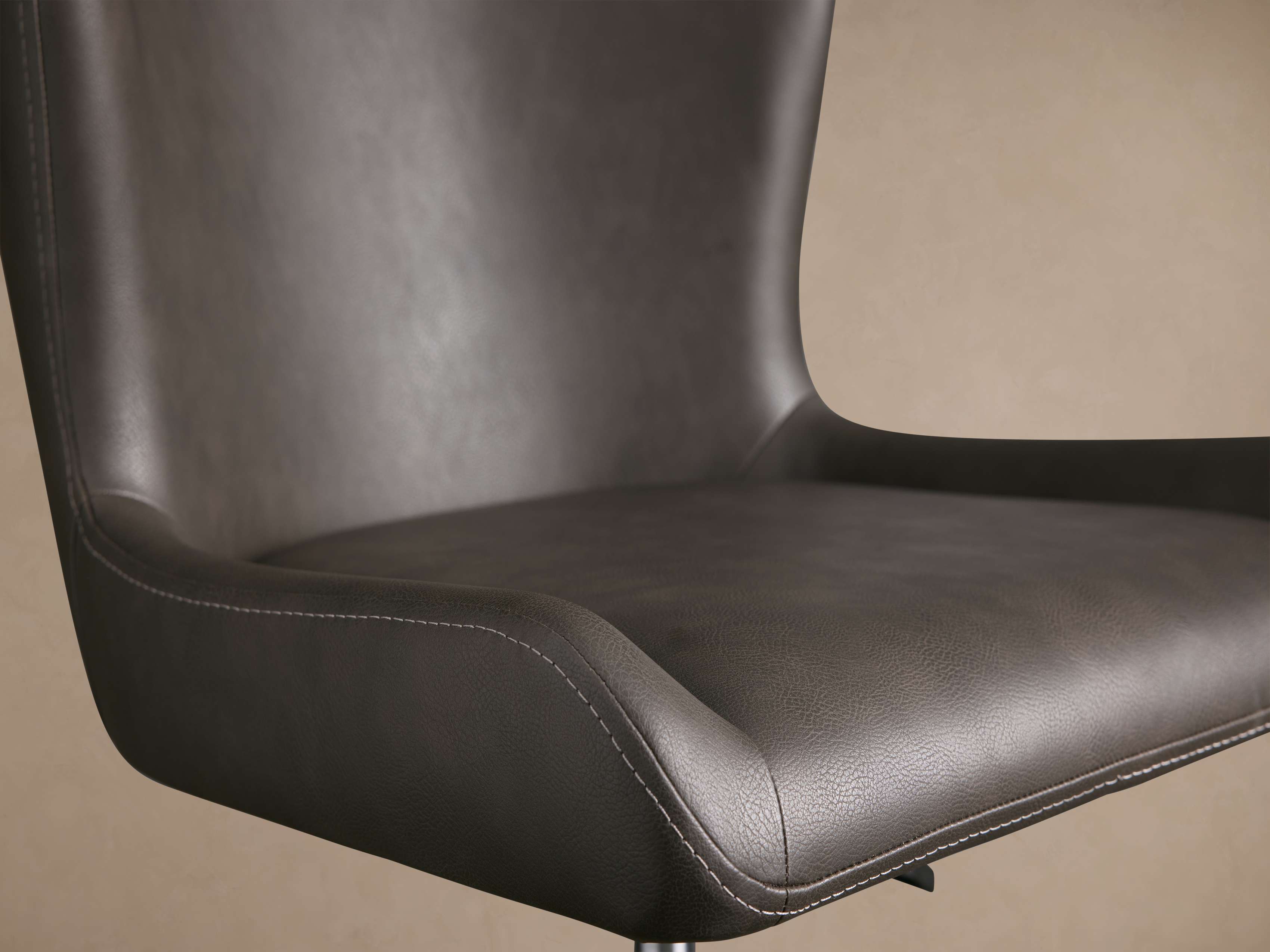
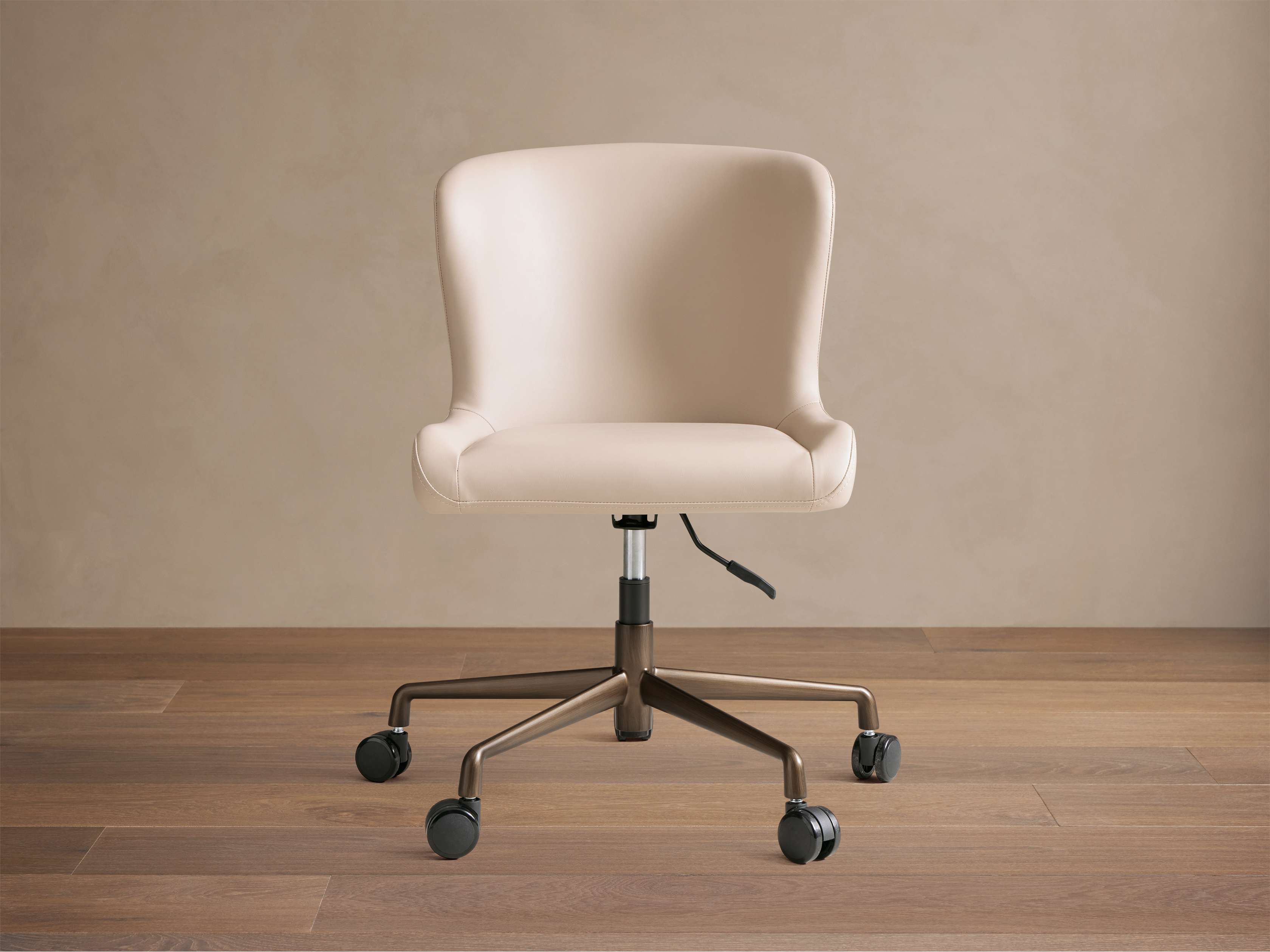
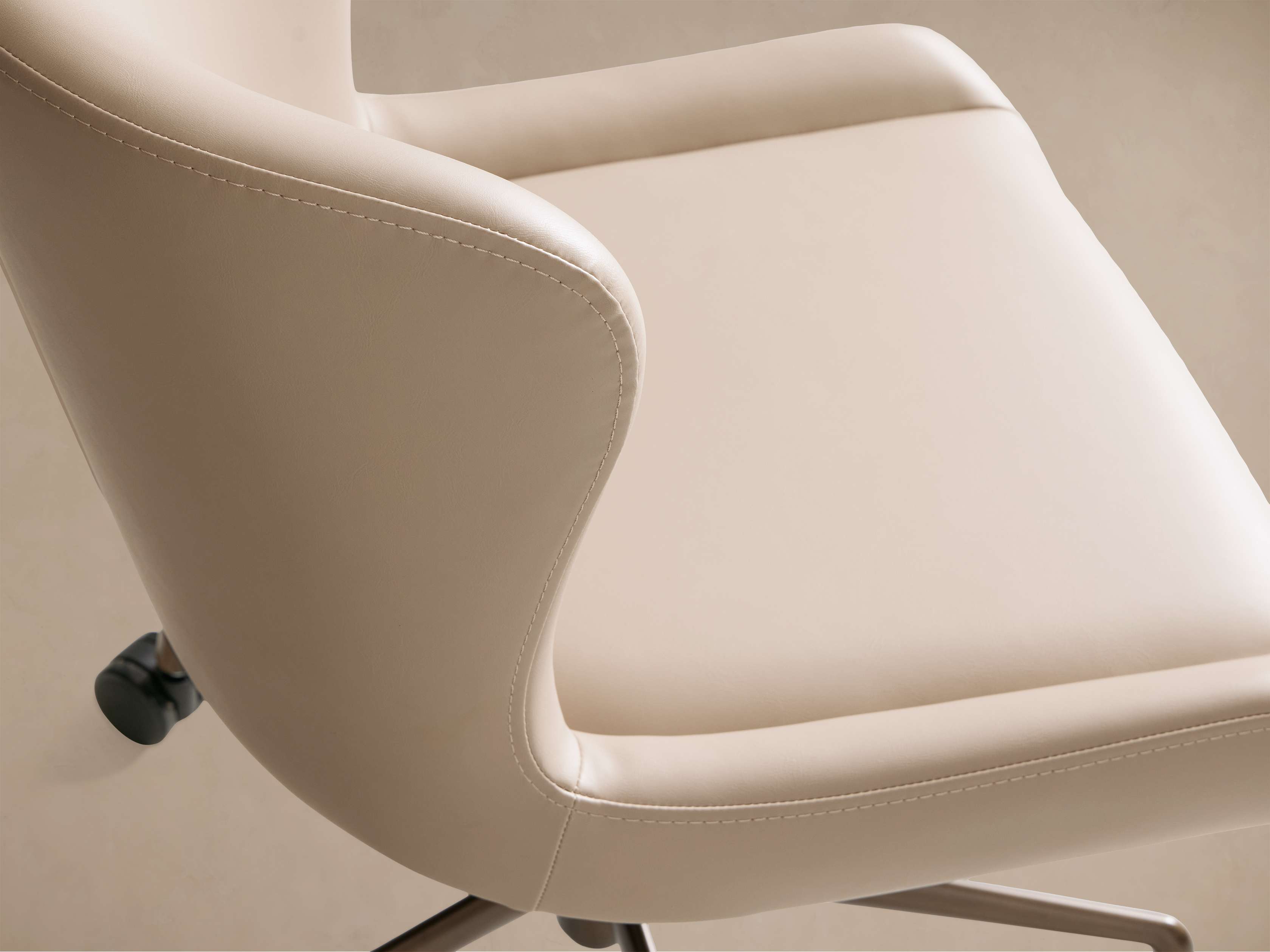
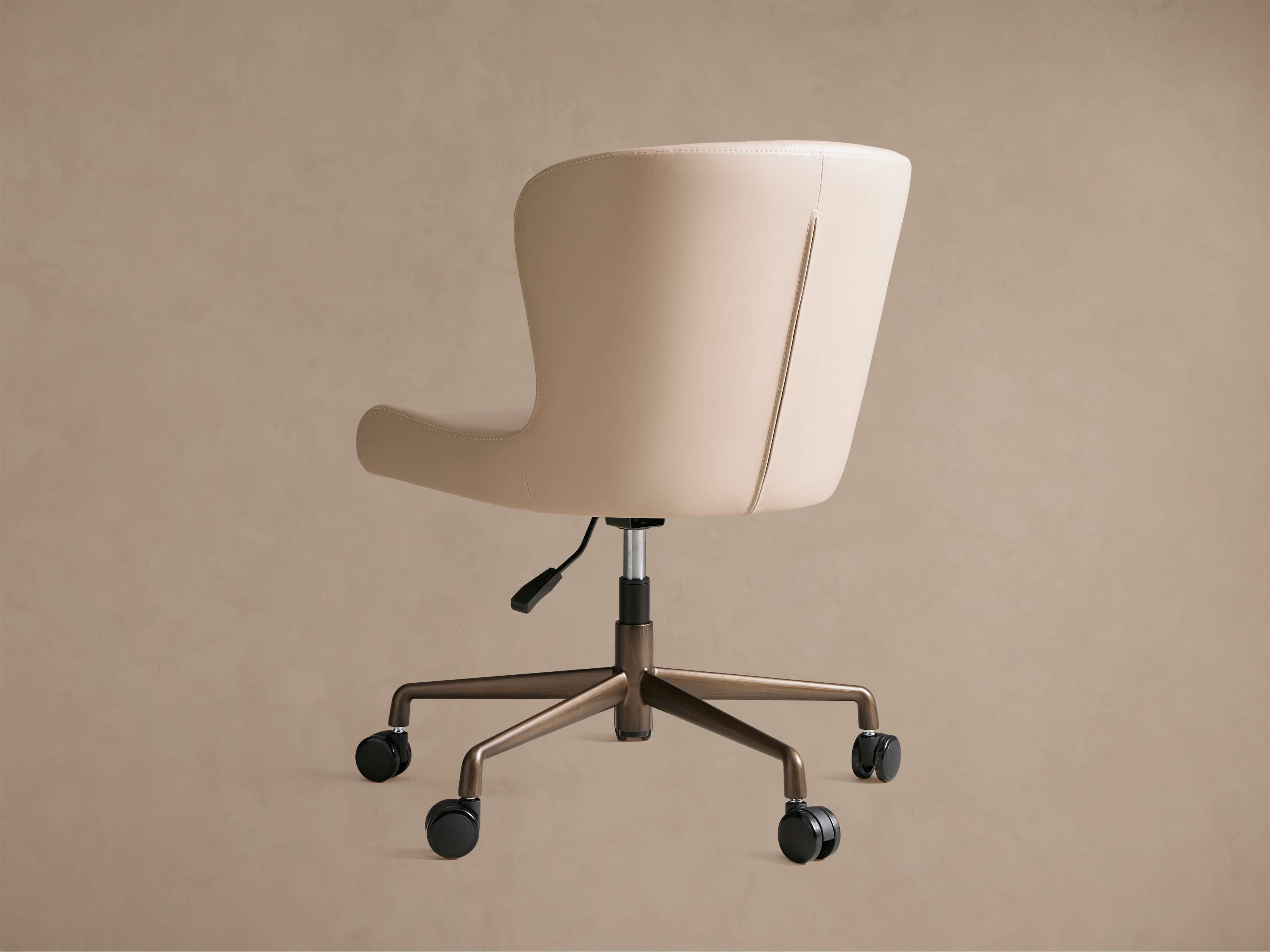
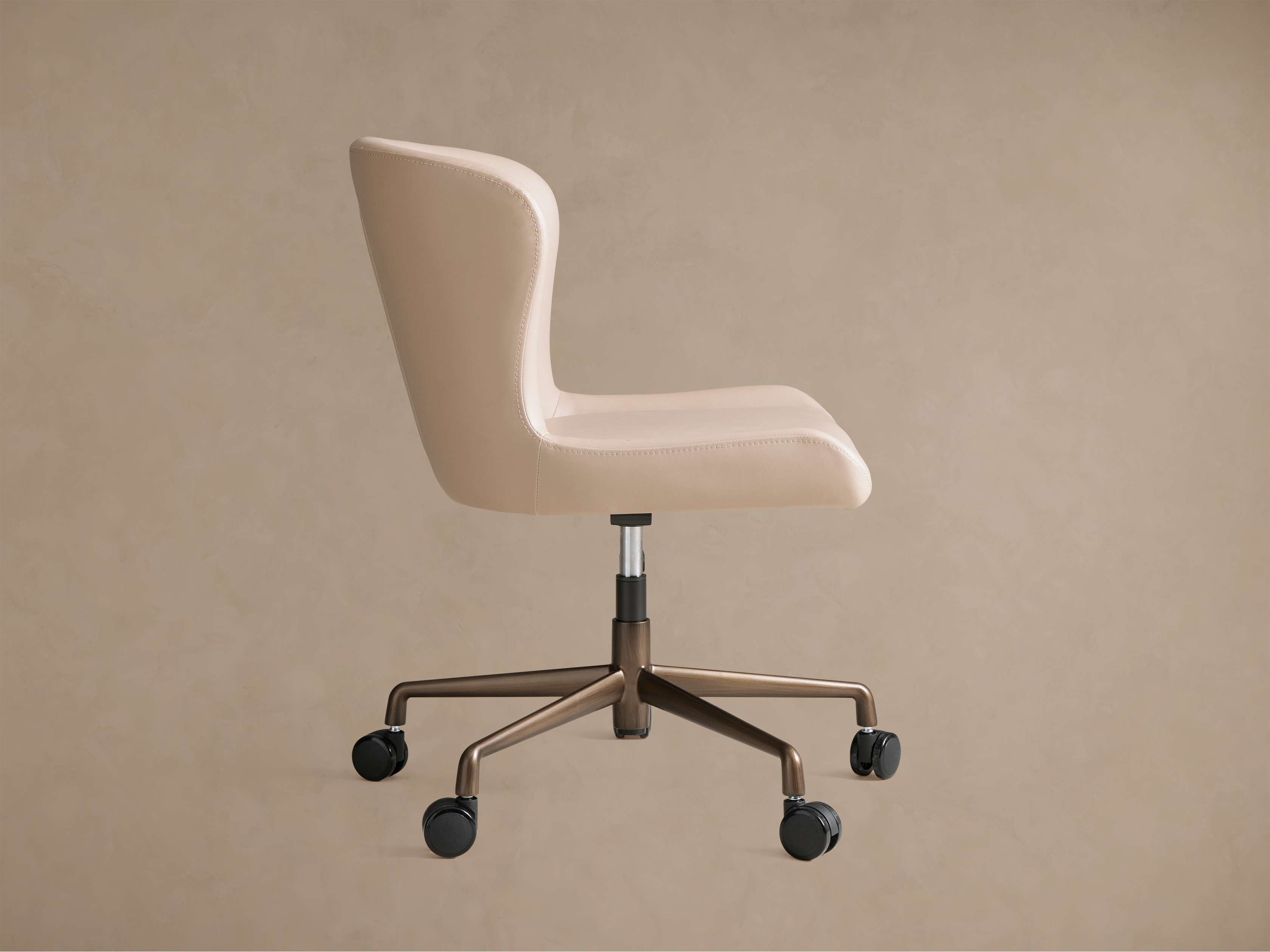
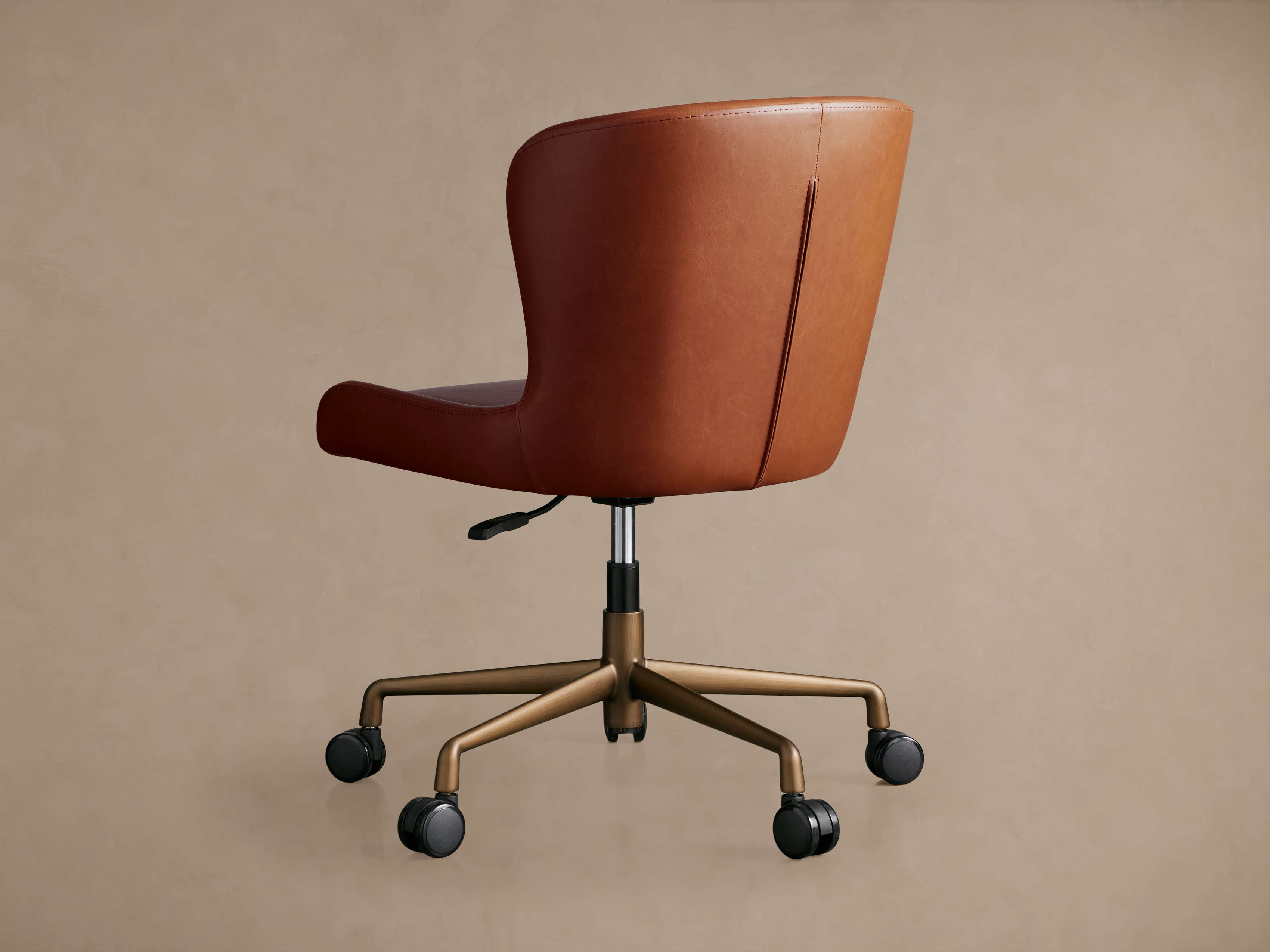
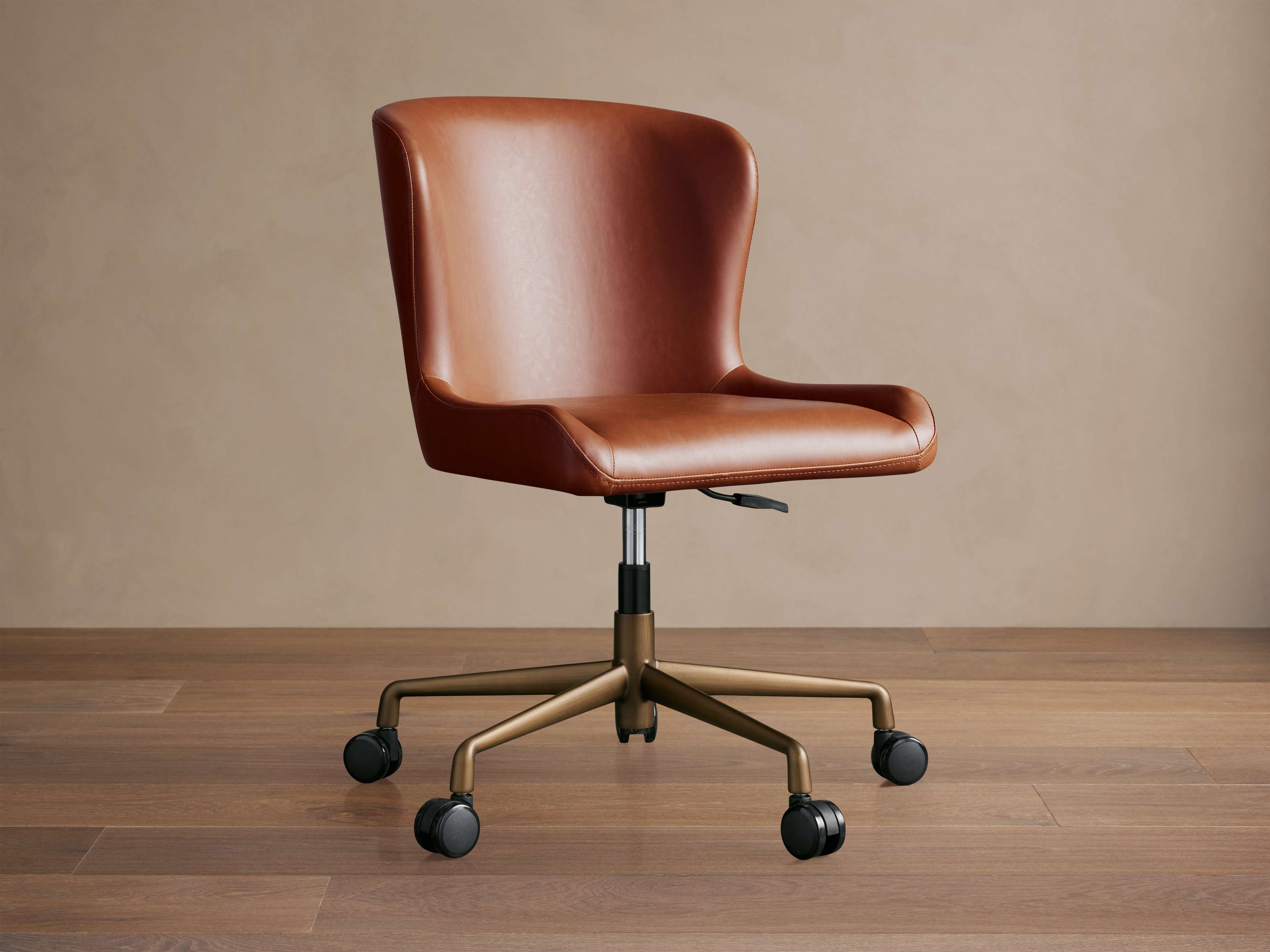
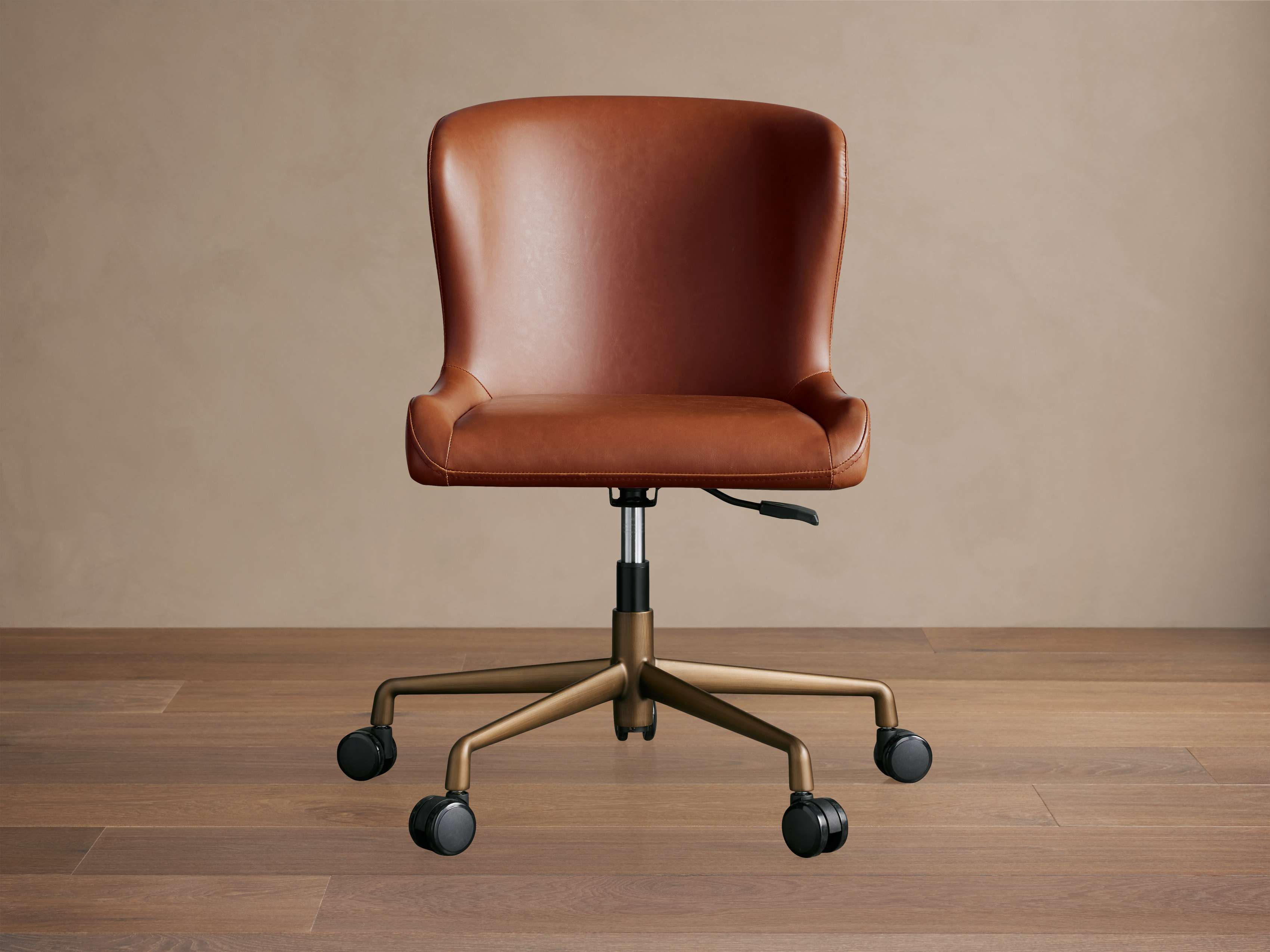
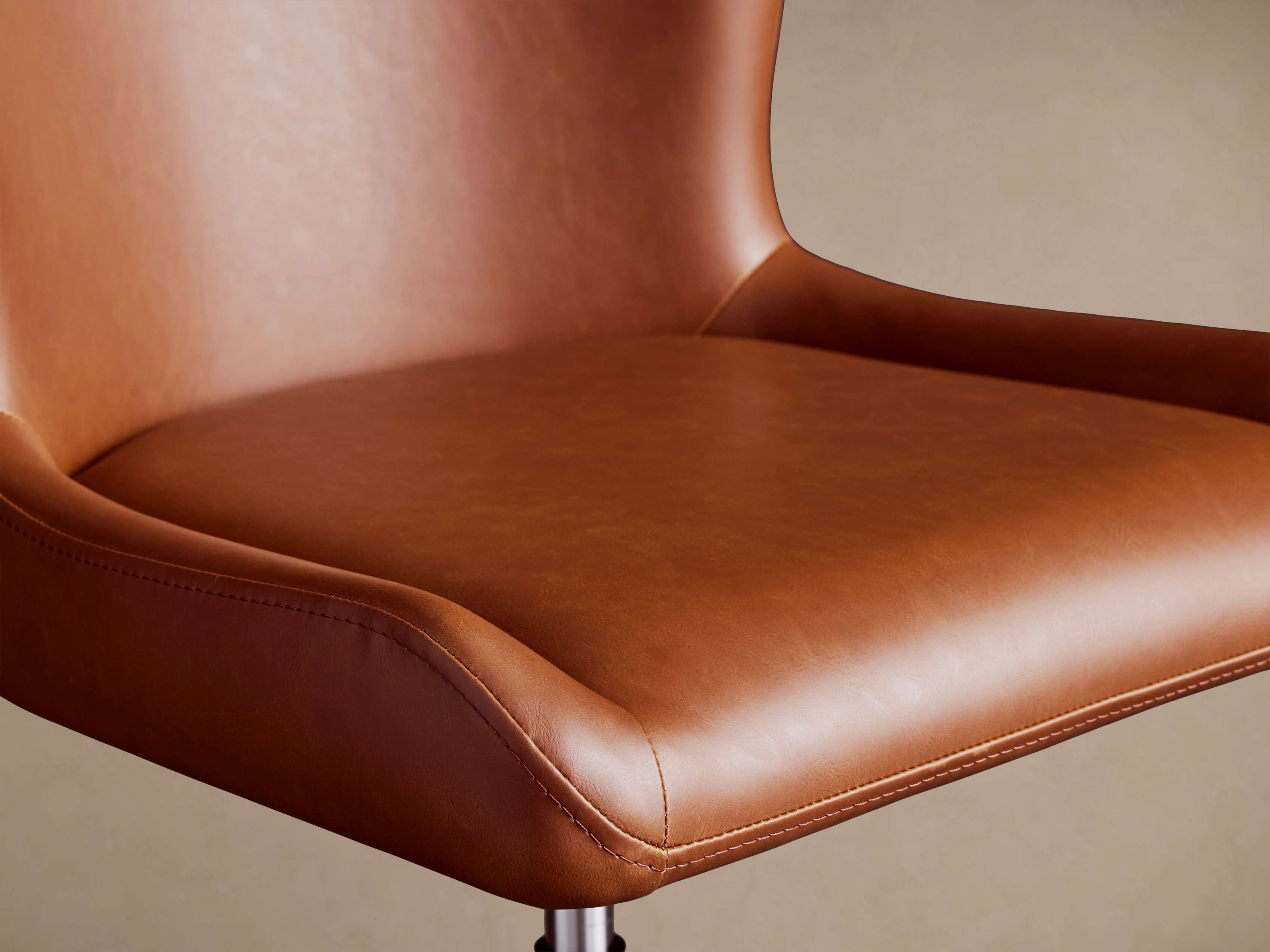



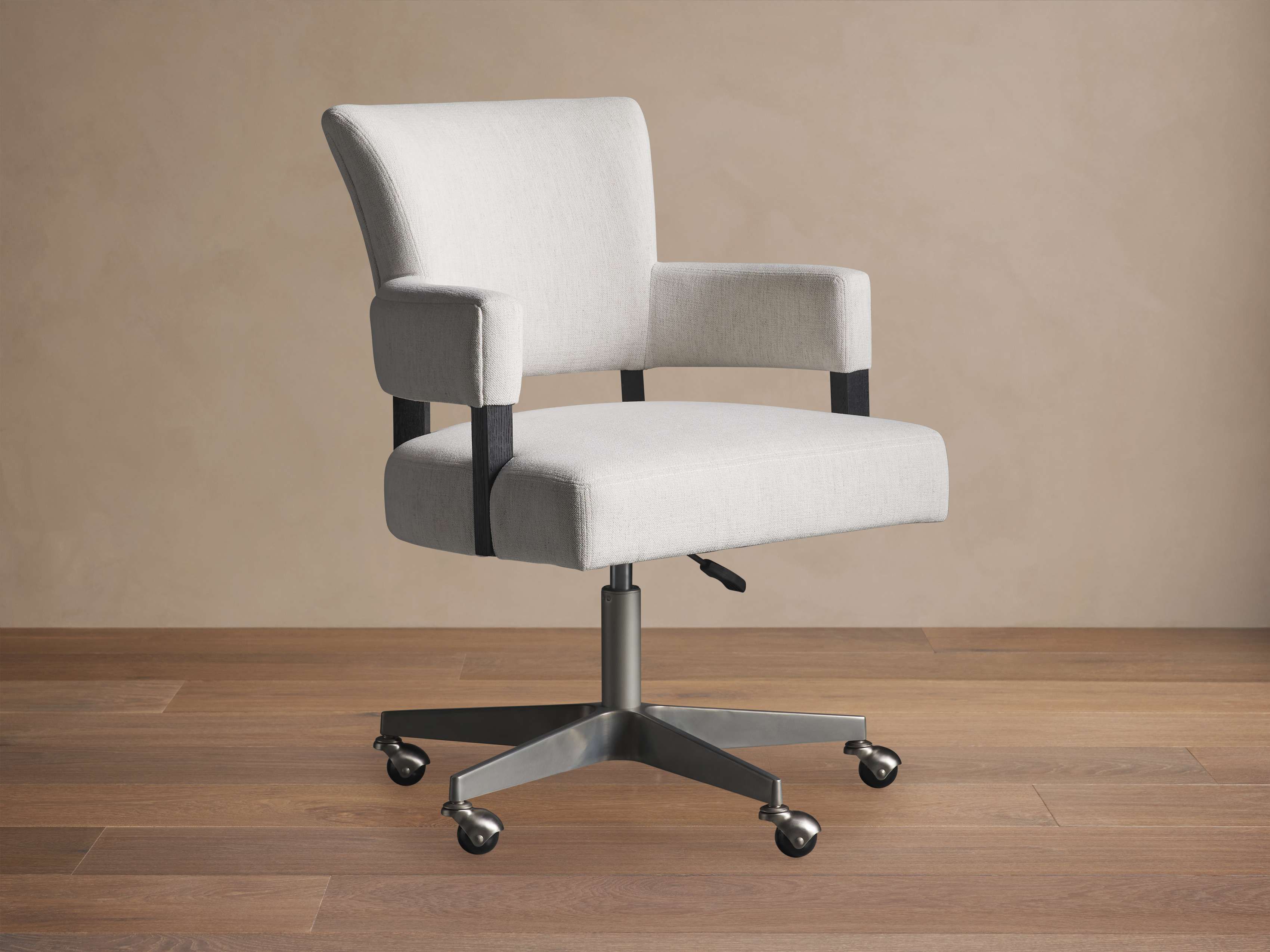
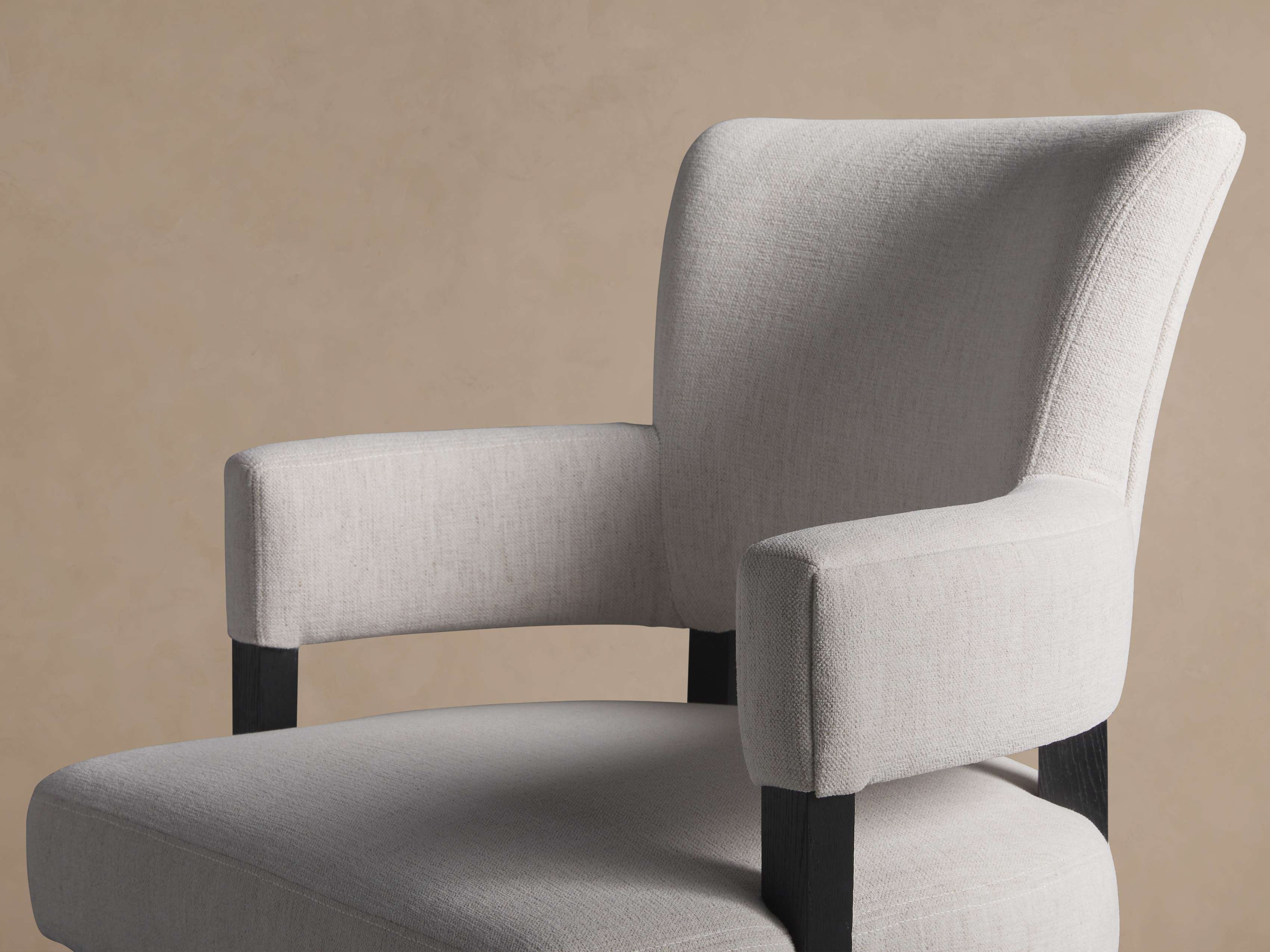
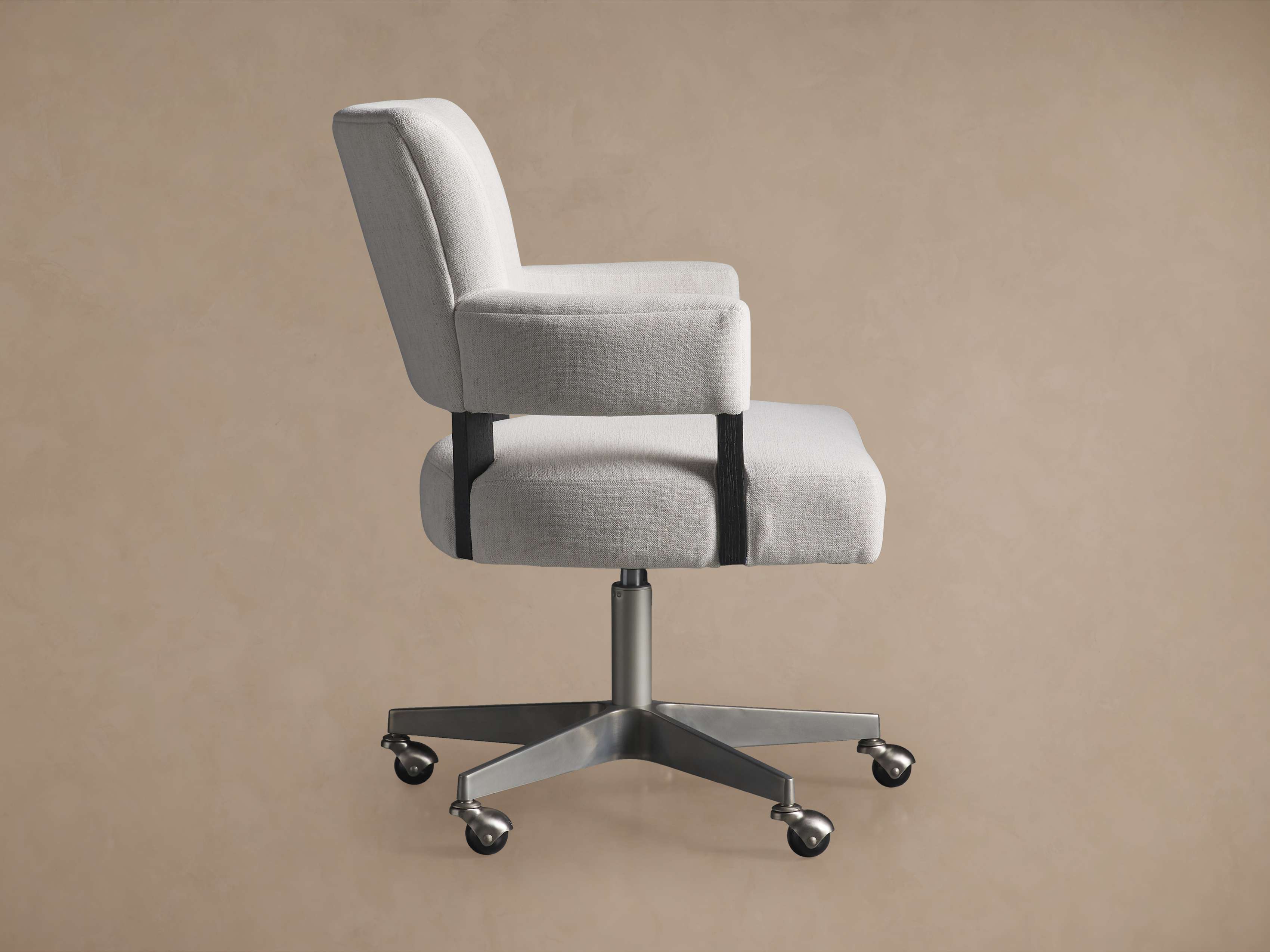
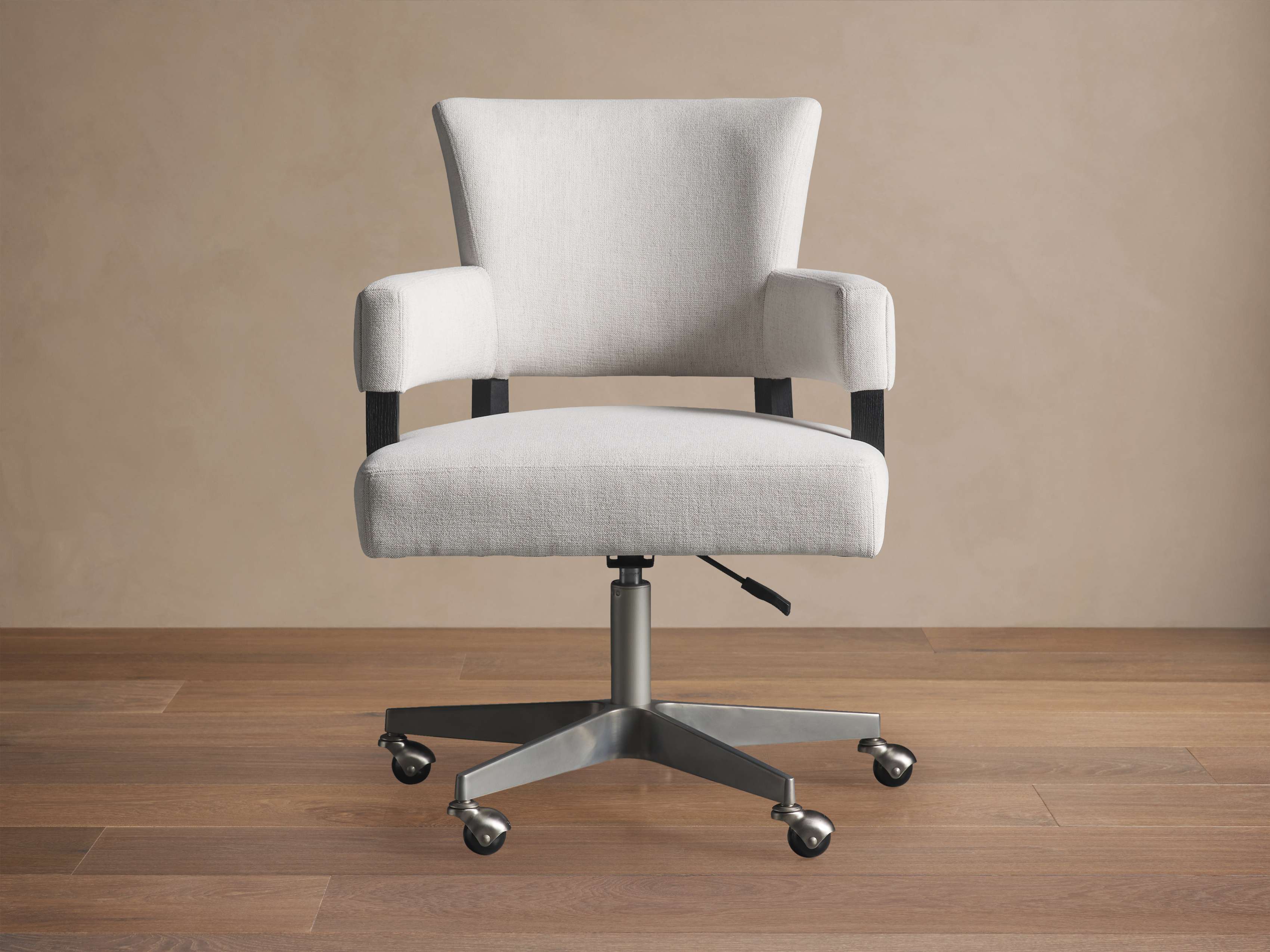
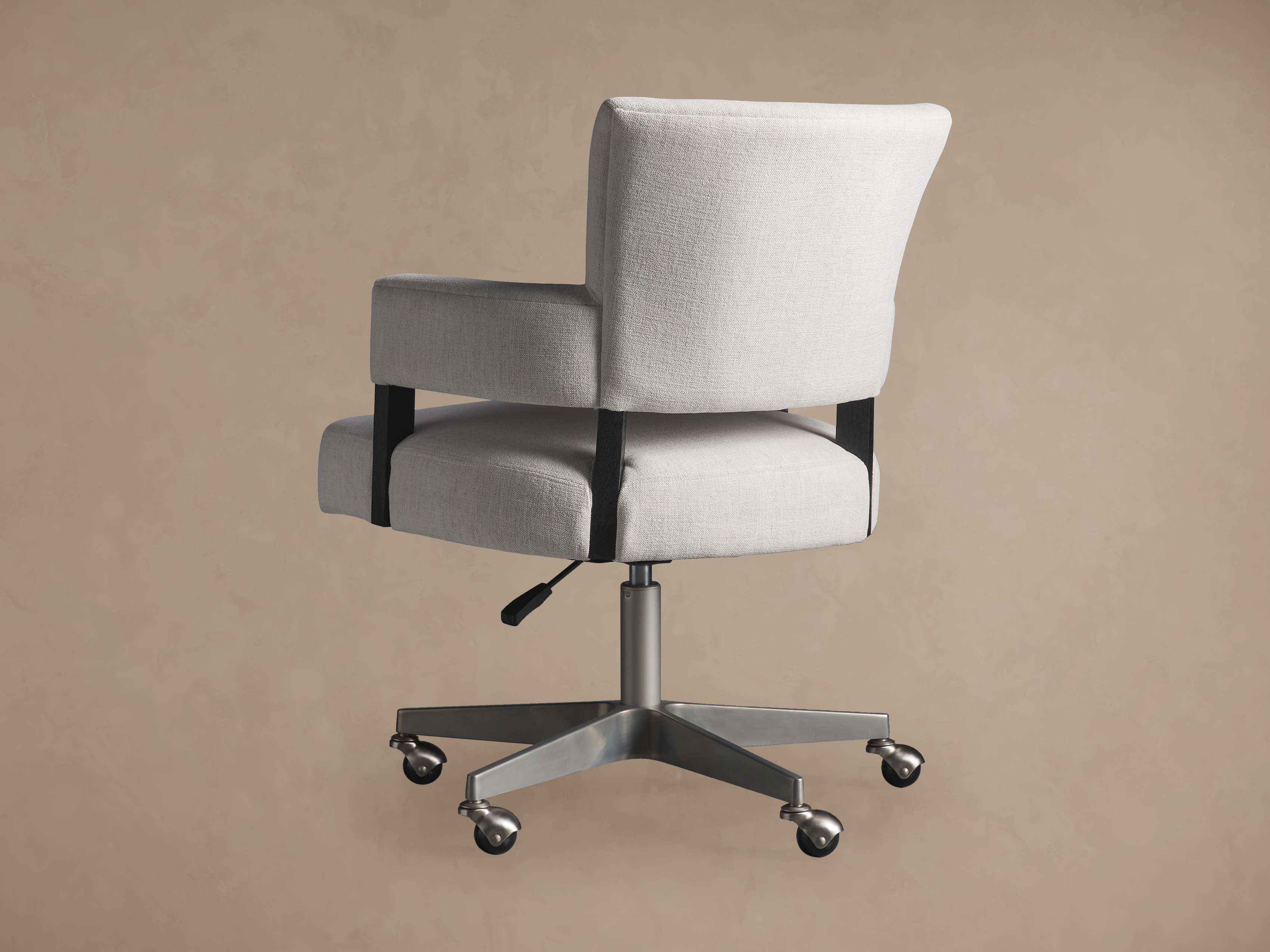

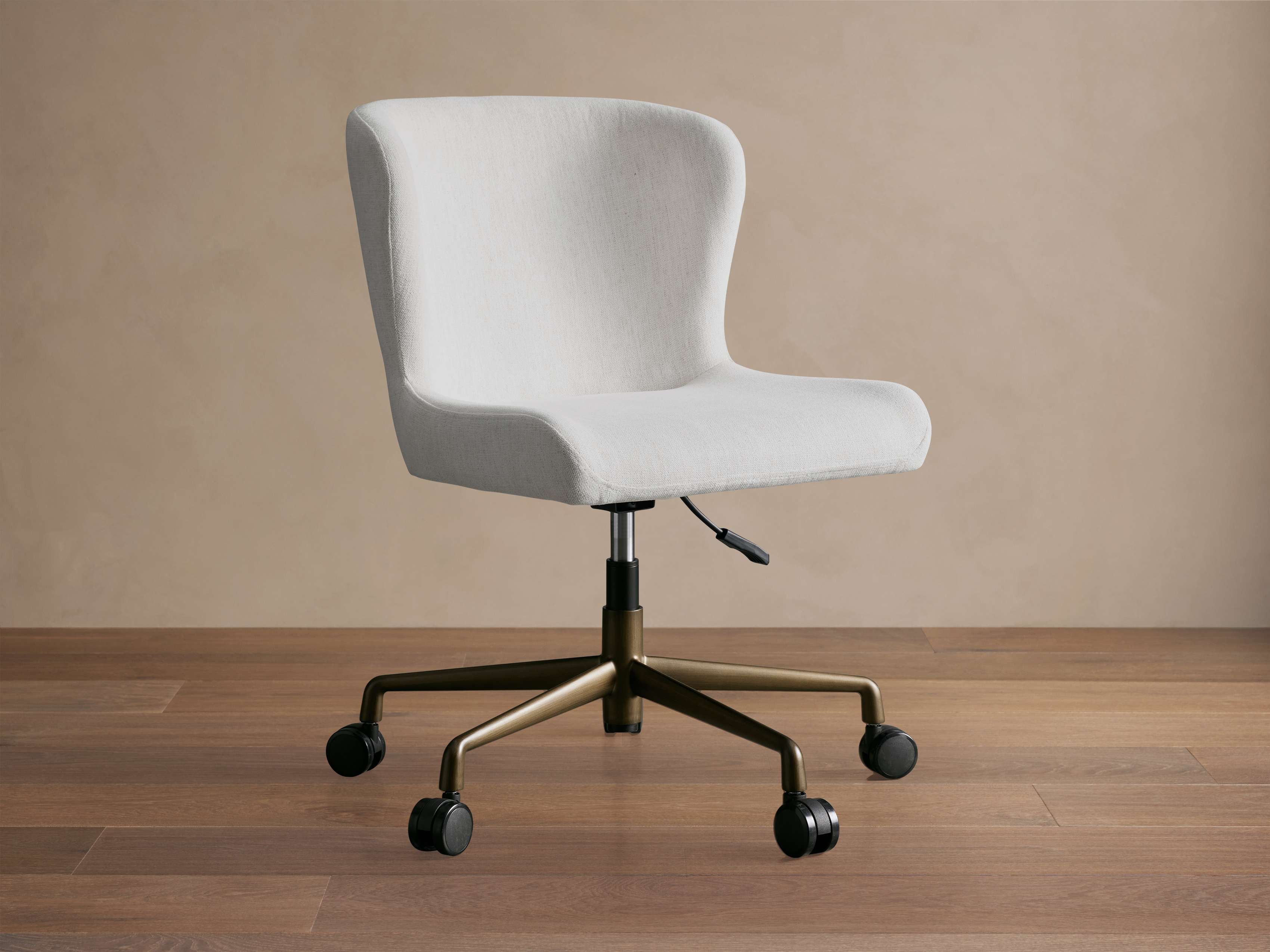
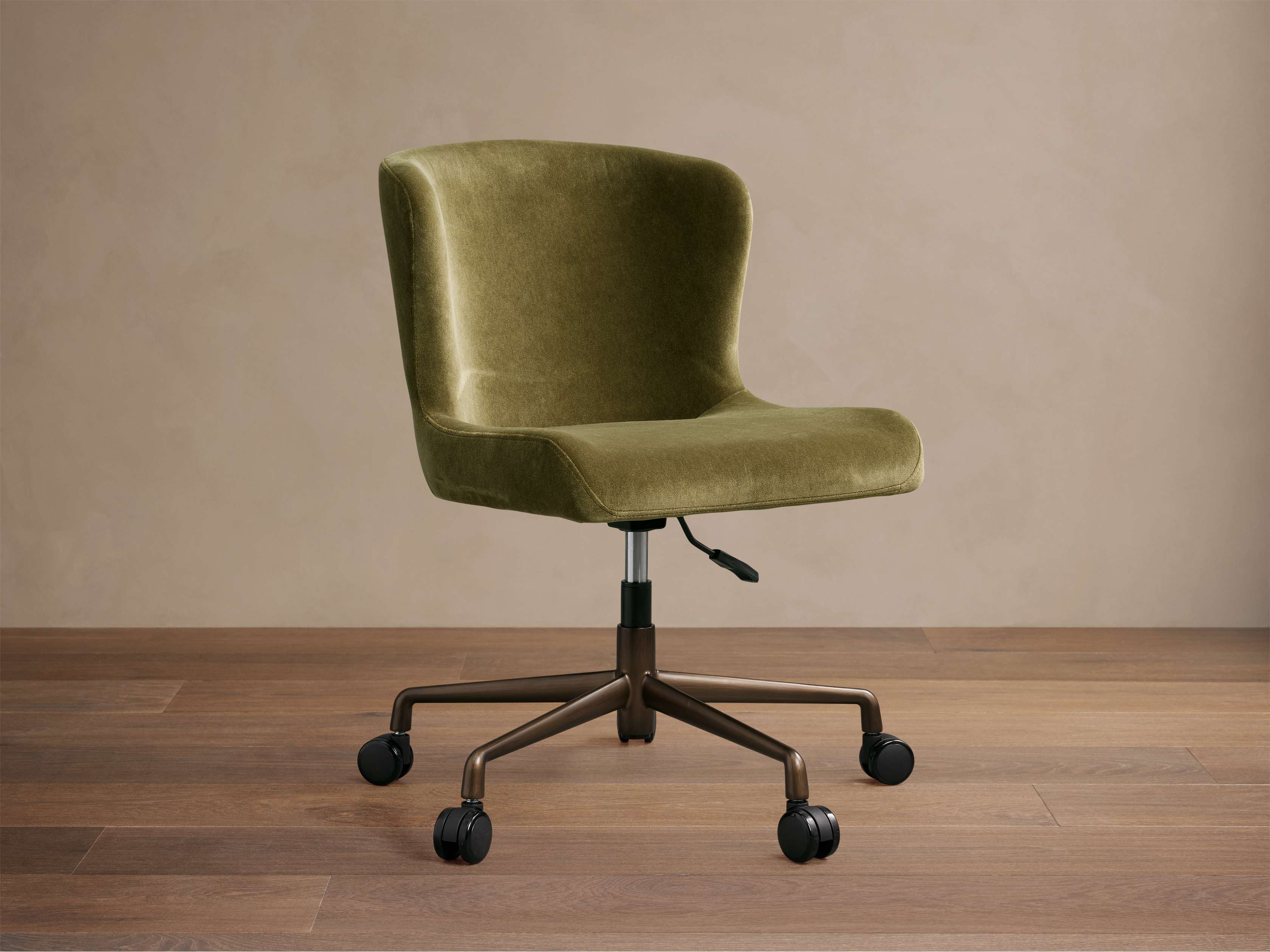
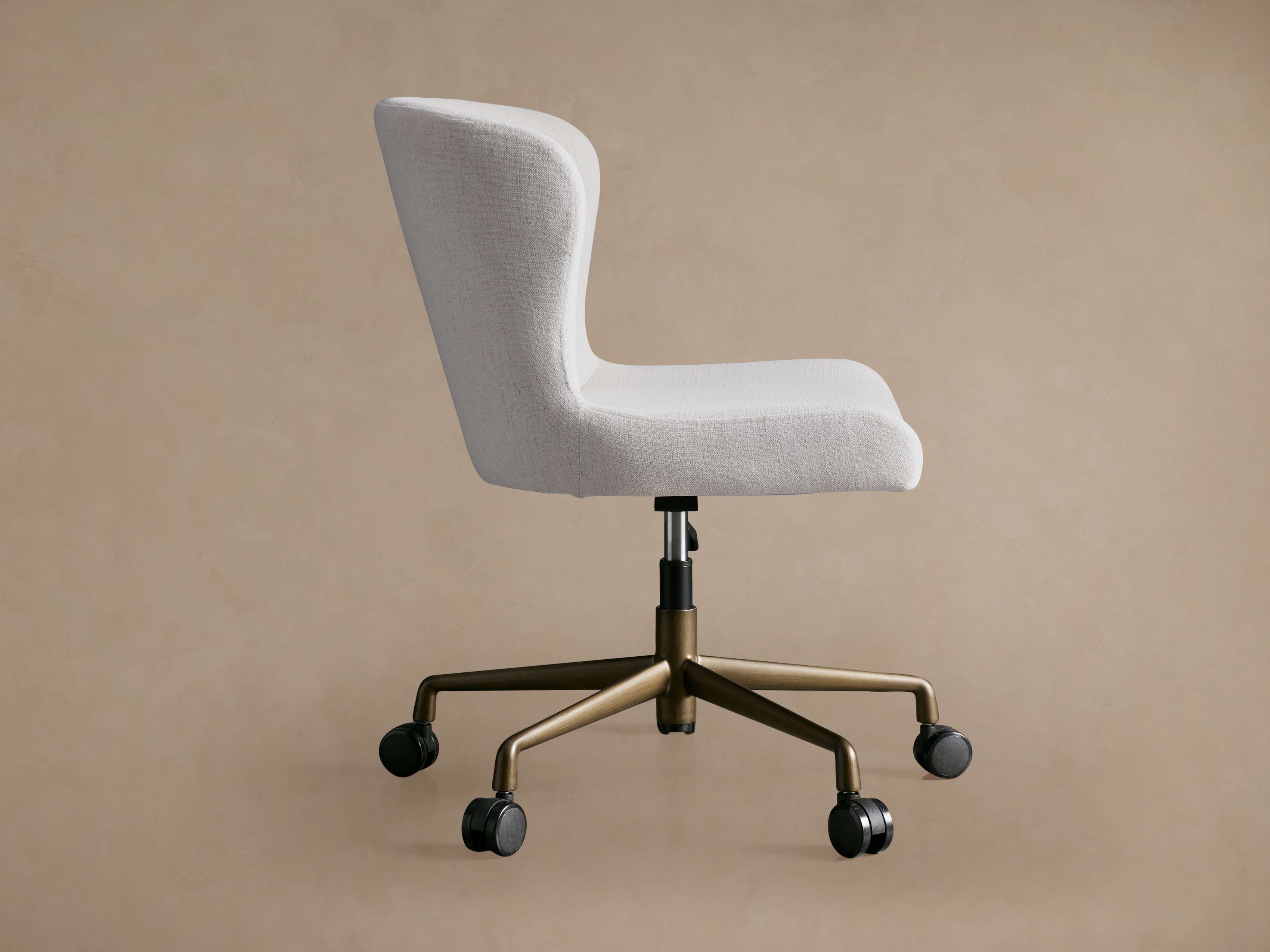
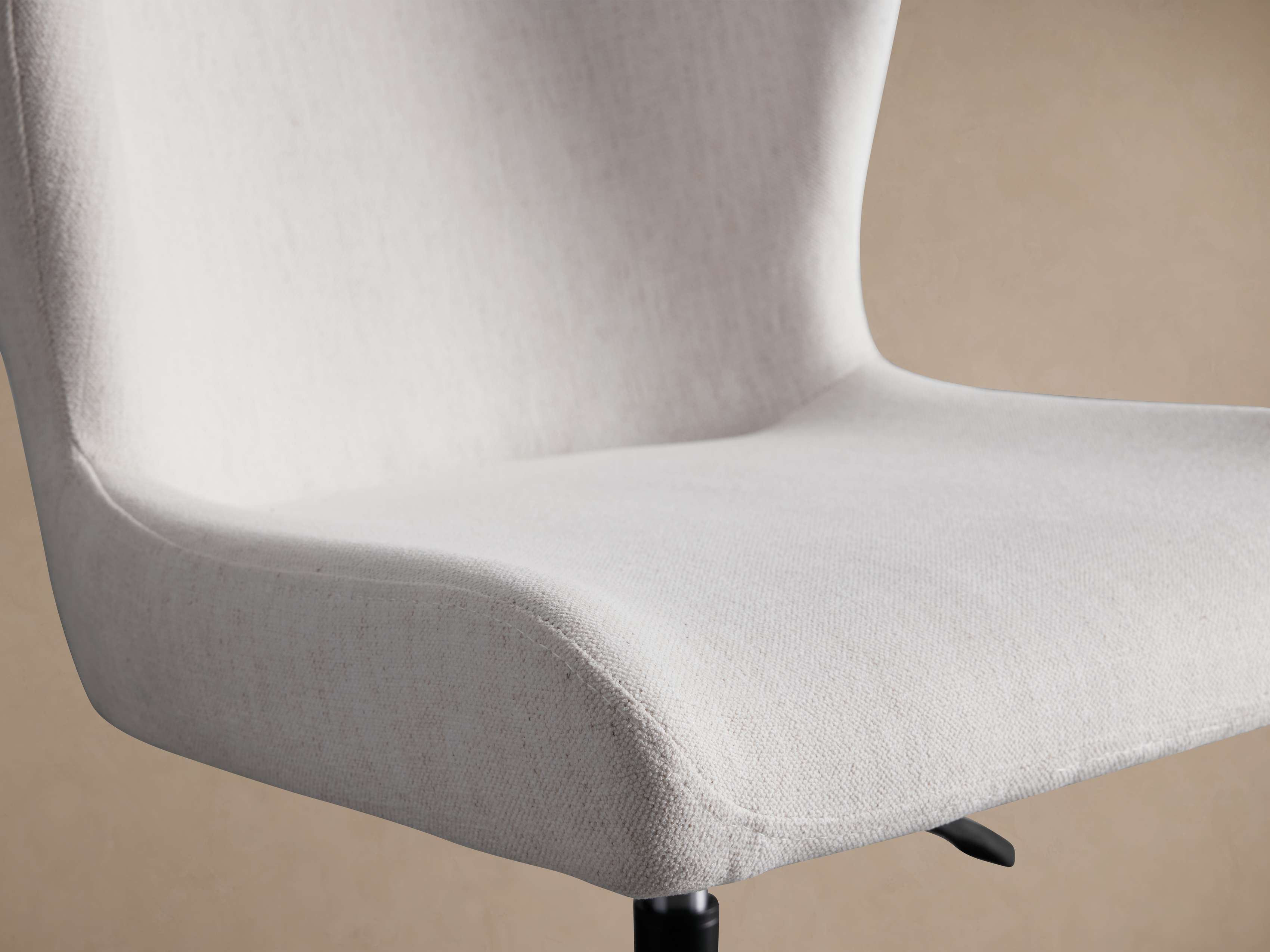
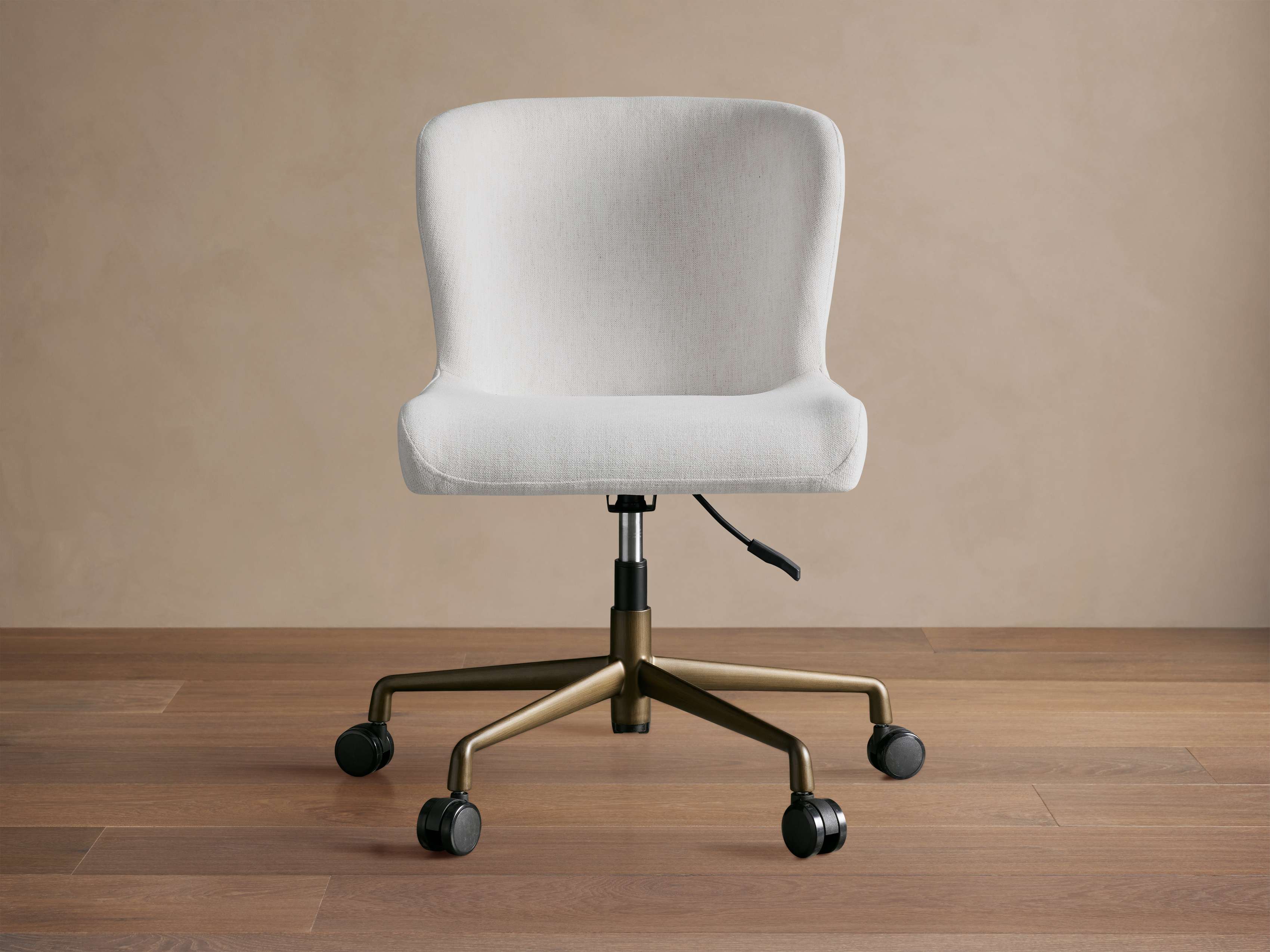
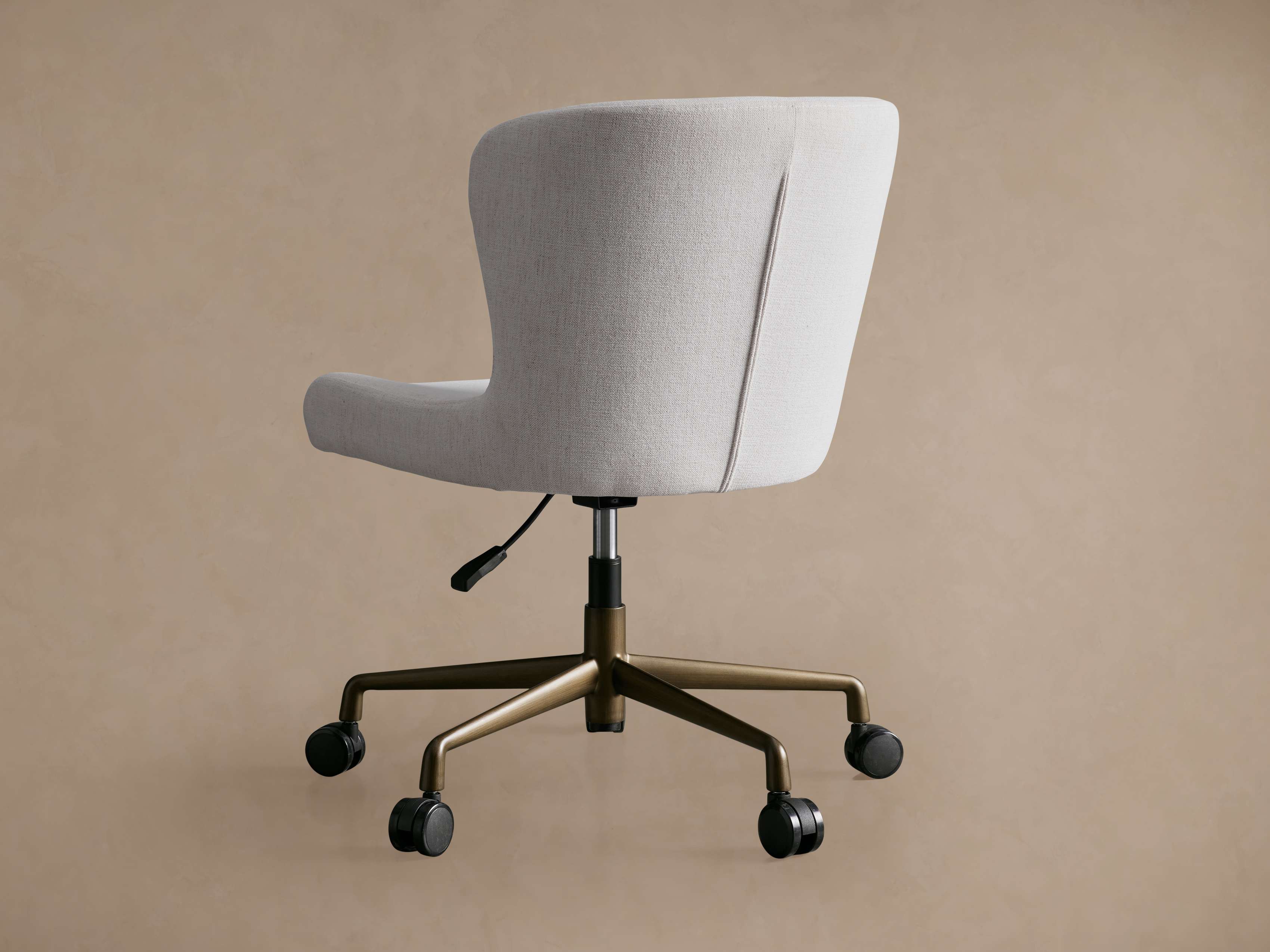
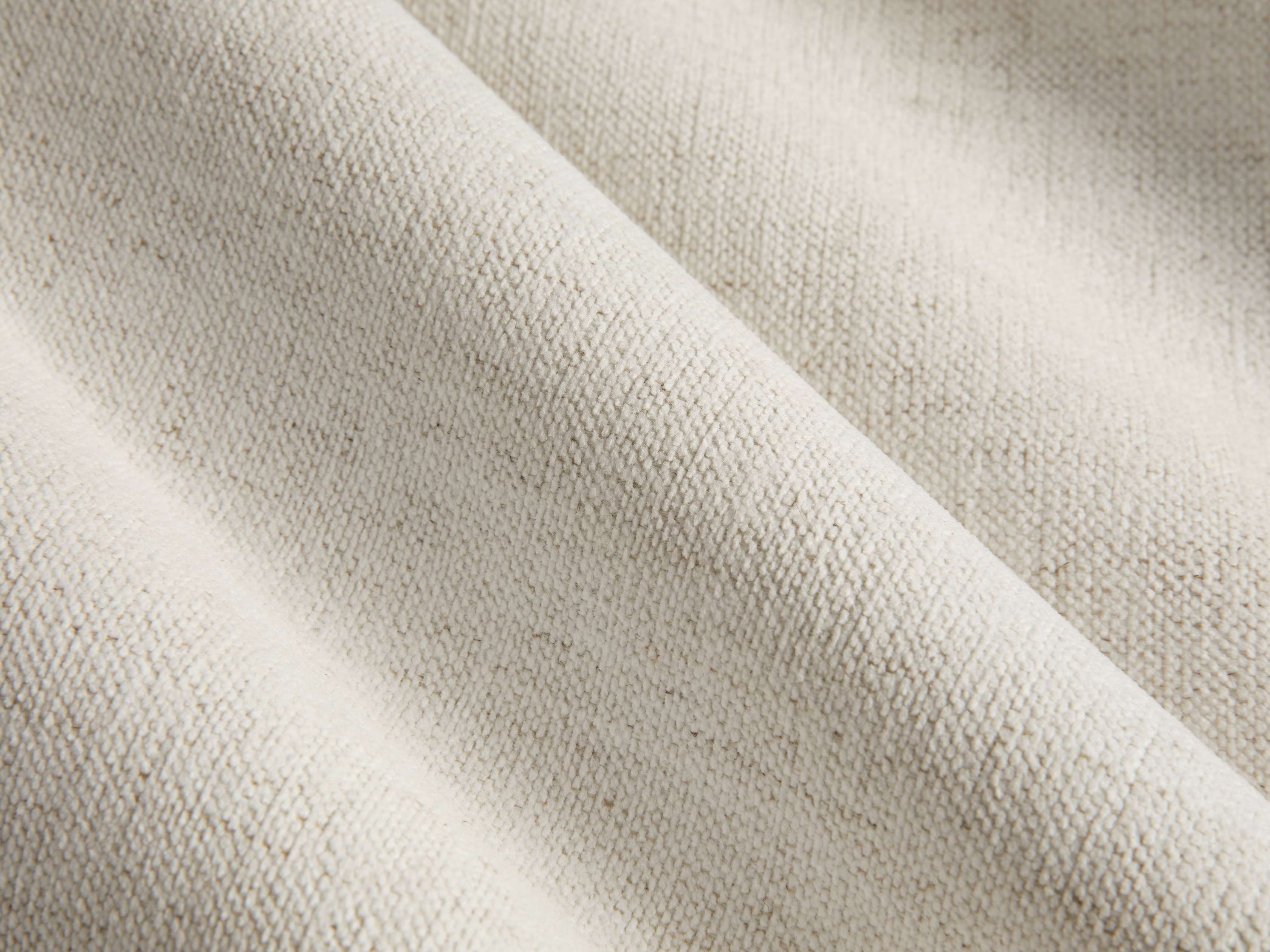
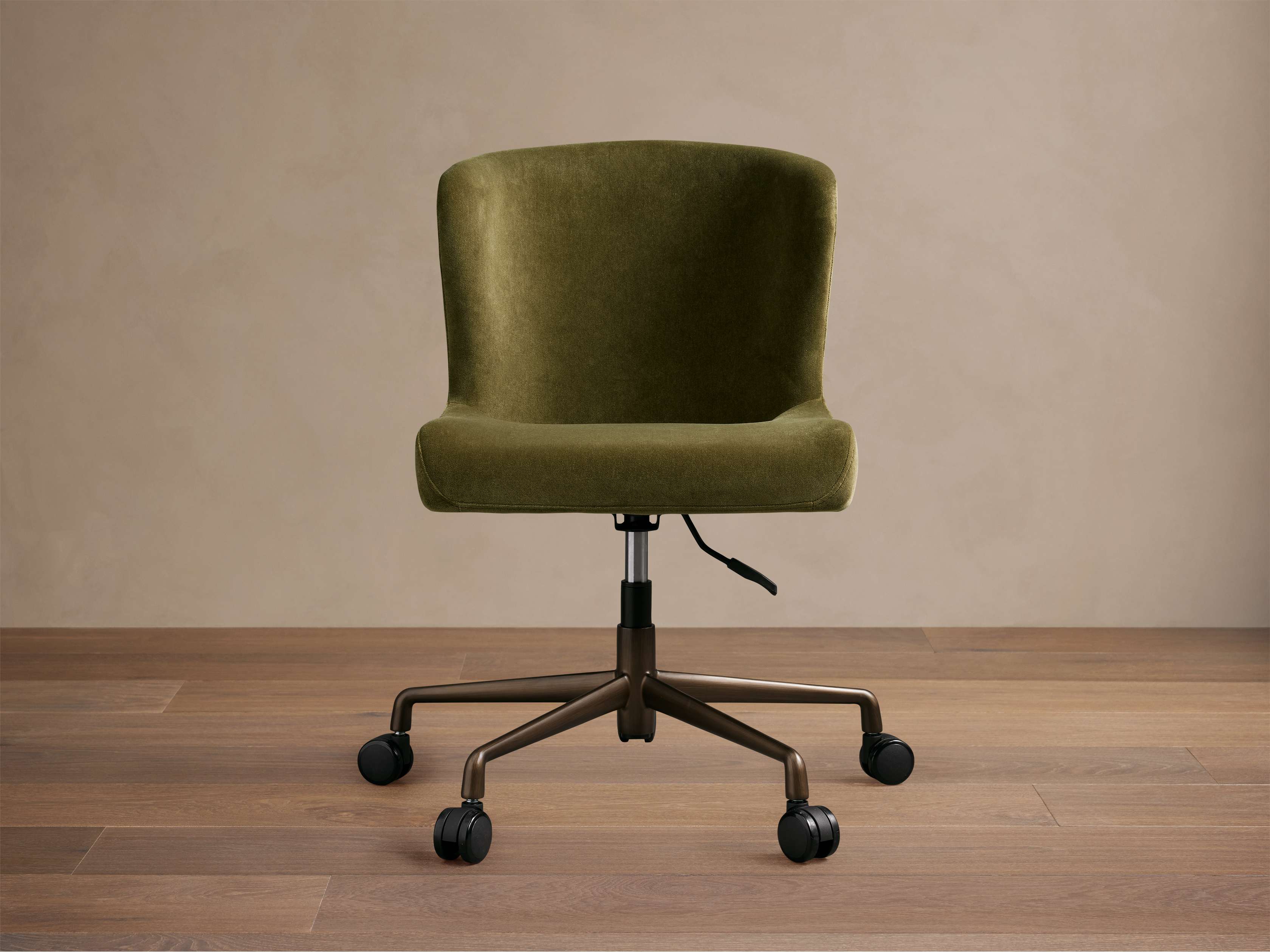
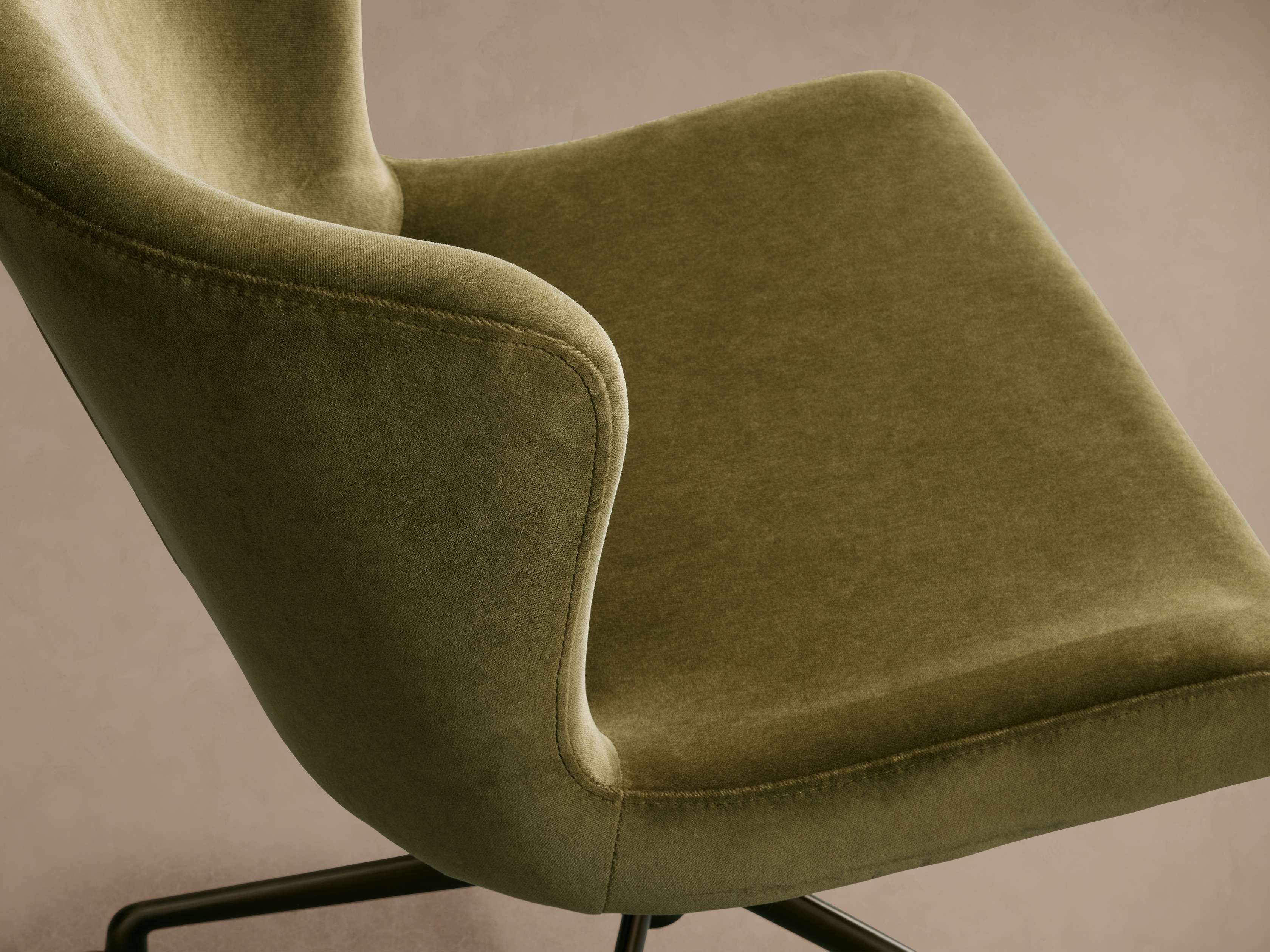
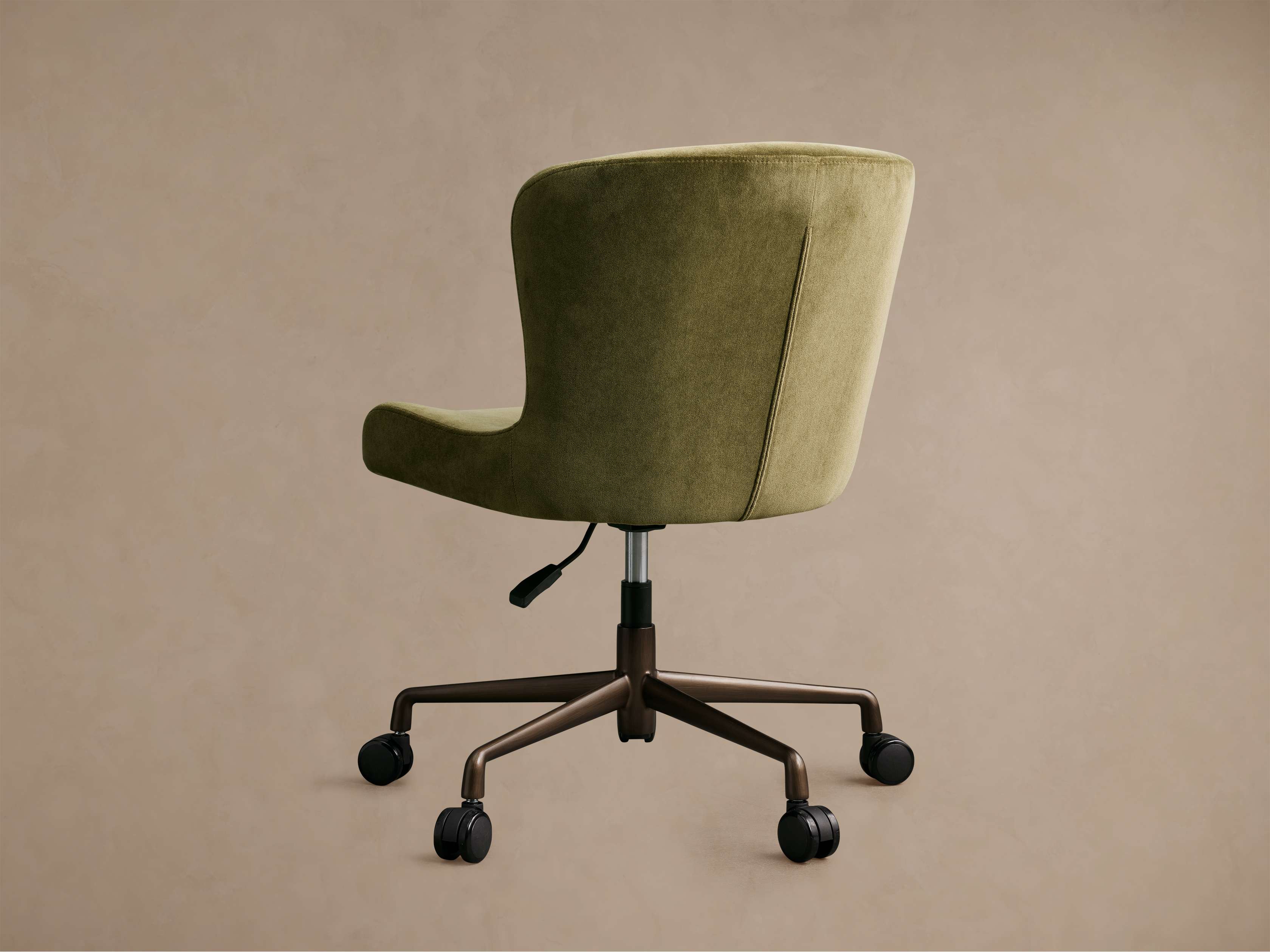

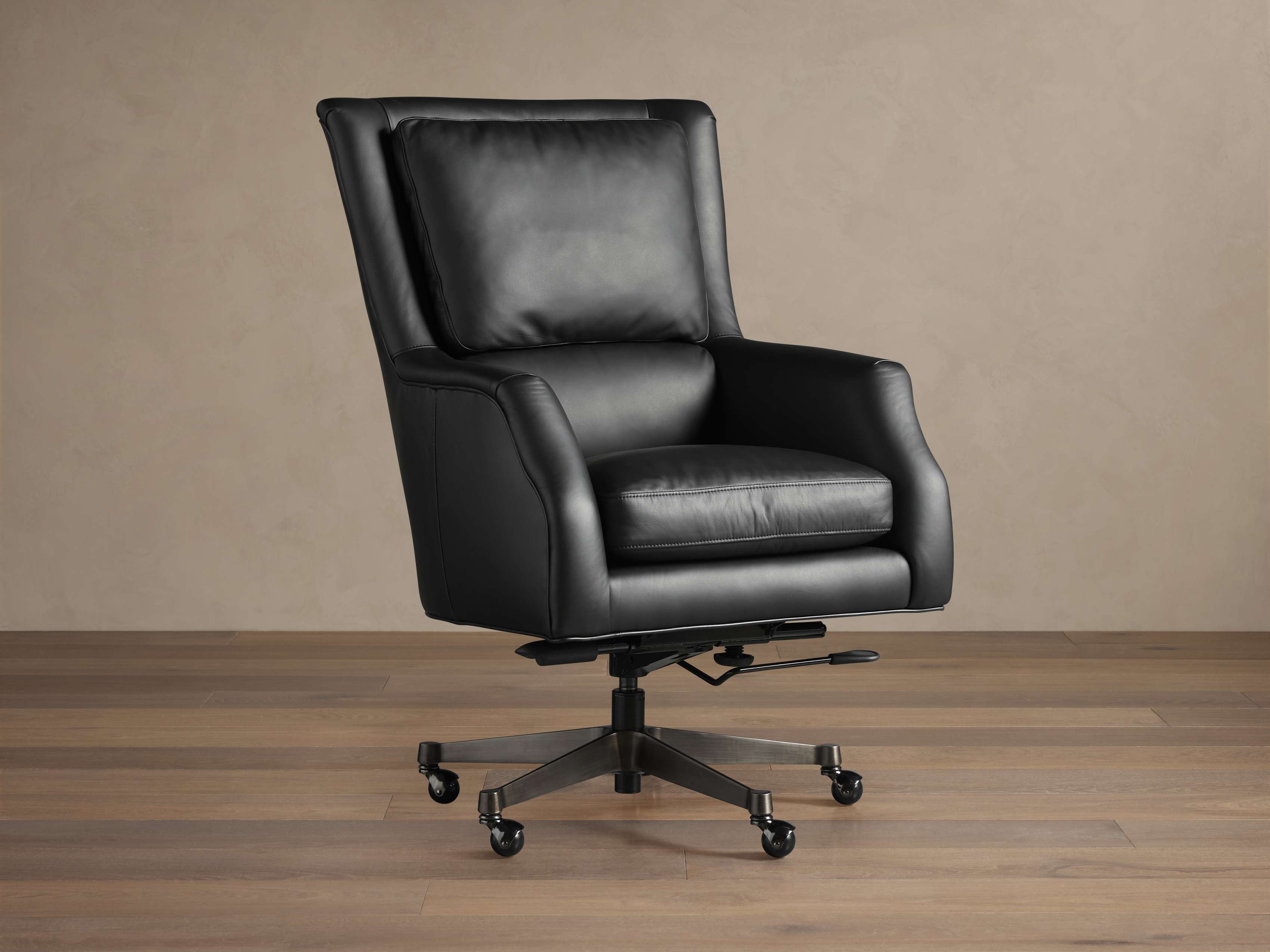
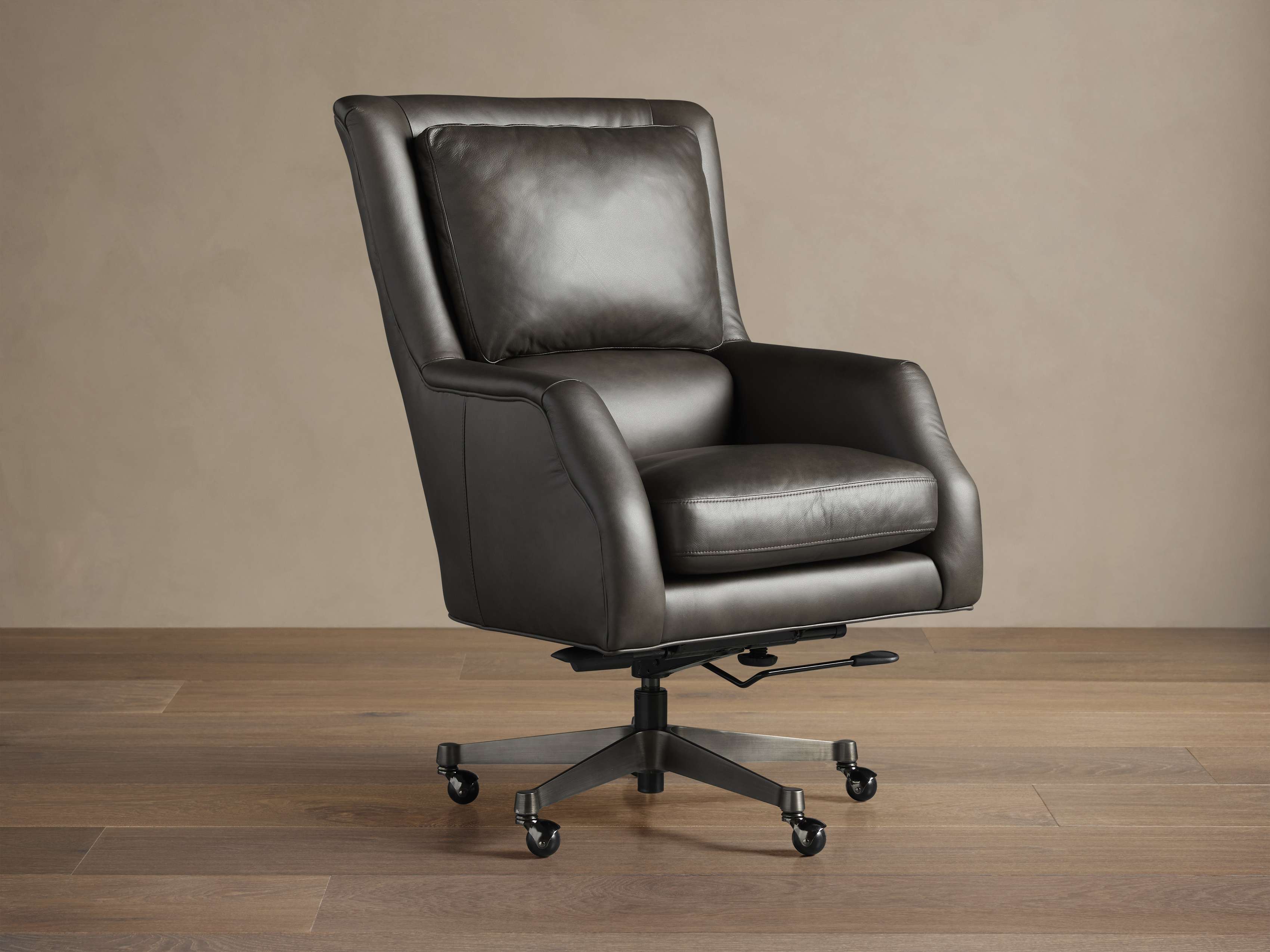
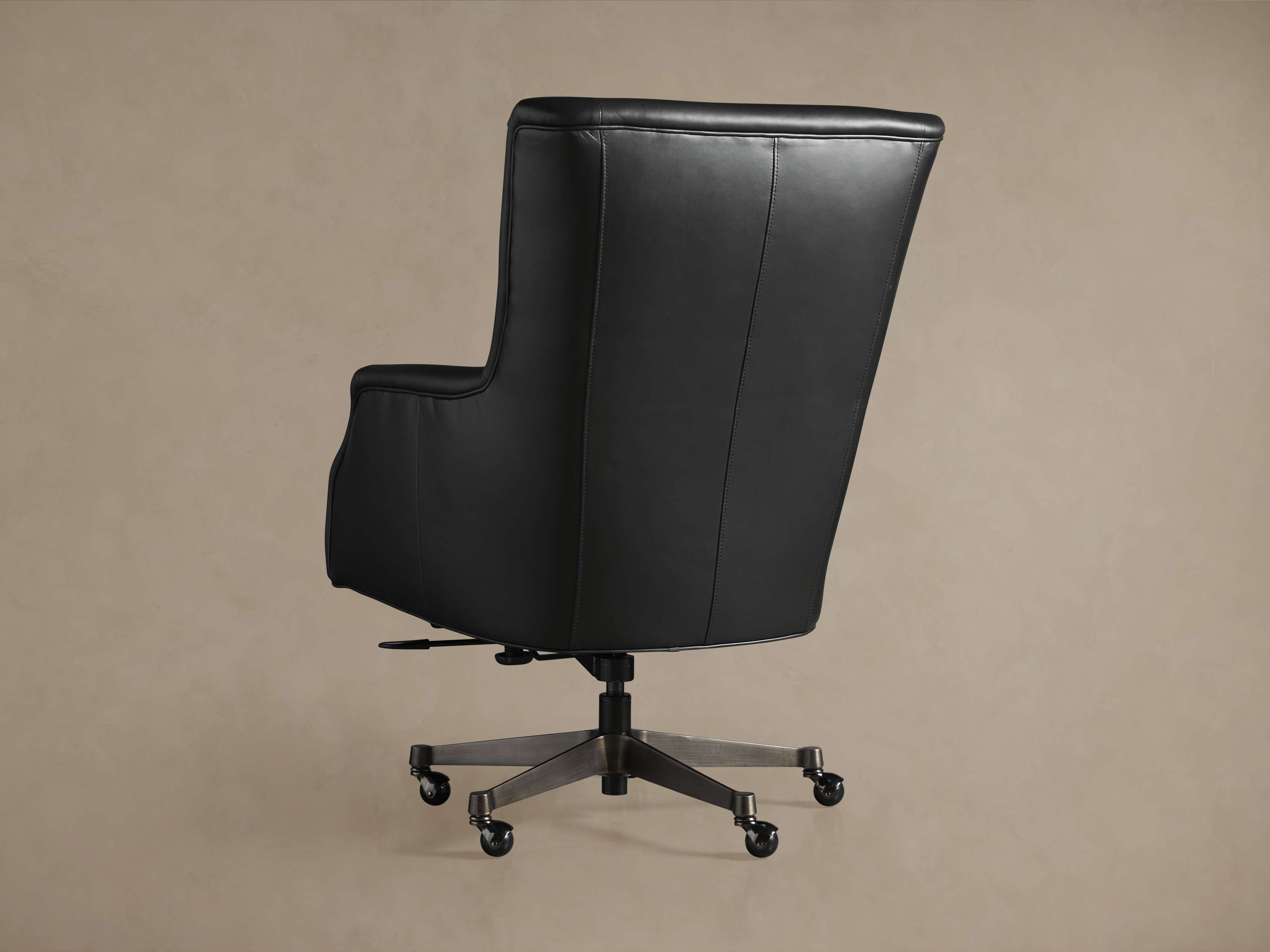
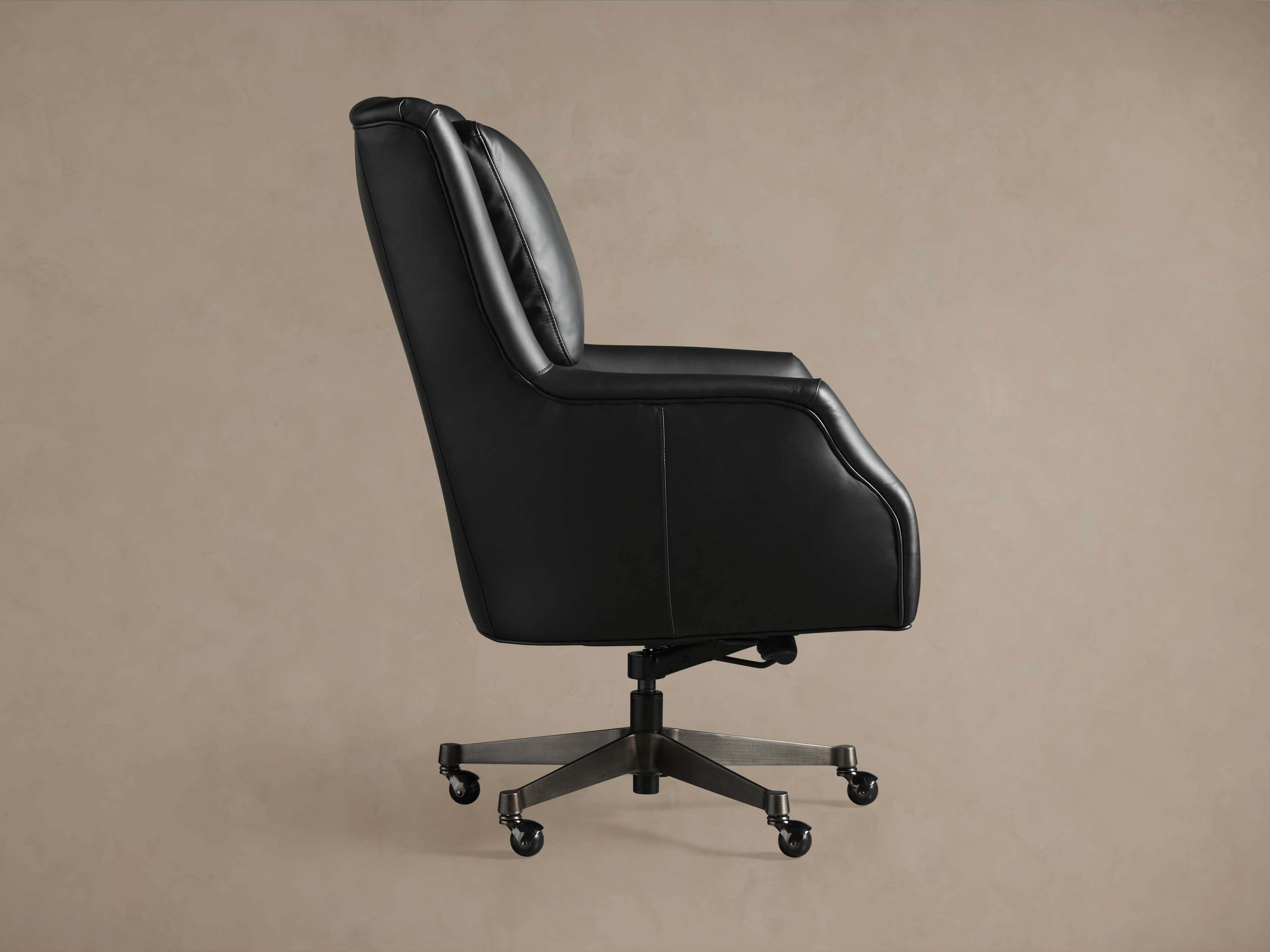
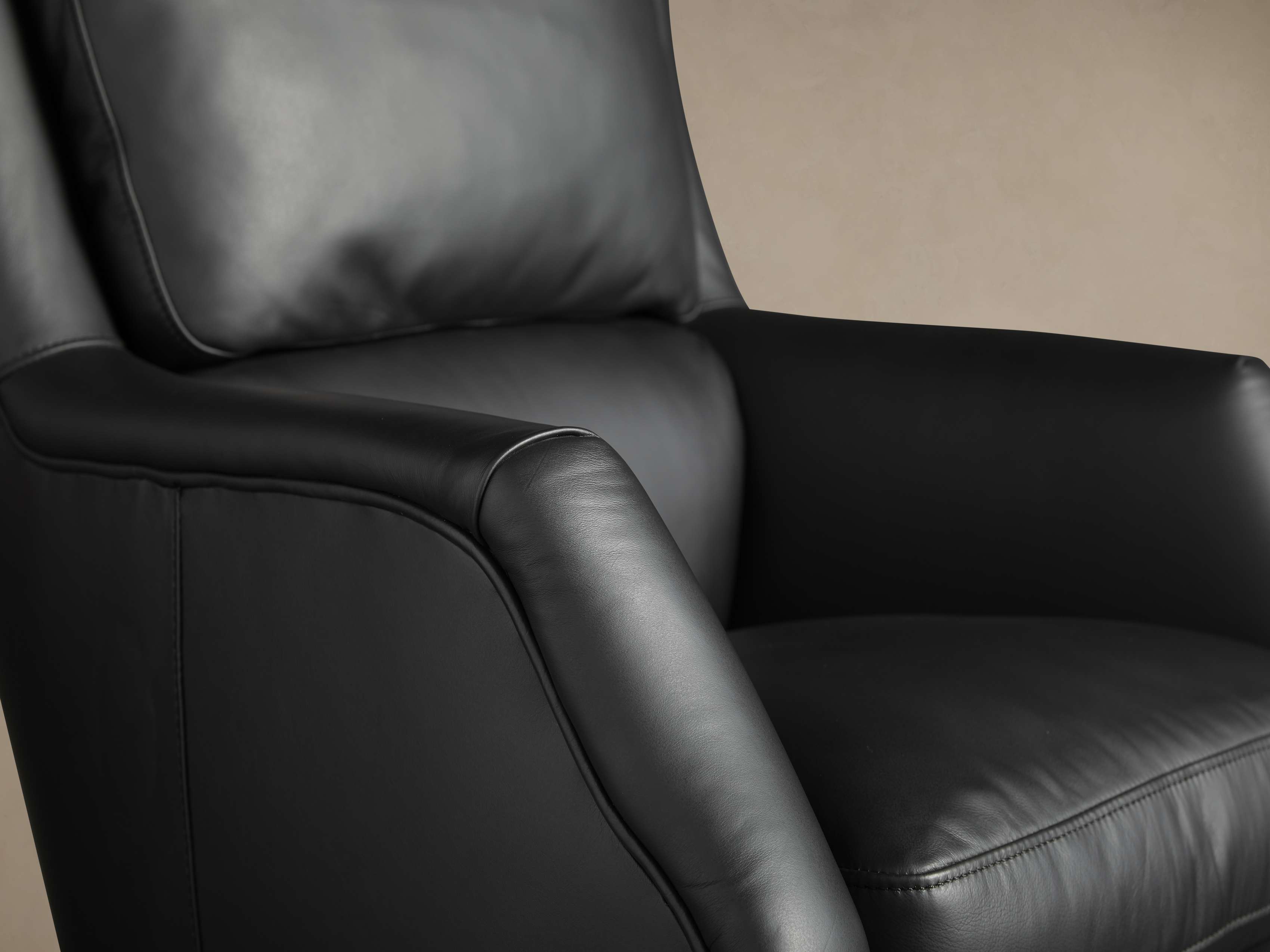
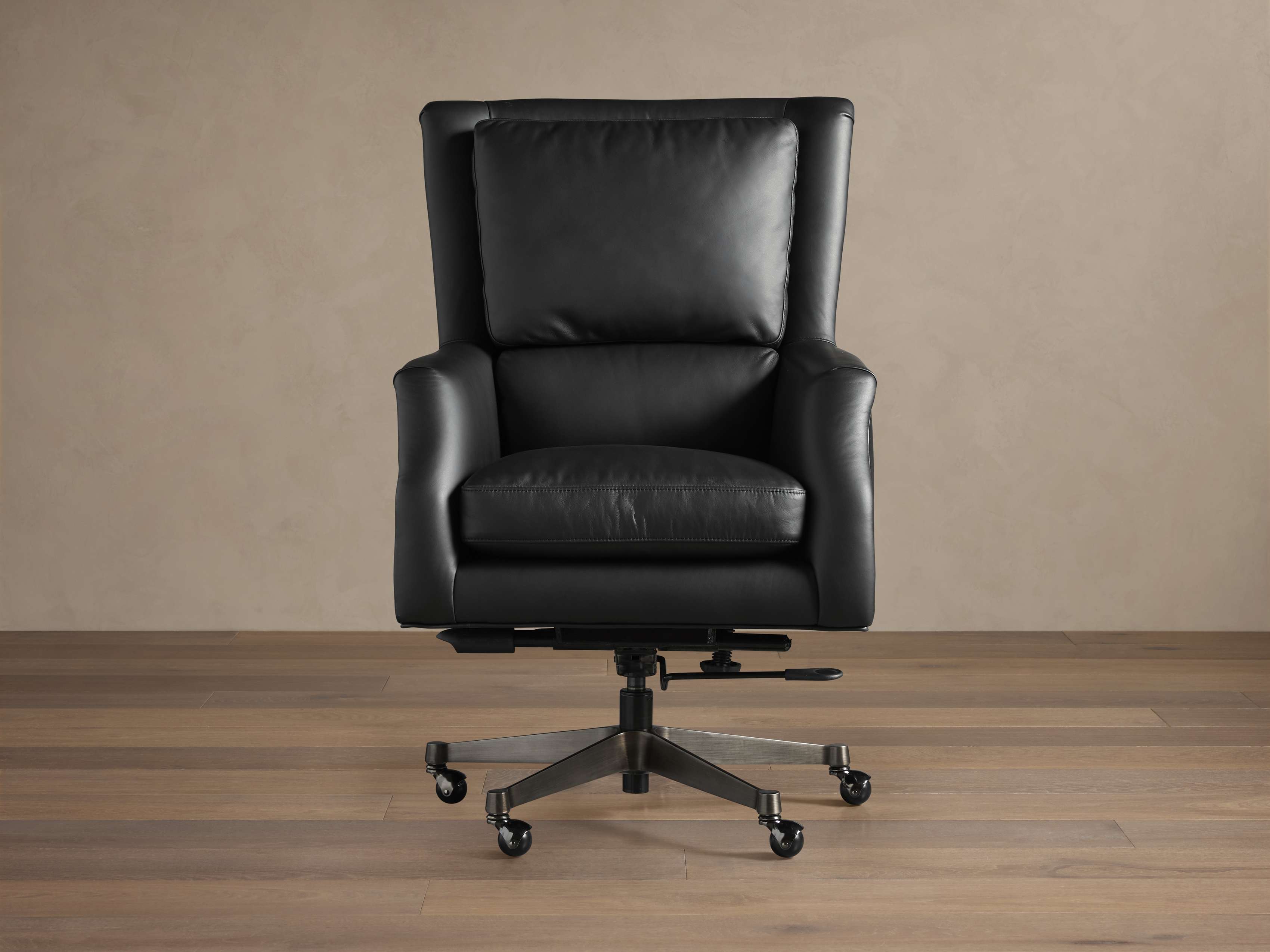
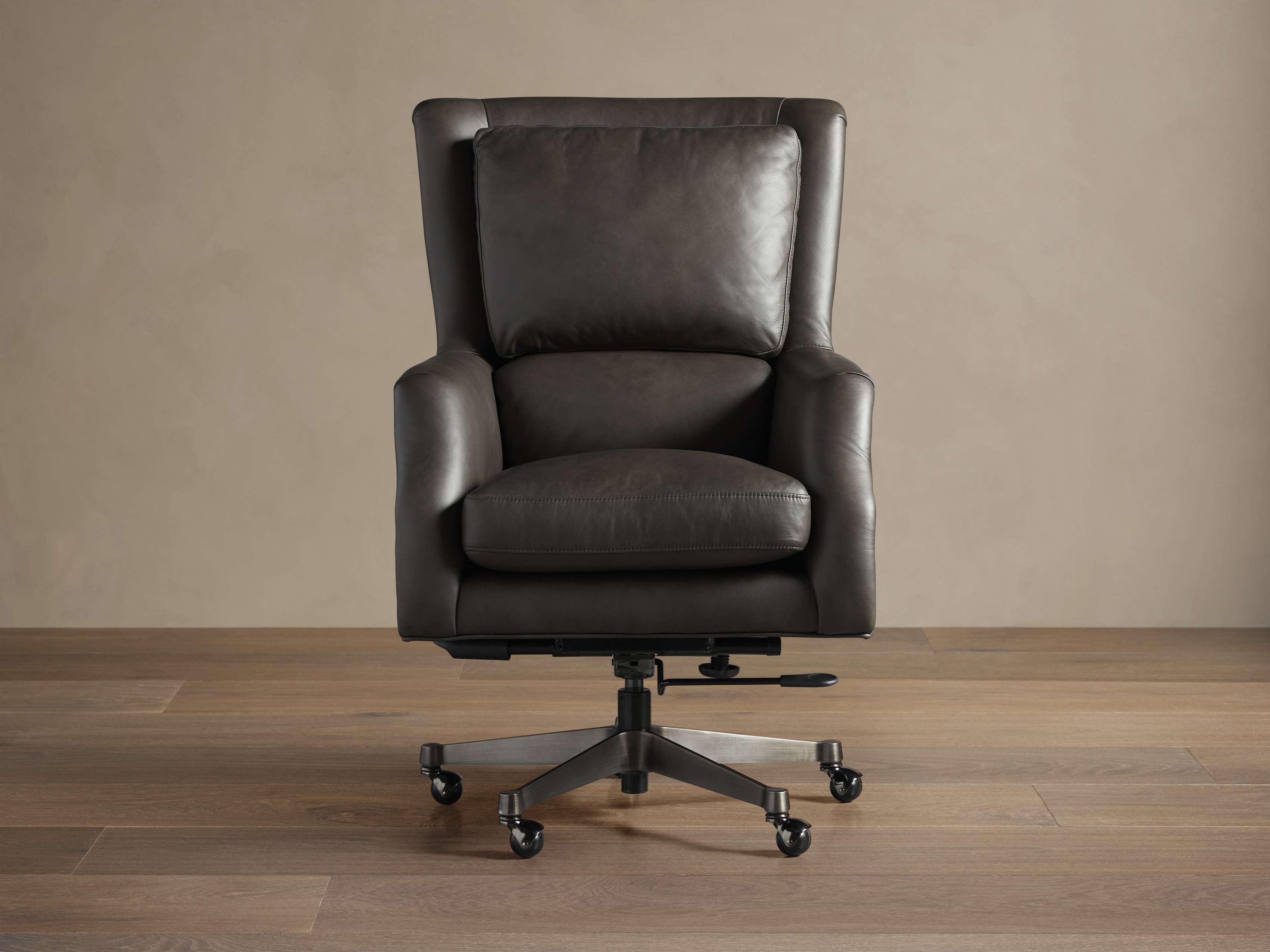
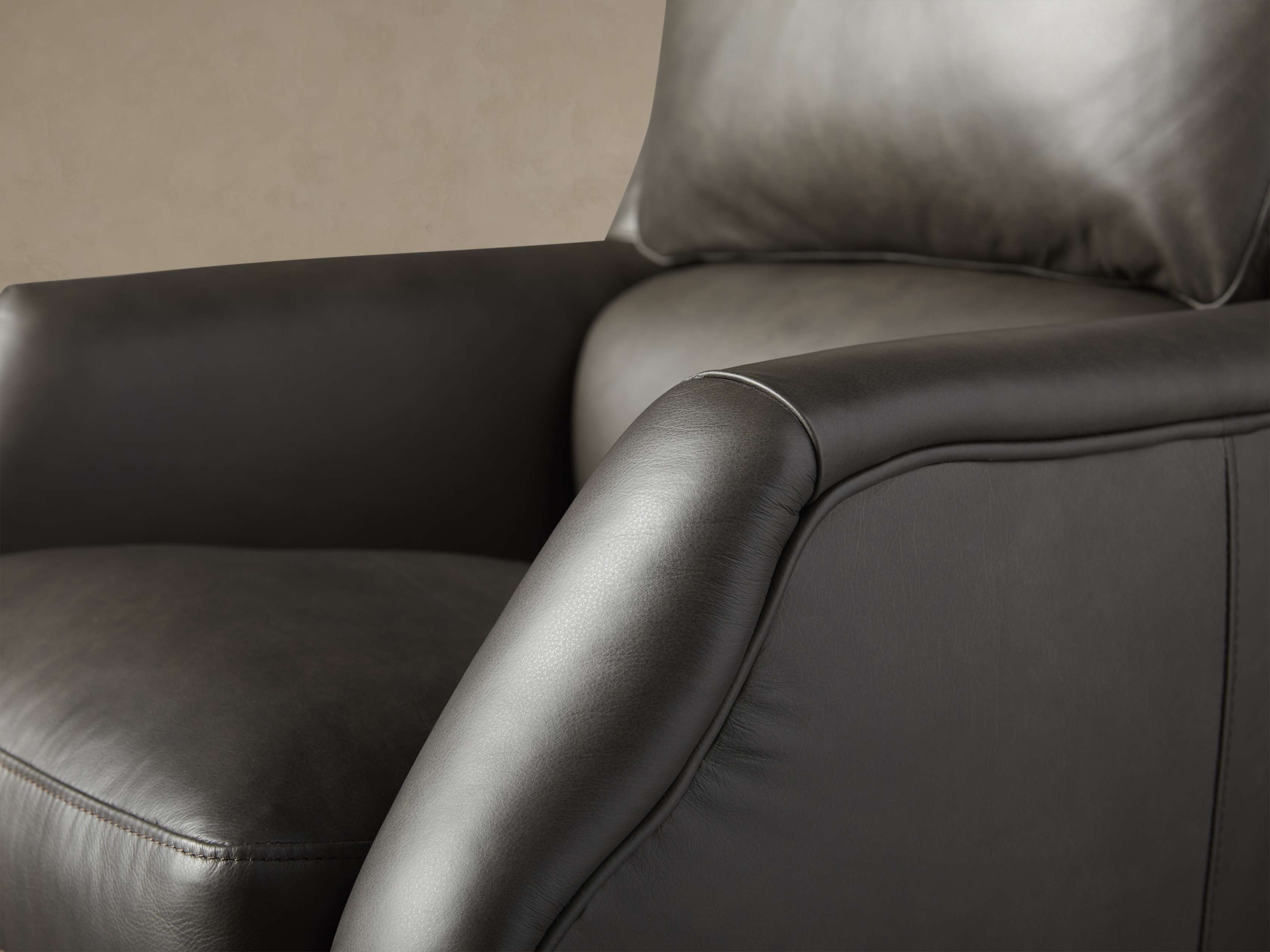
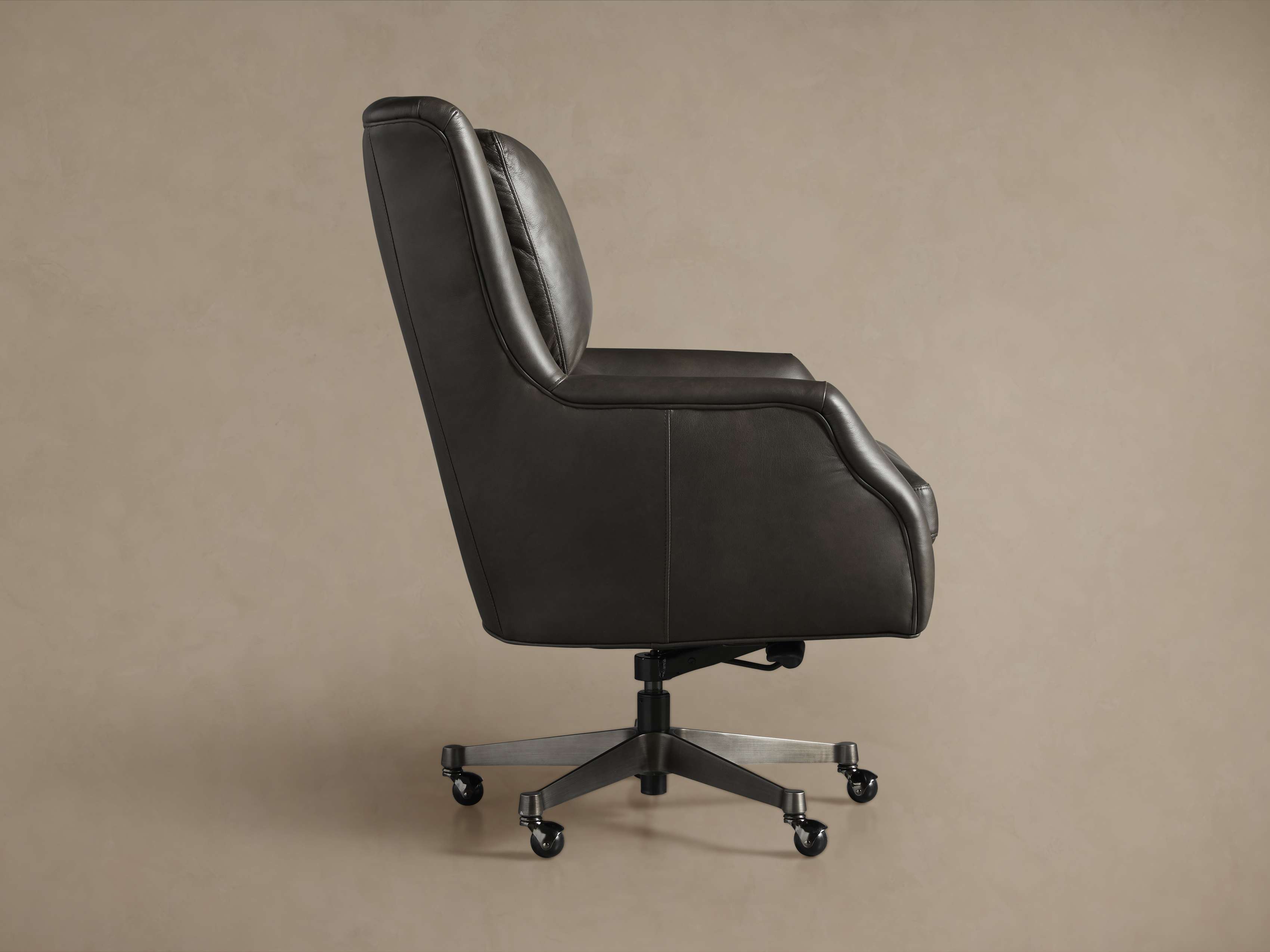
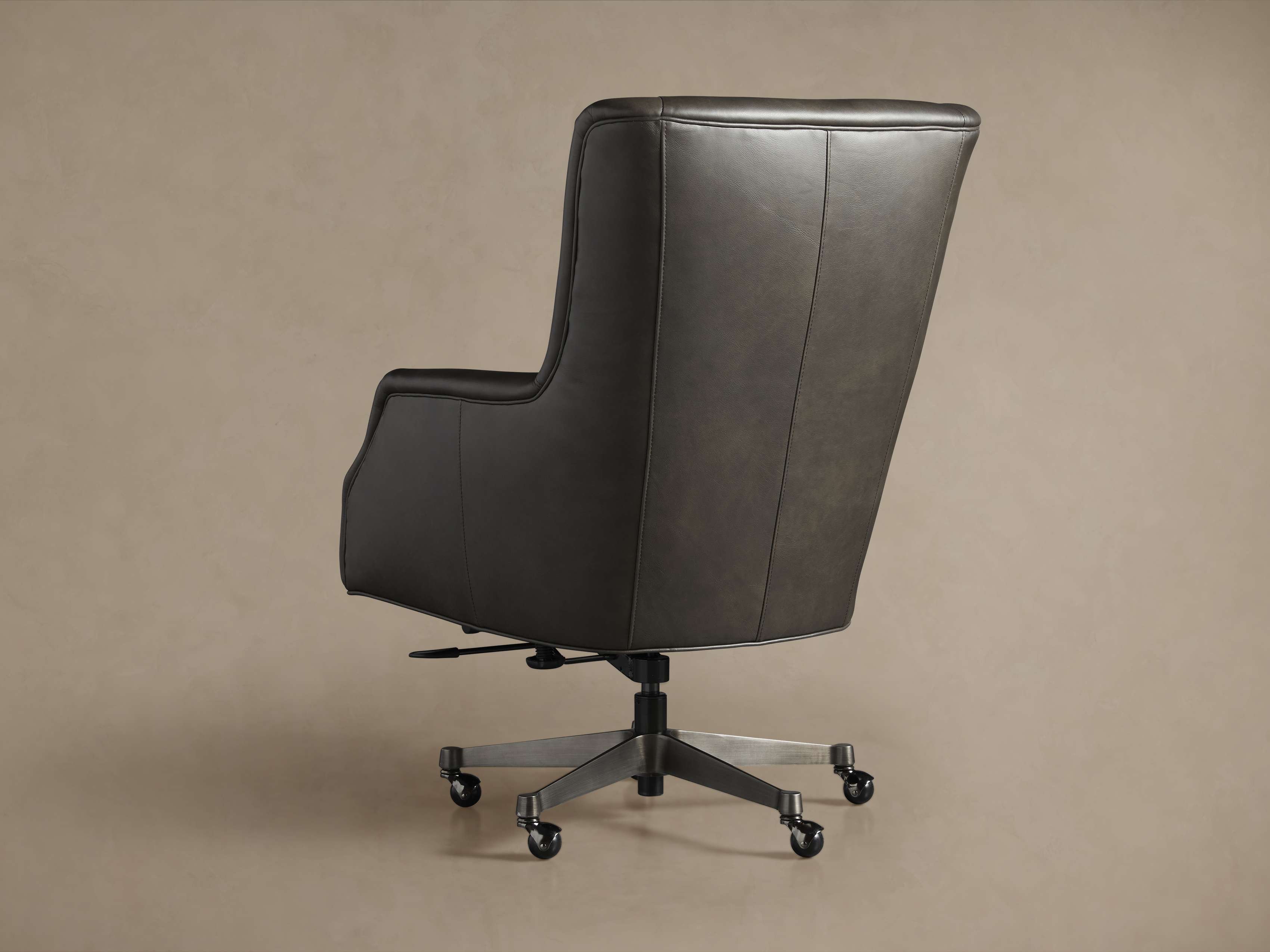
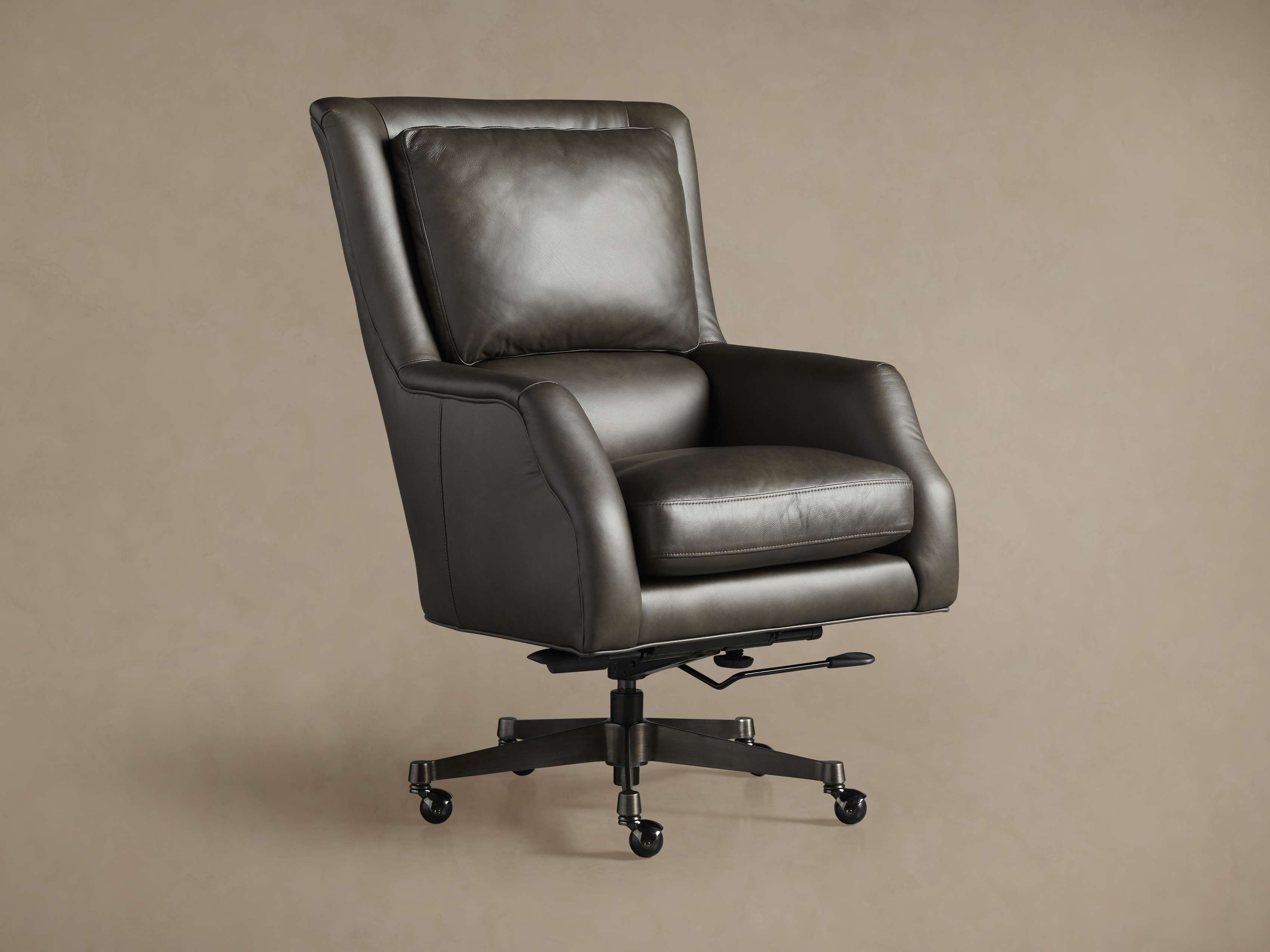
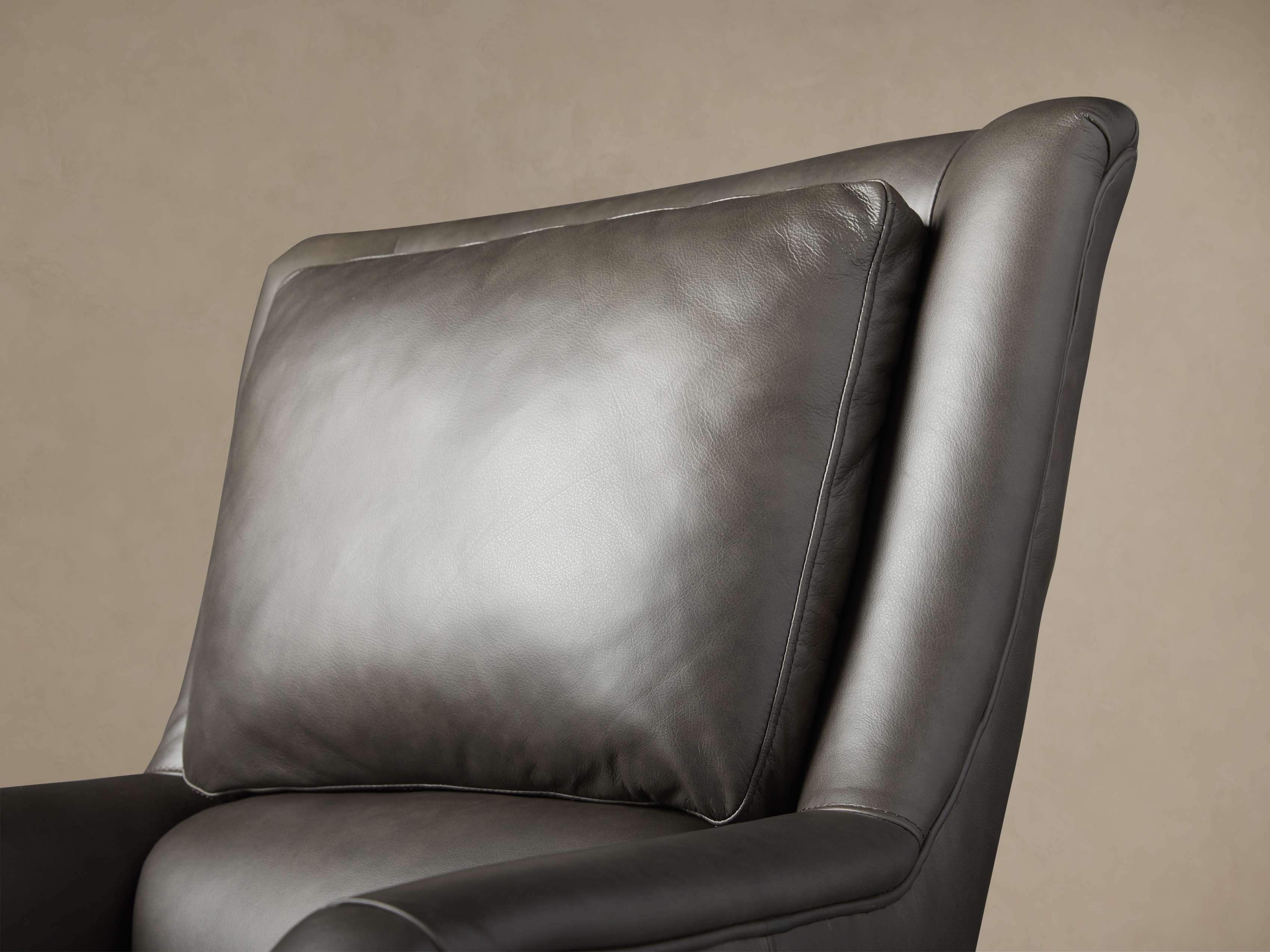

An office chair gets used longer and harder than almost any other piece of furniture in the house, which makes comfort and support matter more here than style alone. Whether you need a chair for eight-hour workdays or just occasional desk time, this collection has office chairs to suit different needs. Explore ergonomic office chairs, executive chairs, and simple task chairs in sizes and styles made for both home offices and studies.
Whether you're outfitting a dedicated home office or just need something more supportive than a dining chair pulled up to a desk, there's a chair here built for the hours it'll actually see.
Ergonomic Chairs for All-Day Use
An ergonomic office chair is built around adjustability, seat height, lumbar support, armrest position, and tilt tension, so it can be tuned to a specific body rather than asking the body to adapt to the chair. This matters most for anyone spending several hours a day at a desk, since a chair that doesn't support the lower back properly tends to cause discomfort well before the workday is over.
More adjustment points generally mean a better fit, but only if they're actually used. Even a fully adjustable chair may be less comfortable when the seat height, lumbar support, or other settings aren't properly adjusted to your body.
Executive Chairs for a Traditional Office Look
An executive chair trades some of the ergonomic chair's visible adjustability for a more polished, traditional look, often in leather or a leather-like upholstery with a higher back and a more substantial frame. This style suits a home office meant to feel more formal or professional, particularly one used for video calls or client-facing work.
Executive chairs still typically offer height and tilt adjustment, just with fewer visible mechanisms than a dedicated ergonomic chair. For occasional or moderate desk use, that tradeoff is often worth it for the more finished appearance.
Choosing a Material: Leather, Mesh, and Fabric
A mesh-backed office chair breathes better than leather or fabric, which makes it a common choice for warmer climates or anyone who runs hot during long sitting sessions. The tradeoff is a slightly less plush feel compared to a padded fabric or leather seat.
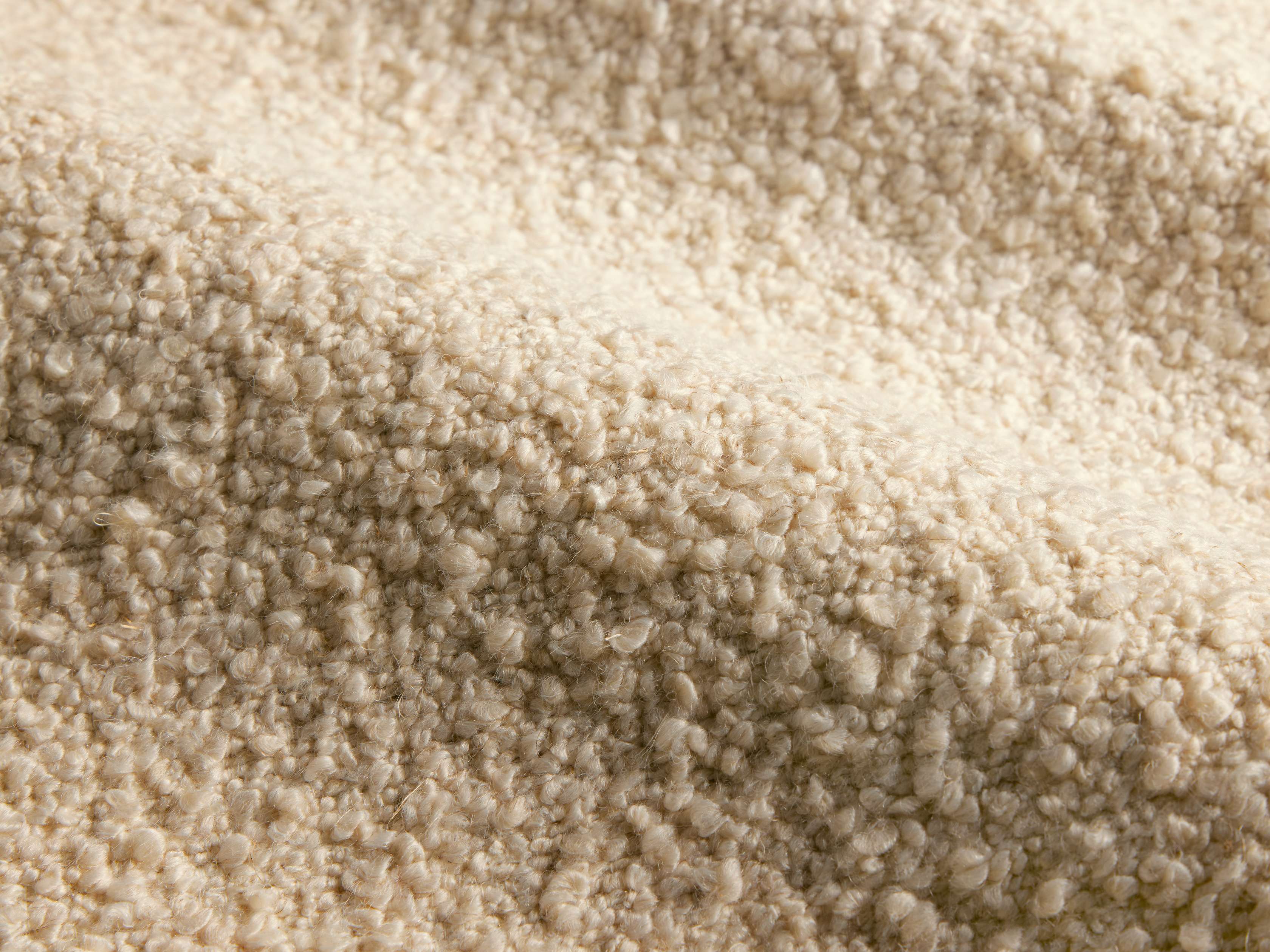
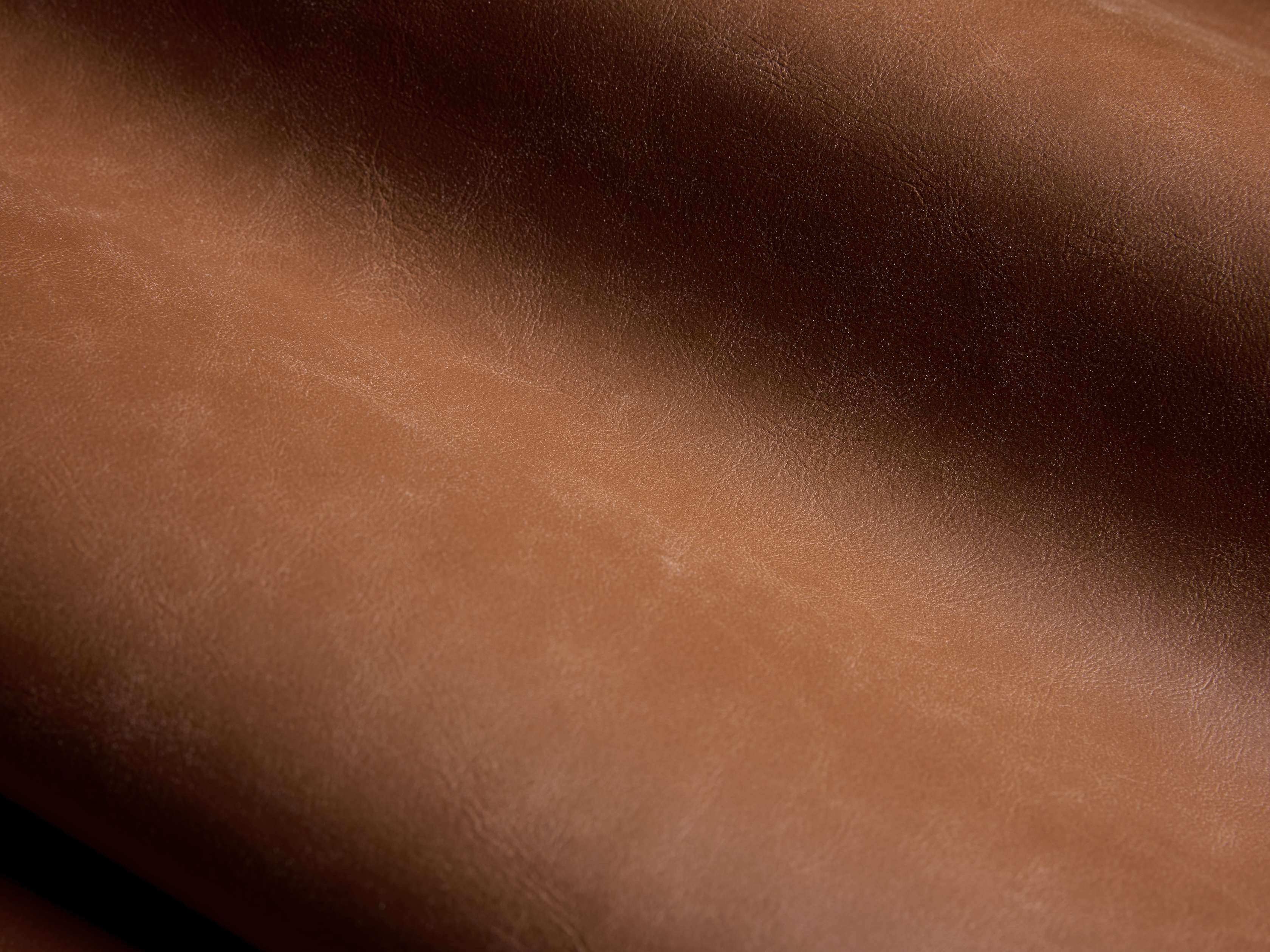
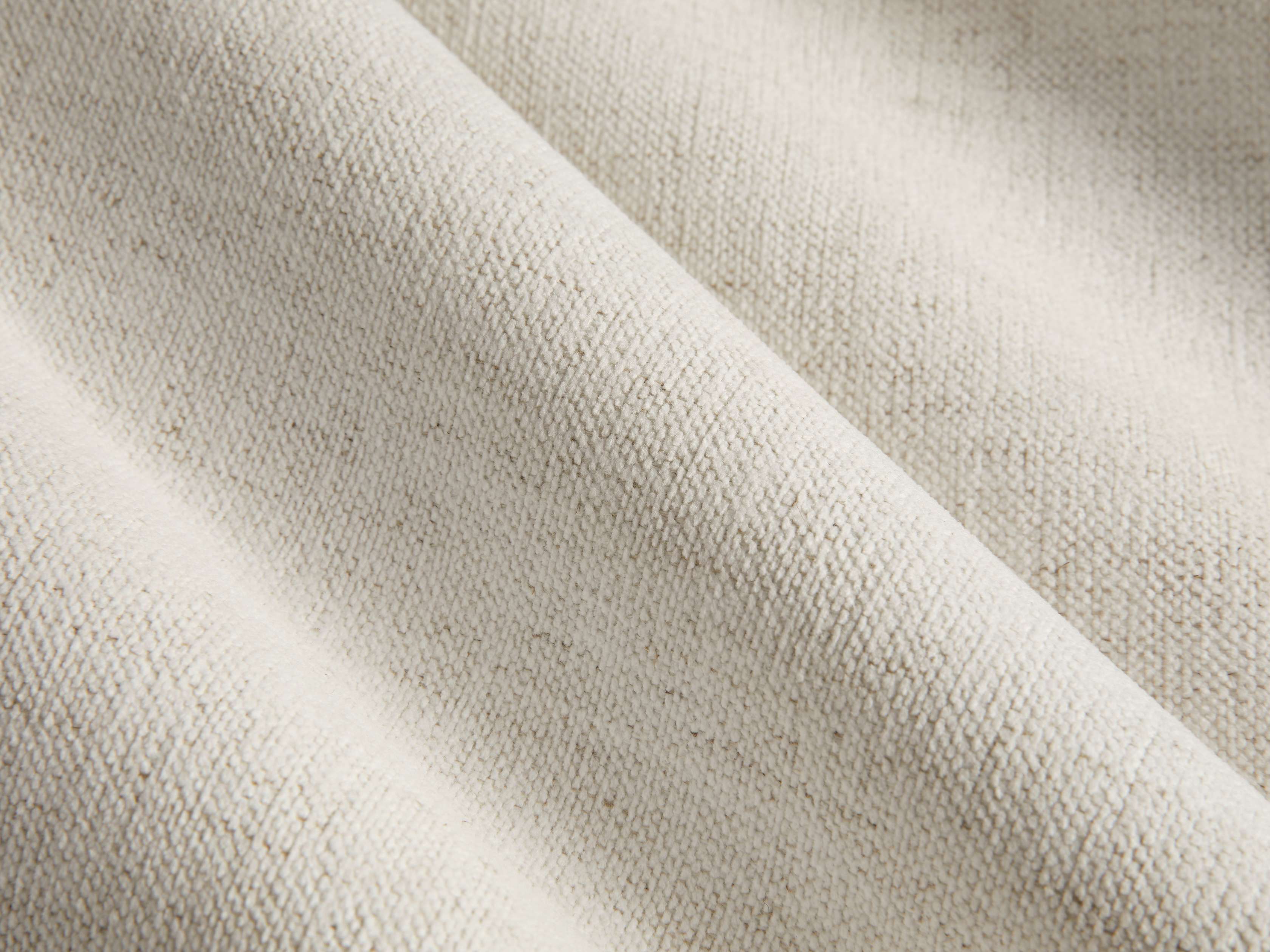
Leather and leather-like upholstery hold up well over time and wipe clean easily, which suits a shared office or a chair that sees heavy daily use. Fabric upholstery tends to feel softer immediately but shows wear and stains more readily than leather over the same stretch of time.
Matching the Chair to the Desk and the Hours Spent Sitting
A chair's seat height should let both feet rest flat on the floor with knees at roughly a right angle, which usually means checking the chair's height range against the desk's height before buying rather than assuming standard sizing will work for every combination. Armrests should sit low enough that shoulders can relax rather than hike upward while typing.
For anyone working full days at a desk, an ergonomic office chair with adjustable lumbar support is generally worth the investment over a simpler chair, since the cost difference tends to be small compared to the physical toll of sitting unsupported for eight hours at a stretch.
How to Choose the Right Office Chair
Start by looking at your typical daily sitting routine and how long you'll be in the chair. Full-time desk work justifies spending more on adjustability and lumbar support, while occasional use, a chair for paying bills or answering the odd email, can get by with a simpler, less adjustable option.
Next, think about the room's look and feel. Choose a leather executive chair for a more traditional, formal office setting, or opt for a mesh or fabric ergonomic chair in a casual home office or collaborative workspace.
Finally, check the chair's height range against the desk it'll be paired with, since even a well-built chair won't feel comfortable if its adjustment range doesn't match the desk's height.
Frequently Asked Questions
What makes an office chair ergonomic?
An ergonomic office chair is built with multiple adjustment points, seat height, lumbar support, armrest height, and tilt tension, so it can be tuned to fit an individual body rather than a one-size-fits-all shape. This adjustability matters most for anyone spending several hours a day seated at a desk.
Is there a difference between an executive chair and a task chair?
An executive chair typically has a higher back, a more substantial frame, and a more polished look, often in leather, aimed at a traditional or client-facing office. A task chair is generally simpler and more compact, built for shorter or lighter desk use where a large, formal chair isn't necessary.
Is a mesh office chair better than a leather one?
Neither is strictly better. A mesh office chair breathes better and tends to suit warmer rooms or anyone who runs hot while seated, while leather holds up well over time and wipes clean easily, which suits heavier daily use. The right choice comes down to climate and personal comfort more than one material being objectively superior.
How should an office chair's height be adjusted?
An office chair should be adjusted so both feet rest flat on the floor with the knees at roughly a right angle, with the desk height factored in so arms can rest comfortably while typing. Checking a chair's height range against the specific desk it will be used with helps avoid a mismatch after purchase.
Are ergonomic office chairs worth the extra cost?
For anyone working full days at a desk, yes, since the price difference between a basic chair and an ergonomic office chair is generally small compared to the physical strain of sitting unsupported for many hours at a time. For occasional or short-term desk use, a simpler chair is often sufficient.
