
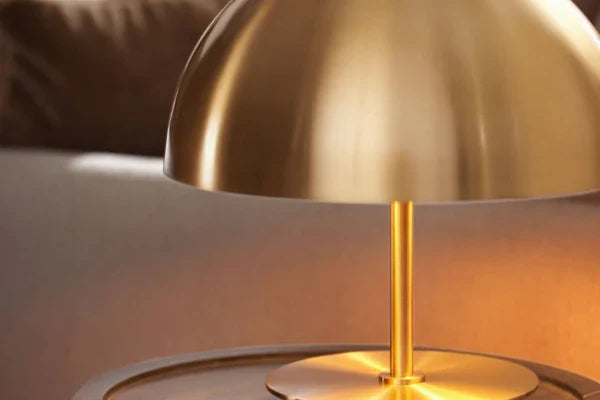
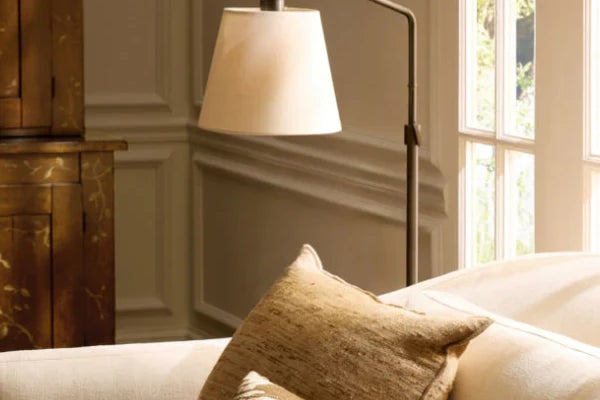

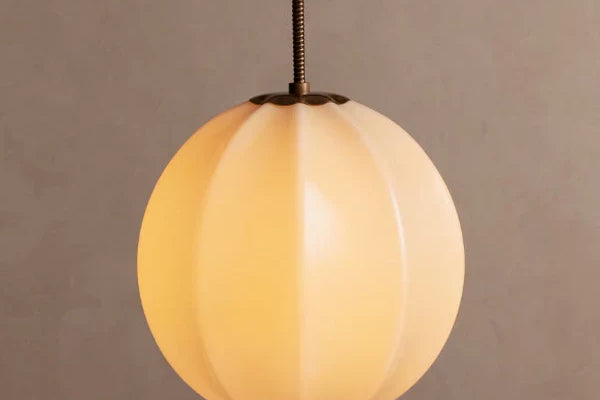



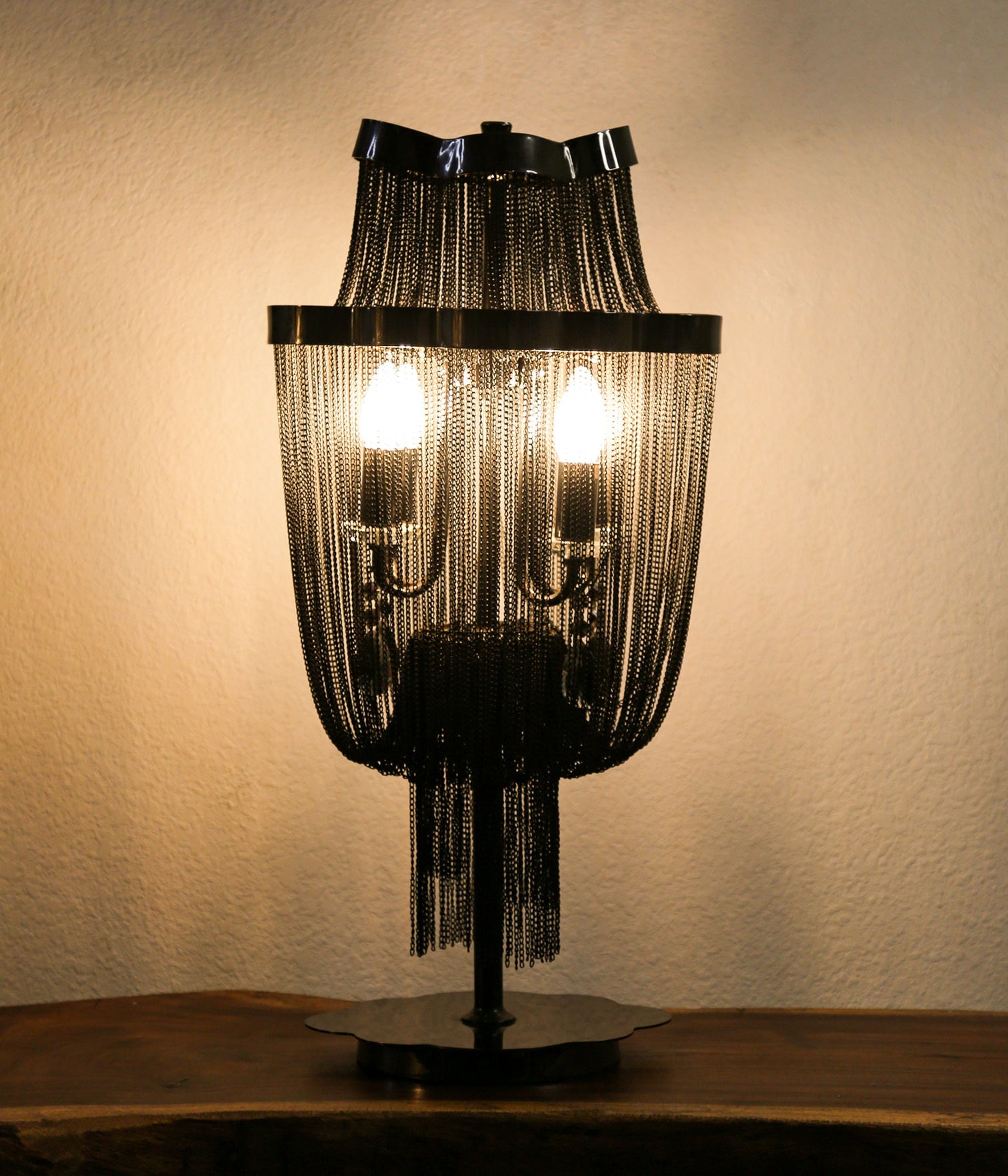
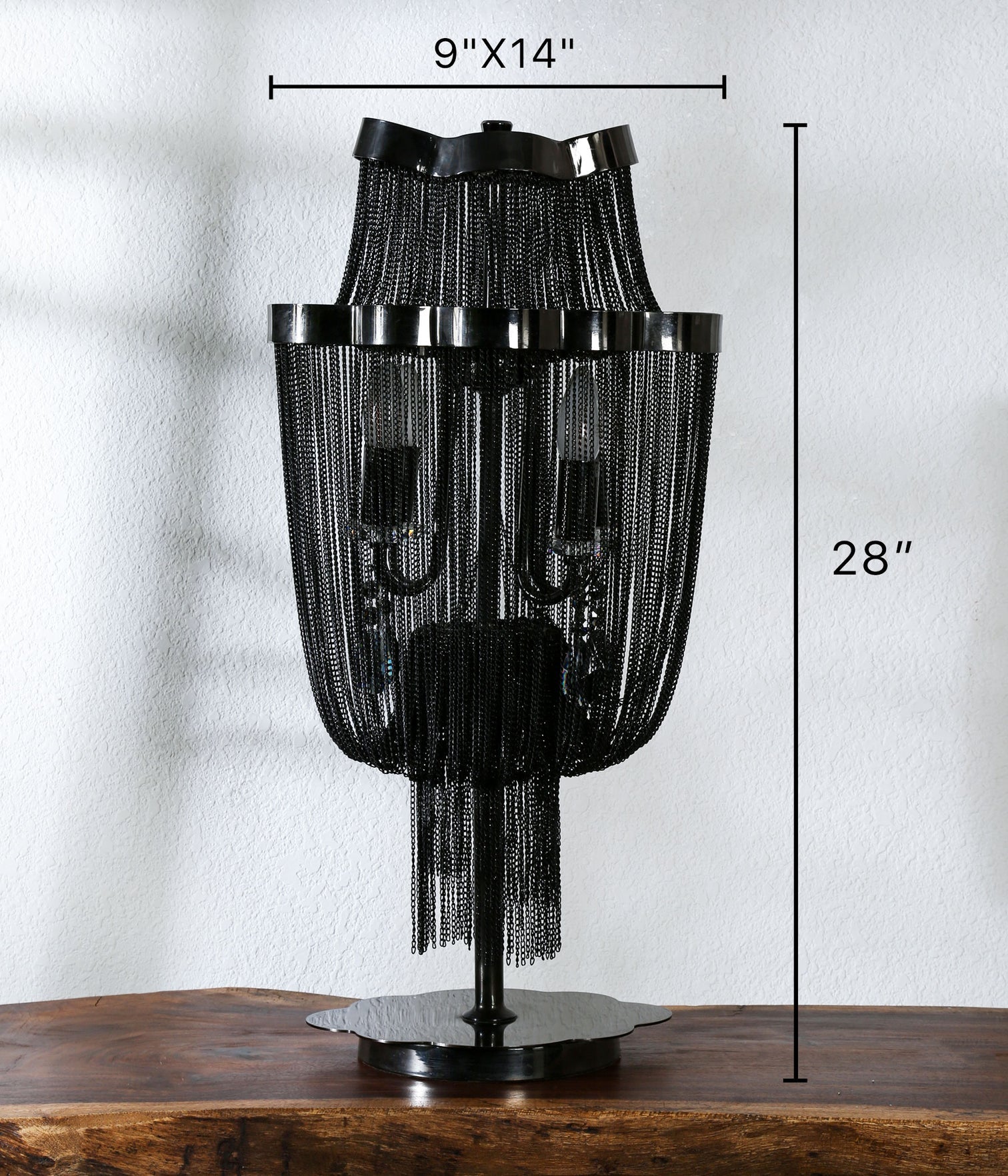


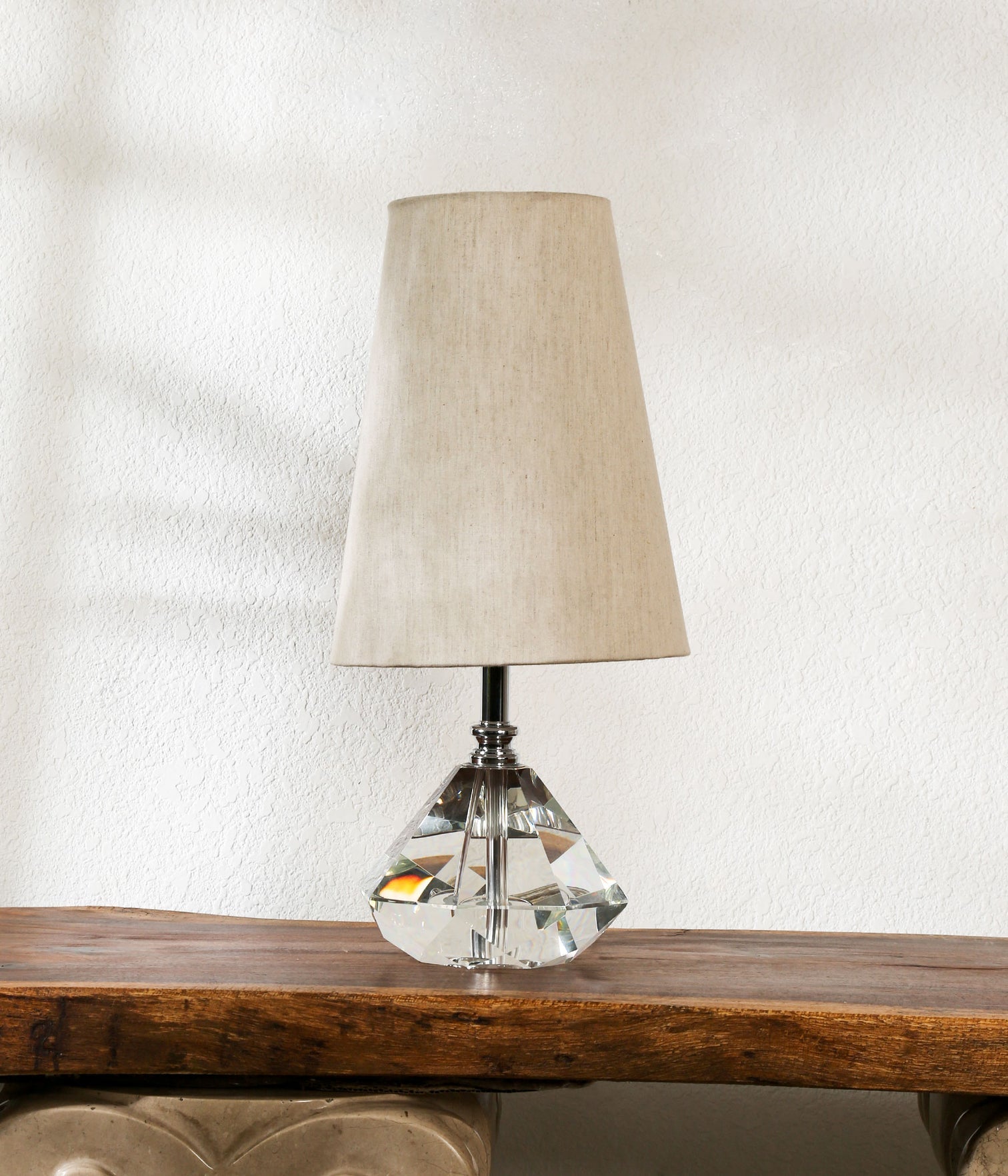
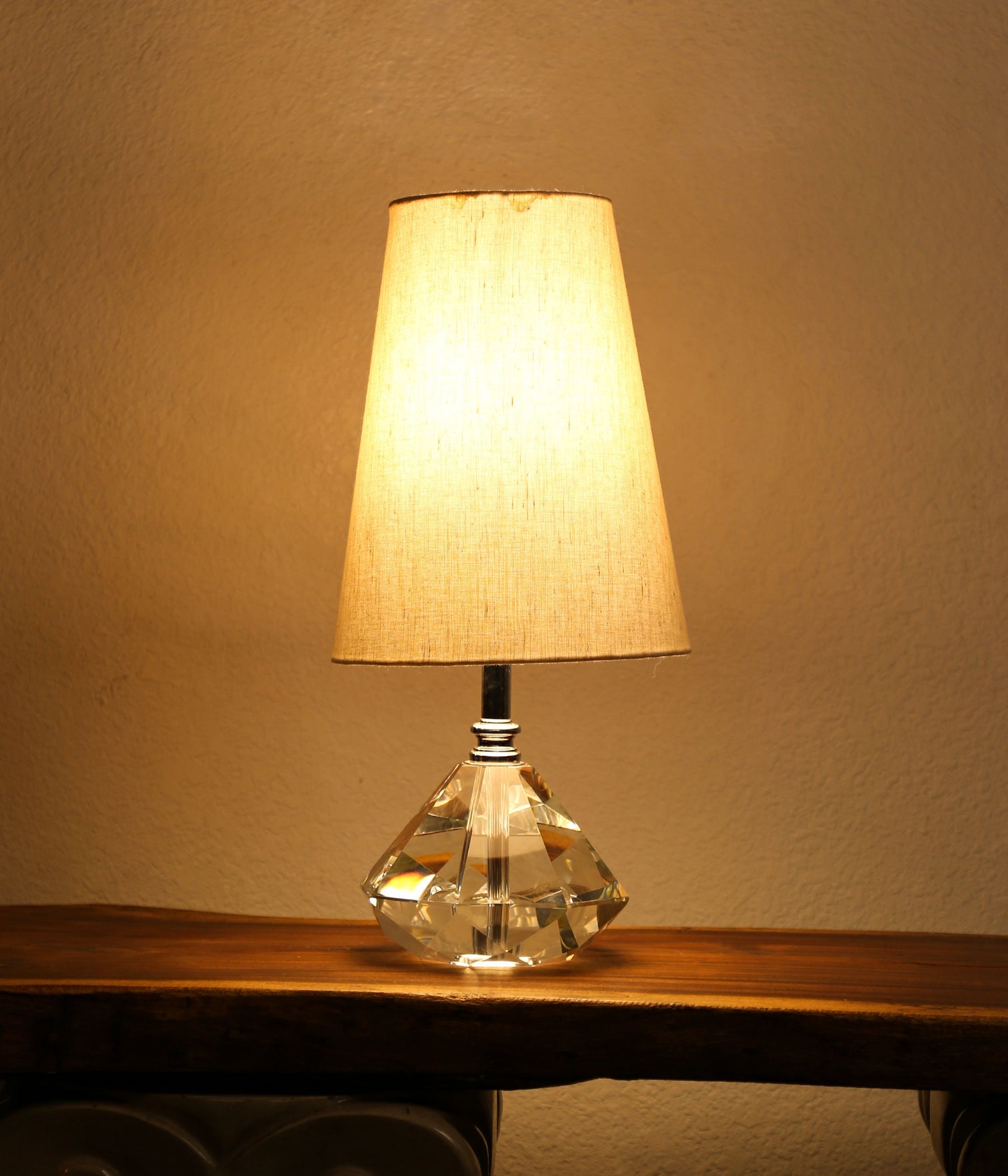
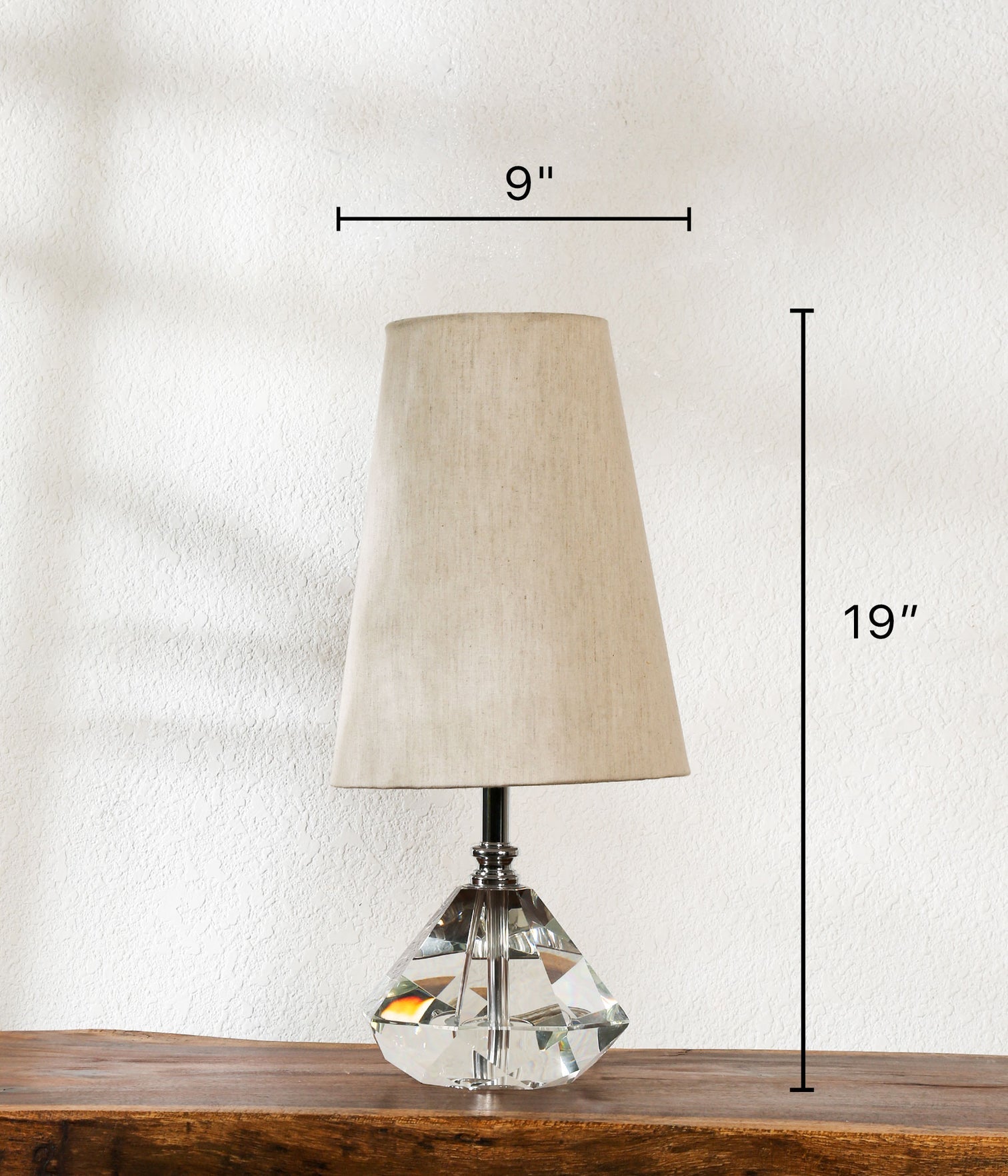
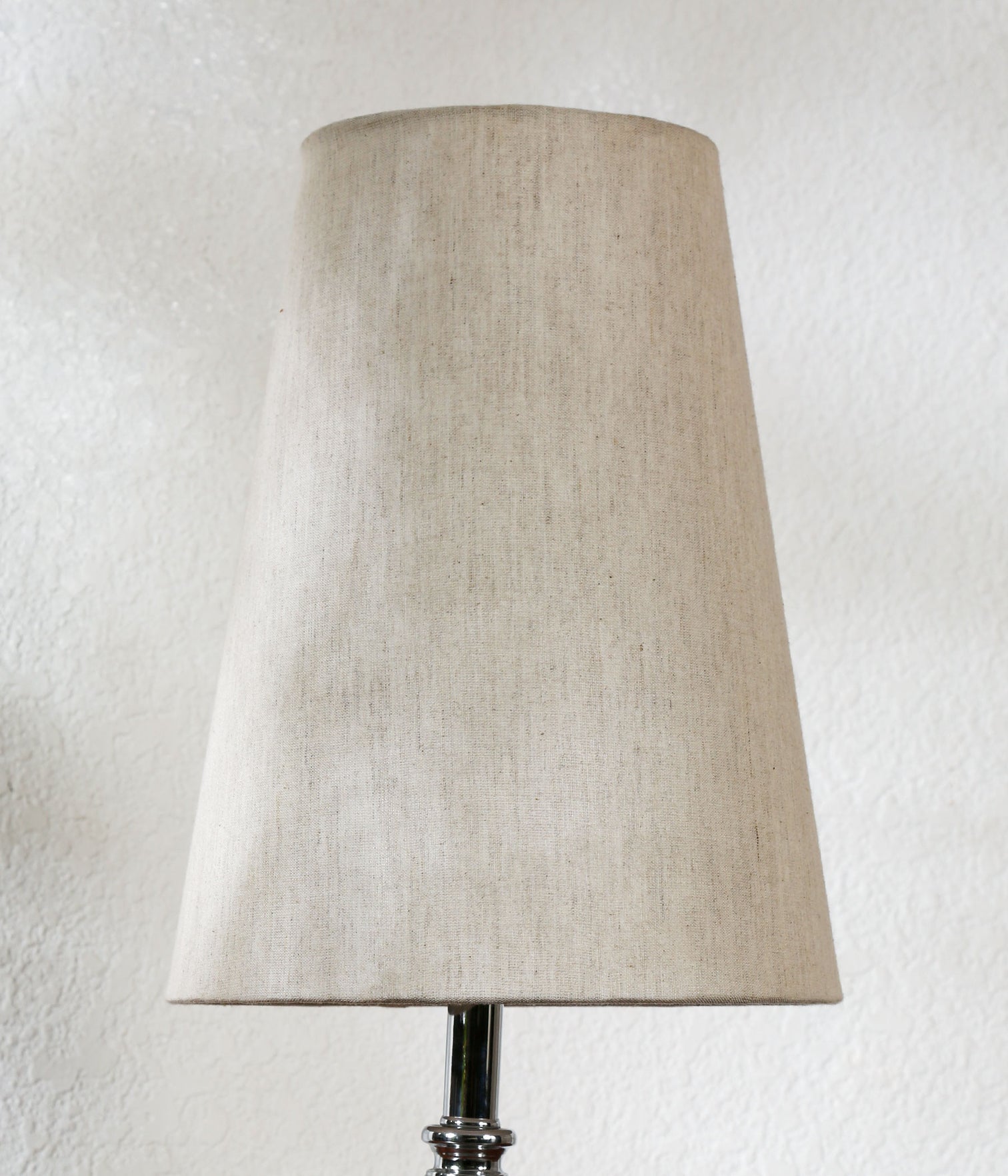
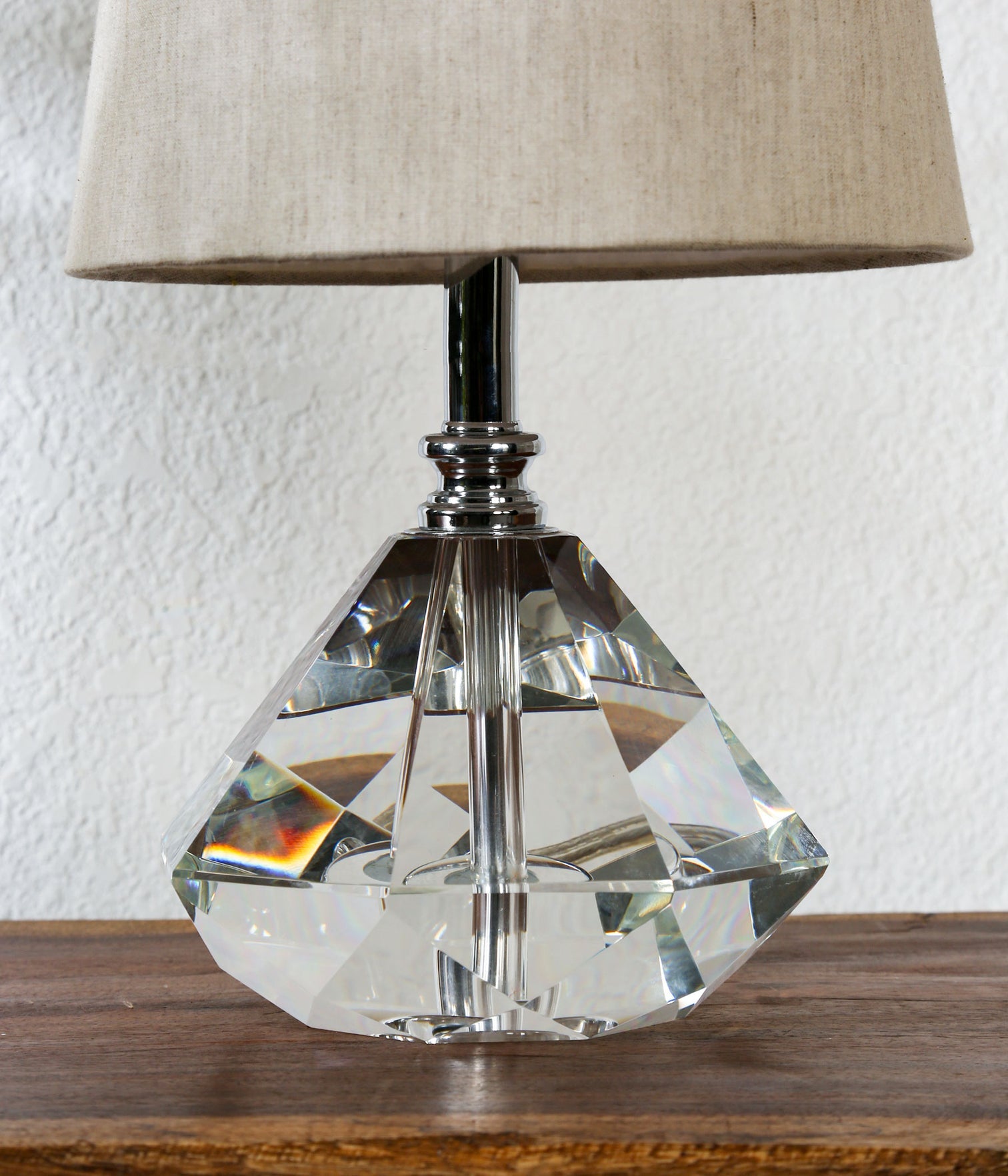
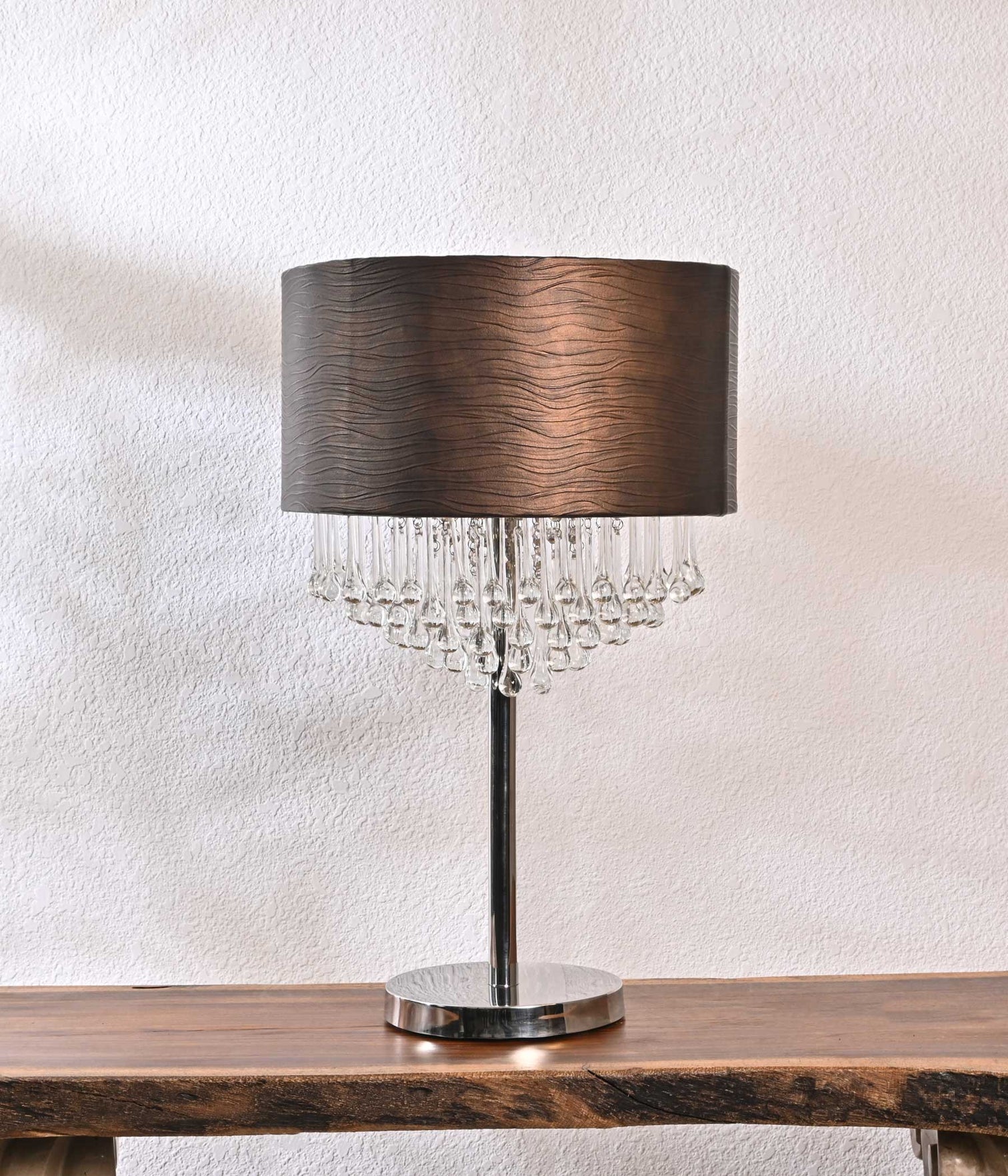

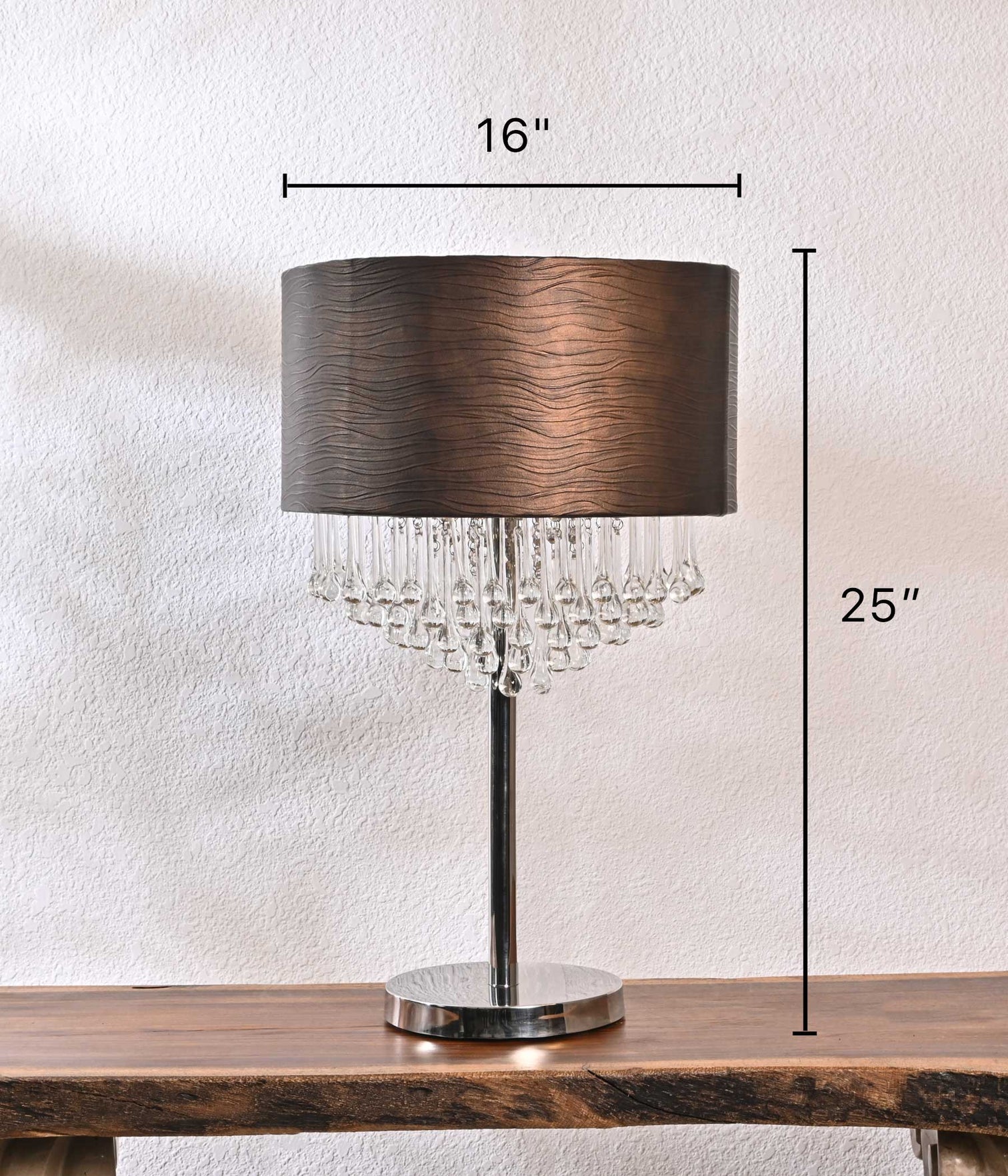
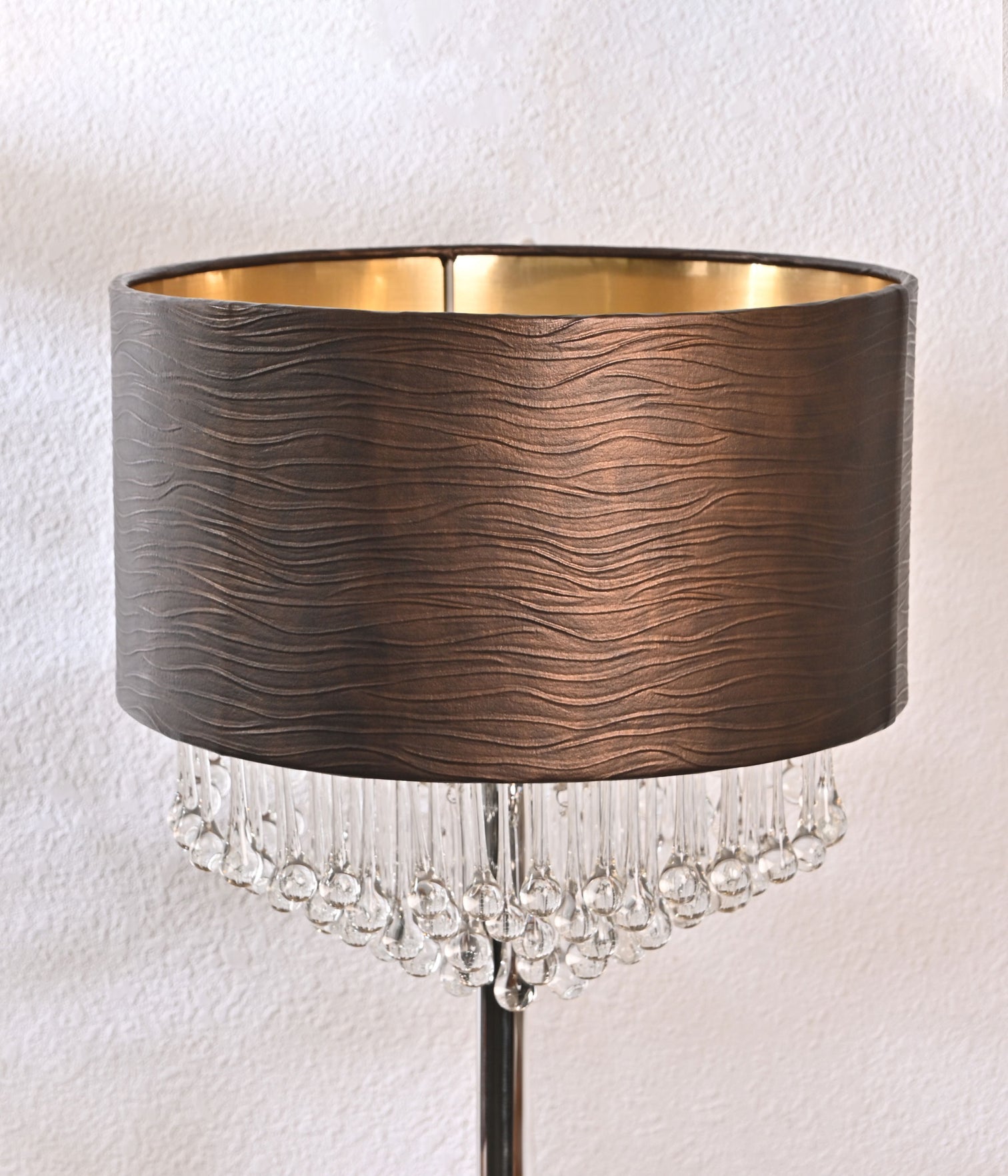
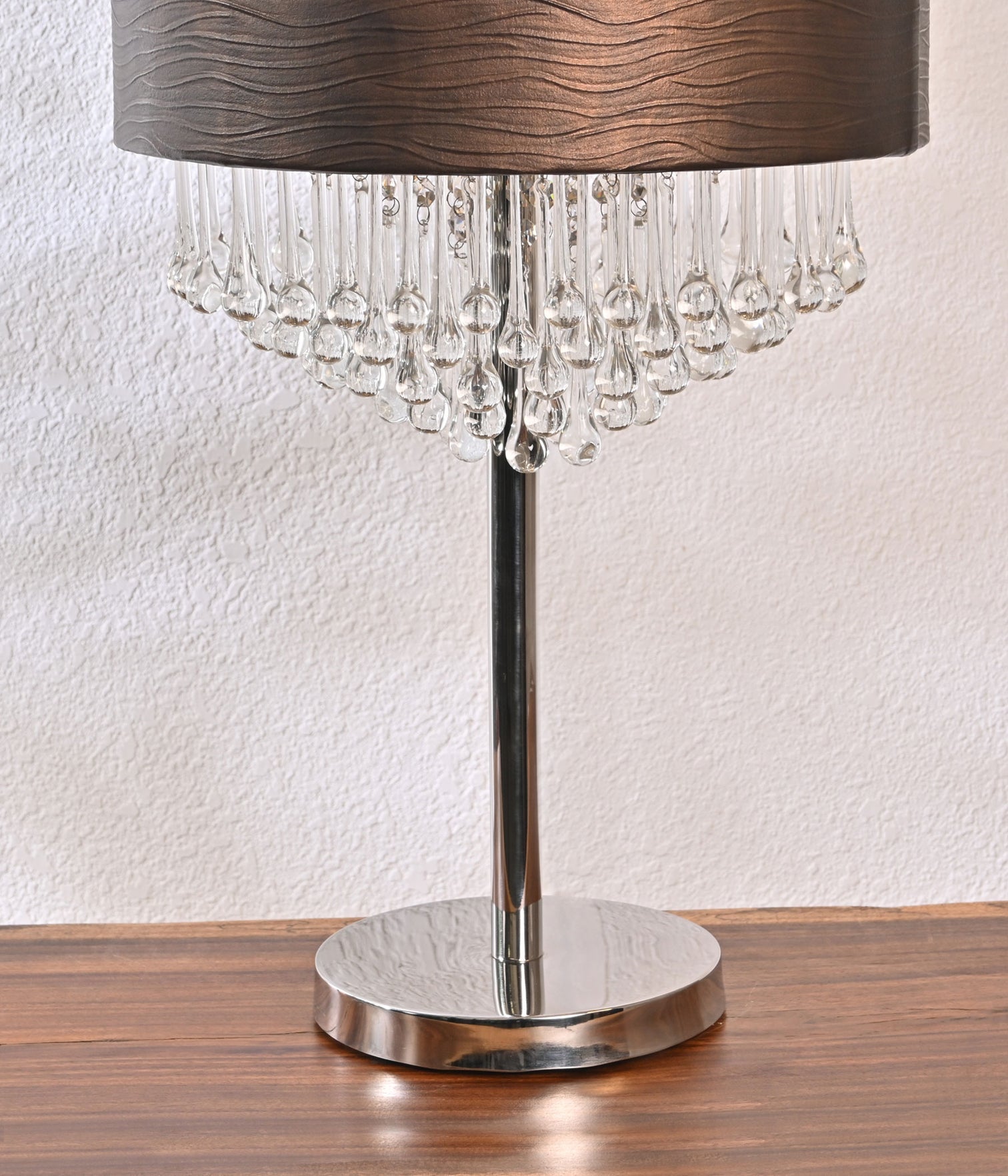
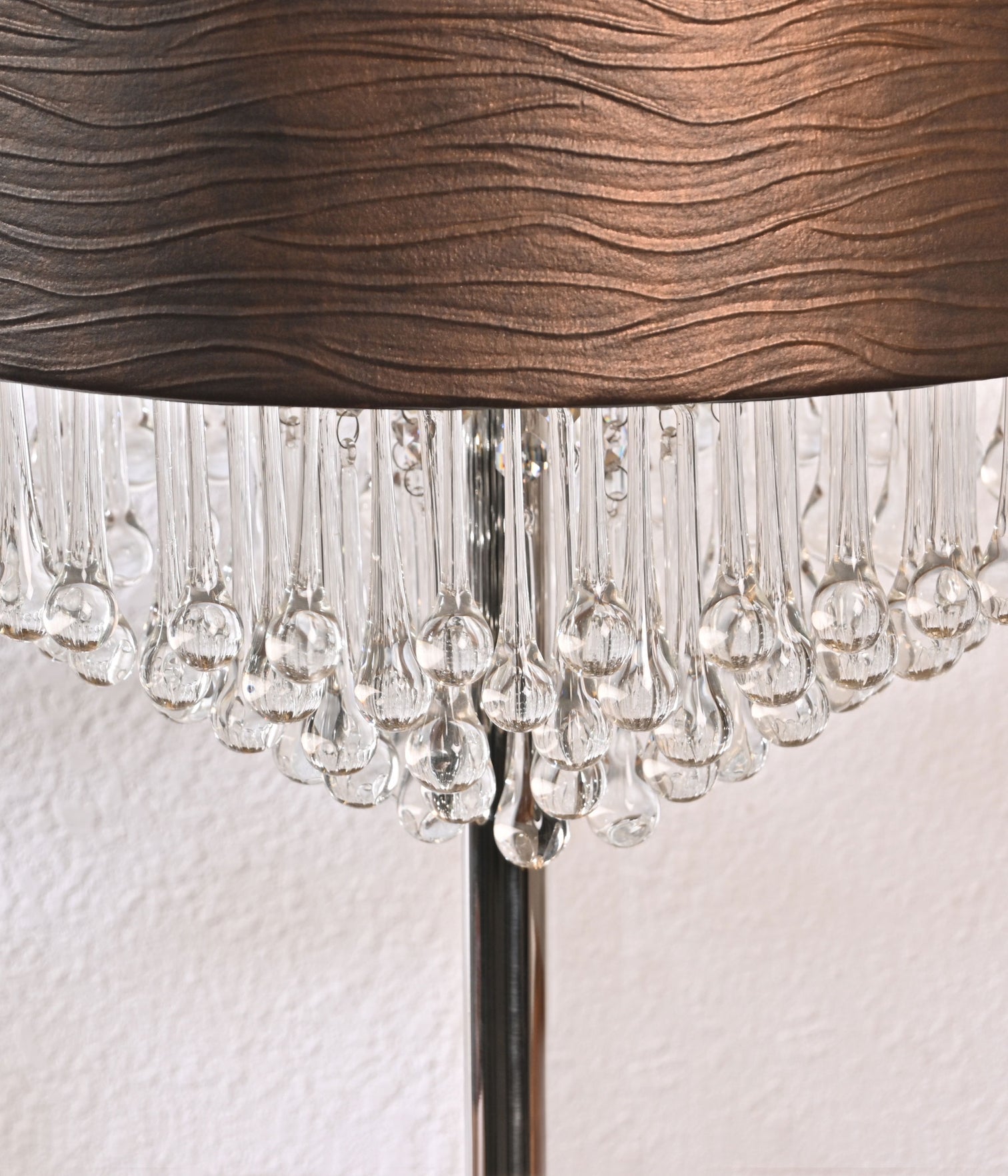


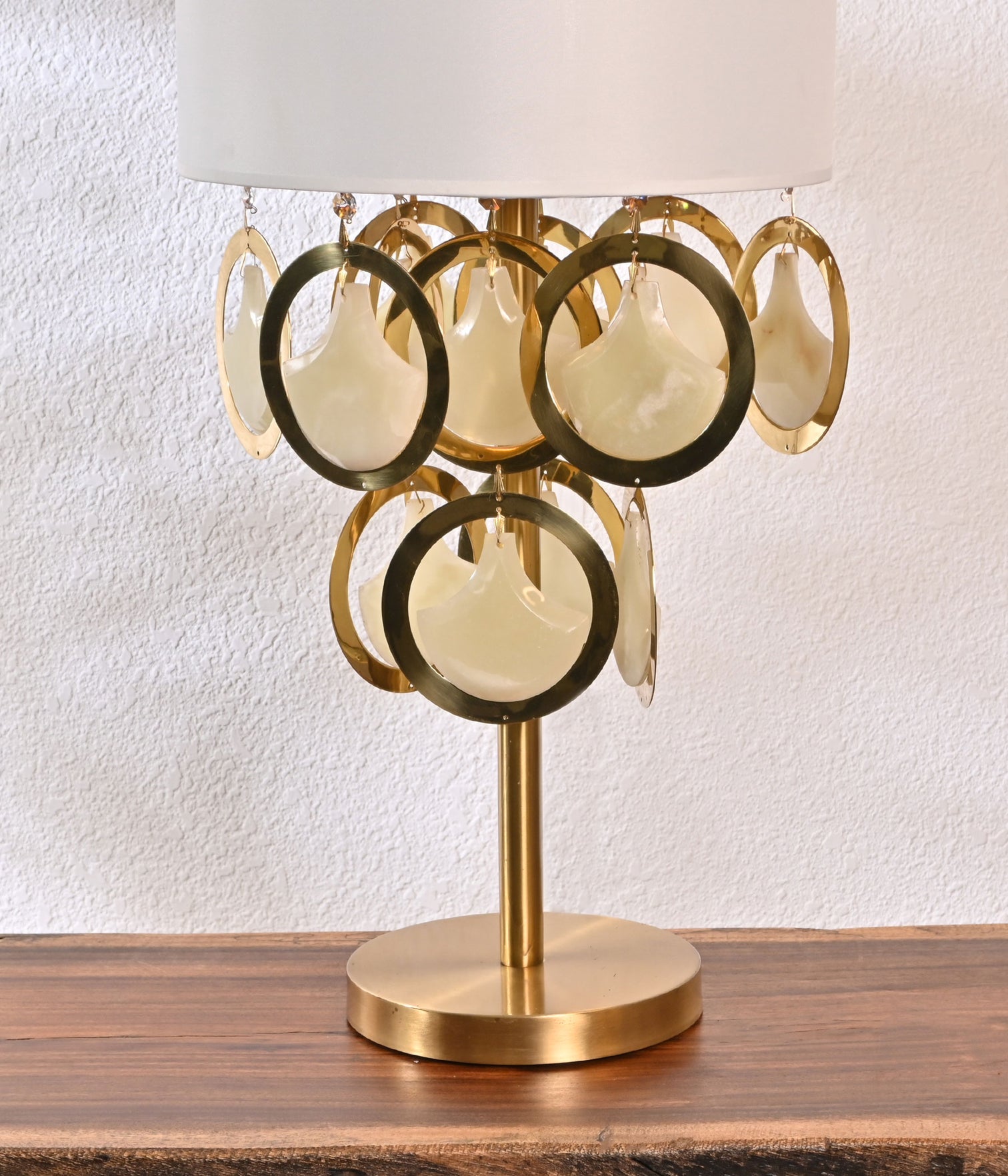
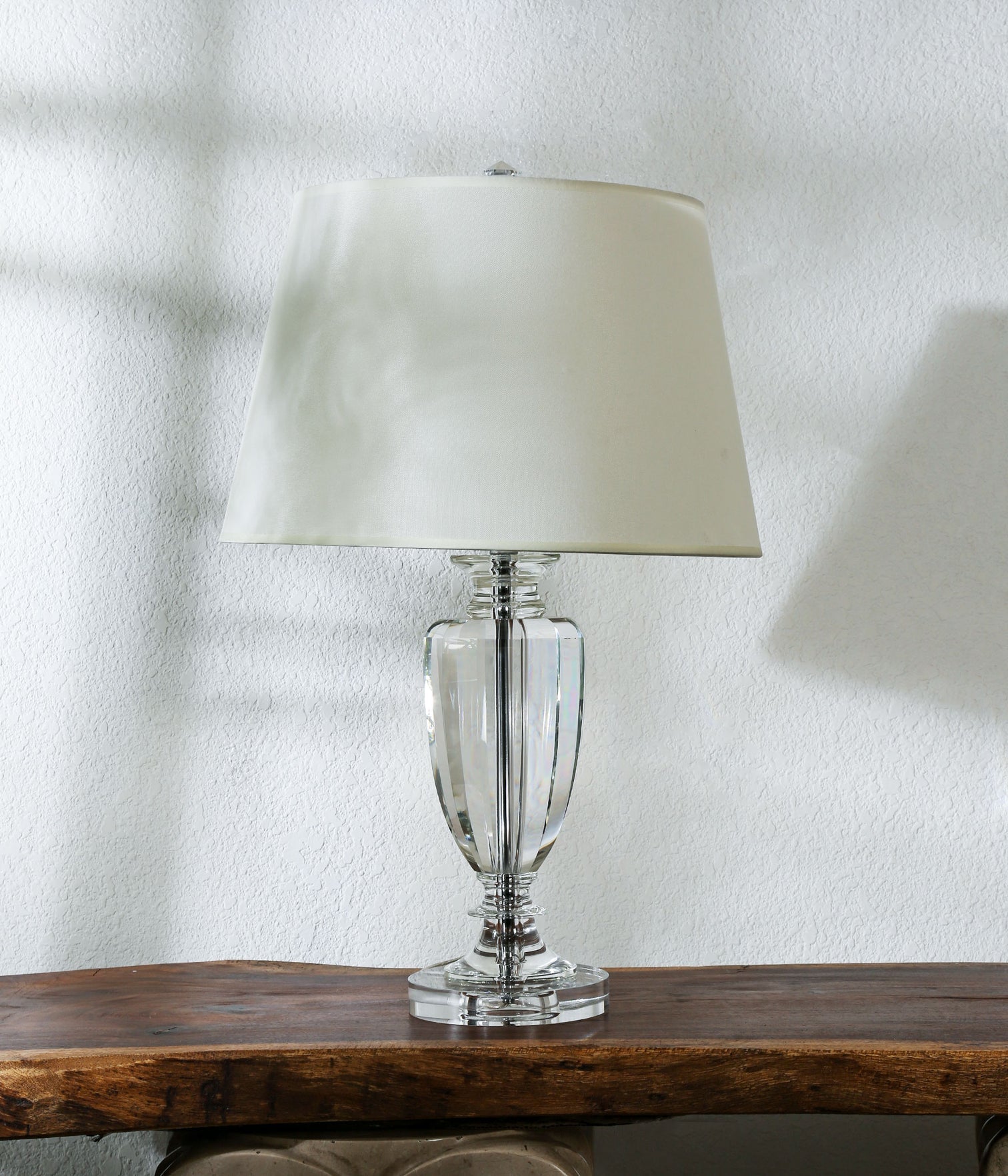


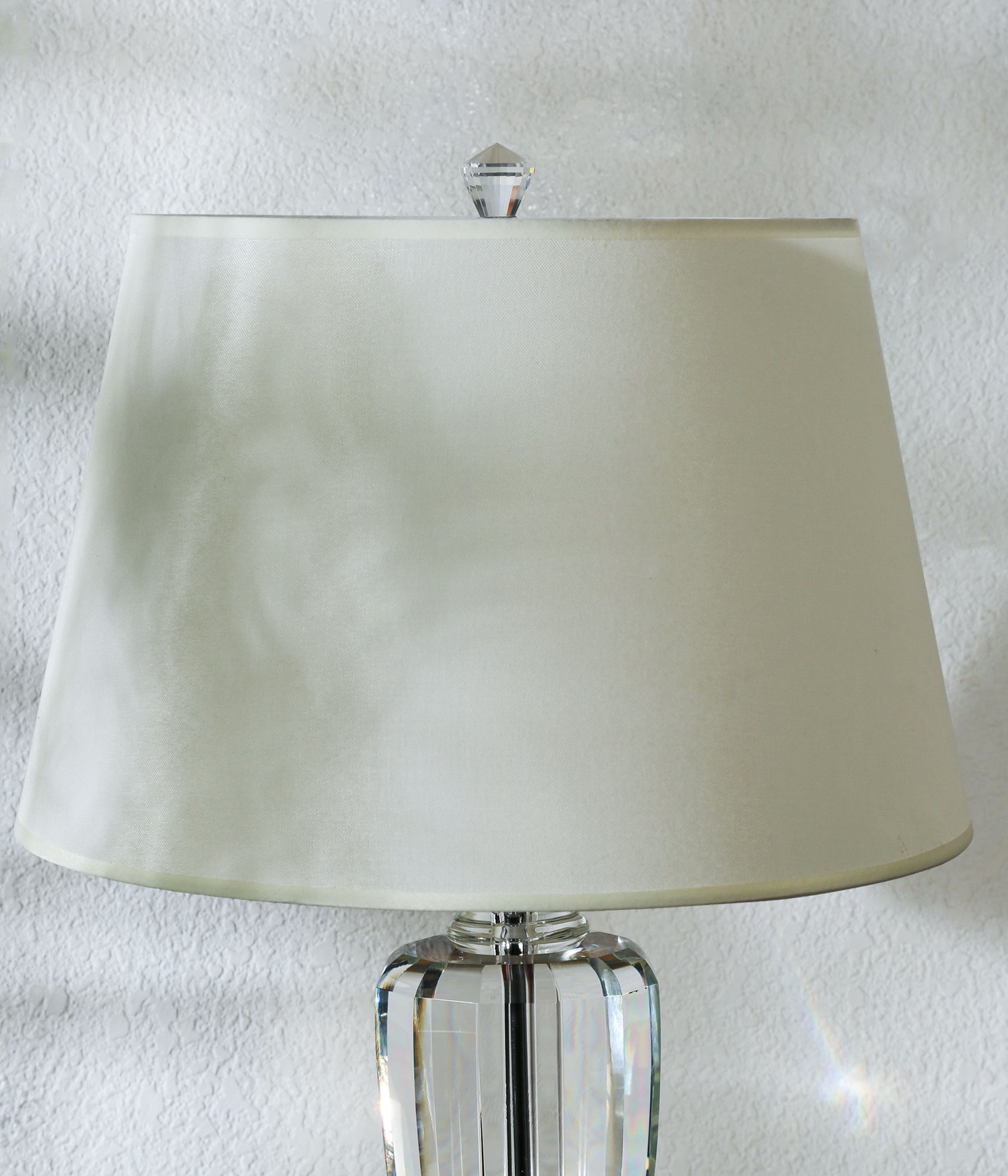


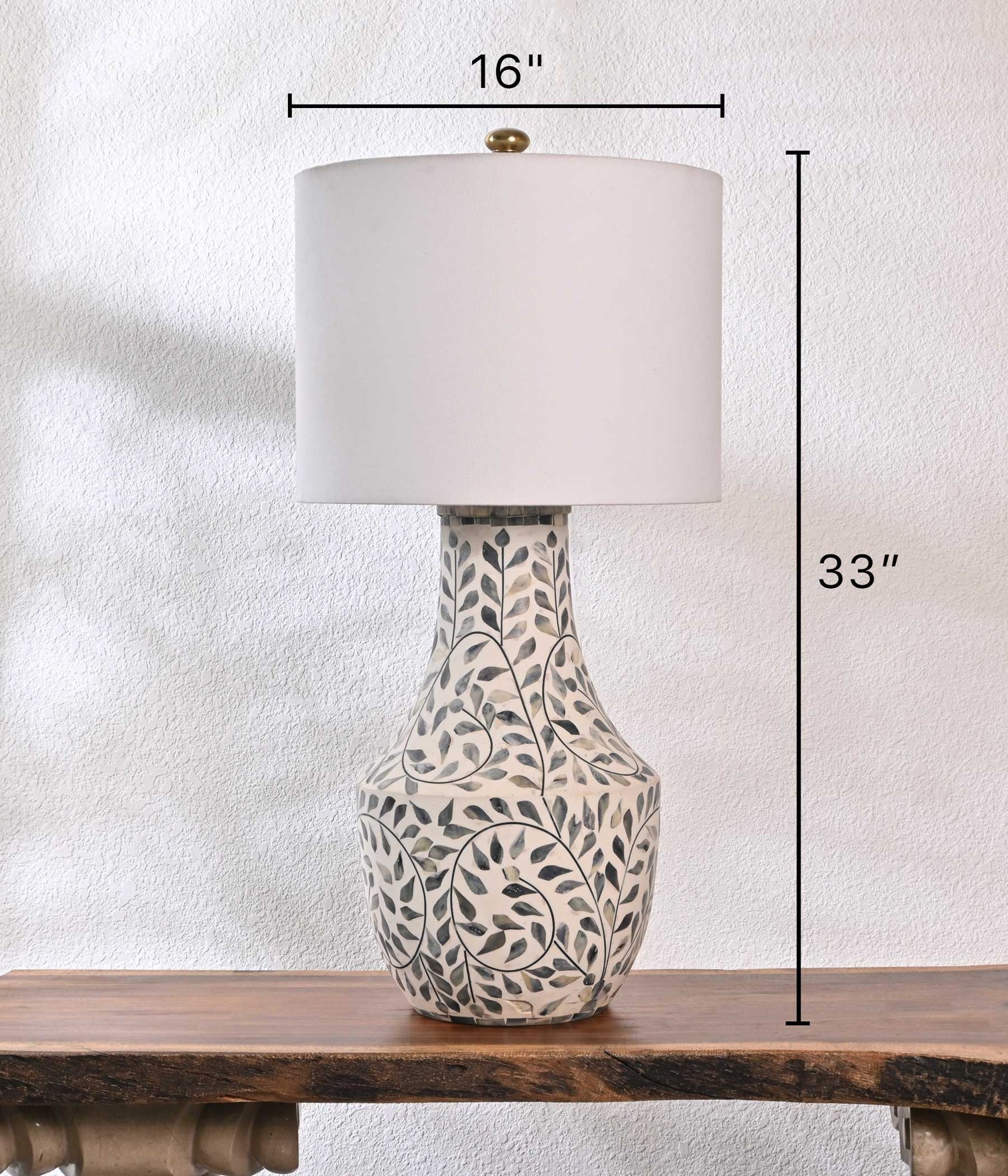
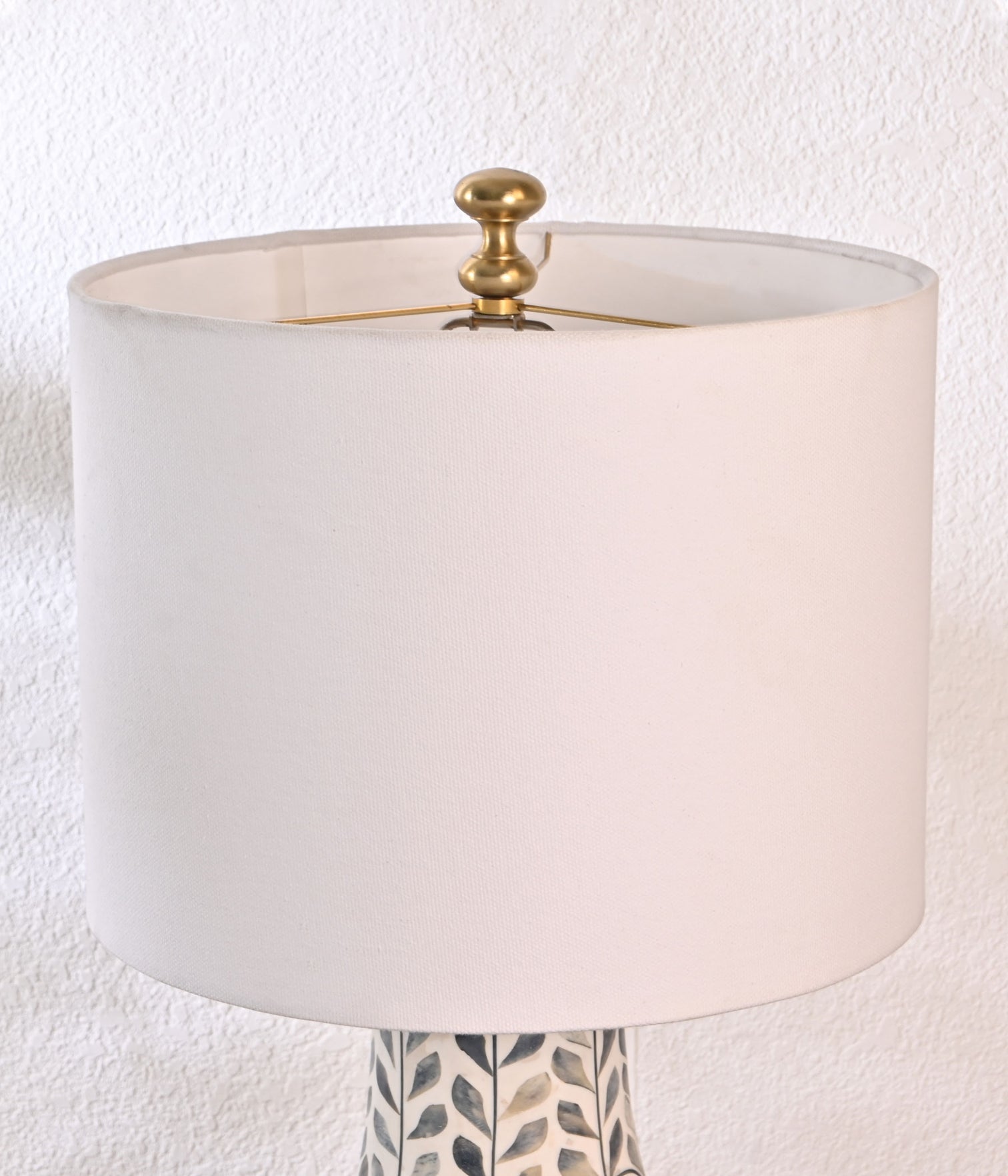


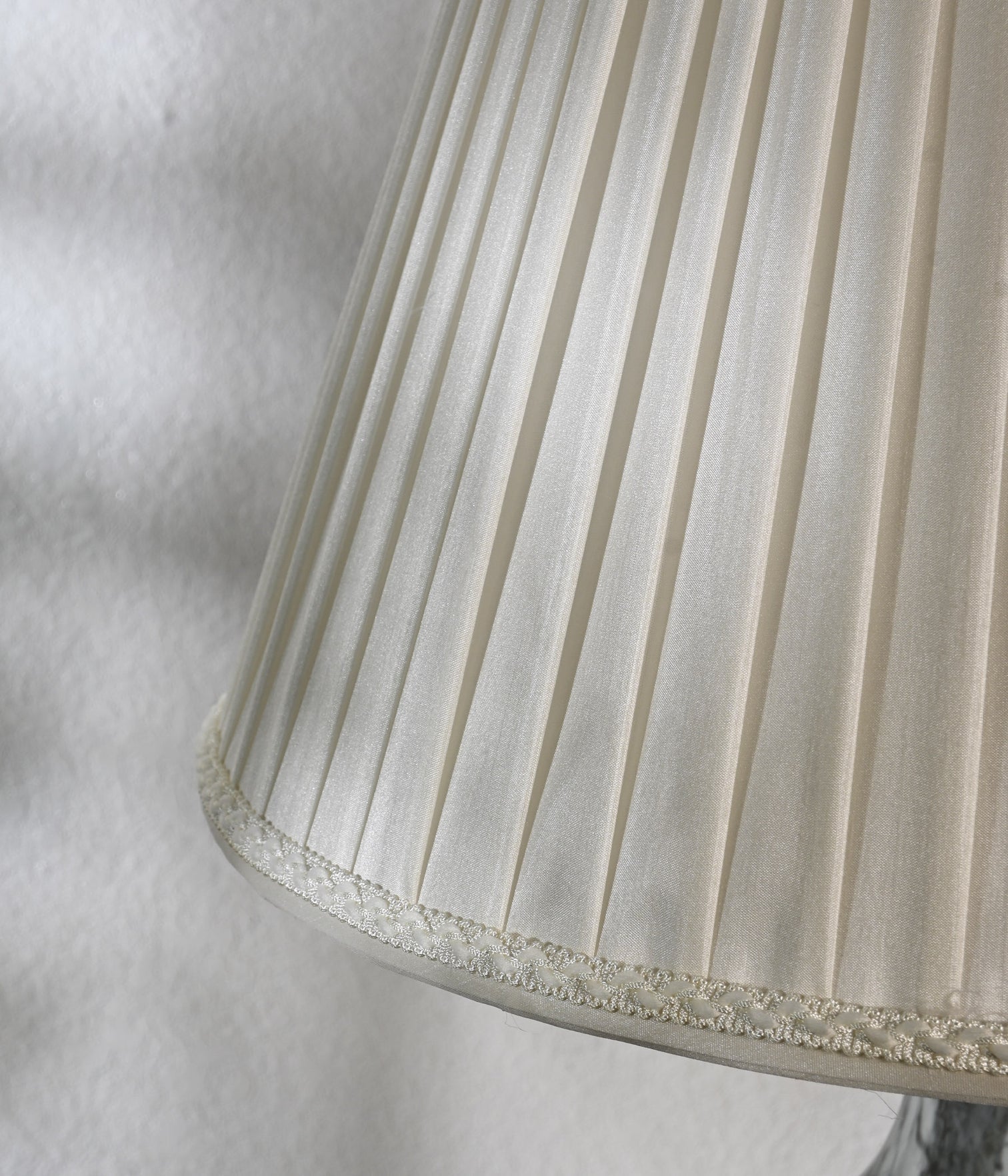
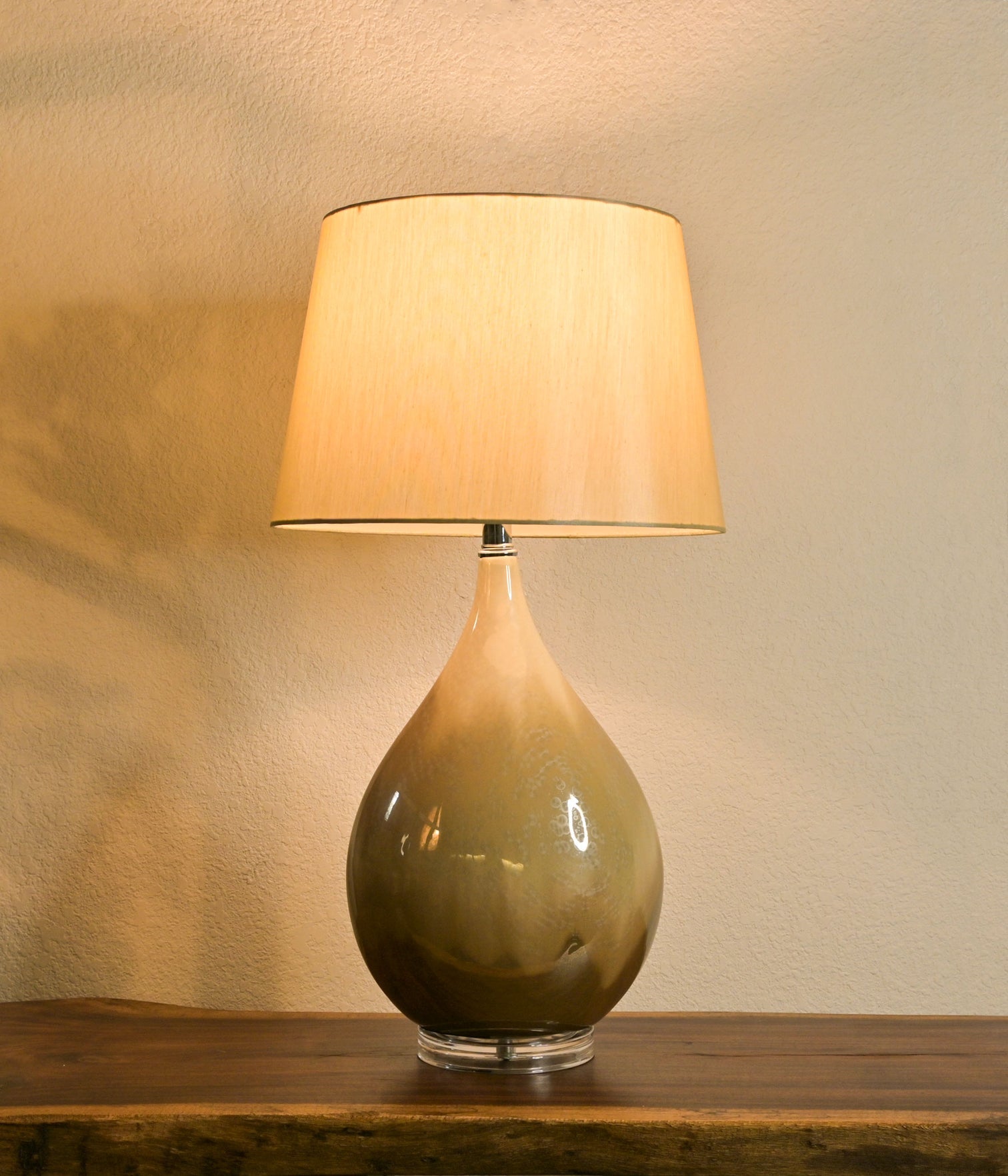


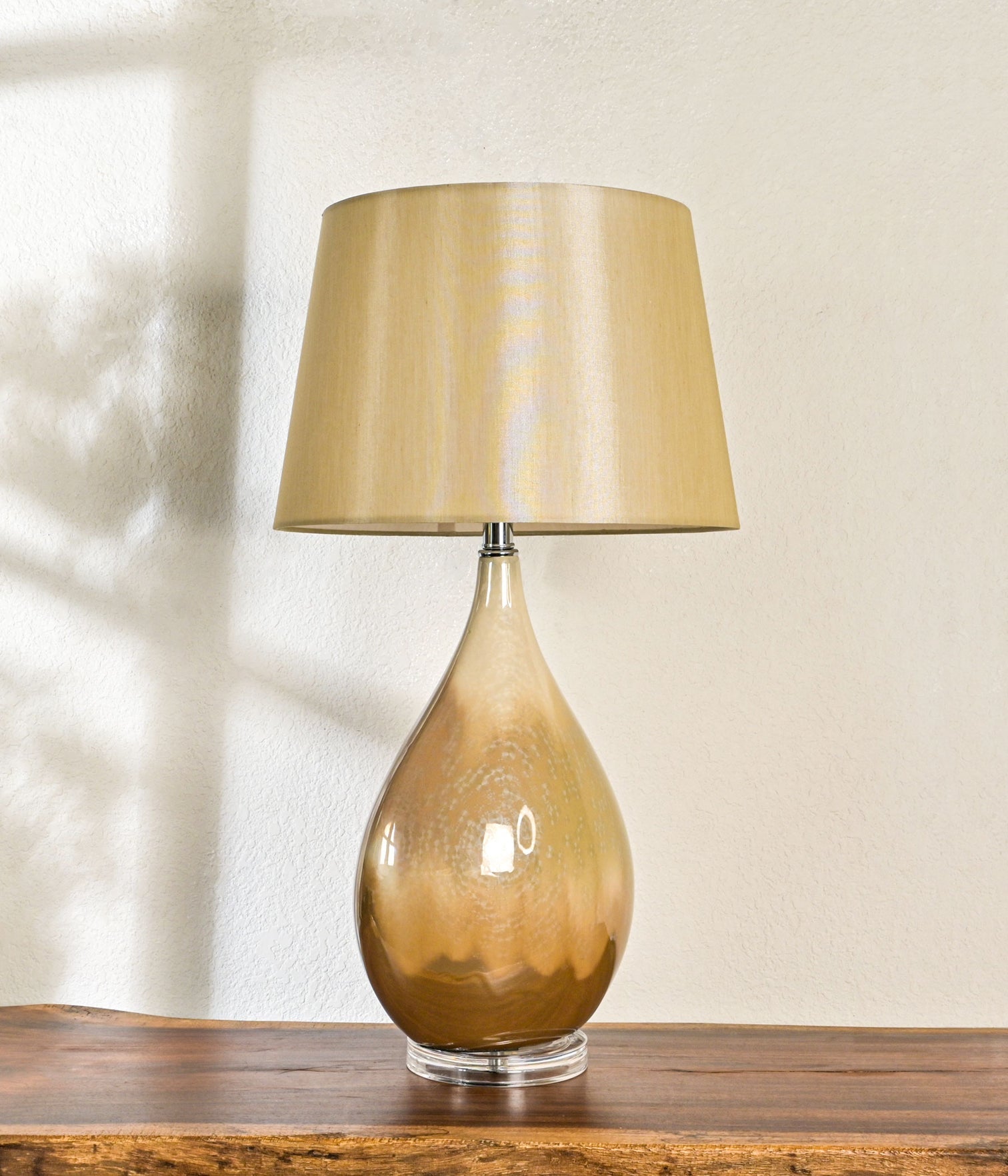
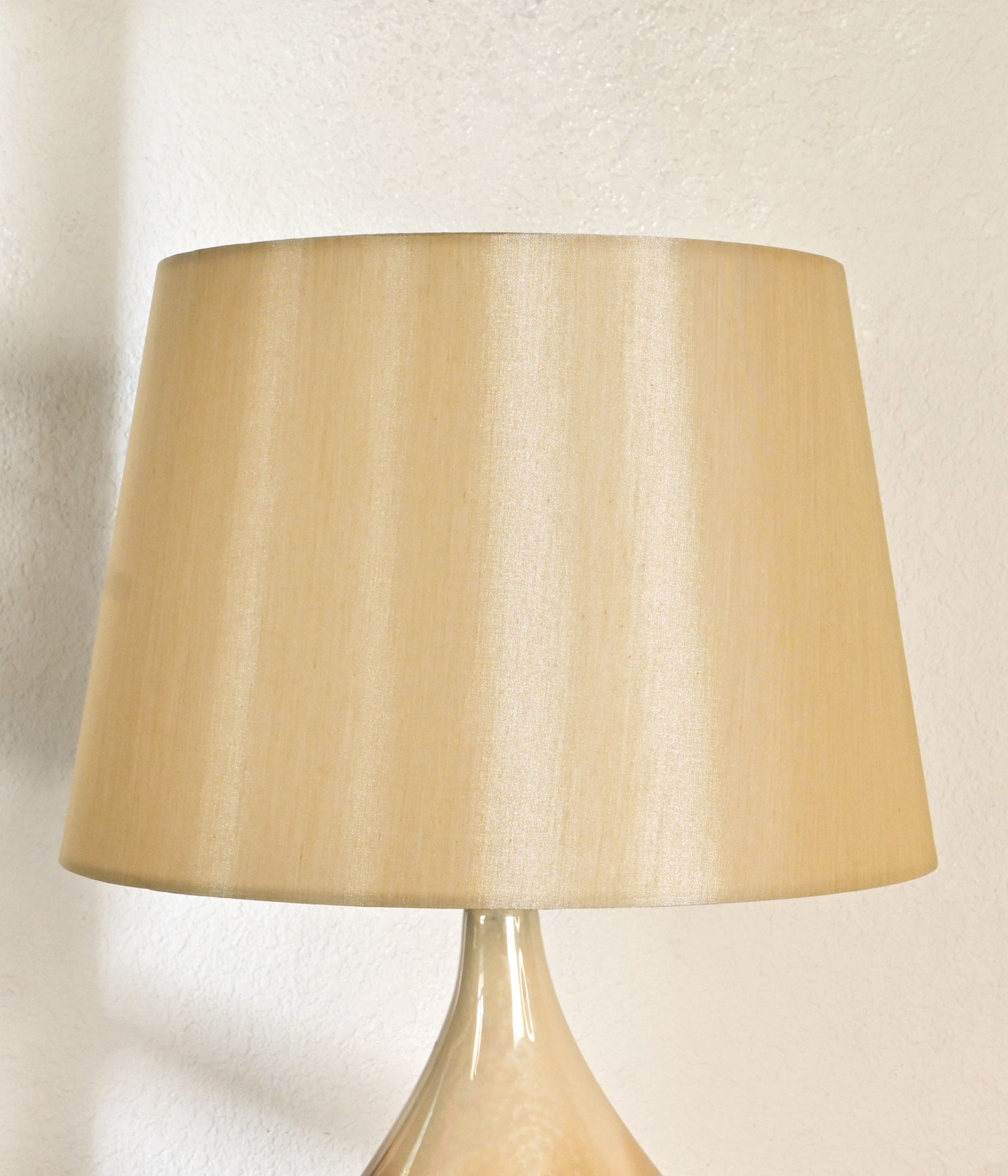

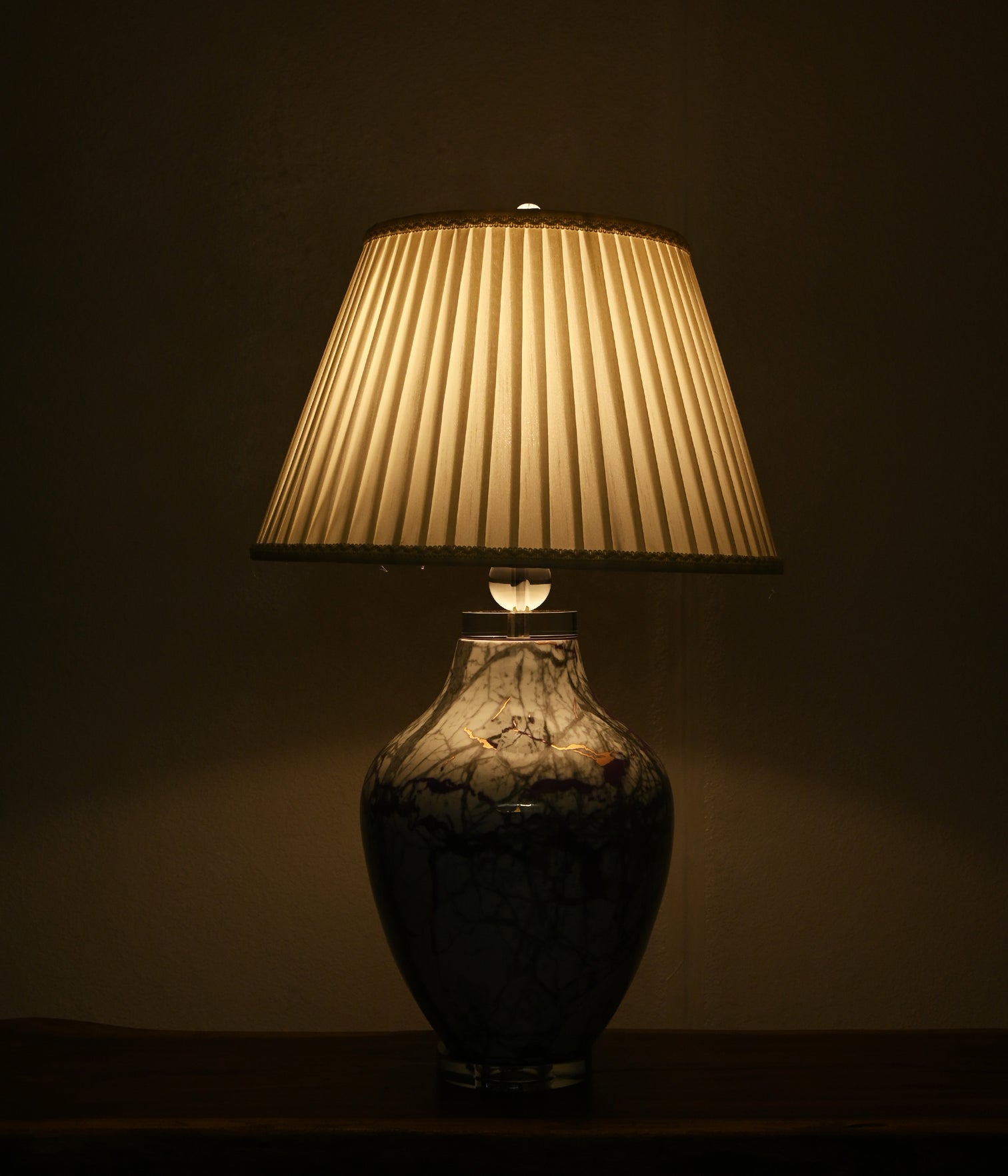


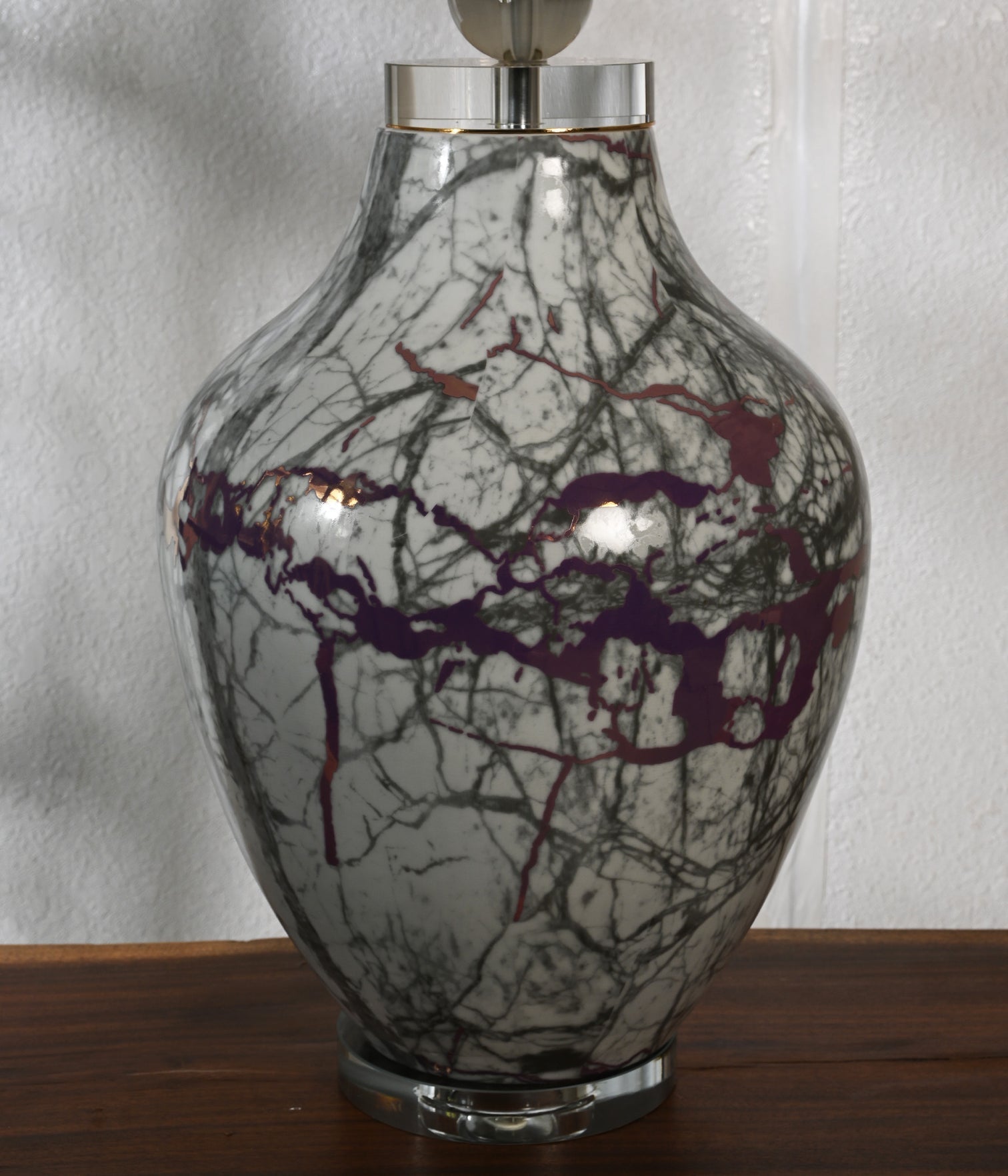


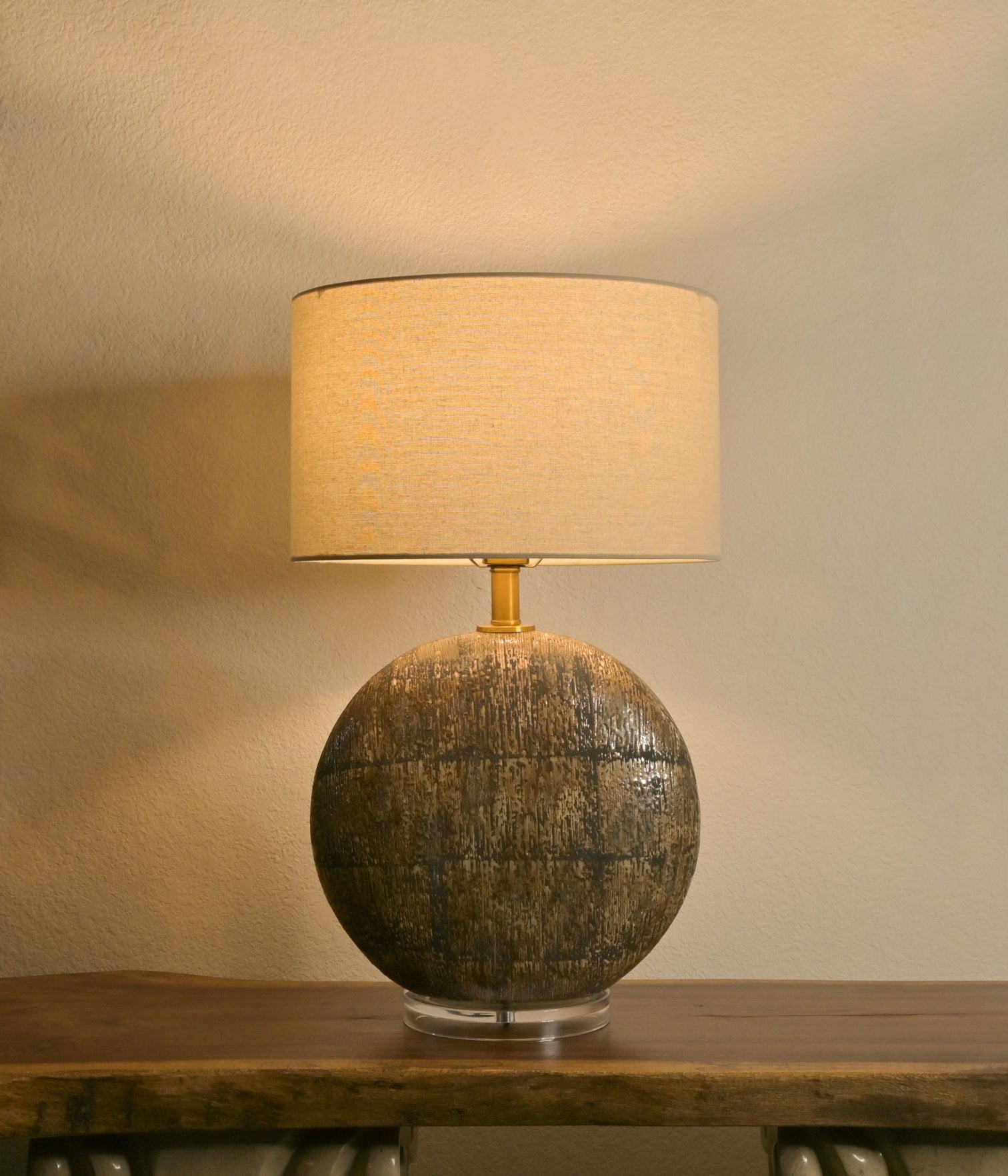
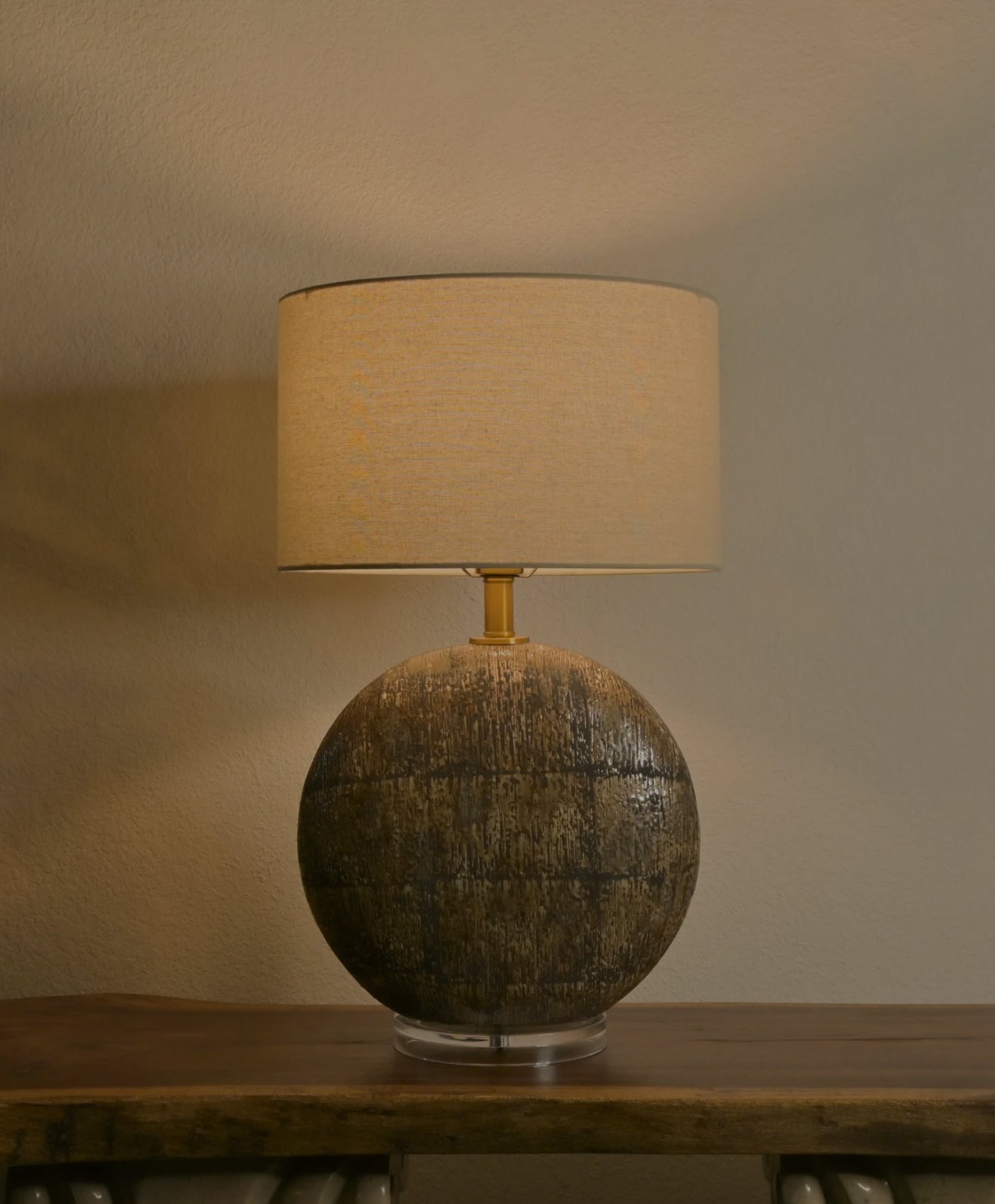
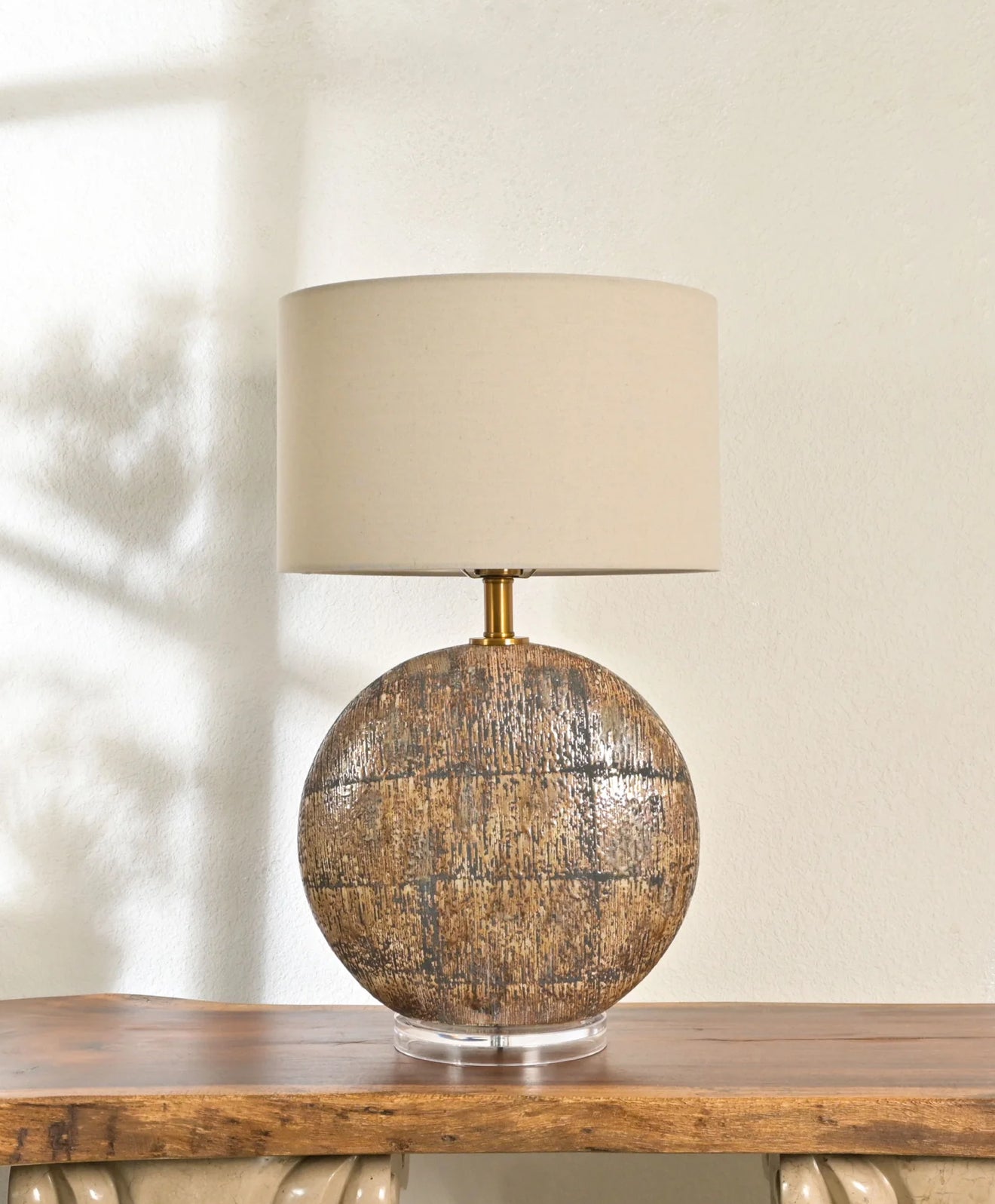
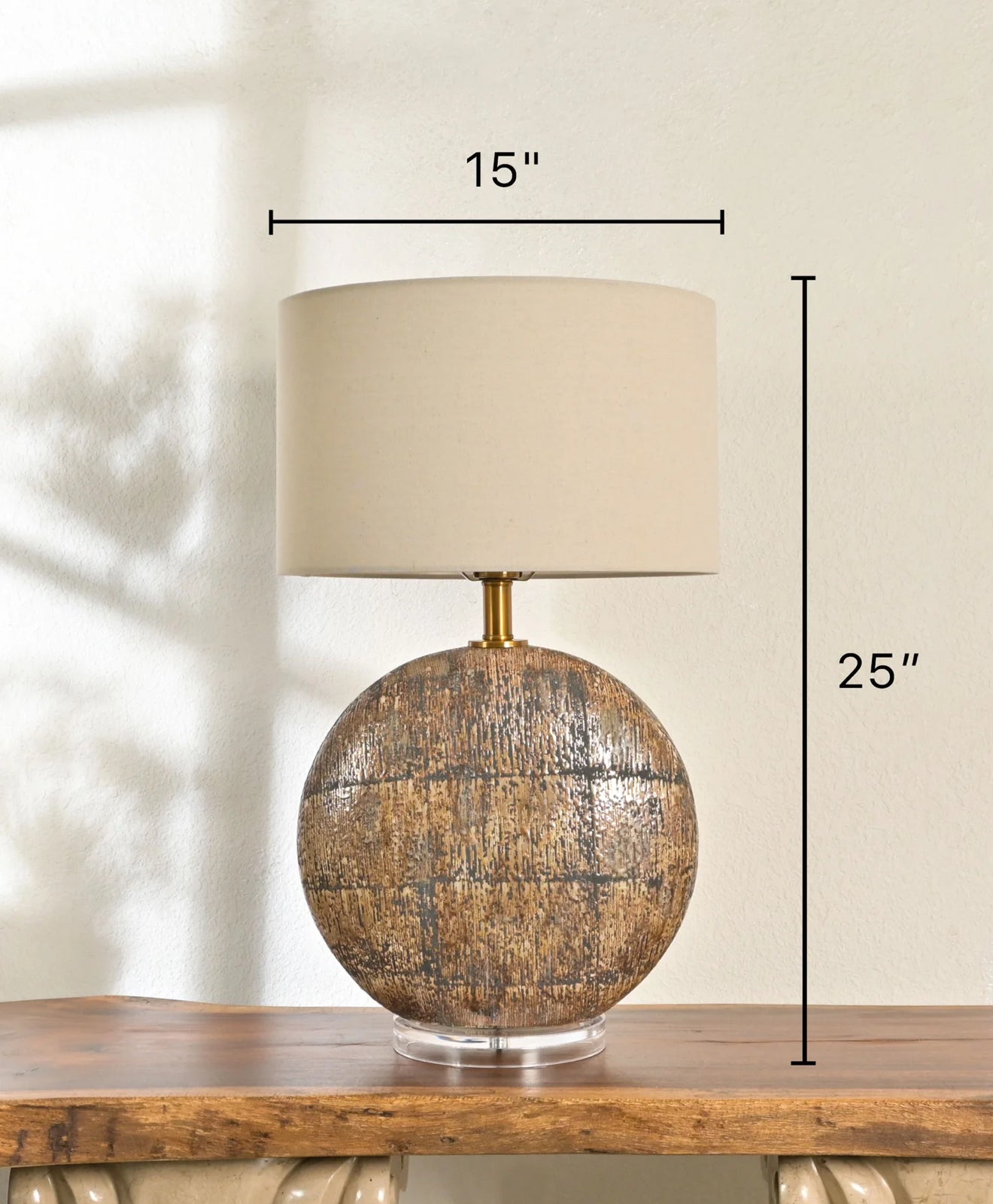
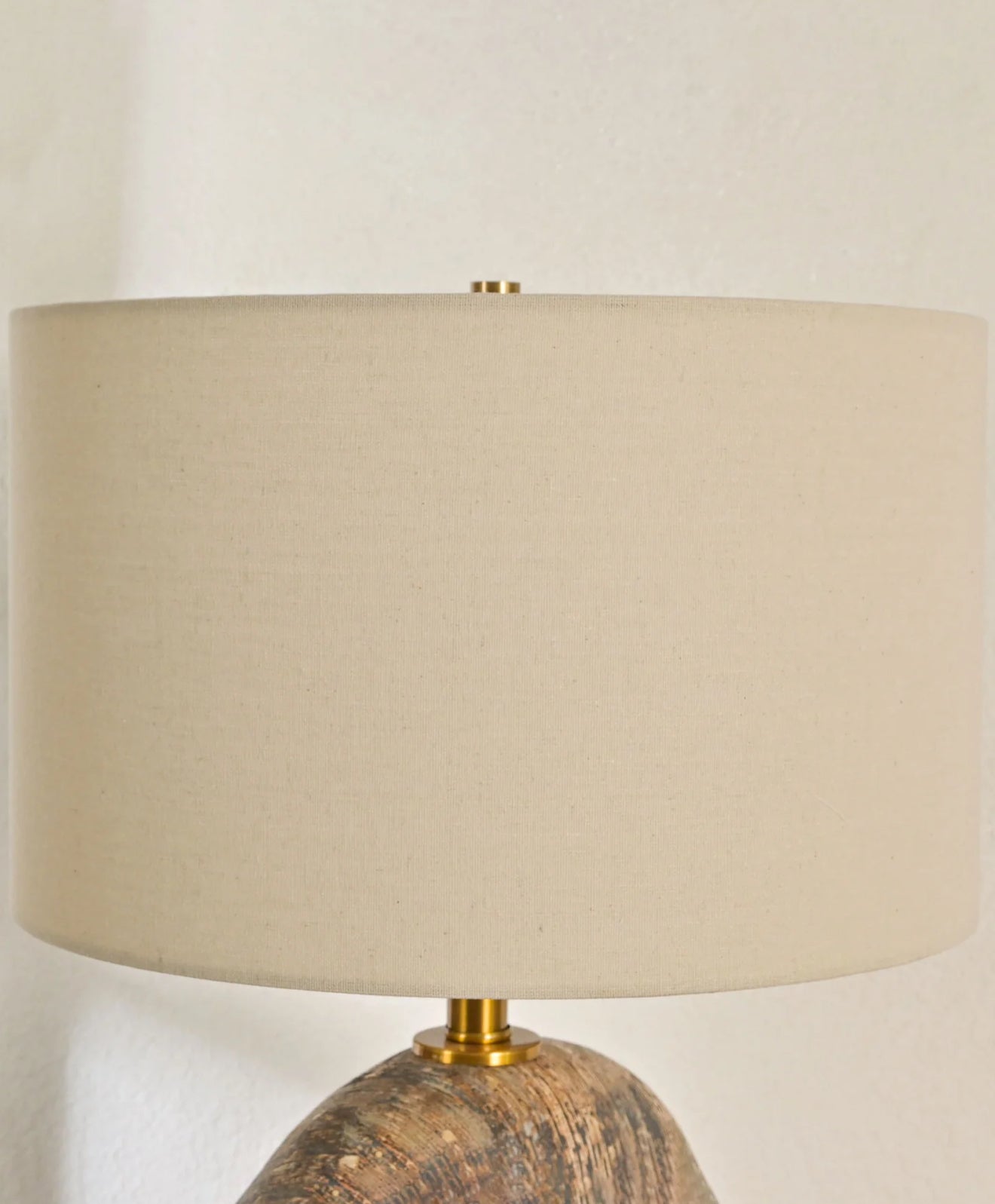
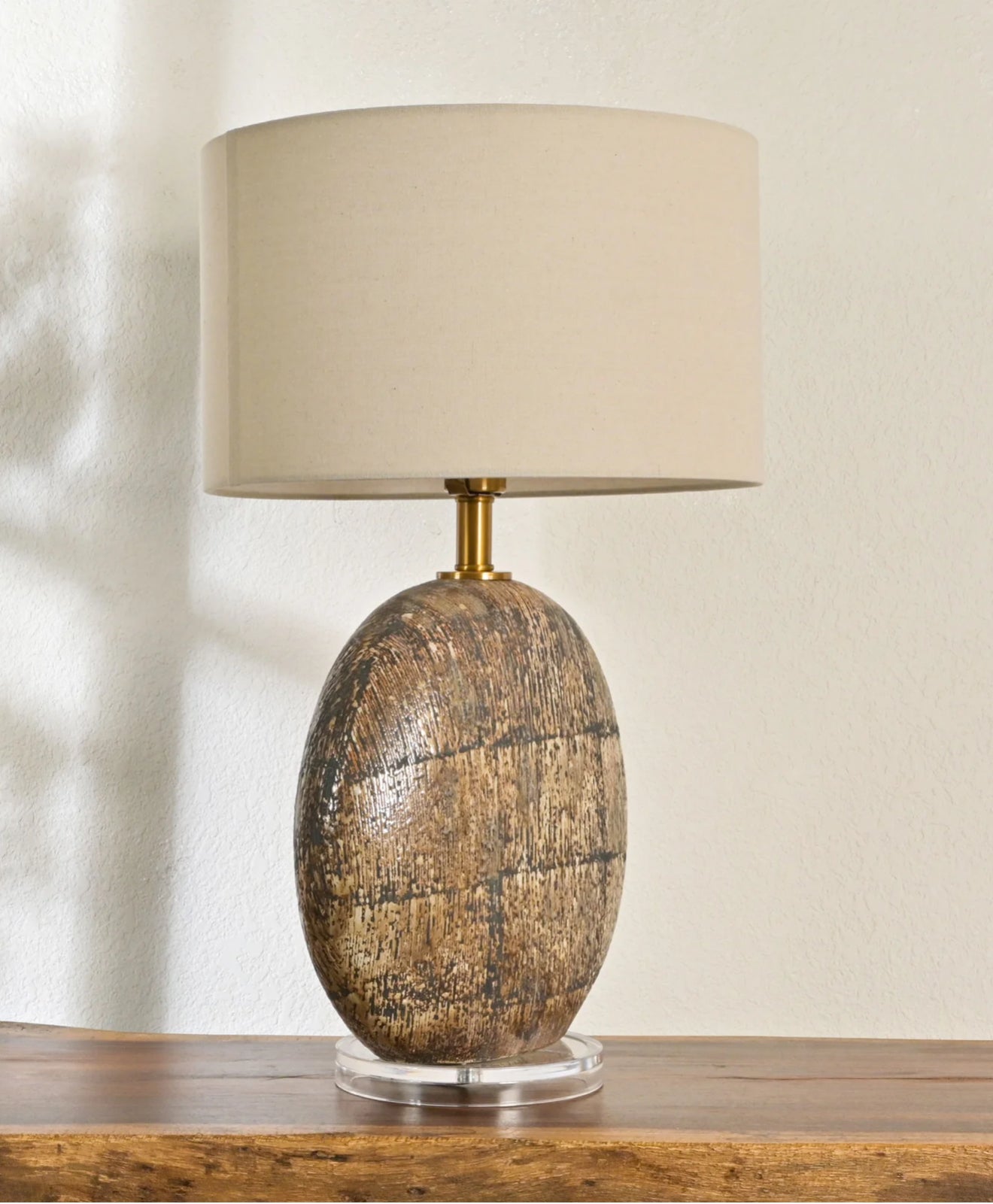




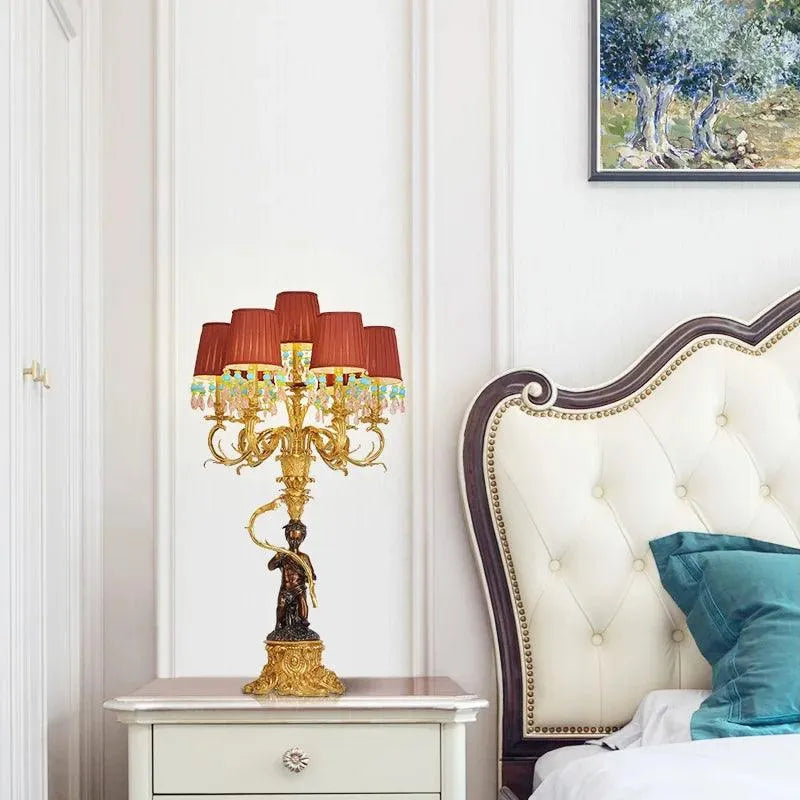


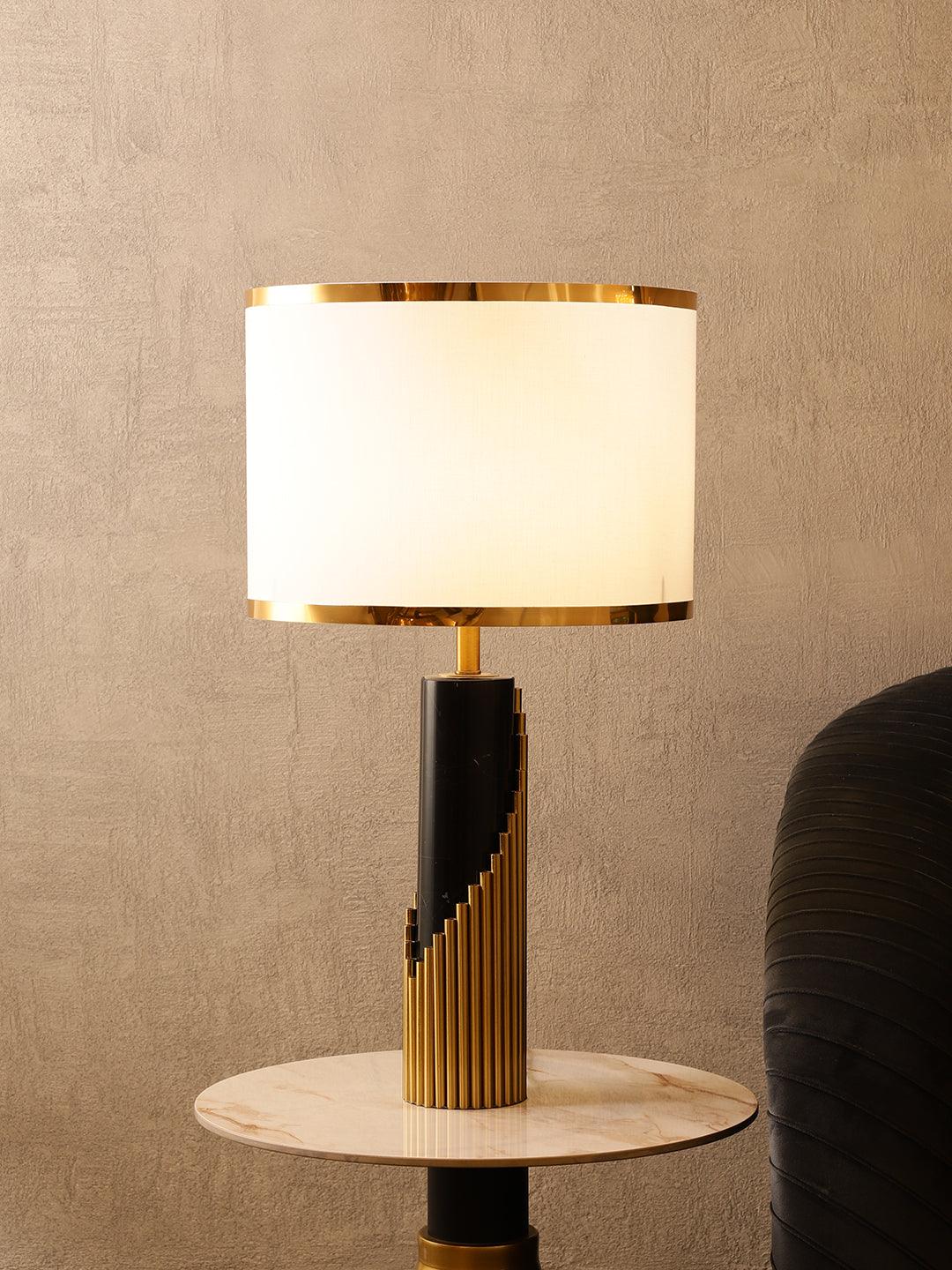
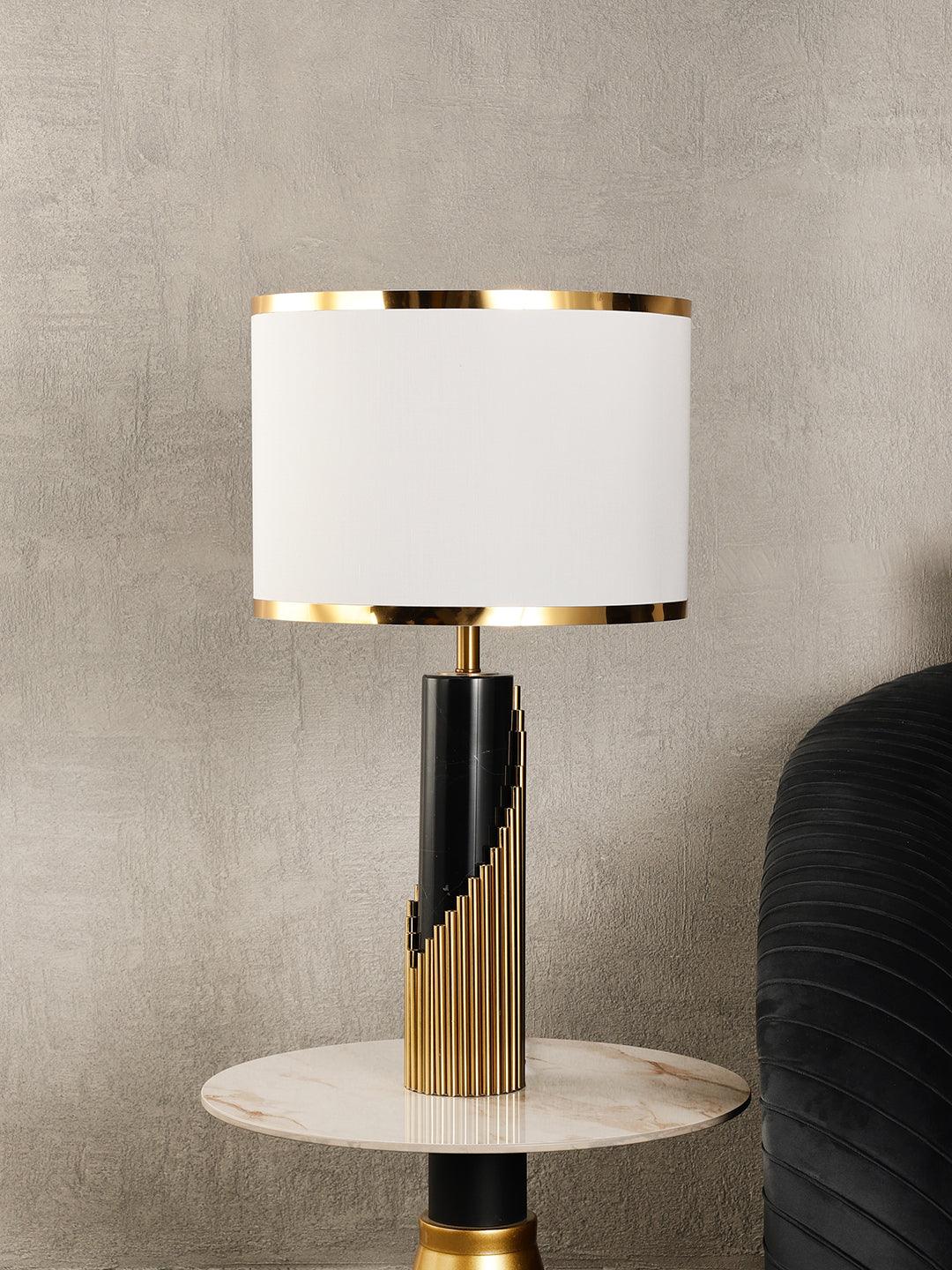
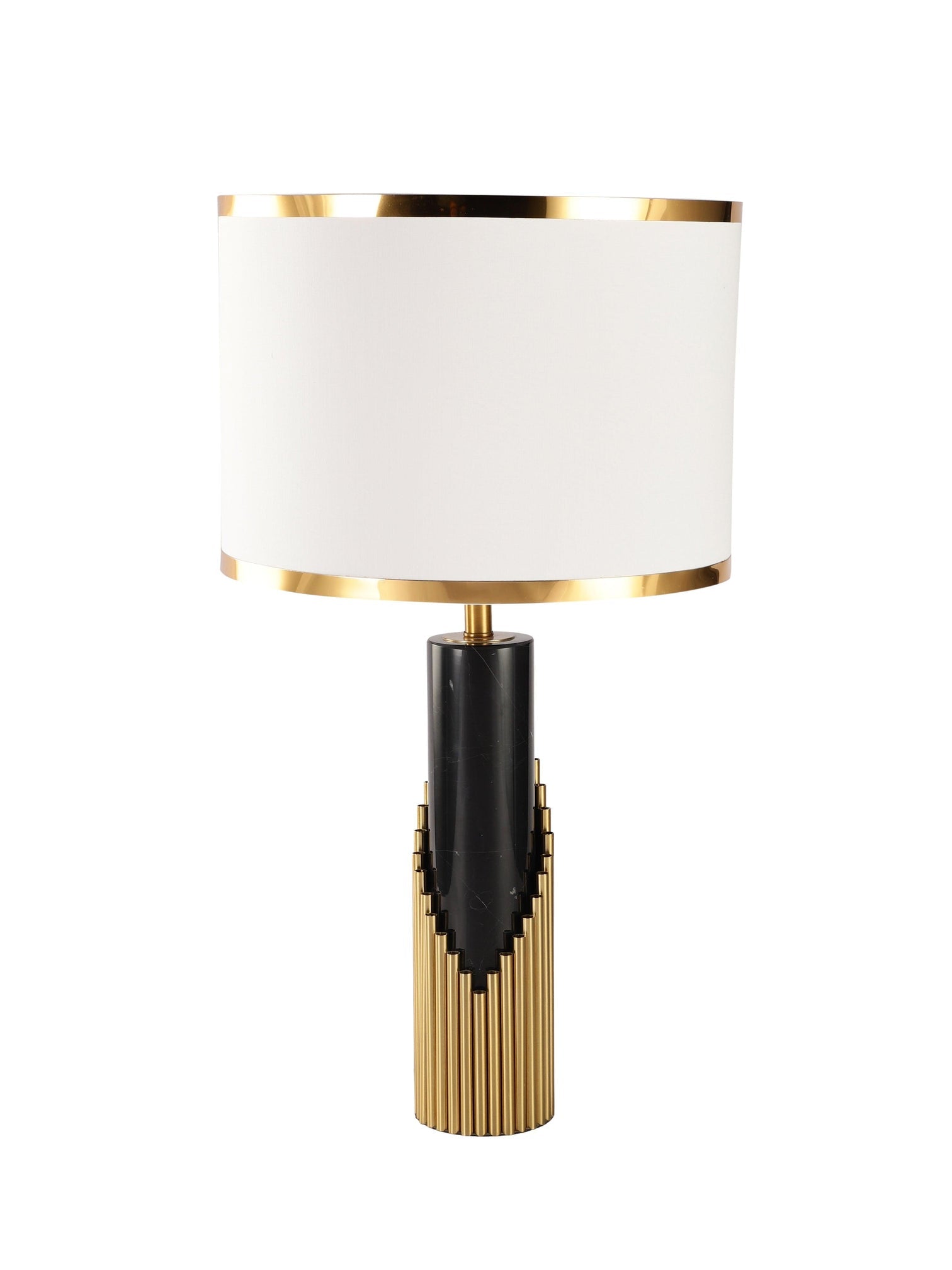
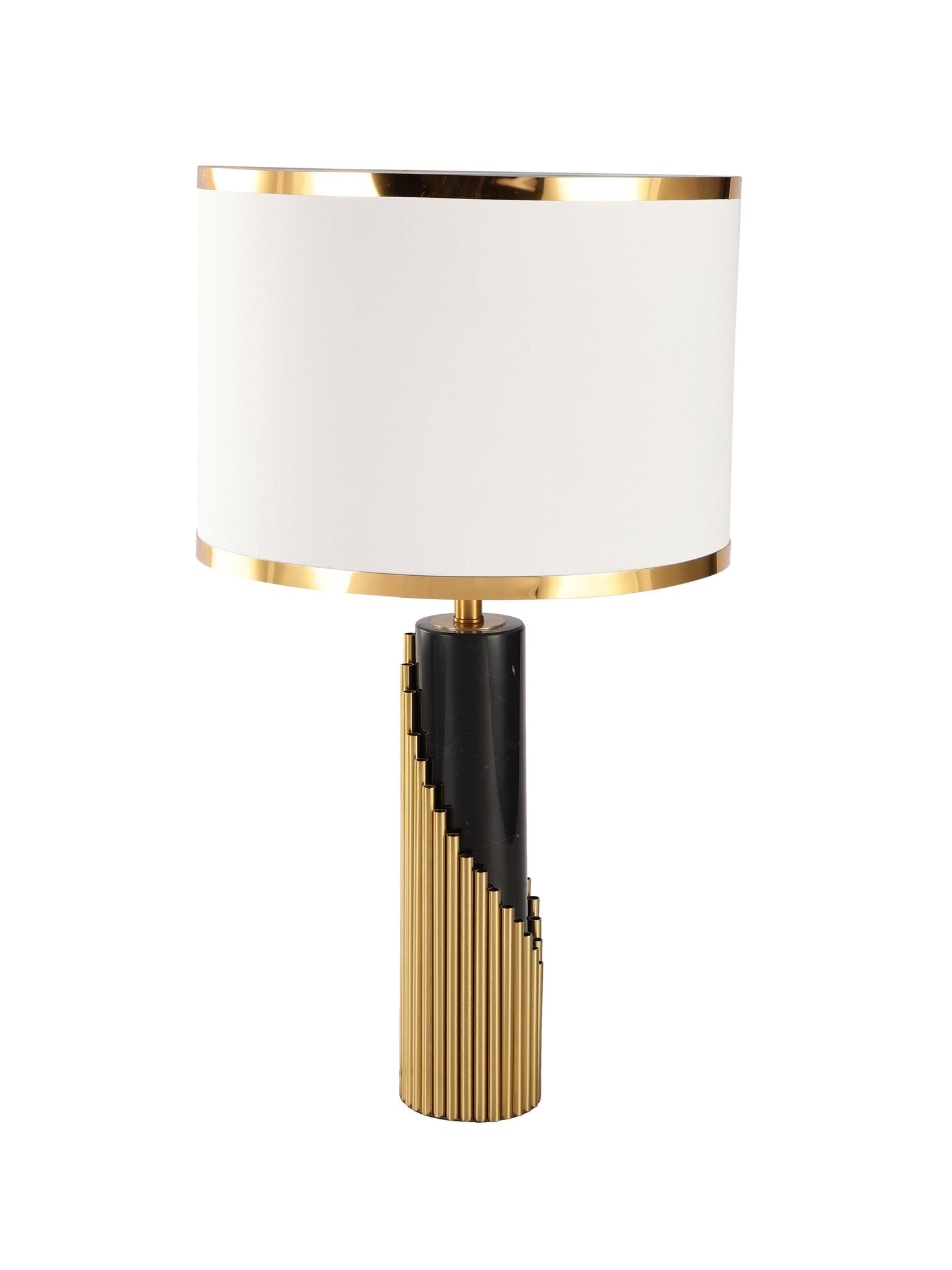


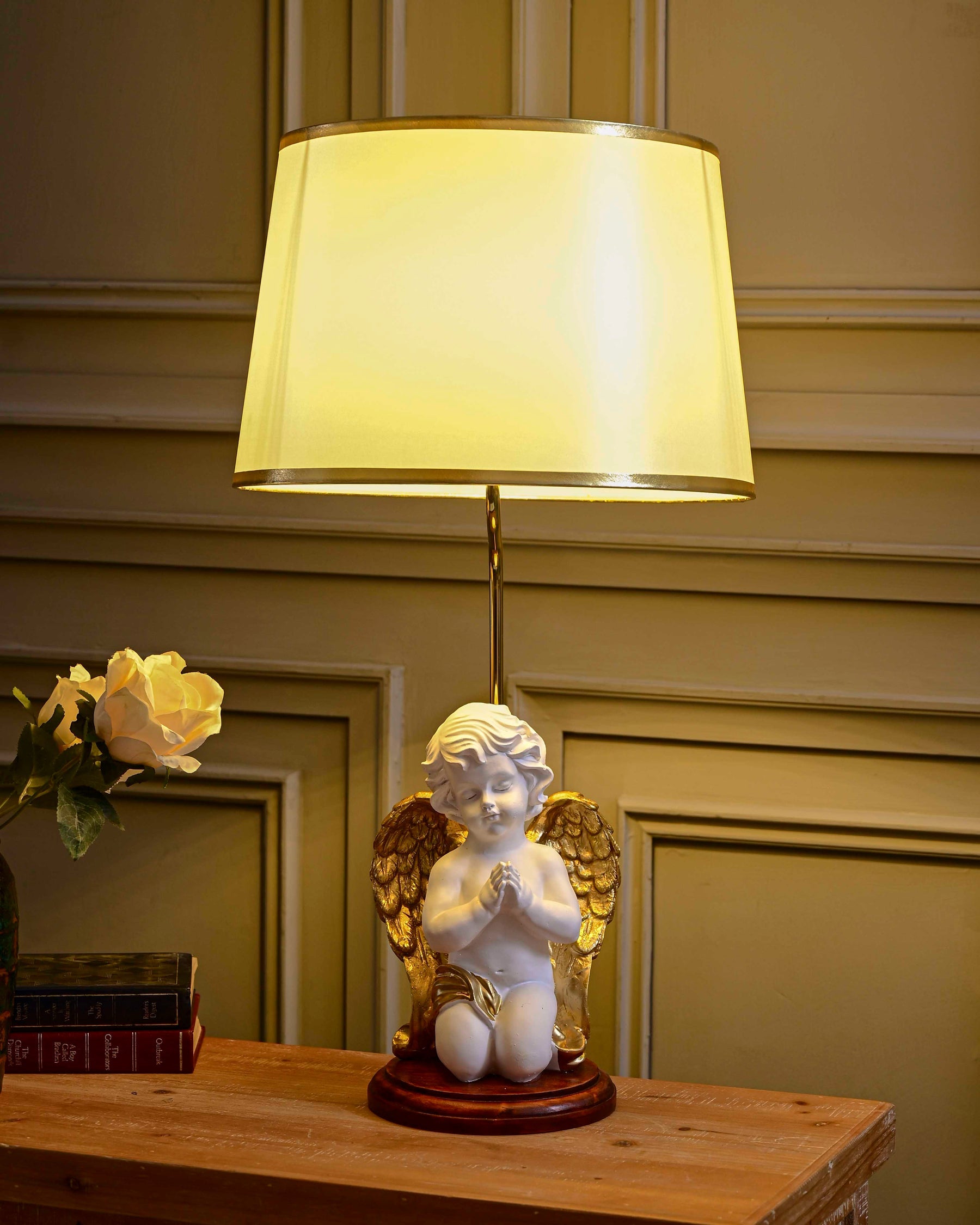


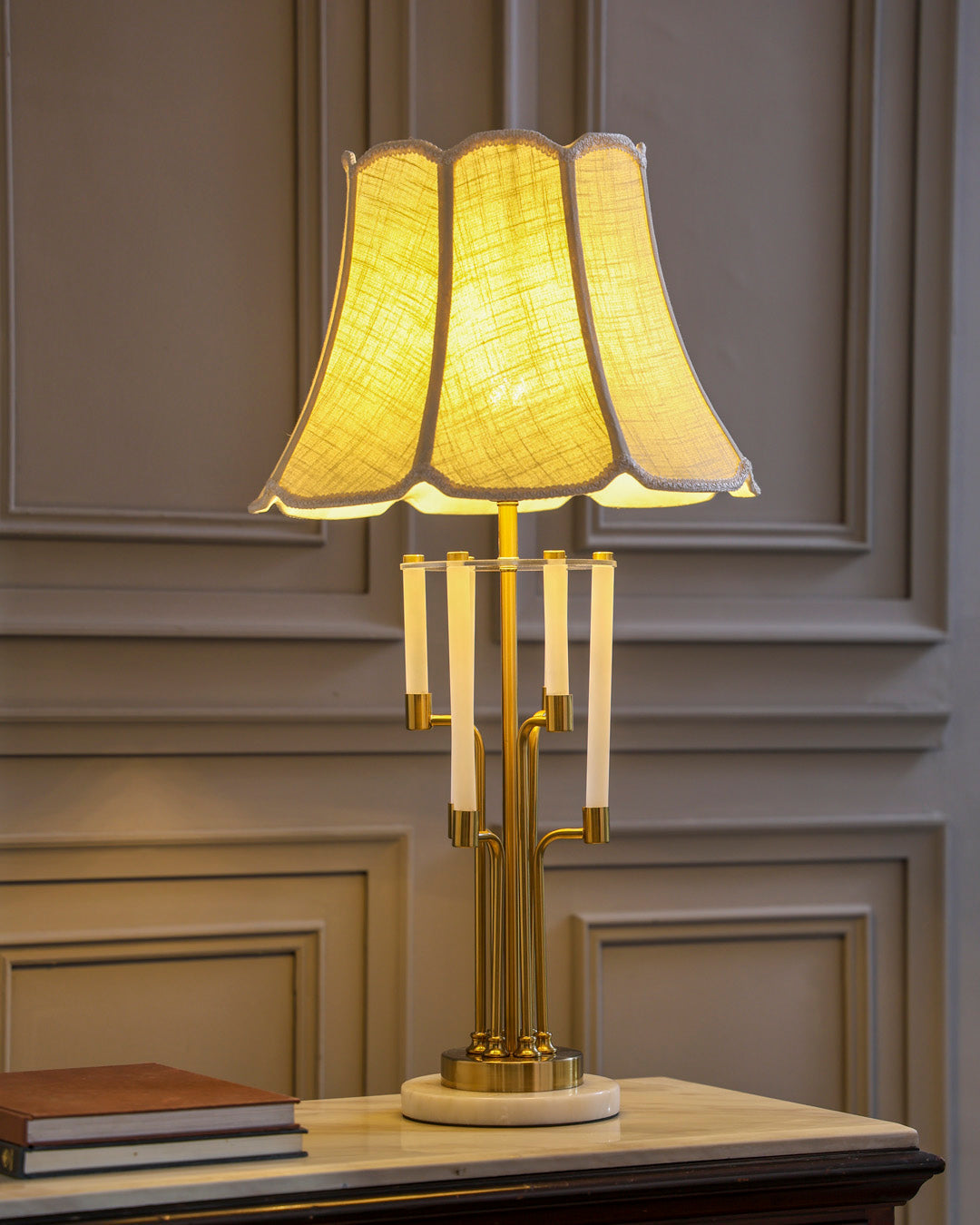
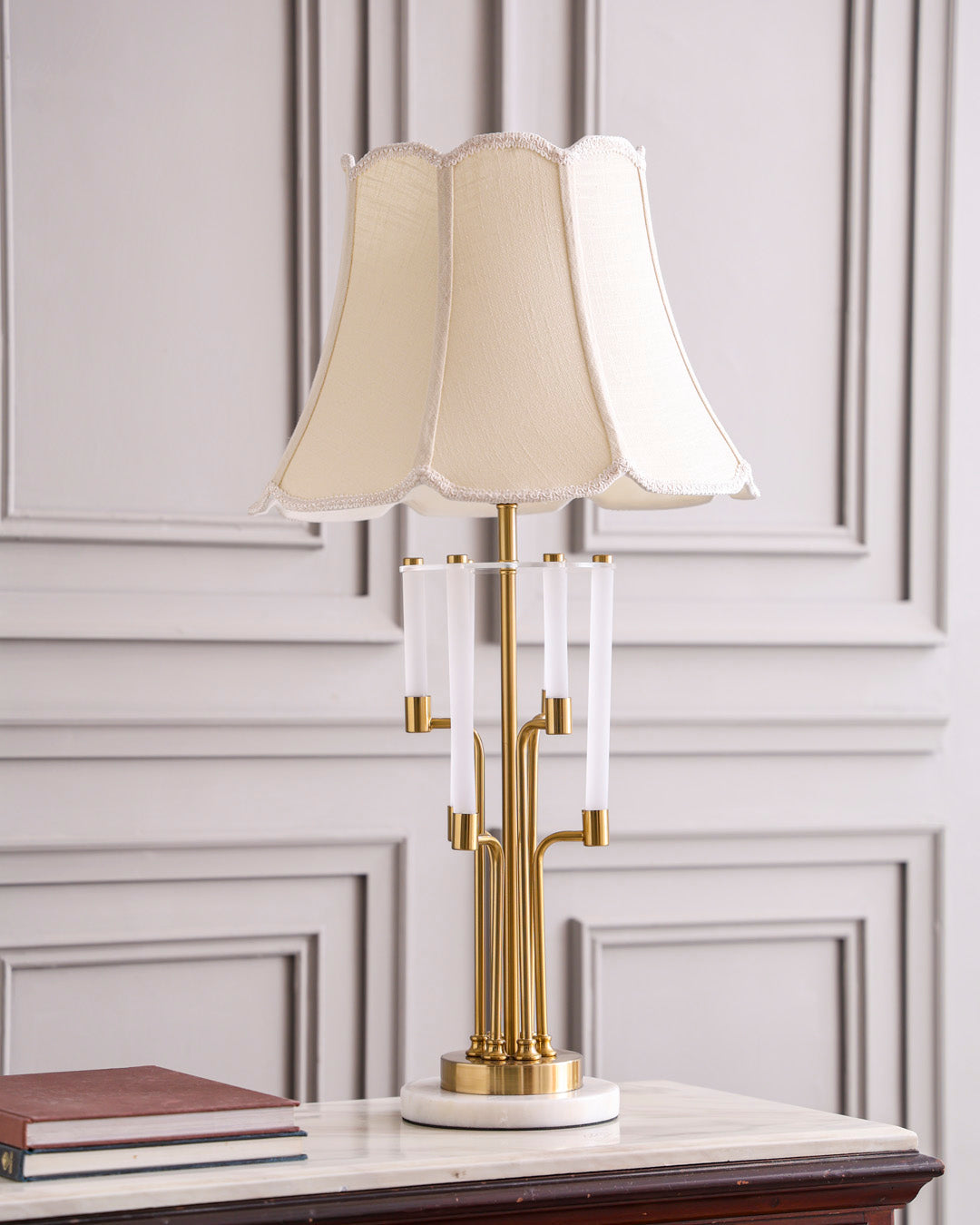
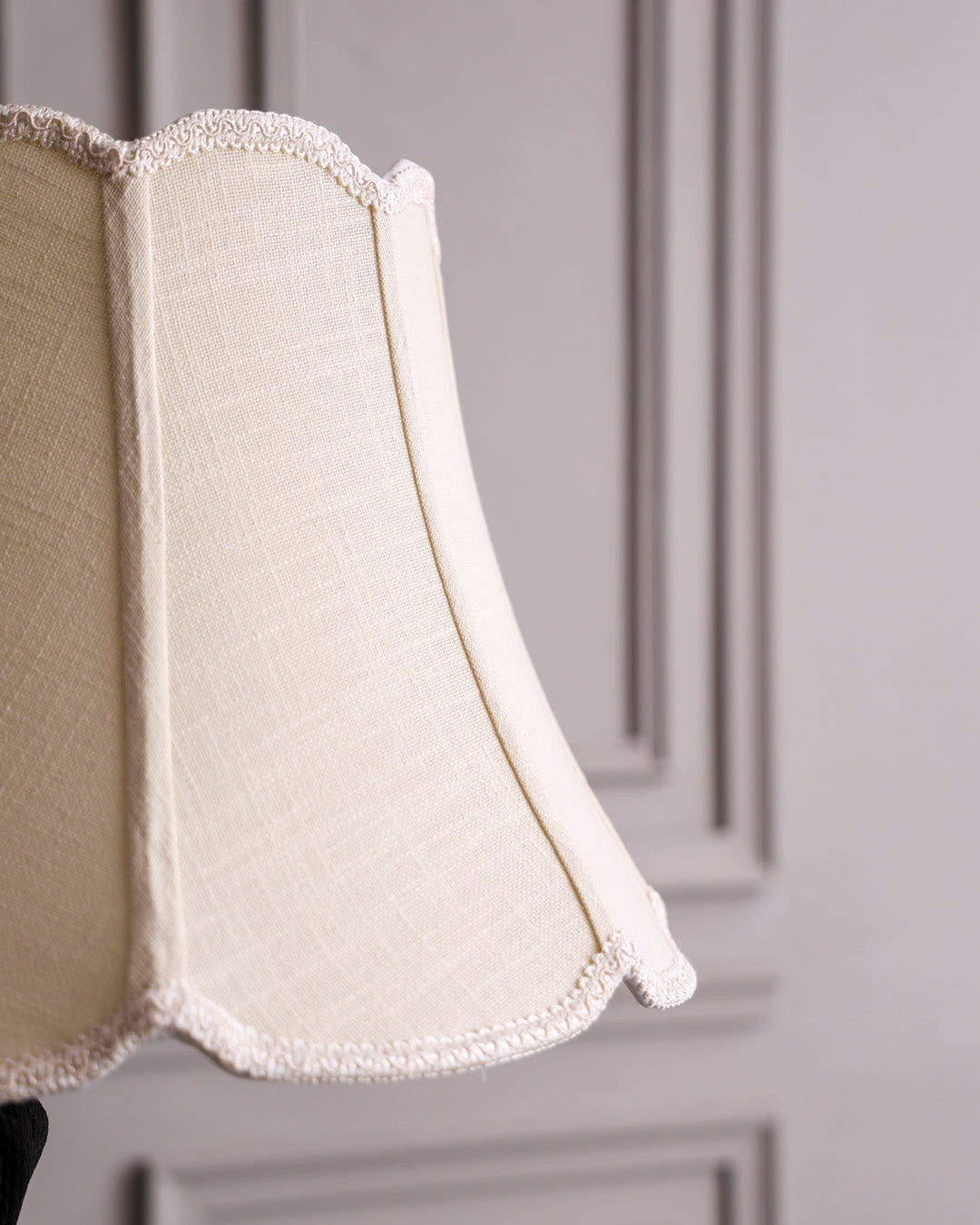
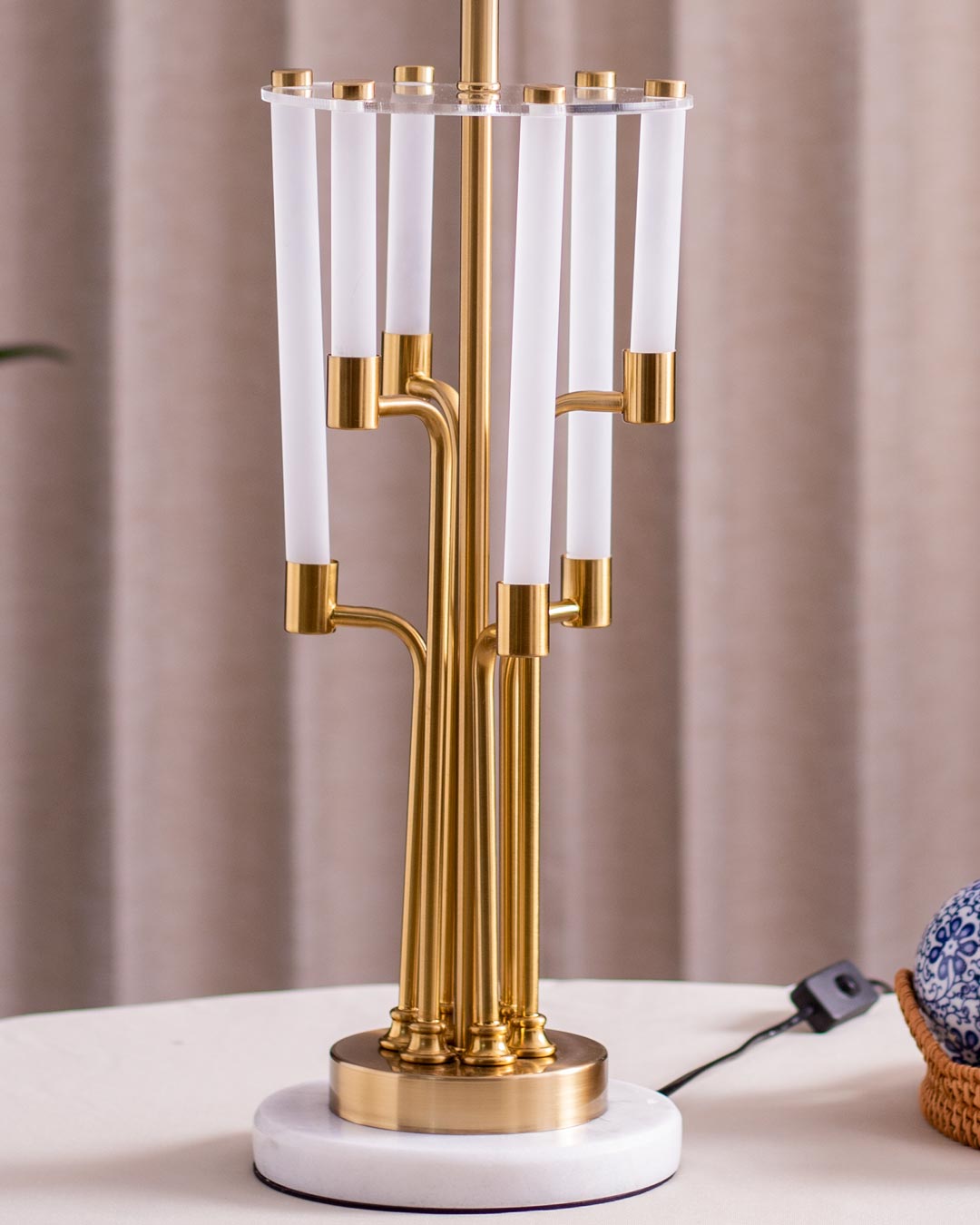
A table lamp fills in where ceiling fixtures fall short, casting a warmer, more localized glow for reading, working at a desk, or dialing back the light in a room once evening sets in. This collection includes ceramic table lamps, modern table lamps, and lamp sets of two for anyone furnishing both sides of a bed.
Whatever the setting, a nightstand lamp, a console in the living room, a desk in a home office, there's a lamp sized and styled for it.
Lamps for Nightstands and Bedrooms
A bedside lamp has to do two things at once: throw enough light to read comfortably and stay gentle enough not to jolt you awake right before sleep. Scale plays a bigger role here than people expect. A lamp towering over a low nightstand looks off, and one too short leaves you squinting at the page.
Buying a matching lamp set tends to look more finished in a primary bedroom, particularly when there's a nightstand flanking each side of the bed. A guest room, or a bed set against a single wall, usually only calls for one.
Ceramic and Modern Table Lamps
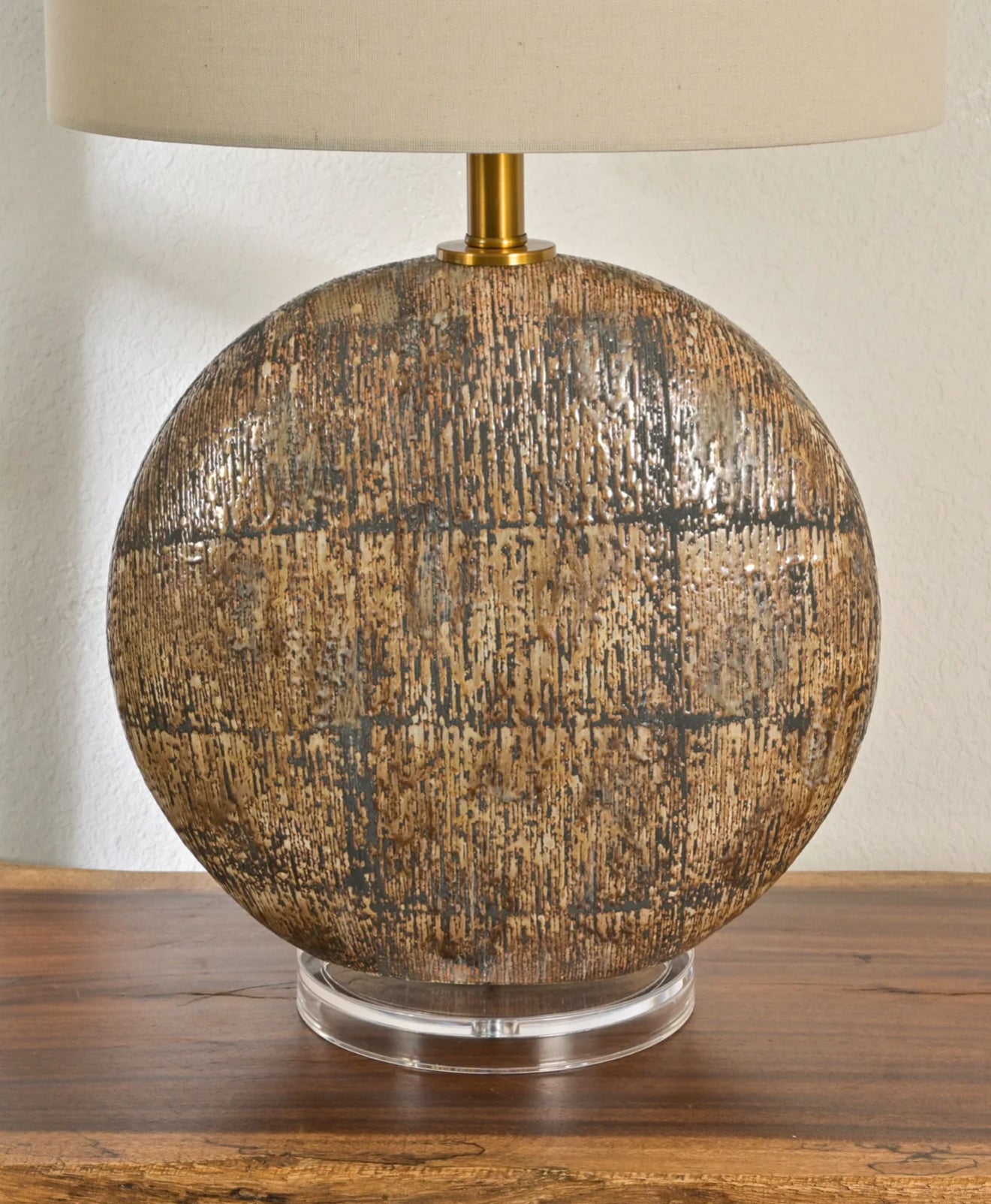
A ceramic table lamp brings in texture and often a handcrafted quality that's hard to get from other materials, which is why they show up often in rooms with a warmer, more traditional feel. Glazes and finishes run the gamut, so it helps to think about how the base's color will read against the tabletop it sits on.
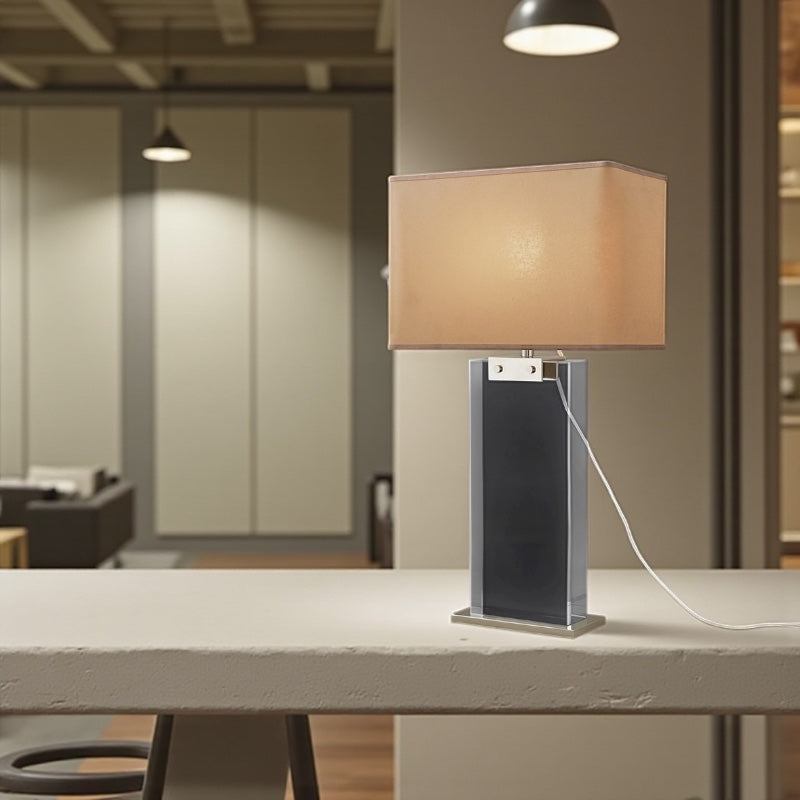
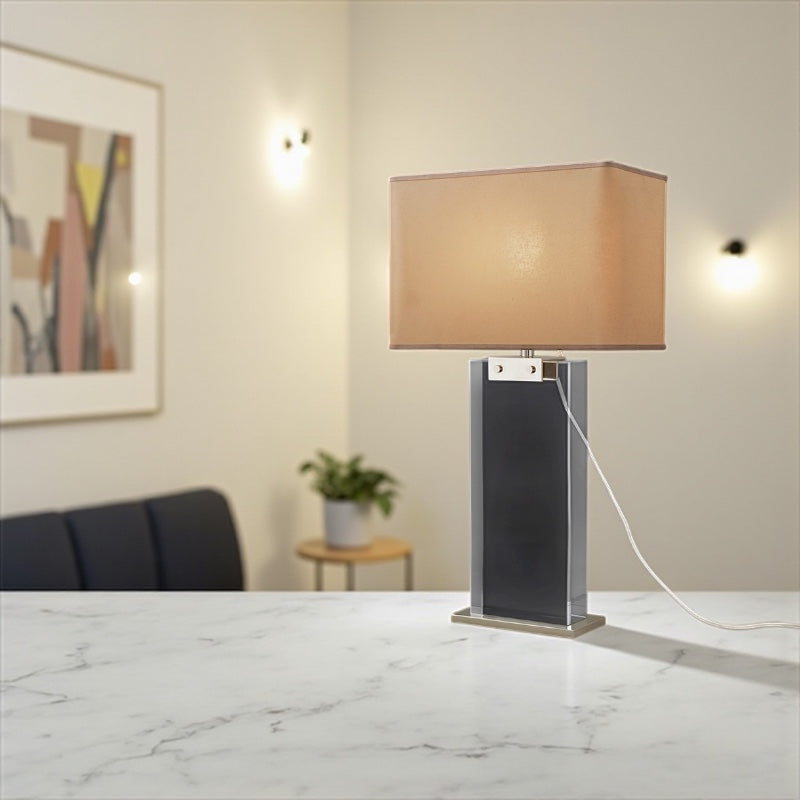
A modern table lamp leans toward pared-back shapes, metal or matte surfaces, and little in the way of decoration. They fit naturally into spaces built around clean-lined furniture, and they hold their own in an office lamp setting or living room where practicality outweighs decorative flourish.
Lighting for Living Rooms and Home Offices
A living room table lamp is rarely used for just one task. It's often the main source of ambient light once overhead fixtures start feeling too bright for evening use. Where it sits on a side table or console matters, too. The lamp should clear the arm of a nearby sofa or chair so the light doesn't hit anyone's eyes at close range.
A desk lamp serves a more practical purpose, chosen for direct light rather than mood. A lamp with an adjustable arm or shade gives you greater control over where the light falls, which is particularly helpful for desk work.
Choosing the Right Table Lamp
Begin with what the lamp is actually for. Bedside lighting needs to support reading without overdoing it, while a living room lamp usually needs to soften the whole space rather than spotlight one spot.
Proportion matters wherever the lamp ends up. As a rough guide, the shade's bottom edge should land near eye level for anyone seated close by, which keeps the bulb itself out of view.
Decide early on whether the space calls for a single lamp or a pair of lamps. Nightstands and consoles often look better matched, while a single side table or desk rarely needs more than one.
Round it out by tying the lamp's material and finish to the rest of the room. Sticking close to existing furniture and fixtures pulls the space together, while a lamp with more contrast can stand on its own as an accent.
FAQ
How tall should a bedside lamp be?
As a rough guide, the bottom of the shade should sit close to eye level when you're seated in bed, though the exact height depends on how tall the nightstand itself is.
Should bedroom lamps be bought as a pair?
It depends on the setup. A primary bedroom with nightstands on either side of the bed generally looks more balanced with two matching lamps, while a guest room or a bed pushed against a wall usually only needs one.
What sets a ceramic lamp apart from a modern one?
A ceramic lamp typically has a textured, handcrafted look suited to warmer or more traditional interiors, while a modern lamp favors simple forms and metal or matte finishes for a cleaner look.
Can a table lamp work as a desk lamp?
Yes, particularly one with an adjustable arm or shade, since that lets you direct light where it's needed for close work, something overhead lighting alone often can't manage.
Is a table lamp enough to light a whole living room?
On its own, usually not, but a few placed around the room can layer together to create the kind of soft, ambient light that makes a living room feel warmer in the evening.
